29 Historic Recipes Rationing Forced Families to Abandon
Wartime rationing disrupted culinary traditions developed over generations, forcing families to abandon recipes requiring ingredients rendered scarce or illegal to hoard. Butter, sugar, meat, and eggs—staples of familiar cooking—disappeared from markets, making family recipes impossible to execute.
Families improvised substitutions and invented new dishes from rationed materials, effectively creating new culinary traditions while older ones went dormant. When rationing ended, some families never returned to pre-war recipes, having either lost the ingredients’ availability or simply become accustomed to rationing-era substitutes.
These recipes represent not merely food preparation but embedded cultural practices and family identity. That wartime scarcity forced their abandonment demonstrates how completely total war disrupted civilian life.
The recipes themselves survived in written collections and family memory, but the practice of cooking them vanished, sometimes permanently, as availability and preference both changed.
Rich Butter-Based Pastries (Sugar Rationing)
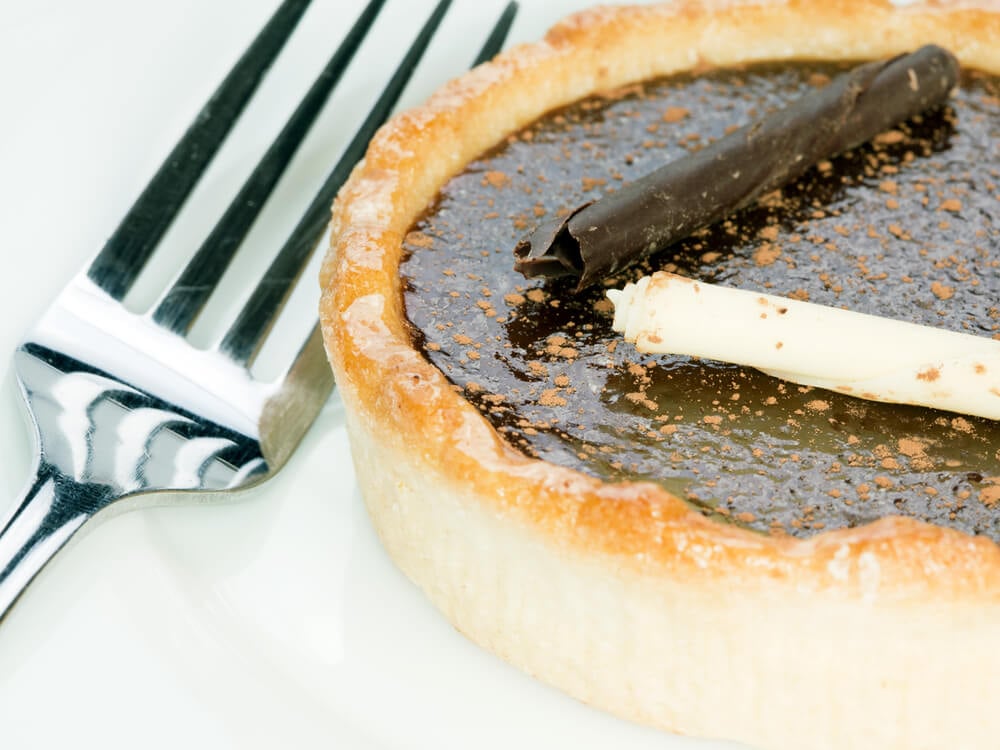
Elaborate French pastries requiring substantial butter and sugar became impossible to produce during rationing. The doughs, creams, and fillings that defined these pastries required ration allocations that most families could not spare.
Some pastry traditions never resumed after rationing ended.
Meat Pies With Generous Meat Content
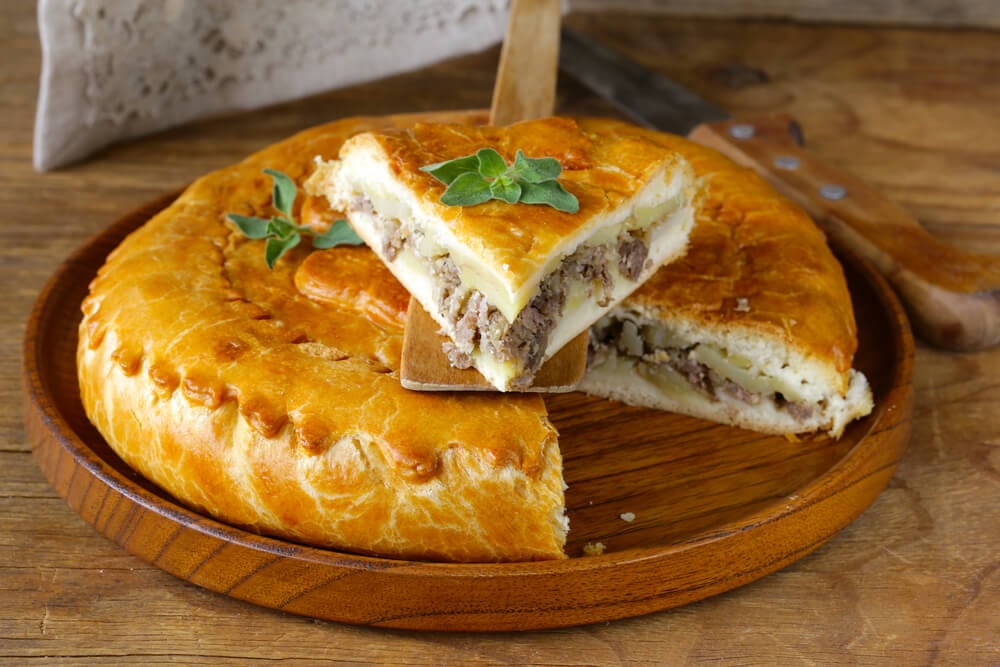
Traditional meat pies calling for several pounds of beef or pork became impossible during rationing when meat allocations were minimal. Families created wartime versions using vegetables and minimal meat; the original recipes were abandoned for years.
Custard-Based Desserts Requiring Multiple Eggs
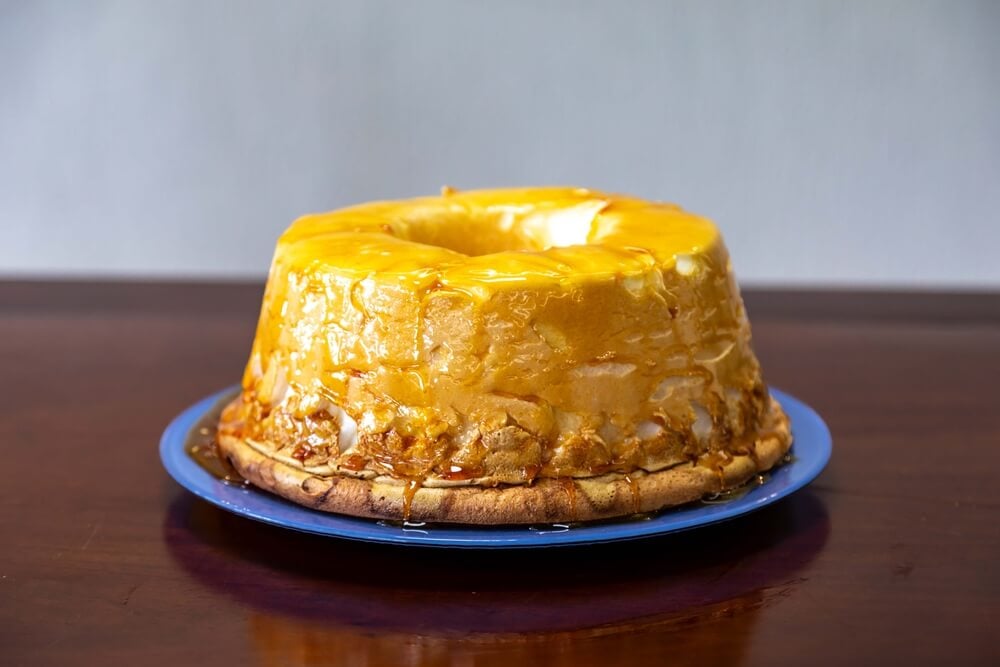
Custards, syllabubs, and egg-based desserts disappeared during wartime egg rationing. The recipes required more eggs than wartime allocations permitted, forcing families to use entirely different dessert bases.
Cream Sauces and Cream-Based Soups
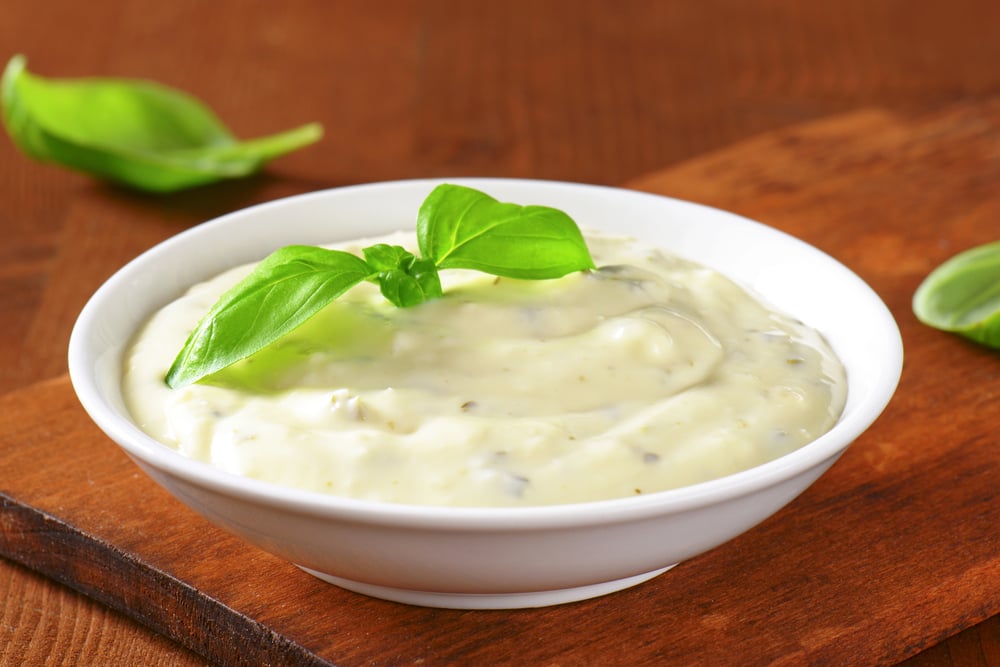
Traditional cream sauces requiring substantial dairy became impossible during wartime milk rationing. Families switched to oil-based alternatives and water-thinned preparations that bore little resemblance to original recipes.
Sugar-Heavy Jam and Preserve Recipes
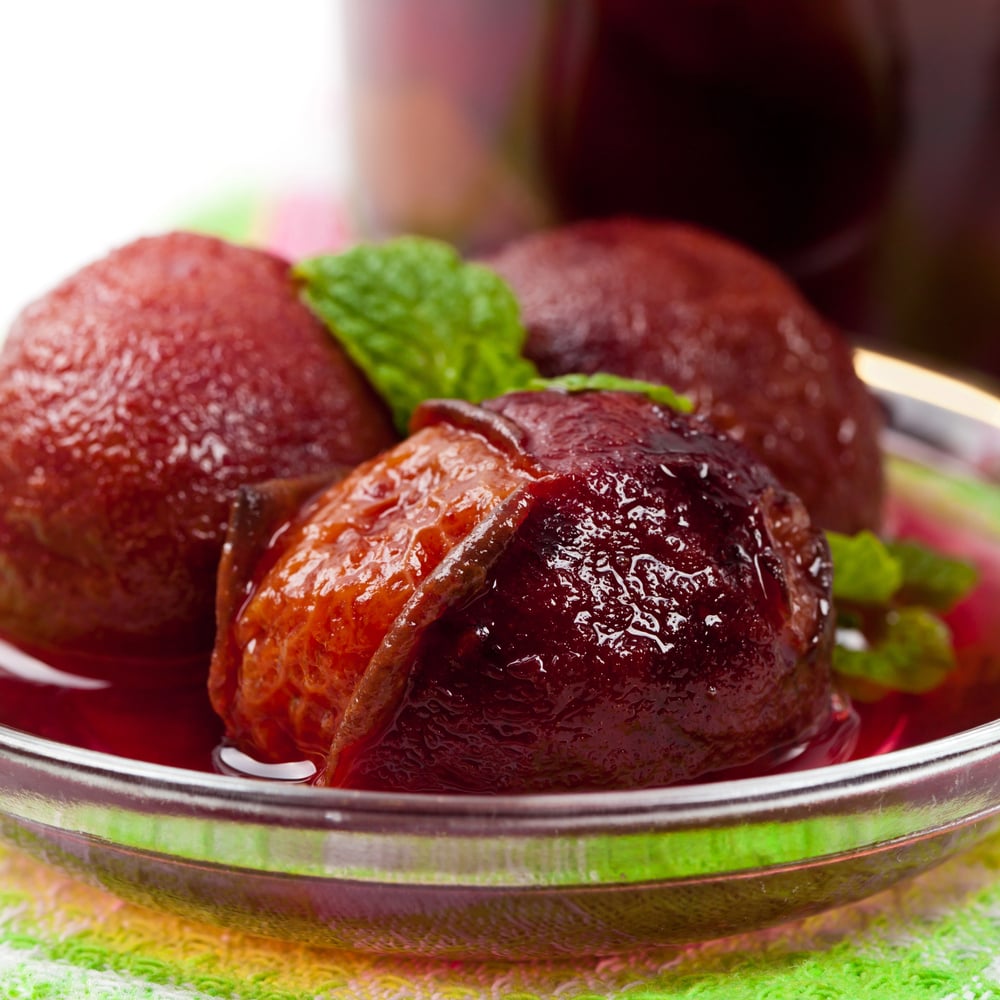
Making preserves required amounts of sugar that wartime allocations did not permit. Families either used artificial sweeteners or stopped making preserves, disrupting traditions of home canning.
Rich Beef Stocks and Bone Broths
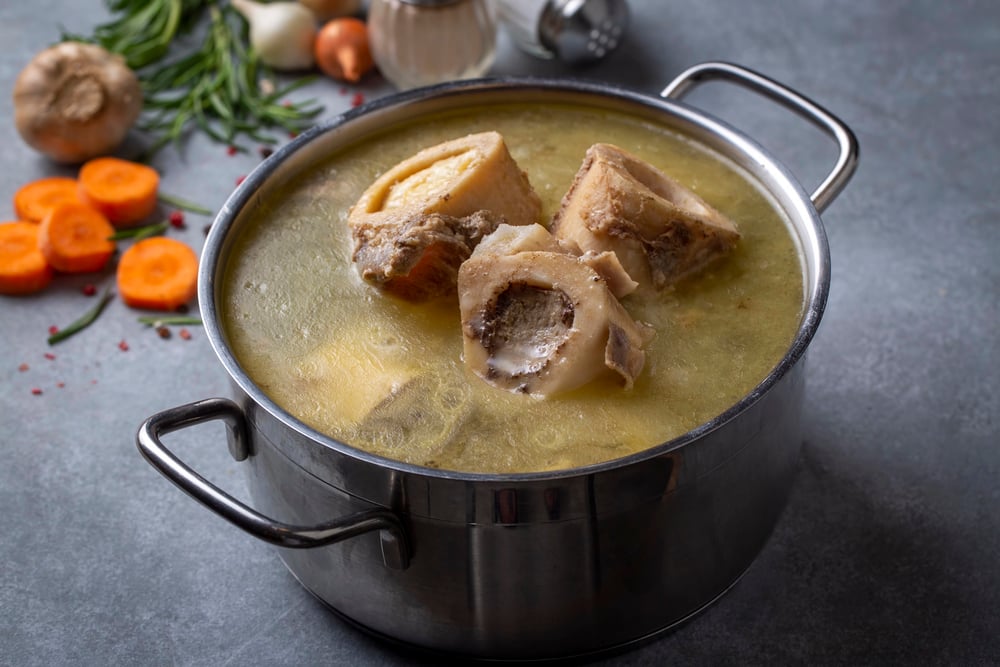
Bone broth requiring extended simmering of substantial meat quantities became impractical when meat was severely rationed. Families switched to vegetable-based stocks or liquid extracted from meat substitute products.
Cocoa-Based Desserts and Chocolate Confections
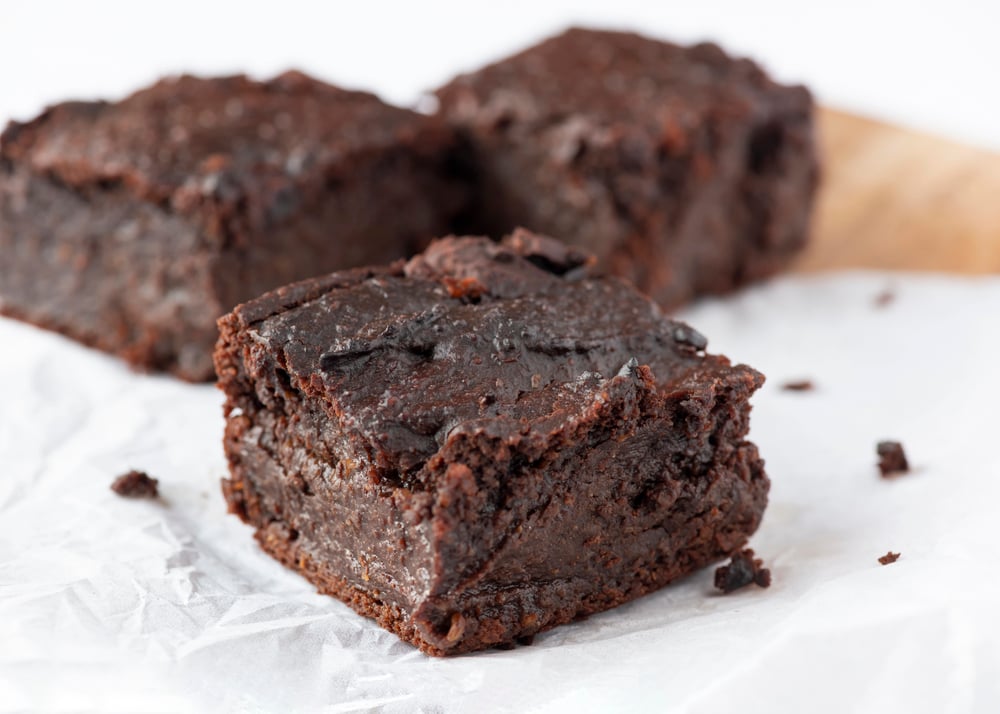
Cocoa rationing eliminated many chocolate desserts from family cooking. Some chocolate traditions never resumed after rationing ended, as production never fully returned to pre-war levels.
Yeast-Based Bread Requiring Substantial Butter
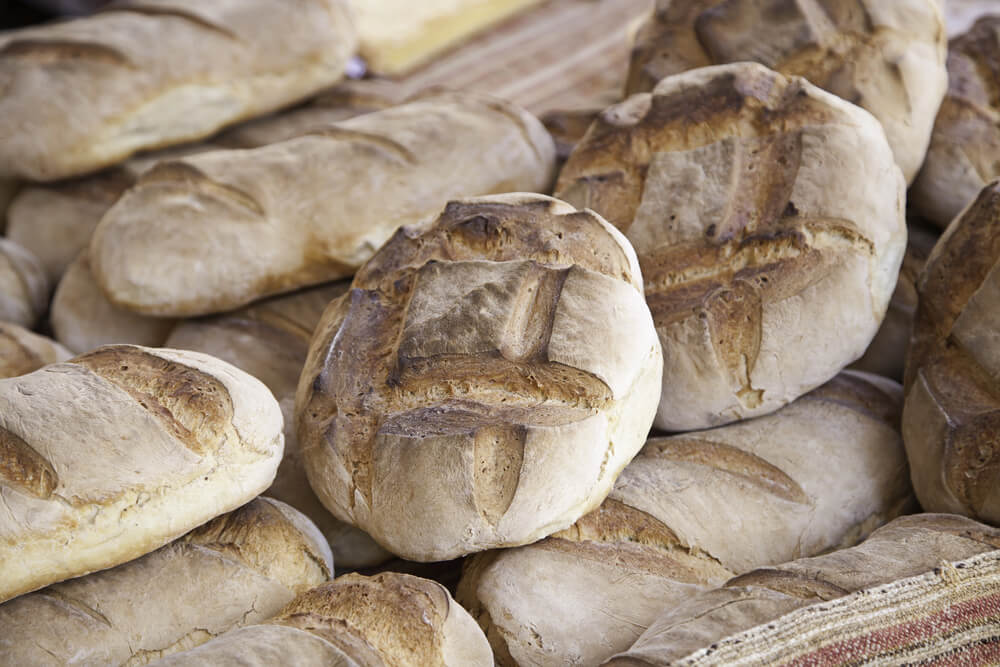
Traditional enriched breads requiring butter for texture and flavor became impossible during dairy rationing. Wartime breads using oil substitutes became standard, sometimes permanently.
Whipped Cream Toppings and Sauces
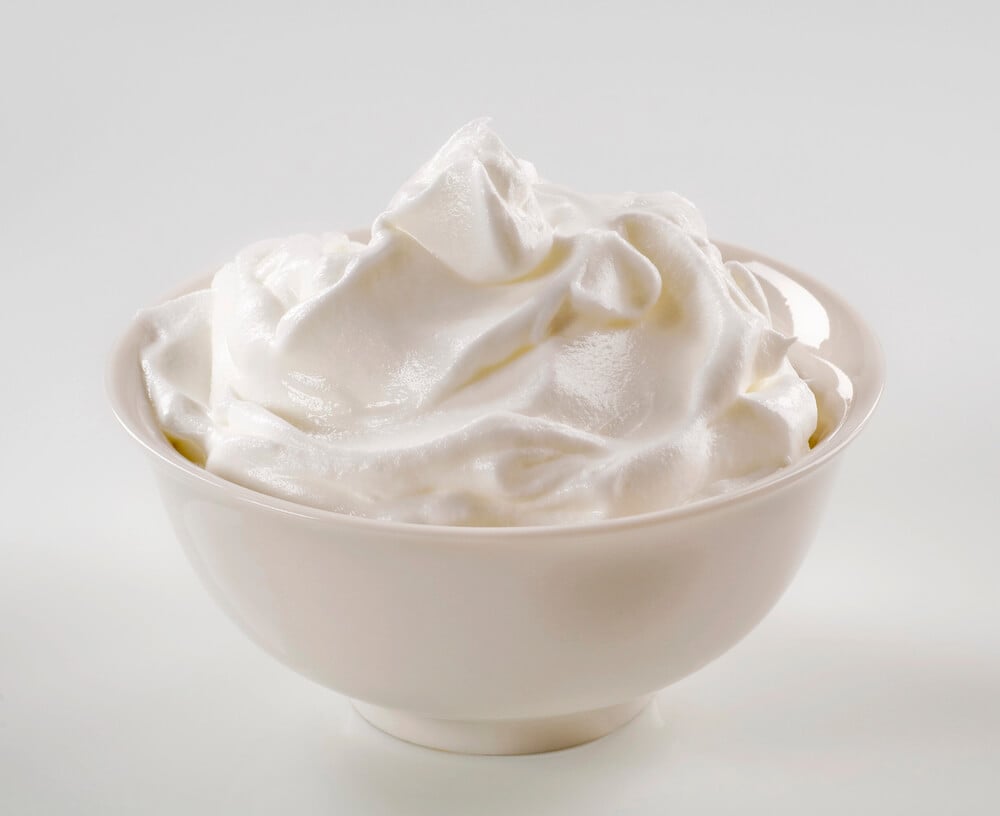
Cream for whipping vanished entirely during rationing. Families invented meringue toppings and rationed-cream alternatives that never matched the original preparations.
Angel Food Cakes Requiring Multiple Eggs
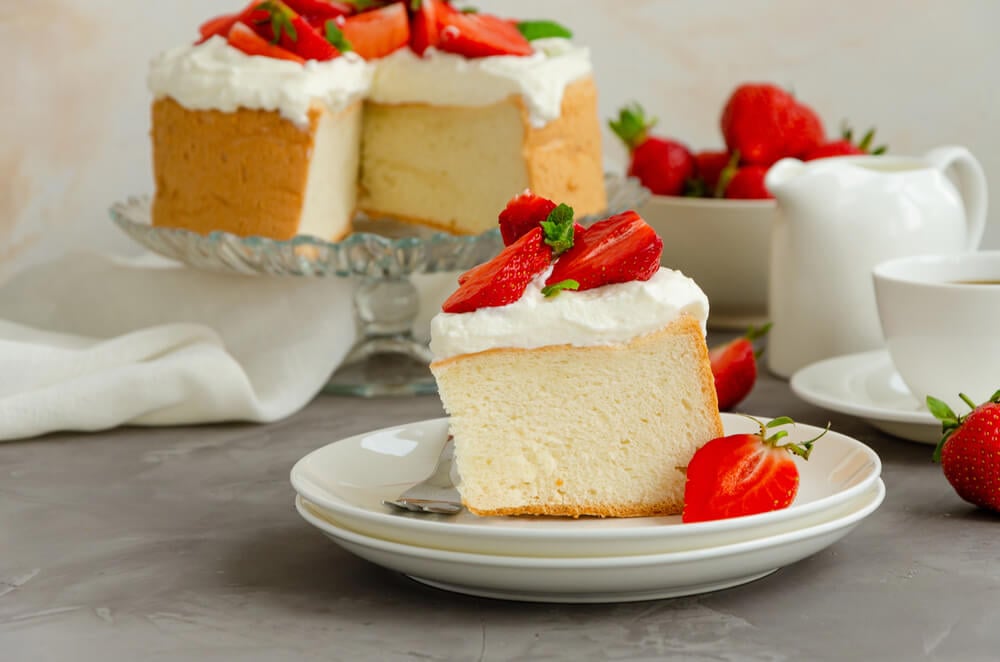
Light, airy angel cakes requiring a dozen or more eggs became impossible during egg rationing. Families adapted by creating dense cakes using fewer eggs, fundamentally different texture and preparation.
Coffee Cake and Sweet Bread Recipes
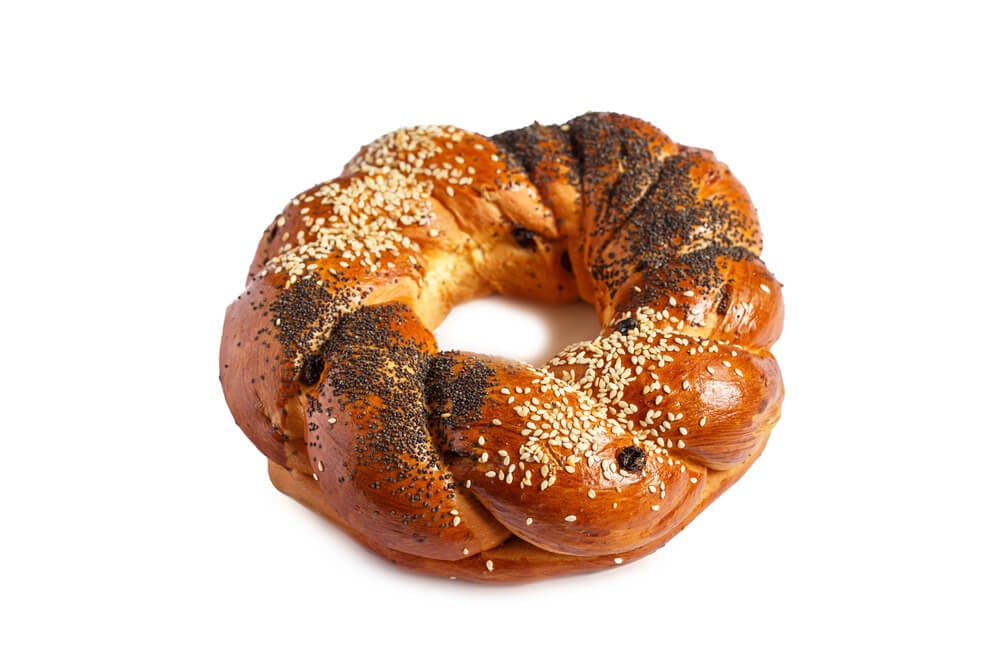
Sweet breads enriched with butter, sugar, and often fruit became impossible when multiple ingredients were rationed simultaneously. Families created plain wartime breads that bore little resemblance to traditional sweet versions.
Meat Aspic and Savory Jellies
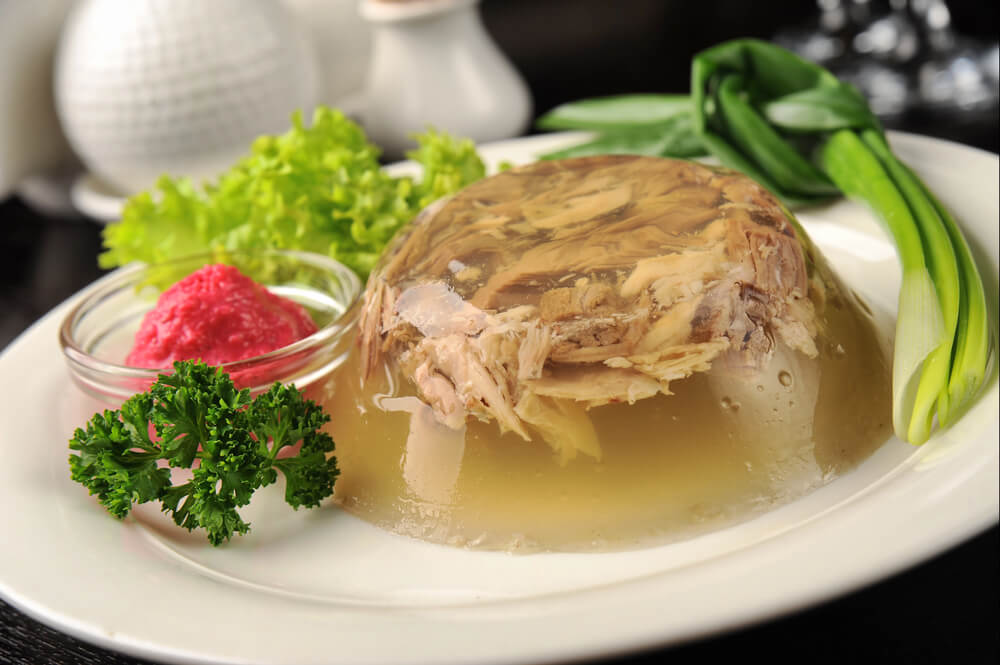
Aspics and meat jellies requiring gelatin extracted from bone broths became impossible when rationing made the base broths unattainable. The technique largely disappeared from home cooking.
Roasted Meat With Butter-Based Gravies
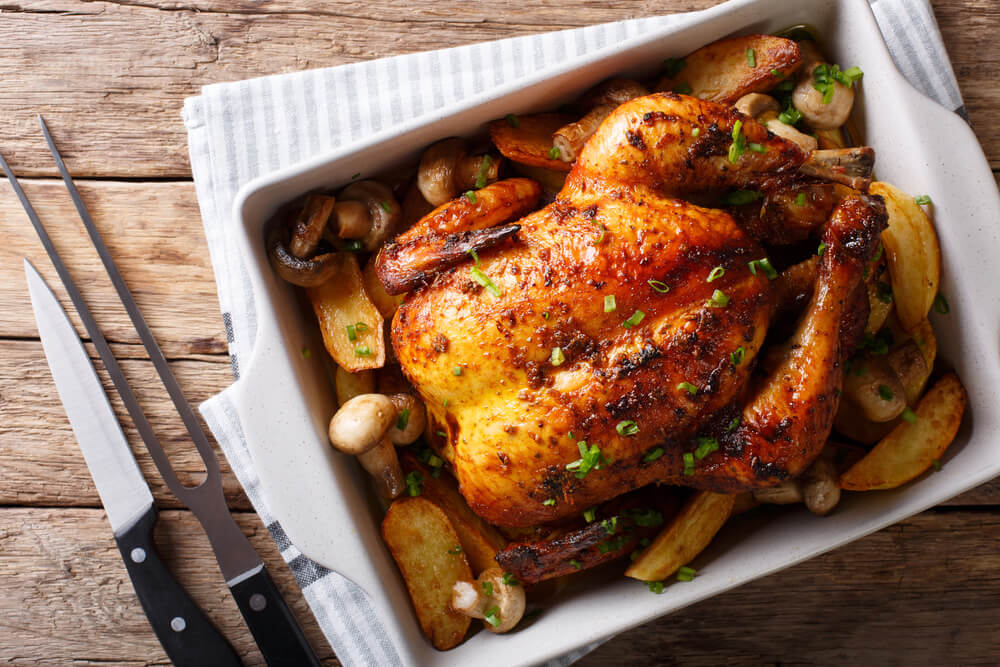
Traditional gravies thickened with butter and cream disappeared during rationing. Wartime gravies made with oil and water thinning created entirely different flavor profiles.
Trifles and Layered Custard Desserts
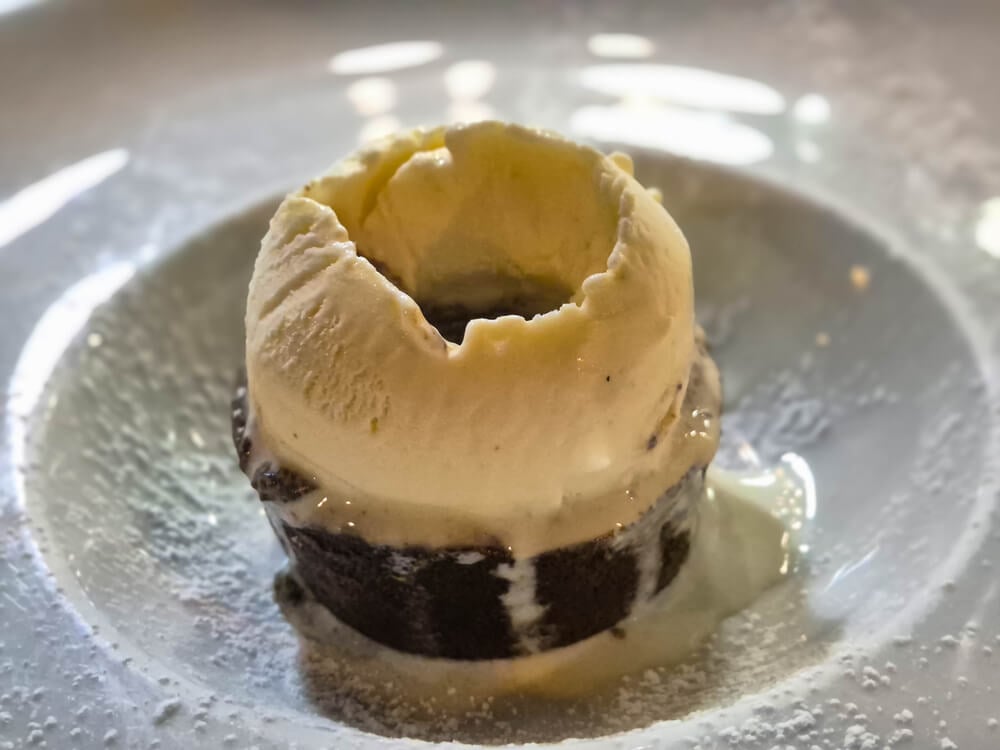
Trifles layering cake, custard, and whipped cream required ingredients that rationing made unavailable. The elaborate dessert disappeared from family cooking for years, sometimes permanently.
Beef Wellington and Similar Encrusted Meats
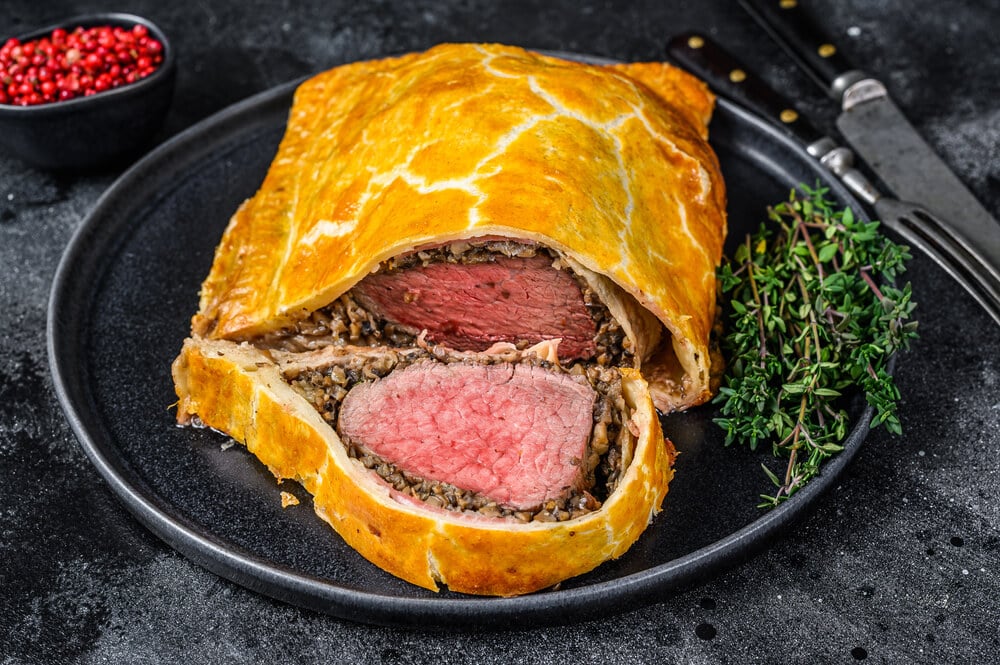
Dishes encasing substantial meat in pastry crust became impossible when both meat and butter for pastry were severely limited. These luxury preparations were abandoned.
Fruit Tarts With Cream Fillings
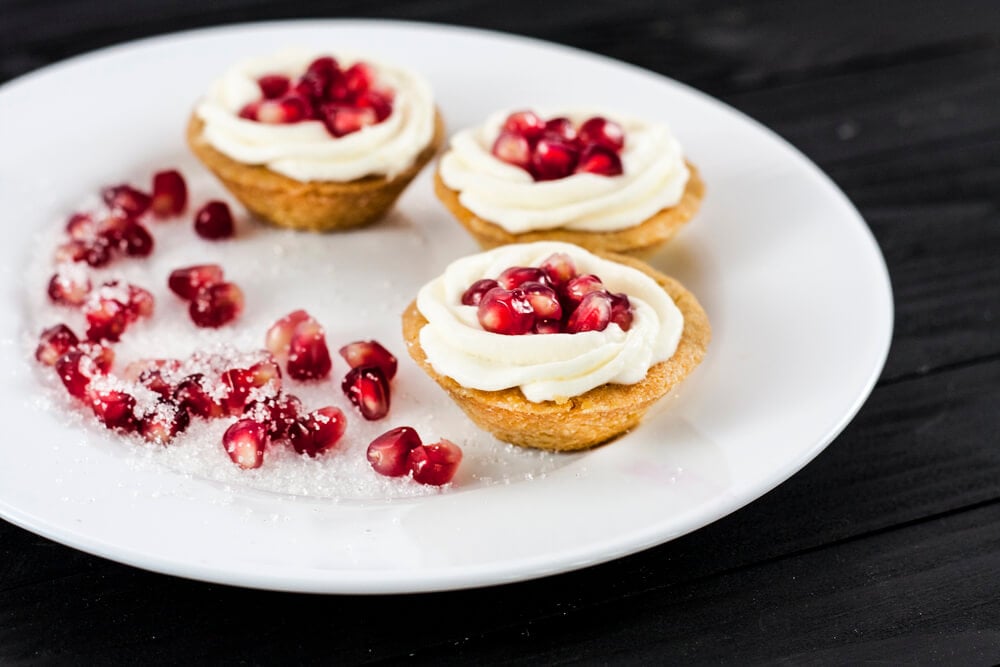
Tarts requiring both butter for crust and cream for filling became impossible during simultaneous dairy rationing. Families abandoned these preparations for simpler fruit presentations.
Béarnaise and Hollandaise Sauces
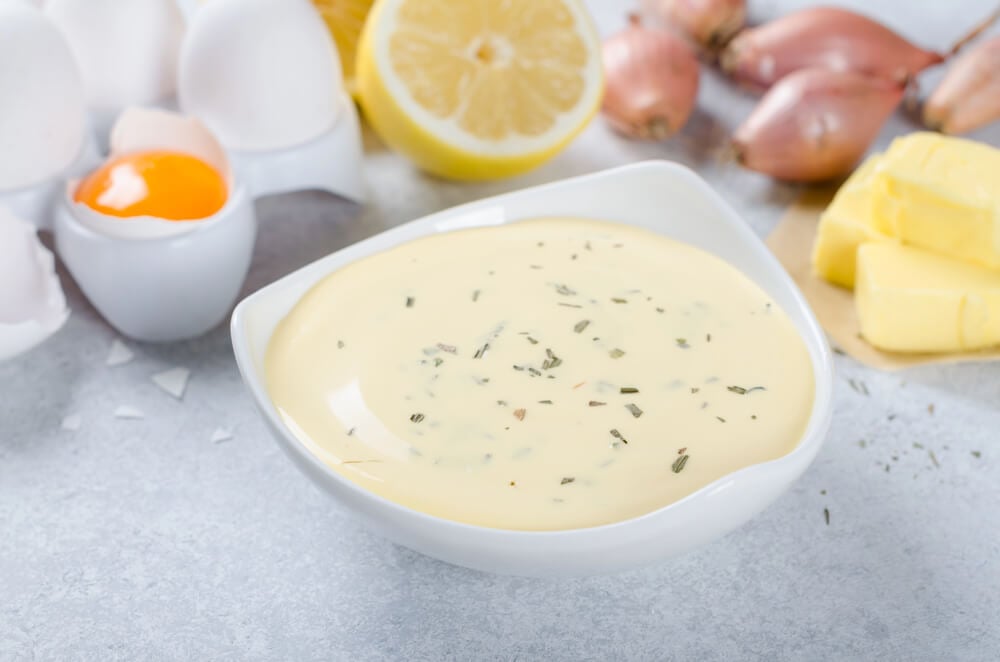
Emulsified sauces requiring substantial butter disappeared during wartime. When butter returned, some families had stopped making these sauces entirely.
Soufflés and Other Egg-Dependent Preparations
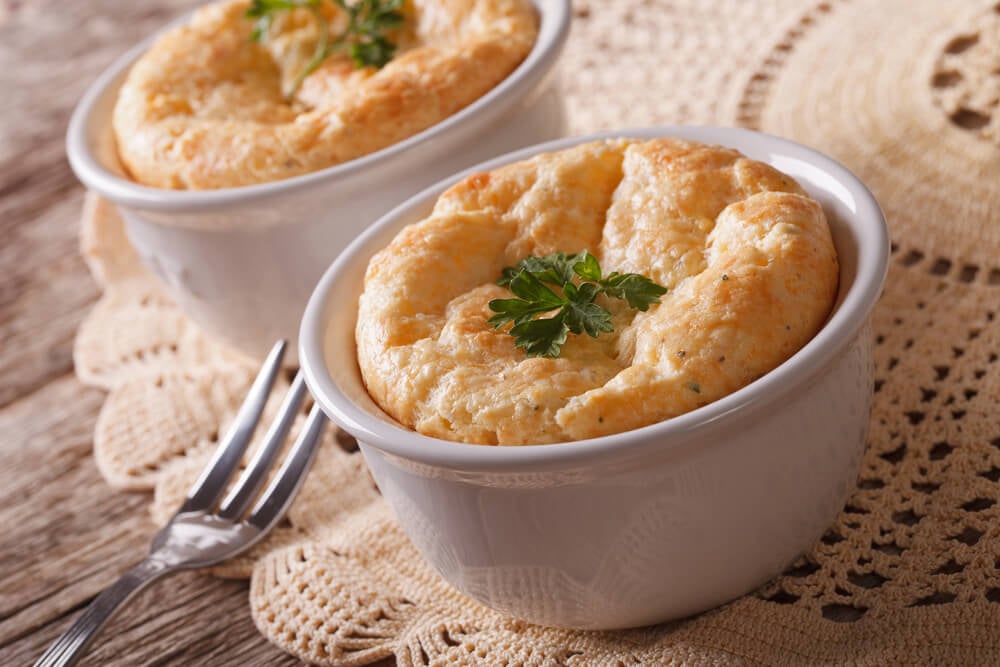
Dishes depending on eggs for their structure became impossible during egg rationing. Families shifted to entirely different preparations that did not require eggs.
Butter-Fried Vegetables and Sautéed Preparations
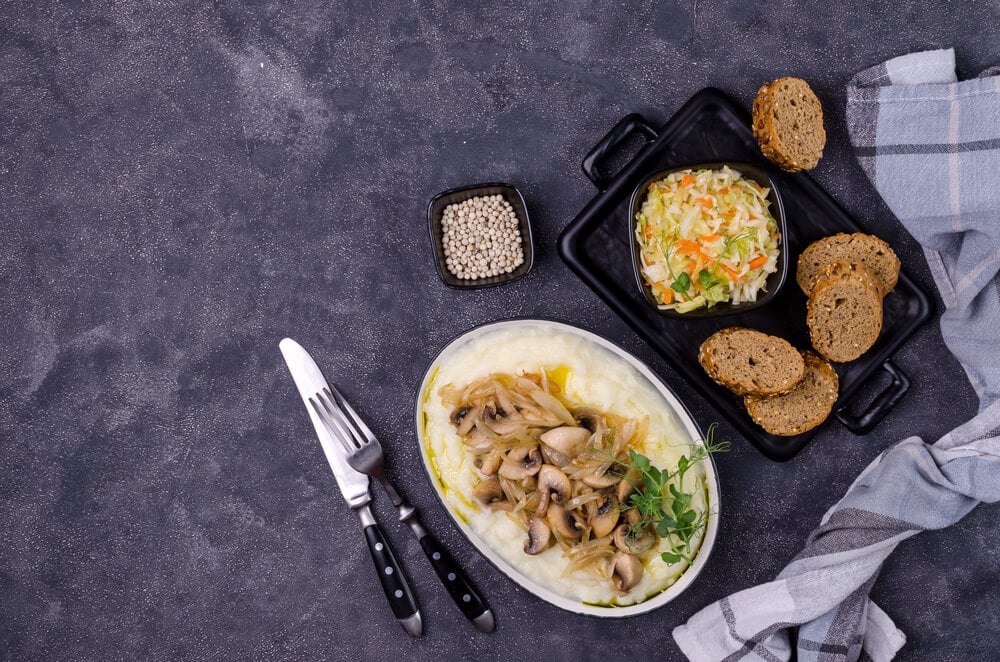
Vegetables cooked in substantial butter became impossible during dairy rationing. Families adapted to boiling and water-based cooking, sometimes permanently changing preparation methods.
Rich Stock-Based Soups
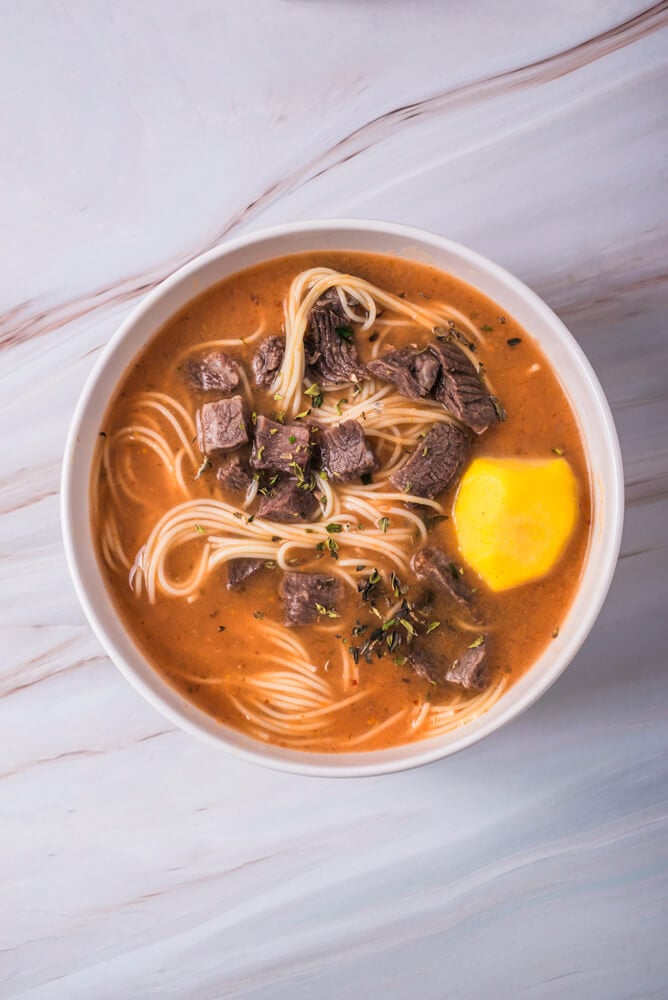
Soups requiring substantial bone broths became impossible when meat rationing eliminated access to bones. Families created thin vegetable soups that bore little resemblance to traditional stock-based preparations.
Candied Fruits and Sugar Preserves

Preserving fruits in sugar syrup became impossible during sugar rationing. This entire category of preserves disappeared from family cooking.
Meat Terrines and Pâtés
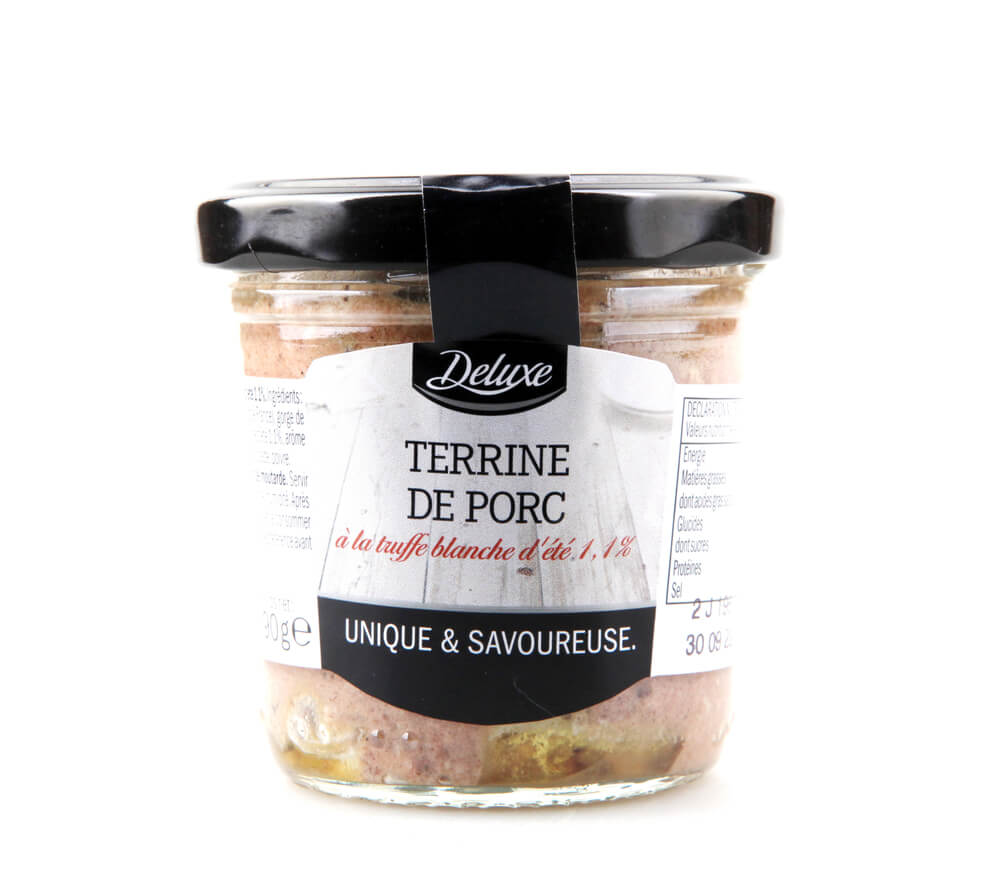
Meat terrines requiring large quantities of meat and fat became impossible during rationing. These sophisticated preparations disappeared from home kitchens.
Butter-Laminated Dough Preparations
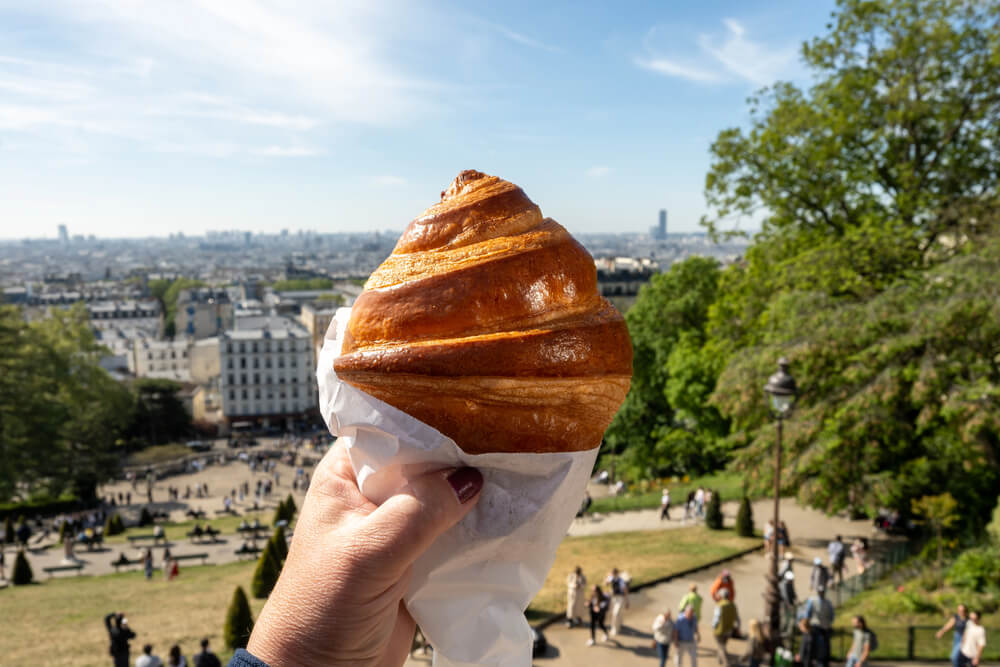
Croissants, Danish pastries, and other laminated dough requiring extensive butter work became impossible during rationing. These techniques largely disappeared from home baking.
Rich Meat Loaves With Fat Content
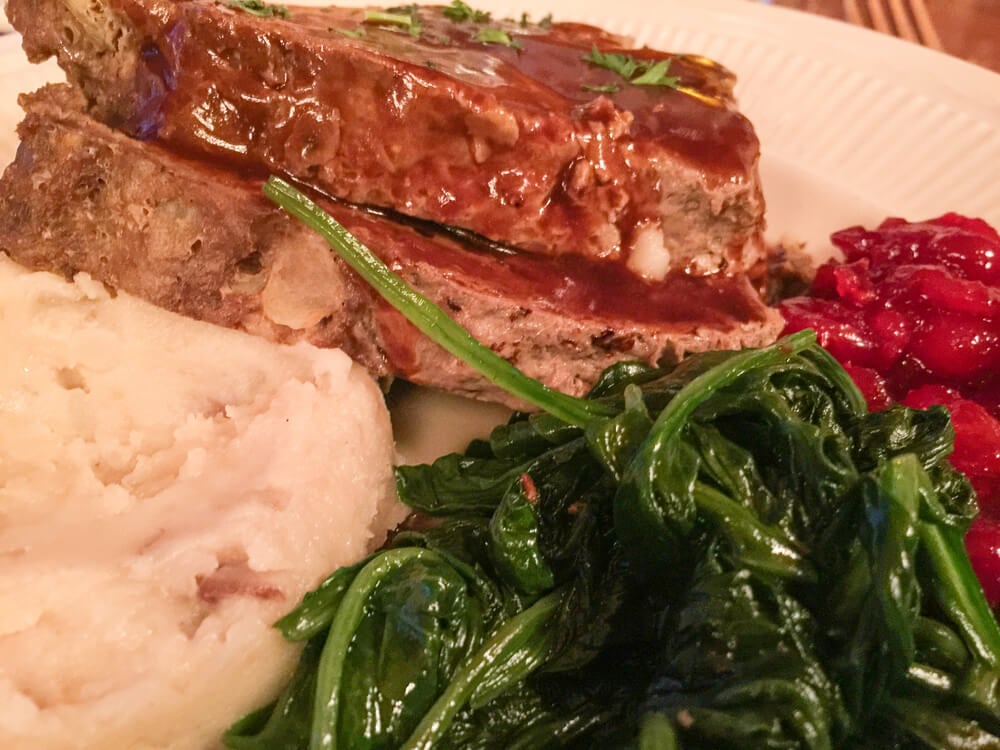
Meat loaves requiring substantial fat and meat became impossible when both were rationed. Wartime versions using extenders had entirely different texture and flavor.
Beurre Blanc and Butter-Finished Sauces
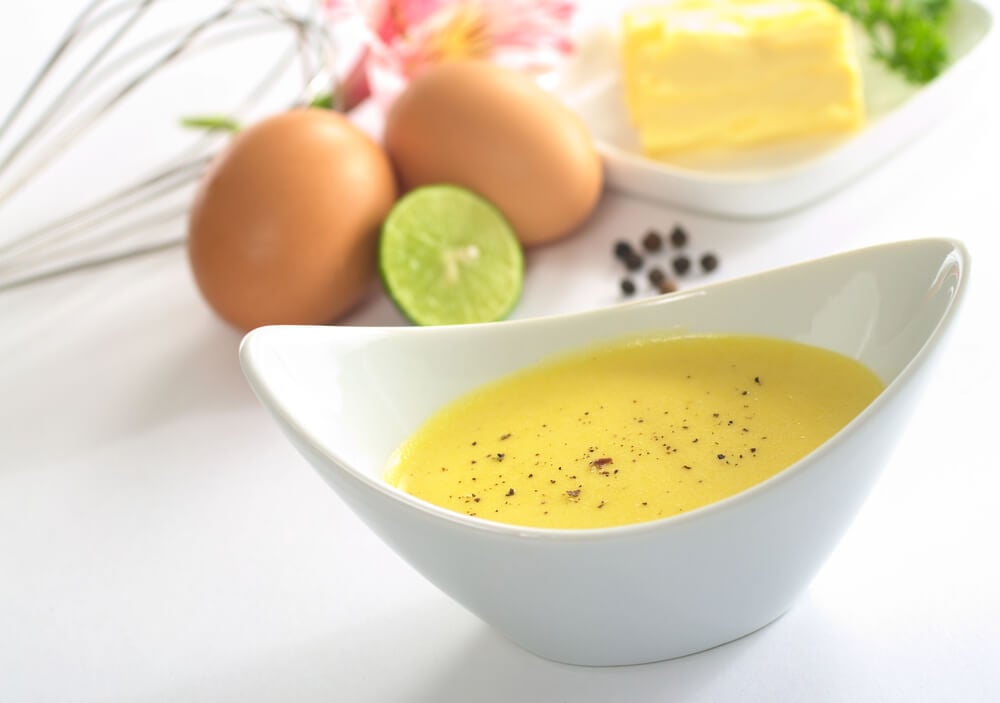
Sauces finished by swirling in cold butter became impossible during dairy rationing. These finishing techniques disappeared from home cooking.
Custard Pies and Cream Pies
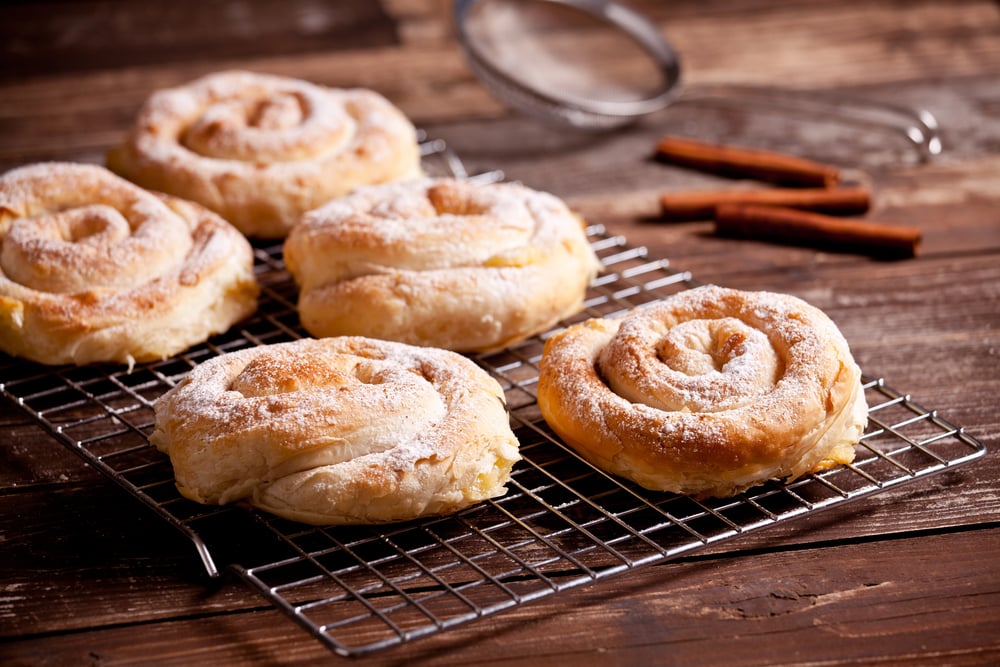
Pies with custard or cream filling became impossible during combined egg and dairy rationing. Families created fruit-only pies or shifted to entirely different desserts.
Sugar-Glazed Hams and Candied Meats
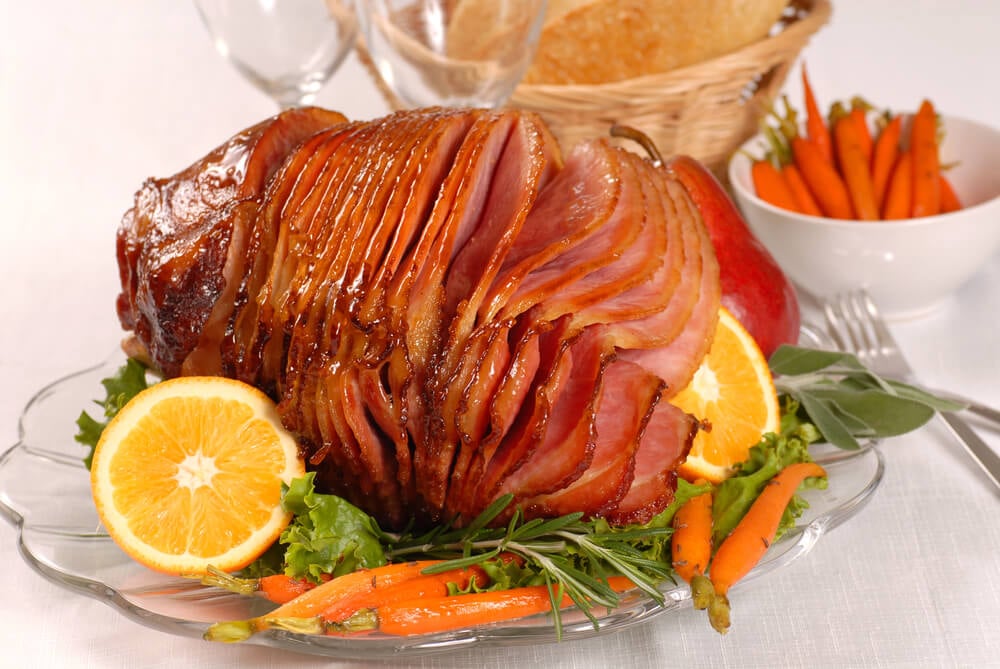
Glazing techniques requiring substantial sugar became impossible during sugar rationing. When sugar became available again, many families had forgotten these preparations.
Beef Tenderloin Preparations
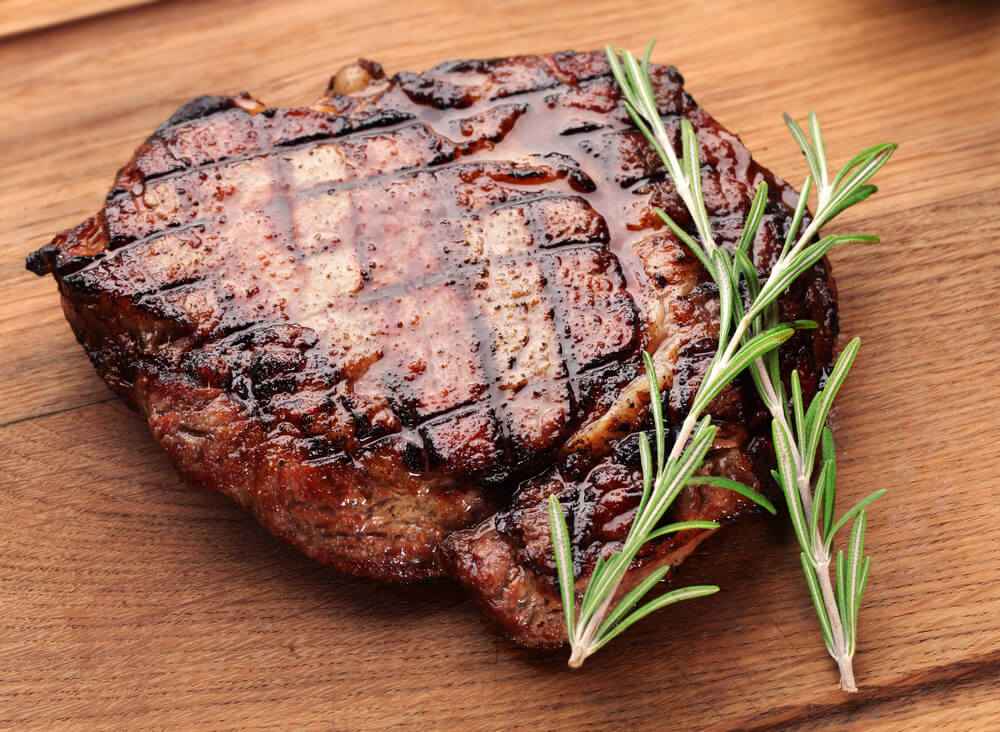
Recipes featuring expensive beef tenderloin became impossible when meat rationing strictly limited beef access. These luxury preparations disappeared from family cooking for years.
Rich Vegetable Gratins With Cream
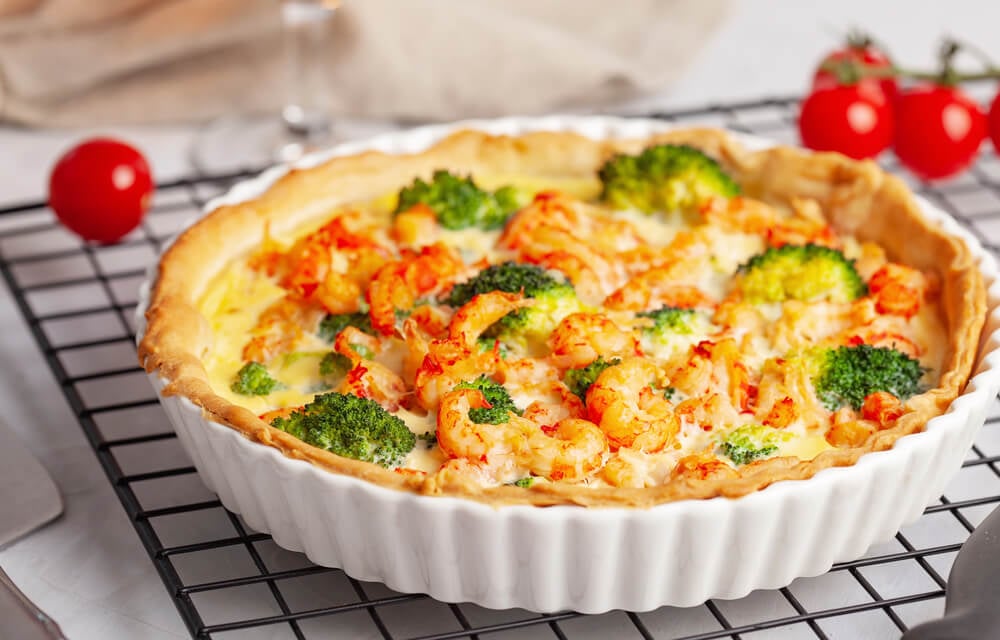
Gratins requiring cream sauce became impossible during dairy rationing. Families created oil-based versions or shifted to simpler vegetable preparations.
The Culinary Gaps Rationing Created
Rationing disrupted not merely temporary ingredient access but fundamental family food traditions. Recipes requiring particular ingredient ratios could not be executed during scarcity, forcing improvisation and adaptation.
When rationing ended, some families never returned to pre-war recipes, having become accustomed to rationing-era substitutes or lost the inclination to cook more complicated preparations. The recipes themselves survived in written collections and family memory, but the practice of cooking them often remained disrupted or abandoned entirely.
This represents how completely total war invaded home kitchens, changing not merely what families ate but how they understood food preparation itself, transforming culinary traditions that had been transmitted across generations.
More from Go2Tutors!

- The Romanov Crown Jewels and Their Tragic Fate
- 13 Historical Mysteries That Science Still Can’t Solve
- Famous Hoaxes That Fooled the World for Years
- 15 Child Stars with Tragic Adult Lives
- 16 Famous Jewelry Pieces in History
Like Go2Tutors’s content? Follow us on MSN.



