Rare Animal Senses That Humans Can’t Comprehend
Animals live in the same world as people, but they often experience it in totally different ways. While humans rely mostly on sight, sound, touch, taste, and smell, many animals have extra senses or use their regular ones in ways that don’t make sense to us.
These abilities help them find food, escape danger, and move through their world with ease.
Sharks can detect electrical signals
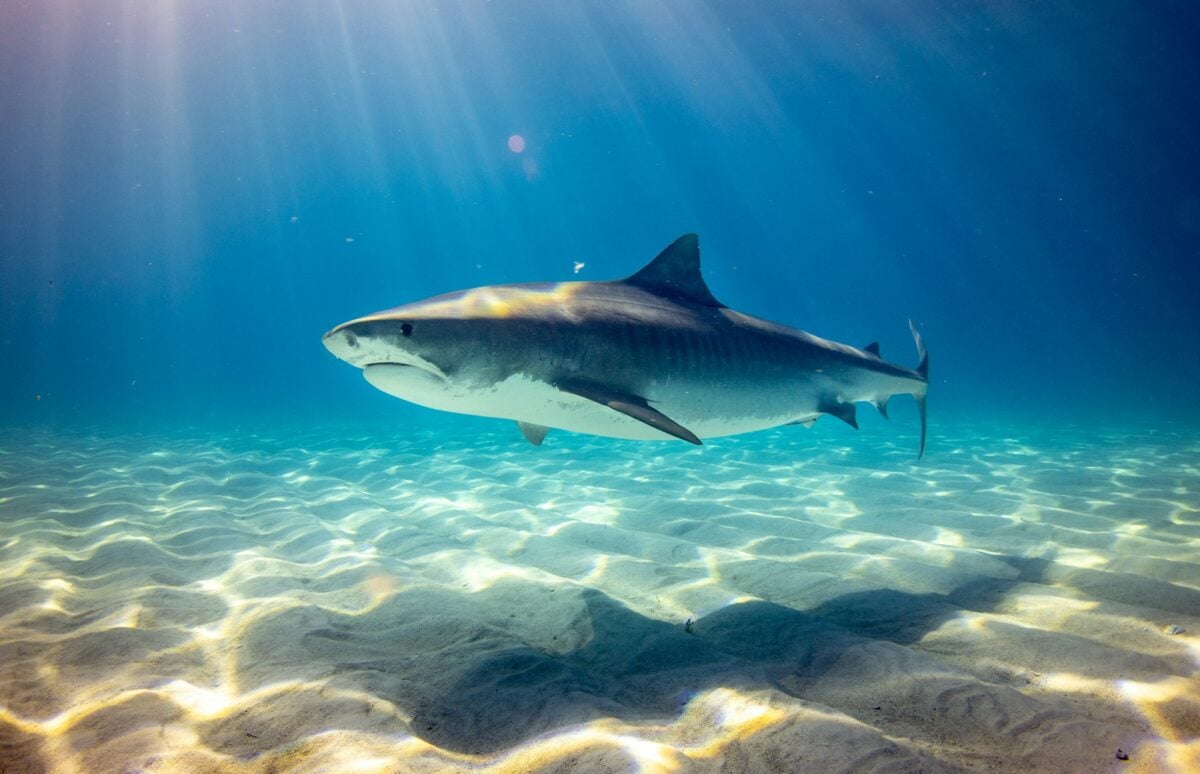
Sharks have special organs near their noses called ampullae of Lorenzini. These let them sense the tiny electric signals made by other living things, even if they’re hiding under sand or swimming far away.
A fish’s heartbeat or a turtle’s movement gives off just enough energy for a shark to notice. It’s like having built-in radar, but for electricity. No machine needed.
Bees see patterns in ultraviolet light

To humans, most flowers look nice but simple. Bees see something completely different.
They can pick up ultraviolet (UV) light, which shows them detailed patterns on petals that act like landing strips. These patterns help them know where to land and where to find nectar. It’s a whole set of directions people can’t see at all.
Like Go2Tutors’s content? Follow us on MSN.
Pit vipers sense heat through their faces
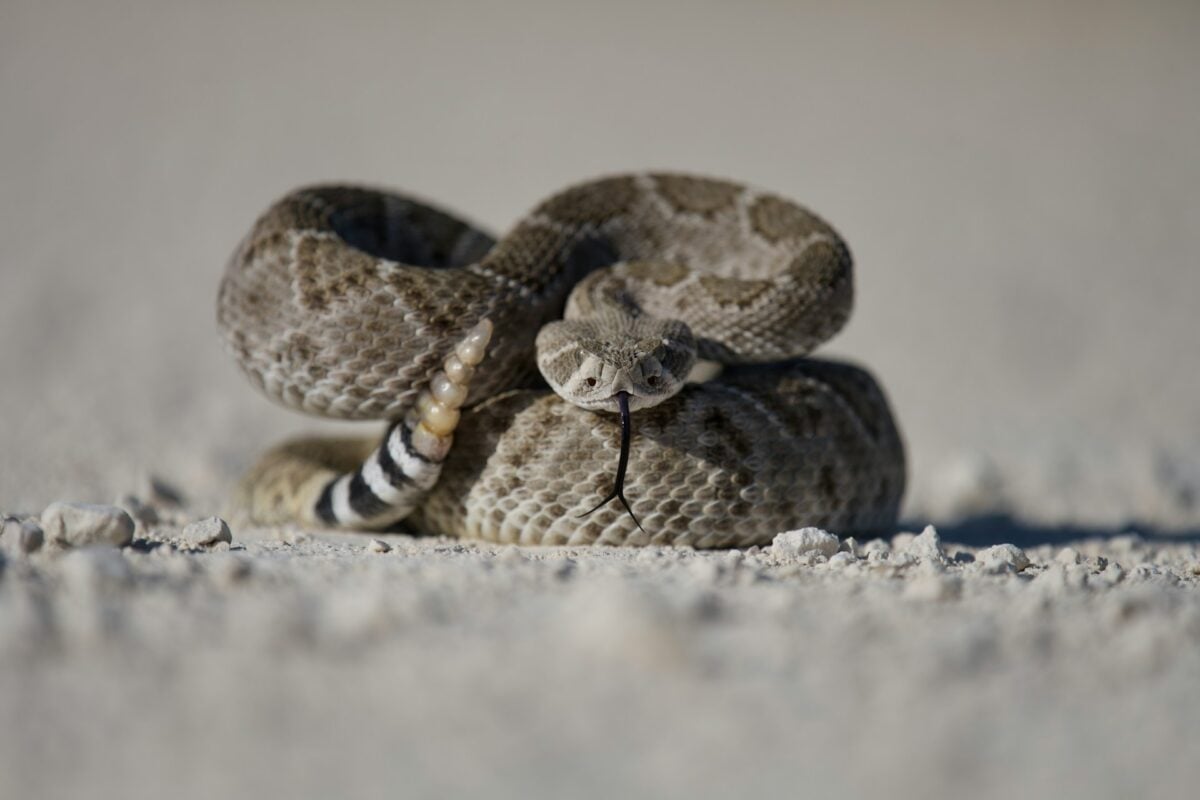
Pit vipers, like rattlesnakes, have tiny pits between their eyes and nostrils. These work like heat cameras.
The pits let the snakes “see” the body heat of other animals, even in total darkness. It helps them hunt at night or spot warm-blooded prey from a distance.
To a pit viper, heat gives a full picture of what’s nearby.
Moles use touch to “see” underground
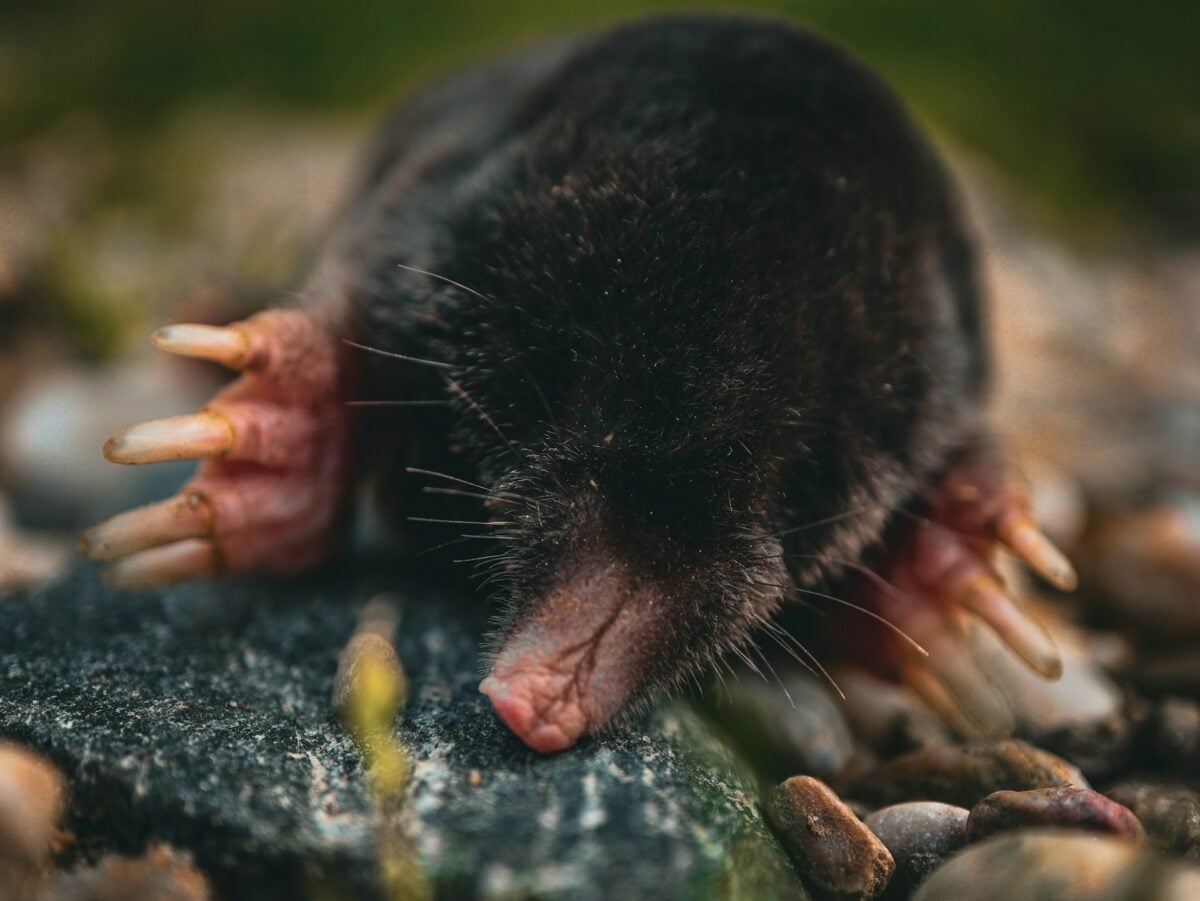
The star-nosed mole has one of the strangest noses in the world. It’s covered in tiny touch sensors—over 25,000 of them.
These help the mole feel its way through dark tunnels, almost like reading with its face. It can even tell what’s food and what’s not in under half a second.
For the mole, touch replaces sight entirely.
Elephants hear through their feet
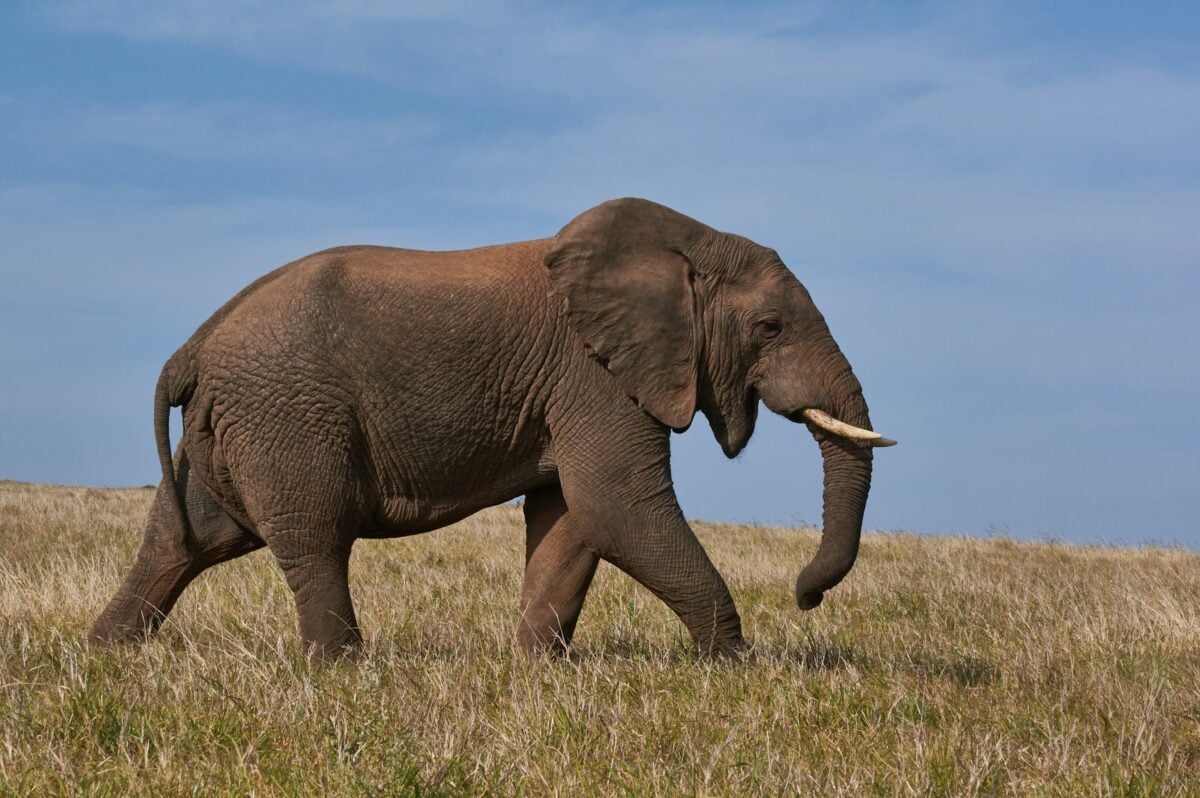
Elephants don’t just listen with their ears. They pick up deep rumbles through the ground using their feet and trunks.
These sounds travel as vibrations, and elephants can detect them from miles away. They use this to communicate across large distances.
People can’t feel these vibrations, but elephants treat them like messages.
Like Go2Tutors’s content? Follow us on MSN.
Salmon can smell their way home

Salmon are born in rivers but grow up in the ocean. Years later, they return to the exact river where they were born, swimming upstream for miles.
They do this by remembering the smell of the water. Every river has a unique scent, and salmon never forget it.
Human noses wouldn’t stand a chance.
Bats map their world with sound
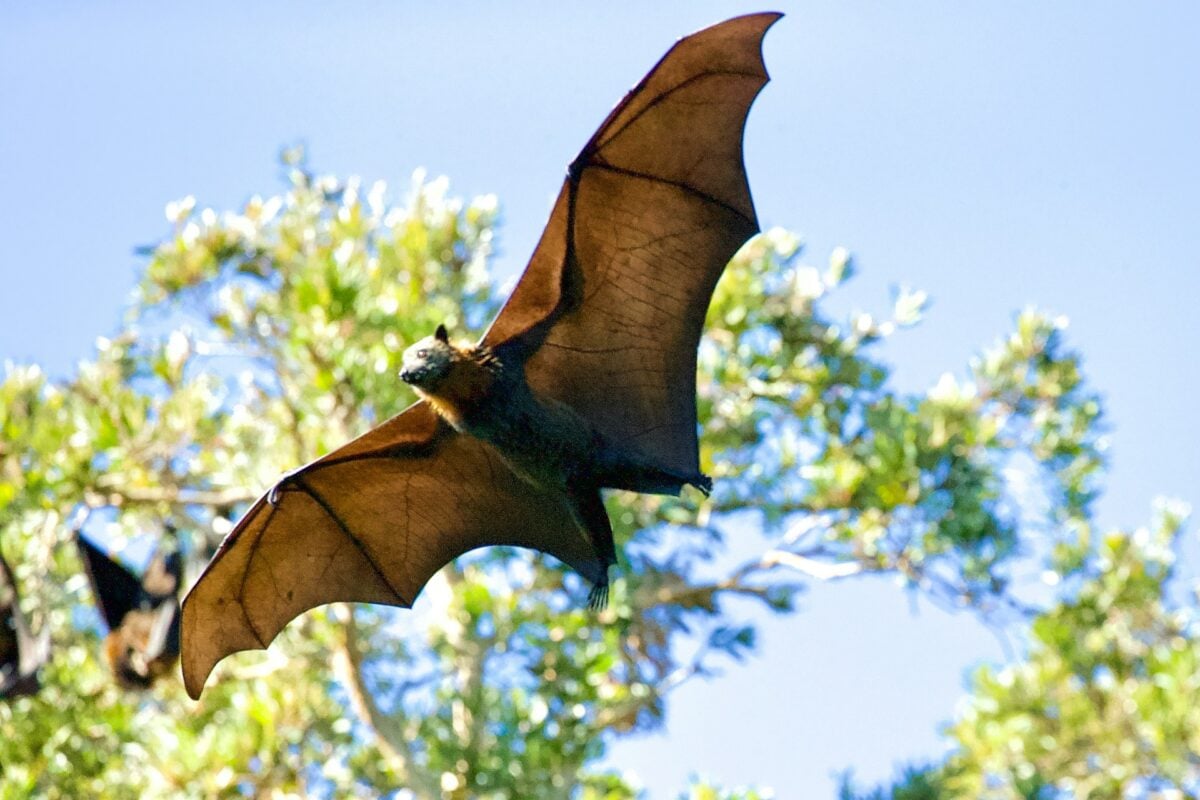
Bats fly in total darkness but never crash into anything. They use echolocation by making tiny clicking noises and listening to the echoes that bounce back.
This helps them “see” where objects, insects, and walls are. The sound maps are so detailed they can even tell what kind of bug is flying nearby.
People don’t hear most of the clicks at all.
Birds sense the Earth’s magnetic field
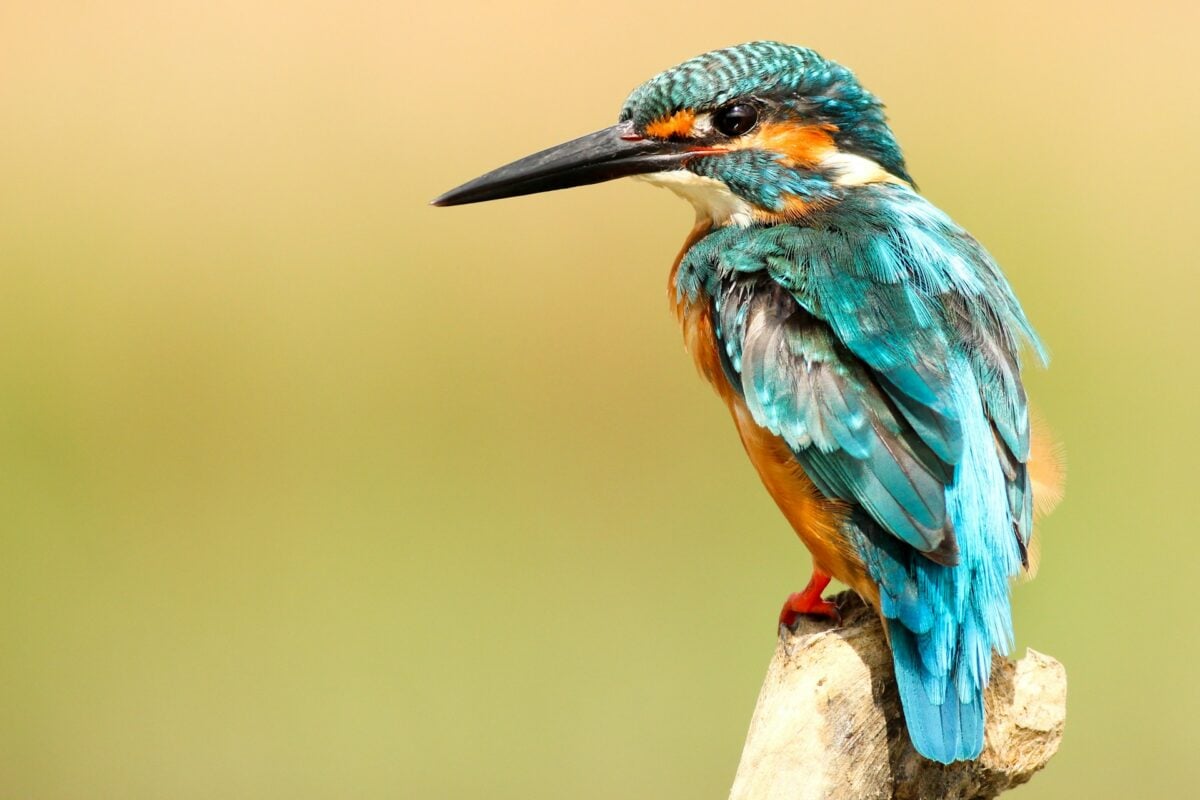
Many birds travel thousands of miles during migration without getting lost. They do it by sensing Earth’s magnetic field.
Scientists believe they might see the magnetic field as a kind of visual pattern. This invisible guide helps them know which way is north or south.
Humans have no way to sense it naturally.
Like Go2Tutors’s content? Follow us on MSN.
Cuttlefish change color to match their mood or surroundings
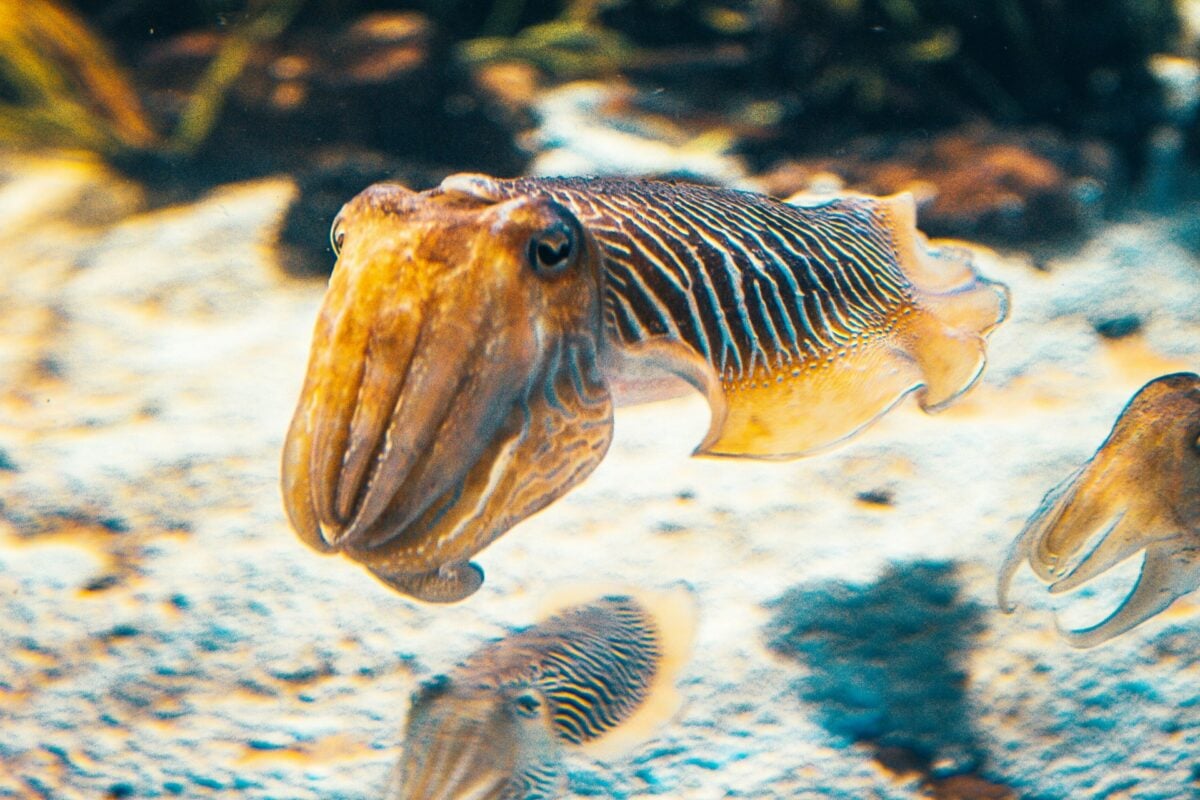
Cuttlefish are experts at changing their skin color and texture. It’s not just for hiding—they also do it to talk to other cuttlefish or show how they feel.
Their skin has special cells that shift colors in an instant. Some patterns are invisible to humans but visible to other sea creatures.
It’s like having a screen on your body.
Cats have whiskers that detect air movement
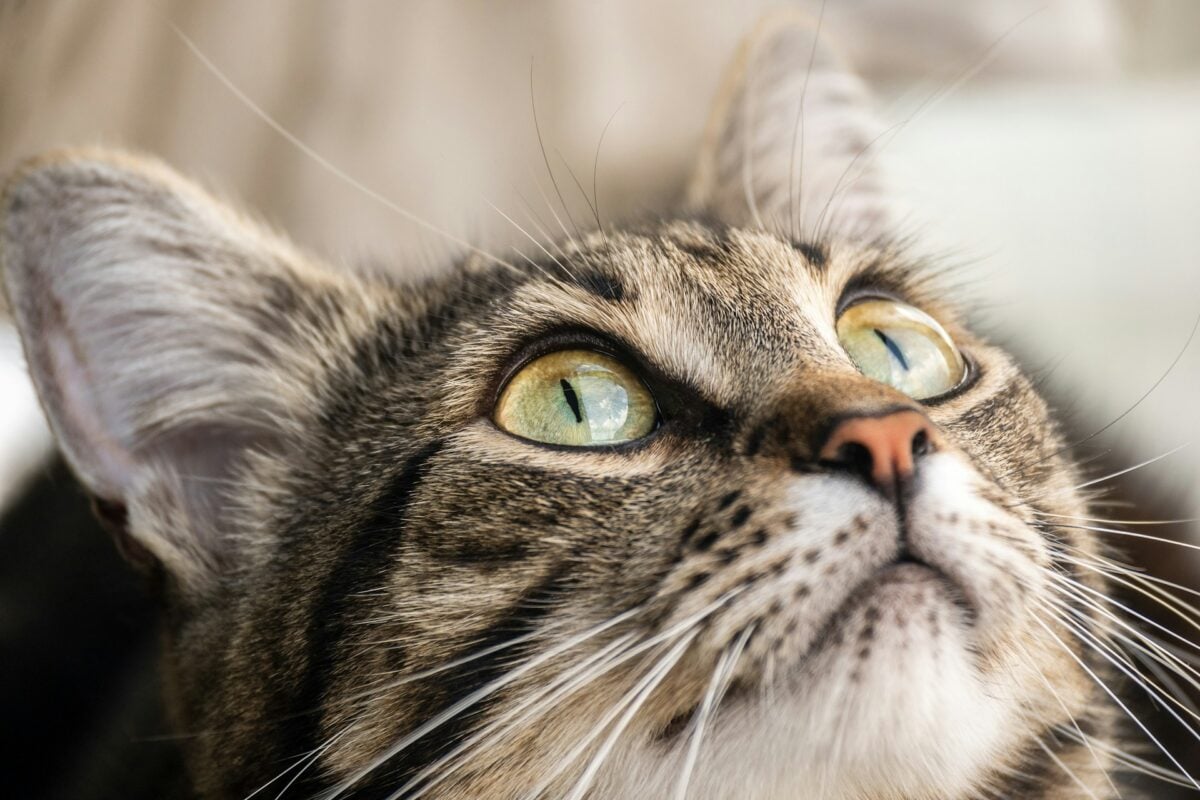
Cats use their whiskers for more than just looking cute. The hairs are super sensitive and can pick up small shifts in air.
This helps them judge space in the dark, sneak through tight spots, or sense movement before they even see it. If the whiskers brush something, the cat reacts right away.
It’s like having tiny motion sensors on their face.
Turtles can track Earth’s magnetic “map”

Sea turtles cross oceans to find feeding or nesting spots. Scientists believe they sense changes in the Earth’s magnetic field, almost like reading a map.
Each part of the planet has a slightly different magnetic pattern. Turtles use this to find their way with surprising accuracy.
No GPS needed.
Like Go2Tutors’s content? Follow us on MSN.
Cows and deer align with magnetic north

If you ever look at cows or deer in a field, you might notice something strange. Most of them stand facing the same direction.
Studies show they often line up with Earth’s magnetic field. Nobody knows exactly why, but they clearly sense something humans don’t.
It’s a quiet ability with no clear explanation yet.
Spiders sense sound through web vibrations

Spiders don’t have ears like people. Instead, they feel sound through the vibrations in their webs.
A web acts like a speaker, picking up air movements from sounds nearby. This helps the spider tell if something is flying close, even before it lands. It’s hearing, but through silk.
What animals sense that we never will

Most people think their five senses tell them everything they need to know. But animals prove there’s more going on than meets the eye—or ear, or nose.
These rare senses help them survive and thrive in ways humans can’t understand. They remind us that nature is full of quiet genius.
And some of its secrets are still way out of human reach.
More from Go2Tutors!

- 16 Historical Figures Who Were Nothing Like You Think
- 12 Things Sold in the 80s That Are Now Illegal
- 15 VHS Tapes That Could Be Worth Thousands
- 17 Historical “What Ifs” That Would Have Changed Everything
- 18 TV Shows That Vanished Without a Finale
Like Go2Tutors’s content? Follow us on MSN.