29 Moon Landing Souvenirs Collectors Want
About 600 million people watched Apollo 11 on television in July 1969, and a remarkable share of them kept something. Newspapers went into cedar chests, gas station giveaways went into kitchen cabinets, and commemorative medals went into sock drawers.
More than half a century later, that material has sorted itself into a market with clear tiers. Some pieces cost less than lunch, and a few have sold for more than a house.
Morning-After Newspapers From July 21, 1969
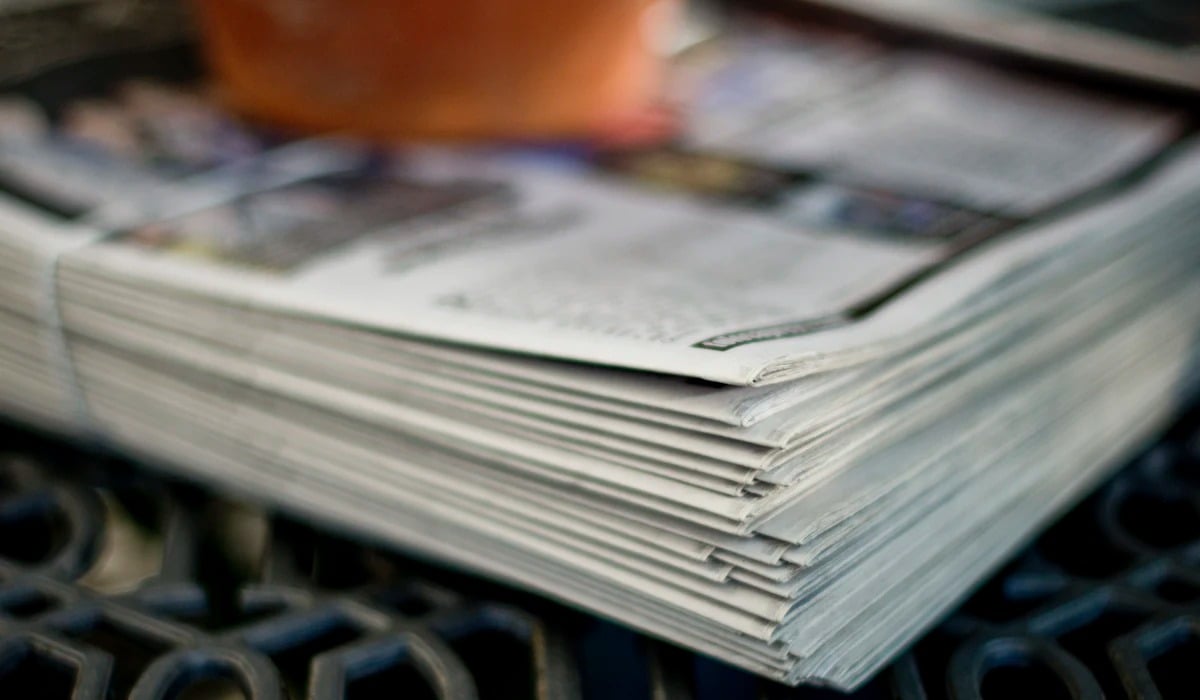
Nearly every American daily printed a banner front page on July 21, 1969, and families saved them by the millions. That survival rate keeps prices modest, with most local editions selling for about 10 to 40 dollars in 2026.
The New York Times edition headed “Men Walk on Moon” is the one buyers ask for by name, and a complete copy often brings 75 to 200 dollars. Condition means brittleness, yellowing along the fold, and whether every section is still present.
Later reprints and anniversary reissues are common, so paper stock and dimensions deserve a close look before money changes hands.
LIFE Magazine’s Special Edition
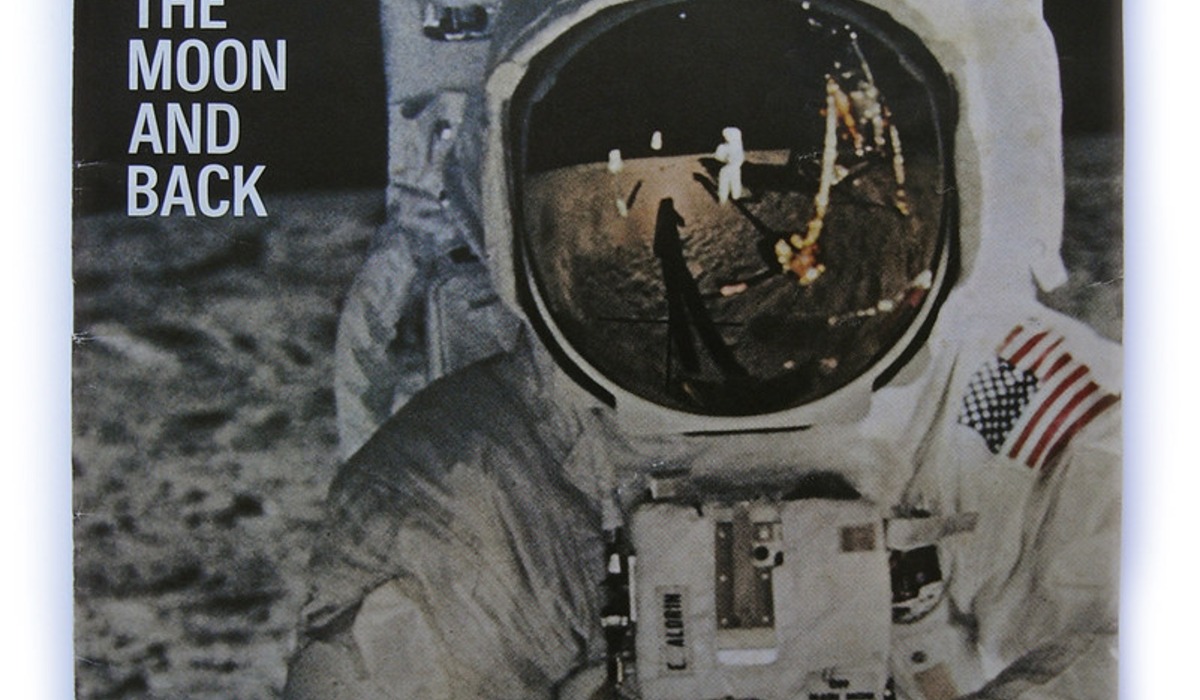
LIFE had paid for the astronauts’ personal stories since a 1959 contract with the Mercury Seven, so the magazine arrived at Apollo 11 with unusual access. Its 1969 special edition, titled “To the Moon and Back,” collected the color photography in a single issue with no regular weekly features.
The weekly issue dated August 8, 1969 is the other copy collectors chase. Either one typically sells for about 15 to 45 dollars, depending on spine wear, a mailing label on the cover, and loose or clipped pages.
Newsstand copies without a subscriber label sit at the high end of that range.
National Geographic’s December 1969 Record Issue
Bound into the December 1969 issue of National Geographic was a small flexible record called “Sounds of the Space Age,” narrated by Apollo 8 commander Frank Borman. Readers could tear it out, set it on a turntable, and hear mission audio running from Sputnik to the lunar landing.
Plenty did exactly that, which is why an issue with the record still attached is worth more than one without. Complete copies typically run about 10 to 30 dollars.
A detached, scratched, or warped record cuts that figure sharply, and the yellow spine fades quickly on copies that spent decades in sunlight.
Embroidered Apollo 11 Crew Patches
Michael Collins worked out the Apollo 11 emblem himself, tracing the eagle from a National Geographic bird book. The crew left their names off on purpose, so the design would stand for everyone who worked on the landing.
An early version had the olive branch in the eagle’s beak before it was moved to the talons. Souvenir patches made in huge numbers since 1969 cost about 10 to 40 dollars.
Early versions matching those supplied to the crew can reach a few hundred dollars, though thread color, backing material, and fraying all matter, and telling the versions apart takes a specialist reference.
Beta Cloth Mission Emblems
After the Apollo 1 fire in January 1967, NASA covered the Apollo spacesuit in Beta cloth, a woven glass fiber fabric coated with Teflon and developed with Owens-Corning. Embroidered thread could burn, so mission emblems were printed directly onto squares of the same fireproof material.
Those printed squares are now a collecting field of their own. Unflown Apollo 11 examples often sell for about 250 to 800 dollars in 2026.
Creases are the main enemy, because the glass fibers crack when folded, and collectors pay less for trimmed margins or yellowed cloth. Flown examples with astronaut paperwork belong to a far higher price tier.
Robbins Sterling Silver Medallions
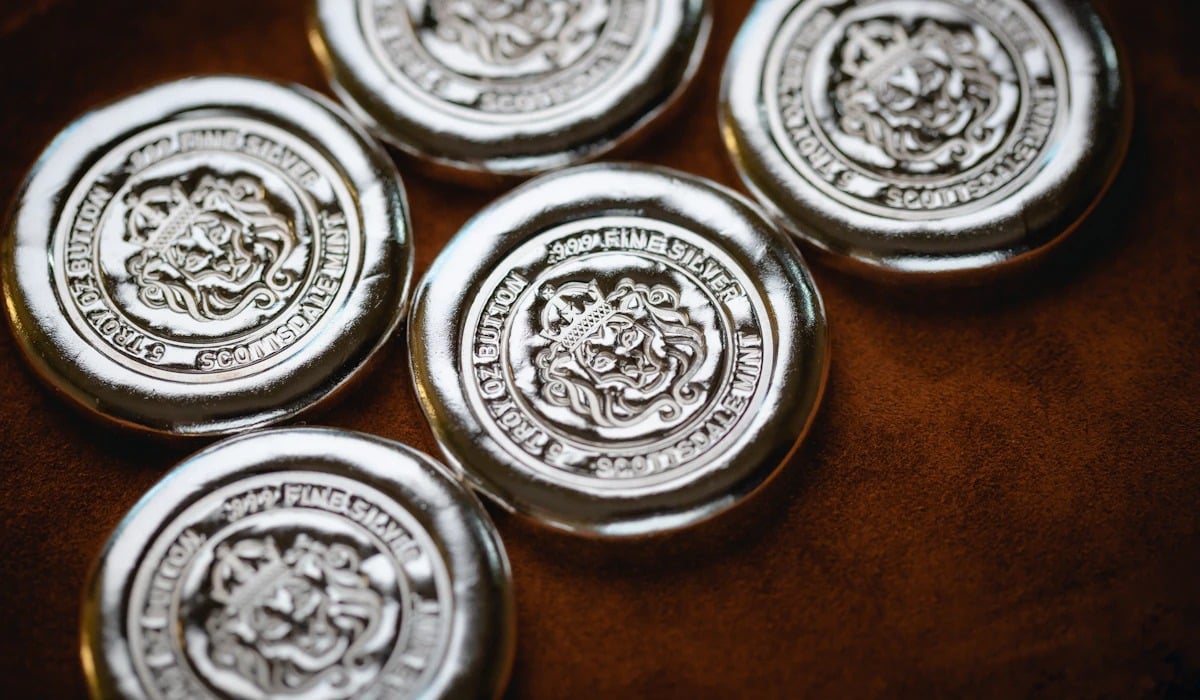
Beginning with Apollo 7, crews ordered serial-numbered sterling silver medallions from the Robbins Company of Attleboro, Massachusetts, and carried them on the mission. Astronauts paid for them personally and gave them to family, friends, and colleagues.
Roughly 450 silver medallions flew on Apollo 11, and documented examples now often sell for tens of thousands of dollars. A gold Apollo 11 medallion from Neil Armstrong’s own collection brought about 2 million dollars at Heritage Auctions in 2019.
Value rests on the serial number, documentation tying the piece to a crew member, and surface condition, since polishing and deep scratches are both penalized.
Franklin Mint and Danbury Mint Medals
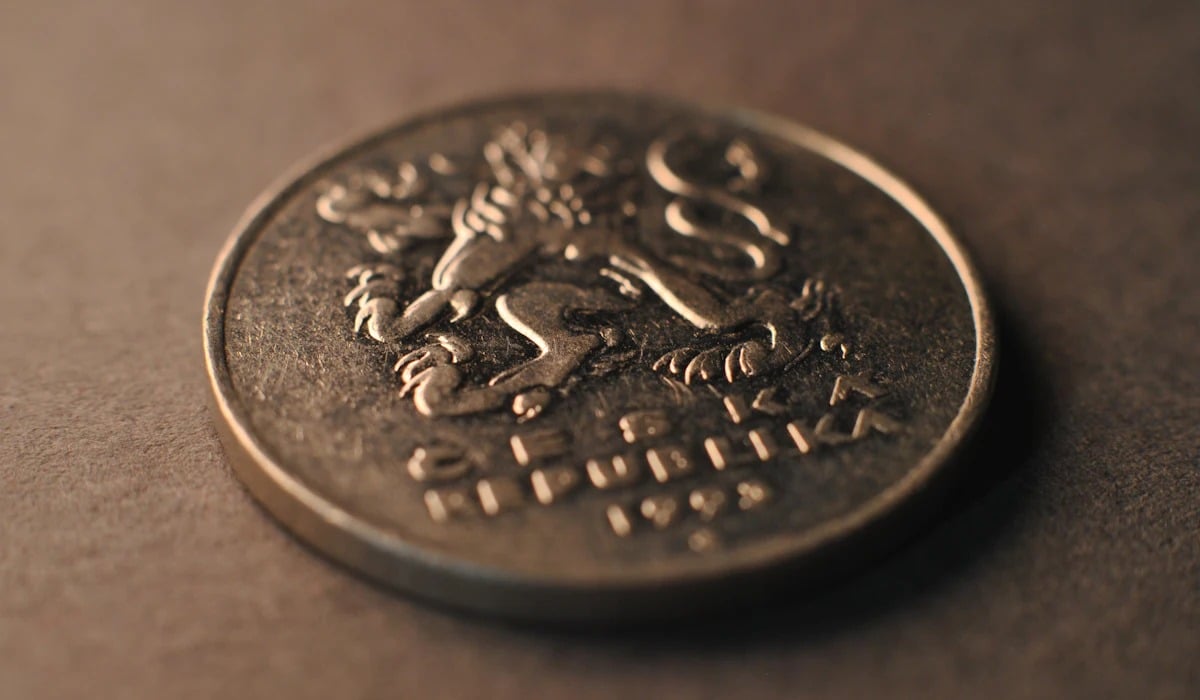
Private mints saw the landing coming and had presses ready. The Franklin Mint, founded in Pennsylvania in 1964 by Joseph Segel, issued Apollo medals in sterling silver and bronze.
The Danbury Mint of Connecticut opened in 1969 with a set of medals marking the Moon landing as its first product. These were sold as limited editions, yet enough were made that most now trade close to the value of the silver inside, often about 40 to 120 dollars depending on weight.
Original cases and paperwork add a little. Heavy toning, fingerprints, and bronze versions mistaken for silver account for most disappointments.
First Man on the Moon Airmail Stamp
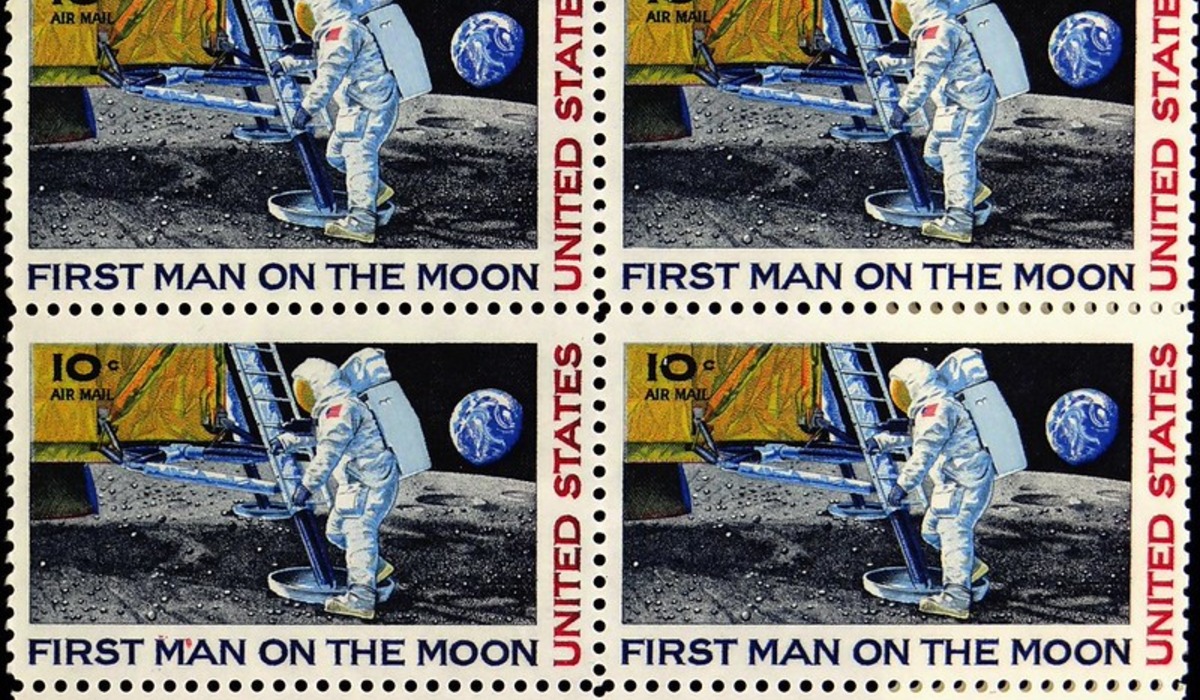
The Post Office Department issued its ten-cent “First Man on the Moon” airmail stamp on September 9, 1969, in Washington. Artist Paul Calle designed it, and the master die used to produce the printing plates had been carried to the Moon aboard Apollo 11.
The stamp was printed larger than a standard commemorative and in enormous quantities. A mint single is still worth only about a dollar, and ordinary first day covers bring roughly 2 to 15 dollars.
Premiums go to covers with scarce cachets, clean cancels, and no toning around the envelope edges, plus anything signed by Calle.
Launch Day and Recovery Ship Covers
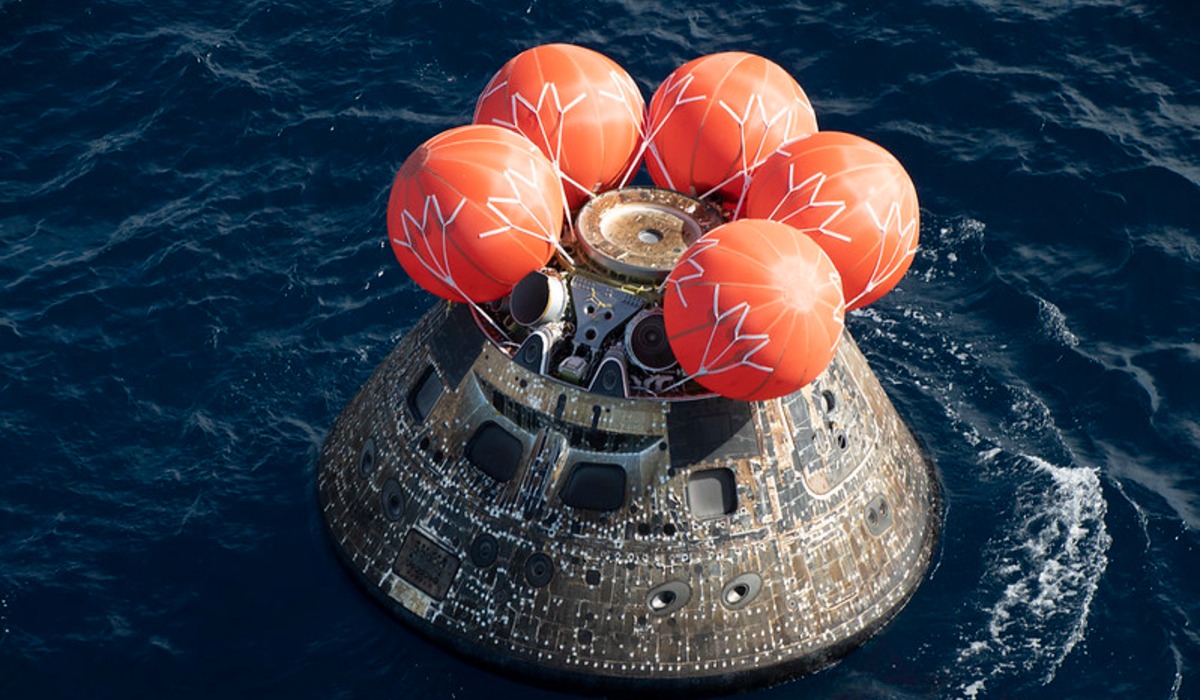
Stamp collectors of the 1960s mailed envelopes to post offices near the action and asked for a postmark on the day history happened. For Apollo 11 that meant Kennedy Space Center cancels dated July 16, 1969, and covers canceled aboard the recovery carrier USS Hornet on July 24.
Typical examples sell for about 10 to 75 dollars. Printed cachets, sharp postmarks, and unstained envelopes raise the figure, while glue stains and pencil addresses lower it.
Faked cachets and cancels on recovery ship covers are a known problem, so buyers lean on dealers who handle space covers regularly.
Crew Insurance Covers
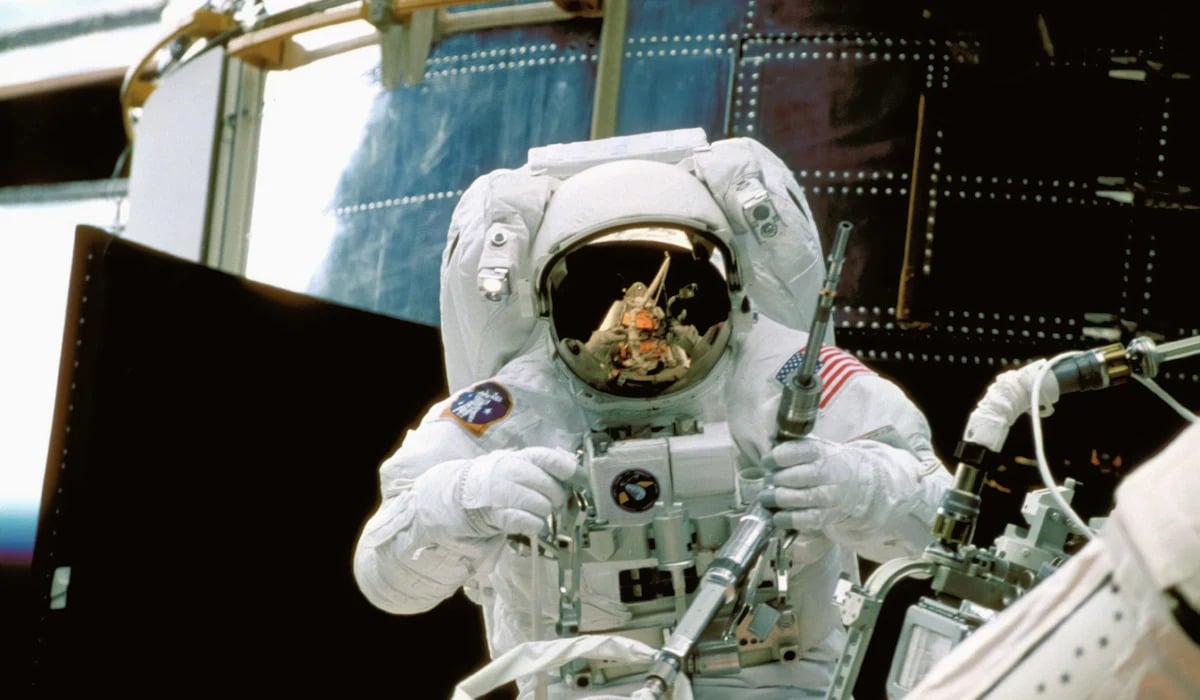
Apollo astronauts could not buy much life insurance at a price a government salary would cover. Their workaround was to sign stacks of postal covers before launch and leave them with their families, who could sell them if the crew did not return.
Apollo 11’s covers were signed during preflight quarantine and postmarked on launch day or landing day. Similar covers were made through Apollo 16.
In 2026 an Apollo 11 example often sells for about 8,000 to 30,000 dollars. Buyers look for a letter tracing the cover to an astronaut’s family, bold signatures, and one of the recognized cachet designs.
Signed Crew Photographs and the Autopen Problem

NASA answered fan mail in volume, and much of it went out bearing machine signatures from an autopen. Those look convincing and are worth almost nothing.
Neil Armstrong stopped signing autographs in 1994, which tightened supply of the genuine article for good. A lithograph signed by all three Apollo 11 crew members often sells for about 5,000 to 20,000 dollars, with uninscribed examples at the upper end.
Faded ink, a personal dedication, or contrast so poor the signatures vanish into a dark background all reduce the price. Third-party authentication is treated as a basic requirement by serious buyers.
Apollo 15 Sieger Covers
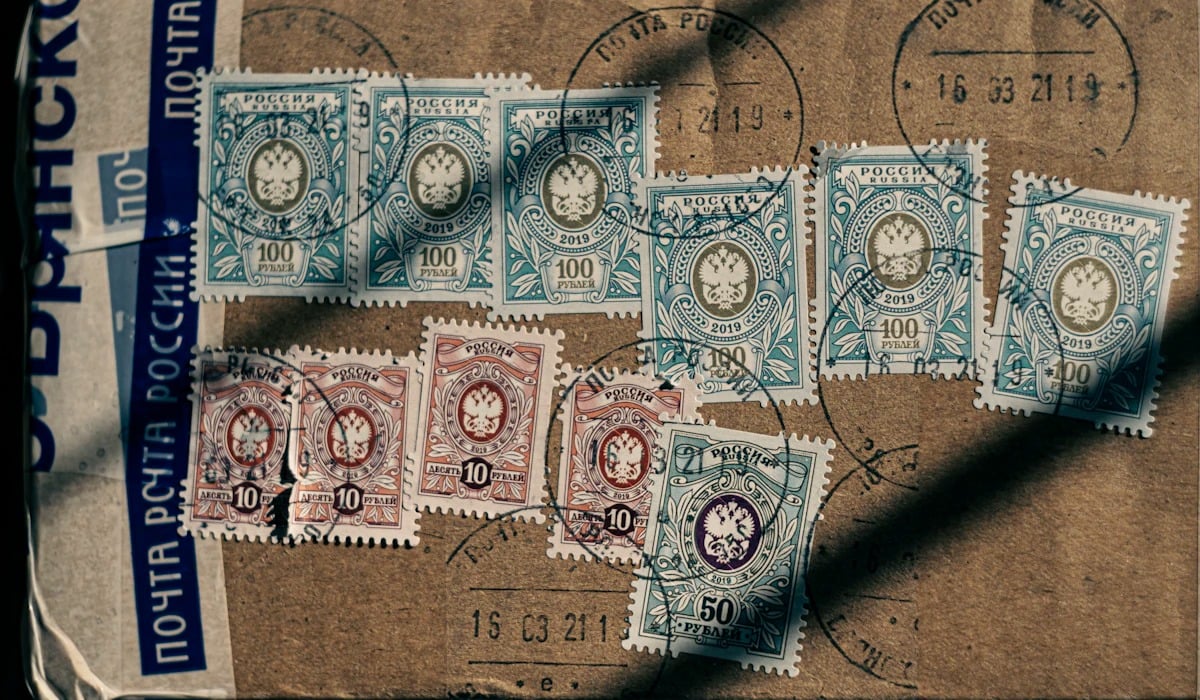
David Scott, Alfred Worden, and James Irwin carried about 400 unauthorized postal covers to the Moon in 1971. One hundred went to West German stamp dealer Hermann Sieger, who sold them while the crew was still on active duty.
NASA reprimanded all three astronauts, and none of them flew in space again. The agency confiscated the remaining covers and returned them to the crew in 1983 after Worden went to court.
Sieger covers now sell for tens of thousands of dollars each. Because every cover was numbered and notarized, prices hinge on matching paperwork and clean, unfaded signatures.
Omega Speedmaster Professional Watches
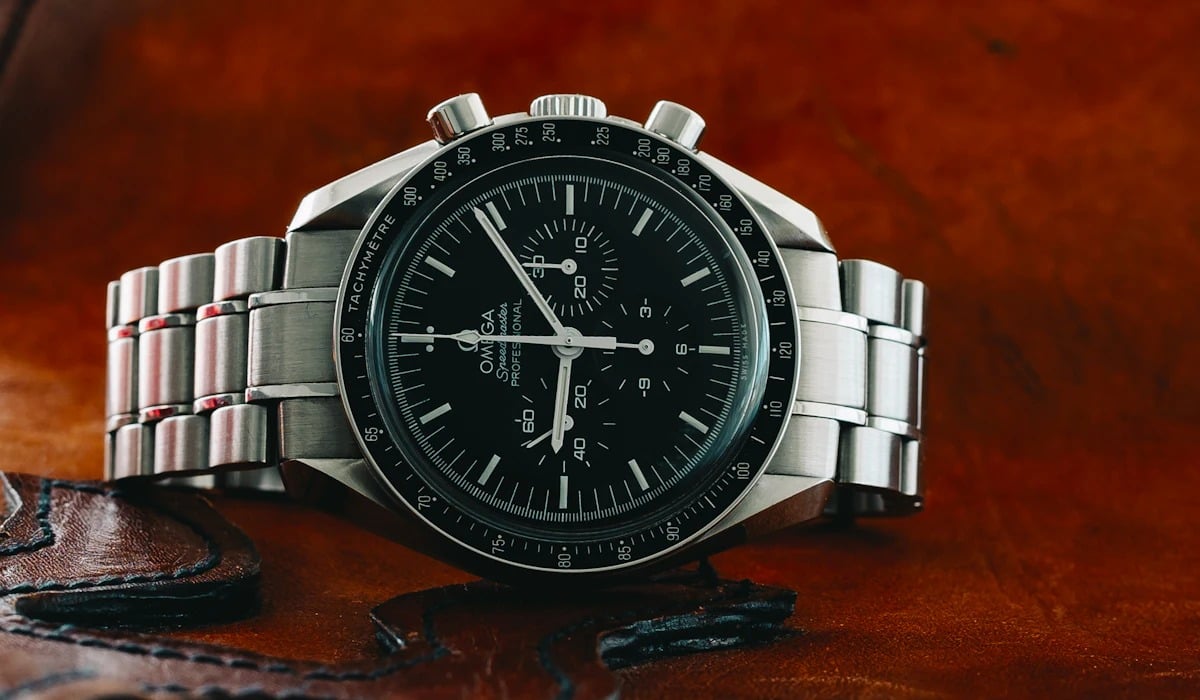
NASA qualified the Omega Speedmaster for crewed flight in 1965 after testing it against heat, cold, vacuum, and vibration. Buzz Aldrin wore his on the lunar surface, and that watch later vanished on its way to the Smithsonian.
Collectors want 1960s references such as 105.012 and 145.012, which use the caliber 321 movement. Those often sell for about 8,000 to 20,000 dollars in 2026.
Originality drives the number, because decades of servicing replaced many dials, hands, and bezels. An early bezel with the dot placed over the 90 marking is one small detail that can move the price by thousands.
Bulova Lunar Chronographs
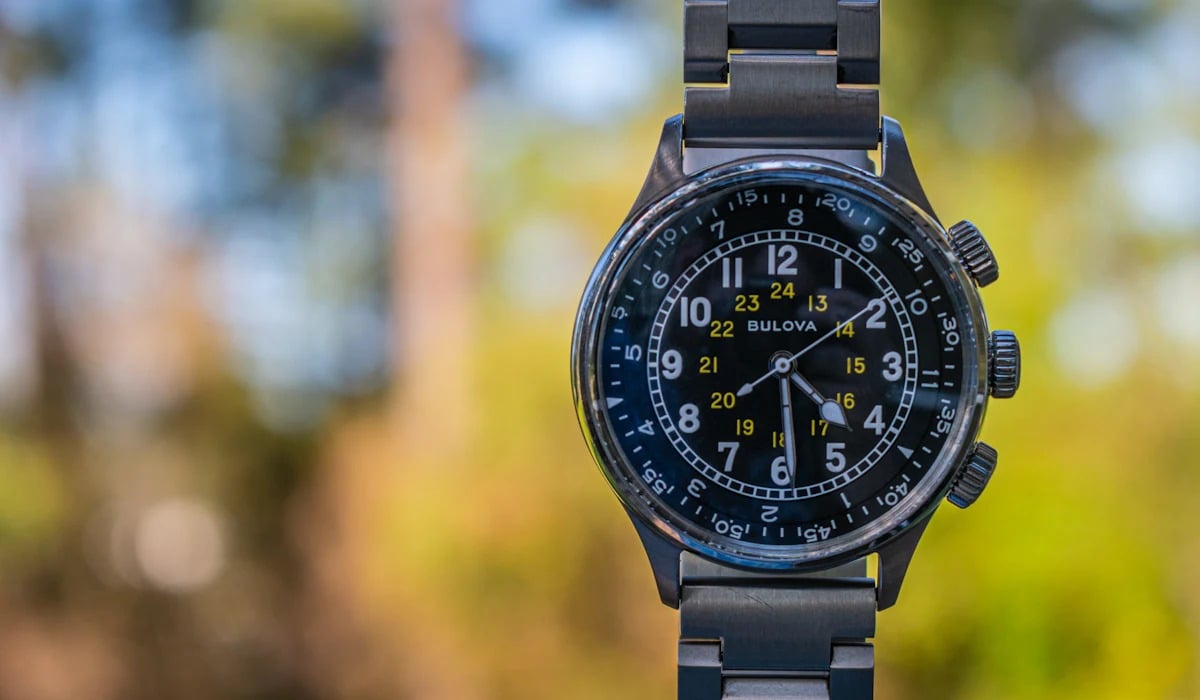
During Apollo 15, the crystal popped off David Scott’s issued Omega, so he wore a personal Bulova chronograph for his last moonwalk. That watch sold through RR Auction in 2015 for about 1.6 million dollars.
Bulova then released a modern quartz version called the Lunar Pilot, which made the story affordable. Secondhand examples typically sell for about 250 to 500 dollars.
Scratches on the crystal, a worn strap, and missing box or warranty card each trim the figure, and special editions with unusual dials run higher. It remains one of the cheaper ways to wear a design with a documented lunar surface connection.
Fisher AG-7 Space Pens
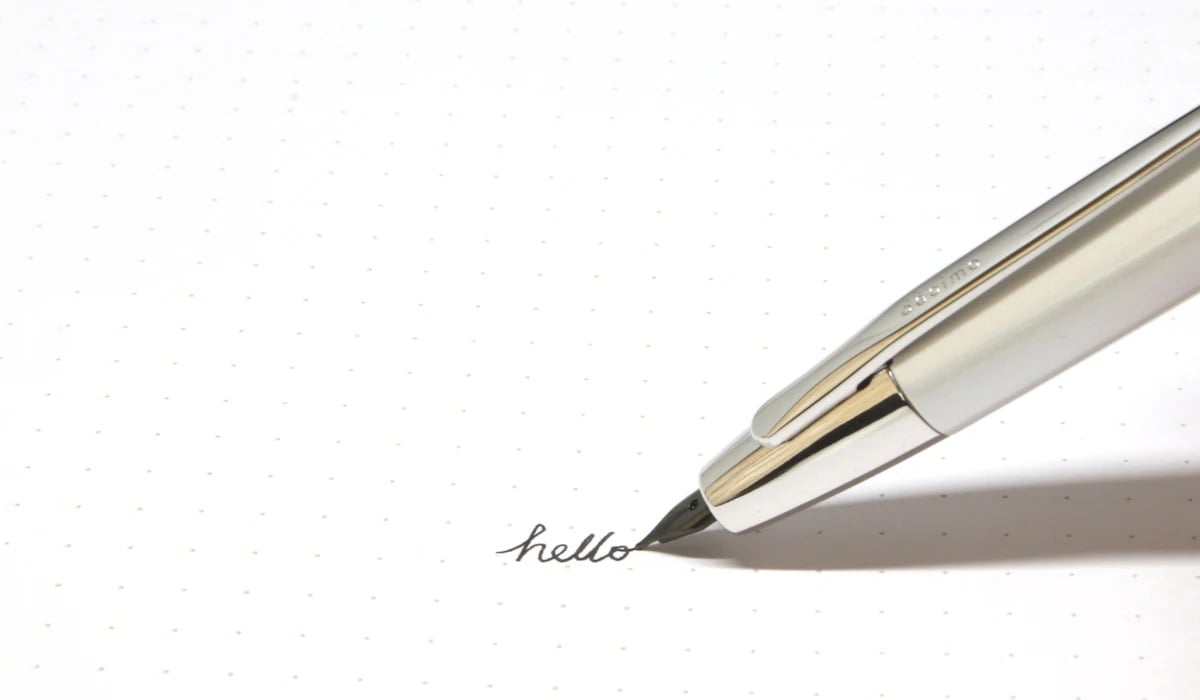
Paul Fisher developed his pressurized pen on his own dime, then offered it to NASA for testing. The AG-7 uses a sealed nitrogen-charged cartridge and thick ink that flows only when the tip is moving.
It first flew on Apollo 7 in October 1968 and the company has sold the same model ever since. That long production run keeps prices sensible.
Boxed examples from the Apollo years often bring about 40 to 150 dollars, depending on chrome wear, the original instruction leaflet, and whether the box matches the period. New ones cost less than many vintage sets, so dating matters.
Eisenhower Dollars With the Eagle Reverse
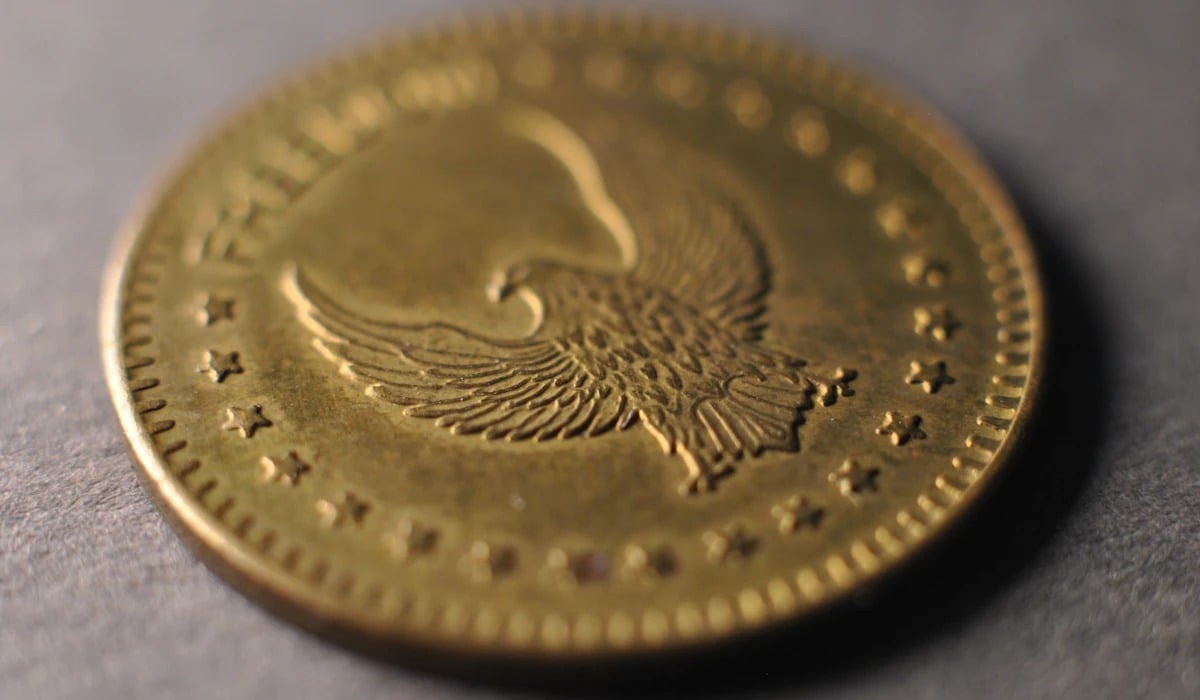
Pocket change carried the Apollo 11 emblem for most of a decade. Frank Gasparro adapted the eagle landing on the Moon for the reverse of the Eisenhower dollar, struck from 1971 to 1978, and the design continued on the Susan B.
Anthony dollar. Circulated copper-nickel pieces are worth little above face value.
The collector versions struck in 40 percent silver, sold by the Mint in blue envelopes and brown boxes, often trade for about 15 to 40 dollars as silver prices move. Hairline scratches, cloudy toning, and missing government packaging separate the cheap examples from the better ones.
Snoopy Astronaut Dolls
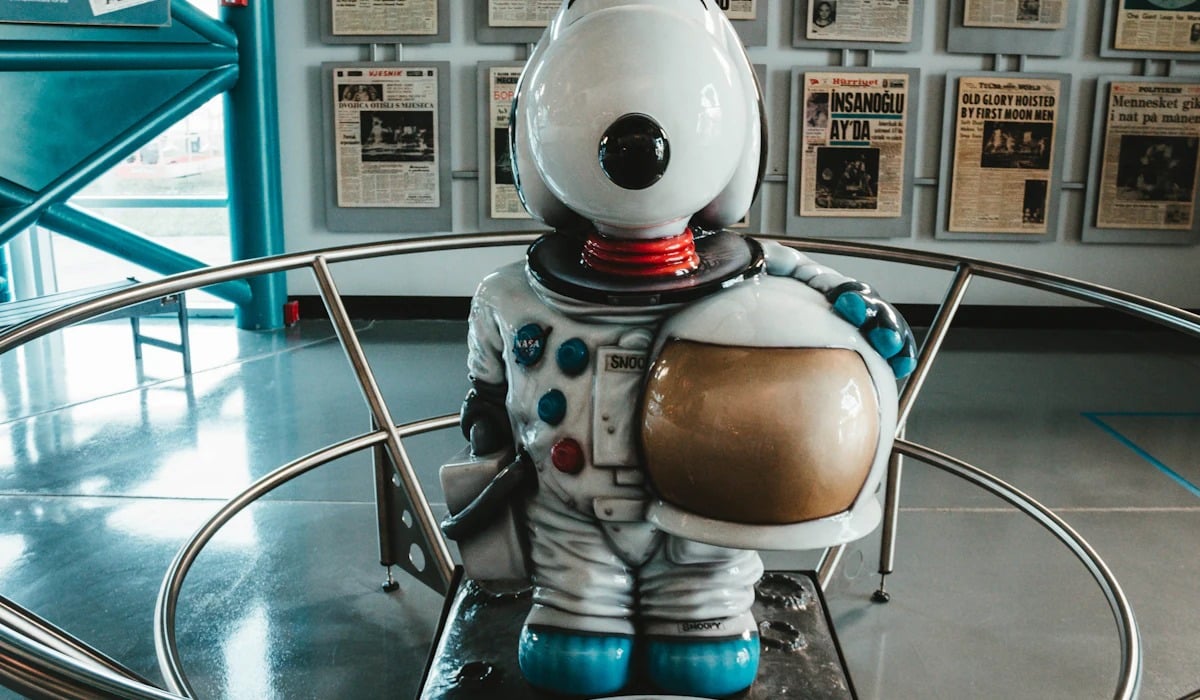
Charles Schulz’s beagle became a NASA safety mascot after the Apollo 1 fire, and the Apollo 10 crew named their lunar module Snoopy in May 1969. Determined Productions of San Francisco released an astronaut Snoopy doll that same year, dressed in a spacesuit with a clear helmet.
It sold widely and was played with hard. Complete examples in 2026 often bring about 60 to 250 dollars.
The helmet is the weak point, since the plastic cracks and yellows, and missing accessories or a stained suit drag prices toward the bottom. An original box in decent shape can double what a loose doll brings.
Silver Snoopy Award Pins
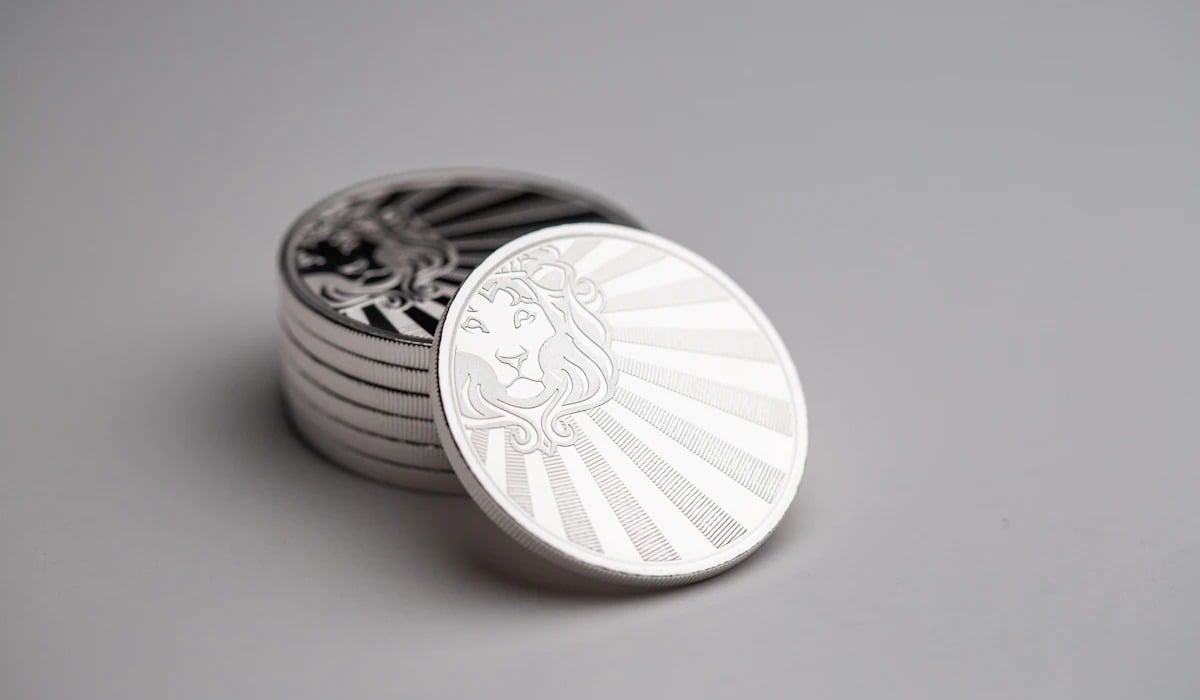
Since 1968, astronauts have personally presented a small sterling silver Snoopy pin to employees and contractors whose work improved flight safety. Each pin has flown in space, and the award goes to fewer than one percent of the eligible workforce in a given year.
Recipients tend to keep them, so supply is thin. Examples typically sell for about 500 to 2,500 dollars, with Apollo-era awards at the high end.
The accompanying letter and certificate naming the recipient and the flight carry much of the value. Gift shop replicas look similar at a glance, which makes a pin with no paperwork a hard sell.
Gulf Oil Paper Lunar Modules
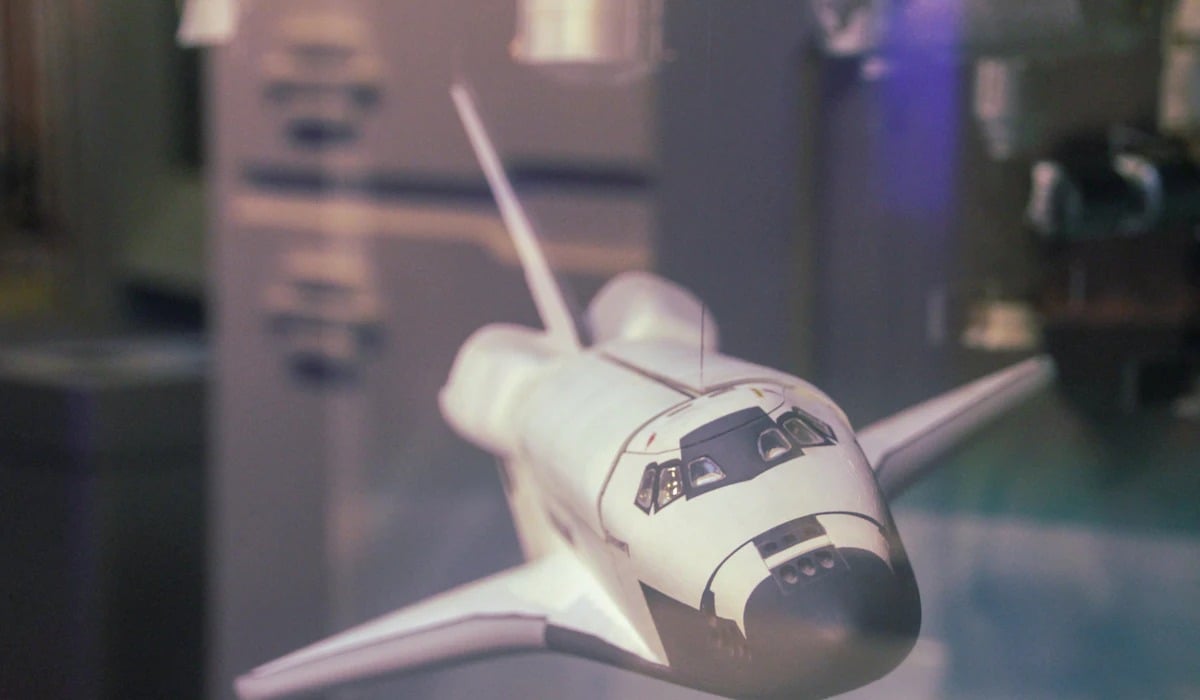
Gulf Oil sponsored NBC’s coverage of the Apollo flights and backed it with a giveaway at its service stations in 1969. Drivers received a printed cardboard sheet that punched out and folded into a model of the lunar module.
Most were assembled by children within the hour and thrown out by autumn. Unpunched sheets survive in smaller numbers and often sell for about 15 to 60 dollars.
Torn tabs, creases across the printed panels, and water stains are the usual flaws. Built models have charm and little market, though a clean one still finds a buyer at a few dollars.
Marathon Oil Apollo Glasses
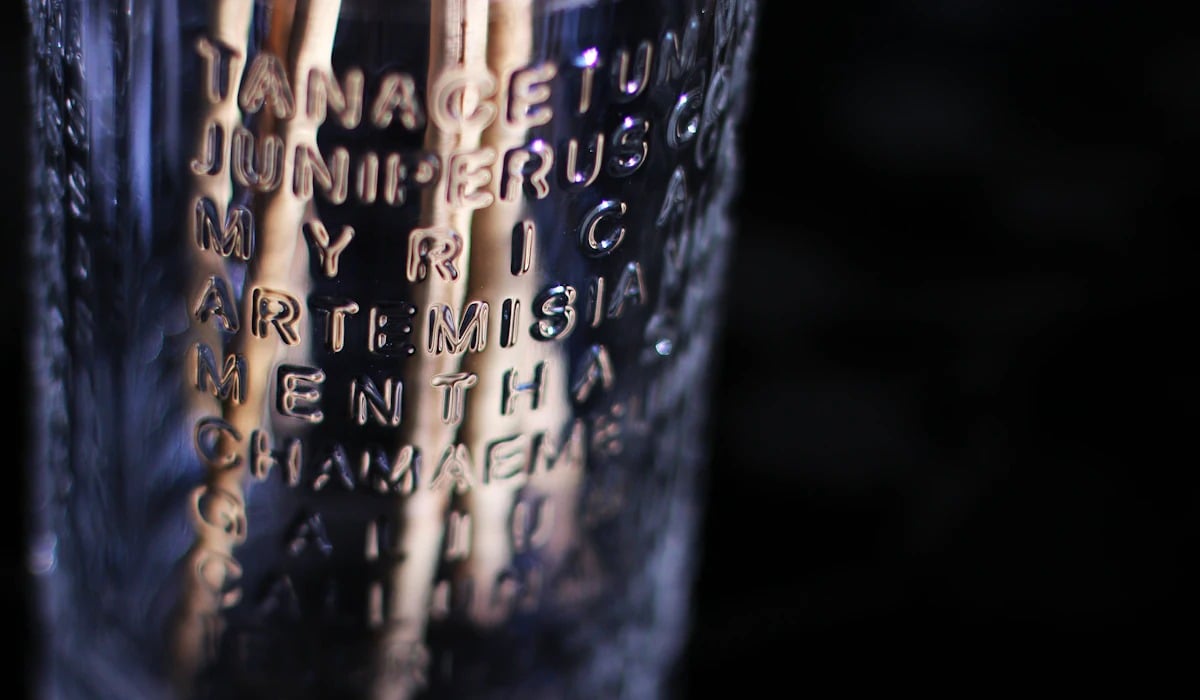
Fill-ups at Marathon stations in the Apollo years came with a drinking glass printed with mission artwork. The series covered Apollo 11, Apollo 12, Apollo 13, and Apollo 14, and a matching carafe was offered as well.
The Apollo 13 glass commemorates a flight that never landed, which makes it the conversation piece of the set. Single glasses typically cost about 5 to 12 dollars in 2026, and a full set with the carafe often runs 40 to 90 dollars.
Dishwashers did the damage here. Faded or cloudy printing and chipped rims are common, and bright graphics are what buyers pay for.
View-Master Moon Landing Reels
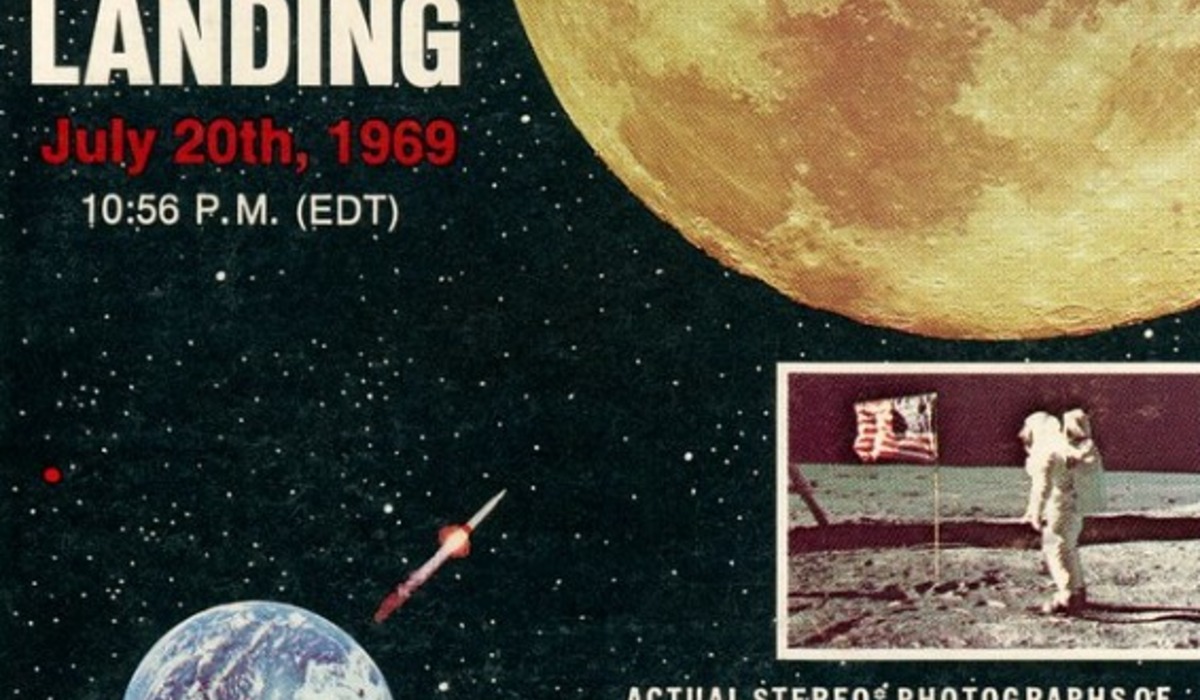
GAF had owned View-Master for only a few years when it released a three-reel Moon Landing packet built on NASA photography. Each reel holds seven stereo pairs, so the packet delivers 21 scenes in three dimensions, along with a printed booklet.
For many children it was the closest available thing to standing on the surface. Complete packets often sell for about 10 to 35 dollars.
Buyers check for the booklet and outer envelope, color shift in the film, and scratches visible through a viewer. Warped reels that jam in the mechanism are worth very little, however good they look in a listing.
Time-Life Mission Audio Box Sets
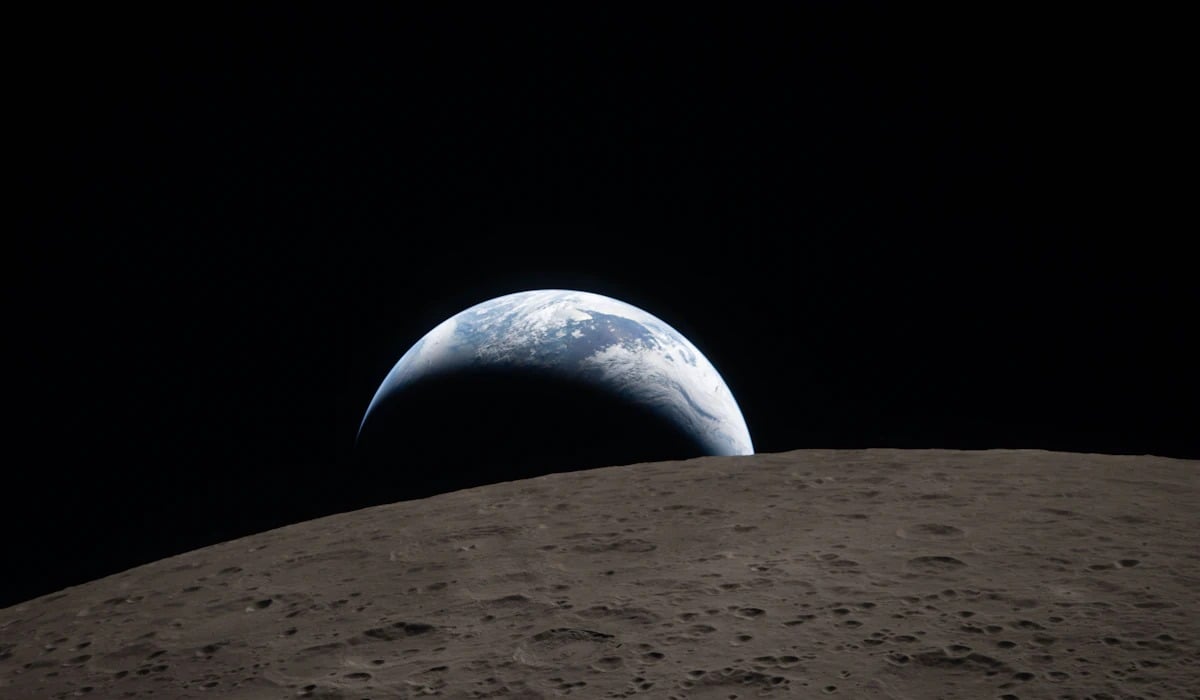
Record labels rushed mission audio onto vinyl in 1969, and the most ambitious package came from Time-Life Records. Its boxed set “To the Moon” spread the story of the space program across six LPs and included an illustrated book.
Sets sold by mail order to a large subscriber base, so they are easy to find today. Prices typically run about 20 to 60 dollars.
Split box corners, a missing book, and scratched or warped discs all push a set toward the low end. Single LPs and 45s of the landing audio from other labels are cheaper still, often under 15 dollars.
Red-Number NASA Photographs
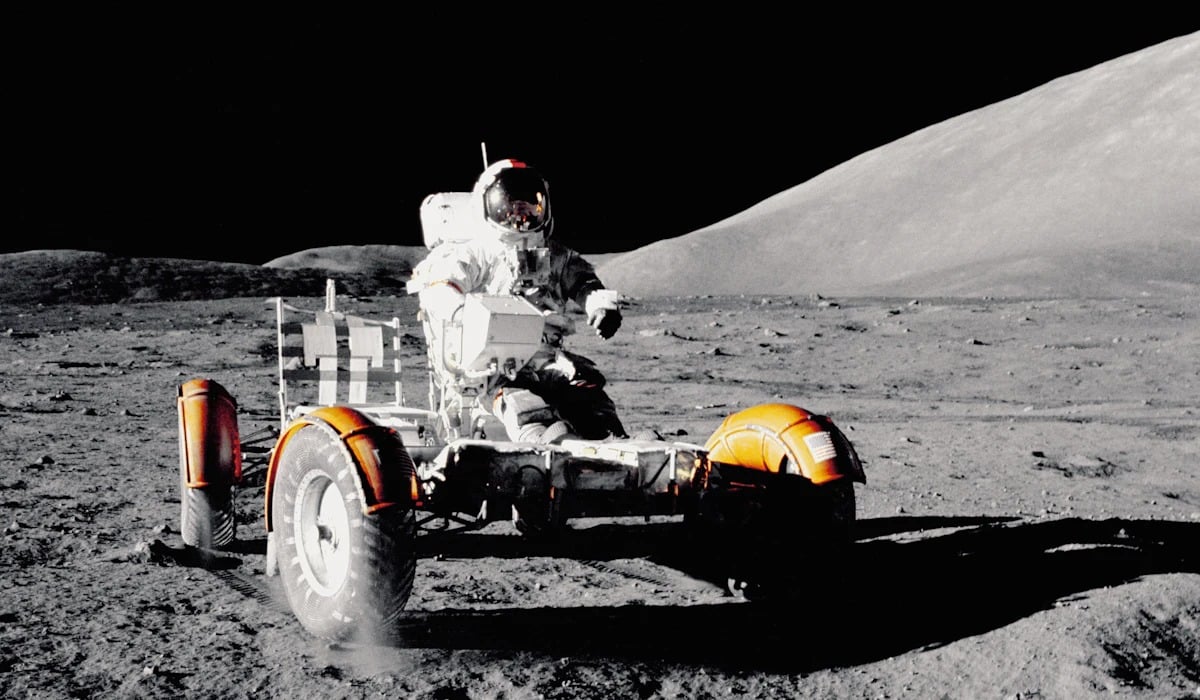
NASA distributed glossy color prints to the press in 1969, each with an identification number printed in red in the margin. The paper usually carries a repeating “A Kodak Paper” watermark on the back, which helps date a print to the period.
Frame AS11-40-5903, the portrait of Aldrin with Armstrong reflected in his visor, is the most wanted. Vintage Apollo 11 prints often sell for about 300 to 3,000 dollars depending on the image.
Trimmed margins, creases, color fading, and handling dents all count against a print. Later reprints lack the watermark, and they are worth a small fraction of a period example.
Apollo 11 Press Kits
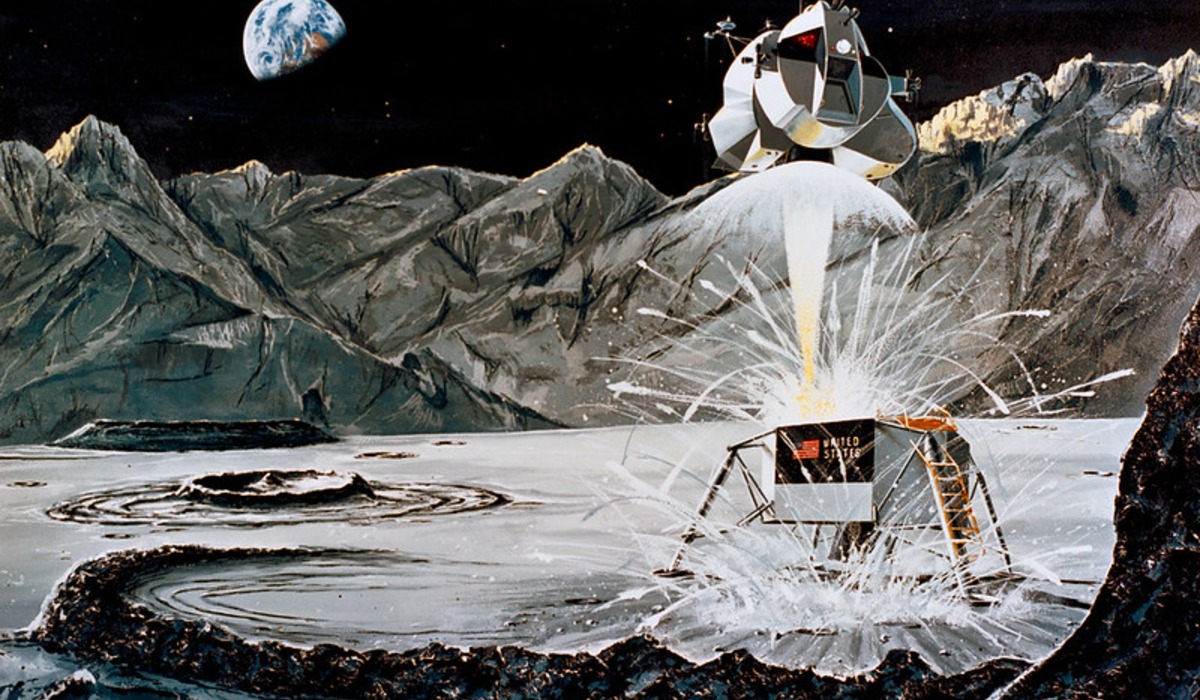
Reporters covering the flight received a stapled NASA press kit dated for release on July 6, 1969. It runs to more than 200 pages of timelines, diagrams, and spacecraft data, and it is drier than the event it describes.
Contractors including Grumman and North American Rockwell issued their own kits for the hardware they built. Original NASA kits typically bring about 150 to 500 dollars in 2026.
Missing pages, rusted staples, binder punching, and newsroom scribbles affect price, although notes from a known journalist can help. Photocopies were made in quantity, so paper age and printing quality need checking.
Flown Flight Plan Pages
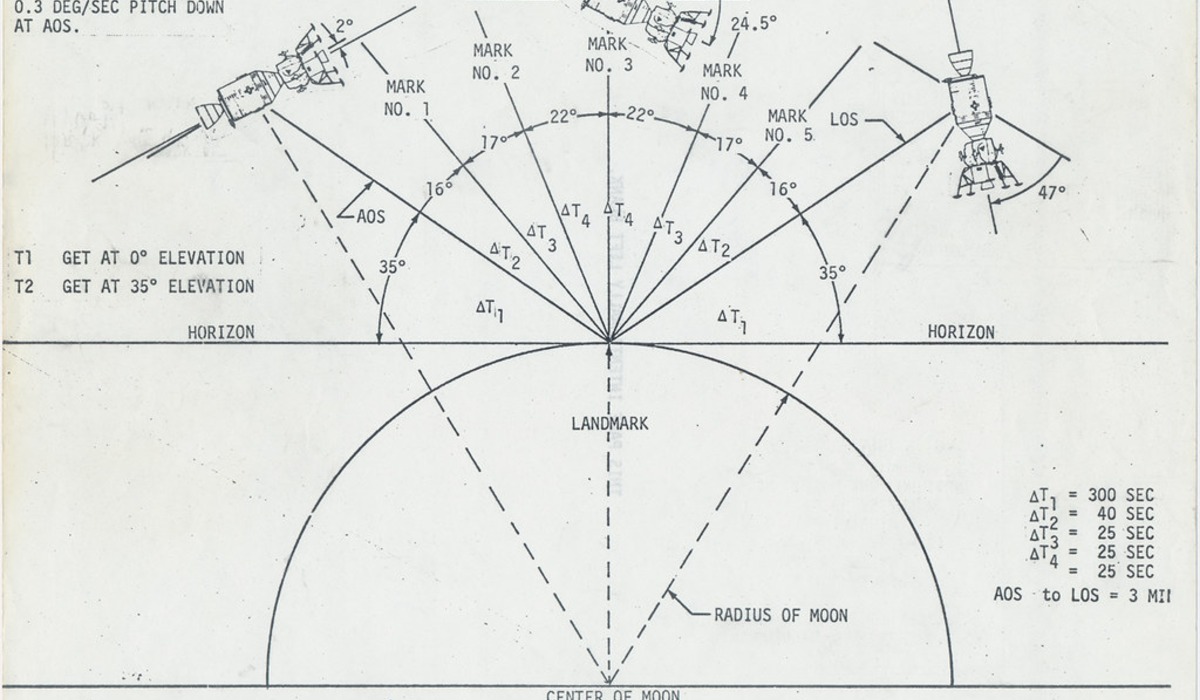
Pages from the Apollo 11 flight plan traveled to the Moon and back in the command module. Buzz Aldrin kept many of them and later sold individual sheets, each with a signed statement describing its use.
A 2012 federal law confirmed that Mercury, Gemini, and Apollo astronauts hold legal title to mementos they kept from their missions. Pages covering the landing or the moonwalk have sold for tens of thousands of dollars, and routine pages for considerably less.
Handwritten crew notations raise value. So does an unbroken paper trail, because a loose page with no certification is nearly impossible to prove.
Lunar Sample Return Bag
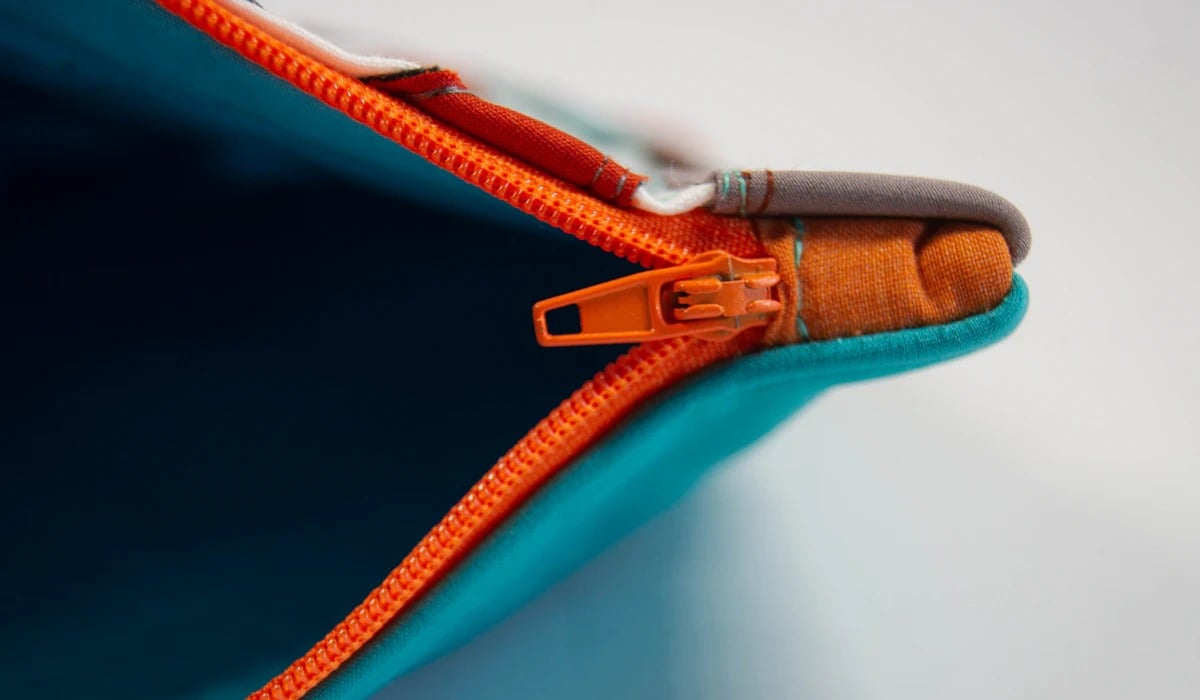
In 2015, Illinois collector Nancy Lee Carlson paid 995 dollars at a government forfeiture auction for a white fabric bag labeled “Lunar Sample Return.” She sent it to NASA for testing, and the agency found Apollo 11 dust in the fibers and declined to give it back.
A federal court ruled the bag was legally hers. Sotheby’s sold it in July 2017 for about 1.8 million dollars.
The case is an exception. Lunar samples collected by Apollo crews are government property, and offers of Apollo moon rock or dust on the open market should be treated as either illegal or fake.
Armstrong Family Collection Pieces
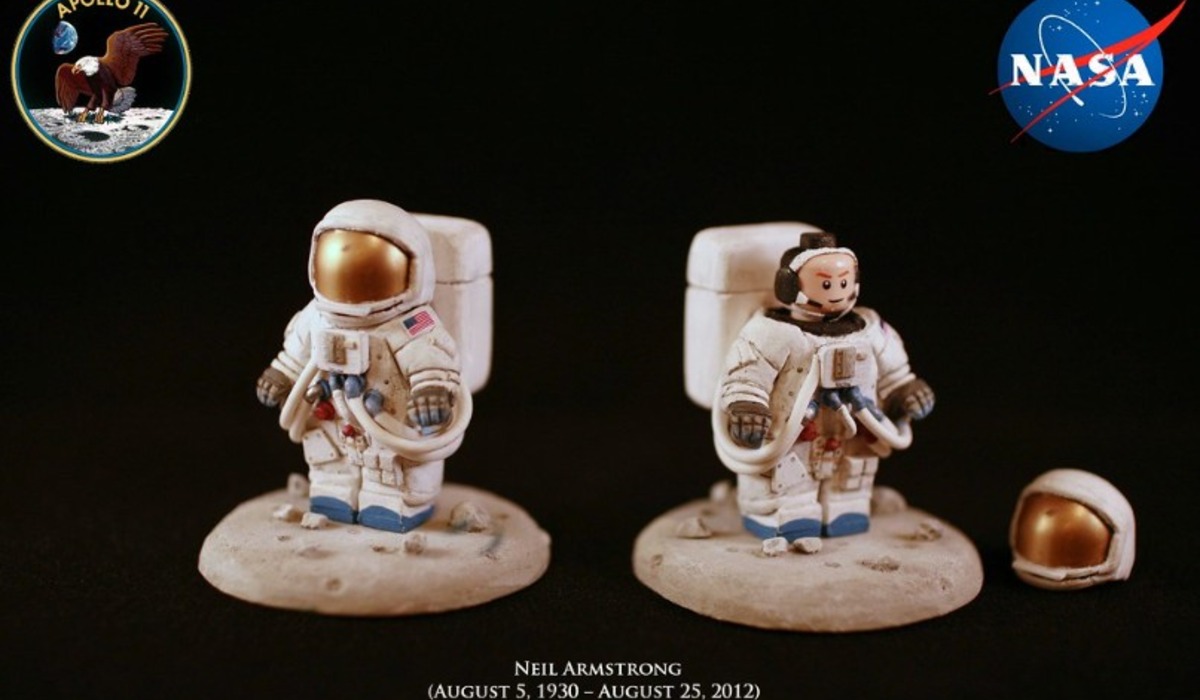
Neil Armstrong sold almost nothing during his lifetime. After his death in 2012, his sons Rick and Mark consigned his personal archive to Heritage Auctions in Dallas, with sales beginning in November 2018.
The lots included flown flags, medallions, and fragments of fabric and propeller from the Wright Flyer that Armstrong had carried to the lunar surface. Prices ranged from a few hundred dollars for minor paper items to well over 100,000 dollars for flown pieces.
The lots were certified by an outside authentication firm, and an intact holder or label from that process is now part of what later buyers pay for.
Aldrin’s Flight Jacket and Flown Papers
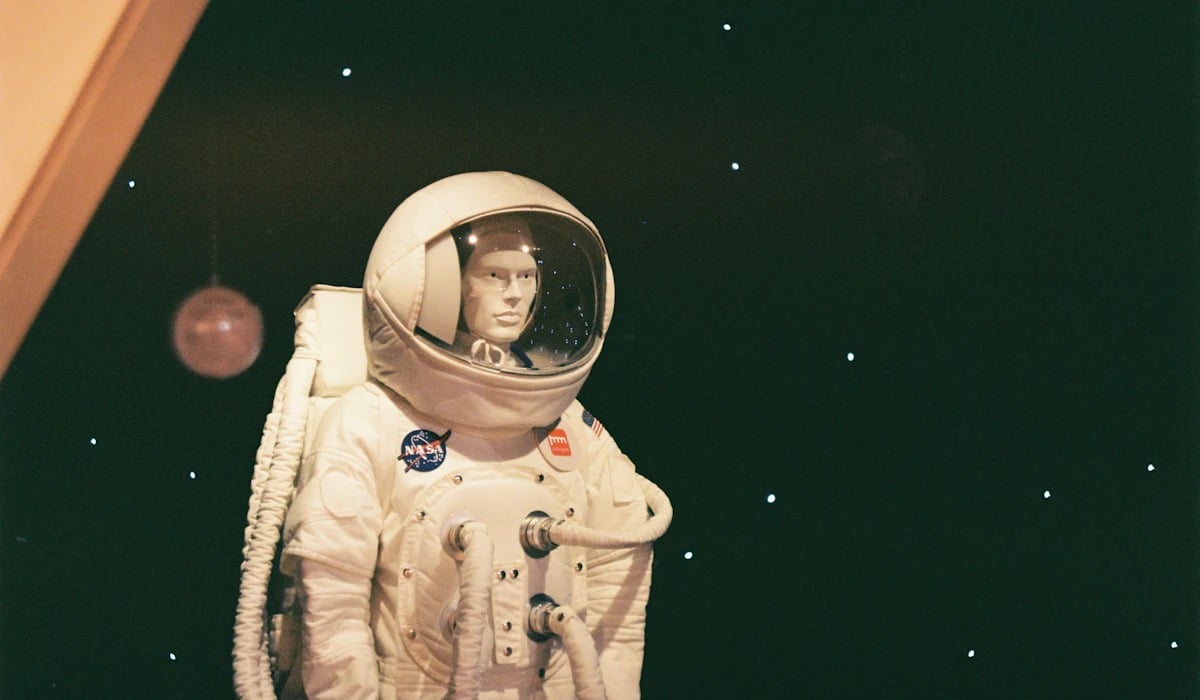
Buzz Aldrin sold a large group of personal Apollo 11 material through Sotheby’s in New York in July 2022. The headline lot was the white inflight jacket he wore in the command module on the way to the Moon and back, which brought about 2.8 million dollars.
Sotheby’s described it as the only flown Apollo 11 garment in private hands, since the other two crew jackets belong to the Smithsonian. Checklists and flown papers from the same sale went for far less.
The appeal across every lot was direct provenance, with the seller being the man who used the items.
Grumman Contractor Lunar Module Models
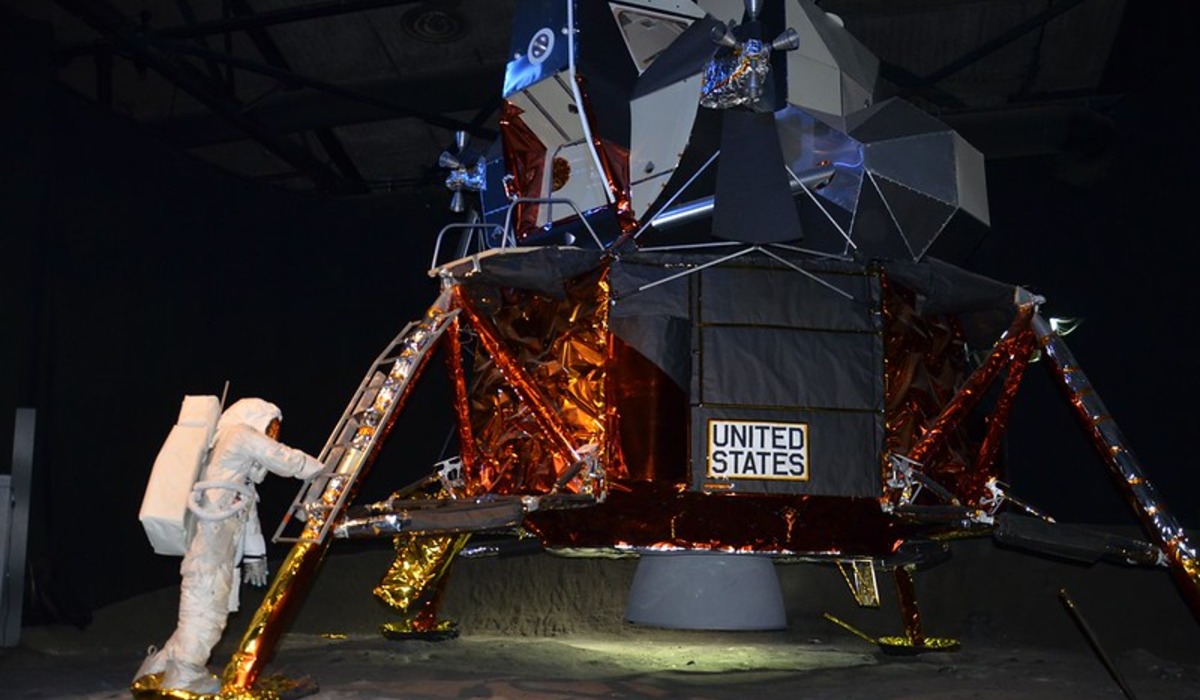
Grumman Aircraft Engineering built the lunar module in Bethpage, New York, and it handed out detailed desk models to executives, officials, and customers. These contractor models were made by professional model shops and were never sold in stores.
Period Grumman lunar module models often sell for about 1,500 to 6,000 dollars in 2026. The fragile parts tell the story, since antennas, landing probes, and thrusters snap off easily, and replaced pieces lower value.
An original base with its nameplate matters as well. Modern replicas are plentiful and well made, so construction materials and documented history are worth studying before bidding.
Keepsakes From a Quarter Million Miles Away
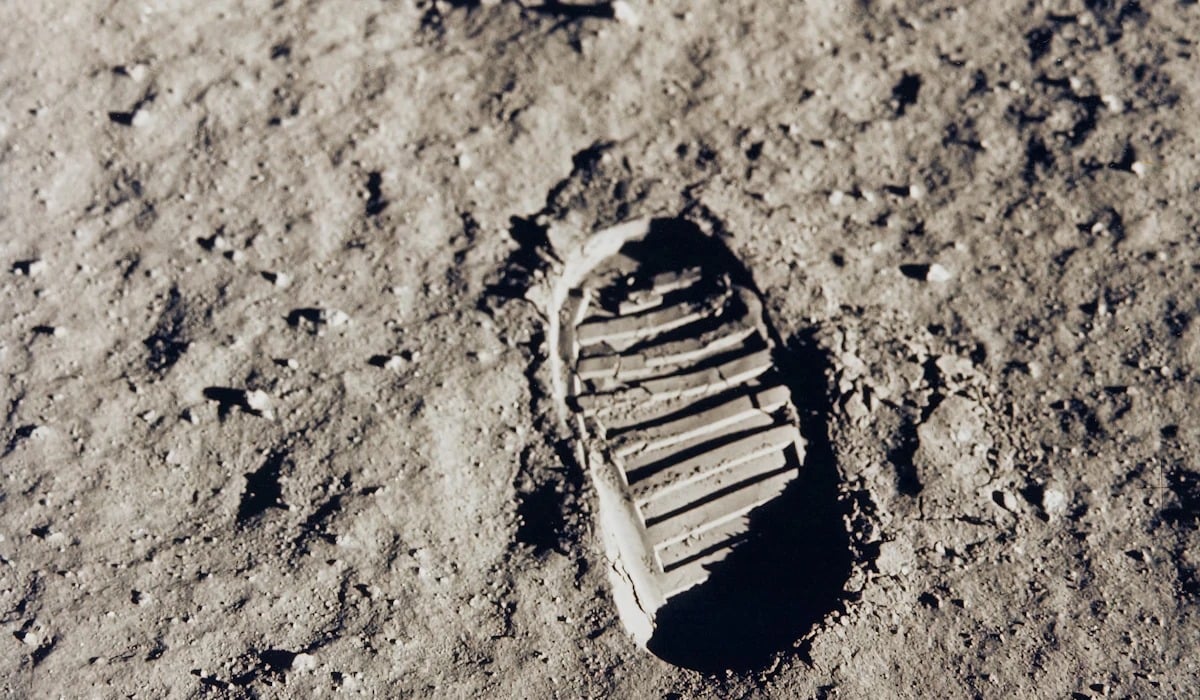
The Apollo market runs on an unusual split. On one side sit the objects that went to the Moon, which were always scarce and are now priced like fine art.
On the other sit the things made for everyone who stayed home, and those remain cheap because so many households kept them.
Both kinds do the same job. A flown medallion and a faded gas station glass each mark a week when most of the planet was paying attention to the same event.
Collectors pay for proof of that connection, and paperwork, condition, and honest provenance decide how much.
MORE FROM GO2TUTORS!

- The Romanov Crown Jewels and Their Tragic Fate
- 13 Historical Mysteries That Science Still Can’t Solve
- Famous Hoaxes That Fooled the World for Years
- 15 Child Stars with Tragic Adult Lives
- 16 Famous Jewelry Pieces in History
Like Go2Tutors’s content? Follow us on MSN.