29 Mountaineering Feats Once Considered Completely Impossible
There is a particular kind of human stubbornness that looks at a sheer wall of rock or a ridge wrapped in winter storms and decides that the word “impossible” is really just a dare wearing a disguise. Throughout the history of mountaineering, experts, doctors, and experienced climbers have looked at specific routes, seasons, and summits and declared them beyond reach — only to watch someone prove them wrong, often within a generation.
The gap between “it cannot be done” and “it has been done” is frequently just one obsessed person with too much determination and not enough self-preservation. What follows are 29 moments when the supposed ceiling of human capability turned out to be a floor.
The First Ascent of Mont Blanc, 1786
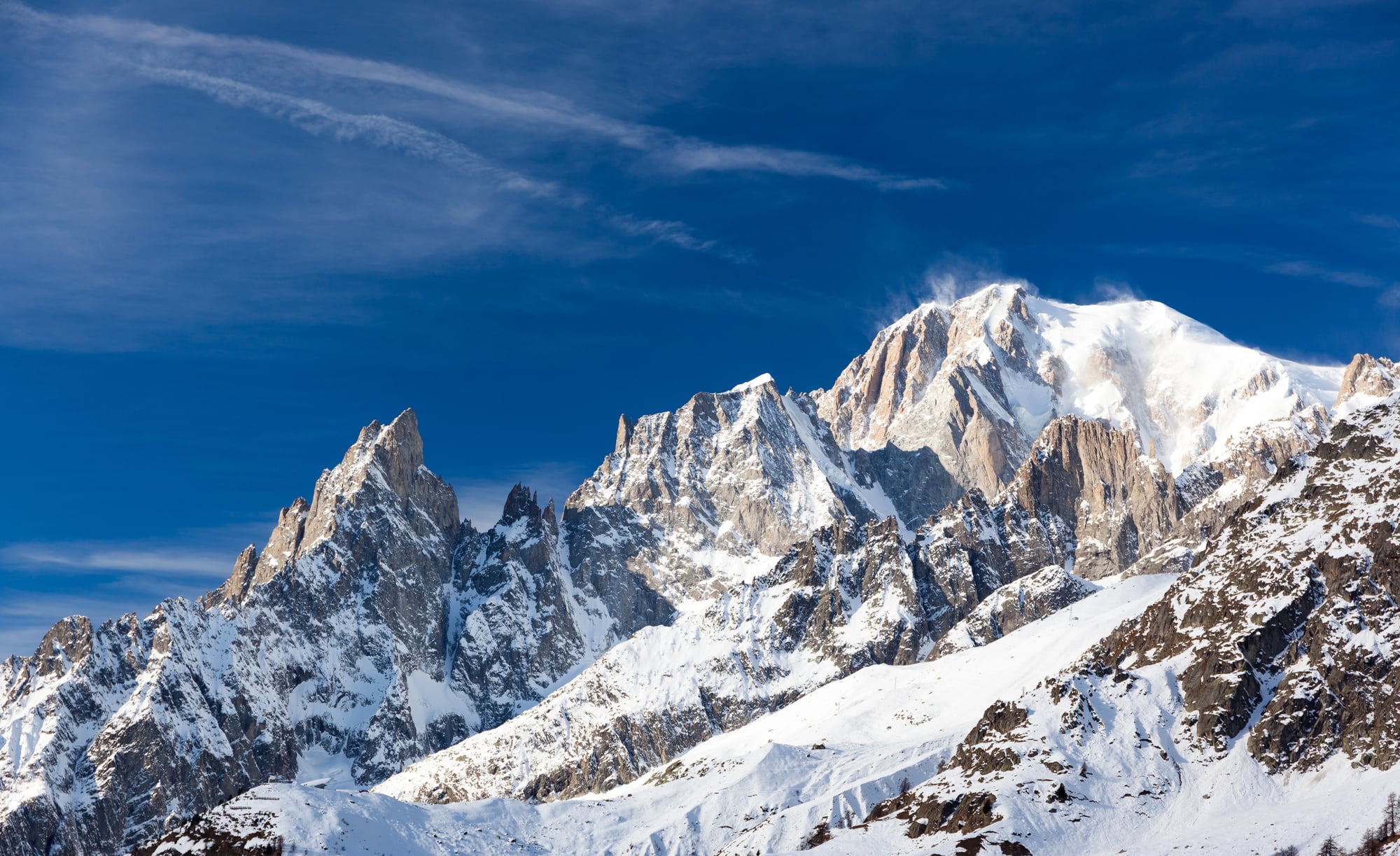
Before Jacques Balmat and Dr. Michel-Gabriel Paccard climbed Mont Blanc on August 8, 1786, the Alps were widely considered the outer boundary of what any person could safely climb. Both men were from Chamonix, the village sitting directly beneath the 4,809-meter peak, and their success did not just mark a personal triumph — it essentially invented mountaineering as a pursuit.
The scientific community had offered prizes for the attempt, largely expecting it to fail; instead it created an entire sport and a century of imitators.
The Matterhorn’s First Ascent, 1865
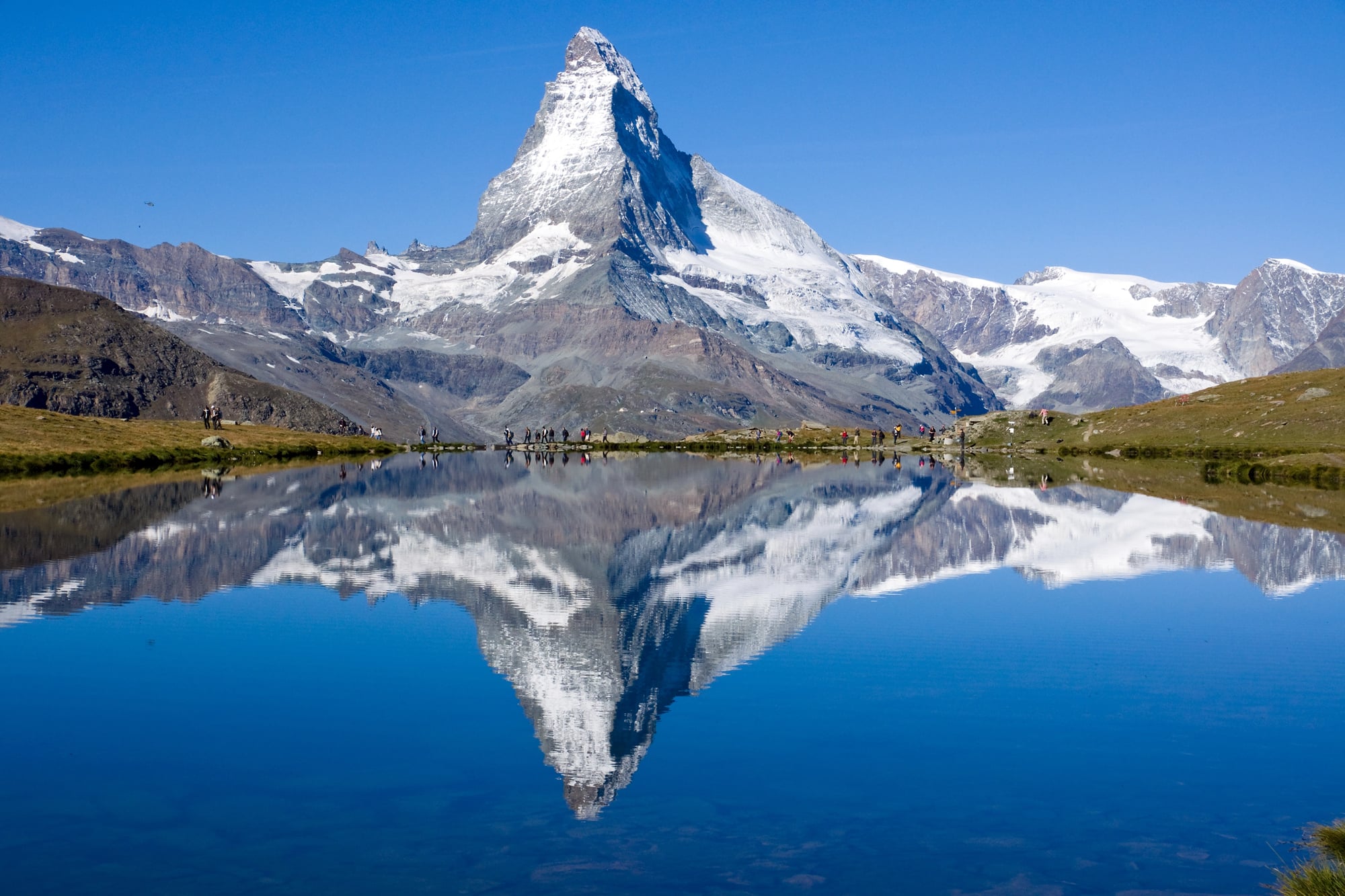
The Matterhorn’s distinctive pyramid shape made it one of the most feared peaks in the Alps for decades. Its four steep faces, loose rock, and reputation for sudden storms convinced many experienced alpinists that it would never be climbed.
Edward Whymper’s team reached the summit on July 14, 1865, ending what became known as the Golden Age of Alpinism — but the descent cost four lives, which only deepened the mountain’s fearsome reputation for those who came after.
Mont Aiguille, The Mountain Called Inaccessible, 1492
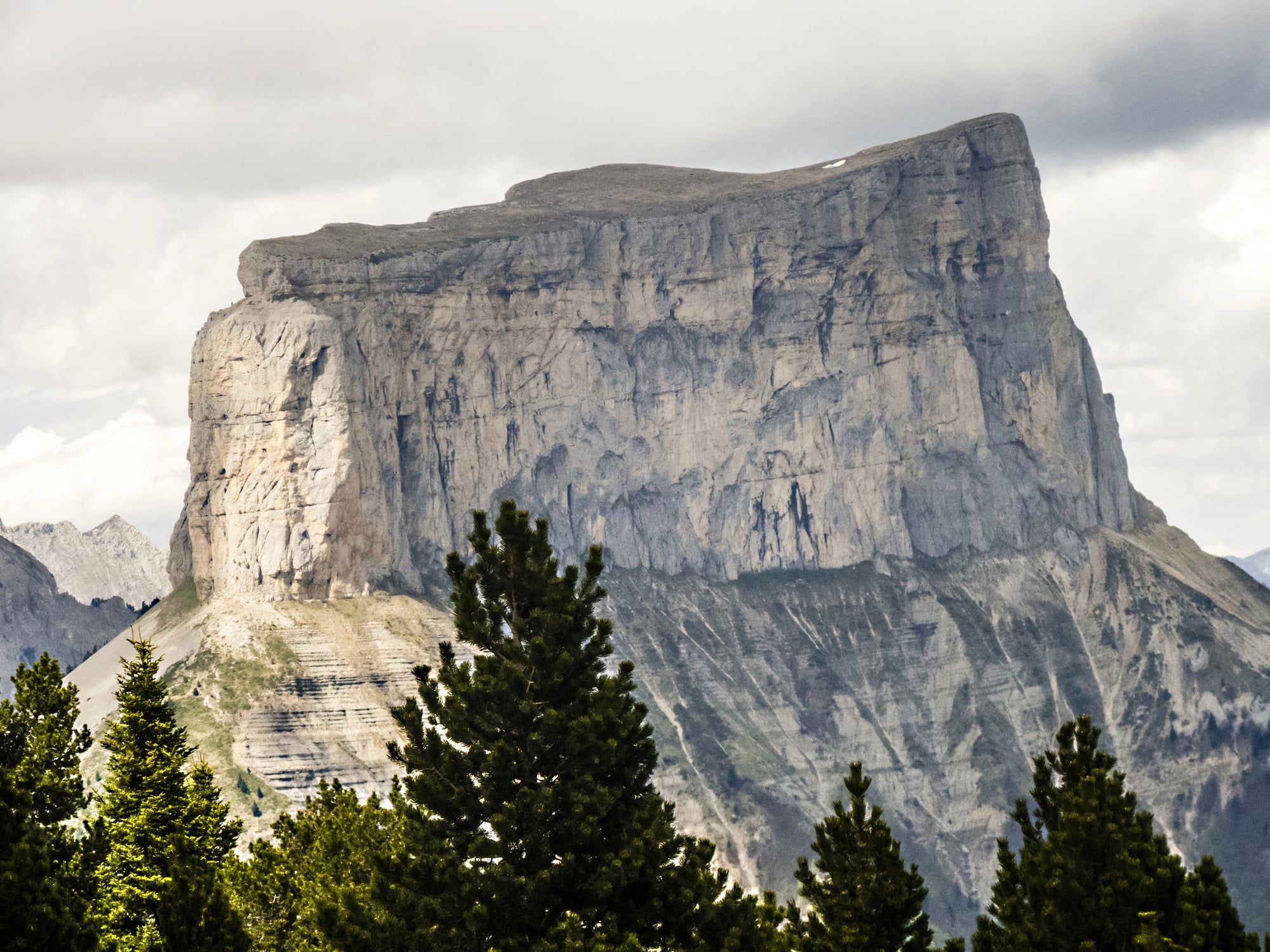
Long before the Alps were a recreational destination, there was Mont Aiguille in the Vercors plateau of France, known simply as “Mont Inaccessible” because its sheer vertical walls seemed to offer no way up.
In 1492, King Charles VIII of France ordered Captain Antoine de Ville to climb it as a kind of royal dare. De Ville succeeded using ladders, ropes, and improvised rigging — a feat so improbable that witnesses reportedly could not believe it and demanded proof.
It stands as the earliest recorded technical mountain ascent in history.
The Eiger Nordwand’s First Ascent, 1938
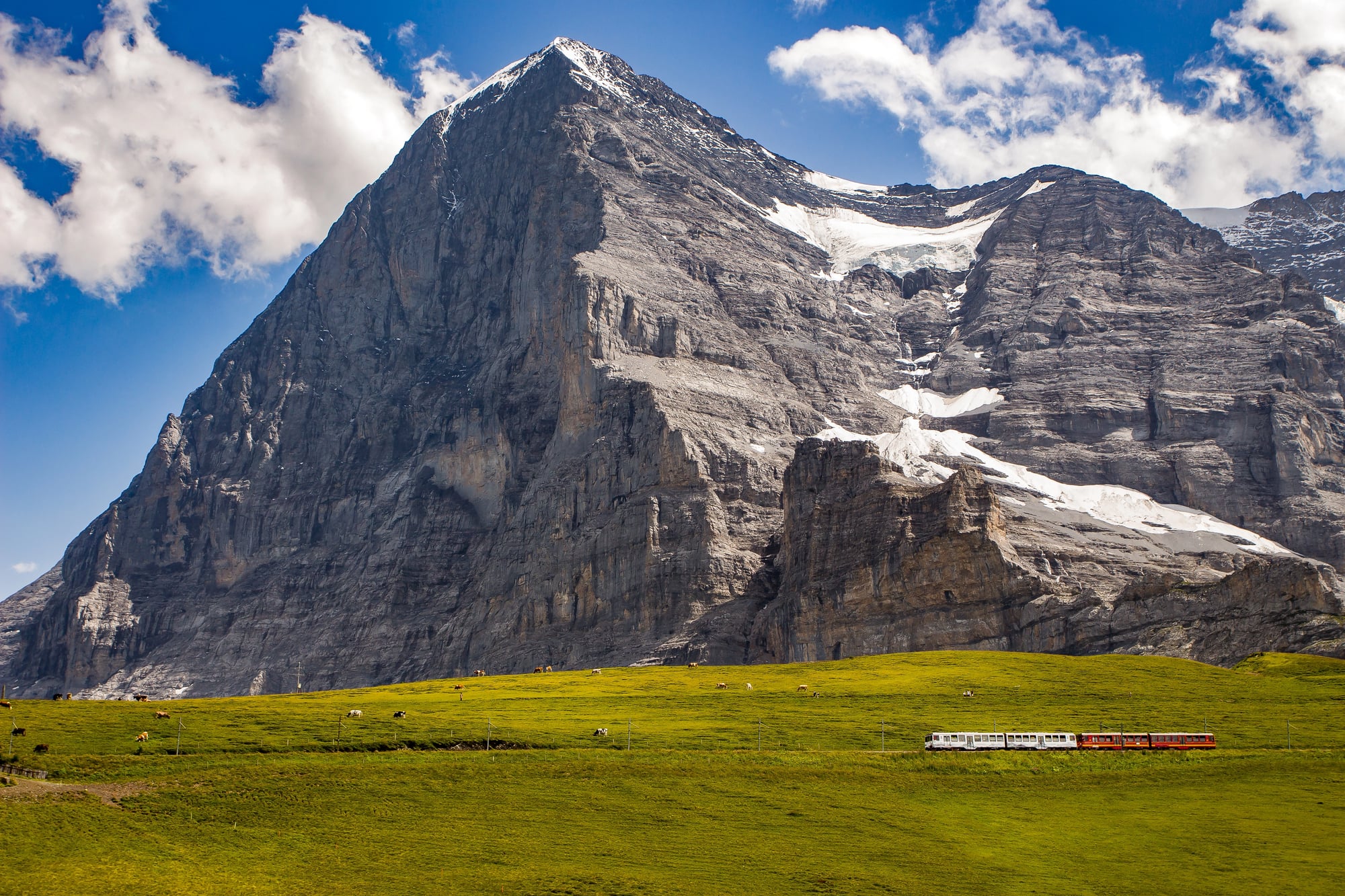
The Eiger’s north face — the Nordwand, or what German speakers were already calling the Mordwand, the “Murder Wall” — had repelled every attempt and claimed multiple lives before a team of German and Austrian climbers including Heinrich Harrer finally climbed it in 1938.
Standing nearly 1,800 meters of near-vertical limestone and ice, the face combines rockfall, sudden storms, and near-zero possibility of rescue into what remains one of the most serious undertakings in alpine climbing. More than 60 people have died attempting it since.
Hermann Buhl’s Solo First Ascent of Nanga Parbat, 1953
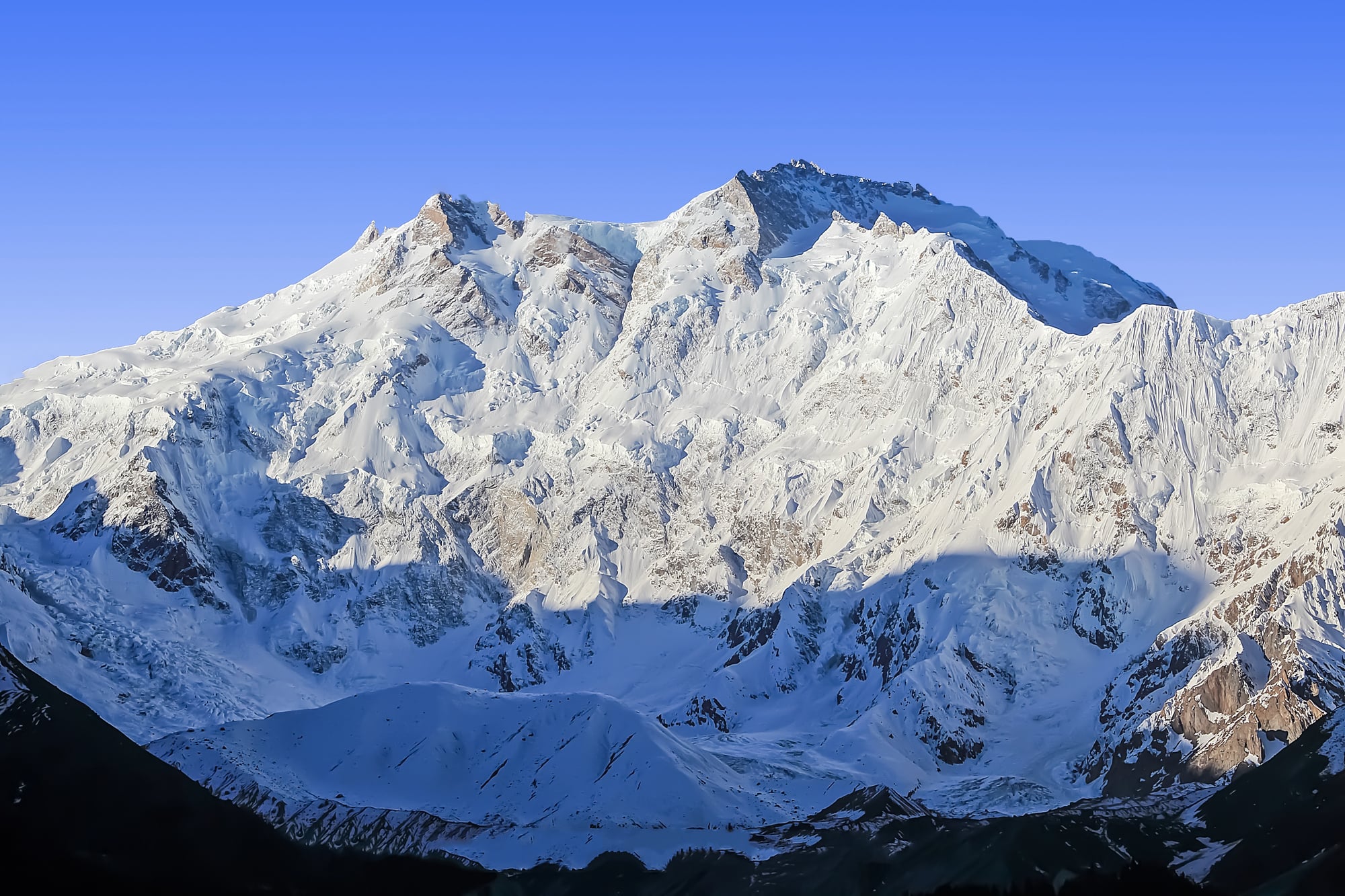
The ninth-highest mountain in the world had already killed 31 climbers before Hermann Buhl reached its summit on July 3, 1953 — alone, without supplemental oxygen, and in circumstances that should not have worked.
His climbing partner turned back, so Buhl continued solo from the high camp at around 2:30 a.m. He reached the summit at 7 p.m. after a 17-hour climb, then spent the night standing on a ledge because darkness prevented descent.
He returned to camp 41 hours after he left, missing an ice axe and a crampon. It remains the only 8,000-meter peak to have had its first ascent made by a single climber alone.
The First Ascent of Everest, 1953
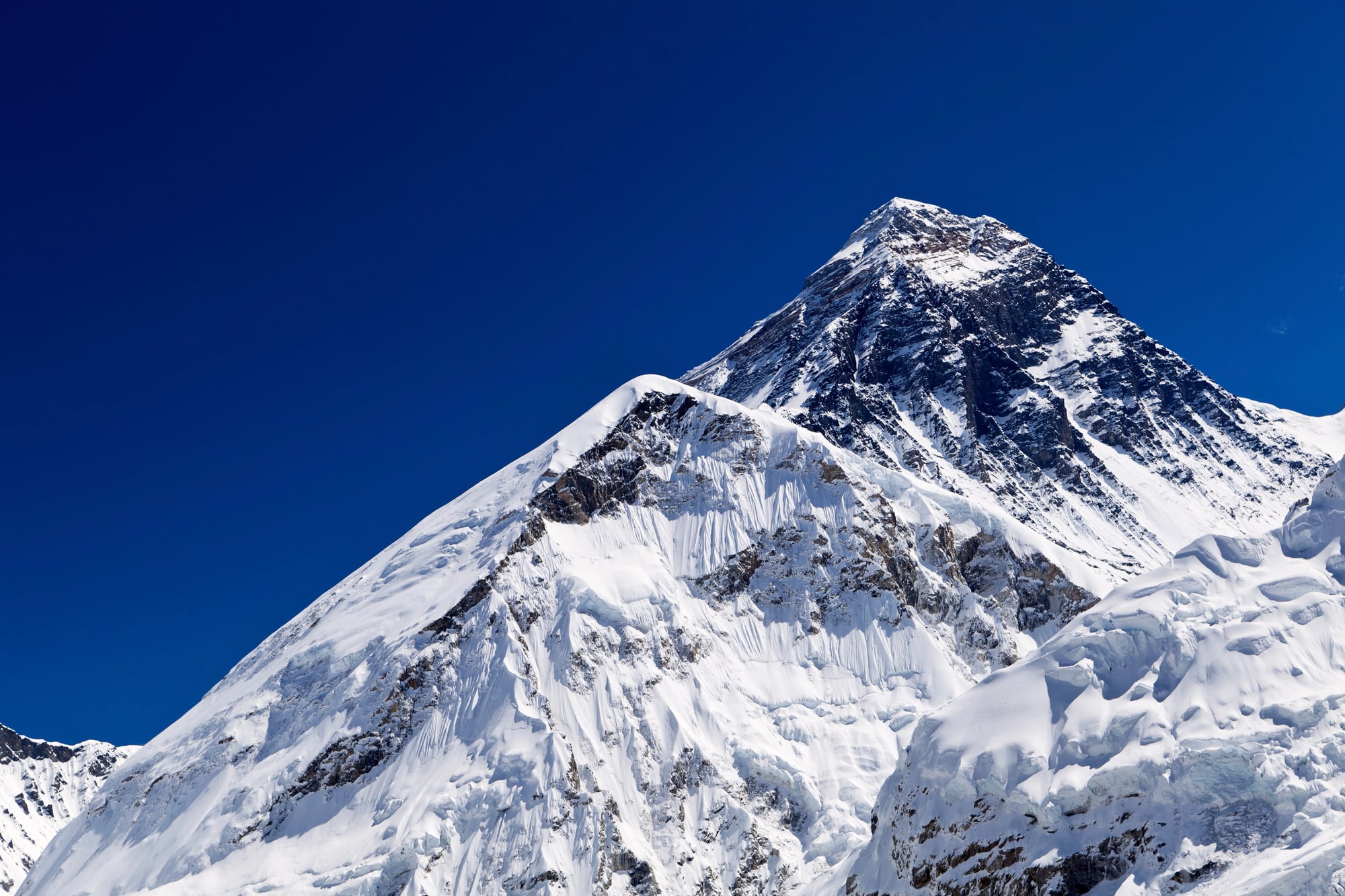
By the time Edmund Hillary and Tenzing Norgay reached the summit on May 29, 1953, Everest had defeated seven major expeditions and claimed dozens of lives over three decades of attempts.
The mountain’s combination of extreme altitude, cold, and technical difficulty led many physiologists to question whether the human body could even survive at 8,849 meters, let alone climb effectively. Hillary and Norgay’s success answered the question permanently, though it did nothing to make the mountain less dangerous for everyone who followed.
The First Ascent of K2 via the Abruzzi Spur, 1954
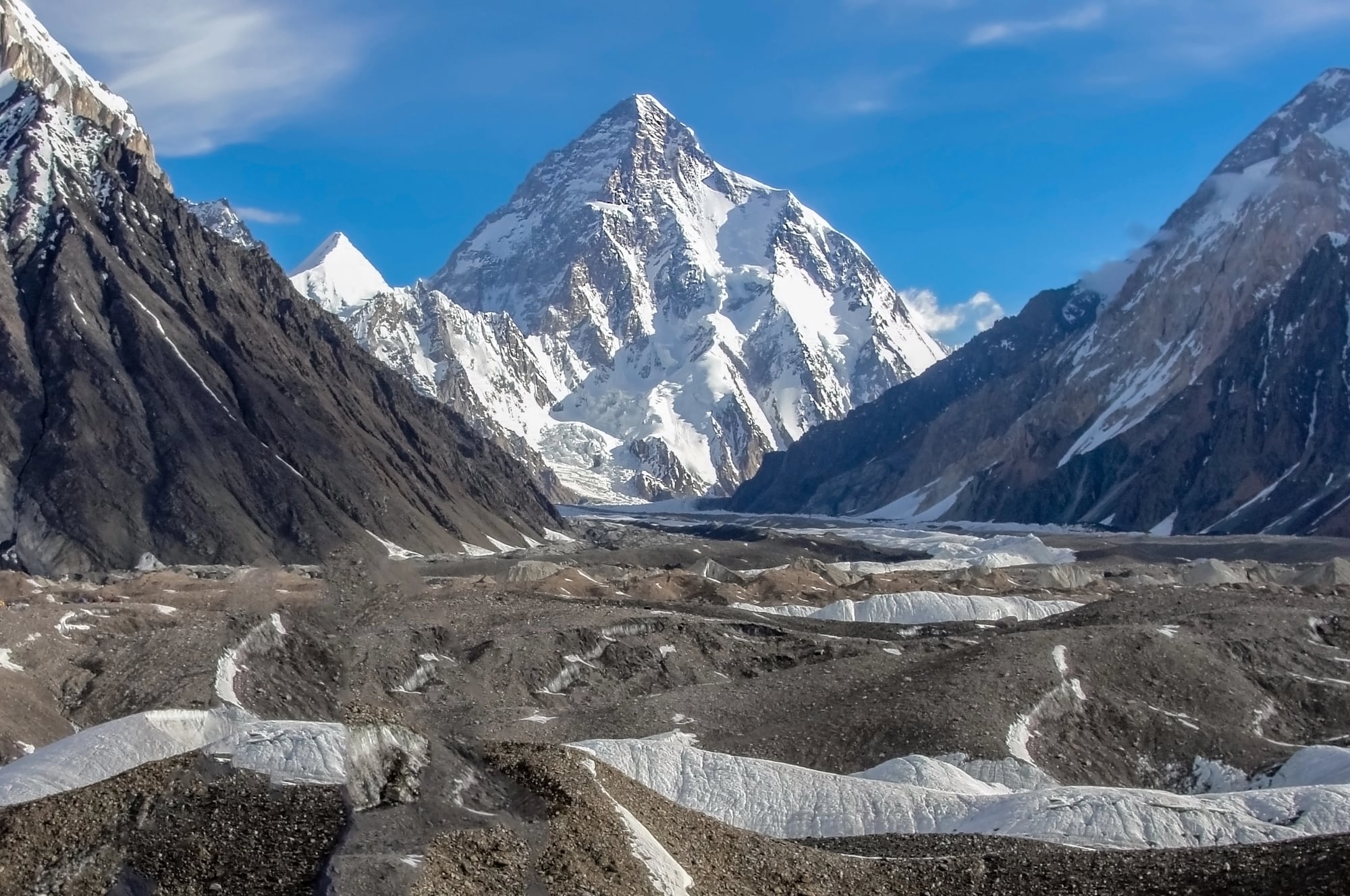
K2 was considered by most climbers who had seen it to be a more serious challenge than Everest — steeper, more technical, more consistently brutal in its weather, and with almost no possibility of rescue if something went wrong.
The Italian team of Achille Compagnoni and Lino Lacedelli summited on July 31, 1954, running out of supplemental oxygen before the top and continuing anyway. The climb has since been described as the high-water mark of Italian mountaineering’s postwar golden era.
Reinhold Messner and Peter Habeler on Everest Without Oxygen, 1978
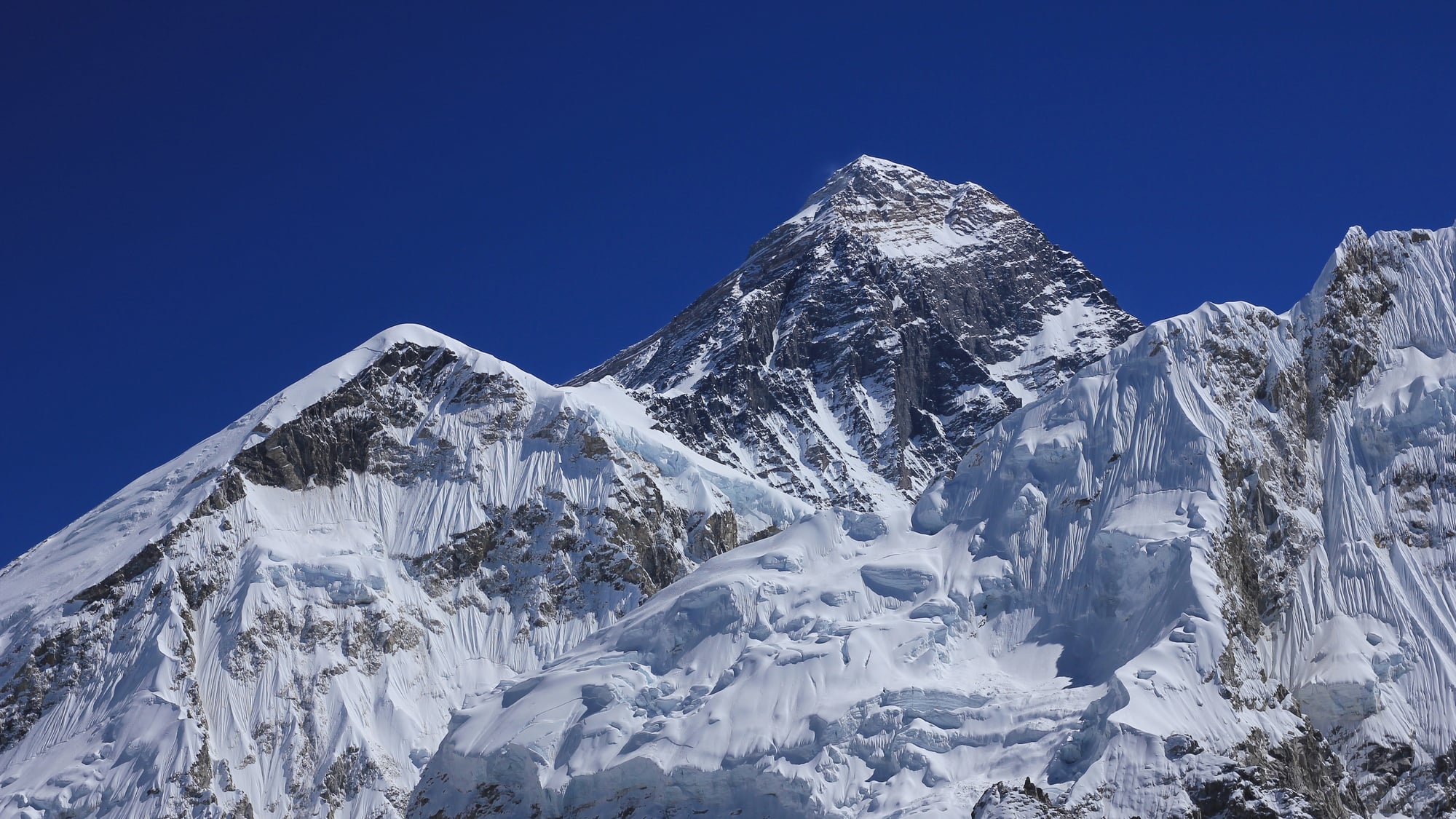
The medical establishment had long maintained that climbing above 8,000 meters without supplemental oxygen would cause irreversible brain damage or outright death from hypoxia.
Reinhold Messner and Peter Habeler ignored the consensus and summited Everest on May 8, 1978, reaching the top in what Messner later described as a state of near-total physical exhaustion.
Tom Hornbein, one of climbing’s most respected figures, called the feat transformative for the entire sport. The medical argument against it was never seriously made again.
Reinhold Messner’s Solo Ascent of Everest, 1980
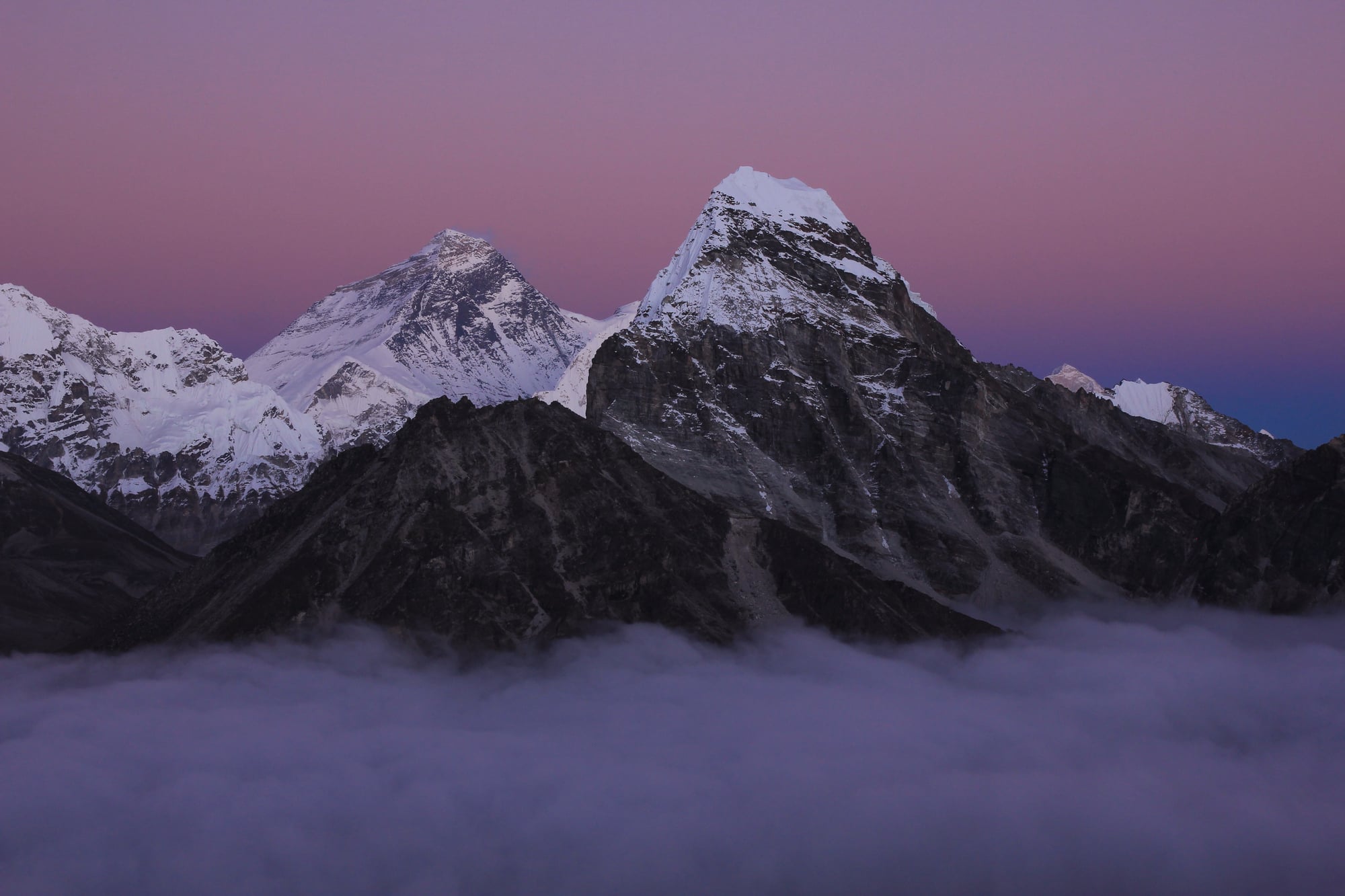
Two years after climbing Everest without oxygen, Messner returned to do something most climbers considered even less survivable: climb it alone, via the North Ridge, with no supplemental oxygen, no fixed camps, no support team, and no one to help if anything went wrong.
He reached the summit on August 20, 1980. Jon Krakauer has called it the greatest mountaineering feat of all time.
The combination of factors — altitude, isolation, physical demand, and complete self-reliance — placed it in a category that has remained essentially unrepeated.
The First Ascent of the Annapurna South Face, 1970
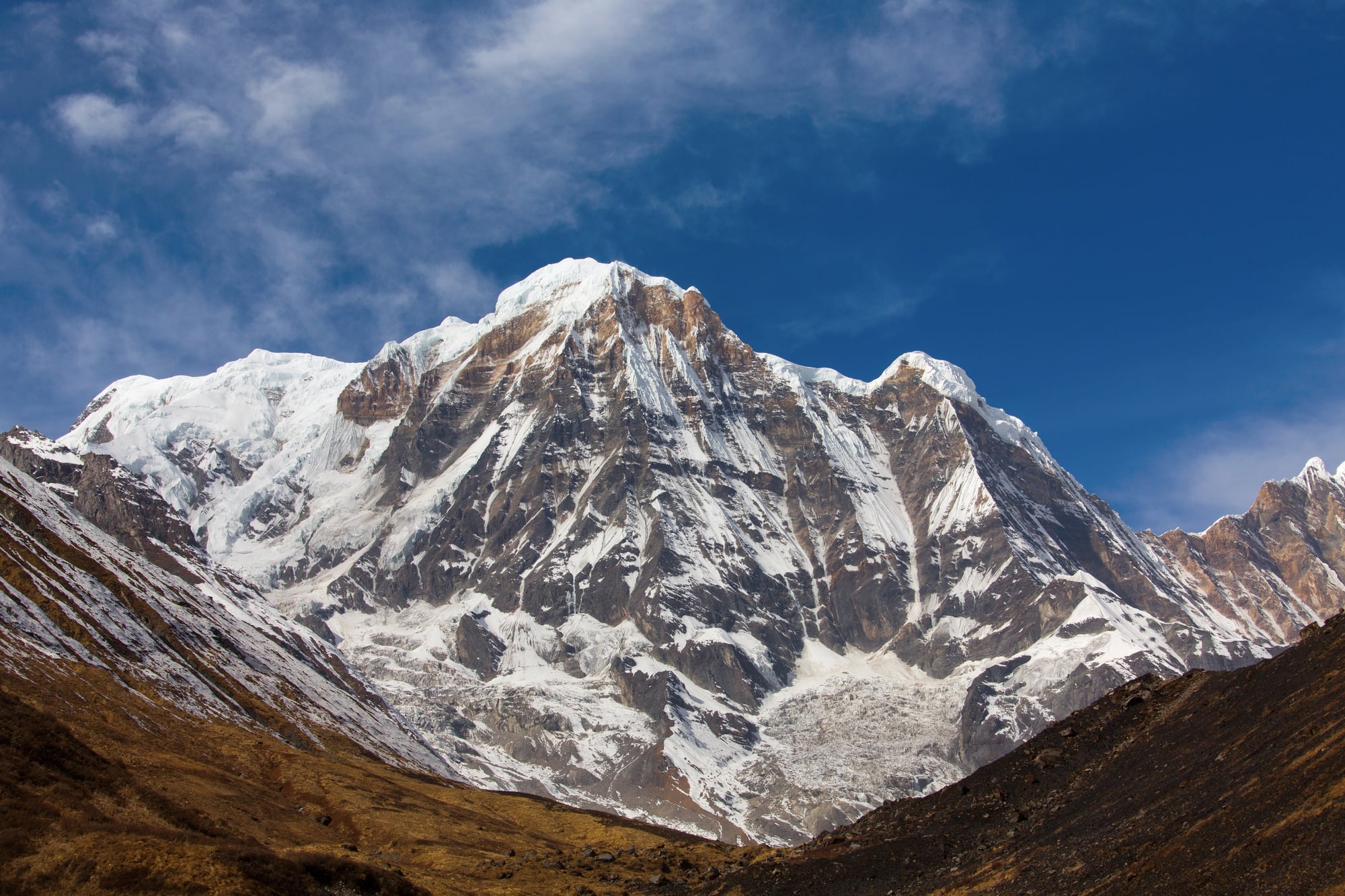
The South Face of Annapurna was described by Chris Bonington, who led the 1970 British expedition, as “the most formidable mountain face in the world.”
Standing 2,700 meters of near-vertical ice and rock, it was the first time a team deliberately chose to climb a technically demanding route on an 8,000-meter peak rather than the easiest available line.
Dougal Haston and Don Whillans reached the summit on May 27, 1970. The climb is considered the moment when Himalayan mountaineering shifted from siege-style summit chasing to ambitious technical alpinism.
The Nose of El Capitan’s First Ascent, 1958
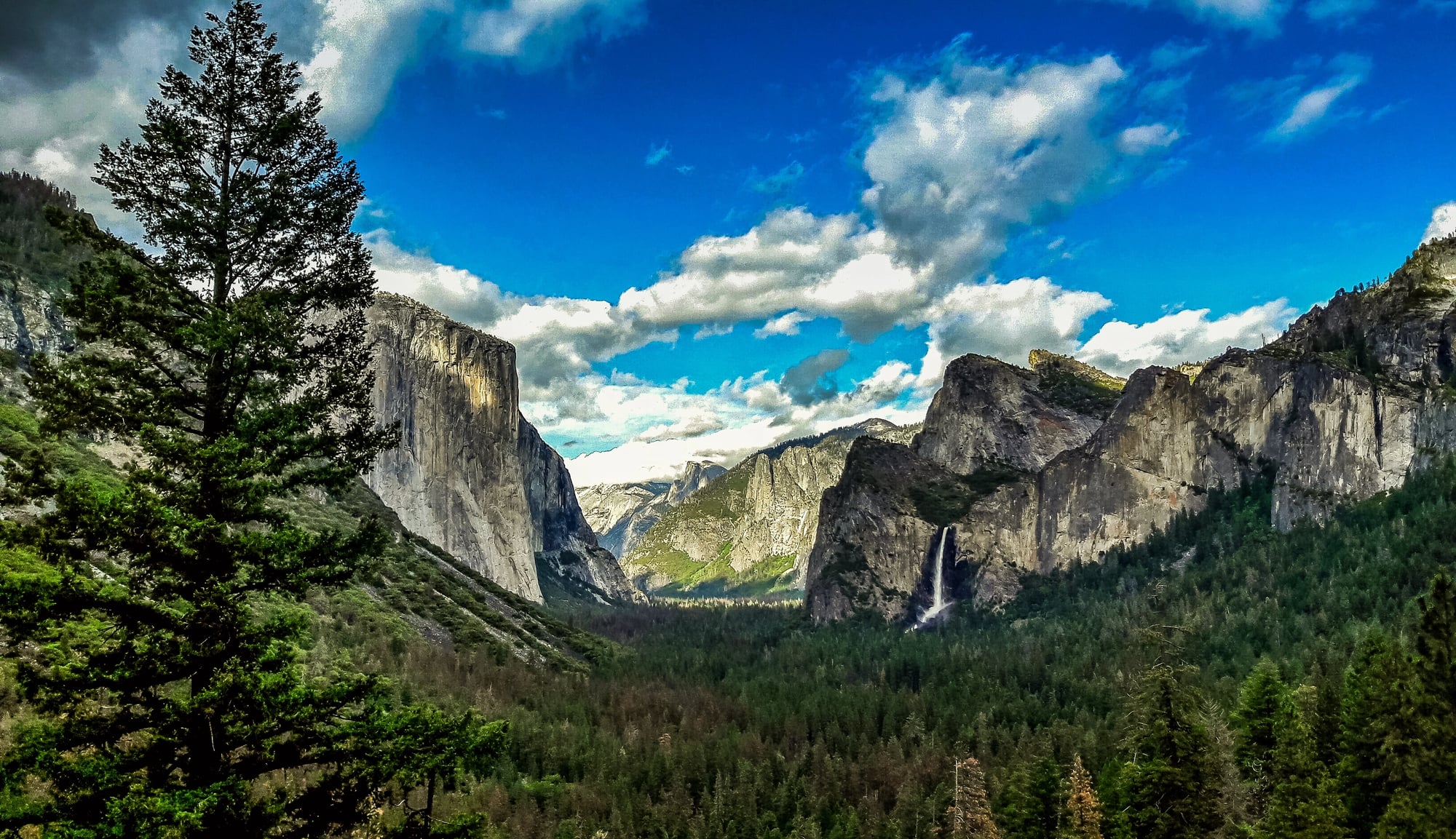
Warren Harding led the first ascent of El Capitan’s Nose route in November 1958, after 47 days of climbing spread across multiple attempts. At the time, the sheer 900-meter granite wall in Yosemite was considered beyond the reach of any climbing team — too smooth, too steep, too blank.
Harding’s team used thousands of pitons and bolts, a style that would later be criticized but which at the time was the only method anyone could imagine. The Nose is now regarded as the benchmark of big-wall climbing worldwide.
The First Free Ascent of The Nose, 1993
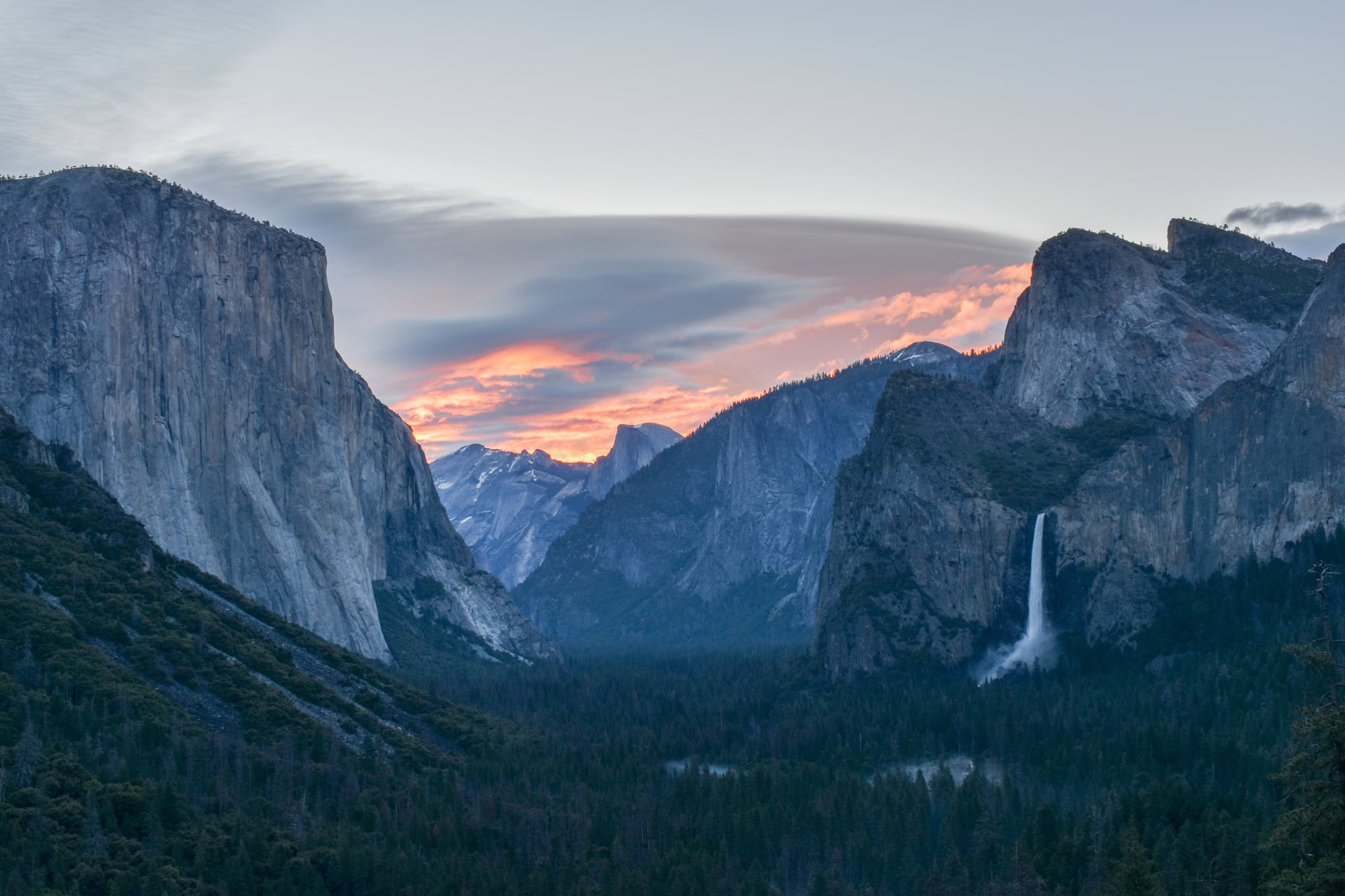
Lynn Hill’s free ascent of the Nose in September 1993 was described by the climbing community as one of the most significant achievements in the sport’s history.
The route had been climbed many times using aid, but free climbing every move on a 900-meter granite wall at that standard was widely considered a physical impossibility for any human, let alone achieved in under 24 hours as Hill did the following year in 1994.
Her quote about it has become one of climbing’s most repeated lines: “It goes, boys.”
The First Free Climb of the Dawn Wall, 2015
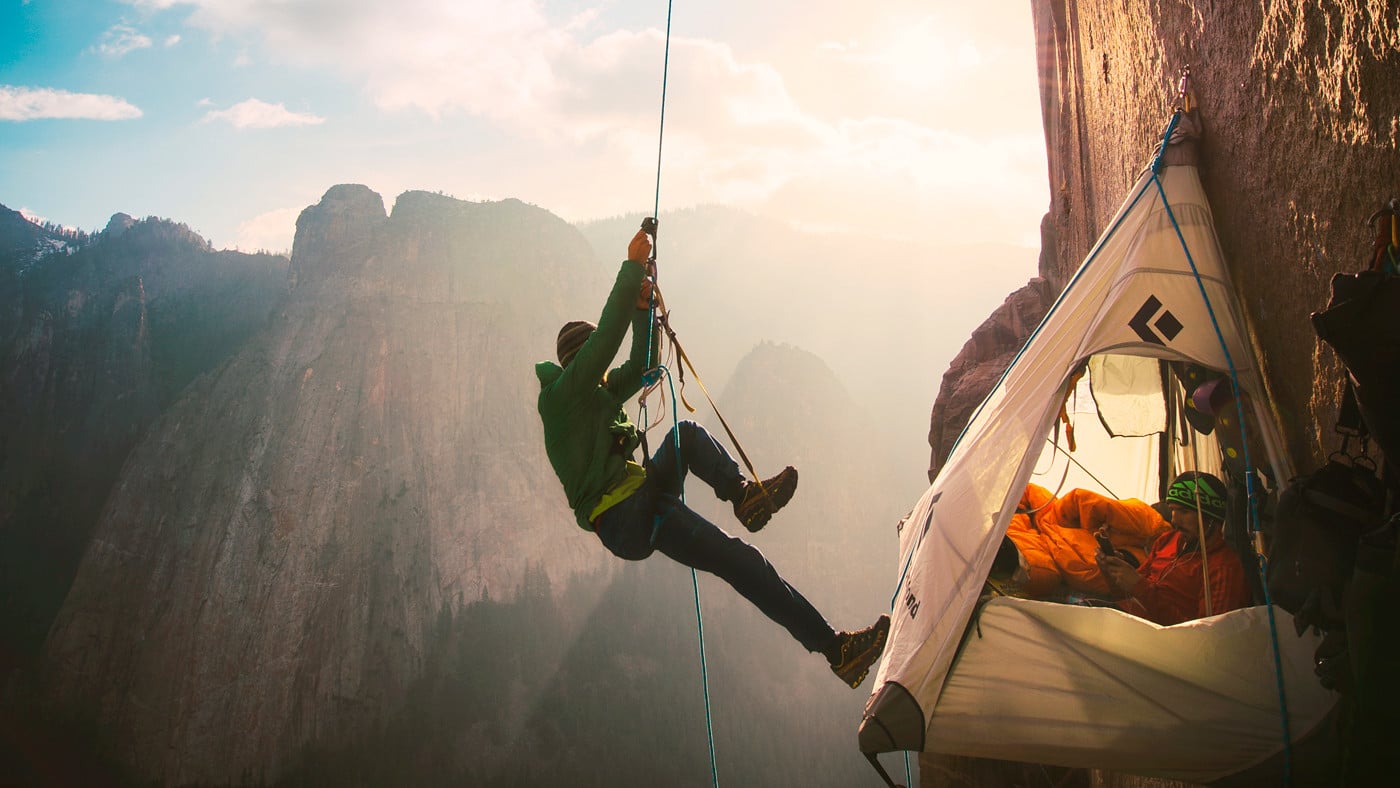
Tommy Caldwell had spent the better part of eight years studying El Capitan’s Dawn Wall, which he and most of the climbing world agreed was probably too steep and too devoid of holds to ever be free climbed.
He and Kevin Jorgeson began their push on December 27, 2014, and topped out on January 14, 2015, after 19 days on the wall.
Pitch 15 nearly ended the attempt — Jorgeson fell more than 10 times on a single move over multiple sessions before sending it. The route is graded 5.14d and remains one of the hardest multi-pitch free climbs ever completed.
Alex Honnold’s Free Solo of Freerider on El Capitan, 2017
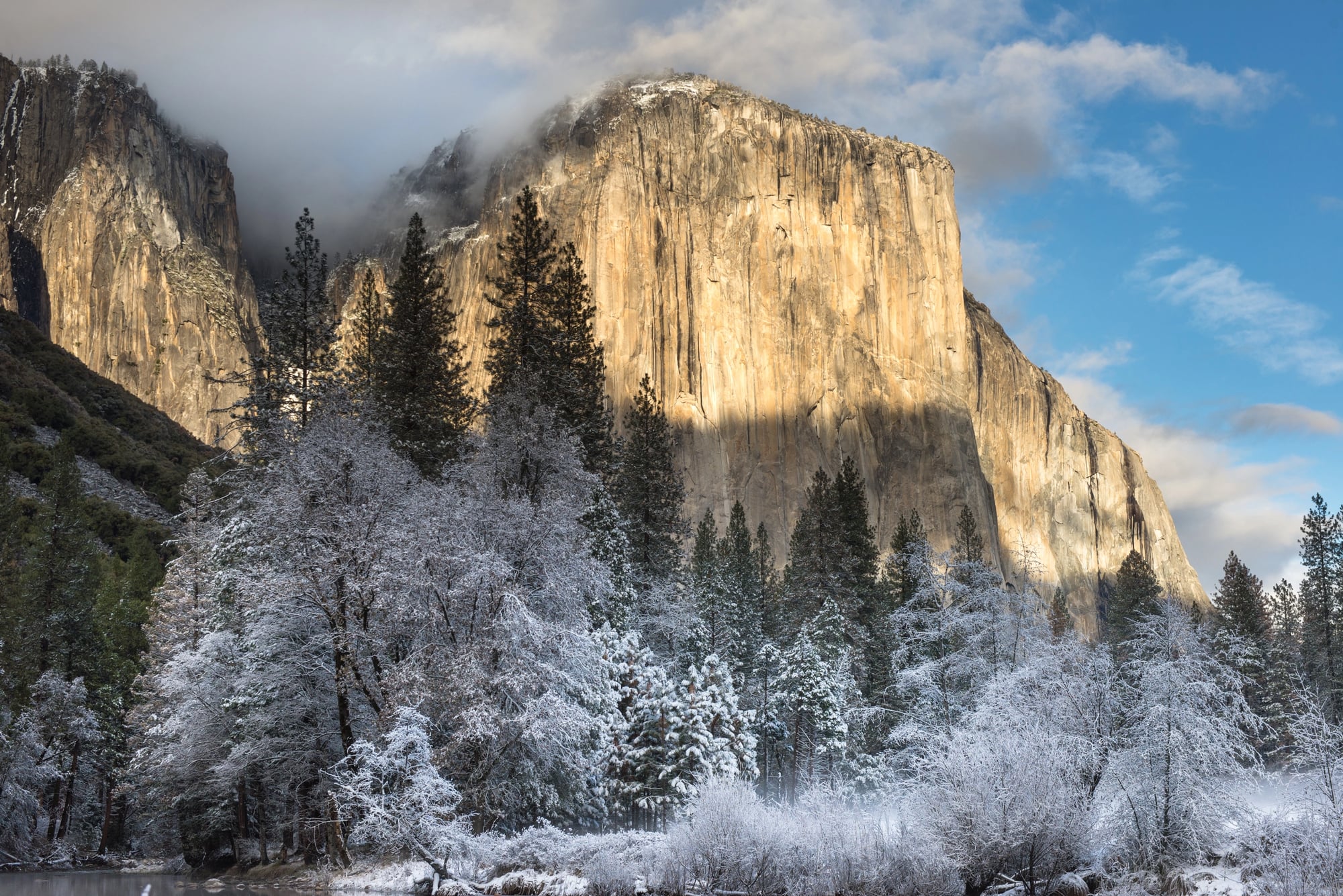
Alex Honnold climbed Freerider on El Capitan without a rope on June 3, 2017, completing a 900-meter granite wall in under four hours.
The consensus in the climbing world beforehand was that free soloing El Capitan was either suicidal or simply not possible at the required standard — the consequences of a single mistake on any of its 33 pitches being instantly fatal.
Honnold had rehearsed every move so thoroughly that the climb functioned, on the day, almost as a performance of something he had already done a thousand times in his mind.
The First Winter Ascent of K2, 2021
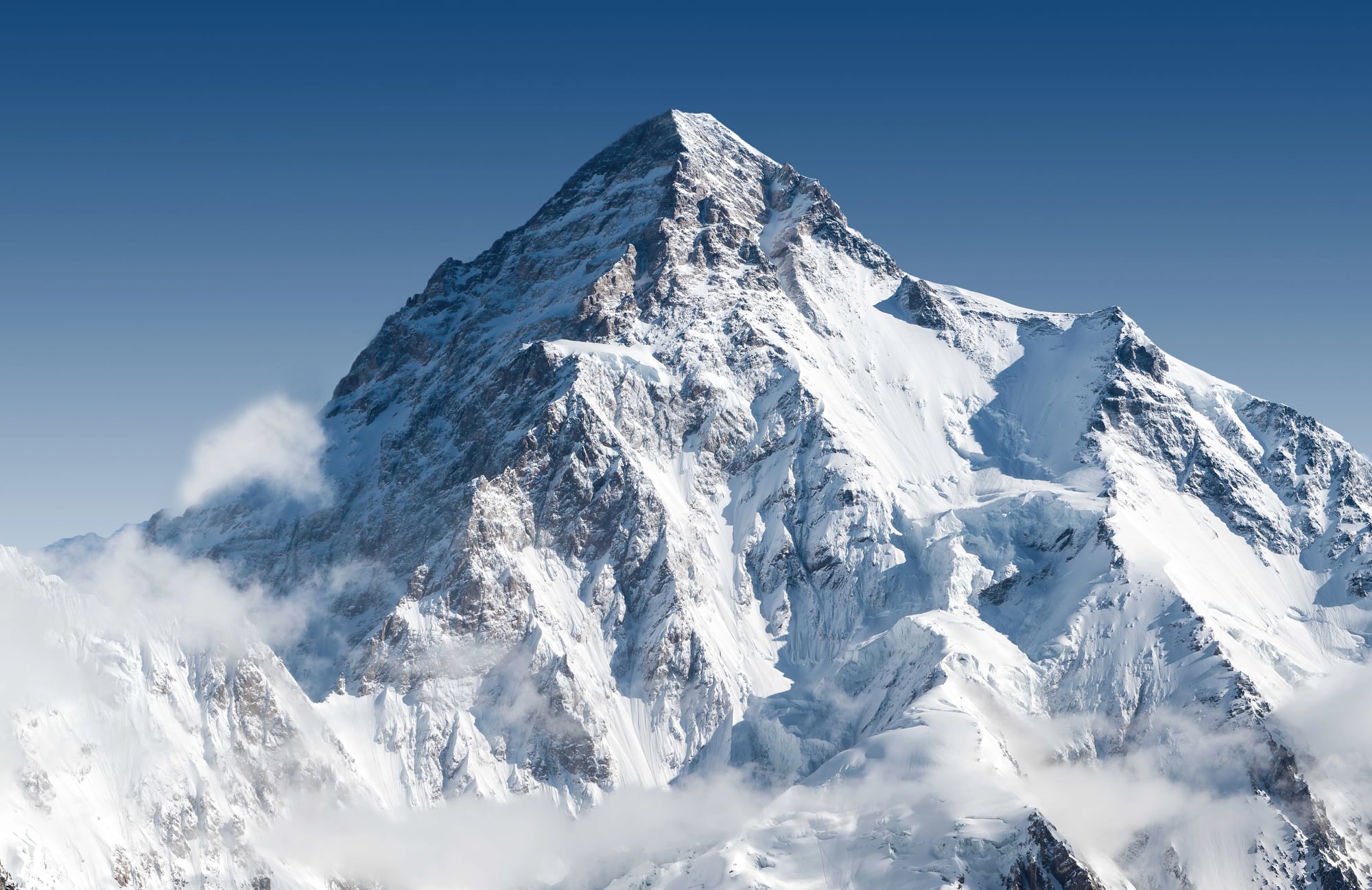
K2 was the last of the 14 eight-thousanders to be climbed in winter, and for good reason: its weather in January makes its summer conditions look hospitable.
Dozens of expeditions had tried and turned back over decades. On January 16, 2021, a team of 10 Nepalese climbers — including Nirmal Purja and Mingma Gyalje Sherpa — reached the summit together, stopping just below the top to hold hands and sing Nepal’s national anthem before the final steps.
It was the last great seasonal first in high-altitude mountaineering.
The First Ascent of Cerro Torre, 1974
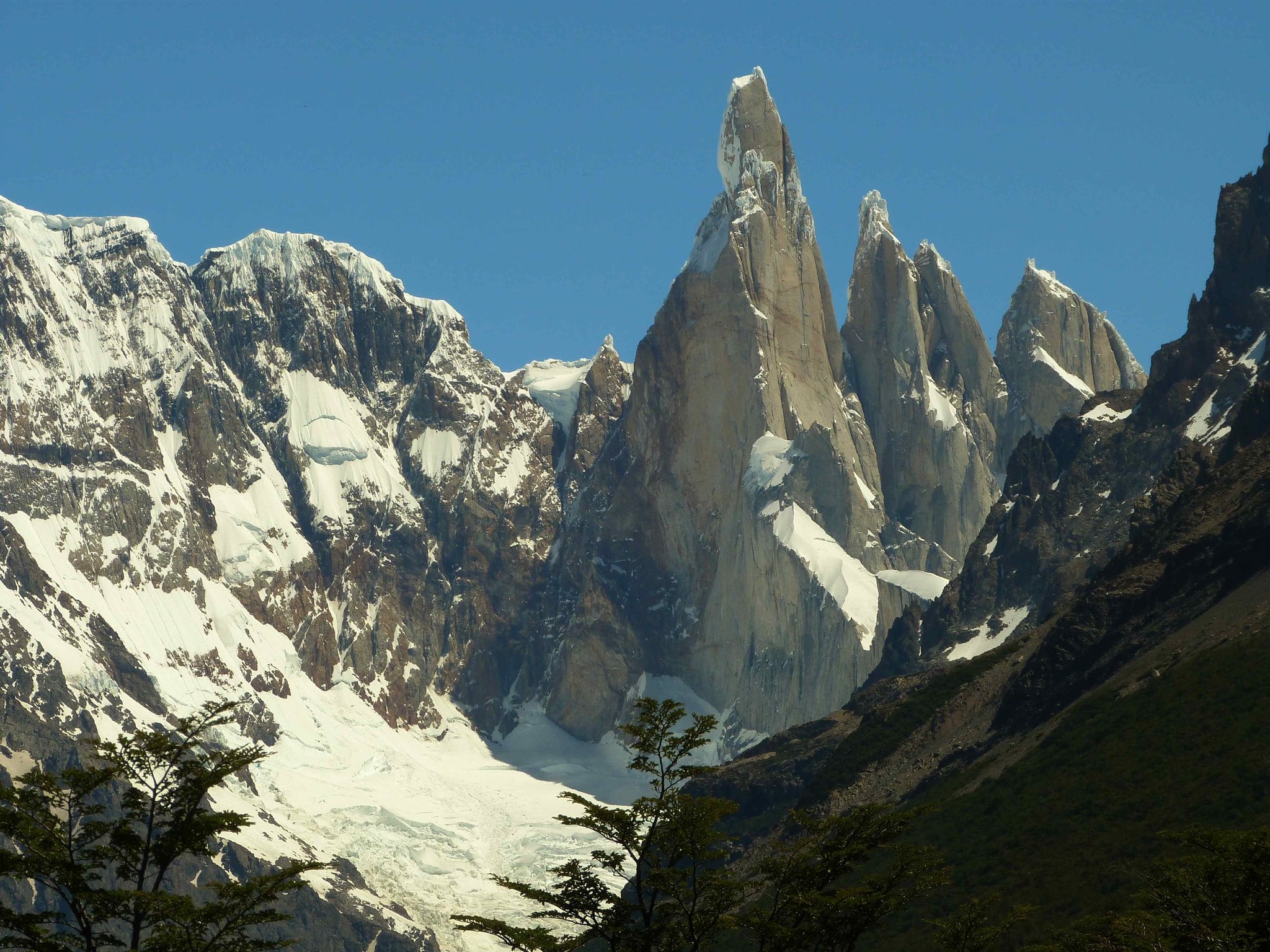
Cerro Torre in Patagonia is arguably the most technically extreme mountain on earth: a vertical granite tower capped with a mushroom of rime ice, battered by winds that regularly exceed 120 kilometers per hour.
Cesare Maestri claimed a 1959 first ascent — a claim that remains disputed in the climbing community due to the absence of any verifiable evidence.
The generally accepted first ascent is the 1974 climb by Casimiro Ferrari’s Italian team via the West Ridge. The mountain still resists most attempts simply because its weather window is so narrow and unreliable.
Junko Tabei Becomes the First Woman on Everest, 1975
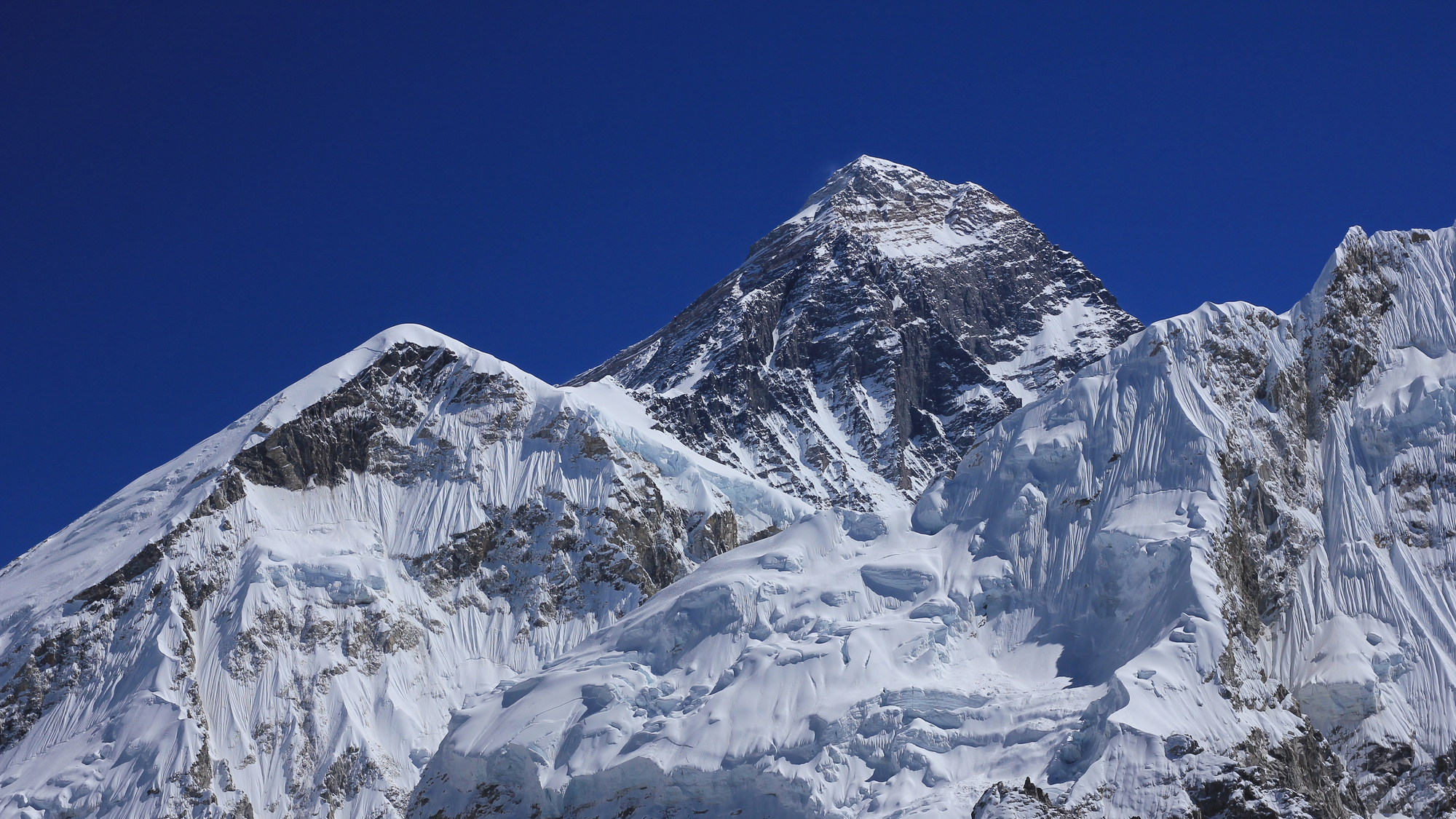
The Japanese mountaineer Junko Tabei reached the summit of Everest on May 16, 1975, becoming the first woman to do so.
Her team survived an avalanche at Camp 2 that buried Tabei and several Sherpa; she was unconscious for six minutes and continued climbing 12 days later.
The achievement came at a time when women were routinely told by the mountain establishment that high-altitude climbing was physically beyond them. Tabei later became the first woman to complete the Seven Summits.
Erik Weihenmayer Summits Everest Blind, 2001
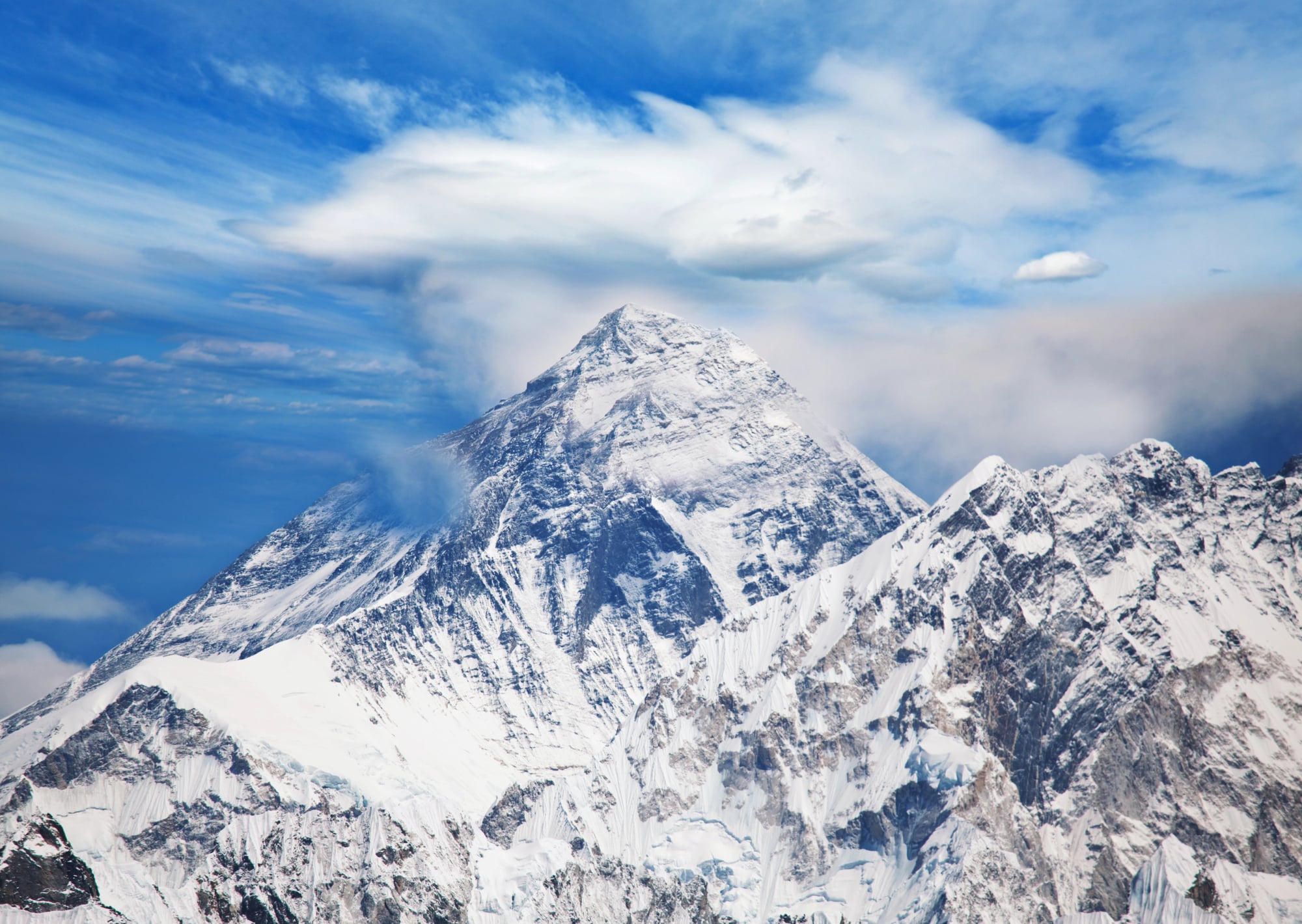
Erik Weihenmayer reached the top of Everest on May 25, 2001, becoming the first blind person to do so.
He navigated by listening to the bells attached to the climbers ahead of him and by following voice directions from his team.
The following year he completed the Seven Summits, also as the first blind climber to do so. The widespread assumption beforehand was that the route-finding demands and hazards of high-altitude climbing made a blind summit essentially impossible — an assumption Weihenmayer had spent years systematically dismantling.
The First Alpine-Style Ascent of Gasherbrum I and II, 1975
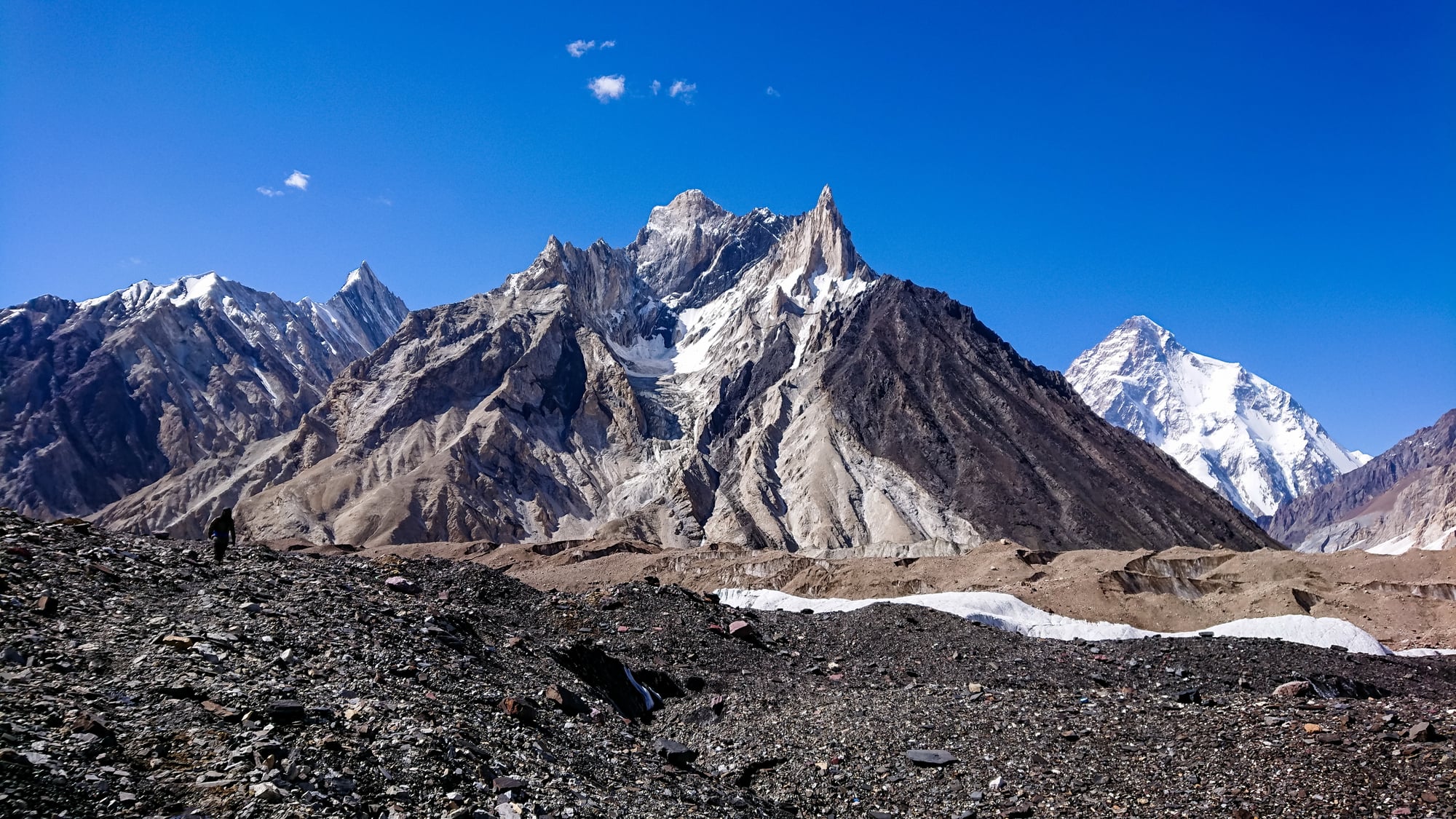
Reinhold Messner and Peter Habeler climbed Gasherbrum I in 1975 using pure alpine style: no fixed ropes, no high camps established in advance, no support team.
They went up and came back down, carrying everything they needed. At the time, every major Himalayan ascent had used the siege approach, with teams of climbers and porters establishing a chain of camps over weeks or months.
Messner and Habeler demonstrated that it was possible to climb 8,000-meter peaks the same way one climbs in the Alps — fast and light — a shift that defined the next generation of Himalayan climbing.
The First Solo Winter Ascent of the Eiger Nordwand, 1983
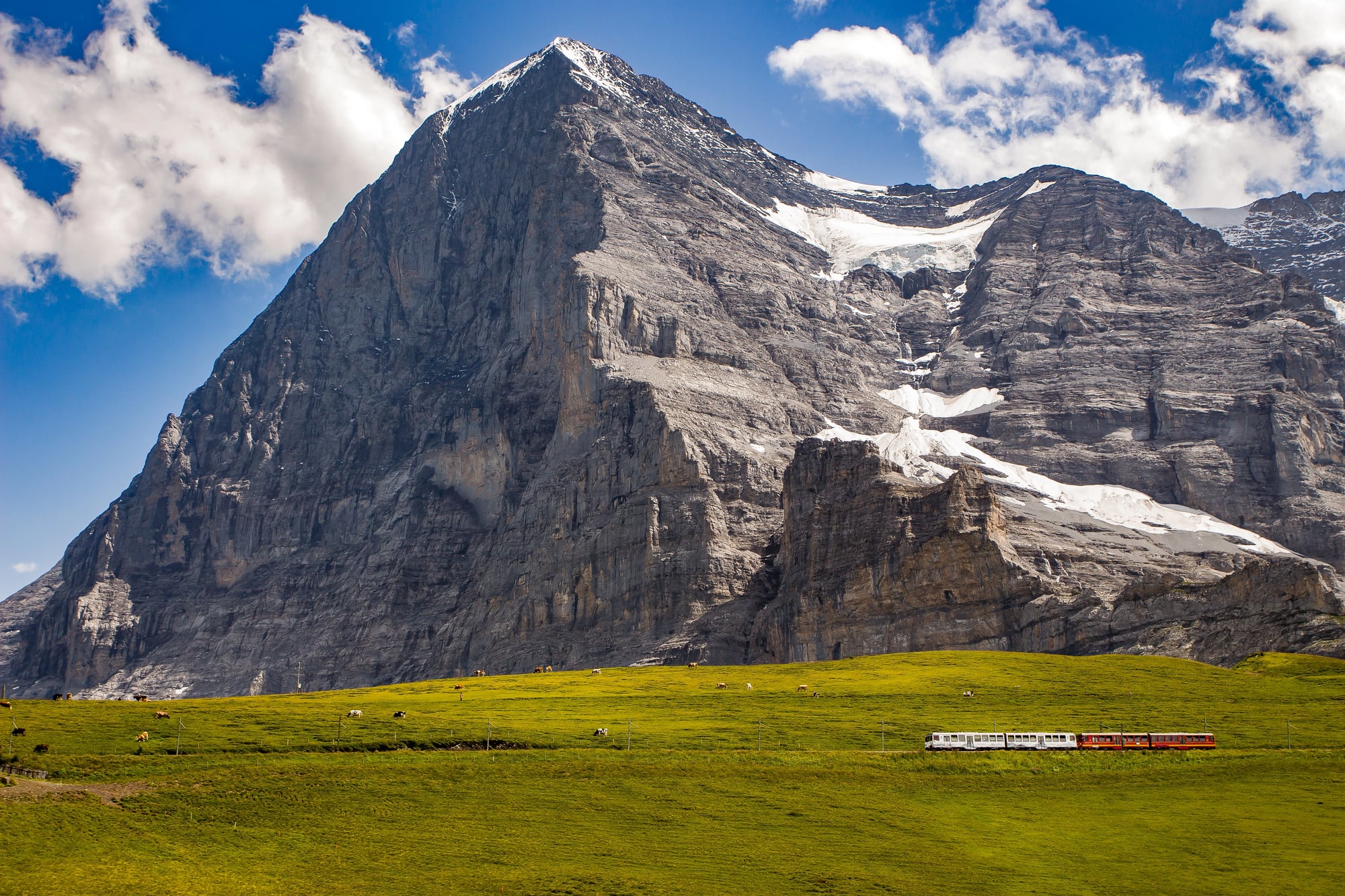
Reinhold Messner again, this time on the Eiger’s north face in winter and alone.
Most climbers who knew the route considered a solo winter attempt actively irrational — the face is fast enough in summer with a partner.
Messner completed it in 1983, adding the winter and solo conditions to one of the most demanding routes in the Alps.
He later described the psychological weight of climbing without anyone to check his decisions or share the risk as the hardest part.
The First Ascent of Nanga Parbat’s Rupal Face, 1970
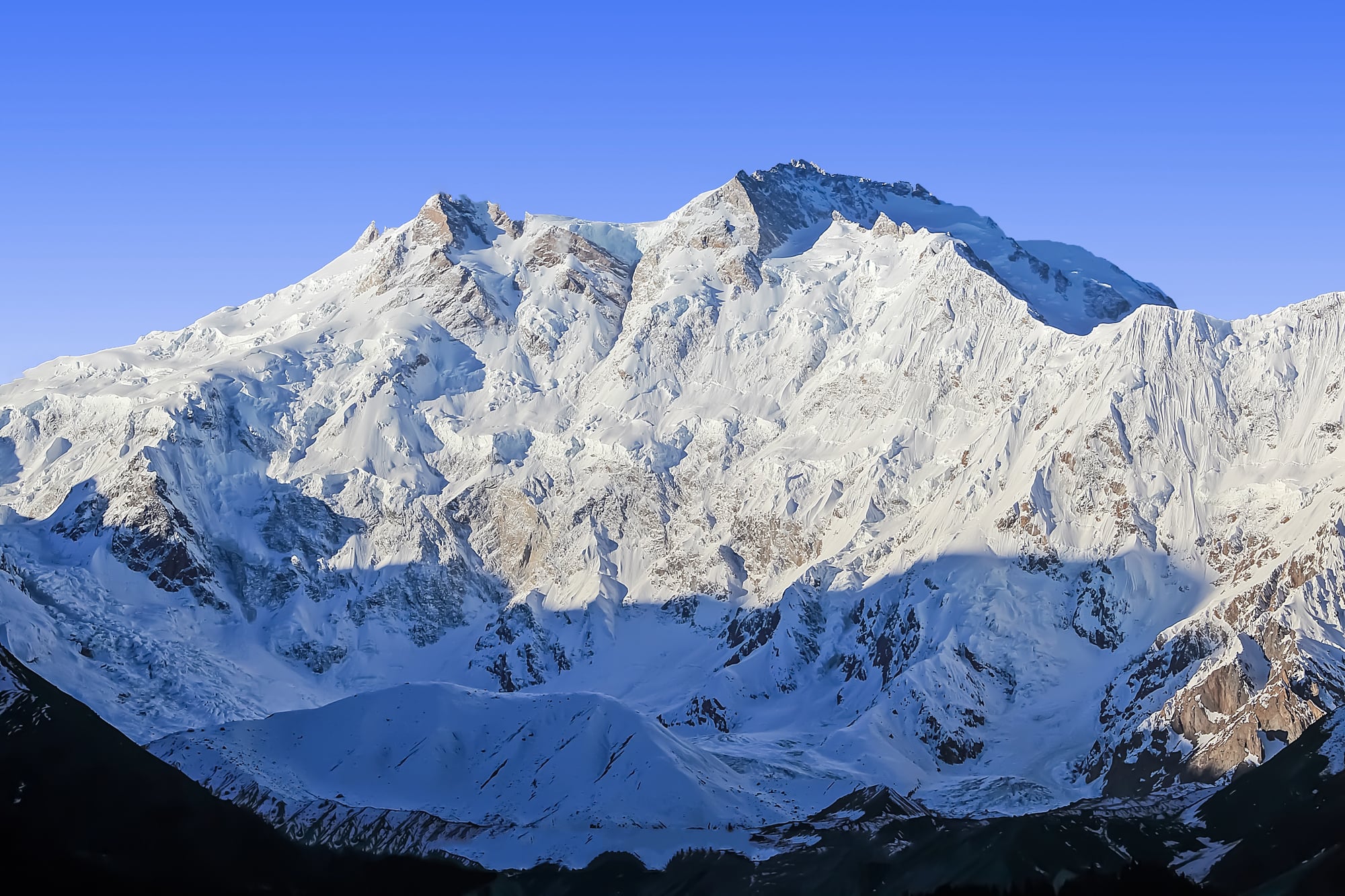
The Rupal Face of Nanga Parbat is the highest mountain face on earth — a 4,500-meter wall of rock and ice that most climbers who looked at it simply rejected as too large and too dangerous.
Reinhold Messner and his brother Günther reached the summit on June 27, 1970, via the Rupal Face. Günther died on the descent via a different route, and Reinhold lost seven toes to frostbite.
The climb remains one of the most dramatic and contested in Himalayan history, with ongoing disputes about exactly what happened during the descent.
The First All-Free Ascent of the Yosemite Triple Crown, 2018
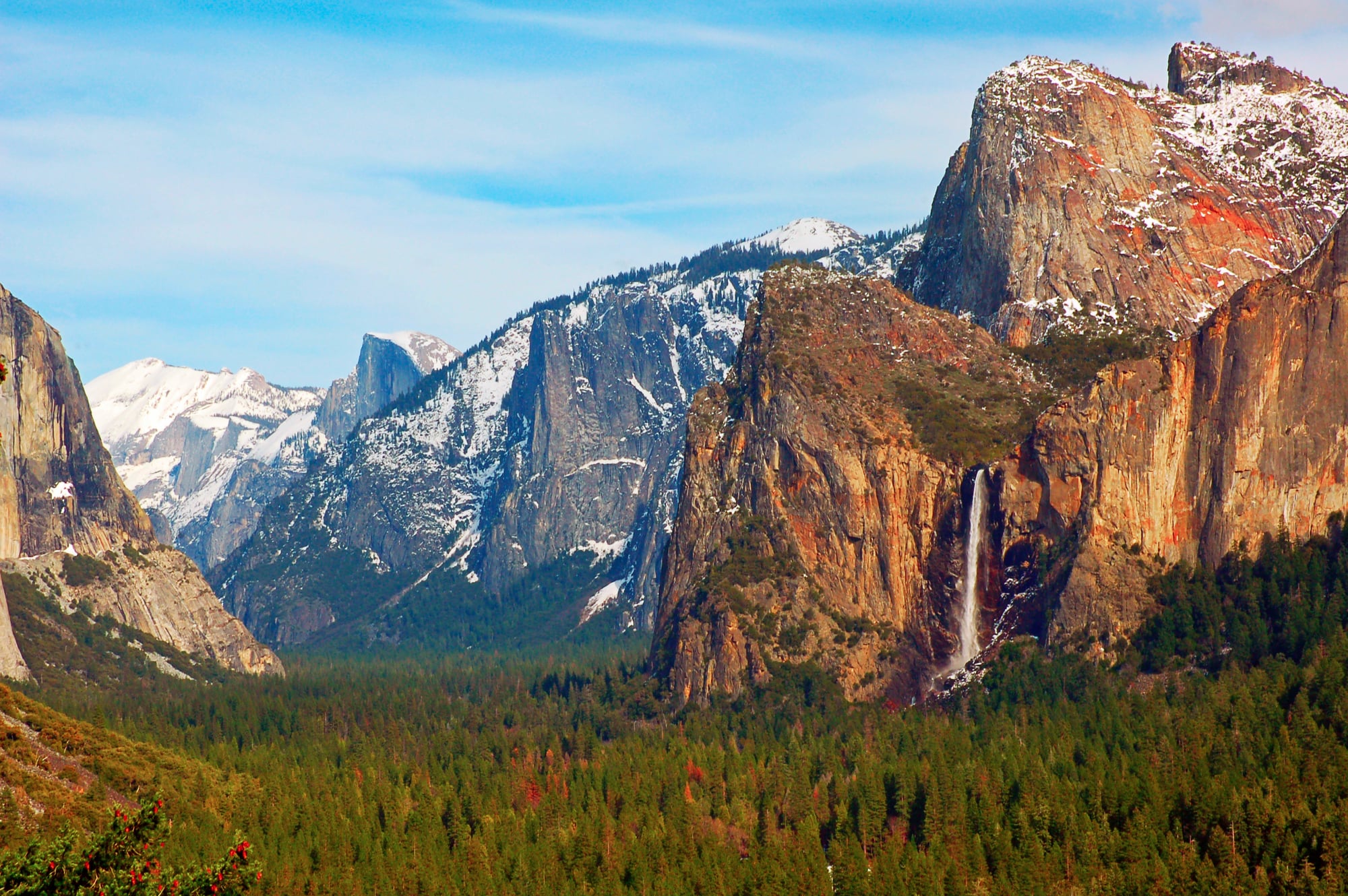
Tommy Caldwell and Alex Honnold completed the Yosemite Triple Crown — El Capitan, Half Dome, and Mount Watkins — in a single day in June 2018, free climbing the entire linkup in under 21 hours.
The combination of distance, difficulty, and time constraint was widely considered an impossible goal before they attempted it.
Each formation, climbed individually, is a serious undertaking; done in sequence in a single push, they reframed what continuous output at high climbing standards actually looks like.
The First Free Solo of the Half Dome Regular Northwest Face, 1976
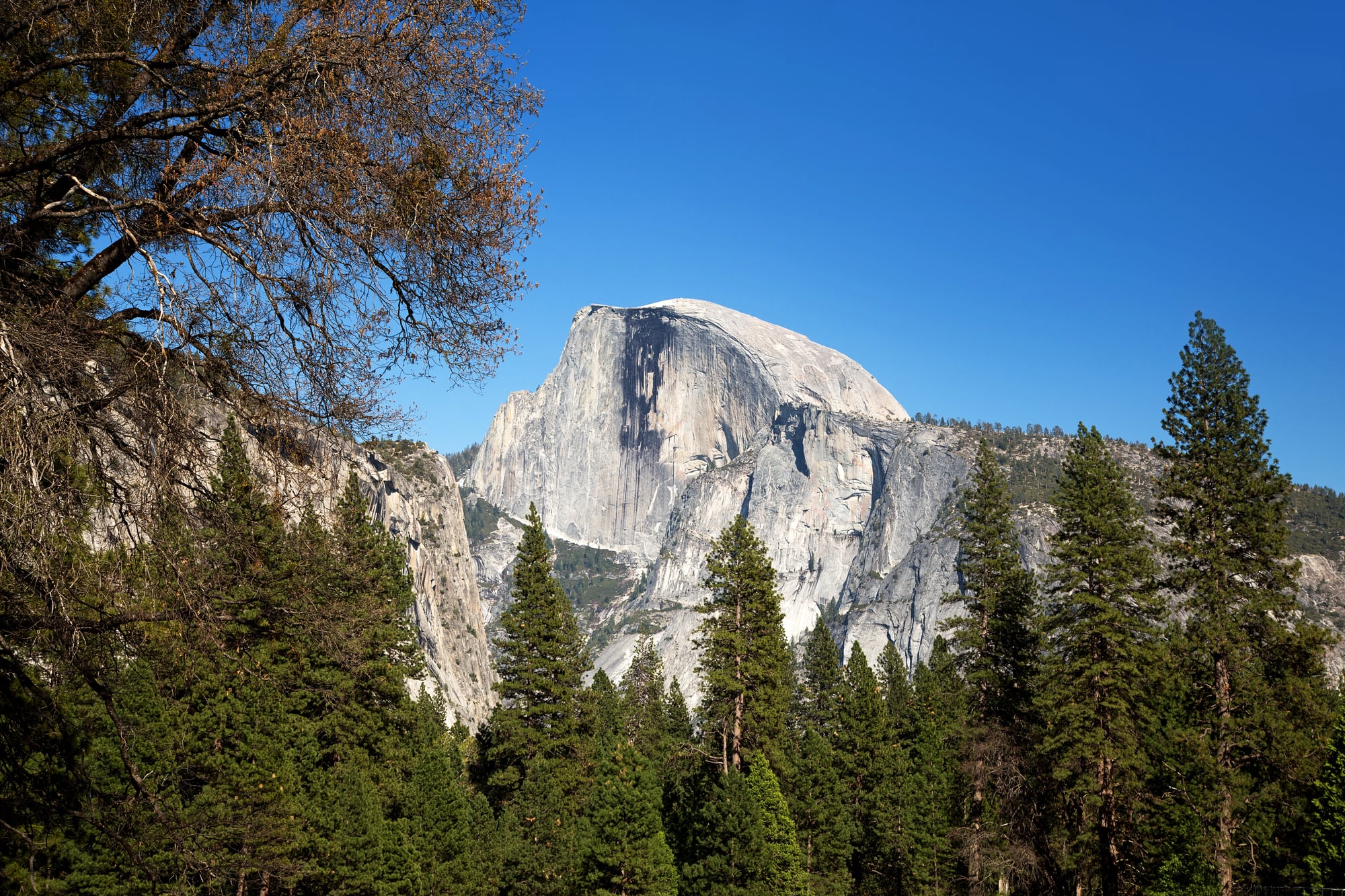
Peter Croft did not invent free soloing, but John Bachar’s 1976 free solo of Half Dome’s 600-meter Regular Northwest Face was the moment the practice first reached a level that genuinely shocked the broader mountaineering world.
The route was established as a technical test piece, and climbing it without a rope, at the required standard, without any protection, placed Bachar in a category that most climbers of the era considered either superhuman or reckless.
It opened a philosophical debate about acceptable risk that the climbing community still has not resolved.
The First Winter Ascent of Nanga Parbat, 2016
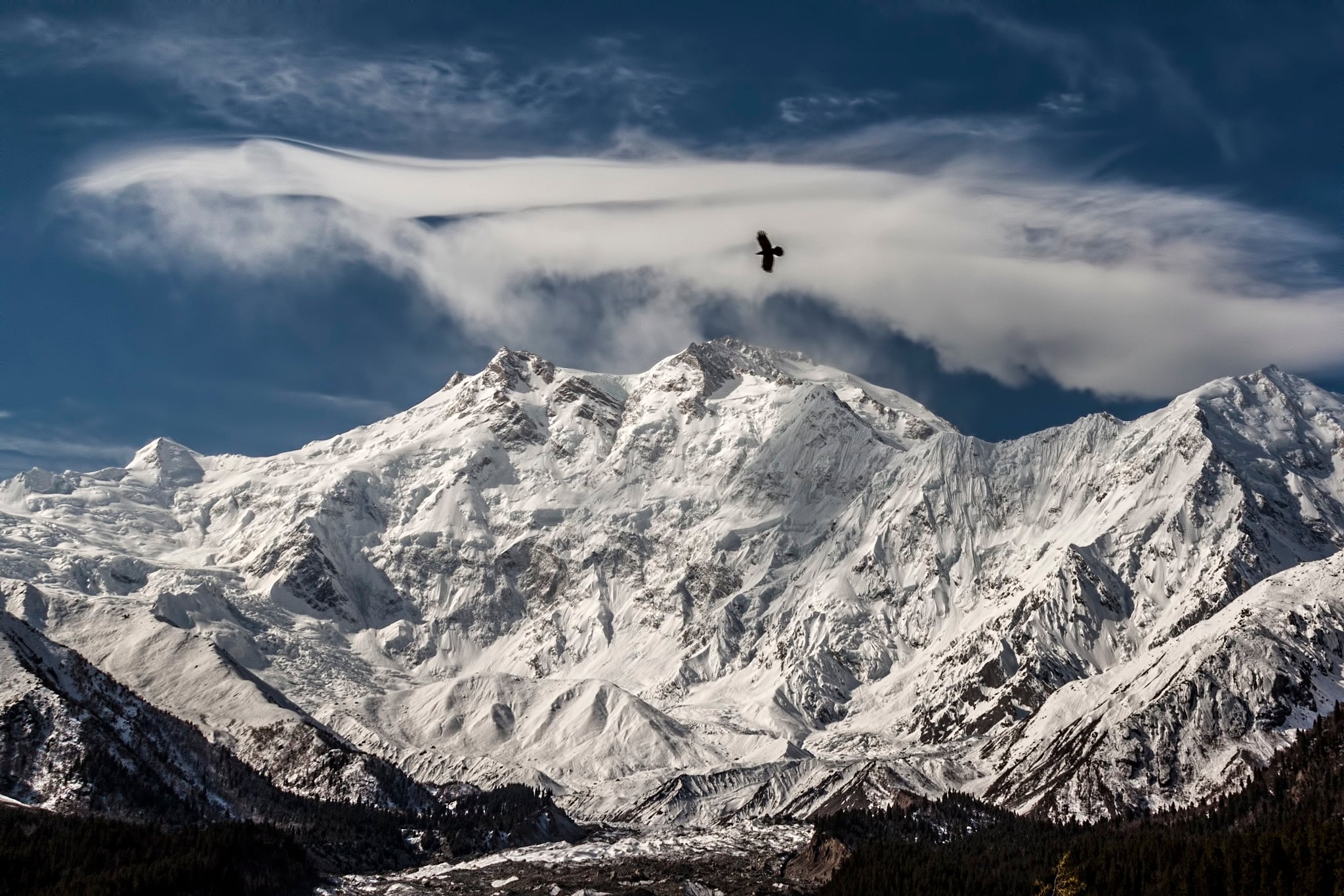
Nanga Parbat was the second-to-last eight-thousander to see a winter ascent, with K2 still ahead of it.
Simone Moro, Alex Txikon, and Ali Sadpara reached the summit on February 26, 2016, after multiple previous attempts by various teams had failed.
Winter on Nanga Parbat brings temperatures below -50°C and winds that make sustained climbing on the upper mountain nearly impossible. The fact that it took until 2016 — 63 years after the first ascent — illustrates how genuinely difficult the seasonal conditions made it.
The First Ascent of Latok I’s North Ridge, 2018
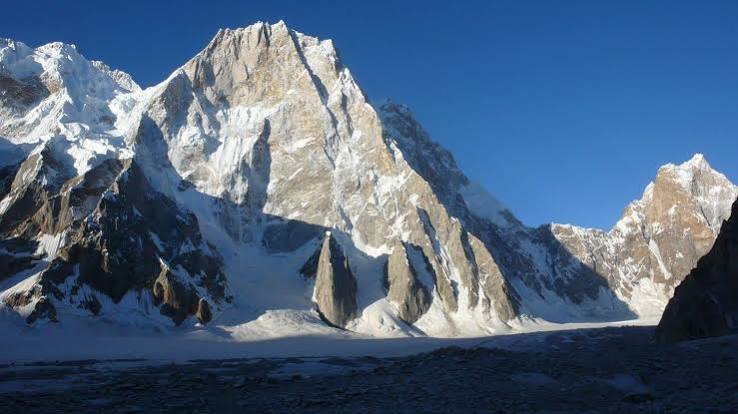
Latok I in the Karakoram had defeated every attempt on its stunning North Ridge for 40 years, including multiple efforts by some of the strongest alpine climbers alive.
The route combines extreme technical difficulty at altitude with the kind of weather unpredictability that turns a near-success into an ordeal.
Alexander Gukov and Sergey Glazunov reached the summit in 2018 via a line that the climbing world had designated as one of the great unresolved problems in alpinism.
Glazunov died on the descent; Gukov survived after a helicopter rescue following six days alone on the wall.
The First Ascent of Mont Blanc by a Woman, 1808
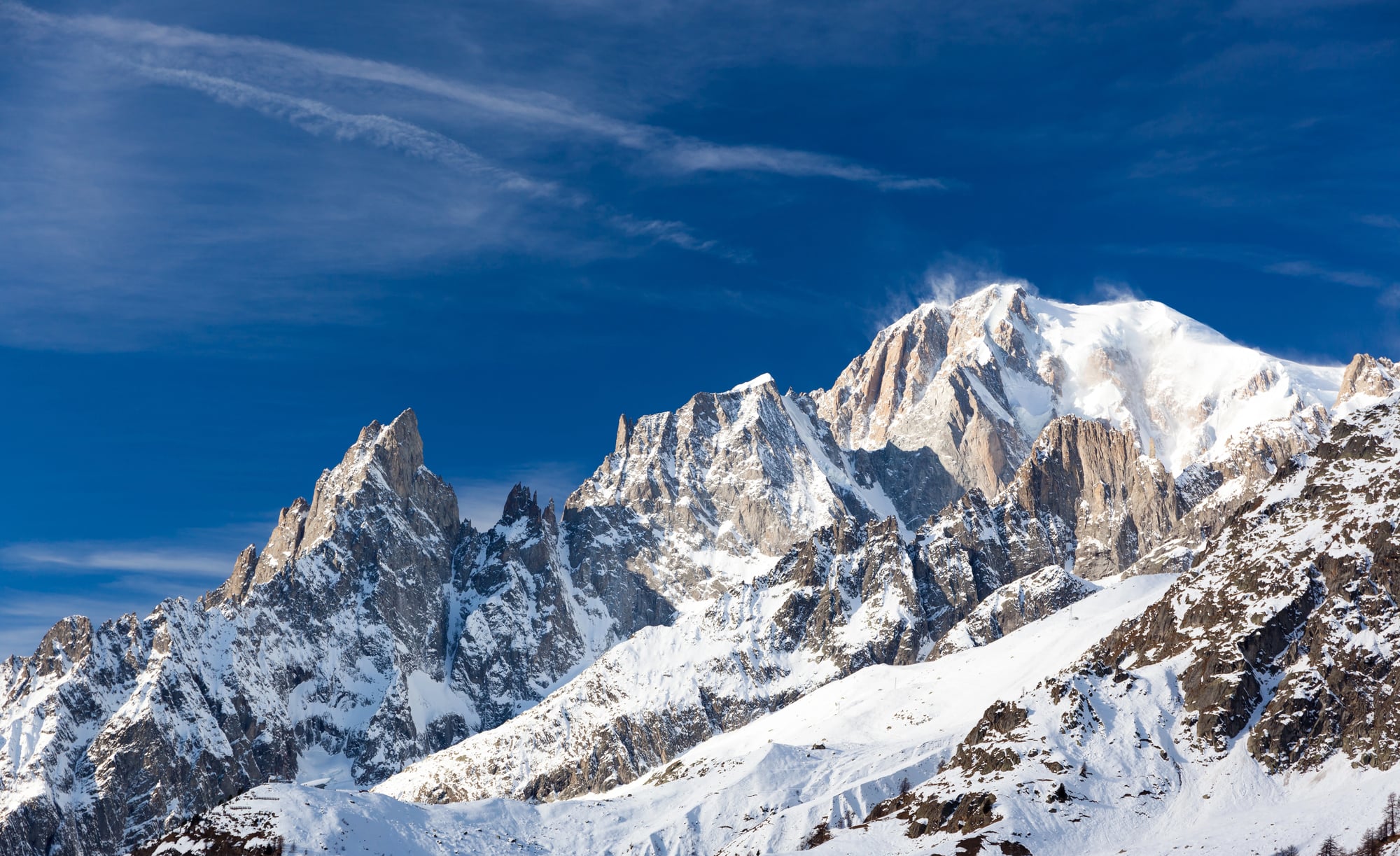
Marie Paradis was a young French maid and waitress in Chamonix with no formal climbing training when she became the first woman to summit Mont Blanc on July 14, 1808.
She was reportedly almost dragged to the top by guides at certain points, and her own account suggests the altitude nearly overwhelmed her.
The achievement mattered less for its style than for its existence: women being told that high mountains were simply not for them was an argument that had to start somewhere being proven wrong, and Paradis was where it started.
The Traversal of the Fitz Roy Massif, 2014
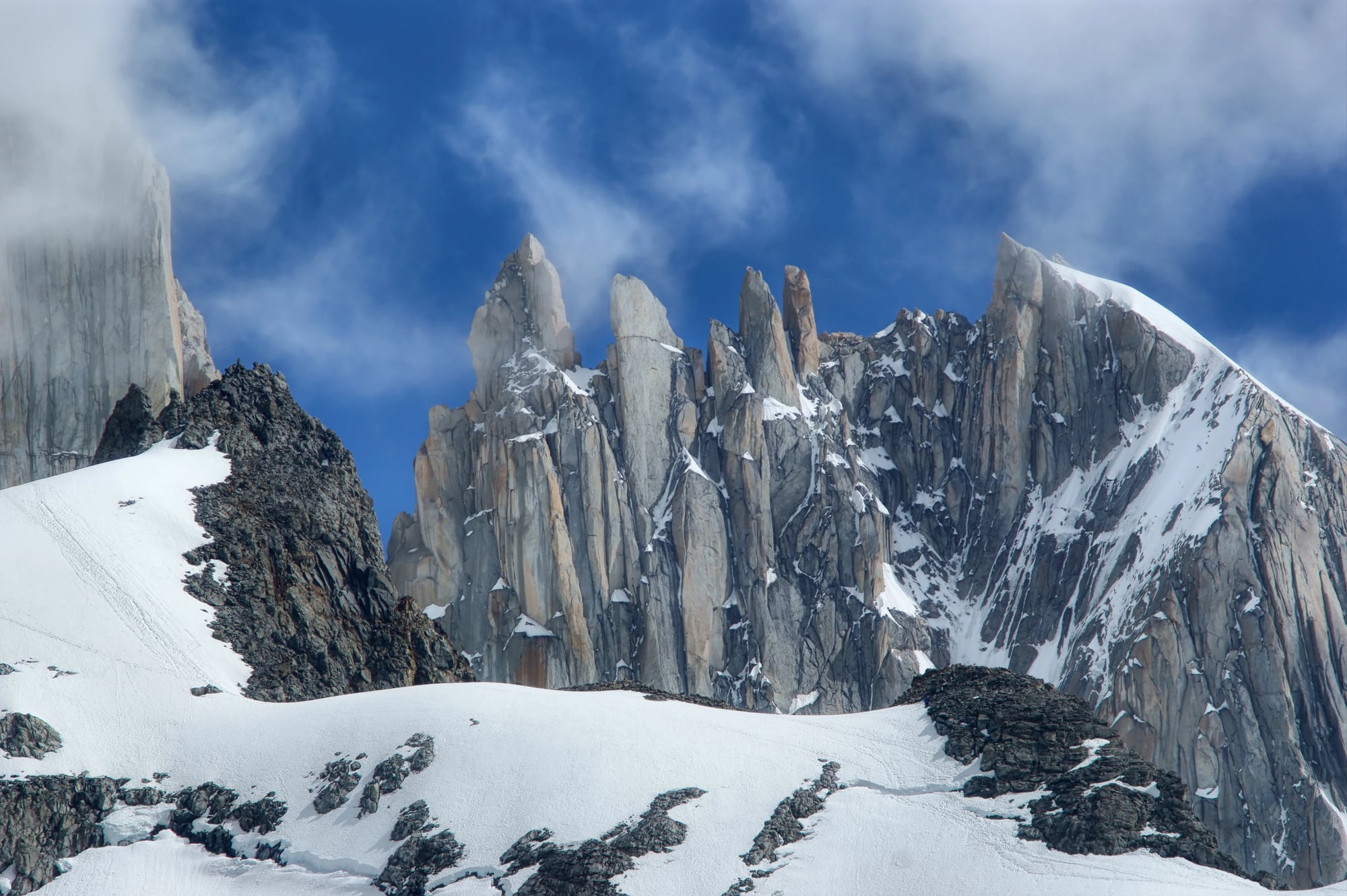
Tommy Caldwell and Alex Honnold completed the first one-day traverse of the Fitz Roy massif on the Argentina-Chile border in February 2014, climbing the entire ridgeline linking six major summits in a single continuous effort.
The traverse had been completed over multiple days by previous teams, but condensing it into a single push in Patagonian conditions — where weather windows last hours, not days — required a kind of speed and commitment that most climbers considered unrealistic.
They did it in under a day and descended before the next storm arrived.
The Speed K2’s Magic Line, 2018
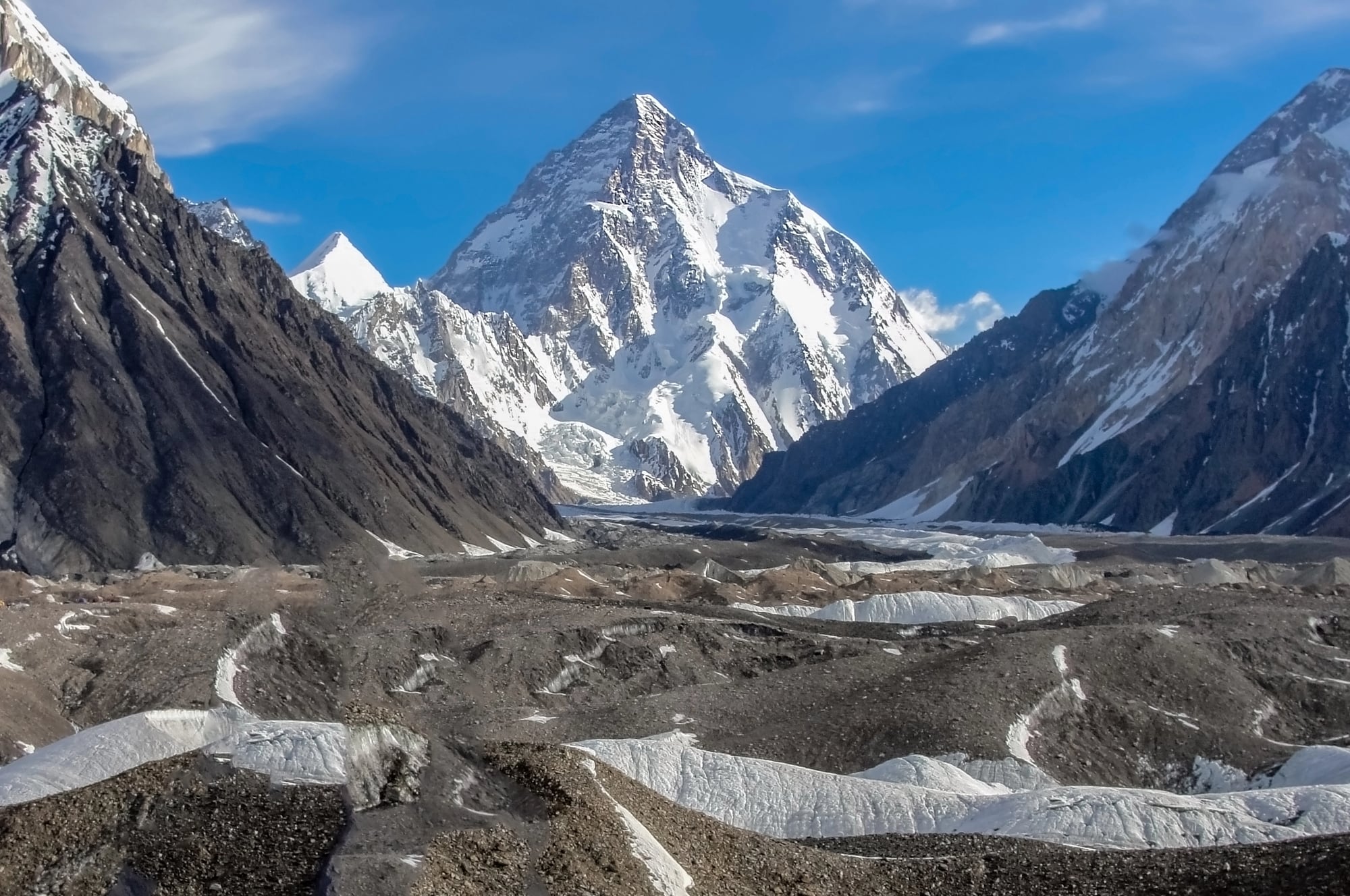
When Alex Honnold and Tommy Caldwell set the speed record on the Nose of El Capitan in June 2018, they completed the 900-meter route in 1 hour, 58 minutes, and 7 seconds.
The sub-two-hour barrier had been a reference point in the climbing community for years — something that sounded physically implausible given the length and difficulty of the route.
Their record shattered not just the previous mark but the assumptions about what pace was possible on one of the world’s most famous walls.
The First Ascent of K2’s Magic Line, 1986
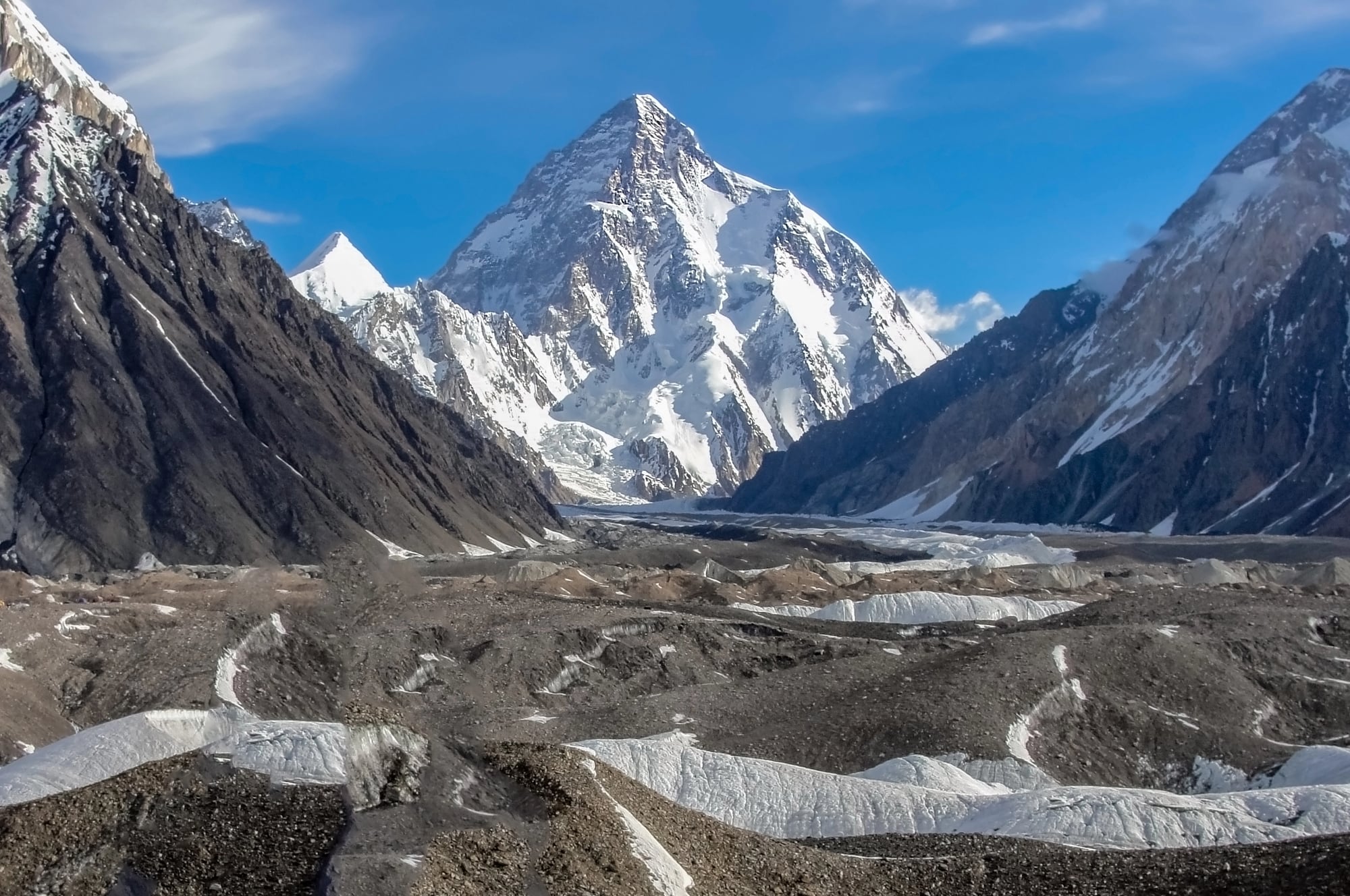
The Magic Line on K2’s Southwest Pillar was described by Reinhold Messner — who first envisioned the route but deemed it too dangerous — as beyond the limits of what any team could safely attempt.
In the summer of 1986, a Polish and Czech team of Wojciech Wroz, Przemysław Piasecki, and Petr Bozik climbed it, reaching the summit on July 3.
Wroz died on the descent, which only confirmed what Messner had said about the route’s commitment level. It remains one of the most technically extreme lines ever climbed on an eight-thousander.
When Impossible Becomes the Standard
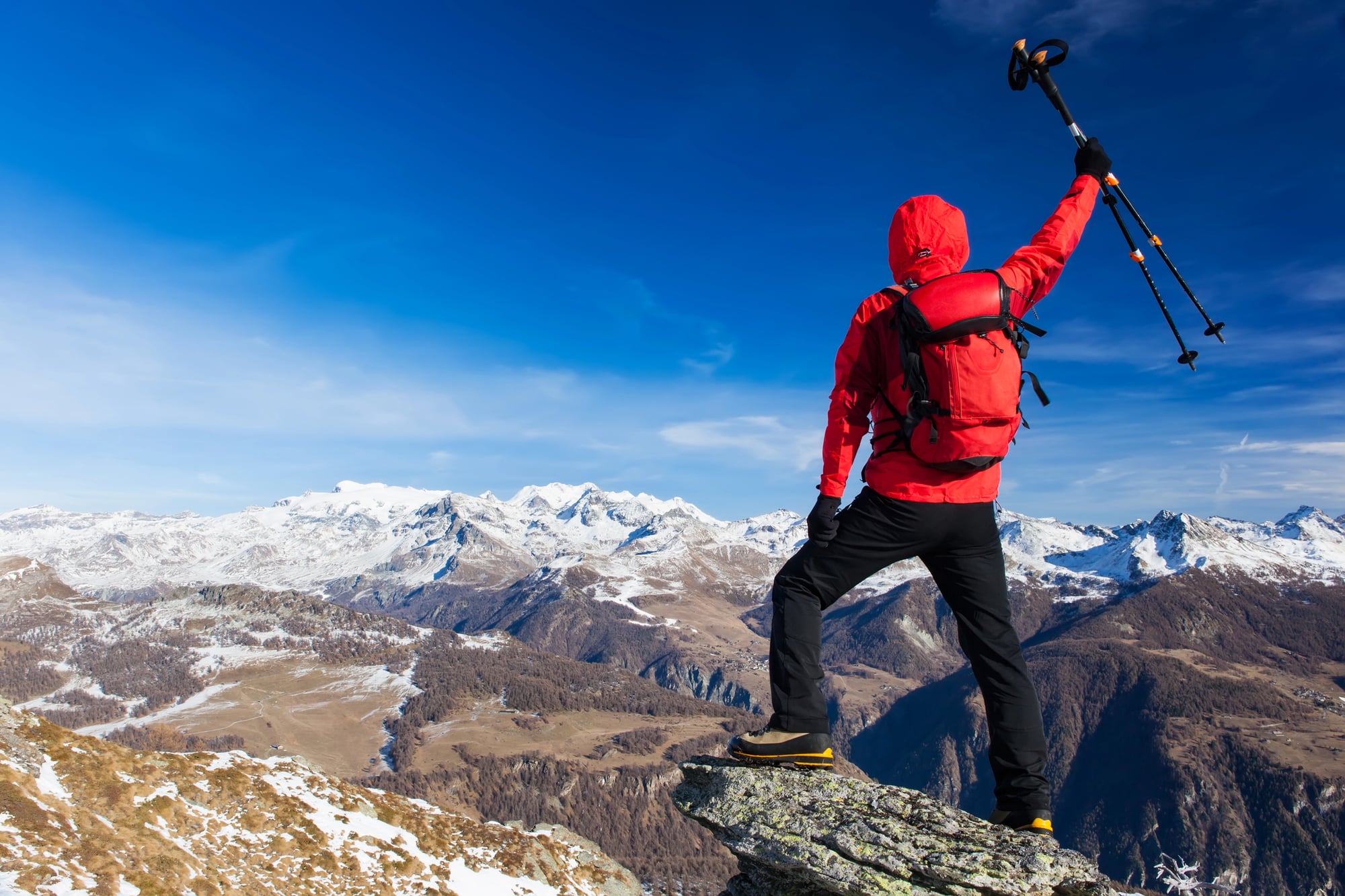
The list above is not really about mountains. It is about the recurring human failure to accurately predict the outer limits of what people can do when they are sufficiently motivated, prepared, and willing to absorb the consequences.
In almost every case, the person who declared the feat impossible was experienced, knowledgeable, and entirely sincere — and entirely wrong.
The medical community said the body could not function above 8,000 meters without oxygen. Climbers said specific walls were too steep to free climb.
Experts pointed to winter K2 and called it a seasonal impossibility. All of them eventually watched someone prove otherwise.
What changes each time is not the mountain. It is the combination of technology, training, and the psychological willingness to treat a previous generation’s absolute limit as a starting point rather than a boundary.
The mountains that currently sit at the far edge of what anyone believes possible — the unclimbed northeast face of Masherbrum, the remaining blank lines on Annapurna’s walls — will almost certainly be climbed by someone who wasn’t born yet when this list was written.
More from Go2Tutors!

- The Romanov Crown Jewels and Their Tragic Fate
- 13 Historical Mysteries That Science Still Can’t Solve
- Famous Hoaxes That Fooled the World for Years
- 15 Child Stars with Tragic Adult Lives
- 16 Famous Jewelry Pieces in History
Like Go2Tutors’s content? Follow us on MSN.



