29 Natural Disasters That Wiped Cities Off the Map Without Warning
Cities vanish in seconds. Not over centuries—in the span of minutes or hours, entire populations can cease to exist, erased by forces no wall or warning system could have stopped.
Some disappeared so completely that archaeologists spent decades wondering if they were ever real. Others were too recent to forget, too sudden to prepare for, too devastating to rebuild.
What separates these catastrophes from ordinary disasters is the velocity of erasure. No gradual decline.
No slow migration out. Just geological violence so intense that human infrastructure became as temporary as sand.
Pompeii, Italy—79 AD
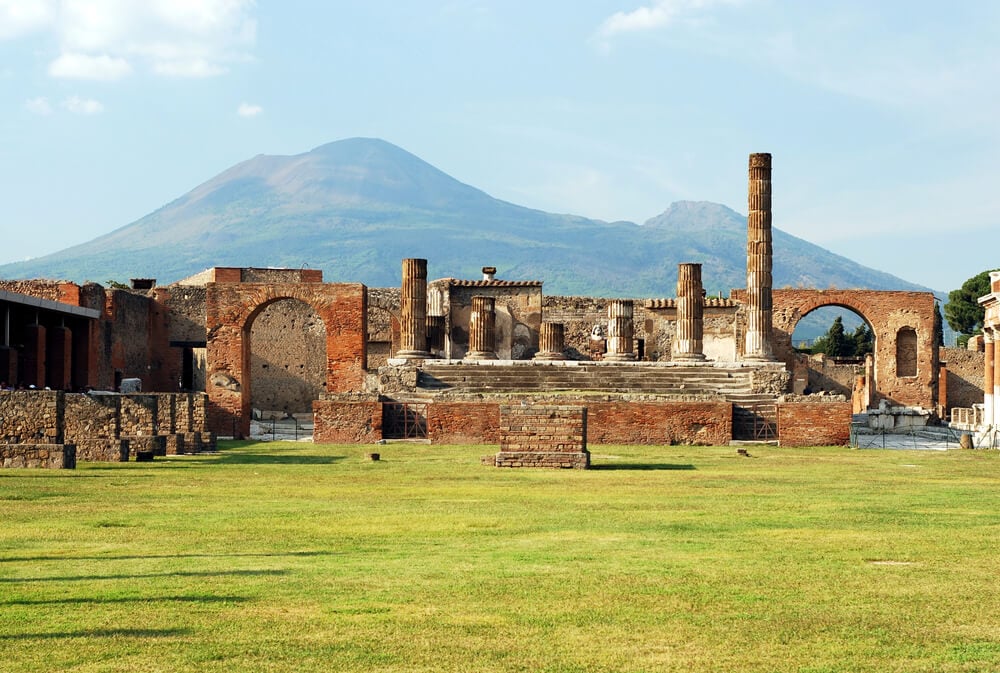
Mount Vesuvius didn’t erupt; it detonated. The eruption column rose 21 miles into the atmosphere in under an hour, and the pyroclastic surge that followed—a 750-degree wave of ash and gas—reached the city in 24 minutes.
Everyone who didn’t flee in the first hour died where they stood. The ash was so fine and so hot that it preserved bodies in their final moments, creating molds that archaeologists would fill with plaster 2,000 years later to see faces twisted in fear.
Saint-Pierre, Martinique—1902
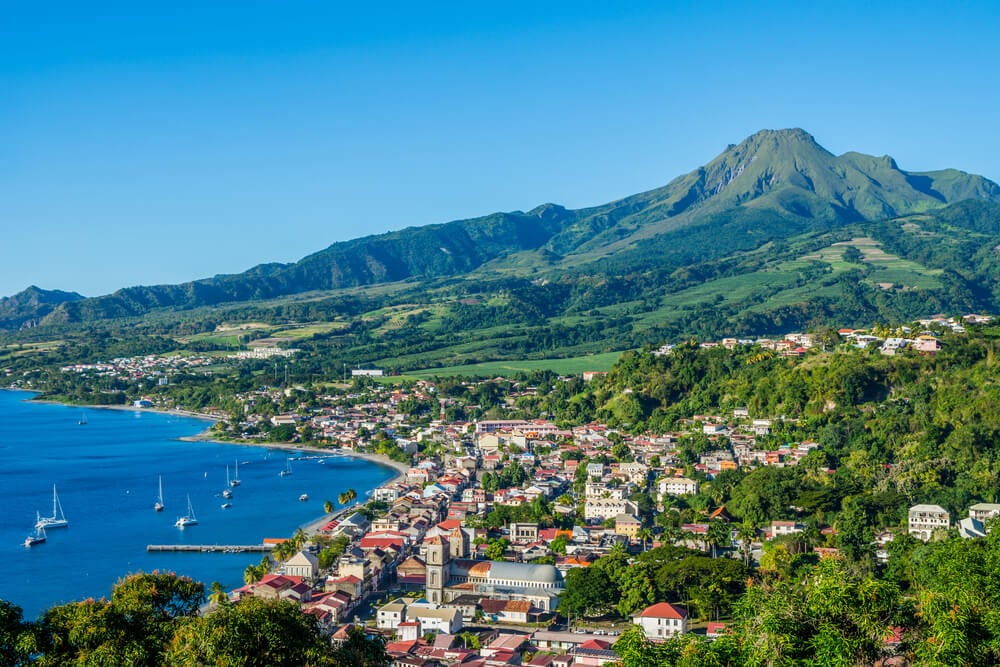
The city was the most cultured in the Caribbean until Mount Pelée decided otherwise. On May 8, a Nuée ardente—a superheated cloud of ash, gas, and rock—raced down the mountain at 100 mph and wiped out nearly 30,000 people in three minutes.
Only three confirmed survivors walked away from the blast zone. The temperature of the glowing cloud was so extreme it melted metal and turned sand into glass.
Herculaneum, Italy—79 AD
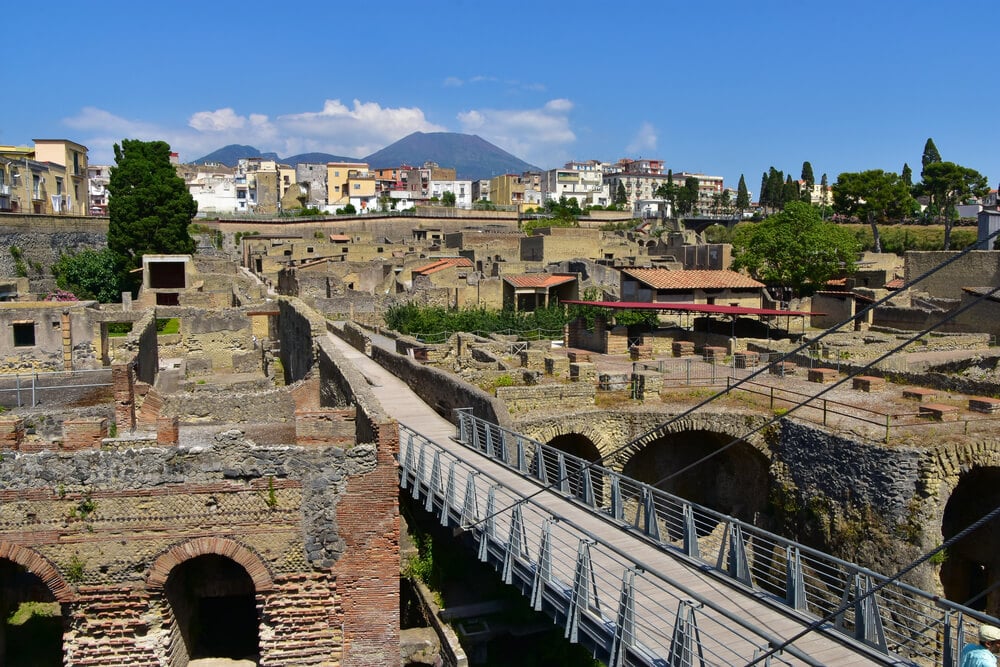
Buried even deeper than Pompeii under 66 feet of ash, this port city was entombed so thoroughly that it wasn’t fully excavated until the 20th century. The heat of the pyroclastic flows was so intense that it vaporized the flesh of people sheltering in boathouses along the shore, leaving only the charred outlines of their skeletons pressed into the hardened ash.
The city’s uniqueness lies in how completely it was sealed. Wooden beams and ancient scrolls survived because nothing could decompose in the airless tomb.
Thera/Akrotiri, Santorini—1610 BC

A civilization vanished so entirely that the island itself changed shape. The eruption was so powerful that it calved away the center of the landmass, collapsing the volcano inward and creating the caldera visible today.
The blast radius extended 500 miles. The tsunami that followed may have been 300 feet tall. The Minoan civilization, once the jewel of the eastern Mediterranean, simply ceased.
Lisbon, Portugal—1755
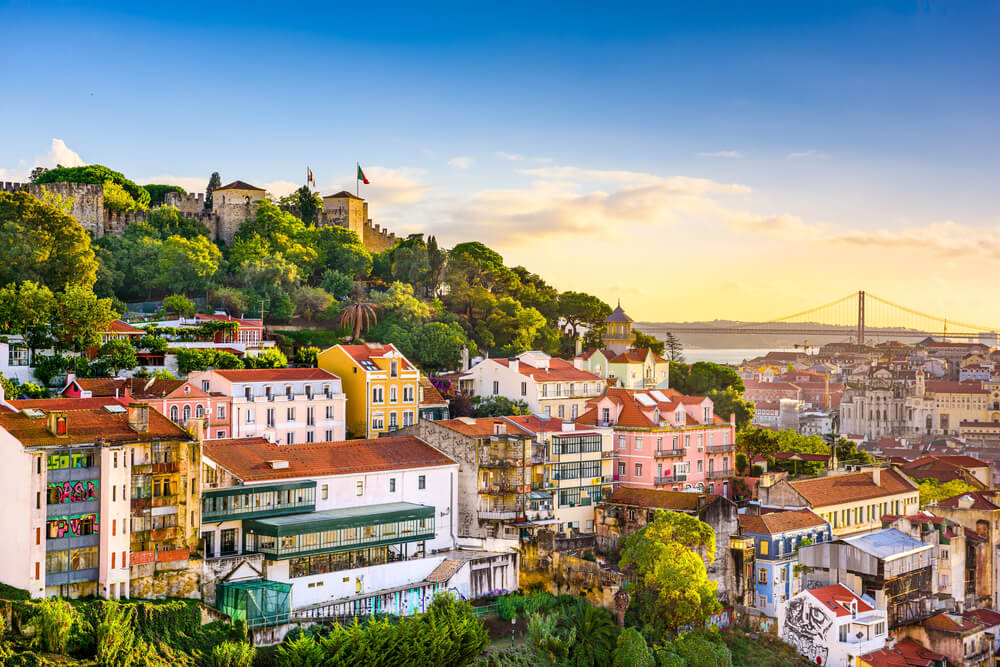
An 8.7-magnitude earthquake struck with such violence that the ground liquefied in some neighborhoods. Buildings didn’t just collapse—they sank.
Sixty-two thousand people died in the initial quake, and those who fled to the harbor weren’t safe: the earthquake triggered a tsunami that rose 50 feet high and obliterated the waterfront. The fire that burned afterward for days completed the erasure.
Krakatoa, Indonesia—1883
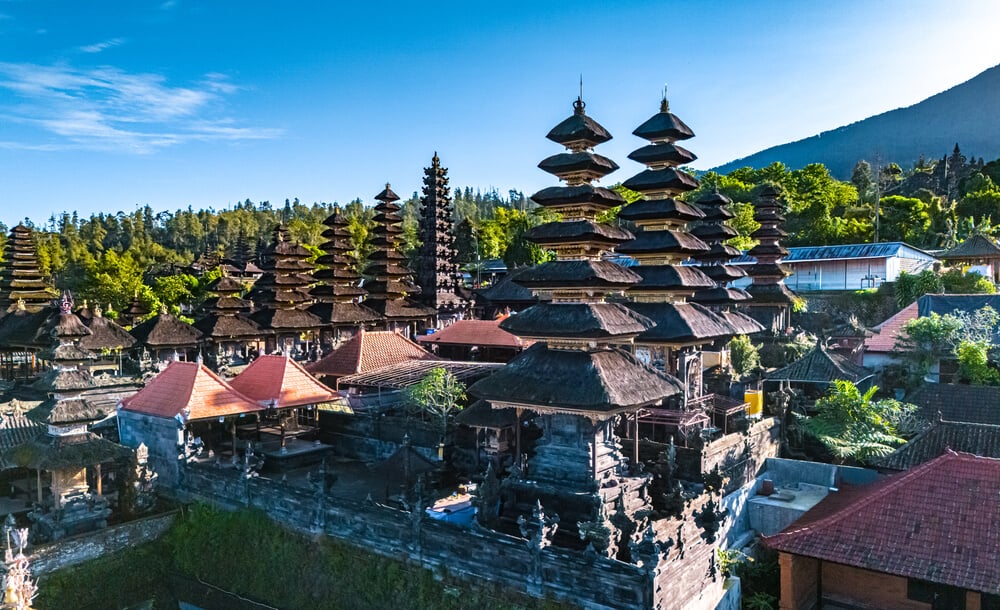
The explosion was heard 3,000 miles away in Mauritius. Two-thirds of the island simply ceased to exist, vaporized into the atmosphere.
The blast pressure wave circled the Earth three times. The tsunami it generated reached 120 feet high and killed 36,000 people, most of them never seeing the water until it crashed over them. The sound was the loudest thing humans had ever heard.
The New Madrid Earthquakes—1811-1812
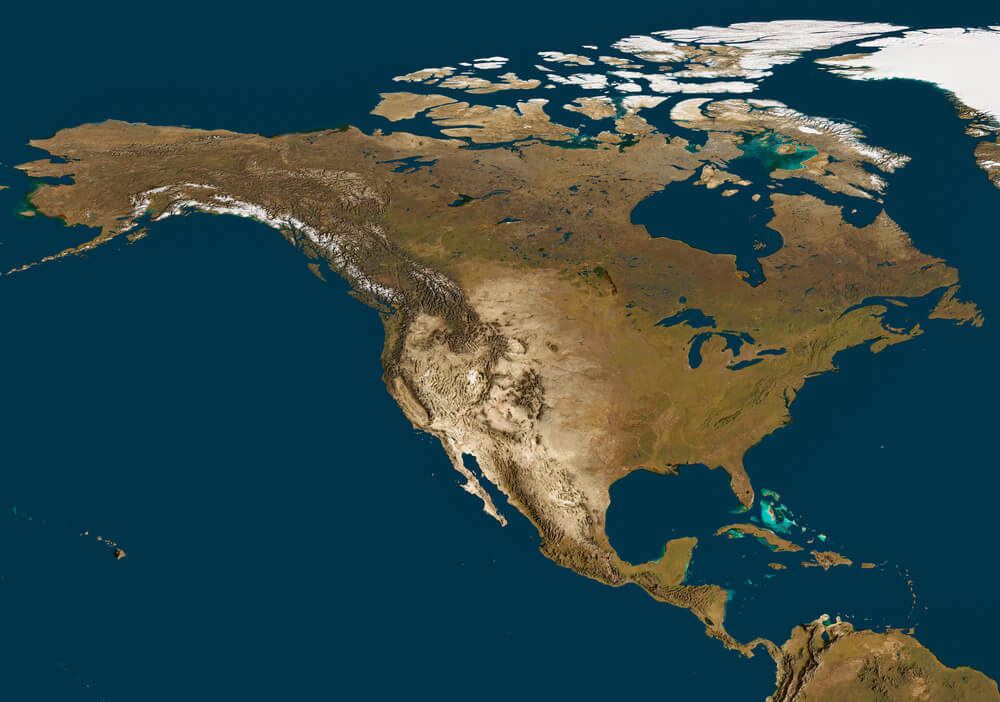
Eastern North America convulsed with a series of earthquakes so powerful that they were felt in Boston 1,000 miles away. The ground cracked into fissures that swallowed trees whole.
One account describes a man who sank into a pit so deep he had to be hauled out with a rope. The Mississippi River temporarily flowed backward. Any settlements in the epicenter were simply erased—the ground itself became uninhabitable.
Mount Tambora, Indonesia—1815
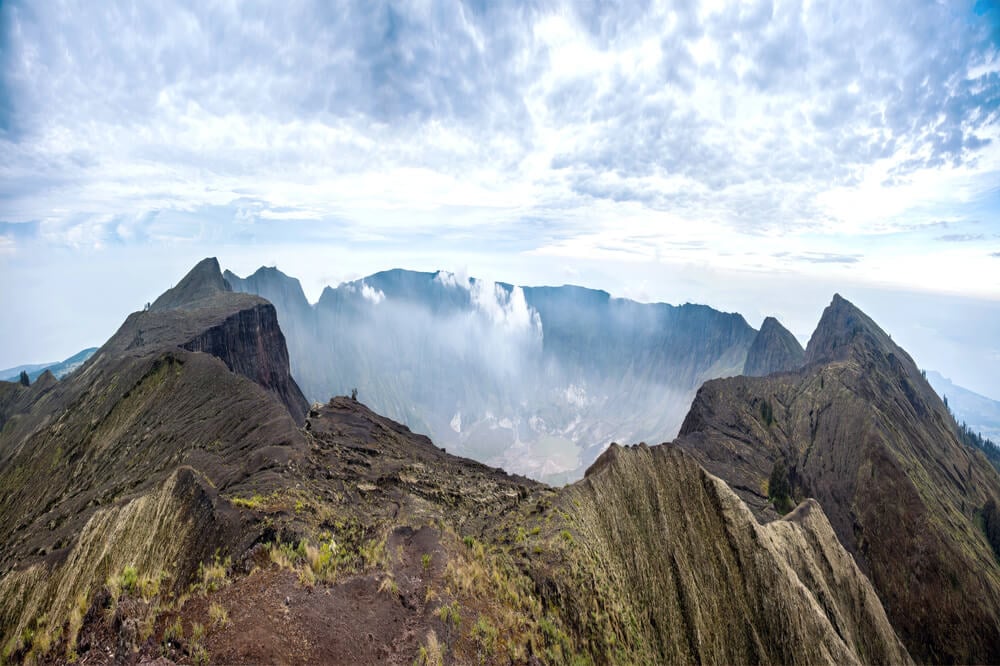
The eruption column reached the upper atmosphere at 80,000 feet. The ash spread across the globe so completely that 1816 became known as “the year without a summer” in the Northern Hemisphere.
Crops failed worldwide. Temperatures dropped 1.2 degrees Celsius globally. The economic catastrophe it created triggered famines and social unrest across Europe, Asia, and North America. Over 100,000 people died—most from starvation in the months and years after.
Nevado Del Ruiz, Colombia—1985
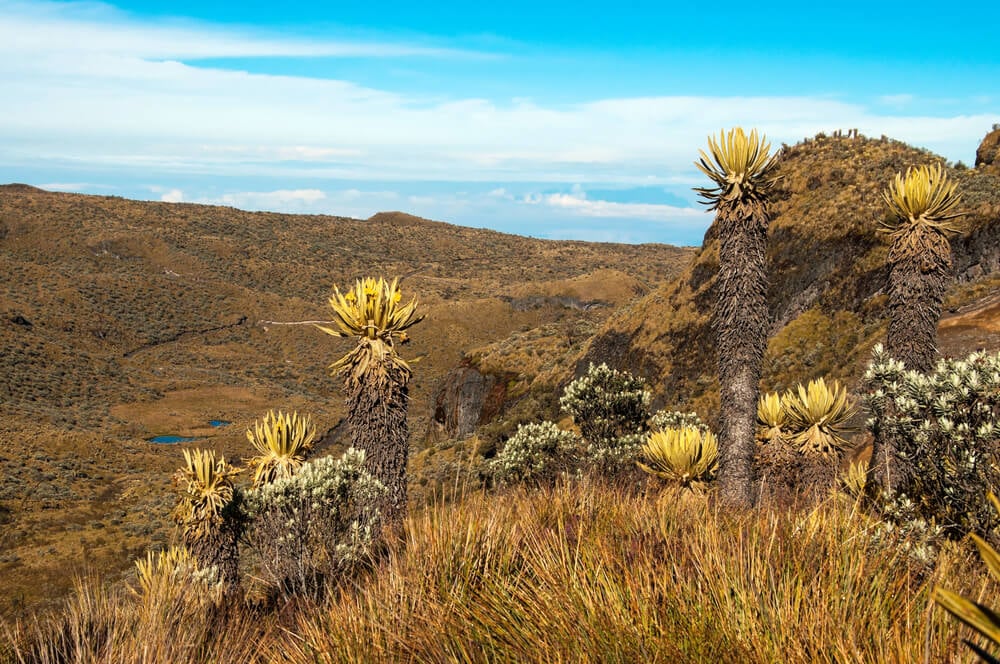
The eruption was relatively small. But it melted glacial ice at the peak, and the meltwater mixed with ash and rock to form a lahar—a mudflow traveling at 35 mph.
The town of Armero, with 23,000 residents, lay directly in its path. The mud was so thick and so powerful that entire houses were buried. A girl named Omayra Sánchez became the world’s symbol of the disaster—she was pinned by debris in the mud for three days while rescue workers couldn’t reach her, her death broadcast to the world on live television.
The 1906 San Francisco Earthquake
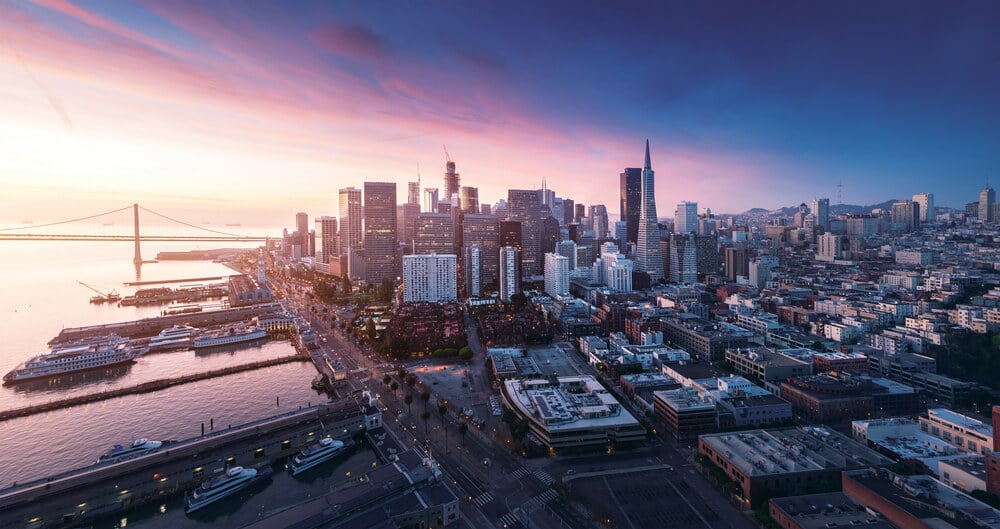
The earth itself bucked like an animal. The Golden Gate was reduced to rubble in 45 seconds.
The fires afterward burned for three days and consumed 500 city blocks. Survivors reported the ground splitting open beneath their feet, with fissures 20 feet wide and 30 feet deep. The city’s financial district—the wealth center of the Pacific—was cinders. Only the 1995 Kobe earthquake would later cause comparable structural damage.
Tangshan, China—1976
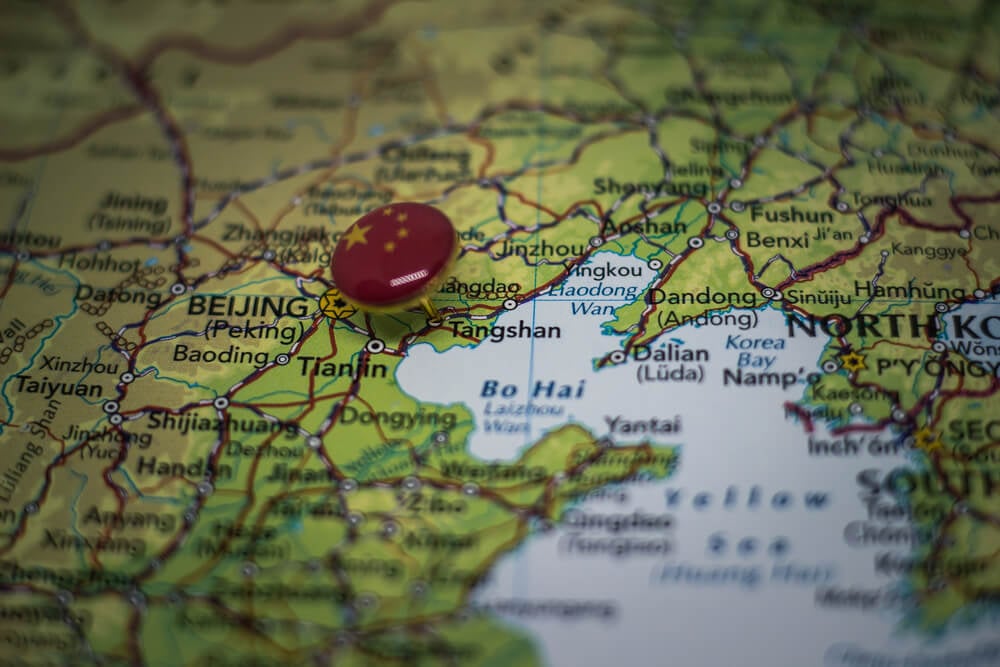
At 3:42 AM, a magnitude 7.6 earthquake struck a city of 1.3 million people. Ninety-three percent of the buildings collapsed.
The official death toll was 242,000—but historians believe it was closer to 655,000. Survivors reported that the darkness was so complete during the initial seconds that they couldn’t tell if they were alive or dead. A nurse who survived described stepping over so many bodies in the darkness that she had to count her steps to keep her sanity.
Mount Pinatubo, Philippines—1991
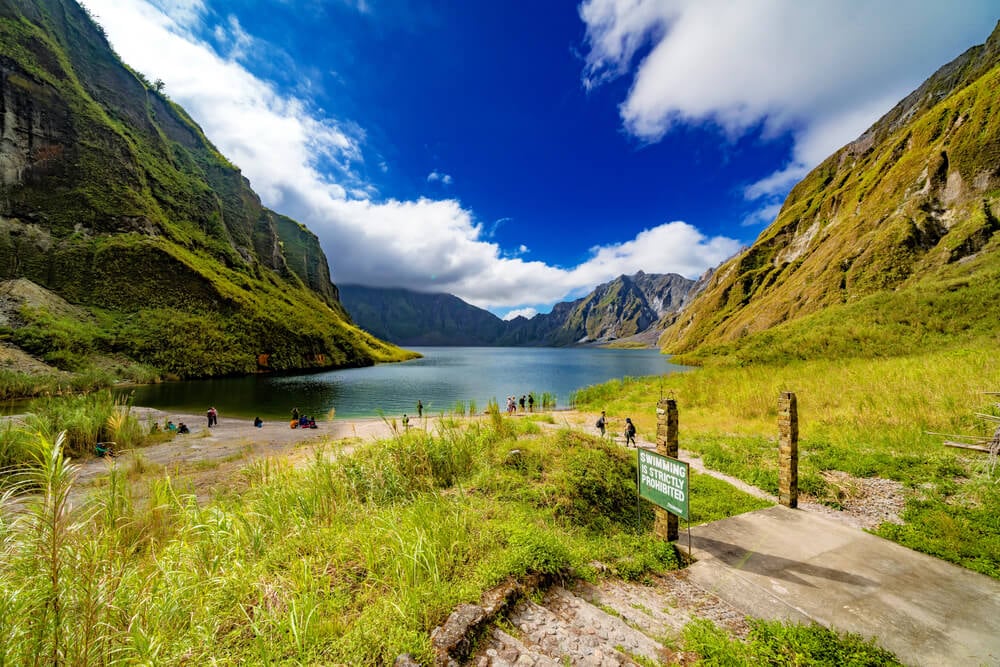
The eruption discharged 10 million tons of ash into the stratosphere. The ash column was so dense it turned day into complete darkness at noon 80 miles away.
The pyroclastic flows reached temperatures of 1,000 degrees Fahrenheit. Mixed with the monsoon rains, lahars swept through settlements at 60 mph. The ash cooling in the upper atmosphere caused global temperatures to drop 0.5 degrees Celsius. Some scientists believe this eruption may have temporarily slowed global warming.
The Haiyuan Earthquake, China—1920
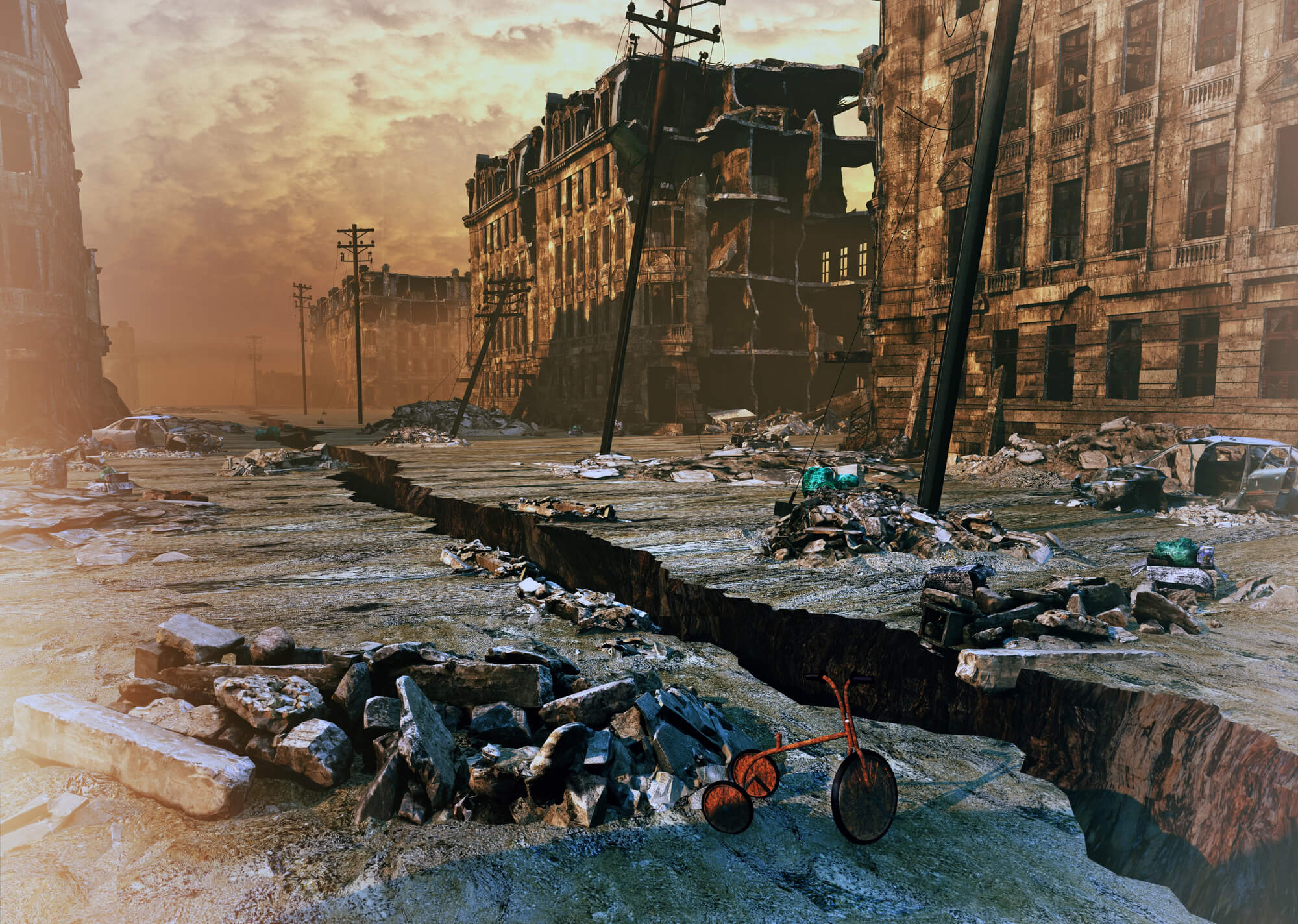
A magnitude 8.6 earthquake struck in the middle of the night. The death toll reached 240,000 people—making it one of the deadliest earthquakes ever recorded.
Entire villages were buried under rockslides. Survivors reported that the earth rolled in waves, literally throwing people into the air. One account describes a man who watched his entire village slide into a newly formed ravine.
Toba Supervolcano, Sumatra—74,000 BC
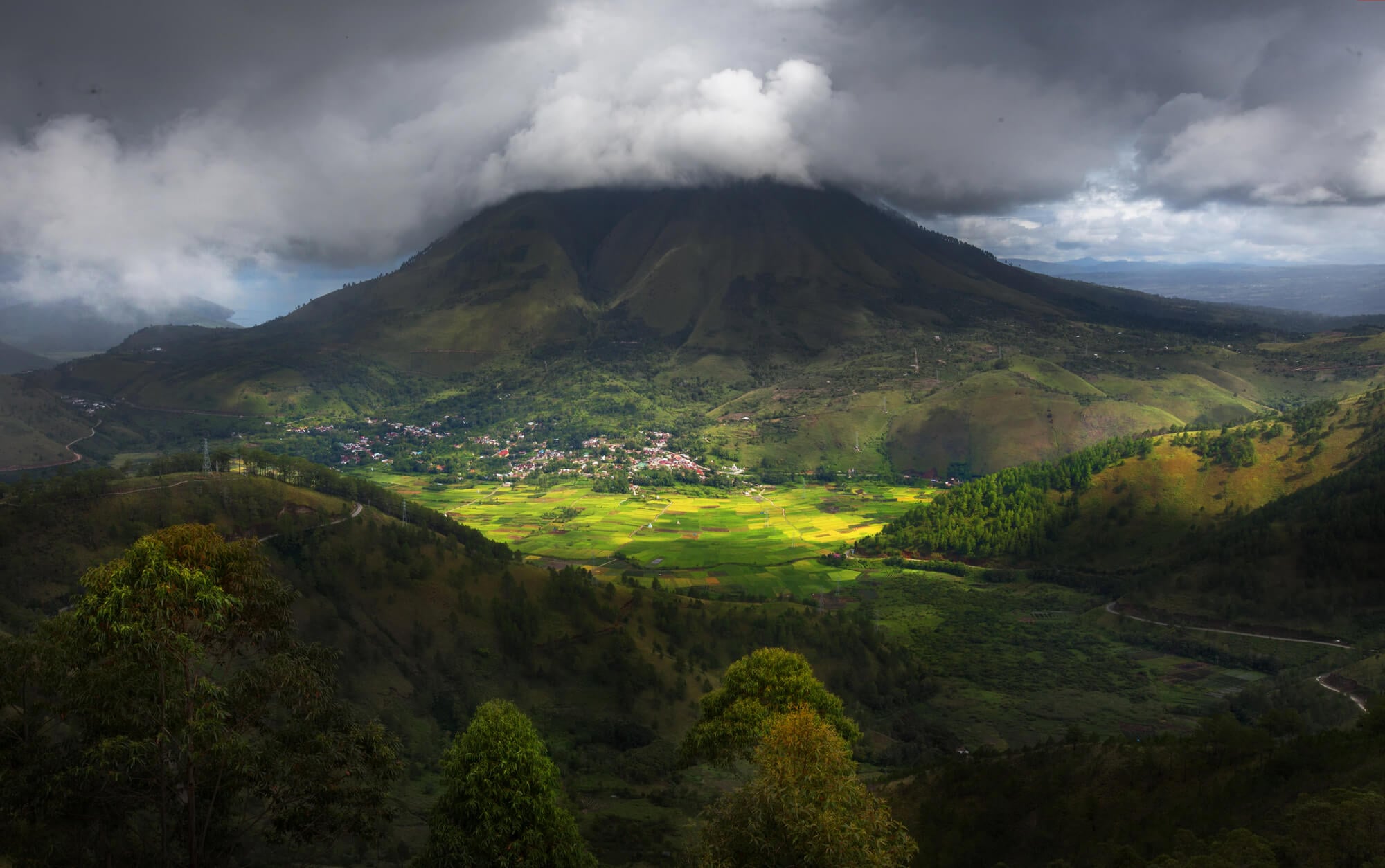
This wasn’t a mere eruption—it was a civilization extinction event. The explosion was so massive that it created a caldera 62 miles long.
The ash covered the entire Indian subcontinent in a layer 12 inches thick. Volcanic winter followed, with temperatures dropping 20-30 degrees Celsius globally for years. Human populations collapsed. Genetic evidence suggests that human numbers dropped to as few as 10,000 individuals worldwide. For a time, our species very nearly ended.
The 1755 Fukushima Earthquake, Japan
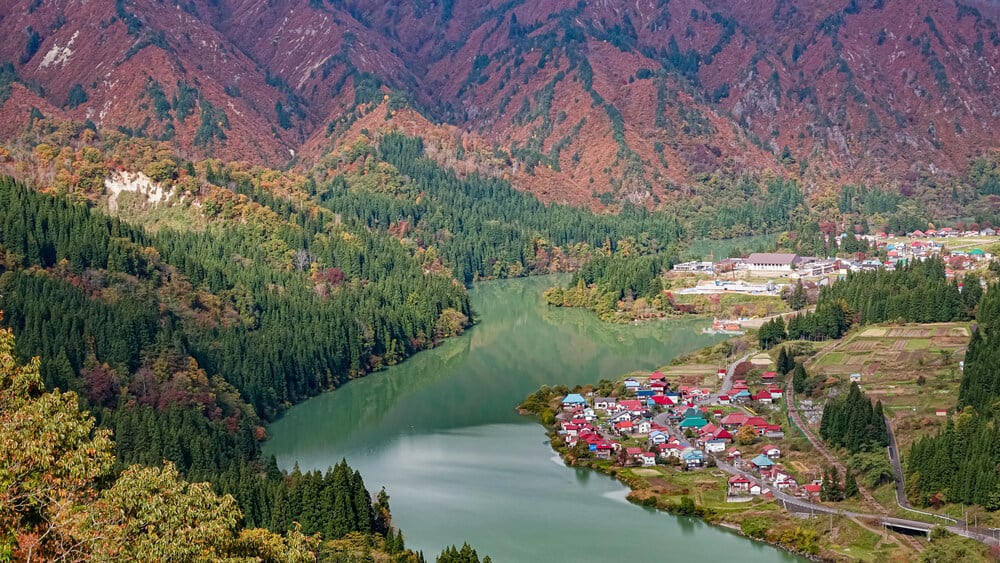
An 8.1-magnitude earthquake struck offshore, triggering a tsunami 40 feet high that obliterated coastal cities in minutes. Boats were found stranded on hilltops.
Entire fishing villages were erased without a single structure remaining. The Japanese documented the disaster in great detail, and the records show that some areas lost 90 percent of their population in the wave alone.
Mount Merapi, Indonesia—1883-Present
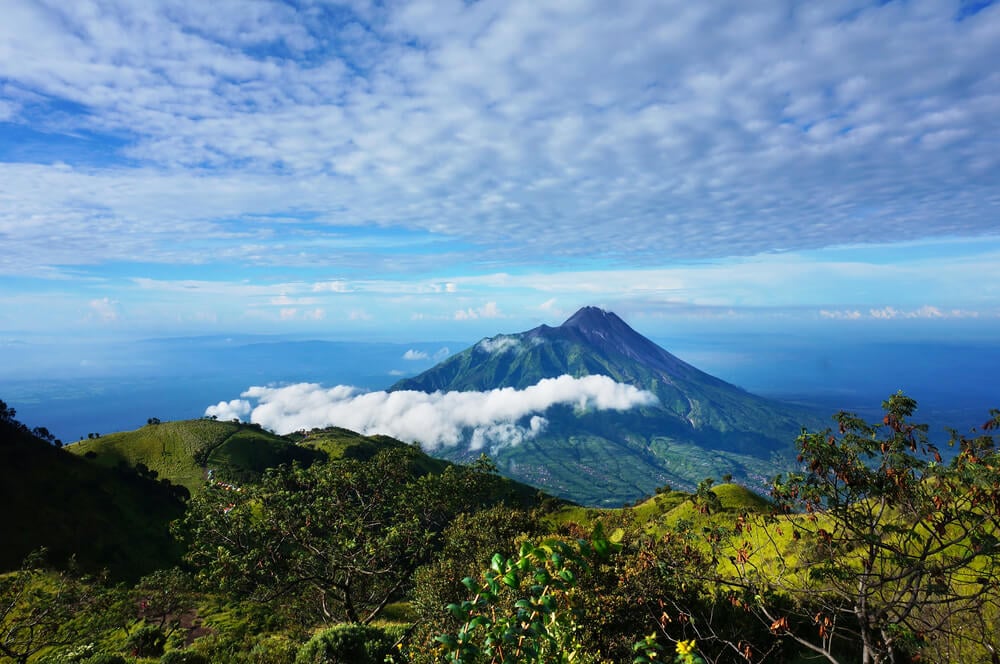
Merapi doesn’t erupt once and stop—it’s a serial killer, erupting repeatedly over decades. The 1883 eruption killed 1,500 people. The 1930 eruption killed 1,300.
The 2010 eruption displaced 1.3 million people and killed 353. Between eruptions, people return to farm the fertile volcanic soil, setting themselves up for the next catastrophe. Some villages have been destroyed, rebuilt, and destroyed again multiple times.
The Shaanxi Earthquake, China—1556
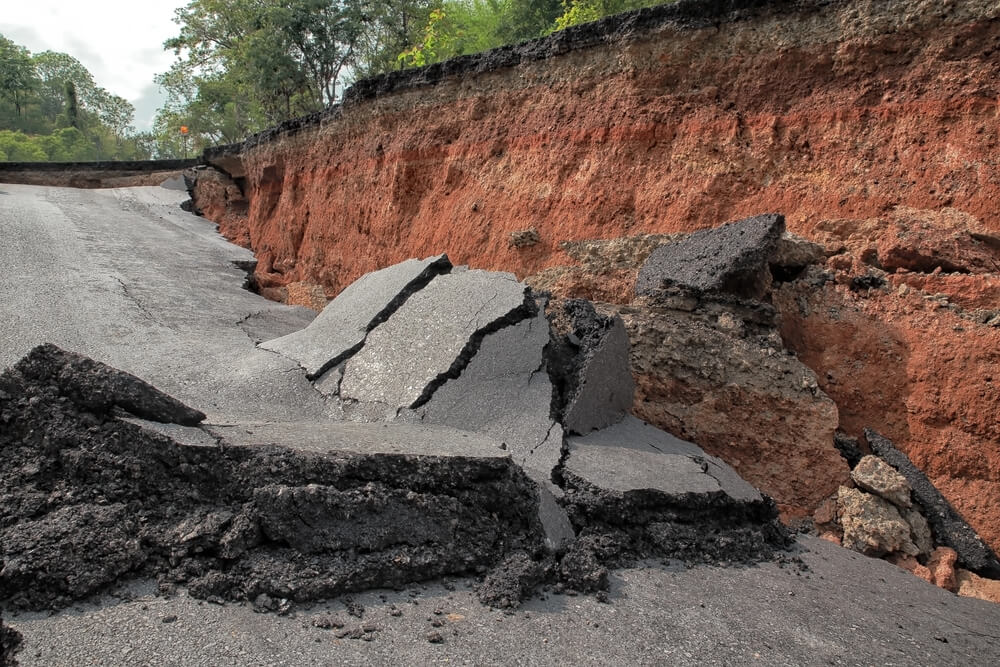
This 8.0-magnitude quake struck on January 23 at midnight. The death toll was approximately 830,000 people—the deadliest earthquake in recorded history.
Entire provinces were depopulated. The earth opened into fissures so wide that travelers reported seeing no bottom to them. The economic collapse was so severe that the Chinese government struggled for years to stabilize the affected regions.
Mount Vesuvius—1906
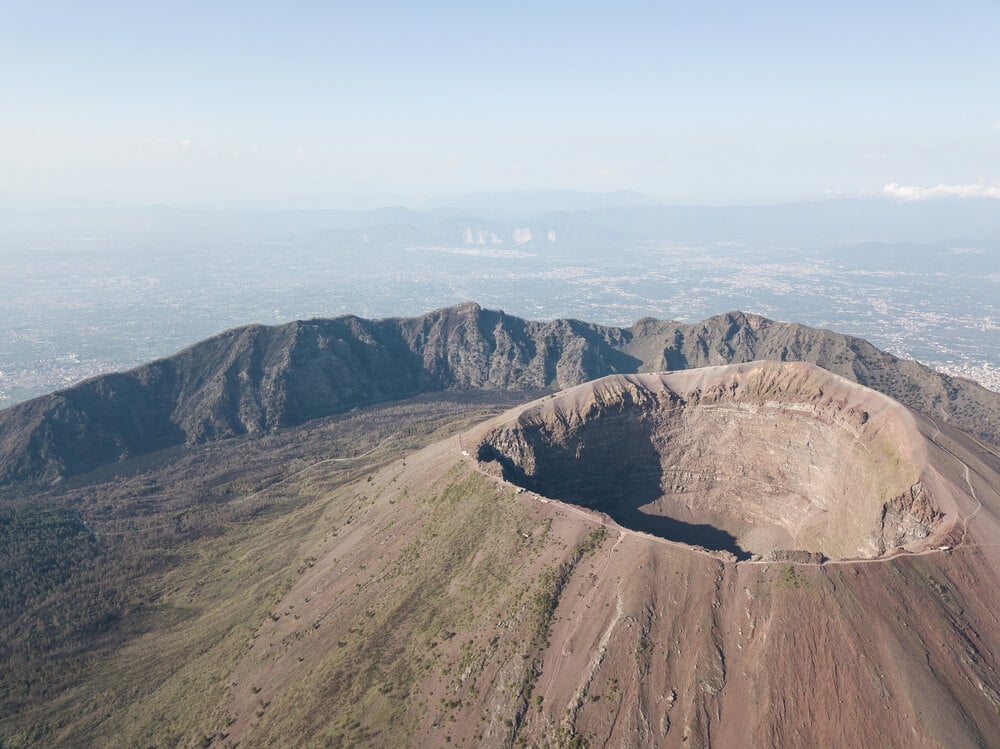
Thirty-four years after the 1872 eruption, Vesuvius erupted again. This time, the eruption column rose 25,000 feet.
Twelve towns were buried under volcanic pumice and ash. Over 100 people died, but the death toll was lower than previous eruptions because the observatory had improved warning systems, and residents heeded evacuation orders more seriously.
The 1960 Valdivia Earthquake, Chile
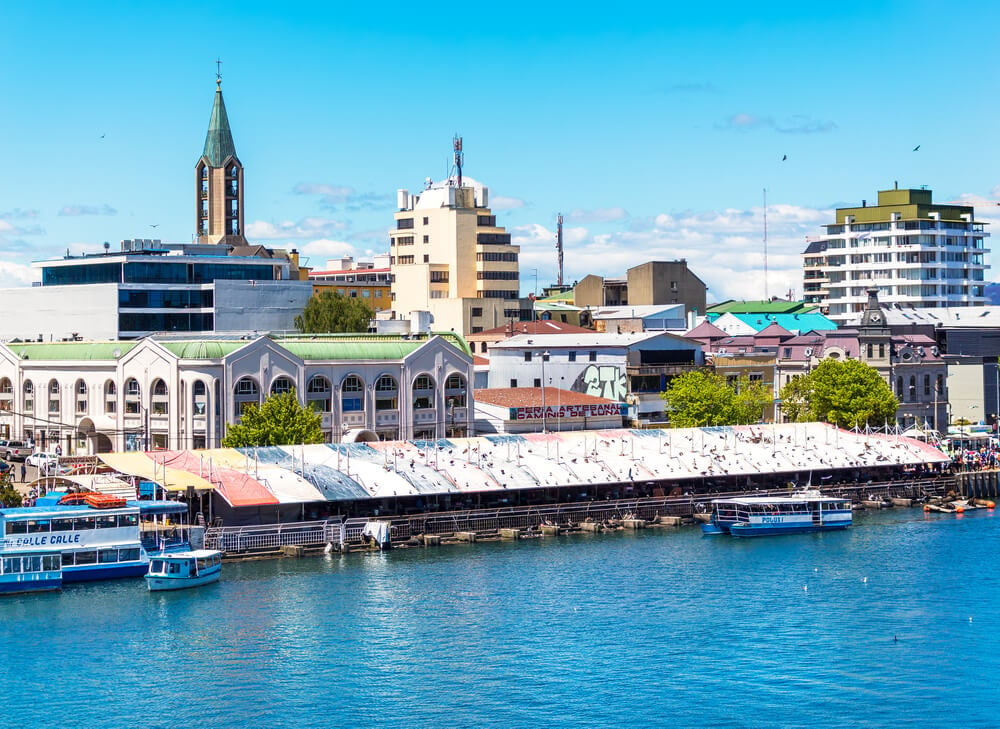
At magnitude 9.6, this remains the most powerful earthquake ever recorded. The earth shook for a full 10 minutes—far longer than most earthquakes.
Buildings didn’t just collapse; entire sections of the city dropped. The tsunami it generated killed 61 people in Hawaii and 138 in Japan, despite occurring in South America. The earthquake destroyed 40 percent of Chile’s housing stock in a single moment.
Huaynaputina, Peru—1600

The volcano erupted with such violence that ash fell in Japan—20,000 miles away—nine months later. Crops failed across Europe and Asia the following year.
Historical records document famine, unrest, and social upheaval across the globe caused by a volcano people in those regions had never heard of. This was the global economic collapse of the early 17th century, triggered by volcanic winter.
Mount Vesuvius—1631 Again
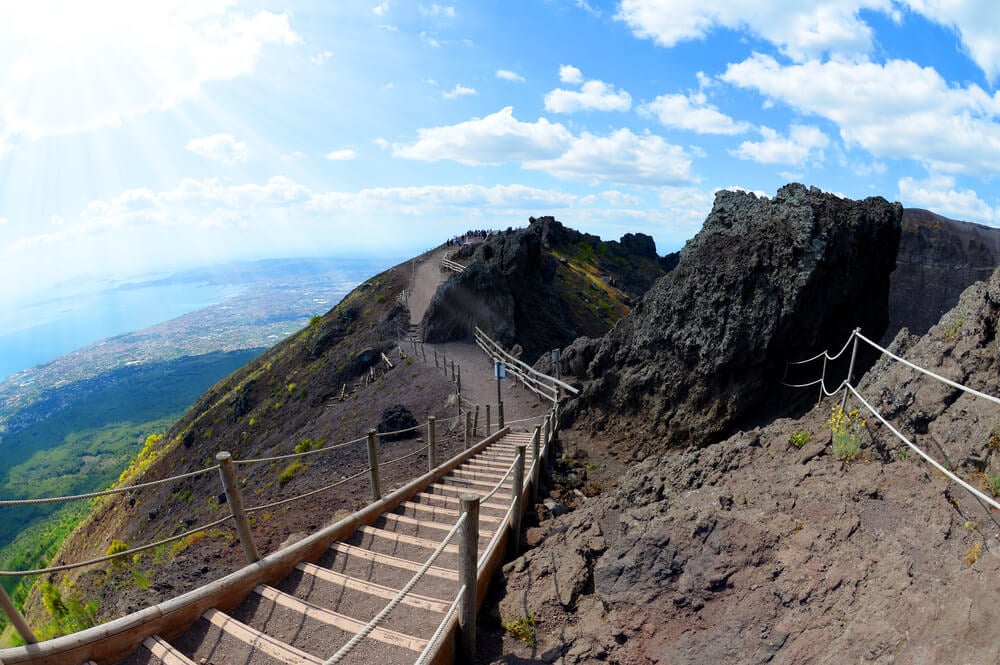
A third eruption for our list because Vesuvius has earned its place. This eruption produced pyroclastic flows that traveled 12 miles from the crater.
They were moving so fast that people were killed by the impact of the blast before the heat reached them—their bodies were sometimes mummified by the intensity of the heat. Naples was temporarily abandoned entirely.
Santorini Tsunami, Greece—1610 BC (Waves Only)
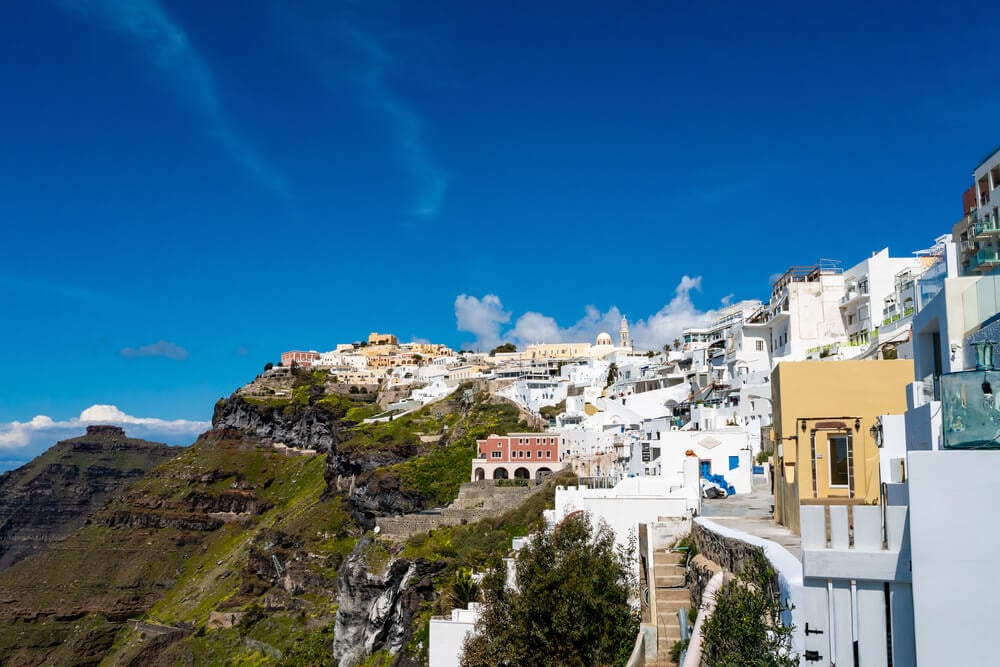
The tsunami that followed the Santorini eruption traveled at 100 mph across the Mediterranean. Islands 200 miles away reported waves 50 feet high.
Crete, center of the Minoan civilization, was devastated by the tsunamis alone—settlements on the coast were completely obliterated. Some historians believe this single tsunami event contributed to the collapse of an entire civilization.
The 1648 Banda Islands Earthquake, Indonesia
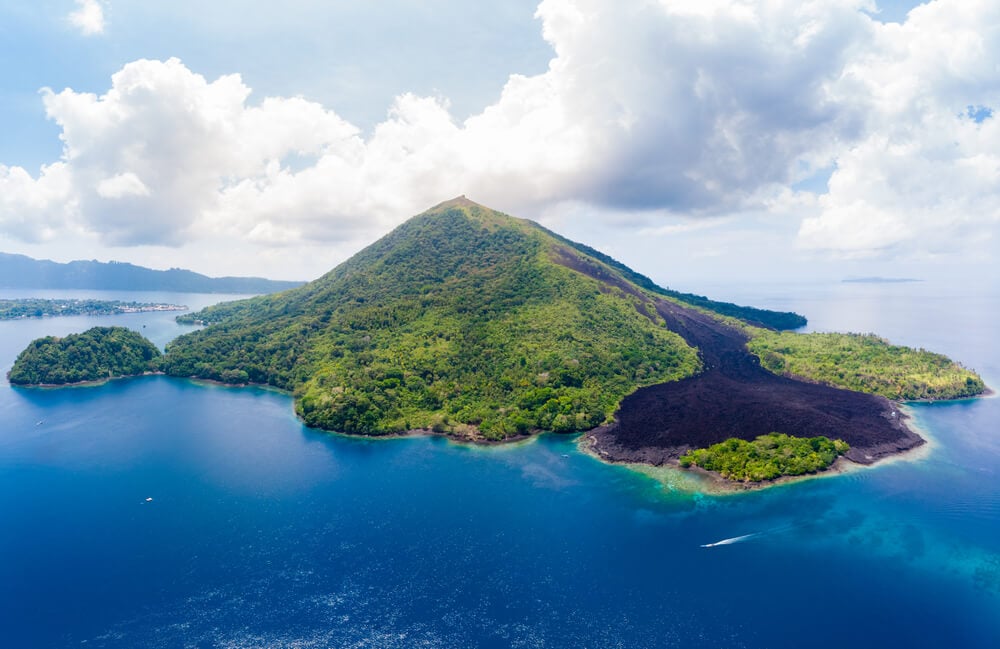
A magnitude 7.5 earthquake struck the Banda Islands, a center of the spice trade. The sudden subsidence caused some islands to sink, altering their geography permanently.
Tsunamis followed, and the combination of earthquake and tsunami killed thousands and economically devastated one of the world’s most valuable trading centers.
Mount Rainier’s 1700 Eruption, Washington
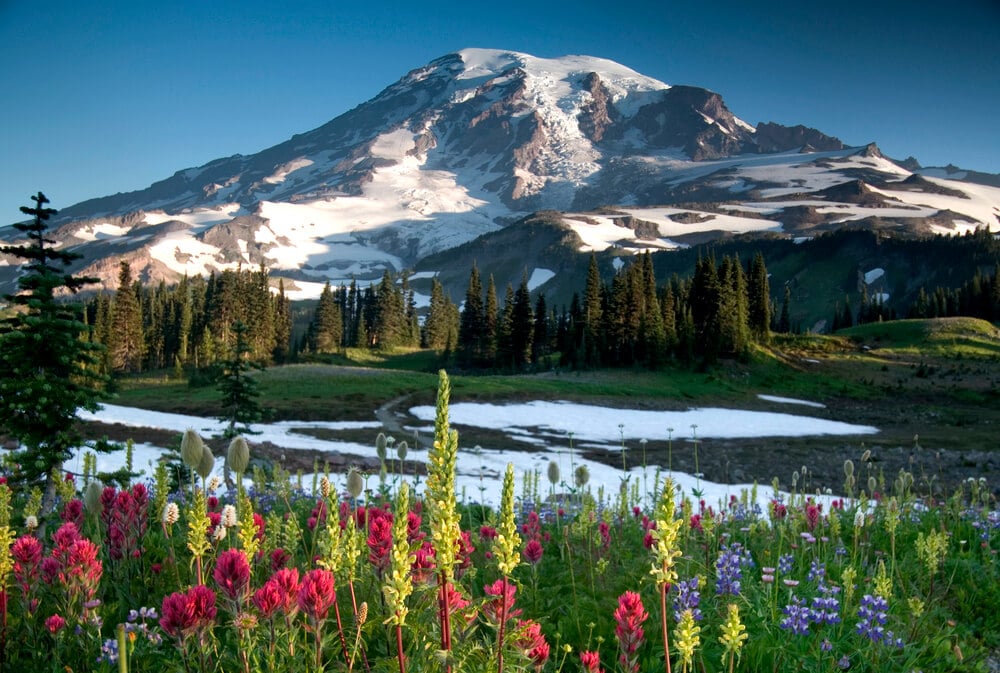
The eruption sent lahars racing down valleys at 90 mph. They traveled over 50 miles from the mountain.
While the population was sparse, the scale of the devastation was staggering—forests were scoured down to bare rock. Ice and snow melted so rapidly that some flows reached temperatures of 100 degrees Fahrenheit miles from the mountain.
The 1908 Messina Earthquake, Sicily
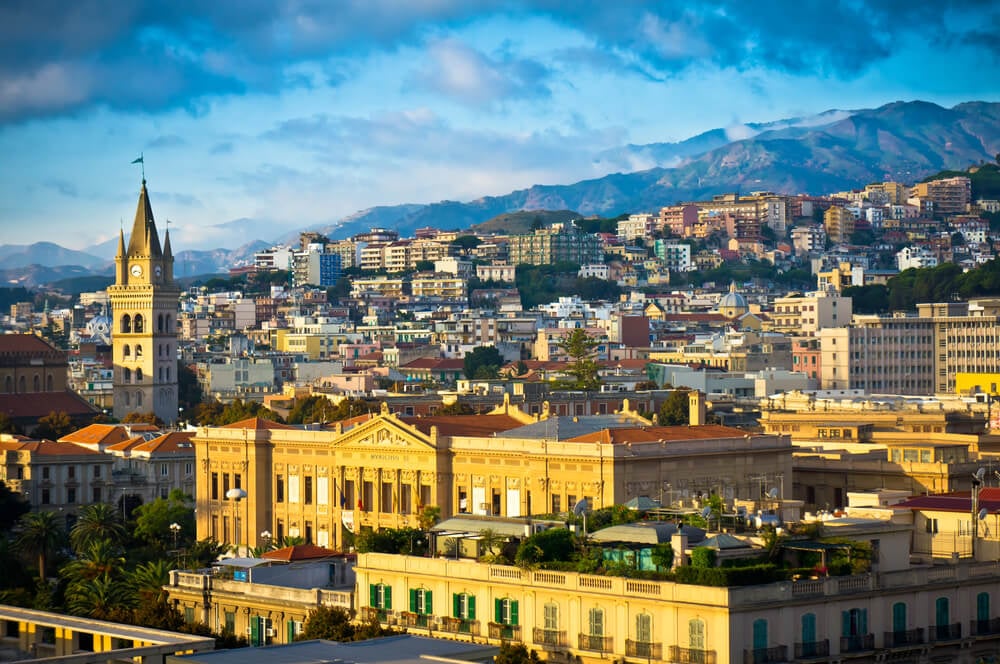
A magnitude 7.5 earthquake struck at 5:21 AM on December 28. The city of Messina, home to 120,000 people, was destroyed in less than one minute.
Only 60 buildings remained intact. The death toll exceeded 100,000. Survivors described a moment where the earth seemed to buckle upward, then collapse downward. Churches full of morning worshippers collapsed on the faithful. It remains Europe’s deadliest earthquake.
Nevado Huascarán Avalanche, Peru—1970
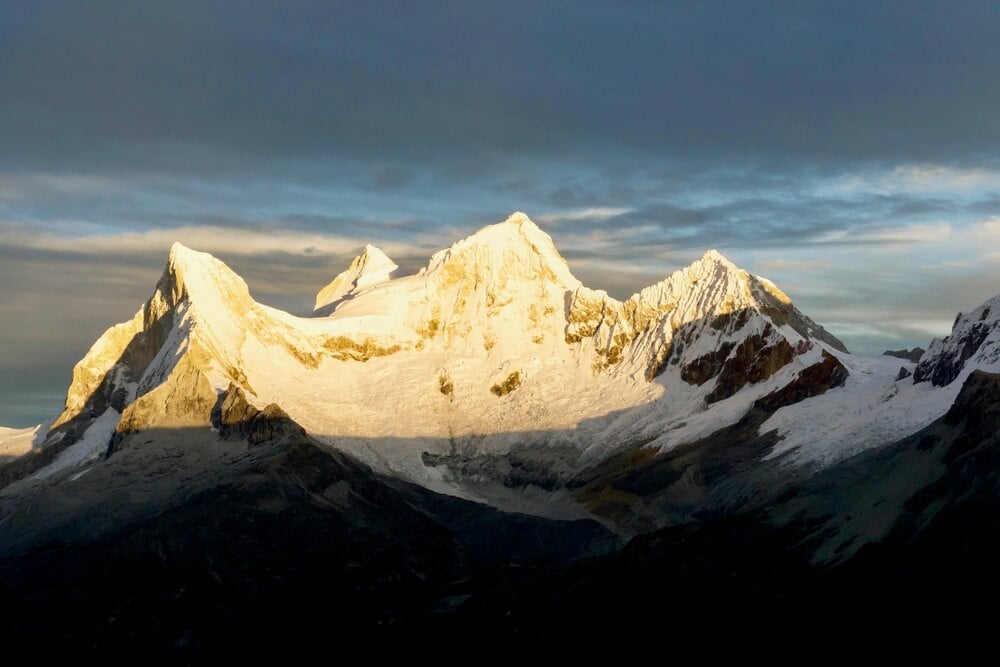
A magnitude 7.7 earthquake shook the Andes. It dislodged a hanging glacier on Nevado Huascarán, which triggered an avalanche of rock and ice moving at 150 mph.
The avalanche traveled over 9 miles and completely buried the town of Yungay, killing nearly 18,000 people. Survivors described an enormous dust cloud that turned day to darkness, and a sound so loud that it deafened people even at distance.
Cyclone Nargis, Myanmar—2008
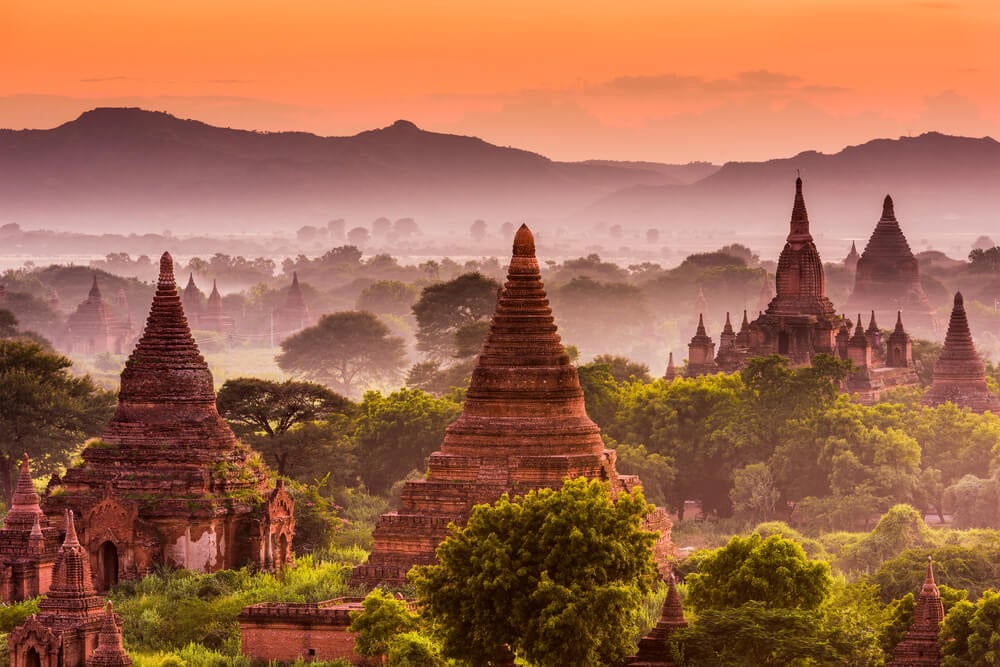
The 150-mph winds came without warning to the Irrawaddy Delta. An estimated 138,000 people died in 24 hours—more than some wars.
The tidal surge from the storm surge pushed salt water miles inland, rendering farmland useless. Survivors reported that the storm was so violent that it peeled skin from exposed flesh. Relief operations reached survivors weeks later, by which time disease had claimed thousands more.
The 1980 Mount St. Helens Eruption, Washington
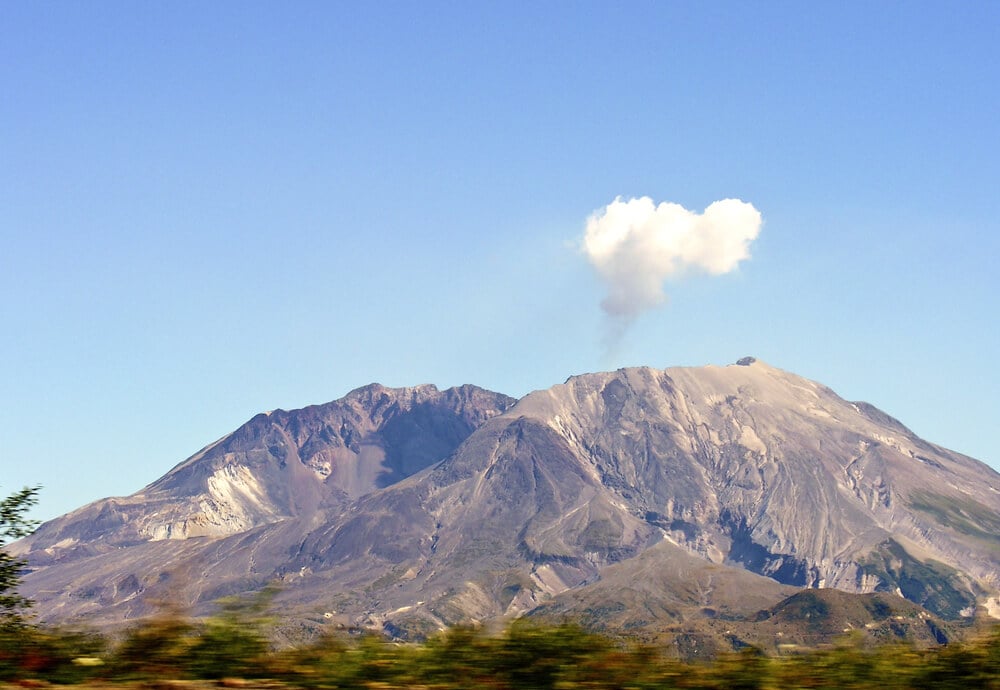
The lateral blast was the most powerful explosion at Mount St. Helens in recorded history. It was traveling at 300 mph when it exited the mountain.
Trees 80 miles away were knocked over like matchsticks, all pointing away from the blast. The heat was so intense that it ignited forests spontaneously. Harry Truman, an 83-year-old lodge owner, refused to evacuate and perished in the eruption, his lodge buried under 150 feet of ash.
The Deadliest Tsunami, Indian Ocean—2004
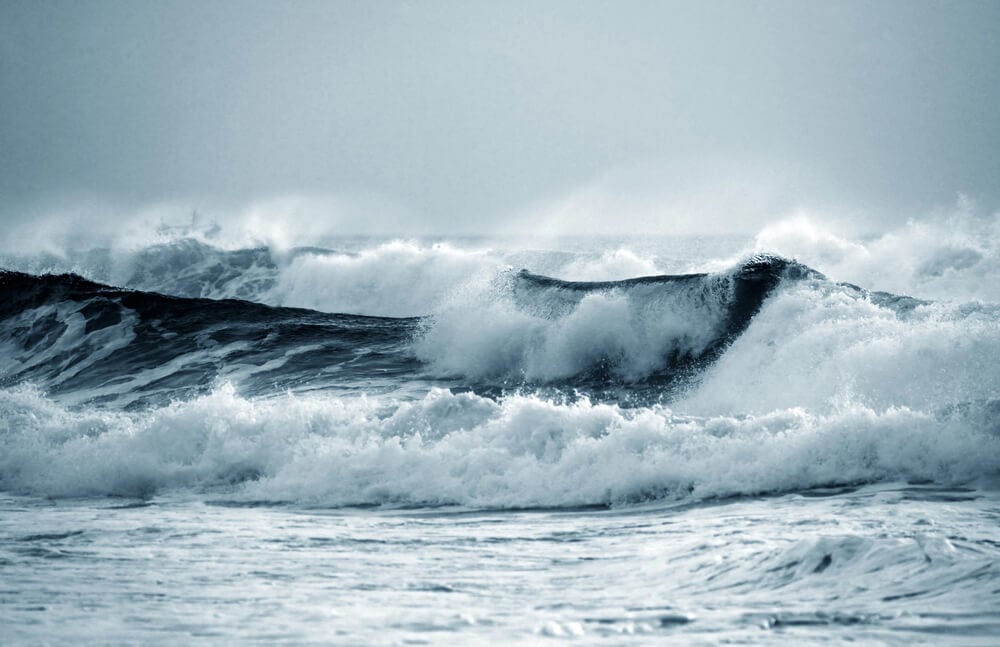
An undersea magnitude 9.1 earthquake shook on December 26, triggering a tsunami that killed 230,000 people across 14 countries. The waves traveled at 500 mph across the ocean.
Some waves reached 100 feet high. Entire islands disappeared underwater temporarily. The impact was so global and so sudden that tourists, fishermen, and villagers died in equal numbers. Orphanages in Thailand overflowed while some countries’ death tolls would take months to accurately count.
When Patience Runs Out

What makes these disasters more than historical curiosities is that they’ll happen again. Vesuvius is still active.
The New Madrid fault line trembles periodically. The San Andreas fault continues to build pressure.
These aren’t ancient hazards—they’re geological certainties with uncertain timelines. Every city on the Pacific Ring of Fire sits on borrowed time.
Every coastal settlement watches the ocean knowing that somewhere, an earthquake or volcano is approaching. The difference between a natural disaster and a civilization-ending catastrophe is often just luck and timing. Some cities got a warning. Some didn’t.
More from Go2Tutors!

- The Romanov Crown Jewels and Their Tragic Fate
- 13 Historical Mysteries That Science Still Can’t Solve
- Famous Hoaxes That Fooled the World for Years
- 15 Child Stars with Tragic Adult Lives
- 16 Famous Jewelry Pieces in History
Like Go2Tutors’s content? Follow us on MSN.