29 Old Coin Collections Hidden in Dresser Drawers That Turned Up Worth Real Money
Coin collections have a particular way of disappearing from family awareness. A grandparent spends decades assembling albums and folders, keeps them in a dresser drawer or closet shelf, and never quite gets around to explaining what’s in them.
Then the estate gets cleared in a hurry, and the collection goes to a dealer for a fraction of its value, or worse, to a bank for face value. The coins that have become genuinely valuable — either because of silver content, minting errors, rarity, or historical timing — are exactly the kind of thing that looks unremarkable to someone who doesn’t know what they’re looking for.
These 29 coins and categories have turned up in household collections and ordinary change jars worth far more than anyone expected. The value is real; the challenge is knowing which ones to stop for.
Pre-1965 Silver Dimes, Quarters, and Half Dollars
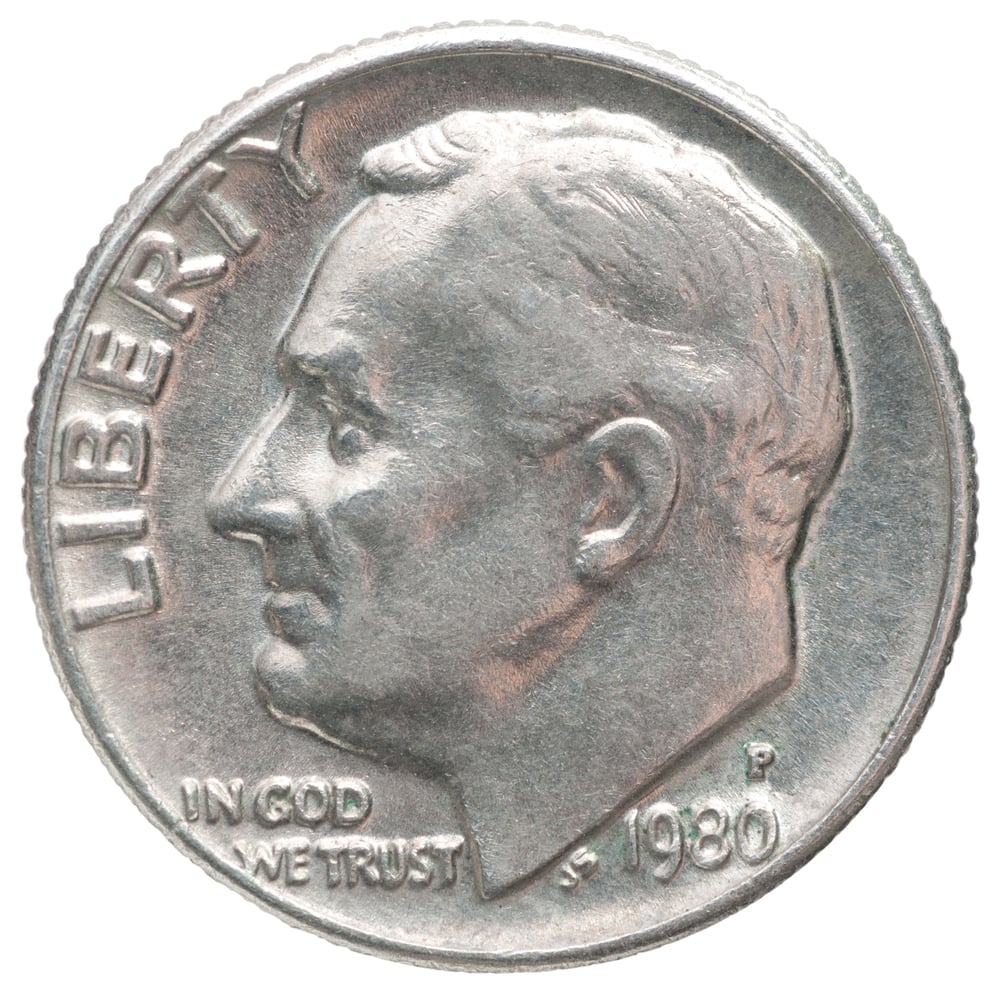
Every dime, quarter, and half dollar minted in the United States before 1965 contains 90% silver. At current silver prices, that gives every pre-1965 dime a melt value around $3 to $4, every quarter around $6, and every half dollar over $12 — before any numismatic premium is added.
A single drawer containing 200 pre-1965 quarters represents around $1,200 in silver content alone.
The 1909-S VDB Lincoln Cent
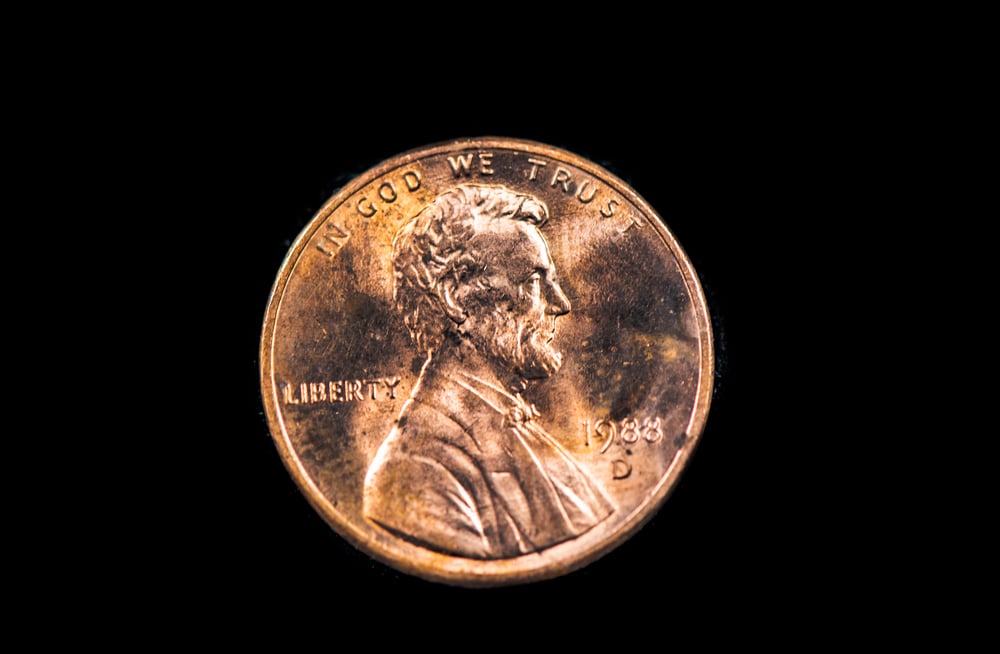
The 1909-S VDB penny is one of the most discussed coins in American numismatics. Public objection to the designer Victor David Brenner’s prominent initials on the reverse led the U.S. Mint to remove them after only 484,000 were struck.
A circulated example is worth $700 to $1,200, while an uncirculated MS-65 specimen sold for over $100,000 at auction.
The 1943 Steel Penny and 1943 Copper Penny
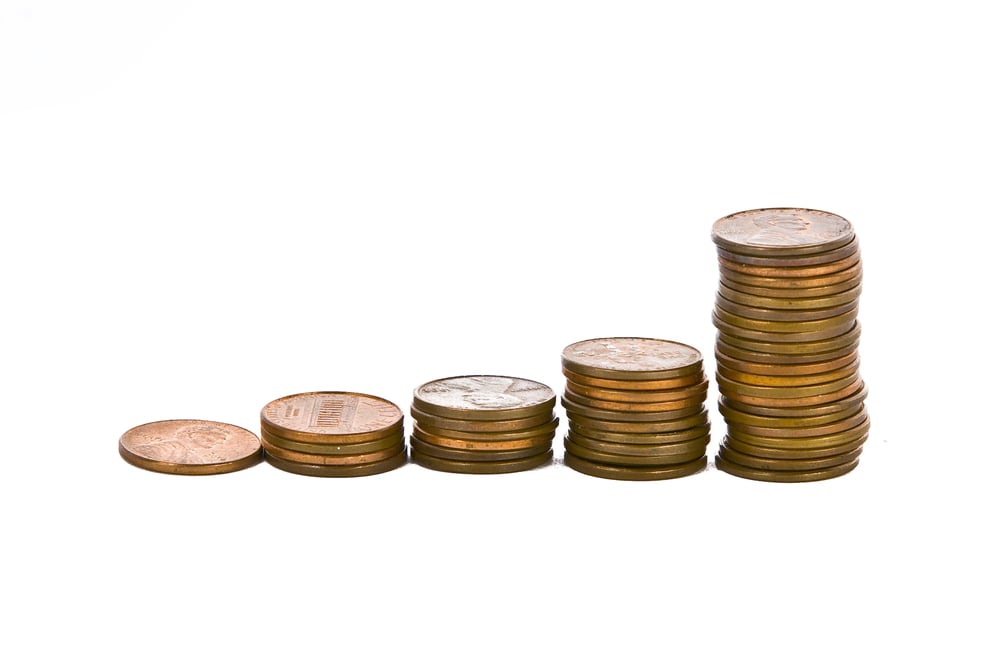
During World War II, the U.S. Mint struck pennies from zinc-coated steel to conserve copper. A small number of copper planchets from 1942 were accidentally fed through the presses in 1943, creating genuine 1943 copper pennies.
A 1943 copper penny in good condition can sell for over $100,000. The magnet test is the first check: a genuine copper penny will not stick to a magnet.
The 1916-D Mercury Dime
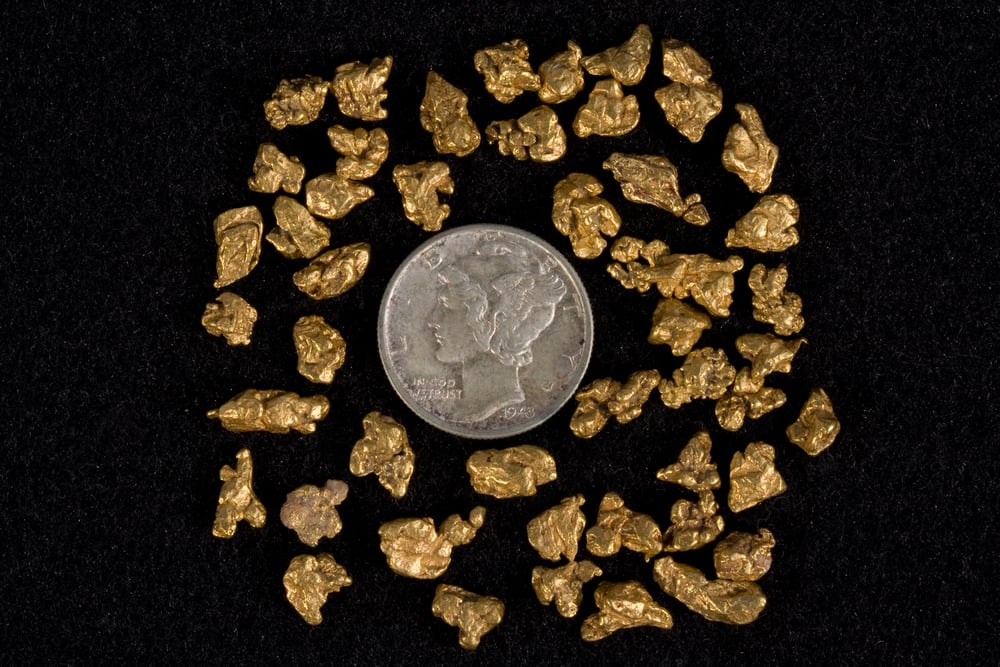
The Mercury dime series ran from 1916 to 1945, but the first-year Denver Mint issue — the 1916-D — is in a different category entirely. Only 264,000 were minted.
An F-12 circulated example typically reaches $800 to $1,200, and anything above MS-60 represents a five-figure coin.
The 1921 Morgan Silver Dollar
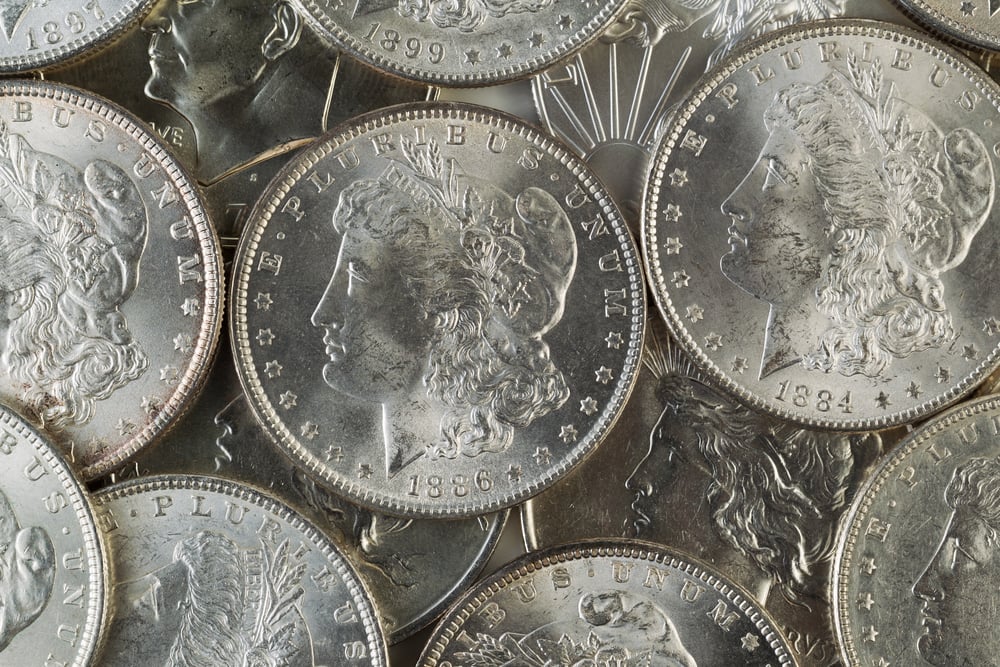
Morgan silver dollars have the largest dedicated collector base of any American coin type. The 1893-S in Fine condition has sold for over $150,000.
The 1895 proof-only issue is worth $50,000 to $100,000. Complete Morgan dollar sets in albums are among the most valuable inherited coin collections.
The 1879 Flowing Hair Stella ($4 Gold Coin)
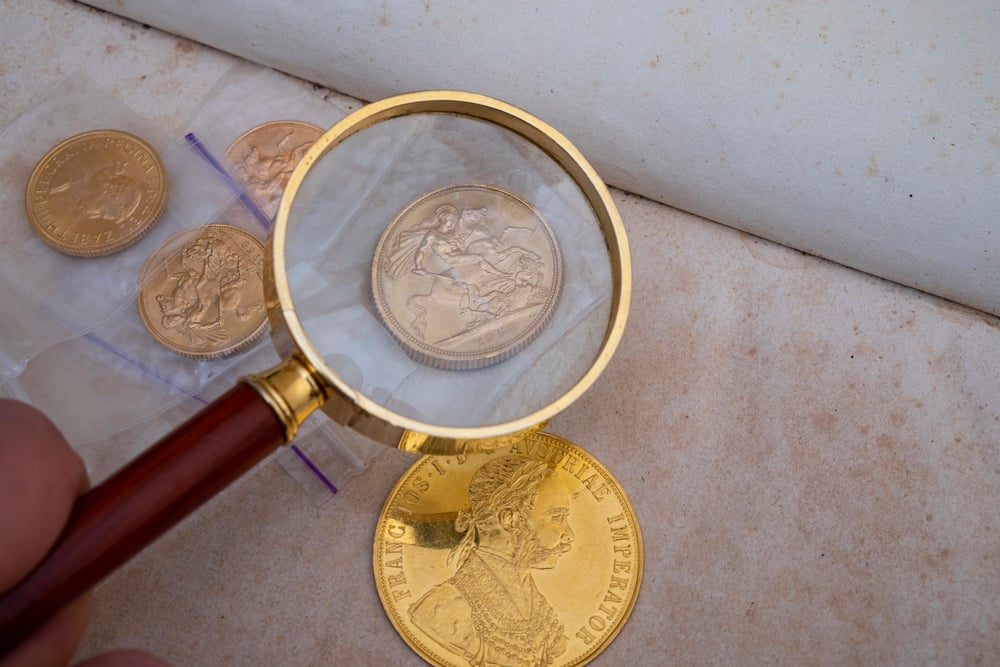
The Stella was an experimental U.S. $4 gold coin proposed to facilitate international trade but never issued for circulation. Only a handful of examples exist in two varieties.
An 1879 Flowing Hair Stella in PR-65 condition sold for over $2.5 million at auction.
The 1804 Silver Dollar
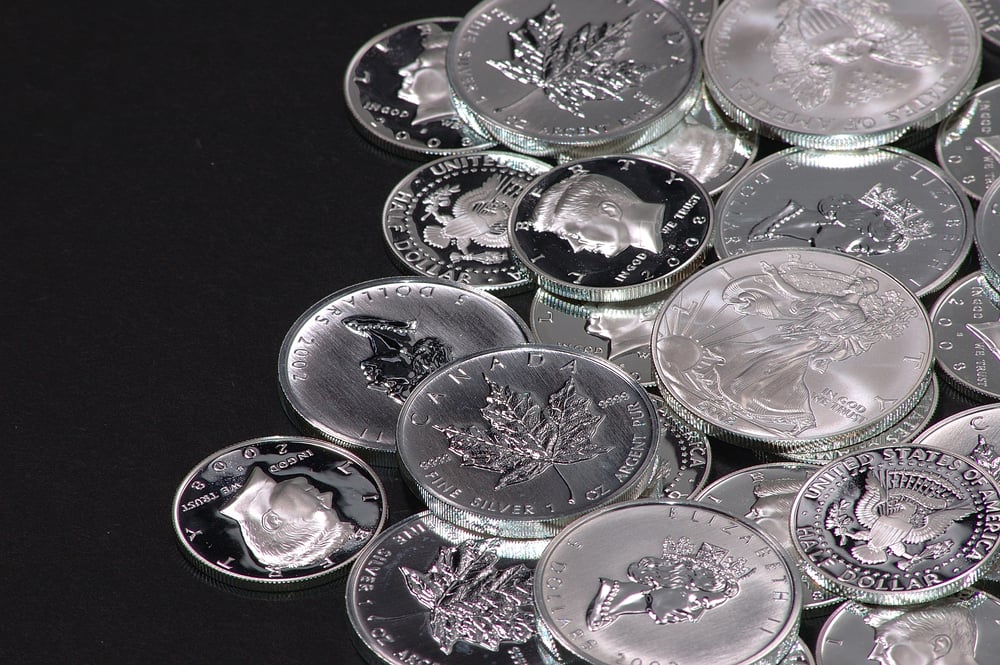
The 1804 dollar is known as the King of American Coins. Despite the date, none were actually struck in 1804; they were made in the 1830s as diplomatic gifts.
Only 15 known examples exist across two classes. A Class I example has sold for over $7.6 million.
The 1933 Double Eagle ($20 Gold Coin)
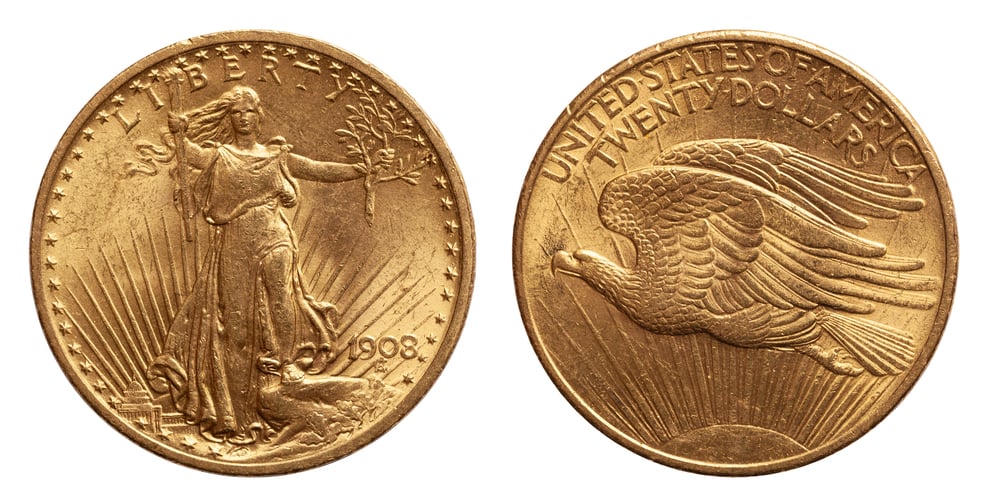
The 1933 Saint-Gaudens Double Eagle is the most legally contested coin in American history. One example sold at Sotheby’s in 2021 for $18.9 million, establishing the all-time record for any coin at auction.
The U.S. government considers most surviving examples government property.
The 1937-D Three-Legged Buffalo Nickel
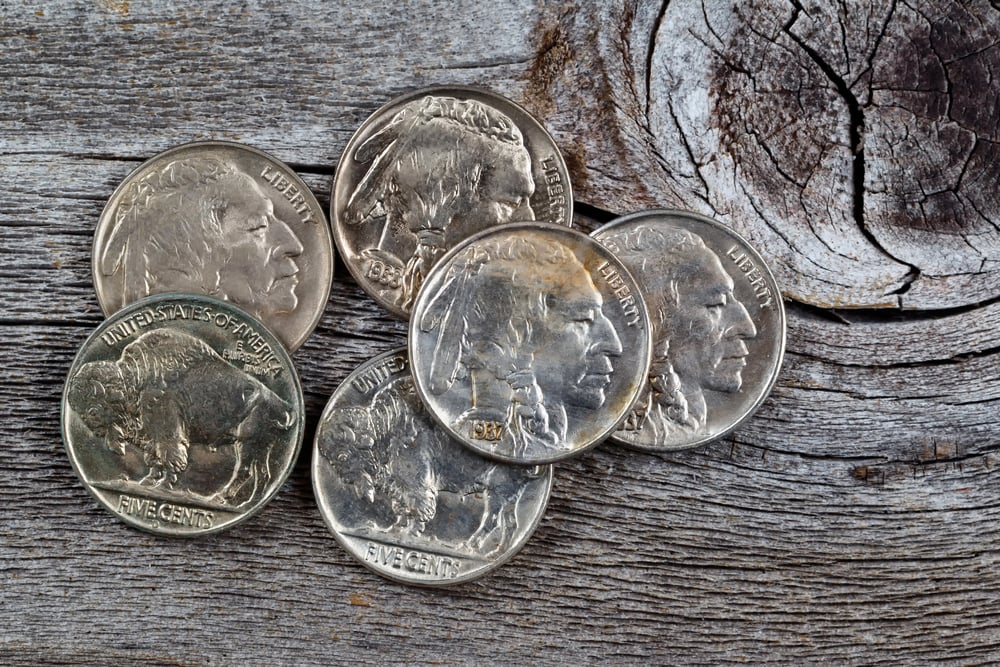
The 1937-D three-legged variety — created when a die was polished too aggressively, removing one leg from the buffalo on the reverse — is the standout error of the Buffalo nickel series. Circulated examples in F-12 condition are worth $600 to $900, with uncirculated examples easily exceeding $10,000.
The 1955 Doubled Die Lincoln Cent
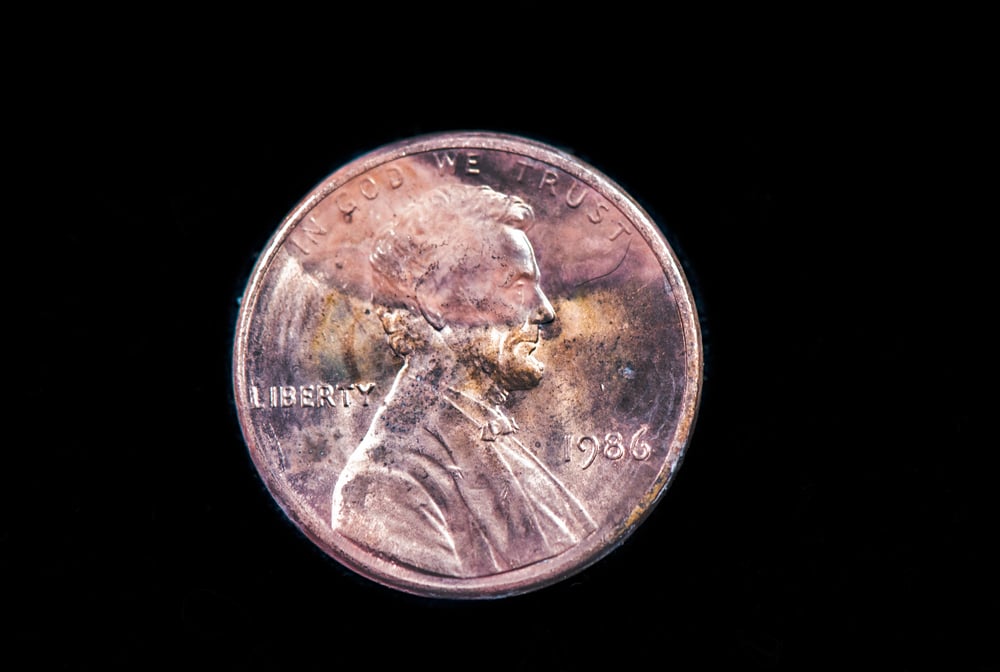
The 1955 Doubled Die penny is among the most dramatic and clearly visible doubling errors in American coin history. The date, the motto, and the words LIBERTY are all clearly doubled in a way visible to the unaided eye.
Circulated examples sell for $1,000 to $1,500, while uncirculated examples reach $30,000 and beyond.
The 1776-1976 Bicentennial Silver Proof Set
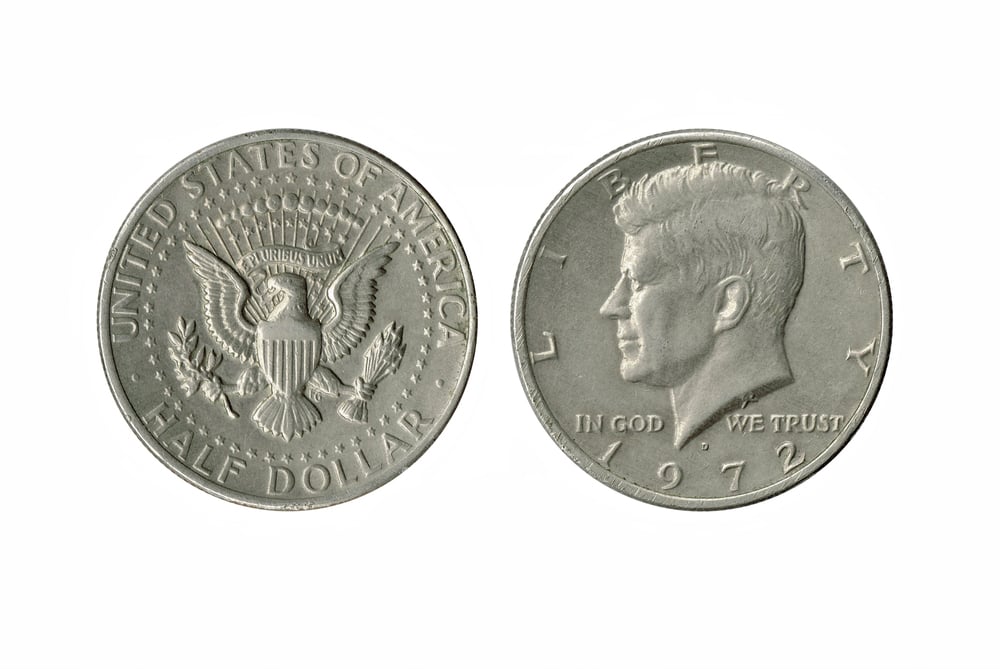
The 1976 Bicentennial proof set included a special 40% silver version. Families who discover these sets often have additional Mint and proof sets from the 1950s through 1970s alongside them that represent hundreds of dollars in collector premiums above silver value.
The 2004-D Wisconsin State Quarter Error
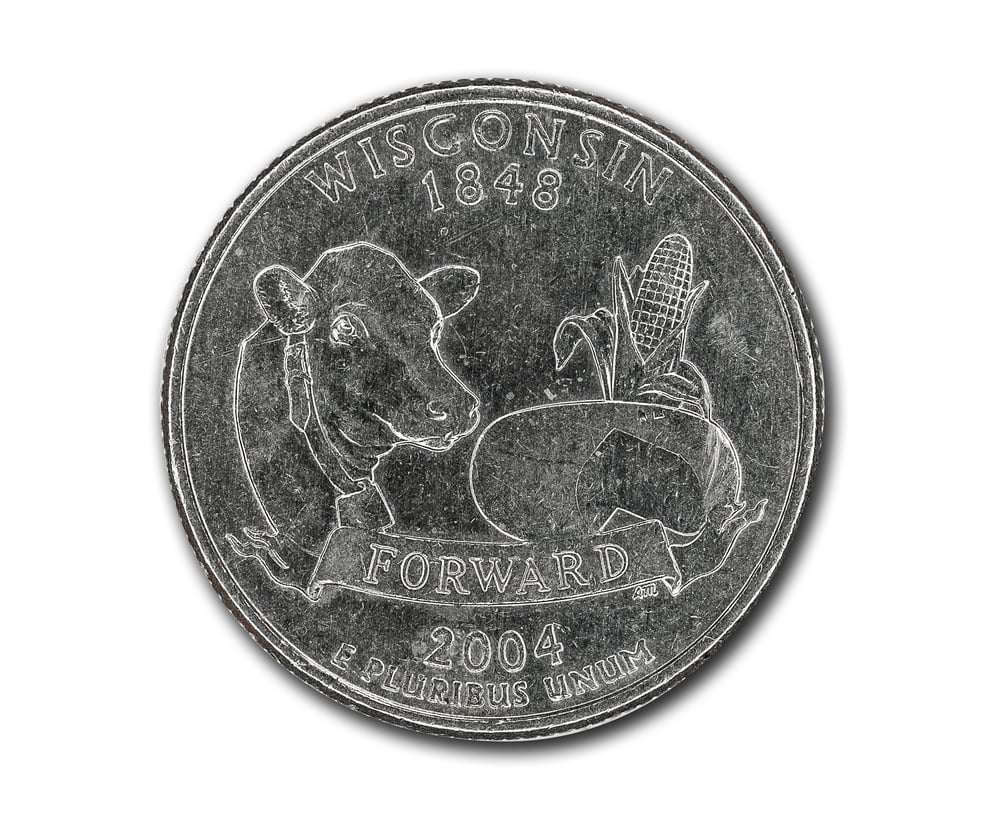
The Wisconsin state quarter issued in 2004 by the Denver Mint includes a variety where the corn stalk on the reverse features an extra leaf. These error quarters reached values of $500 to $1,500 per coin at the peak of their collector interest.
The Barber Series Key Dates
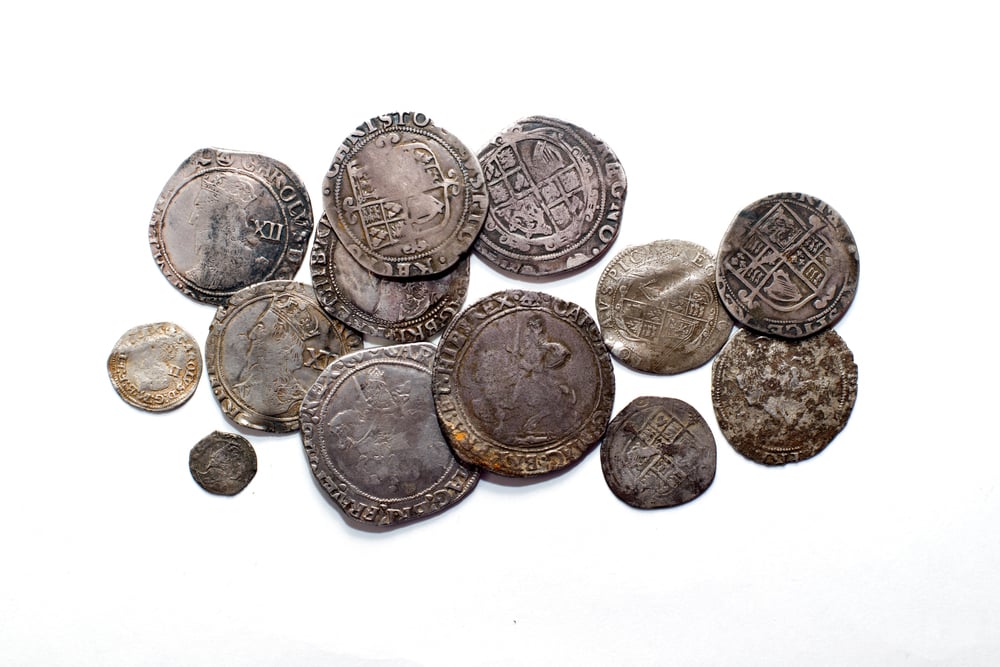
The Barber coinage produced from 1892 to 1916 has multiple key date issues across the dime, quarter, and half dollar series. The 1894-S Barber dime: only 24 were minted, and a gem example sold for over $1.9 million.
The 1901-S Barber quarter in fine condition is worth $3,000 to $6,000.
Pre-Decimal British Silver Coins
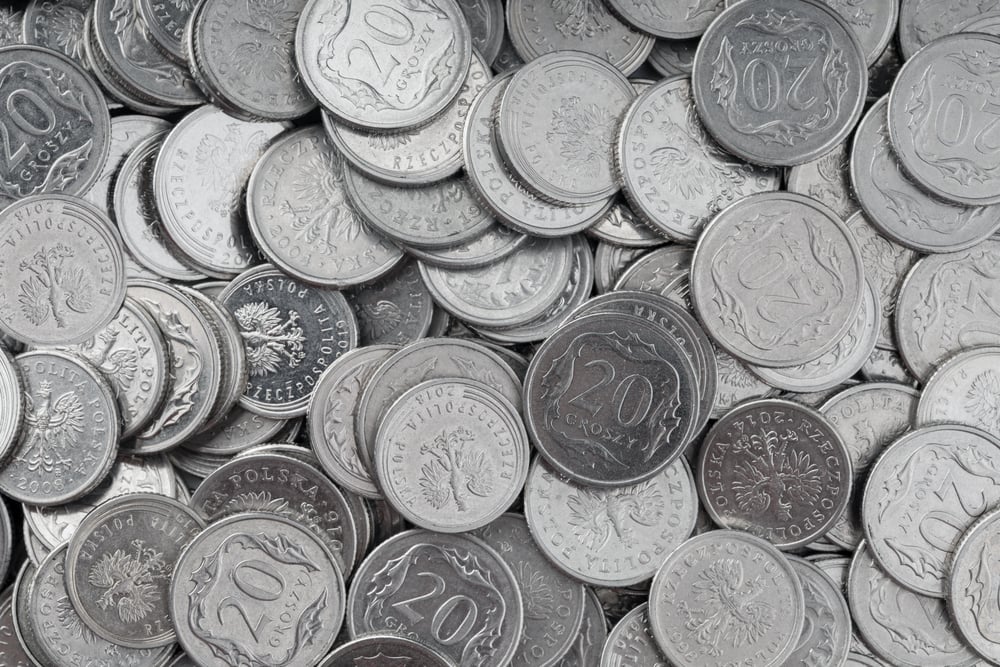
British silver coinage minted before 1947 contains 50% silver, while pre-1920 issues contain 92.5% sterling silver. A 1936 Edward VIII pattern coin — struck but never officially released because of the abdication — is extraordinarily rare and worth tens of thousands of dollars per example.
Peace Silver Dollars
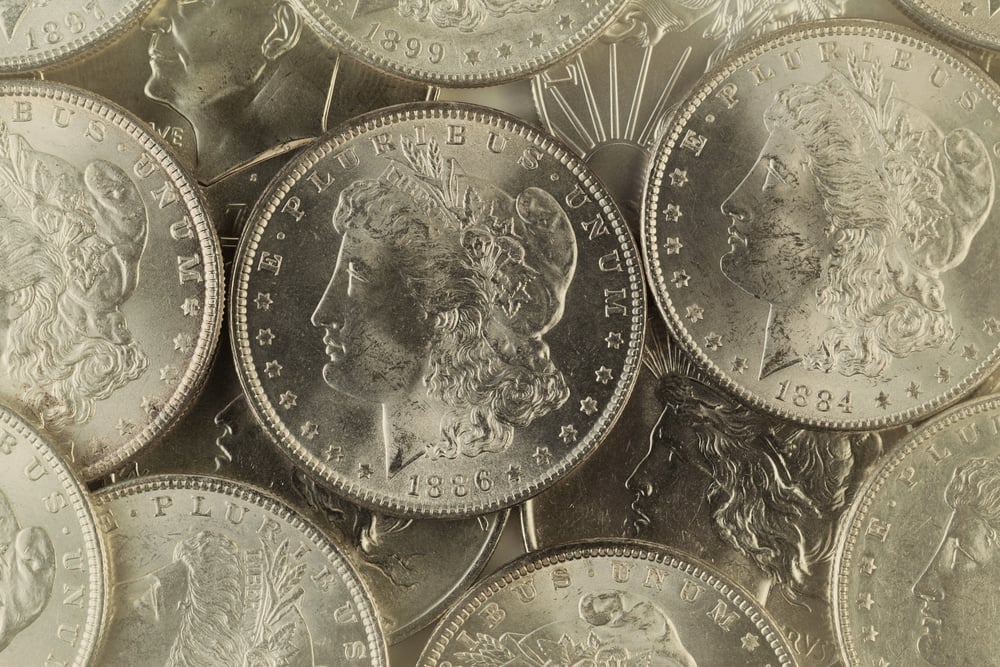
The Peace dollar, produced from 1921 to 1935, has dedicated collector interest. The 1928 Peace dollar is the key date, with a mintage of only 360,649, and circulated examples sell for $200 to $400, while uncirculated coins reach several thousand.
Walking Liberty Half Dollars (1916–1947)
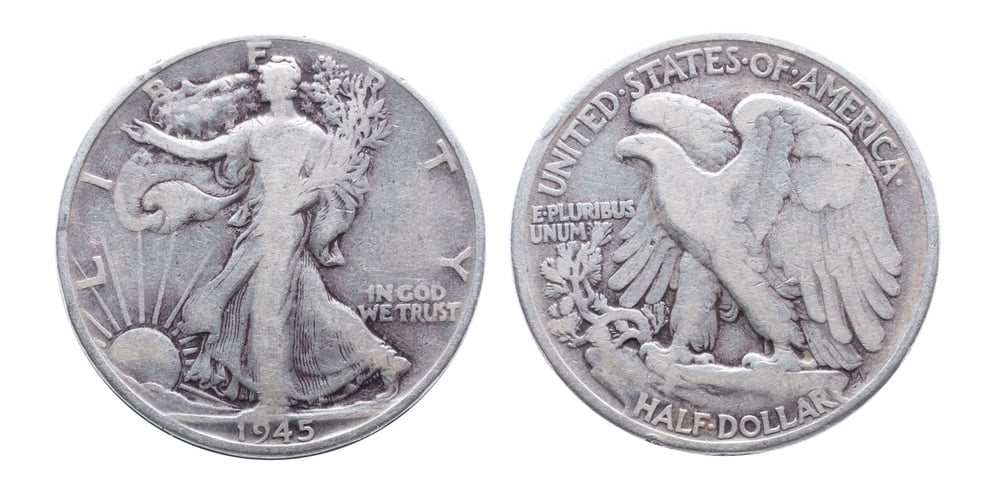
The Walking Liberty half dollar series is widely considered the most artistically accomplished American coin ever produced. The 1916-S Walking Liberty half dollar in fine condition is worth $500 to $1,000.
The 1921-S in similar condition reaches $600 to $1,200.
Standing Liberty Quarters (1916–1930)
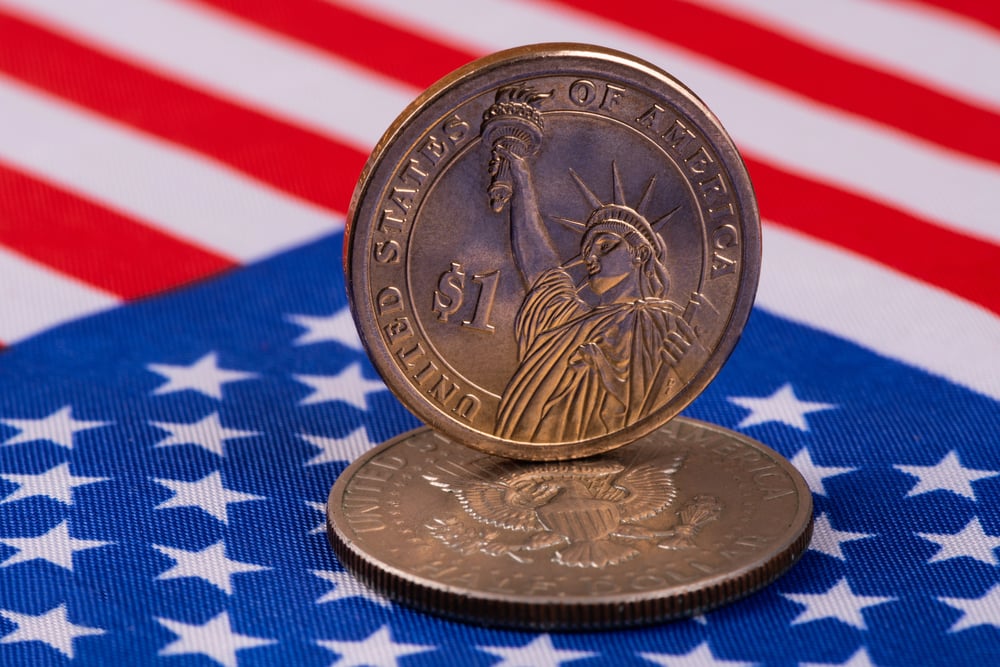
The 1916 Standing Liberty quarter, in the first-year design, had a mintage of only 52,000 and in very good condition is worth $3,000 to $5,000. Even circulated 1918/7-S overdates are worth $1,500 in average condition.
Indian Head Gold Coins
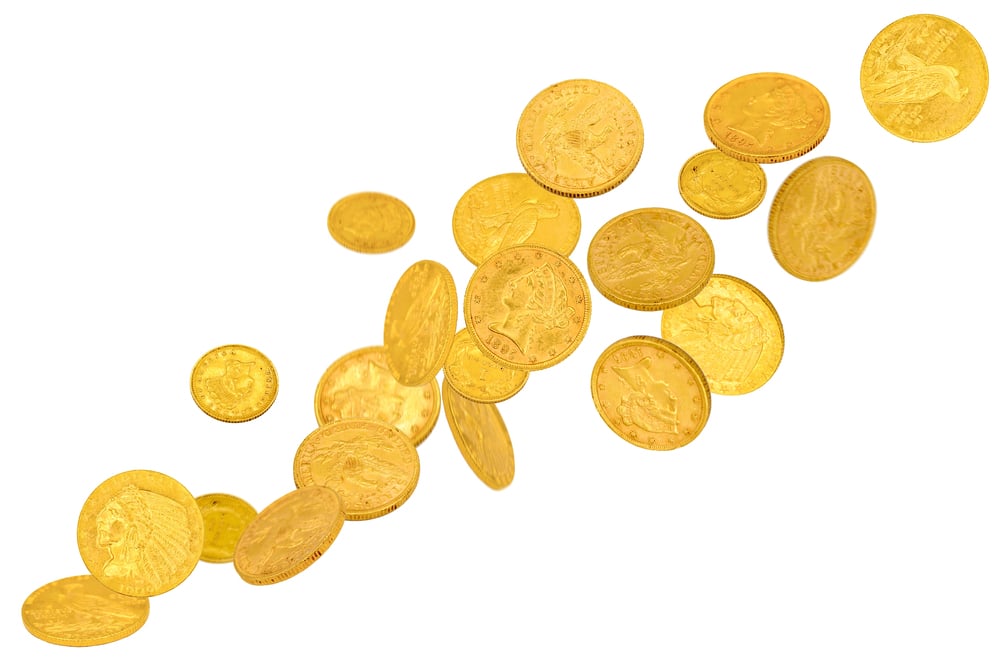
The 1911-D Indian Head Quarter Eagle ($2.50 gold) had a mintage of only 55,680 and in EF-40 condition is worth $10,000 to $15,000. Inherited collections from older family members who purchased gold coins before 1933 sometimes contain these pieces stored alongside ordinary coins.
The Seated Liberty Dollar (1840–1873)
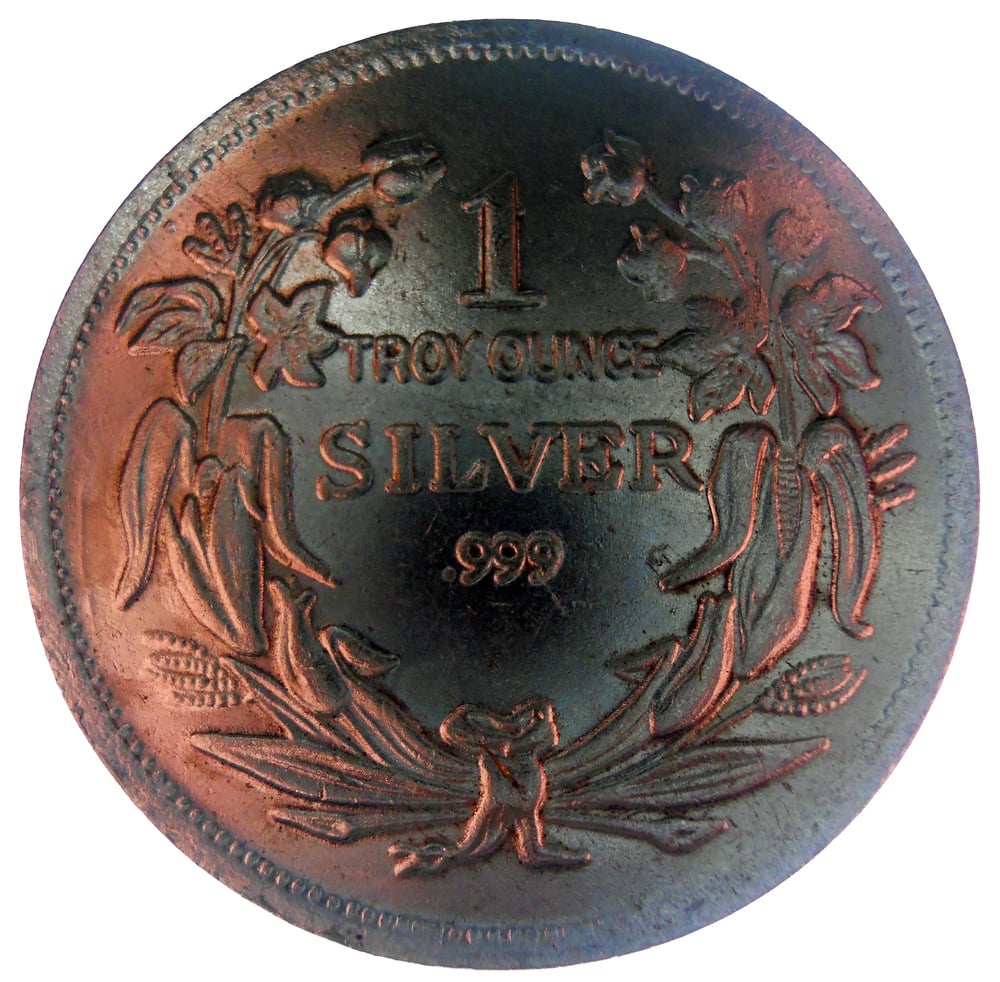
Seated Liberty dollars in any condition carry collector premiums. The 1870-S Seated Liberty dollar had an estimated mintage of only 12 examples, most of which are unaccounted for.
It is among the rarest American dollars ever struck.
Canadian Silver Dollars
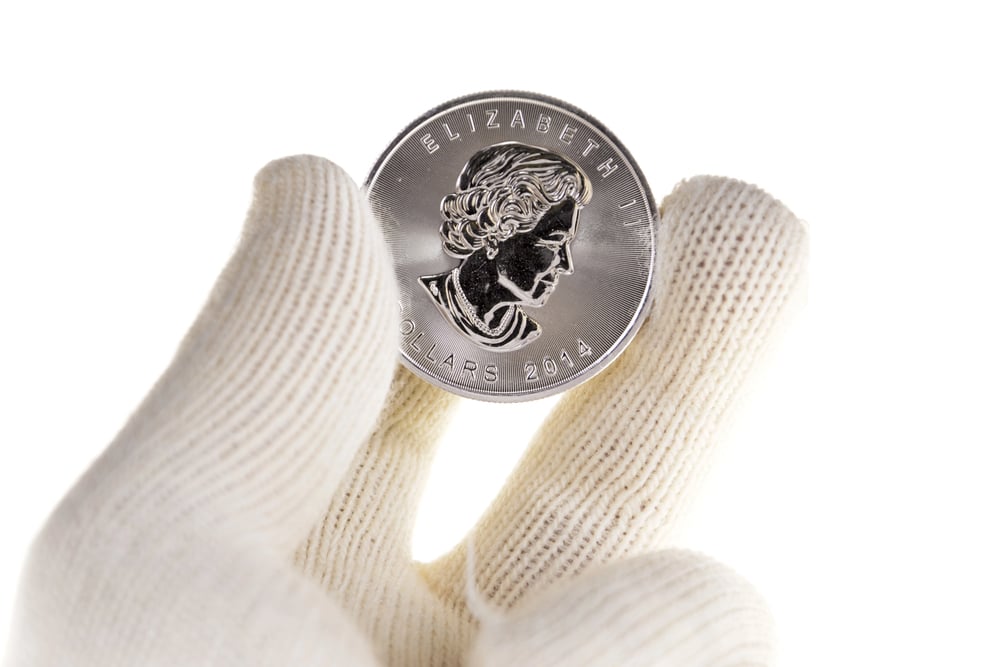
Pre-1968 Canadian dollars contain 80% silver. The 1948 Canadian Silver Dollar, with its very low mintage of 18,780, is the key date of the series and in extra fine condition is worth $600 to $1,000 in Canadian dollars.
Australian Pre-Decimal Silver
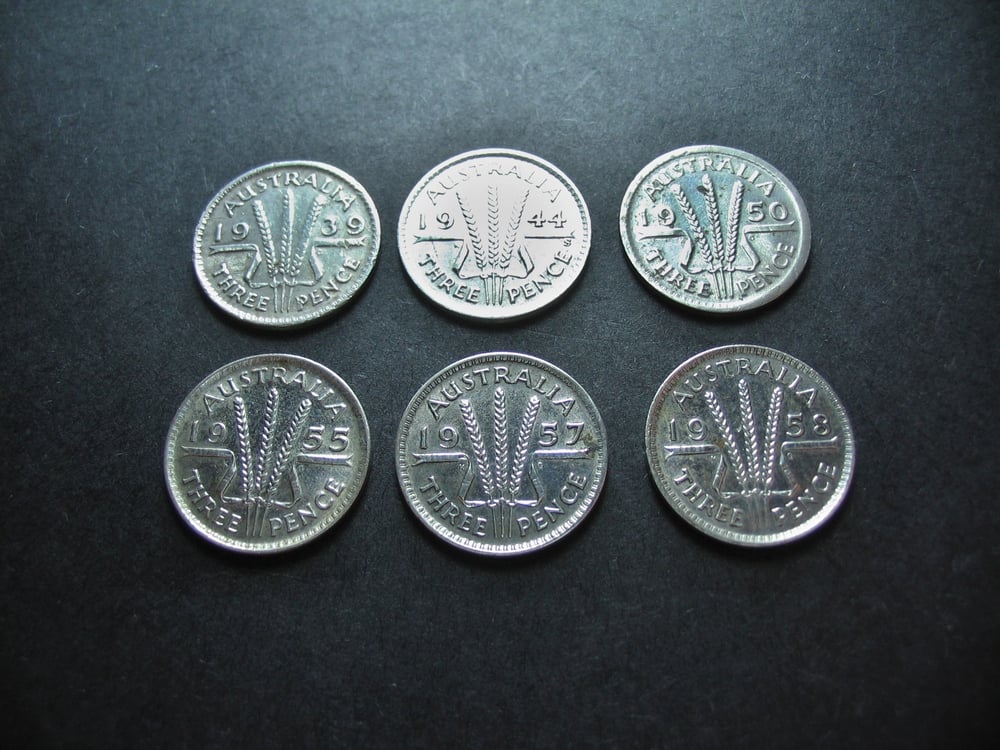
The 1930 Australian penny is the rarest circulation coin from Australia, with only some 1,500 examples believed to exist; fine examples sell for $40,000 to $100,000 AUD. Families with Australian heritage should check pre-1967 Australian pennies specifically.
World’s Fair and Commemorative U.S. Half Dollars
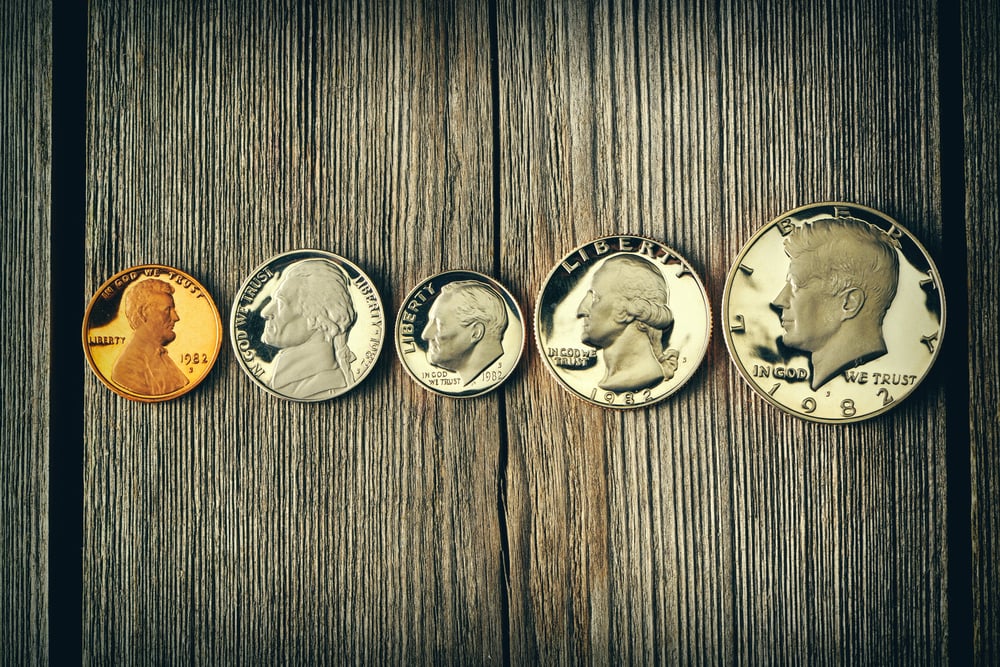
The U.S. commemorative half dollar programme, active from 1892 to 1954, produced coins for various events with small mintages. The Isabella Quarter, the only U.S. quarter ever issued as a commemorative, was minted in 1893 with only 24,214 examples and reaches $500 to $1,200 in fine condition.
Civil War Era Token Coins
During the Civil War, small change was so scarce that private merchants issued their own copper tokens. An estimated 25 million were produced by around 10,000 different issuers.
Individual tokens can sell for $10 to $2,000 depending on the issuer, design, and condition.
U.S. Proof Sets (1950s–1960s)
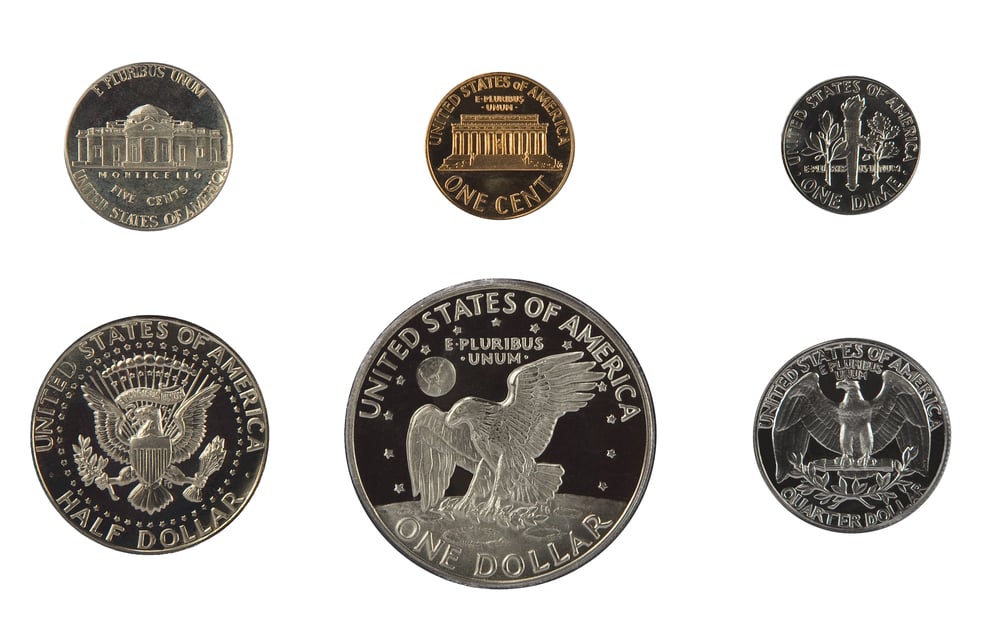
The U.S. Mint began producing annual proof sets for collectors in 1950, and early issues in original packaging have appreciated significantly. The 1950 proof set in original box currently sells for $200 to $400.
Families who stored these without opening frequently have complete runs whose combined value is considerably above the original issue price.
Seated Liberty Dimes and Quarters
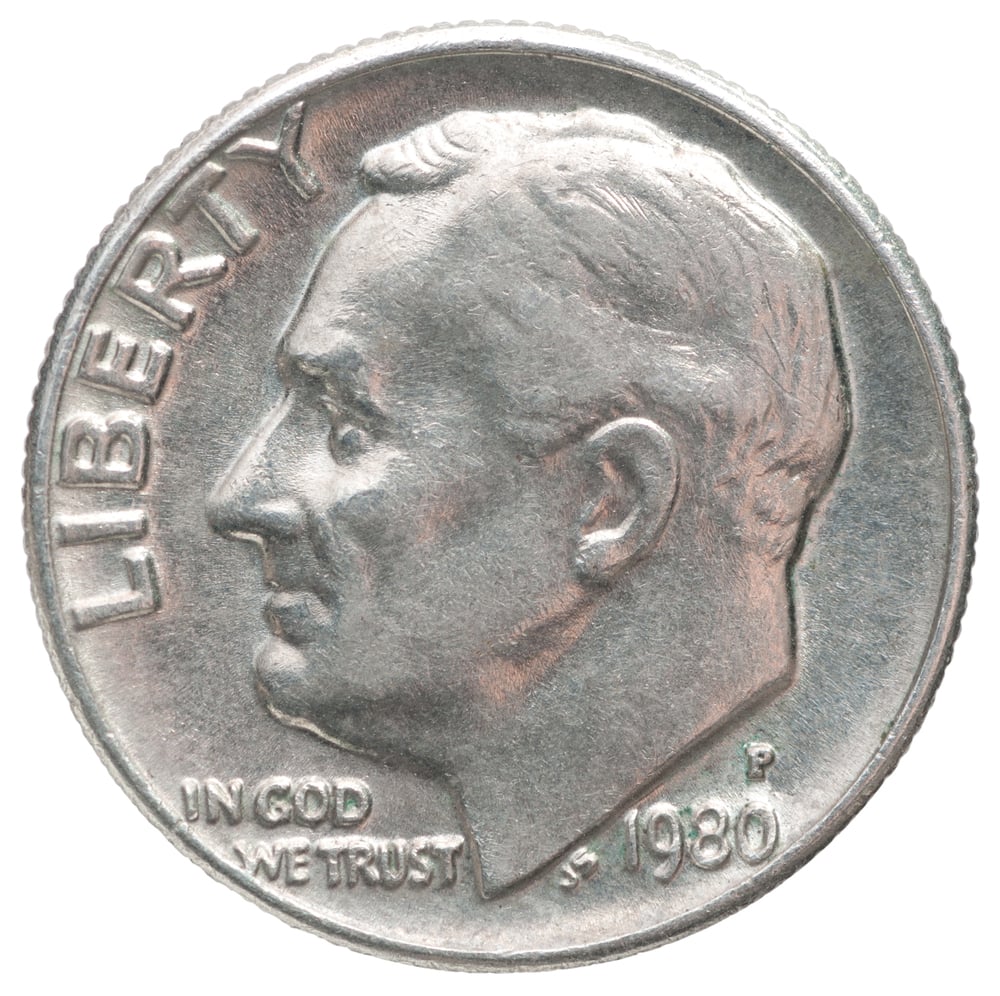
The 1873-CC No Arrows Seated Liberty dime is known from only a handful of examples and in any condition is worth six figures. More accessible key dates like the 1871-CC Seated Liberty quarter in very good condition are worth $2,500 to $4,000.
Early American Large Cents (1793–1857)
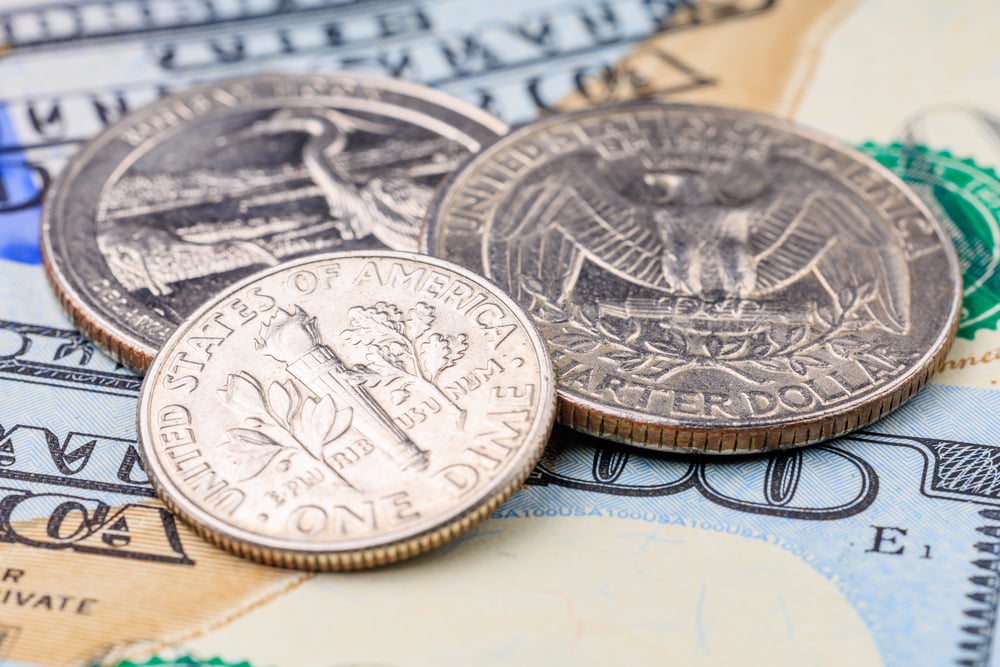
American large cents are collected by a dedicated group who catalogue every die variety. The 1793 Chain Cent in any condition is worth $10,000 to $50,000.
Inherited collections that include large cents are worth assessing variety by variety rather than by date alone.
Foreign Gold Coins
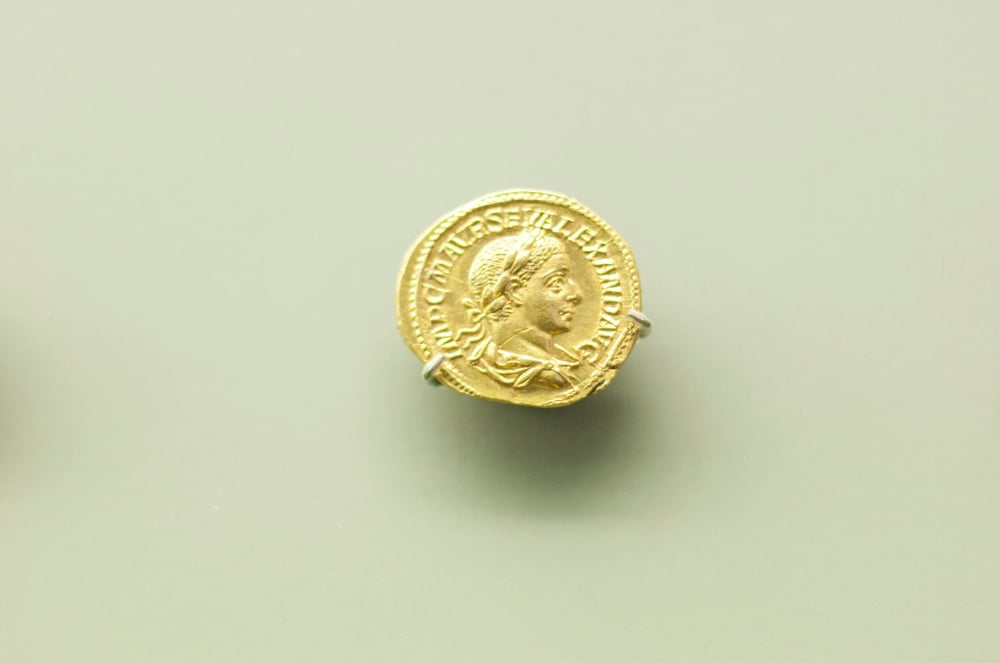
British gold sovereigns contain 7.32 grams of 22-carat gold and carry both a bullion value and a collector premium for specific dates and mint marks. South African Krugerrands from before 1980 are in especially strong collector demand.
A drawer full of mixed foreign gold coins represents significant value at both melt price and at the numismatic level.
Mercury Dimes in Mint State (1916–1945)
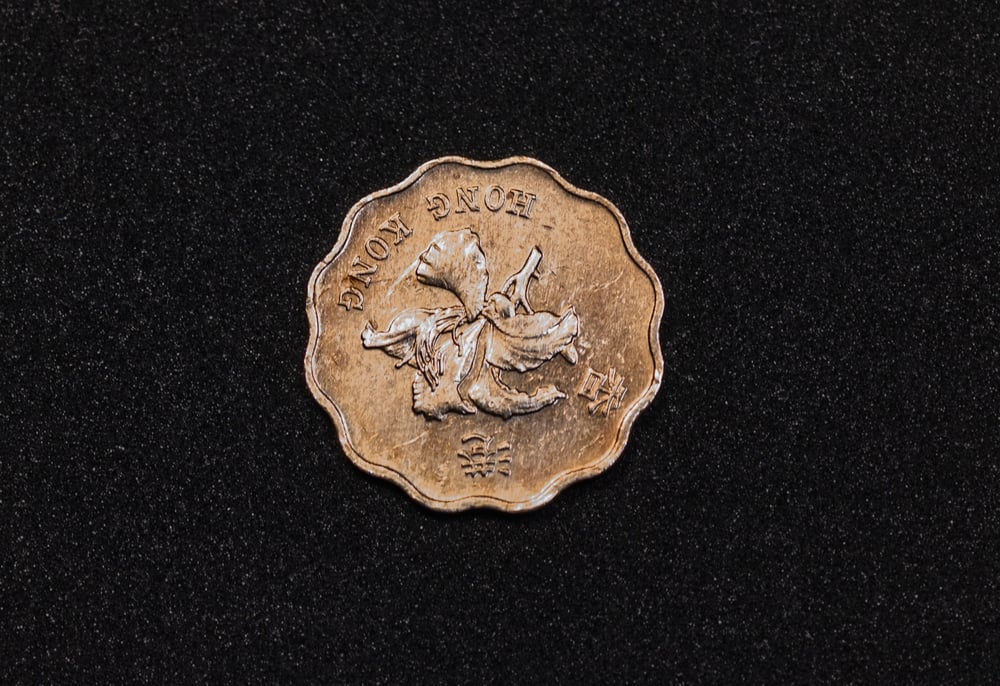
Mercury dimes in full gem Mint State condition — particularly those with Full Bands designation — are worth $100 to several thousand dollars depending on the date. The 1942/1 overdates in MS-65 condition reach $4,000 to $6,000.
Inherited coin albums may have Mint State examples mixed in that look similar to circulated coins to a casual observer.
Paul Narce’s Hidden French Collection
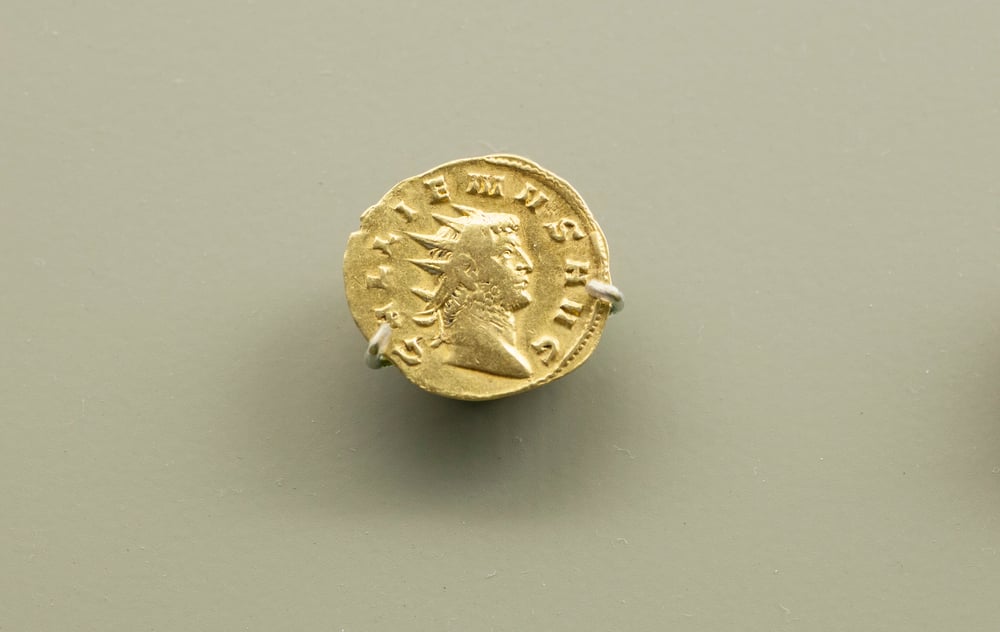
A coin collection discovered hidden in the walls of a modest house in south-west France following the 2024 death of its owner, Paul Narce, sold at auction in June 2025 for nearly $3.5 million. Narce had quietly spent his entire income on coins for decades without discussing his collection with neighbours or family.
His example represents the extreme version of what families sometimes discover after the loss of a private collector who never fully explained what they had been assembling.
The Silver in the Bottom Drawer
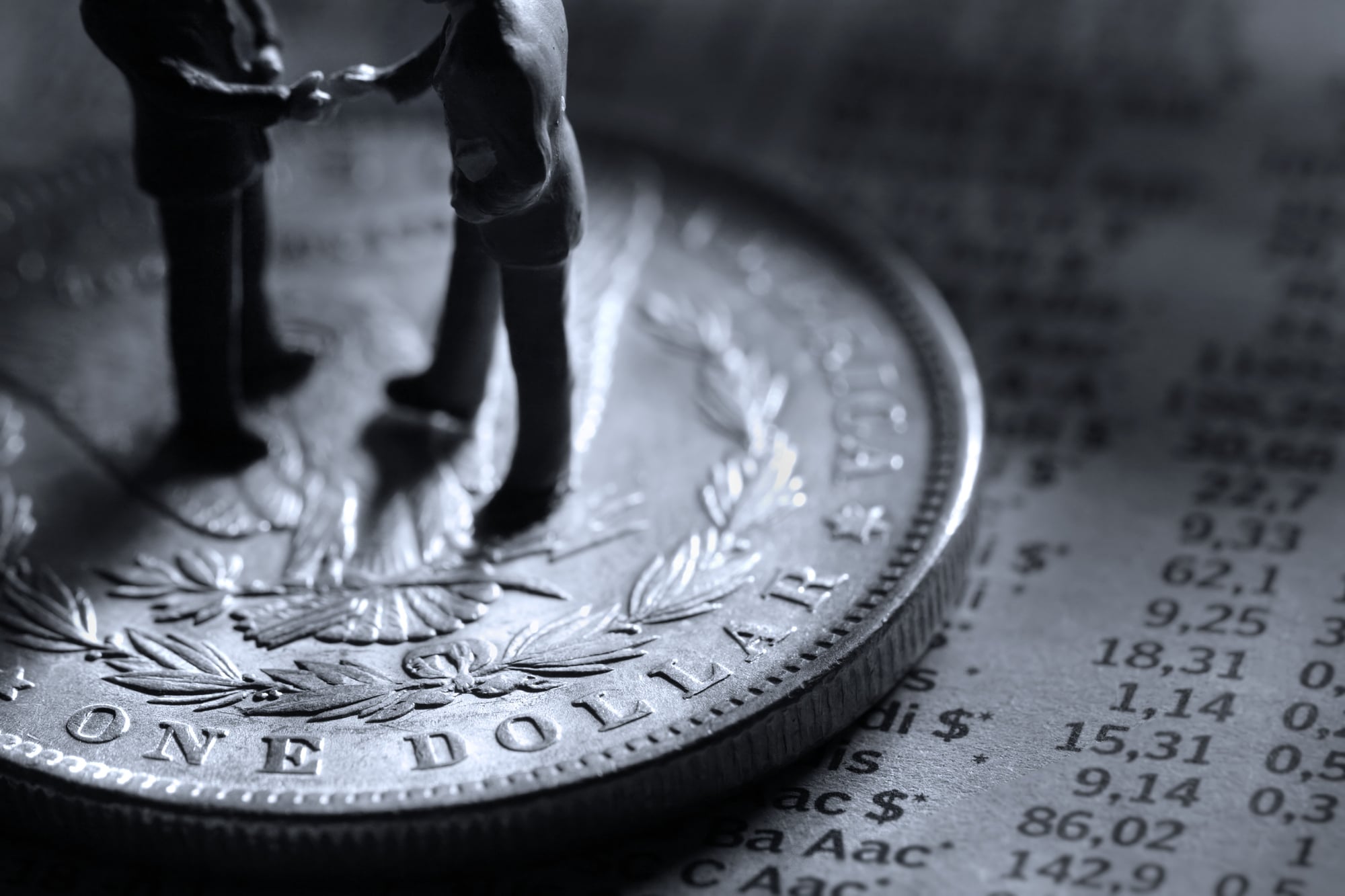
What makes coin collections particularly easy to undervalue is that the coins themselves are so ordinary in appearance. A heavily worn 1916-D Mercury dime looks like a damaged dime.
A 1909-S VDB penny looks like a very old penny. The melt value of a bag of pre-1965 quarters is invisible until you calculate it.
These objects do not advertise their significance — they sit in dresser drawers and coin albums waiting for someone who knows what to ask.
The consistent pattern in inherited coin collections is that the collector who built the set was often much more knowledgeable than the family realises. The practical move before clearing any inherited coin collection — whether it is a single album or a coffee can full of loose change — is to have it examined by a numismatist who can tell you not just what each coin is, but what condition it is in.
That assessment costs very little. Getting it wrong costs considerably more.
More from Go2Tutors!

- The Romanov Crown Jewels and Their Tragic Fate
- 13 Historical Mysteries That Science Still Can’t Solve
- Famous Hoaxes That Fooled the World for Years
- 15 Child Stars with Tragic Adult Lives
- 16 Famous Jewelry Pieces in History
Like Go2Tutors’s content? Follow us on MSN.