29 Old Tools Farm Auctions Sell for Surprising Sums
arm auctions have a way of turning rusted junk into a bidding war. What looks like a box of scrap to one person is a missing piece of a toolbox collection to another, and the gap between those two views is where the surprising money shows up.
None of this requires a barn full of rarities. Most of these tools were made by the millions, which is exactly why the handful of standouts draw so much attention when they turn up at a farm sale.
Stanley Bailey Hand Planes
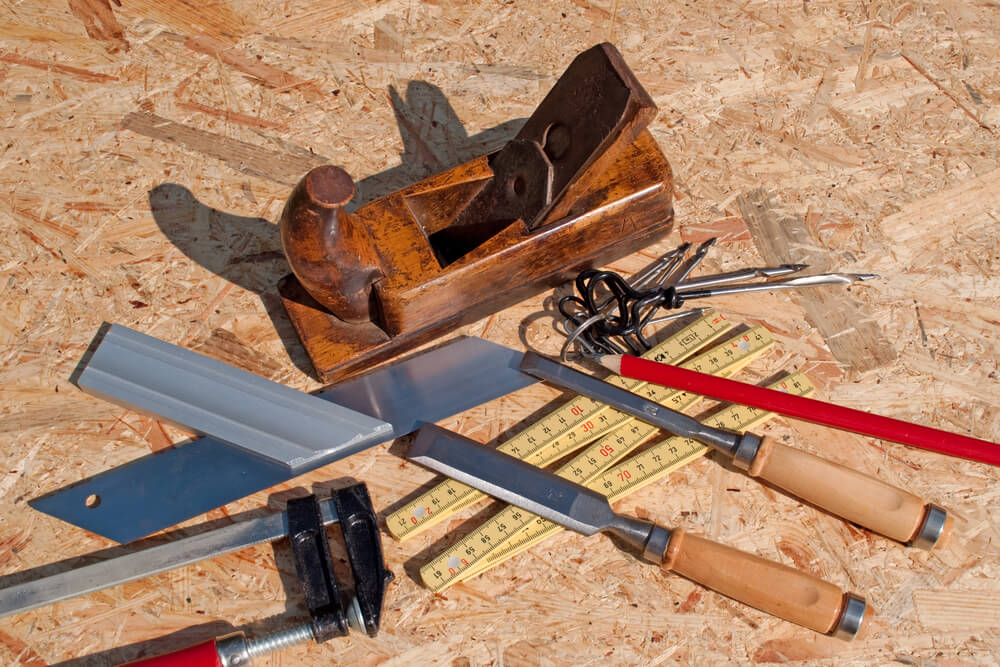
Stanley’s Bailey line of bench planes, produced from the late 1800s through much of the twentieth century, remains the backbone of hand-tool collecting. Early models with the kidney-shaped lever cap and low serial-range castings bring the strongest prices, especially when the japanning finish survives intact.
Condition dictates almost everything here, since a plane with a cracked sole or replaced blade sells for a fraction of one that is complete and original.
Disston Hand Saws
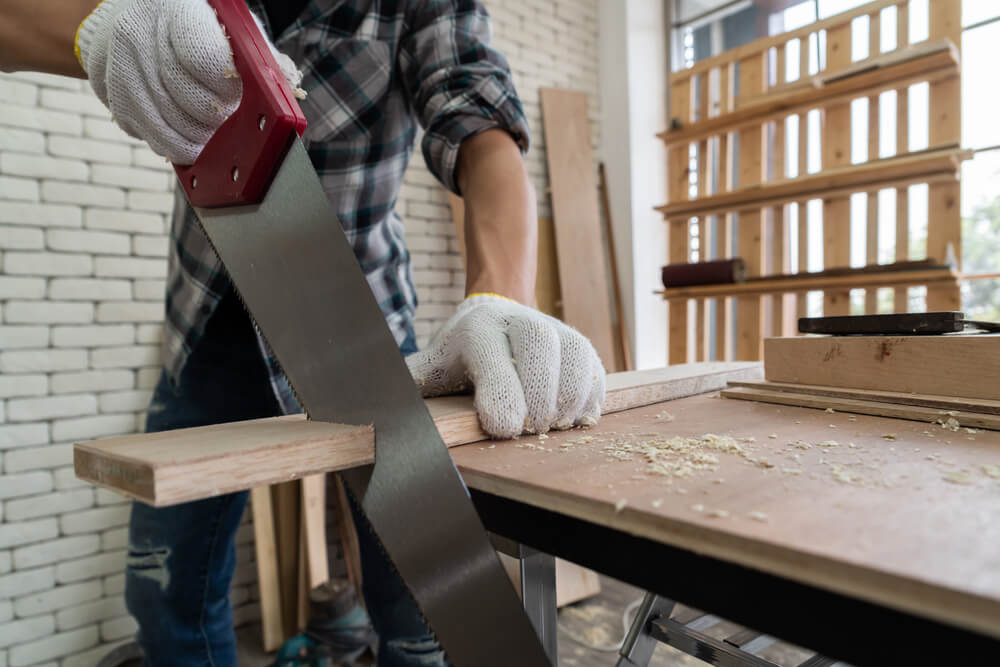
Henry Disston and Sons built saws in Philadelphia for over a century, and the etched medallions on the saw nuts help collectors date them precisely. Saws with the earliest medallion styles, or with unusual etch patterns advertising specific models, draw the most interest from buyers assembling a full run of the company’s output.
Pricing swings heavily on whether the etch is still legible, since a worn or sanded blade loses most of its value.
Keen Kutter Branded Tools
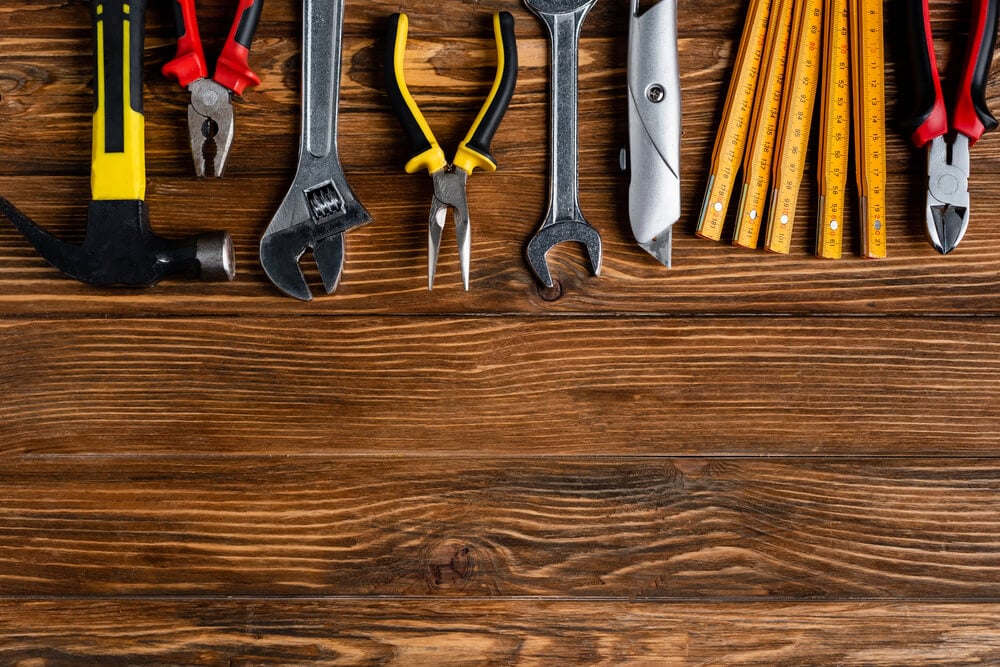
Keen Kutter was the house brand of the E.C. Simmons Hardware Company, and its tools were stamped or painted onto everything from hatchets to wrenches. Collectors chase the brand as much for the red-and-white graphics as for the tools themselves, and complete sets in original boxes are especially sought after.
Farm sales in the Midwest, where the brand had its strongest retail presence, still turn up unexpected pieces.
Blacksmith-Made Branding Irons
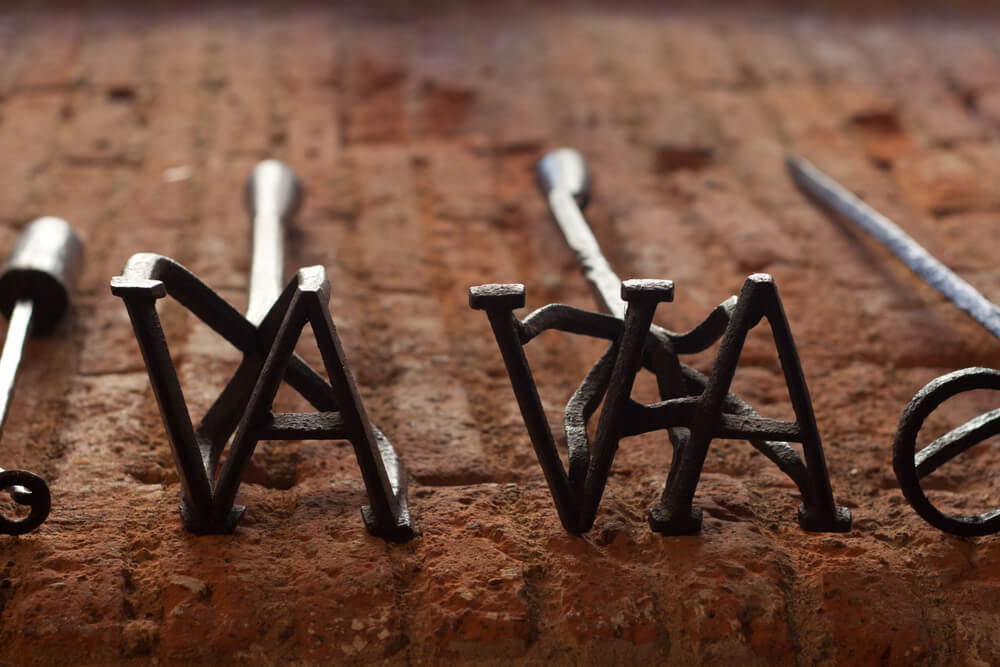
Hand-forged branding irons, especially those tied to a documented ranch or farm, sell well beyond their material value because they carry a specific history. Buyers in this category tend to be regional historians and cattle-brand collectors rather than general tool enthusiasts, so provenance matters more than craftsmanship.
An iron with no paper trail is treated as decorative; one with a bill of sale or family letter attached is treated as an artifact.
Cast Iron Corn Shellers
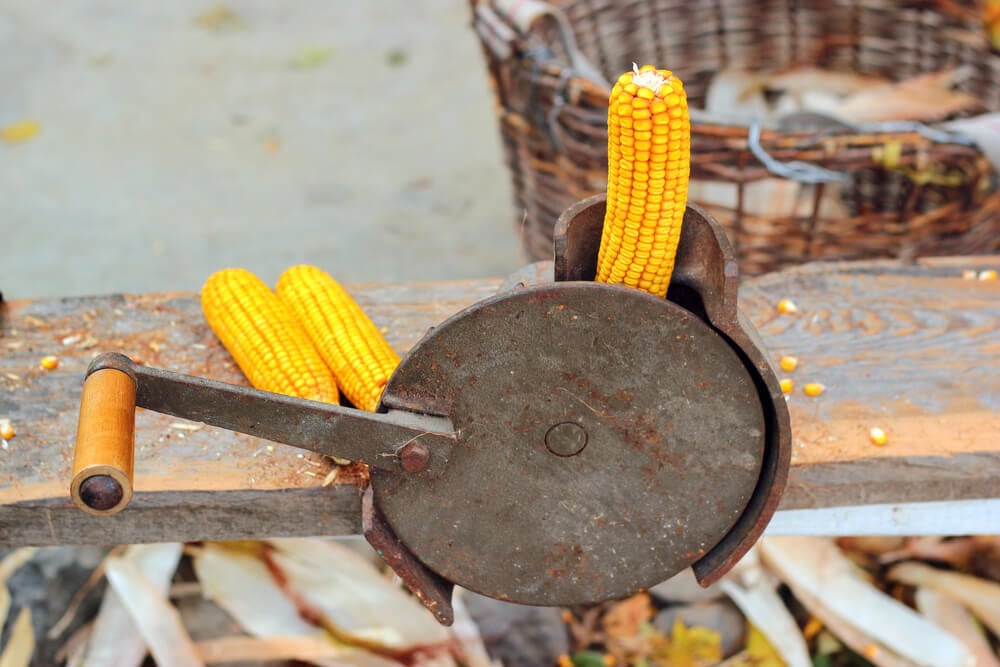
Hand-cranked corn shellers, once a fixture of nearly every farm, are now valued mostly for display rather than use. Brands like Black Hawk and Boss command a premium when the original paint and decals survive, since most surviving examples have been repainted or left to rust.
Working condition adds some value, but collectors buying for a farmhouse porch care more about how the piece looks than whether it still functions.
Yankee Push Drills
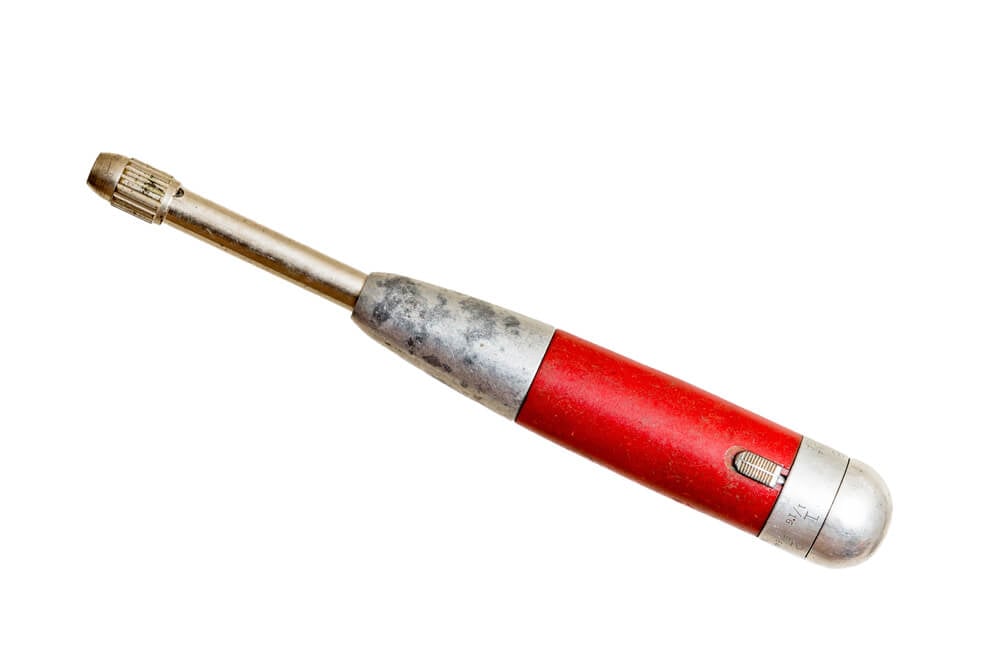
North Brothers Manufacturing produced the Yankee line of push drills and screwdrivers, tools that used a spiral-ratchet mechanism instead of a hand crank. Complete sets with the original bit storage handle and full bit assortment sell for considerably more than a drill missing its accessories.
The tool’s mechanical novelty, rather than its rarity, is what keeps demand steady among users and collectors alike.
Wheel Cultivators and Garden Plows
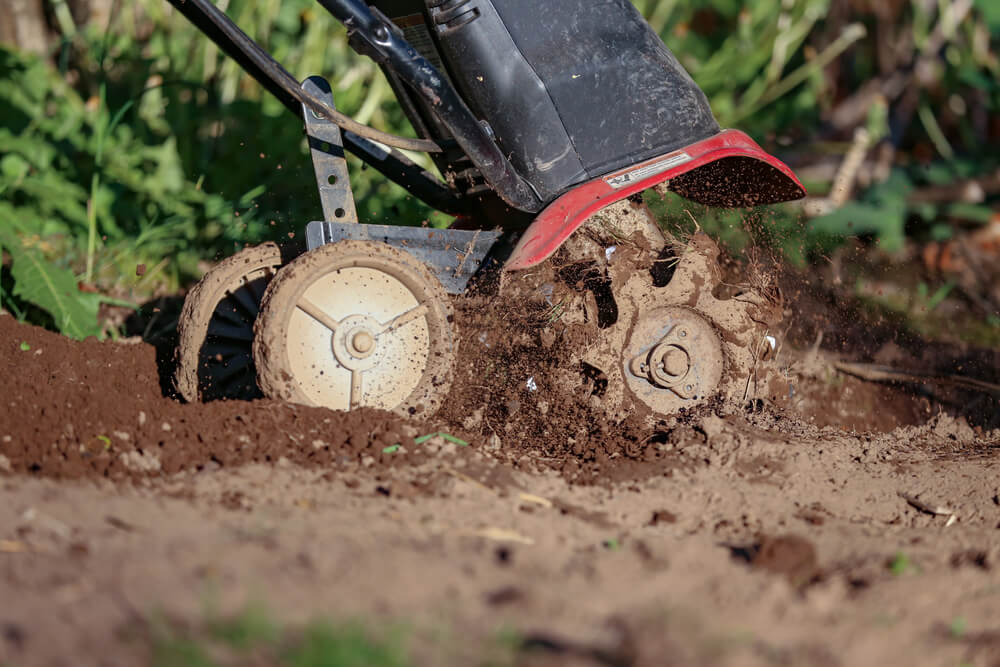
Small, single-wheel cultivators made by companies like Planet Jr. are collected both as functional gardening tools and as yard art. Complete units with their original attachments, which could be swapped to plow, hoe, or seed, bring far more than a bare wheel and frame.
Because they were built to survive decades of outdoor use, well-preserved examples are less common than their original production numbers might suggest.
Antique Ice Tongs and Saws
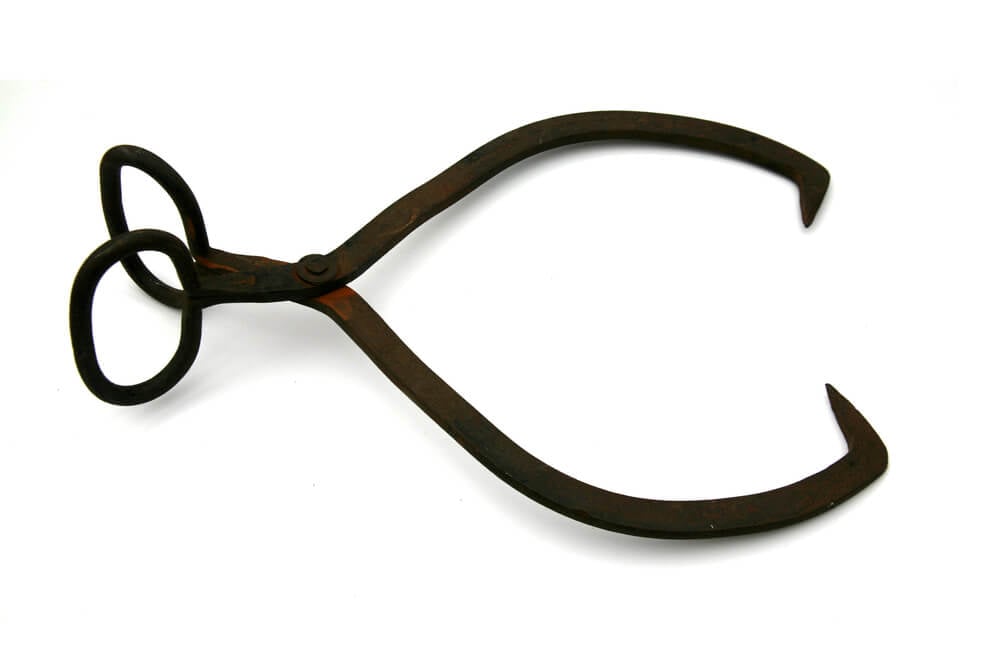
Ice harvesting tools, including tongs, saws, and picks used to cut and move blocks from frozen ponds, appeal to a specific niche of collectors focused on pre-refrigeration domestic life. Because the trade largely disappeared by the mid-twentieth century, surviving examples are often misidentified as generic farm tools, which occasionally lets sharp-eyed buyers pick them up under market value.
Longer ice saws with maker’s marks intact are the most sought after.
Cast Iron Seed Sowers
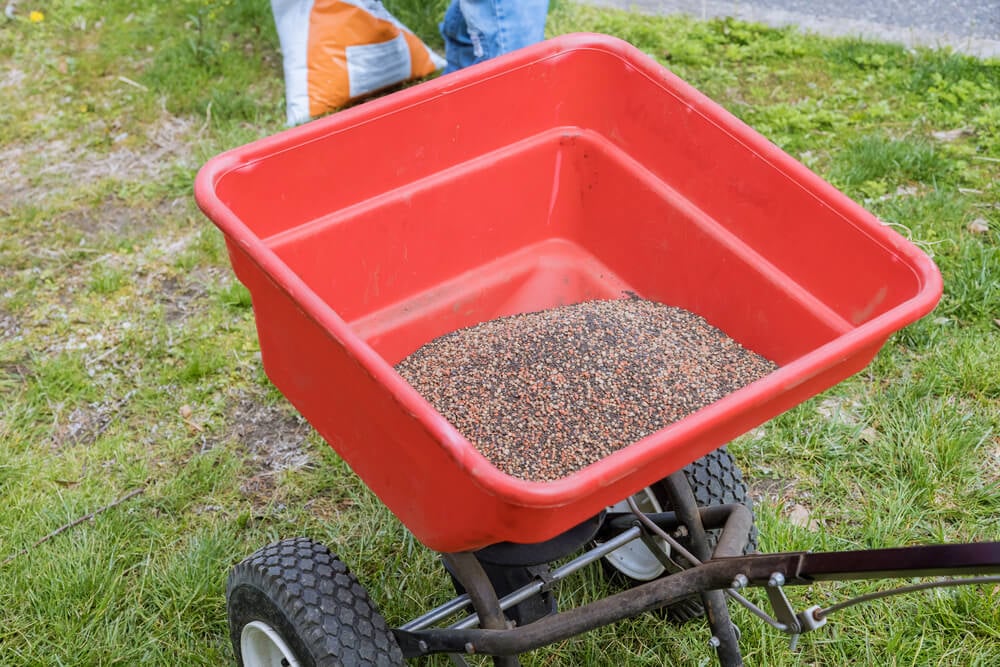
Hand-pushed seed sowers, built to plant rows of corn or beans without stooping, were made by dozens of small manufacturers in the late 1800s and early 1900s. Because so many regional makers existed, collectors often specialize in a single company’s output, which drives up prices for examples with clear casting marks.
A sower missing its seed plate or hopper lid is considered incomplete and priced accordingly.
Froe and Maul Sets
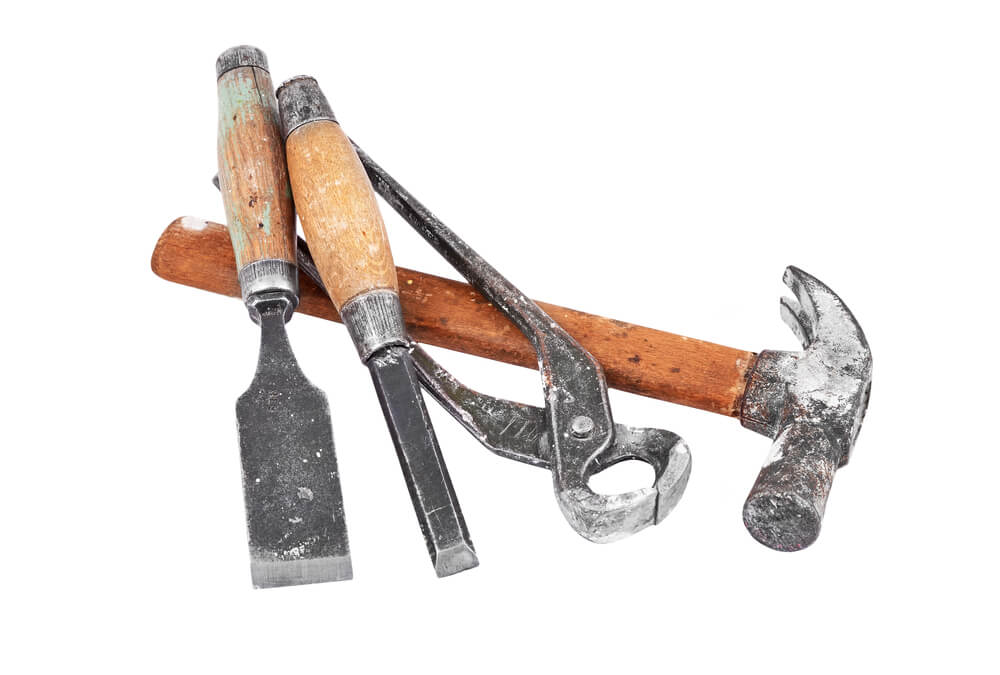
A froe, used with a wooden maul to split shingles and staves from logs, is one of the older tool forms still found at farm sales. Hand-forged examples with a hand-carved handle bring more than factory-made versions, since the hand-forged pieces are assumed to be older and more individually made.
Buyers restoring historic barns or building traditional shake roofs make up a steady source of demand.
Wagon Jacks
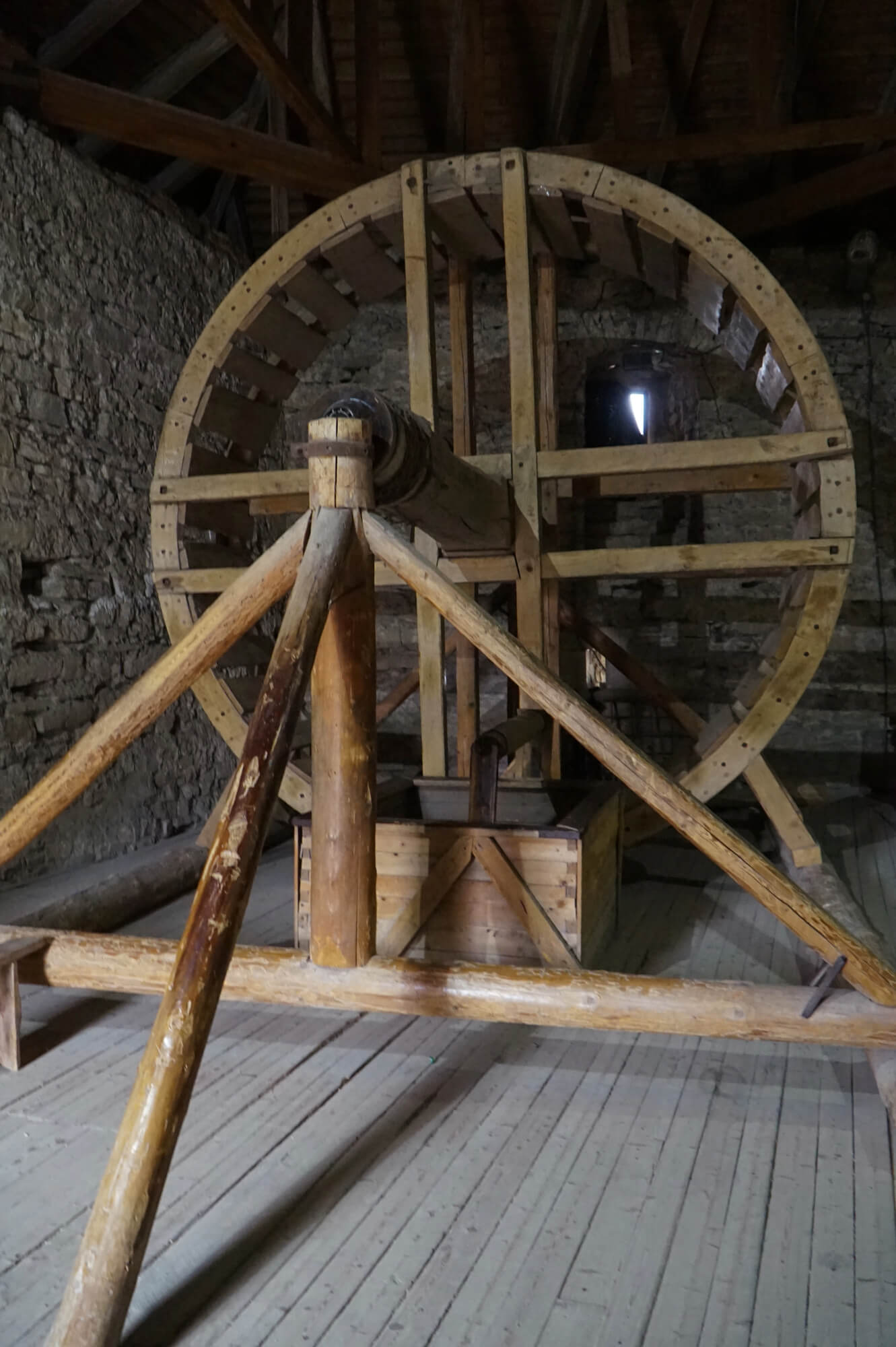
Cast iron wagon jacks, used to lift wagon wheels for greasing or repair, are collected today mostly for their mechanical design rather than their history. Ratchet-style jacks with a maker’s name cast into the body are worth more than unmarked examples, and working mechanisms add a meaningful premium.
Their size makes them a common porch or mantel display piece, which keeps casual buyer interest high.
Hay Knives
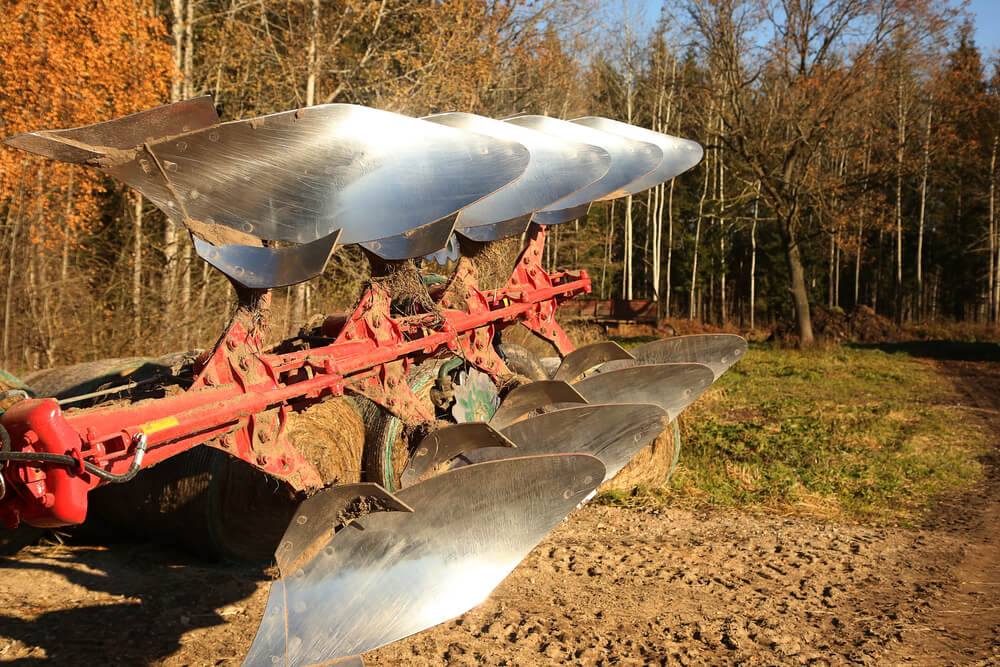
Hay knives, long serrated blades used to cut sections from a packed hay mow, are prized by collectors of edged farm tools for their unusual saw-toothed shape. Examples with turned wooden handles and visible maker stamps bring the best prices, while later factory versions with plain handles sell for less.
Rust pitting on the blade, common given how these tools were stored, significantly affects value.
Cream Separators
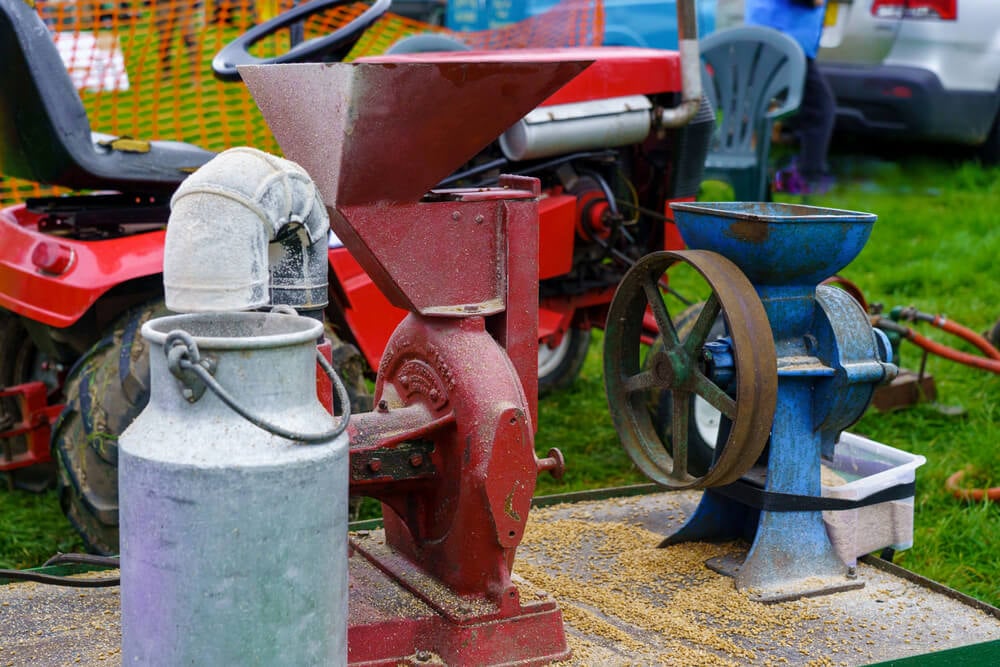
Hand-cranked cream separators, built to spin whole milk into cream and skim milk, were a fixture of dairy farms before electric models took over. Complete separators with all their internal discs intact are increasingly hard to find, since replacement parts were often lost or discarded once the machines were retired.
Companies like De Laval and Sharples are the most recognized names among collectors of this equipment.
Grain Cradles
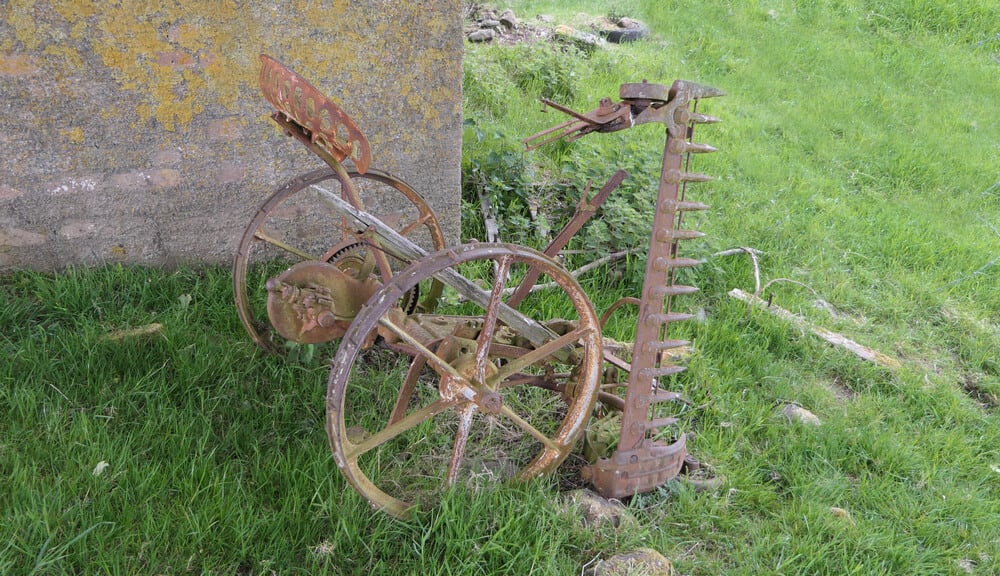
A grain cradle, a modified scythe fitted with wooden fingers to catch cut stalks, represents a transitional harvesting technology between hand scythes and mechanical reapers. Because they were largely obsolete by the early twentieth century, surviving examples with intact wooden fingers are genuinely scarce.
Agricultural museums are frequent bidders on well-preserved cradles, which keeps auction prices competitive.
Clamshell Post Diggers
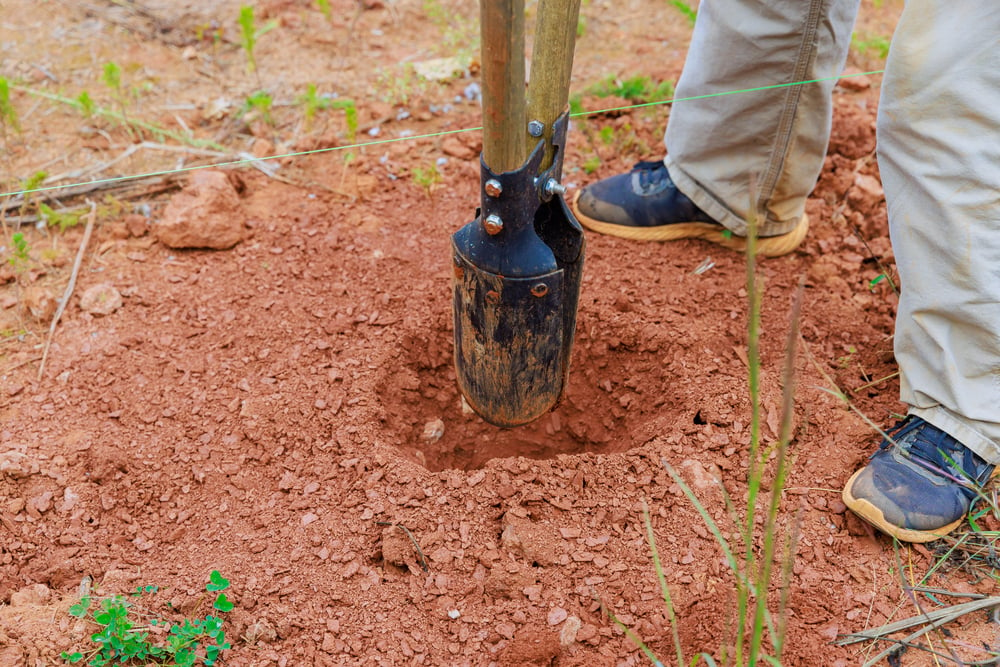
The double-handled clamshell fence post digger, a design still in use today, has changed little since its introduction in the 1800s. Older examples with forged rather than stamped blades are the ones collectors seek out, since the forging process left distinctive tool marks.
Working examples are common enough that price depends heavily on age and maker rather than rarity.
Cast Iron Farm Bells
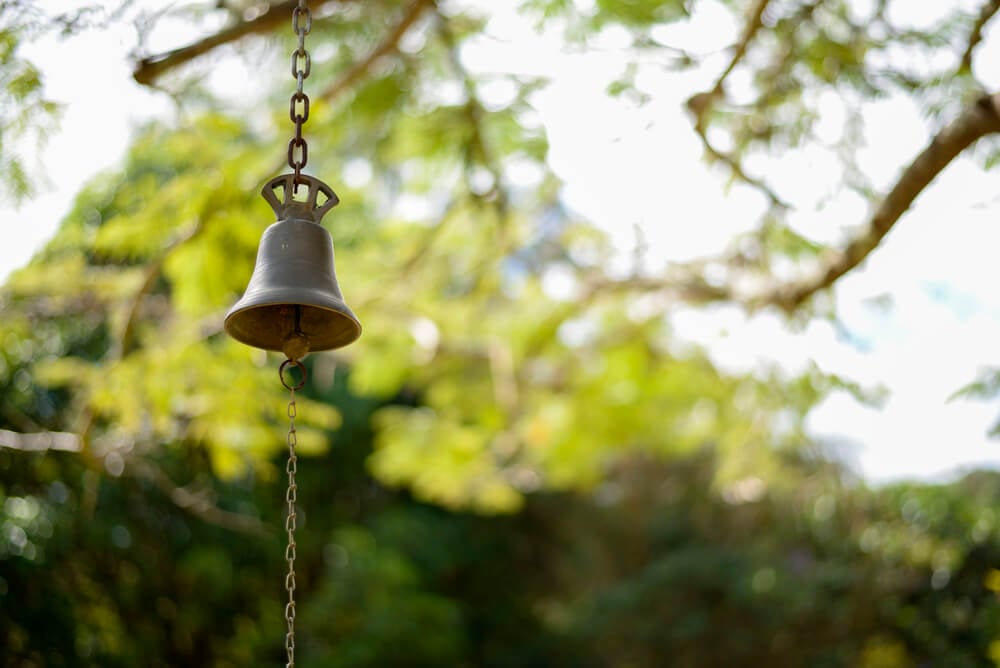
Farm bells, mounted on posts to call workers in from the fields, are collected both for their sound and their sculptural presence. Larger bells with legible foundry marks bring significantly more than small, unmarked examples, and a bell with a working yoke and clapper is worth more than one that has been welded solid for display.
Shipping cost and weight often limit how far buyers are willing to travel to collect one in person.
Wooden Plow Handles and Beam Plows
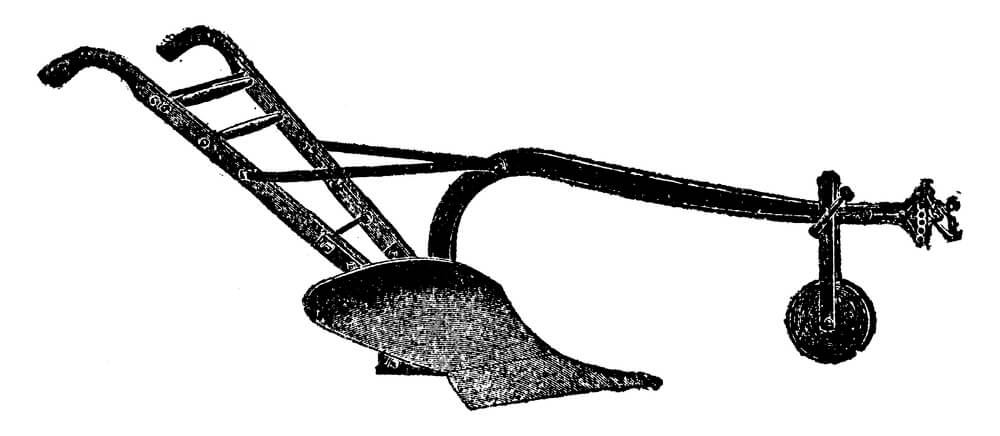
Fully wooden beam plows, predating steel construction, are now valued as historical artifacts rather than working tools. Because wood deteriorates faster than iron, complete examples with an intact beam and handles are considerably rarer than their metal counterparts from the same era.
Collectors of agricultural history, rather than tool users, make up the primary market for these pieces.
Barn Lanterns and Lightning Rod Ornaments
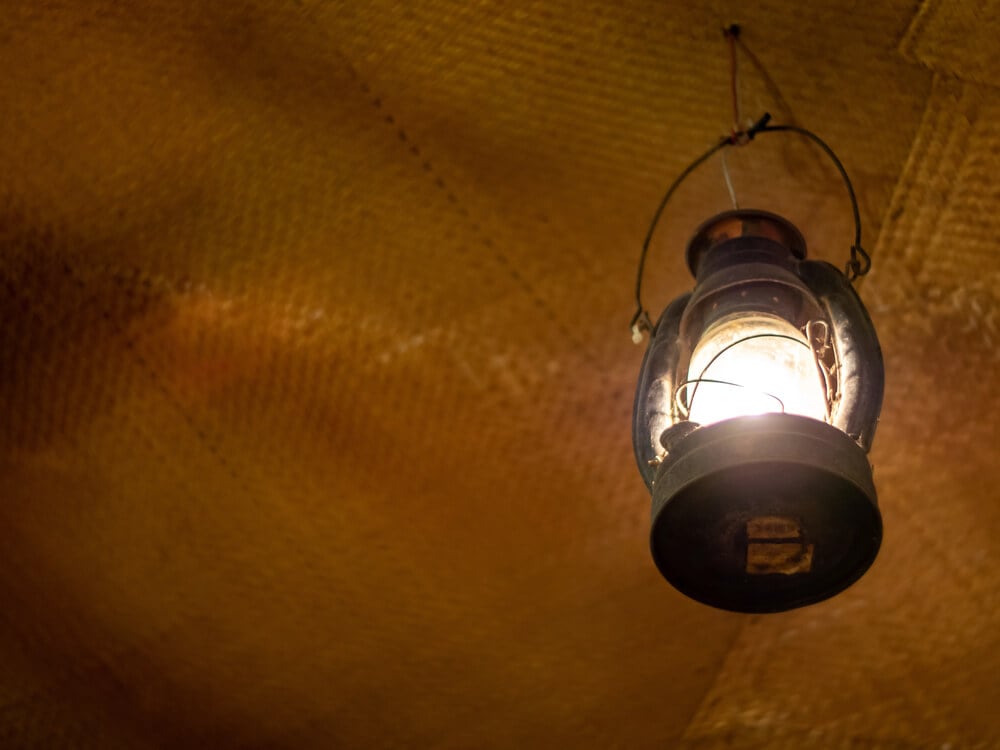
Glass lightning rod ornaments, mounted atop barn rods to indicate the rod was grounded, come in a range of colors that strongly affects their value. Milk glass and cobalt examples in undamaged condition bring the highest prices, since the glass is prone to cracking from decades of temperature swings.
A matched set removed from a single barn, with documentation of its origin, sells for more than the same pieces sold individually.
Cast Iron Meat Grinders
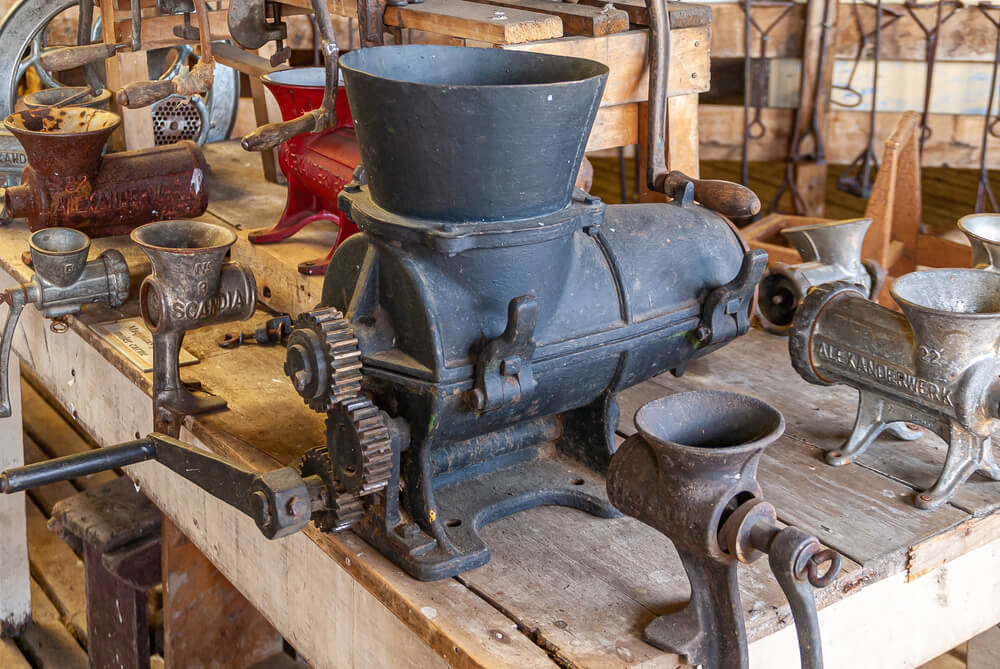
Hand-cranked meat grinders, clamped to a table edge for home butchering, were made by companies including Enterprise and Universal. Complete grinders with all their cutting plates and the original clamp are worth considerably more than units missing parts, since replacement plates for older models are difficult to source.
Collectors who cook with vintage kitchen equipment make up a meaningful share of the buyer pool alongside display-focused collectors.
Barbed Wire Samples
Antique barbed wire, cut into short display lengths and mounted on cards, is its own dedicated collecting category with regional clubs and reference guides. Patents from the late 1800s produced dozens of distinct wire patterns, and rare patterns command prices far beyond what the material itself would suggest.
A farm sale that includes an original spool, rather than a display sample, occasionally draws serious wire collectors from well outside the local area.
Cast Iron Well Pumps
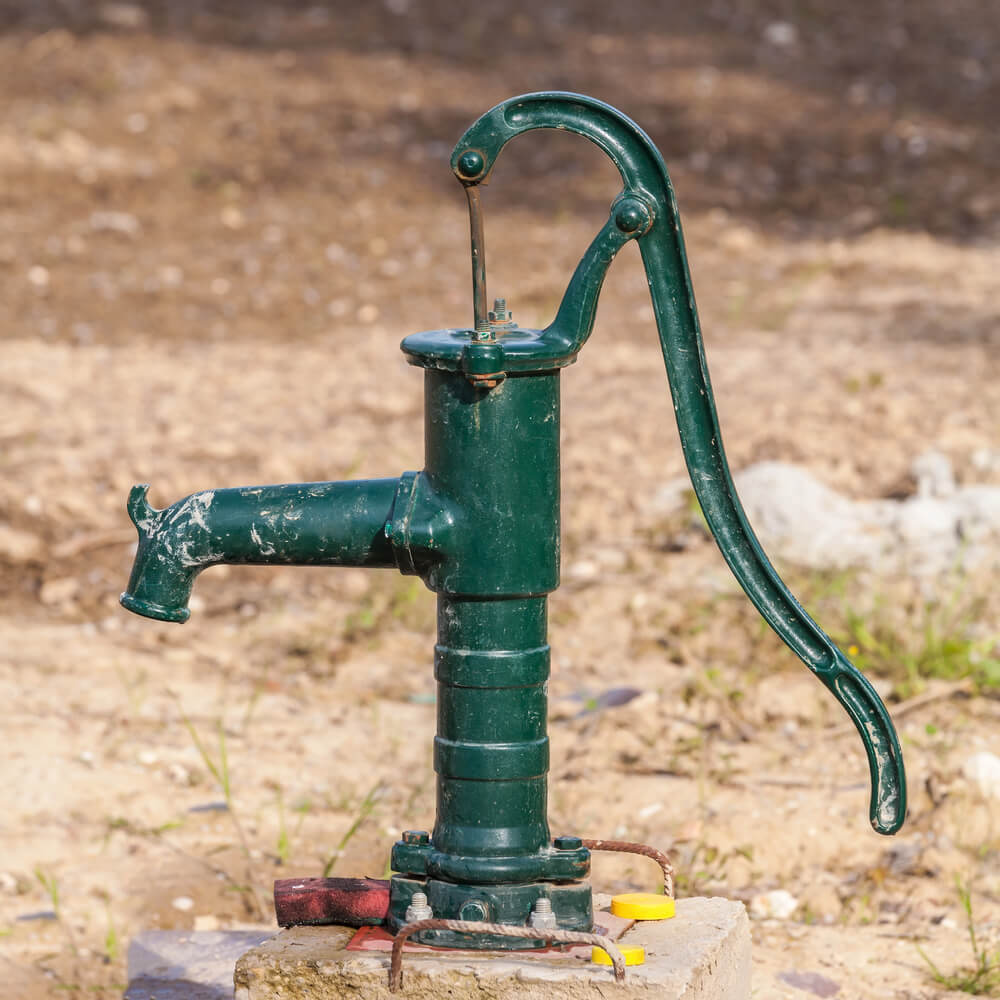
Hand-operated well pumps, once standard equipment on farms without electricity, are collected today as both functional curiosities and yard fixtures. Complete pumps with an intact handle, spout, and base bring the best prices, while pumps missing the handle are typically sold as parts or restoration projects.
Companies like Myers and Dempster are recognized names that add a modest premium over unmarked pumps.
Wooden-Handled Pitchforks and Hay Forks
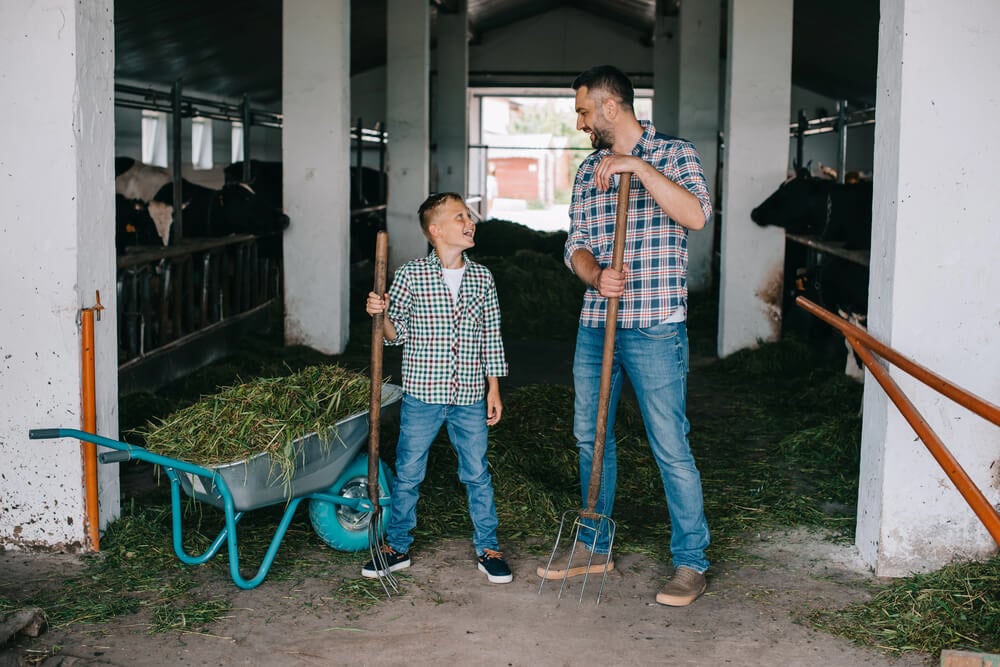
Hand-forged hay forks with turned wooden handles, made before mass production shifted to steel-tined forks, appeal to collectors focused on early American blacksmithing. Forks with a maker’s stamp near the tines are worth more than unmarked examples, and unusual tine counts or shapes draw interest from specialists.
Their practical size makes them a popular choice for buyers decorating farmhouse interiors.
Cast Iron Sad Irons
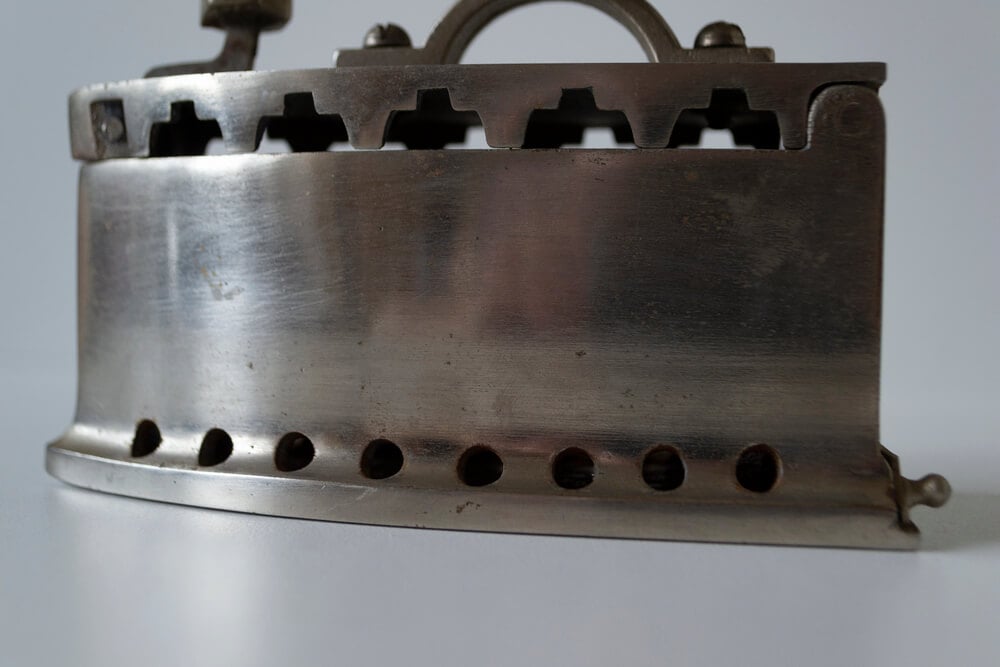
Sad irons, solid cast iron pressing irons heated on a stove, are collected in sets that include the iron, a detachable handle, and sometimes a trivet. Complete sets with a matching handle are worth more than a lone iron, and unusual sizes, including miniature irons made as salesman’s samples, bring outsized prices relative to their weight.
The Enterprise and Colebrookdale foundries are among the more recognized makers in this category.
Hand Corn Planters
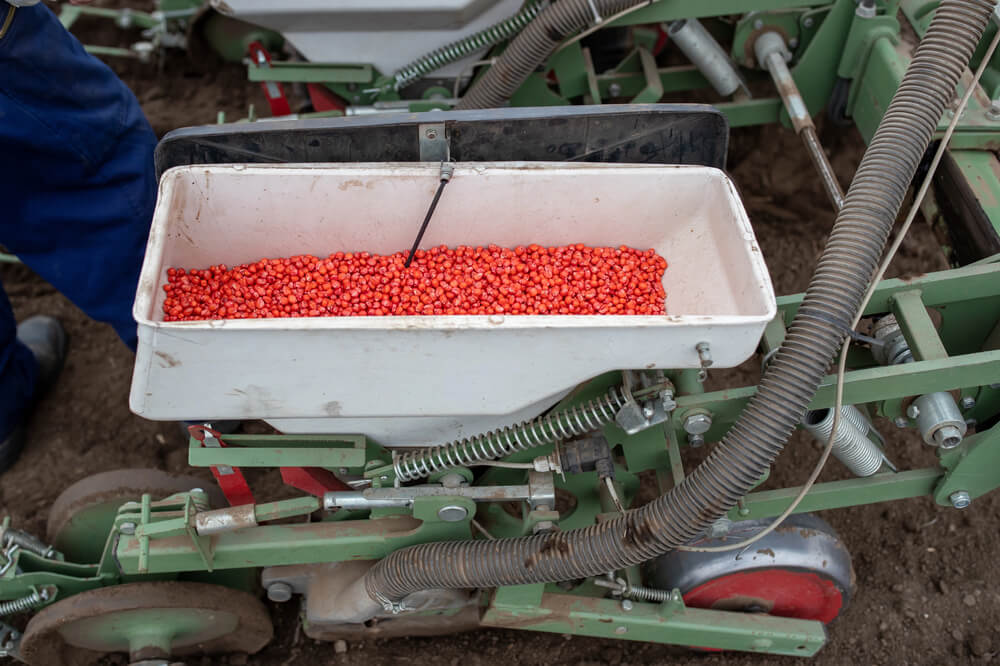
Jab-style hand corn planters, used to plant a single seed with each squeeze of the handle, were common tools for filling in gaps missed by mechanical planters. Complete planters with a working seed mechanism and intact hopper bring steady interest, particularly from collectors who also gather other hand-planting tools.
Their compact size and low shipping cost make them an accessible entry point for new tool collectors.
Cast Iron Apple Peelers
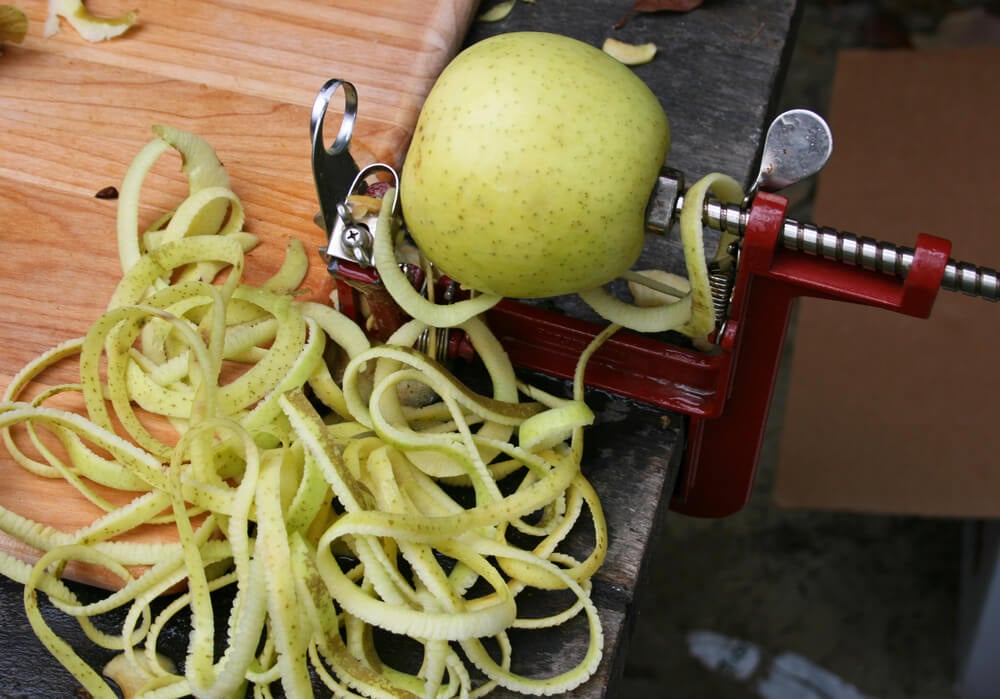
Countertop apple peelers, clamped to a table edge and cranked to peel, core, and slice apples in one motion, were a common kitchen tool on farms with orchards. Complete examples with all their gearing intact and free of heavy rust are the most desirable, since the mechanism is what makes the tool interesting to collectors.
Companies including Reading and Goodell produced some of the more widely recognized models.
Buggy and Wagon Wrenches

Combination wrenches sized specifically for wagon and buggy hardware, often stamped with a manufacturer’s name, are collected alongside broader horse-drawn vehicle memorabilia. Because these wrenches were tool-specific rather than general purpose, unmarked examples are harder to date and generally sell for less than stamped ones.
Collectors restoring period wagons are a steady source of demand for tools that match their vehicle’s original hardware.
Cast Iron Scale Weights
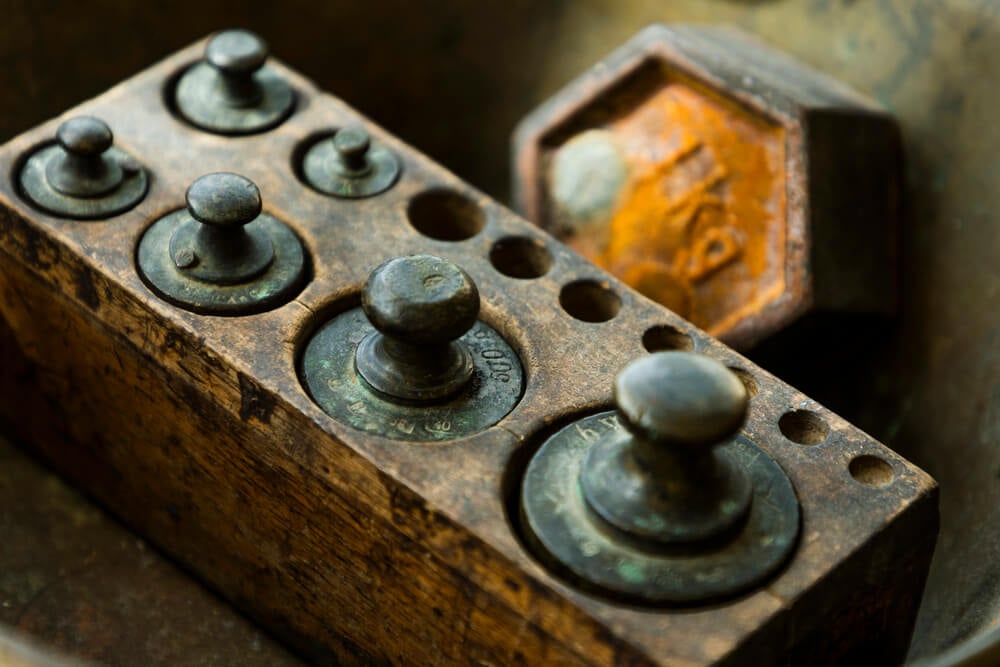
Farm scale weights, used with balance scales to measure grain, produce, or livestock, are collected for their castings and markings rather than their original function. Weights stamped with a specific poundage and foundry name bring more than blank weights, and complete graduated sets are considerably more valuable than single pieces.
Their durability means condition rarely affects price as much as it does with other cast iron tools.
Wood-Handled Draw Knives
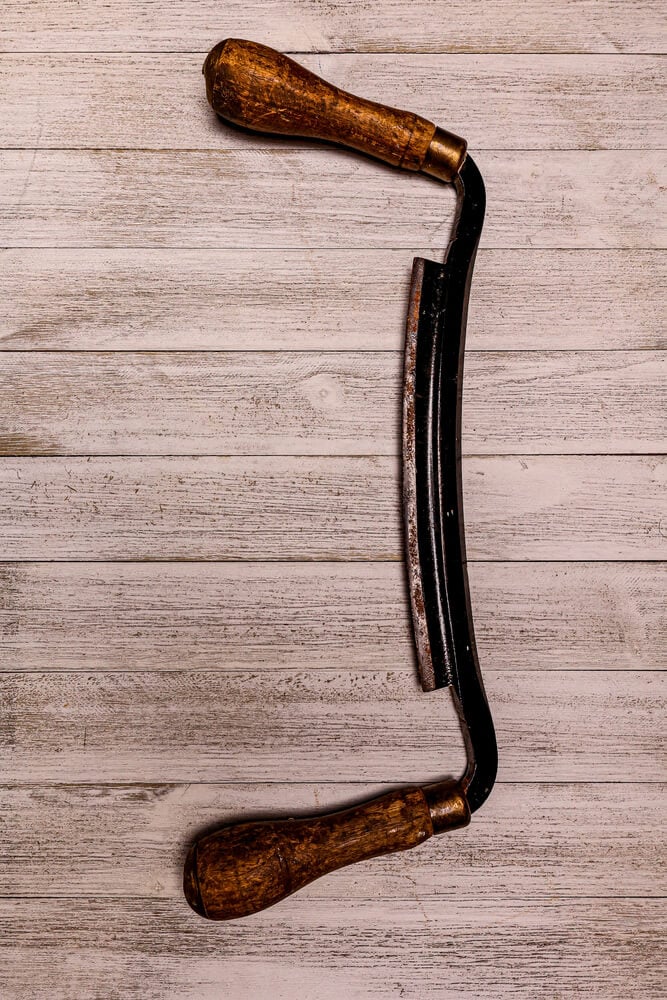
Draw knives, pulled toward the user to shave wood for tool handles, wagon parts, or shingles, are prized by woodworkers as much as collectors. Examples with a curved blade and turned wooden handles bring more interest than straight, factory-stamped versions, since the curved style suggests custom or early manufacture.
A sharp, usable edge adds practical value on top of any collectible premium.
Cast Iron Stove Lid Lifters and Kitchen Tool Sets
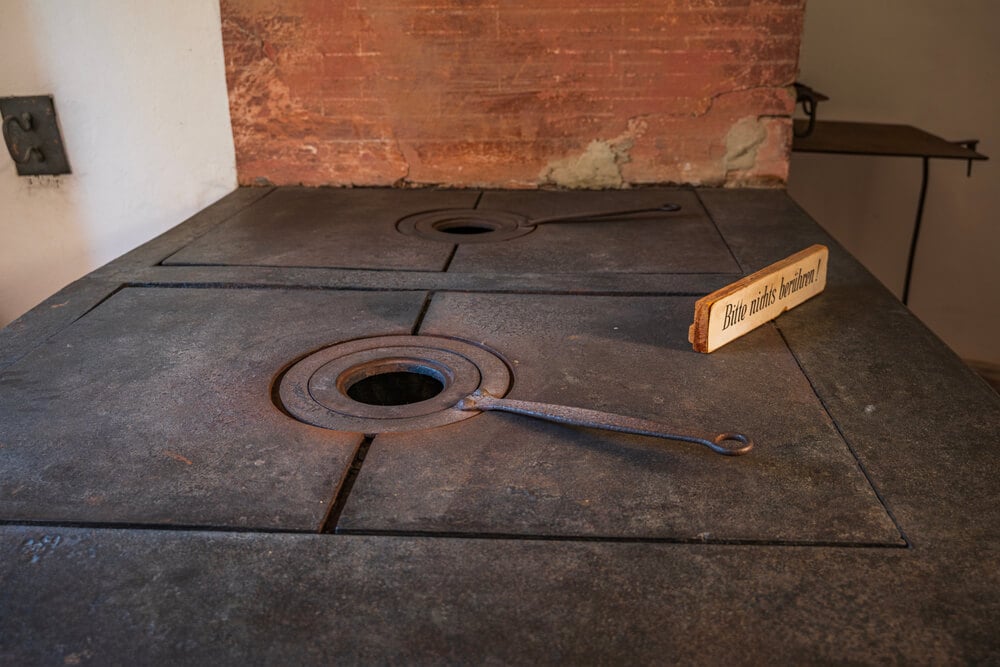
Small cast iron kitchen tools, including stove lid lifters, trivets, and toasting racks, are often grouped and sold as a lot at farm auctions. Buyers assembling a themed kitchen display tend to pay more for a matched set than the individual pieces would fetch separately.
Rust and pitting are common on these smaller tools, so pieces that have been kept indoors carry a noticeable premium.
What the Barn Sale Actually Sells
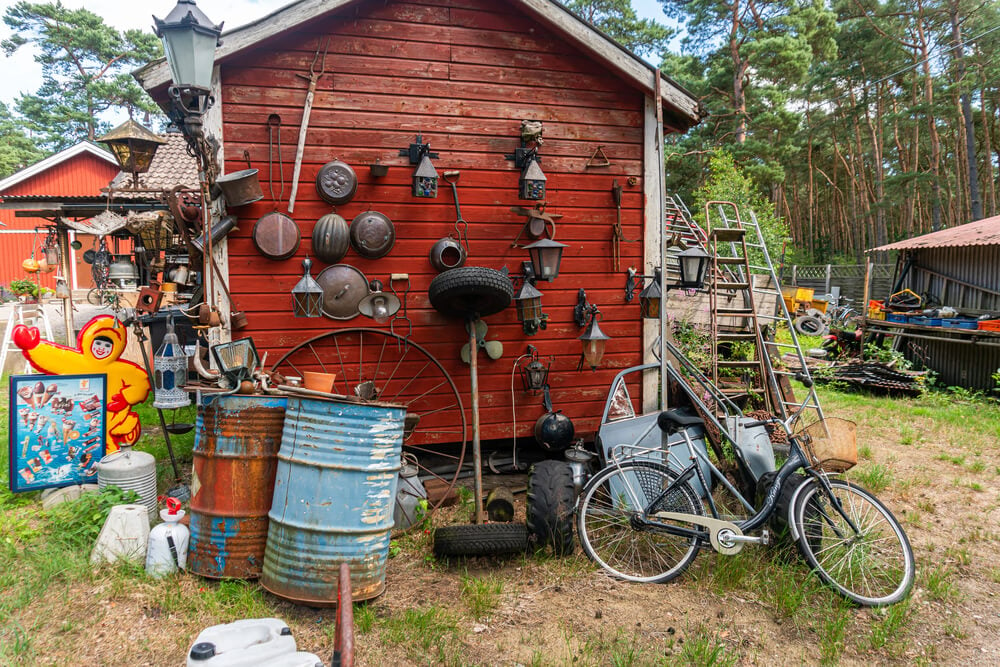
A farm auction is less a sale of objects than a sale of use. Every tool on the table did a specific job for a specific kind of work, and the price it draws today reflects how clearly that job still reads on the object itself, decades after the work stopped.
That is why identical-looking tools can sell for wildly different amounts within the same afternoon. The buyers are not just weighing iron and wood; they are weighing how much of the original story survives in the piece, and how badly someone needs that story to complete a shelf, a collection, or a memory of a farm that no longer exists.
More from Go2Tutors!

- The Romanov Crown Jewels and Their Tragic Fate
- 13 Historical Mysteries That Science Still Can’t Solve
- Famous Hoaxes That Fooled the World for Years
- 15 Child Stars with Tragic Adult Lives
- 16 Famous Jewelry Pieces in History
Like Go2Tutors’s content? Follow us on MSN.



