29 Old Vinyl Records Still in Their Sleeves That Record Shops Buy Without Hesitation
There’s a particular kind of silence that falls over a record shop counter when a buyer pulls out a sleeve that’s still sealed. Not the shrink-wrap of a recent reissue — the original cellophane, tight at the corners, slightly yellowed, the kind that hasn’t been touched since the pressing plant.
Shops that deal in used vinyl know exactly what they’re looking at, and they don’t hesitate. The right record in the right condition is money in the door.
What makes certain records irresistible to buyers isn’t always fame or chart position. Condition matters enormously — a graded VG+ copy can be worth five times a VG of the same pressing — but so does the specific pressing plant, label colour, and matrix number scratched into the run-out groove.
The records below are the ones that dealers genuinely get excited about, regardless of how many times they’ve seen them walk through the door.
The Beatles’ “Please Please Me” (UK Parlophone, 1963, Black and Gold Label)
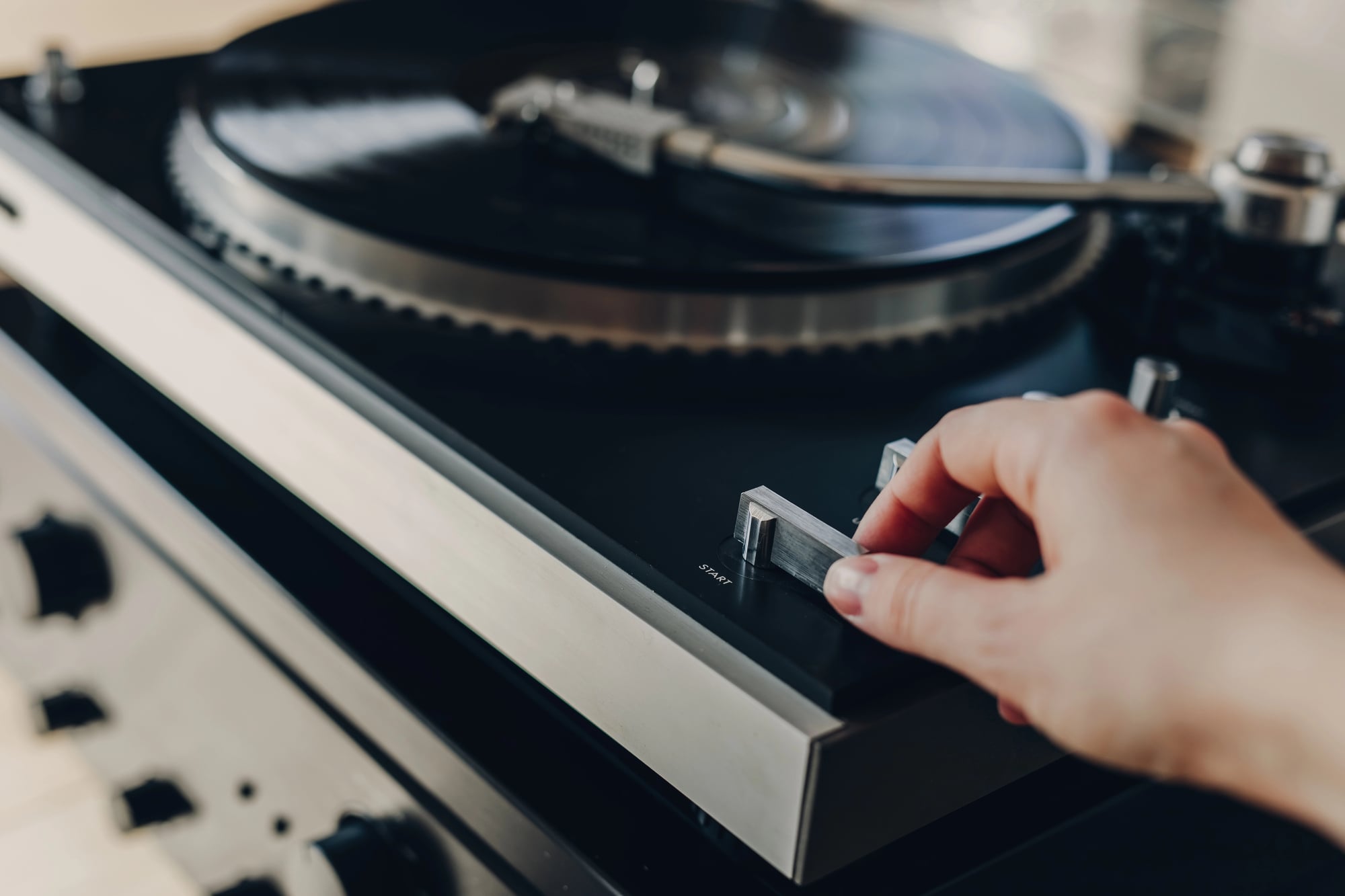
The debut album on the original black and gold Parlophone label is the benchmark by which most Beatles collectors measure everything else. Mono copies in VG+ condition have sold for over $5,000, with truly pristine examples pushing well past that.
The gold lettering on the label and the specific matrix markings in the run-out groove are the first things any serious buyer checks. A copy still in its original inner sleeve, untouched, stops the conversation at the counter.
Miles Davis’ “Kind of Blue” (US Columbia, 1959, Six-Eye Label)

The six-eye Columbia pressing from 1959 — named for the six small circles that appeared around the edge of the original label — is the version jazz collectors pursue above all others. Original mono copies in excellent shape regularly fetch $300–$800, with the stereo version valued slightly differently depending on the buyer.
The record is so frequently reissued that shops can spot the original in seconds by label alone, and they buy the original every time.
The Velvet Underground & Nico (US Verve, 1967, Banana Cover)

The first pressing with the peelable banana on the cover is one of the most recognisable collector’s items in rock history. An unpeeled copy in a sealed original sleeve is an exceptional find.
One sealed mono promo version sold for over $14,000 in recent years. Even a played copy on the original Verve label with the banana intact and the original Warhol-era sleeve will move out of any shop within days of being priced.
Led Zeppelin’s “Led Zeppelin” (UK Atlantic, 1969, Turquoise Label)
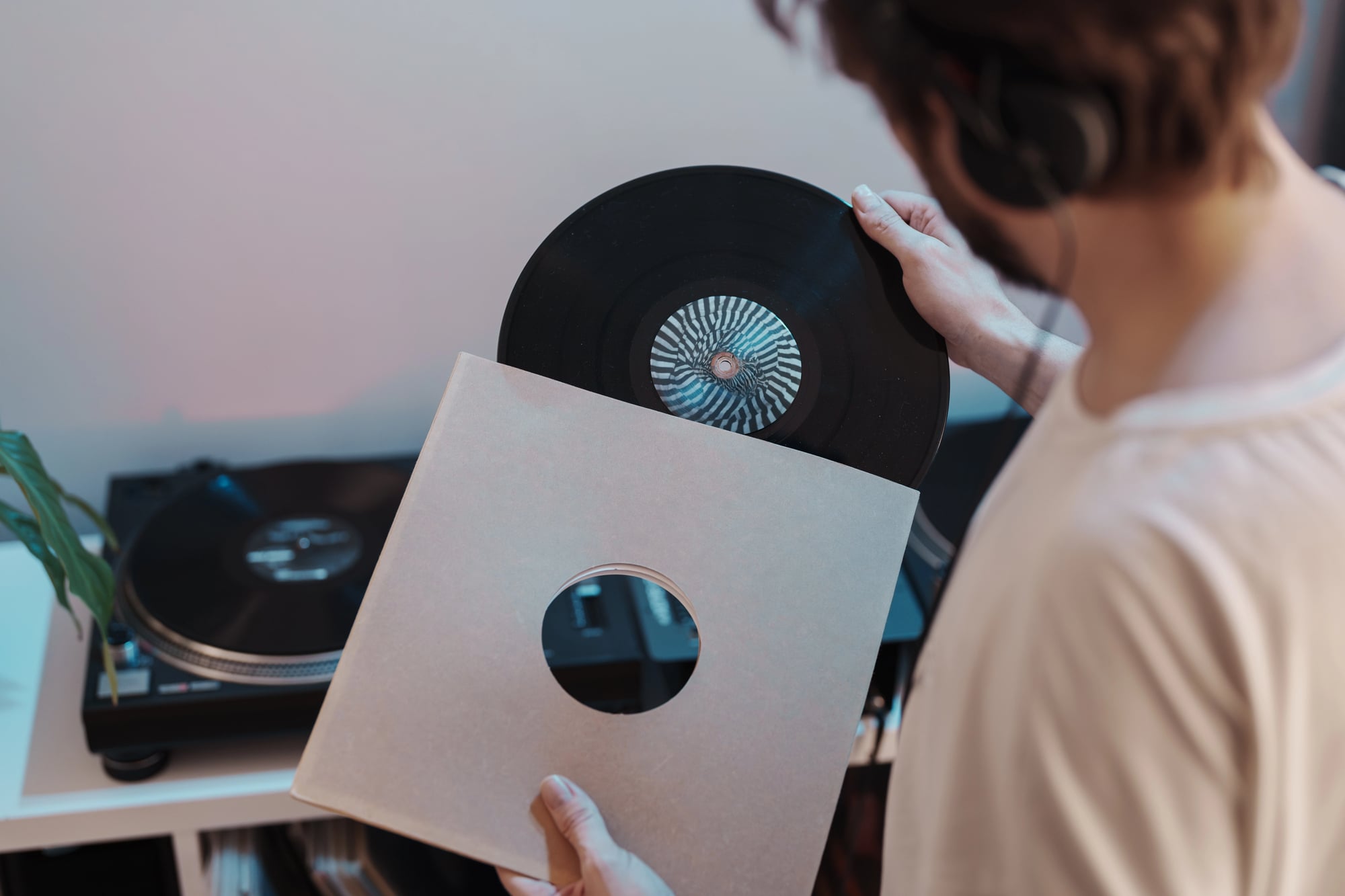
The original UK pressing on the turquoise Atlantic label — before the label design changed — sounds noticeably warmer than later pressings, and audiophiles know it. Clean copies sell for $200–$600 depending on condition, with sealed examples being exceptionally rare.
The distinctive “turquoise” referred to the actual label colour of this earliest run, and shops buying collections actively look for it before they look at anything else in the pile.
John Coltrane’s “A Love Supreme” (US Impulse!, 1964, Orange and Black Label)
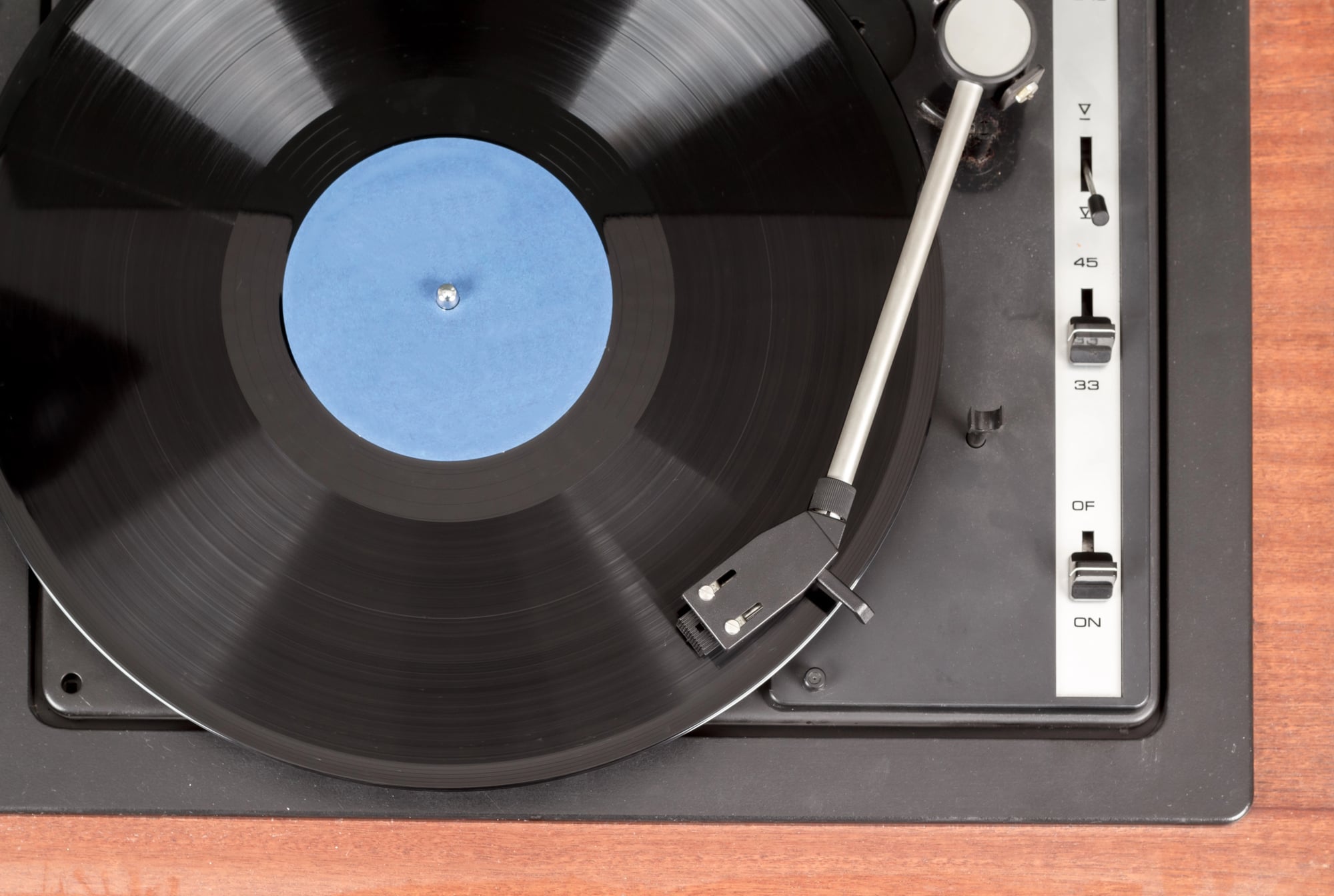
Impulse! Records used orange and black labels on their original pressings, and Coltrane’s 1964 masterpiece on that original label is one of the most reliably sought-after jazz records in existence. VG+ copies sell for $300–$700.
The combination of the label, the gatefold sleeve with original poem insert, and even the specific plant used to press it all affect value — buyers with knowledge of this record check all three without being asked.
Pink Floyd’s “The Piper at the Gates of Dawn” (UK Columbia, 1967, Mono)
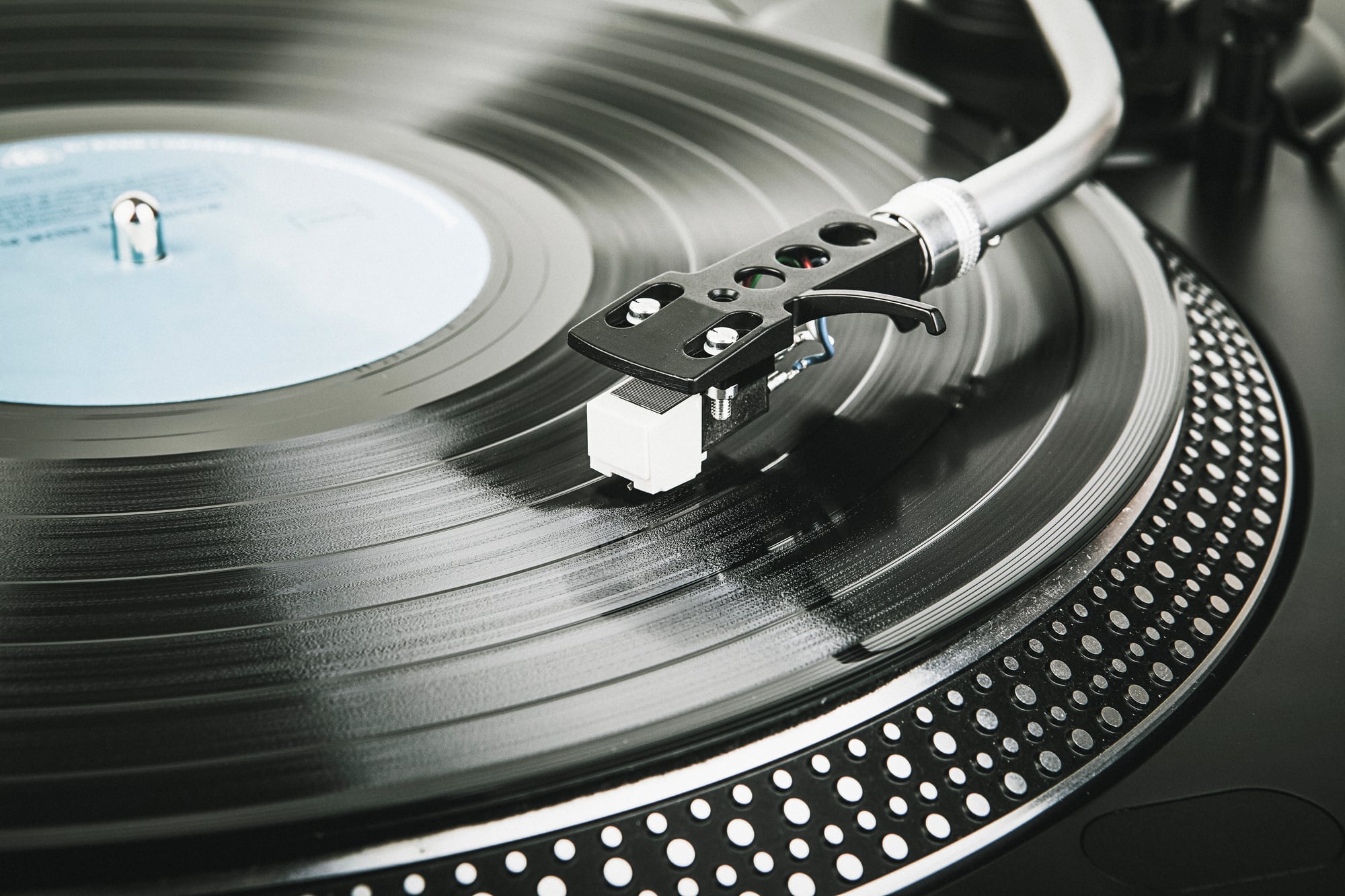
The UK mono first pressing of Floyd’s debut has appreciated steadily for decades. A VG+ copy was worth around $200–$300 in 2010 and had climbed to $600–$900 by the mid-2020s, according to historical Popsike data.
The original Columbia label, the specific matrix markings, and the condition of the gatefold are all examined on the spot. Most dealers have a standing wish list for this one.
Bob Dylan’s “The Freewheelin’ Bob Dylan” (US Columbia, 1963, Withdrawn Track Version)
Four tracks on the original pressing of this album were later recalled and replaced before wide release, making the withdrawn version one of the rarest mainstream records in existence. Copies containing those four tracks have sold for over $35,000.
Most sellers don’t know what they have until a buyer tells them. The way to identify it is the specific track listing on the back cover — and any shop worth its reputation will pay serious money for one on sight.
James Brown’s “Live at the Apollo” (US King Records, 1963)
King Records operated out of Cincinnati, and their original pressings have a particular sonic quality that later reissues don’t replicate. “Live at the Apollo” on an original King pressing in clean condition will sell for $150–$400.
The label itself is the giveaway — the King crown logo on early pressings looks different from later variants, and dealers who specialise in soul and funk have it memorised. This record almost never sits long in anyone’s used bin.
The Clash’s “The Clash” (UK CBS, 1977, First Pressing)

The original UK pressing of the debut Clash album was not initially released in the United States, which made American copies rarer than the UK pressings for years. UK first pressings on CBS with the original inner sleeve sell for $100–$300 in VG+ condition.
The record’s importance to punk history means that serious shops buy it regardless of specific pressing details, but the original UK version gets the best offer.
Blue Note Records Pressings, 1950s–1960s (Van Gelder Studio)
Blue Note pressings cut by Rudy Van Gelder at his studio in Hackensack, New Jersey between roughly 1952 and 1967 are a category unto themselves. The “ear” of Van Gelder — a small “RVG” stamped into the run-out groove — signals a specific sonic signature that audiophiles have been chasing for decades.
Albums by Art Blakey, Thelonious Monk, Horace Silver, and Lee Morgan on original Blue Note with RVG stamps sell for anywhere from $80 to $600 depending on title and condition. Shops buy them the moment they appear.
Muddy Waters’ “The Best of Muddy Waters” (US Chess Records, 1958)
Chess Records’ early pressings out of Chicago have a rawness that reissues consistently fail to capture. An original Chess pressing of this compilation — the one with the silver lettering on the blue label — is one of the most eagerly purchased blues records at any shop that deals in vintage vinyl.
Clean copies fetch $150–$400, and the label alone tells a buyer everything they need to know before they even look at the grooves.
Jimi Hendrix’s “Are You Experienced” (UK Track Records, 1967)
The UK release on Track Records came out before the American version and includes a different track listing — the UK pressing has “Red House” while the US version substitutes other tracks. That distinction makes the Track Records version the one collectors prefer.
Original UK copies in VG+ condition sell for $200–$500, and a still-sleeved copy with the original inner is the version shops will buy at full price without negotiation.
Marvin Gaye’s “What’s Going On” (US Tamla, 1971, Original Pressing)

“What’s Going On” on the original Tamla label — Motown’s in-house imprint — is one of those records that dealers consider almost automatically liquid. The album’s cultural status means demand never really drops, and original pressings in clean condition sell for $80–$200.
The Tamla label with the correct matrix numbers and the original sleeve with the gatefold design is what shops are looking for when someone brings in a Motown collection.
Aretha Franklin’s “I Never Loved a Man the Way I Love You” (US Atlantic, 1967)
Aretha’s Atlantic debut was the beginning of the most celebrated run in soul music. Original pressings on the red and black Atlantic label in clean condition sell for $80–$250.
The record tends to appear in estates and attic collections because it was a genuine mainstream hit — most people who bought it in 1967 kept it — which means shops encounter it fairly regularly and buy it without hesitation when the condition holds up.
The Stooges’ “Fun House” (US Elektra, 1970)

“Fun House” took decades to find its audience, which means many original pressings were kept rather than played to destruction. A clean original Elektra pressing in excellent shape sells for $200–$500.
The opening track alone — a loose, scorched piece of noise-rock that predates punk by five years — is reason enough for shops specialising in rock and punk to pay top dollar for a clean original. It comes up far less often than its influence would suggest.
Gram Parsons’ “GP” (US Reprise, 1973)
Gram Parsons never sold many records when he was alive, which means original pressings are relatively uncommon. “GP” — his solo debut — on the original Reprise label is the one that country-rock and Americana collectors actively search for.
Clean copies sell for $100–$300. Most shops that understand the country-rock canon buy this one on sight, knowing the customer who wants it is probably already on their list.
Bob Marley and the Wailers’ “Catch a Fire” (UK Island Records, 1973, Zippo Lighter Cover)
The original “Zippo” version of this album — so called because the outer sleeve opened like a lighter, with a zip around the edge — was an expensive packaging experiment that Island scrapped after the first pressing. Standard square sleeves replaced it almost immediately.
A genuine Zippo pressing in good condition is worth $800–$2,000. Most sellers don’t know what they have, and most buyers aren’t going to tell them until the offer is made.
Sun Ra’s Private Pressings (El Saturn Records, 1950s–1970s)
Sun Ra’s own El Saturn label produced records in tiny quantities — sometimes fewer than 75–100 copies per title — that he sold at performances and by mail order. Because they were never commercially distributed, they almost never appear in standard reference guides.
Any El Saturn pressing is a significant find. Dealers who specialise in jazz and avant-garde music pay $200–$1,000 or more depending on title, because these records simply don’t turn up often.
Funkadelic’s “Maggot Brain” (US Westbound Records, 1971)
The opening track of this album — Eddie Hazel playing a solo guitar piece for nearly ten minutes over a near-silent backdrop — is one of the most discussed guitar performances in rock history. Original Westbound pressings in clean condition sell for $150–$400.
Shops that deal in funk and psychedelic rock buy this one without hesitation because the demand is consistent and the supply of originals is genuinely limited.
Nick Drake’s “Five Leaves Left” (UK Island, 1969, Pink Label)

Nick Drake sold almost nothing during his lifetime, which makes original pressings of his debut relatively uncommon — but not as rare as you might expect, since many copies were simply never played. An original Island pink label pressing in VG+ or better condition sells for $400–$900.
This is one of those records where the sleeve and the label are examined together, because later Island pressings use a different colour label and the value gap between them is significant.
The Misfits’ “Bullet” EP (Blank Records, 1978, Original Pressing)
Glenn Danzig pressed approximately 500 copies of this two-song 7-inch on his own Blank Records imprint in 1978. One copy sold on Discogs in 2021 for $10,877.
Most shops won’t see one in a decade, which is exactly why the ones who have seen them tend to keep their poker face when a seller walks in. The label, the matrix stamp, and the specific run-out information are the verification points — and dealers who know the Misfits back catalogue know them cold.
Otis Redding’s “Otis Blue” (US Volt Records, 1965)

Volt was the Stax subsidiary that released some of the most important soul records of the 1960s, and Otis Redding’s “Otis Blue” is the crown jewel of the label’s catalogue. Original Volt pressings with the gold label sell for $200–$500 in clean condition.
Shops that know soul music buy this one at full value because the combination of the artist, the label, and the era makes it reliably resaleable to any serious collector.
Sly and the Family Stone’s “There’s a Riot Goin’ On” (US Epic, 1971)
This is one of those records that dealers describe as having a particular feel before you even drop the needle — a dark, compressed, deliberately lo-fi sound that was ahead of its time by about fifteen years. Original Epic pressings sell for $80–$200 in clean condition.
It’s buyable at almost any price for a shop with a good soul and funk section, because the collector who wants it tends to want it badly.
Captain Beefheart’s “Trout Mask Replica” (US Straight Records, 1969)
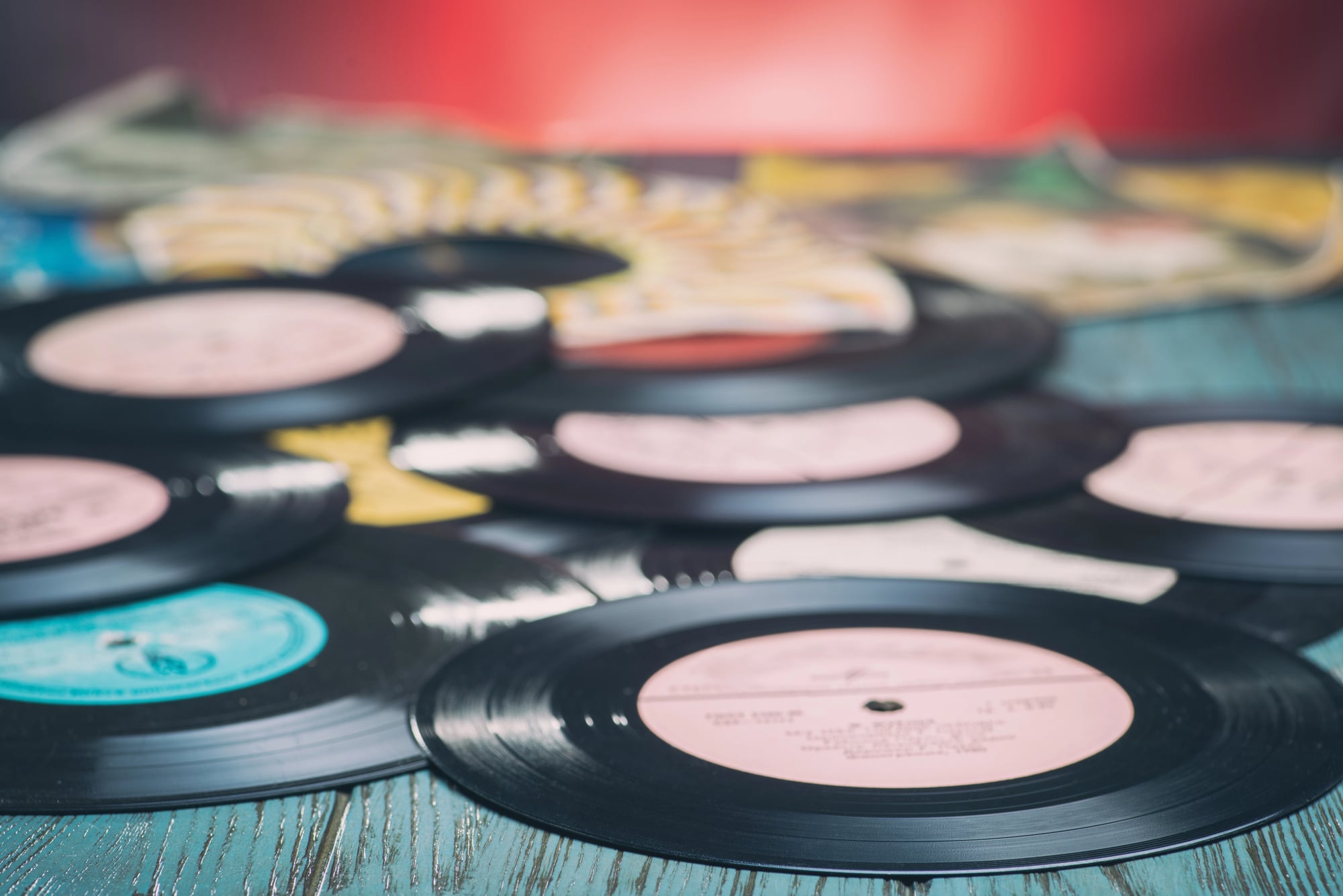
Frank Zappa’s Straight Records released fewer titles than most labels, and “Trout Mask Replica” on an original Straight pressing is the one that avant-garde collectors prioritise. Clean copies sell for $150–$400.
Most shops that buy into the avant-garde rock canon keep a mental list of titles, and this one is near the top — partly because of its reputation and partly because it arrives less often than the reputation would suggest.
Howlin’ Wolf’s “Moanin’ in the Moonlight” (US Chess Records, 1959)

Another Chess Records original pressing, this one carrying one of the foundational figures in electric blues. The silver-on-blue Chess label is the marker that confirms an early pressing, and clean copies of Wolf’s debut LP sell for $200–$500.
Shops that deal in blues originals treat this record the same way an art dealer treats a confirmed provenance — it either is or it isn’t, and when it is, the offer comes quickly.
Kraftwerk’s “Autobahn” (German Philips, 1974, Original Pressing)
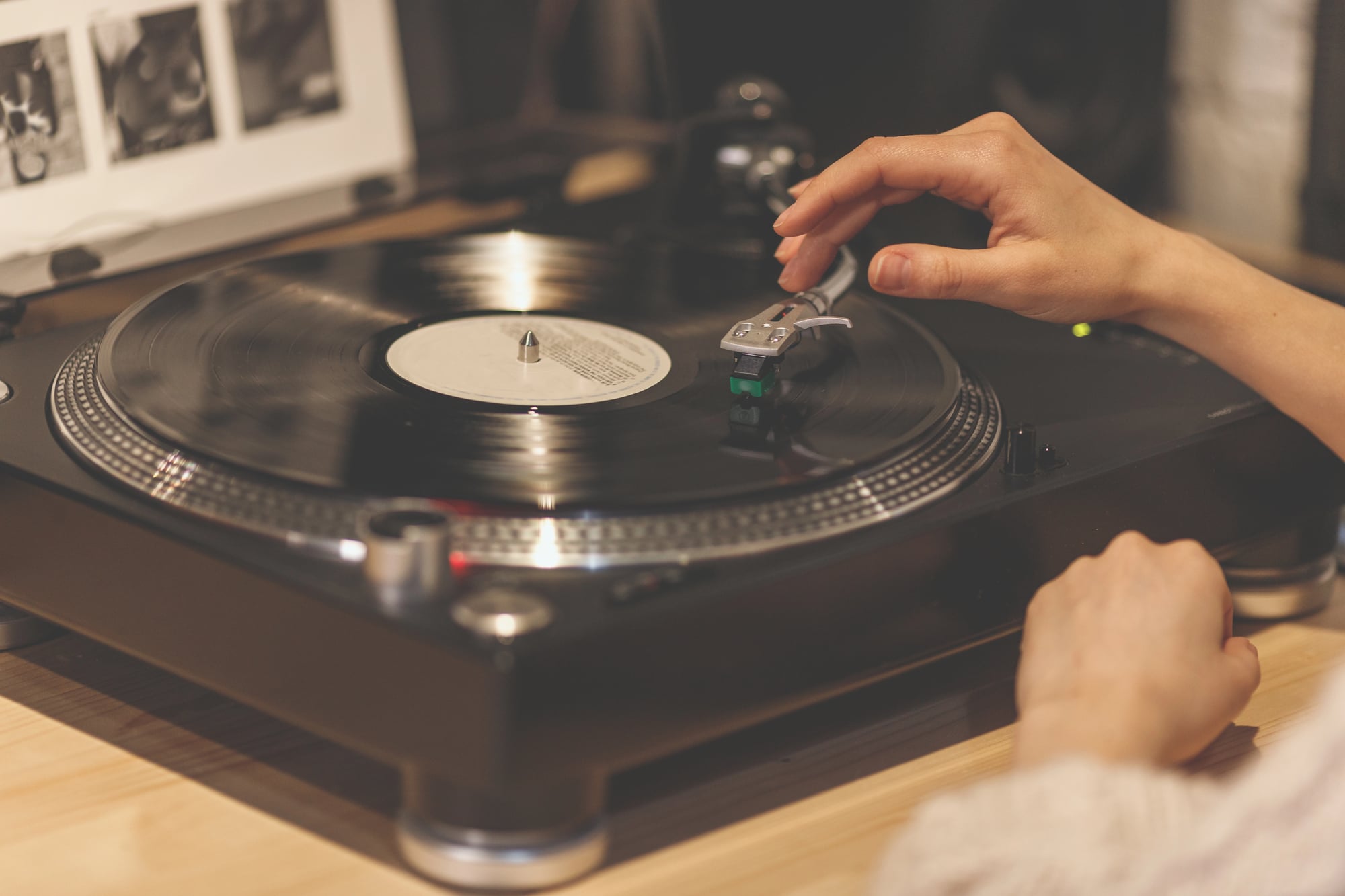
The original German pressing of “Autobahn” on Philips is where electronic music collectors start when they’re building a serious collection. German original pressings differ in matrix, label design, and occasionally mastering from the international editions, and dealers who know their Kraftwerk can verify one in about thirty seconds.
VG+ copies sell for $100–$300. The record launched an entire genre and almost never overstays its welcome in any shop’s used bin.
The Ramones’ Self-Titled Debut (US Sire Records, 1976)

The original Sire pressing of the Ramones’ 1976 debut is one of the most bought-and-sold punk records in the world, which means shops see it regularly — but they still buy it because they sell it just as regularly. VG+ copies with the original inner sleeve sell for $80–$200.
The earlier the matrix number stamping, the better, and dealers with knowledge of Sire pressings from this period check the run-out groove before they write the offer.
Joni Mitchell’s “Blue” (US Reprise, 1971, Original Pressing)
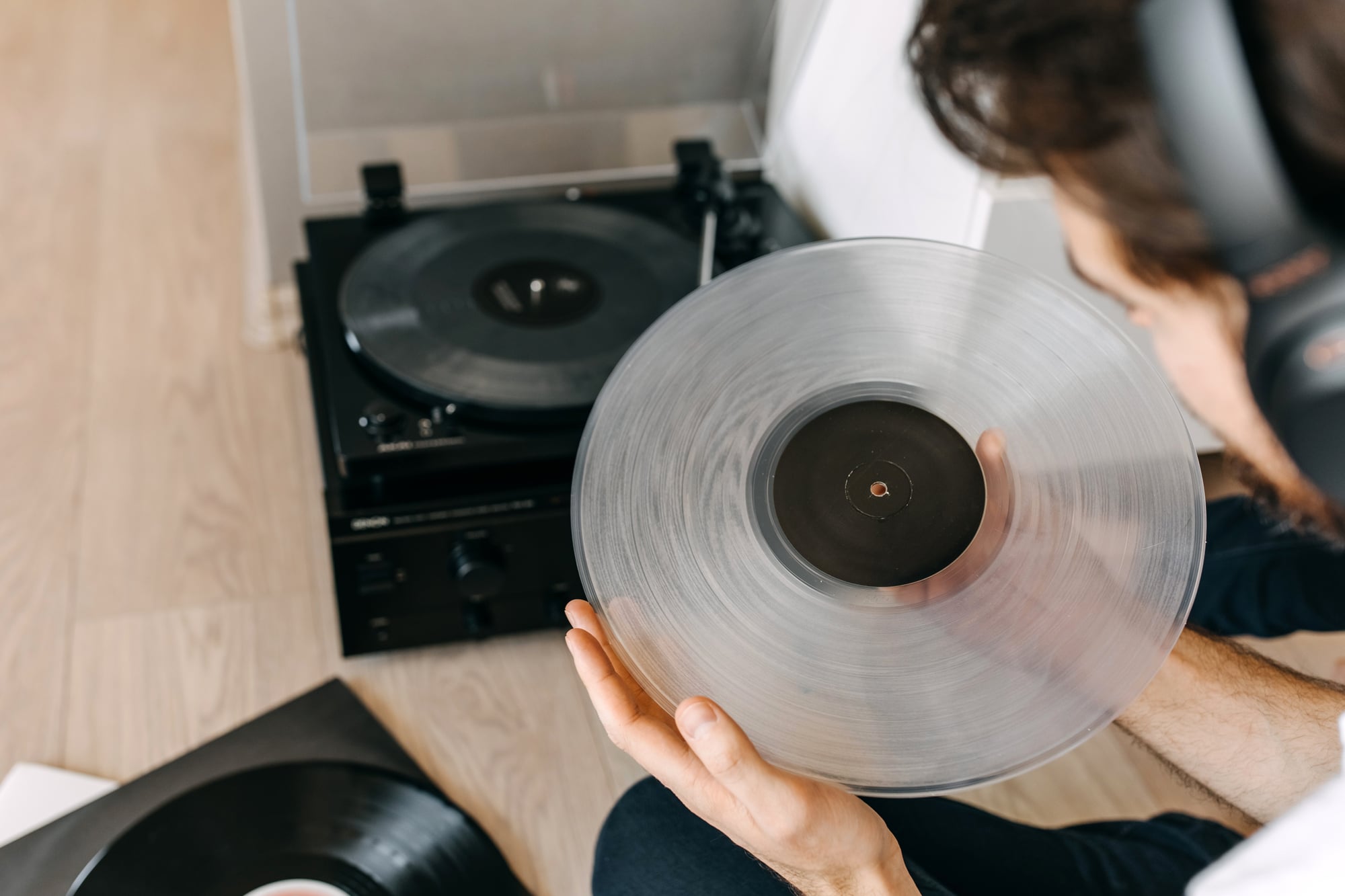
“Blue” on its original Reprise label is the version that serious Mitchell collectors hold out for, and shops know it. The pressed-in matrix numbers and the specific label variant confirm an early pressing, and clean copies sell for $80–$200.
The record’s critical reputation has only grown over the decades, meaning demand from younger buyers coming to it for the first time keeps pace with demand from collectors who have wanted a clean original for years.
Hank Williams’ “Moanin’ the Blues” (US MGM Records, 1952)
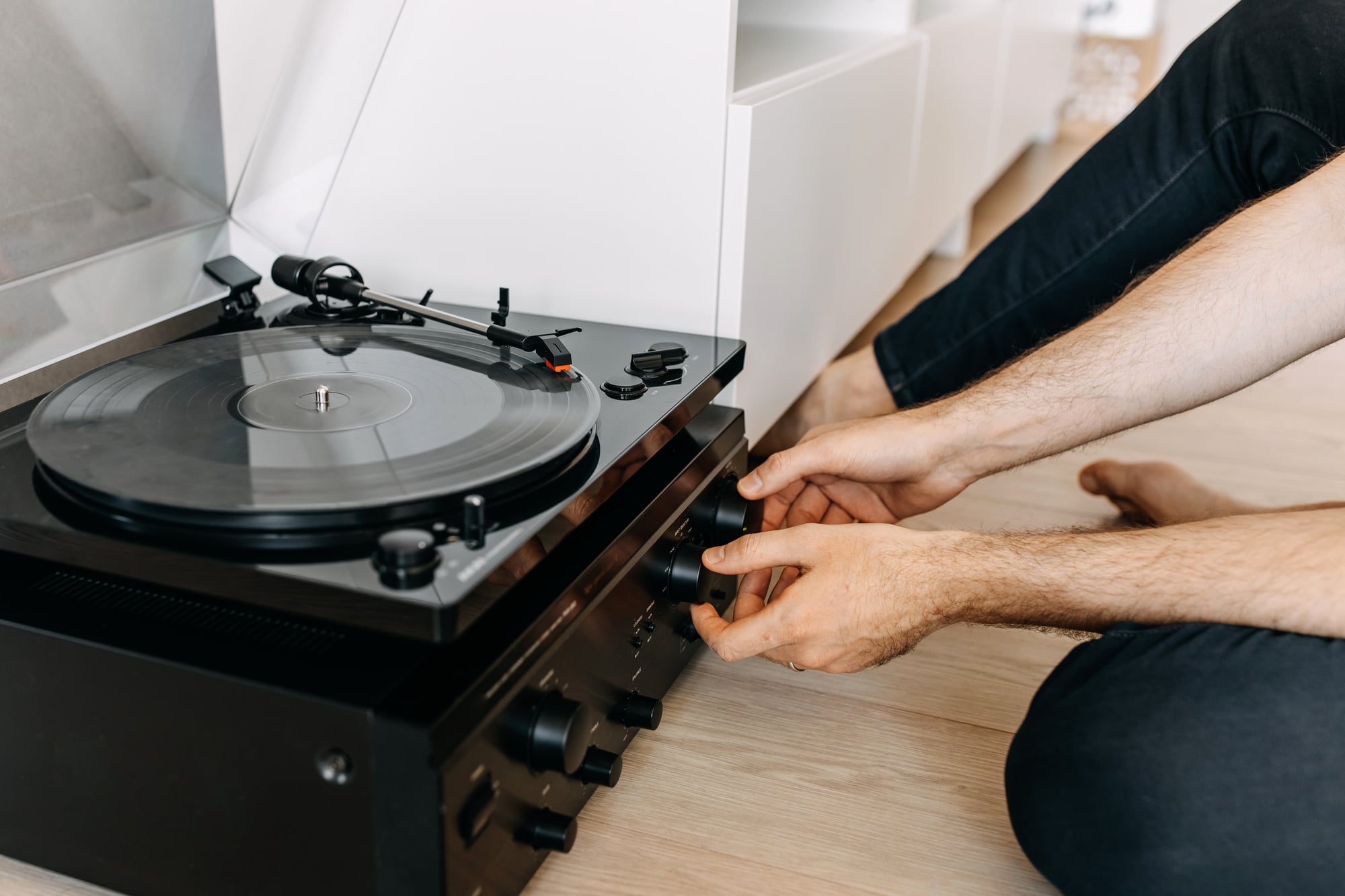
78 RPM aside, Hank Williams’ 10-inch LP compilations on the original MGM yellow label are among the most eagerly purchased country records at any shop that takes the genre seriously. A clean copy of “Moanin’ the Blues” — one of the first 10-inch LPs released from his 78 catalogue — sells for $150–$400 depending on condition.
The specific MGM pressing information and the fact that these were released before the album format fully standardised makes each one a distinct find.
What Makes a Record Worth Buying Without Hesitation

The thread connecting all of these records is not genre and not fame — it’s the combination of original pressing, documented demand, and a finite supply that genuinely cannot increase. Every Beatles reissue, every Miles Davis repressing, every digital remaster leaves the originals untouched.
The original lacquer cuts that produced these records are gone. The pressing plants that made them are mostly gone.
The materials used have aged in ways that affect sound quality in both directions — sometimes degraded, sometimes preserved in a way that newer materials simply can’t replicate.
Condition remains the single biggest variable in what any shop will actually pay. A near-mint original pressing can be worth ten times a VG copy of the same record, and a dealer who doesn’t check the grooves before making an offer is a dealer who won’t be in business long.
If you suspect you have any of these titles in your possession, play them carefully, store them vertically in their original inner sleeves, and get a second opinion before accepting the first offer. The knowledge gap between what someone thinks they have and what they actually have is where most of the money in this market lives.
More from Go2Tutors!

- The Romanov Crown Jewels and Their Tragic Fate
- 13 Historical Mysteries That Science Still Can’t Solve
- Famous Hoaxes That Fooled the World for Years
- 15 Child Stars with Tragic Adult Lives
- 16 Famous Jewelry Pieces in History
Like Go2Tutors’s content? Follow us on MSN.



