29 Photographs That Defined a Generation
A photograph does not need color, sound, or motion to outlast the event it recorded. Some images become so familiar that people forget they were ever taken by a specific person, on a specific afternoon, often by accident.
The photographs below were not chosen for technical mastery alone. Each one changed how the public understood a moment in real time, and many of them are stranger, messier, or more contested than the tidy captions usually attached to them.
Migrant Mother
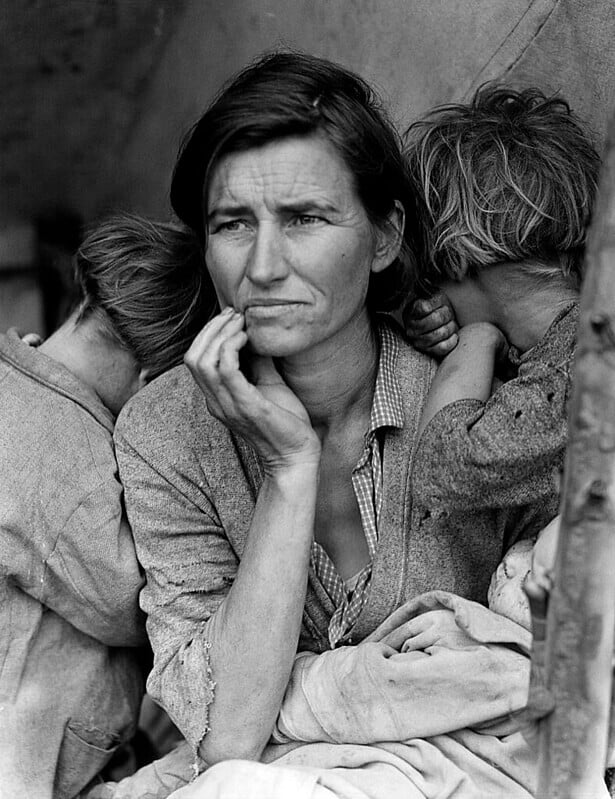
Dorothea Lange photographed Florence Owens Thompson and her children on the side of a road in Nipomo, California, in March 1936, after Thompson’s car broke down near a camp for pea pickers. Lange worked for the federal Resettlement Administration and took six frames in about ten minutes, the last of which became the defining image of the Great Depression.
Thompson later said she never gave permission for the photo’s wide use and never received payment for it, and she said she regretted that Lange never sent her a print.
Lunch Atop a Skyscraper
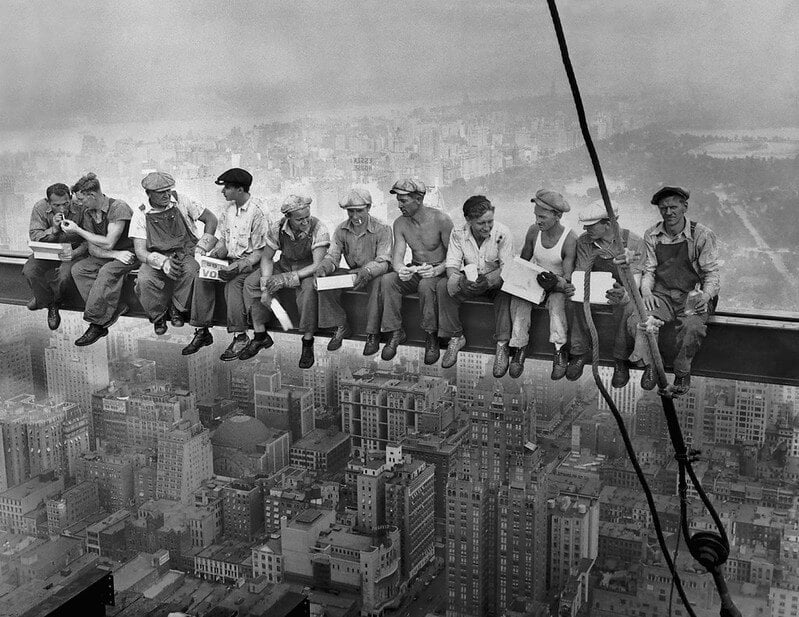
Eleven ironworkers eating lunch on a beam 850 feet above Manhattan, taken September 20, 1932, was staged as a publicity shoot for the nearly finished RCA Building at Rockefeller Center. The photographer’s identity was disputed for decades; the shot was long misattributed to Lewis Hine before evidence pointed to Charles Ebbets, though at least two other photographers were on the beam that day.
More than ninety years later, only two of the eleven men in the frame have ever been reliably identified.
The Hindenburg Disaster
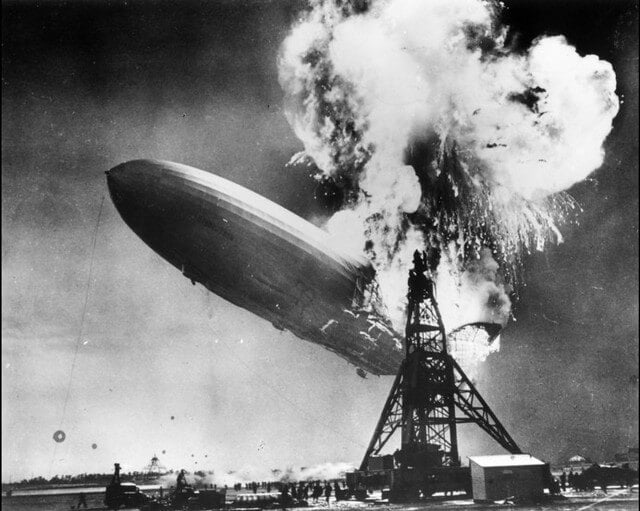
Sam Shere captured the German airship bursting into flame as it approached its mooring mast in Lakehurst, New Jersey, on May 6, 1937. Shere later said he had no time to raise his camera to his eye and shot from the hip, squeezing off four frames before the mast was even in position.
The disaster ended the era of passenger airship travel almost overnight, killing 35 of the 97 people aboard.
The Surgeon’s Photograph
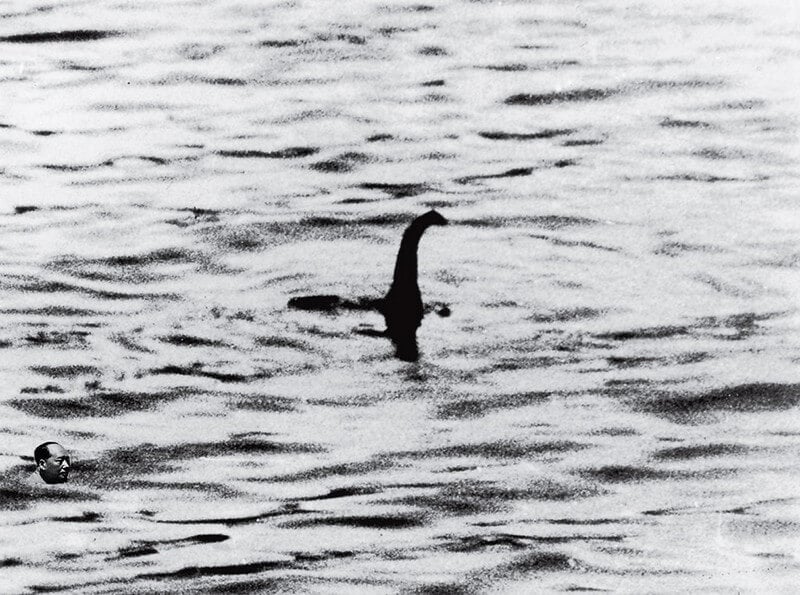
The most famous image of the Loch Ness Monster, published in April 1934 and credited to a London physician named Robert Kenneth Wilson, shaped a generation’s imagination about hidden creatures lurking in dark water. In 1994, one of the original conspirators confessed on his deathbed that the “monster” was a toy submarine fitted with a sculpted head, built as revenge against a newspaper that had humiliated one of the plotters months earlier.
Wilson had only agreed to let his name be attached to the picture as a credible front.
Raising the Flag on Iwo Jima
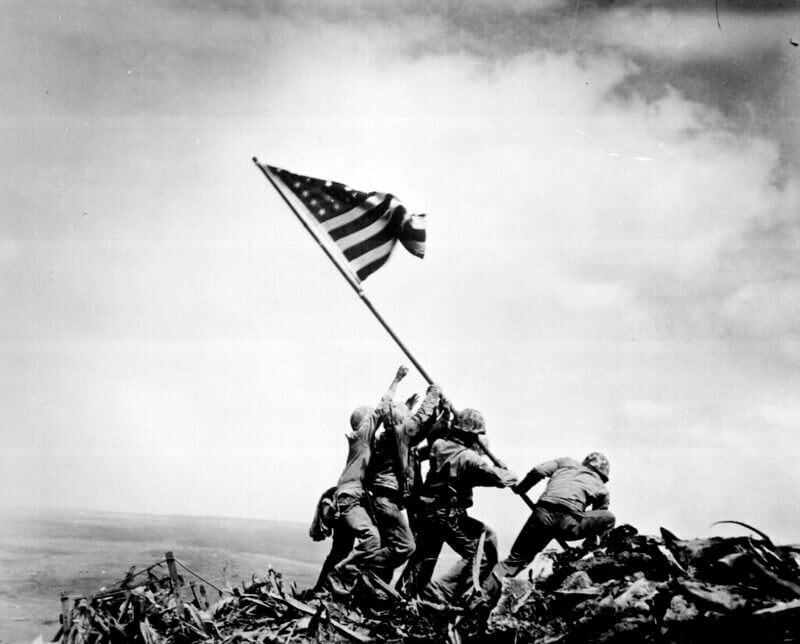
Joe Rosenthal’s photograph of six Marines raising a flag atop Mount Suribachi on February 23, 1945, was actually the second flag-raising that day, after commanders decided the first flag was too small to be seen from the beach. Rosenthal nearly missed the shot entirely, swinging his camera up without looking through the viewfinder.
Three of the six men in the picture were killed in action before the battle for the island ended.
V-J Day in Times Square
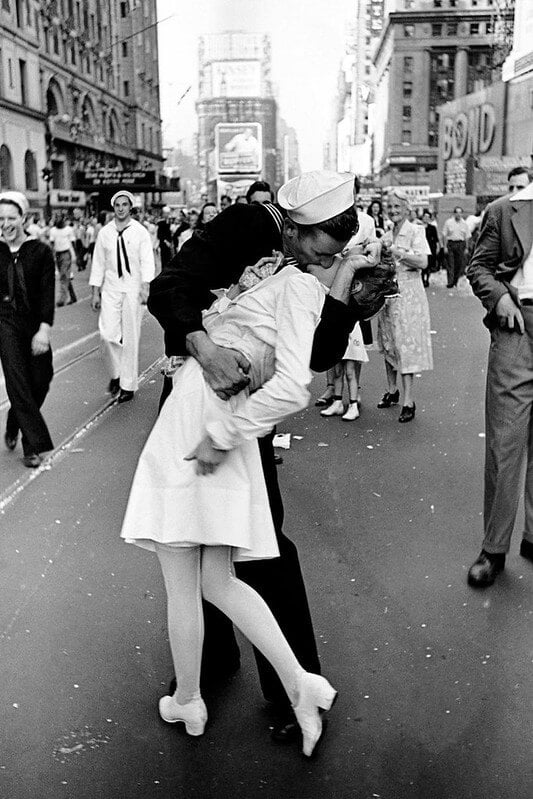
Alfred Eisenstaedt photographed a sailor kissing a woman in Times Square on August 14, 1945, the day Japan’s surrender was announced, without learning either person’s identity for decades. The woman was later identified as Greta Zimmer Friedman, a dental assistant in a nurse’s uniform, who said in interviews before her death that the sailor grabbed her without warning and that she did not consent to the moment being posed or repeated.
The photograph remains one of the most reproduced images of the twentieth century despite that later account.
Rosa Parks Fingerprinted
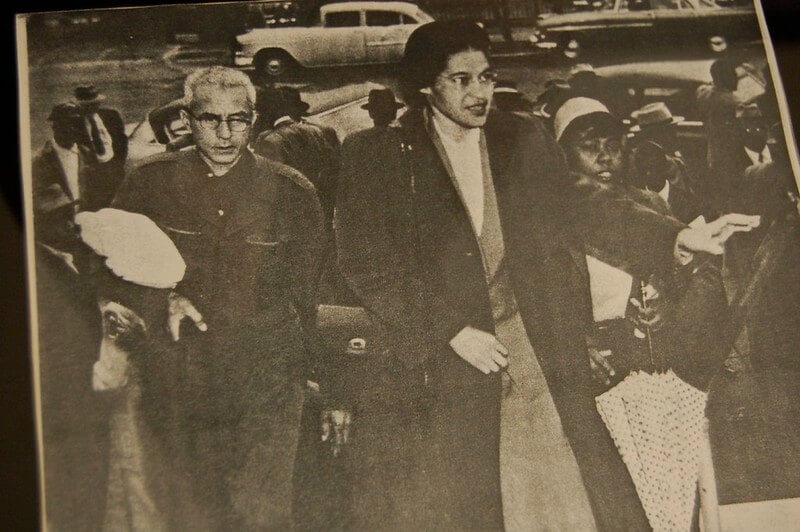
The widely circulated photograph of Rosa Parks being fingerprinted, often credited to Associated Press photographer Gene Herrick, was taken on February 22, 1956, not during her original arrest on December 1, 1955. No photograph exists of that first arrest; the image comes from a later roundup, when Parks and 88 other residents of Montgomery, Alabama, turned themselves in after being indicted for organizing the bus boycott.
Guerrillero Heroico
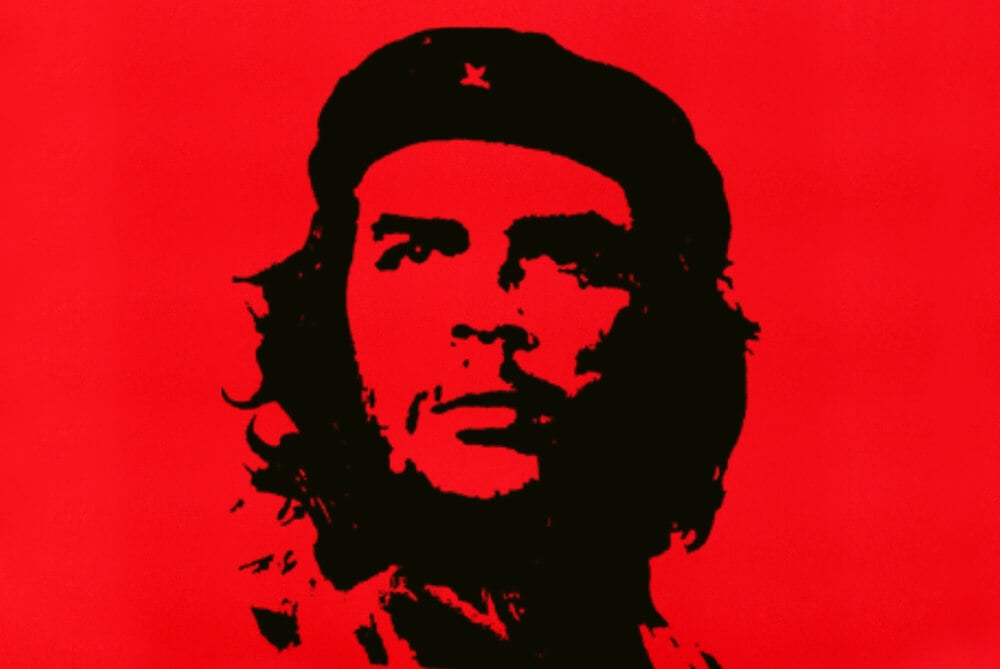
Alberto Korda photographed Che Guevara for less than a minute at a memorial rally in Havana on March 5, 1960, and the image sat unused for years before it became one of the most reproduced photographs in modern history. Korda never collected royalties for most of its use, citing his politics, though he did successfully sue a vodka company decades later for using the image in an advertisement without permission.
The original negative shows a palm tree and a man’s profile at the edges, both cropped out of the famous version.
The March on Washington
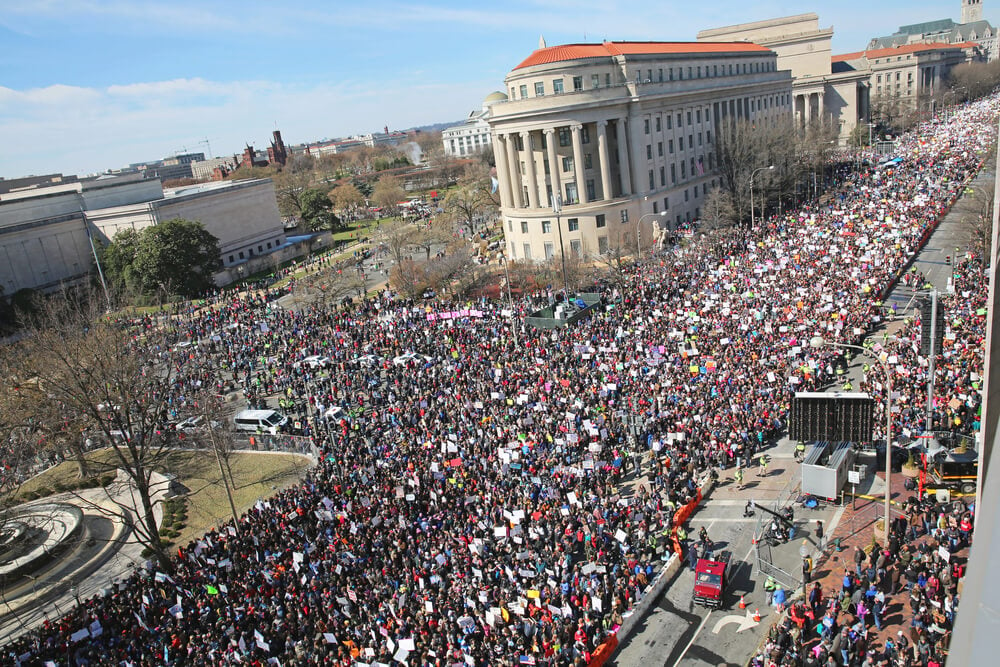
Photographs of the crowd gathered around the Lincoln Memorial on August 28, 1963, as Martin Luther King Jr. delivered his “I Have a Dream” speech, were taken by dozens of photographers working for wire services and magazines that day. Estimates of the crowd size ran as high as 250,000 people, making it one of the largest gatherings for a political demonstration in the country’s history to that point.
The speech itself was partly improvised, departing from King’s prepared remarks after gospel singer Mahalia Jackson reportedly called out to him from behind the podium.
Bloody Sunday at the Edmund Pettus Bridge
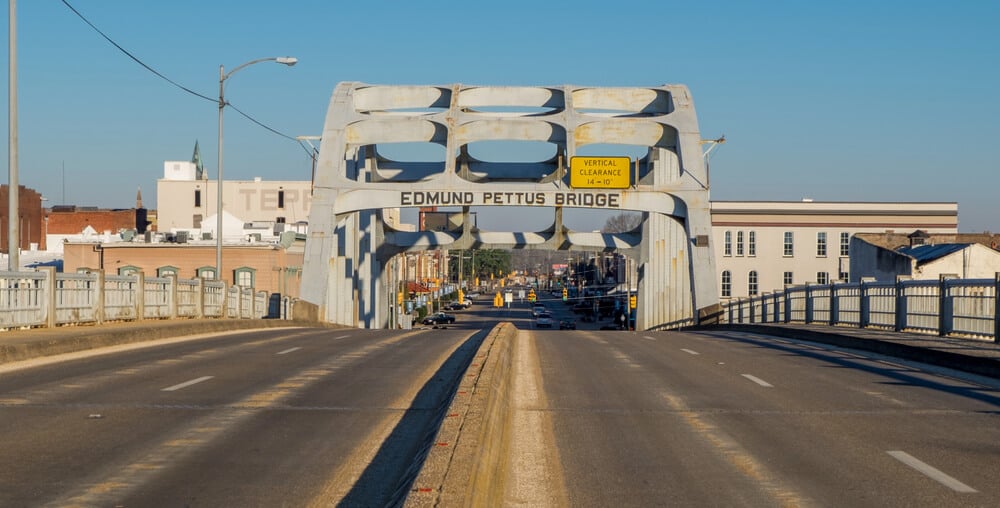
James “Spider” Martin, a 25-year-old staff photographer for The Birmingham News, captured Alabama state troopers attacking marchers with clubs and tear gas just after they crossed the Edmund Pettus Bridge in Selma on March 7, 1965. Martin later said he used one of his own cameras to block a blow from a trooper’s club during the chaos.
Images from that afternoon are widely credited with accelerating passage of the Voting Rights Act later that year.
Earthrise
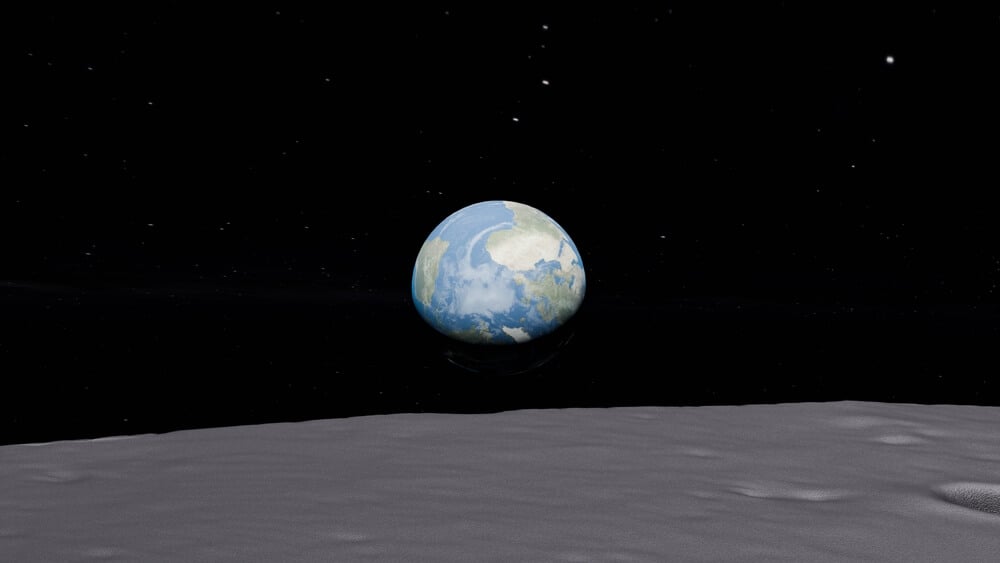
Astronaut William Anders photographed the Earth rising over the lunar horizon on December 24, 1968, during the Apollo 8 mission, using a modified Hasselblad camera. Anders later said the crew had trained intensely to photograph the moon and had given almost no thought to photographing their own planet until the view appeared unexpectedly through the capsule window.
Nature photographer Galen Rowell later called it the most influential environmental photograph ever taken.
Buzz Aldrin on the Moon
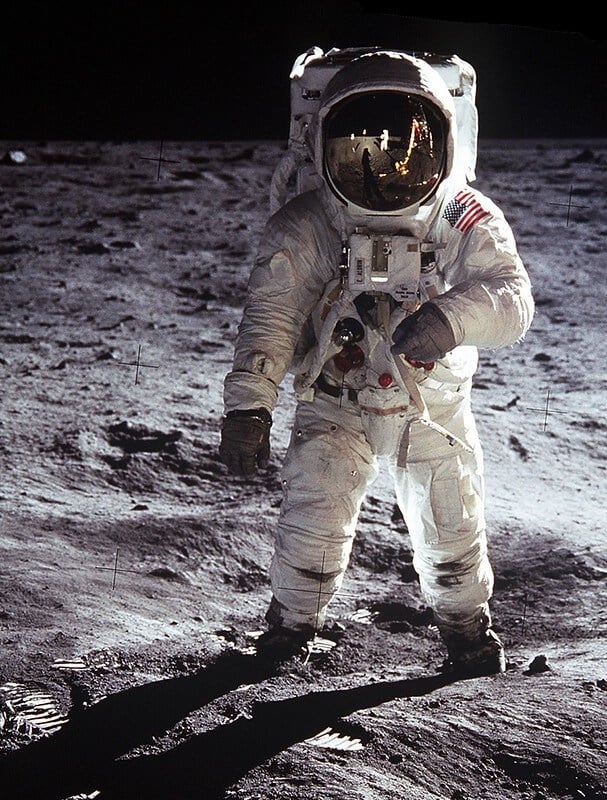
Neil Armstrong took the well-known photograph of Buzz Aldrin standing on the lunar surface on July 20, 1969, meaning the most famous image from the Apollo 11 moonwalk does not actually show the first man on the moon. Armstrong appears in the frame only as a reflection in Aldrin’s gold visor.
Fewer than a hundred photographs exist of the entire two-and-a-half-hour moonwalk.
Ali Standing Over Liston
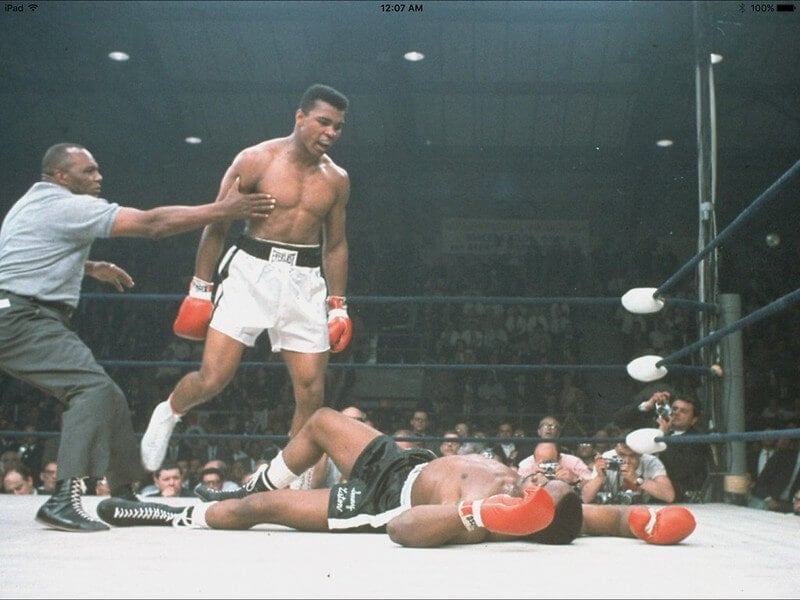
Neil Leifer photographed Muhammad Ali standing over a fallen Sonny Liston during their rematch in Lewiston, Maine, on May 25, 1965, shooting from an elevated position at ringside. Ali is shown shouting at Liston to get up, in a fight so short and so disputed that many in the arena that night said afterward they never saw the punch that ended it.
The bout remains one of the most scrutinized outcomes in boxing history.
Kent State
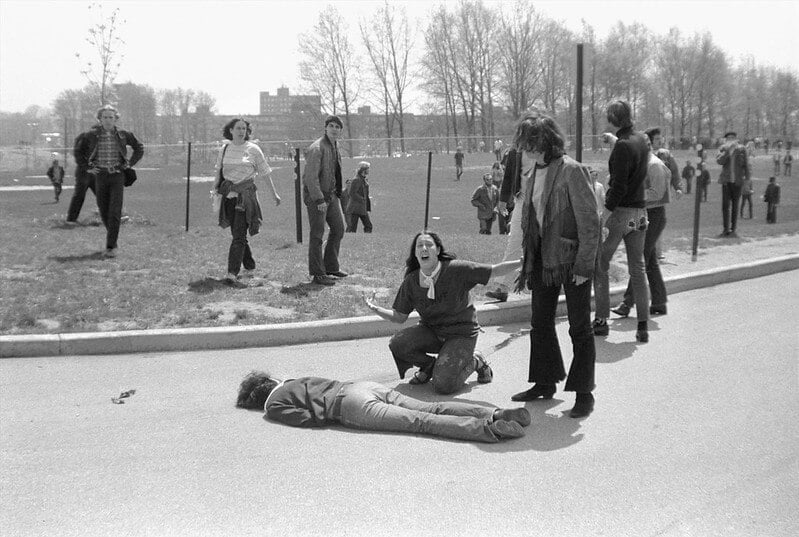
John Filo, a journalism student working as a campus photographer, captured Mary Ann Vecchio kneeling over the body of Jeffrey Miller moments after Ohio National Guard troops opened fire on Kent State University students on May 4, 1970. Filo was not a professional photographer at the time and developed the film himself before the Associated Press picked it up.
The image won the Pulitzer Prize the following year and remains a defining photograph of opposition to the Vietnam War on American soil.
Abbey Road
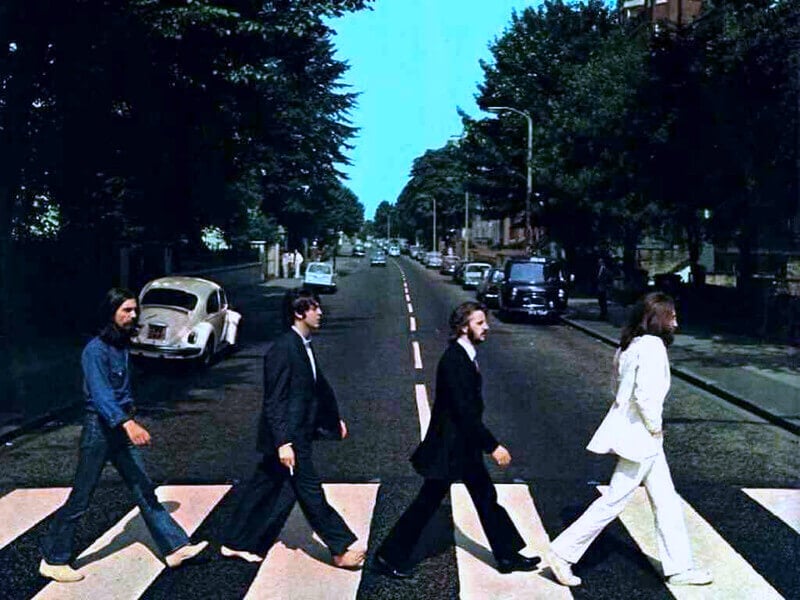
Iain Macmillan photographed the Beatles crossing Abbey Road in London on August 8, 1969, taking only six frames in about ten minutes while a police officer briefly held up traffic. Paul McCartney sketched the crossing pattern for Macmillan in advance, and the band chose the fifth frame, in which all four members are in step.
The crosswalk has since become one of the most visited music landmarks in the world.
The Terror of War
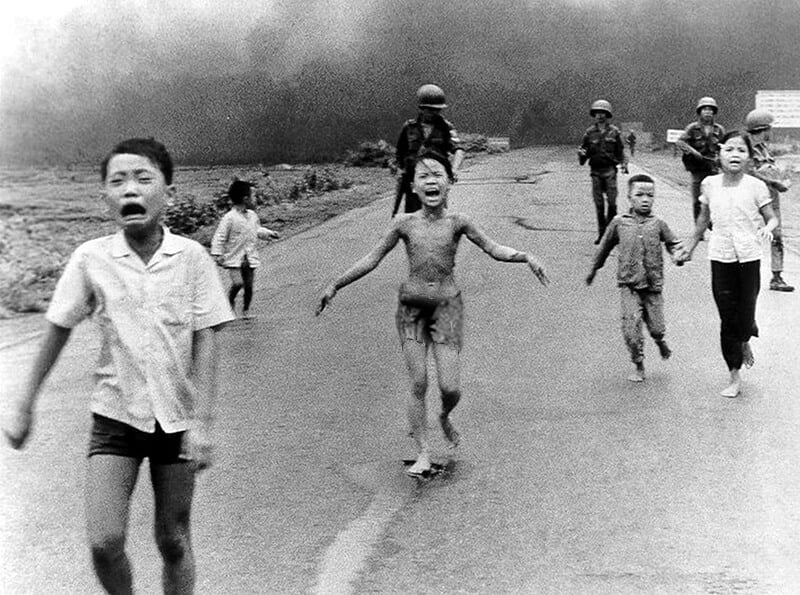
Nick Ut photographed nine-year-old Kim Phuc running down a road near Trang Bang, Vietnam, on June 8, 1972, after a napalm strike burned much of her body. Ut drove her to a hospital himself after taking the picture, and editors at the Associated Press initially hesitated to run the image because it showed a child without clothing, before deciding its news value outweighed that concern.
Phuc later settled in Canada and has spoken publicly for decades about the photograph’s role in her life.
Tank Man
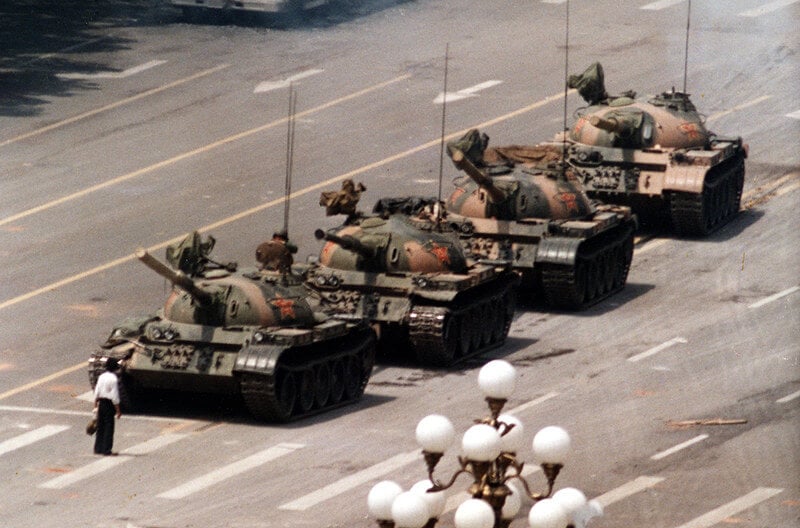
An unidentified man stood in front of a column of tanks leaving Tiananmen Square on June 5, 1989, the day after Chinese troops suppressed pro-democracy protests, and at least four photographers captured the moment independently from nearby hotel balconies. Jeff Widener’s version for the Associated Press became the most widely circulated.
Neither the man’s identity nor his fate afterward has ever been confirmed.
The Blue Marble
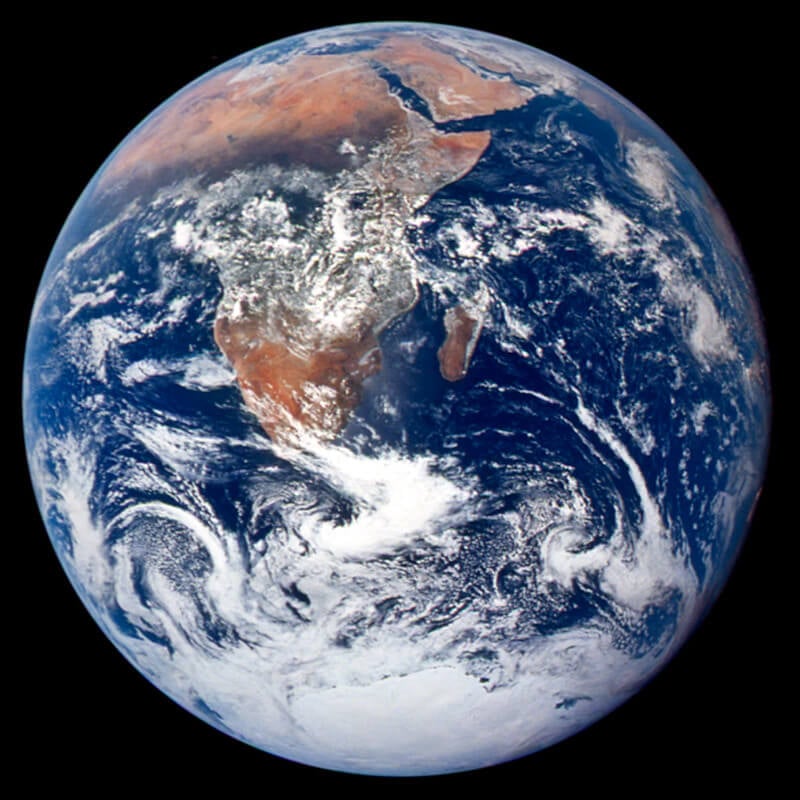
The crew of Apollo 17 photographed the fully illuminated Earth on December 7, 1972, roughly 18,000 miles from the planet’s surface, in what remains one of the most reproduced photographs ever taken. Because the crew was traveling away from the sun at the time, it was one of the few Apollo missions positioned to capture a fully lit Earth in a single frame.
Credit is typically given to the crew collectively, since no one aboard ever definitively claimed the exact shutter release.
Afghan Girl
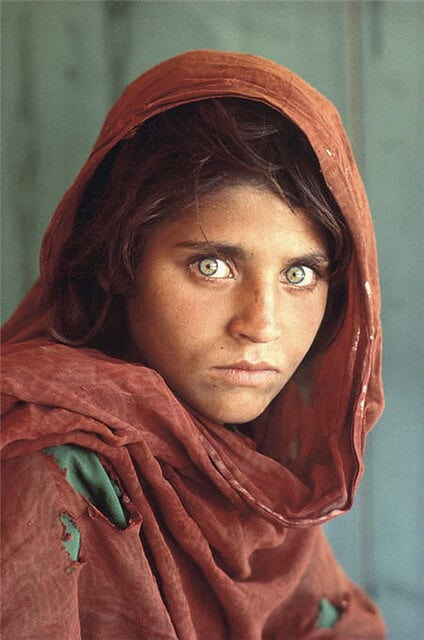
Steve McCurry photographed a twelve-year-old refugee with green eyes at a camp in Pakistan in 1984, and the image ran on the cover of National Geographic without her name attached. She was not located again until 2002, when McCurry and a National Geographic team used iris-recognition technology to confirm her identity as Sharbat Gula.
Gula said she had seen the photograph only once or twice in the eighteen years between the sittings.
The Falling Soldier
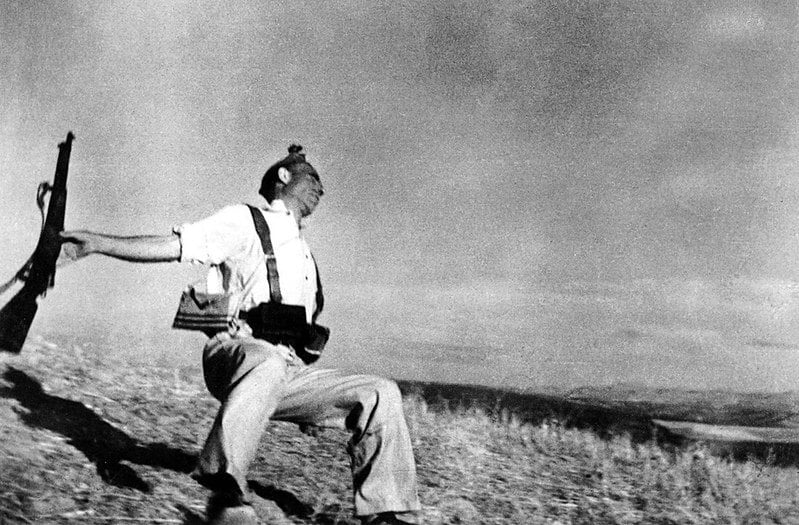
Robert Capa’s photograph, taken during the Spanish Civil War in 1936, purports to show a Loyalist militiaman at the instant he was fatally struck. The image made Capa’s reputation almost overnight, but historians have argued for decades over whether the moment was staged, partly because the location Capa cited does not match records of fighting on the date given.
No definitive resolution has ever been reached, and the debate itself has become part of the photograph’s legacy.
The Magnificent Eleven
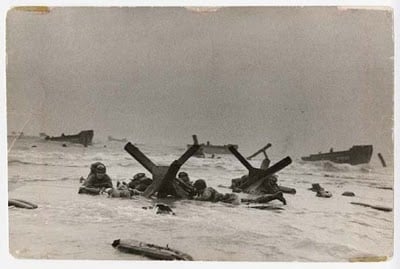
Robert Capa photographed the Normandy invasion from the surf at Omaha Beach on June 6, 1944, shooting roughly 106 frames before returning to London. A darkroom error at Life magazine destroyed all but eleven negatives from the roll, and the surviving images, blurred by the chaos of the landing, became some of the only combat photographs ever taken during the invasion itself.
Film historians have since disputed parts of the original account of how the negatives were lost, though the eleven surviving frames remain unchanged.
The Woodstock Embrace
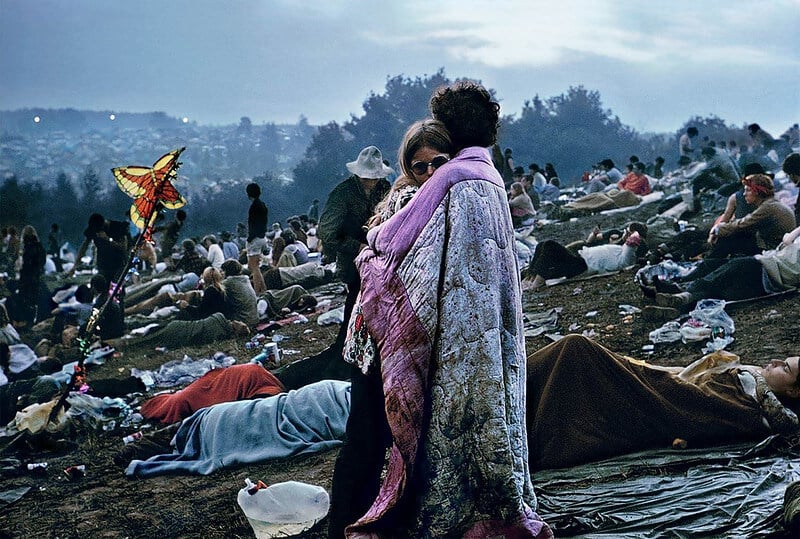
Burk Uzzle photographed Bobbi and Nick Ercoline wrapped in a blanket at the Woodstock festival in August 1969, and the image became the cover of the “Woodstock” soundtrack album the following year. The couple did not know they had been photographed until friends recognized them on the album cover in stores.
They married in 1971 and have spoken about the photograph at anniversary events for the festival for decades since.
The Challenger Explosion
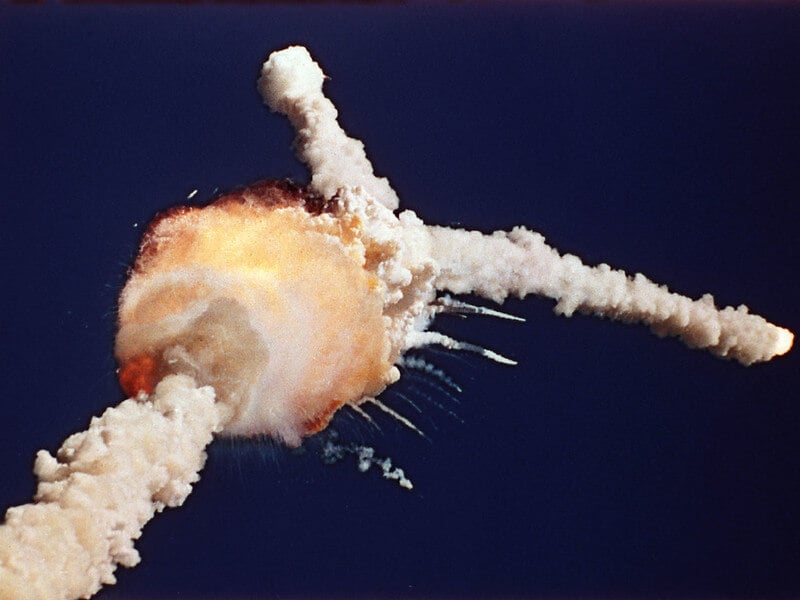
Bruce Weaver, a freelance photographer working for the Associated Press, captured the space shuttle Challenger breaking apart 73 seconds after liftoff on January 28, 1986, killing all seven crew members, including schoolteacher Christa McAuliffe. Weaver had not yet finished his roll of film when the shuttle disintegrated, while several nearby photographers had to pause to reload, leaving him with one of the clearest sequences of the disaster.
The mission had drawn unusual public attention because McAuliffe was set to become the first teacher in space.
The Vulture and the Child
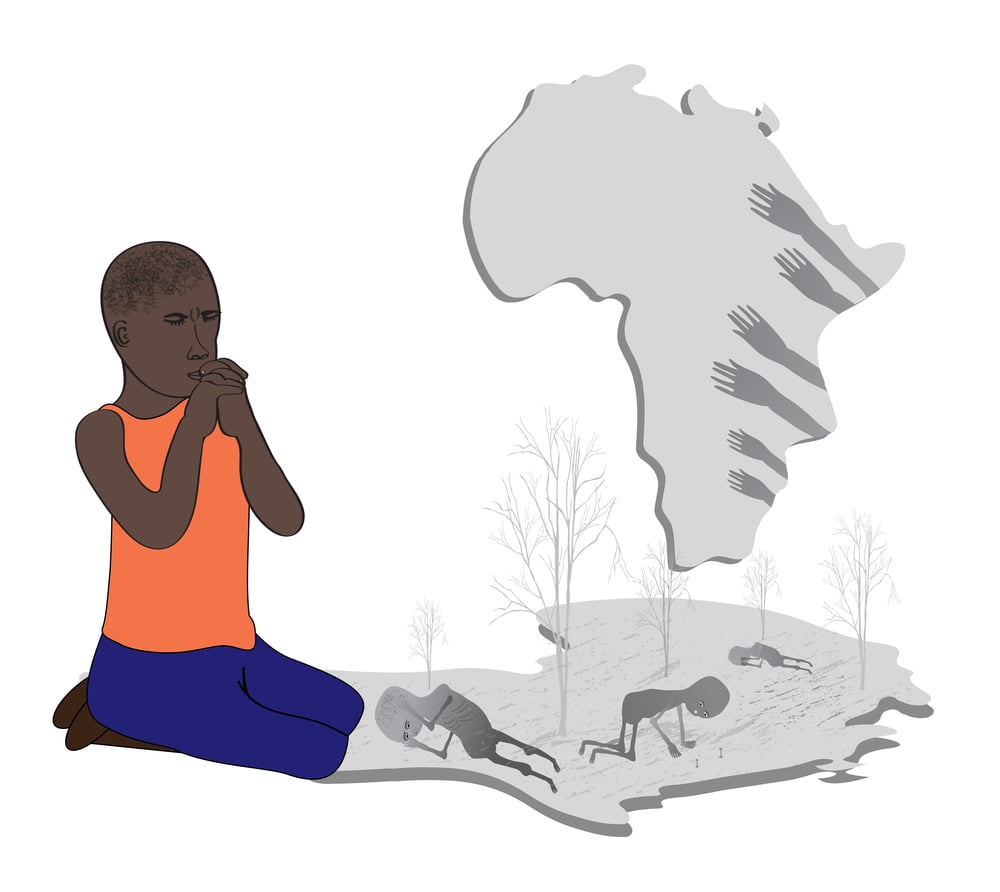
Kevin Carter photographed a starving child in Sudan in March 1993 as a vulture waited nearby, and the image ran in the New York Times before winning the Pulitzer Prize the following year. Carter faced intense public criticism afterward for not intervening more directly, though colleagues later said aid workers were operating nearby and that photographers on assignment were generally instructed not to touch famine victims because of disease risk.
The photograph remains one of the most debated images in the history of photojournalism.
Raising the Flag at Ground Zero
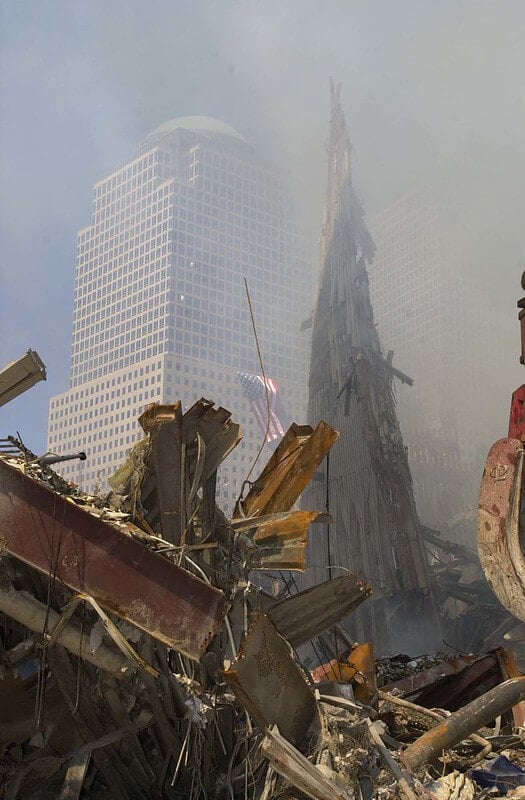
Thomas Franklin, a photographer for The Bergen Record, photographed three New York City firefighters raising an American flag amid the wreckage of the World Trade Center on the afternoon of September 11, 2001. The flag itself had been taken from a nearby yacht moored in the Hudson River.
The image was widely compared to the Iwo Jima flag-raising photograph from 1945 within days of its publication.
The Falling Man
Richard Drew, an Associated Press photographer, captured a man falling from the North Tower of the World Trade Center on September 11, 2001, in a sequence of frames taken roughly fifteen seconds apart. Newspapers that ran the image on September 12 received enough complaints that most American publications never printed it again, and the man’s identity has never been officially confirmed despite years of investigative reporting.
Drew has said the photograph remains one of the only clear, dignified images to survive from that specific and otherwise chaotic moment.
The Situation Room
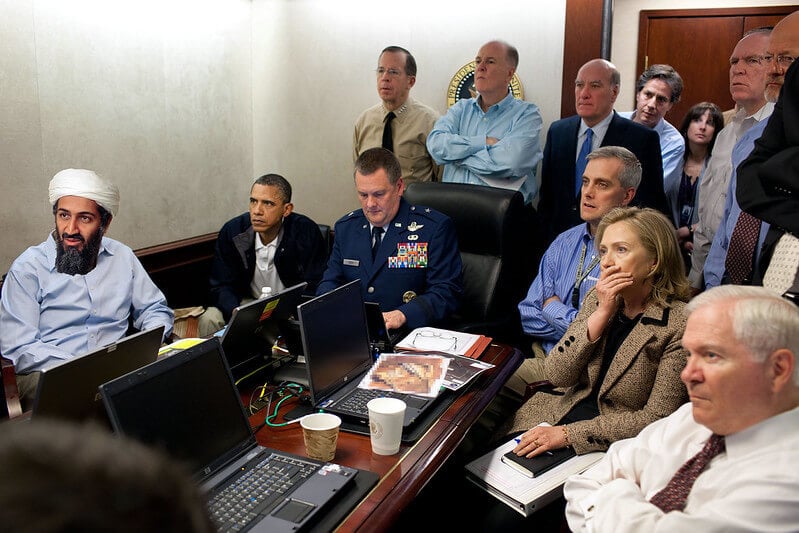
Pete Souza, the White House’s official photographer, took the photograph of President Obama and his national security team watching the raid on Osama bin Laden’s compound on May 1, 2011. The White House later clarified that the video feed the group was watching did not show the raid’s final moments in real time due to a communications gap.
Secretary of State Hillary Clinton’s hand raised to her mouth became one of the photo’s most discussed details; she later said in interviews that she may have been reacting to something as simple as a cough.
Pillars of Creation
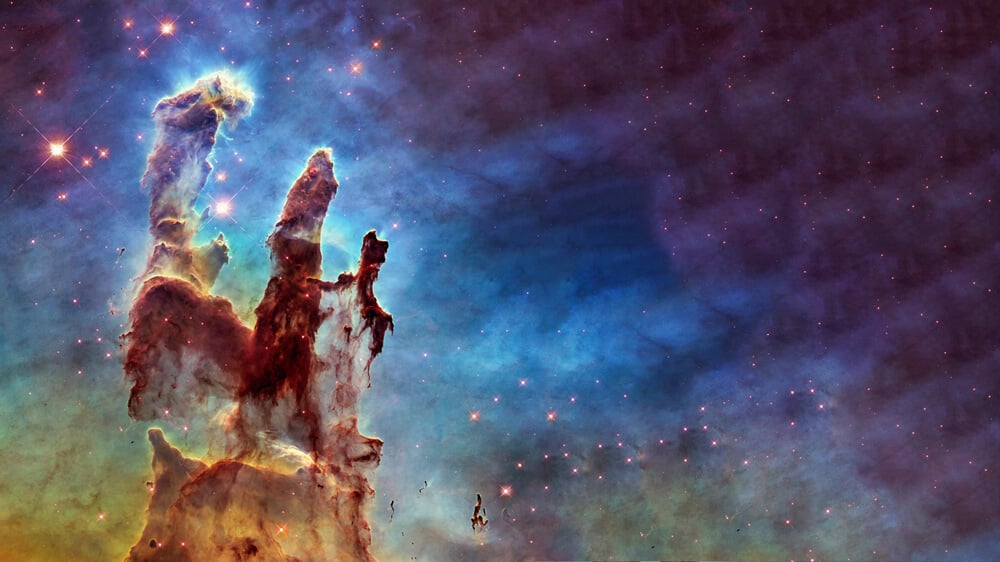
NASA’s Hubble Space Telescope captured the towering columns of gas and dust in the Eagle Nebula in 1995, roughly 6,500 light-years from Earth, in an image that became shorthand for the telescope’s entire mission. The structures are so large that light takes several years to cross a single column, meaning the picture shows the region as it looked long before the telescope existed.
A follow-up image taken in 2014 with an upgraded camera revealed the same columns in far greater detail.
The Black Power Salute
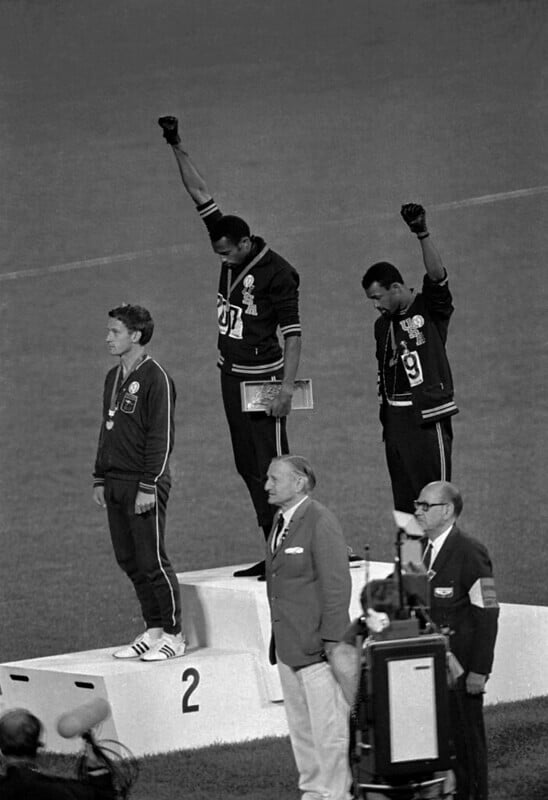
John Dominis photographed Tommie Smith and John Carlos raising gloved fists on the medal stand at the 1968 Mexico City Olympics after winning gold and bronze in the 200-meter sprint. Both athletes were expelled from the Olympic Village within days and faced years of professional and personal consequences after the games ended.
Australian silver medalist Peter Norman, who wore a human rights badge in solidarity on the stand that day, faced his own lasting consequences back home and remained close friends with both men for the rest of his life.
The Weight of a Single Frame
What separates these photographs from the millions taken alongside them is rarely the equipment or even the skill involved. Most were taken quickly, by people who had no way of knowing what they had captured until the picture was already circulating far beyond their control.
That unpredictability is part of what keeps them alive. A generation does not choose the images that come to define it; the images simply outlast every attempt to replace them, and decades later, the argument over what really happened in the frame is often still not settled.
More from Go2Tutors!

- The Romanov Crown Jewels and Their Tragic Fate
- 13 Historical Mysteries That Science Still Can’t Solve
- Famous Hoaxes That Fooled the World for Years
- 15 Child Stars with Tragic Adult Lives
- 16 Famous Jewelry Pieces in History
Like Go2Tutors’s content? Follow us on MSN.



