29 Toys Advertised During Saturday Cartoons
Saturday morning cartoons were a marketing machine long before anyone used the phrase. In the 1950s, toy makers discovered that a thirty-second commercial could reach a million children at once, and in the 1980s deregulation turned entire shows into toy advertisements.
These 29 toys all rode that wave, whether they arrived as simple springs and putty or as heavily licensed action lines. Their ads, jingles, and catchphrases are as memorable as the products.
Mr. Potato Head Went on Television First
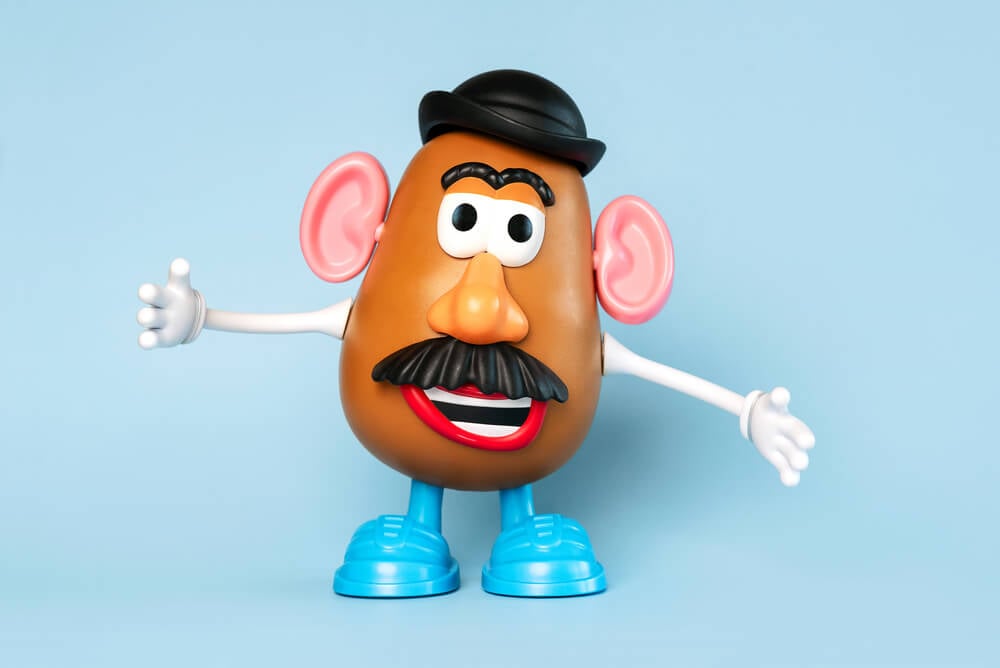
Hasbro introduced Mr. Potato Head in 1952, and on April 30 of that year it became the first toy advertised on television. Early kits sold only plastic faces to push into a real potato. Hasbro added a plastic body in 1964 after complaints about rotting vegetables and new safety rules about sharp pins.
Mechanical engineer Richard James knocked a spring off a shelf in 1943 and noticed how it walked down in a series of steps. His wife, Betty, named it Slinky, and a demonstration at Gimbels department store in Philadelphia on November 27, 1945, sold all 400 units in about 90 minutes. By the end of that holiday season, about 22,000 Slinkys had been sold.
Silly Putty Came From a Failed Rubber
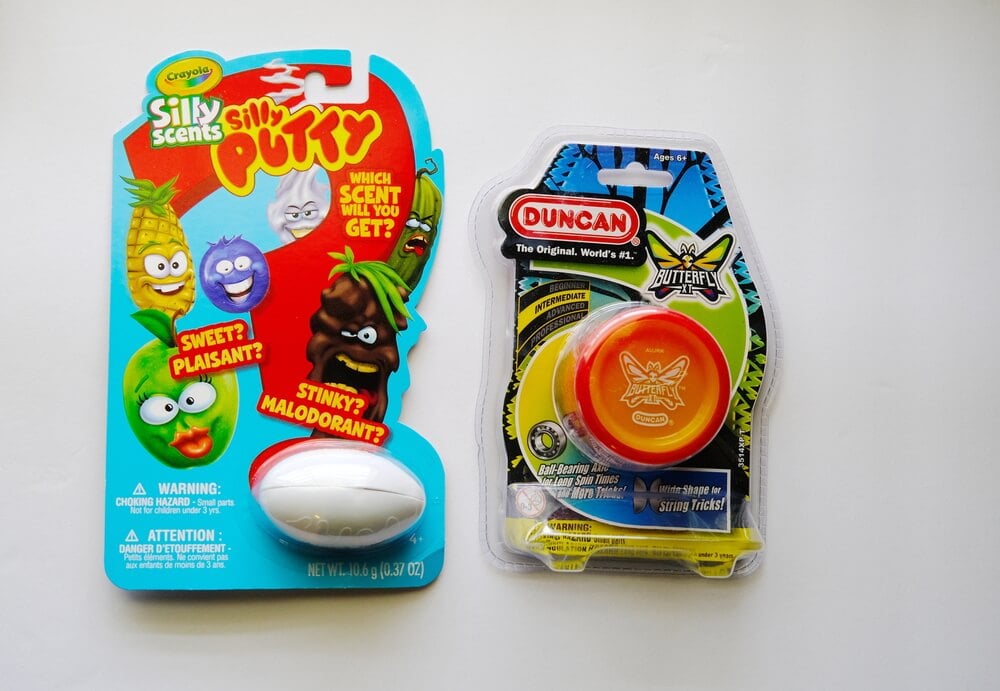
General Electric scientist James Wright invented Silly Putty in 1943 while trying to make synthetic rubber, experimenting with boric acid and silicone oil. The substance bounced and stretched but could not replace rubber. It found a second life as a toy.
Barbie Sold 351,000 in a Year
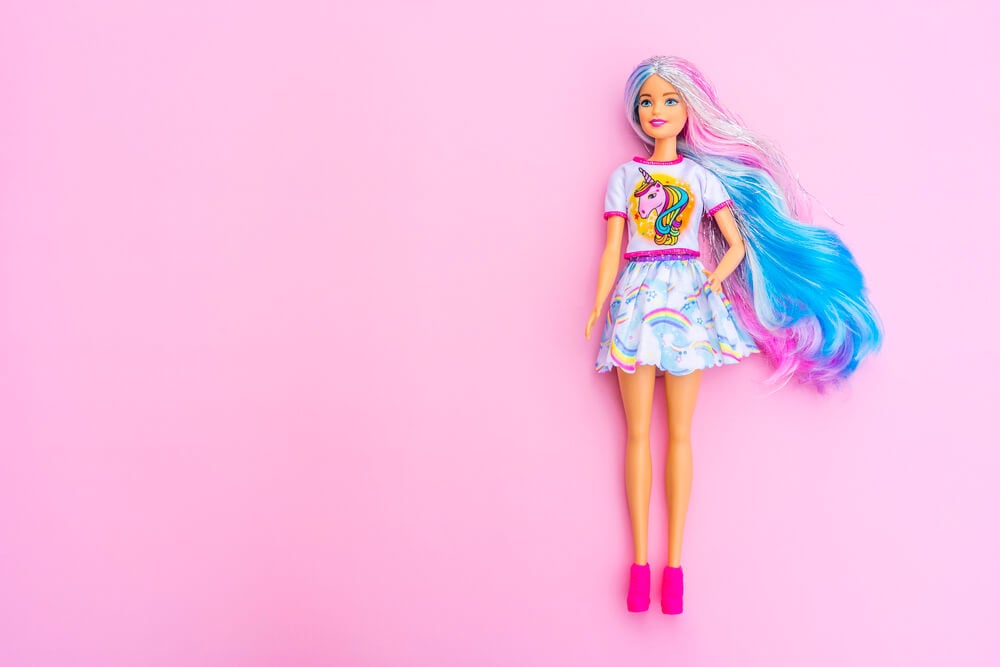
Mattel introduced Barbie in 1959 and sold 351,000 dolls within 12 months. Ruth Handler created the doll, and her husband, Elliot, reportedly doubted that mothers would buy it. Mattel had been founded only 14 years earlier, in 1945.
Chatty Cathy Talked Back
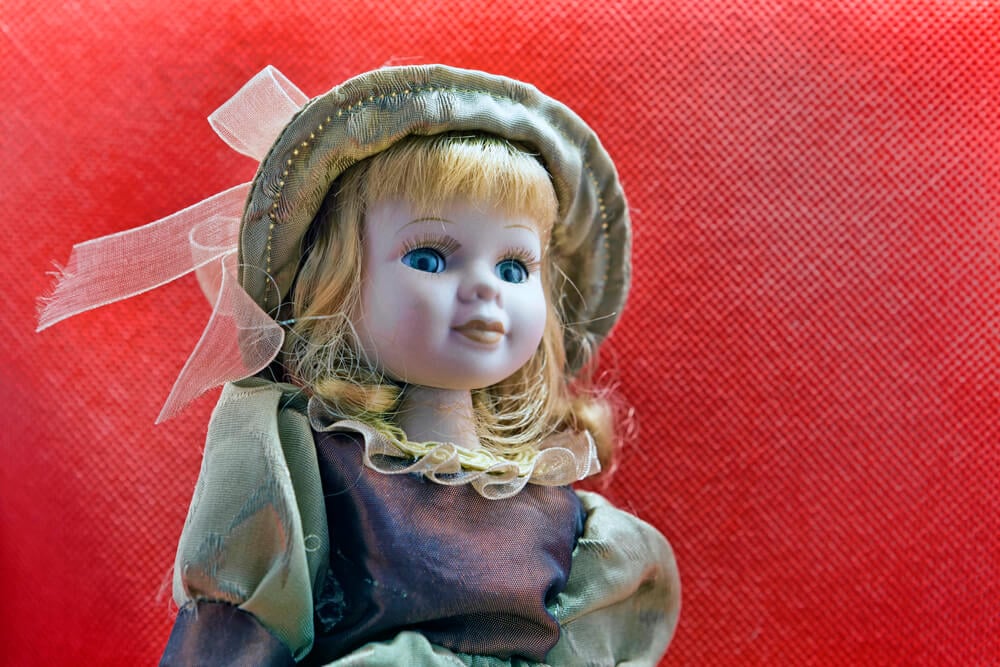
Mattel’s Chatty Cathy, produced from 1959 to 1965, was a pull-string doll that could speak, one of the first dolls able to do so. In 1963 her design was updated with long twin ponytails. Mattel kept the doll in production for six years.
Play-Doh Began as a Wallpaper Cleaner
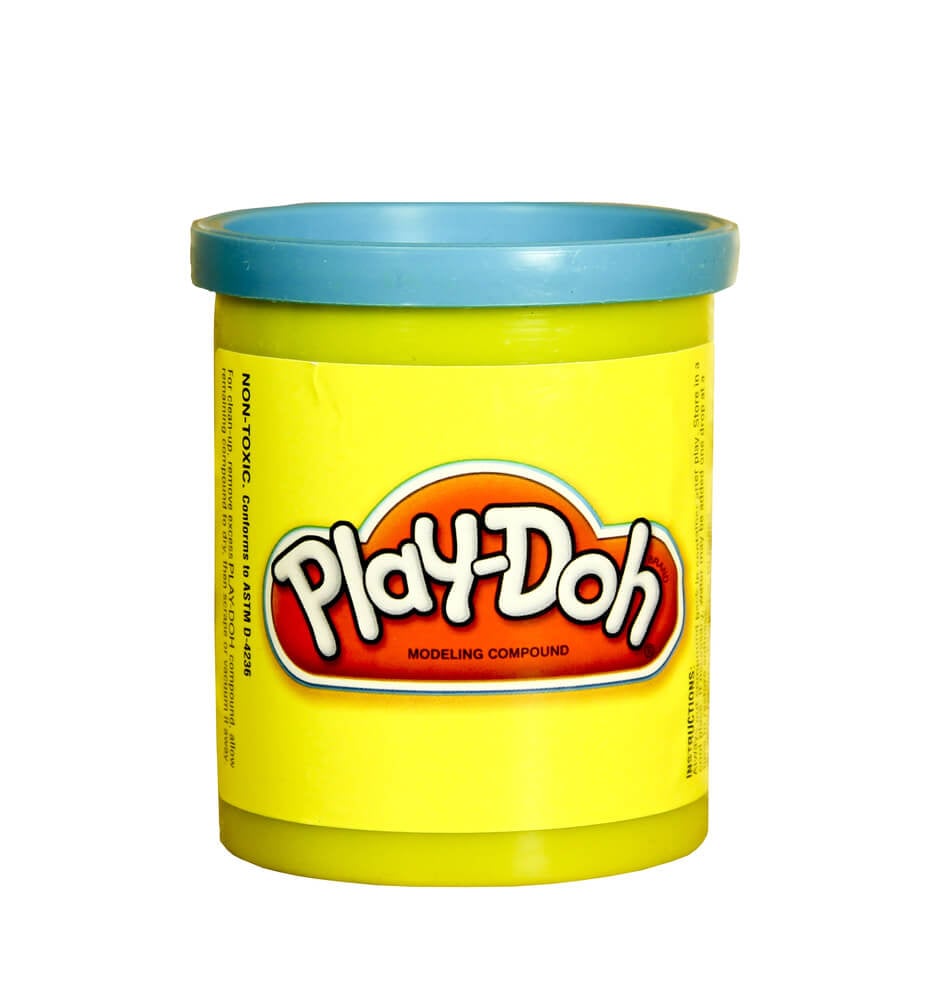
In the mid-1950s, Joe McVicker’s family firm Kutol Products formulated a putty-like substance to rub coal soot off wallpaper. After a nursery school teacher suggested that children loved shaping it, the compound was renamed Play-Doh in 1956. It was originally offered only in white.
Etch A Sketch Cost $2.99
The Etch A Sketch went on sale on July 12, 1960, for $2.99, after the Ohio Art Company paid a then-record $25,000 for the rights to a French invention called L’Ecran Magique. The company sold 600,000 units in the first year, supported by a heavy television advertising campaign. Inventor Andre Cassagnes was a French electrician.
Easy-Bake Oven Baked With Light Bulbs
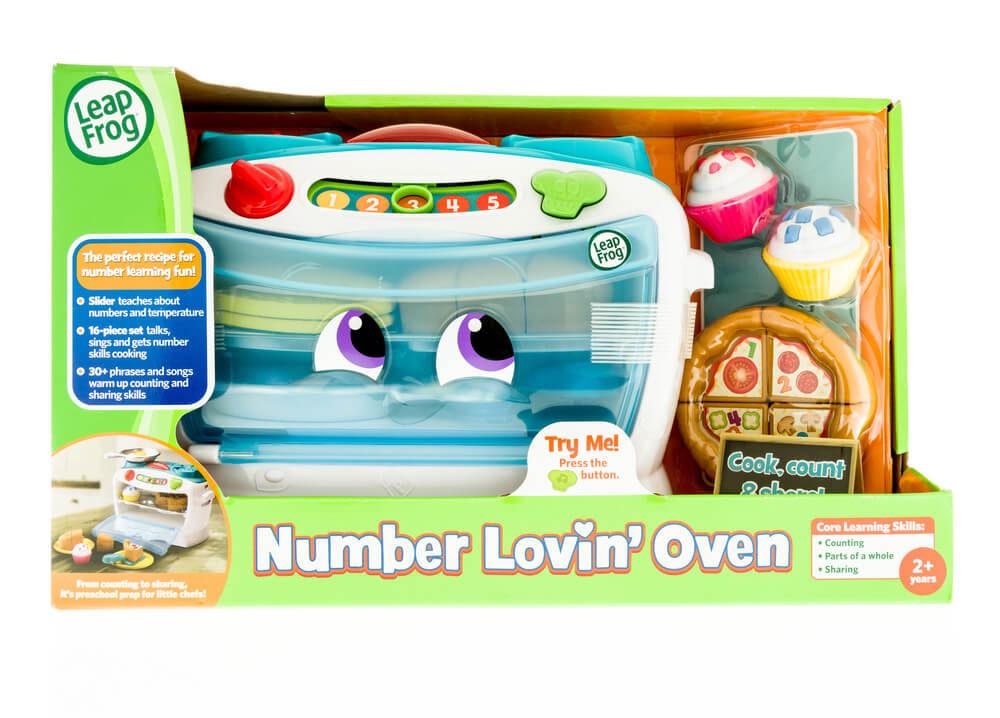
Kenner introduced the Easy-Bake Oven in 1963, heating it with two 100-watt incandescent bulbs, one above the food tray and one below. It retailed for $15.95 and sold 500,000 units in its first year. More than 30 million Easy-Bake ovens have been sold since.
Creepy Crawlers Baked Rubbery Bugs
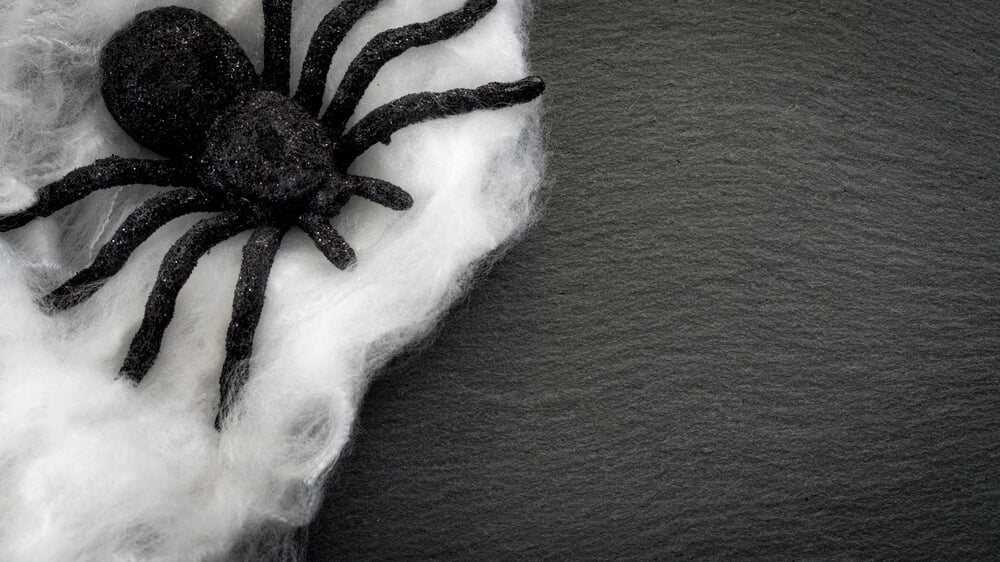
Mattel’s Creepy Crawlers, introduced in 1964, let children pour a liquid called Plastigoop into metal molds and heat it on a small electric hot plate. The finished bugs came out semi-solid and rubbery.
Spirograph Came From a British Engineer
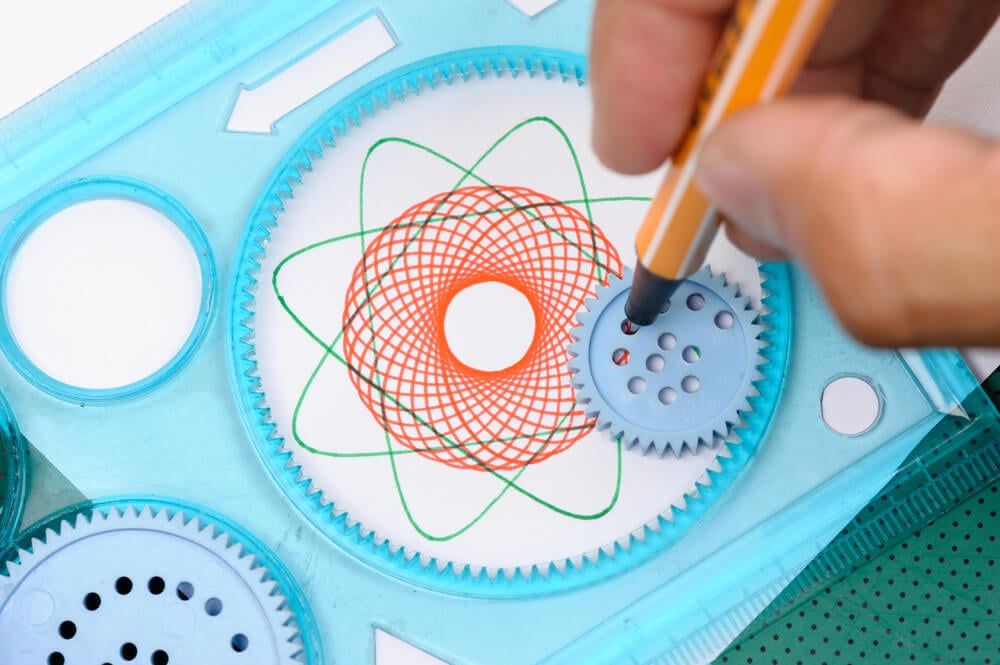
British engineer Denys Fisher developed Spirograph in the early 1960s, and it was first shown at the Nuremberg Toy Fair in 1965. Kenner brought it to the United States in 1966, and it topped American best-seller lists for two years running. A set of plastic gears and rings let children draw looping geometric patterns with a pen.
Lite-Brite Turned Pegs Into Pictures
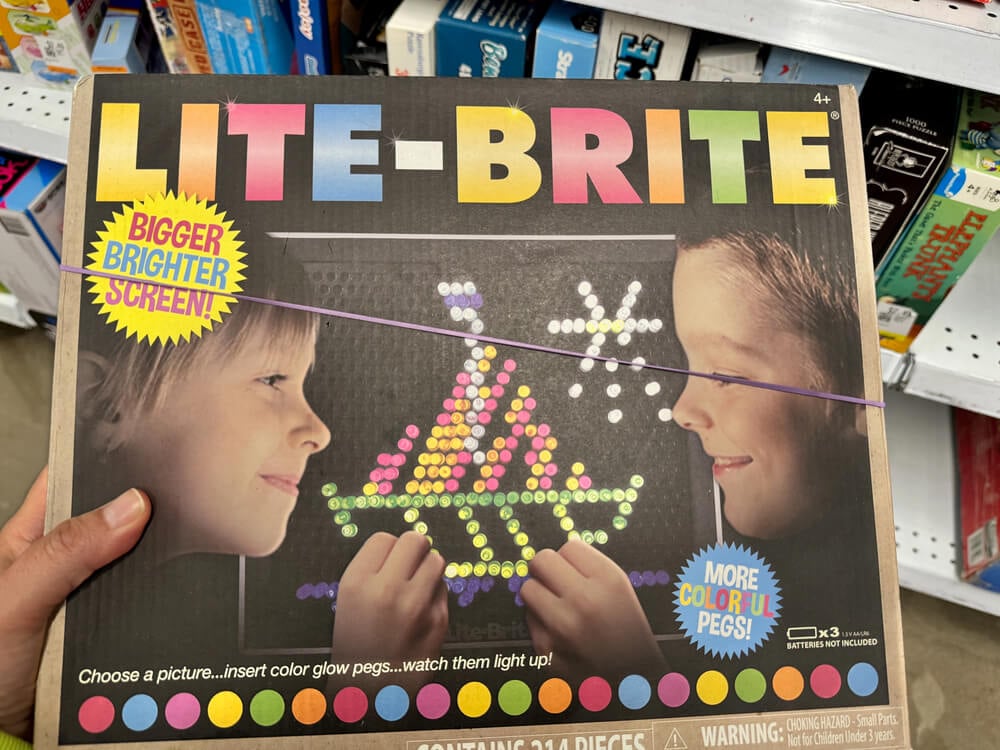
Hasbro released Lite-Brite in 1967, a light box with a perforated screen and hundreds of colored plastic pegs. A black sheet of paper blocked the light except where pegs poked through, creating a glowing picture. Hasbro later sold pattern sheets featuring licensed characters, including My Little Pony and Transformers.
Hot Wheels Sold 16 Million Cars in a Year
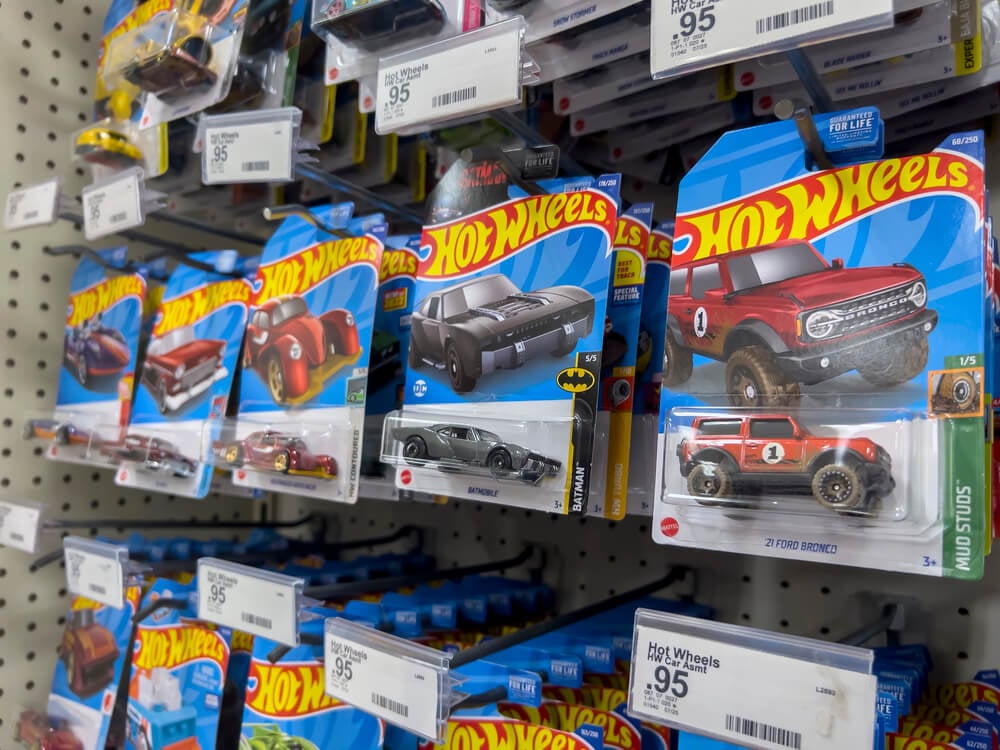
Mattel introduced Hot Wheels on May 18, 1968, with 16 cars known as the Sweet 16, led by the Custom Camaro. About 16 million cars were sold that first year, and a Hot Wheels cartoon series sponsored by Mattel premiered on ABC in 1969. Elliot Handler, who conceived the line, is said to have exclaimed that the wheels were hot.
Weebles Wobbled but Did Not Fall
Hasbro’s Weebles, released in 1971, were egg-shaped figures about three inches tall that righted themselves thanks to a weighted base. Advertising built its jingle around that stability. More than 100 different Weebles were produced, and Time magazine later named them one of the greatest toys of all time.
Stretch Armstrong Was Filled With Corn Syrup

Kenner’s Stretch Armstrong arrived in 1976 as a 10-inch latex figure filled with corn syrup that could stretch to about four feet. The figure remained popular until 1979 and inspired several spin-offs. Collectors today pay more than $1,000 for examples in pristine condition.
Star Wars Figures Earned $100 Million in a Year
Kenner’s Star Wars action figures became a phenomenon after the film’s release, and demand was so high by Christmas 1978 that the company made about $100 million in the first year. Kenner had initially planned to keep its Star Wars line small.
Simon Debuted at Studio 54
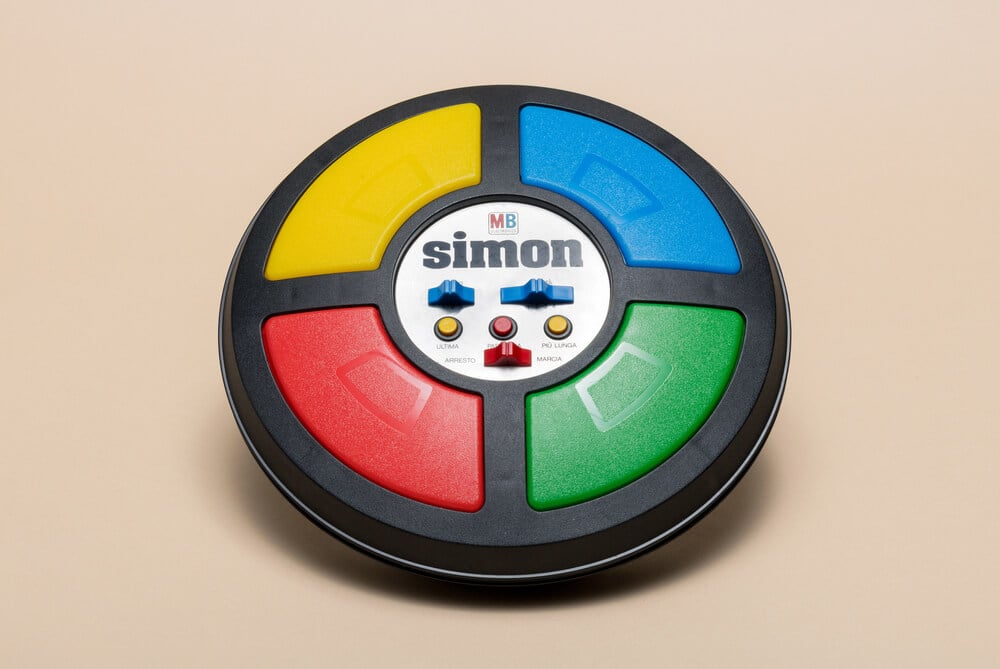
Milton Bradley launched the electronic game Simon in 1978 with a party at the New York nightclub Studio 54. Players had to repeat a growing sequence of lights and tones. The TMS1000 chip that ran Simon also appeared in Texas Instruments’ Speak & Spell.
Speak & Spell Talked With a Chip
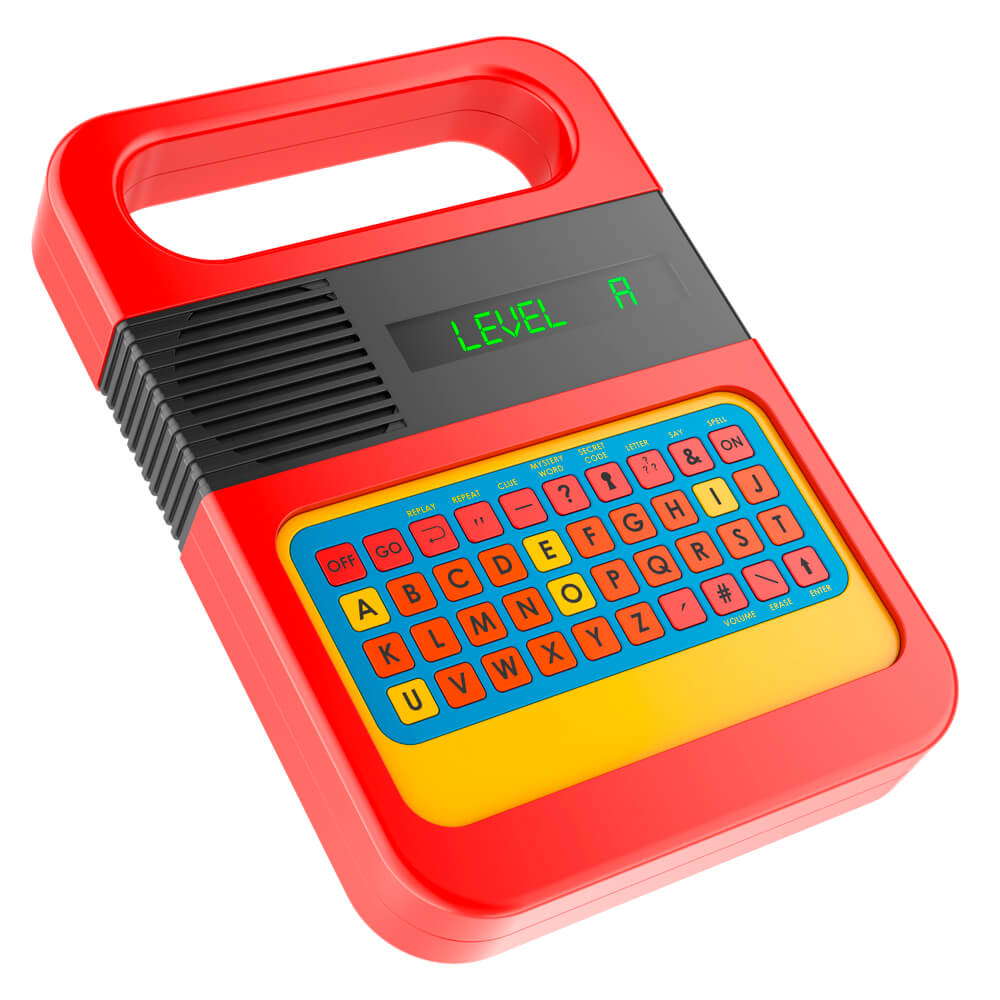
Texas Instruments introduced Speak & Spell in June 1978, and it contained what was billed as the first single-chip voice synthesizer. It sold for about $50 and quizzed children on more than 200 commonly misspelled words. Its robotic voice later became familiar to moviegoers through the 1982 film E.T.
He-Man Arrived Before His Cartoon
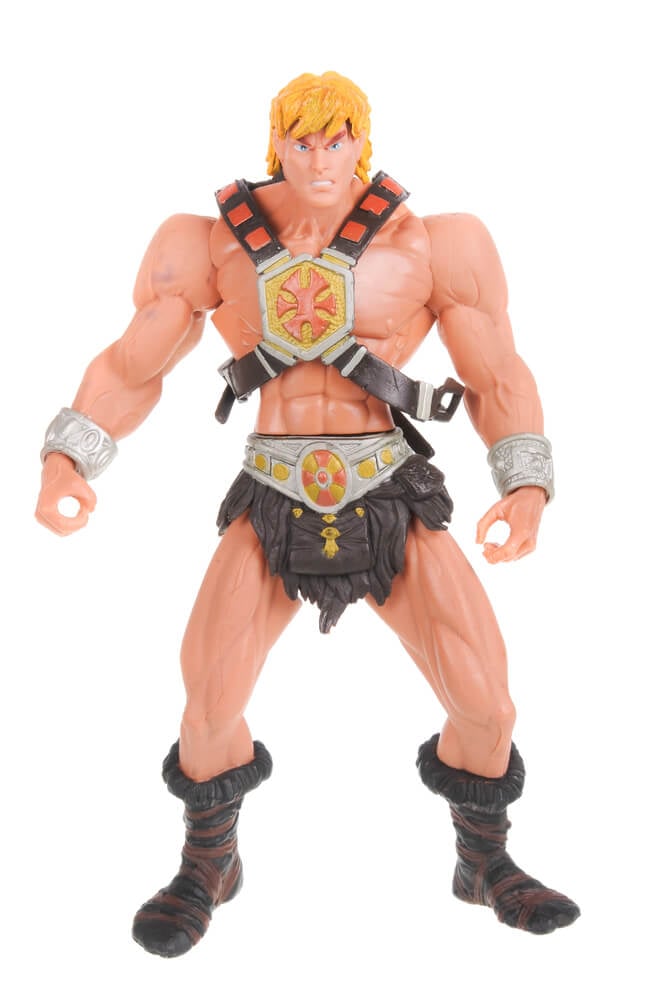
Mattel launched its Masters of the Universe toys in 1982, and the Filmation cartoon followed in 1983 to give the characters their backstory. The toys featured He-Man, Skeletor, and other muscle-bound figures. Deregulation of children’s television in the 1980s allowed shows built around toy lines.
G.I. Joe Returned as a Real American Hero
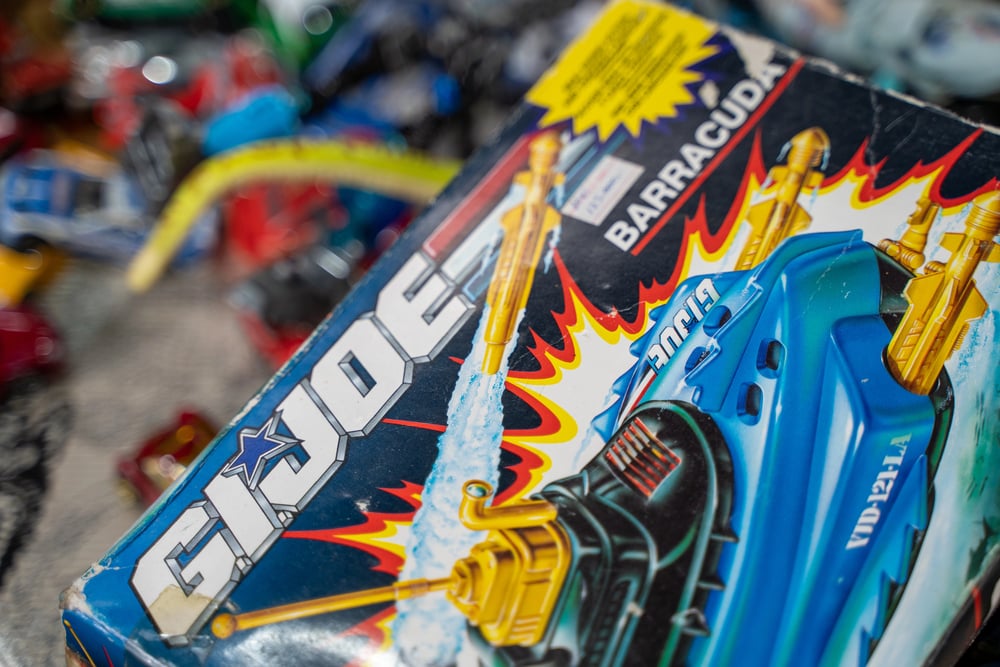
Hasbro relaunched G.I. Joe in 1982 as a line of smaller figures under the title A Real American Hero. A Marvel and Hasbro animated series followed in 1983 to promote the rebooted line. The original G.I. Joe line dated to 1964.
My Little Pony Galloped In
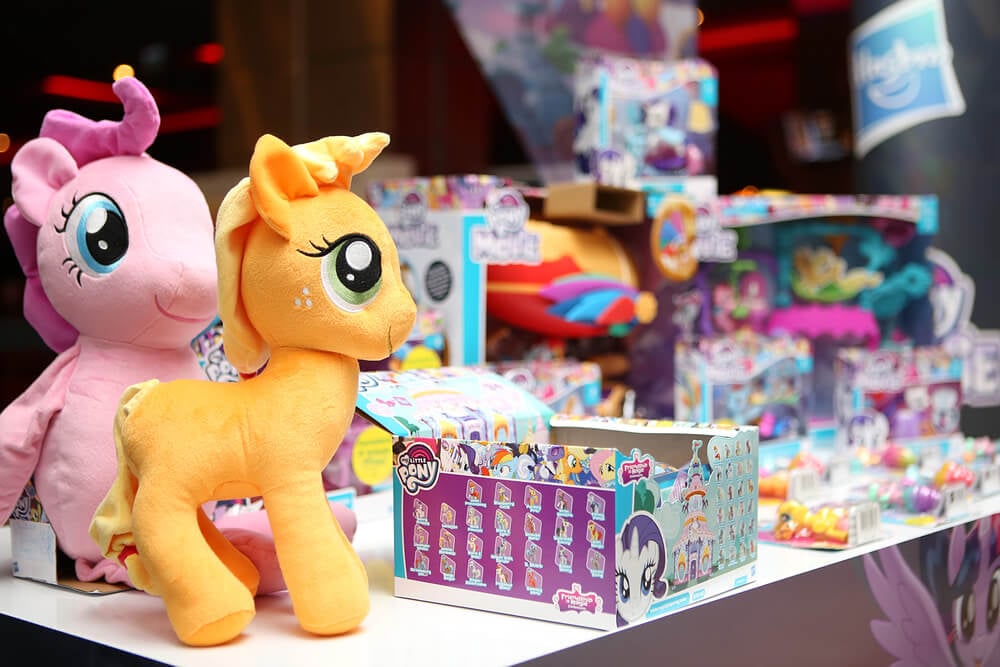
Hasbro launched My Little Pony in 1982, two years before it acquired Milton Bradley in 1984. The brand’s colorful ponies became a staple of Saturday morning advertising. Lite-Brite eventually offered My Little Pony pattern sheets, a sign of how often toy brands crossed over.
Strawberry Shortcake Arrived in 1979
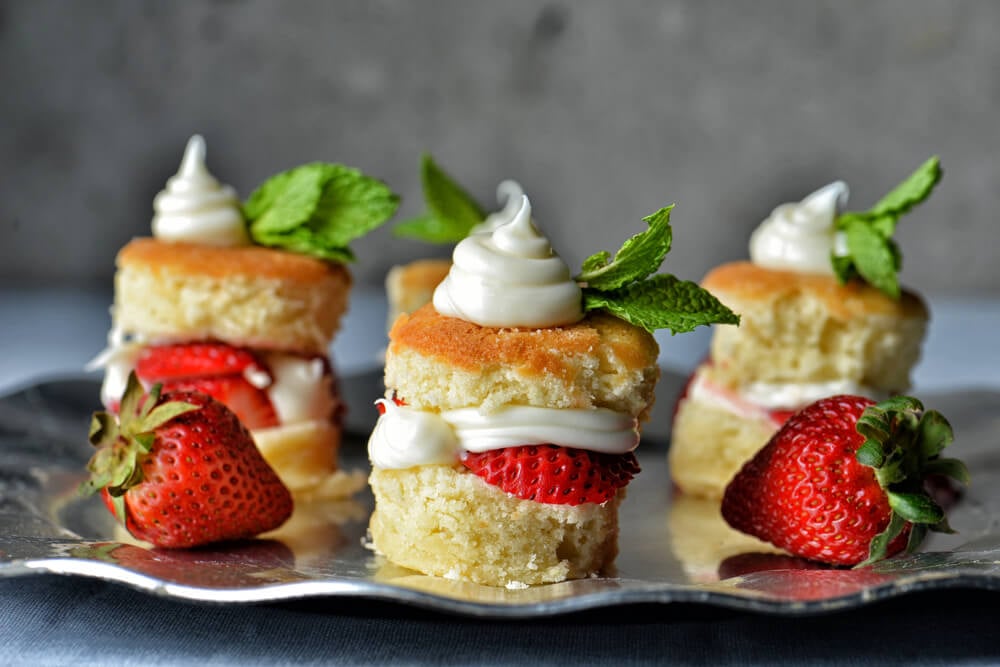
Strawberry Shortcake debuted in 1979 and became part of a wave of toy lines that began as greeting-card art. Ohio’s Kenner, which also produced Star Wars figures, was among the companies behind the toys. Care Bears would follow the same path from greeting card to toy.
Care Bears Began on Greeting Cards
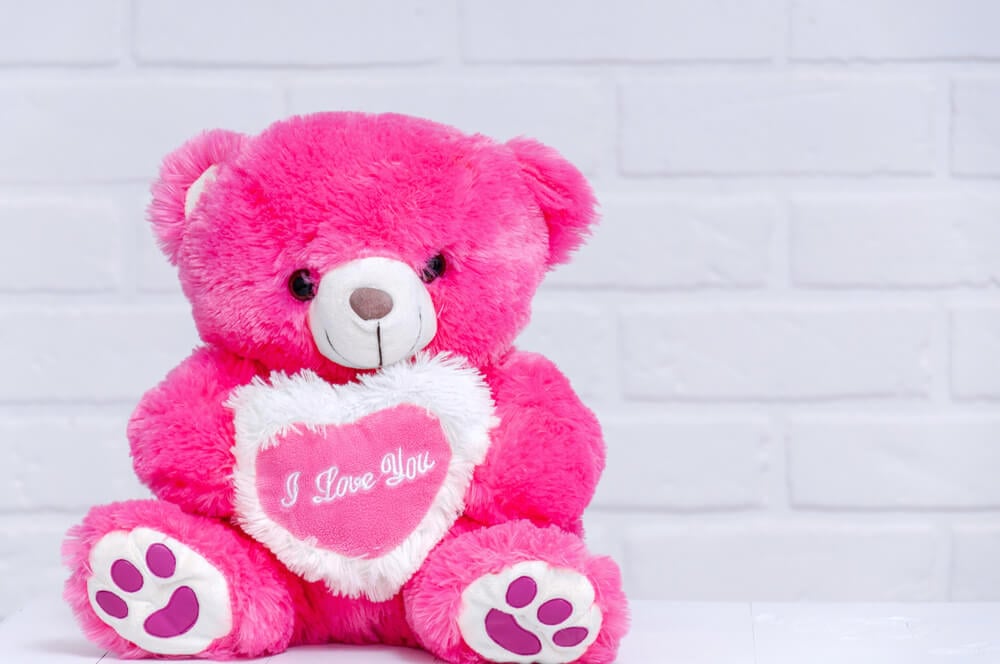
The Care Bears began as greeting card characters around 1981, then became plush toys in 1983. The first animated special, The Care Bears in the Land Without Feelings, aired in 1983. Their path from card rack to toy shelf to television followed the pattern that 1980s marketing perfected.
Cabbage Patch Kids Caused Stampedes
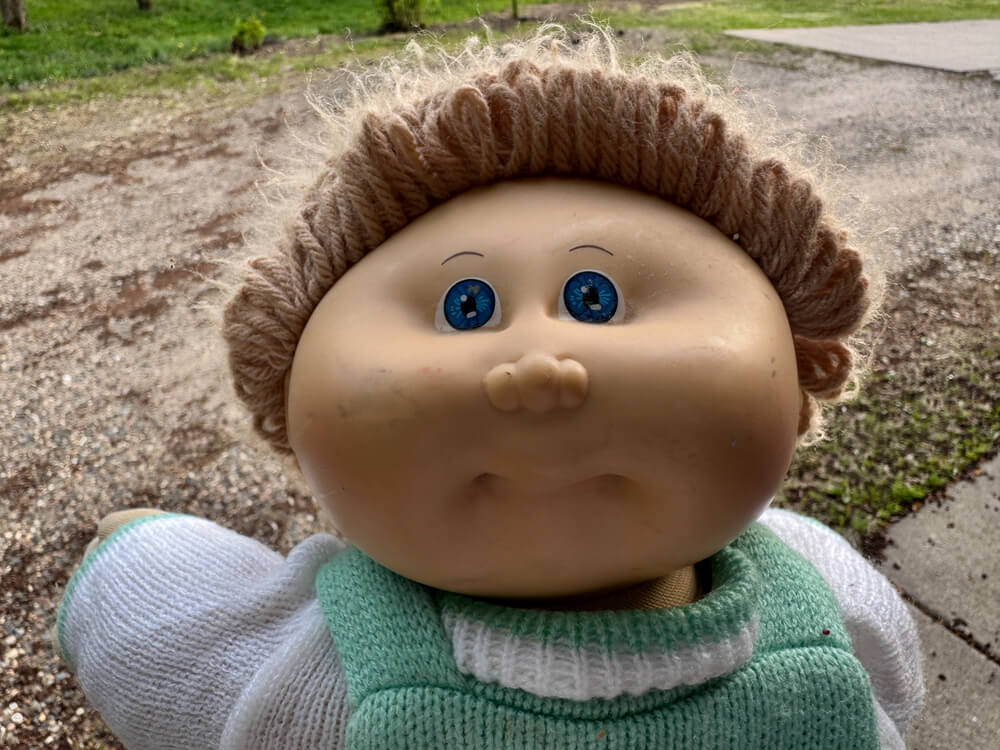
Xavier Roberts began selling his chubby-cheeked dolls in north Georgia before licensing them to Coleco in 1982. By 1983, parents were crowding into stores and fighting over the dolls, creating one of the first true toy crazes of the modern era. Roberts gave the dolls an elaborate backstory about being born in a cabbage patch.
Transformers Were Japanese Toys First
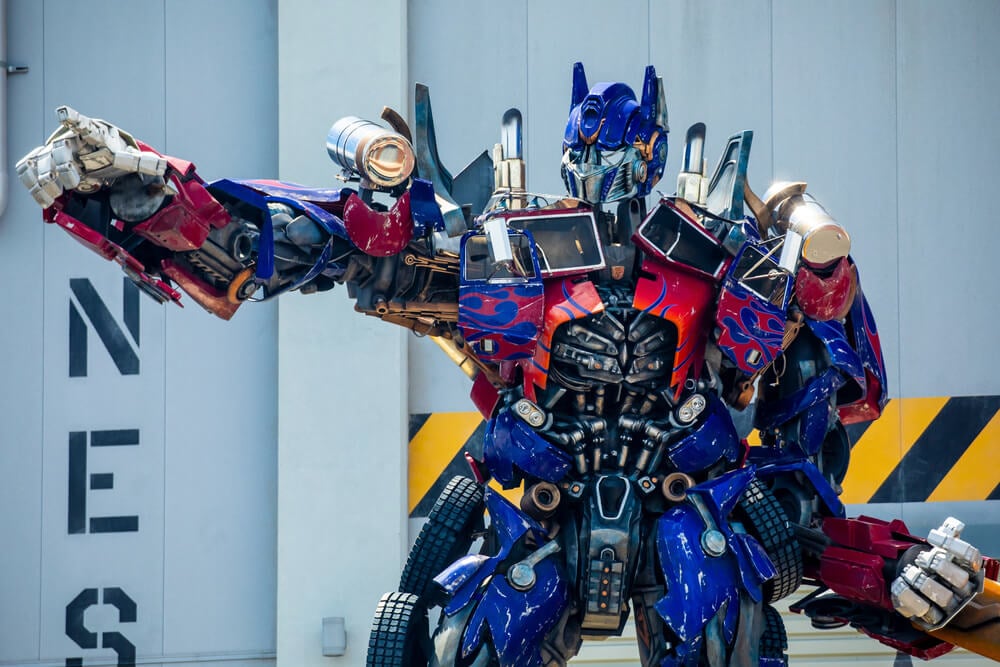
The Transformers line was created by the Japanese company Takara, and Hasbro bought the rights and introduced the toys in the United States in 1984. An animated series produced by Hasbro and Marvel debuted that September. Tonka’s Gobots reached stores months earlier, but being first did not make them the winner.
Teddy Ruxpin Told Stories
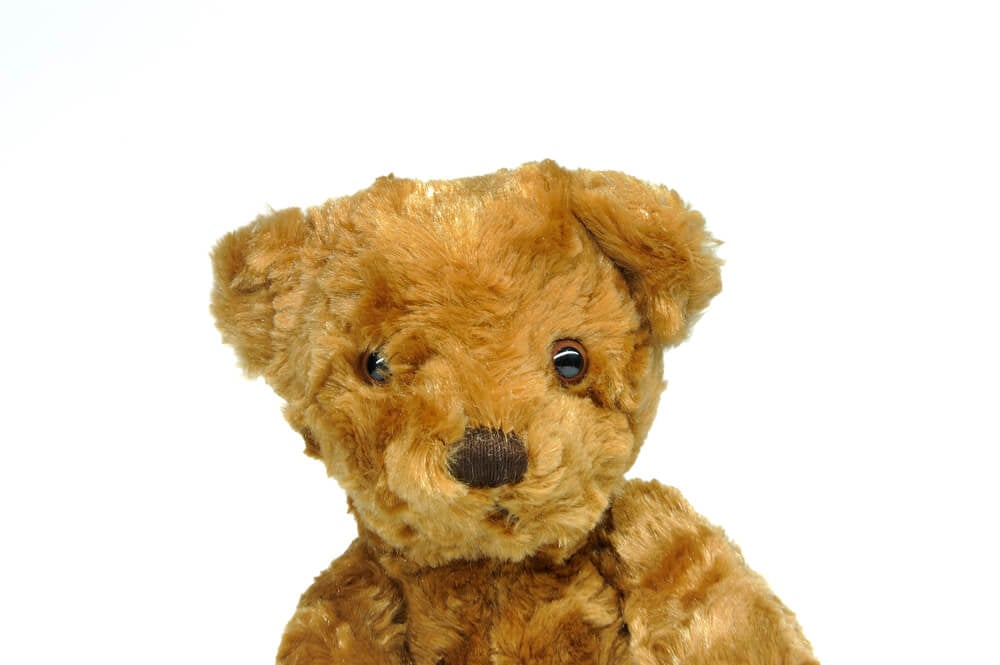
Teddy Ruxpin, a talking bear with a cassette deck hidden in his torso, became the best-selling toy of both 1985 and 1986. His mouth and eyes moved in time with recorded stories. His mouth kept moving even when owners slipped in tapes that were never meant for him.
Pound Puppies Got a Television Special
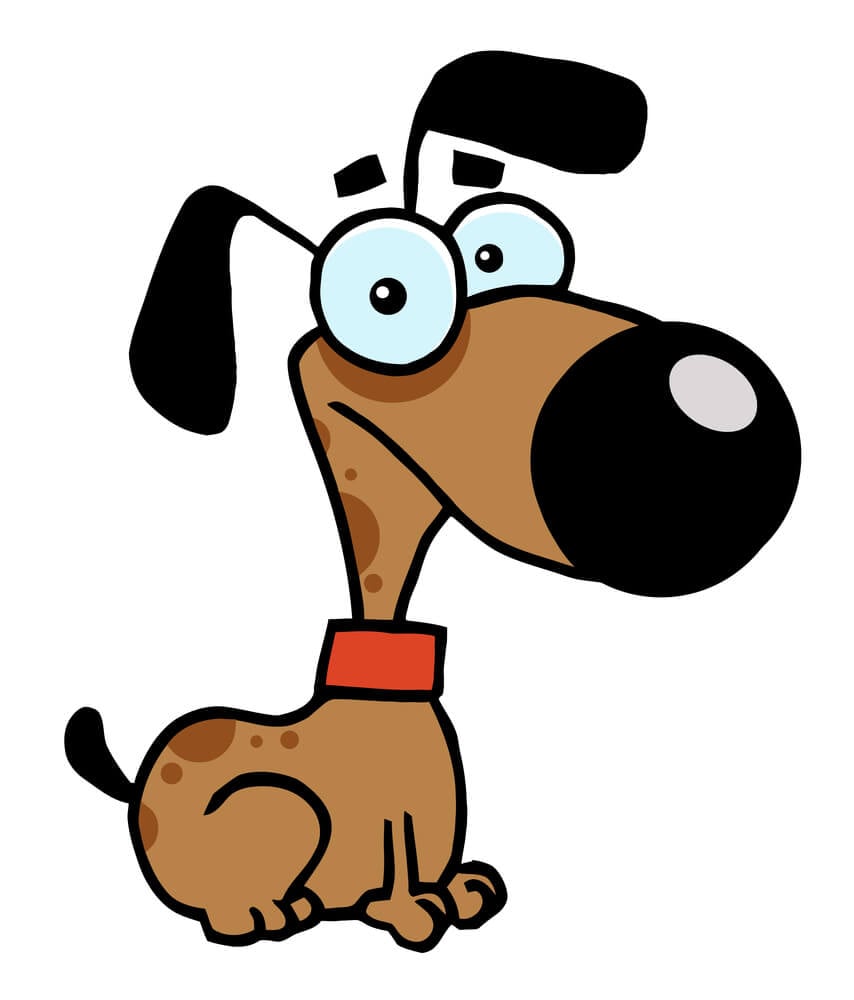
Tonka’s Pound Puppies, floppy-eared plush dogs sold as rescues, were popular enough to earn a television special in 1985. A Hanna-Barbera series followed, running for 28 episodes from 1985 through 1987. Hasbro bought Tonka in 1991.
Popples Folded Into Themselves
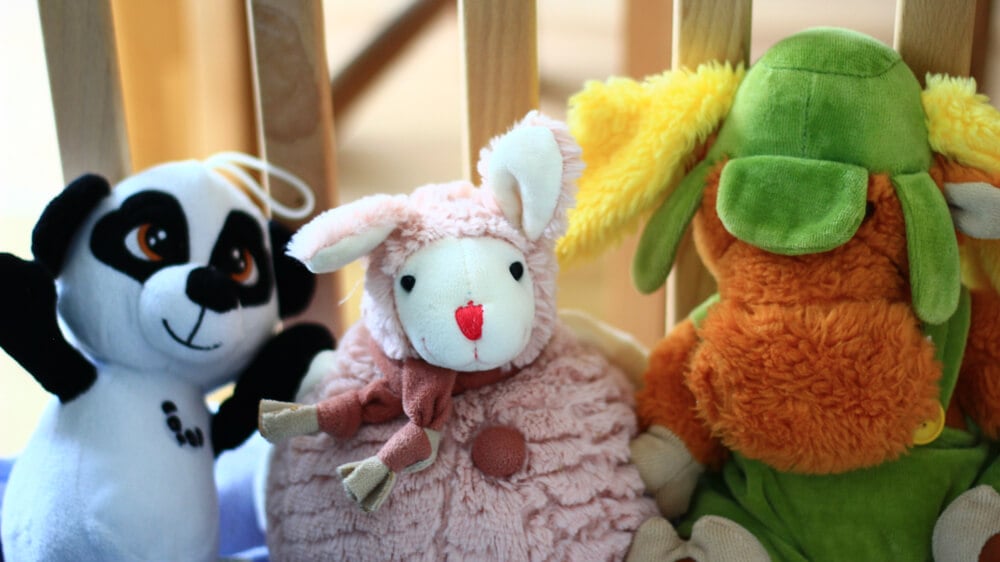
Popples were colorful plush creatures designed to be turned into themselves and tucked into a pouch, forming a sphere with the arms and legs hidden. Mattel launched them in the mid-1980s as part of the era’s wave of toys tied to television. A commercial showed girls tucking their Popples into bed.
Ninja Turtles Were Turned Down by Toy Makers
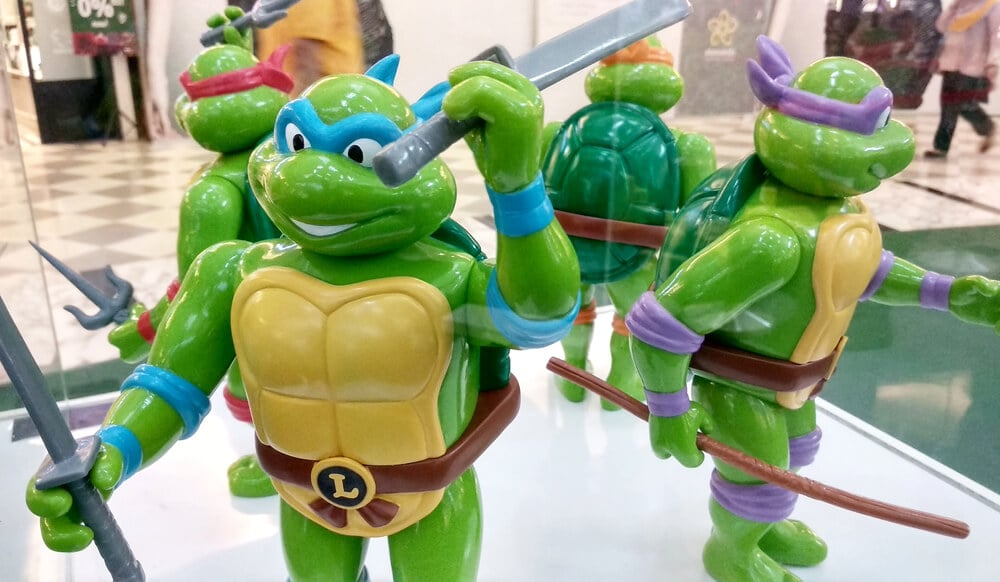
Teenage Mutant Ninja Turtles began as a cult comic book in 1984 that hardly dented the sales of Marvel or DC. When the creators presented the figures to potential manufacturers, many toy companies turned them down. Playmates eventually released the toys in the late 1980s, and a cartoon helped turn them into a phenomenon.
Super Soaker Began in a Bathroom
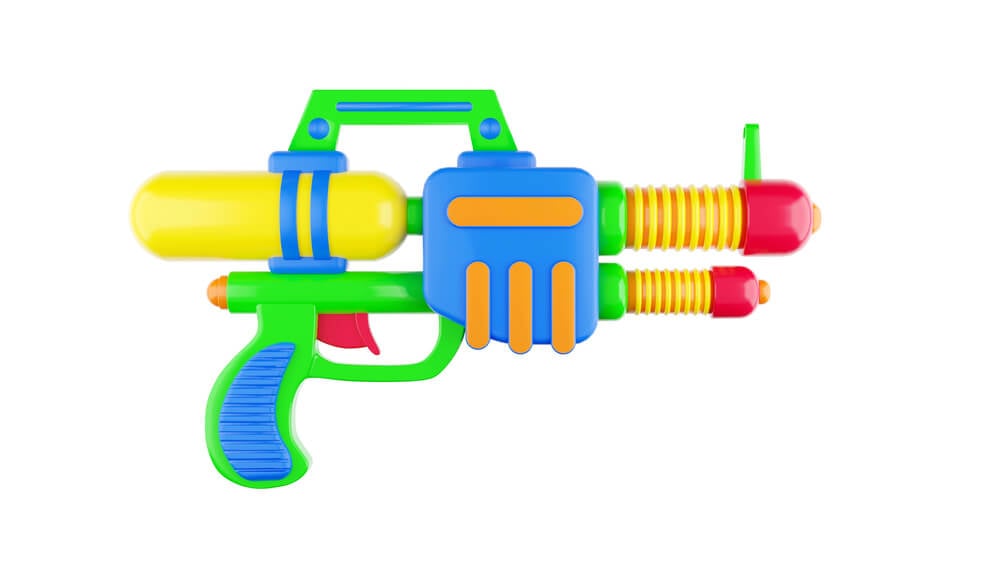
NASA engineer Lonnie Johnson was testing a heat pump in 1982 when he hooked a nozzle to his bathroom faucet and a stream shot across the room. The Super Soaker, first sold as the Power Drencher by Larami in 1990, sold more than 27 million units in its first three years. Aggressive advertising helped turn a water gun into a summer ritual.
Why the Ads Outlived the Toys
Many of these toys have faded from shelves, but their commercials still run in memory. Short, repetitive, and aimed at children who could not skip ahead, the ads planted slogans and sounds that lasted for decades.
The 1980s added a twist. Deregulation allowed cartoons built around toy lines, so the commercials and the shows merged. By then, a toy’s cartoon was often its best advertisement.
More from Go2Tutors!