Youngest Billionaires And How They Made It
Money doesn’t always take decades to accumulate. Some people hit the billion-dollar mark before they’re old enough to rent a car without extra fees.
These young billionaires built empires through tech innovations, smart investments, and sometimes just being born into the right family at the right time. Here’s a look at the youngest people who’ve made it to that exclusive billionaire club and exactly how they got there.
Mark Zuckerberg’s dorm room experiment
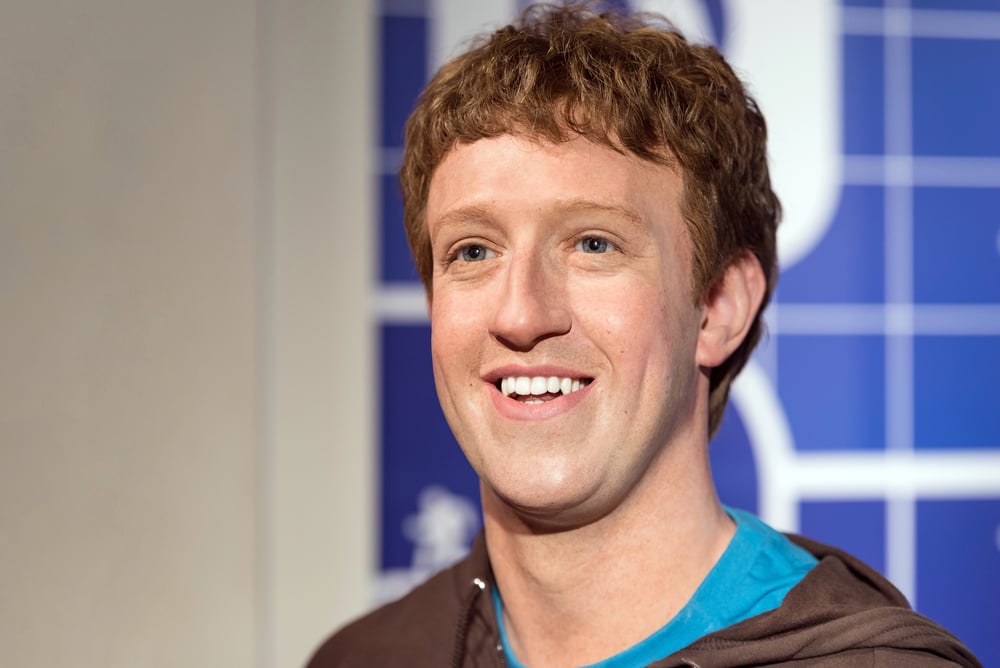
Mark Zuckerberg started Facebook in his Harvard dorm room when he was just 19 years old, initially creating it as a way for college students to connect online. The platform exploded beyond campus walls and became the social media giant that changed how billions of people communicate.
He became a billionaire at 23, making him one of the youngest self-made billionaires in history. The company now owns Instagram and WhatsApp, turning Zuckerberg’s college project into a tech empire worth hundreds of billions.
Evan Spiegel’s disappearing messages

Evan Spiegel co-founded Snapchat while studying at Stanford, building an app around the simple idea that messages should disappear after being viewed. The concept seemed weird to many people at first, but teenagers loved the privacy and spontaneity it offered.
Spiegel became a billionaire at 25 when Snapchat’s value skyrocketed, proving that sometimes the strangest ideas become the most successful. He famously turned down a $3 billion offer from Facebook, betting on his vision for the future of communication.
Kylie Jenner’s makeup empire

Kylie Jenner turned her famous last name and massive social media following into a cosmetics company that made her a billionaire at 21. She started Kylie Cosmetics with lip kits that sold out in minutes, using Instagram to market directly to millions of followers without spending much on traditional advertising.
The company grew fast because Kylie understood her audience better than most beauty executives twice her age. She later sold a majority stake in the company for $600 million, though her billionaire status has been debated by financial publications.
Dustin Moskovitz’s Facebook partnership
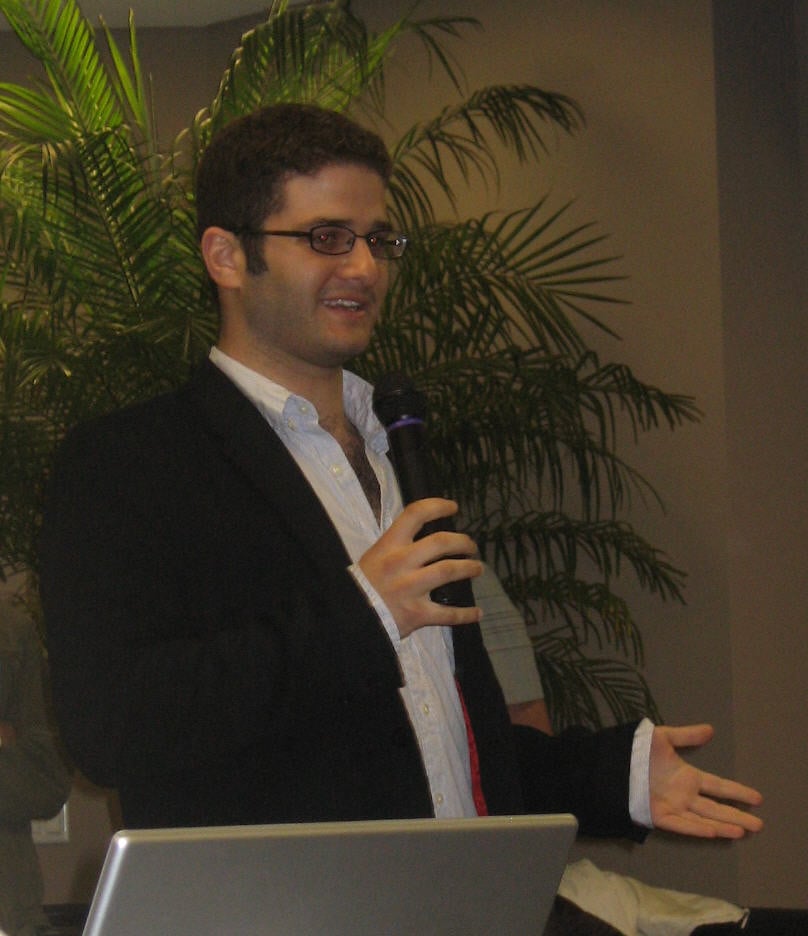
Dustin Moskovitz was Mark Zuckerberg’s roommate at Harvard and became a co-founder of Facebook, helping build the platform’s early infrastructure. He left Facebook after a few years to start Asana, a work management software company that helps teams organize their projects.
Moskovitz became a billionaire in his mid-twenties, making his fortune from both his Facebook shares and his new venture. Unlike many tech billionaires, he’s pledged to give away most of his wealth during his lifetime.
Bobby Murphy’s Snapchat code

Bobby Murphy co-founded Snapchat with Evan Spiegel and served as the company’s chief technology officer, writing much of the app’s original code. He kept a low profile compared to his business partner but still became a billionaire at 26 when Snapchat went public.
Murphy’s technical skills were essential in creating the app’s unique features and keeping it running as millions of users joined. His quiet approach to wealth stands in stark contrast to the flashy lifestyles of many young tech billionaires.
Eduardo Saverin’s early Facebook investment

Eduardo Saverin was one of Facebook’s original co-founders and provided the initial funding for the company while at Harvard. His relationship with Zuckerberg ended badly, resulting in lawsuits and a reduced stake in the company, but he still became a billionaire from his remaining shares.
Saverin moved to Singapore and became a venture capitalist, investing in startups across Asia. The legal drama between him and Zuckerberg was featured prominently in the movie ‘The Social Network.’
John Collison’s payment processing

John Collison co-founded Stripe with his brother Patrick, creating software that makes it easy for businesses to accept online payments. The brothers started the company when John was just 19, solving a problem that frustrated them as teenage programmers.
Collison became a billionaire at 26, building a company now valued at nearly $100 billion. Stripe powers payments for millions of businesses, from small startups to giant corporations like Amazon and Google.
Austin Russell’s self-driving sensors

Austin Russell dropped out of Stanford to work on lidar technology, which helps self-driving cars see the world around them. He founded Luminar Technologies with funding from Peter Thiel’s fellowship program for young entrepreneurs.
Russell became a billionaire at 25 when his company went public, making him the world’s youngest self-made billionaire at that time. His sensors are now being installed in cars made by major automakers like Volvo and Mercedes-Benz.
Alexandra Andresen’s family inheritance

Alexandra Andresen inherited a stake in her family’s Norwegian investment company when she was a teenager. She became a billionaire at 19 without starting a company or creating a product, simply through the wealth passed down from her father.
The family business, Ferd, invests in everything from real estate to renewable energy across Europe. Andresen still holds the record as one of the youngest billionaires ever, though her wealth came from inheritance rather than her own ventures.
Katharina Andresen’s shared fortune

Katharina Andresen is Alexandra’s older sister and also inherited a portion of the family investment firm. She became a billionaire at 20, just slightly older than her sister when they both entered the billionaire ranks.
The sisters often appear together on lists of young billionaires, representing inherited wealth rather than self-made fortunes. Katharina has worked within the family business while also pursuing her own interests in social impact investing.
Gustav Magnar Witzoe’s salmon empire

Gustav Magnar Witzoe inherited a huge stake in his father’s salmon farming company, Salmar ASA, one of the world’s largest producers. He became a billionaire teenager in Norway, where fish farming is a massive industry worth billions of dollars.
Witzoe holds a passive stake in the company and hasn’t been involved in day-to-day operations, instead pursuing interests in real estate and technology. The salmon business continues to grow as demand for seafood increases worldwide.
Wang Zelong’s chemical inheritance

Wang Zelong became a billionaire at 25 after inheriting shares in his father’s chemical manufacturing company in China. The company, Hengli Petrochemical, is a major player in producing materials used in everything from clothing to plastic bottles.
Wang received his stake as a gift from his father, instantly making him one of the youngest billionaires in Asia. He represents a growing trend of Chinese business owners transferring wealth to their children while still alive.
Ryan Breslow’s checkout innovation

Ryan Breslow founded Bolt, a company that speeds up online checkout processes, when he was a student at Stanford. He dropped out to focus on the business, which aimed to make buying things online as fast as clicking a single button.
Breslow became a billionaire at 27 after his company’s valuation soared past $11 billion. His confrontational style and public criticism of Silicon Valley investors made him a controversial figure in the tech world.
Gary Wang’s crypto exchange

Gary Wang co-founded FTX, a cryptocurrency exchange, with Sam Bankman-Fried after they met while working at a trading firm. The platform grew incredibly fast, attracting billions of dollars from investors and customers who wanted to trade digital currencies.
Wang became a billionaire in his late twenties as FTX’s value climbed, though the company later collapsed in spectacular fashion. The exchange’s failure led to criminal charges and wiped out most of Wang’s wealth overnight.
Pavel Durov’s private messaging

Pavel Durov created Telegram, a messaging app focused on privacy and encryption, after leaving Russia following conflicts with the government. He built the platform using money he made from selling his previous social network, VKontakte.
Durov became a billionaire in his early thirties, creating an app now used by hundreds of millions of people worldwide. His commitment to user privacy has made him both a hero to some and a headache for governments trying to monitor communications.
Ben Francis’s gym wear brand

Ben Francis started Gymshark from his garage while studying at university, screen-printing workout clothes and selling them online. The British entrepreneur built the company by understanding what fitness enthusiasts wanted and using social media influencers to spread the word.
Francis became a billionaire at 28 after selling a stake in Gymshark to a private equity firm that valued the company at over $1 billion. He briefly stepped down as CEO but later returned to lead the company through its next growth phase.
Henrique Dubugras Corporate Cards

Born in Brazil, Henrique Dubugras landed in Silicon Valley while still in high school. While most teens focused on exams, he launched his first business well before turning twenty-one.
Brex came next – a firm built around credit cards for new tech ventures. Banks often say no to such startups; this one said yes instead.
Fast growth pushed its value to $12 billion, making him a billionaire by age twenty-five. That peak didn’t last – the broader tech slump brought numbers down.
Still, the idea stuck: give young firms financial tools they rarely qualify for. He helped reshape who gets access – and why.
Pedro Franceschi Fintech Partnership

Back when they were teens in Brazil, Pedro Franceschi linked up with Henrique Dubugras. Their first venture came before Brex took shape under their joint effort.
While Dubugras focused on strategy, coding tasks often landed on Franceschi’s desk. Fast approvals – minutes instead of weeks – came alive through his work behind the screen.
Money flooding in pushed both founders past a billion-dollar mark by age twenty-five. One built frameworks others tested.
Success arrived not through luck but lines of precise logic stitched daily.
When youth meets opportunity

Young billionaires prove that when you arrive can matter more than how old you are. Luck plays a role if your parents already hold fortunes, yet some launched world-changing firms by age thirty without help from birthright.
A surge in technology opened doors for quick success on a scale never seen prior. Talent with software, sharp decisions, or knowing the right people – each path led to riches beyond ordinary reach.
Timing often shaped their rise just as much as talent did.
More from Go2Tutors!

- The Romanov Crown Jewels and Their Tragic Fate
- 13 Historical Mysteries That Science Still Can’t Solve
- Famous Hoaxes That Fooled the World for Years
- 15 Child Stars with Tragic Adult Lives
- 16 Famous Jewelry Pieces in History
Like Go2Tutors’s content? Follow us on MSN.