29 Retro Snacks People Still Crave but Can Barely Find Anymore
There’s a particular kind of nostalgia that only a snack wrapper can trigger. Not the big stuff—not the songs or the sitcoms everyone remembers—but the small, specific things: the smell of a certain cereal box, the way a candy bar used to snap instead of bend.
Grocery store shelves have quietly erased a lot of these over the decades, usually without warning, and usually right around the time you’d built a genuine attachment to them. What follows is a walk through the snacks people still bring up at reunions and family dinners, the ones that vanished from stores but never quite left memory.
Bonkers Candy
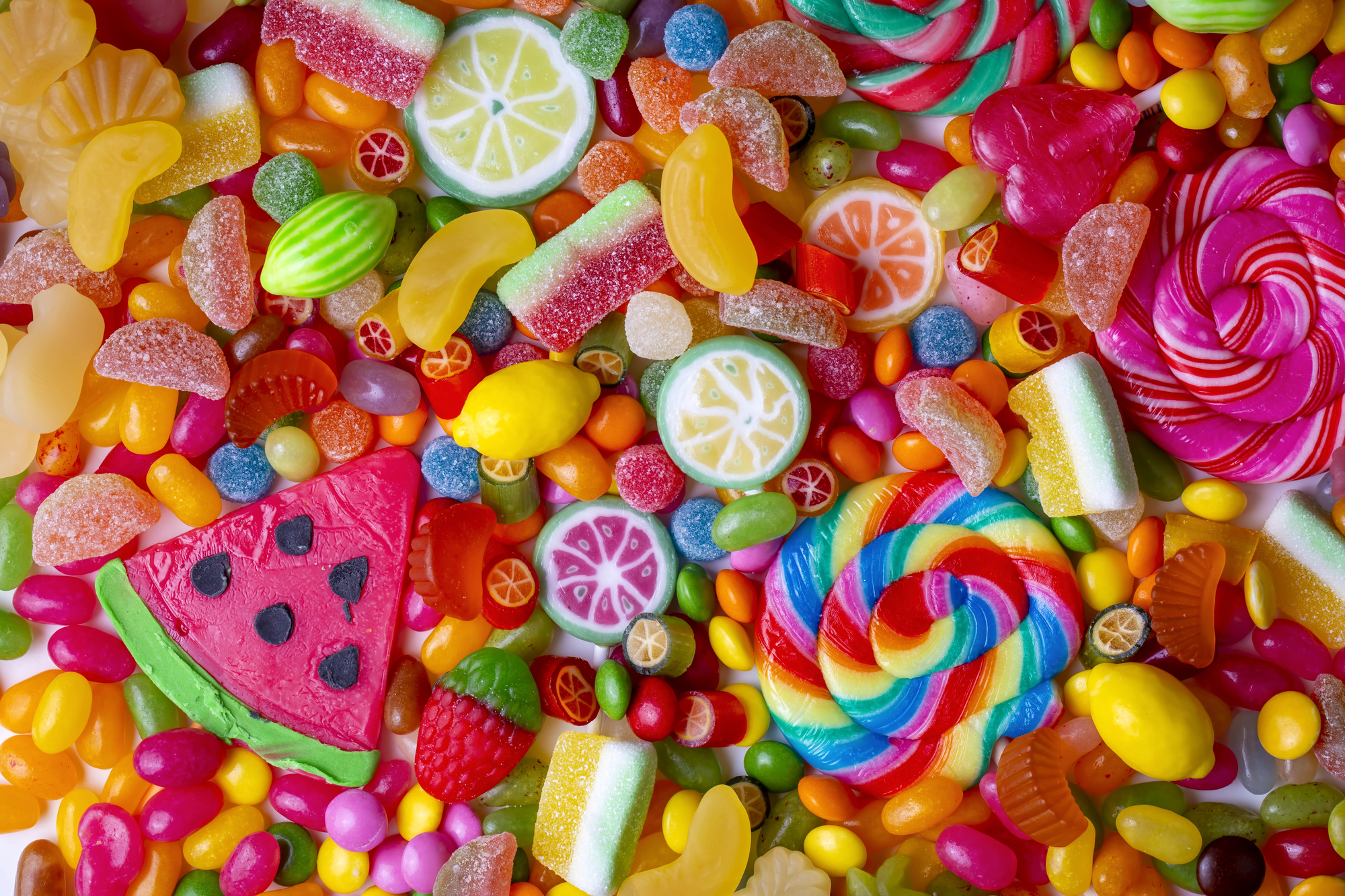
Bonkers came in a hard shell with a soft, fruity center, and for a few years in the 1980s it was everywhere. The commercials were relentless — a giant fruit dropping on someone’s head, that jingle.
Then it disappeared, resurfaced briefly in the 2010s, and vanished again. Finding a bag today means either luck or a very specific online seller.
Original Hydrox Cookies
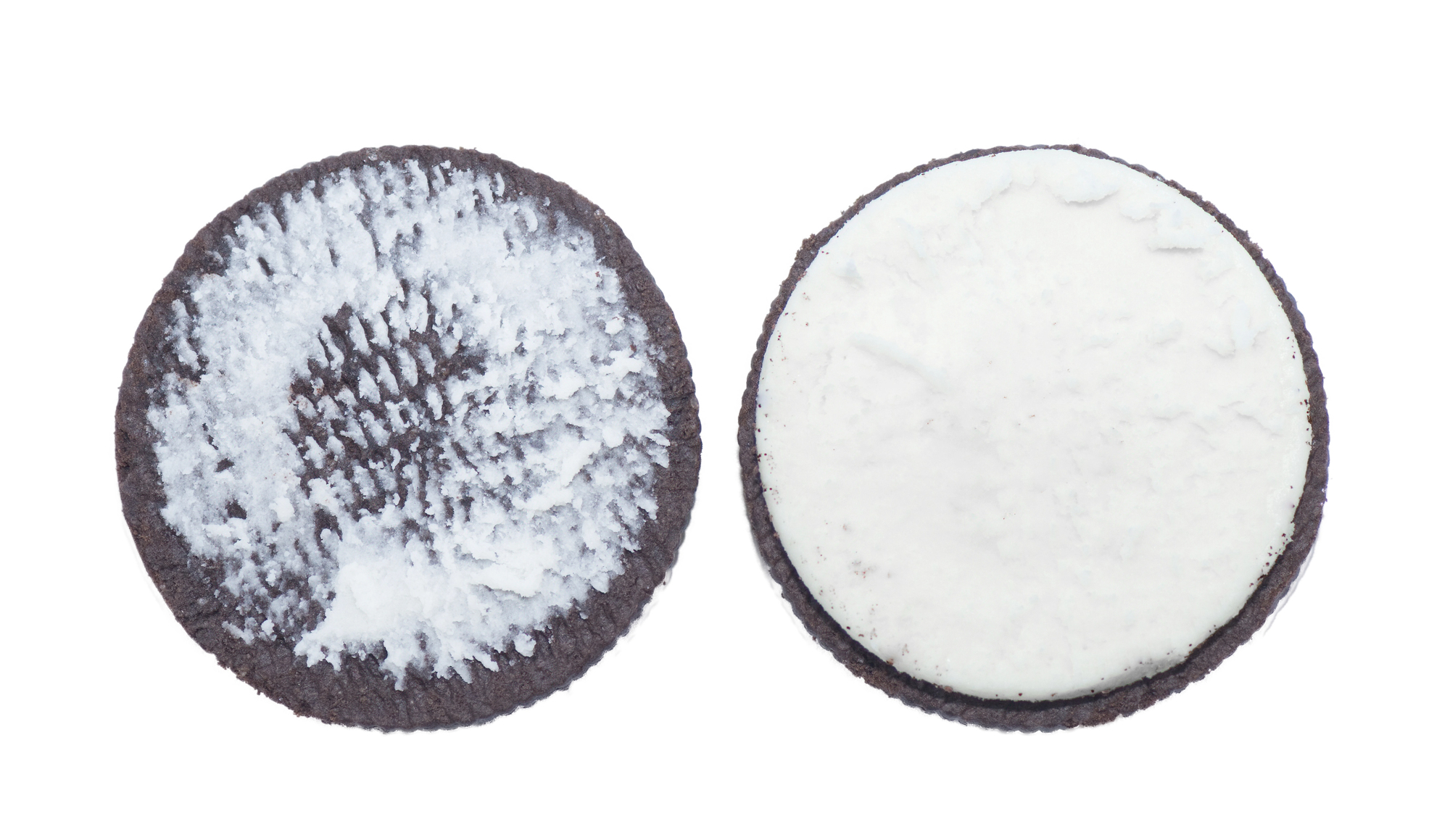
Hydrox actually came before Oreo, which surprises almost everyone who hears it — the sandwich cookie that invented the format got overshadowed by its own imitator, and that’s not nothing: it’s the kind of injustice that sticks with people who grew up on the original. The recipe was less sweet, the chocolate wafer had a slight bitterness Oreo never bothered with, and loyalists insist to this day that it held up better in milk.
Leaf Brands attempted a revival a decade back, and for a while you could find it in specialty stores. That run has mostly dried up, and the shelves have gone quiet again.
Marathon Bar
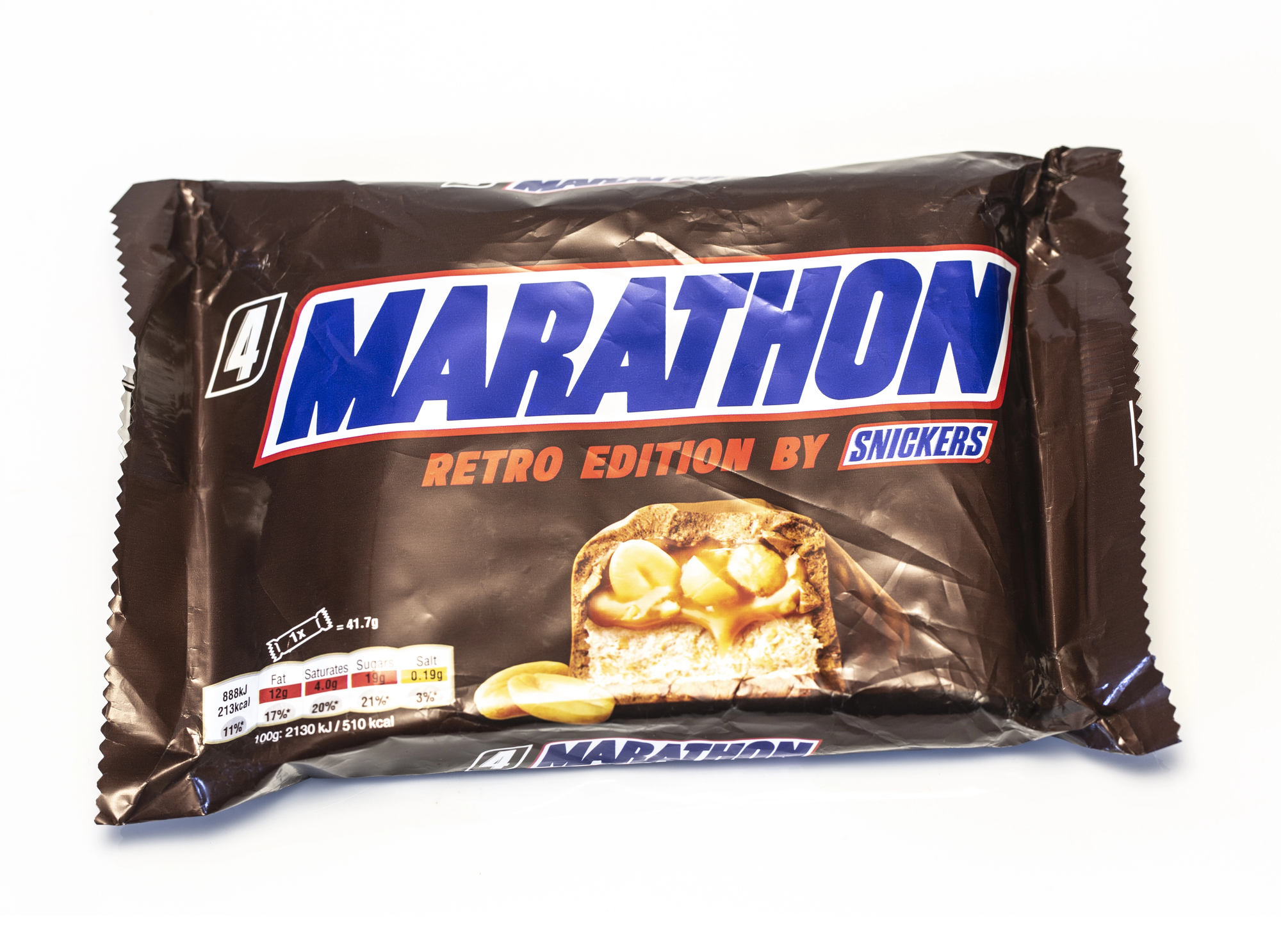
Picture a candy bar shaped like a ruler, braided caramel wrapped in chocolate, stretching nearly eight inches long. That was the entire pitch of the Marathon Bar in the 1970s — length as a selling point, the way a diner boasts about the size of its portions rather than the quality of the cooking.
Hershey pulled it in 1981, and nothing since has quite matched that particular gimmick of candy sold by the inch.
Reggie! Bar
Named after baseball legend Reggie Jackson, the Reggie! Bar was launched in 1978, the year after he hit three home runs in a single World Series game (1977), and had a moment nobody’s topped since — Yankee Stadium literally rained bars onto the field the day it launched. The candy itself was simple: caramel, peanuts, chocolate, not far off from a Baby Ruth.
What made it matter was the timing and the name on the wrapper. It’s been gone since the early 1980s, and no amount of nostalgia has brought it back full-time.
Space Dust Candy

This one deserves credit for being genuinely strange rather than just old. Little sugar crystals that popped and fizzed on the tongue, sold under a name that sounded like something from a science fiction comic — it wasn’t subtle, and it didn’t need to be.
Pop Rocks eventually swallowed most of that market and stuck around, but Space Dust itself faded into the background, occasionally reappearing under different branding before disappearing again.
Screaming Yellow Zonkers
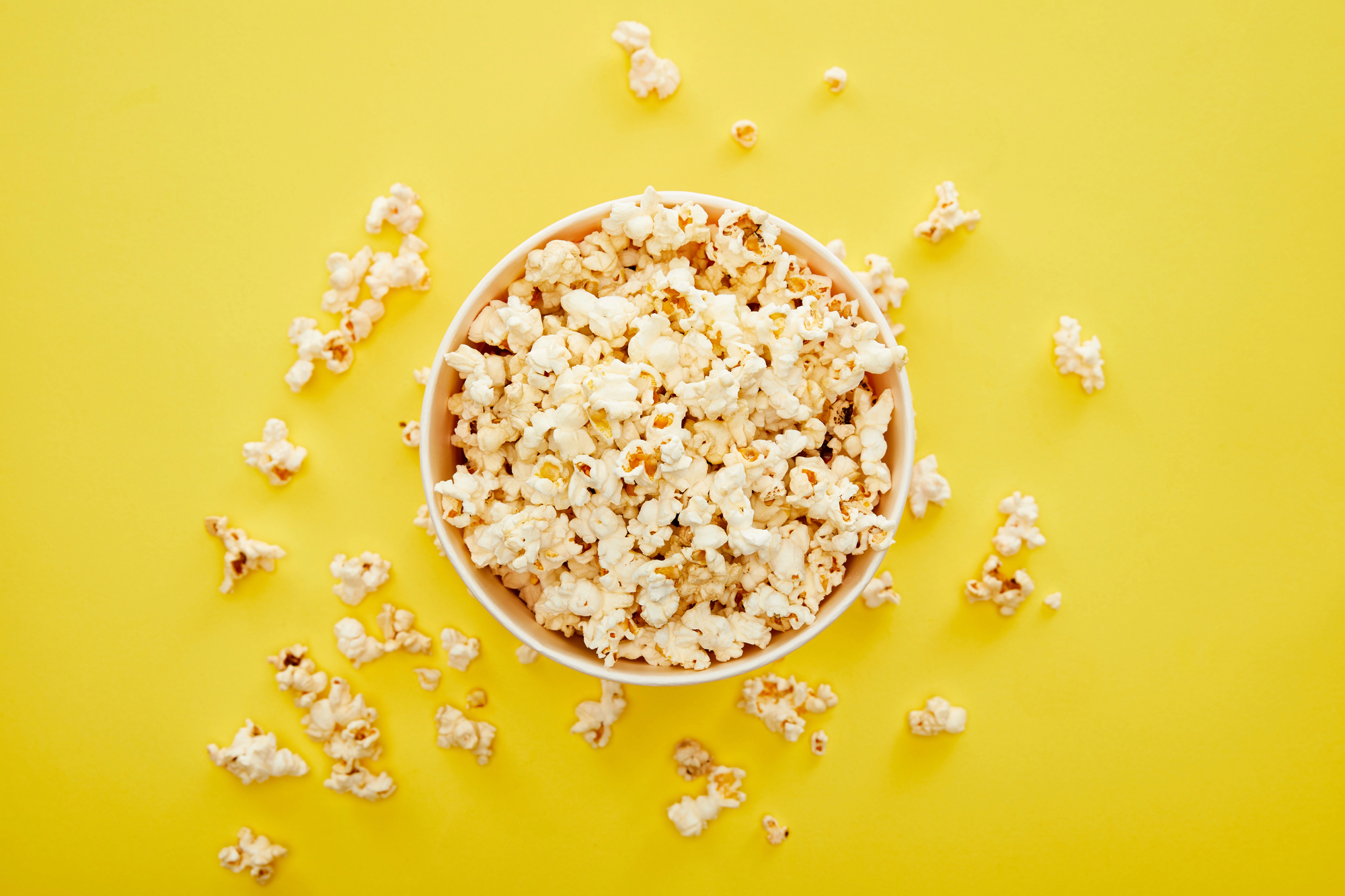
The name alone should have guaranteed it immortality. Zonkers was a caramel popcorn snack with a bright yellow box and a marketing voice that leaned hard into being weird on purpose, all exclamation points and cartoon energy.
It sold well enough in the 1970s to become a genuine cultural reference point. Production quietly stopped, and what’s left mostly lives in the memory of people who grew up with the box sitting on a kitchen counter.
Freshen-Up Gum
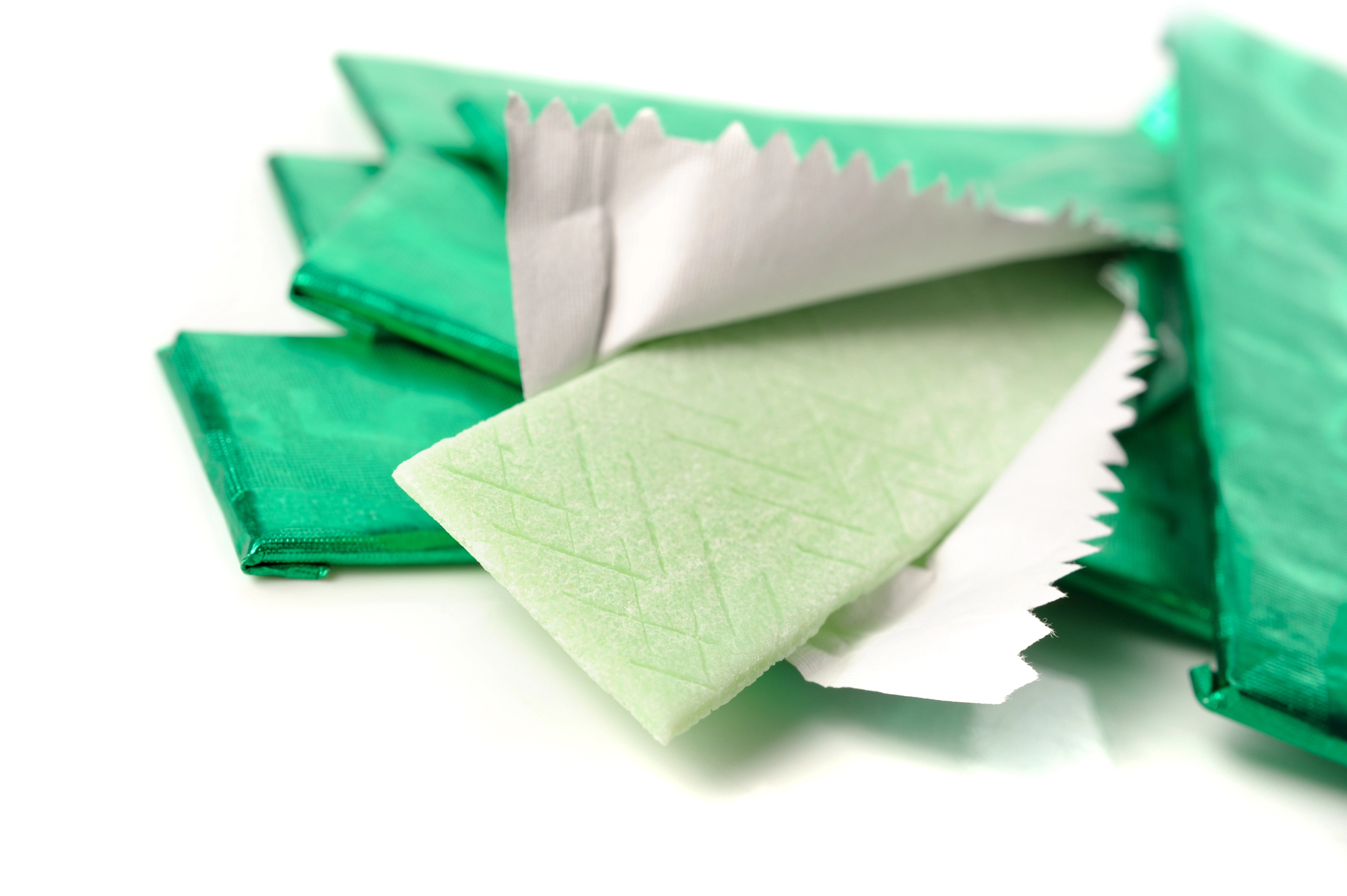
Gum with a liquid center sounds unremarkable now, but Freshen-Up got there first, and the burst of syrup inside a stick of gum felt like a small trick being played on your mouth. Wrigley made it, marketed it hard through the ’70s and ’80s, then let it fade without much ceremony.
The liquid-center format didn’t disappear from gum entirely — plenty of brands use it now — but the specific one that introduced a lot of kids to the idea is gone.
Bar None
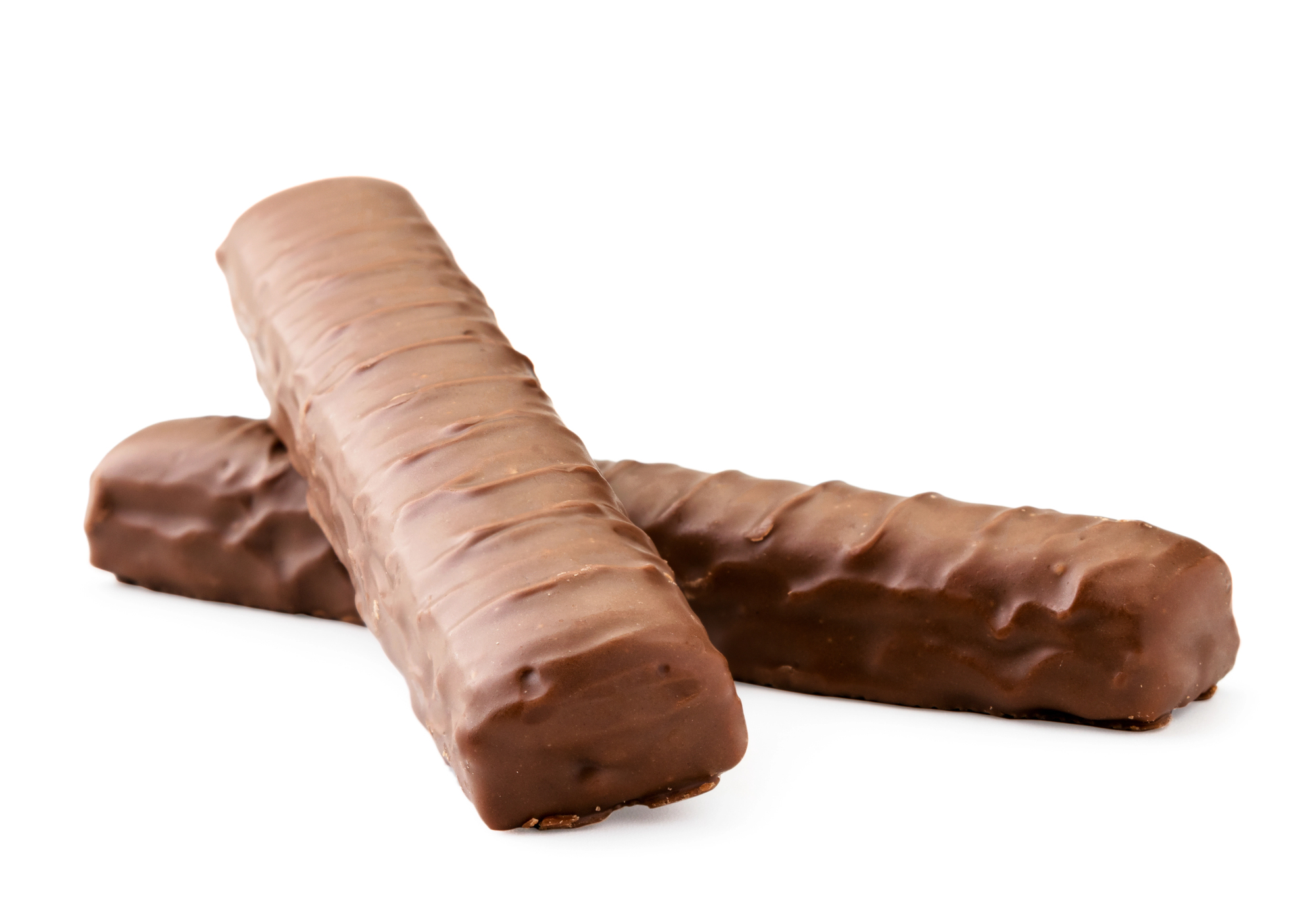
Hershey’s Bar None paired a chocolate wafer core with a coating of milk chocolate and chopped peanuts, and it tasted like someone had taken a Kit Kat and asked it to try harder. It ran through the ’80s and ’90s with a loyal following that never quite translated into mainstream sales numbers.
Hershey discontinued it in 1997. Requests to bring it back show up in candy forums with a regularity that borders on ritual.
Summit Bar
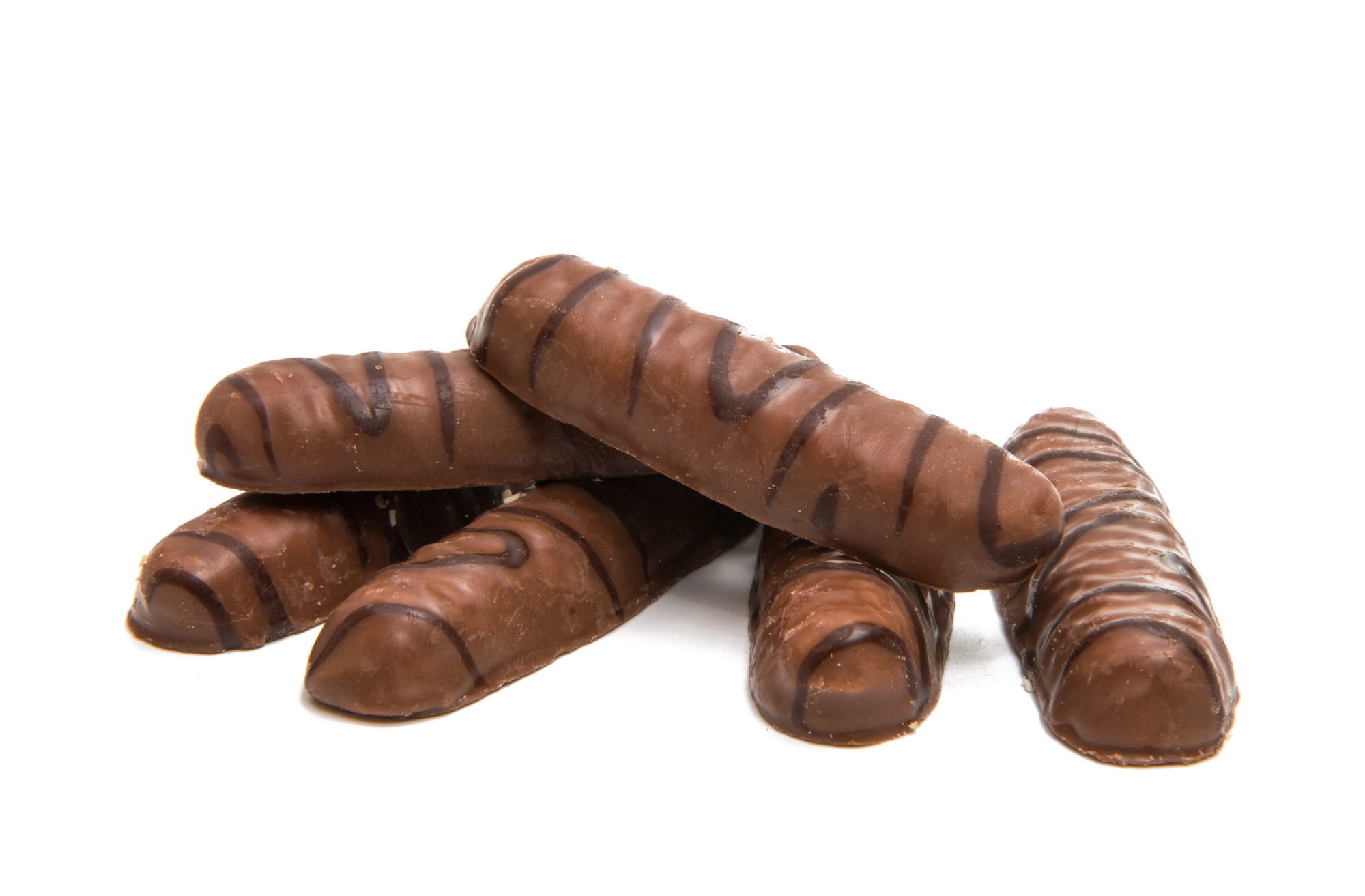
Shortbread cookie, chocolate, peanuts — Summit had the bones of a classic and the misfortune of arriving right when the candy aisle was overcrowded with similar combinations. Hershey ran it through the late ’70s and ’80s before cutting it loose.
What made it distinct was the texture: a crunch that Twix, its closest surviving cousin, never fully replicated. It’s one of those bars people describe in surprising detail decades later, right down to the wrapper color.
Seven Up Candy Bar
Not the soda — a candy bar with six different fillings divided into segments, which was either a clever idea or a chaotic one depending on who you ask. Cherry, coconut, caramel, fudge, brazil nut, and a fruit-and-nut mix all lived under one wrapper, which meant everyone in a household could find one section they liked and ignore the rest.
Warner-Lambert eventually discontinued it. Nothing on shelves now attempts that many flavors in one place.
PB Max
Peanut butter cookie, whole peanuts, milk chocolate coating — PB Max sold well through the late ’80s, outperforming projections by a wide enough margin that its cancellation genuinely puzzled people at the time. The rumor that persists, whether entirely true or not, is that a Hershey executive personally disliked it and pushed for it to be cut despite the sales figures.
True or not, the bar disappeared in 1990 and stayed gone. Peanut butter loyalists still bring it up as the one that got away.
Oreo Big Stuf
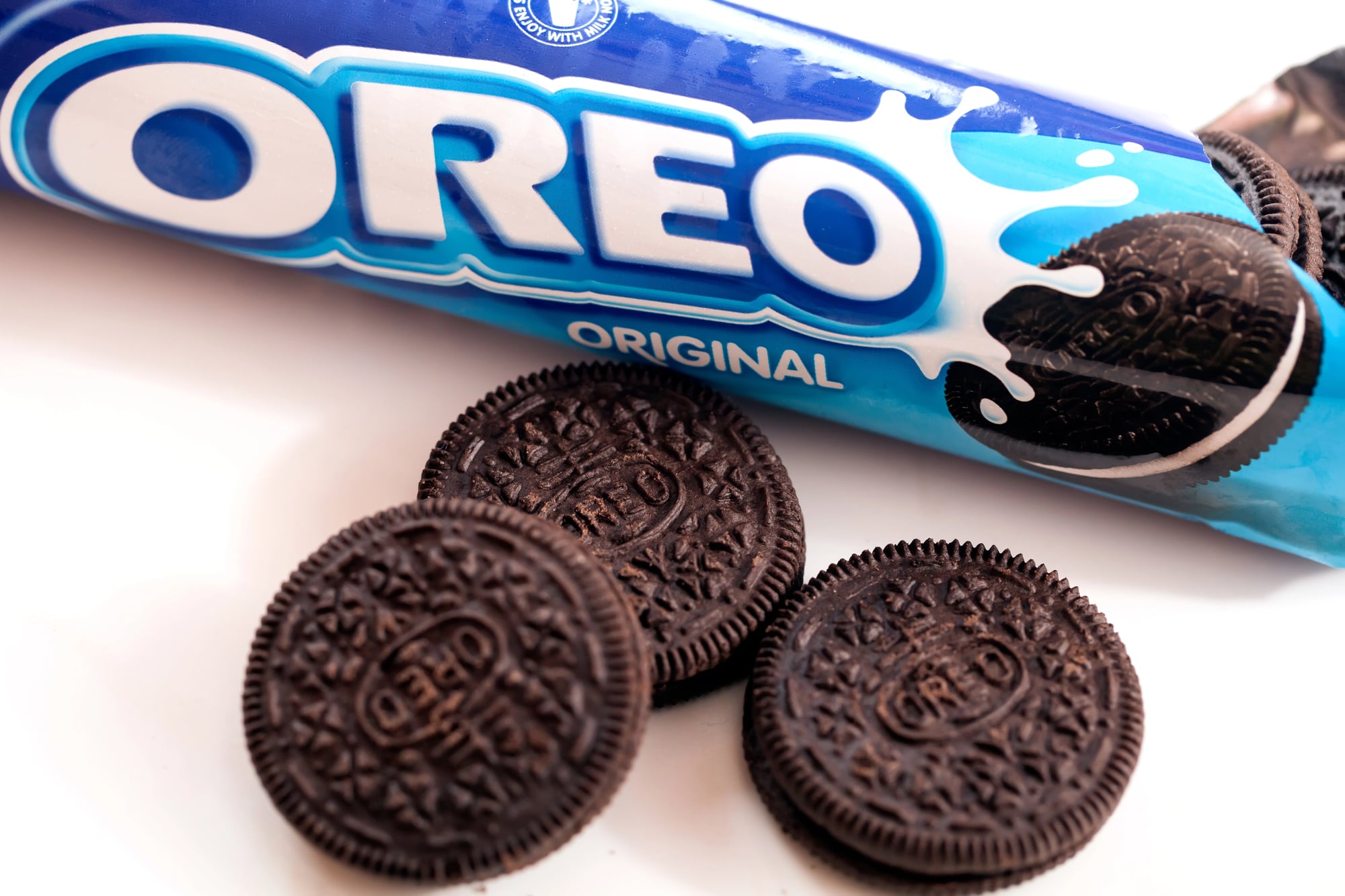
A single Oreo the size of a burger patty — that was the entire premise, and it worked exactly as well as you’d imagine for anyone under the age of twelve in the 1980s. Nabisco marketed it as one giant cookie meant to be shared, though almost nobody actually shared it.
It disappeared by the end of the decade as portion sizes across the snack industry started shrinking rather than growing. Big Stuf never got a real comeback, big-format Oreos since have been novelty items rather than shelf staples.
Keebler Magic Middles
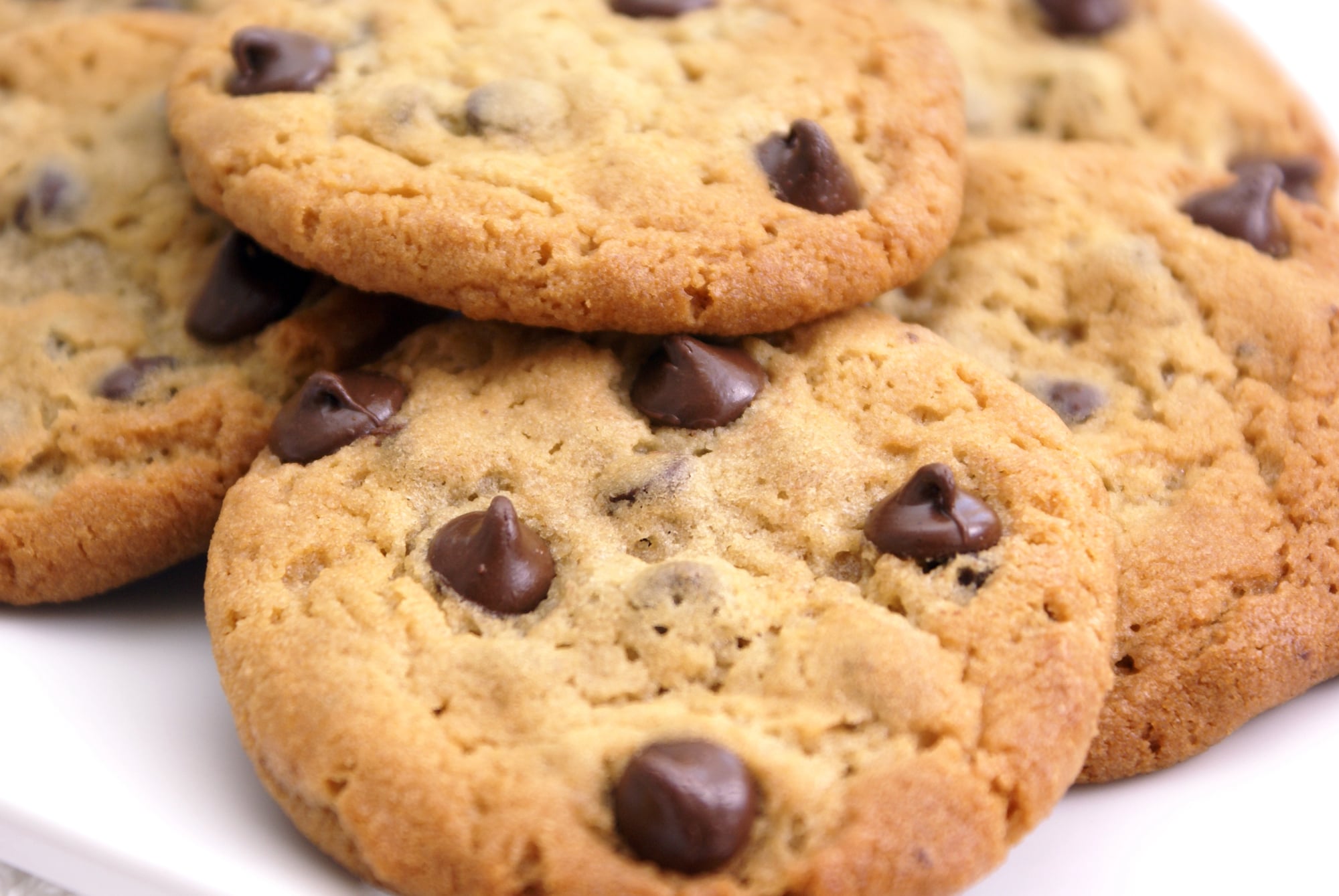
A shortbread cookie with a hidden pocket of chocolate or peanut butter sealed inside — the “magic” being that you couldn’t see the filling until you bit in, which felt like a small surprise every single time.
Keebler ran the line through the ’90s with real success before quietly discontinuing it. The engineering required to seal a liquid-ish filling inside a baked cookie wasn’t trivial, and it shows in how few brands have attempted anything similar since.
Fans have petitioned for its return more than once.
Life Savers
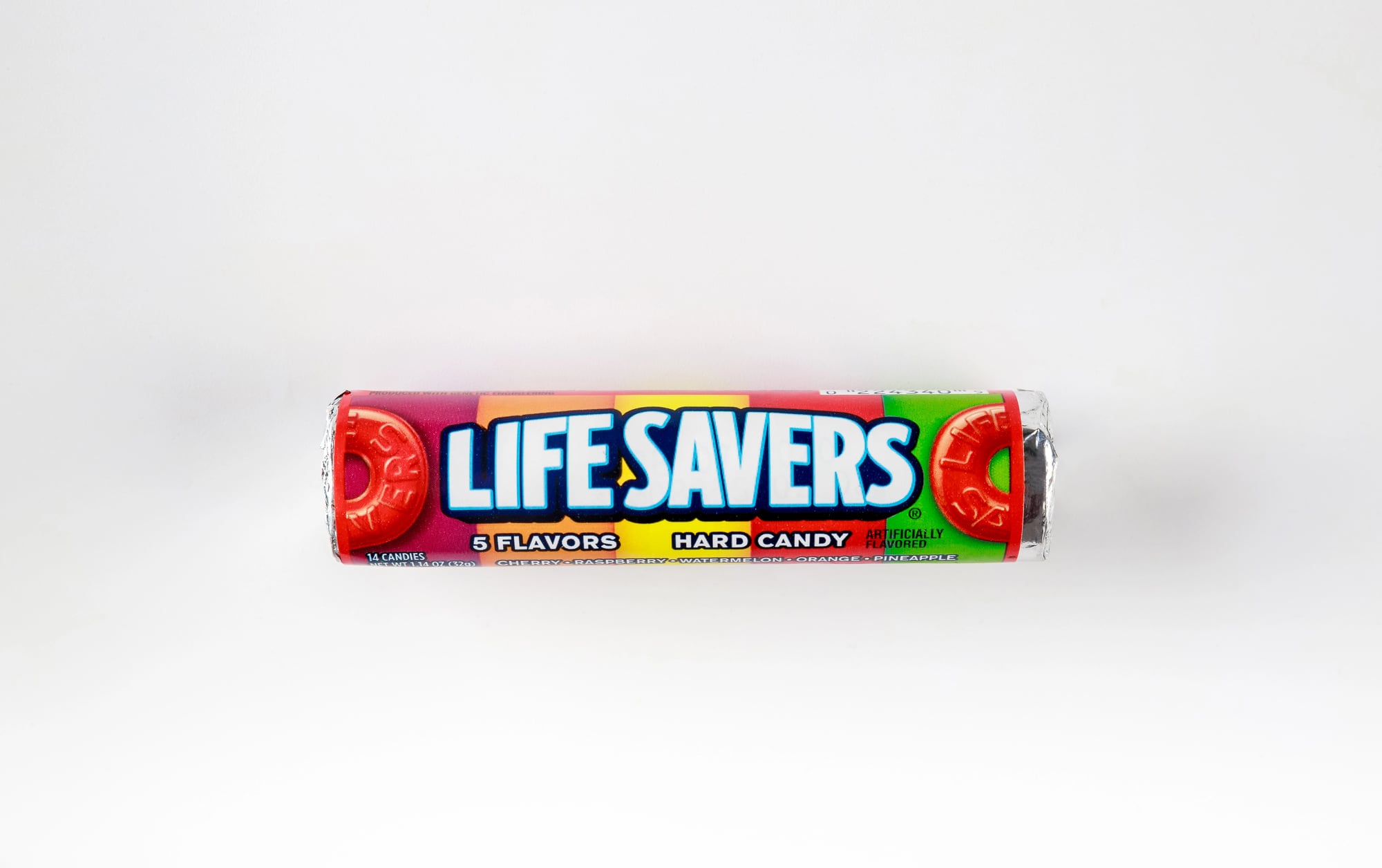
The pun wrote itself: Life Savers, but sold as the little “openings” punched out of the classic ring shape, packaged like a novelty rather than a candy. It ran for a few years in the late 1980s before getting pulled, likely a victim of manufacturing costs outweighing the joke.
It’s a strange one to miss, given how simple the concept was. And yet people remember the tin, specifically, more than they remember most candies from that decade.
Kudos Granola Bars
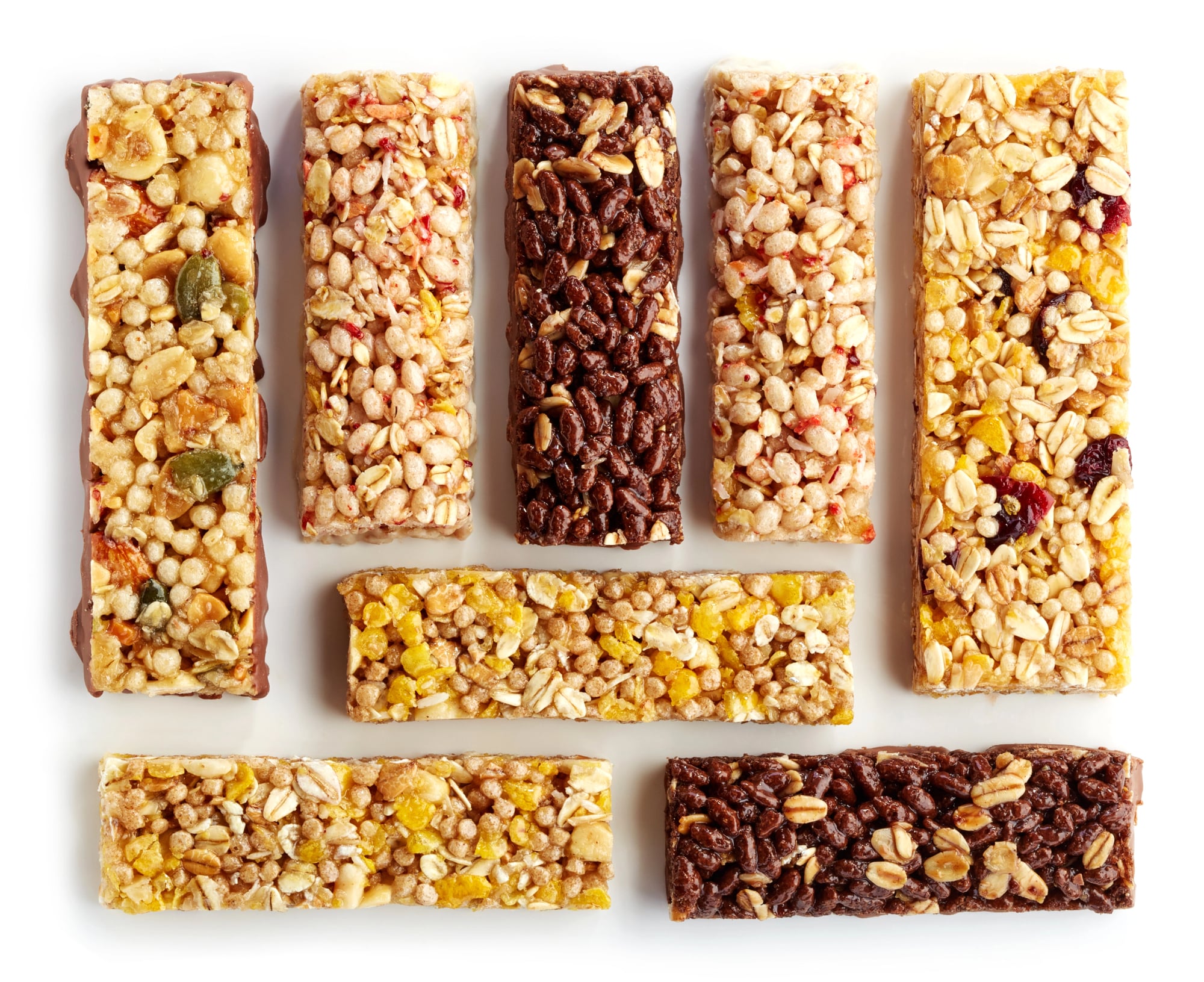
Kudos bars — the chocolate-coated granola bars with M&M’s pressed into the top — were marketed just aggressively enough in the ’90s to convince kids they were basically candy bars in disguise, and to be fair, they mostly were.
Mars discontinued the line in the U.S. around 2022 after decades on shelves, a quiet ending for something that had been a lunchbox staple for two generations. Limited international versions still exist.
Domestically, they’re close to impossible to find.
Hostess Chocodile
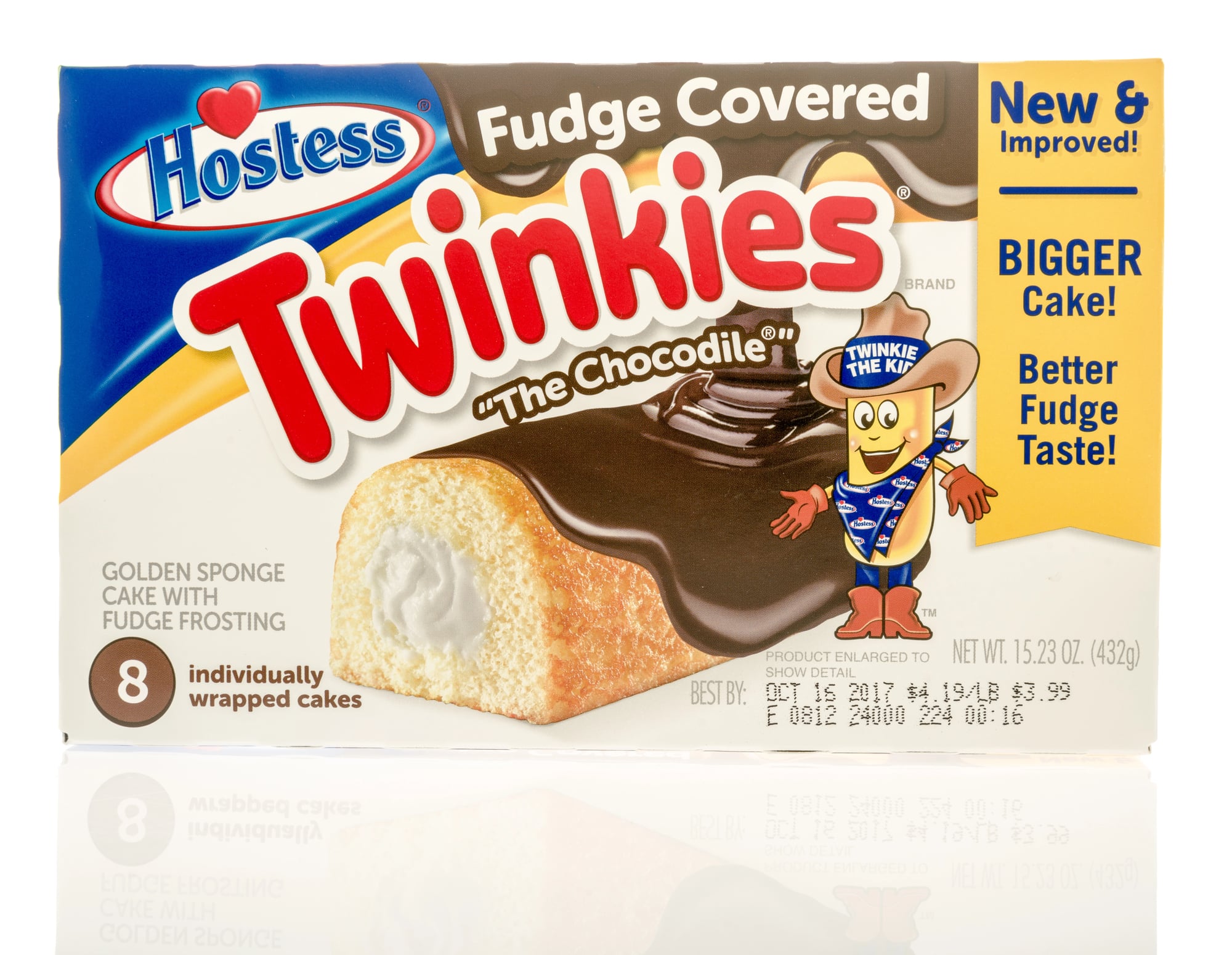
Take a Twinkie, dip it in chocolate, and you’ve got the Chocodile — a regional favorite that Hostess mostly sold on the West Coast, which meant plenty of the country never even got the chance to try one.
It survived the Hostess bankruptcy in 2012 only to disappear anyway a few years later when the company trimmed its lineup. There have been small-batch revivals since, sold in limited runs that sell out fast.
Outside of those windows, it’s essentially a ghost.
Twinkie the Kid Cereal
General Mills once turned the Hostess mascot into a breakfast cereal, which tells you something about how far snack branding was willing to stretch in the early ’90s.
It tasted roughly like sweetened corn puffs with a vague Twinkie flavor dusted on top, and it lasted only a couple of years before getting pulled. Cereal crossovers like this one rarely get revived, since the licensing arrangements that made them possible in the first place tend not to survive that long.
It remains one of the odder relics of that era’s cereal aisle.
Quisp Cereal
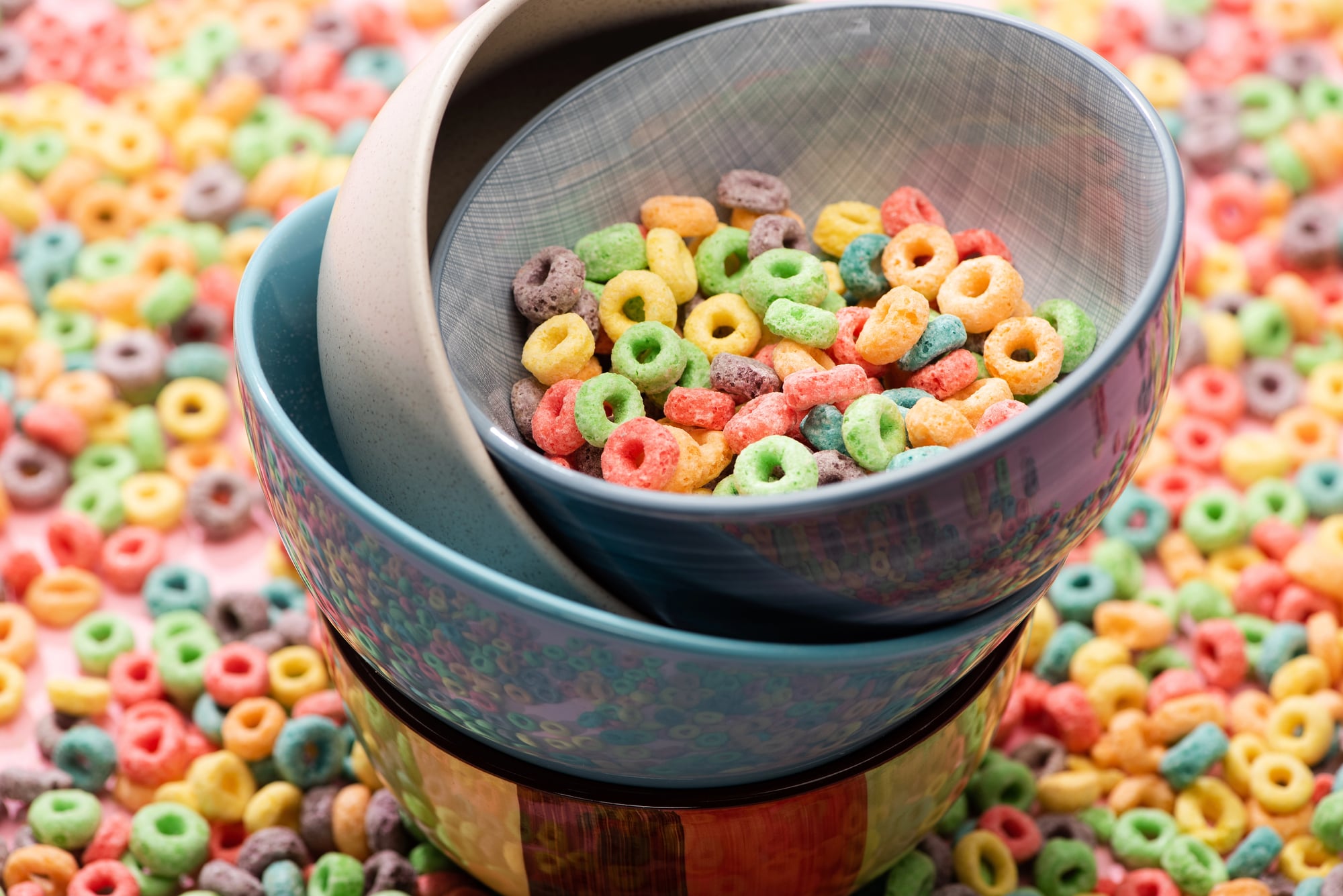
Quisp had a genuinely strange origin story: Quaker Oats launched it alongside a nearly identical cereal called Quake, then let kids vote on which one should survive through a marketing campaign built entirely around the rivalry.
Quisp won, more or less, though it’s spent most of the decades since in and out of production rather than sitting comfortably on shelves. It’s currently sold mainly through online orders rather than grocery stores.
The alien mascot on the box has aged into something between charming and unsettling, depending on your tolerance for vintage cereal art.
Freakies Cereal
Seven cartoon creatures, each with an exaggerated personality trait, living inside a cereal box that doubled as a whole mythology — Freakies wasn’t just a cereal, it was a marketing universe built for kids who’d happily read the back of a box a dozen times over breakfast.
Ralston ran it through the 1970s and into the early ’80s with real commercial success. It disappeared as cereal trends shifted toward simpler branding.
Original boxes now sell to collectors for considerably more than they ever cost at checkout.
C-3PO’s Cereal
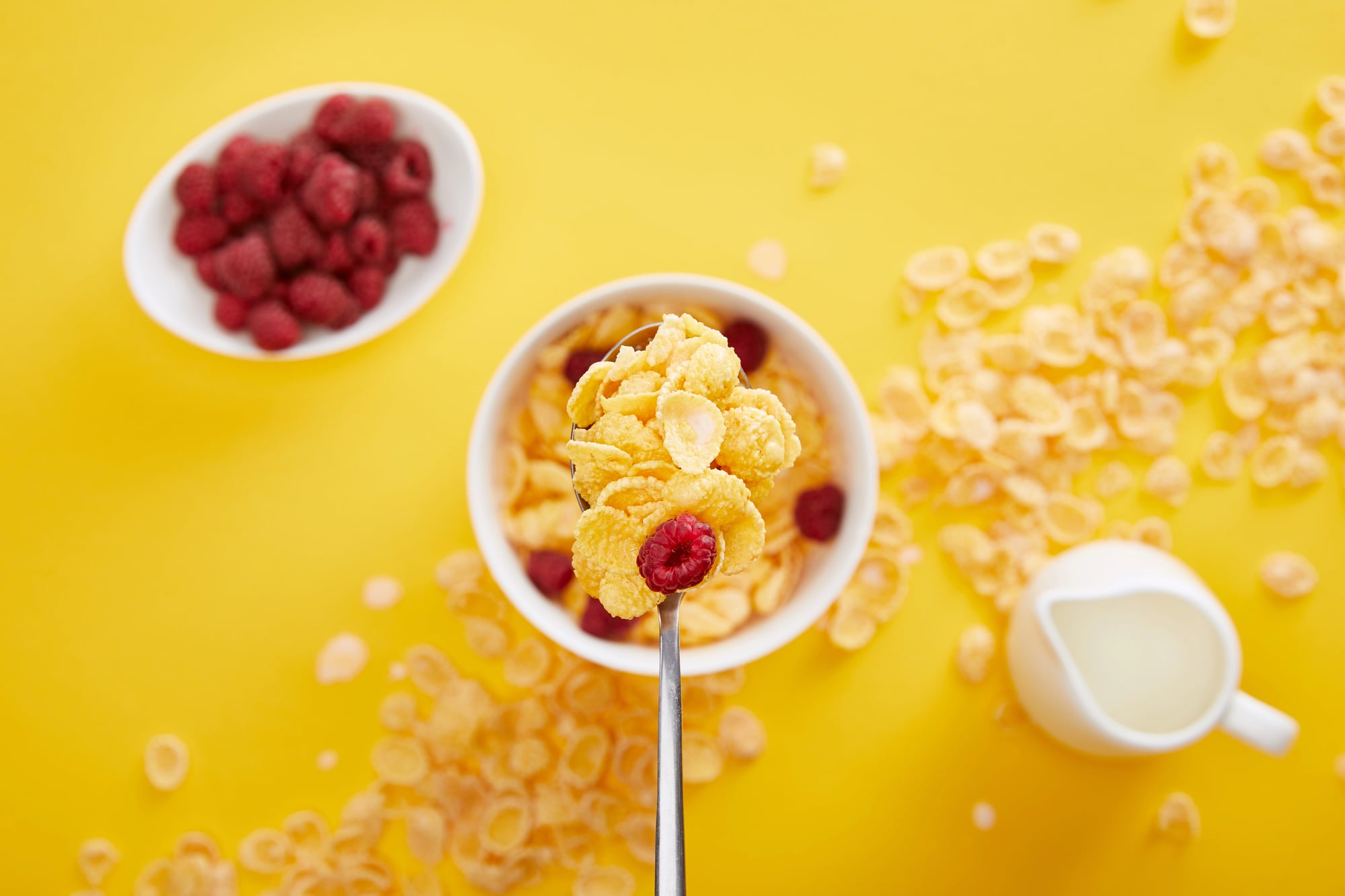
Kellogg’s timed this one to Star Wars fever, and the gamble paid off enough to keep it on shelves for a few years in the early 1980s.
The cereal itself was unremarkable, honestly, little golden rings that tasted close to Corn Pops. What mattered was the box, the tie-in, the fact that it let a kid eat breakfast with C-3PO’s face staring back at them.
It disappeared once the licensing window closed, and nothing since has recaptured that specific overlap of movie mania and cereal aisle.
Fruit Brute Cereal
General Mills’ monster cereal lineup gets remembered for Count Chocula and Franken Berry, but Fruit Brute — a werewolf-themed, fruit-flavored cereal — got discontinued decades ago and never came back on a permanent basis.
It resurfaced briefly for a Halloween run in 2013, sold in limited quantities that disappeared from shelves almost as fast as they arrived. Collectors and cereal enthusiasts treat those runs like small events.
Outside of that, it simply isn’t made.
Ecto Cooler
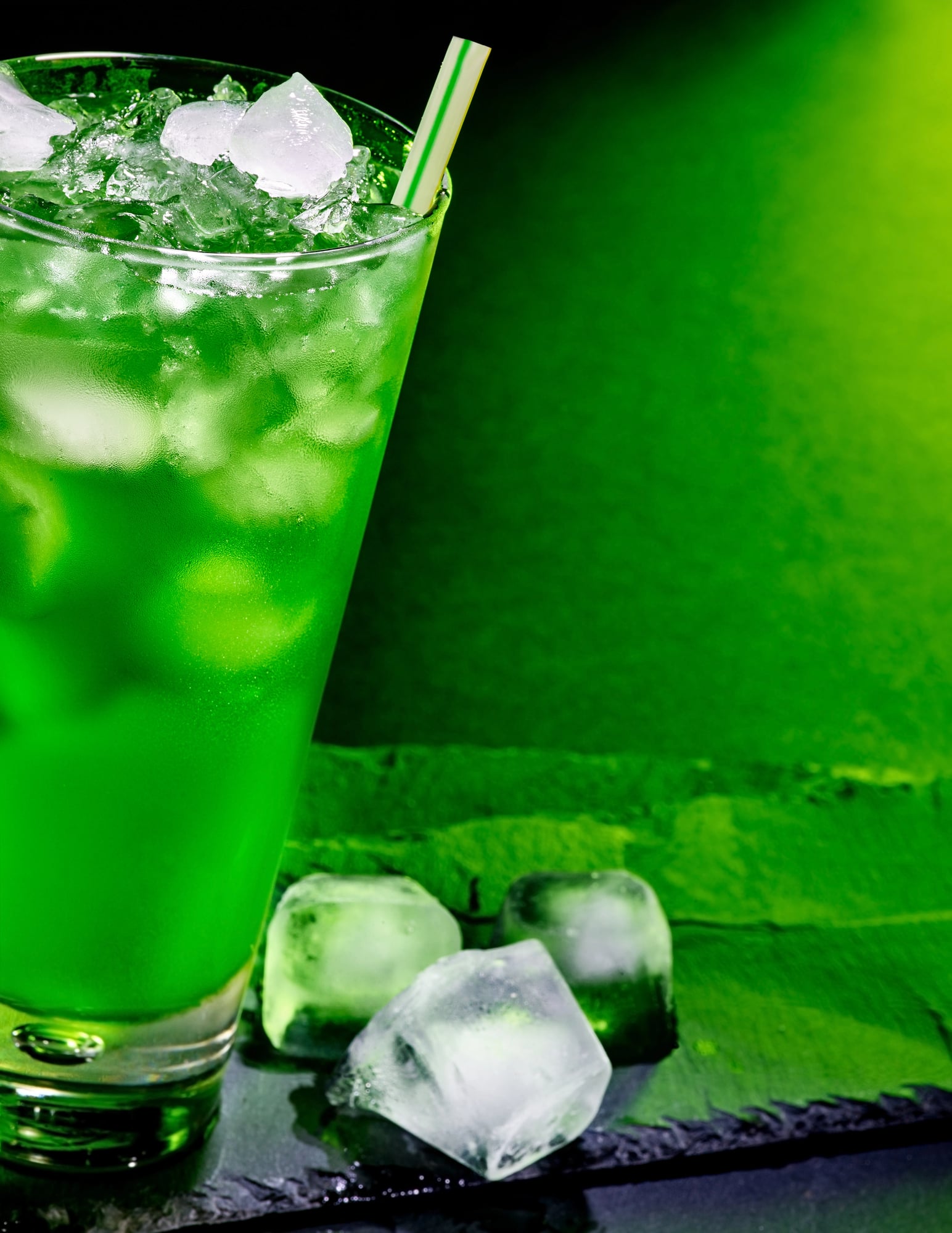
Hi-C’s Ecto Cooler launched to tie in with Ghostbusters, wrapped in green packaging with Slimer’s face grinning off the label, and the tangerine-orange flavor became genuinely beloved independent of the movie tie-in.
It got discontinued in 2001, relaunched briefly for anniversaries in 2016 and 2017, then disappeared again. The flavor technically survives under other Hi-C names occasionally.
The actual Ecto Cooler branding, the one people want, shows up rarely and sells out fast when it does.
Choco’Lite Bar
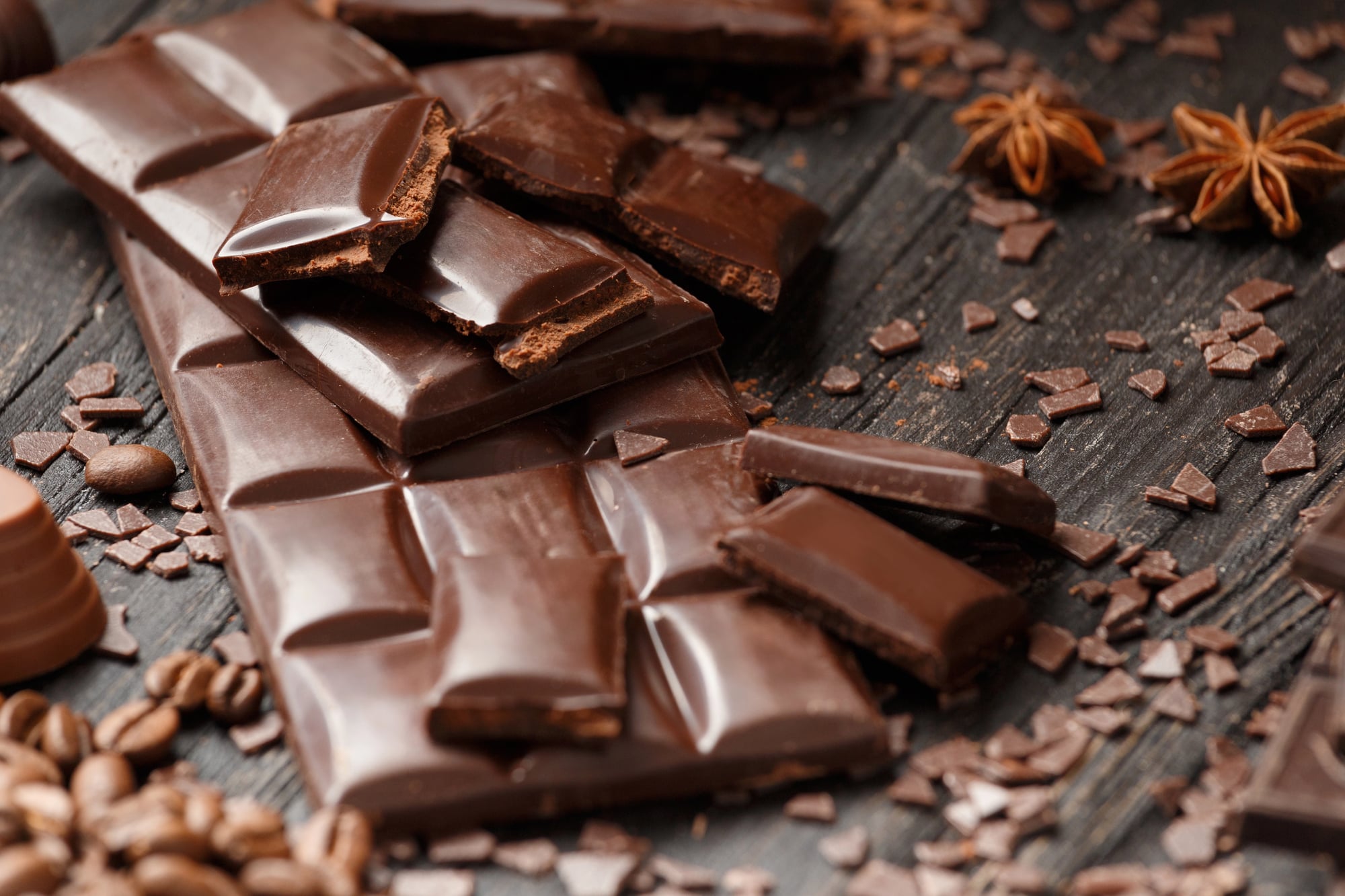
Nestlé’s Choco’Lite had an aerated, bubbly chocolate texture unlike most candy bars on the market at the time — lighter, almost crunchy in a way that felt closer to a chocolate mousse than a solid bar.
It ran through the 1970s and ’80s before quietly disappearing from the lineup. Aero bars, still sold today, use a similar aerated technique, which makes Choco’Lite feel less like a total loss and more like a specific version that simply didn’t survive.
Fans of the original insist the texture was never quite matched.
Squeezit
A plastic bottle shaped a bit like a bowling pin, filled with sugary fruit drink, meant to be squeezed directly into your mouth — Squeezit was less a beverage and more a delivery system built entirely around convenience for kids too impatient for a cup.
General Mills ran it through the ’90s and into the early 2000s. It got discontinued in the U.S. around 2001, though versions have persisted in other countries under similar branding.
The specific bottle shape, oddly, is what people remember most.
Fruitopia
Coca-Cola launched Fruitopia in 1994 with tie-dye packaging and a marketing campaign built around vague, almost hippie-adjacent slogans, which felt deliberately at odds with the polished Coke brand sitting right next to it on the shelf.
The drinks themselves were fruit juice blends with names like “Strawberry Passion Awareness,” somehow earnest and self-aware at the same time. It sold reasonably well through the late ’90s before fading out of most U.S. markets by the mid-2000s.
A few flavors persist internationally, but domestically it’s mostly gone.
Crystal Pepsi
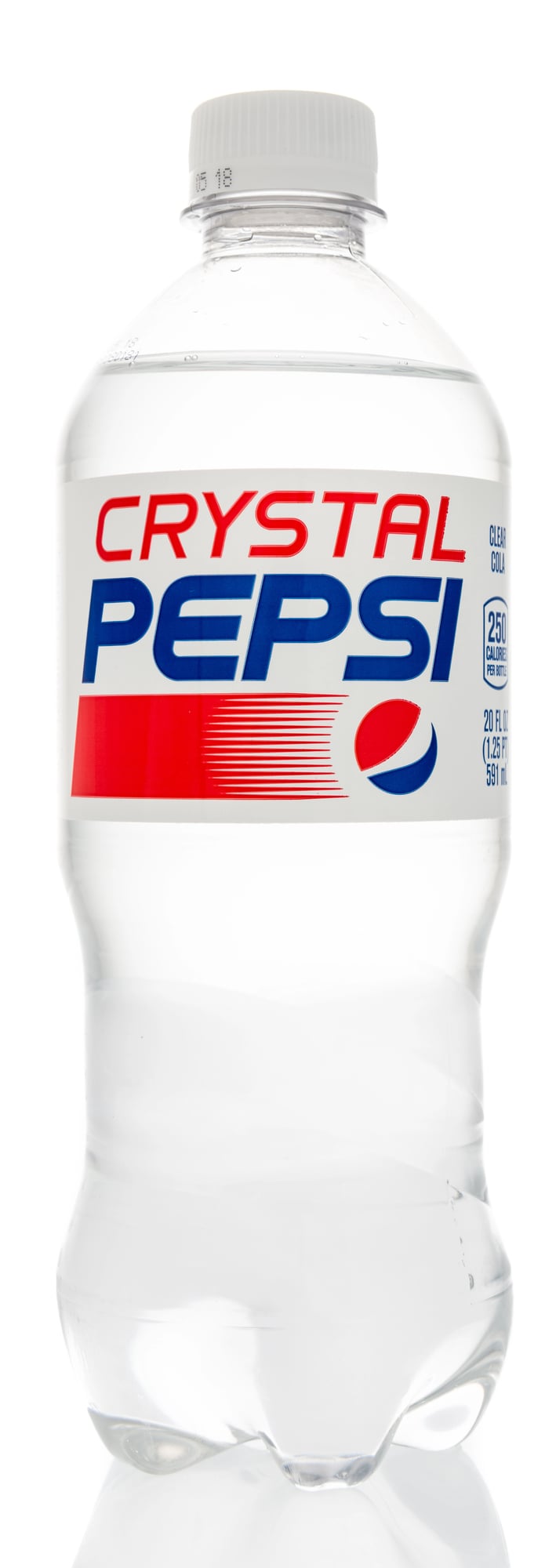
Clear cola, marketed on the idea that clear meant “pure” or “clean,” which was a strange leap of logic that somehow worked for about a year in the early 1990s before the novelty wore off.
Pepsi pulled it in 1993, brought it back briefly in 2016 for nostalgia’s sake, then pulled it again. It shows up occasionally through limited retro promotions.
Outside those windows, it’s simply not something you can grab off a shelf.
Surge Soda
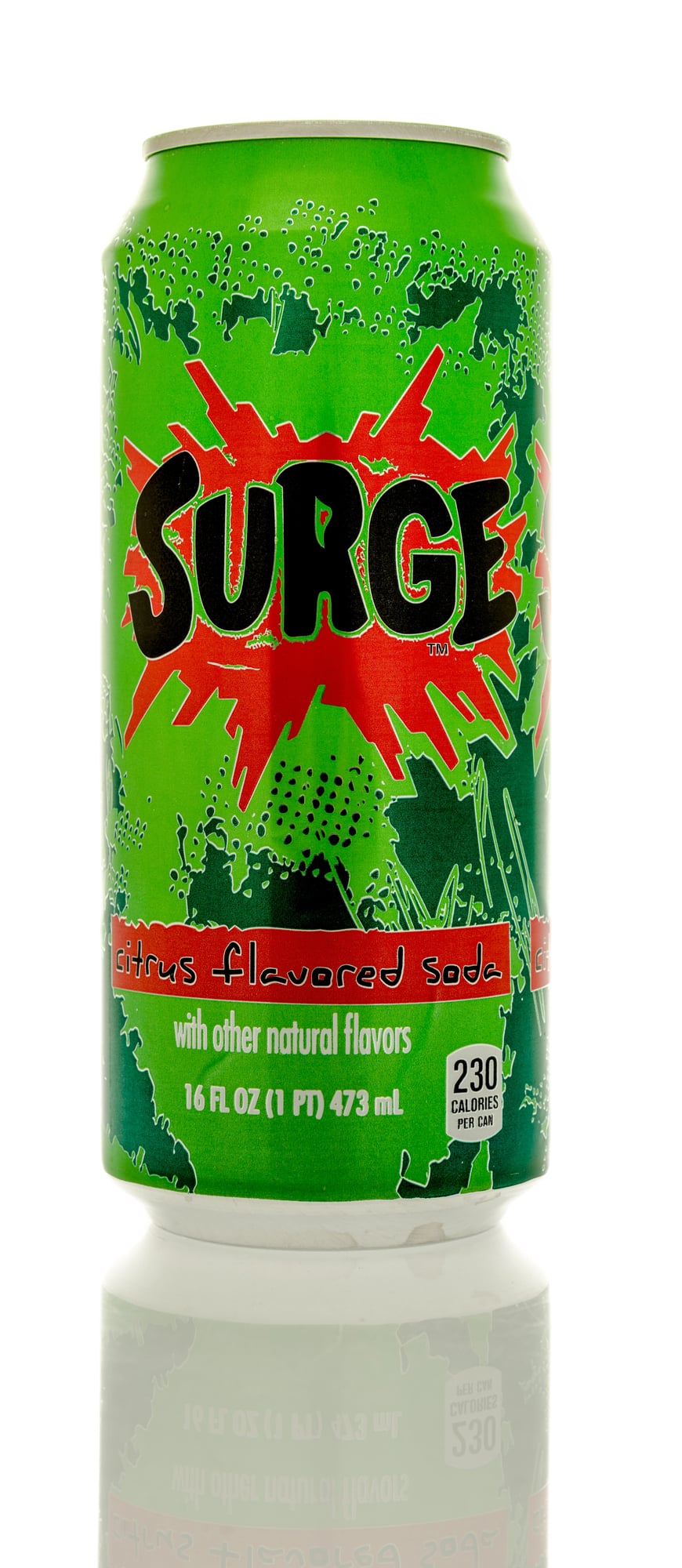
Surge was Coca-Cola’s answer to Mountain Dew, a neon green, aggressively caffeinated soda marketed almost entirely at teenagers in the mid-1990s with an energy that bordered on frantic.
It got discontinued in 2003 after a solid run, then came back in 2014 through a grassroots online campaign that convinced Coca-Cola there was still demand. That revival was limited to online sales rather than store shelves.
Finding it in an actual store remains close to impossible.
Oreo O’s Cereal
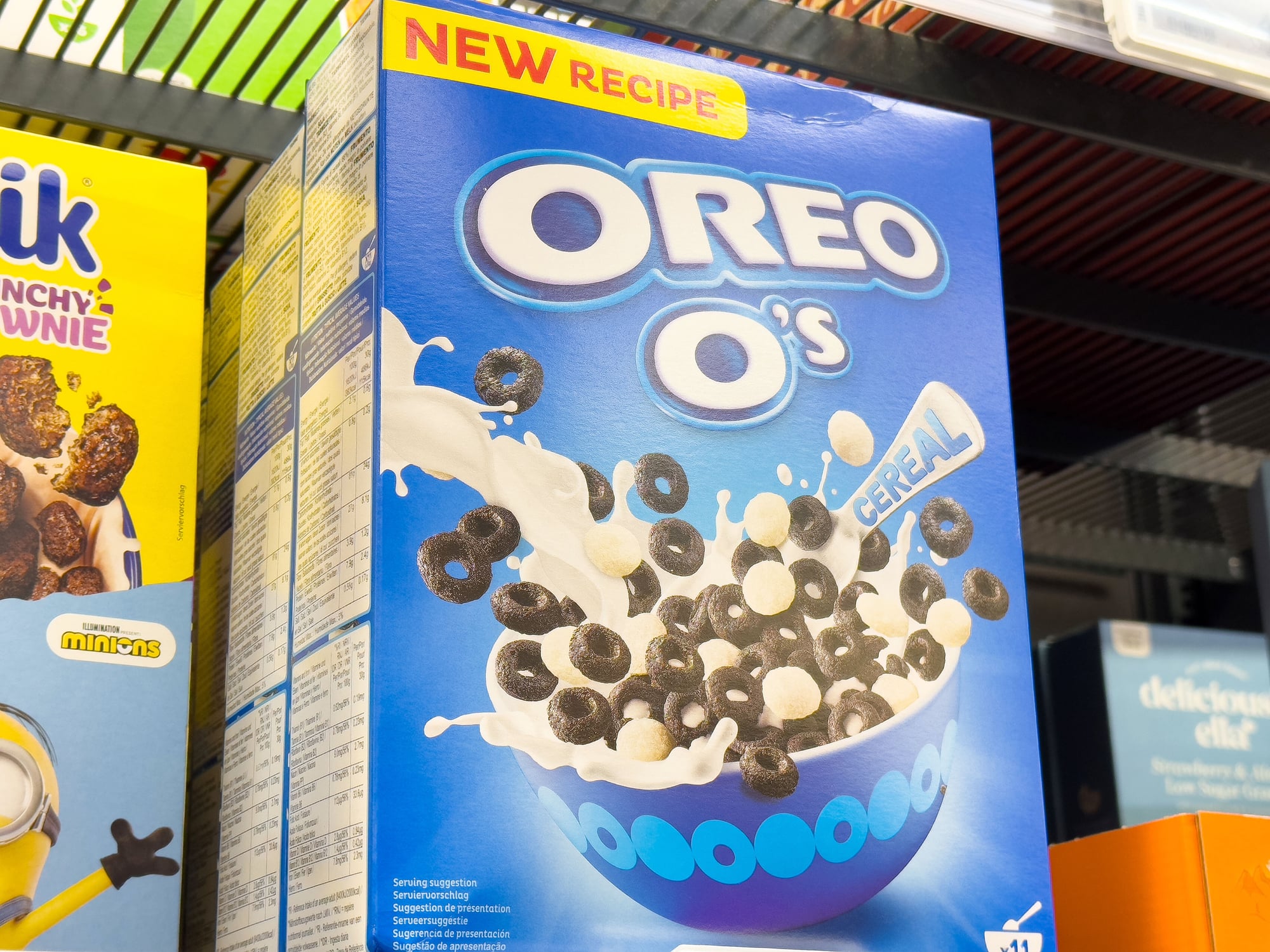
Post launched Oreo-flavored cereal in 1998, and it did reasonably well for over a decade before getting discontinued in the U.S. around 2007, largely over licensing disputes between Kraft and Post.
It quietly resurfaced in South Korea, where it’s still manufactured and sold today. American fans occasionally import it, which says something about how specific a craving can get.
Domestically, though, it’s been gone for well over a decade.
Jell-O Pudding Pops
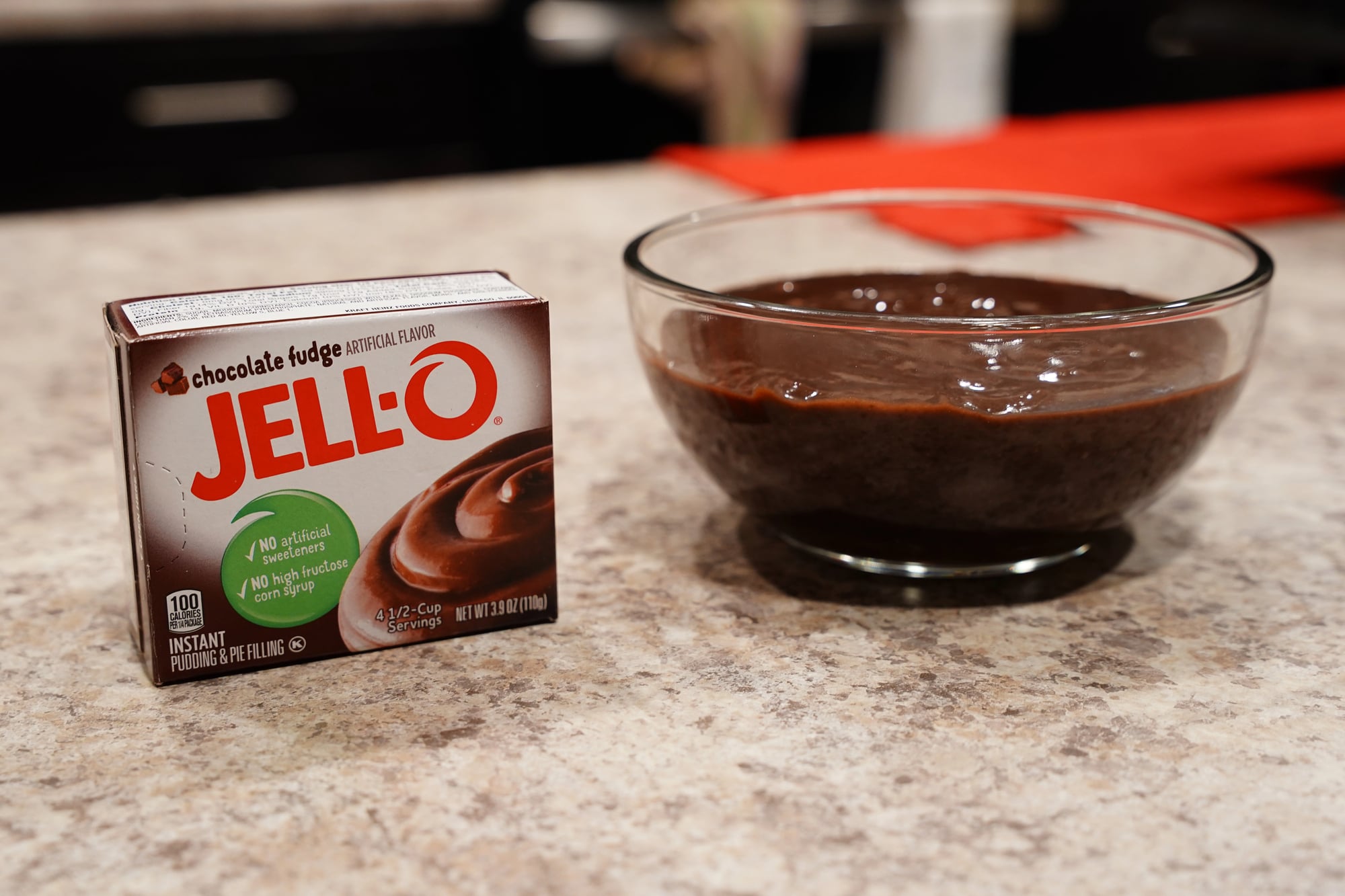
Frozen pudding on a stick, endorsed by Bill Cosby in commercials that ran constantly through the ’80s, Jell-O Pudding Pops occupied a strange middle ground between ice cream and pudding that nothing else quite filled.
General Foods discontinued the original line in the early 1990s after licensing the name out and eventually losing steam. Various companies have attempted revivals since, none sticking around for long.
What’s sold now under similar names rarely matches the specific texture people remember.
The Shelf Life of a Craving
What’s strange about all of this isn’t that these snacks disappeared — companies cut underperforming products all the time, that’s just business. It’s that so many of them didn’t actually underperform, not by much, and got pulled anyway for reasons that had more to do with licensing deals or executive taste than customer demand.
That’s the part that lingers: the sense that somewhere in a filing cabinet, a decision got made that quietly erased a piece of somebody’s childhood. Cravings like these don’t really fade with time.
They just wait, mostly ignored, until a familiar wrapper or a strange cereal box art turns up online and reminds you exactly what you’d been missing.
More from Go2Tutors!

- The Romanov Crown Jewels and Their Tragic Fate
- 13 Historical Mysteries That Science Still Can’t Solve
- Famous Hoaxes That Fooled the World for Years
- 15 Child Stars with Tragic Adult Lives
- 16 Famous Jewelry Pieces in History
Like Go2Tutors’s content? Follow us on MSN.



