29 Saturday Rituals That Defined Growing Up in the ’80s
There’s a specific kind of Saturday morning that only existed in the 1980s. The house quiet, the TV warm, the cereal box turned to face you while you ate — and the whole day stretching ahead like it would never run out.
No schedules, no group chats, no obligations requiring a calendar invite. Just a long, unstructured block of time that somehow managed to fill itself.
If you grew up in that decade, certain rituals attached themselves to those Saturdays so firmly that even now, decades later, they resurface unbidden — a smell, a sound, a specific shade of Saturday morning light.
Waking Up Before Your Parents

Waking up at 6 a.m. on a Saturday was a gift, and every kid in the ’80s knew it. The window between your eyes opening and your parents stirring was sacred — unsupervised, uninterrupted, entirely yours.
So you moved carefully, TV volume low, like you were protecting something fragile.
Planting Yourself in Front of the TV

The Saturday morning cartoon lineup was its own kind of event — not background noise you half-watched while doing something else, but a destination you planned for the night before, the way adults planned dinner reservations. NBC, CBS, and ABC each ran competing blocks of animation that lasted until noon, and the order of the shows mattered: you had favorites, you had ones you’d tolerate, and you had ones you’d endure only because something better came after.
And yet the whole block felt like a single unbroken experience, one long bright morning that belonged only to you.
Pouring a Bowl of the Wrong Cereal

The cereal you wanted and the cereal in the cabinet were rarely the same thing. Froot Loops, Count Chocula, Cap’n Crunch — these were aspirational, purchased occasionally and treated accordingly.
What you usually got was something with the word “Bran” in the name, which you ate anyway, quietly, without protest, because Saturday morning was still Saturday morning.
Reading the Cereal Box Cover to Cover

A cereal box, it turns out, is a remarkably complete piece of entertainment — there were games on the back, mazes on the side panels, mail-in offers on the inside flap that required six to eight weeks for delivery and a check from a parent who was almost certainly not going to write one. The box sat propped against the milk jug like a paperback novel, and you read it the same way: front to back, then back again when you ran out of material.
It was slow, comfortable reading, the kind that asked nothing of you.
Waiting for the Saturday Morning Lineup to End
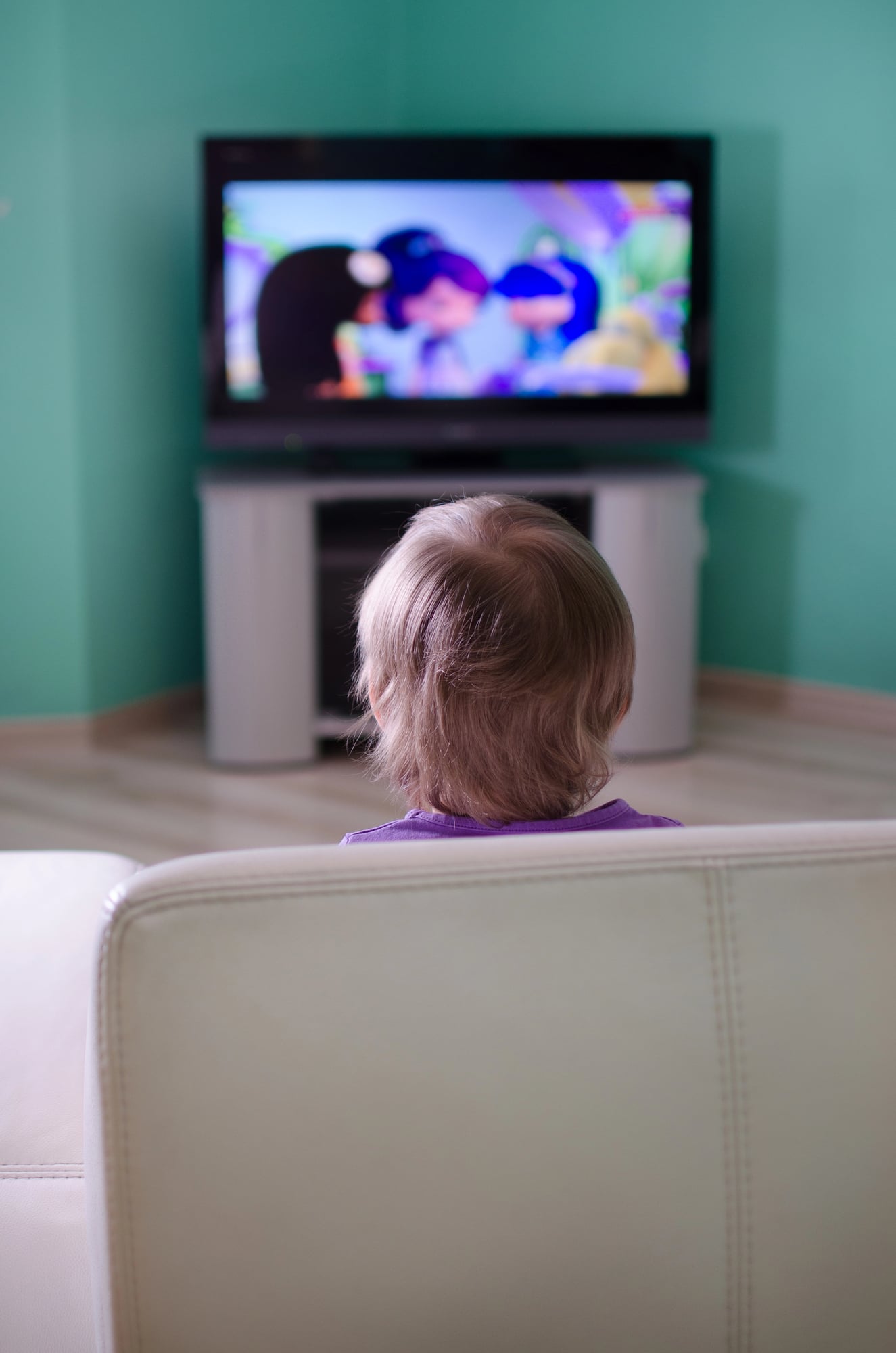
Noon hit like a sentence. The cartoons stopped, the programming shifted to golf or college sports or something with no discernible plot, and the television — that warm, reliable companion — essentially evicted you from the living room.
You stood in front of it for a moment, genuinely reluctant, before accepting that Saturday had entered its second phase. Outside, probably. Or somewhere else in the house where adults hadn’t yet appeared.
Going Outside Without Telling Anyone Where
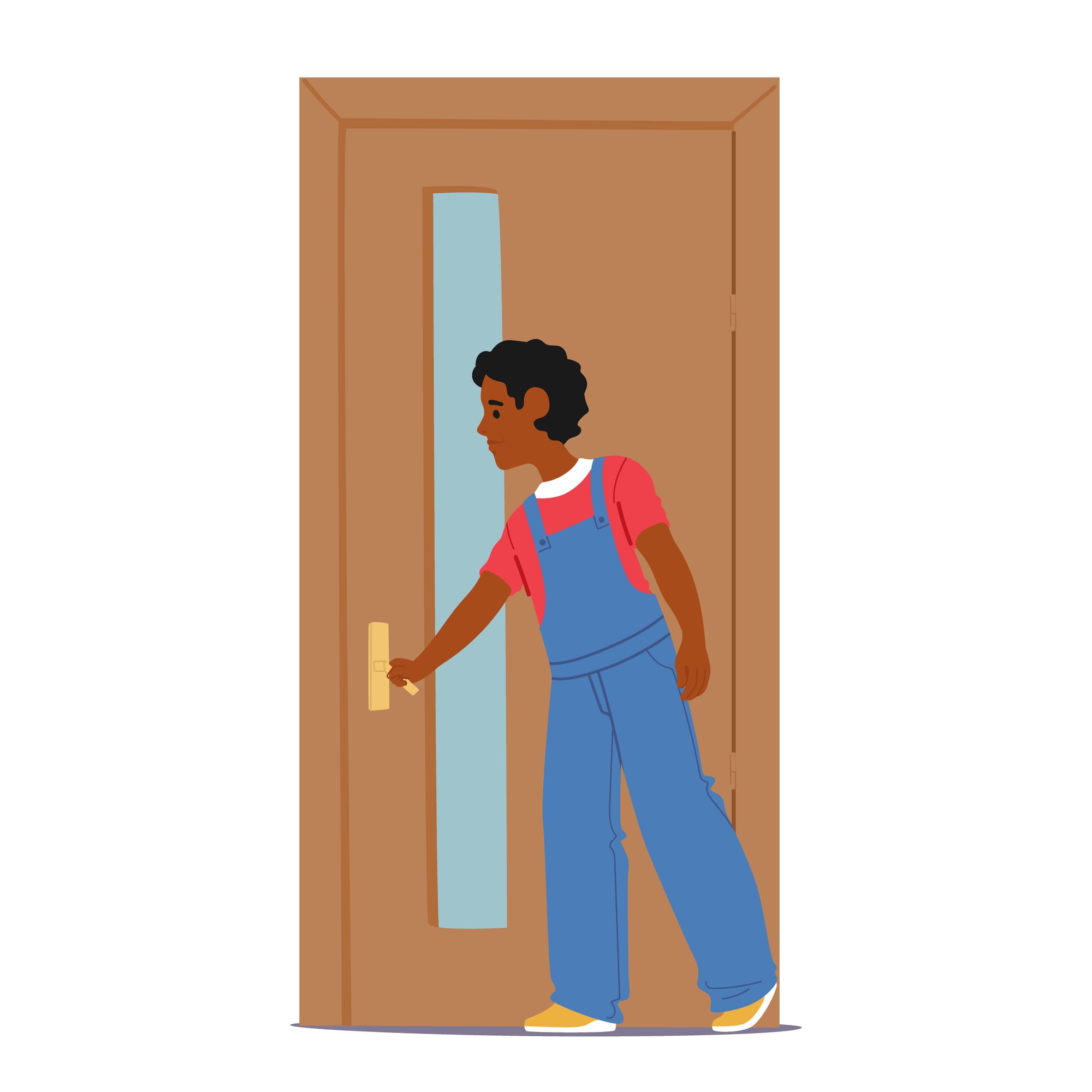
This was not recklessness — it was just the operating standard. You left, someone might have heard the door, and that was considered sufficient communication.
The neighborhood was a known quantity, your radius of motion was roughly understood, and as long as you materialized for dinner you were considered accounted for. No check-ins, no GPS, no callback required.
Riding Your Bike Somewhere Pointless

The ride didn’t need a destination to justify itself — this is something that got lost somewhere between 1989 and now, and the loss is real. You’d ride to the end of the street, then the next street, then down to the school parking lot because it was flat and wide, then back home by a different route just to make it last.
The BMX was the vehicle of choice for most kids, and the sound of the freewheel clicking while you coasted downhill is a noise that still lives in a very specific corner of memory.
Knocking on a Friend’s Door Without Calling First
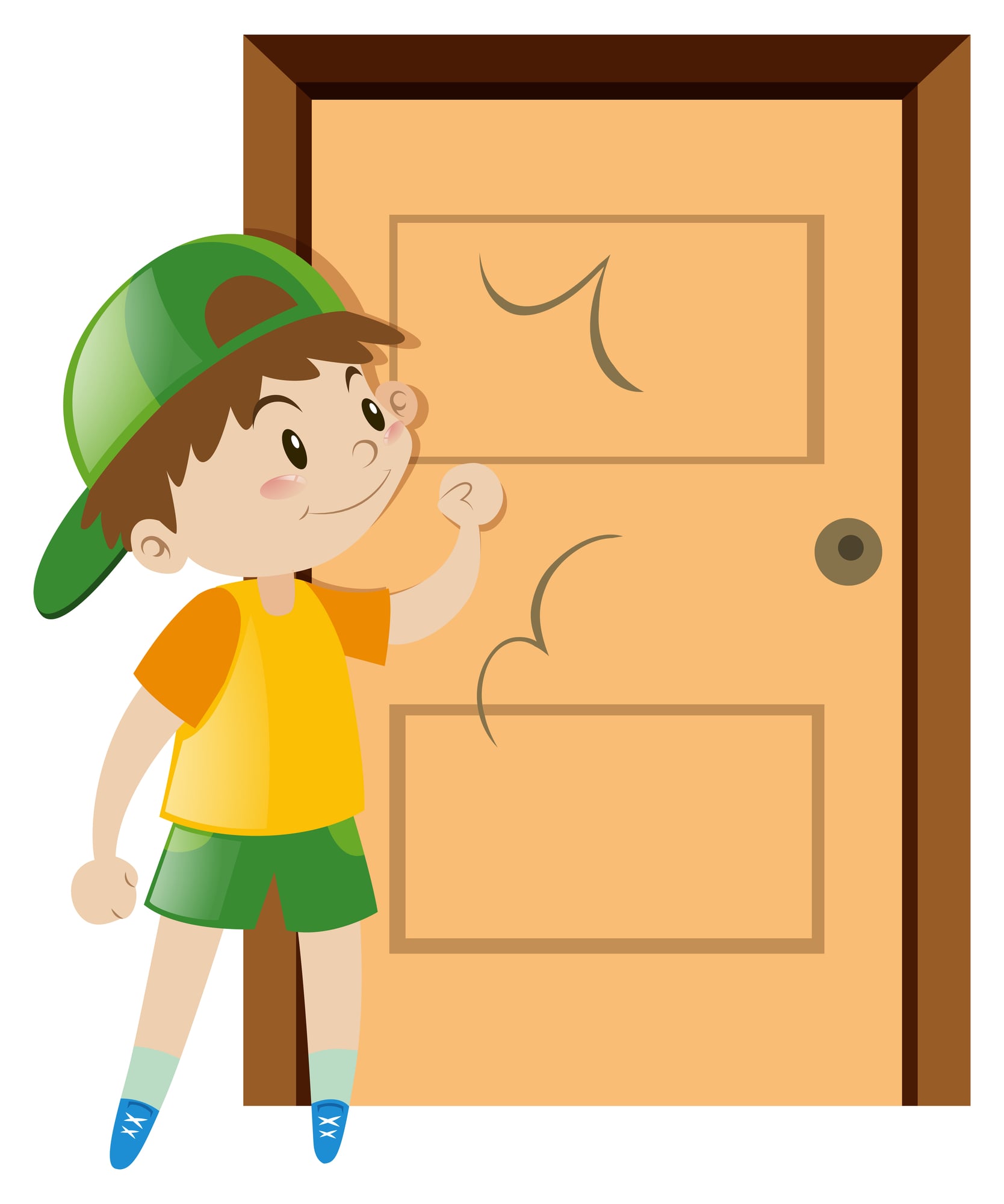
Calling ahead was an adult behavior, and most ’80s kids treated it accordingly — as something you did when you weren’t sure you were welcome. If you wanted to see your friend, you knocked on their door, accepted whatever version of them answered (still in pajamas, mid-argument with a sibling, eating lunch at 10 a.m.), and the day sorted itself out from there.
The spontaneity wasn’t accidental; it was the whole point.
Playing Outside Until You Smelled Like Grass and Sweat

There’s a particular quality to the exhaustion of a kid who’s been outside for six hours — it settles into the legs and shoulders differently than any other kind of tired, heavier and more honest, the kind your body recognizes as earned. You came inside sunburned, grass-stained, with a specific ring of dirt around your ankles that only appeared after a full day of doing nothing in particular.
The screen door banging shut behind you was the period at the end of the sentence.
Setting Up Elaborate Living Room Forts
Couch cushions were structural material. Blankets were load-bearing walls. The fort you built on a rainy Saturday could occupy two full hours of planning and thirty minutes of actual use before it collapsed or someone sat on it — but the construction phase was the point, not the fort itself.
It was architecture with a pillow budget.
Playing Atari or ColecoVision
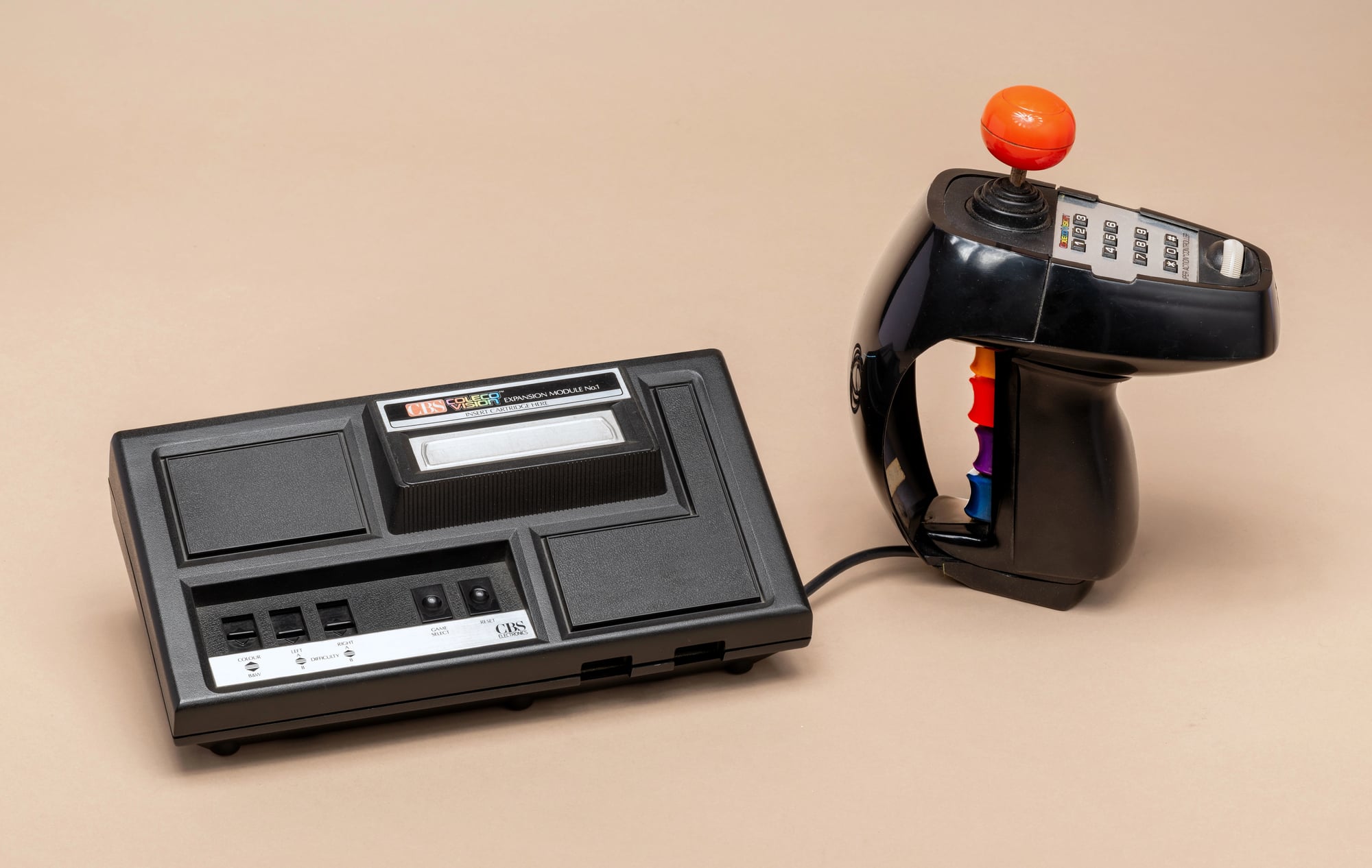
The graphics were blocky and the controllers had one button, and none of that mattered even slightly. Pitfall, Pac-Man, Donkey Kong — these games asked for your full attention and returned it in jolts of frustration and occasional triumph.
To be fair, “frustration and occasional triumph” describes most valuable experiences, which is probably why those sessions felt so serious.
Watching WWF Wrestling

Saturday morning WWF programming was presented with complete sincerity, and you received it the same way — the storylines were operatic, the characters were enormous, and Hulk Hogan’s advice to train, say your prayers, and eat your vitamins landed with genuine authority. Whether the matches were real was a question that floated somewhere in the background, never quite answered, never quite pressed.
You watched anyway.
Riding Your Bike to the Video Rental Store
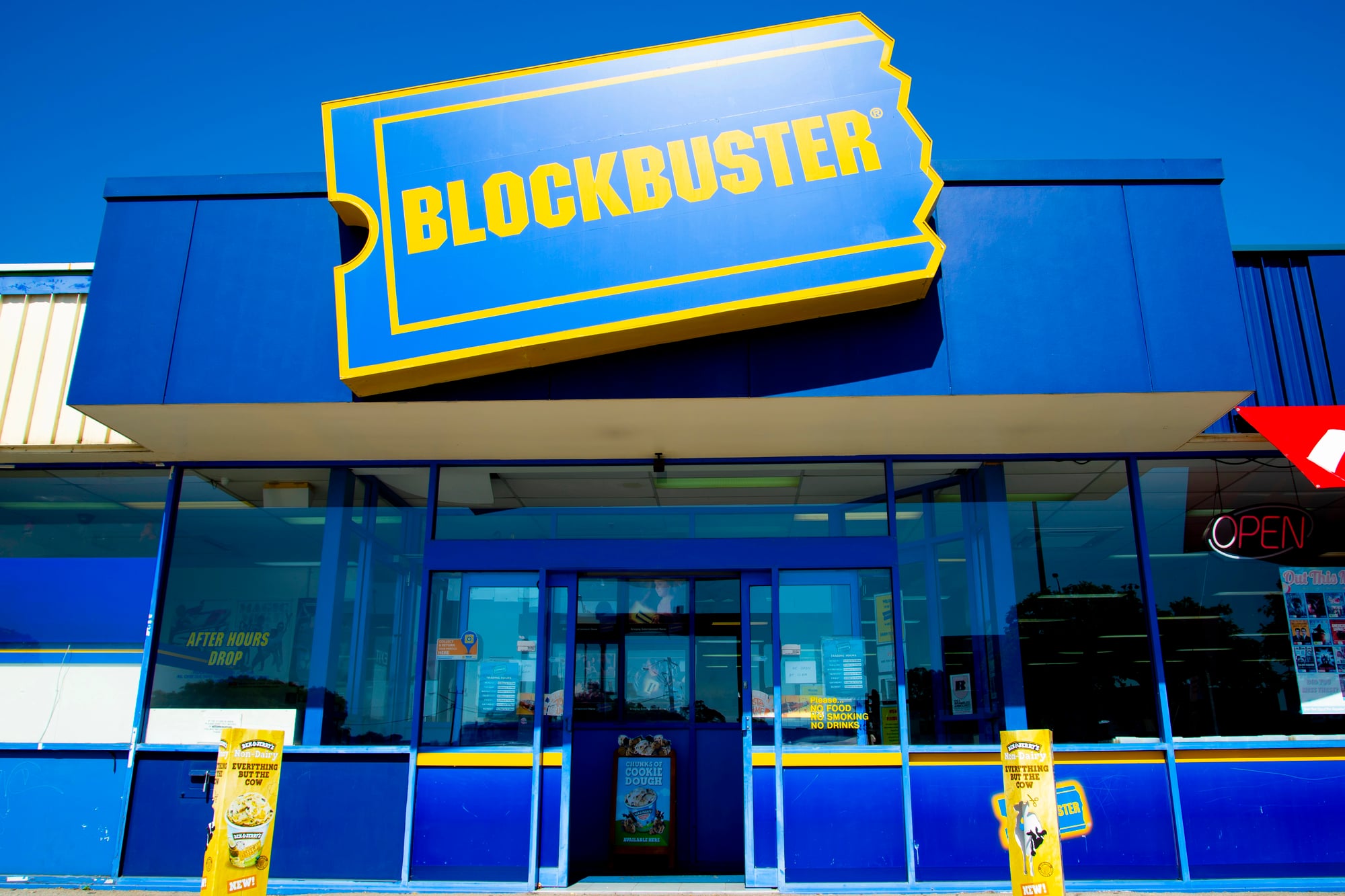
Blockbuster is the famous one, but in the mid-’80s it was more likely a local shop — something with a handwritten sign and a carpet that smelled like old plastic — where you’d spend twenty minutes choosing a VHS tape you’d already seen twice. The selection wall, with its row of oversized cardboard boxes, was its own kind of gallery: you’d read every back-cover summary even for movies you’d never rent, just to feel informed.
Rewinding VHS Tapes
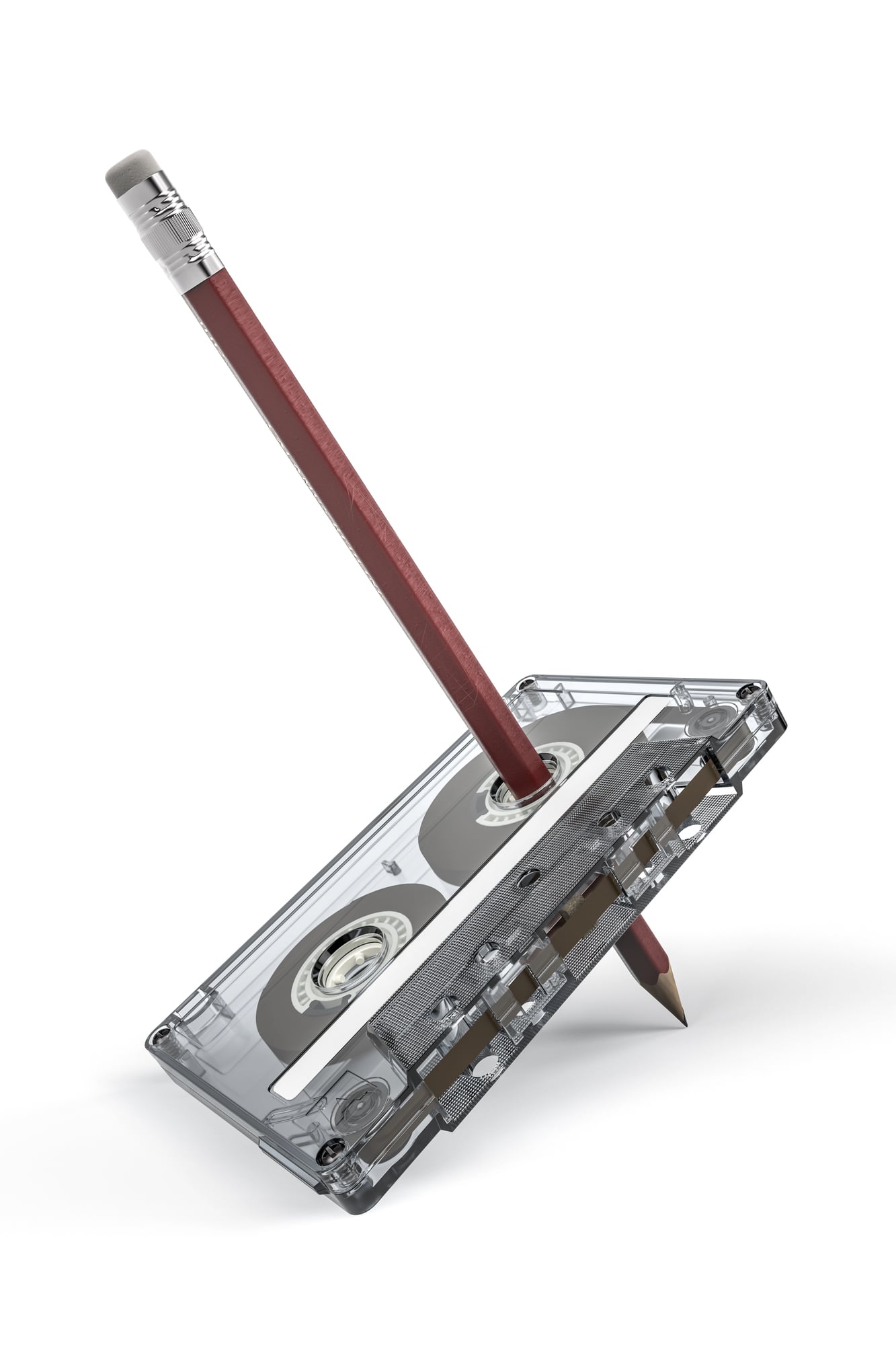
Be Kind, Rewind — the sticker on the tape case was a social contract, and the Be Kind Rewind machines at the video store existed specifically because enough people violated it to make the reminder necessary. At home, you rewound your own tapes by hand on a separate rewinder shaped like a race car or a cassette deck, which made a satisfying mechanical whir and finished in about forty-five seconds.
Nobody questioned why this process required its own dedicated appliance.
Watching Saturday Afternoon Movies on TV

After the cartoons ended and before dinner became a concern, network television ran movies — edited for broadcast, interrupted every twelve minutes by commercials, occasionally cut so heavily that the plot barely held together. You watched them anyway, and somehow the interruptions felt like part of the experience rather than a defect.
Movies like Goonies, Ghostbusters, or Raiders of the Lost Ark on a Saturday afternoon felt like a second lottery win after the morning cartoons.
Listening to Casey Kasem’s American Top 40
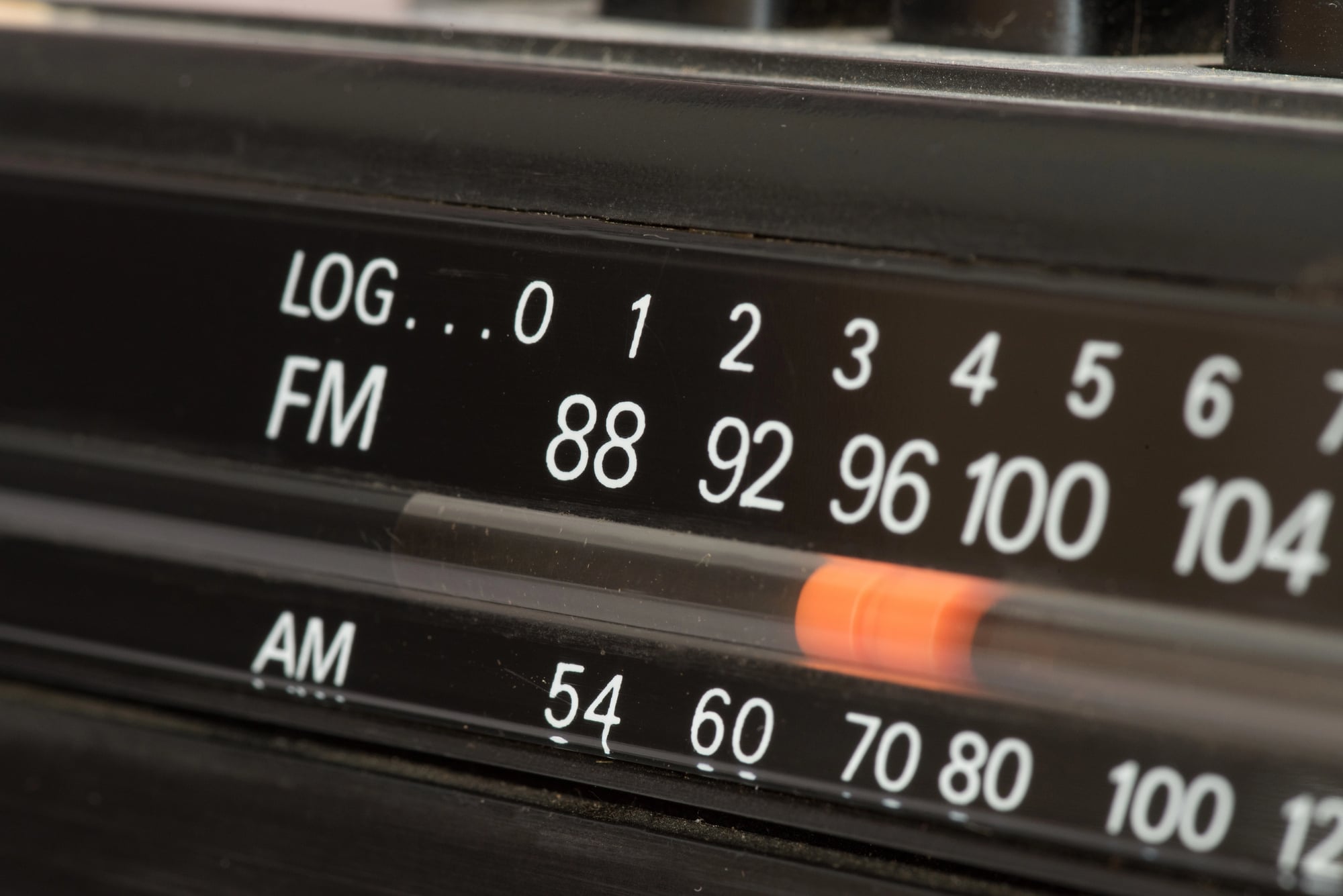
American Top 40 aired on Saturday mornings and ran for four hours, which meant you could catch pieces of it between cartoons, during lunch, or while doing something else in an adjacent room. Casey Kasem’s voice was unhurried and warm, built for long-distance listening — and the Long Distance Dedications segment, where someone wrote in to dedicate a song to a person they missed, carried a weight that even a ten-year-old could feel without fully explaining why.
Helping (or Avoiding) Yard Work
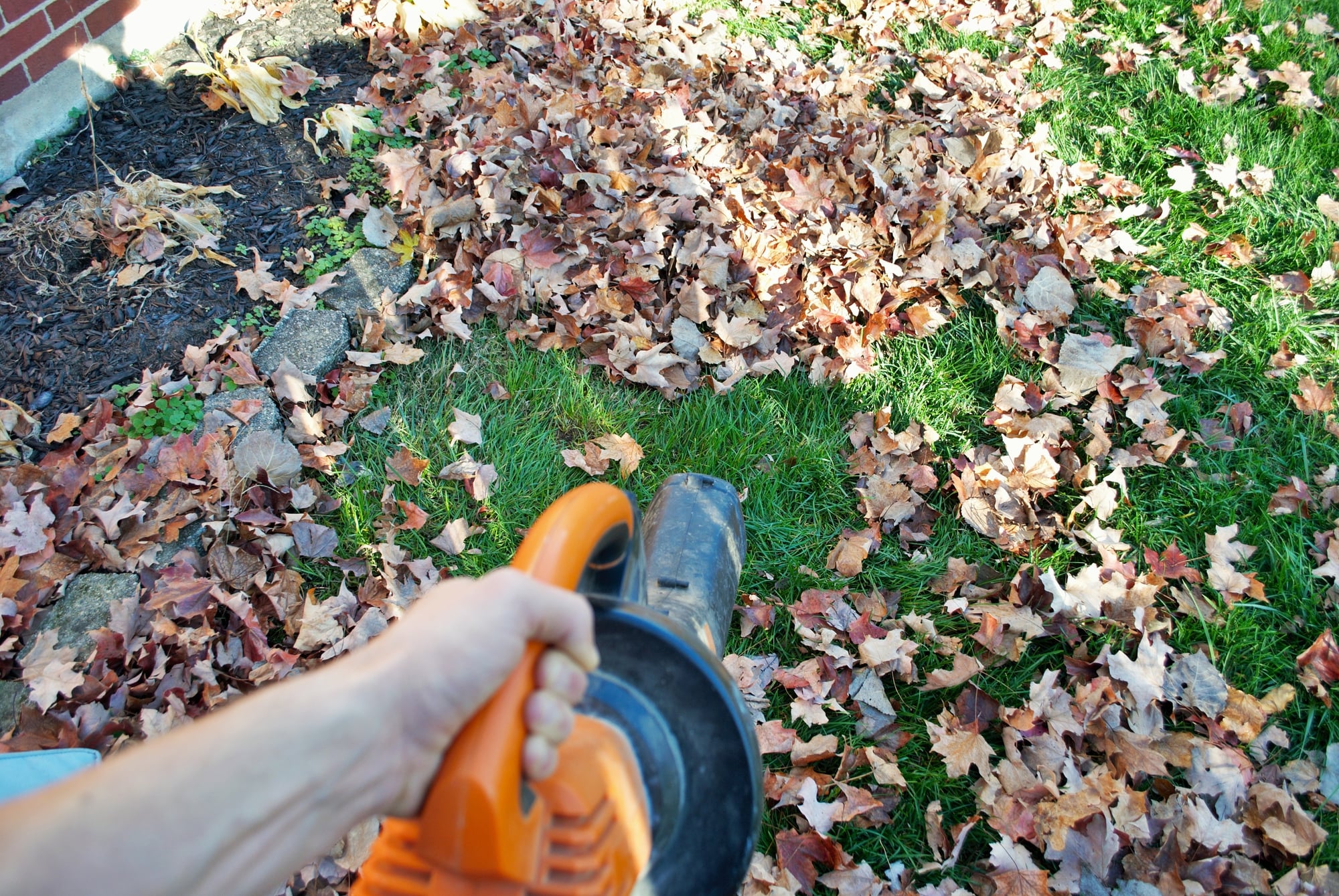
The lawn didn’t mow itself in the 1980s, and parents were not subtle about communicating this fact. Saturday mornings carried the ambient threat of being recruited — raking, edging, pulling weeds from cracks in the driveway — and the successful dodge required either genuine invisibility or a very convincing alternative.
Kids who got pulled in anyway developed a specific relationship with the push mower: grudging, loud, and occasionally satisfying in ways you’d never admit out loud.
Going to the Mall

The mall in the 1980s was not a retail destination — it was a civic institution, a place you went the way previous generations went to the town square. Saturdays belonged to it: the food court with its Orange Julius and Sbarro slices, the arcade just past the movie theater, the record store where you could flip through cassette tapes for thirty minutes without buying anything.
Spencer Gifts alone could absorb forty-five minutes of your afternoon without trying.
Spending Hours at the Arcade

A pocket of quarters was real currency on a Saturday, and the arcade was where it converted into something meaningful — Dragon’s Lair, Galaga, Street Fighter, all lined up in a dim room that smelled like carpet and electronics. You watched strangers play games you couldn’t afford, memorized their techniques, waited for a machine to open up.
The arcade had its own economy, its own social hierarchy, and its own rules about whether it was acceptable to ask for tips from the person on the high score screen.
Reading Comic Books

A Saturday with a stack of comics was not a passive experience — you read, you reread, you studied the panels like documents, you noted which issues you were missing from a run and felt the specific discomfort of an incomplete collection. Marvel and DC both published prolifically in the ’80s, and the spinner rack at the drugstore was where most kids intercepted them.
The smell of newsprint and cheap ink is one of the more reliable time machines available to anyone who grew up in that decade.
Playing Board Games or Card Games

Monopoly is the obvious example, and also the one most likely to end in someone flipping the board — but the ’80s had a specific shelf of options that felt native to the decade: Trivial Pursuit (Genus Edition, the original), Pictionary, Clue, Battleship, and the perpetually unexplained Mystery Date. Playing a board game on a Saturday afternoon was a communal decision that required negotiation, patience, and a willingness to accept that someone was going to cheat and everyone was going to pretend not to notice.
Making Prank Calls

The rotary phone, or the push-button wall unit in the kitchen with the coiled cord that stretched to the next room, was a tool of mild mischief on Saturday afternoons — “Is your refrigerator running?” delivered in a disguised voice, then hanging up before the person could respond, then dissolving into the kind of laughter that makes it hard to breathe. Caller ID didn’t exist for most of the decade, which meant the risk of consequence was genuinely low, which meant the thrill was genuinely real.
It was the most harmless kind of transgression available.
Watching Saturday Night Live
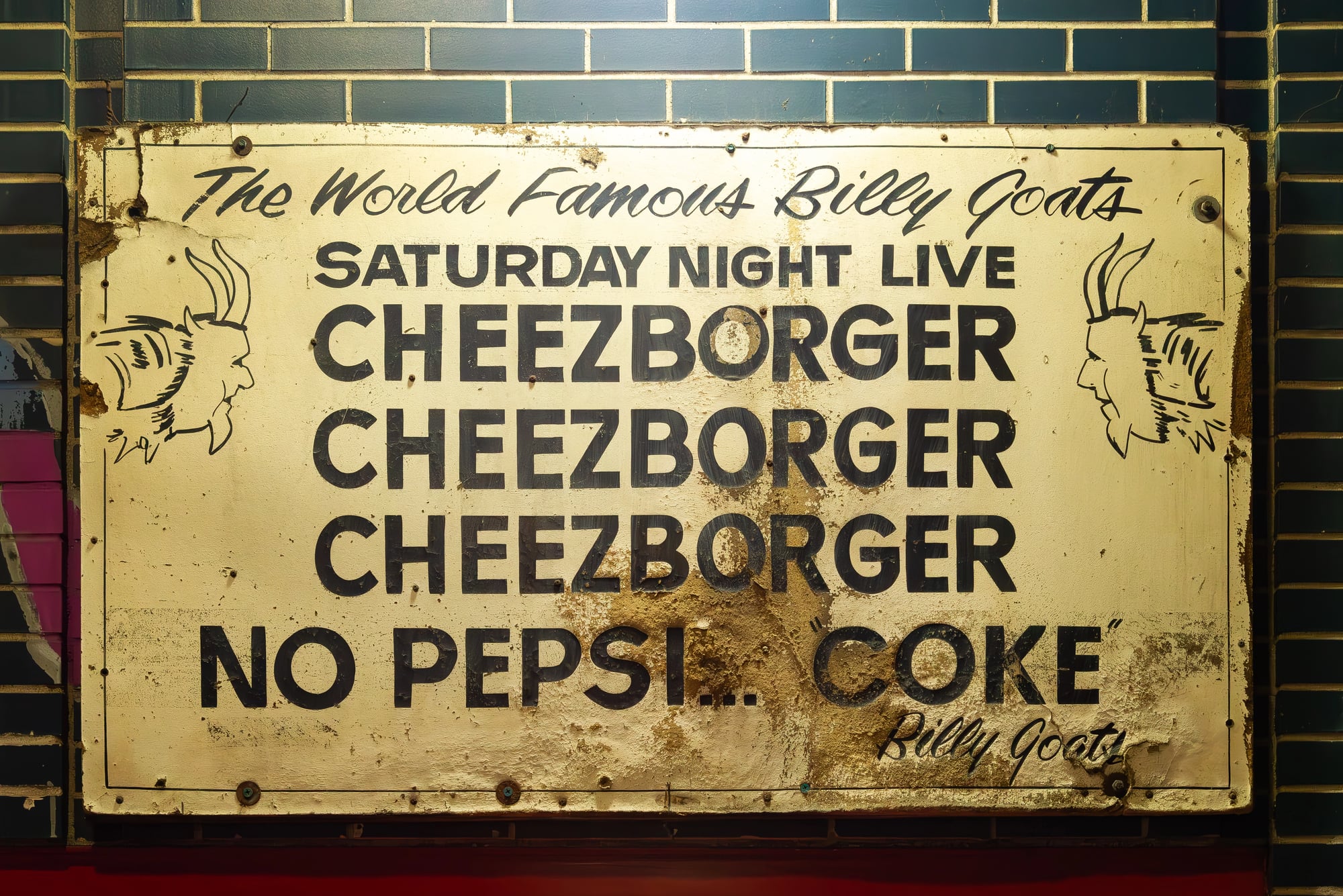
If you were old enough — or if your parents were permissive enough, or if you were clever enough to stay up without announcing it — Saturday Night Live was the reward at the end of the day. The 1980s cast included Eddie Murphy, Billy Crystal, Martin Short, Christopher Guest, and Dana Carvey across various eras, and even the sketches that didn’t quite land felt like something adult and slightly forbidden.
Watching it with the volume low, technically past your bedtime, made it better.
Riding Around With Older Kids

Having access to an older sibling or neighborhood kid with a car — even a battered 1978 Camaro with a broken tape deck — was the kind of social mobility that required no explanation. You went wherever they went: the drive-through, the gas station, the parking lot of a closed shopping center, nowhere in particular and all of it at once.
The music was louder than it needed to be, and the windows were usually down, and that was essentially the entire point.
Calling Your Best Friend for No Reason

The telephone call with no agenda was a weekend institution — you called your friend, the conversation went sideways within four minutes into something entirely unrelated to why you’d called, and forty-five minutes later you hung up having accomplished nothing and feeling completely satisfied. The cord was the only limiting factor.
Long phone calls were a Saturday luxury the way brunch became a Sunday one for later generations, which is a comparison that reflects poorly on later generations but there it is.
Trading Sports Cards
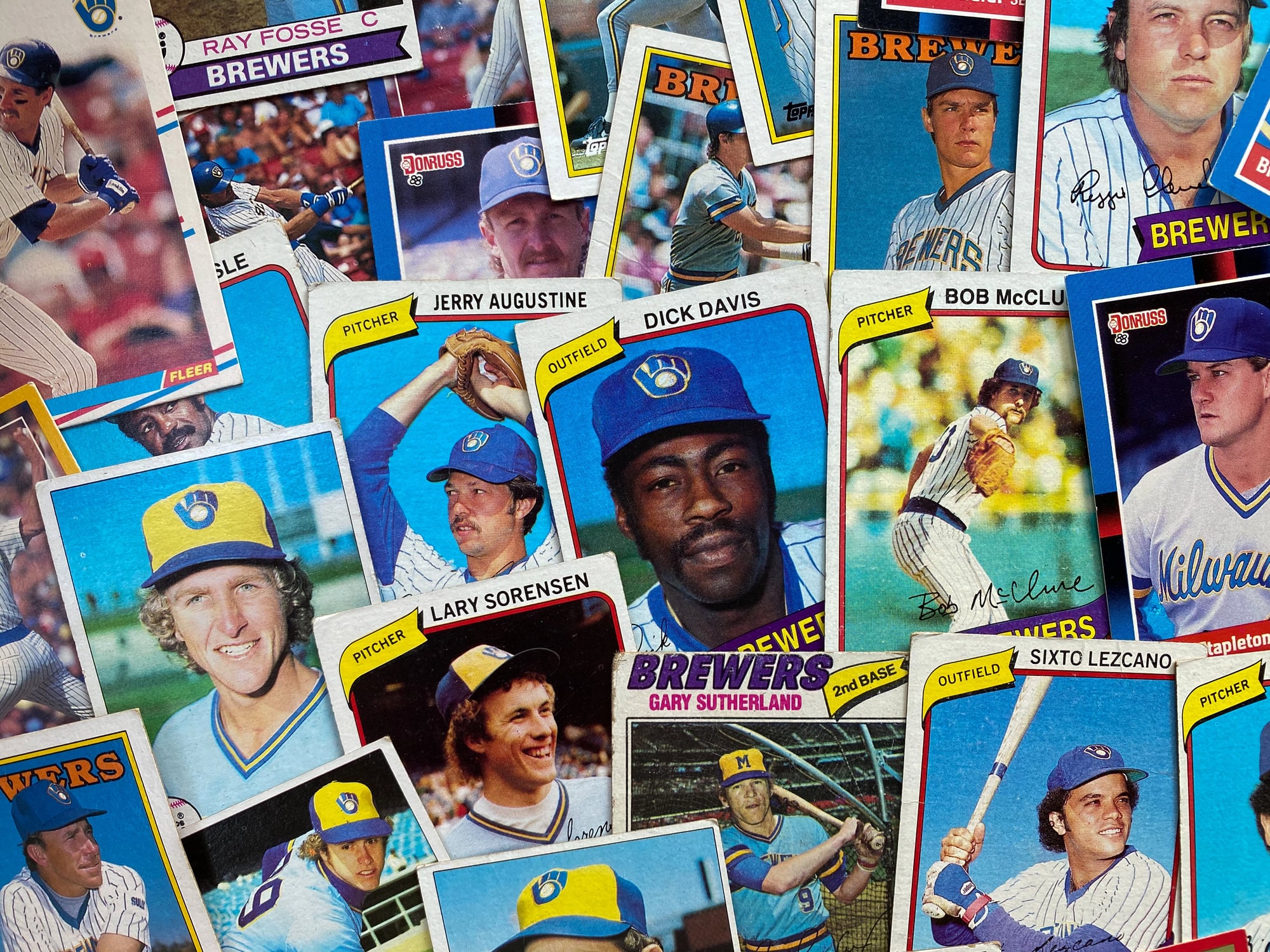
A Saturday afternoon card session had its own formality — you brought your collection, your friend brought theirs, and the negotiation operated on a value system that existed nowhere officially but was universally understood within a two-mile radius of your school. Baseball cards were the main currency, though football and basketball had their loyalists.
The Topps wax pack crinkle, the smell of the stick of gum that came inside, the moment of checking whether the top card was someone worth knowing — these are sensory memories that refuse to dull.
Watching TGIF (Even Though It Was Friday)

TGIF was technically a Friday night institution, but it bled into Saturday’s identity through reruns, VHS recordings, and the weekend-as-one-continuous-experience feeling that characterized childhood in the decade. Full House, Family Ties, Growing Pains — the ABC lineup of family sitcoms ran on rotation throughout the weekend, and Saturday afternoon was prime rerun territory.
You watched episodes you’d already seen and laughed at the same parts again without embarrassment.
Eating Whatever Was in the House for Lunch

Lunch on a Saturday was not a meal anyone planned — it was a foraging event, conducted independently, around noon, with whatever the refrigerator and pantry were willing to offer. Bologna on white bread with mustard. A grilled cheese made on the stovetop with margarine. Leftover pizza eaten cold, standing at the counter, because reheating it would take time and time was not something you were interested in spending on logistics.
The whole enterprise took nine minutes and was eaten in front of whatever was on TV.
Staying Up Later Than You Should Have

The final ritual of the Saturday was less a decision than a slow drift — bedtime was a concept that eroded gradually as the evening wore on, first extended by one more show, then by one more chapter, then by just lying in the dark listening to the radio with the volume barely audible. You didn’t always win the negotiation with your own eyelids.
But Saturday nights had a different quality of darkness than weeknights — looser, less consequential — and so you pushed against them as long as you could.
What the Day Actually Was

Looking back, the rituals weren’t really about cartoons or cereal or arcade machines or any specific thing — they were about the texture of unstructured time, which is something that childhood in the ’80s had in quantities that feel almost implausible now. Saturday was a container, and what you filled it with was entirely up to you and your immediate circumstances and the contents of your pantry.
The rituals were just the shape that freedom took when you were ten years old and the whole day was yours.
More from Go2Tutors!

- The Romanov Crown Jewels and Their Tragic Fate
- 13 Historical Mysteries That Science Still Can’t Solve
- Famous Hoaxes That Fooled the World for Years
- 15 Child Stars with Tragic Adult Lives
- 16 Famous Jewelry Pieces in History
Like Go2Tutors’s content? Follow us on MSN.



