29 Snacks School Lunchrooms Stopped Serving
Cafeteria food has always been an easy target for nostalgia, but a surprising number of items that once anchored the lunch line have genuinely vanished, pulled by shifting nutrition guidelines, ingredient shortages, or simple changes in what kids were willing to eat. Some disappeared quietly; others were phased out amid real controversy.
Here is a rundown of the snacks and lunchroom staples that used to be common and are now mostly gone.
Salisbury Steak Trays
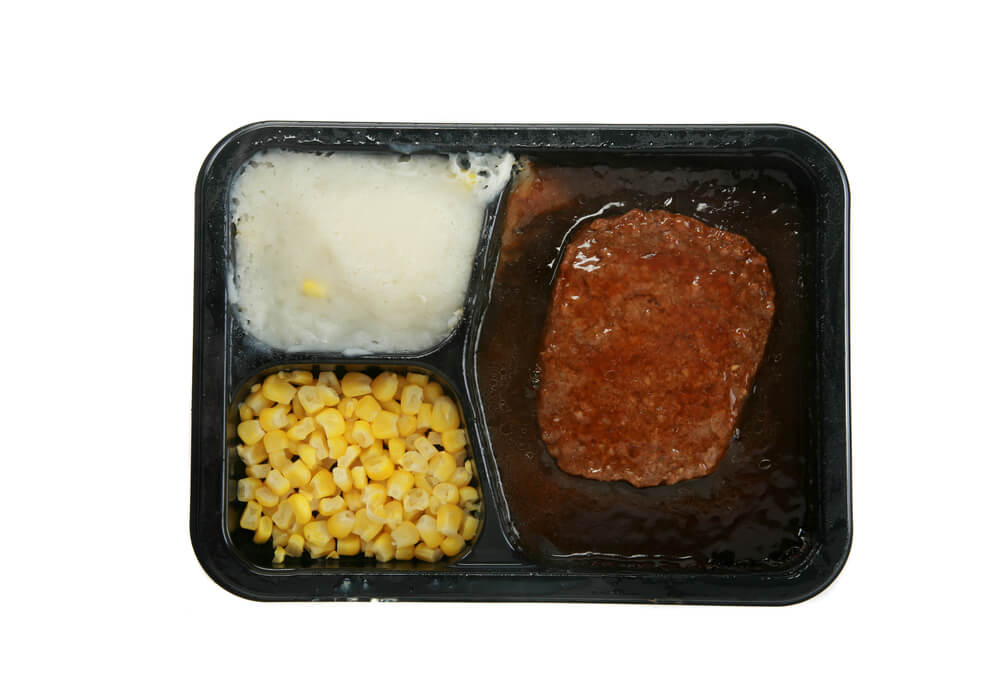
A fixture of compartmentalized lunch trays for decades, Salisbury steak, a ground beef patty served in brown gravy, was a hot-lunch staple through the 1970s and 1980s before schools began shifting toward lighter, less processed entrees. Its decline tracked closely with broader efforts to reduce sodium and fat content in federally subsidized school meals.
Many districts phased it out entirely by the early 2000s in favor of grilled or baked proteins.
Ecology Cookies

A soft, oversized cookie marketed briefly in the 1970s under an environmentally themed name, Ecology Cookies appeared in some school cafeterias as part of a broader trend of tying snack branding to the era’s growing environmental movement. Sold as an individually wrapped treat, they faded from shelves and lunchrooms within a decade as the branding trend passed.
Few detailed records of the product survive outside period cafeteria menus and regional newspaper ads.
Whole Milk in Small Cartons
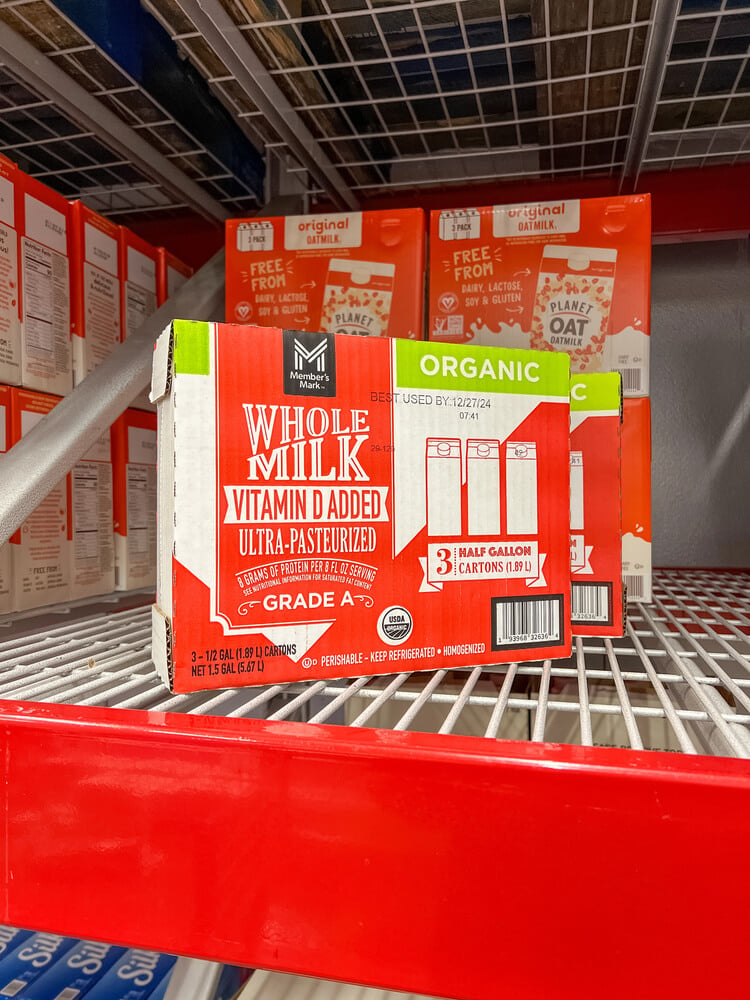
For decades, small cartons of whole milk were a default lunch tray item, often the only beverage option besides water. Following the 2010 Healthy, Hunger-Free Kids Act, federal guidelines shifted school milk offerings toward low-fat and fat-free options, effectively removing whole milk from most public school lunch lines.
The change remains a point of ongoing debate among nutrition policy advocates.
French Fries as a Daily Side
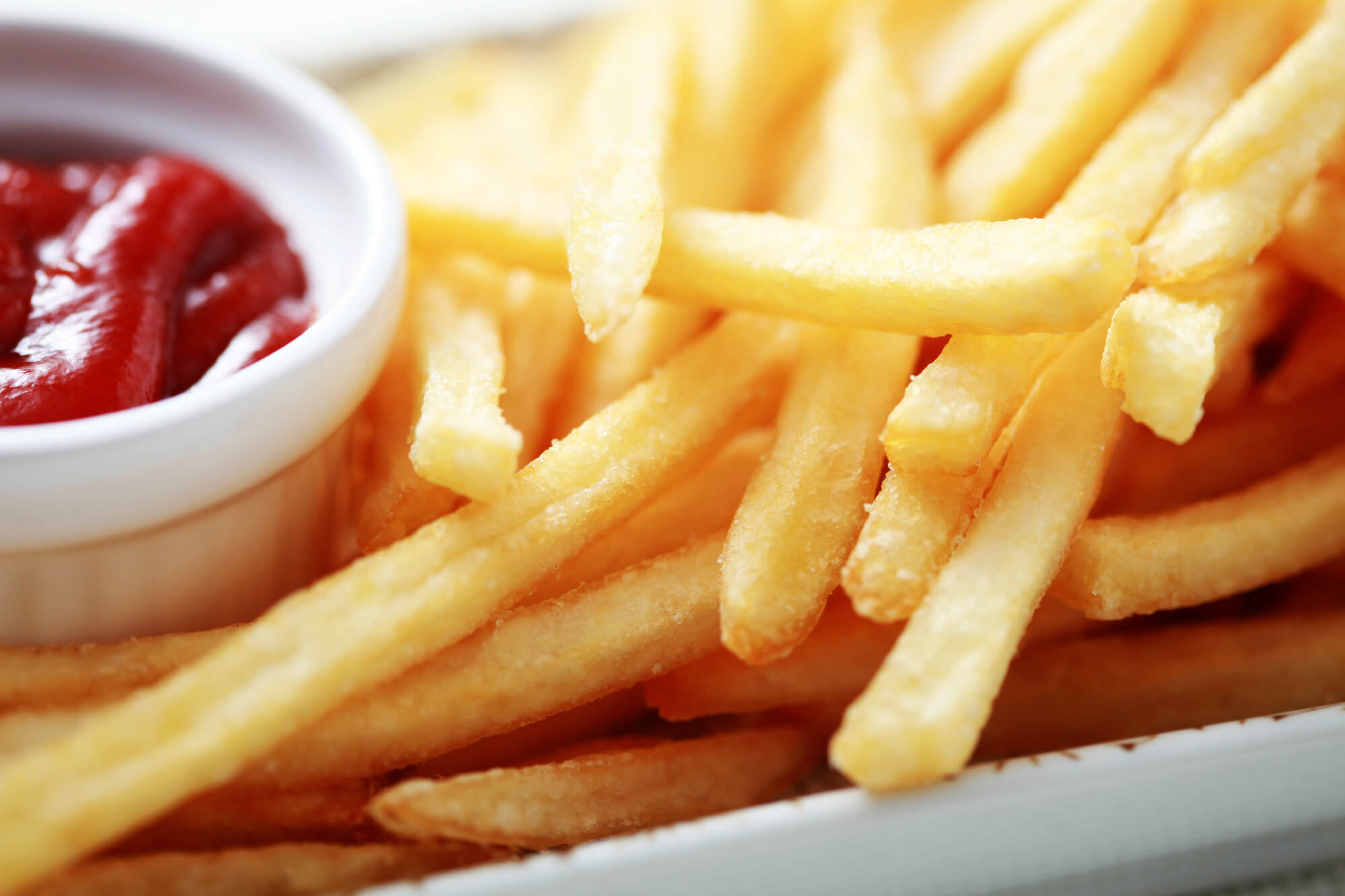
French fries were once served as a near-daily side dish in many public school cafeterias through the 1980s and 1990s. Federal nutrition standard updates in the 2010s placed new limits on how often starchy, fried vegetables could appear on a weekly lunch menu.
Many districts now rotate fries in only occasionally, alongside baked alternatives.
Ice Cream Cups Served as Dessert
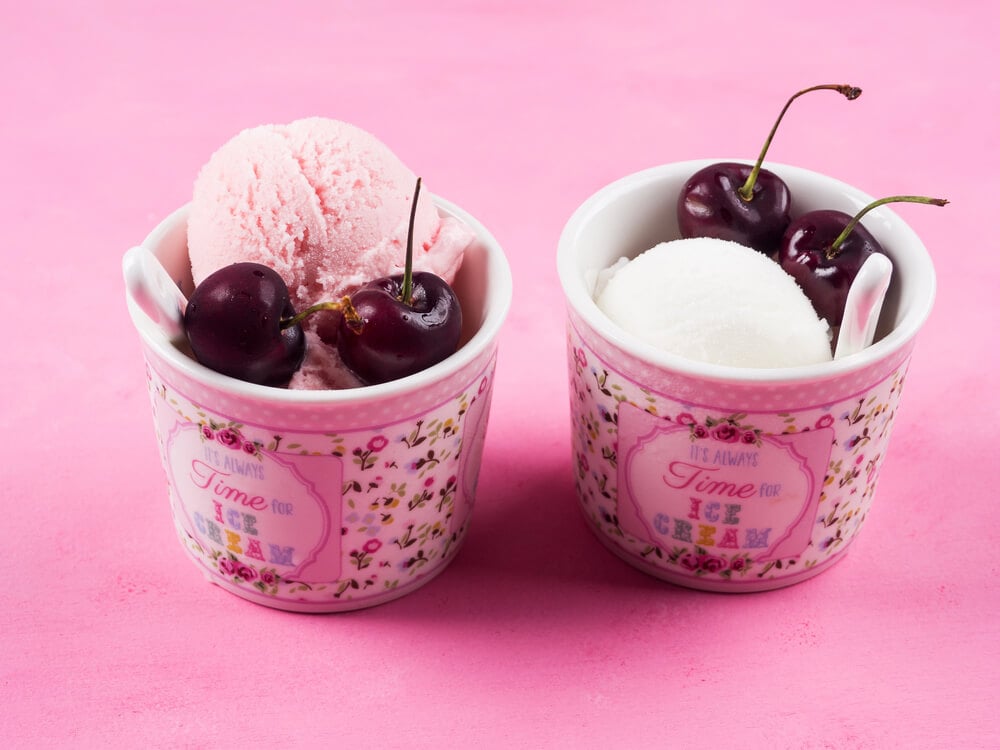
Small individually packaged ice cream cups, often eaten with a flat wooden spoon, were once a routine lunchroom dessert option nationwide. As sugar and calorie guidelines tightened under updated federal nutrition standards, many districts removed daily ice cream service in favor of fruit-based desserts.
Some schools still offer ice cream as an occasional treat rather than a regular menu item.
Nachos with Processed Cheese Sauce
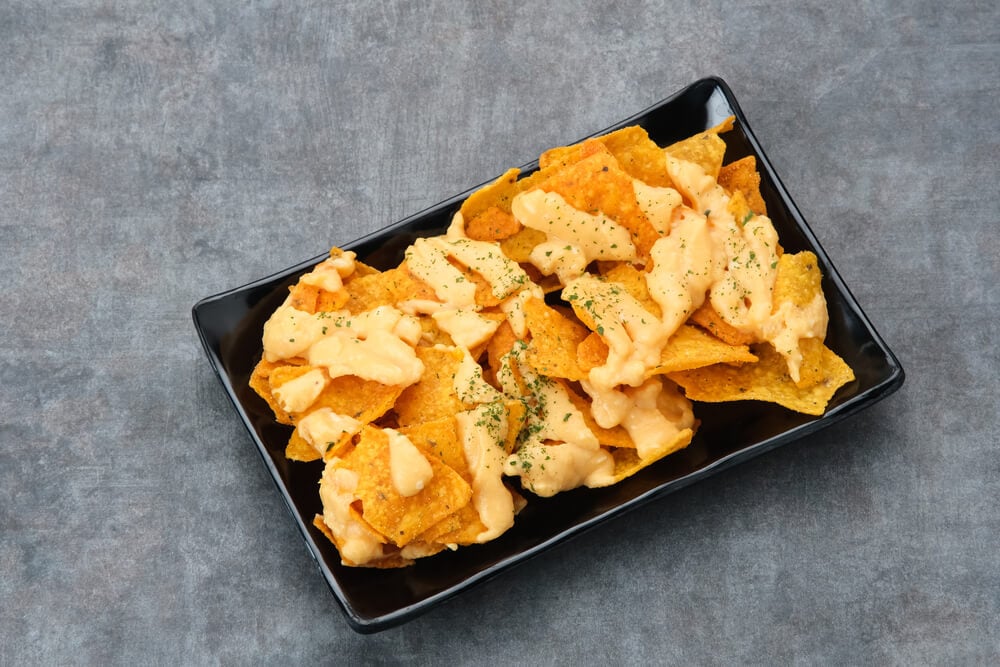
Cafeteria nachos topped with bright orange processed cheese sauce were a popular a la carte lunch option through the 1990s and early 2000s in many districts. Sodium and saturated fat restrictions introduced in later federal guidelines made the dish harder to justify as a regular offering.
Some schools have reintroduced modified, lower-sodium versions, but the original processed cheese format has largely disappeared.
Pizza Slices Counted as a Vegetable Serving
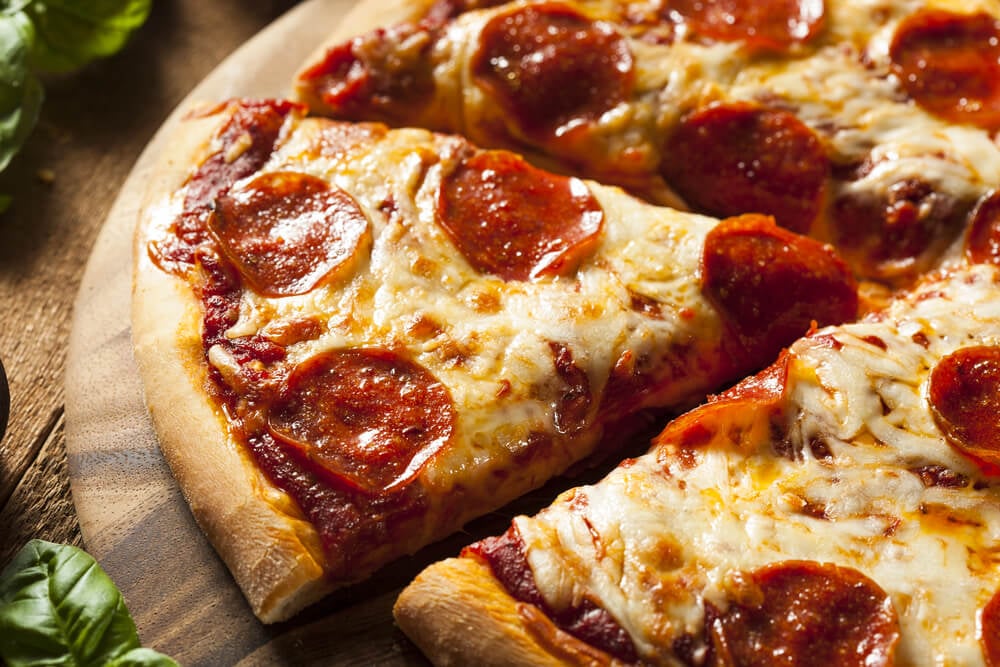
For years, the tomato paste in a slice of cafeteria pizza allowed it to be counted toward a vegetable serving requirement under federal guidelines, a classification that became a point of national debate in the early 2010s. Congress ultimately intervened to preserve the classification despite proposed nutrition rule changes, but public criticism led many districts to voluntarily adjust their pizza offerings and reduce how often it appeared on the weekly menu.
The episode became a widely cited example of the tension between nutrition science and congressional food industry lobbying.
Jell-O Cups with Fruit Suspended Inside
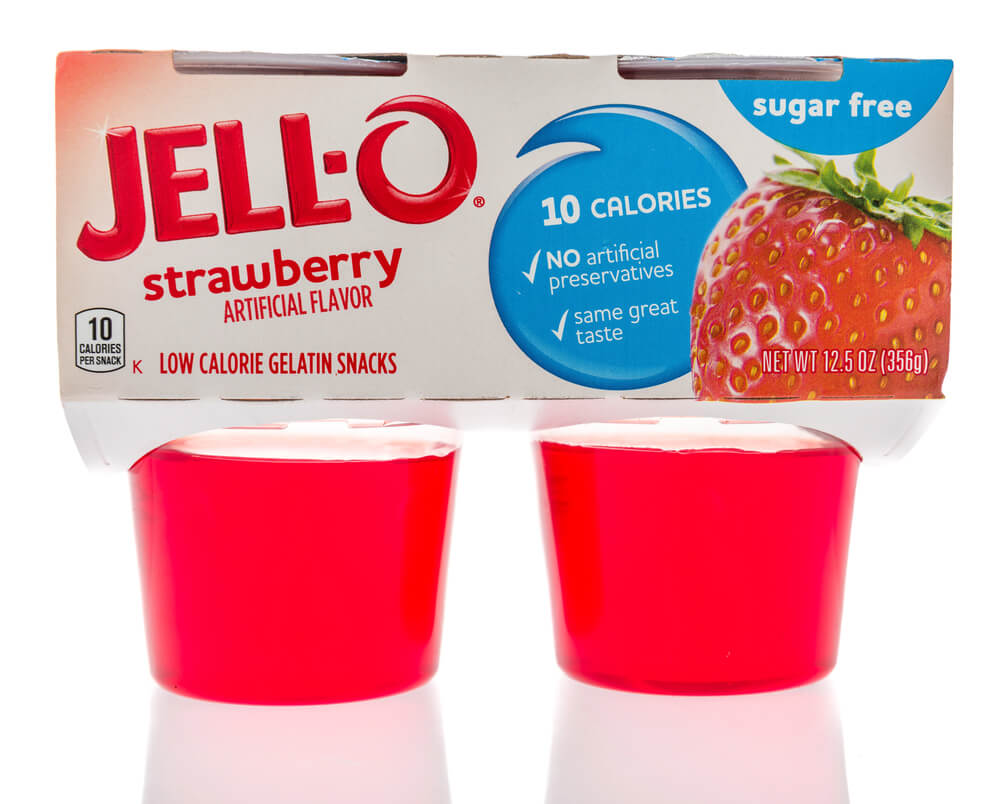
Small cups of flavored gelatin, often with canned fruit suspended inside, were a common lunchroom dessert for decades. As schools shifted toward less processed, lower-sugar dessert options, many districts phased out gelatin cups in favor of fresh or canned fruit served on its own.
The product remains available commercially but is far less common on public school trays.
Sloppy Joes Made with Processed Filling
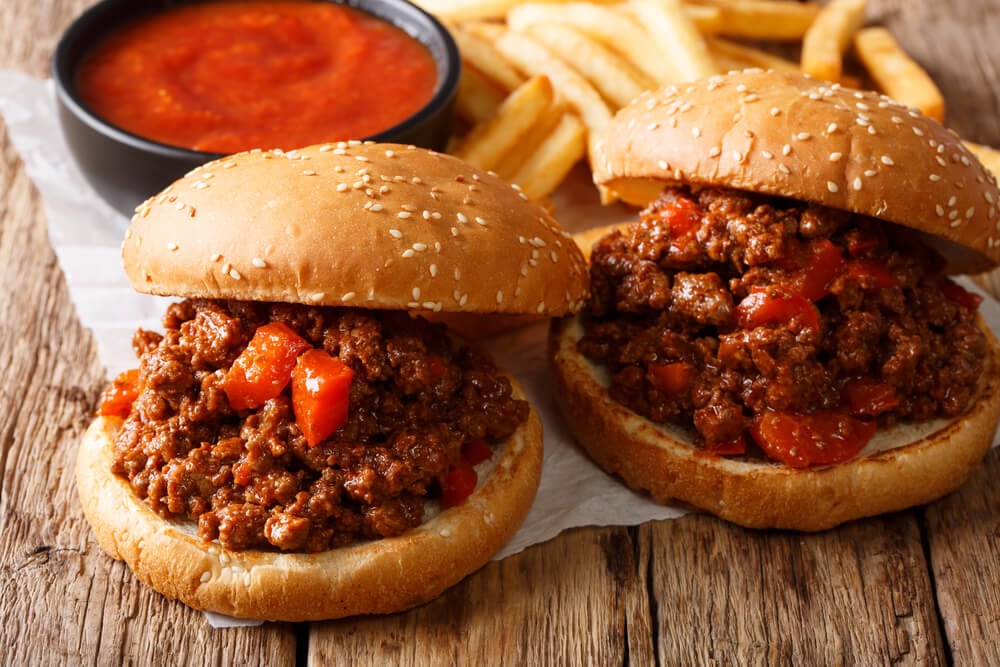
Premade, shelf-stable sloppy joe filling was a common hot lunch item through the 1980s and 1990s, prized by cafeteria staff for how easily it could be prepared in bulk. Updated sodium and preservative guidelines pushed many districts to either discontinue the dish or switch to house-made versions with fresh ground beef.
The premade filling format has largely disappeared from major food service contracts.
Tater Tot Casserole

A baked dish combining tater tots, ground beef, and canned vegetables, this casserole was a common cost-effective hot lunch option in many Midwestern school districts through the late 20th century. As nutrition standards shifted away from processed potato products served as a primary starch, many districts dropped the dish or reformulated it with baked, lower-sodium tots.
It remains a nostalgic reference point for people who attended public school in the region during that era.
Peanut Butter and Jelly Sandwiches Made On-Site

Once a routine backup lunch option prepared fresh in cafeteria kitchens, peanut butter sandwiches have become far less common as a default offering due to the rise of nut-free policies designed to protect students with severe allergies. Many districts now restrict peanut products entirely or require them to be served in separate, controlled areas.
The shift represents one of the more significant food safety changes in school lunchrooms over the past 30 years.
Canned Fruit Cocktail in Heavy Syrup
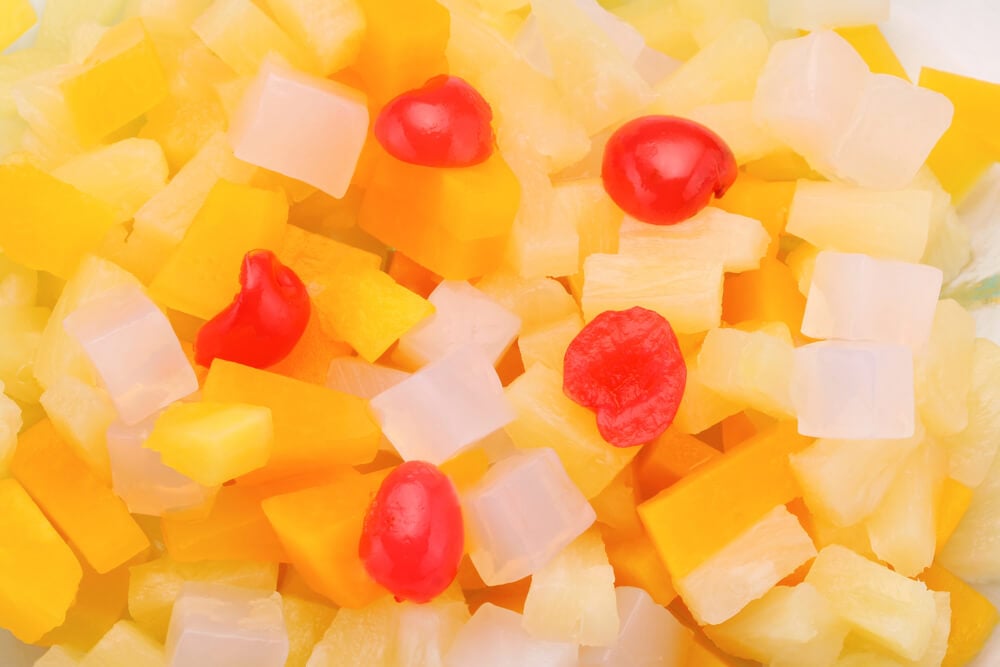
Canned fruit cocktail packed in heavy sugar syrup was a standard lunch tray dessert or side for decades. Federal sugar reduction guidelines eventually pushed school food services toward fruit packed in natural juice or water instead.
The heavy syrup version has become increasingly difficult to find in institutional food service catalogs.
Chocolate Milk as an Unlimited Option

While chocolate milk remains available in many schools today, it was once offered with far fewer restrictions on serving size or sugar content than current guidelines allow. Updated nutrition standards introduced calorie and added-sugar caps that changed how chocolate milk is formulated and portioned for school service.
Some districts removed it entirely for several years before reformulated, lower-sugar versions returned to menus.
Hostess and Similar Snack Cakes Sold A La Carte
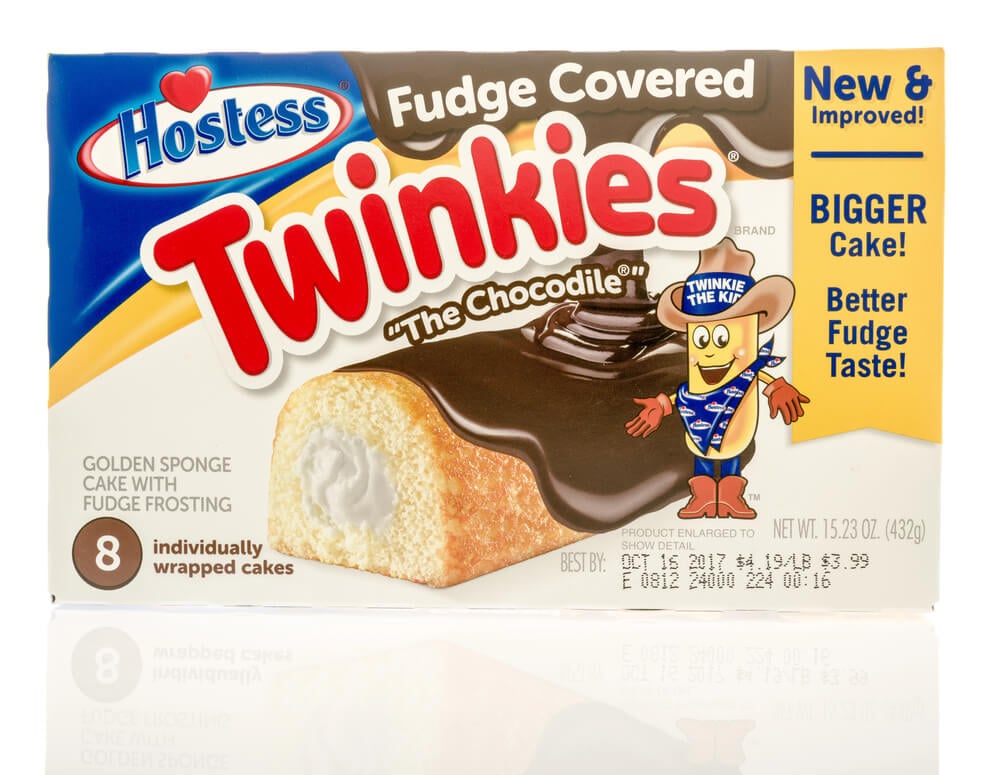
Individually wrapped snack cakes were once commonly sold a la carte in cafeteria lines and vending machines as a separate purchase option. The 2010 Healthy, Hunger-Free Kids Act introduced “Smart Snacks” nutrition standards that effectively barred most high-sugar, low-nutrition snack cakes from being sold on school campuses during the school day.
Vending machine offerings in many districts changed substantially as a result.
Salted Pretzel Sticks in Bulk Bins
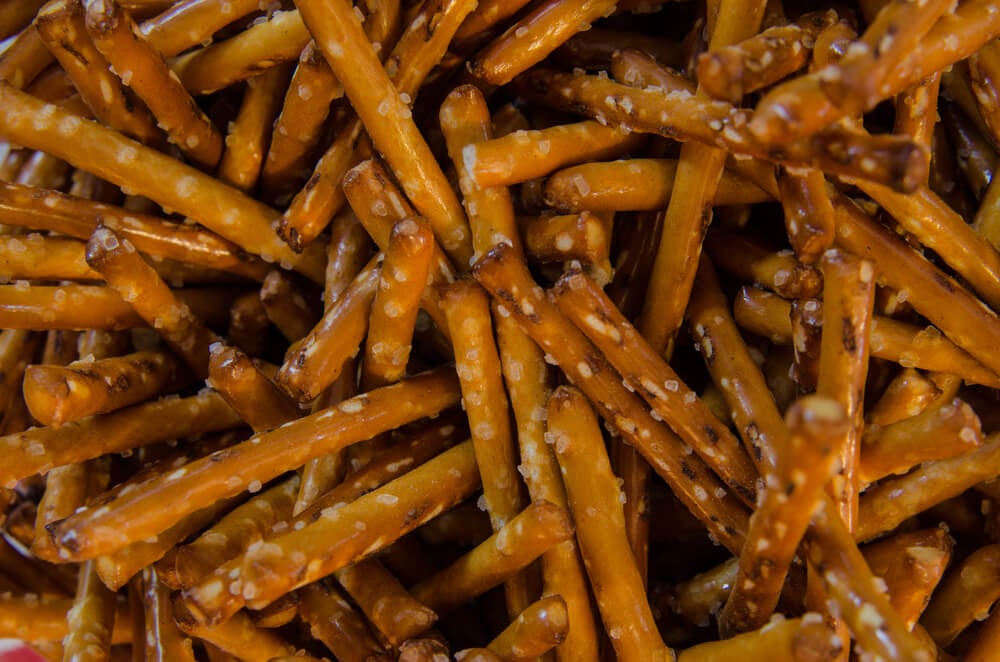
Bulk-dispensed salted pretzel sticks were once a common self-serve snack station item in some school cafeterias, particularly in the 1990s. Concerns over portion control and sodium content led many districts to switch to individually portioned, lower-sodium packaged alternatives.
Self-serve bulk snack stations have largely disappeared from cafeterias for food safety reasons as well.
Corn Dogs Served Daily

Corn dogs were once available as a near-daily hot lunch option in many districts through the 1980s and 1990s. As processed meat and refined-flour restrictions tightened, many schools moved corn dogs to an occasional rotation rather than a standing menu item.
Reformulated, lower-sodium versions remain available in some districts today, though far less frequently than before.
Deep-Fried Mozzarella Sticks

Breaded, deep-fried mozzarella sticks were a popular a la carte snack in many high school cafeterias through the early 2000s. Rules limiting fried food frequency and requiring baked alternatives pushed many food service contracts to drop the item or switch to oven-baked versions.
The change is frequently cited by former students as one of the more noticeable cafeteria shifts of the era.
Soda Machines in Cafeterias
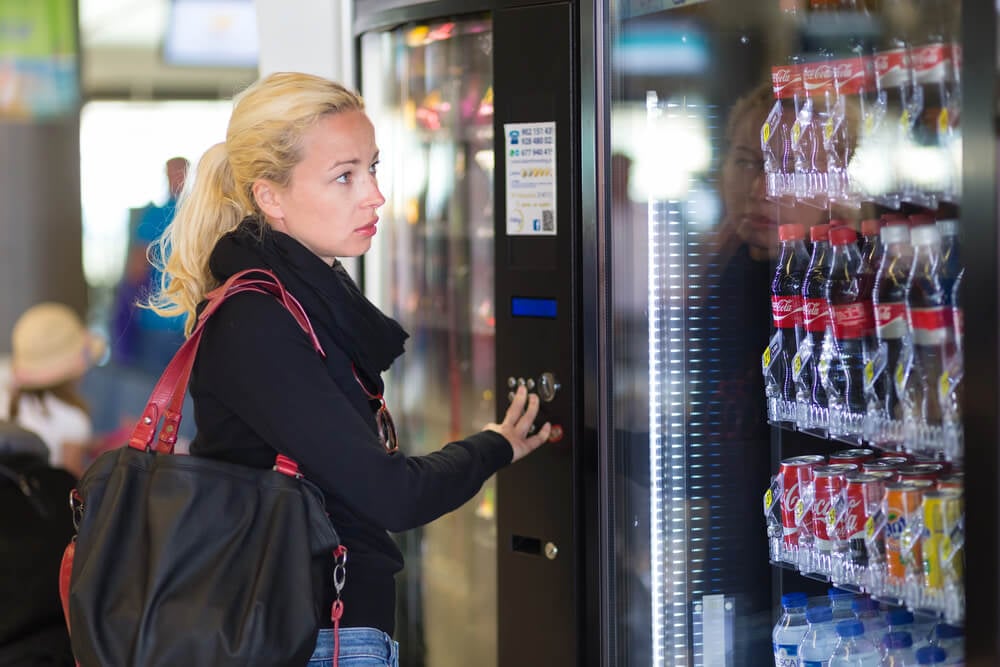
Full-sugar soda vending machines were once commonly located directly in or near school cafeterias, available for purchase throughout the school day. The Smart Snacks nutrition standards introduced in the early 2010s effectively removed regular soda from school campuses nationwide, replacing it with water, low-calorie options, or removing beverage vending entirely in many buildings.
The shift remains one of the more visible changes in school food environments over the past two decades.
Butter Cookies from Bulk Institutional Tins

Simple butter cookies, often sourced from large institutional bakeries and served two or three to a tray, were a common lunchroom dessert for decades. As portion and sugar guidelines tightened, many districts reduced or eliminated standalone cookie desserts in favor of fruit or lower-sugar alternatives.
The cookies remain a strong point of cafeteria nostalgia for people who attended school before the mid-2010s.
Canned Vegetables as the Default Vegetable Option
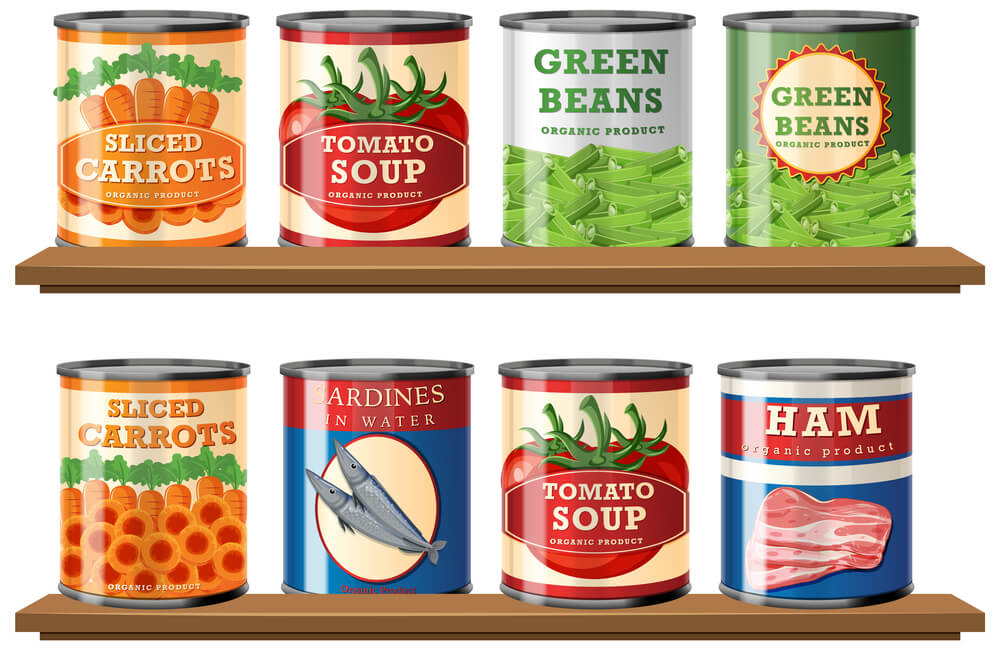
For much of the 20th century, canned vegetables, often high in sodium from the canning process, were the default vegetable side in most school cafeterias due to cost and shelf stability. Updated nutrition guidelines pushed many districts toward fresh or frozen vegetable options with lower sodium content.
Canned vegetables have not disappeared entirely but are far less dominant than they once were.
Cinnamon Rolls as a Regular Breakfast Item

Large, individually wrapped cinnamon rolls were once a common daily or near-daily breakfast option in many school districts. Calorie and added-sugar limits introduced under updated federal breakfast guidelines pushed many districts to reformulate the product or offer it only occasionally.
Smaller, lower-sugar versions remain available in some districts as an occasional item.
Beef and Bean Burritos from Bulk Suppliers
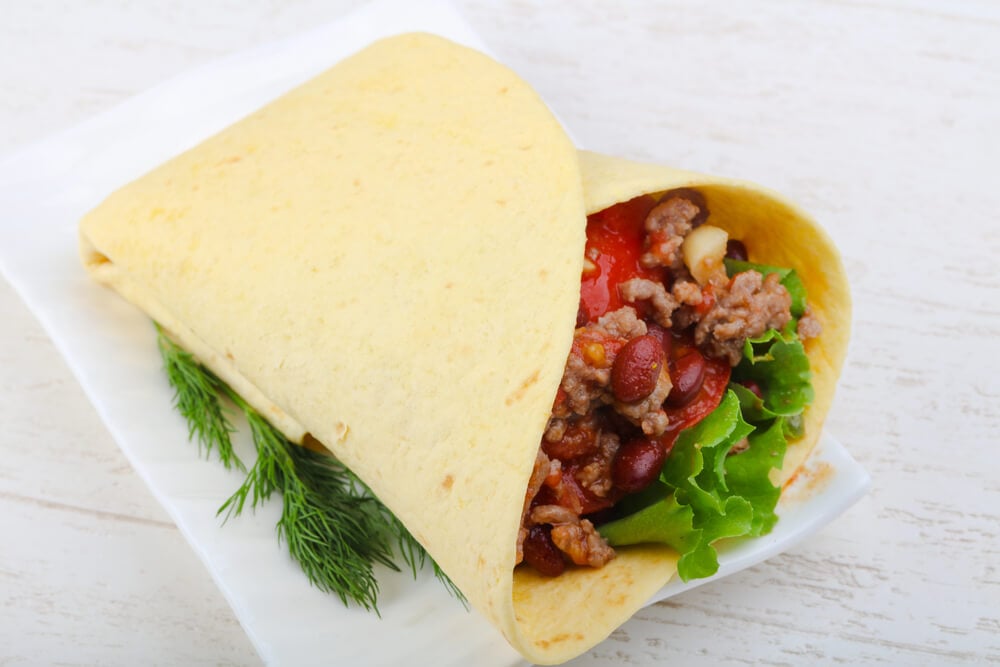
Premade beef and bean burritos from large institutional food suppliers were a common hot lunch option in many districts through the 1990s and 2000s. Sodium and saturated fat limits eventually pushed many districts to switch suppliers or reformulate the product with leaner filling.
The specific bulk-supplied version common in that era has largely been phased out.
Fruit Roll-Ups Sold Individually in Cafeteria Lines
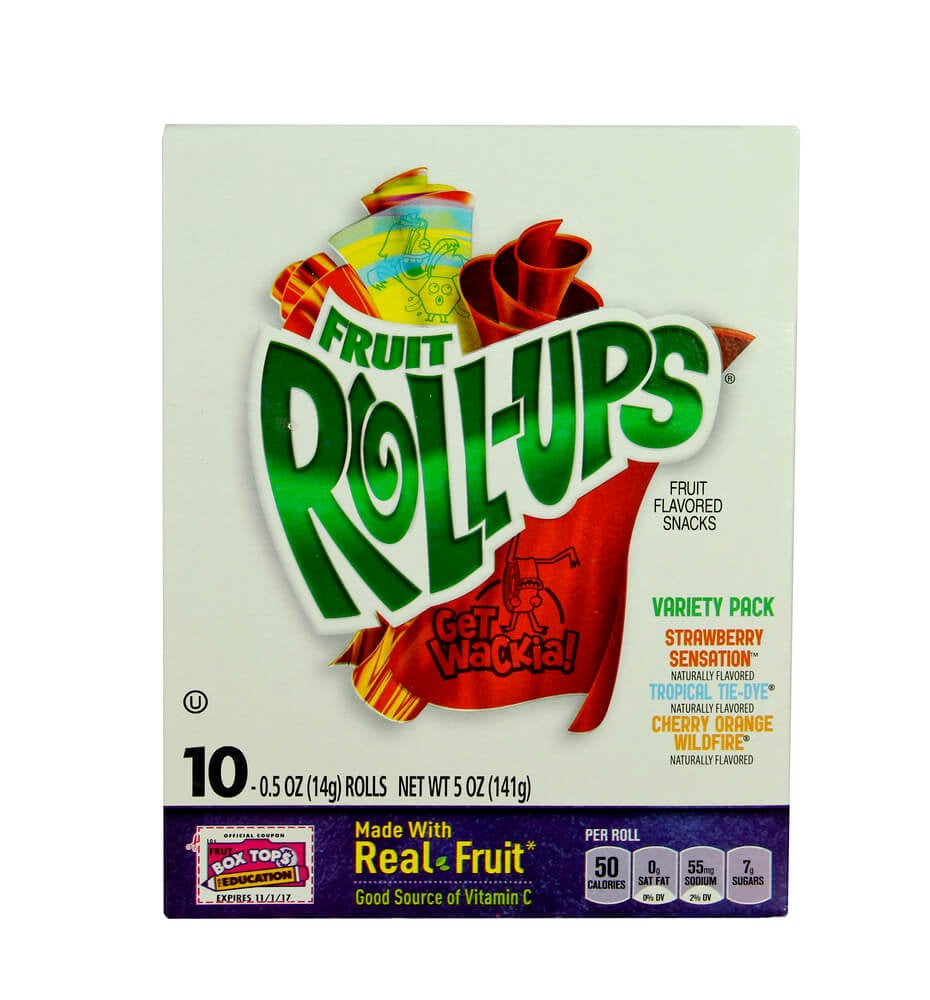
Individually sold fruit snack rolls were once a common a la carte purchase option in many middle and high school cafeteria lines. Smart Snacks nutrition standards limiting added sugar content pushed many of these products off campus entirely, since most commercial versions did not meet the new thresholds.
Reformulated, lower-sugar fruit snacks remain available in some districts today.
Egg Salad Sandwiches Made In-House
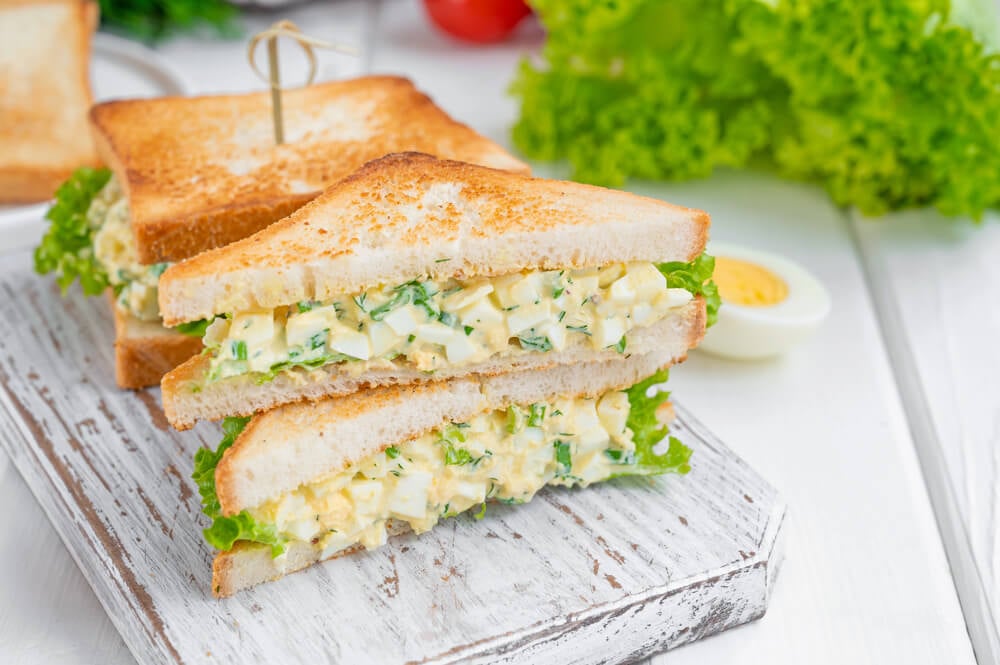
Egg salad sandwiches prepared fresh in cafeteria kitchens were once a routine lunch option in many elementary schools. Food safety concerns around mayonnaise-based dishes held at room temperature, combined with rising labor costs for fresh preparation, led many districts to discontinue the item in favor of prepackaged alternatives.
The dish is now uncommon in large-scale school food service.
Canned Cranberry Sauce with Holiday Meals
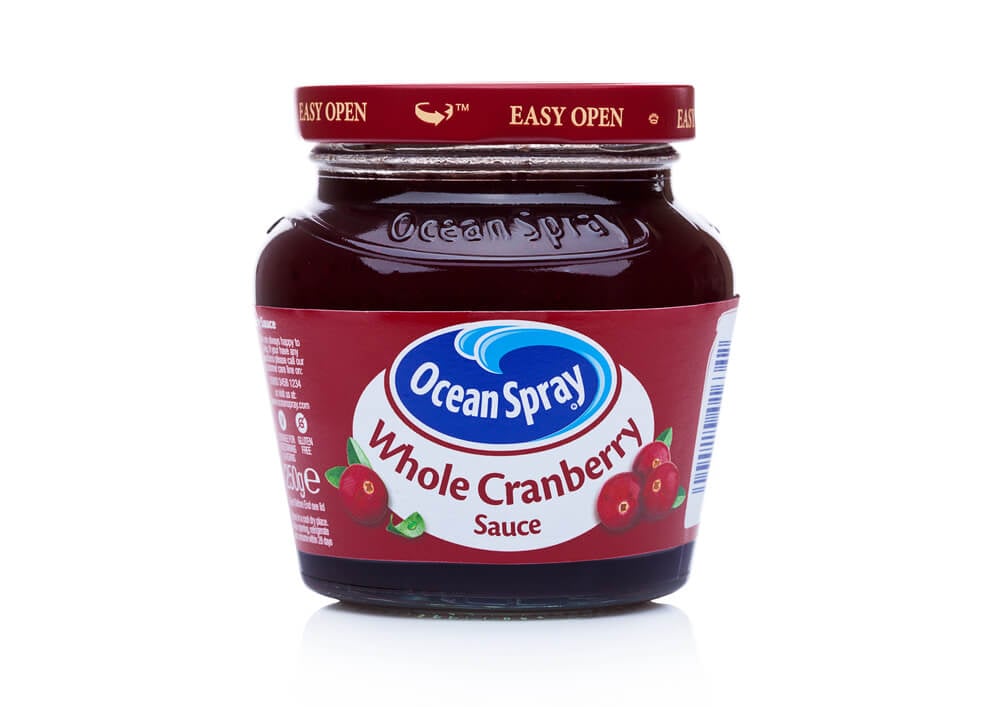
Special holiday-themed lunch trays, often featuring canned cranberry sauce alongside a turkey-style entree, were once common in the days before winter break in many districts. As schools reduced the frequency of specialty themed meals due to budget and labor constraints, these holiday trays became less common.
Some districts still offer a modified version around the holidays, typically with fresh rather than canned cranberry sauce.
Root Beer Floats as a Special Treat Day

Some elementary schools in the mid-to-late 20th century occasionally offered root beer floats as a special monthly or semester treat, combining soda and ice cream in the cafeteria. As sugar restrictions tightened and soda largely disappeared from campuses, this specific treat day tradition faded out almost entirely.
It now survives mainly as a nostalgic memory for those who attended elementary school before the 2000s.
Graham Cracker and Peanut Butter Snack Packs

Prepackaged snack combinations pairing graham crackers with a small tub of peanut butter were once a common self-serve or a la carte option in elementary cafeterias. The rise of nut-free school policies has made this specific combination far less common, with many districts removing peanut butter products from general circulation entirely.
Sunflower seed butter alternatives have replaced the format in some nut-free districts.
Sugared Cereal Bars for Breakfast
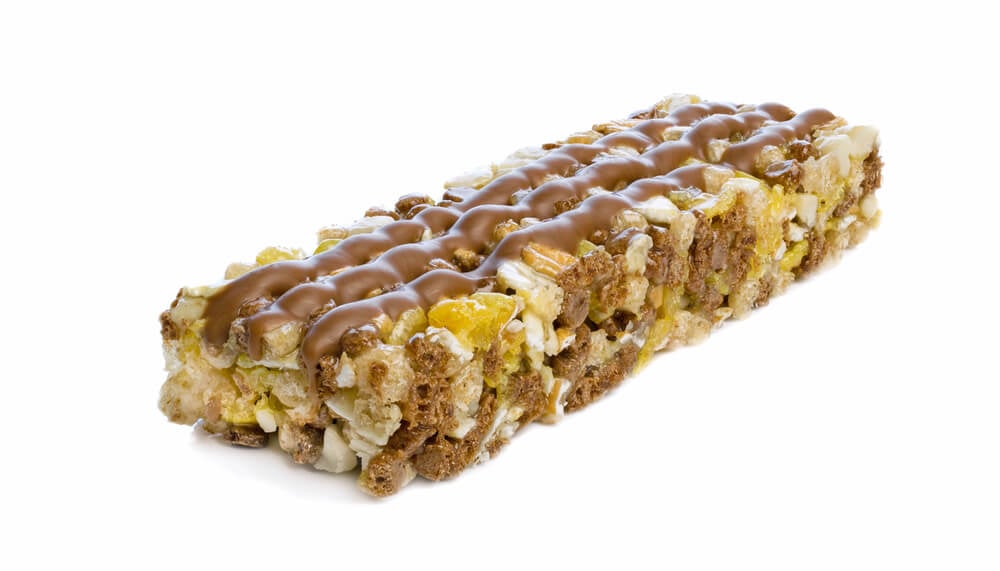
Individually wrapped, sugar-coated cereal bars were once a common grab-and-go breakfast option in many school breakfast programs through the 1990s and early 2000s. Updated federal breakfast nutrition standards placed limits on added sugar content that many original cereal bar formulations could not meet.
Reformulated, lower-sugar versions remain in some breakfast programs today.
Institutional Apple Pie Squares
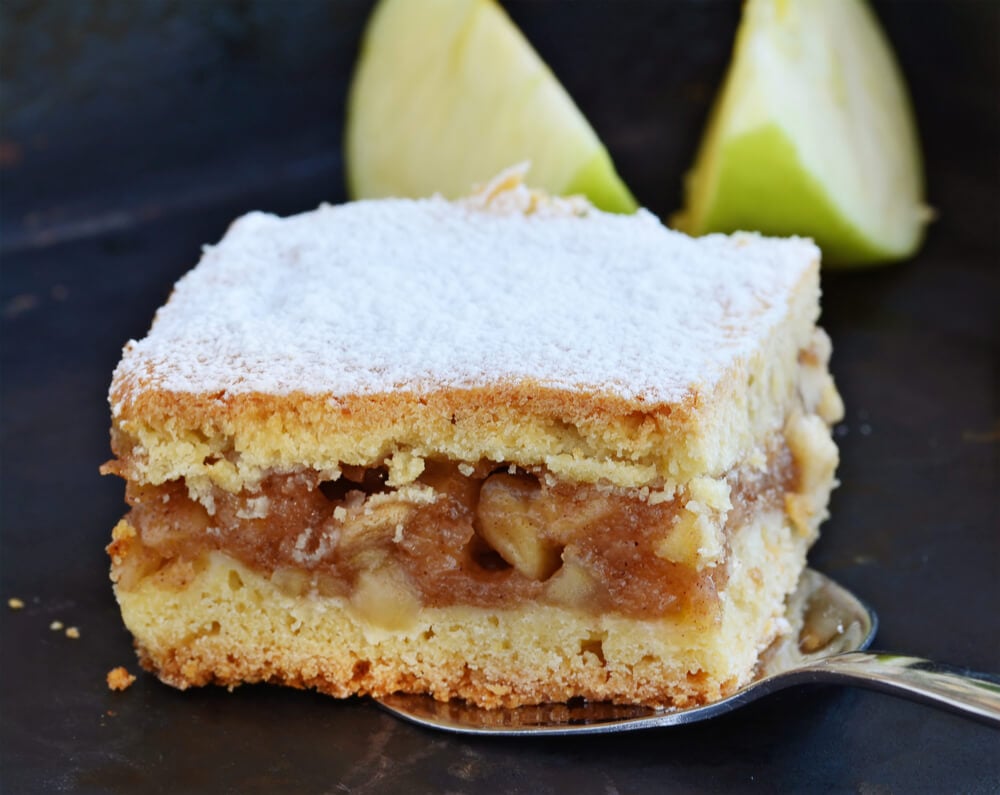
Rectangular apple pie squares from large institutional bakeries were once a standard lunchroom dessert offering, typically served alongside the main hot lunch entree. As portion size and added sugar limits tightened under updated federal guidelines, many districts reduced how often baked dessert squares appeared on the menu.
Fresh fruit has largely replaced baked dessert as the default option in many cafeterias today.
What the Tray Remembers

Cafeteria food rarely gets treated as history, but it tracks policy changes as clearly as any government record, sugar limits, sodium caps, allergy protocols, all showing up first on a lunch tray before anywhere else. Every vanished snack on this list marks a moment when nutrition science, a lawsuit, a lobbying fight, or a simple budget line altered what millions of kids ate on a given Tuesday.
What lingers is not the food itself so much as the specificity of the memory, the exact shape of a compartment tray, the particular sogginess of a certain pizza square. Institutional food, it turns out, imprints just as deeply as anything served at home.
More from Go2Tutors!

- The Romanov Crown Jewels and Their Tragic Fate
- 13 Historical Mysteries That Science Still Can’t Solve
- Famous Hoaxes That Fooled the World for Years
- 15 Child Stars with Tragic Adult Lives
- 16 Famous Jewelry Pieces in History
Like Go2Tutors’s content? Follow us on MSN.