15 Board Games That Faced Backlash for the Strangest Details
Board games have been bringing families and friends together for centuries, but sometimes these innocent pastimes become the center of unexpected controversy. From questionable design choices to bizarre rule interpretations, the history of tabletop gaming is filled with surprising scandals that left both creators and players scratching their heads.
Here is a list of 15 board games that somehow managed to stir up controversy for the most peculiar reasons.
Monopoly’s Iron Token

The classic property trading game faced public outcry in 2013 when Hasbro announced they were retiring the iron token. Fans of the humble pressing tool were outraged that their favorite game piece would be replaced by a cat, selected through a public vote.
The iron had been a staple since the game’s creation in 1935, and its removal sparked heated debates among traditionalists who felt the game was losing touch with its roots.
Scrabble Dictionary Drama
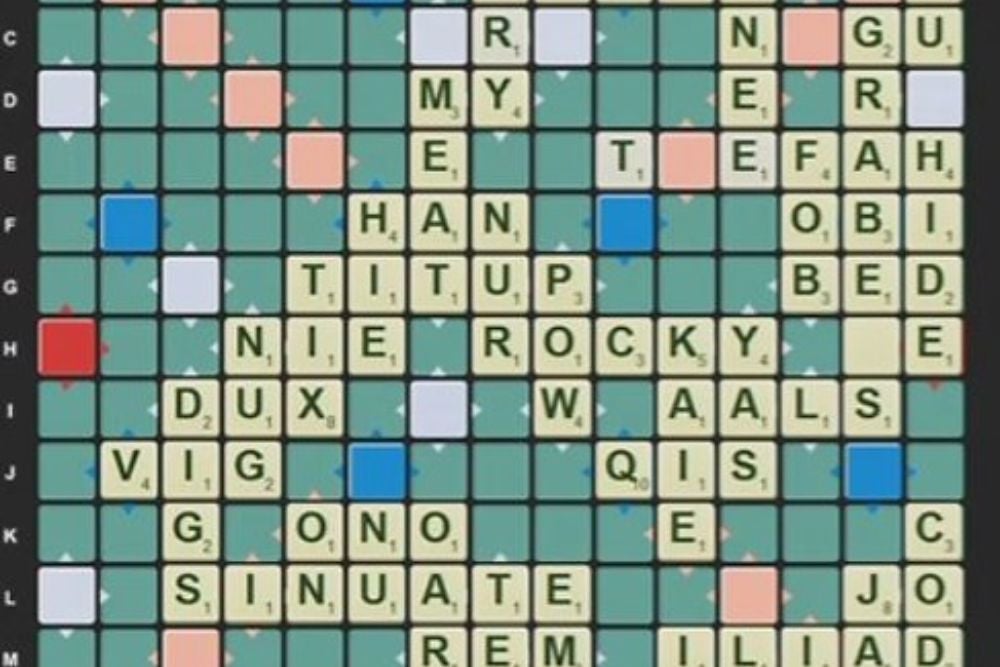
Scrabble enthusiasts nearly flipped their boards in 1994 when the official Scrabble dictionary removed over 200 words deemed offensive or inappropriate. The censorship created two competing dictionaries, effectively splitting the community between those who played with the expurgated version and purists who insisted on using all legitimate words regardless of content.
Tournament players particularly criticized the move, arguing that offensive words should be treated as abstract combinations of letters rather than for their meanings.
Like Go2Tutors’s content? Follow us on MSN.
Risk’s Territorial Inaccuracies
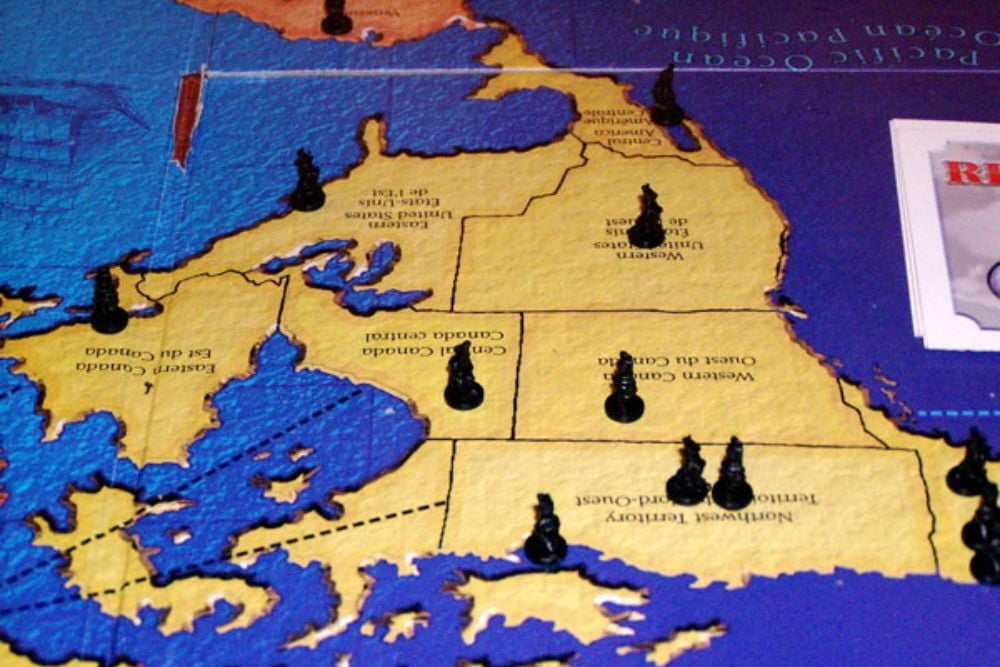
The classic world domination game has faced multiple redesigns due to complaints about its geographical representations. Countries have protested their inclusion or exclusion, while others complained about incorrect borders or disputed territories being assigned to rival nations.
In one notable case, the game was banned in several countries for showing disputed regions as definitively belonging to one nation, inadvertently taking political stances on complex international conflicts.
Trivial Pursuit’s Factual Errors
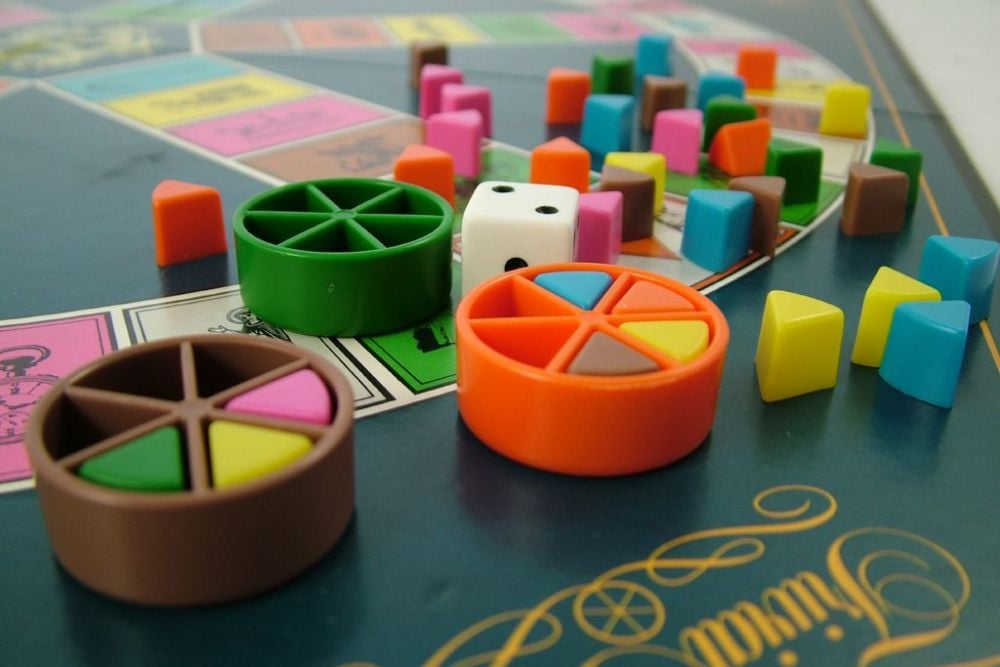
This knowledge-testing game became controversial when early editions contained numerous factual mistakes that were presented as correct answers. Players who actually knew the right answers would lose points, while those giving incorrect information would be rewarded.
The controversy intensified when the company initially refused to acknowledge the errors, suggesting that perhaps their research was more accurate than the players’ knowledge.
Candy Land’s Color Change
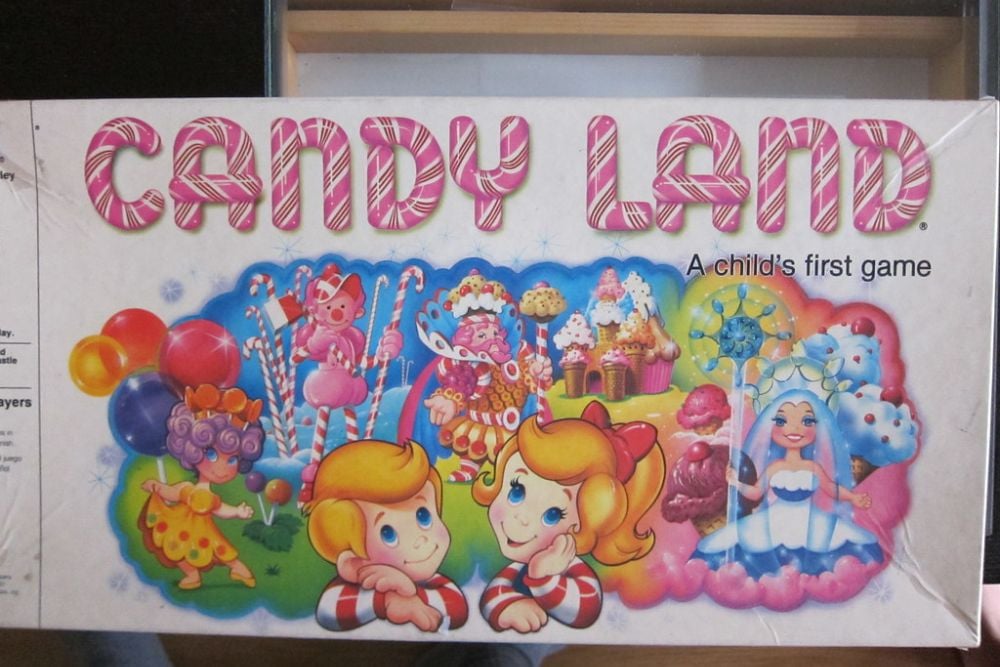
In 2010, Hasbro recreated Candy Land, in the process altering Princess Lolly’s legendary yellow dress to pink. The apparently harmless alteration was the subject of a gender stereotyping controversy in children’s games.
Parents argued that the alteration reinforced limited color options for girls and altered a character that had not evolved in decades. The company explained the alteration as a step to update; however, long-time fans saw it as an unfounded gendering of a beloved character.
Like Go2Tutors’s content? Follow us on MSN.
Operation’s Medical Inaccuracies

Medical professionals have periodically criticized this buzzing classic for its anatomically incorrect organ placement. The ‘funny bone’ location, water on the knee represented as actual water, and the impossibly positioned ‘bread basket’ have all faced scrutiny from doctors who worry the game might teach children incorrect information about human anatomy.
Some medical schools have even used the game as an example of how not to understand human physiology.
Clue’s Character Alterations
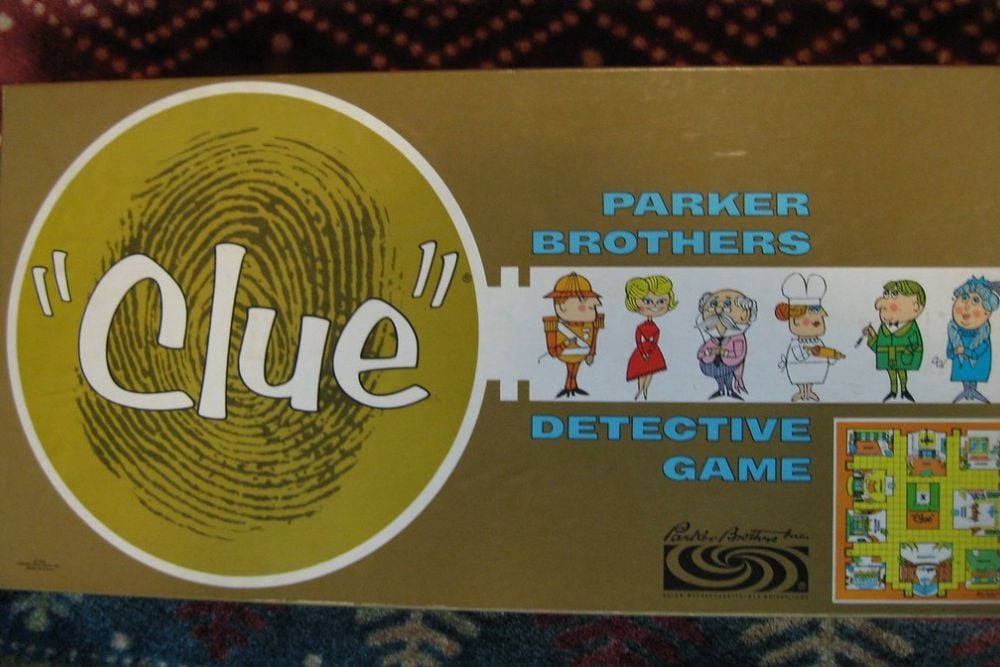
In 2016, Hasbro replaced the character Mrs. White with Dr. Orchid, causing unexpected backlash from traditionalists. The first major character change in the game’s 70-year history was meant to modernize the cast by adding a female scientist.
Still, many fans felt the housekeeper character was an important representation of working-class individuals. The controversy highlighted how attached players become to even the most minor aspects of their favorite games.
The Game of Life’s Career Paths
This family-friendly game caused a stir when older versions heavily favored certain career paths with substantially higher salaries than others, regardless of the education level required. Teachers and artists were valued far less than doctors and lawyers, leading to criticism that the game reinforced problematic values about career worth.
Later editions attempted to balance the rewards more equitably, but not before parents complained about the messages being sent to impressionable children.
Like Go2Tutors’s content? Follow us on MSN.
Twister’s Physical Contact
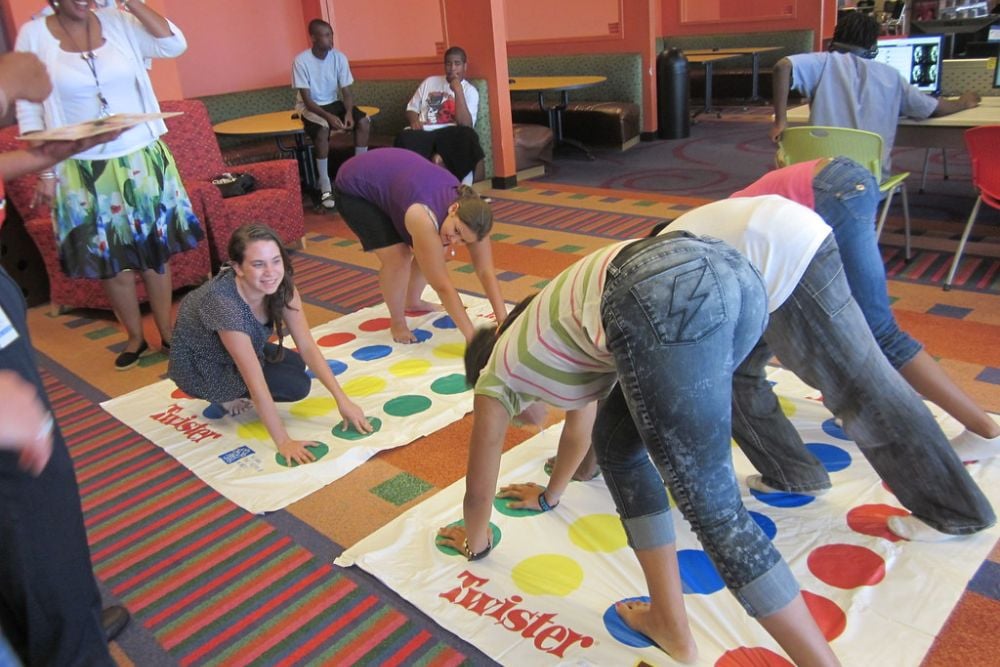
Some stores that refused to sell Twister because it promoted physical contact between players called it “too racy” when it was originally published in 1966. Until Johnny Carson played the game with actress Eva Gabor on The Tonight Show, so changing its reputation from scandalous to funny, it was almost a commercial flop.
Though it shows how even pure pleasure could be deemed improper in other social settings, the controversy appears old by modern standards.
Sorry!’s Passive-Aggressive Messaging
This seemingly harmless activity has drawn criticism from some parents and educators for promoting boasting and fake excuses. It was noted that the fundamental mechanism of knocking opponents’ pieces off the board while expressing “sorry” might be teaching kids that sincere regret is not necessary for an apology.
Due to worries about the social lessons the game can unintentionally teach young players, some schools have banned it from their curricula.
Connect Four’s Mathematical Solution
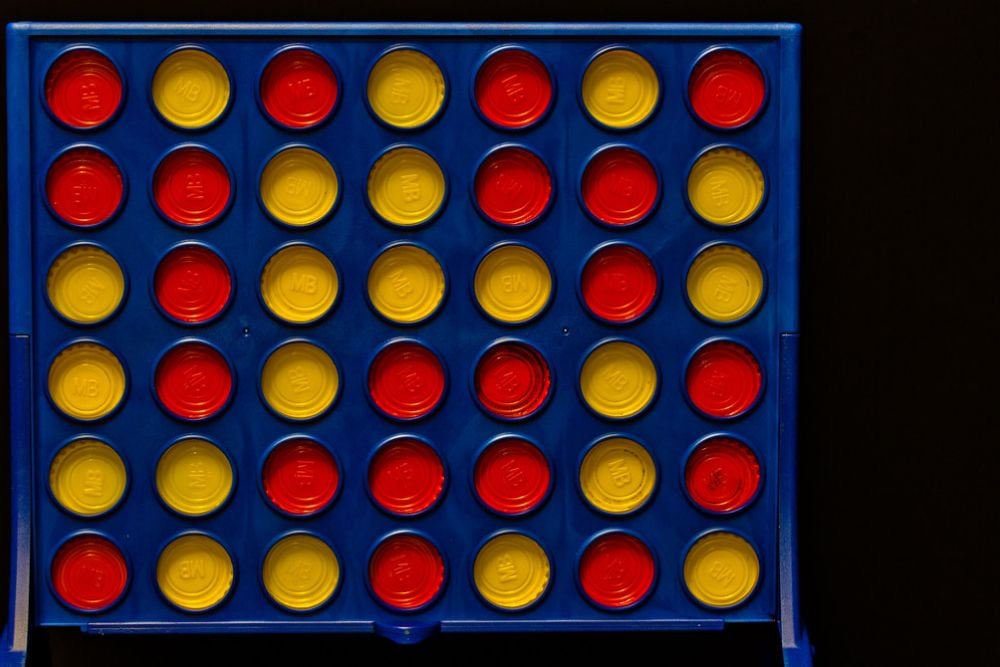
When mathematicians proved in 1988 that Connect Four could be ‘solved’ – meaning the first player can always win with perfect play – it created controversy in competitive circles. The mathematical solution effectively killed high-level competitive play since the game was provably unfair.
Tournament organizers had to modify rules or board sizes to keep competitions viable, while casual players debated whether knowing the solution ruined the game entirely.
Like Go2Tutors’s content? Follow us on MSN.
Pictionary’s Cultural Biases
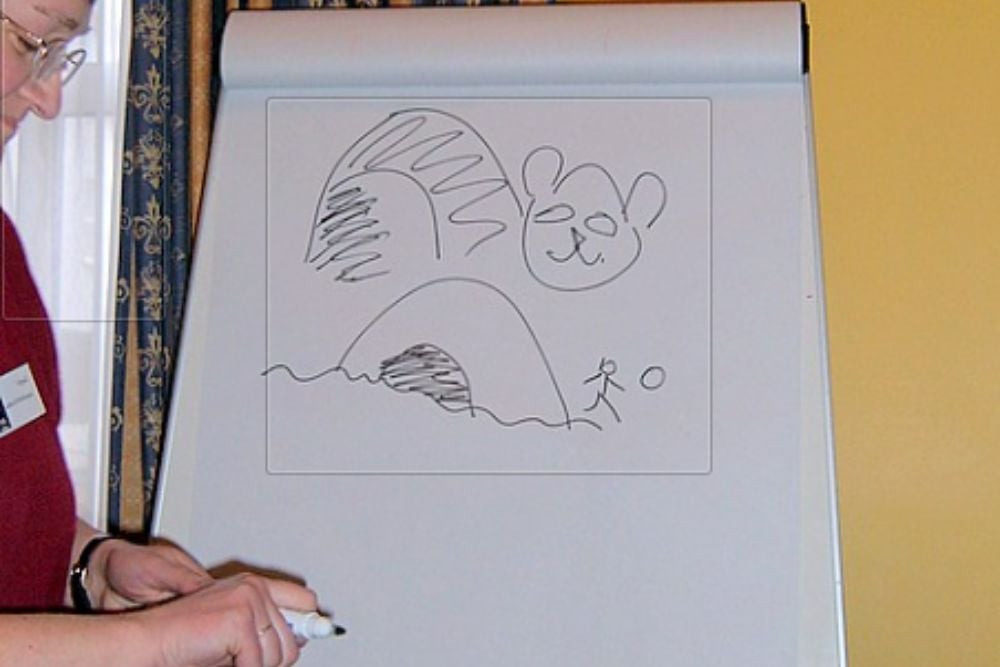
Pictionary has faced criticism for clues that reflect predominantly Western cultural references, putting players from other backgrounds at a significant disadvantage. Words or concepts that seem universal to American players often proved challenging for international audiences, leading to claims of cultural insensitivity.
The game’s publishers eventually created culturally specific versions, tacitly acknowledging the bias in the original design.
Battleship’s Military Glorification

This classic coordinate-guessing game has periodically faced criticism for supposedly normalizing warfare for children. Educational groups have questioned whether having children enthusiastically announce ‘hit’ when successfully targeting an enemy vessel might desensitize them to real-world conflict.
The concerns became especially pronounced during times of actual military conflict, with some schools temporarily removing the game from their recreation options during major wars.
Chess’s Gender Inequality

The traditional chess queen wasn’t always the most powerful piece on the board. When the rules changed in the 15th century to make the queen more powerful than the king (in terms of movement), some players protested what they saw as an unnatural gender reversal.
Historical documents reveal arguments that the game was becoming ‘a woman’s game’ and losing its strategic foundations. This centuries-old controversy shows that gender politics in gaming isn’t just a modern concern.
Like Go2Tutors’s content? Follow us on MSN.
Ouija Board’s Spiritual Associations
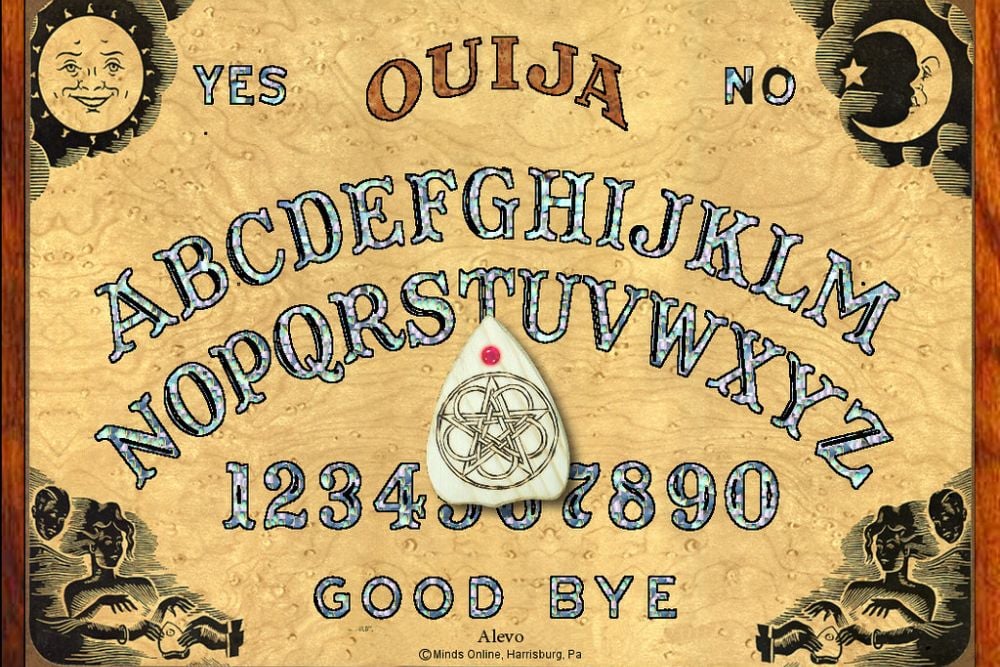
While technically marketed as a board game by Parker Brothers since 1966, the Ouija board has repeatedly faced bans and boycotts from religious groups who consider it a tool for dangerous spiritual practices rather than innocent entertainment. Schools have prohibited it, religious organizations have destroyed copies, and retailers have faced pressure to remove it from shelves.
Despite being created as a parlor game during the spiritualist movement, its association with the supernatural has made it perhaps the most consistently controversial board game in history.
Timeless Controversies

Looking back at these unusual controversies reminds us that board games aren’t just cardboard, plastic, and rules—they’re cultural artifacts that reflect our values, anxieties, and social dynamics. What seems like an innocent evening activity can unexpectedly become a flashpoint for deeper societal tensions or unexpected emotional attachments.
Whether changing a beloved token or accidentally taking sides in international border disputes, these 15 examples show that when it comes to our favorite games, even the smallest details can matter a great deal. Perhaps that’s because games aren’t just how we play—they’re how we connect, compete, and sometimes even see the world.
More from Go2Tutors!

- 18 Unexpectedly Valuable Collectibles You Might Have Lying Around
- 20 Little-Known Historical Battles That Had Huge Consequences
- 20 Historical Artifacts That Scientists Can’t Explain
- 15 Inventions That Were Immediately Banned After Being Created
- 20 Actors Who Were Almost Cast in Iconic Roles
Like Go2Tutors’s content? Follow us on MSN.