Fastest Jets Ever Built
Fast planes often show how far people want to go. Right from the start of jet travel, builders focused on going quicker, even when it meant less fuel savings or harder rides.
Top speed machines never cared about soft seats or cheap trips. These aircraft had one job: see what metal, motors, and bodies could handle near breaking point.
Speed records tell stories of ambition, shaped by metal wings cutting through the cold sky. Each jet emerged when engineers pushed limits nobody had crossed.
Moments frozen in time show up in sleek fuselages and roaring engines. Design choices reveal what mattered most during tense years of trial.
Altitude, heat tolerance, fuel hunger – each factor shifted with new goals. Some machines were brief flashes, others lasted decades.
What drove them was never just speed alone.
North American X-15

The North American X-15 remains the fastest jet-powered aircraft ever flown. First flown in 1959, it reached a top recorded speed of Mach 6.7, or about 4,520 miles per hour.
This was far beyond the capability of conventional aircraft at the time.
The X-15 was not a traditional jet in mission or operation. It was carried aloft by a bomber and then released, using rocket propulsion rather than standard jet engines.
Its purpose was experimental, exploring hypersonic flight, heat resistance, and human performance. Even decades later, no crewed jet-powered aircraft has surpassed its speed.
Lockheed SR-71 Blackbird
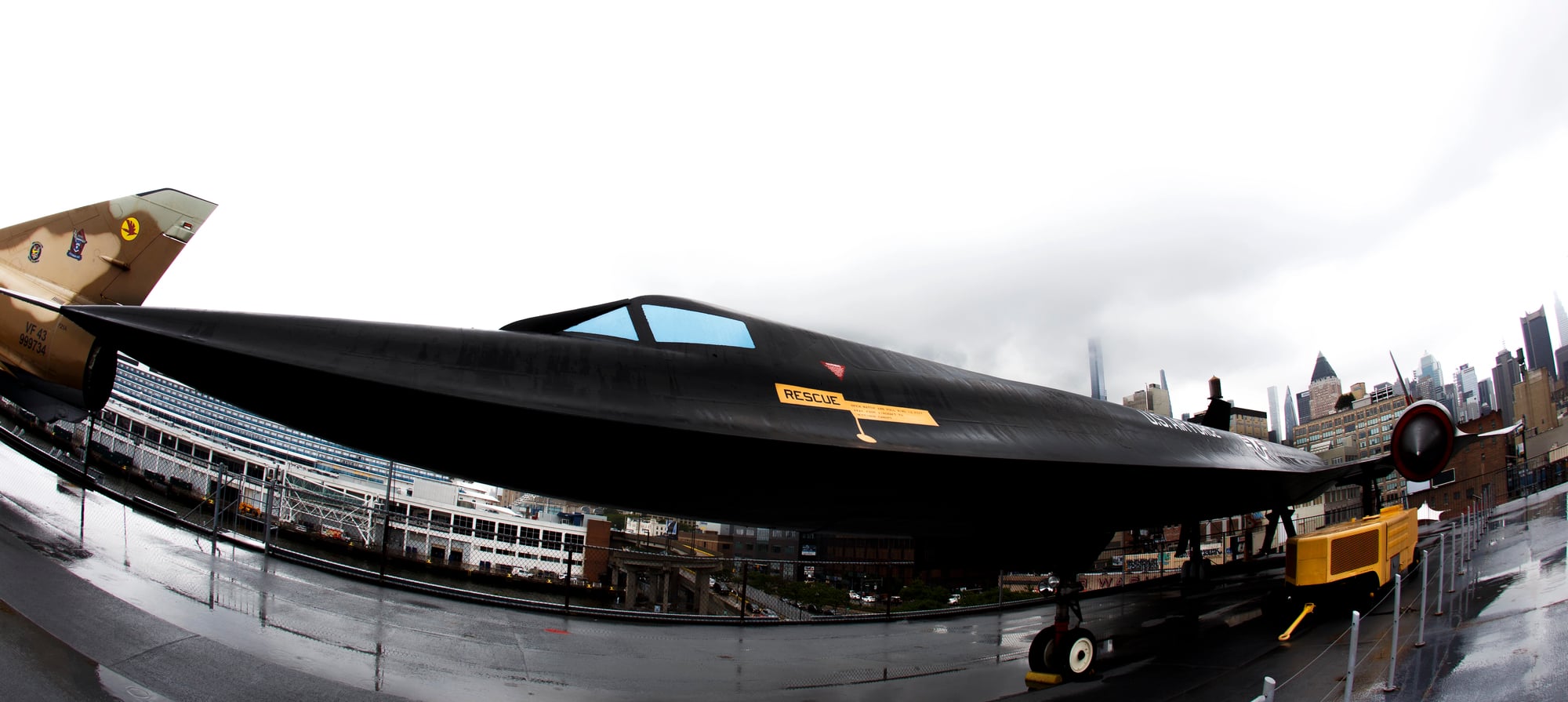
The SR-71 Blackbird is the fastest operational jet aircraft ever to enter regular service. Developed during the Cold War, it could cruise at speeds exceeding Mach 3.2, or roughly 2,200 miles per hour.
Its speed was not just a performance metric. It was a survival strategy.
The aircraft relied on velocity and altitude to avoid threats, often outrunning attempts to intercept it. Built largely from titanium and designed to tolerate extreme heat, the SR-71 remains unmatched among production aircraft.
Lockheed YF-12

The YF-12 was a direct ancestor of the SR-71, designed as an interceptor rather than a reconnaissance platform. It achieved speeds comparable to the Blackbird, exceeding Mach 3 during testing.
While it never entered full service, the YF-12 demonstrated that sustained high-speed flight was possible within a military framework. Its development informed later designs and proved that extreme speed could be paired with operational systems rather than purely experimental ones.
Mikoyan-Gurevich MiG-25
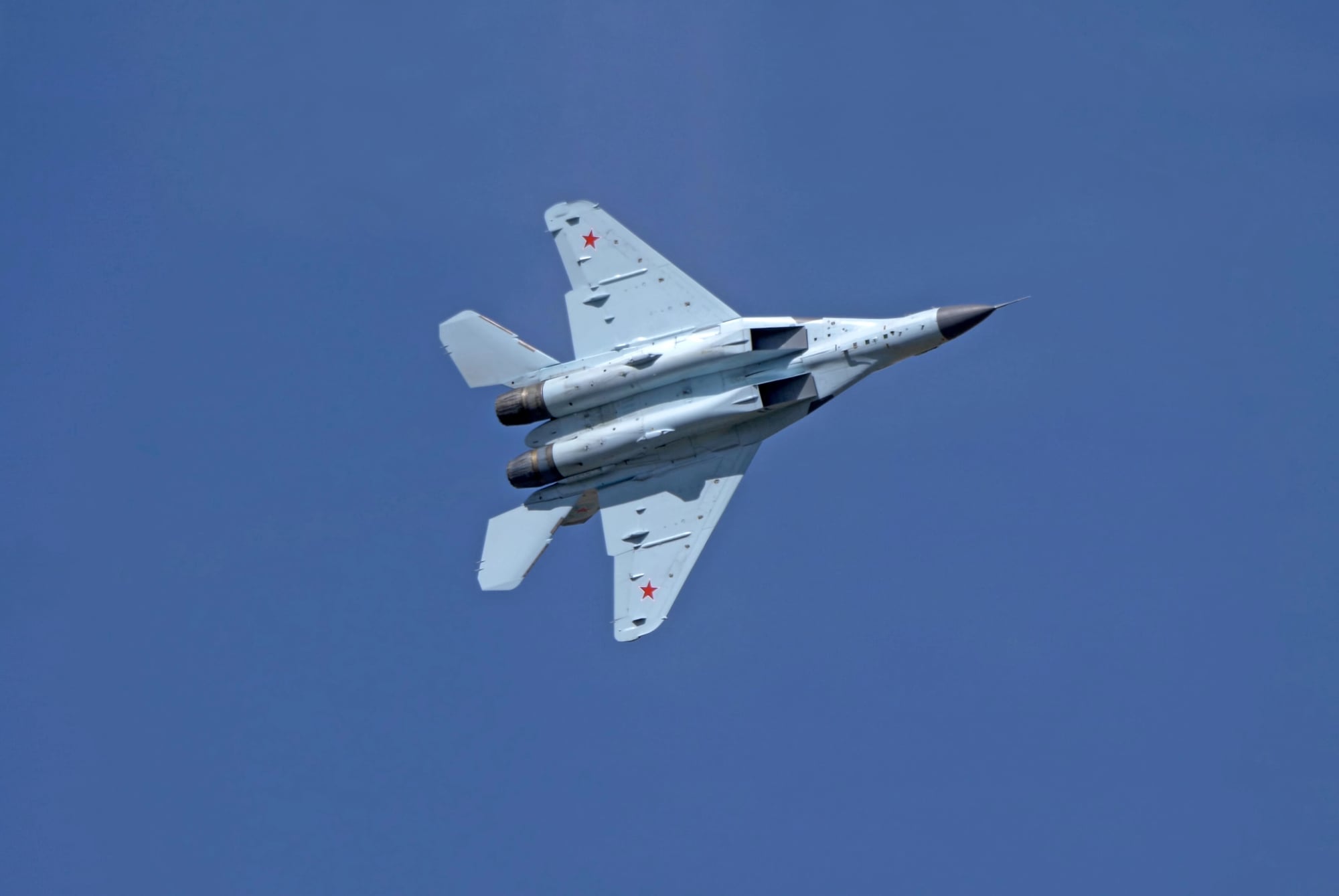
The MiG-25 shocked Western analysts when it first appeared in the late 1960s. Built by the Soviet Union, it was capable of speeds approaching Mach 3.2 under controlled conditions.
The aircraft was designed to intercept high-altitude threats at extreme speed. Its engines could briefly exceed design limits, though doing so caused damage.
Even with those constraints, the MiG-25 established itself as one of the fastest jets ever fielded, prioritising speed over agility or versatility.
Mikoyan-Gurevich MiG-31
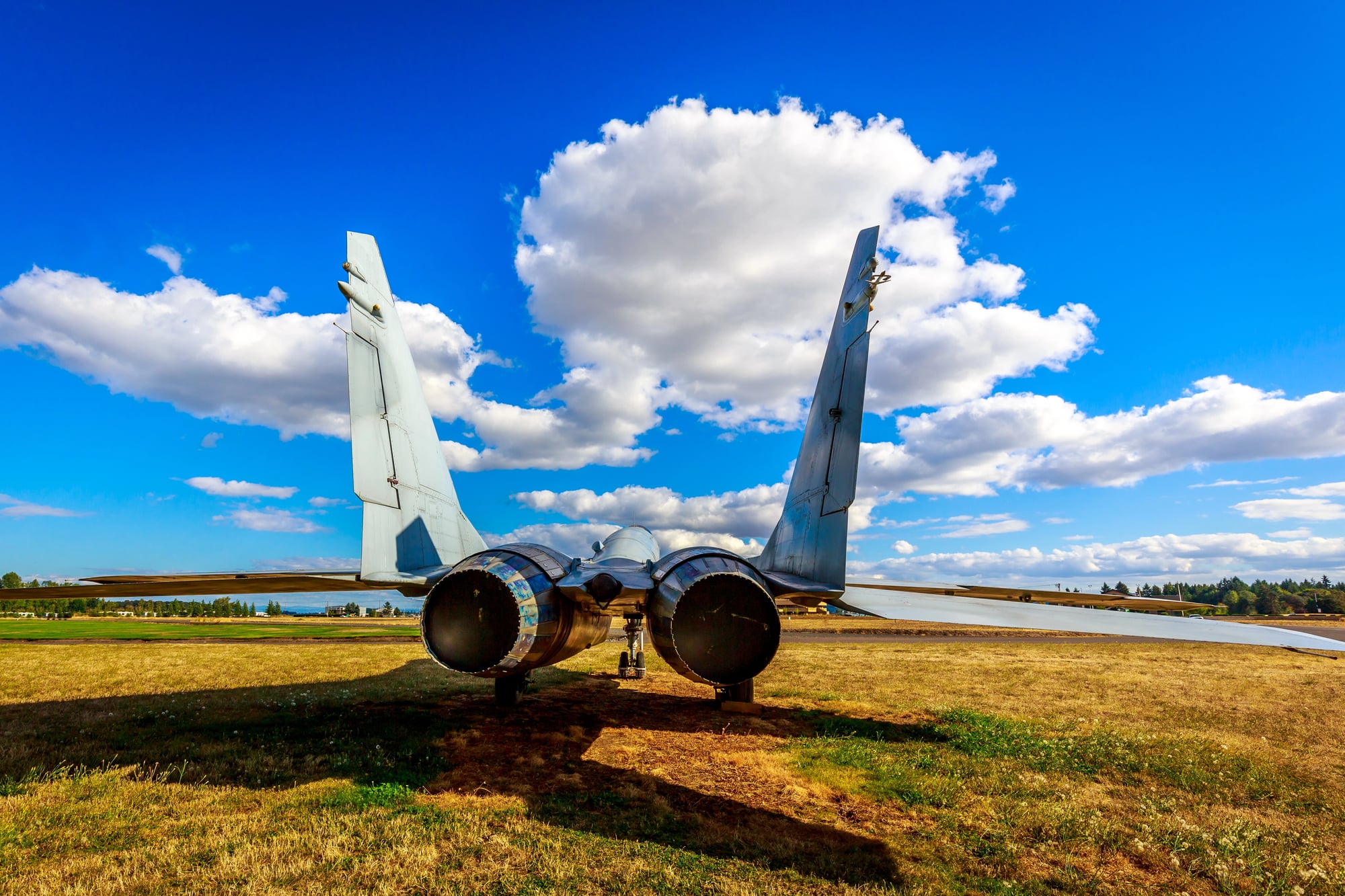
An evolution of the MiG-25, the MiG-31 retained extreme speed while adding more advanced avionics and weapons systems. It could reach speeds near Mach 2.8 and sustain them more reliably than its predecessor.
The MiG-31 was built to patrol vast distances, using speed to cover territory quickly rather than engage in close combat. Its design reflects a strategic emphasis on interception rather than maneuverability.
Bell X-2
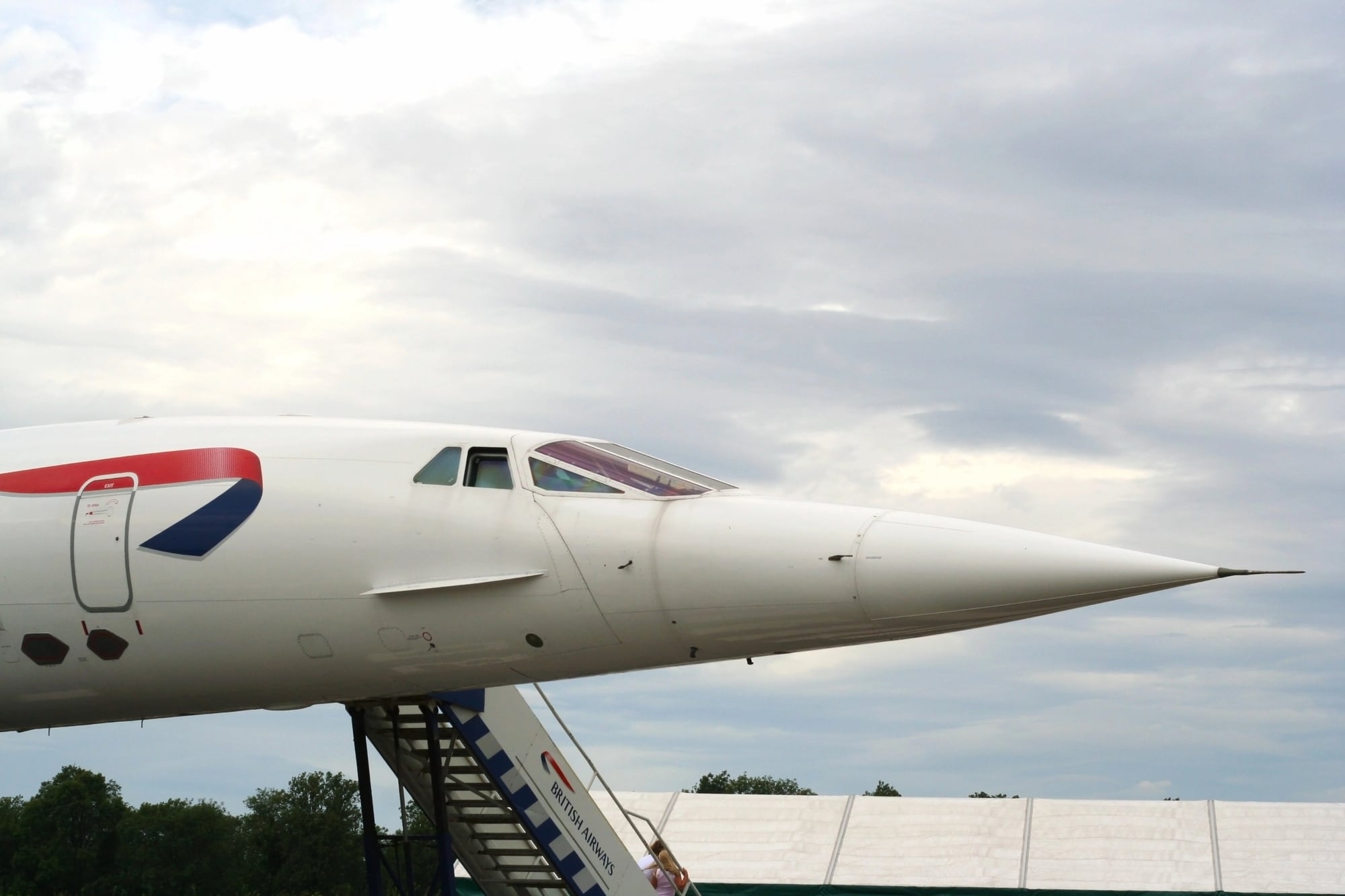
The Bell X-2 was an early experimental aircraft designed to explore high-speed and high-altitude flight. In 1956, it reached Mach 3.2, pushing beyond previous limits.
The program was risky and costly, and it ultimately ended after a fatal incident. Still, the data gathered shaped future research aircraft.
The X-2 demonstrated how rapidly aerodynamic behavior changed at extreme speed, influencing generations of aircraft design.
Convair XF-92
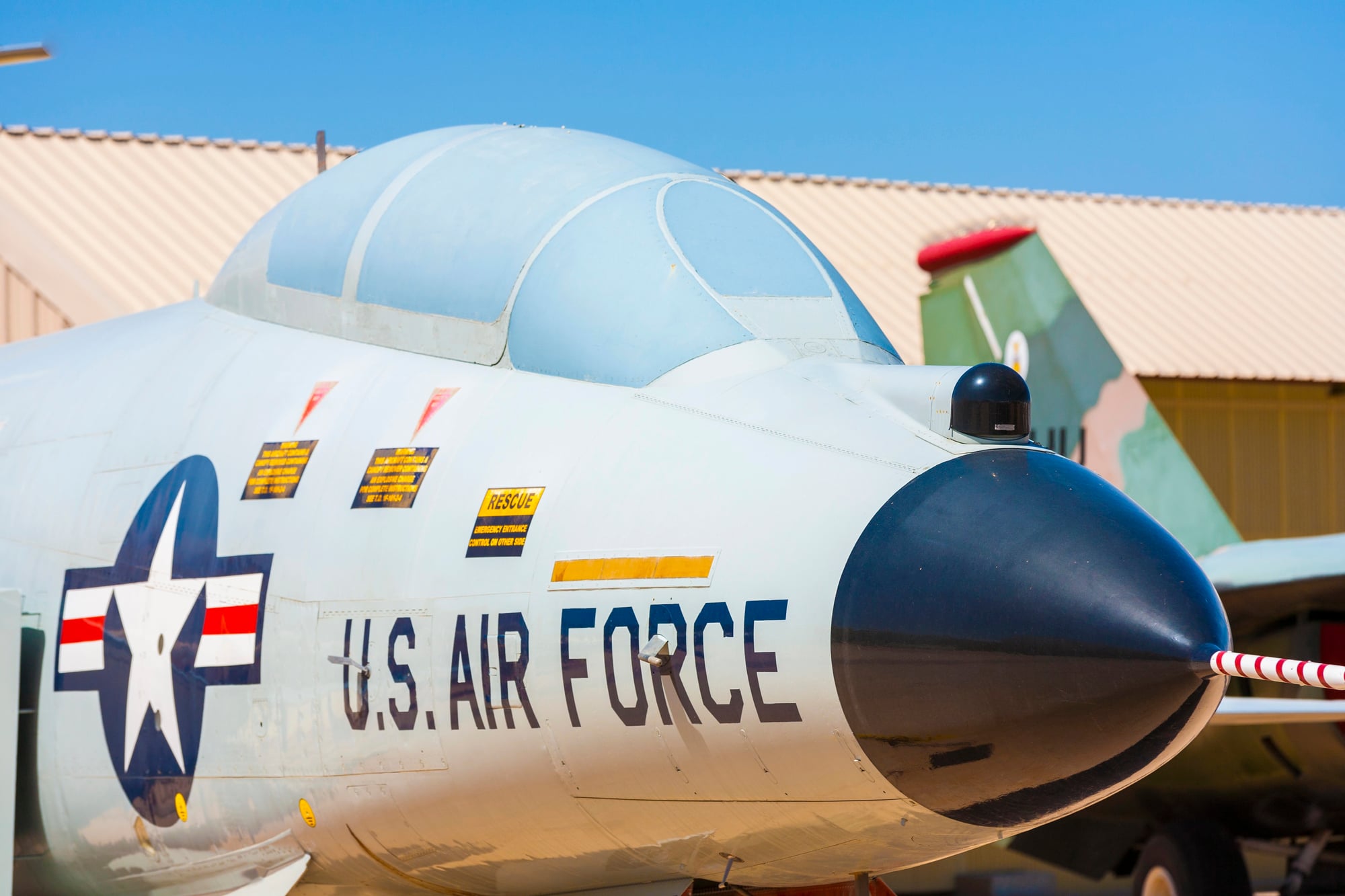
The XF-92 was an experimental delta-wing jet that helped shape high-speed aerodynamics. While not the fastest overall, it played a crucial role in enabling faster aircraft that followed.
Its contribution was conceptual rather than record-setting. By validating delta-wing performance at high speed, it paved the way for later supersonic and near-hypersonic designs.
North American XB-70 Valkyrie

The XB-70 Valkyrie was designed as a high-speed bomber capable of sustained Mach 3 flight. Its sleek design and folding wingtips made it one of the most visually striking jets ever built.
Although it never entered service, the XB-70 proved that large aircraft could maintain extreme speeds. Its cancellation reflected shifting military priorities rather than technical failure.
McDonnell Douglas F-15 Eagle (modified)

Standard F-15 fighters are not among the fastest ever built, but a heavily modified F-15 set a speed record in 1975 by reaching Mach 2.5 in a short climb profile.
This demonstrated how adaptable airframes could achieve exceptional performance under specific conditions. While not designed for sustained extreme speed, the F-15 showed how power and aerodynamics could be pushed beyond normal operational limits.
Sukhoi Su-27 (prototype testing)

During prototype testing, early Su-27 variants reached very high speeds approaching Mach 2.35. While operational limits were lower, the design demonstrated exceptional potential.
The Su-27 prioritised maneuverability over raw speed, but its powerful engines allowed impressive top-end performance. It represents a different philosophy, balancing speed with control rather than chasing records outright.
English Electric Lightning

The English Electric Lightning was one of the fastest fighters of its era, capable of exceeding Mach 2. Its climb rate and acceleration were exceptional, even if its range was limited.
Built during the Cold War, it reflected an emphasis on rapid interception. Speed was central to its mission, allowing it to reach threats quickly rather than sustain long patrols.
Dassault Mirage III
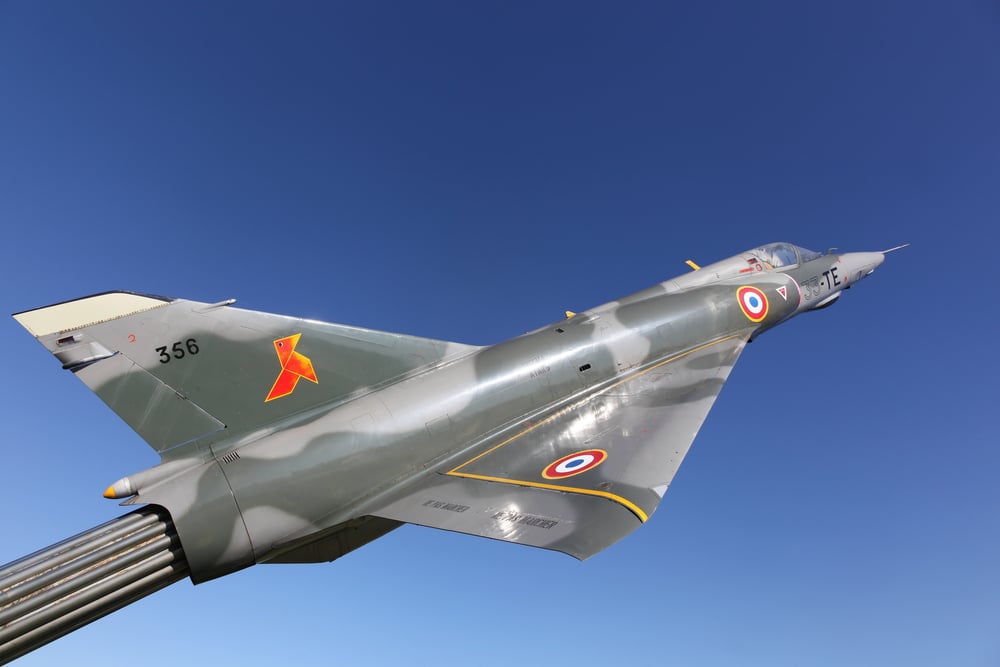
The Mirage III became one of the first European fighters capable of Mach 2 flight. While not record-breaking, it represented a major leap for its time.
Its delta-wing design allowed high-speed performance with relative simplicity. The Mirage III showed how speed could be achieved without extreme complexity, influencing many later aircraft.
McDonnell Douglas F-4 Phantom II
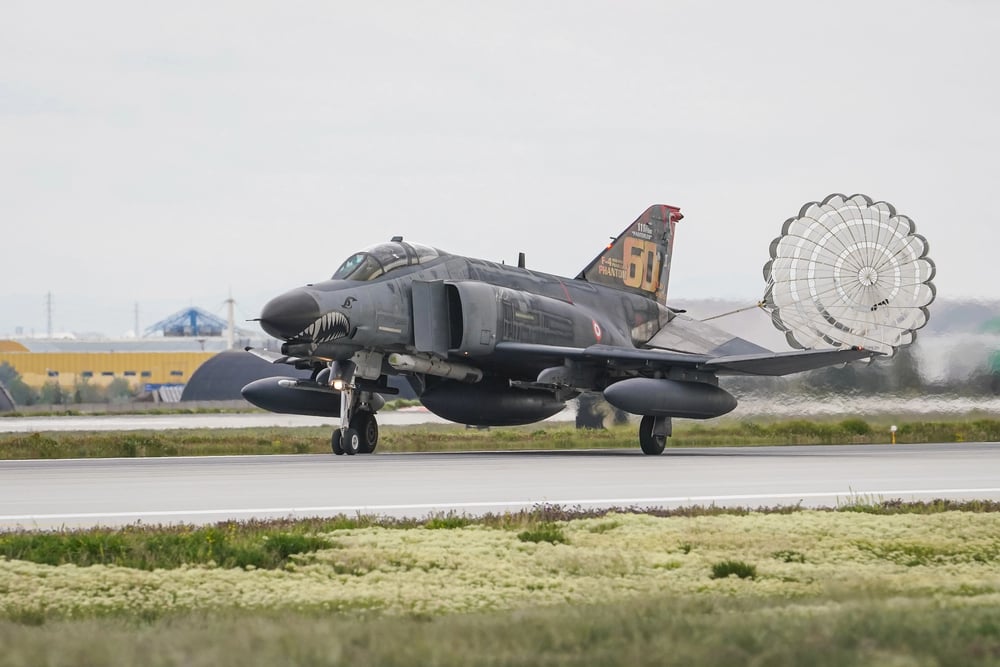
The F-4 Phantom II reached speeds exceeding Mach 2.2 and set numerous records during its service life. Though large and heavy, it combined speed with versatility.
Its success demonstrated that extreme speed did not need to come at the expense of multi-role capability. The Phantom became a benchmark for balancing performance with practicality.
Sukhoi T-4
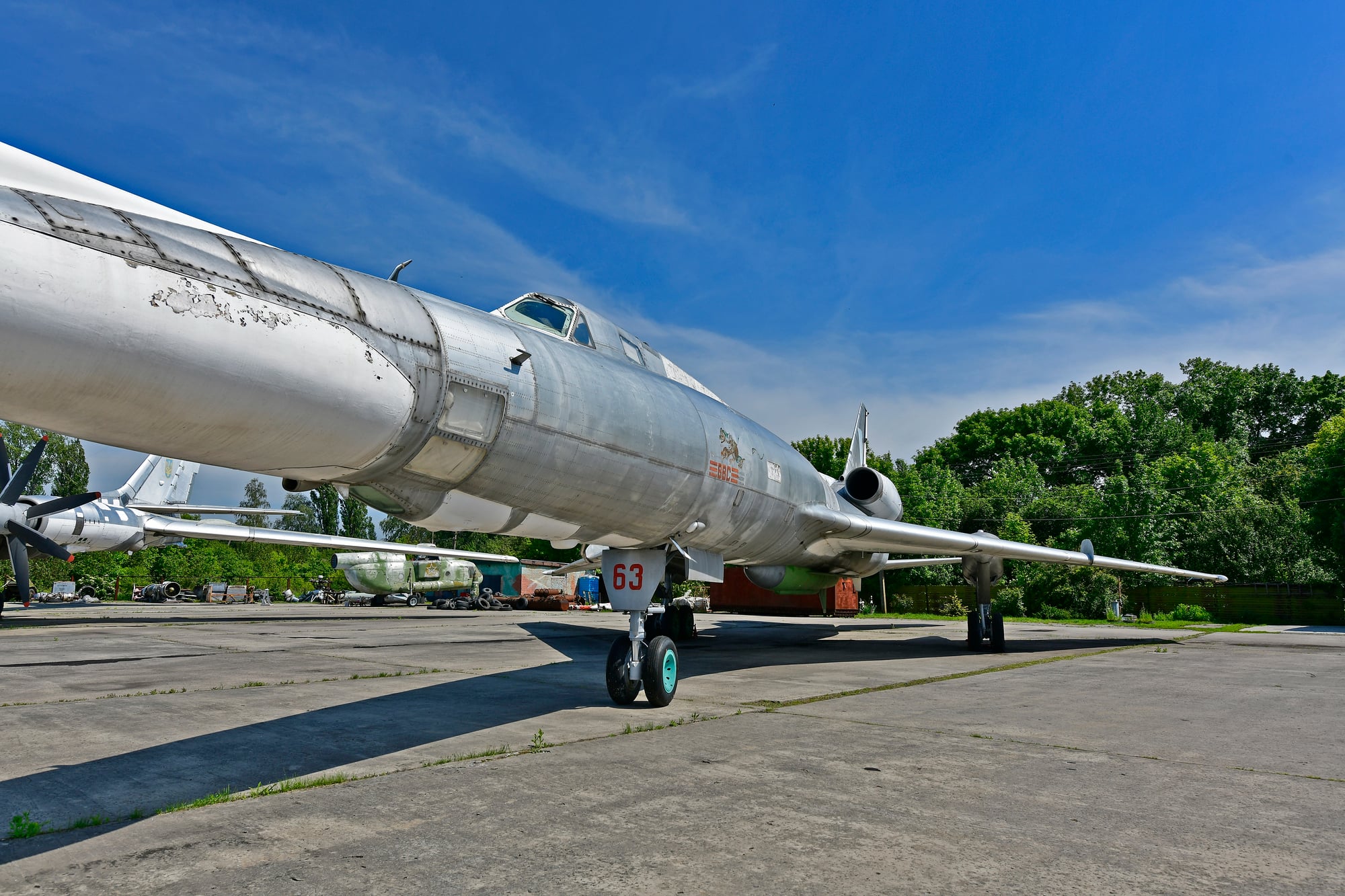
The Sukhoi T-4 was a Soviet experimental aircraft designed to rival the XB-70. It aimed for speeds around Mach 3 and incorporated advanced materials and systems.
The program was eventually canceled, but the aircraft proved that Soviet engineers could match Western ambitions in extreme-speed design. Like many such projects, it existed more as a statement of capability than a practical solution.
Why speed stopped being the priority

Out of one particular period came the quickest aircraft ever made. Back then, racing through the sky gave nations an edge – not just in power but in image too.
Yet later on, staying hidden mattered more than raw pace. Smarter eyes in the nose, less fuel burned – that became the goal instead.
Today’s planes may seem sluggish at first glance, yet they handle far more tasks than before. Because of those earlier speed-driven models, progress took root – new alloys emerged, engines evolved, shapes sliced air better.
Their relentless push opened doors others now walk through without thinking. Even when speed faded as the main goal, safety and precision grew stronger behind the scenes.
More from Go2Tutors!

- The Romanov Crown Jewels and Their Tragic Fate
- 13 Historical Mysteries That Science Still Can’t Solve
- Famous Hoaxes That Fooled the World for Years
- 15 Child Stars with Tragic Adult Lives
- 16 Famous Jewelry Pieces in History
Like Go2Tutors’s content? Follow us on MSN.