29 Vintage Advertising Signs Collectors Pay Well For
An advertising sign either looks like real money or like something worth pitching straight into the recycling pile, and most people guess wrong in both directions. The signs collectors actually chase are identified by production method and specific hardware details, not by whether the brand still exists.
Porcelain Enamel Signs on Steel Backing
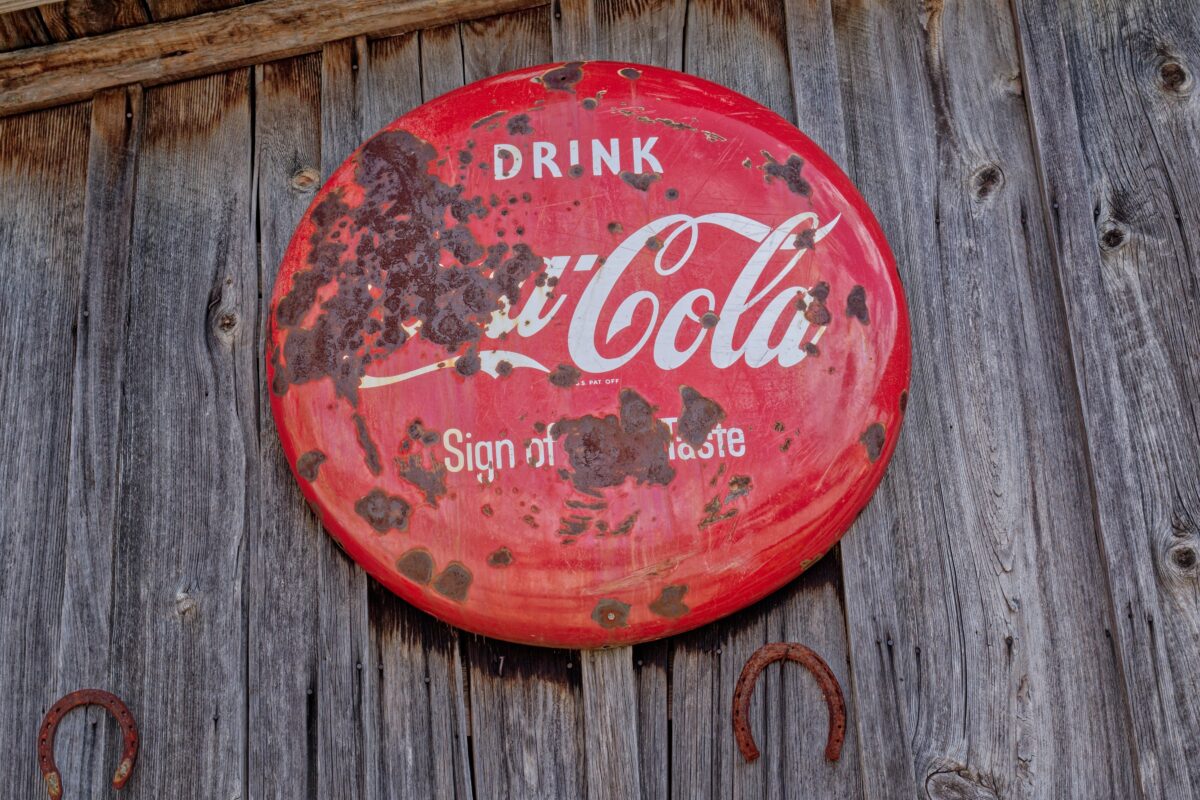
Signs made by fusing powdered glass enamel onto a steel panel under high heat, rather than simply painting the surface, produce a finish that holds its color for decades outdoors and is the gold standard of advertising sign production. A porcelain sign is identified by chipping along the edges that reveals the steel base beneath a glassy, layered surface, distinct from paint that would simply flake.
Genuine porcelain signs command real premiums, and the category is heavily reproduced, so checking edge chipping and back-side markings against known originals is essential before assuming authenticity.
Reverse-Painted Glass Signs
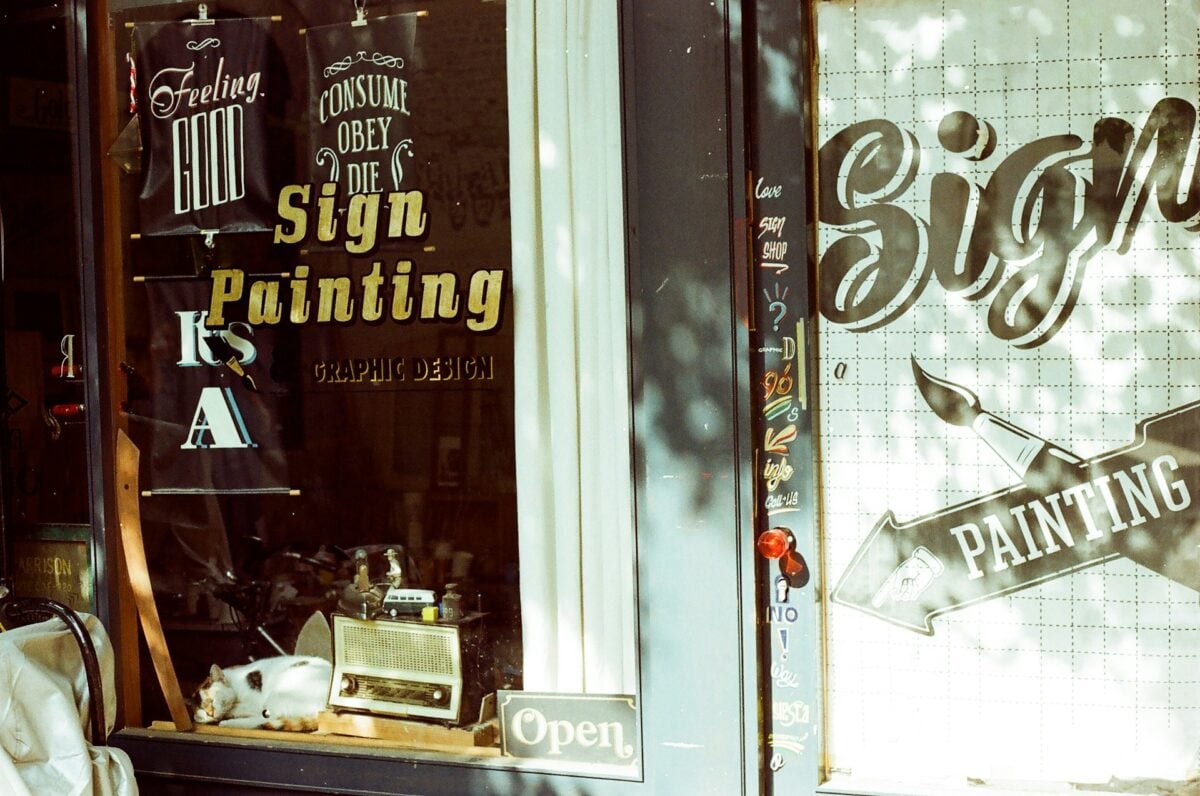
Signs painted on the back of a glass panel so the image reads correctly through the front, a technique that predates and differs from silk-screened glass, produces a depth and richness to the color that flat-painted signs cannot replicate. These were typically used for interior display in stores rather than outdoor use, which means surviving examples often have better color retention than their outdoor porcelain counterparts.
Cracking or flaking of the paint layer on the back is the primary condition issue, since any damage there is visible through the glass front.
Die-Cut Standee Advertising Figures
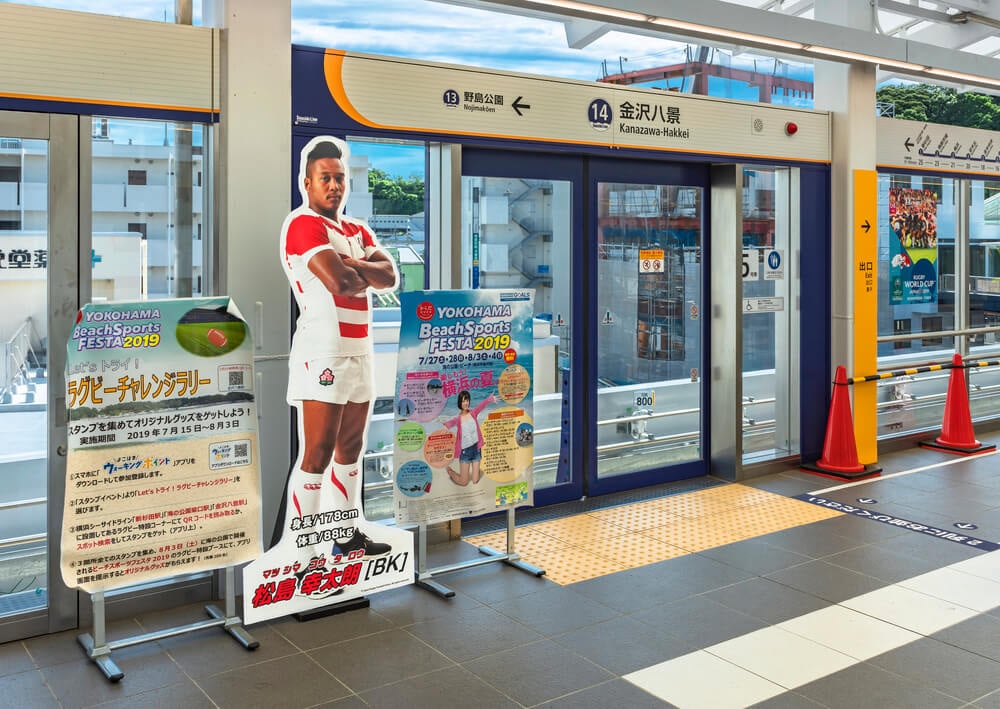
Cardboard or heavy paperboard advertising figures cut into a shaped silhouette, designed to stand upright on a store counter or floor, are inherently fragile and were treated as disposable seasonal promotional material at the time.
A standee that survives with its original folding stand and no significant creasing across the printed image is genuinely scarce, since these were replaced by stores as soon as a promotional campaign ended.
Neon Tube Signs With Working Transformers
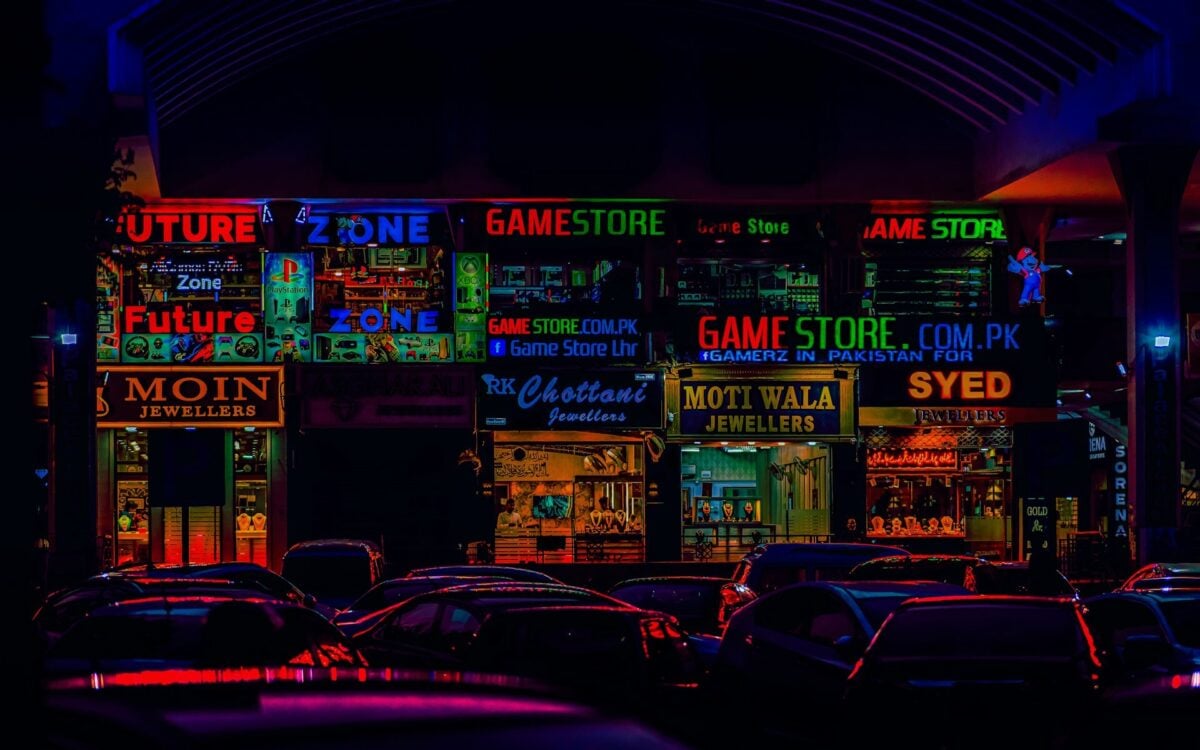
Signs built around bent glass neon tubing rather than printed or painted graphics, requiring a working transformer to illuminate at all, are collected specifically for the working light display and command a real premium when the neon tubes and transformer both still function correctly.
A sign with intact original tubing, rather than tubing that has been rebent or replaced, holds more value to collectors who care about originality, though a functioning replacement tube set still preserves most of the display value.
Advertising Thermometers With Branded Faces
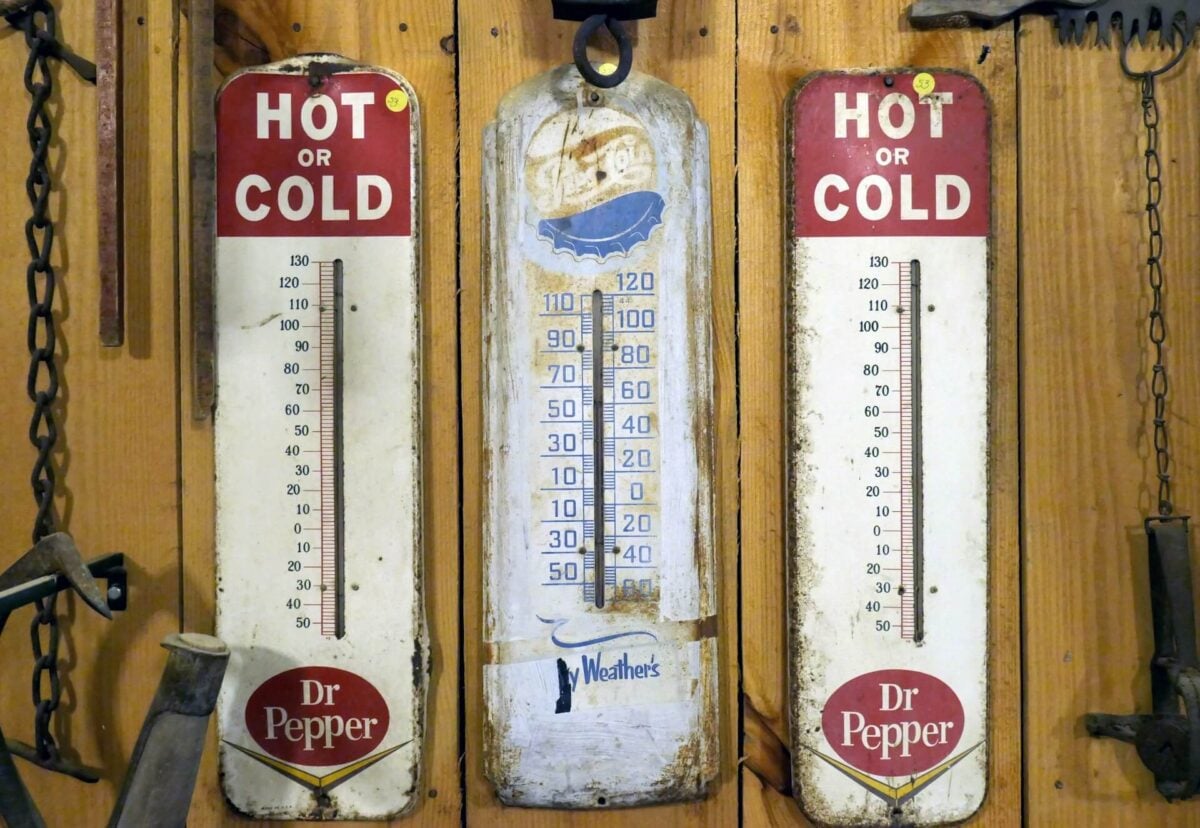
Large outdoor thermometers manufactured with a specific brand’s name and graphic printed across the face, mounted on a porcelain, tin, or wood-backed panel, are a specific and actively collected sign subcategory distinct from general advertising signs.
A thermometer with its mercury or alcohol column still functioning accurately and the printed face undamaged is worth considerably more than a decorative-only example with a broken temperature mechanism.
Advertising Clocks With Original Movements
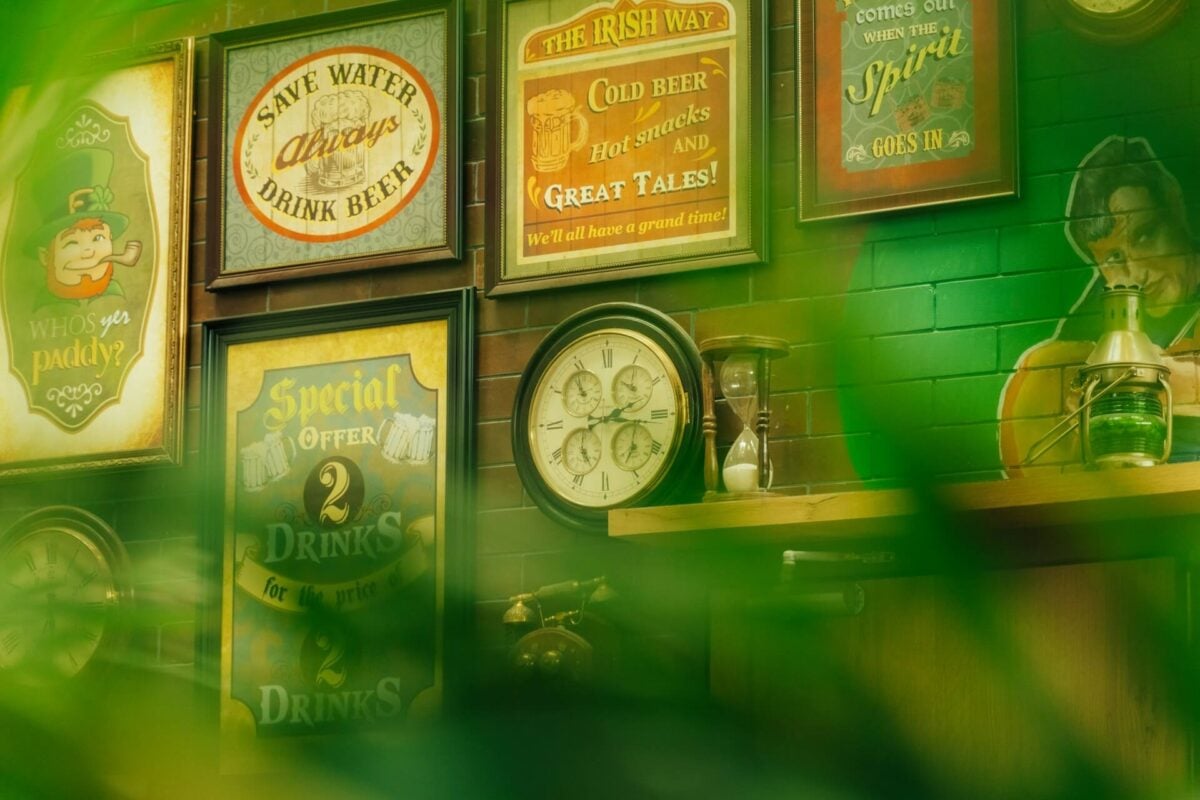
Wall and counter clocks manufactured as branded promotional items, distinguishable from general decorative clocks by an advertiser’s name printed prominently on the face, are collected both for the graphic design and for genuine timekeeping function where the original movement survives.
A clock keeping accurate time on its original mechanical or early electric movement is worth more than an example that has had a modern replacement movement installed, even though the swap is common and the face design still carries most of the visual appeal.
Trolley and Streetcar Card Advertisements
Small horizontal advertising cards designed to fit into the overhead card racks inside trolleys and streetcars, a format specific to public transit advertising before buses and different transit systems replaced the format, are a genuinely overlooked category since most people have never seen the racks these cards were designed for.
A complete card with crisp printed color and no significant creasing from having been rolled or folded for storage is worth pursuing specifically for the format’s rarity.
Embossed Tin Signs With Raised Lettering
— Photo by a2gxe
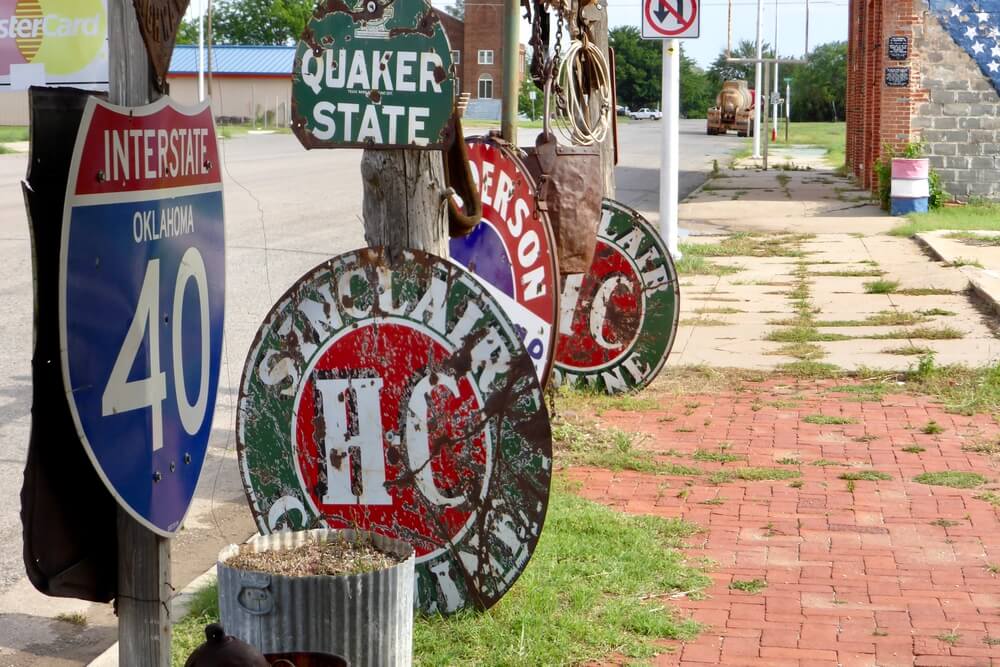
Tin signs stamped with raised, embossed lettering and graphics rather than flat-printed on the surface, a manufacturing technique that adds both visual depth and genuine production cost compared to flat tin printing, are collected specifically for that dimensional quality.
An embossed sign with the raised detail still crisp and not flattened from impact damage holds meaningfully more value than a comparable flat-printed tin sign of the same brand and era.
Feed and Seed Store Advertising Signs
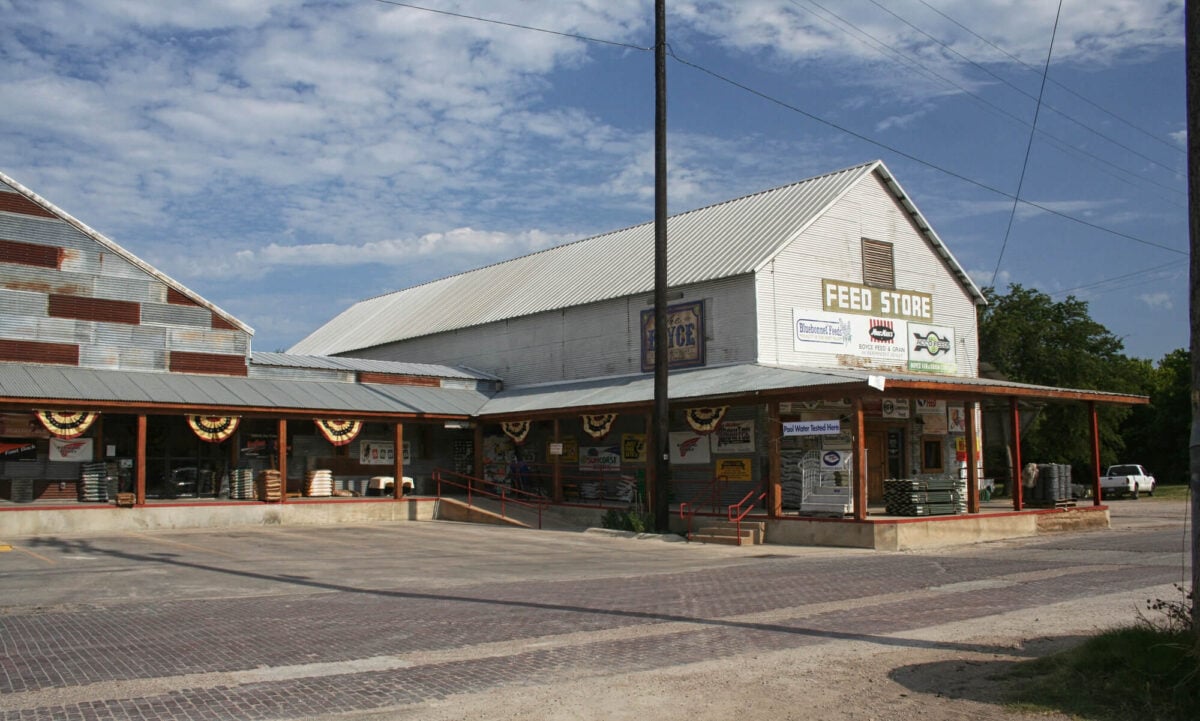
Signs advertising agricultural feed, seed, and farm supply brands, produced for display in rural farm supply and general stores, document a specific regional and agricultural advertising history distinct from urban consumer product advertising.
A sign for a smaller regional feed brand, rather than one still nationally recognized, often carries stronger collector interest specifically because the smaller brand’s advertising material survived in much lower numbers.
Gas Station Pump Plate Signs
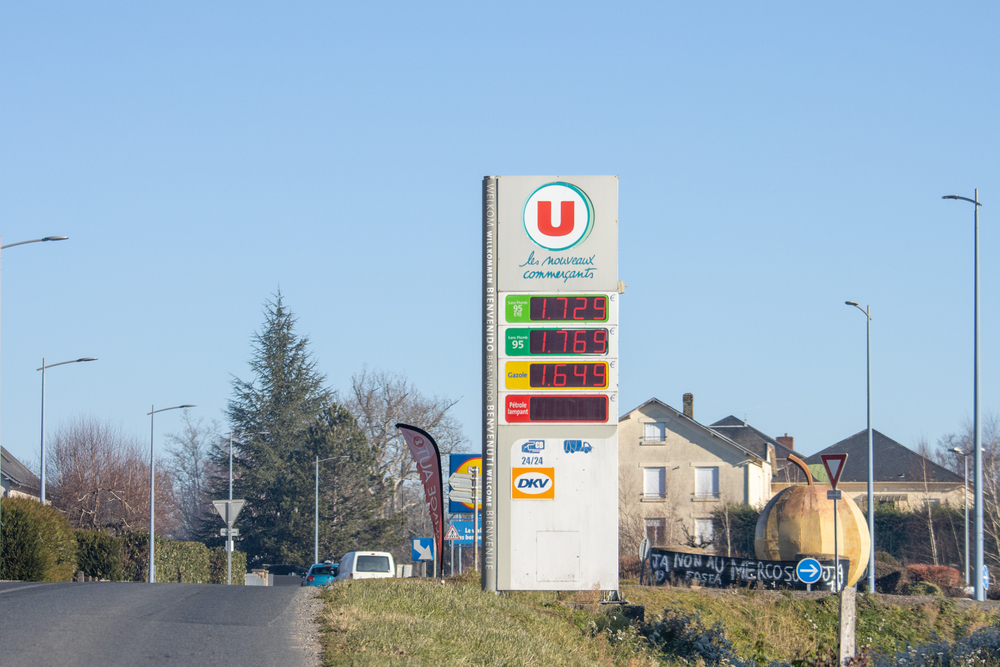
Small round or shield-shaped signs designed to mount directly onto a gasoline pump rather than displayed as a general wall sign, identifying the specific fuel brand and grade, are a dedicated collecting category within automotive advertising.
A pump plate correctly matched to a documented specific pump model and fuel grade, with the porcelain or enamel surface intact, is worth considerably more than a generic or mismatched replacement plate.
Pharmacy and Apothecary Advertising Signs

Signs advertising specific pharmaceutical brands, tonics, or apothecary services from before modern drug regulation standardized product marketing, document a specific and colorful period of American commercial history. These signs sometimes carry unusual and dated product claims that have no modern equivalent, which adds historical interest beyond the graphic design itself.
A sign in legible, undamaged condition tied to a specific, well-documented product line draws stronger collector interest than a generic unbranded apothecary sign.
Light-Up Box Signs With Internal Illumination
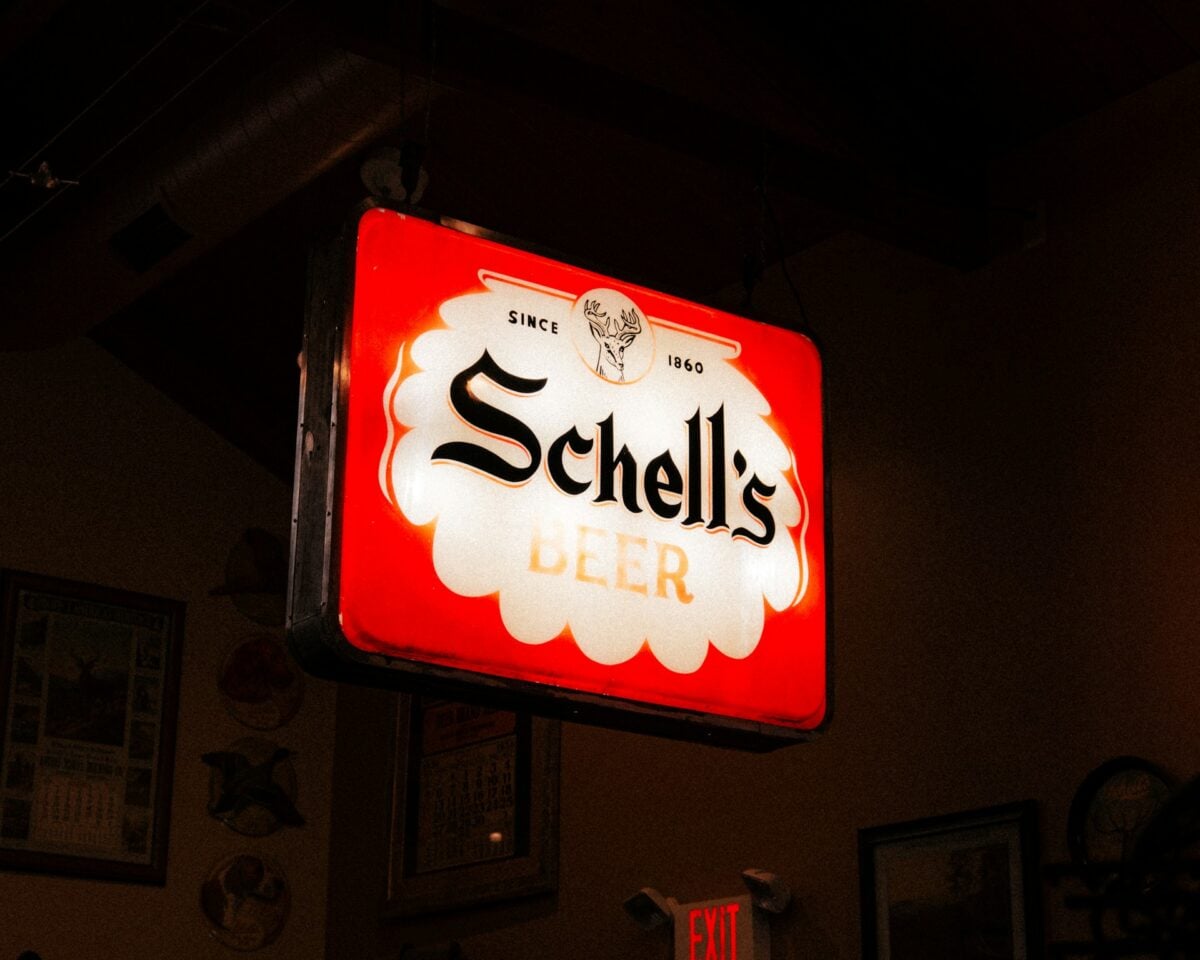
Signs built as an illuminated box, lit from inside by a bulb behind a translucent printed or painted panel rather than external neon tubing, represent a middle-ground illumination technology between static painted signs and full neon displays.
A box sign with its original internal wiring still functional and the translucent panel undamaged is worth pursuing over a comparable static sign, since the illumination itself is what made these signs effective at the time and remains the primary collector draw now.
Advertising Match Book Covers in Complete Sets
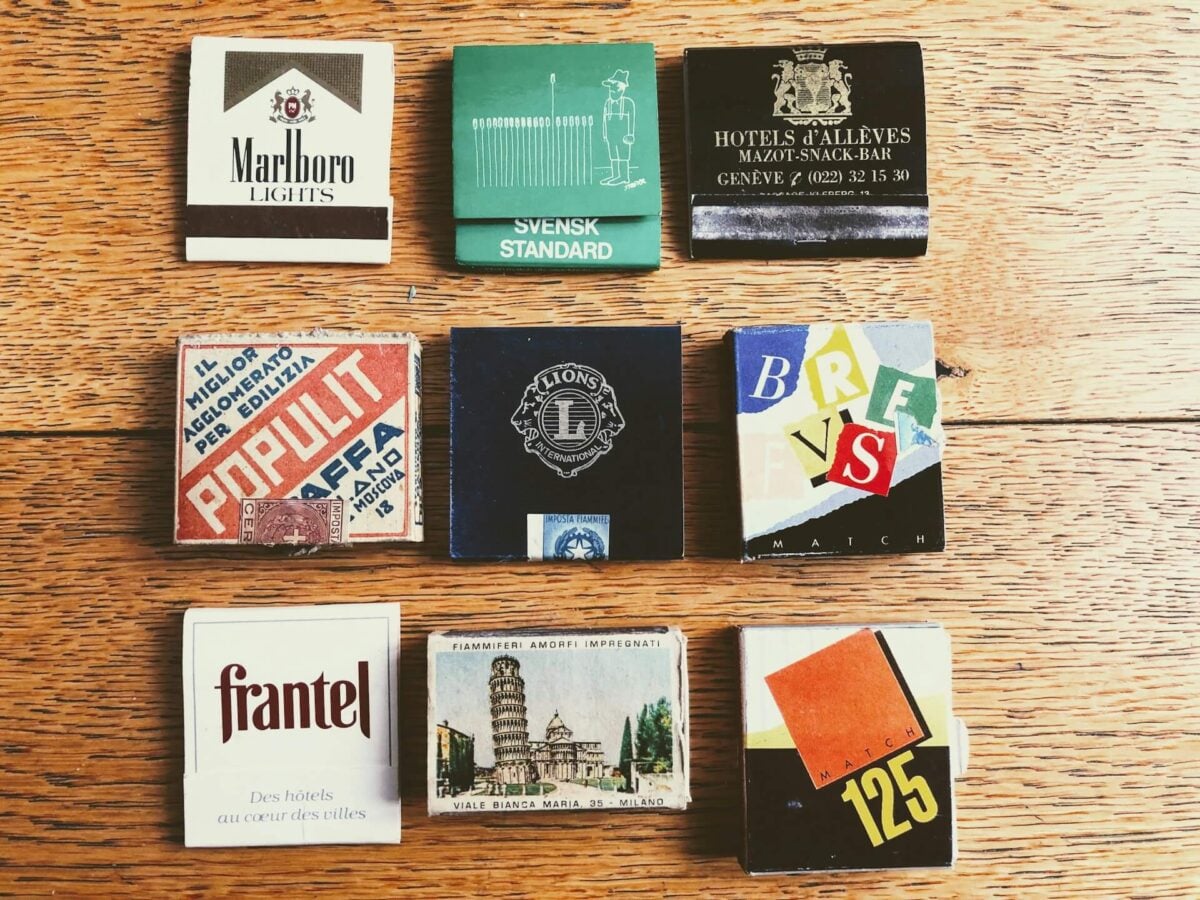
Matchbook covers printed with a specific advertiser’s branding, produced in enormous numbers as a giveaway promotional item, are individually inexpensive but become genuinely valuable when a complete themed set from a single advertiser’s promotional campaign survives together.
A complete set retaining every cover from a documented campaign series is worth considerably more assembled than the covers would bring individually, and unstruck matches remaining inside add a small additional premium.
Advertising Barn and Building-Side Painted Signs
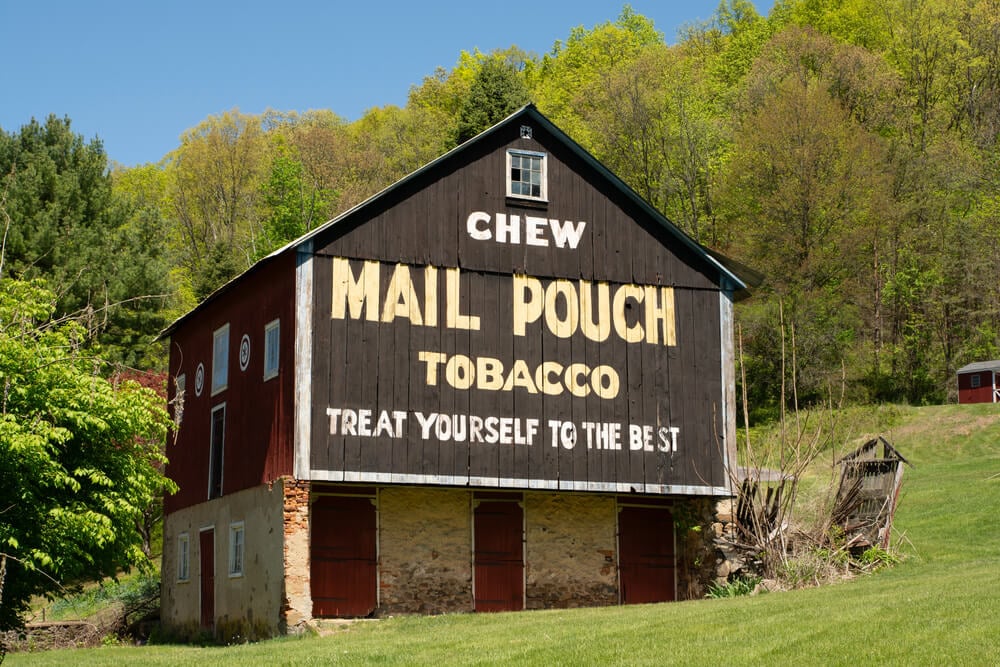
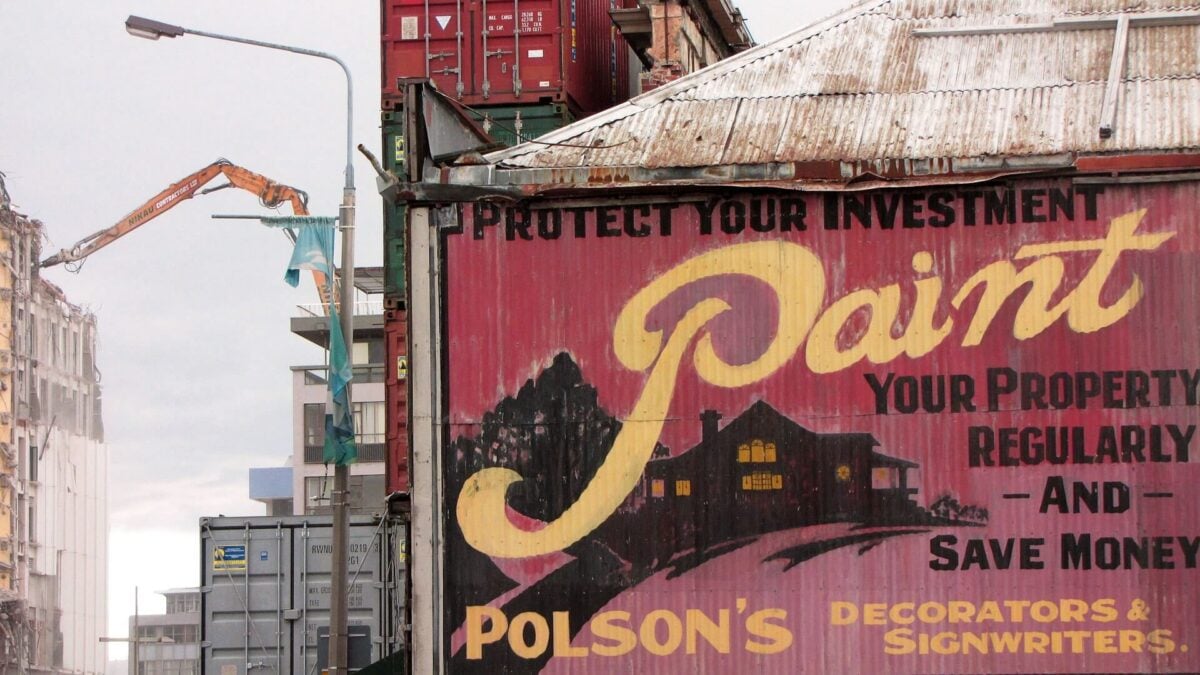
Large advertising messages painted directly onto the side of a barn or building, rather than mounted as a separate sign panel, were a specific advertising method paying property owners for the display space, and surviving examples exist only where the original structure itself has survived intact.
These cannot be relocated or collected in the conventional sense, so value here is tied to the property and its preservation rather than to a portable object, which makes documented photography of surviving examples the more common collecting approach.
Sample Case Advertising Displays
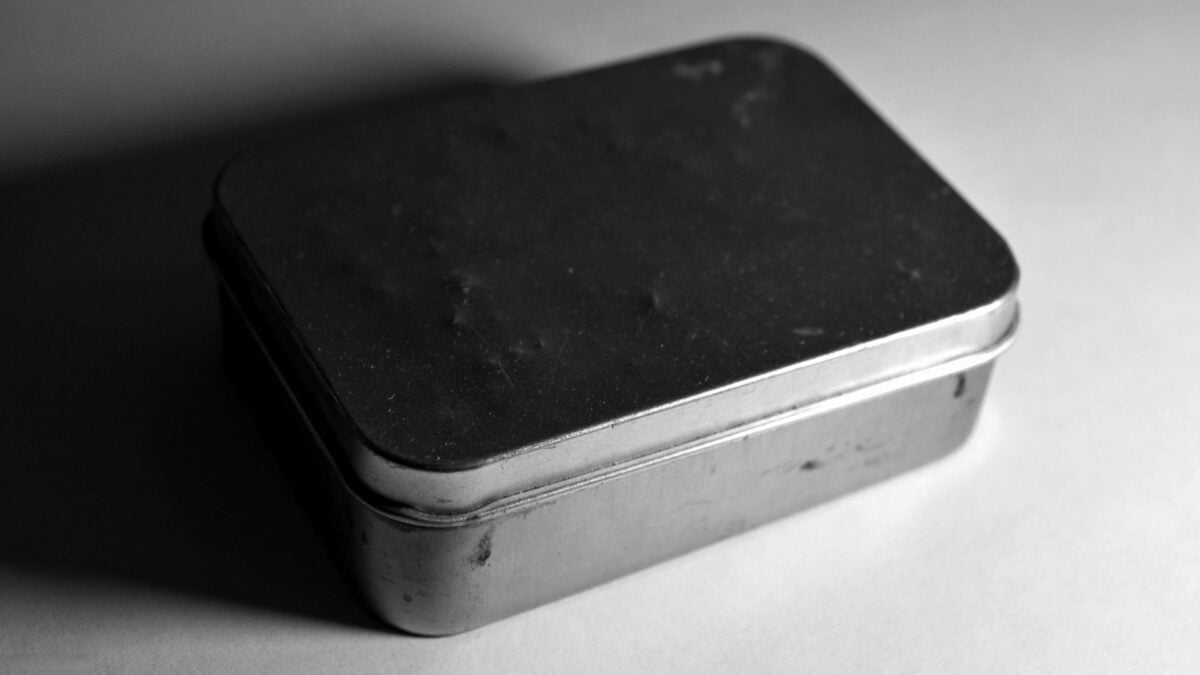
Compact display cases built for traveling salesmen to carry a manufacturer’s product samples along with branded advertising graphics printed on the case interior, combine advertising ephemera with functional salesman equipment.
A case retaining its original branded interior graphics and sample compartments intact is scarcer than the advertising graphics alone would be if separated from the case, since these were working tools that saw hard use on the road.
Advertising Door Push and Pull Plates
Small metal plates mounted on a store’s entrance door, printed with a specific advertiser’s branding and used as the actual door hardware a customer would push or pull, are a functional advertising object distinct from wall-mounted signage.
A plate with the printed branding still legible despite the wear a functional door handle naturally accumulates is worth pursuing, and the functional wear itself is expected rather than treated as damage.
Barber and Beauty Shop Advertising Signs

Signs specific to barber and beauty shop services, sometimes incorporating a rotating pole graphic or specific trade iconography distinct from general retail advertising, are collected within a dedicated niche tied to the personal grooming trade’s own history.
A sign in good condition tied to a documented specific shop or grooming product brand draws targeted interest from collectors specifically building a period barbershop or salon display.
Advertising Yardsticks and Rulers

Wooden yardsticks and rulers printed with a specific local business’s branding, distributed as an inexpensive giveaway promotional item, are a small-format advertising object that most people never think to search out specifically.
A yardstick tied to a documented specific regional business, with the printed branding still fully legible along its length, holds modest but real interest from local advertising history collectors assembling a broader regional collection.
Delivery Truck and Vehicle Advertising Panels

Painted or decal-based advertising panels originally mounted on the side of a delivery truck or vehicle, salvaged after the vehicle itself was retired rather than the panel being sold as standalone signage, document mobile advertising specifically.
A panel with documented provenance tying it to a specific known delivery vehicle or company fleet carries more interest than an unmounted, undocumented panel of similar design, since the vehicle connection is part of what makes the object interesting.
Advertising Calendars With Complete Year Pages
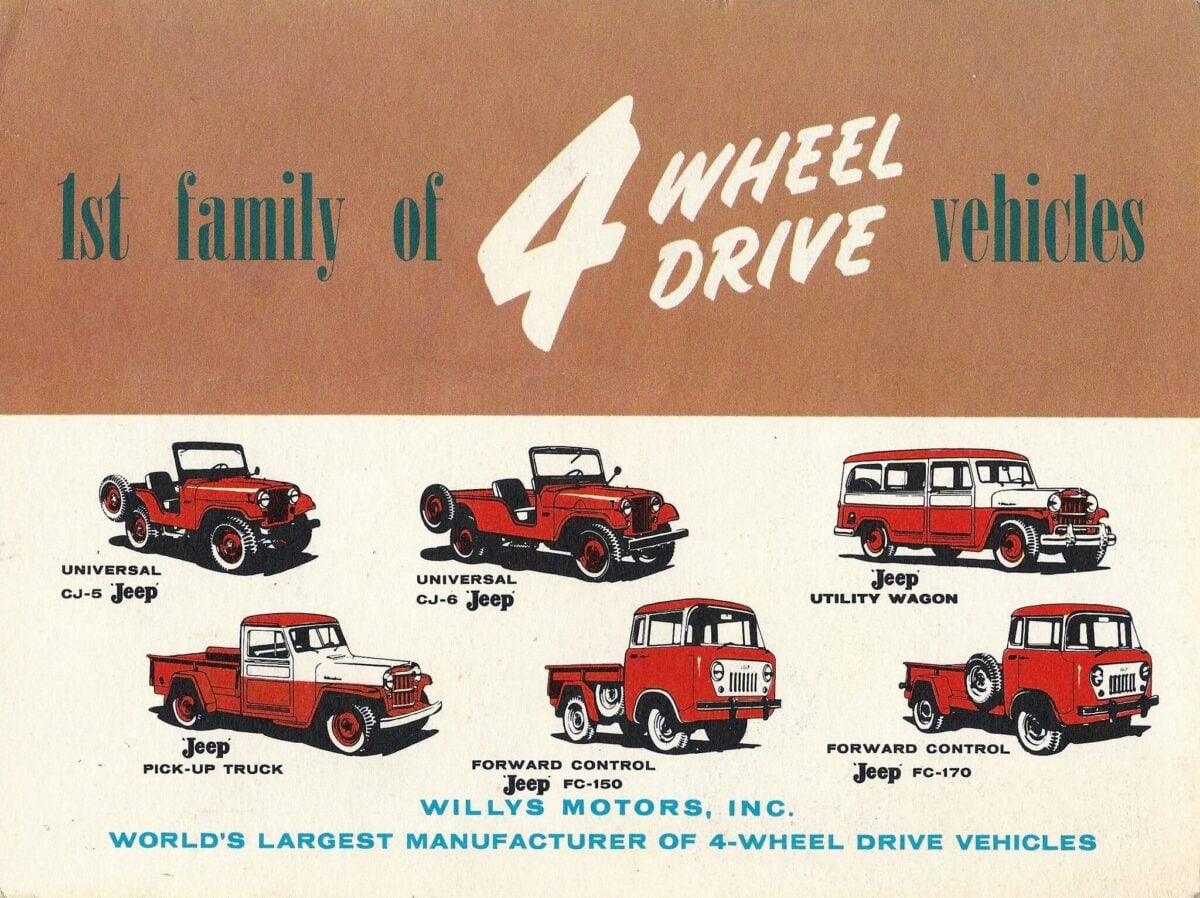
Promotional calendars distributed by local and regional businesses, printed with advertiser branding on the header and a full set of monthly pages beneath, hold considerably more value with every month’s page still attached than a calendar missing pages torn off through the year it was used.
A complete calendar from a specific documented business, with header artwork and pages both intact, is scarcer than the header artwork alone, since most surviving examples had their monthly pages removed and discarded as the year progressed.
Illuminated Advertising Clocks With Rotating Motion

Advertising clocks built with an additional rotating or spinning element, such as a rotating hour hand assembly or a moving backlit graphic separate from the timekeeping function itself, represent a more mechanically complex and less common advertising clock format than a simple static face.
A clock with both the timekeeping mechanism and the rotating element still functioning correctly commands real premium over a comparable static advertising clock, since the moving mechanism is a genuine engineering feature beyond simple decoration.
Advertising Signs for Discontinued Product Formats
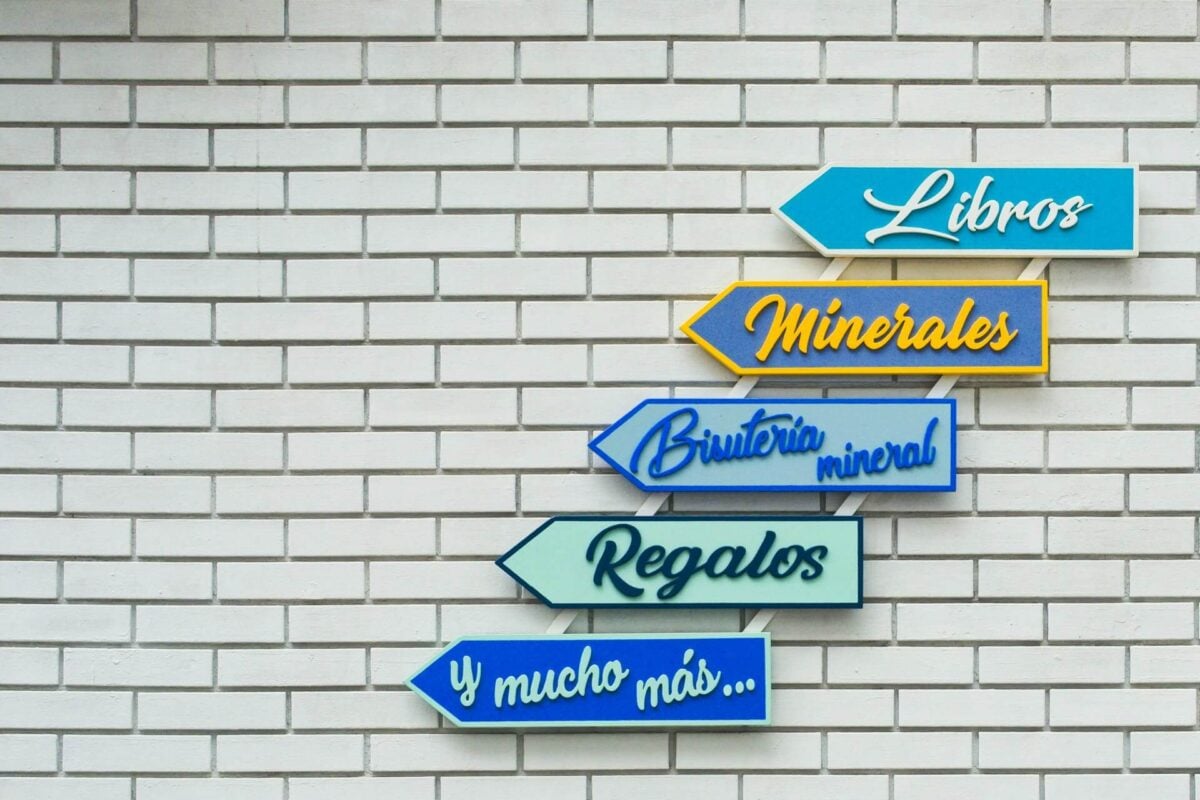
Signs advertising a specific product format that has since been discontinued entirely, rather than a brand that simply changed its packaging, document a genuine dead end in product history that current-format advertising for the same still-existing brand cannot replicate.
A sign specifically tied to a documented discontinued format or product line carries more historical interest than a sign for the same brand’s current product line, even when the brand name itself remains widely recognized today.
Advertising Signs With Regional Dialect or Slang Copy
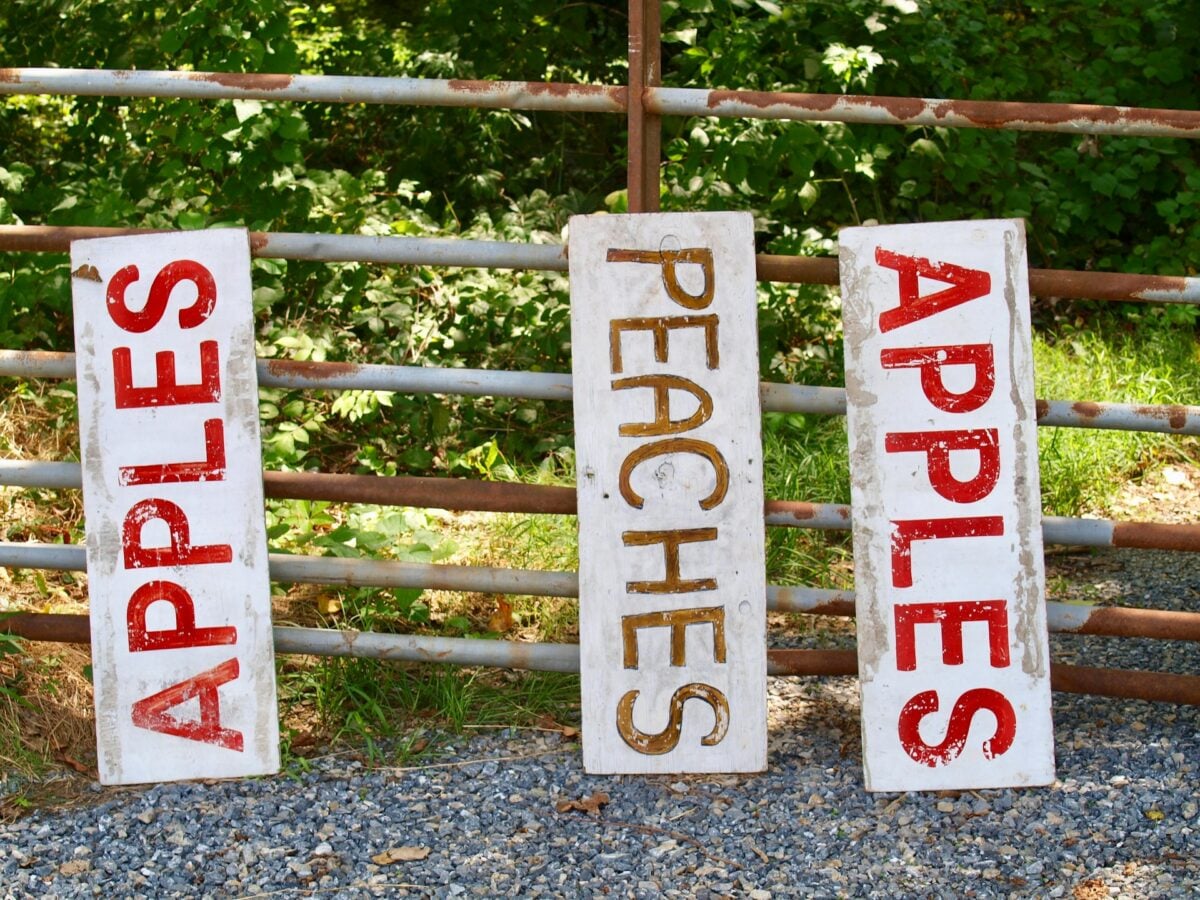
Signs using regional dialect, slang, or phrasing specific to a particular area and era, rather than standardized national advertising copy, document local advertising culture in a way that broader national campaigns do not.
A sign with clearly regional or period-specific phrasing, tied to a documented local or regional business, draws targeted interest from collectors specifically researching regional advertising language and culture rather than general sign collecting.
Advertising Signs Mounted on Original Wood Backing

Tin or paper advertising signs still mounted on their original wood backing board, rather than a later reframing or the backing having been discarded, are worth pursuing over an identical sign that has lost its original mount, since the original backing is frequently stamped or labeled with additional maker and distribution information not printed on the visible sign face itself.
Checking the reverse of a mounted sign before assuming it has nothing further to offer is a step many buyers skip entirely.
Advertising Signs for Businesses Documented as Closed

Signs advertising a specific local business confirmed as permanently closed, rather than a still-operating business or a widely recognized national brand, carry a specific kind of scarcity value tied directly to the fact that no more of that particular sign will ever be produced again.
A sign tied to a documented closed business, especially one with some remaining local historical significance, draws interest from local history collectors well beyond what the sign’s graphic design alone would suggest.
Advertising Signs With Manufacturer Back-Stamps
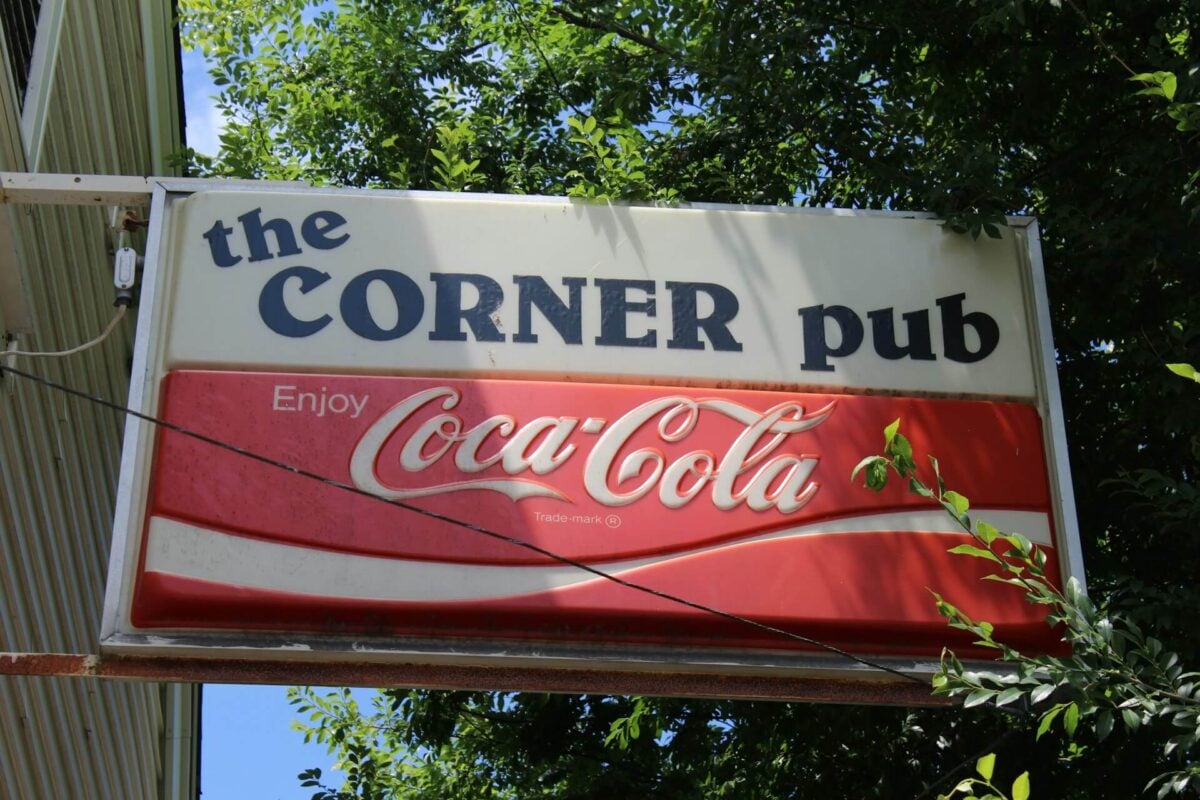
The reverse side of a porcelain or tin advertising sign frequently carries a small stamped or printed mark identifying the sign manufacturing company itself, distinct from the advertiser whose branding appears on the front.
Collectors specifically interested in the sign-manufacturing industry, rather than the advertised brand, search for examples from a specific well-regarded sign manufacturer, and this back-stamp is frequently the deciding detail between an ordinary find and a genuinely sought one.
Advertising Signs Repurposed as Farm and Barn Patching Material
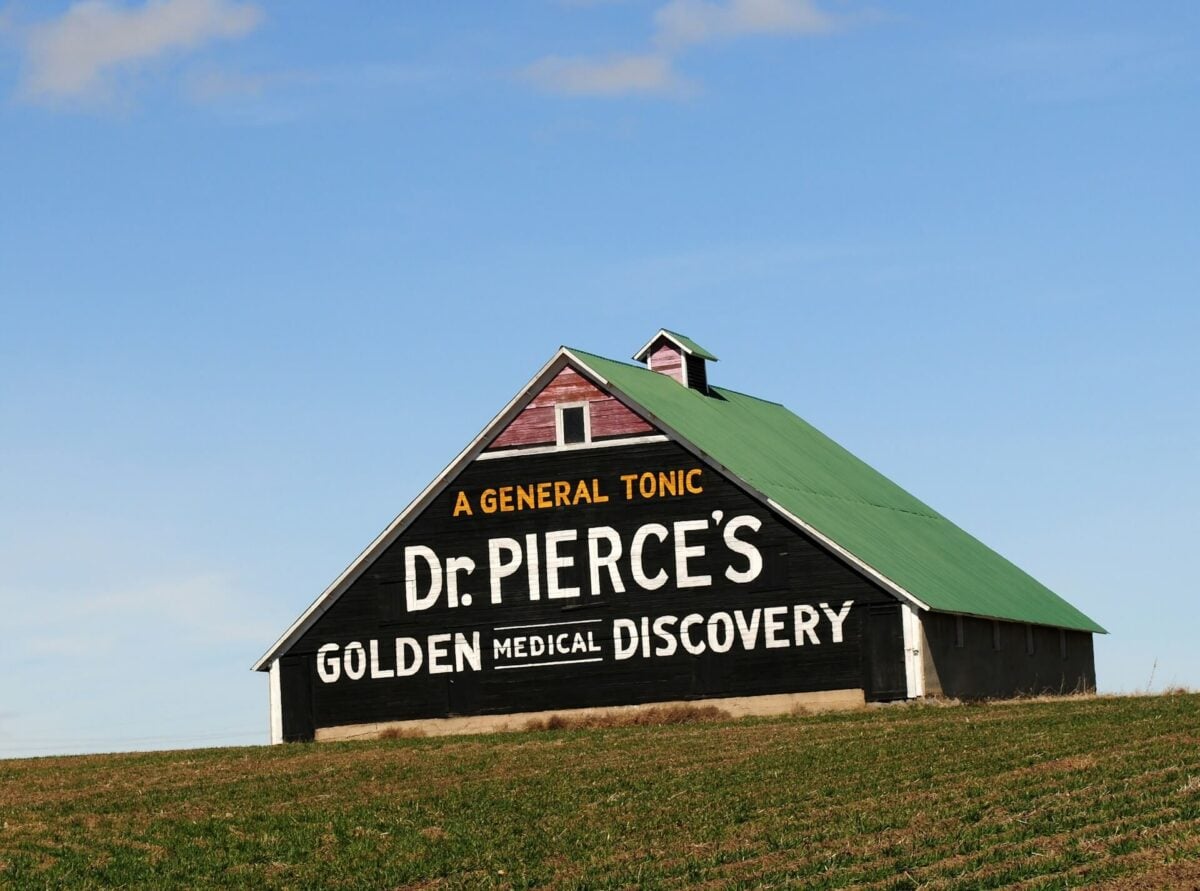
Advertising signs that were removed from their original commercial display and repurposed by a farm or rural property owner as patching material on a barn or outbuilding, sometimes surviving decades longer in that secondary use than they would have in continued commercial display, are searched out specifically by pickers who know to check barn and outbuilding siding rather than assuming a sign only survives in its original advertising context.
A sign recovered this way often shows genuine weathering that is expected and does not significantly reduce interest given the documented survival story.
Reverse-Painted and Gilt Advertising Mirrors
Advertising mirrors, produced with a business’s branding painted or gilded directly onto the reflective glass border rather than a separate printed panel, were common promotional gifts for taverns, barbershops, and general stores and combine functional mirror use with advertising display in a single object.
A mirror with its silvering still clear and the painted border undamaged is worth considerably more than one with heavy silvering loss, since the reflective surface itself is as much a part of the collected object as the advertising border around it.
The Business That Outlived the Sign
A sign’s value rarely tracks whether the advertised business is still around. It tracks the manufacturing method behind it, the completeness of what survived attached to it, and whether the specific object documents something that genuinely no longer exists anywhere else.
That is why a porcelain panel for a forgotten regional feed store can outvalue a sign for a brand still on every store shelf today. The sign that survives by accident, mounted on a barn wall or folded flat in a drawer for decades, is frequently the only physical record left of an entire local advertising campaign.
More from Go2Tutors!

- The Romanov Crown Jewels and Their Tragic Fate
- 13 Historical Mysteries That Science Still Can’t Solve
- Famous Hoaxes That Fooled the World for Years
- 15 Child Stars with Tragic Adult Lives
- 16 Famous Jewelry Pieces in History
Like Go2Tutors’s content? Follow us on MSN.



