29 Vintage Cameras Gathering Dust That Buyers Compete For
Attics and closets across the country hold cameras that stopped working decades ago, quietly waiting to be donated or thrown out. A surprising number of them are worth real money, not for nostalgia but because mechanical film cameras from certain makers and eras have become serious collector items, prized by photographers and investors alike.
Condition, completeness, and original packaging matter enormously here. A camera with its original box, manual, and case can be worth several times more than the same body sold alone.
Leica M3
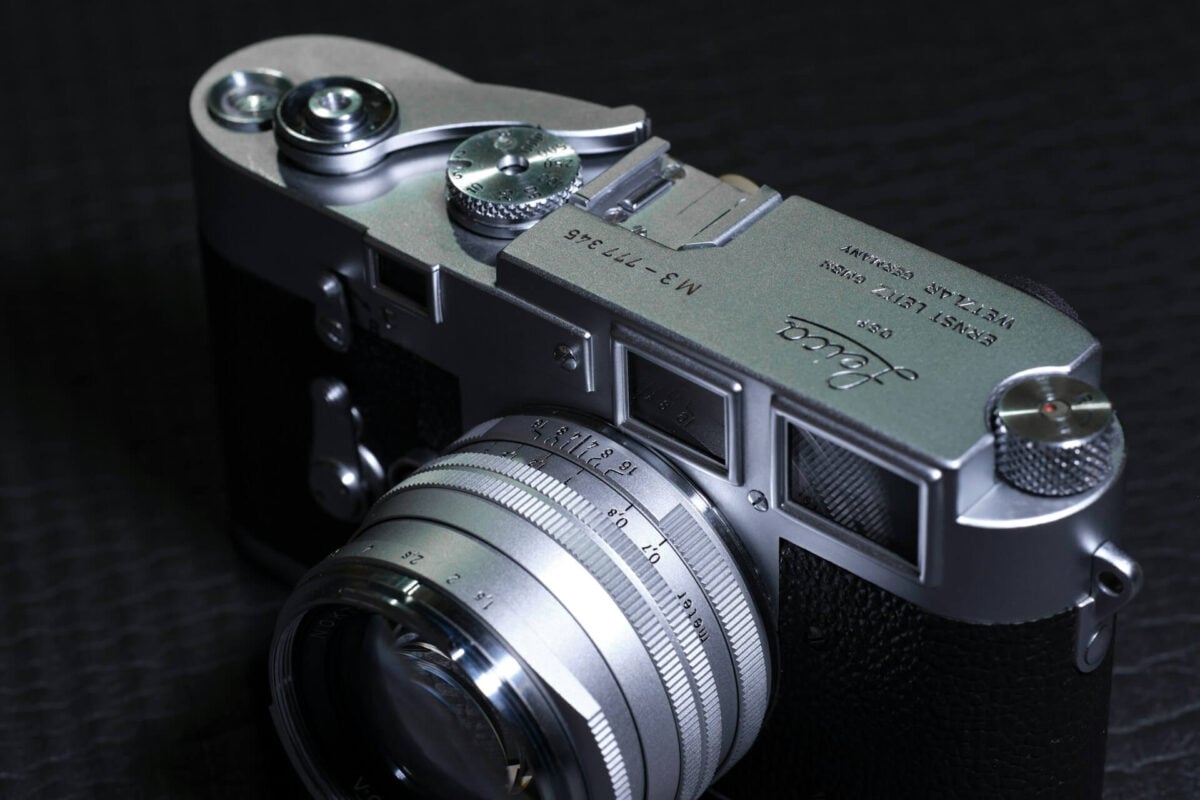
Introduced in 1954, the Leica M3 is considered one of the finest mechanical rangefinders ever built, and clean, functional examples with matching lenses regularly sell for well over a thousand dollars, with rare variants reaching much higher.
Contax II
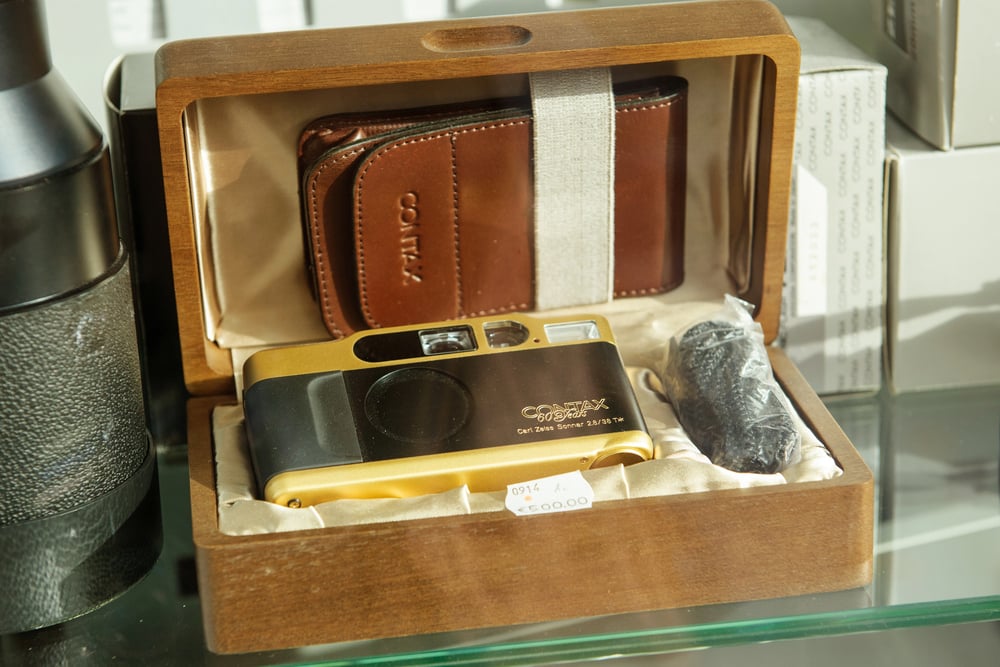
Zeiss Ikon’s Contax II from the 1930s pioneered features that later rangefinders would adopt, and working examples in good cosmetic condition are actively sought by collectors of pre-war German optics.
Hasselblad 500C
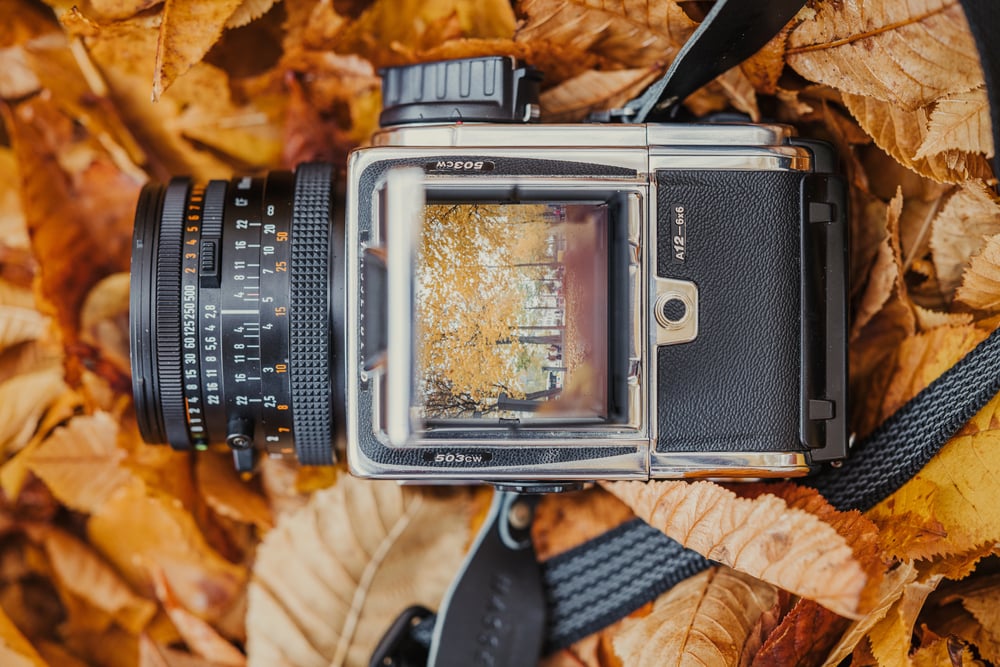
The medium-format workhorse used by fashion and portrait photographers for decades, the original 500C from 1957 remains desirable today, with clean bodies and Zeiss lenses commanding strong prices among film photography enthusiasts.
Rolleiflex Twin-Lens Reflex
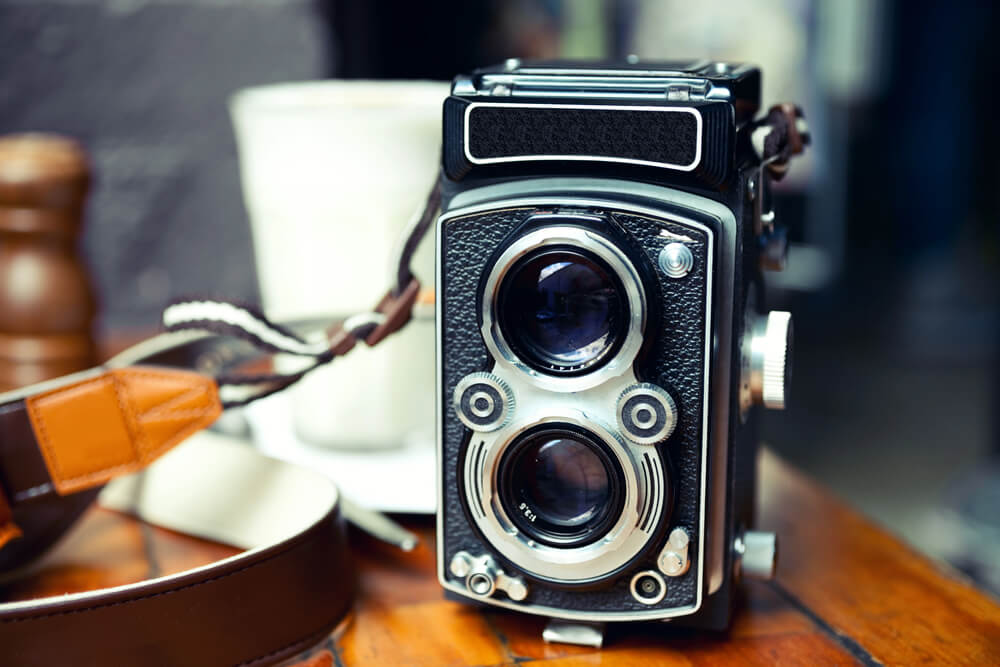
Rolleiflex TLR cameras from the mid-20th century, particularly the 2.8F and 3.5F models, are prized for their build quality and image character, with well-maintained examples selling for hundreds of dollars.
Kodak Brownie (Early Models)
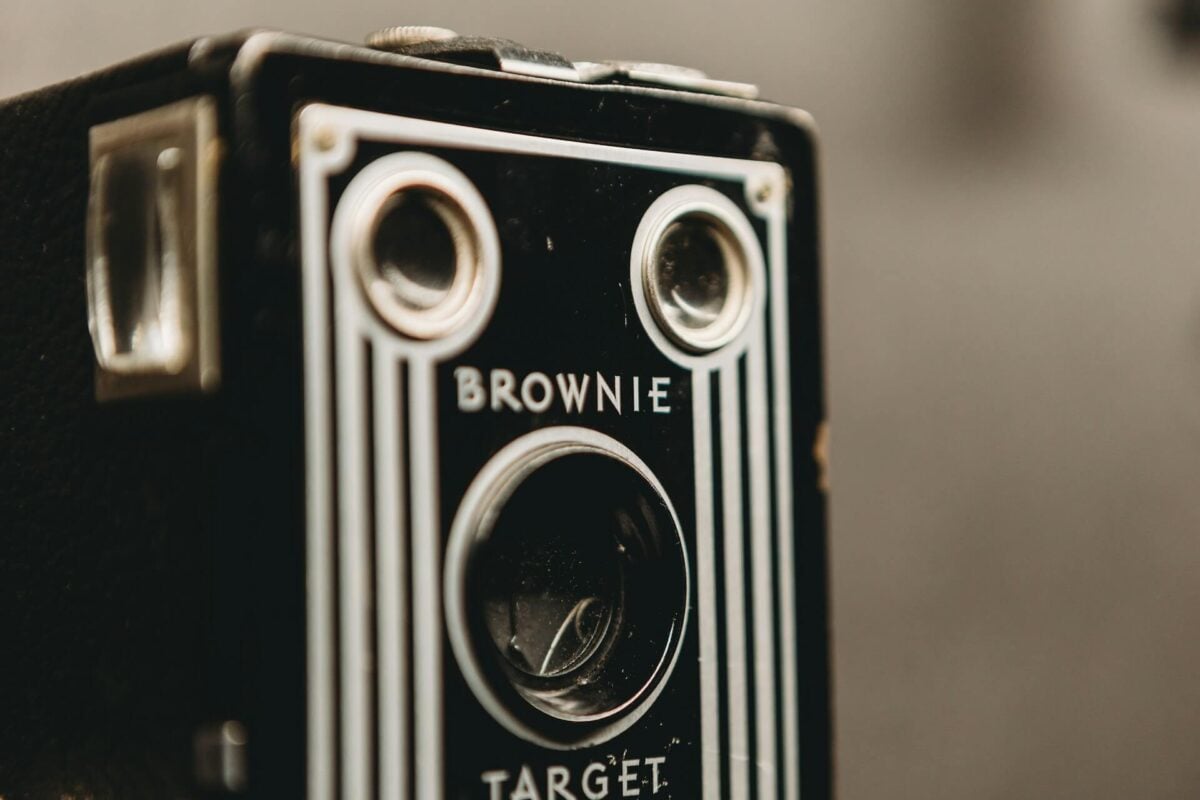
Most Brownies are common and worth little, but the earliest models from the 1900s, particularly in original boxes with instructions, are collected as artifacts of photography’s democratization and can carry meaningful premiums over later, mass-produced versions.
Nikon F

Released in 1959, the Nikon F established the brand’s professional reputation, and early production examples, especially with rare finishes or prototype features, are pursued by serious camera collectors.
Leica II
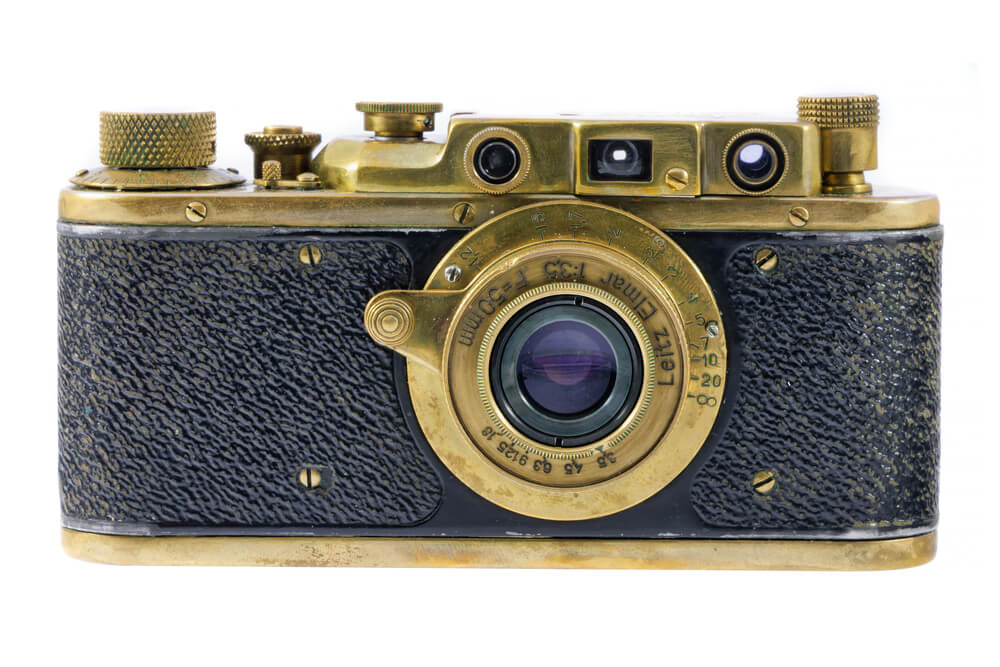
An earlier sibling to the M3, the screw-mount Leica II from the early 1930s represents an important step in 35mm photography history, with clean, functioning examples still commanding solid prices.
Polaroid SX-70

Polaroid’s folding SLR instant camera from 1972 remains popular among instant film enthusiasts, and working examples in good condition, particularly with less common color variants, sell steadily above what casual sellers expect.
Canon AE-1

An extremely common camera that nonetheless retains value due to sustained demand from students and hobbyists returning to film photography, clean AE-1 bodies with a working meter continue to sell reliably.
Voigtlander Bessa

Pre-war and early post-war Voigtlander folding cameras are collected for their engineering and optical quality, with certain lens and body combinations commanding premium prices among European camera specialists.
Graflex Speed Graphic
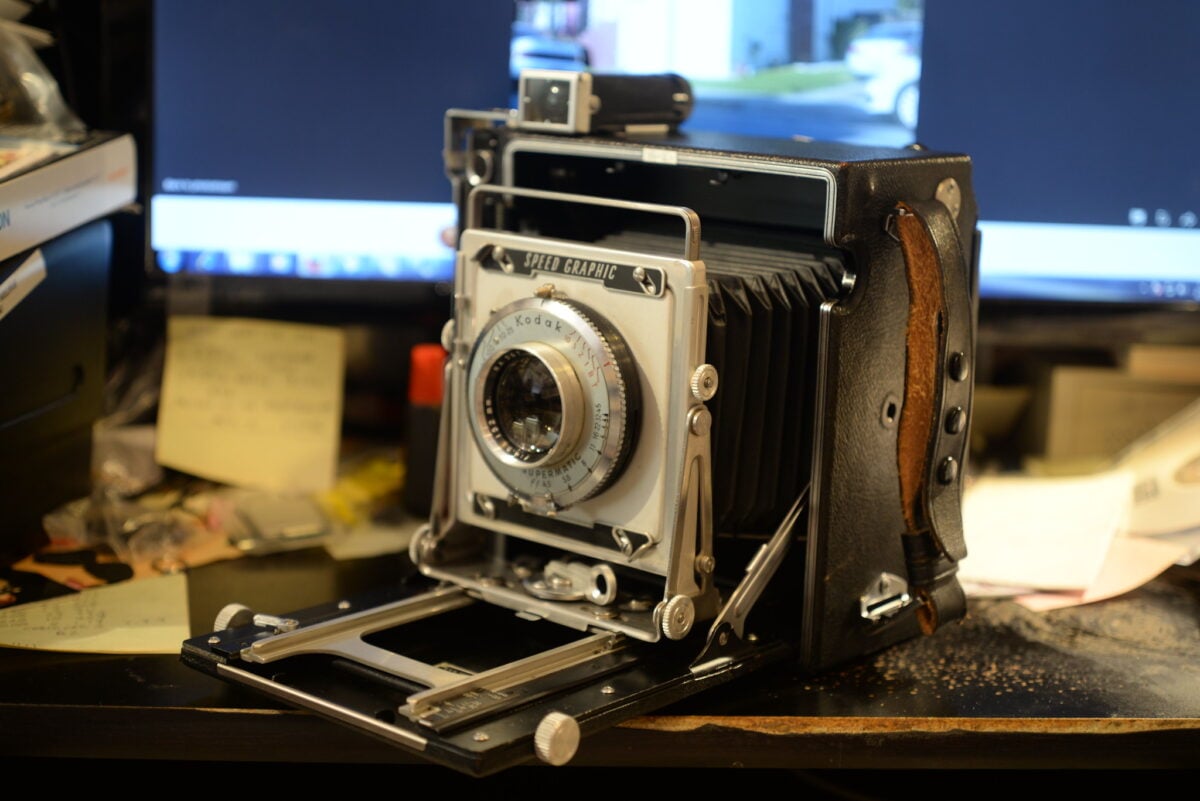
The classic American press camera of the mid-20th century, the Speed Graphic is collected both for photographic use and as a symbol of newspaper history, with clean examples and period accessories adding to its appeal.
Mamiya RB67

A favored studio medium-format camera, the RB67’s rotating back and modular design keep it in demand among film photographers, with complete kits selling for meaningful sums.
Kodak Retina IIIc
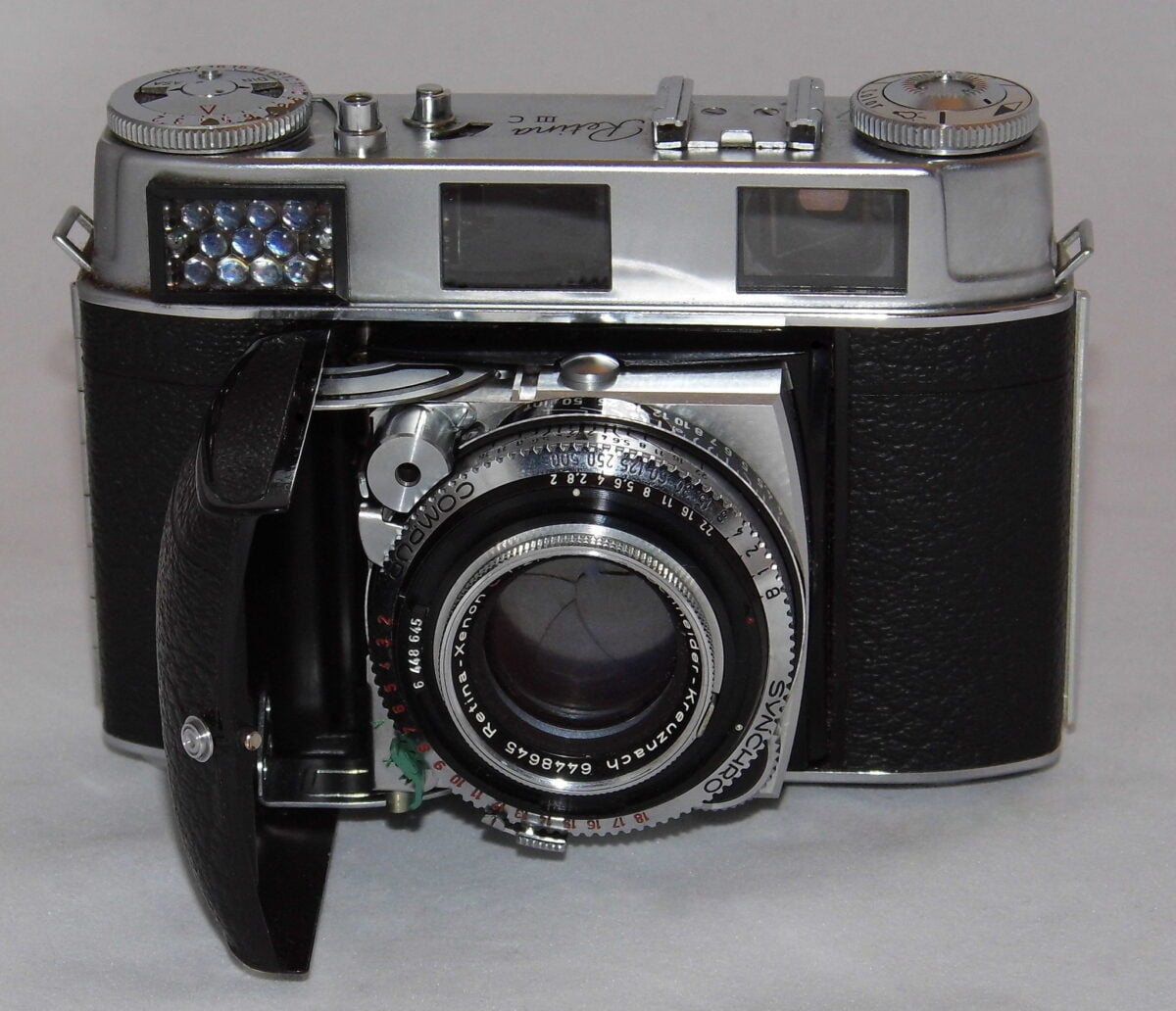
Kodak’s German-made Retina line represented some of its finest engineering, and the IIIc with its Schneider-Kreuznach lens remains a favorite among collectors of compact rangefinders.
Yashica Mat-124G
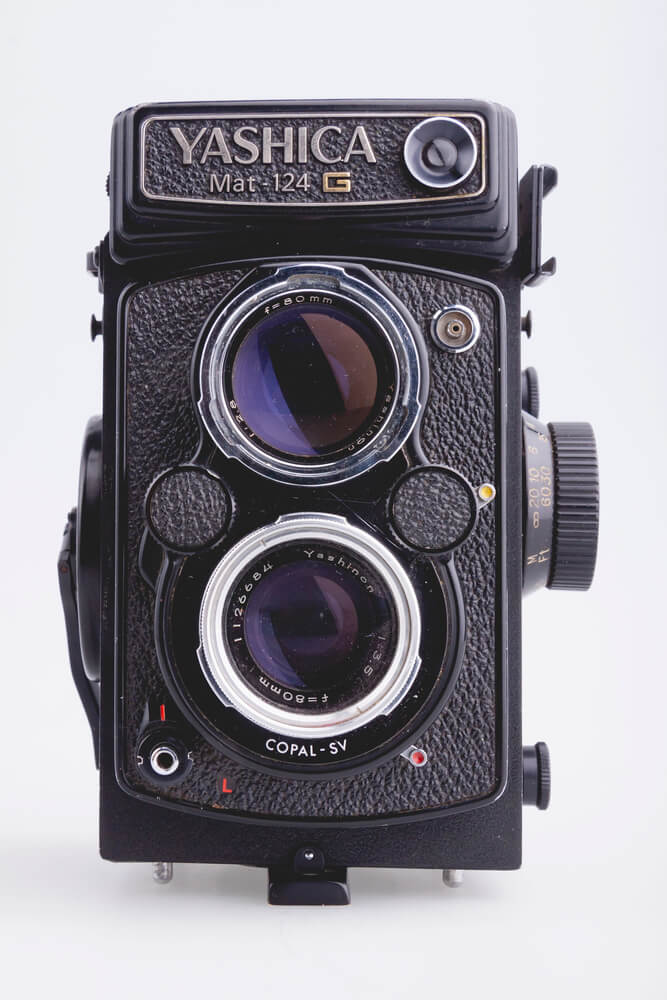
A more affordable alternative to Rolleiflex in the twin-lens reflex category, the Mat-124G is popular among photographers entering medium format, keeping demand and resale value consistently healthy.
Argus C3
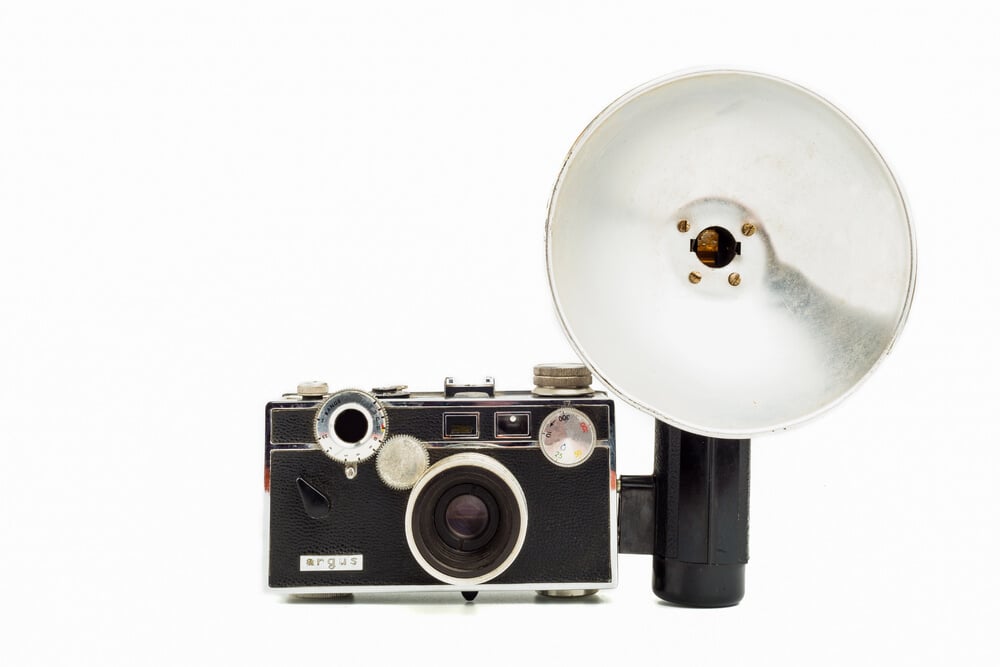
Nicknamed “the brick” for its shape, the Argus C3 was one of the best-selling American cameras of the mid-20th century, and while individually inexpensive, complete examples with case and manual attract steady collector interest.
Zeiss Ikon Contarex
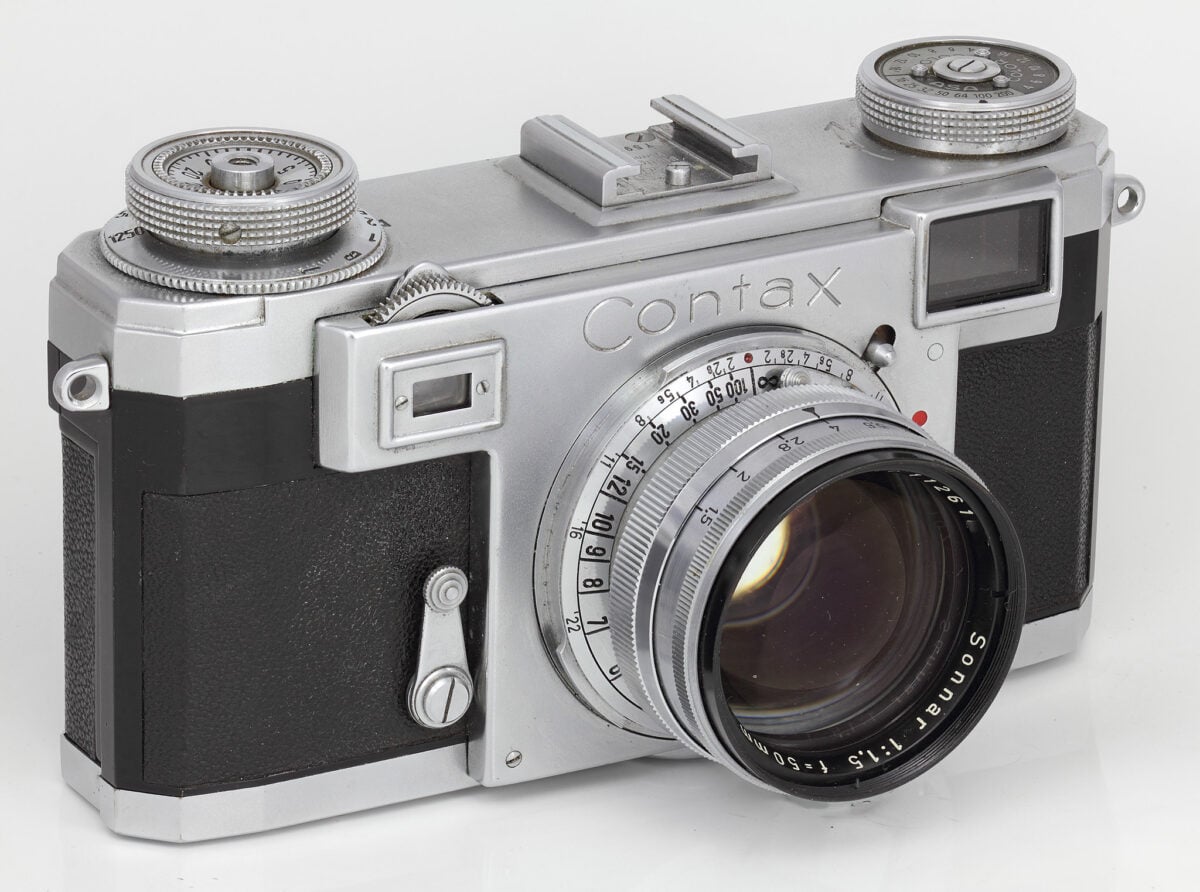
Known among collectors as “the Cyclops” for its distinctive light meter housing, the Contarex represents an ambitious and expensive system camera from the early 1960s, and complete outfits can command significant sums today.
Leica IIIf
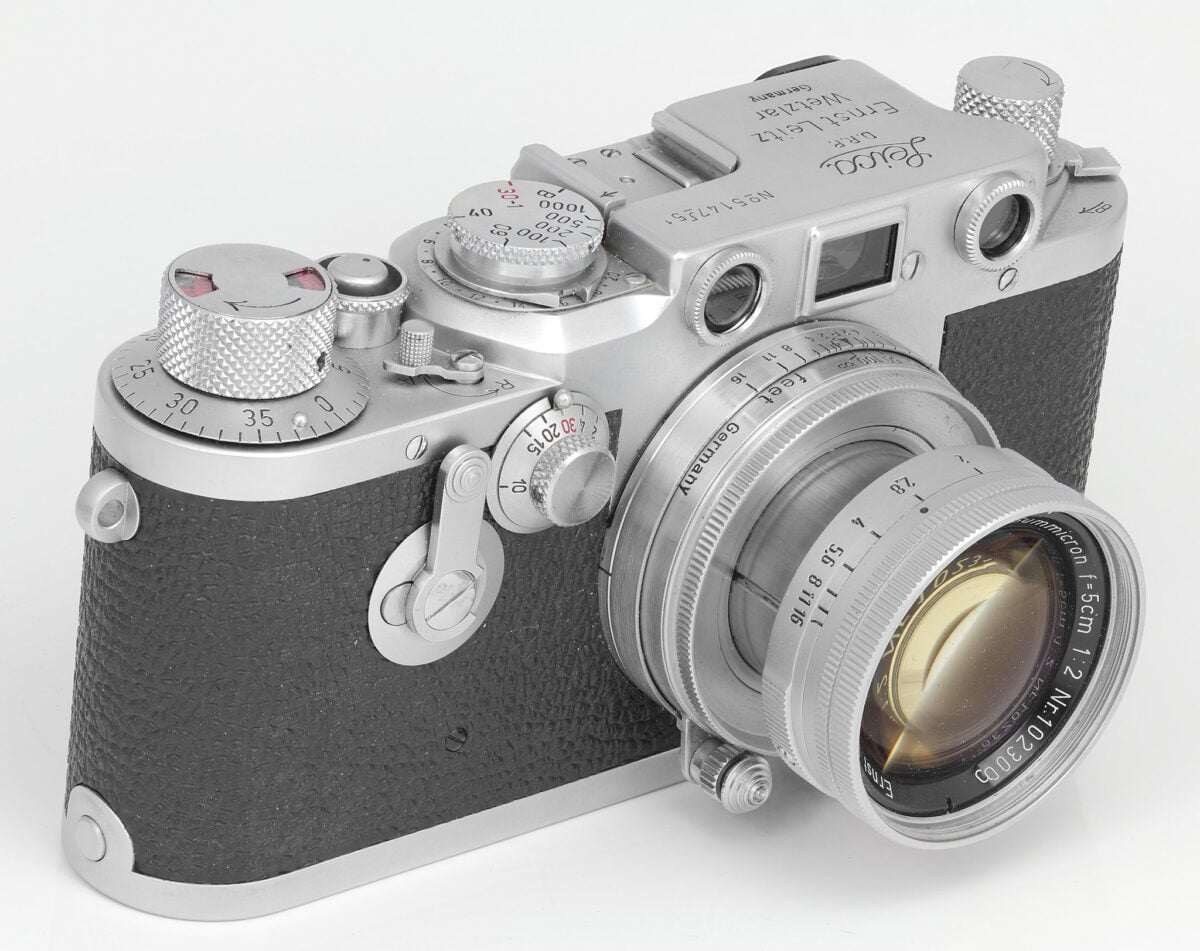
A refined pre-M Leica model widely used by photojournalists, the IIIf remains desirable for its compact size and mechanical reliability, particularly in red-dial variants sought by specialists.
Kodak Instamatic 100
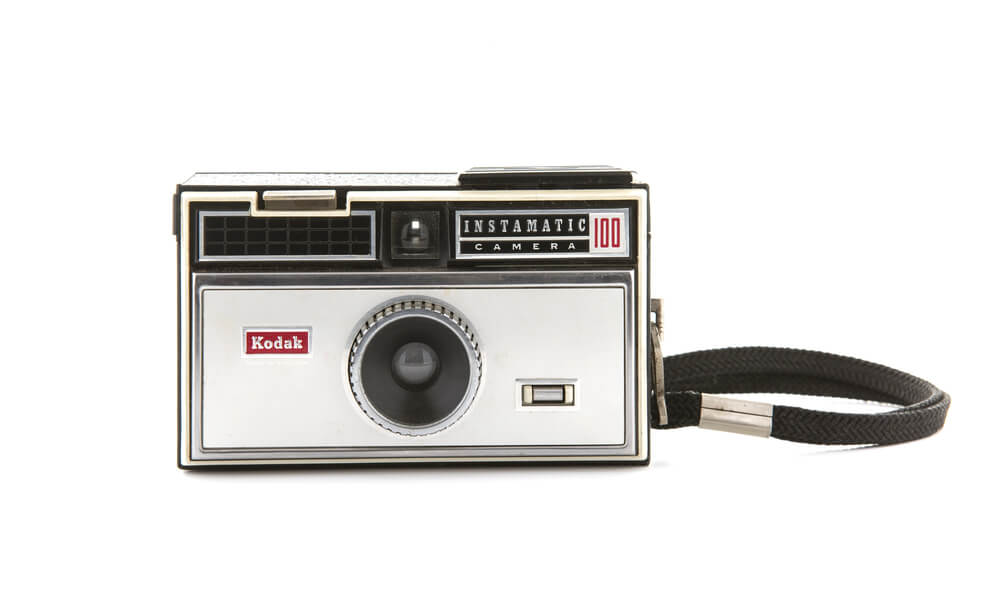
The first camera in Kodak’s cartridge-loading Instamatic line from 1963, the model 100 is collected as a design and marketing milestone rather than for image quality, with boxed examples holding modest but consistent value.
Minox Subminiature Camera
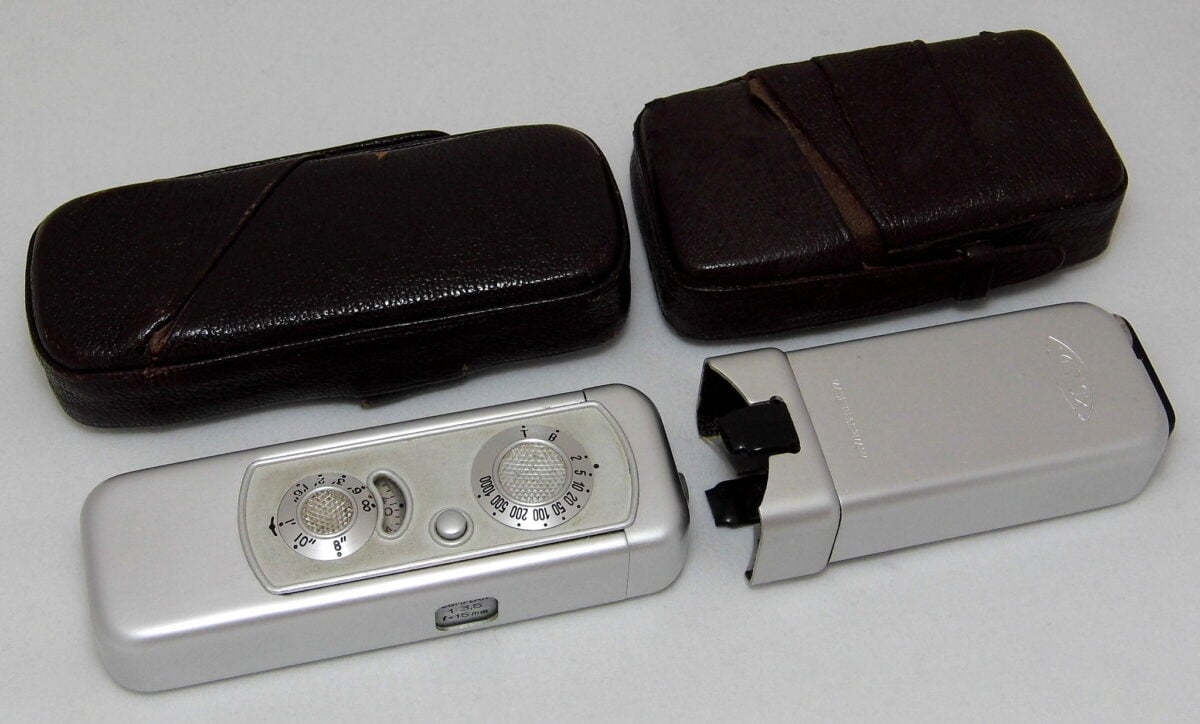
Minox’s tiny compact camera format, developed in the 1930s and widely associated with Cold War-era intelligence work, remains a specialized but committed collecting category, with complete kits including chain and case fetching solid prices.
Nikonos Underwater Camera
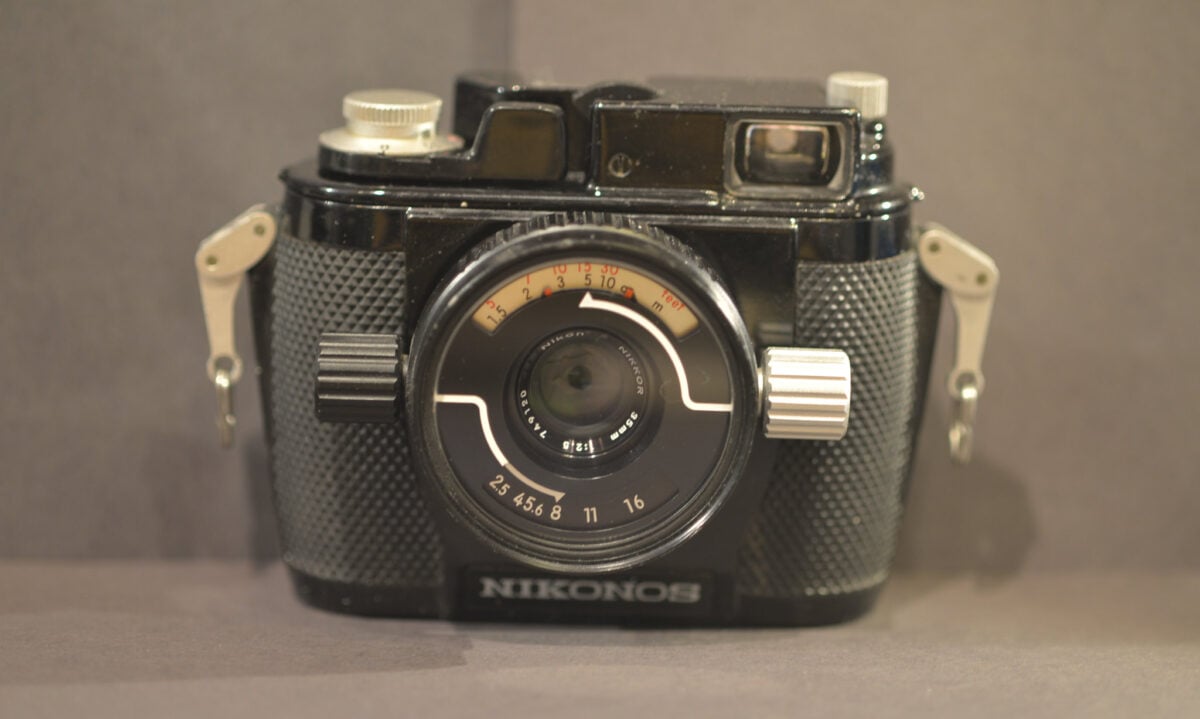
Developed from a Cousteau-associated design and produced by Nikon starting in the 1960s, the Nikonos line is collected both by divers and camera historians, with earlier models commanding higher prices than later, more common versions.
Leica M6

A modern classic among mechanical rangefinders, the M6 from the late 1980s combined traditional Leica engineering with a built-in light meter, and clean examples remain strongly in demand among working photographers.
Olympus OM-1

— Photo by chetroni
Praised for its compact size relative to other SLRs of its era, the OM-1 from 1972 remains popular with film photographers today, keeping working examples in consistent demand.
Contax G2
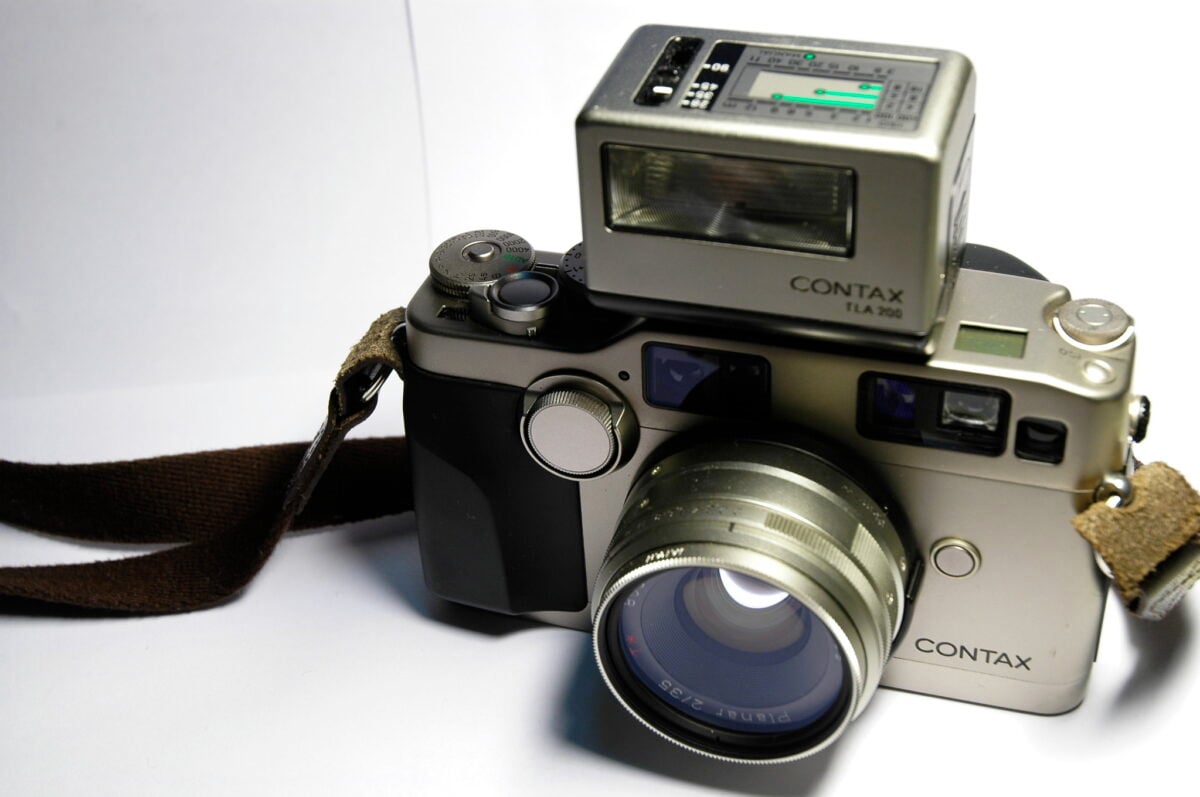
A high-end autofocus rangefinder from the 1990s paired with excellent Zeiss lenses, the G2 has seen renewed collector interest as film photography has experienced a resurgence among younger photographers.
Speed Graphic Pacemaker
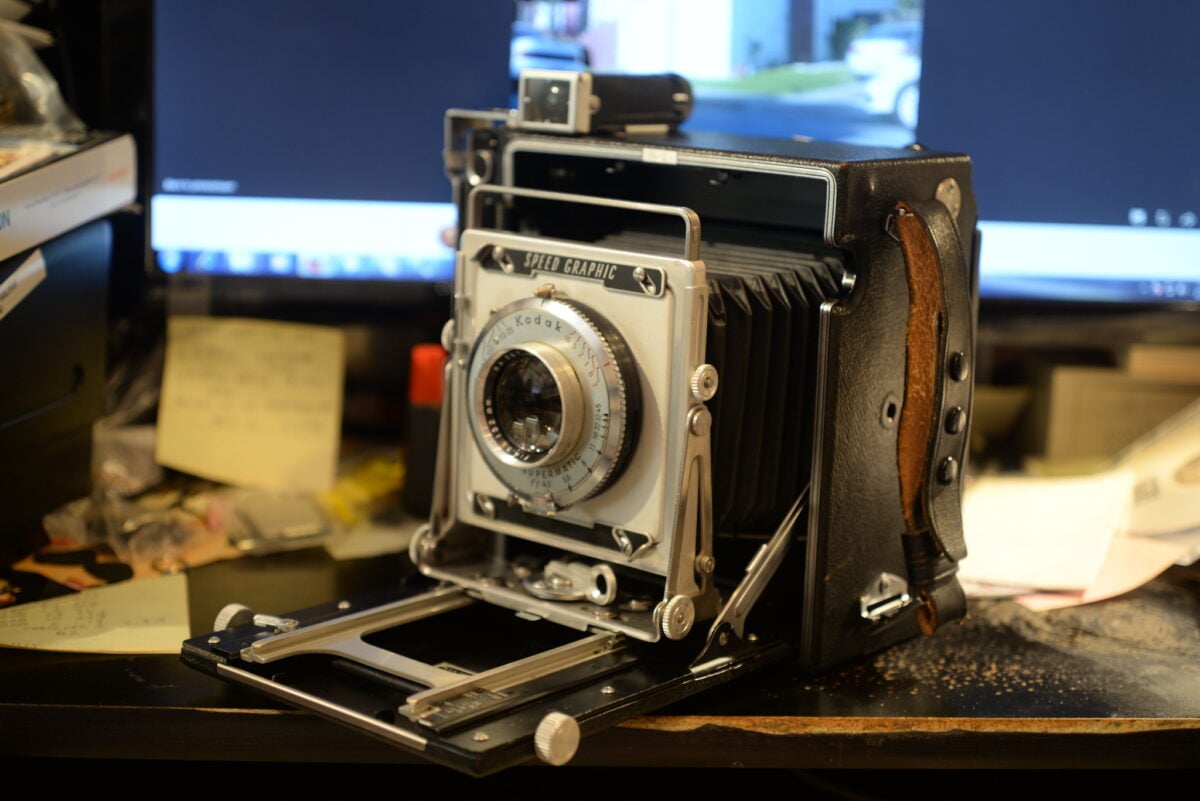
A refined post-war version of the classic Speed Graphic, the Pacemaker series is favored by large-format photographers still shooting sheet film today, keeping functional examples in active demand.
Kodak Bantam Special
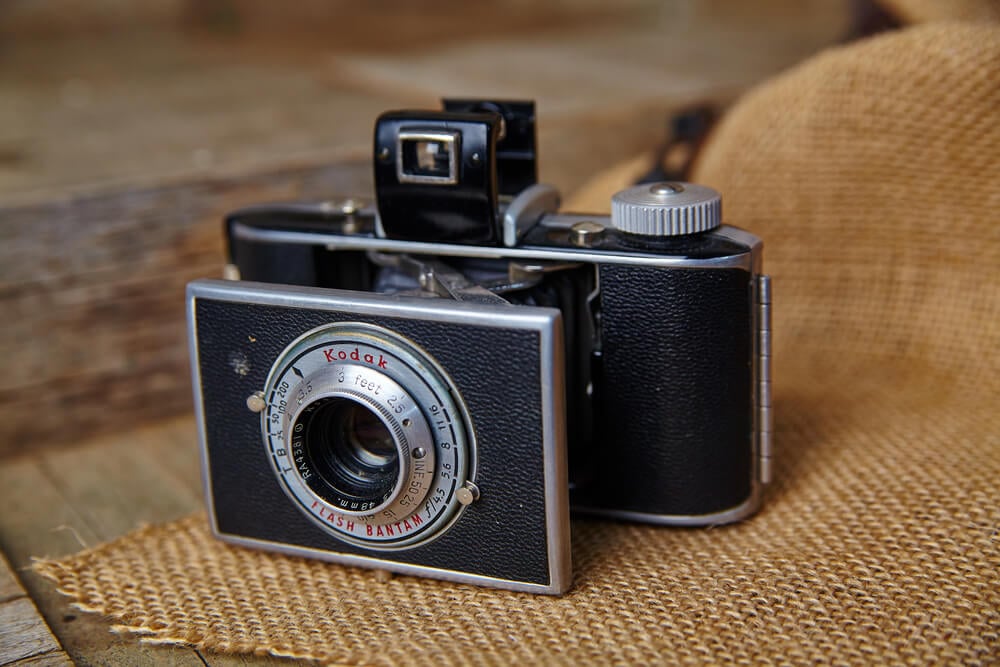
An Art Deco-styled camera designed in the 1930s by industrial designer Walter Dorwin Teague, the Bantam Special is collected primarily as a design object, with its striking aluminum body drawing interest beyond typical camera collecting circles.
Rollei 35
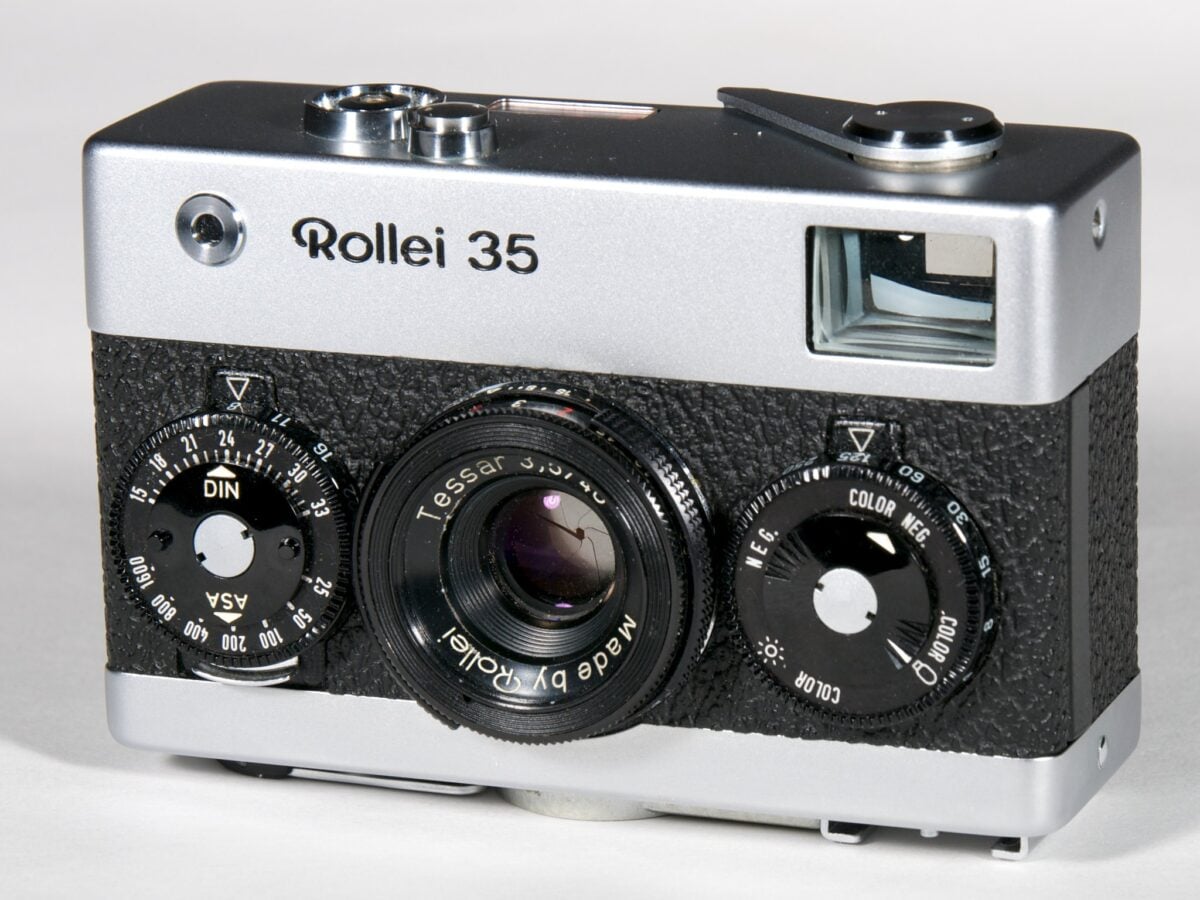
A genuinely pocketable full-frame 35mm camera from the late 1960s, the Rollei 35 remains popular for its compact engineering, with clean, functioning examples holding value well.
Leica CL
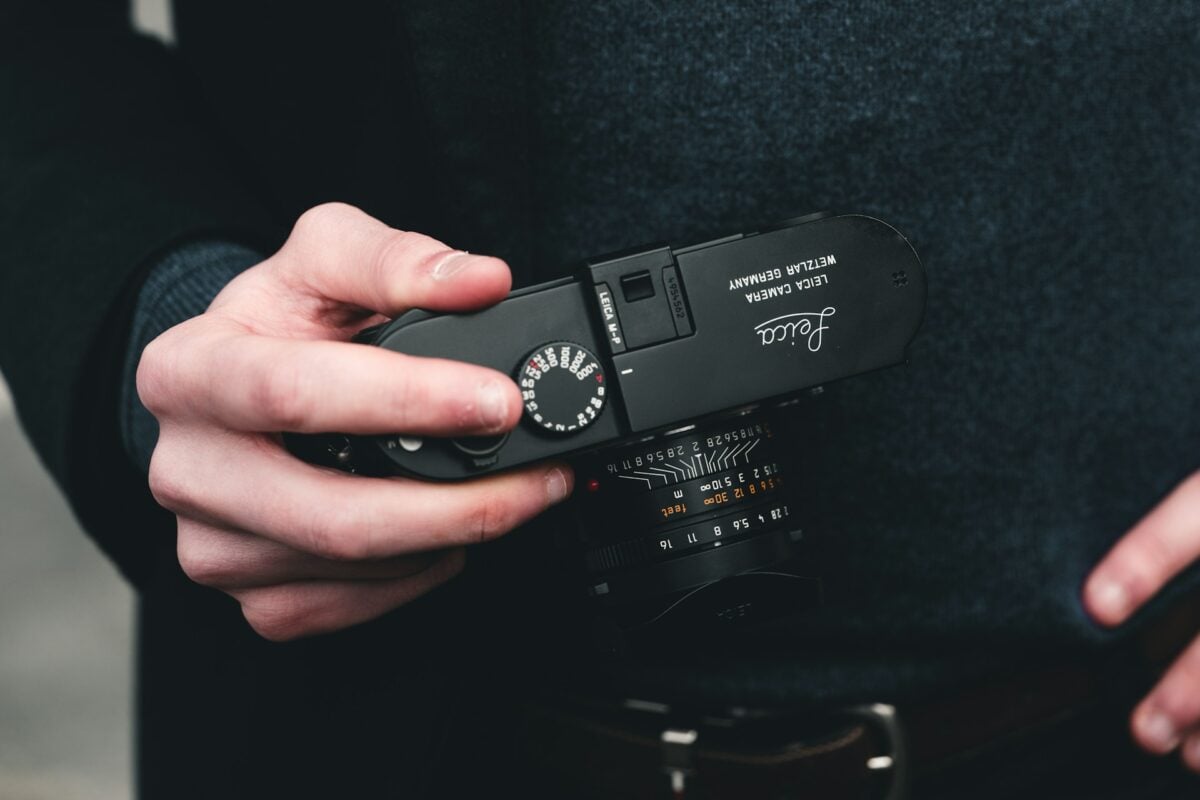
A compact companion to Leica’s M-series, produced through a partnership with Minolta in the 1970s, the CL offers M-mount compatibility in a smaller body, appealing to collectors seeking Leica quality at a lower price point.
Fuji GW690

Known among medium-format shooters for its large negative and rangefinder design, the GW690 has developed a dedicated following, with clean examples commanding solid prices.
Kodak Six-20 Brownie Special
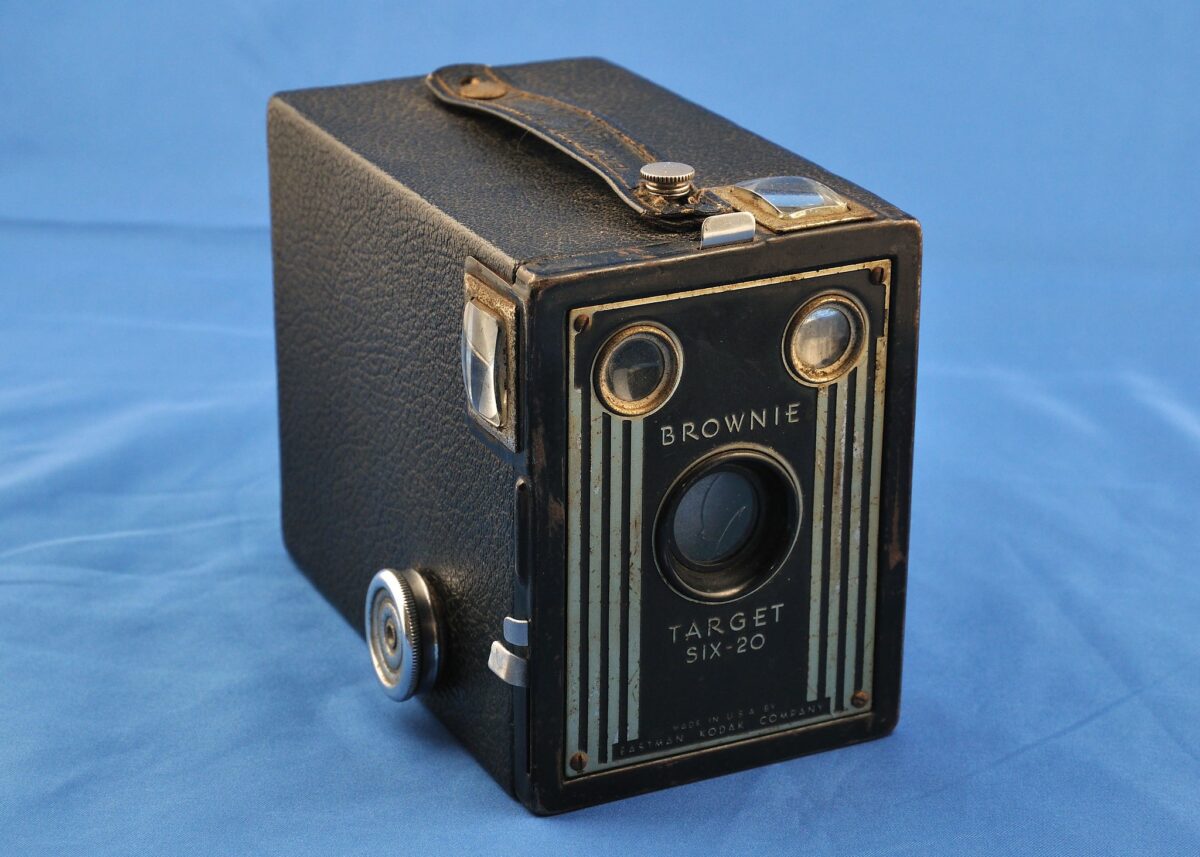
A Bakelite-bodied Brownie variant from the 1930s notable for its streamlined design, the Six-20 Special appeals to collectors interested in Depression-era industrial design as much as photography history.
The Machines We Kept Anyway
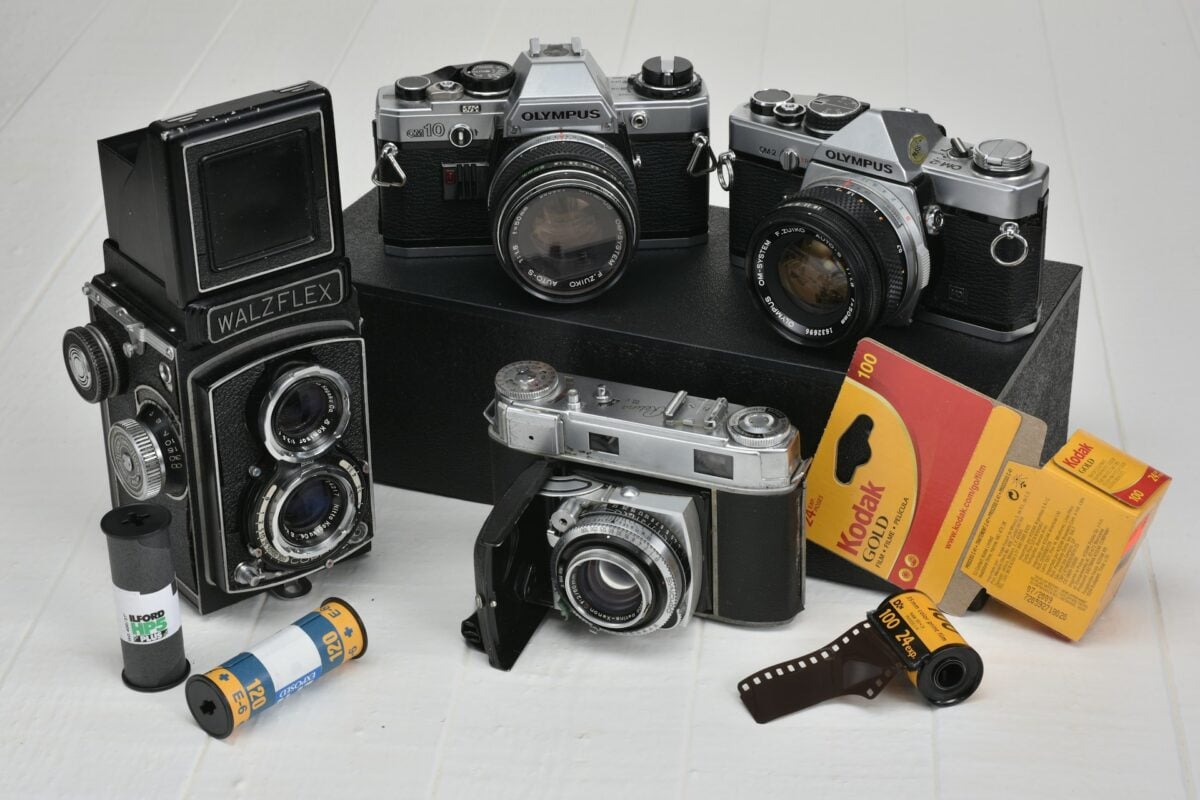
A camera that no longer works is still, to most people, garbage. To a collector, a dead light meter or a stuck shutter is often irrelevant, because what’s being purchased is craftsmanship, history, and the particular mechanical confidence of an era that built things to be repaired rather than replaced.
That mismatch in perceived value is the whole story here. The camera in the closet was never really obsolete; it was just waiting for someone who understood what it actually was.
More from Go2Tutors!

- The Romanov Crown Jewels and Their Tragic Fate
- 13 Historical Mysteries That Science Still Can’t Solve
- Famous Hoaxes That Fooled the World for Years
- 15 Child Stars with Tragic Adult Lives
- 16 Famous Jewelry Pieces in History
Like Go2Tutors’s content? Follow us on MSN.



