18 Rarest Gemstones Mined in the United States
Beneath wide stretches of land, hidden riches lie quiet under open skies. Not far below the surface, colors blaze where few eyes ever look – crimson pulses next to flashes of sky-blue flame.
Though many chase sparklers like diamonds, others quietly seek what’s rarer and less known. Some of these stones appear once in decades, surfacing in hands that value silence over show.
Prices climb when supply slips into myth, making small fragments worth more than expected. What glows here stays largely unseen, tucked away in rock layers untouched by crowds.
Let’s dive into the hidden treasures that make the U.S. a gemstone hunter’s paradise.
Benitoite

Only one spot on Earth gives us gem-grade pieces of this dazzling blue mineral – a tiny corner of California. Found way back in 1907 near San Benito County, it still comes exclusively from there.
Rare beyond most rocks known to man, its brilliance stands out even among treasures. When hit with ultraviolet rays, the glow turns deep and vivid, like something not quite earthly.
Though once pulled from working mines, no new batches have come through regular extraction for ages now. As years go by without fresh supply, each available sample quietly gains worth.
Red Beryl

Hidden among Utah’s Wah Wah Mountains lies a mystery that refuses to be solved easily. Not just rare, but almost defiant in its scarcity – red beryl emerges only when everything underground aligns by chance.
Known occasionally as bixbite, this gem grows under such odd circumstances that spotting one seems less science and more luck. Its color, sharp like ripe raspberries, catches light in ways few minerals manage.
While gold slips through hands in relative abundance, this stone appears about a thousand times less often. Mines digging for it might wait weeks, even months, before uncovering anything worthy of being called a true gem.
Often tinier than the rubber tip on a pencil, these fragments demand attention simply because they exist at all. When bigger ones do appear? Their value climbs past diamonds, measured grain by tiny grain.
Painite
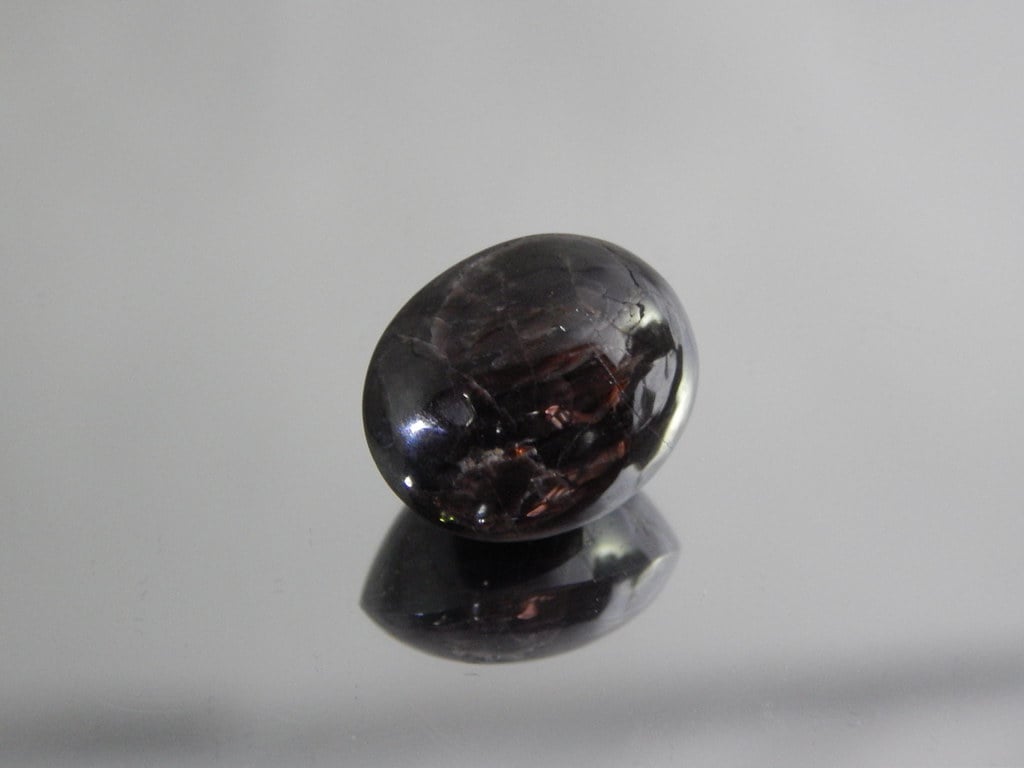
Painite once called Myanmar home, yet finds new roots now in the U.S., joining a tiny club of source locations. Just two crystals were known globally for years – that’s how it earned its title as science’s rarest mineral.
A mix of iron and chromium locked within gives it that earthy red-brown shade. Though more samples exist today, spotting one still feels like chasing shadows – most gem experts go lifetimes without laying eyes on it.
Taaffeite

A strange twist made this lavender rock trick specialists for decades – it mimics spinel almost perfectly. Back in 1945, Richard Taaffe caught the error while scanning a trinket tucked inside an old case.
Since then, tiny traces turned up across scattered spots in America. Yet these finds are so meager that nearly every piece vanishes into personal vaults instead of shop displays.
Light bends through it differently, creating a flicker unlike others – once your eyes learn how to spot it.
Musgravite
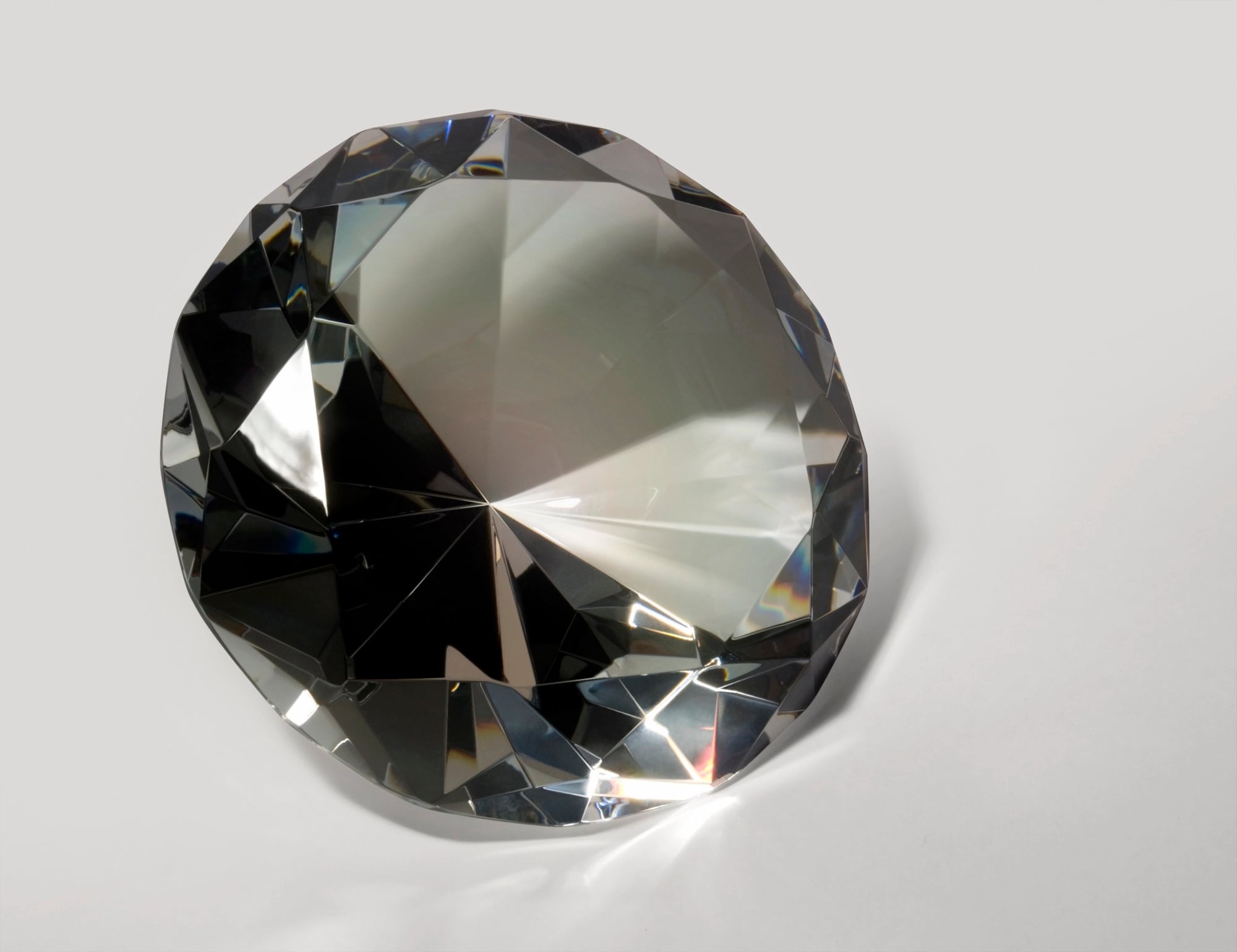
Not quite like taaffeite – musgravite hides in greens and purples that slide between tones when touched by light. From Montana’s known sapphire spots, only a few of these have ever surfaced, pulled out after sifting heaps of unrelated rock.
Its inner frame copies emerald’s layout, yet packs uncommon ingredients: beryllium here, magnesium there, balanced just right. When unstained specimens appear, gem cutters take notice – the depth of hue matches top-tier sapphires in brilliance.
Jeremejevite

This aluminum borate mineral forms in pale blue or yellow crystals that look delicate enough to shatter at a touch. Small quantities have turned up in California’s desert regions, where extreme heat and specific mineral combinations create the right conditions.
The stone rates about 6.5 on the hardness scale, which makes it too soft for everyday rings but perfect for pendants and earrings. Most specimens contain tiny inclusions that look like trapped threads of silk running through the crystal.
Poudretteite

Named after the Poudrette family who operated a quarry in Canada, this pink gemstone has since appeared in minute quantities at a Montana mine. The color ranges from pale pink to deep rose, with the darker stones commanding premium prices.
Natural poudretteite rarely exceeds one carat in finished form because the rough crystals contain so many flaws and fractures. The few clean stones that make it to market often sell to collectors who keep them in climate-controlled vaults rather than wearing them.
Grandidierite
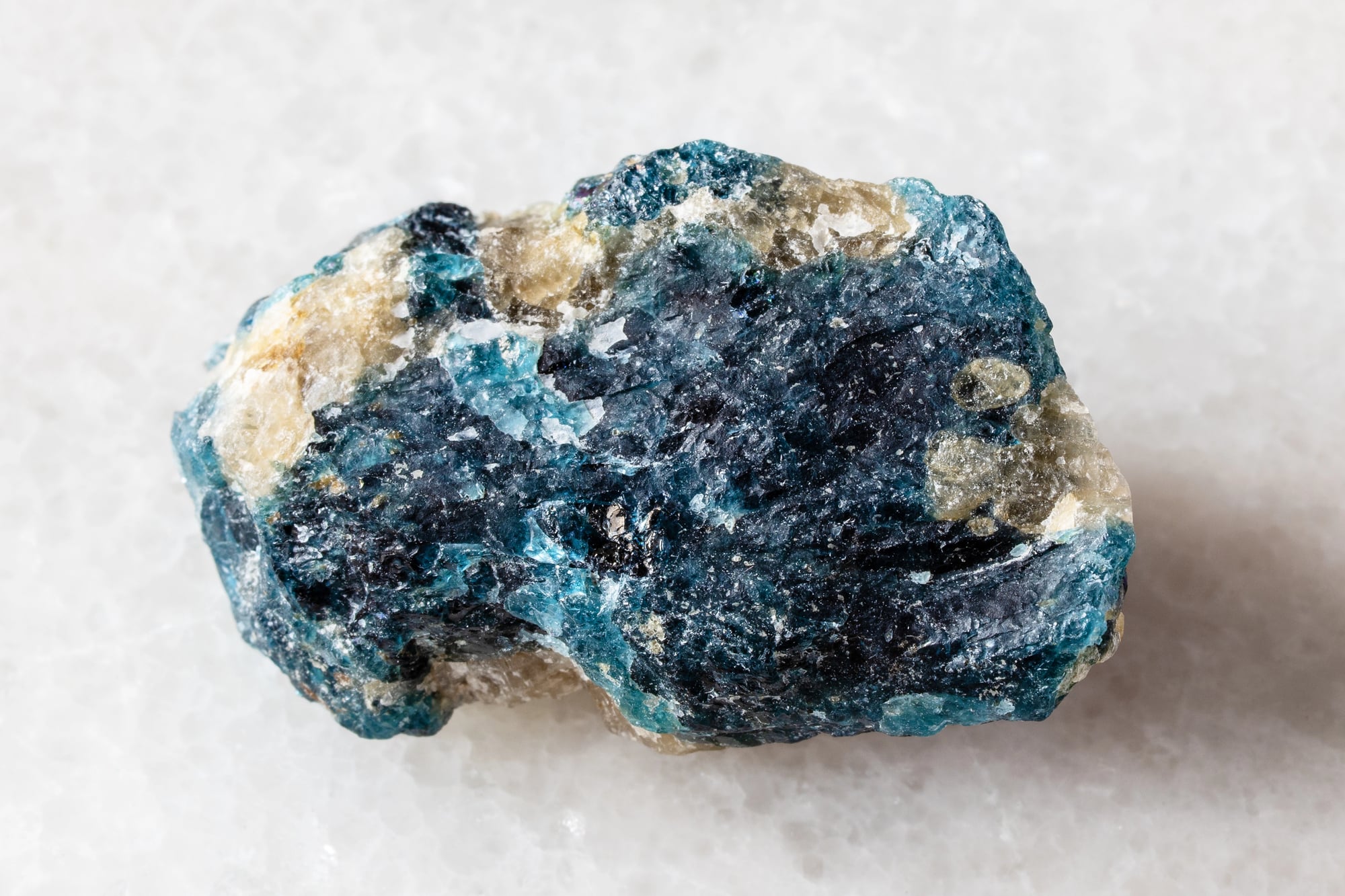
This blue-green stone from Madagascar occasionally shows up in U.S. gem gravels, washed down from ancient mountain formations. The color shifts between blue and green depending on the viewing angle, a property called pleochroism that makes each stone look like it contains multiple gems.
Mining operations that find grandidierite usually discover it by accident while searching for more common minerals. The transparency varies wildly, with only about one in a hundred pieces clear enough to facet into a proper gemstone.
Alexandrite

Montana produces small quantities of this famous color-changing stone that appears green in daylight and red under incandescent light. The phenomenon happens because chromium in the crystal absorbs certain wavelengths while allowing others to pass through.
Russian deposits made alexandrite famous, but American sources offer stones with slightly different color combinations that some collectors prefer. The value depends heavily on how dramatic the color shift appears, with strong changers worth ten times more than weak ones.
Demantoid Garnet

These green garnets sparkle more intensely than diamonds thanks to their high refractive index. Nevada and Arizona both host deposits, though finding pieces without visible flaws requires patience and luck.
The most prized examples contain golden threads of byssolite running through them, called horsetail inclusions by collectors. Demantoid rates are slightly softer than other garnets but makes up for it with fire that rivals the finest colored stones.
Hiddenite
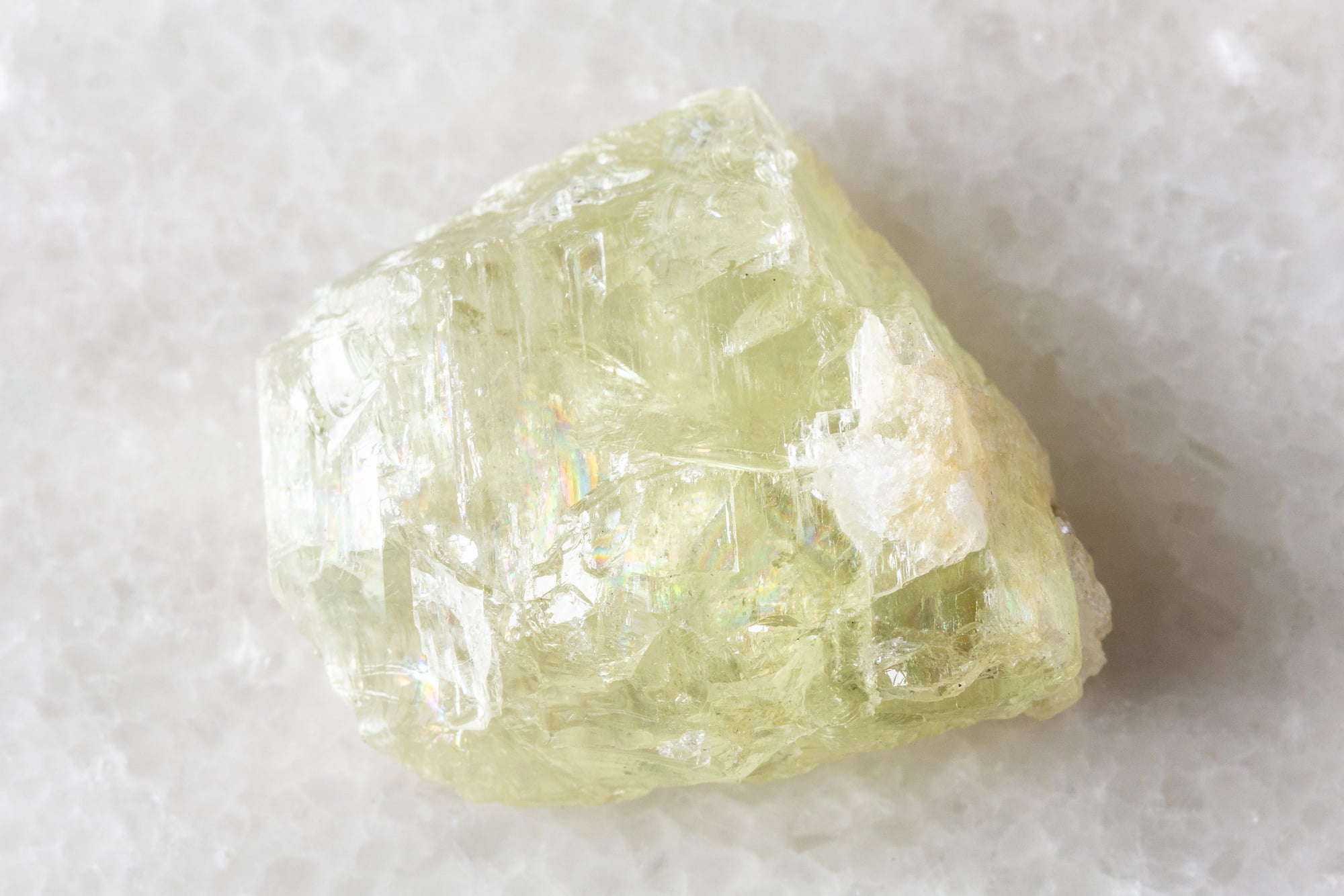
North Carolina’s Alexander County remains the only significant source of this emerald-green variety of spodumene. The color comes from chromium, the same element that creates emeralds, but the crystal structure differs completely.
Most pieces show a yellowish tint that reduces their value, with pure green examples commanding the highest prices. The mineral forms in long, striated crystals that catch light along their length, creating flashes that dance across the surface.
Spinel
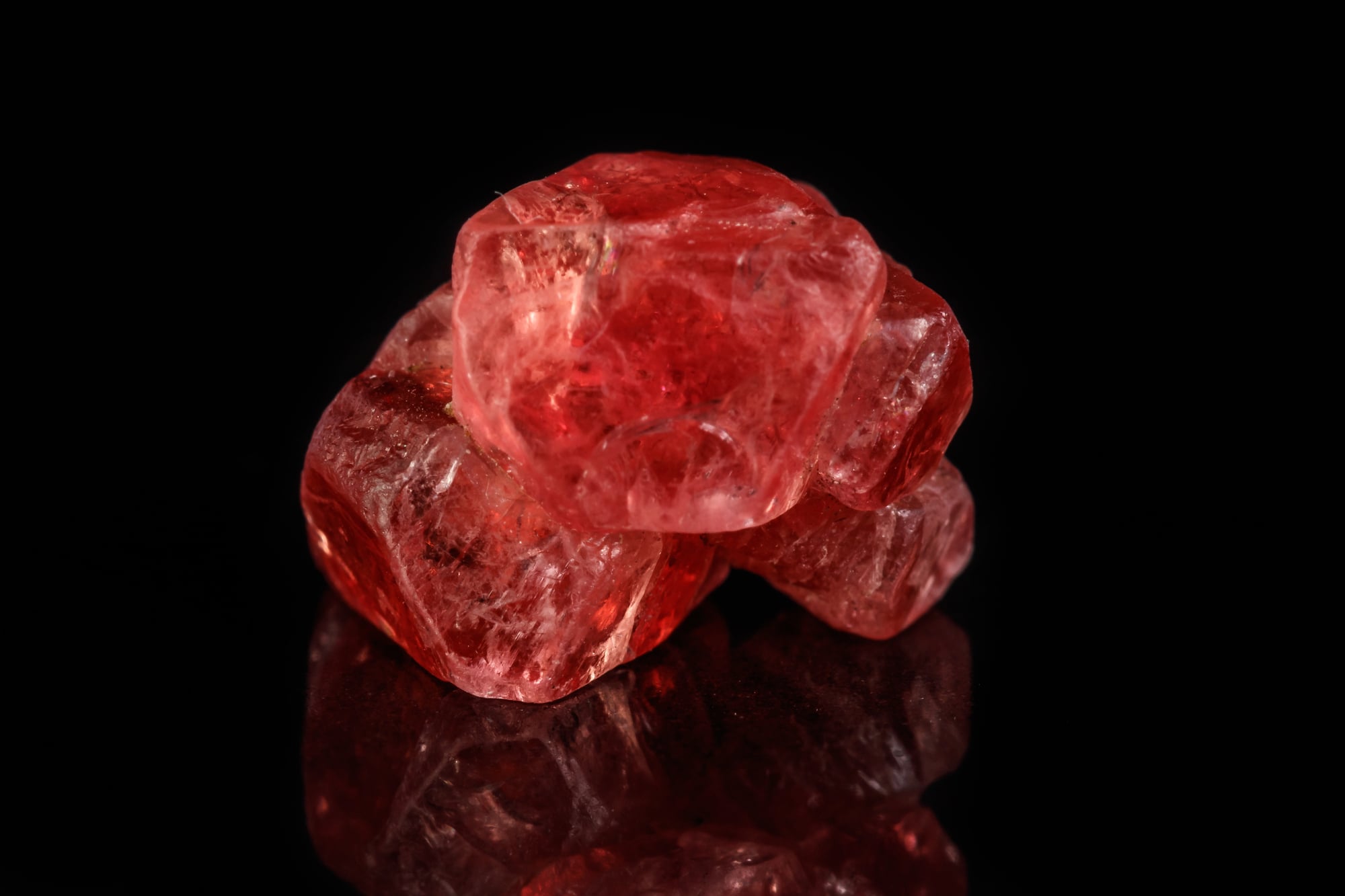
While spinel appears in several countries, the United States produces unique varieties in shades of red, blue, and lavender that rival the famous Asian deposits. Montana sapphire mines regularly yield spinels as a byproduct, with the best pieces showing rich color saturation and perfect clarity.
For centuries, people confused red spinel with ruby, including some of the stones in the British Crown Jewels. The durability makes spinel ideal for daily wear, rating 8 on the hardness scale.
Phosphophyllite

This aqua-blue mineral forms such fragile crystals that cutting one into a finished gem requires expert hands and nerves of steel. Small deposits exist in New Hampshire’s White Mountains, where collectors must extract specimens with extreme care to avoid shattering them.
The stone rates only 3 to 3.5 on the hardness scale, softer than a copper penny, which means wearing it risks permanent damage. Museum displays house most quality pieces because the color is simply too beautiful to leave hidden in storage.
Paraiba Tourmaline

California produces tiny quantities of this electric blue stone that caused a sensation when first discovered in Brazil. The neon color comes from copper and manganese working together in the crystal structure, creating shades that seem to glow from within.
American deposits yield smaller crystals than Brazilian ones, but the intensity of color often surpasses their South American cousins. Prices have skyrocketed in recent years as supplies dwindle and demand increases from collectors worldwide.
Kunzite
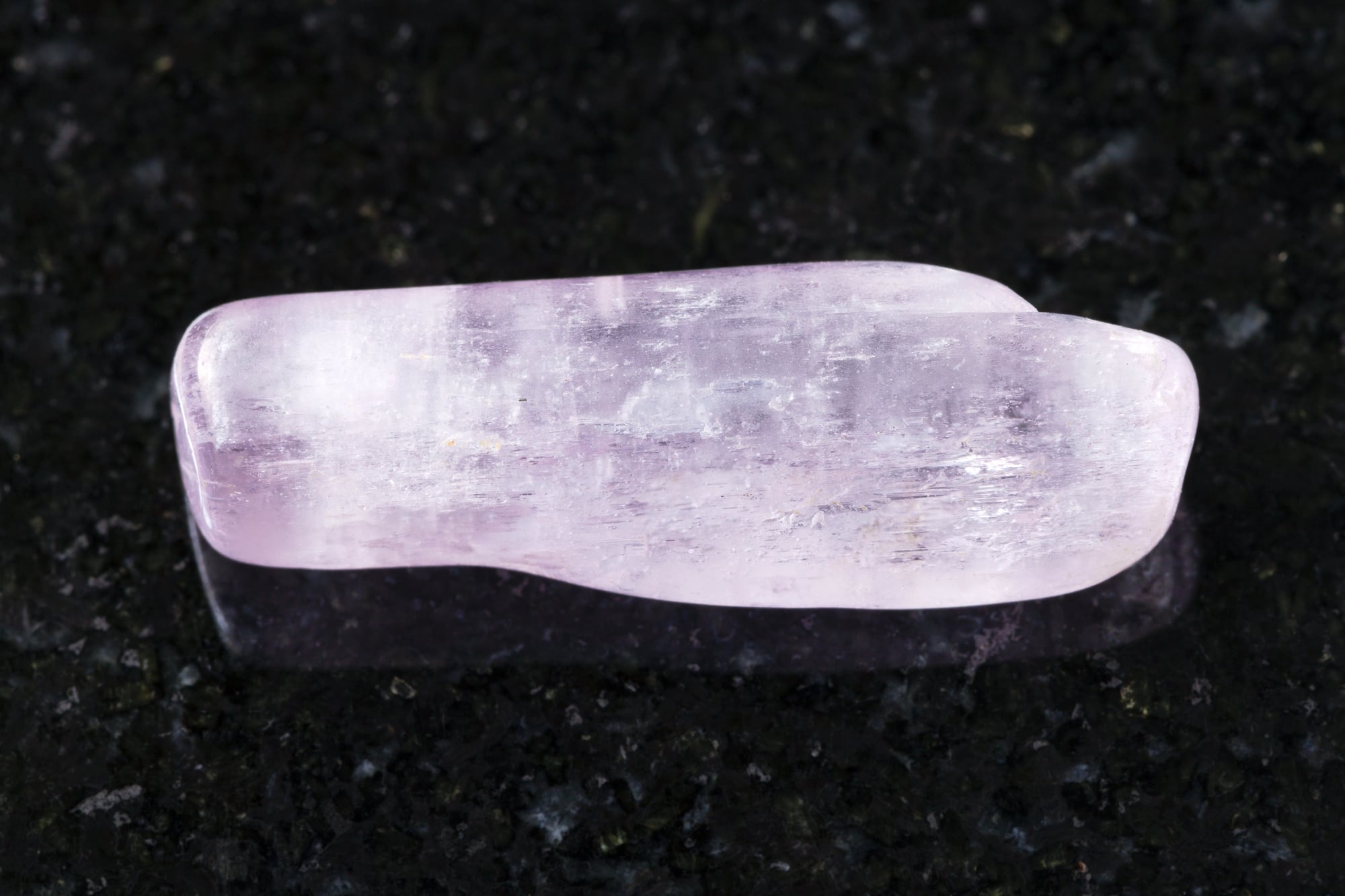
Named after legendary gemologist George Frederick Kunz, this pink variety of spodumene comes primarily from California’s pegmatite deposits. The color can fade when exposed to strong sunlight, which means storing kunzite in darkness preserves its appearance over time.
Large crystals appear frequently, but finding ones without visible inclusions or pale color takes serious effort. The stone shows strong pleochroism, appearing pink from one angle and nearly colorless from another.
Brazilianite

Despite the name, this yellow-green phosphate mineral shows up in New Hampshire alongside other rare species. The color reminds people of spring leaves, ranging from pale yellow to deeper chartreuse depending on the iron content.
Most crystals contain visible flaws that prevent faceting, with clean pieces rare enough to excite collectors when they appear. The monoclinic crystal system creates angular shapes that look geometric and organic at the same time.
Euclase

Colorado’s high peaks hide small deposits of this pale blue silicate that ranks among the hardest minerals to cut. The name comes from Greek words meaning “fractures easily,” which accurately describes how the crystal splits along perfect cleavage planes.
Cutters must orient each facet to avoid these weak points, making finished gems expensive for their size. The color ranges from colorless to deep aquamarine, with darker stones fetching higher prices despite their brittleness.
Bixbyite

Utah and New Mexico both produce this dark brown manganese oxide that appears in geometric cubic crystals. While not traditionally considered a gemstone, collectors prize perfect specimens for their mathematical precision and mirror-like surfaces.
The mineral forms in volcanic rocks where manganese-rich fluids crystallize slowly over millions of years. Most pieces look black until strong light reveals the deep brown color hiding beneath the surface.
Where Ancient Rocks Meet Modern Treasure

These rare American gemstones represent millions of years of geological accidents that happened to occur in just the right combinations. Each discovery adds another chapter to the story of what lies beneath the country’s surface, waiting for someone curious enough to look.
The miners and collectors who spend their lives searching for these treasures understand something most people never consider: the ground beneath our feet holds more wonders than any jewelry store window could ever display. As old mines close and new regulations limit access to potential deposits, the stones already in circulation become even more precious to those who appreciate their beauty and scarcity.
More from Go2Tutors!

- The Romanov Crown Jewels and Their Tragic Fate
- 13 Historical Mysteries That Science Still Can’t Solve
- Famous Hoaxes That Fooled the World for Years
- 15 Child Stars with Tragic Adult Lives
- 16 Famous Jewelry Pieces in History
Like Go2Tutors’s content? Follow us on MSN.