Forgotten Inventions That Predicted Modern Tech
The story of tech is packed with notions that came way ahead of their time. Yet some creators imagined what was coming just did not have the tools, systems, or demand to pull it off.
Instead of success, their inventions vanished, forgotten, while others repeated the idea years later and took all the praise. Still, when you check ancient blueprints or yellowed records, there they are early models that feel oddly current.
These overlooked attempts basically described phones we carry, live chats, flat screens, even online communities long before any gadget could handle such things.
The Memex
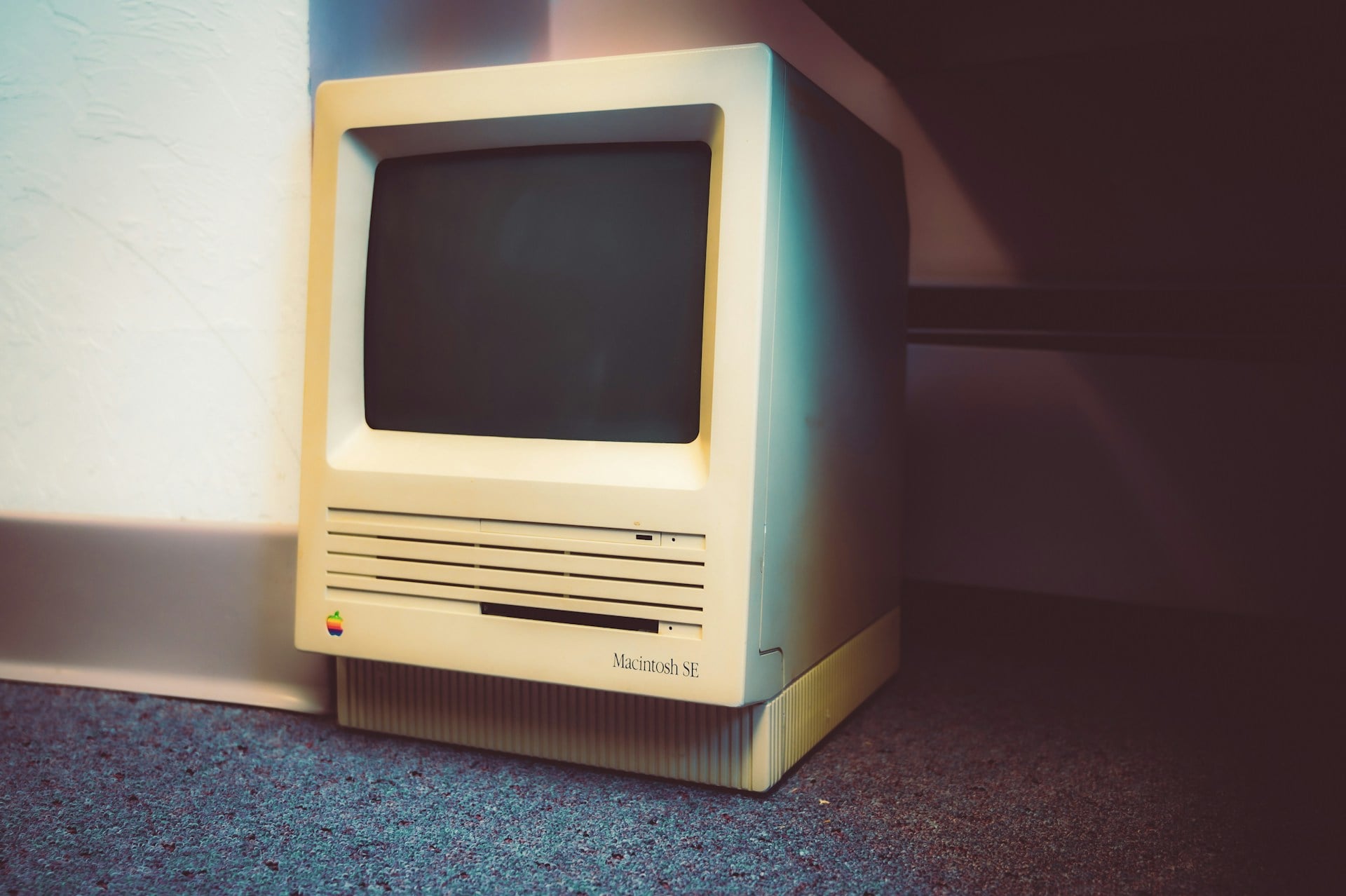
Vannevar Bush described the Memex in 1945, years before the first computer was built. He imagined a desk-sized device that could store all your books, records, and communications.
You would retrieve information by following trails of association rather than rigid filing systems. The device would let you create links between documents and build your own knowledge networks.
Bush never built a working Memex. The technology did not exist.
But his vision laid the groundwork for hypertext, the World Wide Web, and modern search engines. Tim Berners Lee cited the Memex as inspiration when he created the web in 1989.
Bush saw it coming forty four years early.
The Tracy Wrist Radio

In 1946, the comic strip detective Tracy started using a two way wrist radio to communicate while fighting crime. Creator Chester Gould introduced the device as a futuristic crime fighting tool.
It was a small radio transceiver worn on the wrist that let Tracy talk to police headquarters from anywhere. The concept seemed like pure science fiction when it appeared.
Within a year, companies were marketing small portable radios as Tracy watches based on the comic strip device. The wrist radio predicted not just smartwatches but the entire concept of wearable communication devices decades before the technology existed to make them practical.
The Fax Newspaper

In the 1930s and 1940s, newspapers experimented with fax delivery. The idea was that you would have a machine at home that would print the morning paper automatically.
No delivery person needed. The content would transmit over phone lines and print out fresh every day.
Several companies built working prototypes. The technology worked.
But it was expensive, the machines were bulky, and newspapers already had efficient delivery systems. The fax newspaper disappeared.
Now you read the news on your phone or tablet, delivered instantly over wireless networks. Same concept, different execution.
The Televox

Westinghouse created the Televox in 1927. It was a robot that responded to tones transmitted over telephone lines.
You could call your house and whistle specific notes into the phone. The Televox would turn lights on or off, start the furnace, or control other electrical devices.
The robot looked ridiculous by modern standards. Just a metal box with some switches.
But the concept was smart home automation. Voice controlled devices that manage your house.
Alexa and Google Home do essentially what the Televox did, minus the whistling.
The Dynabook

Alan Kay designed the Dynabook in 1968. He envisioned a portable computer the size of a notebook that children could use for learning, reading, and creating.
The device would have a flat screen, a keyboard, and enough computing power to run educational software. It would be personal, portable, and powerful.
Kay sketched out the concept in detail. He wanted it to weigh less than four pounds and cost less than a hundred dollars.
The technology was not there yet. Computers filled entire rooms.
But Kay’s Dynabook described the laptop, the tablet, and the entire concept of personal computing decades before Apple and Microsoft made it reality.
The Picturephone

AT and T demonstrated the Picturephone at the 1964 World’s Fair. You could make a video call from special booths set up at the fair.
The picture was small and the connection was expensive, but it worked. AT and T predicted that video calls would become standard within a few years.
They were spectacularly wrong about the timeline. The Picturephone failed commercially.
People did not want to pay extra for video when voice calls worked fine. The technology was too expensive and the quality was poor.
It took another fifty years, but now video calls are free and everyone has the capability. We still prefer voice calls most of the time.
The Mundaneum

Paul Otlet created the Mundaneum in Belgium in 1910. He wanted to collect all the world’s knowledge in one place and make it searchable.
He used index cards, filing systems, and a team of researchers to catalog millions of documents. You could send a query by mail and get a packet of relevant information back.
The project grew to contain millions of cards and documents before it shut down in the 1930s. Otlet imagined networked access to information, search queries, and knowledge sharing.
He basically described Google using paper and filing cabinets. The vision was correct.
The medium was wrong.
The Radiodrum

In 1971, the Radiodrum let musicians create music by moving drumsticks in the air. Sensors tracked the position and velocity of the sticks.
You played an invisible drum set and the computer generated sounds based on your movements. It was gesture control for music production.
The system worked but computers were too slow to make it practical. Musicians preferred physical instruments they could actually touch.
But the Radiodrum predicted motion controllers, VR interfaces, and touchless gesture systems. The Nintendo Wii, Kinect, and modern VR controllers all use the same basic concept.
The Electronic Newspaper
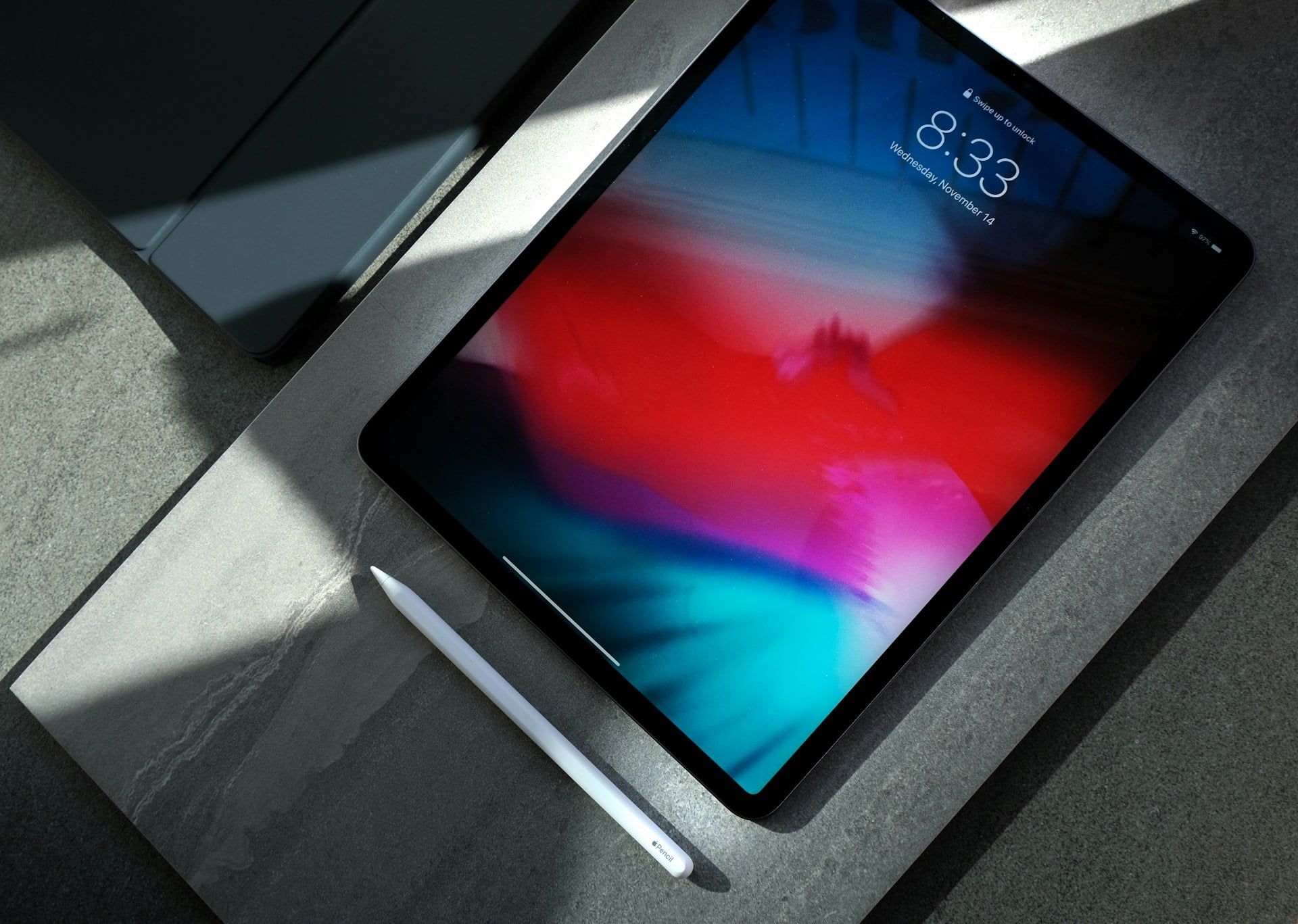
Knight Ridder created a prototype tablet in 1994 called the Electronic Newspaper. It was a flat touchscreen device you could use to read news, watch videos, and browse content.
The demo video showed people using it on couches, at breakfast tables, and on the go. The concept was perfect.
The execution was impossible. The screens were too expensive.
The batteries did not last. The internet was too slow.
Knight Ridder abandoned the project. Fifteen years later, Apple released the iPad and everyone pretended it was new.
The Selectavision

RCA worked on the Selectavision from the 1960s through the 1980s. The final version played movies from a disc using a stylus, like a record player for video.
But earlier versions of the project imagined video on demand. You would select what you wanted to watch from a catalog and it would play instantly.
The technology kept changing as engineers tried to make it work. By the time RCA released a product in 1981, videotapes had won the market.
The Selectavision flopped. But the vision of choosing any movie instantly and watching it at home describes Netflix, Hulu, and every streaming service exactly.
The Handheld Computer
In 1977, Hewlett Packard released the HP 01 calculator watch. It could store appointments, anniversaries, and phone numbers.
You could program it to alert you at specific times. The screen was tiny and the interface was awkward, but it was a functional computer on your wrist.
Businesspeople loved the concept but the execution frustrated them. The buttons were too small.
The battery died too fast. HP discontinued it after a few years.
But they had created the first smartwatch thirty years before the iPhone existed. The idea was sound.
The technology was not ready.
The Odhner Calculator

This one goes back further. In 1890, Willgodt Odhner created a mechanical calculator small enough to fit on a desk.
It could add, subtract, multiply, and divide using a system of gears and levers. You turned a crank and numbers appeared in windows.
Businesses used them for accounting until electronic calculators arrived in the 1960s. The Odhner calculator was not forgotten exactly.
People do not remember how revolutionary it was. For the first time, complex calculations were accessible to ordinary businesses.
It democratized mathematics the same way the personal computer democratized computing. The principle was the same.
The gears were different.
The Antikythera Mechanism

Found in a shipwreck off Greece in 1901, the Antikythera Mechanism dates to around 100 BCE. It is a complex system of bronze gears that tracked astronomical positions and predicted eclipses.
Scientists did not understand what it was until X ray imaging revealed the internal structure decades later. The ancient Greeks built an analog computer two thousand years before the digital age.
They used it to calculate the movements of celestial bodies with surprising accuracy. The mechanism represents a sophistication in mechanical computing that would not be matched again until the Renaissance.
Someone saw the potential of using machines to perform calculations, then the knowledge vanished for centuries.
When Tomorrow Arrives Too Soon

These ideas had one thing in common they pictured worlds too early to build. The dream made sense, yet the tools, methods, or systems just did not exist back then.
A few creators were way ahead like thirty years. Others more like three hundred.
They made early models, applied for legal protection, yet saw their concepts flop in the market. Later, another person took praise once conditions improved.
Still, what came next could have been spotted way earlier. All you needed was the right angle.
More from Go2Tutors!

- The Romanov Crown Jewels and Their Tragic Fate
- 13 Historical Mysteries That Science Still Can’t Solve
- Famous Hoaxes That Fooled the World for Years
- 15 Child Stars with Tragic Adult Lives
- 16 Famous Jewelry Pieces in History
Like Go2Tutors’s content? Follow us on MSN.



