29 Vintage School Supplies and Stationery From Past Decades With Collector Appeal
There’s a particular smell that hits you when you open an old box of school supplies pulled from a closet or an estate sale table. Part pencil shaving, part aging paper, part something you can’t quite name but instantly recognize.
These weren’t just tools for homework. For a lot of collectors now, they’re small anchors to a version of childhood that felt slower, weirder, and somehow more colorful.
Some of these items sell for pocket change at flea markets. Others fetch surprising money from people determined to reclaim a piece of their own history, one paper clip or plastic pencil box at a time.
Trapper Keeper Binders
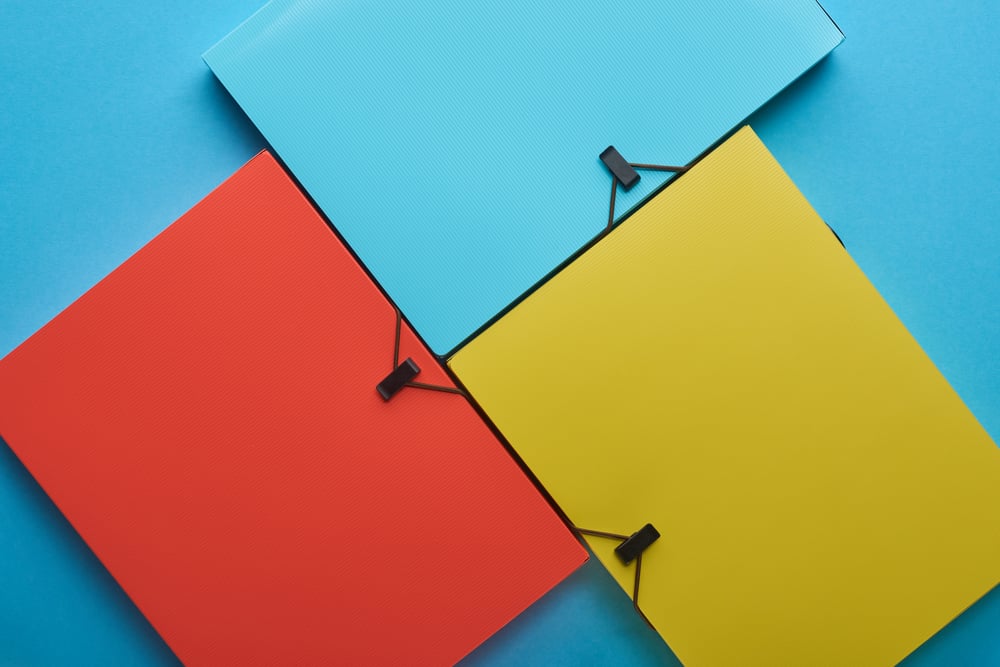
Trapper Keepers ruled hallways in the 1980s and early 1990s. The Velcro snap, the slick folder pockets, the neon geometric designs — kids didn’t just organize papers with them, they showed them off. Mead discontinued and revived the line more than once, which only fueled nostalgia for the originals.
Collectors now hunt specific print runs, especially ones featuring unicorns, airbrushed wolves, or that particular late-80s pastel chaos nobody can quite explain anymore.
Scratch and Sniff Stickers
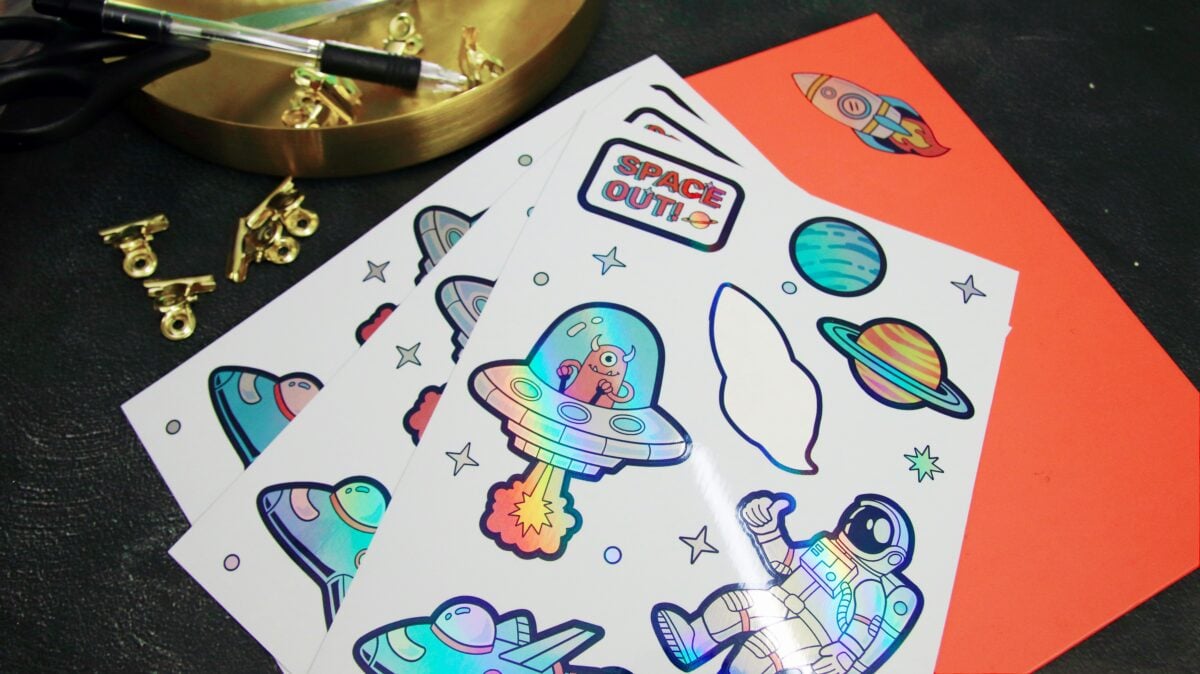
Scratch and sniff stickers turned every folder and notebook into a landmine of pizza, grape, and something vaguely labeled “tropical punch” that smelled like neither tropic nor punch — and kids scratched them raw within a week, chasing a scent that faded fast but never quite left the sticker completely. Trend, Mello Smello, and a handful of other companies flooded classrooms with these through the 1970s and 80s, and the smell technology (crude by today’s standards, genuinely strange in hindsight) somehow still works decades later if you find an unscratched sheet.
So collectors hunt specifically for those: unused, uncut, still glossy, sealed in the plastic sleeve nobody bothered to open. A single vintage sheet of the right scent and design can pull real money now, which says something about how much people miss a smell they can’t quite name.
Puffy Stickers
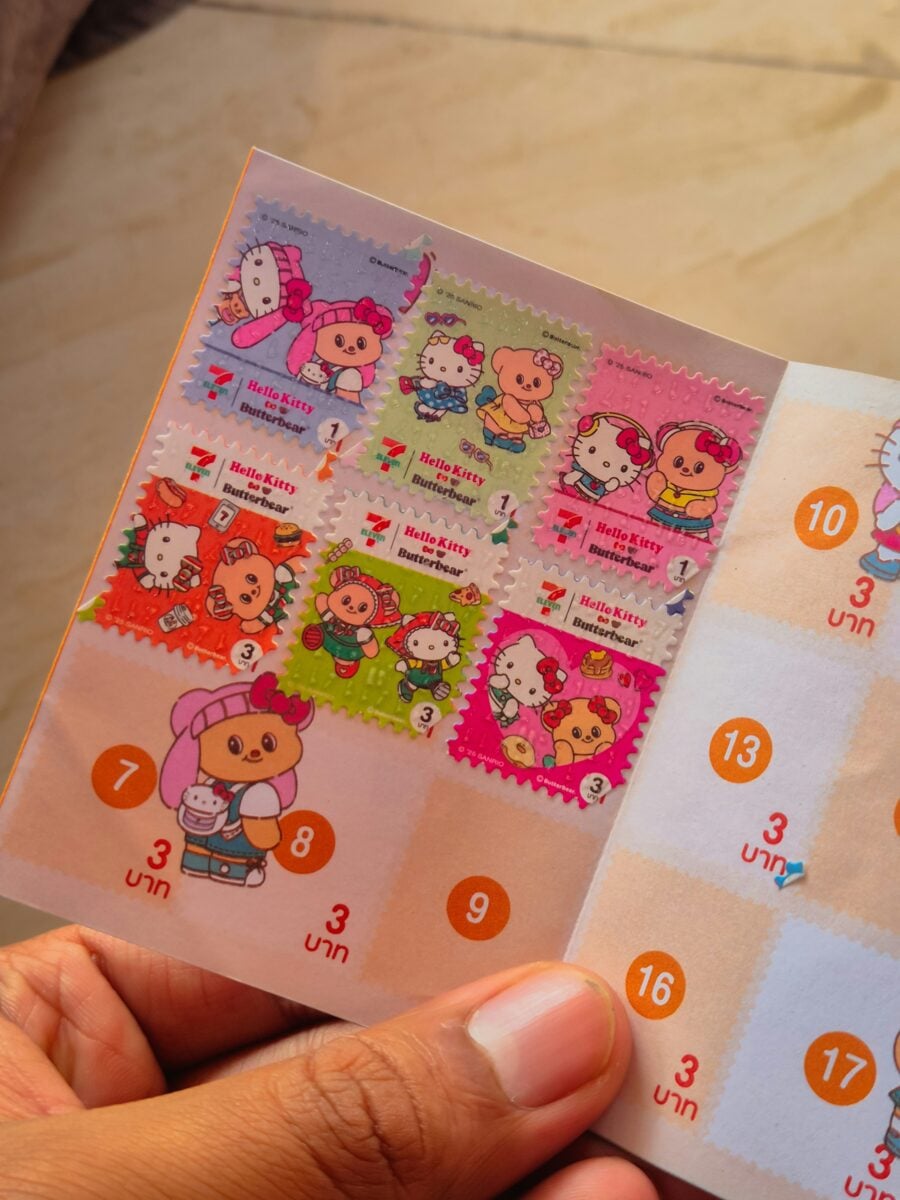
Puffy stickers had a texture that flat paper never could compete with, raised and squishy under a fingertip like tiny cushions glued down for no reason other than delight. Kids in the late 1980s and early 90s traded them the way earlier generations traded marbles, building sticker books and albums with the seriousness of a stockbroker tracking a portfolio.
A cracked or yellowed puffy sticker loses its magic fast, the foam flattening with age like a soufflé left out too long, so collectors chase sheets still sealed and springy. There’s something almost tender about how much value gets placed on a texture, not an image.
Pencil Box Sets With Sliding Trays
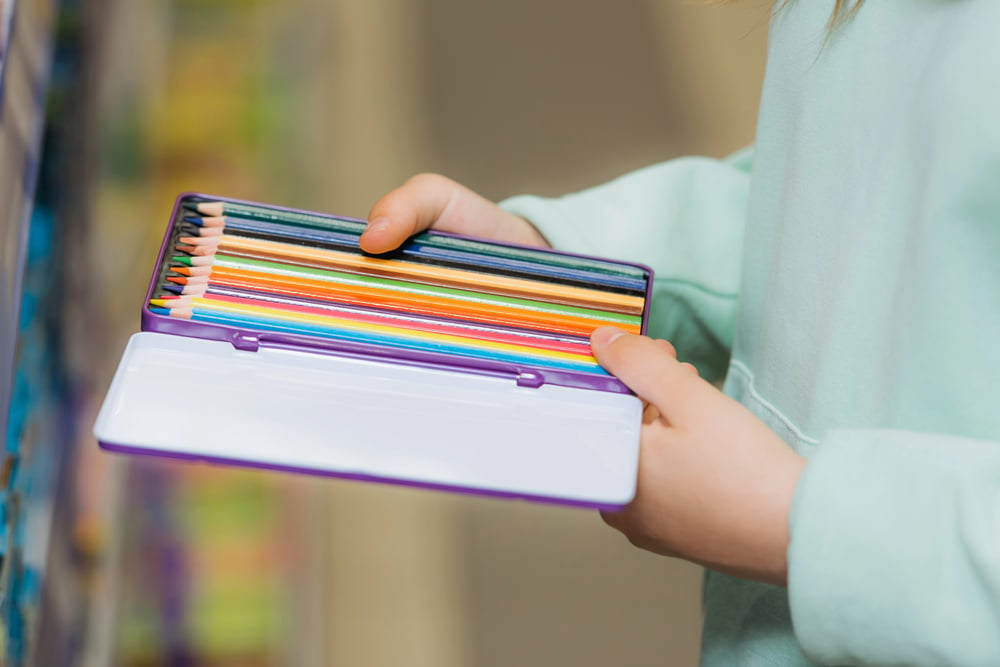
Pencil boxes with sliding trays felt like tiny toolkits, the kind of object that made a kid feel organized just by owning it. Metal versions from the 1950s and 60s had a satisfying rattle and a hinge that clicked shut with real authority, nothing like the flimsy plastic that came later.
Collectors now go after ones with original contents still inside — a stub of an eraser, a broken compass, a sharpener with someone’s initials scratched into the lid.
An empty box tells you it was used. A full one tells you it was loved.
Novelty Erasers
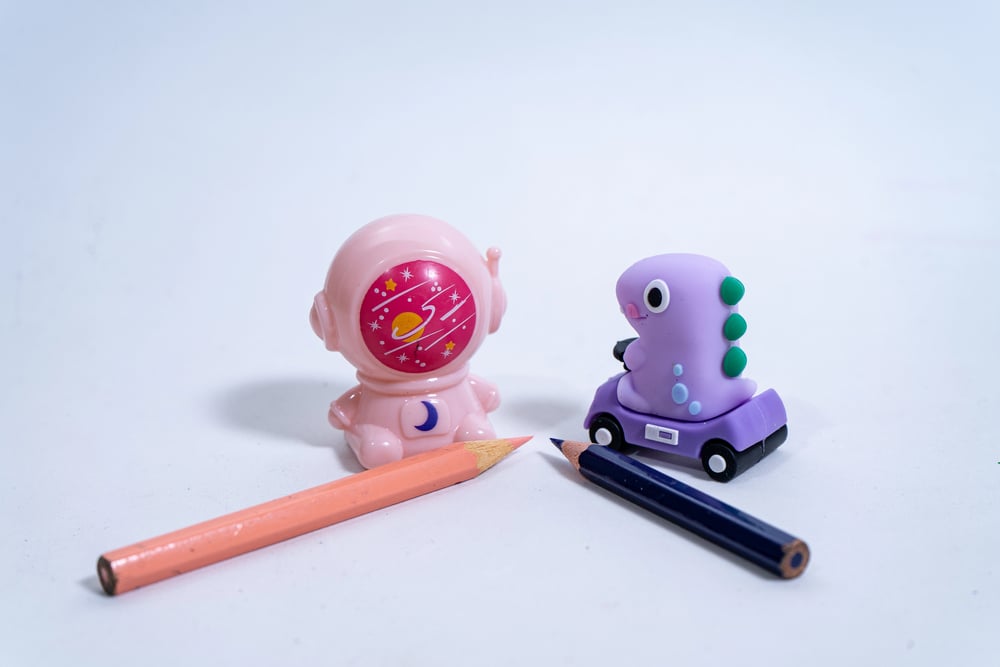
Novelty erasers never actually erased anything well. They were shaped like tacos, dinosaurs, tiny sneakers — function was beside the point.
Kids collected them, stacked them on desks like trophies, and rarely used a single one for its job. Mint-condition sets from the 1980s still command real interest, mostly because nobody kept them clean back then.
Scented Markers
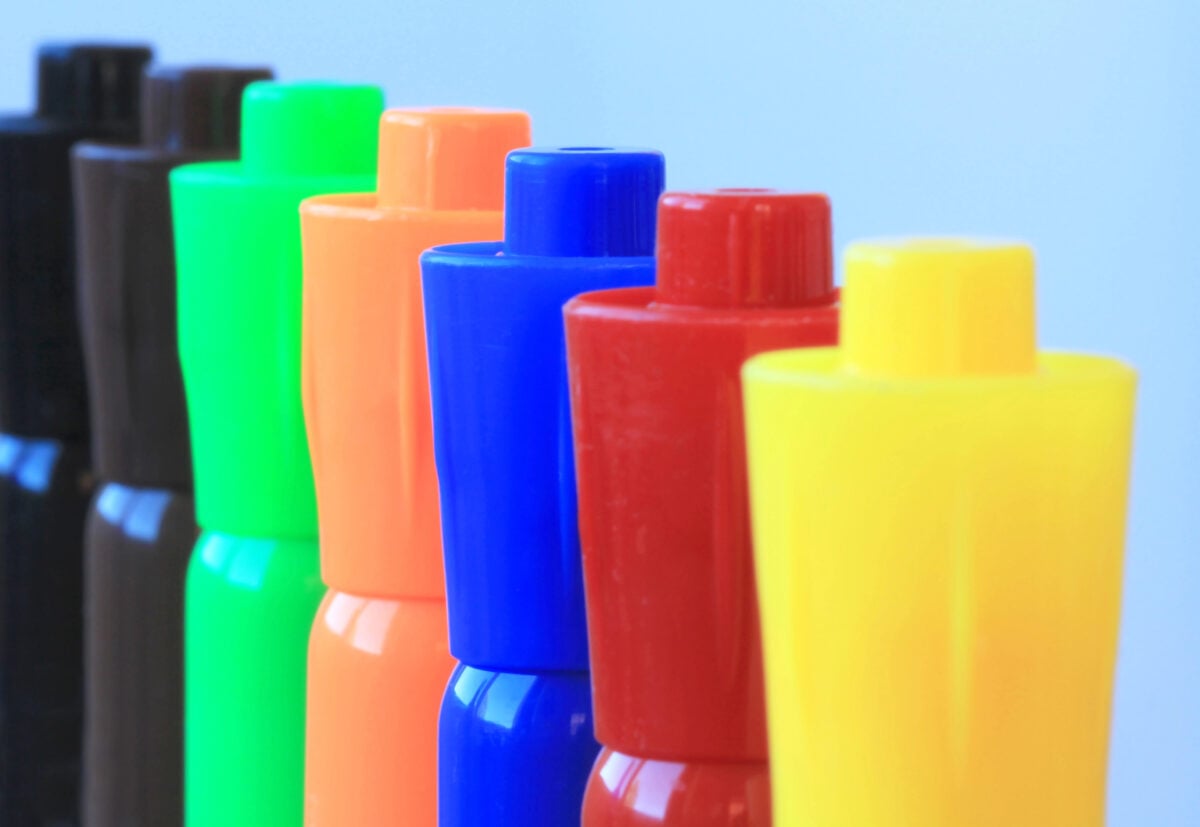
Mr. Sketch markers smelled like fruit that doesn’t exist anywhere in nature. Cherry, watermelon, black licorice — kids sniffed them more than they colored with them.
The barrels cracked, the felt tips dried out, most got pitched decades ago without a second thought. A sealed vintage set that still holds its scent is rare, and rare pulls a price.
Lisa Frank Folders
Lisa Frank folders looked like something a rainbow sneezed onto a manila sheet, dolphins and unicorns airbrushed into a haze so bright it seemed to hum under fluorescent classroom light. The colors never faded quietly.
They wilted in patches — a corner here, a panther’s eye there — the way an August afternoon slowly loses its shine to dusk. Owning one meant something back then, a hierarchy measured in folder brightness alone, and the kid with the boldest design stayed untouchable for exactly one semester.
Holding a mint one now feels like touching sunlight that got folded up and left in a drawer for thirty years.
Peechee Folders
Peechee folders never needed color to earn loyalty. That green cover, the sketchy athletes running across it, the rounded corners that survived a full semester of backpack abuse — simple, functional, everywhere.
Schools ordered them by the thousands from the 1940s onward, and somehow they never went out of production entirely. Collectors now chase specific print eras, especially older runs with sharper illustration detail before the design got simplified.
Rainbow Brite School Supplies

Rainbow Brite hit peak popularity in the mid-1980s, and school supply companies moved fast to cash in. Notebooks, folders, pencil cases — all splashed with that same candy-colored character and her sidekick Twink, who looked like a plush marshmallow with opinions.
The line didn’t last as long as some other franchises, which makes surviving sets scarcer than people expect. A folder with sharp color and no creasing along the spine is the one collectors actually want, not the beat-up ones that got dragged through a decade of backpacks.
Marbled Composition Notebooks
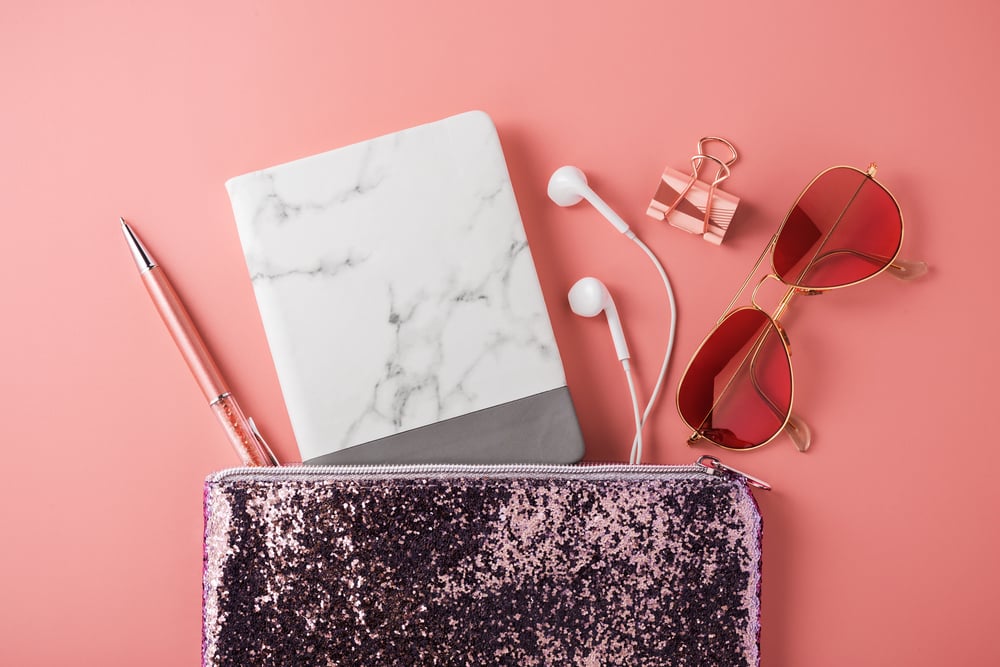
Marbled composition notebooks never tried to be exciting, which is sort of the whole point now — that black-and-white swirl pattern has barely changed since the early 1900s, and there’s something almost stubborn about a design that refused every trend that came near it. Collectors go after the older ones specifically, the ones with sewn bindings instead of stapled spines (a detail most people wouldn’t notice unless someone pointed it out), and the tape reinforcing the corners has usually yellowed into a color no manufacturer would choose on purpose.
So a beat-up notebook from the 1950s, spine cracked and pages foxed at the edges, can actually be worth more than a pristine one from the 70s: age reads as authenticity here in a way it doesn’t for flashier items. And if the little label on the front still has a kid’s handwriting filling in “Subject” and “Teacher,” that’s the one people fight over at estate sales, not the blank ones sitting untouched in a drawer for sixty years.
Vintage Crayola Crayon Tins
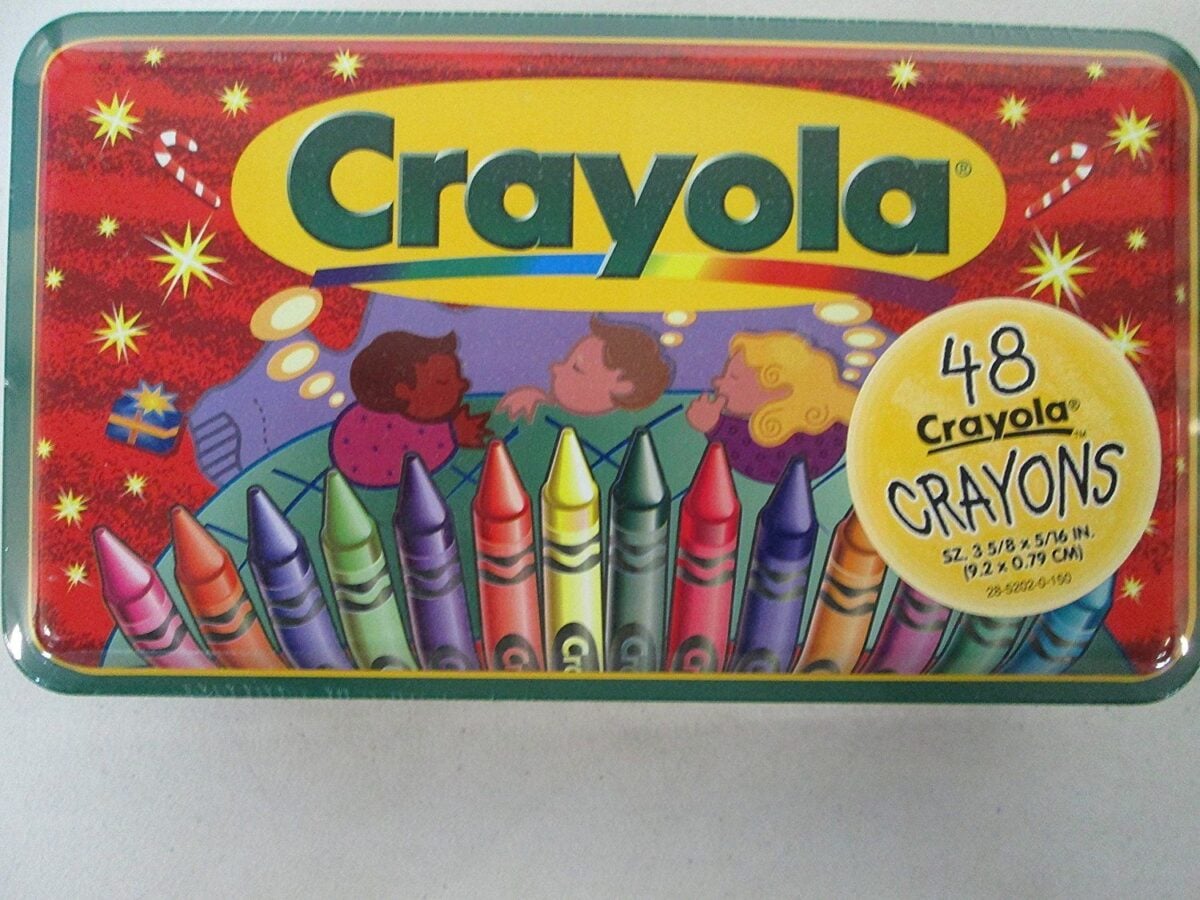
A tin of crayons from the 1930s holds color the way a jar holds fireflies — trapped, dimming, but still faintly glowing if you tilt it toward the light just right. The paper wrappers curl and split with age, the wax gone chalky and pale underneath, pigment retreating inward the way a memory loses its edges after enough years.
Collectors don’t really chase the crayons anymore, not the wax itself. It’s the tin they want: the lithographed lid, the old Binney & Smith lettering, the hinge that still closes with a small, satisfying metallic sigh.
Wooden Ruler Sets With Advertising
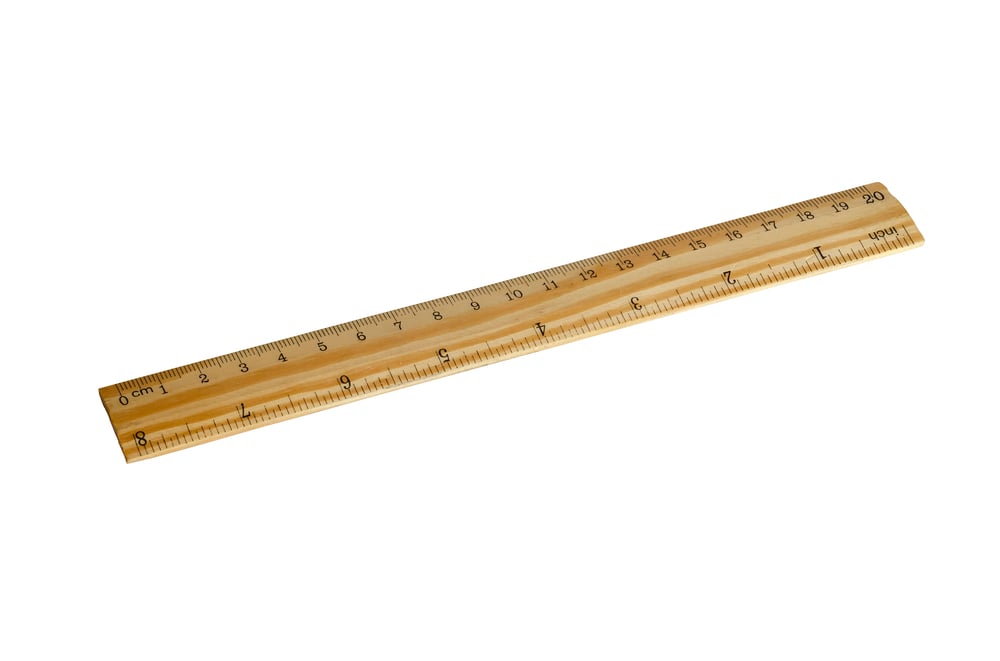
Advertising rulers are more interesting than almost anything else on a school supply shelf, plain fact. Local dairies, hardware stores, and funeral homes handed these out for free decades ago, and now the free giveaway sells for more than most people paid for actual school supplies, which is saying something.
The wood warps a little, the printed name fades toward illegible, but a ruler stamped “Ace Hardware, Elm Street” tells you more about a vanished town than a history book bothers to. Collectors don’t even want them mint — a little wear proves somebody actually used it to underline a spelling word instead of leaving it untouched in a drawer.
Wooden Pencil Cases With Sliding Lids
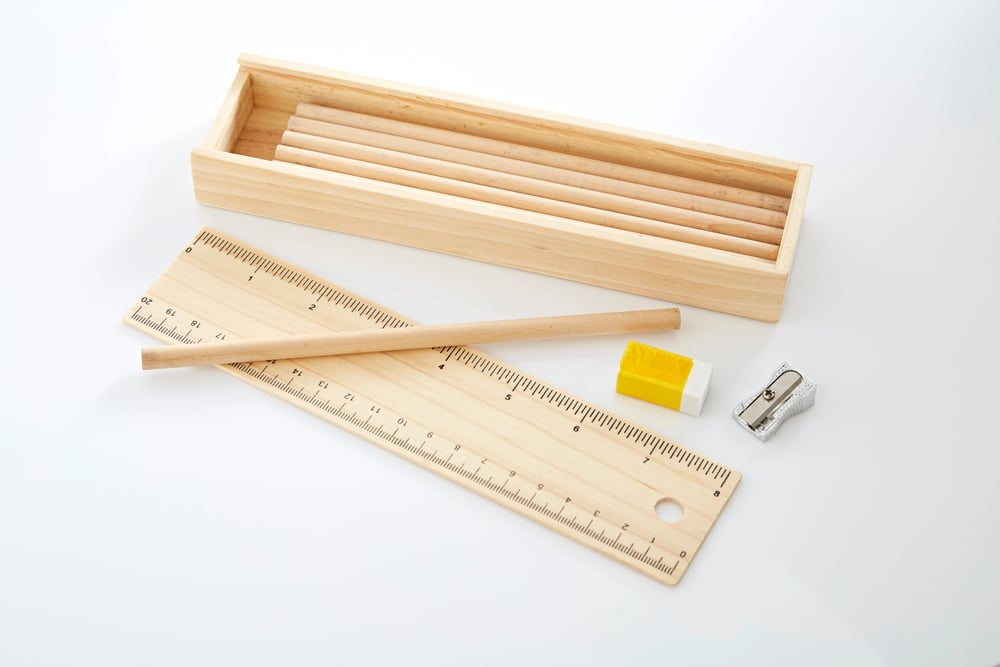
Wooden pencil cases with sliding lids had a weight to them that plastic never bothered imitating, a dense little box that clacked shut with a sound closer to a jewelry case than a school supply. Kids in the 1950s and 60s carried them like tiny toolkits, sliding the lid open at a desk with a small, theatrical flourish nobody else noticed but them.
The wood darkens unevenly with age, patchy like a sunburn that never healed right, and collectors treat that discoloration as proof of a life actually lived on some kid’s desk. A case with a hand-carved initial scratched into the underside sells faster than a spotless one, because the scratch is the only story it has left to tell.
Mucilage Glue Bottles
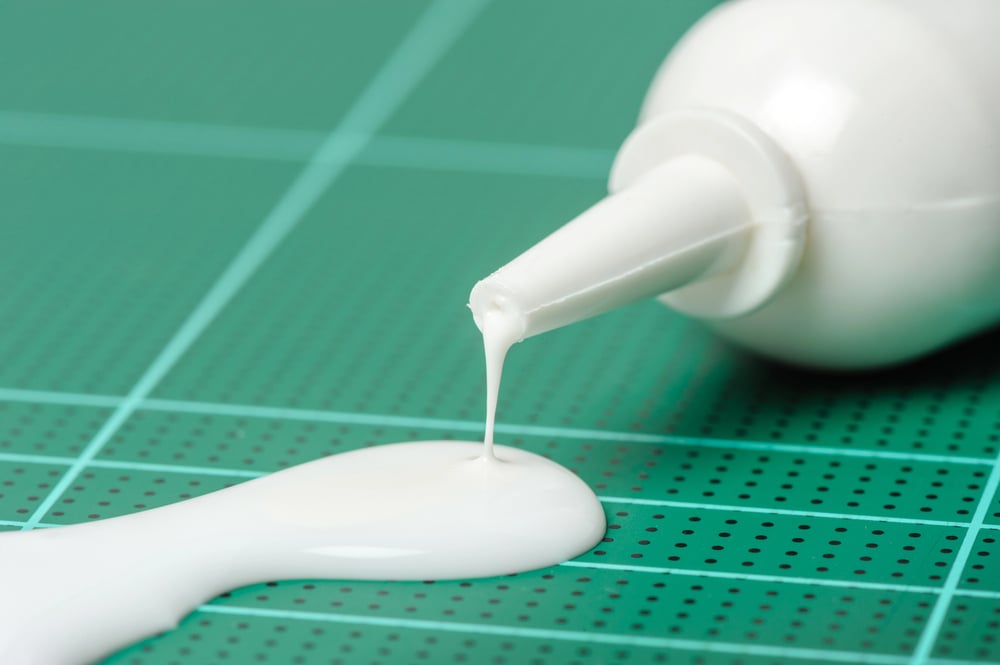
Mucilage bottles had that rubber tip shaped like a tiny amber nub, and pressing it down to spread glue felt like some small chemistry experiment every kid got to run without supervision — the smell alone (sweetish, a little sharp, not quite like anything else in a desk drawer) is the kind of thing people swear they’d recognize blindfolded decades later. So the LePage’s brand became the one everyone remembers, mostly because it sat in nearly every classroom cabinet from the 1940s through the 60s, and the amber glass bottle with the paper label peeling at the edges is exactly what collectors want now: not the glue, which dried to a useless brick ages ago, but the bottle itself.
And a bottle with the rubber tip still soft, not hardened into a brittle stub, is rarer than most people assume, because rubber ages worse than the glass it’s attached to. Empty ones sell fine, cracked labels and all, but a full one — sealed, dusty, glue long since fossilized inside — carries a strange kind of appeal, like finding a time capsule nobody meant to leave behind.
Crank Pencil Sharpeners
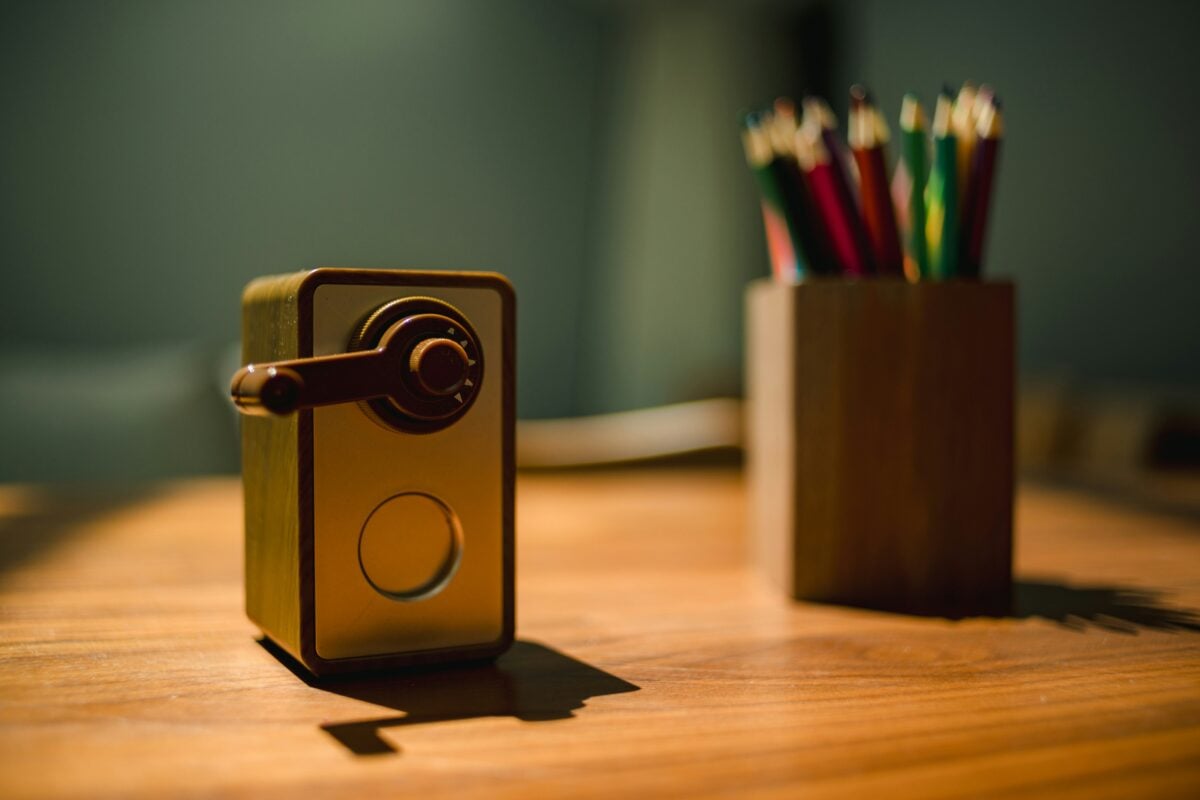
Nobody misses the sound, but everybody remembers it. That mechanical grinding, bolted to a windowsill or the corner of a teacher’s desk, chewed pencils down with zero patience for a kid running late.
Boston and APSCO made the models that dominated most classrooms for decades, cast iron and immovable, built like they expected to outlast the building around them. Collectors want the wall-mount versions with original paint still intact, not the rusted-out ones pulled straight off a demolition pile.
Duo-Tang Folders
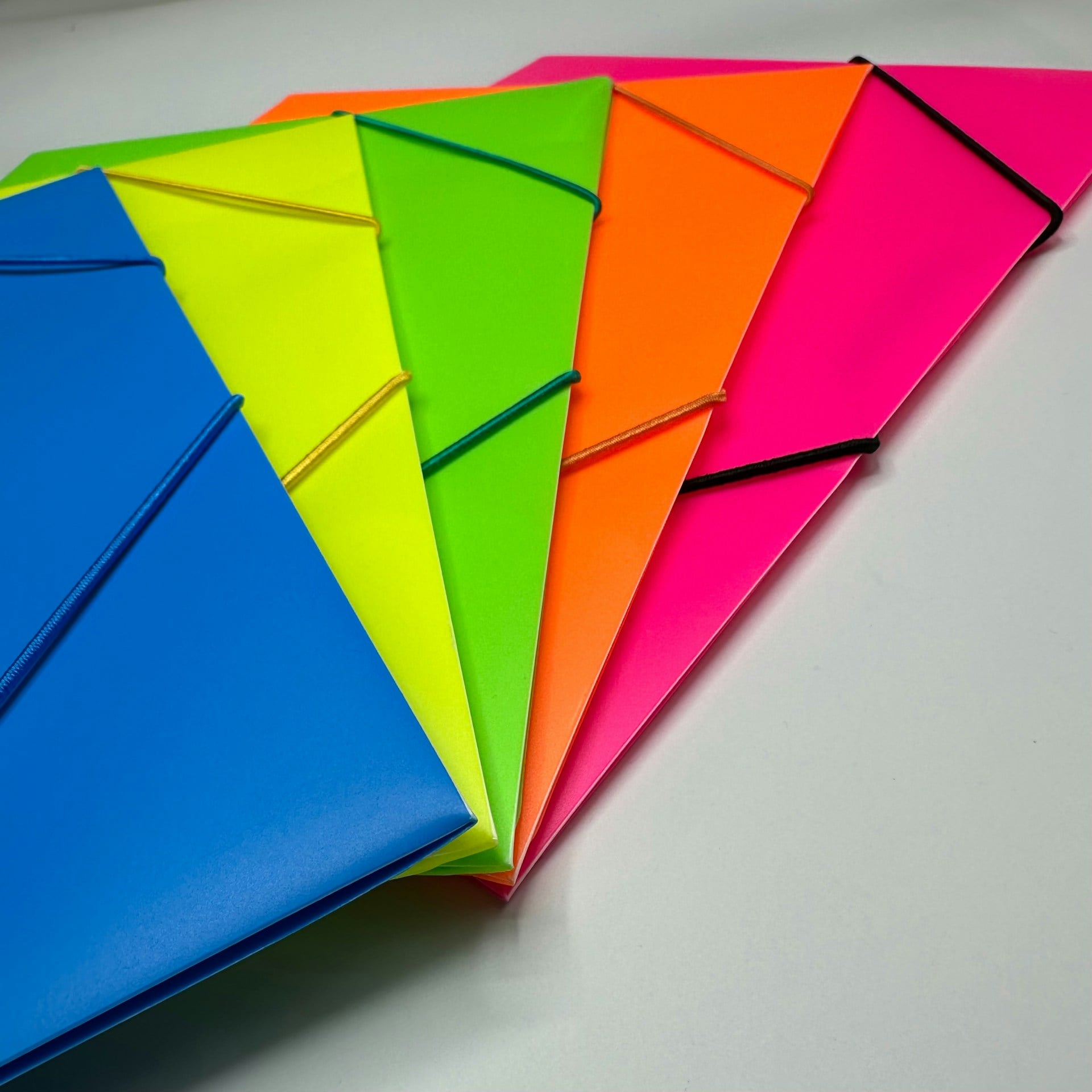
Duo-Tang folders got treated like disposable garbage back then, three brass prongs and a thin paper cover meant to survive a semester at most, nothing built for the long haul. Nobody saved these on purpose, which is exactly the problem now, since a folder designed to be thrown away doesn’t stick around fifty years later waiting for someone to want it.
Turns out the plain manila ones with a company logo stamped in the corner, or a specific school district’s name printed across the front, draw more interest than the colorful ones ever did. A stack of unused Duo-Tangs with crisp corners and no rust bleeding from the prongs is rarer than a mint Trapper Keeper, and barely anyone saw that coming.
Fountain Pens and Bottled Ink
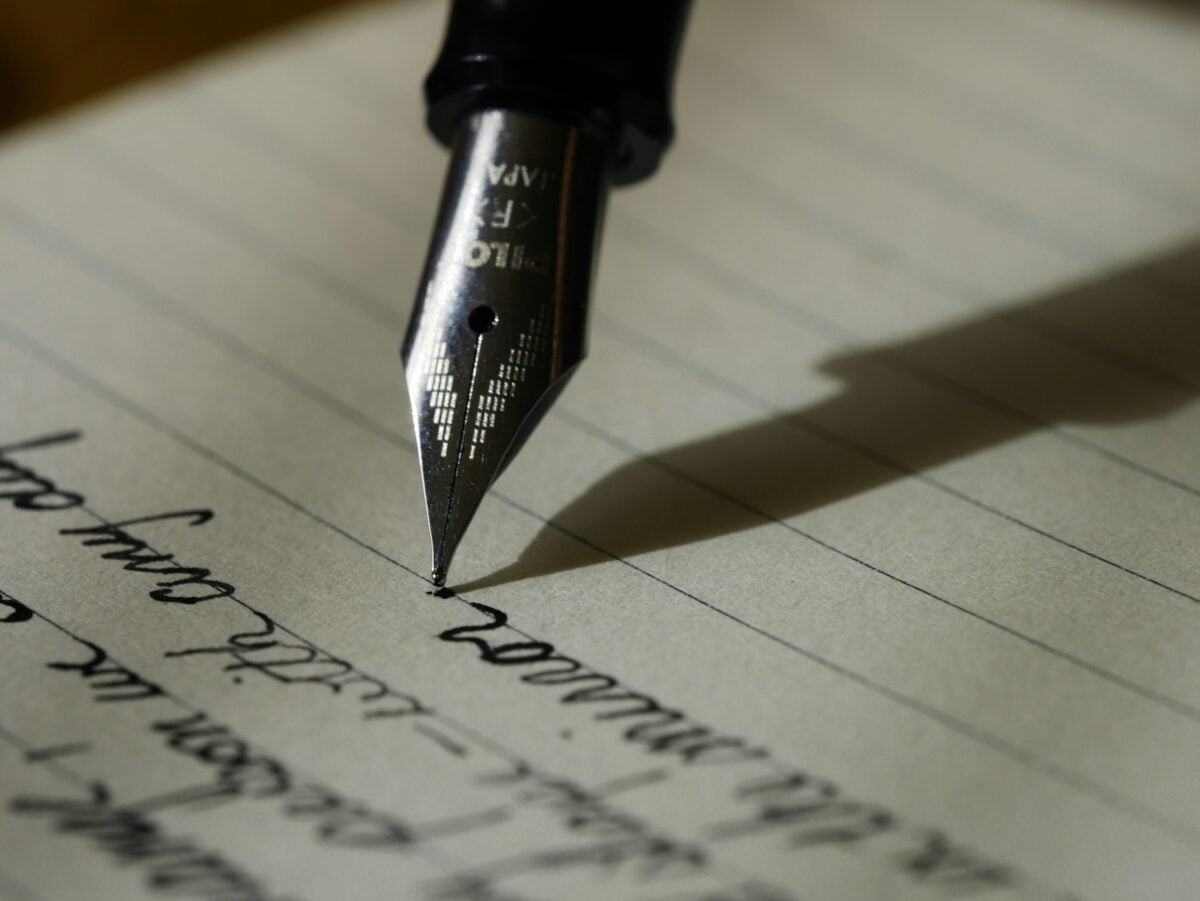
A fountain pen never rushed anyone, which felt almost radical in a classroom built entirely around bells and deadlines. The nib dragged just enough to slow a hand down, forcing handwriting into something closer to a signature than a scrawl, ink pooling faintly at the loop of every capital letter like a small confession the pen couldn’t help but make.
Bottles of Waterman’s or Sheaffer’s ink sat heavy and glass-cornered on desks, catching light the way a held breath catches attention, and a chip in that glass reads now less like damage and more like proof the bottle actually got used. Collectors reach less for the pens themselves — plenty survived — and more for the ink bottles with labels still legible, stubborn little rectangles of paper that refused to dissolve after sixty years of humidity and handling.
Slide Rules
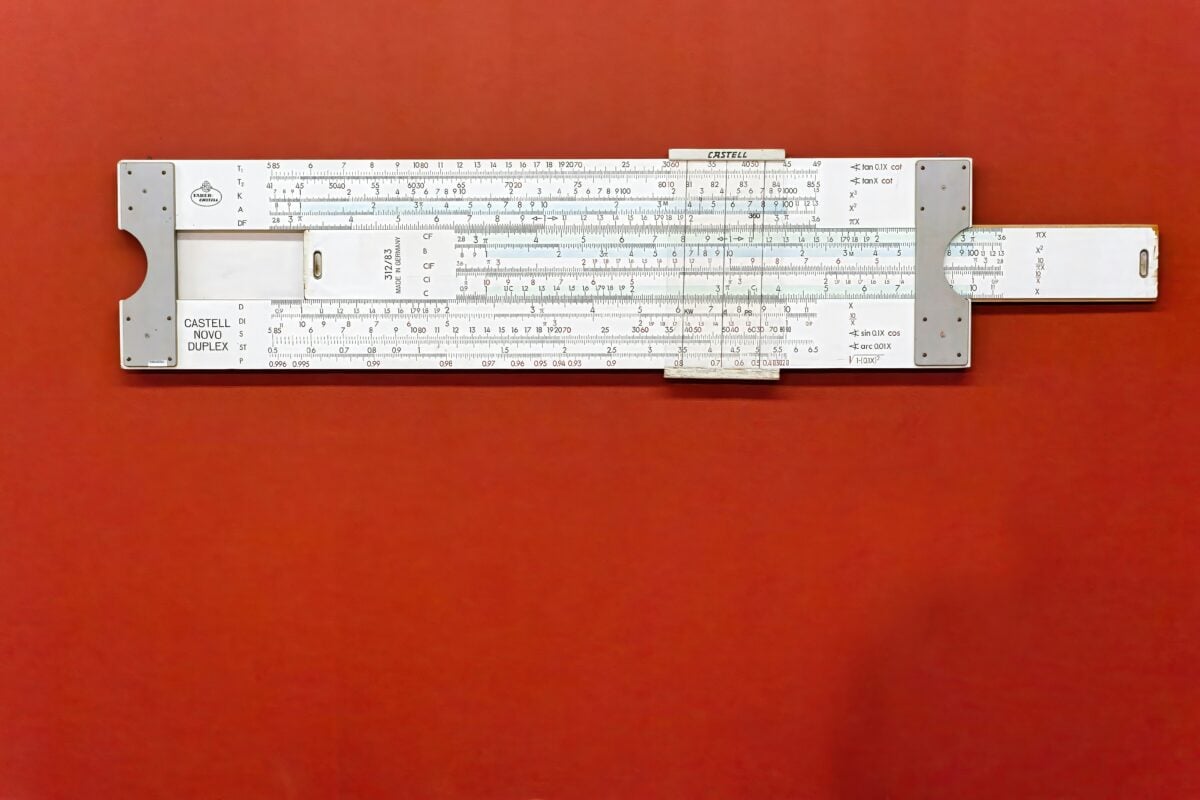
Slide rules were never fun, and nobody who used one seriously misses solving logarithms by hand. Keuffel & Esser made the good ones, precision-milled bamboo and celluloid that clicked into place with an accuracy no plastic knockoff ever matched, which is exactly why engineers hoarded them long after calculators took over.
Collectors chase the K&E and Pickett models specifically, leather case included, because a slide rule without its case is just an expensive stick nobody trusts anymore. To be fair, owning one now says less about math and more about surviving an era that expected teenagers to calculate square roots without complaining.
Yarn Pom-Pom Makers and Craft Kits
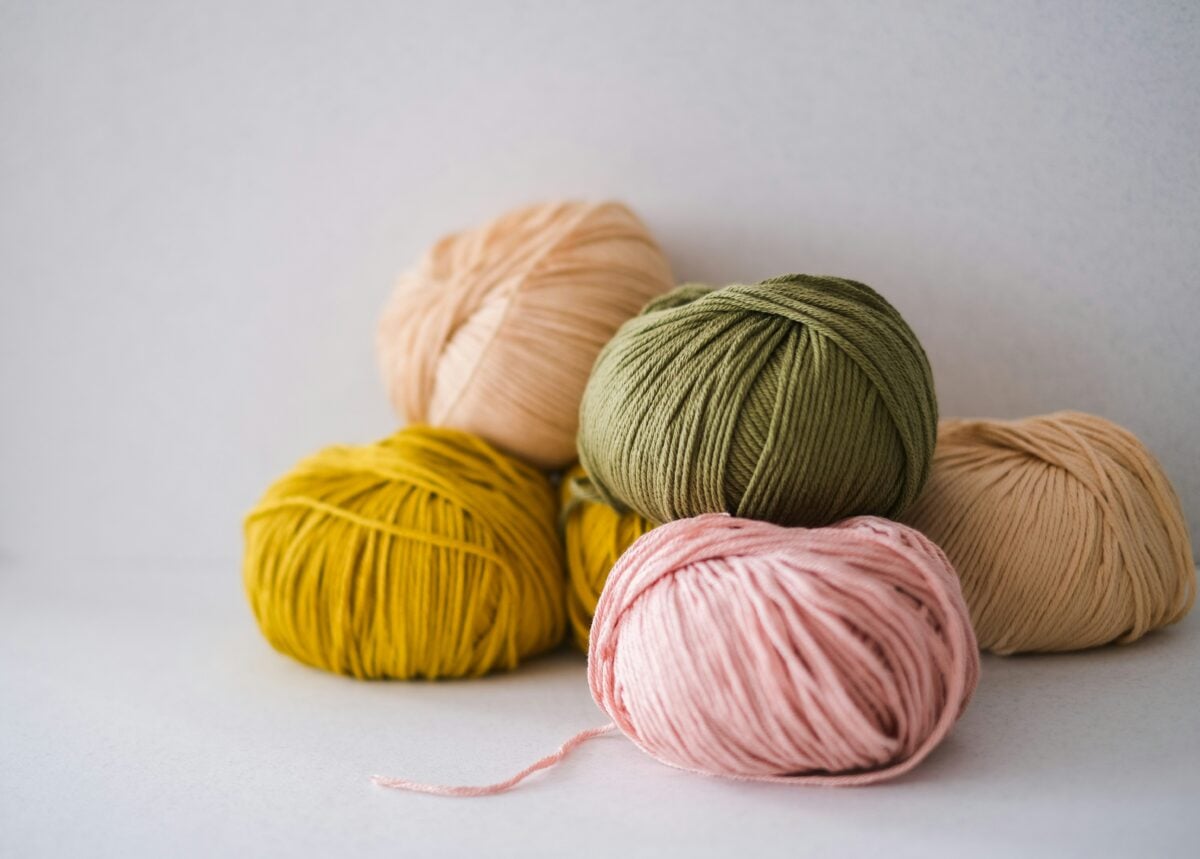
Yarn pom-pom makers turned recess-adjacent boredom into an actual production line, plastic rings clicking together while yarn wound round and round until scissors finally cut the whole thing loose into a fat little sphere. Classrooms leaned on these constantly through the 1970s and 80s, less a toy than a tool, something teachers pulled out for arts hour with the same regularity as construction paper.
The rings cracked eventually, brittle plastic giving out at the hinge, so complete kits with all four ring sizes still intact are the ones worth anything now. A kit missing a single ring might as well be missing the whole point.
Autograph Books
An autograph book from the 1950s reads less like a keepsake and more like a chorus of voices frozen mid-sentence, each signature crowding the next the way kids used to crowd a hallway on the last day of school. Some pages carry the same tired rhymes about roses and violets, phrased with a formality no ten-year-old would use out loud, and yet the handwriting underneath — looping, uneven, occasionally smudged where a thumb pressed too soon — carries more personality than the words themselves ever could.
Collectors chase specific decades based on the little illustrations printed along the borders, tiny umbrellas or roller skates dating a book almost better than any signature inside it. A book filled edge to edge feels less like paper and more like a classroom that never quite let go of its last day.
Rub-On Transfer Letters
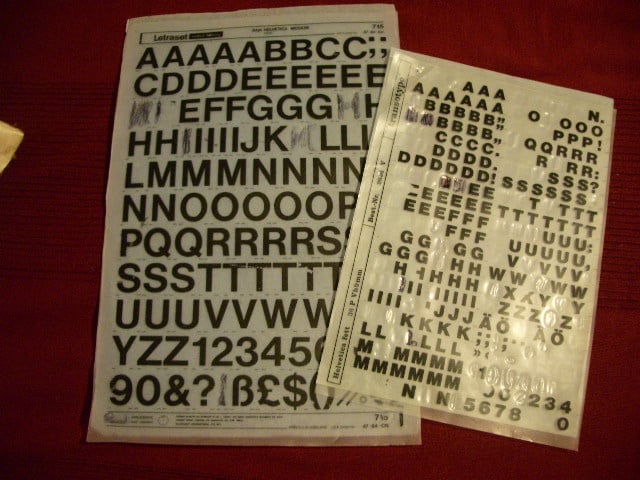
Letraset sheets were the best thing to happen to a bored kid with a poster board, plain and simple. Rub a pencil over a letter hard enough and it transferred clean onto paper, assuming you didn’t smear the “S” halfway through like everyone eventually did.
Teachers used them for bulletin boards, kids used them for fake newspaper headlines, and the sheets themselves — once every letter got picked over — ended up looking like a crossword puzzle nobody finished. An unused sheet with a full alphabet still intact is the one collectors actually want, mostly because nobody in the 1970s had the patience to leave one untouched.
Personal Chalkboard Slates
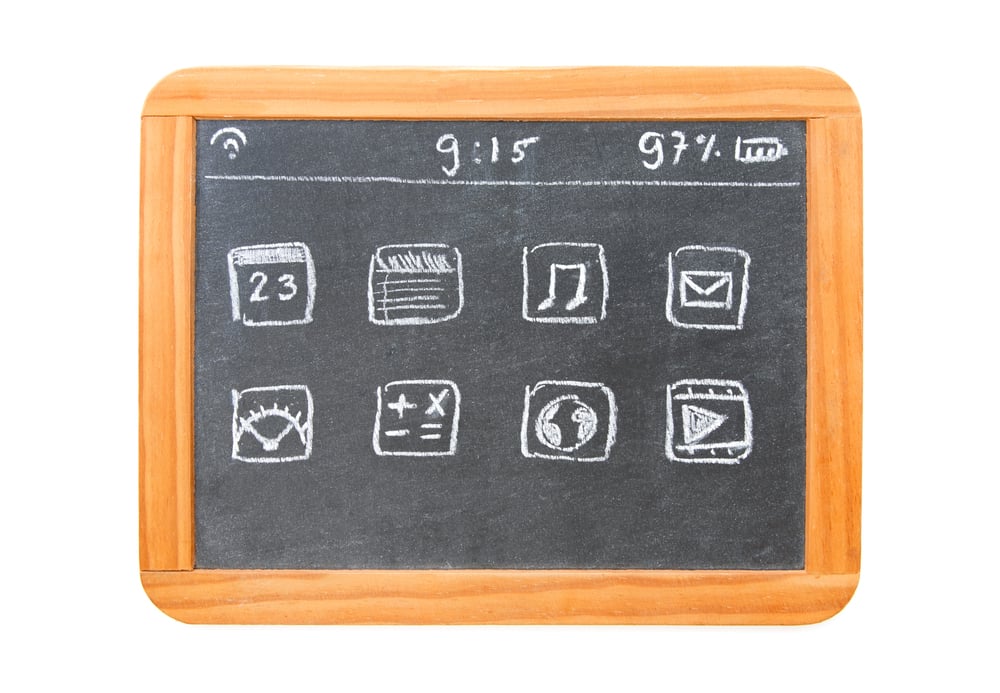
Personal chalkboard slates did one job and did it forever. A wood frame, a slab of real slate, a stick of chalk that squeaked if you pressed at the wrong angle.
Kids in the late 1800s through the 1920s wiped them clean with a rag or a sleeve, no permanent record required, no homework folder needed. Collectors want the ones with the frame unwarped and the slate uncracked, because slate chips fast and the wood around it splits even faster.
Erasable Pen and Correction Fluid Sets
— Photo by ifeelstock
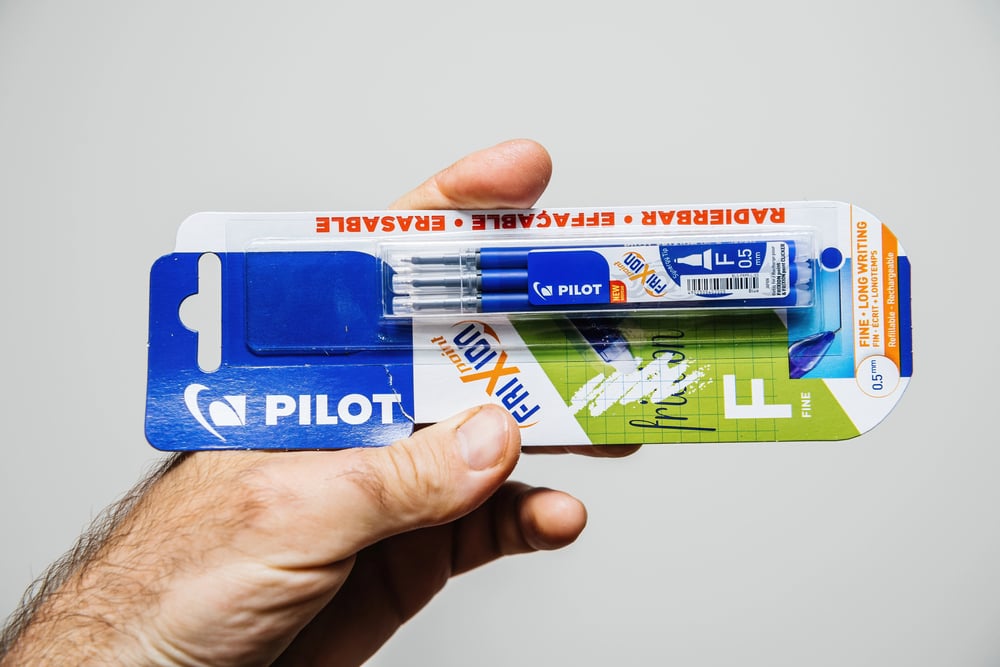
Erasable pens showed up in the early 1980s promising the impossible, ink that vanished with a plain pink eraser tip like it had never touched the page at all. Papermate’s Erasermate led the charge, and for a couple of school years it felt like cheating had been legalized, though the “erased” spot always left a ghost of blue behind if you looked twice.
Correction fluid sat right alongside it on the same supply list, chalky white bottles with a tiny brush that dried stiff if left uncapped for even a day. Collectors now want the sets boxed together, pen and bottle both, since either one alone just looks like clutter from a junk drawer nobody bothered to check.
Carbon Paper
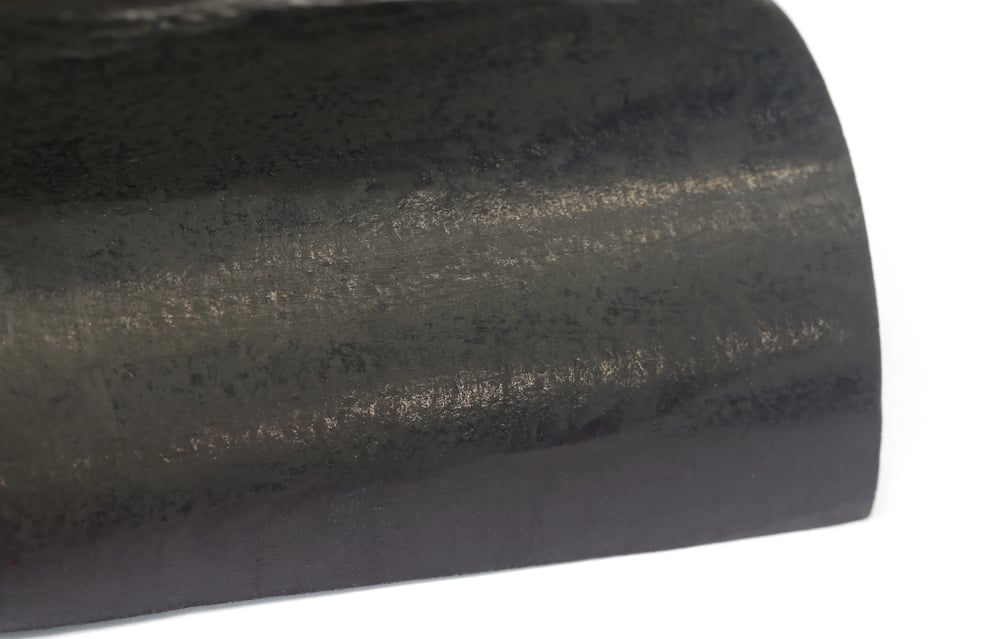
Carbon paper never got a proper goodbye, mostly because nobody realized at the time it was already on its way out — one day it was jammed behind a ledger sheet in every school office, the next it was a smudge-black memory nobody thought twice about tossing. Typing class ran entirely on the stuff, thin waxy sheets sandwiched between two pieces of paper so a single strike of the key produced a copy nobody asked for twice, and the ink transferred with a faint chemical smell that clung to fingertips for the rest of the afternoon: sharp, metallic, a little like a coin held too long in a closed fist.
And the sheets themselves, curling at the edges after one use, purple-black and thin as onion skin, got reused well past the point of usefulness because nobody wanted to admit a box of them cost actual money. Collectors want the full unopened boxes now, brand name still legible on the flap, since a single loose sheet just looks like something swept up off a floor.
Mimeograph Ditto Sheets
Everyone remembers the smell before they remember the words on the page. Purple ink, faintly medicinal, kids sniffing a worksheet before reading a single question on it.
The spirit duplicator only had so many good copies in it — maybe fifty before the color faded past legible — and once that ink went pale gray, the sheet was garbage, no second chance printed anywhere. Collectors want the actual machines now, hand-crank drums with the purple stain baked permanently into the metal, not the paper, since the paper never had much of a shelf life to begin with.
Book Straps
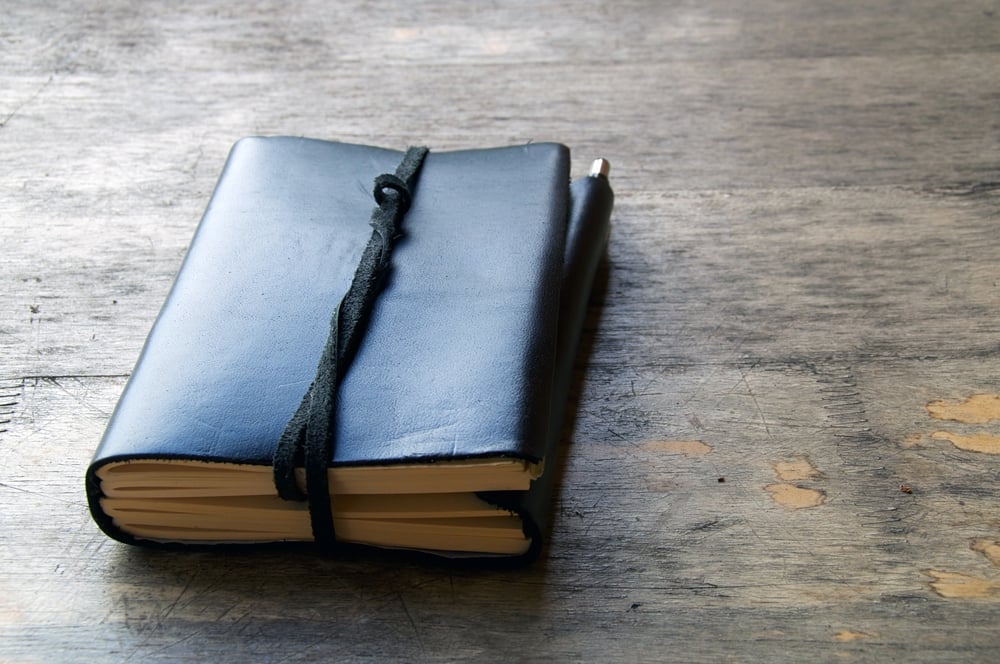
Book straps did one job, and leather did it better than any bag ever managed. A strap looped through a stack of textbooks, buckled tight, and the whole bundle swung from a shoulder like a rifle nobody thought twice about carrying to school.
Buckles corroded, leather cracked at the fold, and most straps got tossed the second a real satchel came along. Collectors want the ones with the leather still supple and the buckle unfrozen, since a stiff strap is just a belt nobody can wear.
Big Chief Writing Tablets
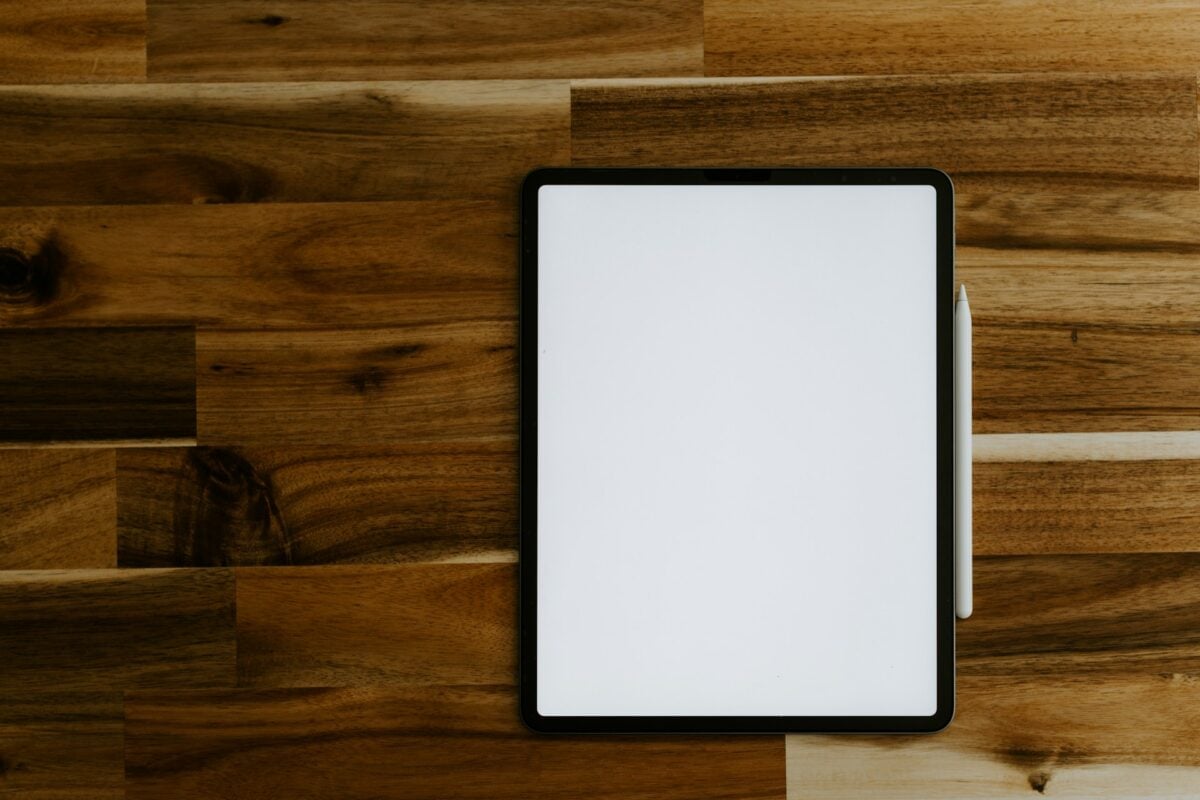
Big Chief tablets carried that cartoon chief on the cover for decades, feathered headdress rendered in a style nobody would greenlight today, and the newsprint paper inside was rough enough that a soft pencil practically dragged instead of glided — which sounds like a flaw until you remember that’s exactly what taught a six-year-old to press down hard enough to leave a mark that mattered. So the paper yellowed fast, sometimes within a single school year, and that speed is oddly part of the appeal now: a tablet that aged on schedule feels more honest than one that somehow stayed white.
And a nearly-full tablet, most of its pages still blank and faintly ruled with that wide dotted middle line meant for looping cursive practice, tends to fetch more than a tablet used down to the staples, because emptiness here reads as potential nobody got around to using. Collectors want the cover intact and unbent above anything else: a torn corner or a missing chunk of that illustrated cover turns a decent find into just another stack of old paper nobody bid on.
Library Due Date Cards
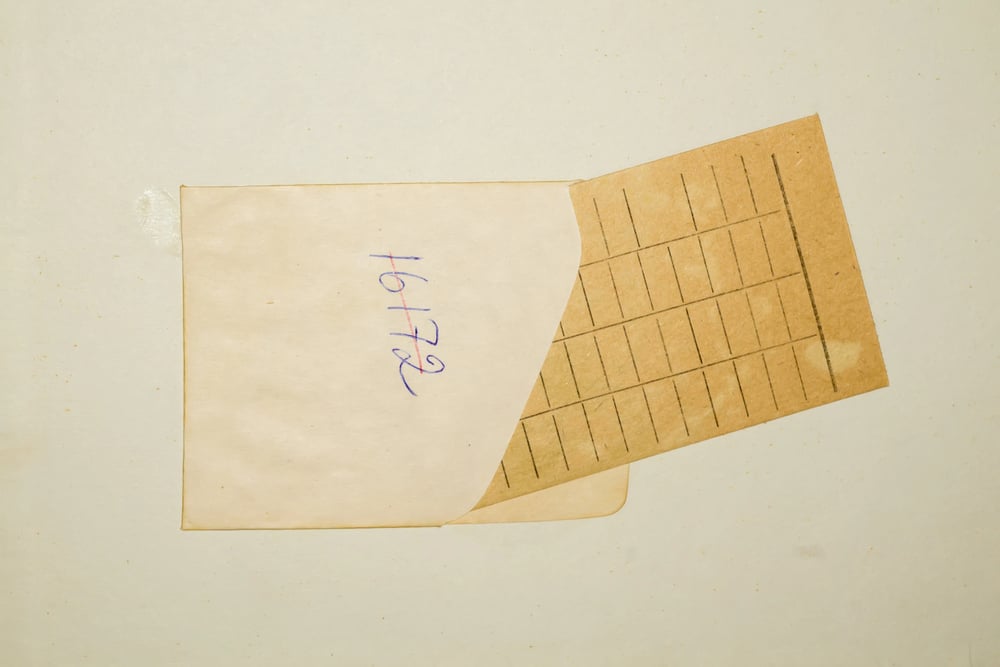
A due date card is the closest paper ever came to keeping a diary on someone else’s behalf, a little pocket glued inside the back cover logging every hand that borrowed a book before yours ever touched it. Names stacked in ballpoint and pencil, some stamped dates smudged past reading, others crisp enough to place a kid in a specific October decades gone — the card never explained anything, it just accumulated, patient the way a doorframe height chart is patient.
Librarians phased them out once barcodes took over, and something about that trade always felt a little cold, efficiency swapped in for evidence that a book had actually been loved by strangers in sequence. Collectors want the cards still tucked inside their original library-bound pockets, names intact, because a due date card floating loose is just a scrap, and one still married to its book is basically a guest register nobody meant to save.
The Drawer Where All This Lives
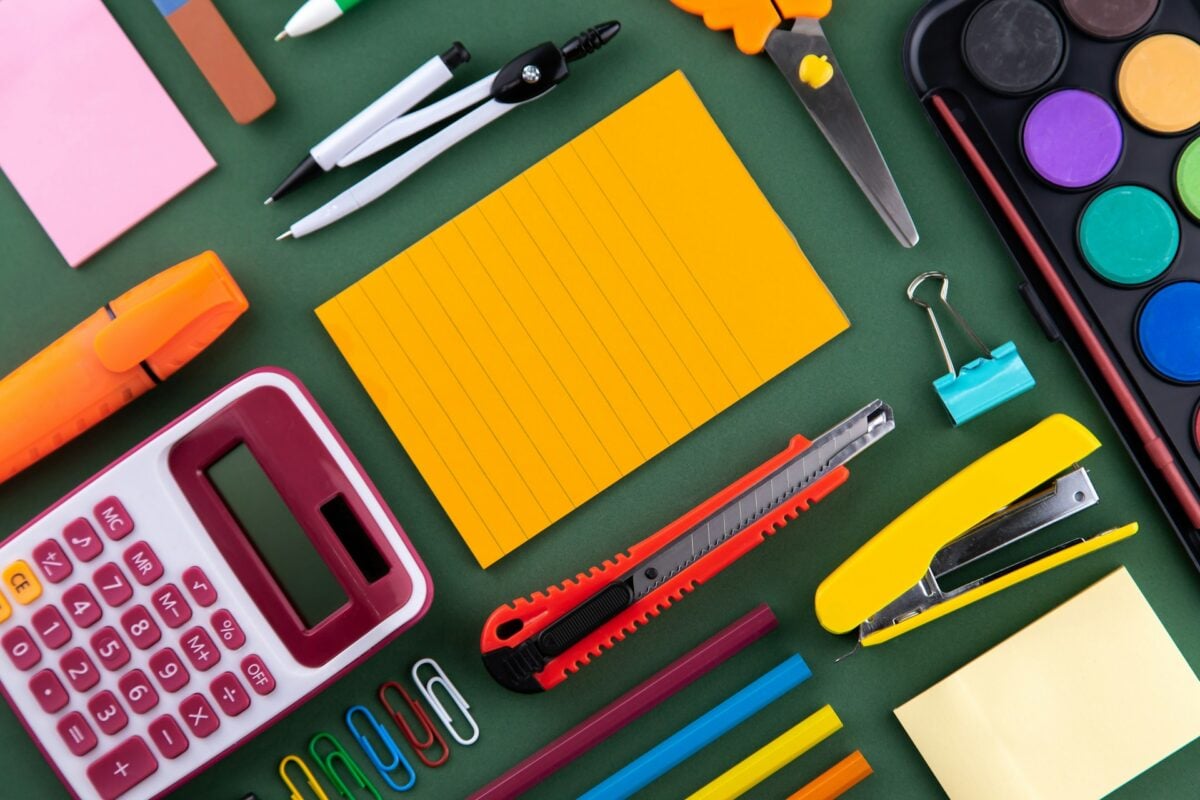
Nobody sets out to build a collection of school supplies. It happens sideways, usually, a Peechee folder pulled from a box of estate-sale junk or a slide rule spotted at a flea market table between old fishing lures and someone’s grandmother’s brooches — and before long there’s a shoebox, then a shelf, then a whole corner of a closet dedicated to things a classroom once considered disposable.
None of it was built to last: the paper yellowed on schedule, the plastic cracked at the hinge, the ink faded exactly the way ink is supposed to fade. And yet here it is, decades later, still smelling faintly of chalk dust and mimeograph fluid to anyone willing to lean in close enough to notice.
That’s really what collectors are chasing, more than the objects themselves: a version of a Tuesday afternoon that nobody thought to write down, preserved by accident in a folder cover or a due date card or a tablet nobody quite finished filling.
More from Go2Tutors!

- The Romanov Crown Jewels and Their Tragic Fate
- 13 Historical Mysteries That Science Still Can’t Solve
- Famous Hoaxes That Fooled the World for Years
- 15 Child Stars with Tragic Adult Lives
- 16 Famous Jewelry Pieces in History
Like Go2Tutors’s content? Follow us on MSN.



