29 Vinyl Records With Mismatched Labels Selling at a Premium
There’s a particular kind of madness that takes hold when you start noticing the small things. Not the music, not the cover art — the label.
That small paper circle pressed to the center of a record carries more information than most people bother to read, and when something about it doesn’t match what it should say, serious collectors sit up very straight.
Mismatched labels — records where the label on Side A belongs to a different pressing, a different country, or sometimes an entirely different record — are among the most contested and, paradoxically, most sought-after items in the vinyl market. Some are manufacturing errors that slipped through quality control.
Others are the result of plant mix-ups, test pressing chaos, or deliberate experimentation. All of them sell for more than they probably should, and the people buying them have no regrets whatsoever.
The Beatles’ “Please Please Me” With Parlophone Misprint

The Beatles’ “Please Please Me” With Parlophone Misprint The first UK pressing of Please Please Me on Parlophone is already worth serious money in its standard form. But copies that surface with a label misprint — specifically where the publishing credit on one side shows an incorrect catalog reference inconsistent with the standard black and gold label run — carry a premium that makes regular collectors wince.
It’s a small error. Nobody outside of a dedicated Beatles pressing guide would catch it on first glance, and yet the market treats it like a found artifact from a parallel timeline.
Bob Dylan’s “Highway 61 Revisited” Two-Eye Columbia Variant
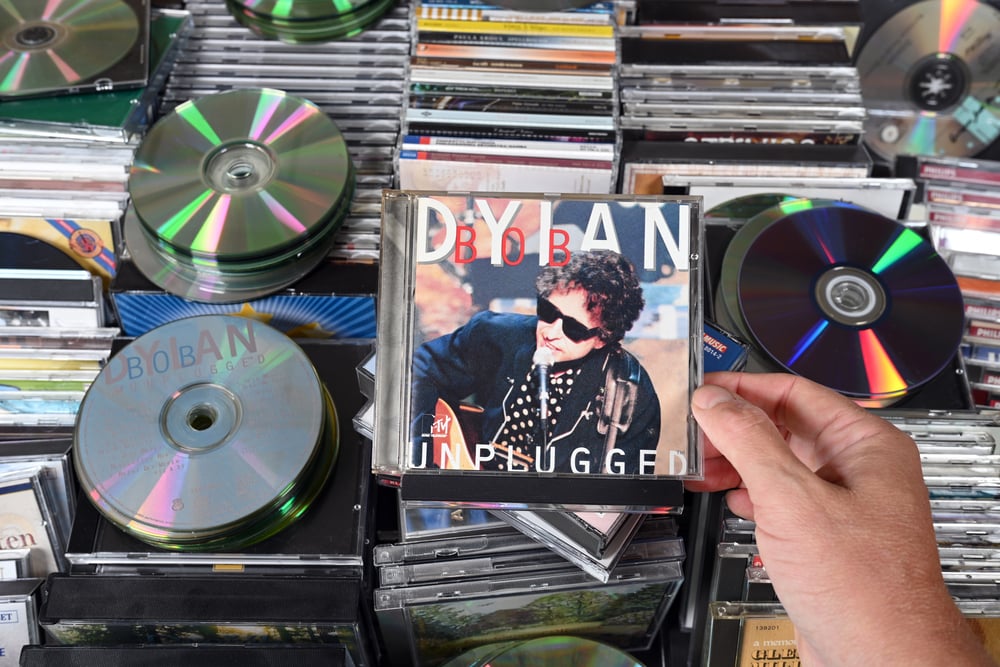
Bob Dylan’s “Highway 61 Revisited” Two-Eye Columbia Variant Columbia Records pressed vinyl at multiple plants, and the so-called “two-eye” label — featuring two small circular eyes in the Columbia logo — is considered the gold standard for early Dylan pressings from the 1962-65 period. When a copy surfaces with one side carrying a two-eye label and the other bearing the later “360 Sound” label, you have a genuine mismatch born of factory crossover during a label transition period.
Those hybrid copies sell at a significant premium over clean 360 Sound pressings, because collectors treat the two-eye side as the dominant qualifier — and to be fair, they’re not entirely wrong.
The Velvet Underground & Nico’s Banana Pressing
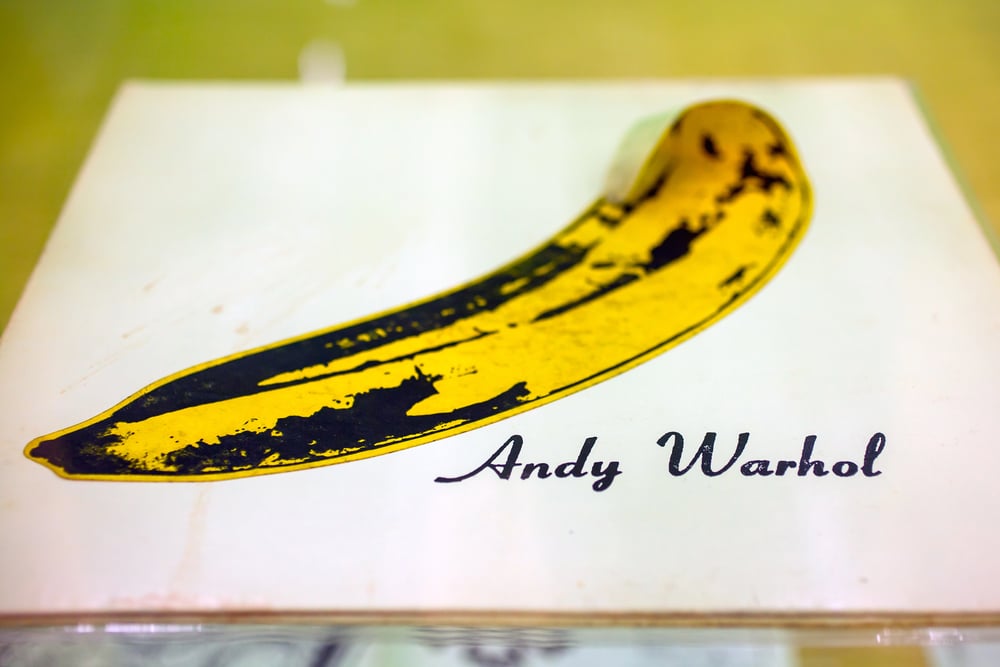
The Velvet Underground & Nico’s Banana Pressing The original Verve pressing of The Velvet Underground & Nico is already a battlefield of variants, but mismatched label copies — where one side carries the correct Verve catalog number and the other shows a stamper code inconsistent with that run — appear at auction with unsettling regularity. What makes this particular record so susceptible to label chaos is the sheer volume of test pressings and promotional copies that circulated before the commercial release, many of which mixed components from different stages of production.
You end up with a record that tells two different stories depending on which side you’re reading.
Led Zeppelin’s “Led Zeppelin IV” Atlantic Mispress
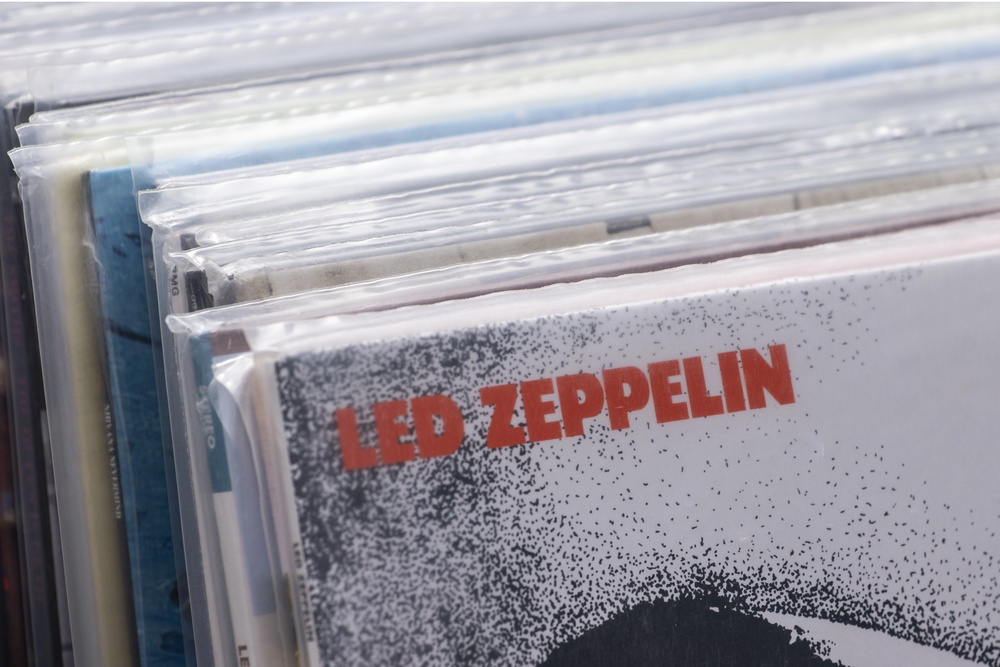
Led Zeppelin’s “Led Zeppelin IV” Atlantic Mispress Led Zeppelin IV was pressed in staggering quantities, and Atlantic’s pressing plants were not always running at their most organized. Copies with a label from an entirely different Atlantic release affixed to one side — sometimes a completely unrelated artist — have been documented, and they sell for well above standard first pressing prices not because the music sounds different, but because the error itself is the artifact.
The mispress becomes the point.
The Jimi Hendrix Experience “Are You Experienced” Track Label Error
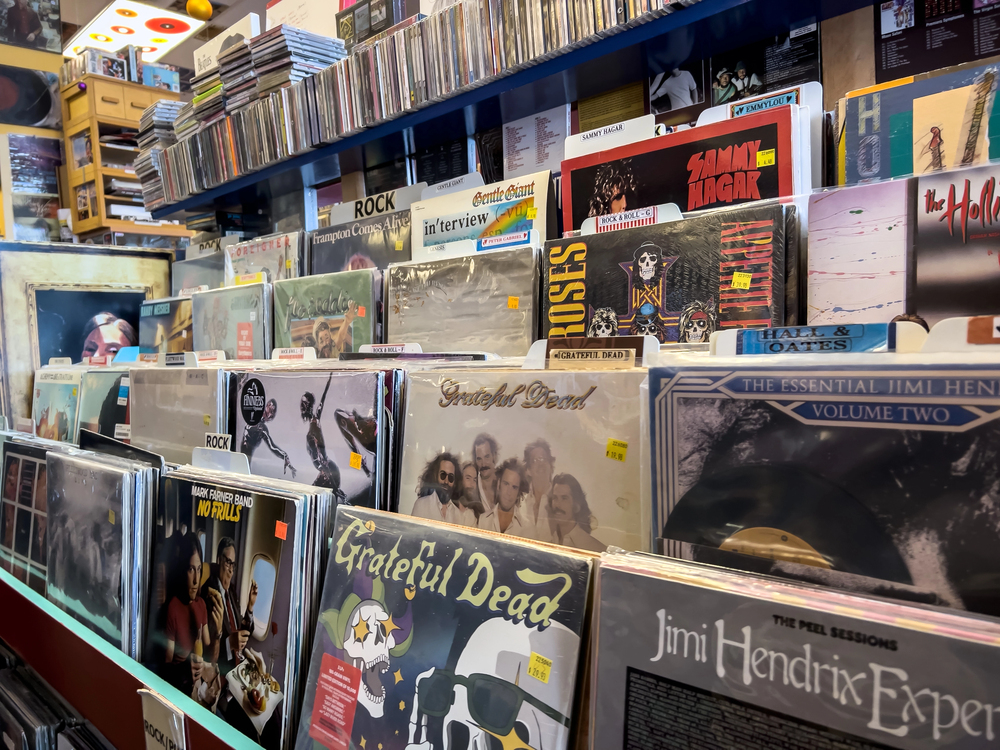
The Jimi Hendrix Experience “Are You Experienced” Track Label Error The UK original on Track Records carries a very specific label layout, and copies where the label typography or catalog detail on one side deviates from the standard Track format — sometimes showing elements more consistent with a later Polydor pressing — are documented mismatches that collectors actively hunt. Track Records was a small operation, and its quality control reflected that, which is saying something given that the label was home to some of the most technically ambitious records of the late 1960s.
The sloppiness, as it turns out, is part of the charm.
The Rolling Stones’ “Exile on Main St.” With London Records Mismatch
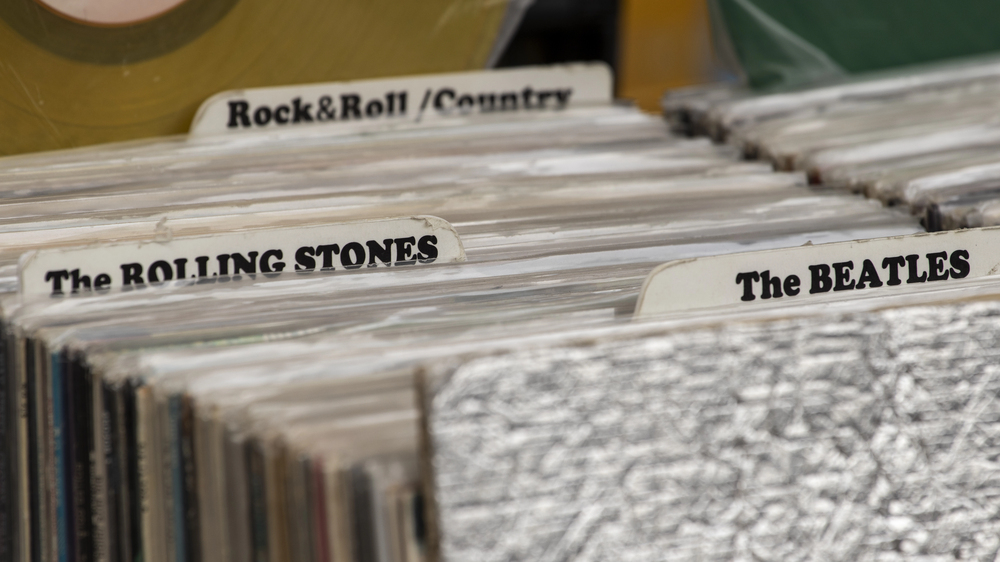
The Rolling Stones’ “Exile on Main St.” With London Records Mismatch Exile on Main St. was pressed across multiple plants simultaneously to meet demand, and the label situation on some copies reflects that frantic production schedule in ways immediately visible to anyone who knows what they’re looking at. Copies where one side’s label carries a pressing plant identifier that contradicts the other side’s identifier — a direct sign that the two sides of the same record were pressed at different facilities — show up at record fairs with price tags that reflect their curiosity value as much as their sonic quality.
Pink Floyd’s “The Piper at the Gates of Dawn” Columbia Misprint
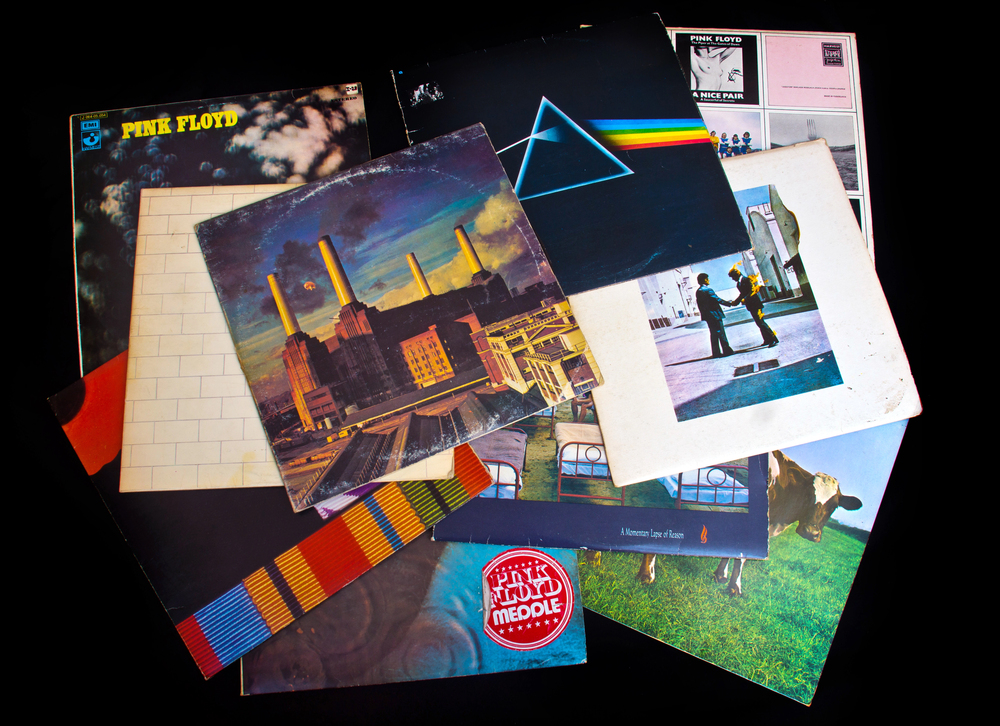
Pink Floyd’s “The Piper at the Gates of Dawn” Columbia Misprint The original UK pressing on Columbia carries the black and gold label, but copies that surface with one side showing label text inconsistent with the standard matrix information — sometimes reflecting a catalog numbering error that Columbia corrected mid-run — are among the most discussed Pink Floyd variants in collector circles. The mismatch is subtle enough that a casual buyer might miss it entirely, but for someone who has spent years with pressing guides and loupe magnifiers, it registers immediately: a small paper anomaly attached to a record that already sells for thousands of dollars in correct form.
David Bowie’s “Ziggy Stardust” RCA Pressing Variant

David Bowie’s “Ziggy Stardust” RCA Pressing Variant The RCA pressings of The Rise and Fall of Ziggy Stardust and the Spiders from Mars went through multiple label design iterations during the early 1970s, and copies where the two sides carry labels from different design generations — one showing the orange RCA label and the other the tan variation — have been verified and catalogued by Bowie discographers. These aren’t counterfeits.
They’re genuine factory outputs from a period when RCA’s pressing operations were transitioning between label designs and not always ensuring both sides of a record matched before they shipped.
The Who’s “My Generation” Brunswick Mispress

The Who’s “My Generation” Brunswick Mispress The original UK Brunswick pressing of My Generation is a collector’s grail in standard form, and mismatched label copies — where the label on one side shows inconsistent matrix text relative to the other — are treated with the same reverence as legitimate variations rather than factory mistakes. Brunswick’s pressing quality in general was variable enough that these kinds of errors were not especially rare, and yet each confirmed mismatched copy sells as though it were unique.
The market decides what’s precious, and the market has decided.
Marvin Gaye’s “What’s Going On” Tamla Misprint
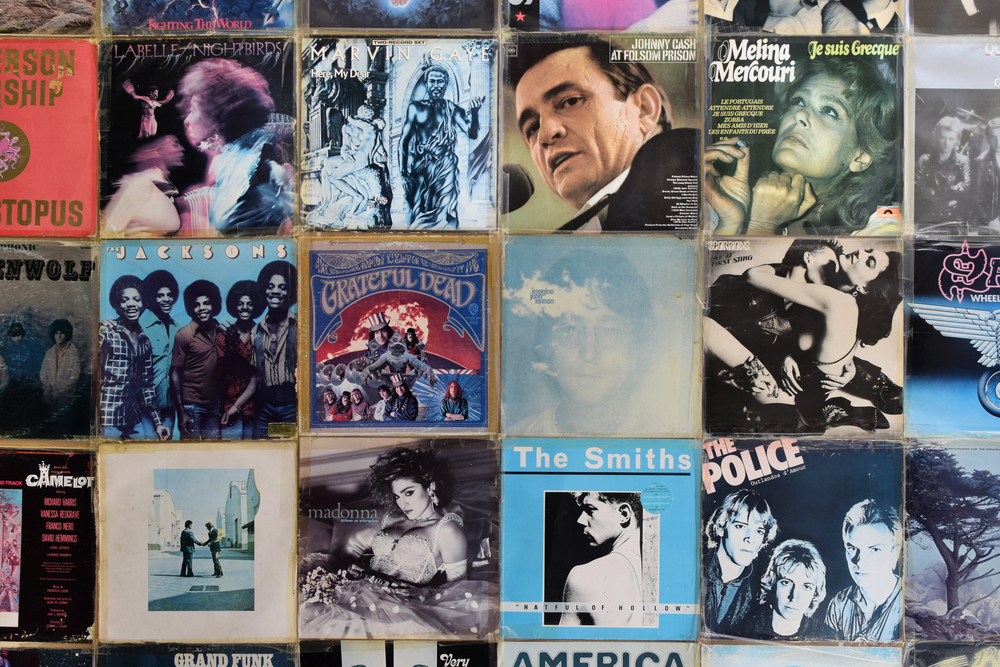
Marvin Gaye’s “What’s Going On” Tamla Misprint Motown’s Tamla imprint pressed What’s Going On in large quantities, and documented copies with a label that carries incorrect side identification — Side 1 content listed on a label that reads “Side 2” — create a kind of factual inversion that collectors find irresistible. The music is the same.
The label is wrong. And somehow that wrongness, sitting there in plain sight at the center of a record widely considered one of the greatest ever made, makes the whole thing feel like a more interesting object.
That’s a strange kind of logic, and it works completely.
Fleetwood Mac’s “Rumours” Warner Bros. Test Pressing Hybrid
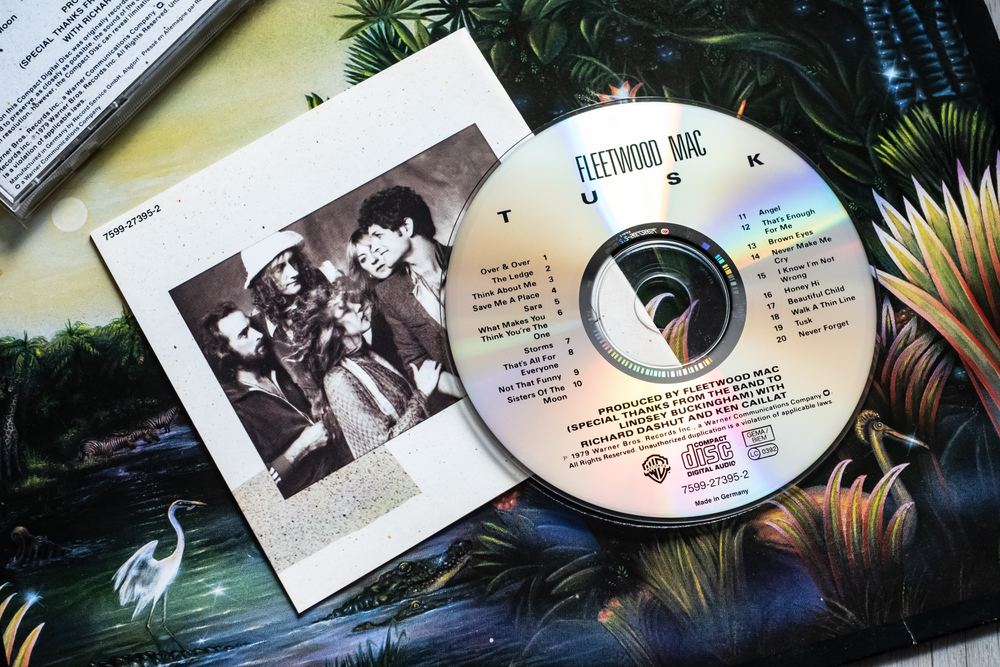
Fleetwood Mac’s “Rumours” Warner Bros. Test Pressing Hybrid Rumours test pressings occasionally surface with labels that don’t match the final commercial release specifications — sometimes carrying a plain white label on one side and a standard Warner Bros. commercial label on the other, indicating the copy was assembled from components at different stages of the approval process. These hybrids occupy an odd space between test pressing and commercial release, and their value reflects that ambiguity: too finished to be a pure test pressing, too inconsistent to be a standard commercial copy.
Collectors who specialize in Fleetwood Mac pressings treat them as their own distinct category.
The Clash’s “London Calling” CBS Mismatched Catalog

The Clash’s “London Calling” CBS Mismatched Catalog London Calling was a double album pressed under some urgency, and copies that have surfaced with the CBS label on one disc carrying catalog information that references the wrong record in the sequence are documented errors from the original UK run. A double album is twice the opportunity for a label mismatch, and the original pressing of London Calling took advantage of that opportunity.
The mismatch doesn’t affect playback in any way, but it does make the copy considerably harder to find and considerably easier to sell at a premium.
Aretha Franklin’s “I Never Loved a Man the Way I Love You” Atlantic Label Error
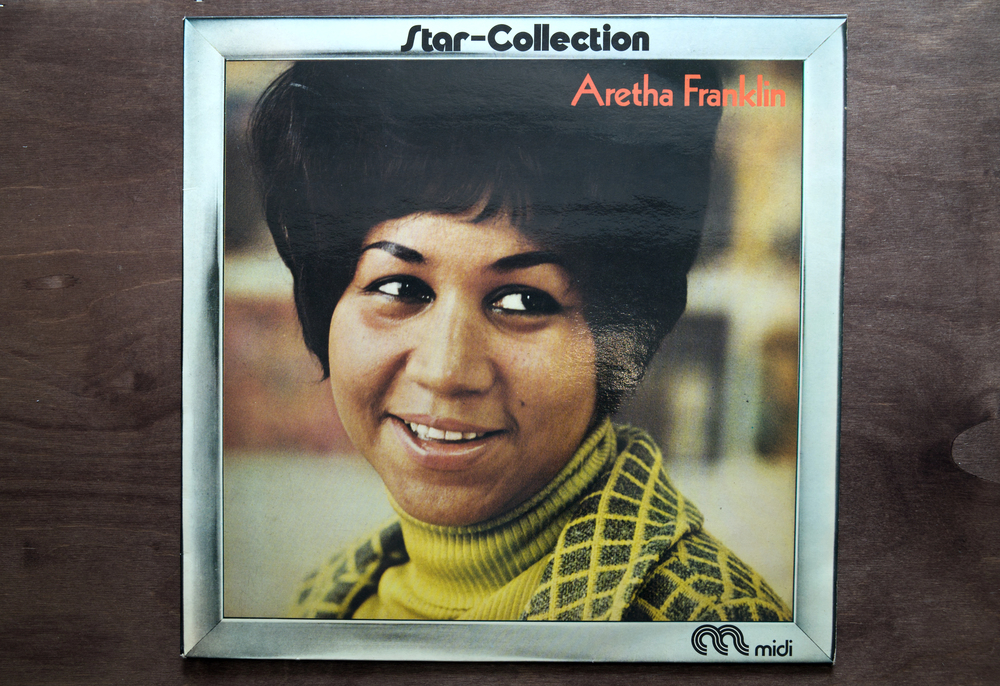
Aretha Franklin’s “I Never Loved a Man the Way I Love You” Atlantic Label Error The original Atlantic pressing of Aretha Franklin’s debut for the label carries a very specific orange and green label design, and copies where one side’s label shows text spacing or catalog formatting inconsistent with the standard run — small variations that point to a labeling error during pressing — have been documented by Atlantic discographers. Franklin’s Atlantic catalog is among the most carefully studied in soul music collecting, which means deviations from the standard get noticed fast and priced accordingly.
The Doors’ “Strange Days” Elektra Mispress

The Doors’ “Strange Days” Elektra Mispress Elektra Records in the late 1960s was operating with the enthusiasm of a label that had suddenly found itself at the center of something culturally significant, and its quality control occasionally reflected that distraction. Copies of Strange Days with a label on one side carrying matrix information inconsistent with the standard Elektra pressing sequence have appeared at auction, and the documentation on these is solid enough that serious collectors treat them as legitimate variants rather than anomalies to be dismissed.
Elektra’s butterfly logo label, misapplied or otherwise, carries real weight in the market.
Neil Young’s “Harvest” Reprise Pressing Error

Neil Young’s “Harvest” Reprise Pressing Error Harvest was pressed by Reprise in significant quantities in 1972, and copies where one side’s label carries a matrix identifier that corresponds to a different Neil Young release rather than Harvest itself represent a plant-level error that slipped through final inspection. The error is specific — not just a typo, but a label apparently pulled from the wrong stack during pressing — and the copies that have been authenticated sell for multiples of what a standard Harvest first pressing commands.
Which is already not cheap.
Joni Mitchell’s “Blue” Reprise Mismatched Label

Joni Mitchell’s “Blue” Reprise Mismatched Label Blue shares a label home with Harvest, which may explain why a documented category of mispress exists where one side of a Blue pressing carries a Reprise label with information more consistent with a contemporaneous Neil Young release than with Mitchell’s record. The two artists were on the same label, pressed at the same plants, at roughly the same time — the conditions for exactly this kind of confusion were present.
The result is a record that tells you something about the operational reality of Reprise’s pressing operation in 1971, and collectors are willing to pay for that information.
The Beach Boys’ “Pet Sounds” Capitol Stereo Mispress
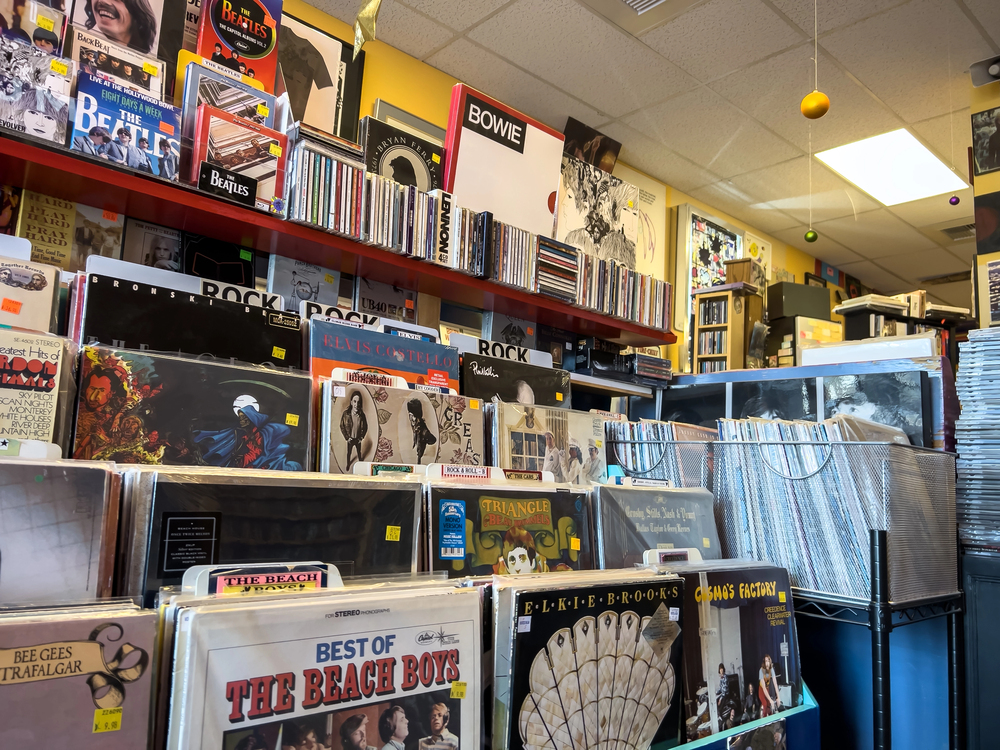
The Beach Boys’ “Pet Sounds” Capitol Stereo Mispress The stereo pressing of Pet Sounds on Capitol is already a debated topic — the stereo mix is considered inferior by many purists — but copies where the label on one side identifies the pressing as the mono version while the other correctly identifies it as stereo represent a documented category of Capitol pressing error. Capitol’s quality control in the mid-1960s was producing so much product across so many artists that these cross-label errors were, if not common, at least not shocking.
The misidentification on the label creates a record that technically lies to you about what it contains, which collectors find fascinating rather than off-putting.
Chuck Berry’s “After School Session” Chess Records Variant
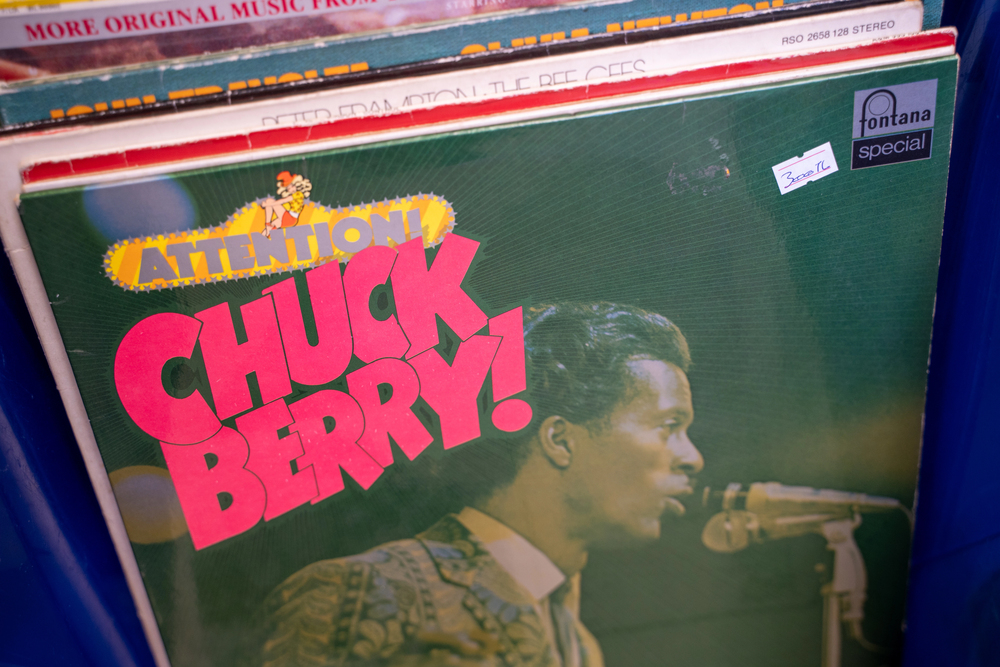
Chuck Berry’s “After School Session” Chess Records Variant Chess Records operated out of Chicago with a directness that extended to its pressing operation, and the original Chess pressings of Chuck Berry’s debut album carry label variations — including documented copies where one side’s label carries Chess catalog information inconsistent with the standard pressing sequence — that point to the early years of the label’s operation. Chess pressings from this era are already expensive and hard to authenticate correctly, and a documented mismatched label copy adds a layer of rarity on top of rarity.
The market for early Chess variants is small, focused, and not particularly willing to share its knowledge with newcomers.
Stevie Wonder’s “Innervisions” Tamla Misprint

Stevie Wonder’s “Innervisions” Tamla Misprint Tamla pressed Innervisions in 1973 during a period when Motown’s distribution arrangements were shifting, and copies that surface with one side carrying a label that reflects the earlier Tamla catalog format rather than the updated version used during the Innervisions run are documented production errors. The mismatch is visible to anyone familiar with how Tamla label designs evolved across that period, and it places the copy in an interesting position: not quite of its era, not quite out of it, a record that appears to belong to two different moments in Tamla’s history simultaneously.
The Stooges’ “Fun House” Elektra Mispress

The Stooges’ “Fun House” Elektra Mispress Fun House is a record that sounds like it was made by people who had decided quality control was someone else’s problem, so it’s almost fitting that pressing errors exist. Copies with a label on one side that carries Elektra catalog information corresponding to a different release in the Elektra catalog — not Fun House — have been documented, and they sell at premiums that reflect both the record’s canonical status and the specific rarity of the confirmed mispress variant.
The Stooges fan base is devoted in a way that makes standard collector behaviour look casual.
Kraftwerk’s “Autobahn” Vertigo Label Variant

Kraftwerk’s “Autobahn” Vertigo Label Variant The original UK pressing of Autobahn on Vertigo carries the swirl label design that Vertigo used for its prestige releases, and copies where the swirl label appears on one side while the other carries a later, non-swirl Vertigo label design represent a transition-period pressing error — the label design was changing, and the plant didn’t always ensure both sides of a record matched. Vertigo swirl pressings command significant premiums across nearly every artist on the label, so a hybrid copy sits in an ambiguous but commercially interesting position: one side worth a premium, the other not, the whole thing worth more than either side alone.
Talking Heads’ “Remain in Light” Sire Records Mispress

Talking Heads’ “Remain in Light” Sire Records Mispress Remain in Light was released in 1980 on Sire, and documented copies exist where one side carries a Sire label with matrix information that corresponds to a different Sire release from the same period rather than to Remain in Light itself. The record was produced during a busy period for Sire — the label was managing a roster that included several high-demand releases simultaneously — and the plant-level confusion that produced the mispress reflects that pressure.
The error doesn’t diminish the record. It contextualizes it inside the reality of its own production.
Joy Division’s “Unknown Pleasures” Factory Records Misprint

Joy Division’s “Unknown Pleasures” Factory Records Misprint Factory Records ran its operation with a principled indifference to commercial norms, and its pressing quality was sometimes the casualty of that philosophy. Copies of Unknown Pleasures with label text on one side that deviates from the standard Factory FAC 10 catalog information — misprints in the label copy itself rather than the matrix — are documented and authenticated, and they sell at premiums that reflect both the record’s importance and the very specific appetite that exists for Factory Records variants.
Factory’s catalog has been studied obsessively for decades, which means even small deviations are known quantities in the collector market.
Patti Smith’s “Horses” Arista Pressing Error
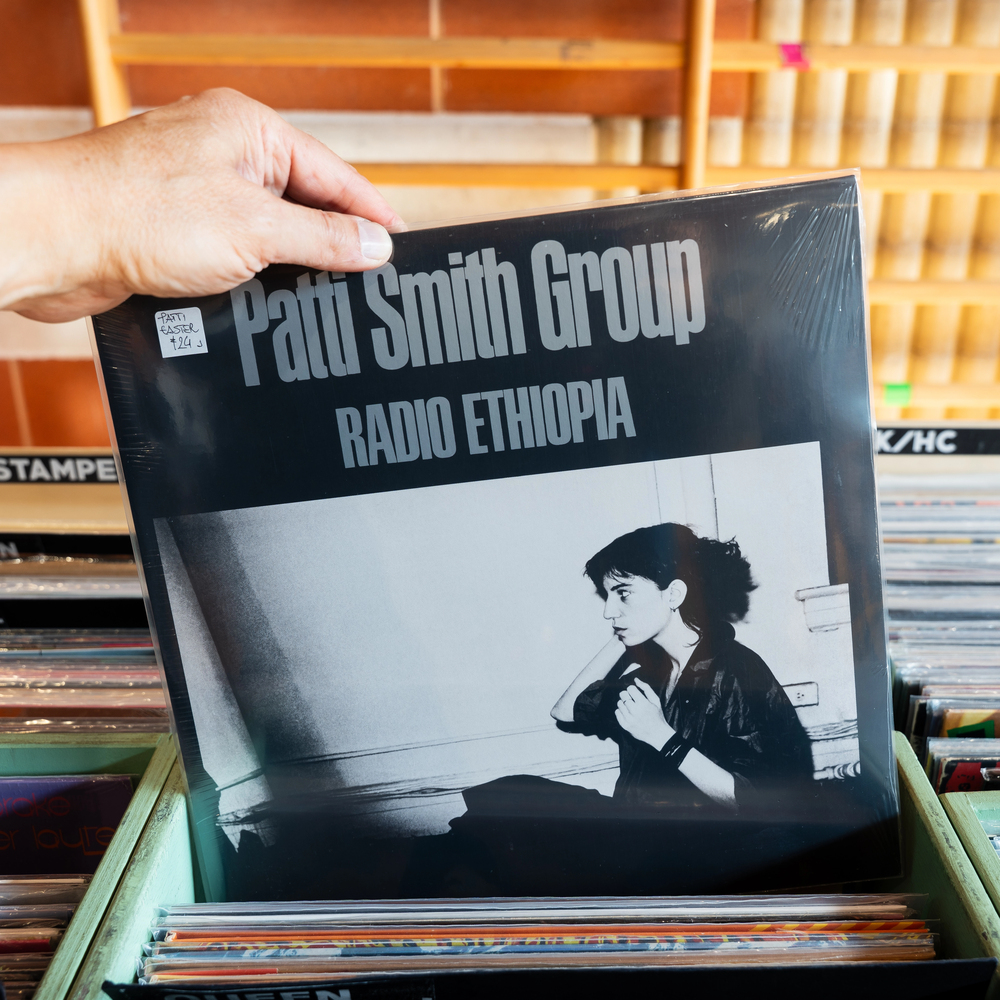
Patti Smith’s “Horses” Arista Pressing Error The original Arista pressing of Horses from 1975 carries a very clean, simple label design, and copies where the label on one side carries a matrix stamp inconsistent with the standard Arista pressing sequence for that release — pointing to a plant error in the labeling process — have been documented by Smith discographers. Horses has grown steadily in collector value over the decades, and any authenticated variant above the standard pressing commands a premium that reflects the record’s enduring critical standing as much as its rarity.
Television’s “Marquee Moon” Elektra Mismatched Side

Television’s “Marquee Moon” Elektra Mismatched Side Marquee Moon is one of the most carefully pressed records of the New York punk era — Elektra put real resources into the recording and production — which makes the existence of copies with mismatched labels slightly ironic. Documented copies with a label on one side carrying matrix information inconsistent with the standard Elektra pressing sell at multiples of the standard first pressing price, partly because the record is already expensive and partly because anything that deviates from what Marquee Moon is supposed to be attracts immediate collector attention.
Gram Parsons’ “GP” Reprise Label Error

Gram Parsons’ “GP” Reprise Label Error Gram Parsons’ solo debut on Reprise is a relatively obscure pressing in commercial terms — it didn’t sell especially well on release — which makes documented mismatched label copies genuinely rare rather than just variant-rare. Copies where one side carries a Reprise label with catalog information that doesn’t match the GP release sequence have been authenticated, and they sell in the specialized market for country-rock and Parsons-specific collecting at prices that would surprise anyone who dismissed the record as a commercial afterthought.
The obscurity of the original pressing makes the error variant harder to find and, paradoxically, easier to price high.
Captain Beefheart’s “Trout Mask Replica” Straight Records Mispress
Captain Beefheart’s “Trout Mask Replica” Straight Records Mispress Trout Mask Replica was released on Frank Zappa’s Straight Records label, and the pressing operation for the label was not exactly the most disciplined in the business. Copies with a label on one side carrying Straight Records information inconsistent with the standard Trout Mask catalog reference — sometimes showing information closer to another Straight or Bizarre Records release — are documented, and they sell to a collector base that treats the record’s entire production history as an extension of the music’s deliberate chaos.
The mispress, in context, feels almost intentional. It probably wasn’t.
Miles Davis’ “Kind of Blue” Columbia Six-Eye to Two-Eye Transition Mispress

Miles Davis’ “Kind of Blue” Columbia Six-Eye to Two-Eye Transition Mispress Kind of Blue was released in 1959, placing it squarely in the Columbia six-eye label era. The gold standard original pressing carries the six-eye label on both sides.
What makes certain copies particularly valuable to discographers is when one side carries the correct six-eye label — with its distinctive walking eye design — and the other bears an early two-eye label, indicating the record was assembled during the transition period between label designs that began around 1962, when Columbia moved to the two-eye format. These transition-period hybrids represent a pressing plant caught between two design eras and are among the most discussed Columbia variants in jazz collecting circles, where the label archaeology around Kind of Blue has been more exhaustively documented than almost any other record in existence.
What the Mispress Sells

None of the errors on this list change the music. The grooves are the grooves, and a label misprint on one side of Rumours doesn’t alter what Stevie Nicks sounds like at 33 rpm.
What the error sells is something else entirely — proof that a real, specific, imperfect human production process stood between the master tape and the vinyl that reached someone’s turntable. A mispress is accidental documentation of how these records were actually made, in real plants by real workers who occasionally pulled the wrong label from the wrong stack and didn’t notice before the pressing machine closed.
That’s what the collector is really paying for: not a mistake, but a moment. A label mismatch is evidence that this particular copy of a record touched the reality of its own manufacture in a way that the perfect copies simply didn’t.
The market for that kind of tangibility has never been stronger, which means the people who kept the weird ones — the ones that didn’t look quite right, the ones that got set aside rather than played — made, without knowing it, exactly the right call.
More from Go2Tutors!

- The Romanov Crown Jewels and Their Tragic Fate
- 13 Historical Mysteries That Science Still Can’t Solve
- Famous Hoaxes That Fooled the World for Years
- 15 Child Stars with Tragic Adult Lives
- 16 Famous Jewelry Pieces in History
Like Go2Tutors’s content? Follow us on MSN.