30 Cruise Tips from Passengers Who Have Sailed More Than 50 Times
There’s something magical about watching someone navigate their fiftieth cruise with the quiet confidence of a person who has figured out the system. They don’t rush to the buffet on the first day.
They pack differently. They know which deck chairs actually stay shaded and which elevator banks move fastest during dinner rush.
These are the passengers who’ve learned through repetition what works and what doesn’t in a floating city. They’ve weathered rough seas, dealt with cabin issues, and discovered shortcuts that aren’t written in any brochure.
Their wisdom comes not from guidebooks but from real experience — the kind you only get by doing something dozens of times until the patterns become clear.
Book Interior Cabins for Port-Heavy Itineraries
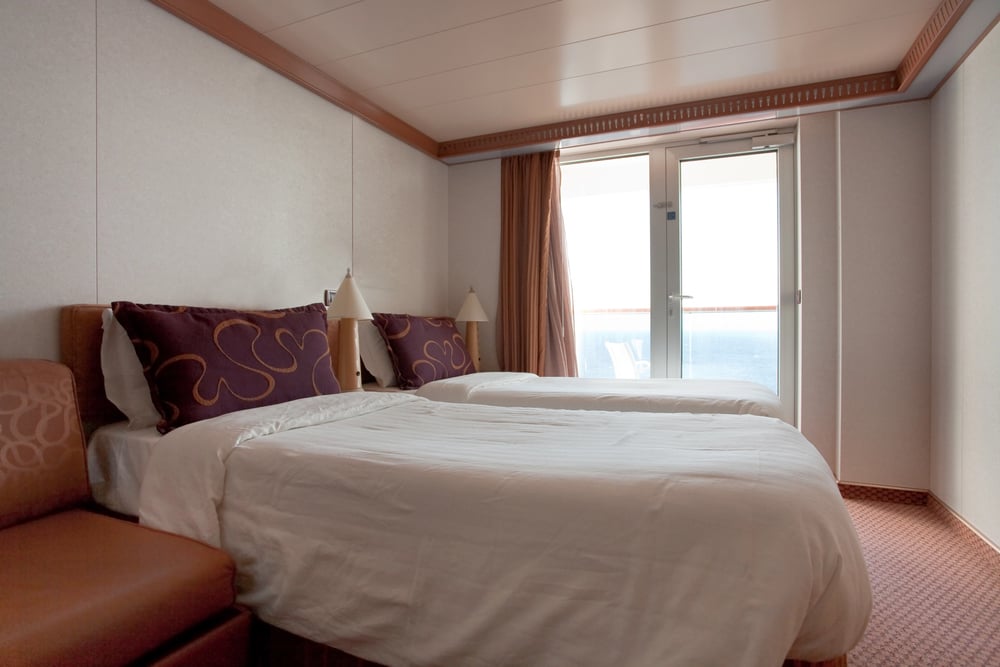
Skip the balcony if you’re hitting five ports in seven days. You won’t be in the room enough to justify the extra cost.
Interior cabins on modern ships aren’t the dark caves people imagine — they’re perfectly functional spaces that let you spend money on shore excursions instead of a view you’ll barely see.
Pack a Small Cooler Bag
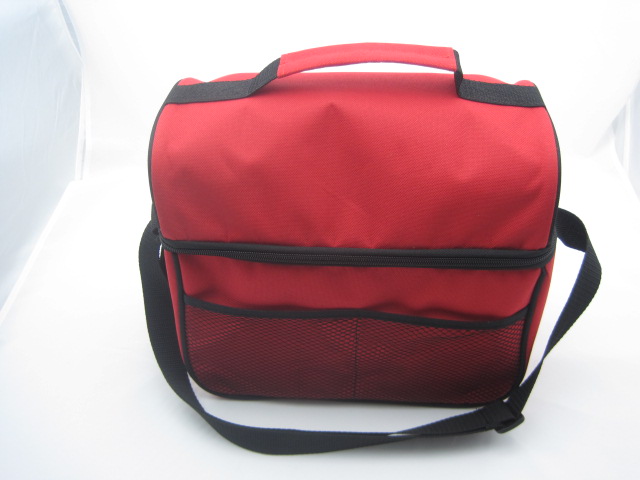
Most cruise lines let you bring a small soft-sided cooler onboard. Fill it with water bottles, snacks, and any medications that need to stay cool.
The markup on bottled water alone makes this worth the luggage space.
Download the Ship’s App Before You Board

The app becomes your lifeline once you’re onboard — it’s how you make dining reservations, check daily schedules, and sometimes even unlock your cabin door. Download it while you still have reliable internet and create your account ahead of time, because the ship’s wifi (even when you pay for it) can be frustratingly slow for anything beyond basic browsing, and trying to set up an account while everyone else is doing the same thing during embarkation is an exercise in patience that most people fail.
Bring a Power Strip
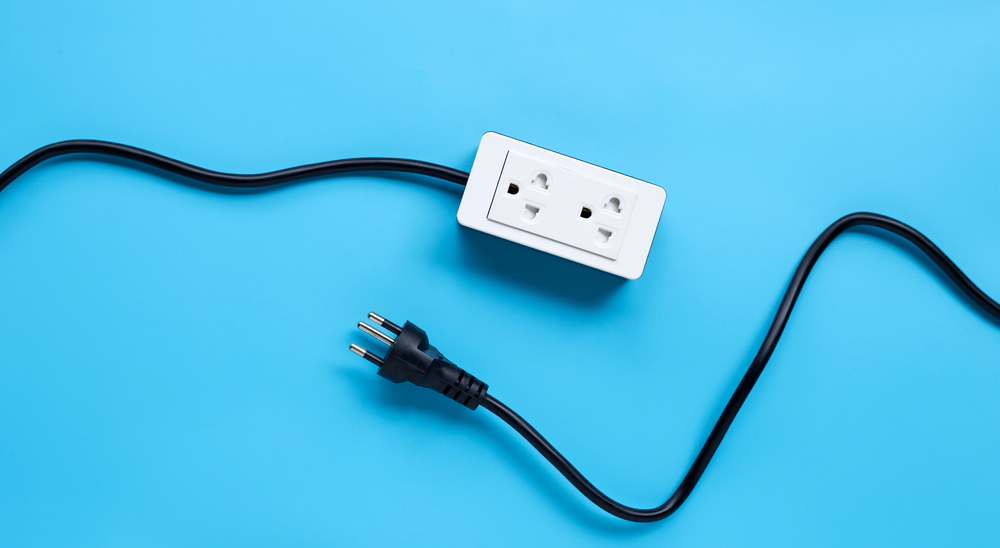
Cruise cabins are notorious for having exactly two outlets in inconvenient locations. A small power strip turns one outlet into four and lets you charge devices from the nightstand instead of the bathroom counter.
Skip the First Formal Night if You’re Traveling Light

The dining room serves the same menu in the buffet on formal nights. If you don’t want to pack dress clothes, you can still eat well without the jacket and tie requirement. Most people don’t realize this option exists.
Learn the Elevator Strategy
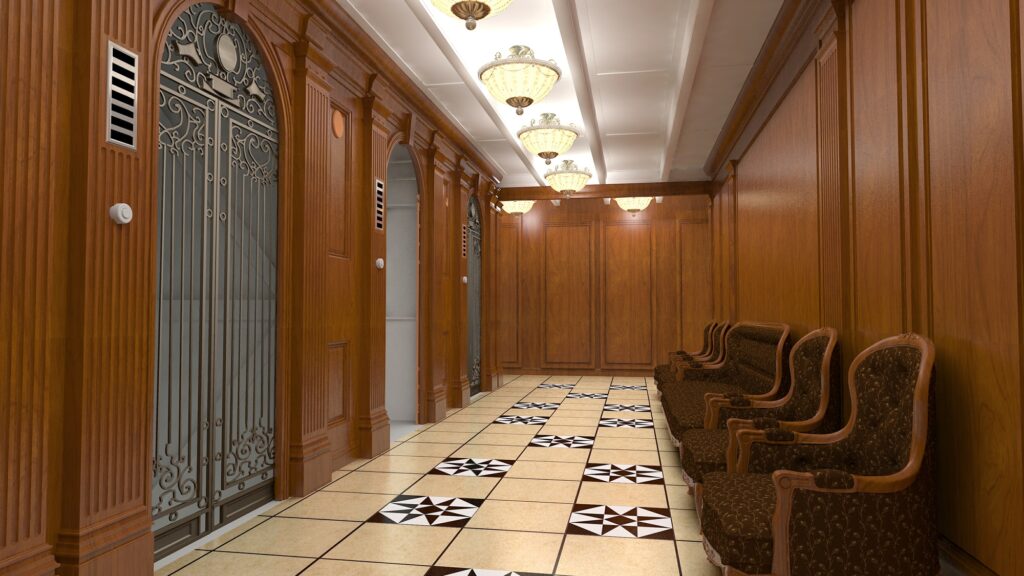
Here’s something that matters more than it should: elevators on cruise ships follow predictable patterns, and understanding these patterns can save you genuine frustration during peak hours (which, on a ship carrying 3,000 people, means most hours). The elevators that serve the buffet deck get slammed around meal times — so if you’re trying to get from deck 5 to deck 12 at 7 PM, you’ll wait forever if you use the main elevator bank.
But the elevators near the back of the ship, or the ones that serve the spa and specialty restaurants, often run nearly empty even during dinner rush. And here’s the thing most people miss: some elevator banks only serve certain decks, while others are express to specific floors.
Learn your ship’s elevator map on day one, because the time you save over a week adds up to hours you can spend doing something more interesting than staring at closed elevator doors.
Book Specialty Restaurants on Port Days
Everyone eats at specialty restaurants on sea days, making reservations scarce and service rushed. Book your special dinner for a port day when half the ship is still exploring towns.
You’ll get better service and a more relaxed atmosphere.
Pack Magnetic Hooks
Cruise cabin walls are metal, and magnetic hooks stick perfectly. Bring several strong ones to hang clothes, bags, or towels.
The extra storage space makes a small cabin feel much more livable.
Arrive at Your Departure Port the Day Before
Flight delays happen, but cruise ships leave on schedule whether you’re onboard or not. Spending one night in a hotel near the port is insurance against missing your entire vacation because of a two-hour flight delay.
Choose Sea Days for Spa Treatments
Spa prices drop significantly on sea days when there’s more competition for passengers’ time and attention (because let’s face it, when you’re docked in Santorini, nobody’s thinking about getting a massage). Port days mean the spa competes with ancient ruins and local markets — sea days mean they’re competing with deck chairs and pool games, which suddenly makes that $120 facial seem reasonable.
Plus the ship’s movement on open water actually enhances some treatments; there’s something unexpectedly soothing about a massage while gentle waves rock the ship, though anyone prone to motion sensitivity might want to reconsider this timing. The spa staff knows their business slows during port calls, so they often run promotions or package deals that only get advertised onboard — never on the website.
Eat Lunch at Specialty Restaurants
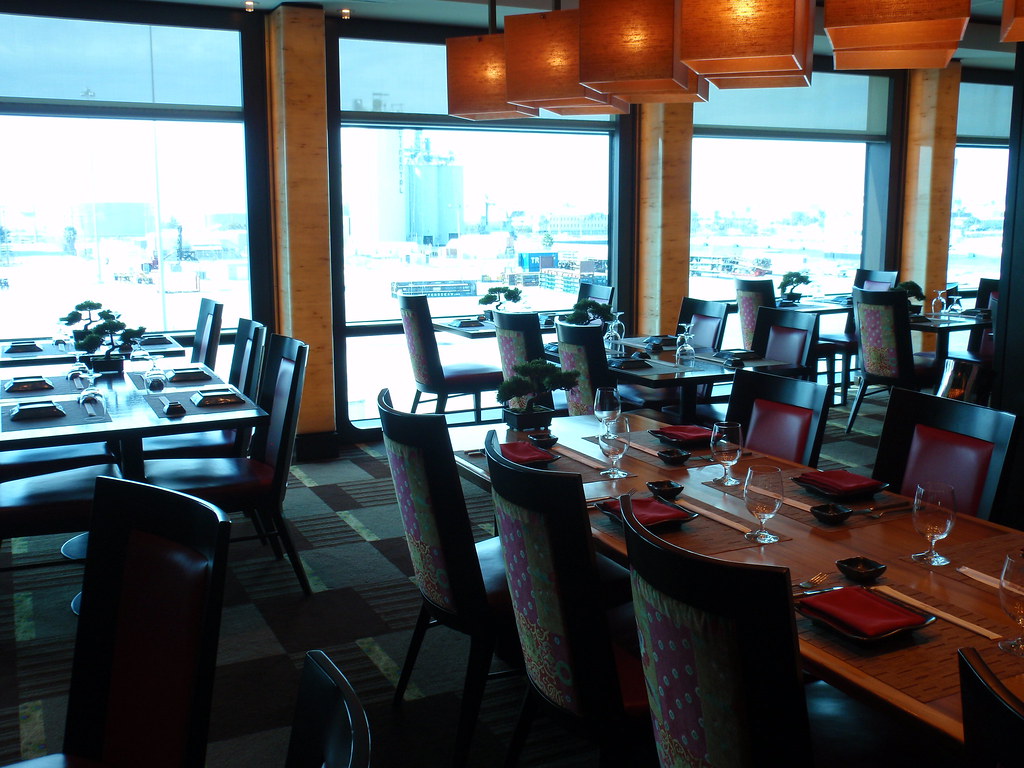
Specialty restaurants often serve lunch at a fraction of dinner prices. The steakhouse that charges $65 for dinner might offer a $25 lunch menu with similar quality.
It’s the same kitchen, same ingredients, different time of day.
Bring Your Own Tumbler

Ships charge premium prices for drinks, but they typically allow you to bring a personal tumbler or water bottle onboard. Fill it with ice water, coffee, or any beverage you’re entitled to with your drink package.
Book Shore Excursions Through Third Parties

The ship’s excursions cost twice what you’ll pay for identical tours booked independently. Research local tour companies at each port and book directly.
Just leave yourself extra time to get back to the ship.
Request a Cabin Away from High-Traffic Areas
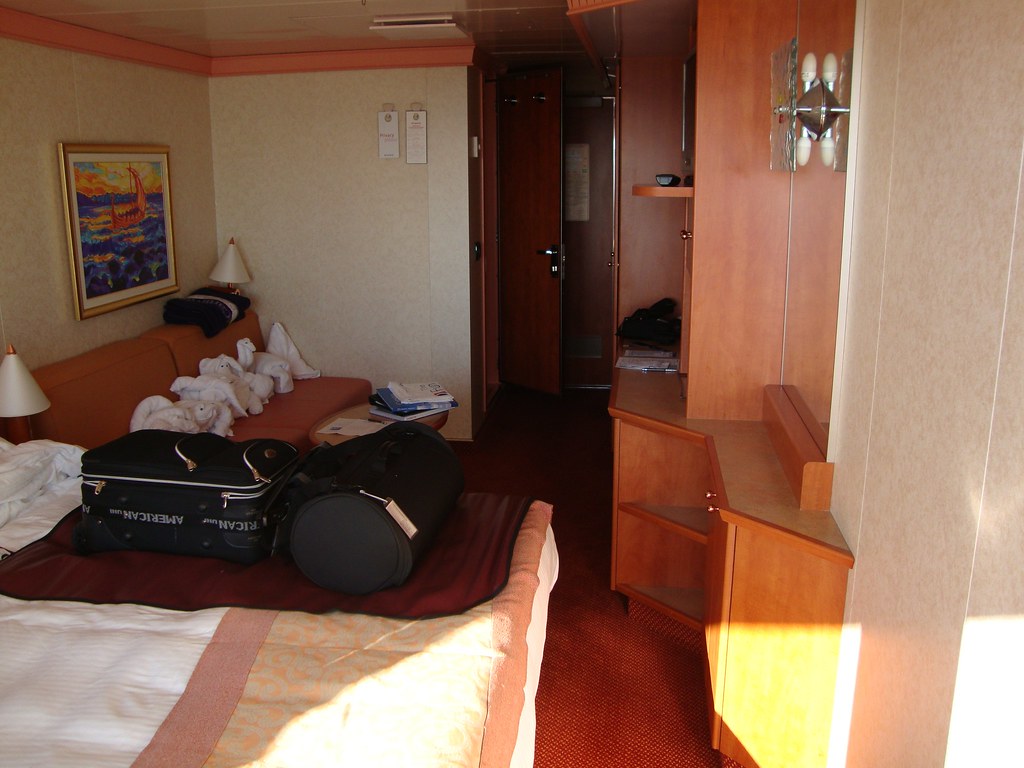
Cabins near elevators, stairs, or the buffet entrance deal with constant foot traffic and door slamming. When booking, ask for a cabin mid-ship and away from public areas.
The difference in noise level is dramatic.
Understand Drink Package Mathematics
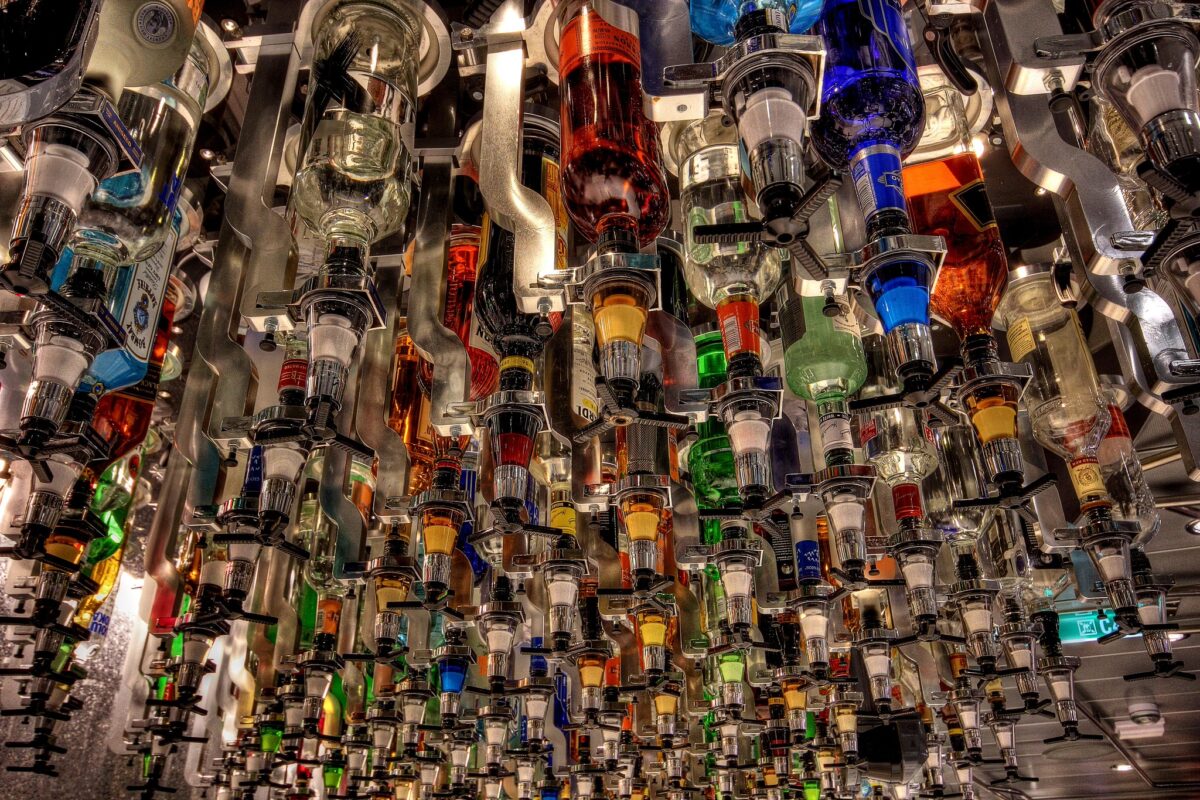
Drink packages only make financial sense if you’re having at least six to eight drinks per day, depending on the package price and average drink cost, which sounds straightforward until you realize that “drinks” includes everything from $3 sodas to $15 specialty cocktails — and the math changes completely based on what you actually order. Most people overestimate how much they’ll drink on vacation, especially when they’re spending half their time off the ship exploring ports where the package doesn’t work anyway.
But here’s what cruise lines won’t tell you: the break-even point assumes you’re ordering the most expensive drinks available, and if you’re someone who drinks beer and wine rather than top-shelf liquor, you’d have to consume an unrealistic amount to make the package worthwhile. Do the actual math based on your real drinking habits, not your vacation aspirations.
Pack Clothes for Two Extra Days
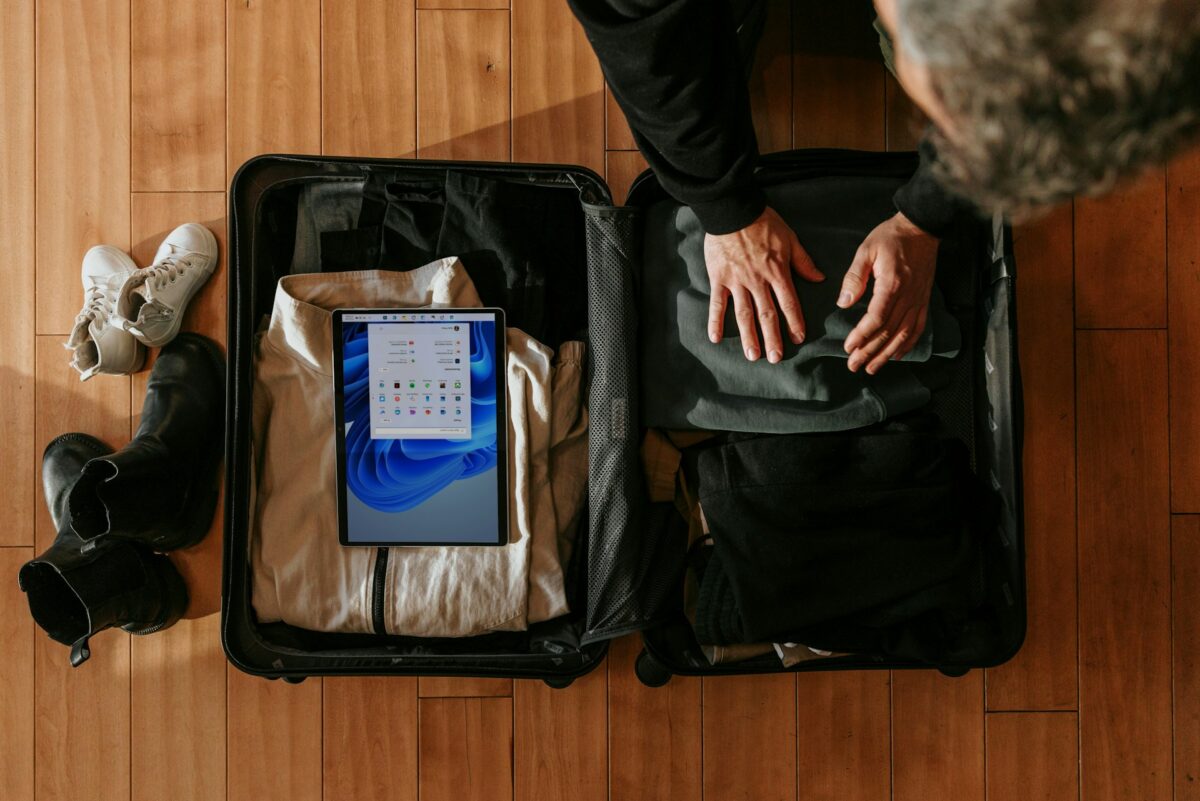
Luggage gets delayed, laundry services are expensive, and cruise casual dress codes are stricter than you think. Pack as if your trip is two days longer than it actually is.
The peace of mind is worth the extra suitcase space.
Learn Tender Boat Timing
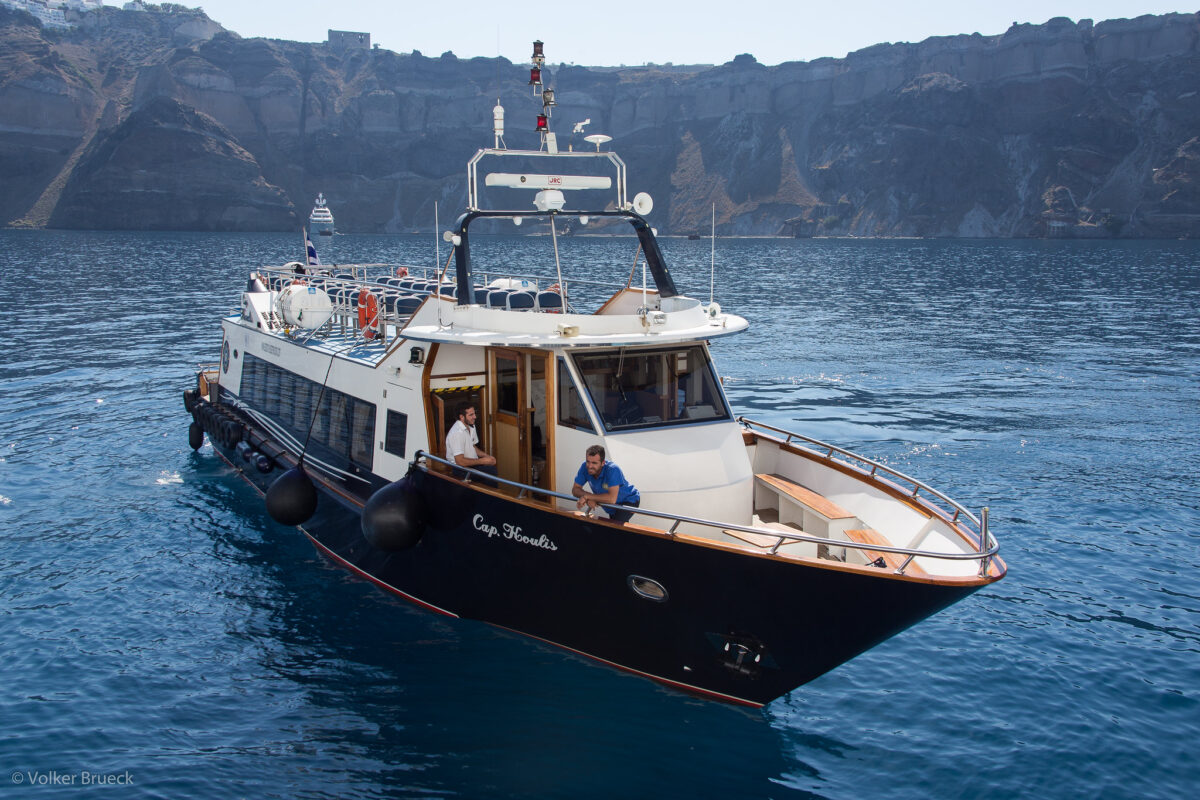
Some ports require tender boats to get from ship to shore. The first boats fill with eager passengers, then there’s often a lull around 10 AM when the initial rush clears but the casual crowd hasn’t started moving yet.
That’s your window for a quick, uncrowded ride to shore.
Bring Cash for Tips
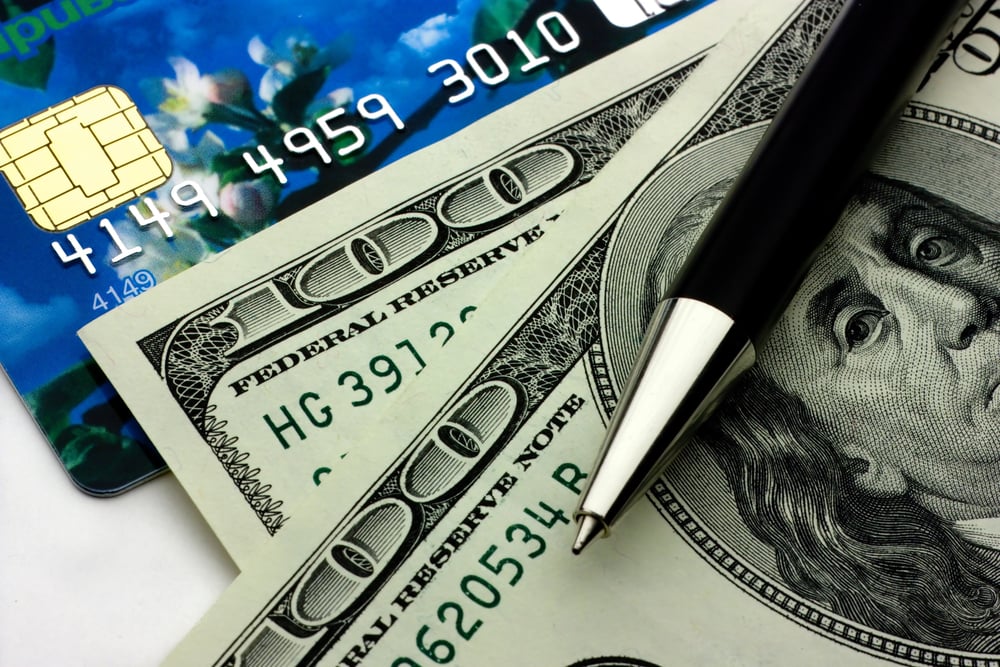
Despite cruise lines pushing prepaid gratuities, cash tips for exceptional service work better. Your cabin steward who fixes a problem at midnight or the bartender who remembers your drink order all week will appreciate immediate recognition.
Download Entertainment Offline

Ship wifi rarely supports streaming, even on premium packages. Download movies, books, podcasts, and music before you board.
Those sea days and quiet cabin evenings need entertainment that doesn’t depend on satellite internet.
Know Your Dining Room Seating Strategy
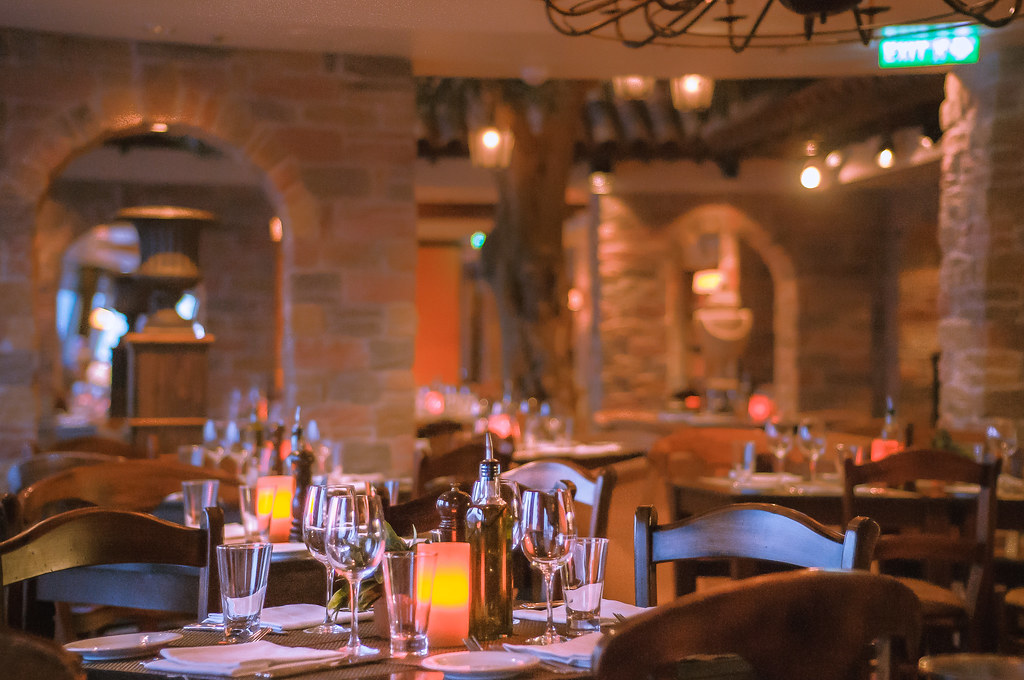
Early seating means you eat and get to evening shows without rushing, but late seating gives you more time in ports without watching the clock — and this choice affects more of your cruise experience than most people realize when they’re casually picking times during booking. Early seating passengers can catch the 8 PM show easily, but they often feel rushed in port cities because they’re thinking about getting back for dinner while they’re supposed to be enjoying ancient architecture or local markets.
Late seating passengers have relaxed port days but often miss out on popular evening activities because they’re still finishing dessert while everyone else is heading to the theater or casino. And here’s the part that really matters: you’re stuck with whichever choice you make, because switching dining times once you’re onboard is nearly impossible unless someone else wants to swap with you.
So think about whether you’re a person who wants structure or flexibility, because your dining time determines which one you get.
Use Cabin Steward Relationships Wisely
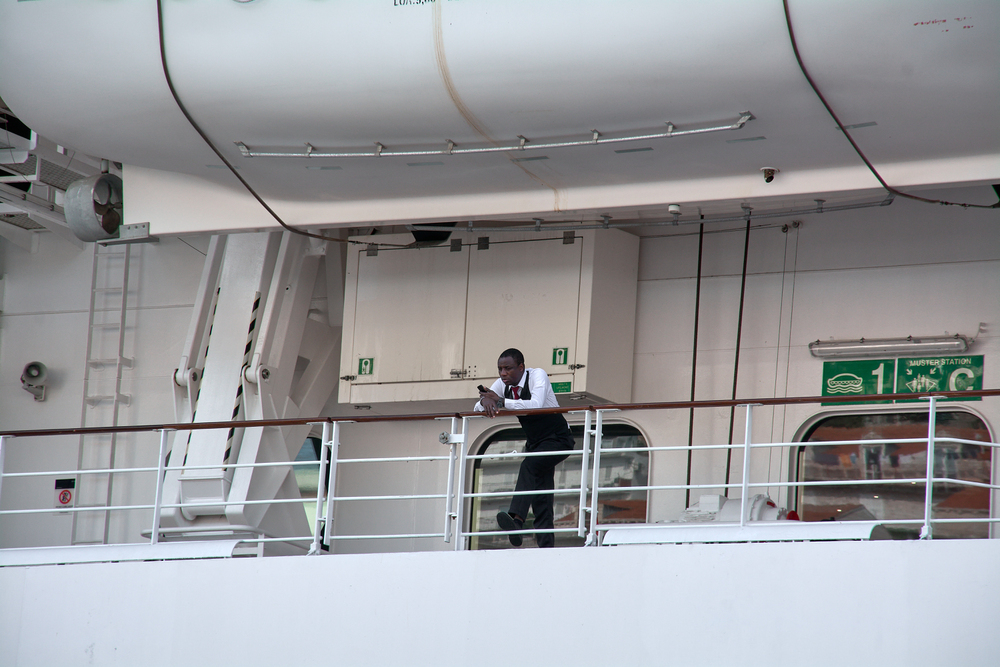
Your cabin steward can solve problems that would take guest services an hour to address. Need extra pillows, a room temperature adjustment, or help with a broken safe? Ask your steward first.
They have master keys and maintenance contacts that bypass the bureaucracy.
Pack Sea Sickness Remedies
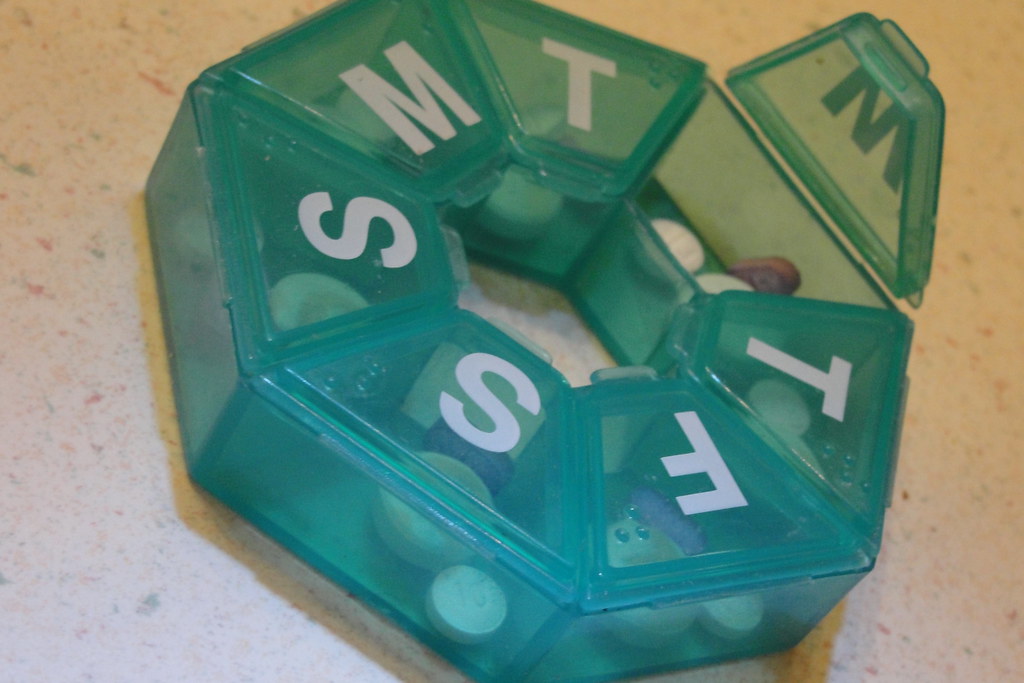
Even experienced cruisers can get caught off guard by rough weather. Bring motion sickness patches, ginger tablets, or whatever works for you.
The ship’s medical center charges premium prices for remedies you can buy cheaply at any pharmacy.
Understand Port Scheduling
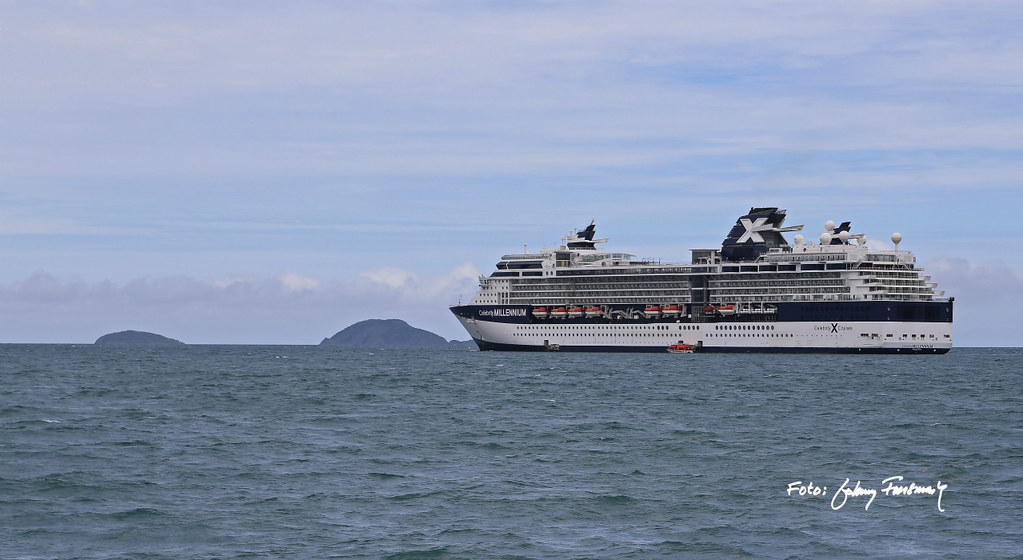
Ships typically dock early morning and leave early evening, but each port has different timing. Some require all-aboard times as early as 4 PM, others let you stay until 8 PM.
Check your daily schedule and plan accordingly rather than assuming you have until dinner.
Book Future Cruise Onboard
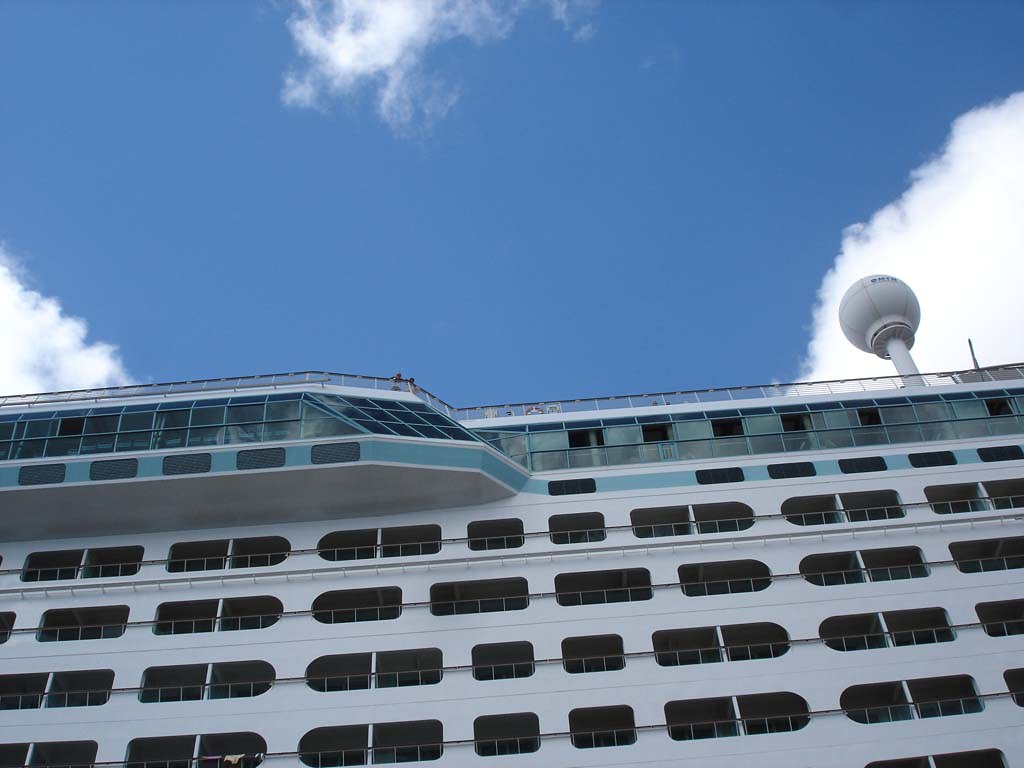
The deals offered to current passengers aren’t available anywhere else. Even if you’re not sure about your next cruise, you can usually book with a small deposit and change details later.
The onboard booking perks often include cabin upgrades, onboard credits, and reduced deposits that more than justify the early commitment.
Master the Art of Cabin Configuration
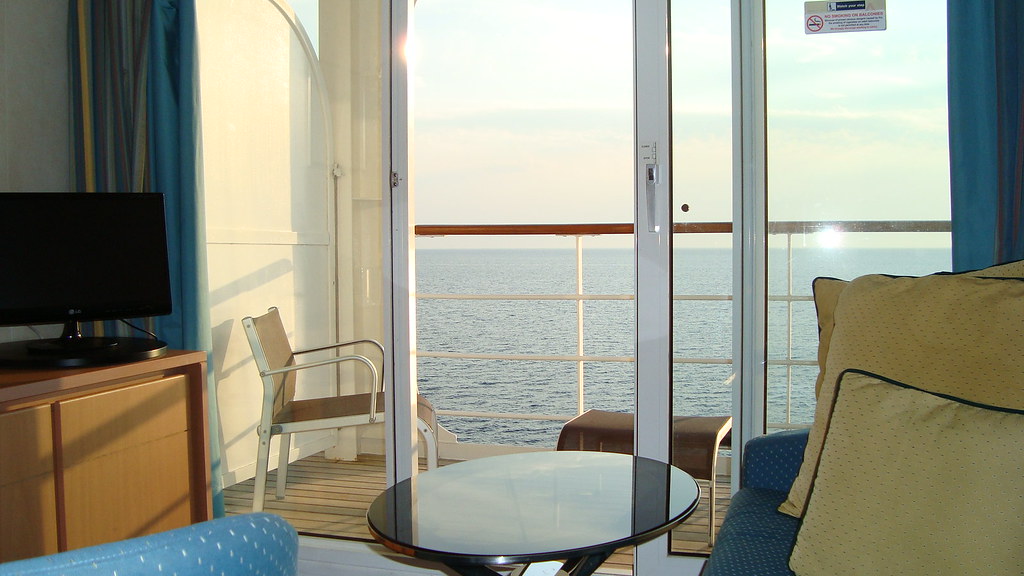
Cruise cabins exist in a strange space between hotel rooms and puzzle boxes — everything has a purpose, but figuring out how to make it all work requires some experimentation that most people never bother with. Those drawers under the bed aren’t just for storage; they pull out far enough to act as extra seating when you’re getting ready.
The desk chair usually swivels and adjusts to become a comfortable reading spot if you position it right. Most bathrooms have a retractable clothesline that hides behind the shower wall, and the shower itself often has a small shelf that’s perfect for keeping toiletries dry while everything else gets soaked by the ship’s powerful water pressure (which, surprisingly, is usually better than most hotels).
Use Specialty Restaurant Happy Hours
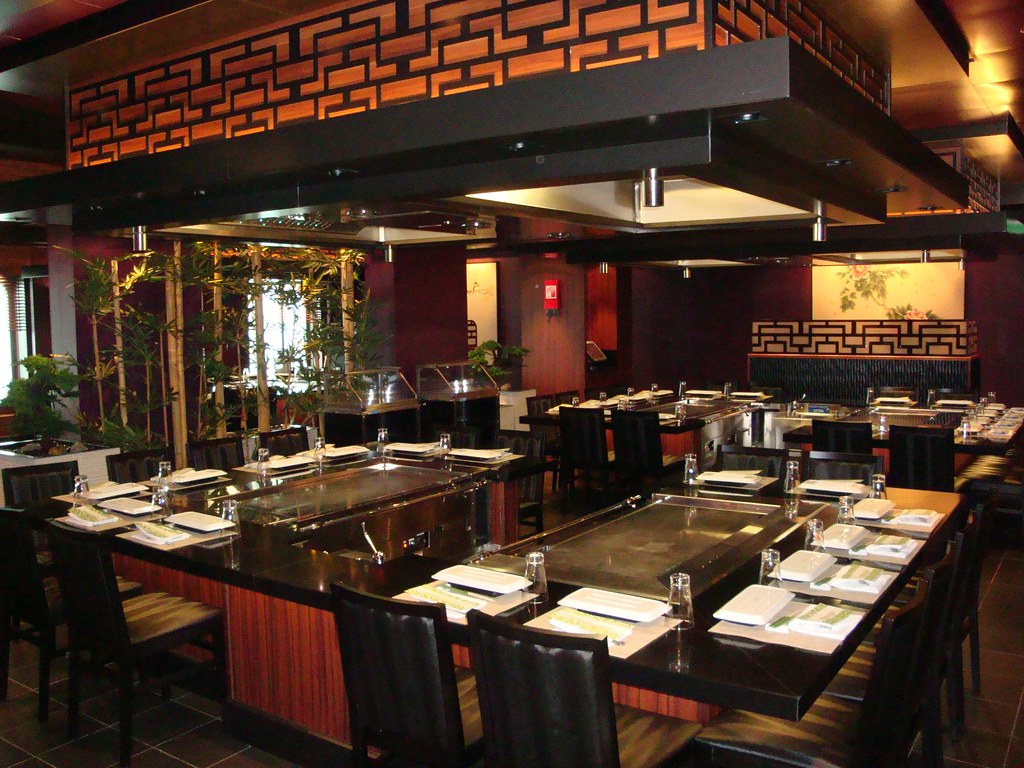
Many specialty restaurants offer discounted appetizers and drinks during off-peak hours. The sushi bar that seems expensive at dinner often runs reasonable happy hour prices from 3-5 PM when they’re trying to fill seats between meal services.
Understand Cabin Location Trade-offs
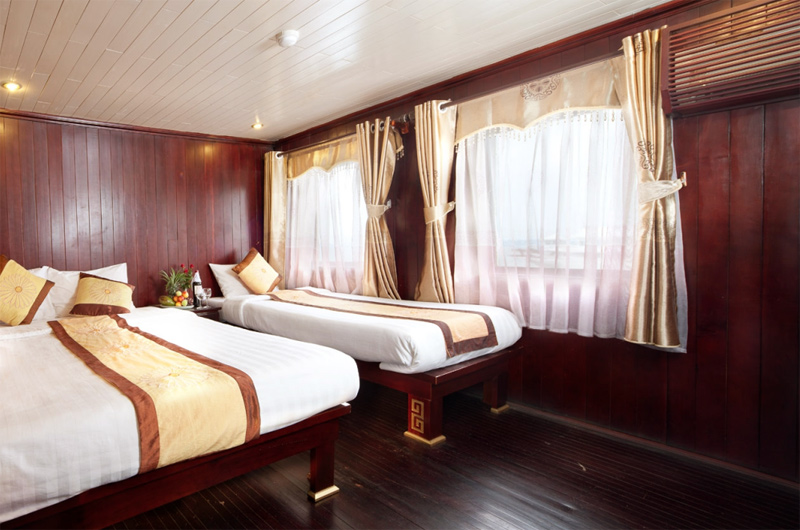
Mid-ship cabins have less motion but cost more. Forward cabins are cheaper but feel more movement in rough seas.
Aft cabins sometimes get engine noise but often have the best views. Higher decks mean elevator waits, lower decks mean less walking.
There’s no perfect choice, just different compromises.
Pack Laundry Detergent Pods
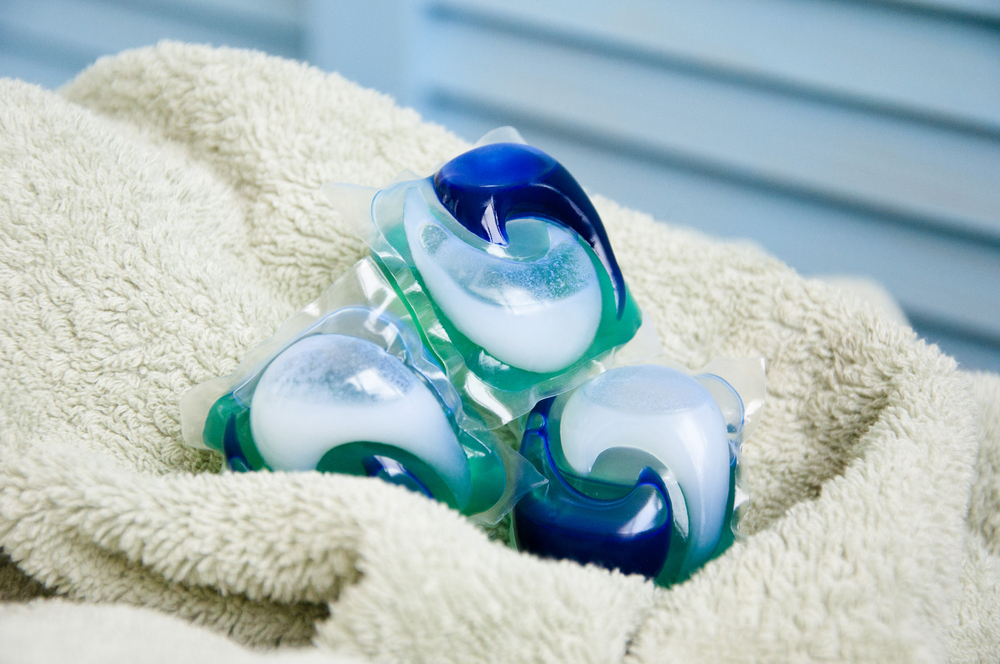
Self-service laundry rooms exist on most ships, but the detergent costs $3 per load. Bring a few pods in a sealed container and do laundry for the cost of machine time. It’s especially worthwhile on cruises longer than seven days.
Know Debarkation Group Strategy
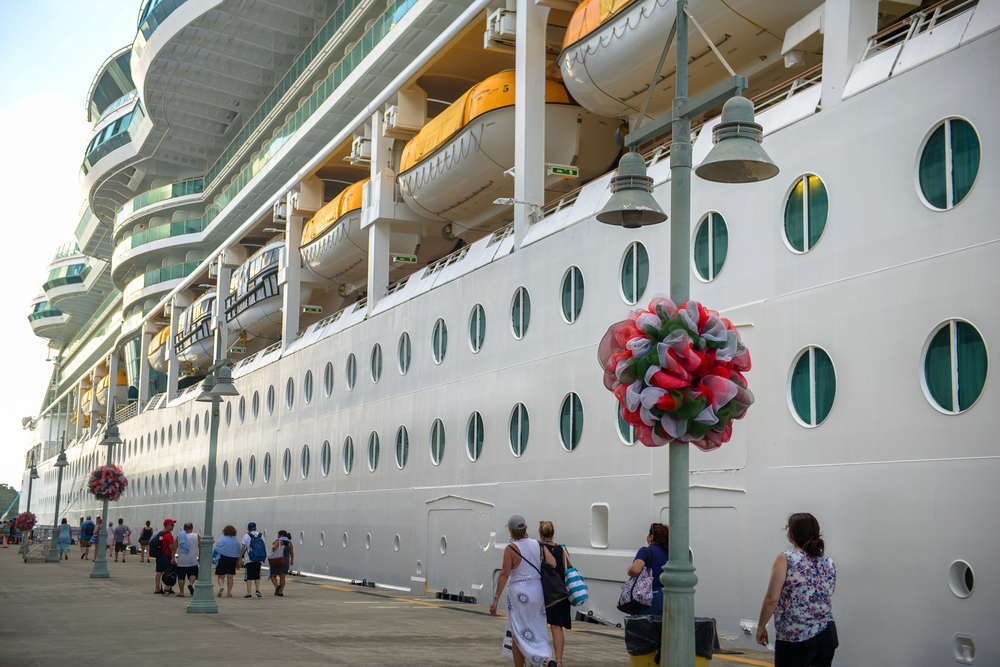
Express walk-off lets you leave earliest but requires carrying all your luggage. Luggage tag groups leave in order, but you wait for your number to be called.
Choose based on your flight time and how much you want to carry, not just how quickly you want to get off the ship.
Maximize Time Rather Than Money
The most experienced cruisers eventually stop optimizing for the cheapest option and start optimizing for time and convenience instead, because they’ve learned that a great cruise isn’t about saving every possible dollar — it’s about removing friction from experiences you can’t get anywhere else. Pay for priority boarding to skip hour-long lines. Buy the wifi package if staying connected reduces your stress.
Book the shore excursion that gets you back with time to spare rather than the one that maximizes every minute in port but has you sprinting up the gangway. These aren’t beginner mistakes to avoid; they’re advanced strategies that prioritize the quality of your week over the optimization of your budget.
The Real Voyage
Experienced cruisers eventually learn that the best cruise tips aren’t about hacking the system or finding secret deals. They’re about understanding what kind of traveler you are and designing your cruise around that reality rather than fighting it.
Some people need every moment planned and optimized. Others thrive on spontaneous discoveries and relaxed schedules.
The ship works for both approaches, but only if you stop trying to cruise the way someone else does and start cruising the way that actually makes you happy.
More from Go2Tutors!

- The Romanov Crown Jewels and Their Tragic Fate
- 13 Historical Mysteries That Science Still Can’t Solve
- Famous Hoaxes That Fooled the World for Years
- 15 Child Stars with Tragic Adult Lives
- 16 Famous Jewelry Pieces in History
Like Go2Tutors’s content? Follow us on MSN.



