30 Fast Food Menu Items from the ’80s That Chains Pulled Too Soon
The 1980s were a period of aggressive culinary experimentation in fast food chains, a time when major franchises believed their core business was stable enough to support adventurous menu expansion. McDonald’s, Wendy’s, and Burger King each took strategic risks—some that succeeded and others that became cautionary tales of misaligned ambition.
The decade saw fast food chains attempt everything from pizza and pasta to salad bars and sophisticated burgers, often with premium pricing that seemed absurd to the budget-conscious. When these experiments failed, they failed quickly, pulled from menus after months rather than years of testing.
What made this period particularly notable was the assumption that customers wanted fast food to become something other than fast food—an assumption that was proven wrong repeatedly but tried anyway. The items that disappeared were often the most interesting entries on the menu, the ones that challenged what fast food could be.
Their disappearance left a generation wondering why chains abandoned their own innovations seemingly overnight, as if the experiments themselves had been embarrassing rather than ambitious.
McDLT
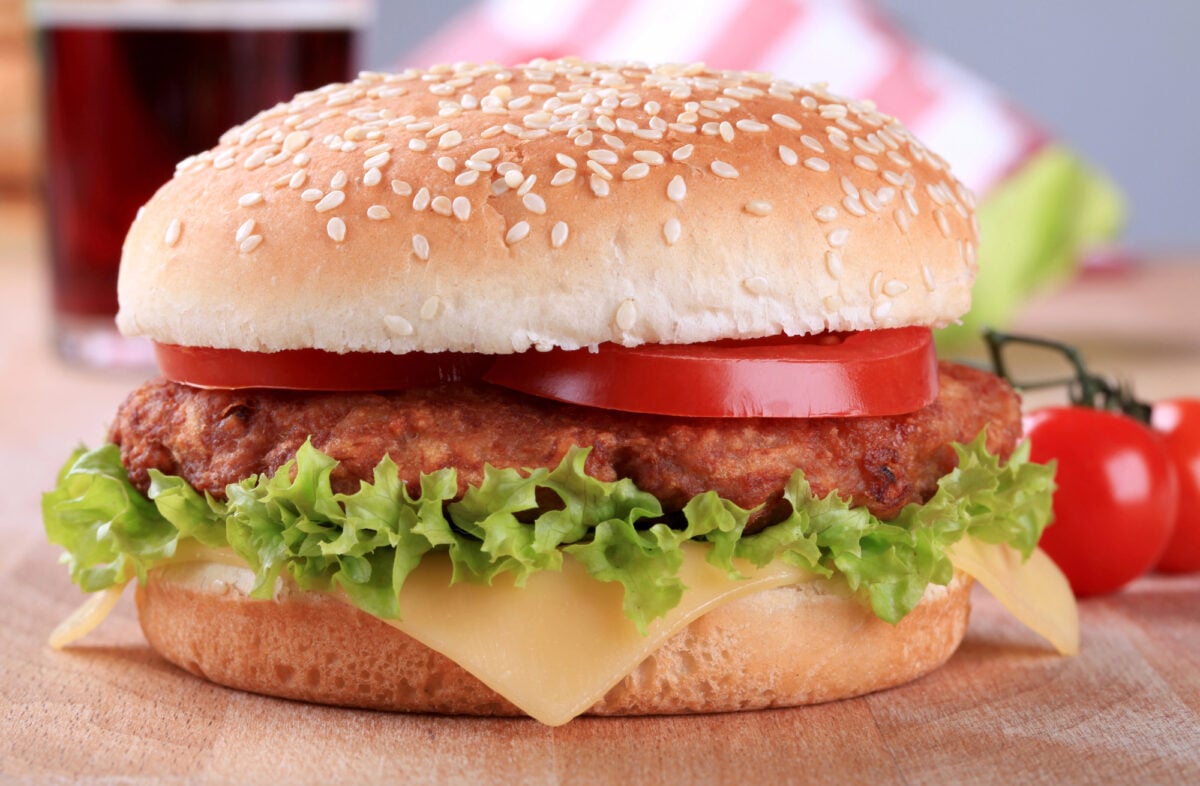
McDonald’s 1984 creation featured a beef patty, lettuce, tomato, cheese, and mayonnaise served in a dual-compartment styrofoam container designed to keep hot and cool ingredients separate. The marketing emphasized “keeping the hot side hot and the cool side cool,” a genuine innovation in packaging.
Environmental pressure from polystyrene critics led to the burger’s discontinuation by 1990, making it one of the rare cases where environmental activism actually killed a menu item.
Chicken L.T.
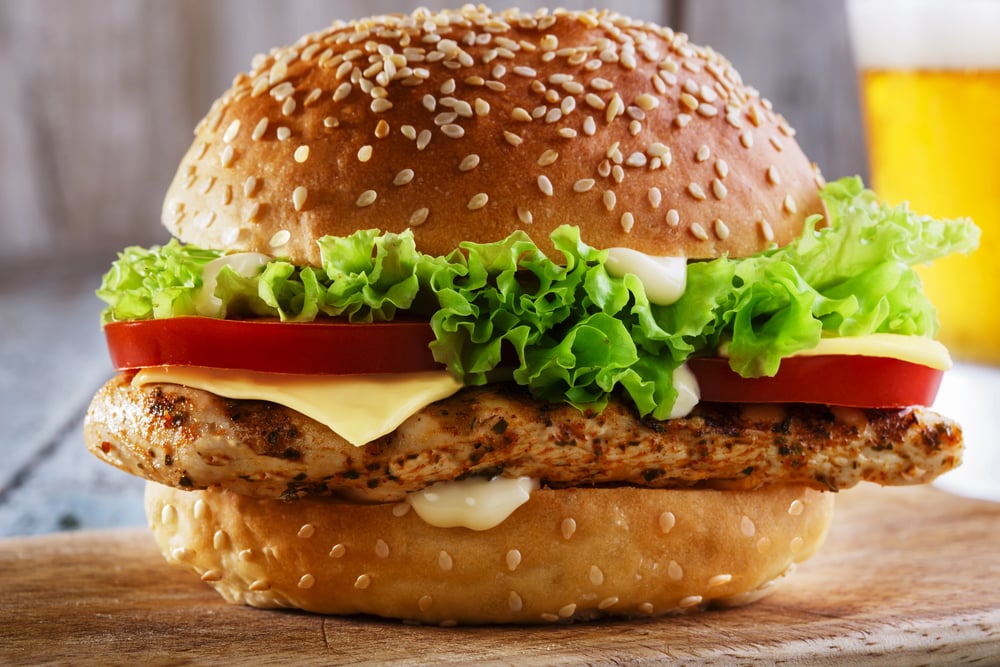
As a companion to the McDLT, this grilled chicken sandwich applied the same dual-compartment concept to a lighter protein option. It never achieved the recognition of its beef counterpart and disappeared after a short run, demonstrating that innovation in packaging couldn’t overcome limited marketing for the chicken version.
McPizza
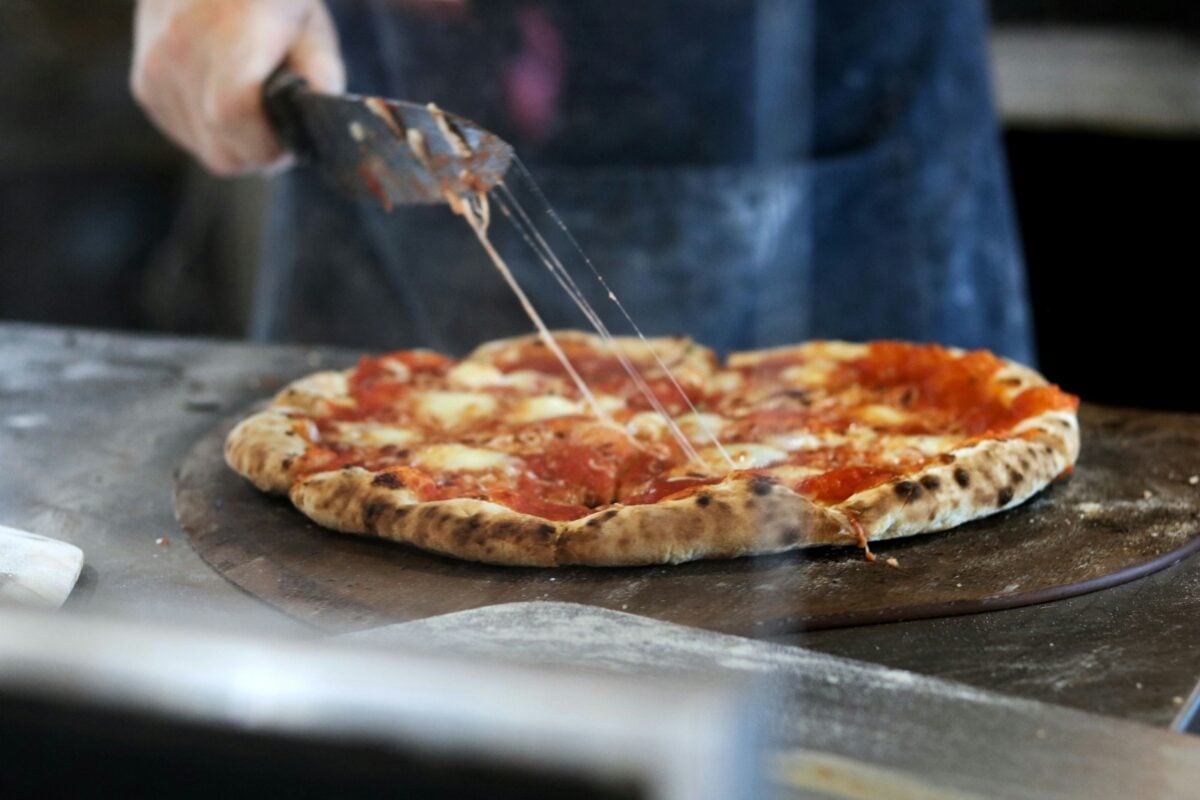
McDonald’s 1989 test of personal pizzas in select markets generated over 100,000 sales in four months, enough buzz that Pizza Hut launched defensive “McFrozen” advertising campaigns. Canada received a full rollout in 1992, but U.S. expansion never materialized.
The item was officially discontinued in 1996, though isolated locations continued serving it until forced to remove ovens in 2017.
Cheddar Melt
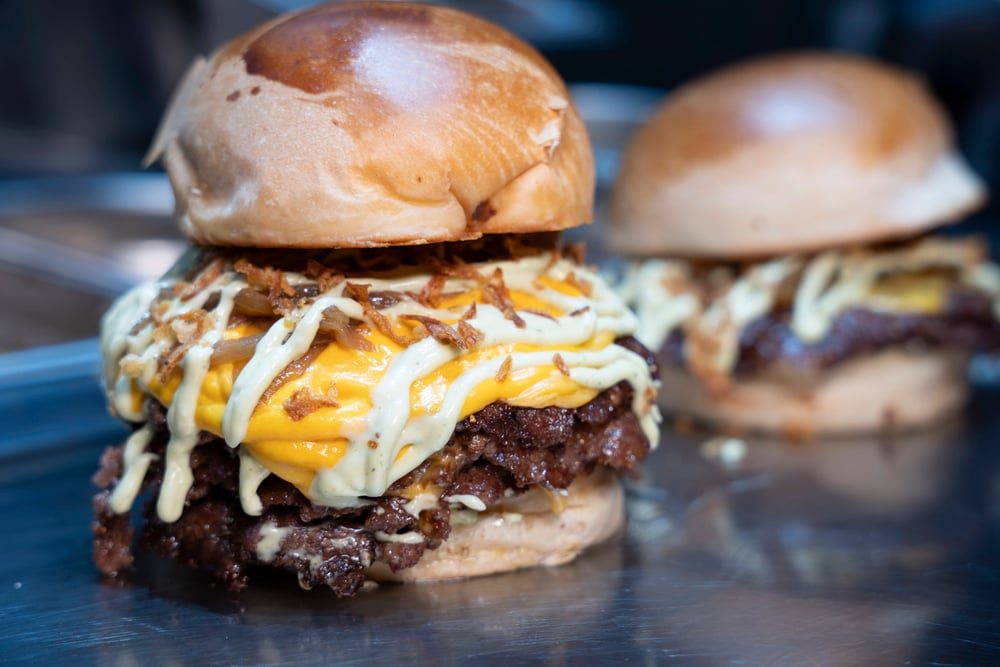
This 1984 introduction featured a ⅓-pound patty with cheddar cheese sauce, grilled onions, and a rye bun—one of McDonald’s first attempts at a premium burger. Despite seeming innovative at the time, the combination lacked freshness elements and proved too heavy for sustained demand.
Chopped Beefsteak Sandwich
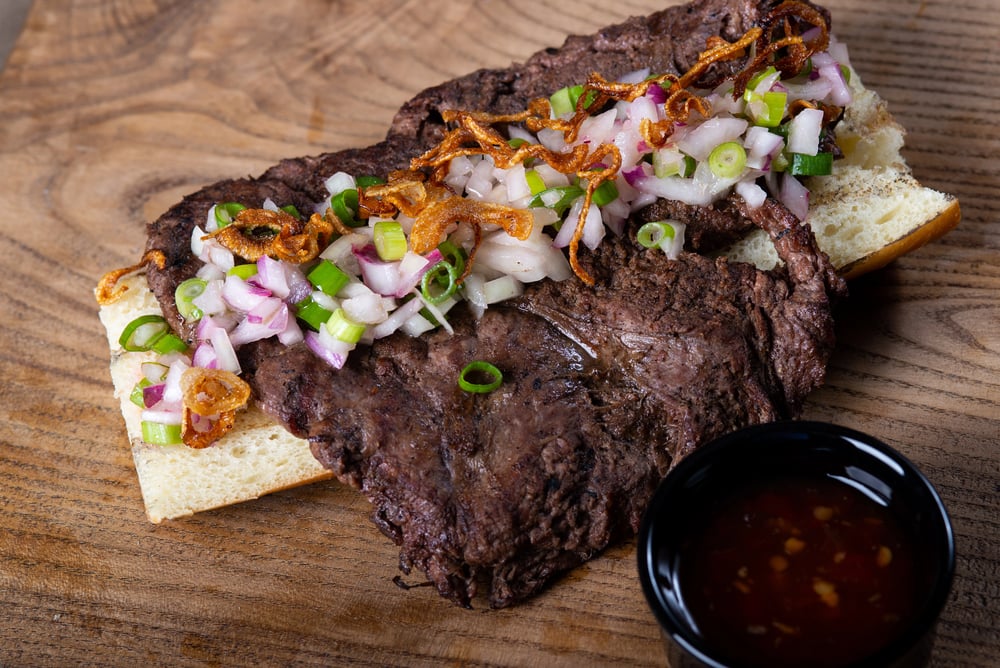
Introduced in 1979 and continuing through the 1980s, this long-roll sandwich featured chopped beef, onions, and steak sauce in an attempt to elevate the fast food burger experience toward casual restaurant quality.
It required more preparation than standard burgers and competed against McDonald’s core offerings.
McDonald’s Breakfast Pastries

Beyond the standard Egg McMuffin, McDonald’s experimented with various breakfast pastries including cinnamon rolls that existed until 2023 as part of McCafé, but original 1980s versions were discontinued quickly due to operational complexity and inconsistent baking quality.
Wendy’s SuperBar
This all-you-can-eat salad and hot food bar debuted in 1990 at around $3 per customer and featured multiple salad options, hot entrees, and desserts. Operating complexity and food waste concerns eventually convinced Wendy’s to abandon the concept after several years of operation.
Burger King Shots
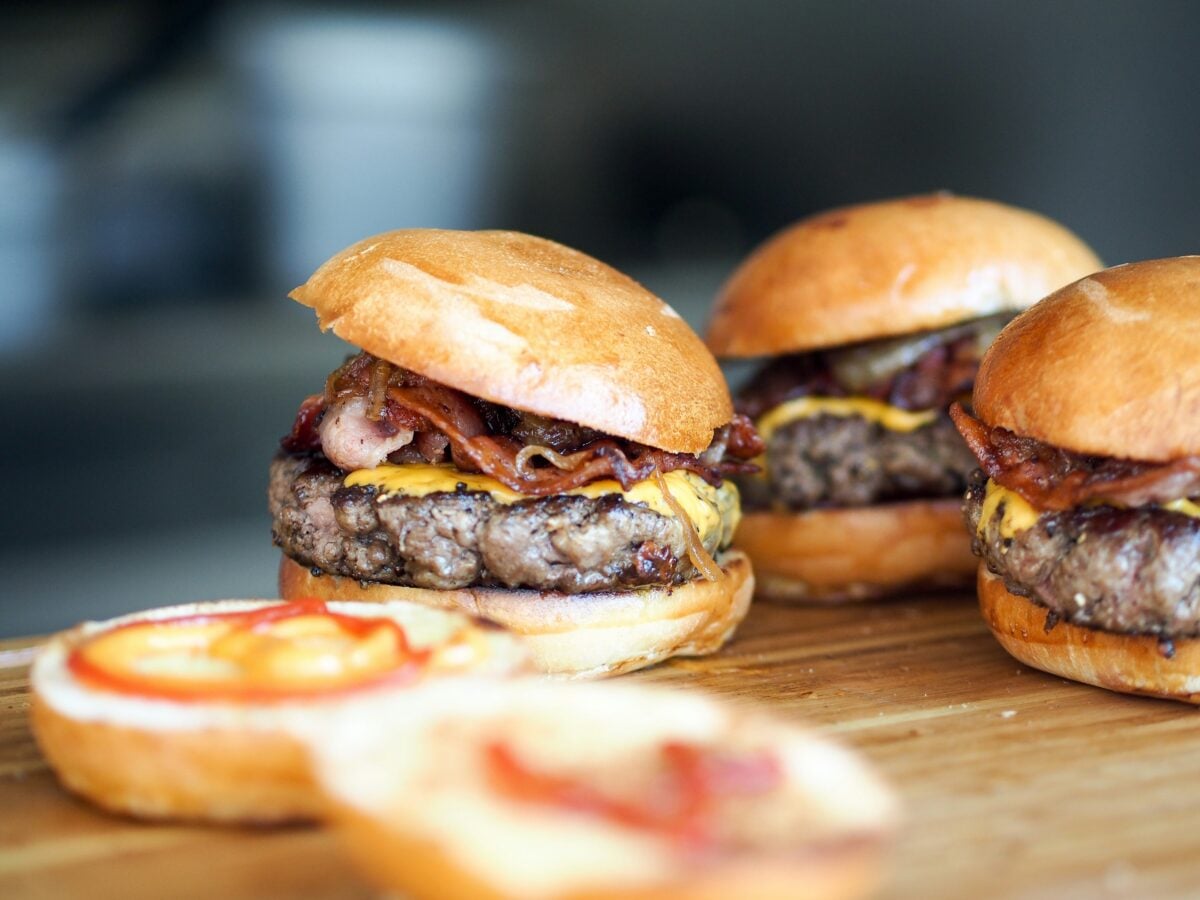
Introduced in the early 1980s, these small, cylindrical bite-sized burgers arrived in distinctive containers and represented an early attempt at the slider category. They were flame-grilled and topped with cheese and sauce but disappeared before the mini-burger trend resurged decades later.
Burger Bundles
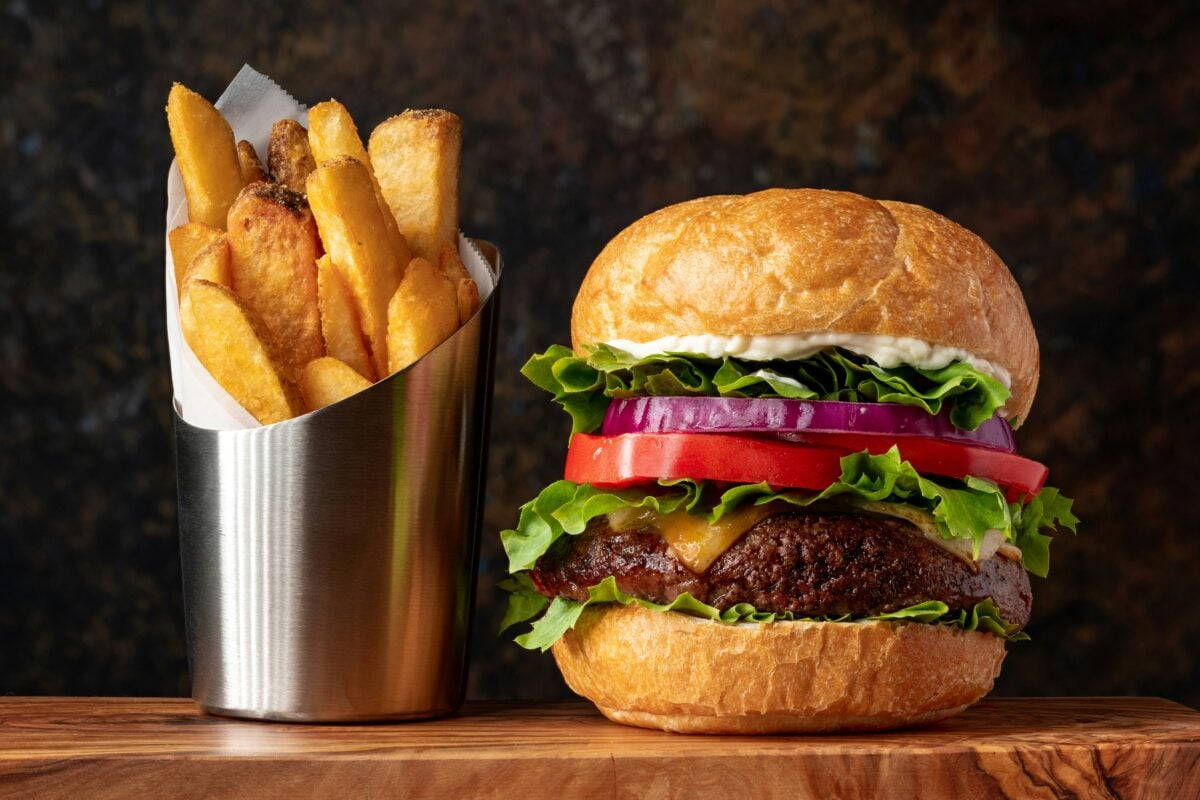
Also from Burger King in the 1980s, these small burgers came in bundled packs before the brand perfected the slider concept in later years.
Burger Buddies
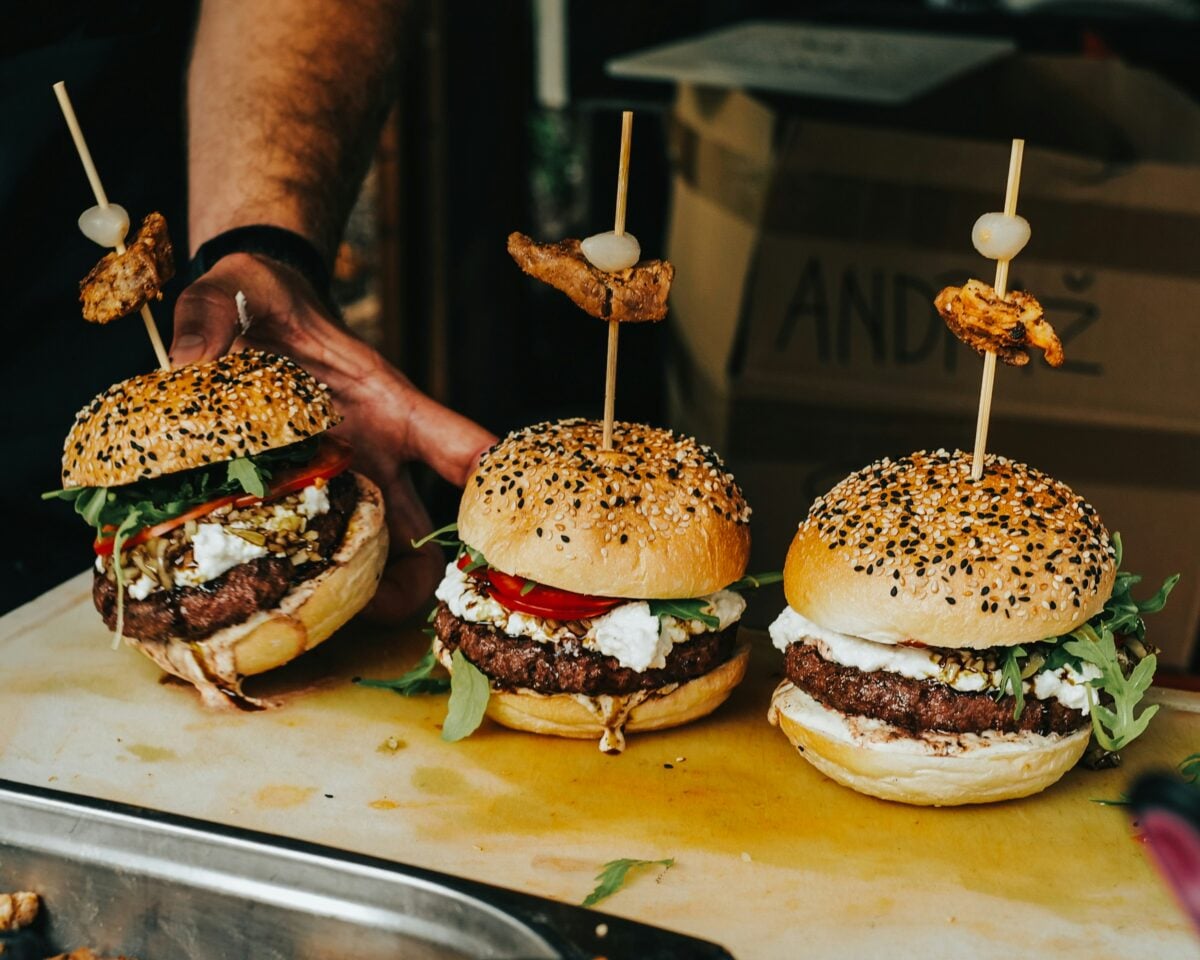
Burger King’s follow-up to Bundles, these paired small burgers were marketed as a fun, shareable option but didn’t sustain long-term demand.
Wendy’s Stuffed Pitas
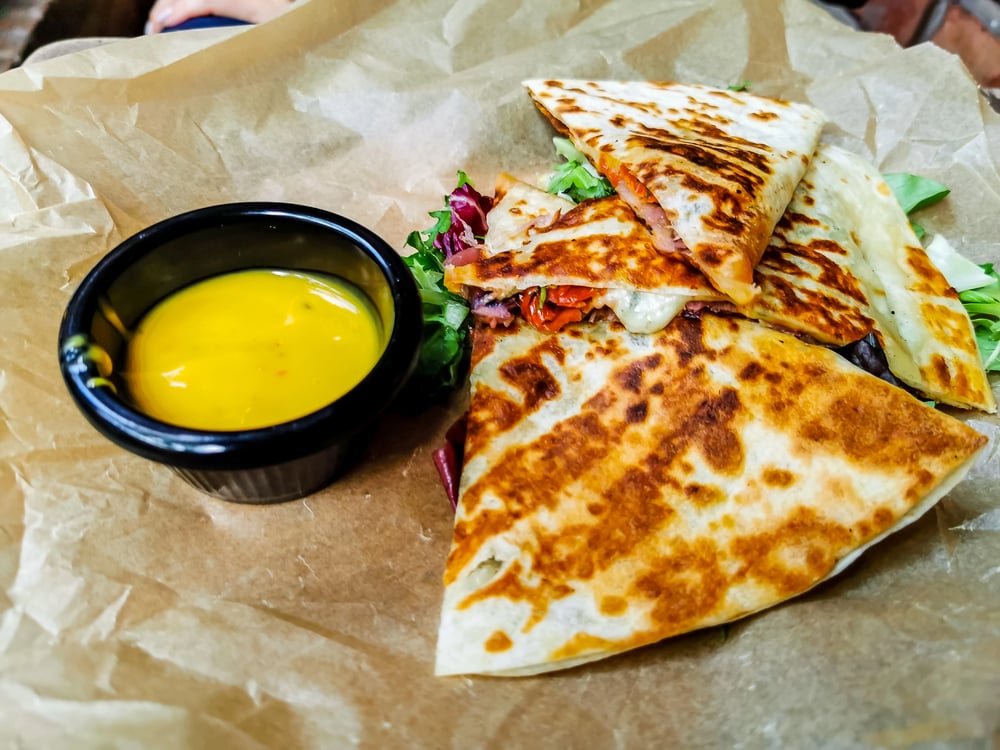
These pita pockets filled with various ingredients represented Wendy’s attempt to offer health-conscious alternatives to traditional burgers, but operational complexity and shelf life concerns limited their viability throughout the 1980s.
McDonald’s Salad Bars
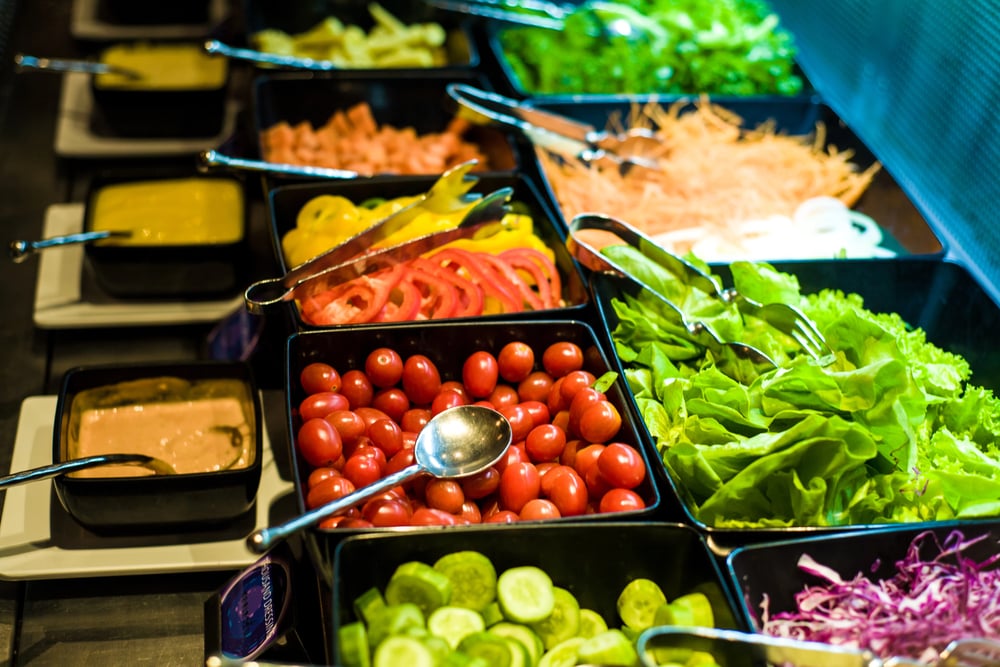
Starting in 1974 and continuing through the 1980s, McDonald’s attempted to compete with Wendy’s by offering self-serve salad bars before shifting to individually packaged salads by 1984. Five different salads were tested in 1985, but the format proved incompatible with McDonald’s service model.
McDonald’s McSalad Shakers
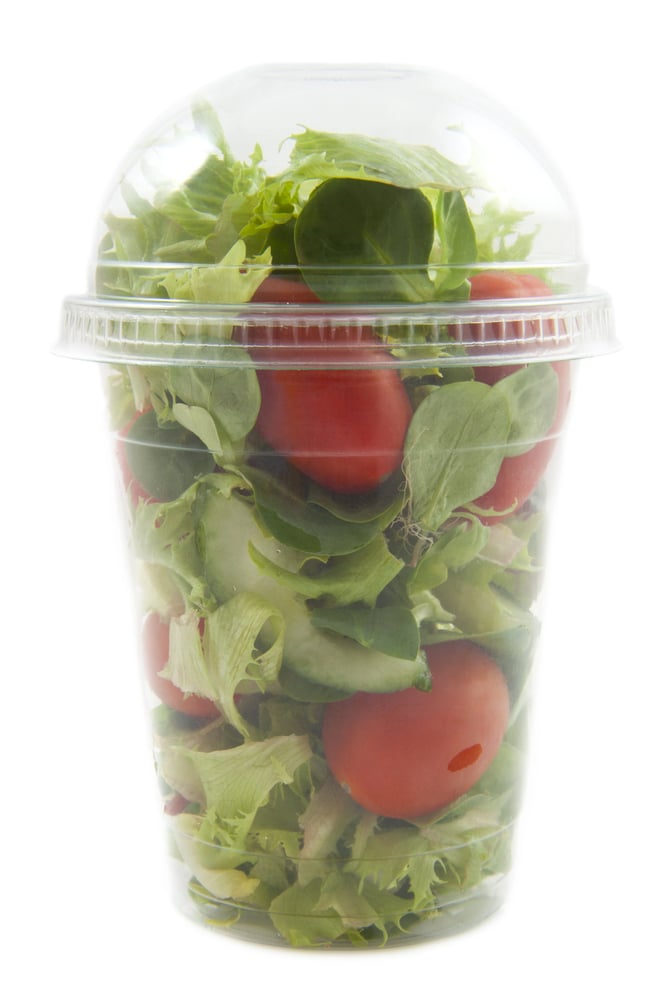
These mason-jar-style salad containers predated the Pinterest salad trend by decades but were eventually discontinued as customers remained uninterested in salads as a primary fast food offering.
Taco Bell Bell Beefer
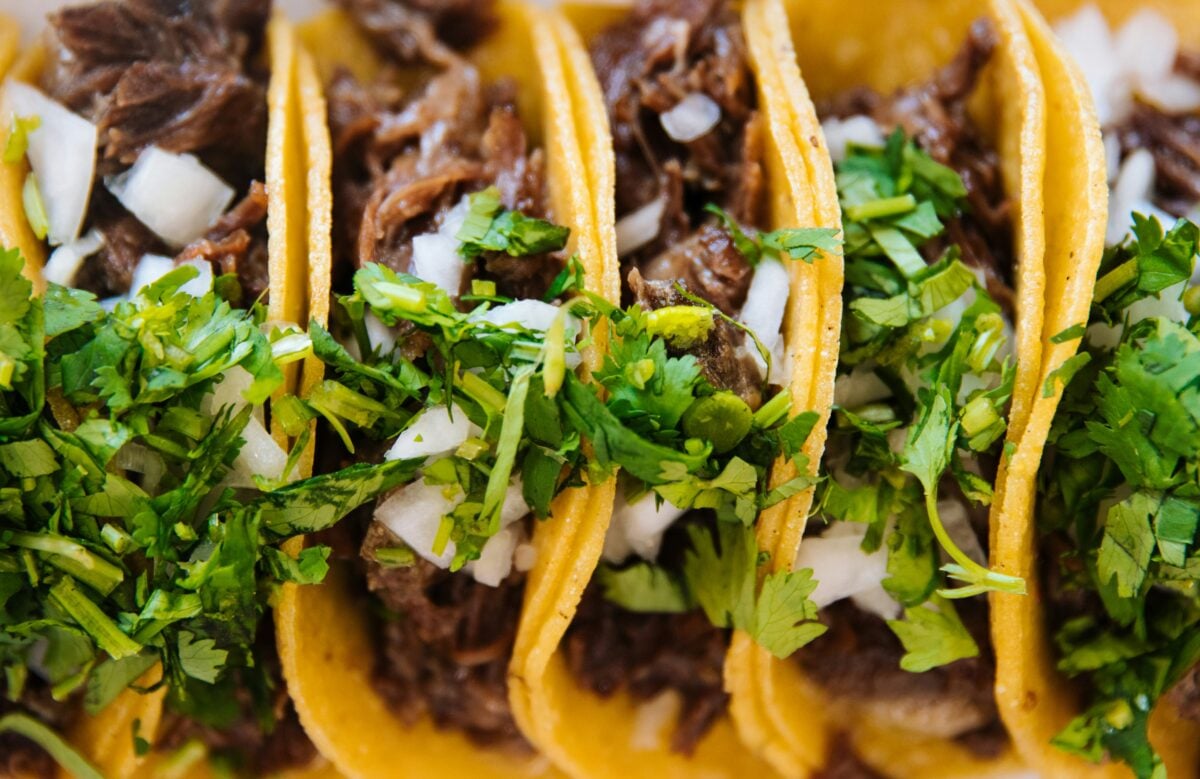
This taco-sloppy joe hybrid on a bun operated from the mid-1970s through the mid-1990s before Taco Bell abandoned its tortilla-agnostic stance and decided the brand should be “entirely a tortilla company.”
Pizza Hut Priazzo
Introduced in the 1980s, this deep-dish pizza pie featured multiple layers of crust, cheese, sauce, and fillings, representing an ambitious sit-down restaurant concept. The complexity of preparation made it incompatible with modern delivery-focused operations.
McDonald’s Onion Nuggets
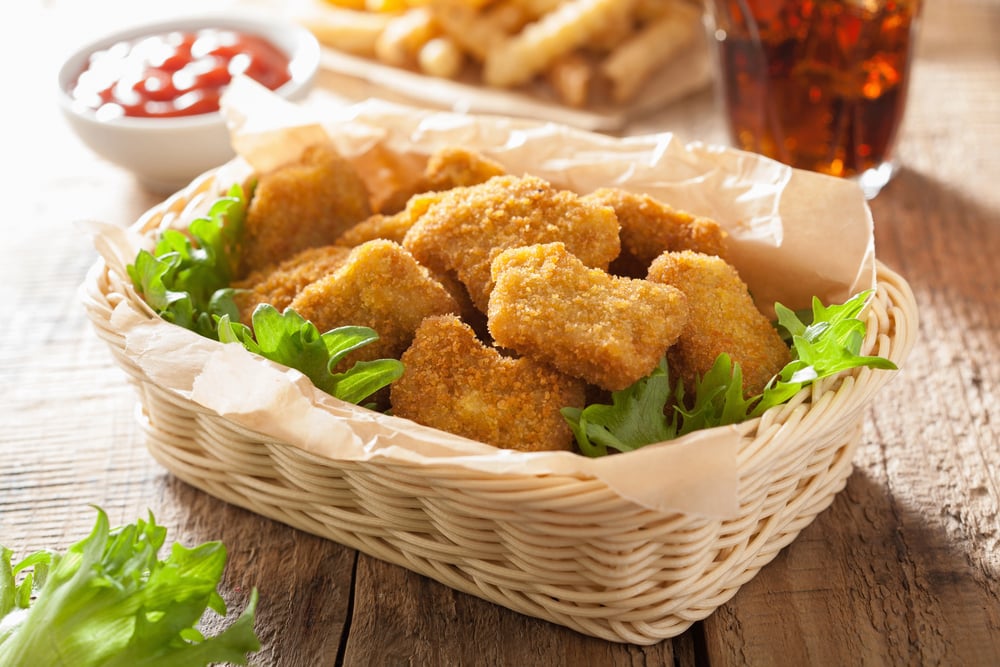
Operating from 1975 until 1984, these onion-based nuggets were basically onion rings in spherical form. They were discontinued once chicken nuggets proved far more popular.
McDonald’s Beef Tallow Fries
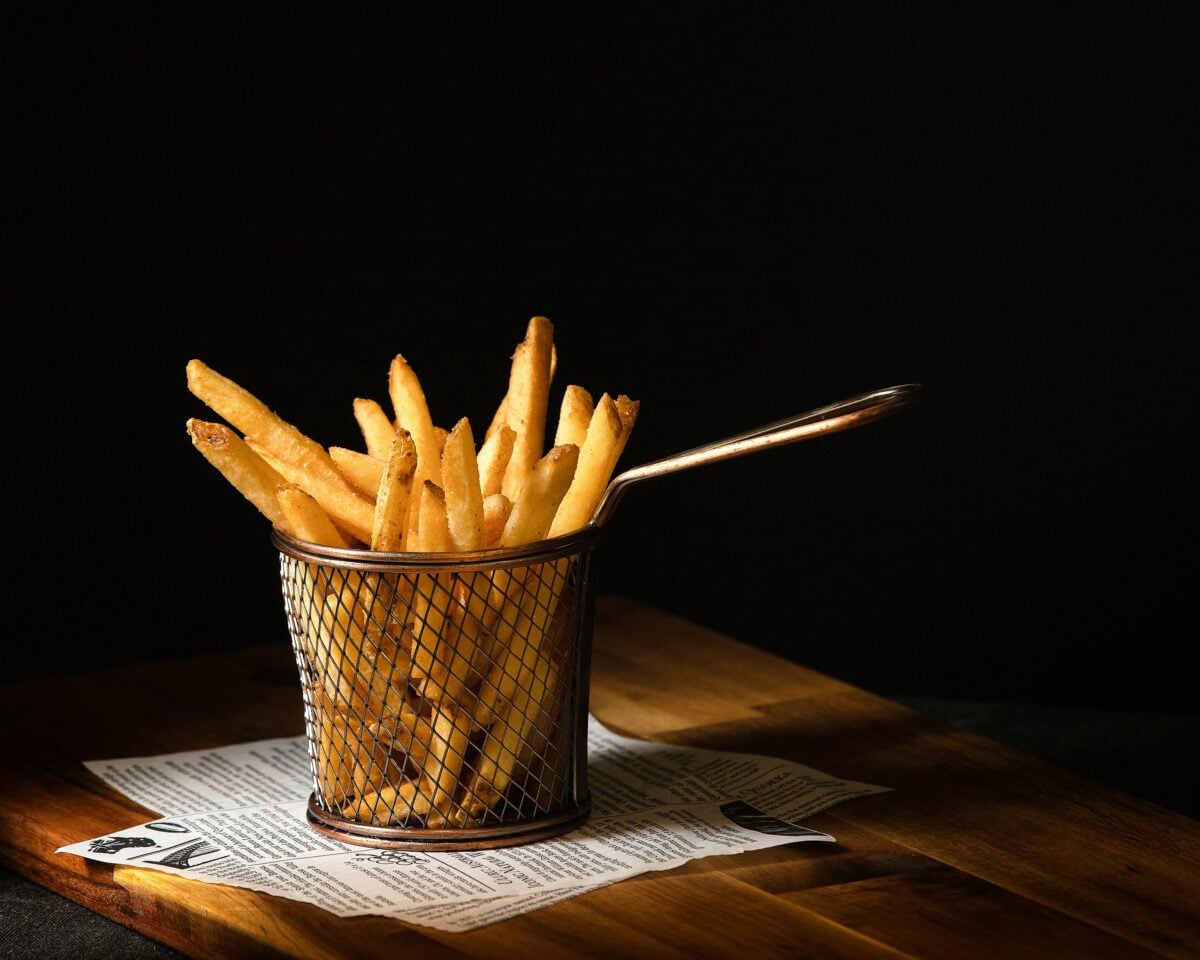
Originally, McDonald’s fried potatoes in beef tallow, which many enthusiasts claim produced superior flavor compared to current vegetable oil methods. The switch away from beef products occurred in the late 1980s.
McDonald’s McHotDog
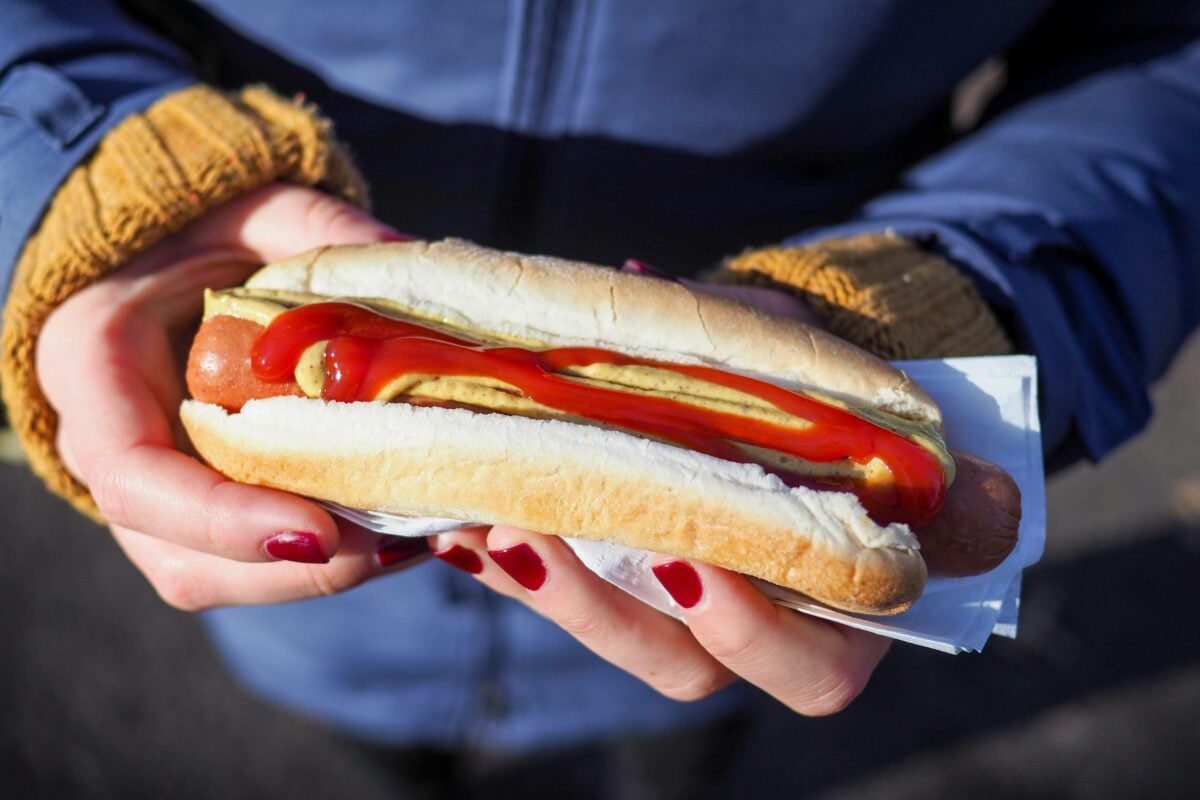
This brief 1990s item represented an attempt to expand protein options beyond beef and chicken, but it never gained traction and was pulled quickly, only occasionally resurfacing in select locations.
Wendy’s Bacon and Blue Burger
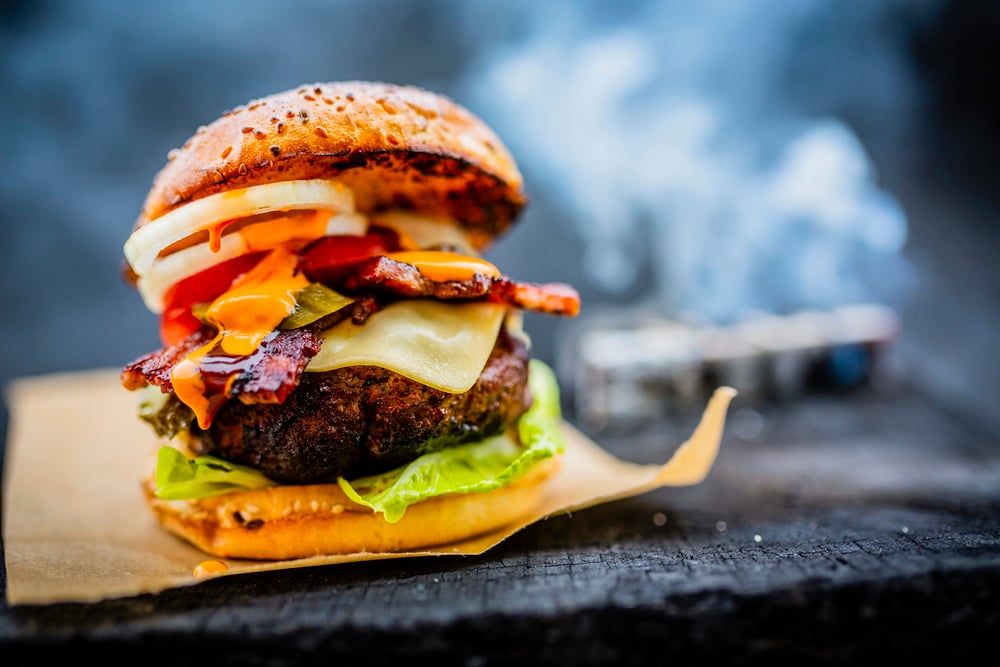
This ambitious blue cheese burger attempt failed despite the sophisticated ingredient combination, suggesting that Wendy’s customers wanted uncomplicated offerings rather than gourmet experimentation.
McDonald’s Steak and Egg Breakfast
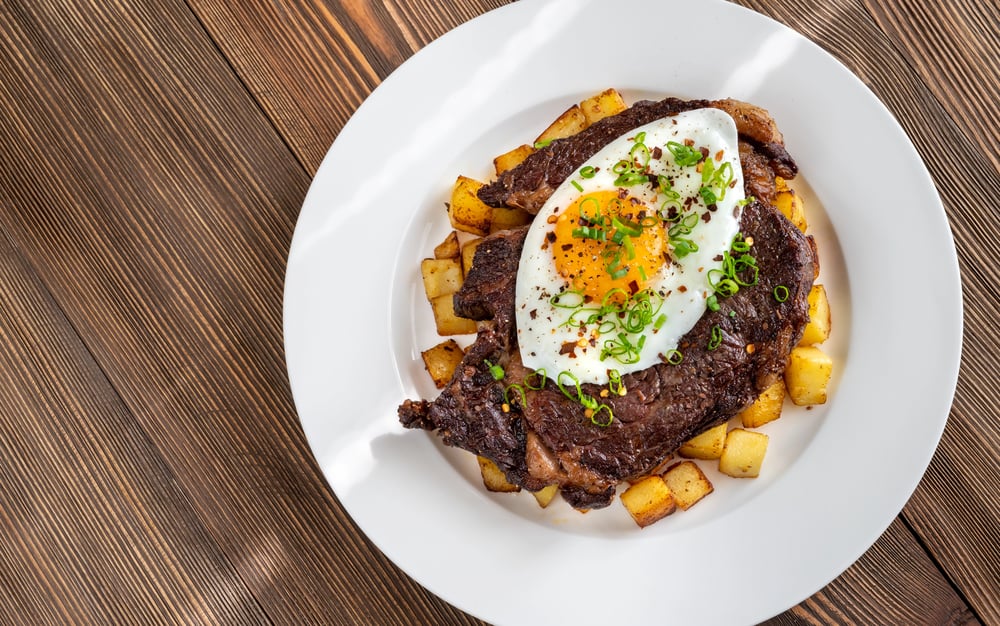
This 1980s breakfast item attempted to position McDonald’s as offering full steak breakfast experiences, but it competed poorly against simpler egg and hash brown combinations.
Burger King Burger Broil
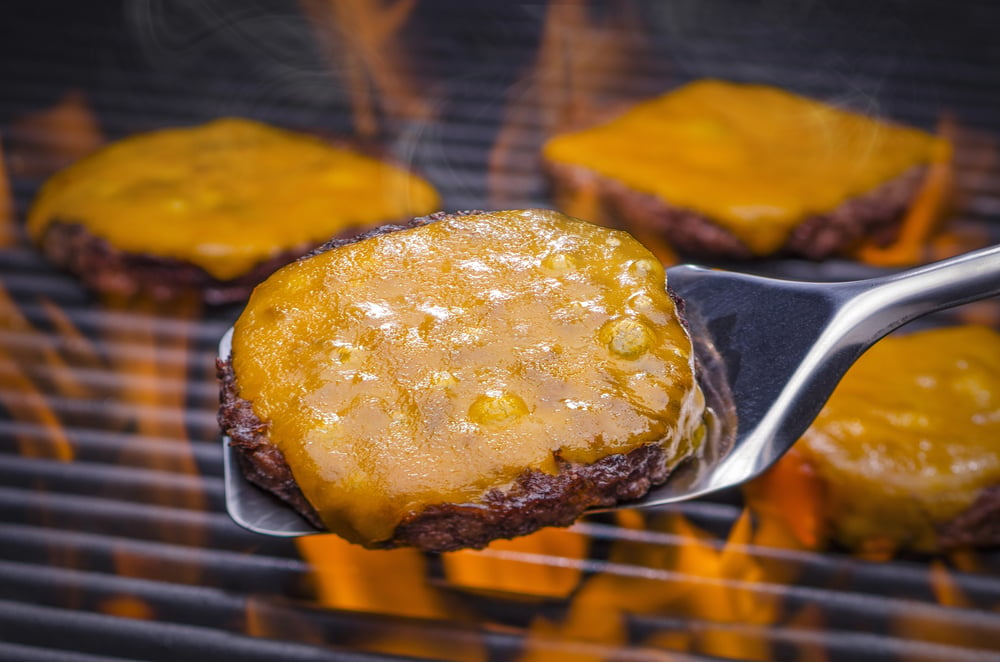
This grilled burger variant introduced in the 1980s was discontinued when the regular Whopper proved sufficient for customer demand.
Wendy’s Garden Salad Specialties

These elaborately composed salads represented Wendy’s commitment to health-conscious dining but required inconsistent ingredient sourcing and preparation.
McDonald’s Breakfast Burritos
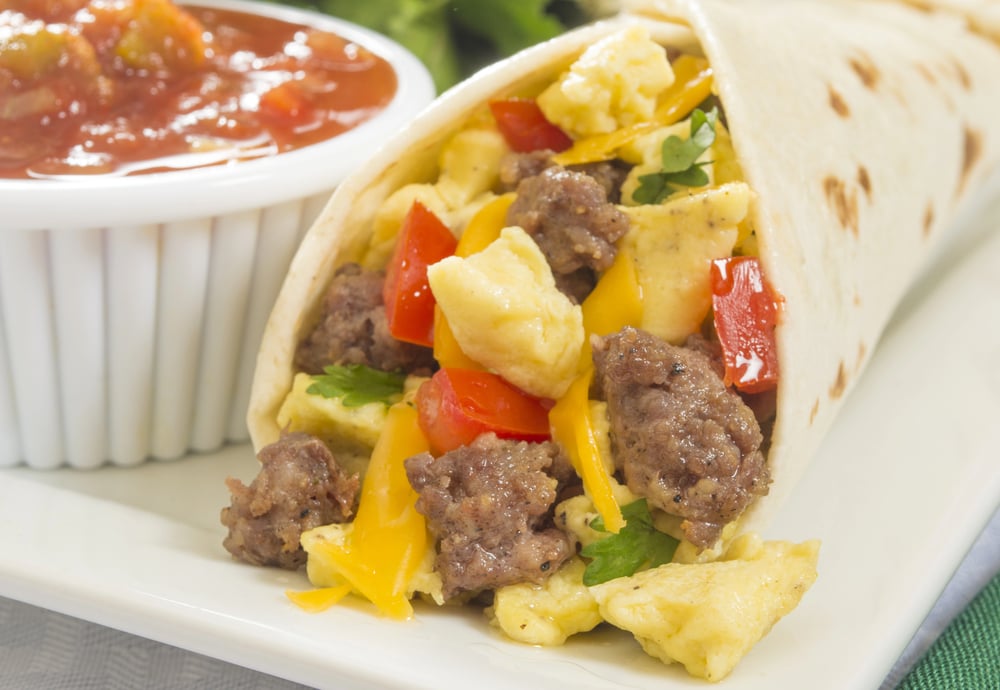
Various breakfast burrito attempts in the 1980s failed before the category became standard in the 2010s, representing an idea too advanced for its era.
Burger King Flame-Grilled Chicken
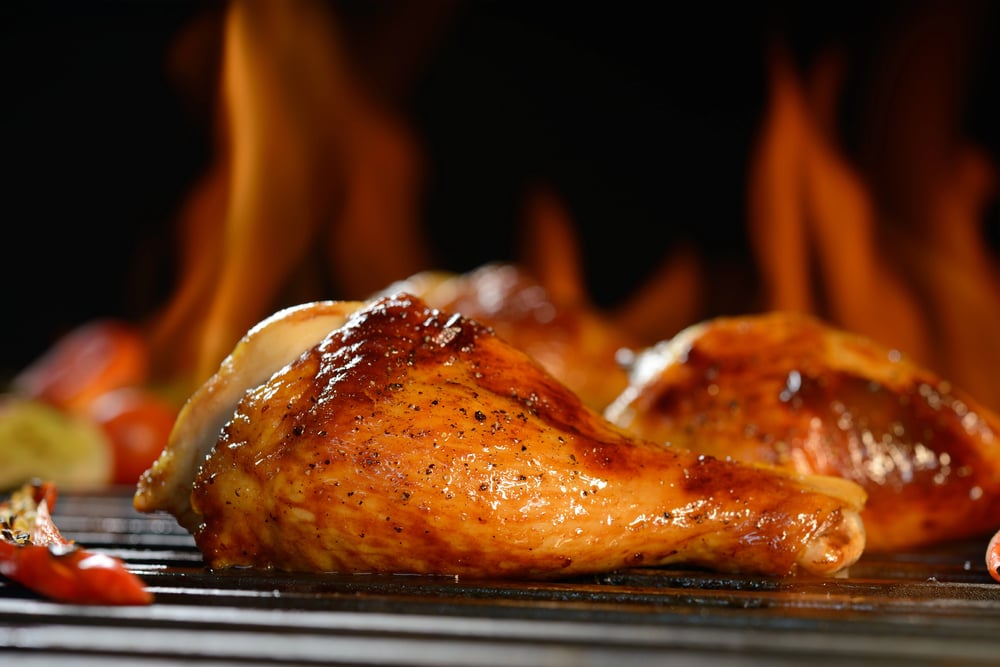
Introduced and discontinued repeatedly throughout the 1980s, this chicken sandwich competed poorly against McDonald’s existing chicken options and Wendy’s offerings.
McDonald’s Fajitas
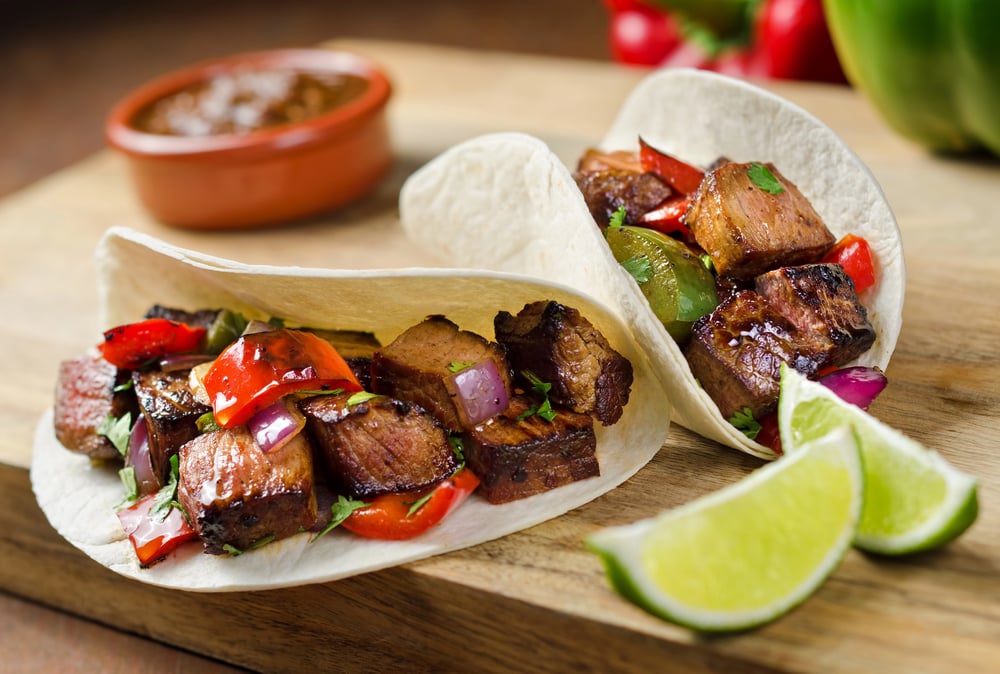
Brief 1980s attempts at Mexican-style items proved incompatible with McDonald’s core fast food model and brand identity.
Wendy’s Fish and Chips
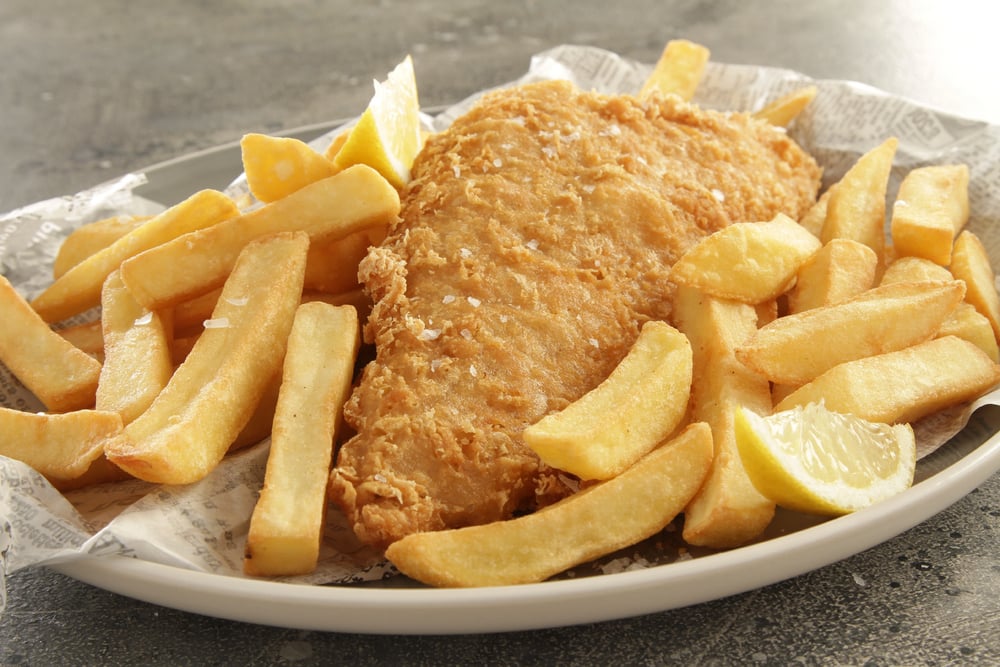
This ambitious seafood offering contradicted Wendy’s burger-focused identity and was quickly abandoned.
Taco Bell Taco Salad Shell Variants
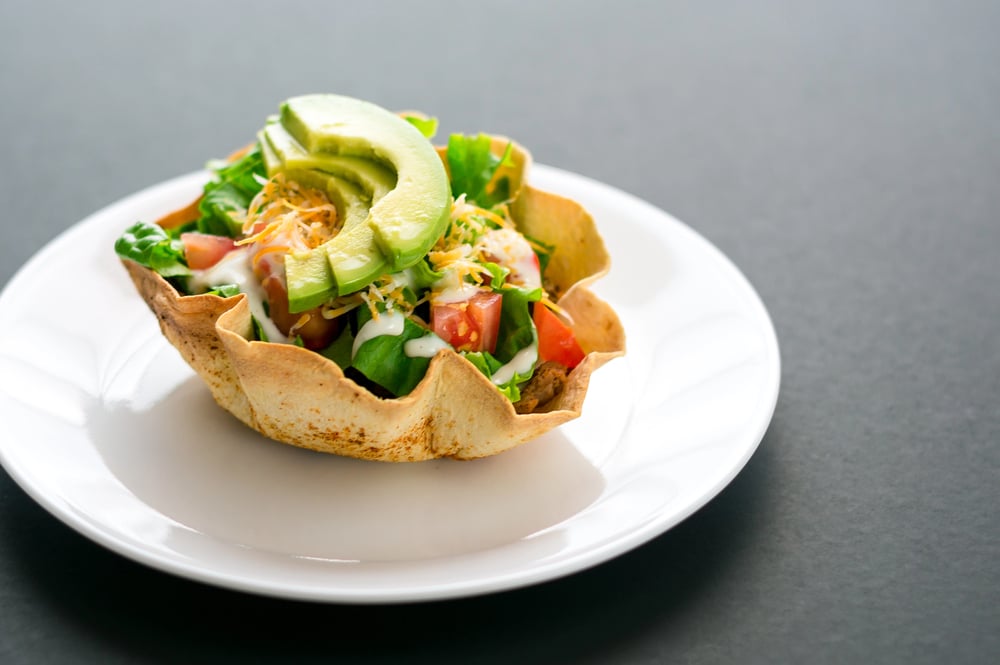
Various experimental shell types attempted to create premium presentation for taco salads but proved operationally complex.
Burger King Breakfast Club
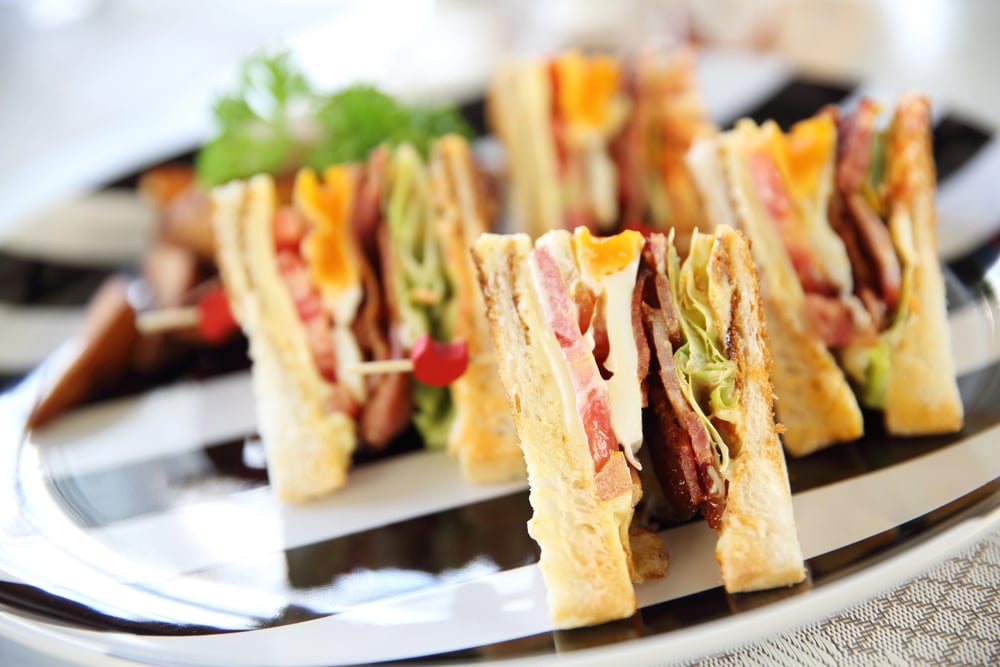
This morning meal option combining various breakfast items was discontinued as it competed poorly against simpler egg sandwich formats.
McDonald’s Wonton Tacos
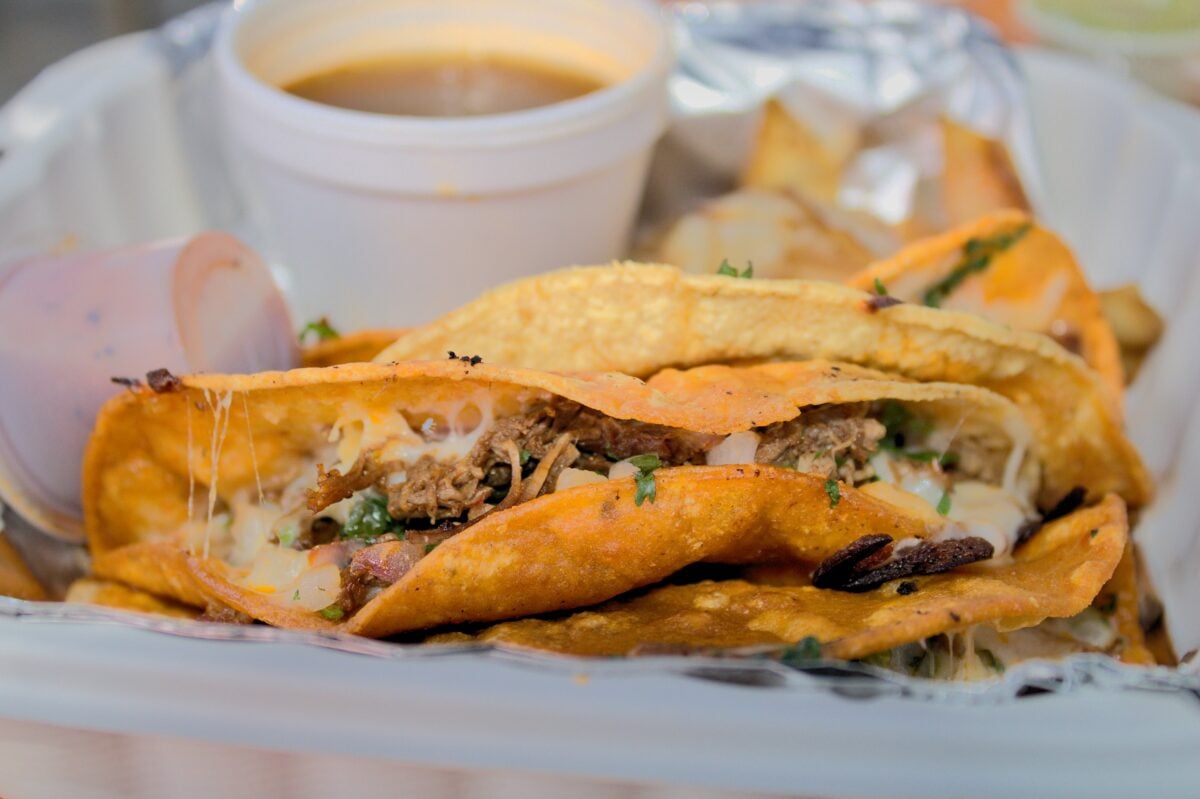
Various Asian-inspired menu experiments in the 1980s preceded McDonald’s Asian market operations by decades and failed domestically.
Wendy’s Breakfast Croissants

These all-day croissant sandwiches were attempted but discontinued due to preparation complexity incompatible with fast service expectations.
Fast Food Experimentation as Failed Optimism
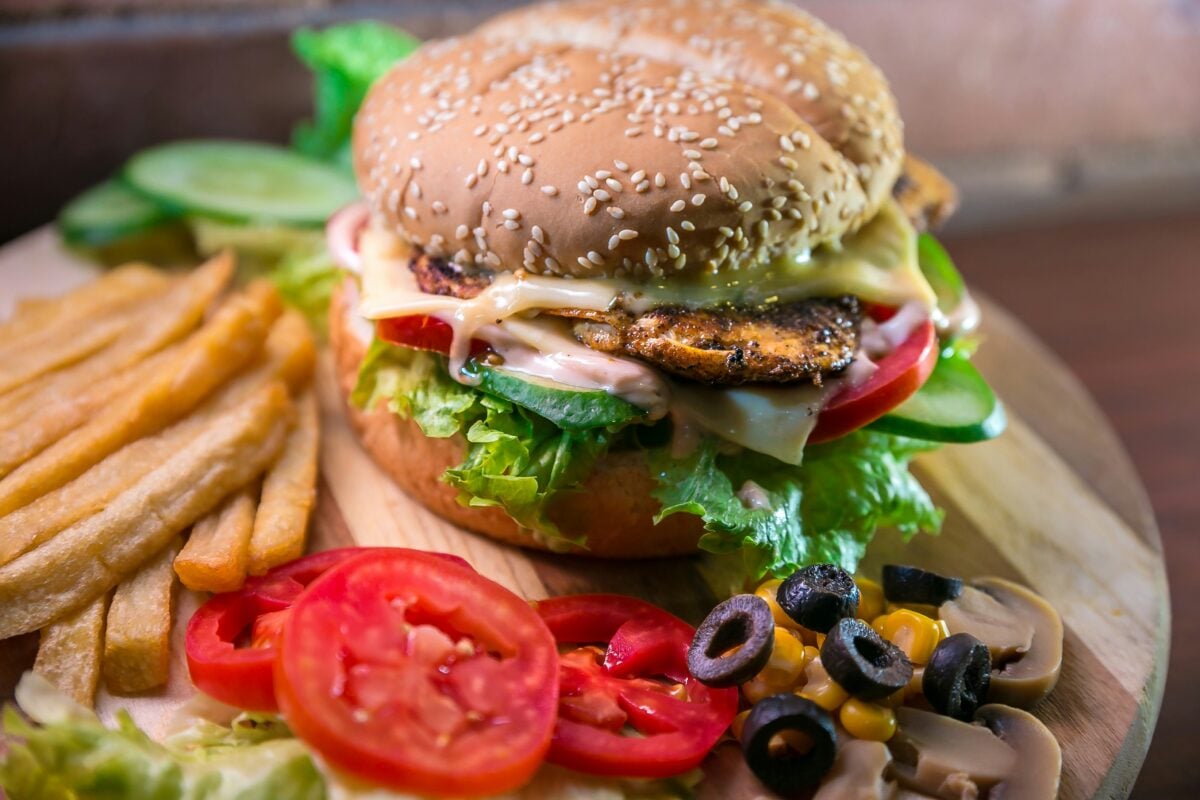
The 1980s represented a moment when fast food chains genuinely believed they could transcend their category limitations—that customers wanted them to become pizza places, salad bars, and upscale burger establishments simultaneously. The fact that nearly every experiment failed reveals a fundamental truth about fast food: customers specifically chose it for what it wasn’t.
They wanted speed, consistency, and simplicity, not adventurous cuisine or health-conscious options. The chains that survived and thrived did so by returning to core competencies rather than expanding into adjacent categories.
The abandoned menu items serve as monuments to misguided ambition, experiments that assumed customer demand existed where none actually did.
More from Go2Tutors!




