Diaries That Changed History
Personal diaries have given us windows into moments that shaped our world. These weren’t meant for public eyes, yet they became some of the most important historical documents we have.
The writers recorded their thoughts, fears, and daily lives without knowing that millions would eventually read their words. Some diaries exposed injustices, others preserved voices that might have been lost forever, and a few changed how we understand entire periods of history.
Let’s explore the journals and diaries that ended up making a real difference in the world.
Anne Frank’s Diary
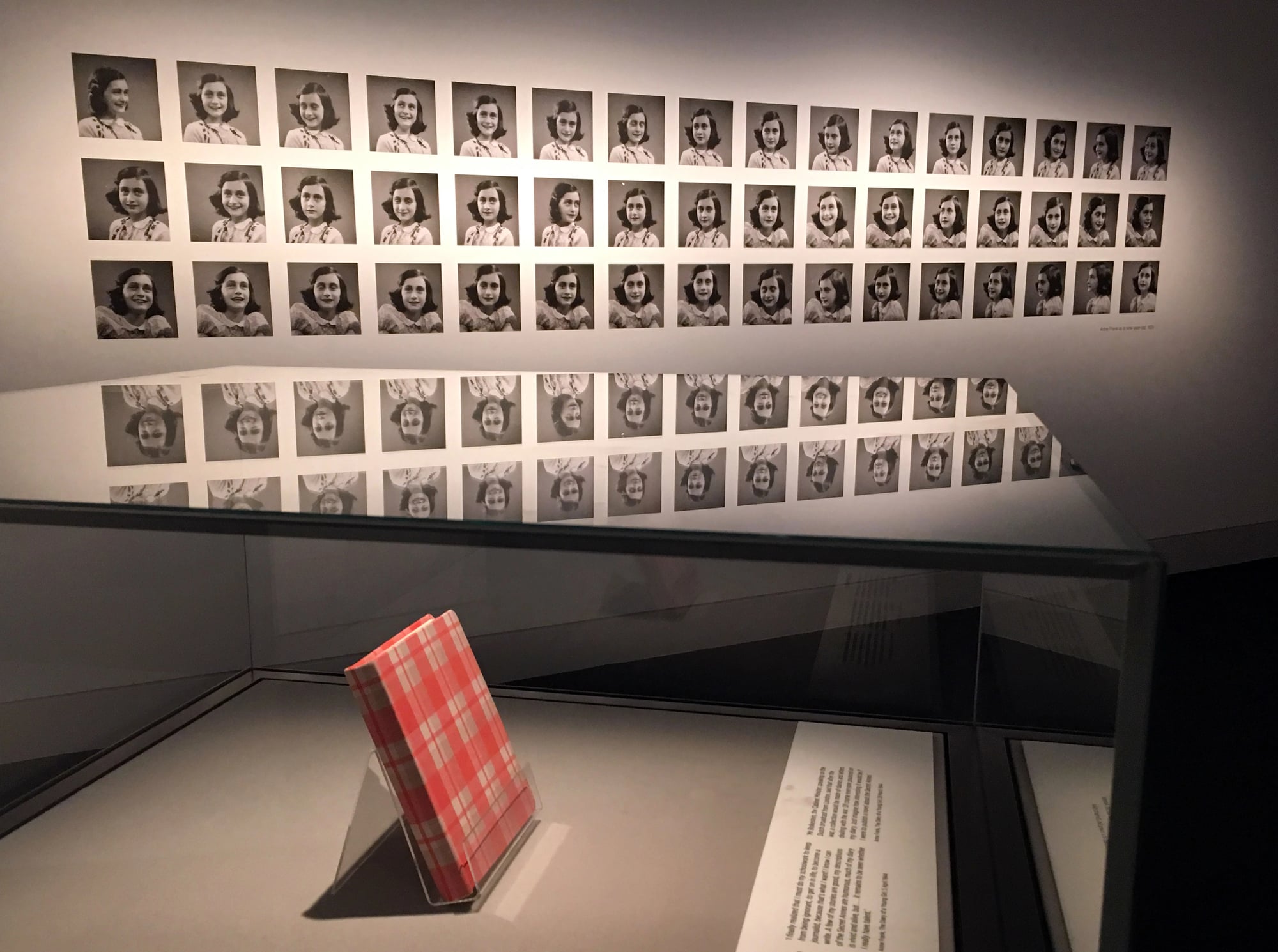
A Jewish teenager hiding from the Nazis in Amsterdam wrote about her hopes and fears during World War II. Anne Frank’s diary covered two years of living in a secret annex with her family and four others.
She wrote about typical teenage concerns mixed with the terror of possibly being discovered at any moment. Her father Otto was the only member of the annex to survive, and he published her diary in 1947.
The book has since been translated into over 70 languages and has taught generations about the Holocaust through the eyes of a young girl who never got to grow up.
Samuel Pepys’ Diary

This English naval administrator kept a detailed diary from 1660 to 1669, recording everything from what he ate for breakfast to major events like the Great Fire of London. Pepys wrote in a form of shorthand that wasn’t decoded until the 1800s.
His entries give us an incredibly vivid picture of life in 17th-century England, including gossip, scandals, and his own personal failings. The diary has become one of the most important primary sources for understanding Restoration England.
The Diary of a Young Girl in Hiroshima

Sadako Sasaki was two years old when the atomic bomb hit Hiroshima in 1945. She seemed healthy for years but developed leukemia at age 11 from radiation exposure.
While in the hospital, she began folding paper cranes, hoping to reach 1,000 to grant her wish to live. Her story and the crane campaign became a symbol of the innocent victims of nuclear war.
Today, her statue in Hiroshima’s Peace Park receives thousands of paper cranes from children worldwide.
Zlata Filipović’s Diary

An 11-year-old girl in Sarajevo started writing in 1991, just before the Bosnian War began. Zlata documented the transformation of her normal childhood into a nightmare of snipers, bombings, and friends dying.
Her entries were eventually published and drew international attention to the suffering of civilians during the conflict. People called her diary the ‘Sarajevo Anne Frank,’ though Zlata survived and continues to advocate for children affected by war.
Lewis and Clark’s Journals
The explorers kept detailed records during their 1804-1806 expedition across the American West. Their journals documented plants, animals, geography, and Native American tribes that were unknown to most Americans at the time.
The expedition covered about 8,000 miles, and their notes provided the first reliable maps of the territory. These journals influenced westward expansion and remain crucial resources for understanding the continent before major European settlement.
Captain Robert Scott’s Diary

The British explorer wrote his final diary entries while trapped in a tent in Antarctica in 1912. Scott and his team had reached the South Pole only to find that Norwegian explorer Roald Amundsen had beaten them there.
On the return journey, severe weather and dwindling supplies left them stranded just 11 miles from a supply depot. His last entries, found with his frozen body months later, remain some of the most haunting documents of human endurance and failure.
The Pillow Book of Sei Shōnagon

A lady-in-waiting in 10th-century Japan kept a collection of observations, lists, and poetry about court life. Sei Shōnagon’s writing gives us detailed insights into Heian period Japan, from fashion preferences to social hierarchies.
Her sharp wit and honest opinions about people around her make the writing feel surprisingly modern. The Pillow Book influenced Japanese literature for centuries and showed that women’s perspectives on history were worth preserving.
The Diaries of John Adams
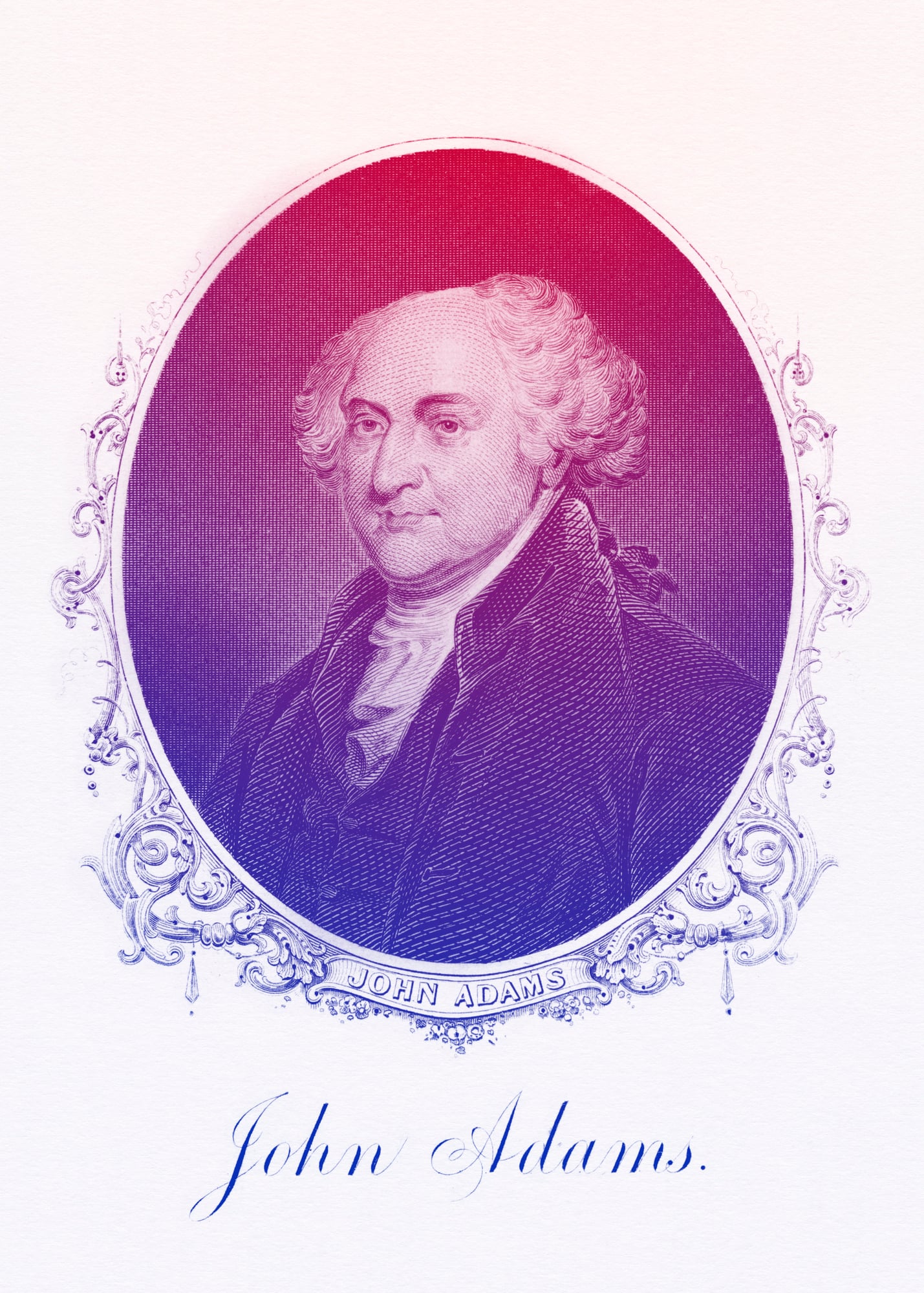
The second U.S. president kept diaries for much of his life, starting as a young lawyer. Adams recorded his thoughts on the American Revolution, the drafting of the Constitution, and his time as president.
His entries reveal the doubts and debates behind decisions that shaped the nation. The diaries also show his complicated relationship with Thomas Jefferson and other founding fathers, adding depth to figures often treated as untouchable legends.
Frida Kahlo’s Diary

The Mexican artist kept an illustrated journal during the last decade of her life. Kahlo filled the pages with paintings, poetry, and stream-of-consciousness thoughts about pain, love, and politics.
Her diary entries reveal the emotional struggles behind her famous self-portraits. The journal was published decades after her death and helped people understand the connection between her physical suffering and artistic vision.
Ernest Shackleton’s Antarctic Diary
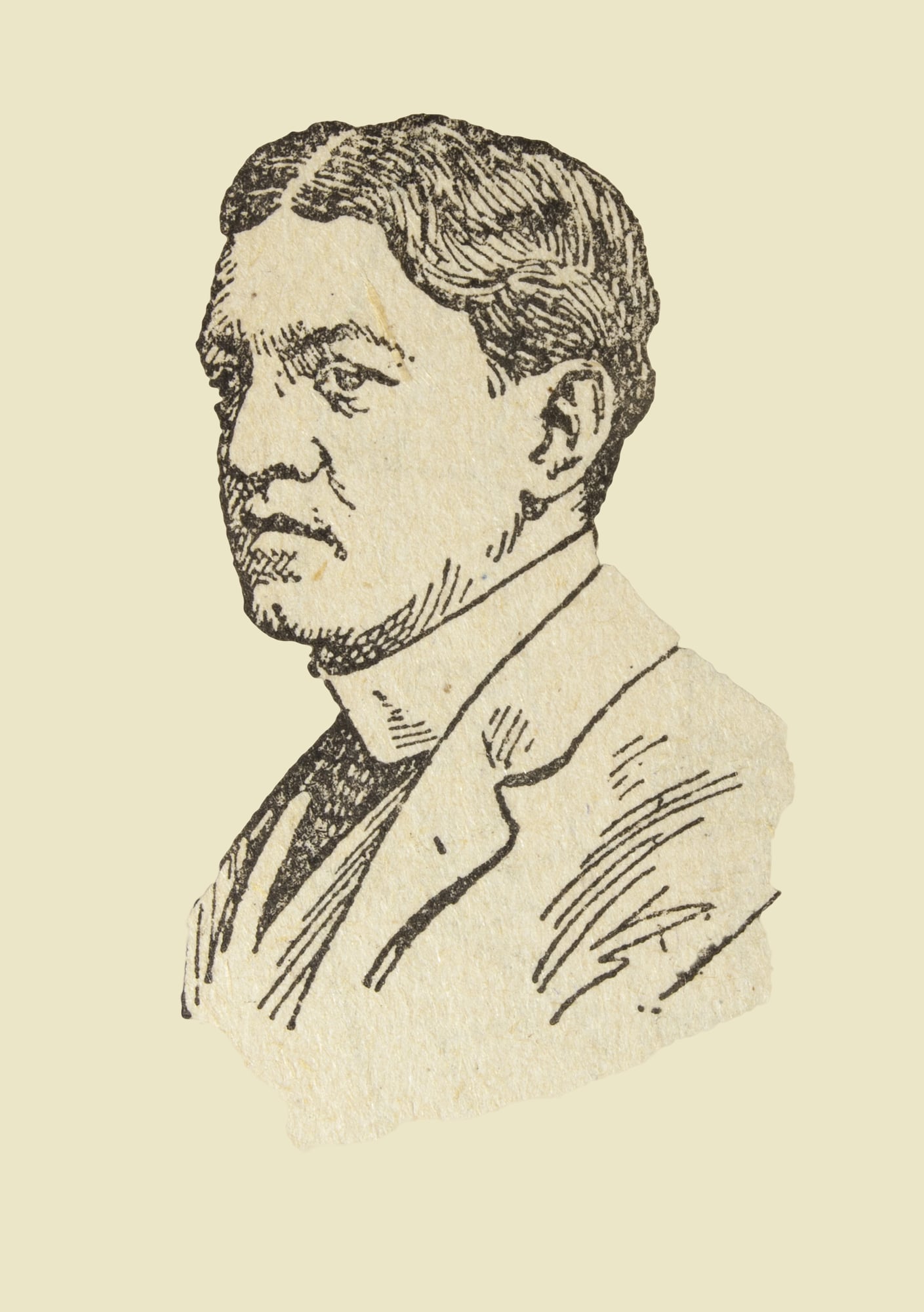
The explorer documented his failed 1914 expedition to cross Antarctica when his ship Endurance got crushed by ice. Shackleton’s diary covered the crew’s survival on ice floes and a desperate boat journey to find help.
Despite losing the ship and the expedition’s goal, he managed to save every crew member. His diary became a testament to leadership under impossible conditions and is still studied in business schools today.
The Diary of Rutherford B. Hayes

Teenage scribbles turned into decades of private thoughts tucked away by the nation’s 19th leader. Though bullets flew around him, he still found time to record what unfolded during wartime clashes.
When votes were disputed after 1876, his pen didn’t stay silent. Pages filled with views on race and rebuilding reveal layers missed by quick textbook summaries.
Beyond official portraits, ink shows someone harder to pin down.
Mary Chesnut’s Wartime Diary
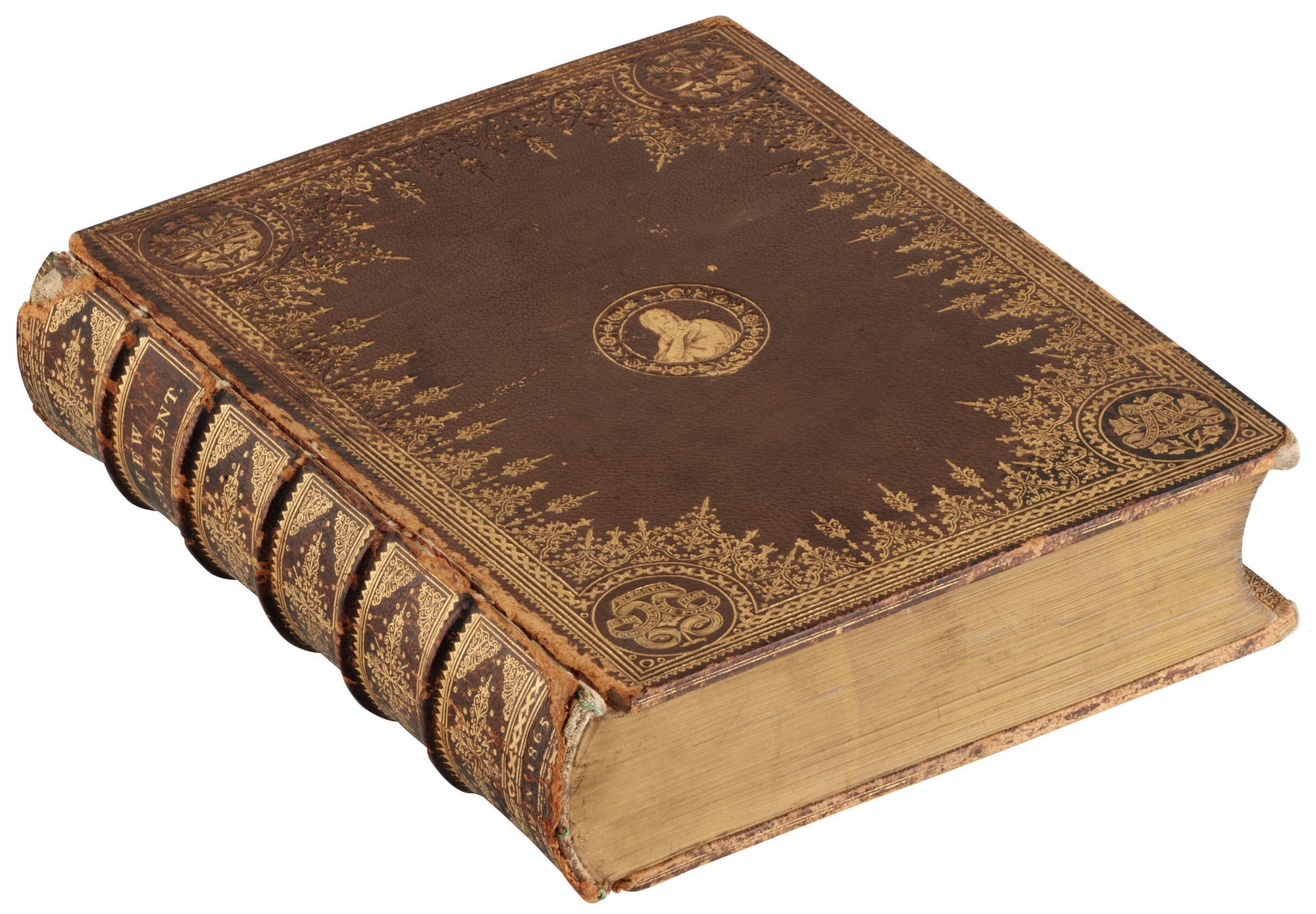
A woman from South Carolina wrote about daily existence in the Confederacy between 1861 and 1865. Because her husband moved among high-ranking leaders, Chesnut heard discussions on politics and troop movements firsthand.
What stands out is how openly she questioned slavery – rare for a person of her background. Scholars now rely heavily on her journal to grasp how Southerners saw the conflict, even if much of what we read was reshaped years later when she rewrote it.
Though published long after her death, the observations feel immediate, personal, almost startling in their honesty.
The Journals of Meriwether Lewis
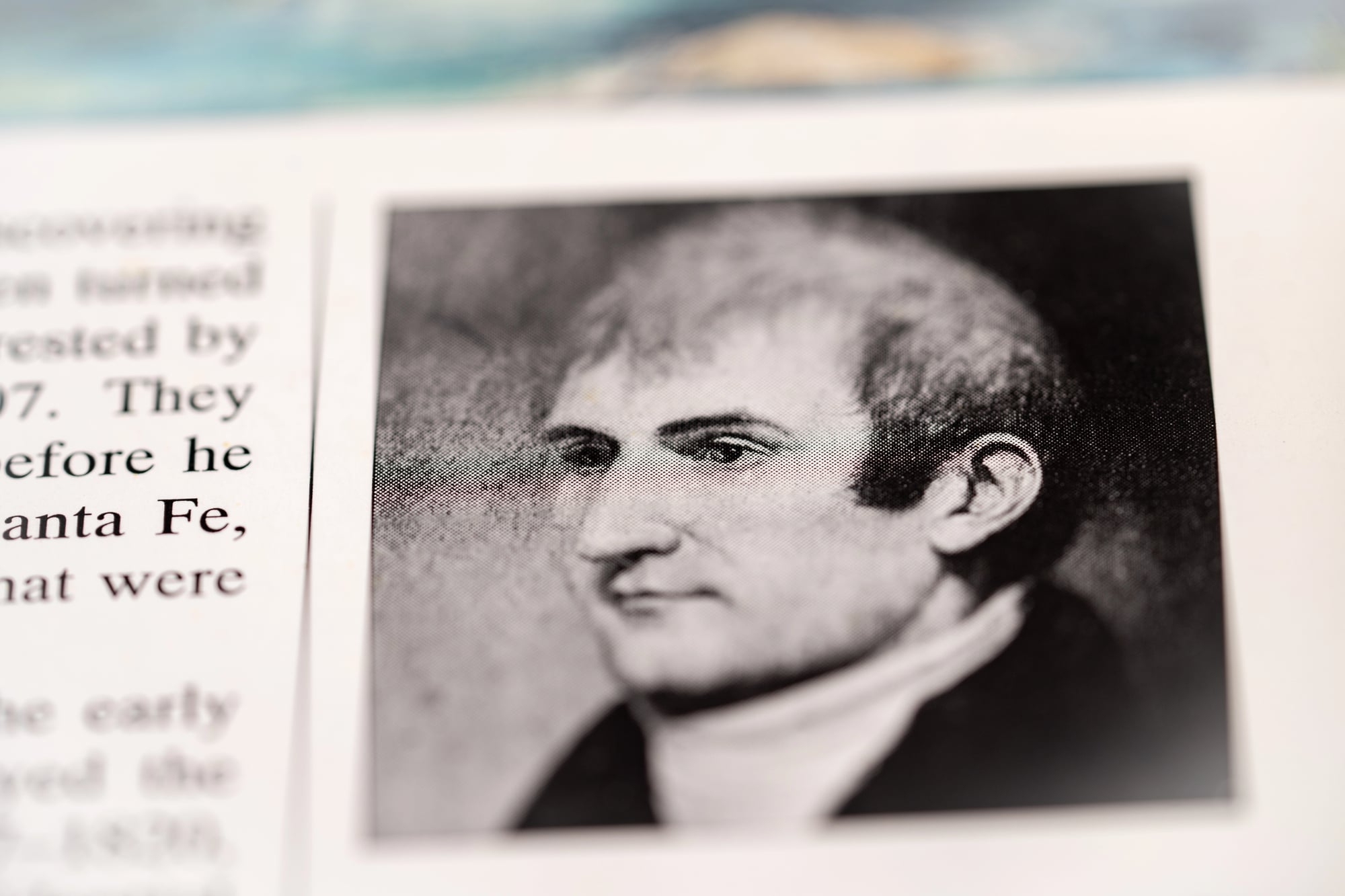
Though he traveled with William Clark, Lewis kept private thoughts that ran far below the surface of their shared records. Inside those pages lived quiet battles – sadness weighed heavy, leadership felt like stone.
Not just listing plants and animals, but asking why they mattered showed how deeply he looked at nature. Then, gone too soon in 1809, unclear exactly how or why, leaving behind words that now speak louder than ever.
The Diary of Anaïs Nin
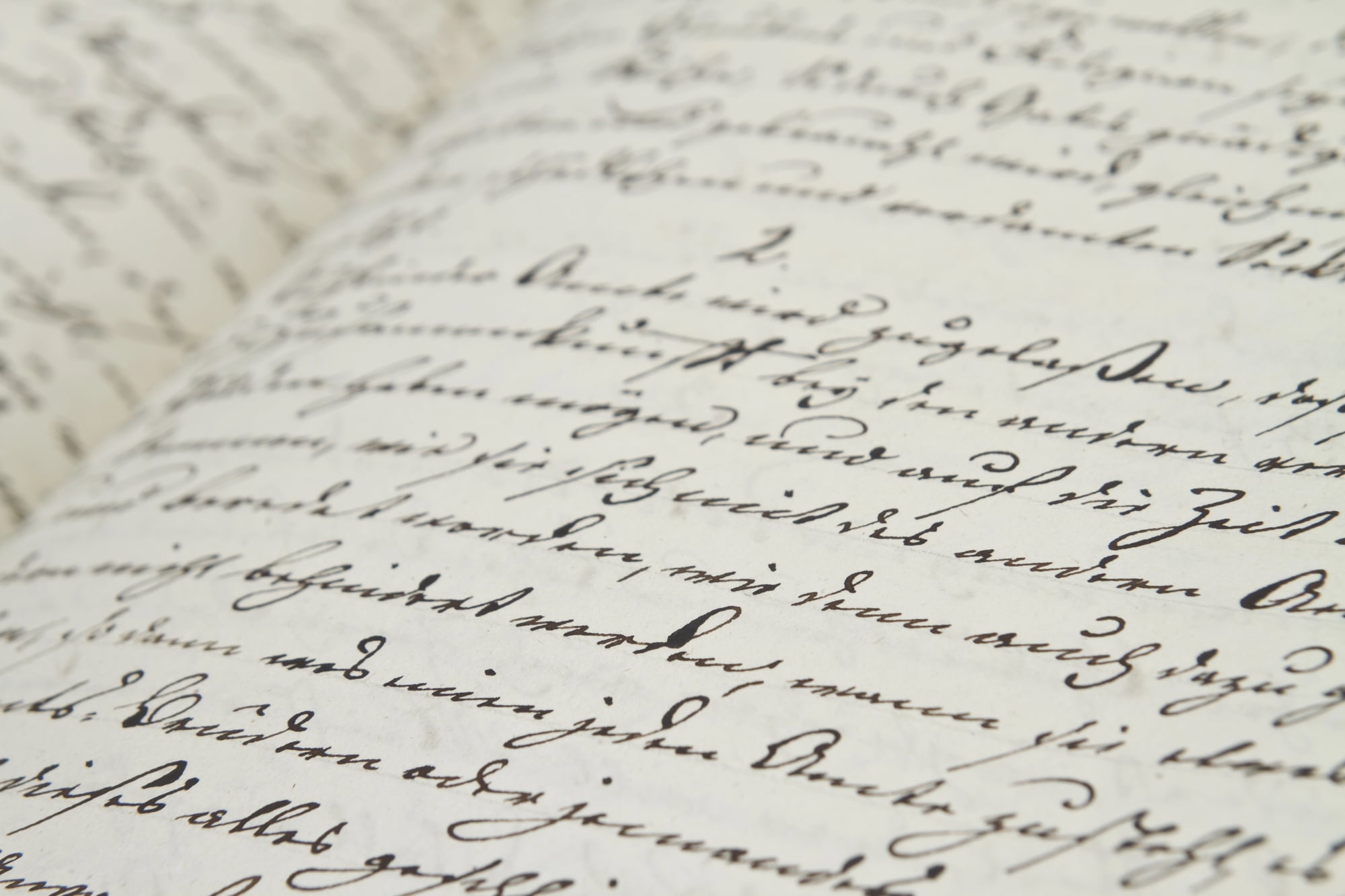
This French-Cuban author kept diaries from age 11 until her death, eventually publishing edited versions. Nin wrote extensively about the artistic and literary circles of Paris in the 1920s and 1930s.
Her journals explored relationships, creativity, and psychoanalysis in ways that were groundbreaking for the time. The published diaries influenced feminist literature and showed that women’s inner lives deserved serious literary treatment.
The Prison Diary of Nelson Mandela

South Africa’s future president kept notes during his 27 years of imprisonment on Robben Island. Prison officials confiscated many of his writings, but some survived and were later published.
Mandela’s entries showed how he maintained hope and dignity despite brutal conditions. The diary helped the world understand the personal cost of fighting apartheid and cemented his status as a symbol of peaceful resistance.
George Washington’s Diaries

Farming took up most pages when George Washington put pen to paper each day. Not battles or laws – but soil, seasons, and seeds filled his thoughts.
One entry after another tracks rainfall, planting dates, horseback rides through fields. This commander cared deeply about fences, plows, and how deep corn should go.
History remembers him leading armies – yet he spent years watching wheat grow. Few glimpses show a statesman so tangled in dirt and routine.
The War Diary of Vera Brittain

A young woman from England wrote down what she saw while caring for injured troops in World War I. When shells stopped falling, grief kept moving through her life – brother gone, partner lost, dear ones vanished.
Pages filled with pain became a book called ‘Testament of Youth,’ remembered long after. Not only did battle take lives, it hollowed out homes, left silence where laughter once lived.
Words That Outlived Their Writers

What we find inside these pages shows how private reflections turn into shared legacies. Not once did the authors expect their quiet entries to shape understanding so far into the future.
Truth spoken plainly captured instants overlooked by formal accounts, lifting up views otherwise lost. Right now, their writings stand as proof – regular lives caught in turbulent eras carry narratives needing preservation, while real impact often builds slowly, page after page.
More from Go2Tutors!

- The Romanov Crown Jewels and Their Tragic Fate
- 13 Historical Mysteries That Science Still Can’t Solve
- Famous Hoaxes That Fooled the World for Years
- 15 Child Stars with Tragic Adult Lives
- 16 Famous Jewelry Pieces in History
Like Go2Tutors’s content? Follow us on MSN.