30 Historical Figures Who Lived Under Fake Identities for Years Without Being Caught
There’s something oddly comforting about the idea that a person can become someone else entirely and get away with it, at least for a while. Maybe it’s the fantasy of starting over with no baggage, or maybe it’s just the sheer nerve involved that keeps these stories alive centuries later.
Either way, history is stuffed with people who built entire lives, careers, marriages, and even thrones on identities that weren’t theirs, sometimes for years, sometimes for decades, sometimes right up until the coroner got involved. What follows are thirty of the strangest, boldest, and occasionally saddest examples of people who simply decided to become somebody else.
Martin Guerre

Martin Guerre vanished from his French village in the 1550s, and nobody came looking too hard. A man calling himself Martin Guerre showed up years later.
He knew the right stories, the right gestures, even the right way to argue with Guerre’s own wife. For three years, an impostor named Arnaud du Tilh lived a stranger’s whole life, until the real Martin Guerre walked back through the door.
Perkin Warbeck

Perkin Warbeck spent the better part of the 1490s convincing half of Europe, kings, courts, even his own in-laws, that he was Richard of Shrewsbury, one of the two young princes who vanished from the Tower of London. Scotland married him into its nobility, France backed him, and the story held for years despite having no real proof behind it, which is remarkable when you think about how thin the evidence actually was.
But Henry VII spent a fortune trying to unravel him anyway: paranoia has a way of outlasting logic. So when Warbeck finally confessed in 1499, it wasn’t the disguise that failed him, it was simple exhaustion.
Lambert Simnel

Lambert Simnel’s story reads less like history and more like a fable about how badly England wanted its old certainties back after decades of civil war. A ten-year-old boy, coached and dressed up as Edward Plantagenet, was crowned king in Dublin in 1487, not because anyone truly believed the disguise, but because belief was cheaper than doubt at the time.
He lost, of course, armies rarely lose to children pretending to be earls. What lingers is the ending: Henry VII, rather than executing a boy who’d been used as a pawn, put him to work turning a spit in the royal kitchens.
False Dmitry I

Russia’s Time of Troubles produced one of the boldest identity heists in European history, and nobody has ever fully settled who the man actually was. He claimed to be Tsarevich Dmitry, a boy long presumed murdered, and somehow rode that claim all the way to the throne in 1605.
Historians lean toward him being a runaway monk named Grigory Otrepyev, though frankly the Russian court seemed more interested in having a Tsar than having the right one. He lasted less than a year on the throne before a mob dragged him out and burned his body, which is a rough way to find out your story didn’t check out.
Anna Anderson
Anna Anderson claimed for over sixty years to be Grand Duchess Anastasia Romanov, the youngest daughter of the last Tsar. Royal relatives argued over her for decades.
Courts in Germany spent years on the case and never fully resolved it while she was alive. DNA testing after her 1984 death proved she was actually Franziska Schanzkowska, a Polish factory worker with no royal blood at all.
The Tichborne Claimant
Arthur Orton was a butcher from Wapping with no obvious resemblance to Sir Roger Tichborne, the English baronet lost at sea years earlier, and yet he convinced Tichborne’s own mother that he was her son, which tells you something about how badly a grieving woman wants to believe. The case dragged through British courts for years, becoming the longest trial in English history up to that point: newspapers couldn’t get enough of it.
So Orton kept insisting, even as witness after witness contradicted basic facts the real heir would have known cold. But the jury eventually saw through him, and in 1874 he was convicted of perjury and sent away for fourteen years.
Grey Owl

Grey Owl built himself out of borrowed feathers, in every sense of the phrase. Archibald Belaney was an Englishman from Hastings who reinvented himself in Canada as an Ojibwe trapper turned conservationist, and for years his lectures on wilderness and Indigenous life packed halls across Britain and North America.
There’s something almost tender about how much people wanted the story to be true, a fiction dressed as authenticity, and audiences too hungry for it to ask hard questions. It wasn’t until his death in 1938 that reporters dug up his English birth certificate and the whole persona unraveled at once.
James Barry
James Barry’s career proves that determination beats prejudice more often than history gives it credit for. Born Margaret Ann Bulkley, Barry enrolled in medical school as a man and spent 46 years as a respected surgeon in the British Army, serving everywhere from South Africa to the Crimea.
Nobody suspected a thing, or if they did, nobody said so out loud, which says plenty about how little anyone examined a colleague back then. Only after death in 1865 did the truth come out, and by then Barry had already outperformed most of the men who never doubted the disguise.
Deborah Sampson
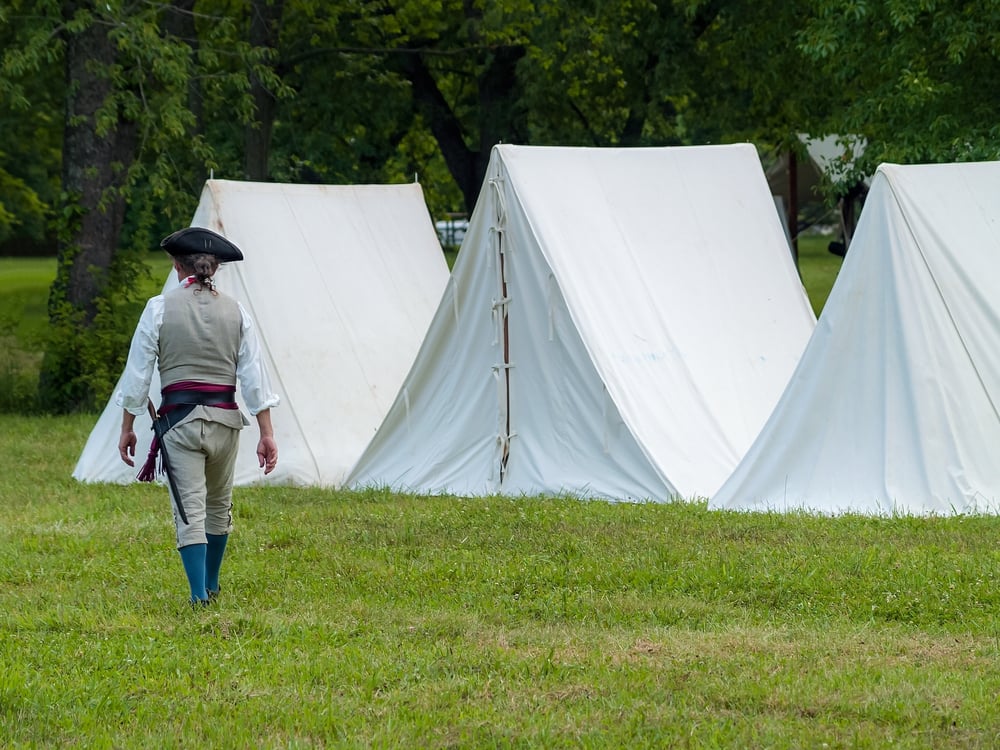
Deborah Sampson enlisted in the Continental Army under the name Robert Shurtliff in 1782. She fought in real battles and took a real bullet, then dug it out herself rather than risk a doctor finding out the truth.
Her secret held for over a year. Congress eventually granted her a pension anyway, which is more than most soldiers ever got.
Albert Cashier
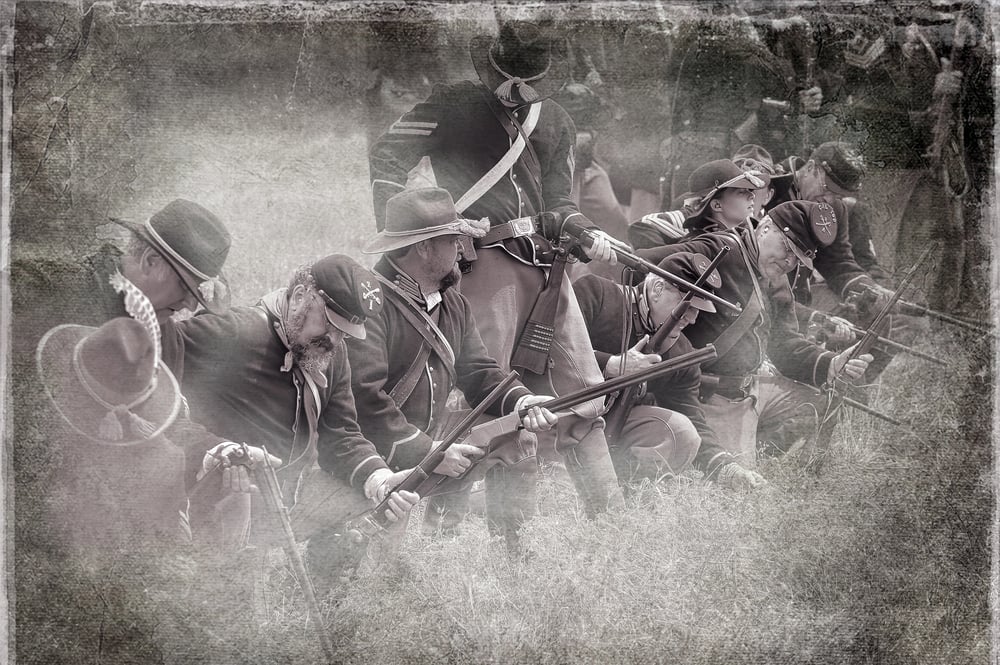
Jennie Hodgers left Ireland as a teenager and became Albert Cashier somewhere along the way, not just for the , though that’s the part people remember, but for the rest of her life afterward, decades of it, working ordinary jobs under an ordinary man’s name. She fought at Vicksburg, survived the war, and just kept living as Albert Cashier long after anyone needed the disguise for survival: it had simply become who she was.
So when a broken leg landed her in a hospital in 1911 and doctors discovered the truth, Cashier was in her late sixties and had been Albert for nearly fifty years. And even then, most of the people who’d known her fought to keep it quiet.
Billy Tipton
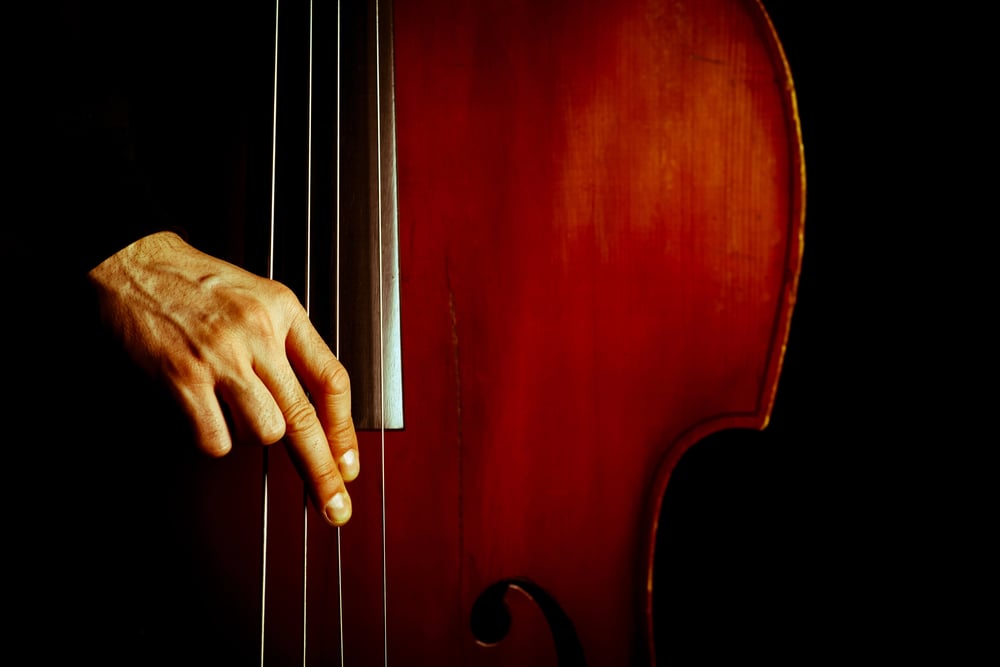
Billy Tipton spent a lifetime as a jazz musician, a husband, and a father, and the secret he carried was so complete that even the people closest to him only found it out over his coffin. Born Dorothy Lucille Tipton, he built an entire identity around a career that simply wouldn’t have existed for a woman in that era’s jazz circuit, protecting it the way a musician protects a fingering only they know.
His sons learned the truth from the coroner in 1989, decades after they’d learned everything else about him. The quiet parts of a life, it turns out, can outlast almost everything louder.
Clarence King
Clarence King ran the most exhausting double life on this list, and he ran it for thirteen years without a single slip. As the first director of the US Geological Survey, King was a celebrated white scientist by day and, under the name James Todd, a Black Pullman porter married to a formerly enslaved woman named Ada Copeland by night, an arrangement that required constant, deliberate lying to the person who trusted him most.
He only told her the truth in a letter written as he was dying in 1901, which is a spectacularly late moment to come clean. Ada spent years afterward trying to prove the marriage had ever existed at all.
Chevalier D’Éon
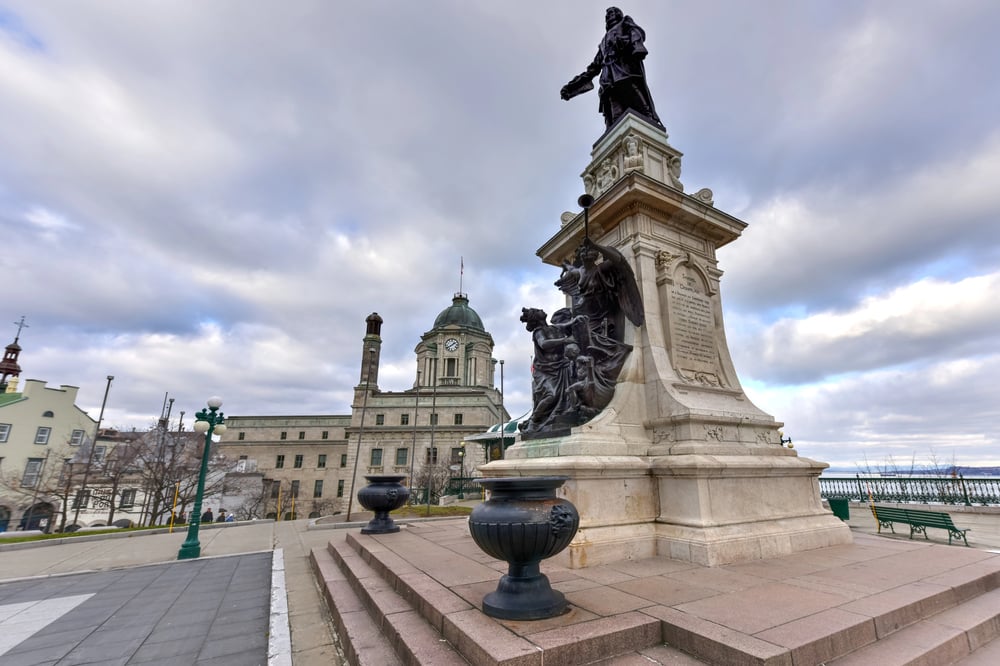
The Chevalier d’Éon worked as a French diplomat, a soldier, and a spy for the French crown throughout the 1700s. For the second half of life, d’Éon lived and dressed as a woman, with the King of France’s own approval.
British society argued for years over which identity was the real one, and wagers were even placed on the outcome. The matter wasn’t fully settled until an autopsy after death in 1810.
Eleno De Céspedes
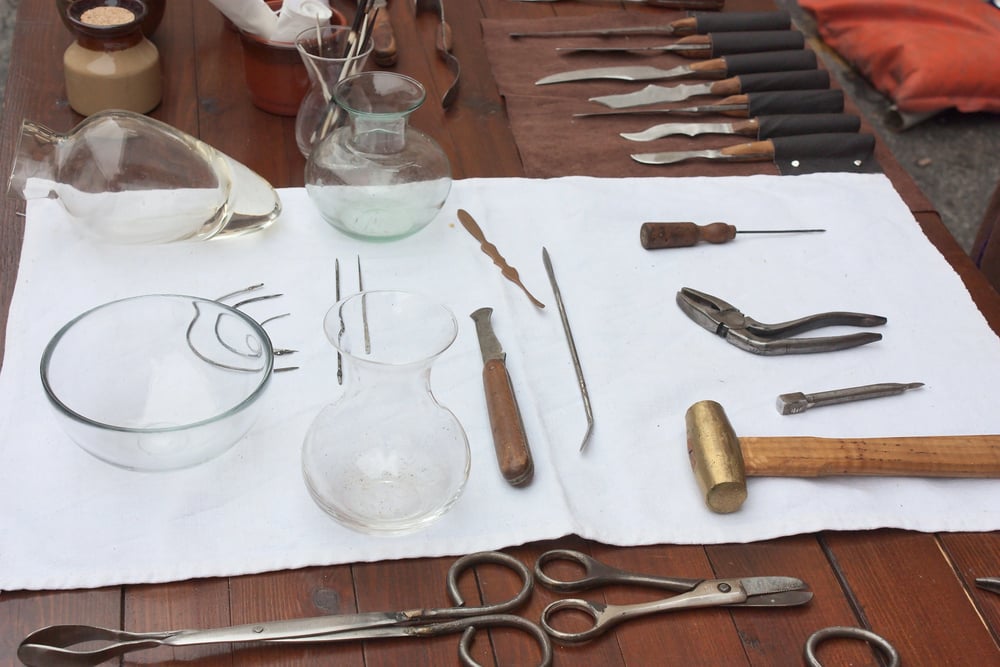
Eleno de Céspedes lived in 16th-century Spain as a licensed surgeon, a soldier, and eventually a husband, and did so as a man, in a country where the Inquisition had opinions about basically everything, including bodies that didn’t fit neatly into its categories. The details are strange even by the standards of the era: Céspedes had been recorded as a woman named Elena earlier in life, married a man once, and later married a woman as Eleno, with witnesses testifying to physical changes nobody in the courtroom quite knew how to explain.
So the Inquisition put the whole thing on trial in 1587, not entirely sure what crime they were even prosecuting. But Céspedes had already lived years as a respected, licensed professional by then, before anyone thought to ask questions.
Cassie Chadwick

Cassie Chadwick understood something most con artists never learn: that a lie works best when it’s outrageous enough that nobody wants to be the one who doubts it. Born Elizabeth Bigley, she convinced Cleveland bankers she was the secret illegitimate daughter of Andrew Carnegie, waving around forged promissory notes supposedly worth millions, and the sheer scale of the claim made bankers too embarrassed to check.
Money poured toward her for years on nothing but her nerve and Carnegie’s name. It collapsed in 1904, the way most castles built on borrowed names eventually do.
Stanley Clifford Weyman

Stanley Clifford Weyman might be the most persistent impostor America ever produced, and that’s a genuinely competitive category. Over roughly two decades in the early 1900s, he posed as a Serbian diplomat, a US Navy officer, a physician, and a State Department official, sometimes getting caught and simply starting over somewhere new under a fresh name.
Getting arrested didn’t slow him down much, which suggests he found the disguises more satisfying than the crimes themselves. He kept at it well into the 1940s, proof that some people treat identity theft less like a scheme and more like a hobby.
Frédéric Bourdin

Frédéric Bourdin impersonated dozens of missing children and teenagers across Europe through the 1990s. He was in his twenties by the time he pulled off his most famous con.
In 1997, he convinced a Texas family he was their missing son, Nicholas Barclay, despite having a French accent and the wrong eye color. Investigators eventually caught him, but only after he’d lived inside another family’s grief for months.
Wilhelm Voigt
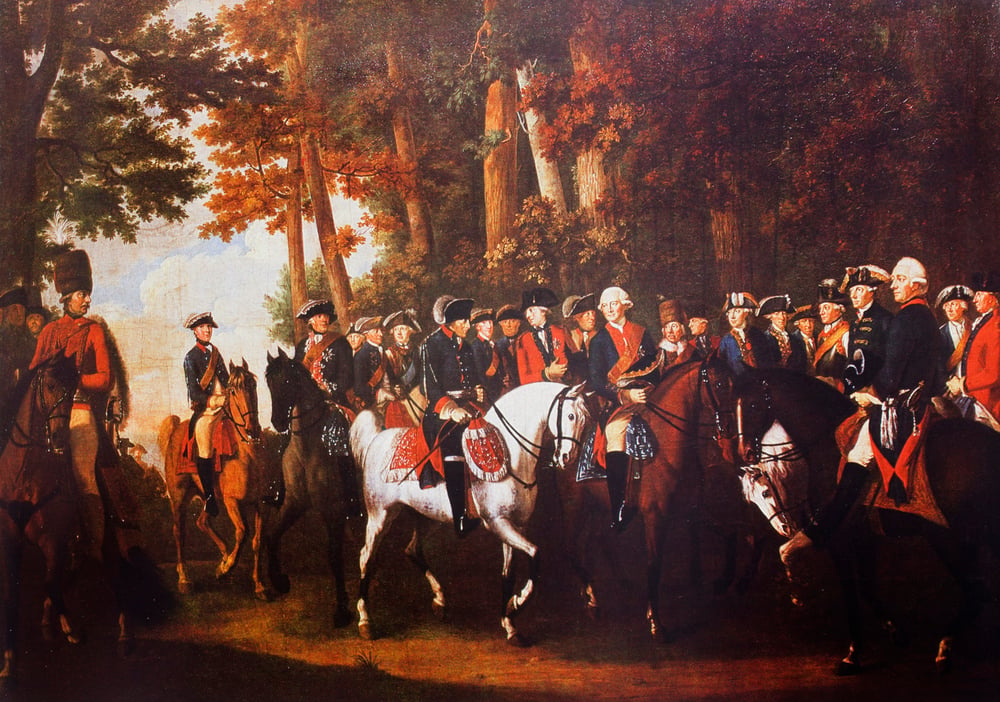
Wilhelm Voigt was a shoemaker and small-time criminal in early 1900s Germany, and in October 1906 he pulled off one of the strangest cons in European history simply by putting on a used Prussian army captain’s uniform, bought piece by piece from secondhand shops, and ordering real soldiers to follow him. They did, without question, because the uniform outranked the man wearing it: that’s how rigid German military culture was at the time.
So Voigt marched his borrowed squad into the town hall of Köpenick, arrested the mayor, and made off with the treasury funds before anyone thought to check his papers. And when he was finally caught, the story had already made him a folk hero, more famous than most actual captains.
James Reavis

James Reavis didn’t just fake an identity, he faked an entire inheritance, which takes a special kind of nerve. Calling himself the “Baron of Arizona,” he forged Spanish land grant documents and a genealogy stretching back generations, all to support a claim to nearly twelve million acres across Arizona and New Mexico Territory.
For a while, railroads and mining companies actually paid him for the rights, treating his paperwork like it carried the weight of history rather than the weight of ink and imagination. The scheme unraveled in the 1890s once investigators traced the forged records back to their source.
George Psalmanazar

George Psalmanazar pulled off one of the strangest hoaxes of the 18th century, and it’s hard not to admire the sheer commitment involved. Claiming to be a native of Formosa, he invented an entire language, alphabet, and culture from scratch and published a detailed book describing customs that existed nowhere but in his own head.
London society believed him for years, inviting him to lecture at Oxford about a country he’d never once visited. Eventually he confessed the whole thing was fabricated, which makes him less a liar and more, weirdly, one of history’s more ambitious novelists.
Mary Baker

Mary Baker showed up in a Gloucestershire village in 1817 speaking an invented language and calling herself Princess Caraboo. She claimed royal descent from an island nobody could locate on any map.
Locals housed her, fed her, and paraded her around for months before anyone got suspicious. It turned out she was a shoemaker’s daughter from Devon who’d simply grown tired of being ordinary.
Sarah Emma Edmonds

Sarah Emma Edmonds enlisted in the Union Army as Franklin Thompson in 1861, and she didn’t just survive as a foot soldier, she served as a nurse, a mail carrier, and by her own later account, occasionally slipped behind Confederate lines disguised yet again, this time as a woman, meaning she was running two layers of disguise at once. The war took its toll: illness eventually forced her to desert rather than risk a hospital exam exposing her.
So for years afterward, Franklin Thompson was listed as a deserter on Army records, an accusation that followed a woman who’d actually done more than most men who never got questioned. But Congress cleared her name in 1884 and granted her a veteran’s pension, decades after the danger had passed.
Loreta Janeta Velazquez

Loreta Janeta Velazquez told a story so audacious that historians still argue over how much of it happened exactly the way she wrote it. By her account, she disguised herself as a Confederate officer named Harry T. Buford, financed her own company of soldiers, and fought in multiple battles before her memoir, “The Woman in Battle,” made her a curiosity across the postwar South.
Whether every detail holds up under scrutiny or not, the account became a kind of mirror for how thin the line was between soldier and disguise during a war fought mostly by men who never had to prove they belonged there. Velazquez’s story sits somewhere between memoir and legend, which might be exactly where she wanted it.
Charley Parkhurst

Charley Parkhurst drove stagecoaches through California’s roughest terrain for decades and did it better than most men in the business, which is the part of this story people tend to skip. Born Charlotte Parkhurst, Charley lived and worked as a man from a young age and even reportedly cast a vote in an 1868 election, decades before women could legally do so.
Nobody figured out the truth until an autopsy after death in 1879. Frankly, the stagecoach industry owes Charley more credit than the footnote status history has given.
Bampfylde Moore Carew

Bampfylde Moore Carew abandoned a comfortable English upbringing to become a professional con man in the 1700s. He called himself the “King of the Beggars” and wore a new disguise for nearly every town he entered.
Sometimes he was a shipwrecked sailor, sometimes a ruined nobleman, sometimes a wandering madman begging for coins. He kept it going for decades, and his own memoir turned the whole scheme into something like a celebrity resume.
Victor Lustig

Victor Lustig collected aliases the way other people collect stamps, by one count he used more than 45 different names over his criminal career, which started in Europe and eventually landed him in American courtrooms. His most famous con involved posing as a French government official and “selling” the Eiffel Tower for scrap metal, not once but twice, to buyers too embarrassed afterward to report it: that embarrassment was the real engine behind half his schemes.
So Lustig kept working cons well into the 1930s, running counterfeit money operations that reportedly fooled the Secret Service for a while. And when he was finally caught for good, he was sent to Alcatraz, a fitting final address for a man who’d spent his whole life refusing to live anywhere as himself.
Ignatz Trebitsch-Lincoln

Ignatz Trebitsch-Lincoln lived enough separate lives to fill several biographies, and somehow they were all the same person. Born to a Jewish family in Hungary, he became, at various points, an Anglican missionary, a British Member of Parliament, a German spy, an arms dealer, and finally a Buddhist monk in China, shedding each identity the way a hermit crab abandons a shell that’s grown too small.
Nobody who met him at any single stage would have recognized the man from any other stage of his life. By the time he died in Shanghai in 1943, he’d worn more names than most people wear coats.
David Hampton

David Hampton talked his way into some of the wealthiest homes in 1980s New York with a single, absurdly effective lie: that he was Sidney Poitier’s son. He had no connection to Poitier whatsoever, but the claim was enough to get him invited into dinners, apartments, and social circles that would never have opened their doors to an ordinary stranger.
His run eventually inspired the play and film “Six Degrees of Separation,” which is more cultural legacy than most legitimate socialites ever earn. Hampton’s whole career proves that in certain zip codes, a famous last name gets you further than an actual résumé.
Christian Gerhartsreiter

Christian Gerhartsreiter arrived in the United States from Germany as a teenager and never really stopped reinventing himself. He became Christopher Chichester, then Christopher Crowe, then finally Clark Rockefeller, borrowing a name that opened doors across Boston high society.
He kept the Rockefeller disguise running for over a decade, married, had a child, and fooled nearly everyone around him. It wasn’t identity theft that finally caught up with him in 2008, but a custody dispute that made investigators start asking questions nobody had bothered asking before.
Alan Abel

Alan Abel spent most of his career convincing journalists that fictional organizations and fictional people were real, which sounds like a harmless hobby until you realize how far he took it, decades of hoaxes, fake spokespeople, invented movements, and at least one campaign to put clothing on animals that fooled national news outlets. His biggest stunt arrived in 1980, when he faked his own death and got the New York Times to run an obituary, only to hold a press conference days later very much alive: that reveal alone tells you everything about his sense of timing.
So reporters kept falling for his fabricated identities well into his old age, long after his reputation as a hoaxer should have made everyone suspicious. And somehow, that never stopped the next reporter from believing him anyway.
The Long Con of Being Someone Else

What sticks with you after going through all thirty of these isn’t the cleverness, though there’s plenty of that. It’s how often the disguise worked simply because the people around it wanted something to believe in, a returned husband, a lost princess, a war hero, a wealthy heir.
Identity, it turns out, is often less about proof and more about what everyone else is willing to accept without asking too many questions. Which might be the most unsettling part of all this: most of these impostors weren’t caught by brilliant detective work. They were caught by accident, by a coroner, a custody battle, a chance encounter with the person they’d replaced. The rest of the time, the lie simply held, for years, sometimes for a lifetime, because nobody ever thought to look closely enough.
More from Go2Tutors!

- The Romanov Crown Jewels and Their Tragic Fate
- 13 Historical Mysteries That Science Still Can’t Solve
- Famous Hoaxes That Fooled the World for Years
- 15 Child Stars with Tragic Adult Lives
- 16 Famous Jewelry Pieces in History
Like Go2Tutors’s content? Follow us on MSN.