30 Kitchen Gadgets Once Found in Most Homes
Open a random kitchen drawer from 1965 and half the contents would need an explanation today. Some of these tools worked so well that people miss them without knowing why, while others survive only because a relative refused to throw theirs away.
Rotary Egg Beater
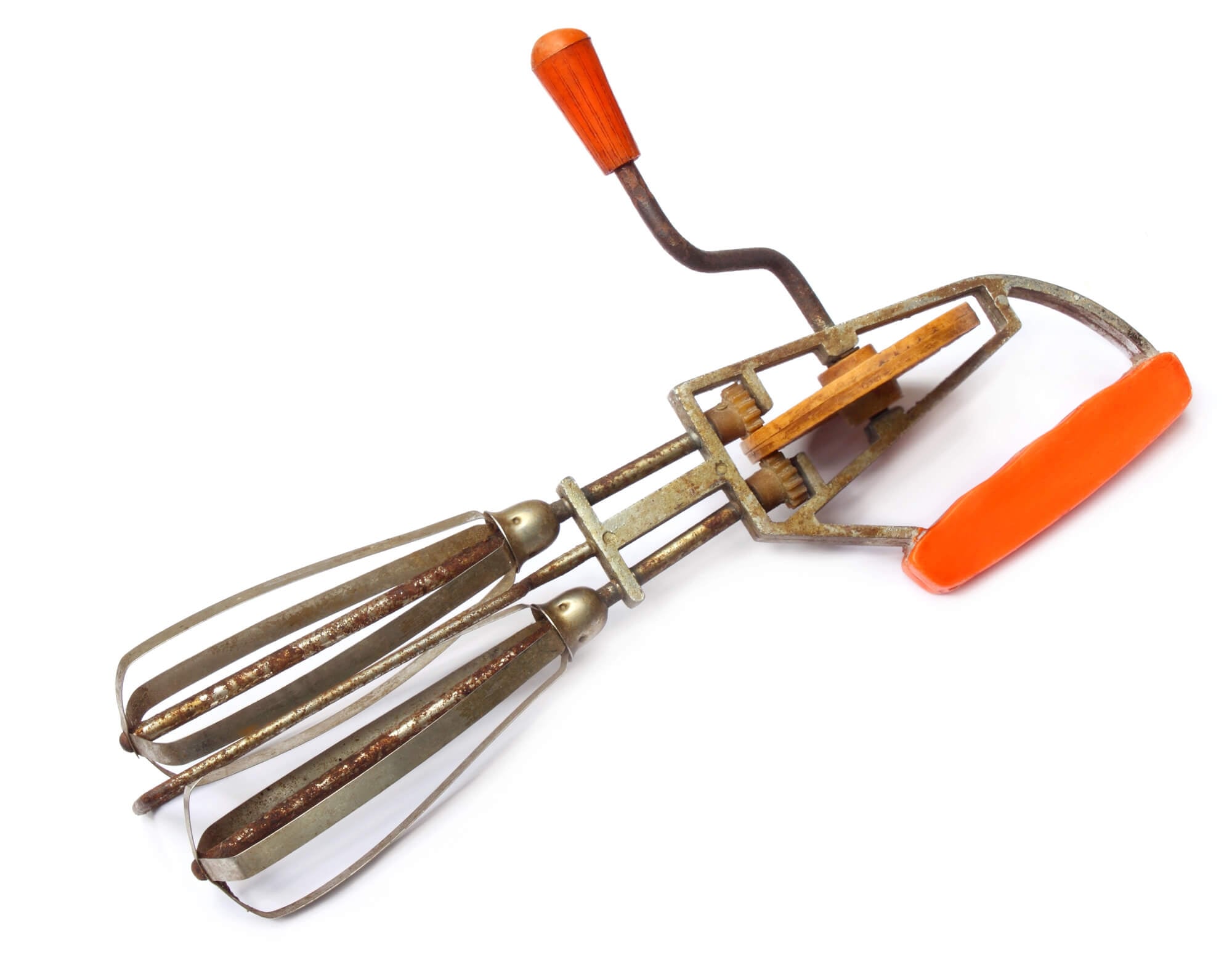
Before electric mixers sat on every counter, a hand-cranked rotary beater did the job of whipping eggs and cream. The gears inside made the two beater blades spin in opposite directions at a much faster rate than the hand turning the crank, which is why they whipped cream faster than a fork ever could.
Sturdy versions from companies like Ekco lasted for decades and still show up at estate sales in working order.
Stovetop Percolator
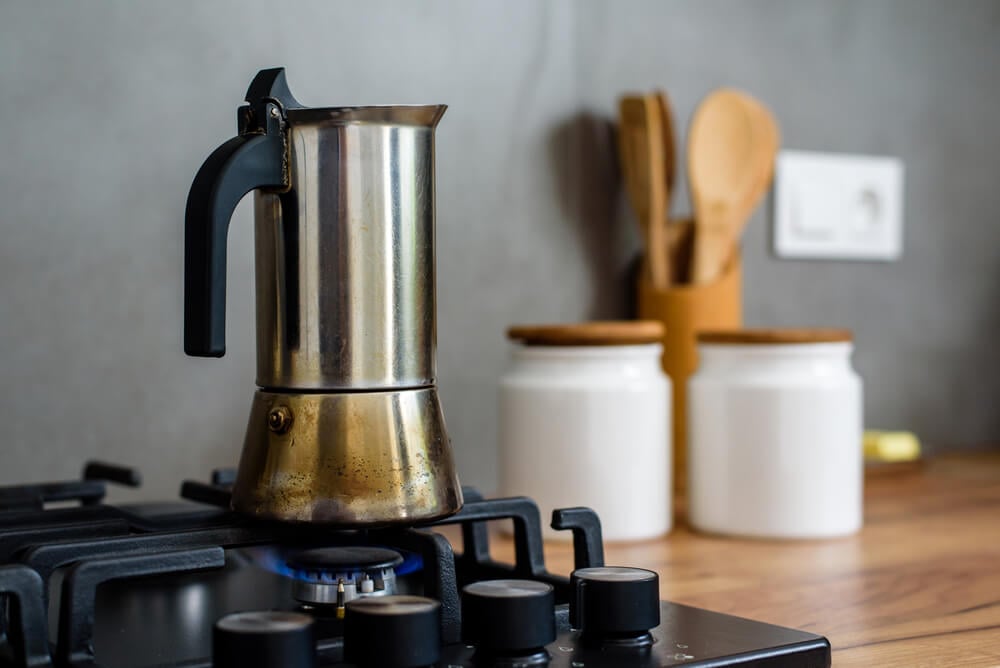
Percolators pushed boiling water up a tube and back down through grounds in a repeating cycle, producing coffee that was strong, sometimes bitter, and impossible to ignore brewing across the house. The glass knob on top let cooks watch the color darken so they knew when to pull it off the burner.
Drip coffee makers largely replaced them by the 1970s, though camping supply stores still sell percolators for the same reason people liked them originally.
Metal Ice Cube Trays With Pull Levers
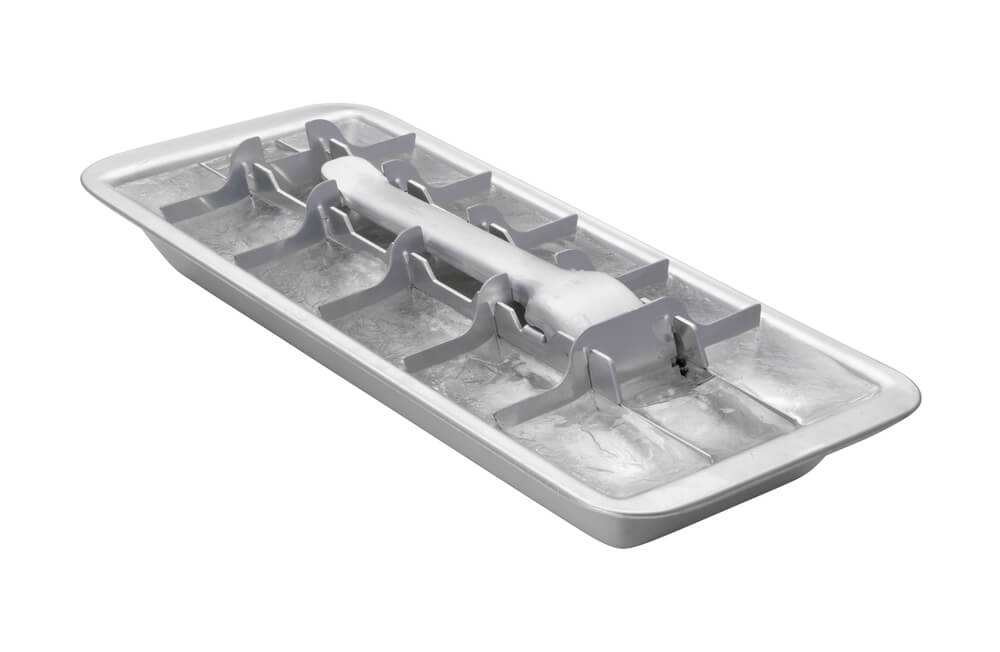
Before flexible plastic and automatic ice makers, aluminum trays used a lever that cracked the cubes loose from a metal grid. The lever mechanism froze shut in humid climates often enough that prying trays apart with a butter knife became its own kitchen ritual.
Companies like Frigidaire and Servel included them as standard equipment with new refrigerators well into the 1960s.
Jell-O Molds
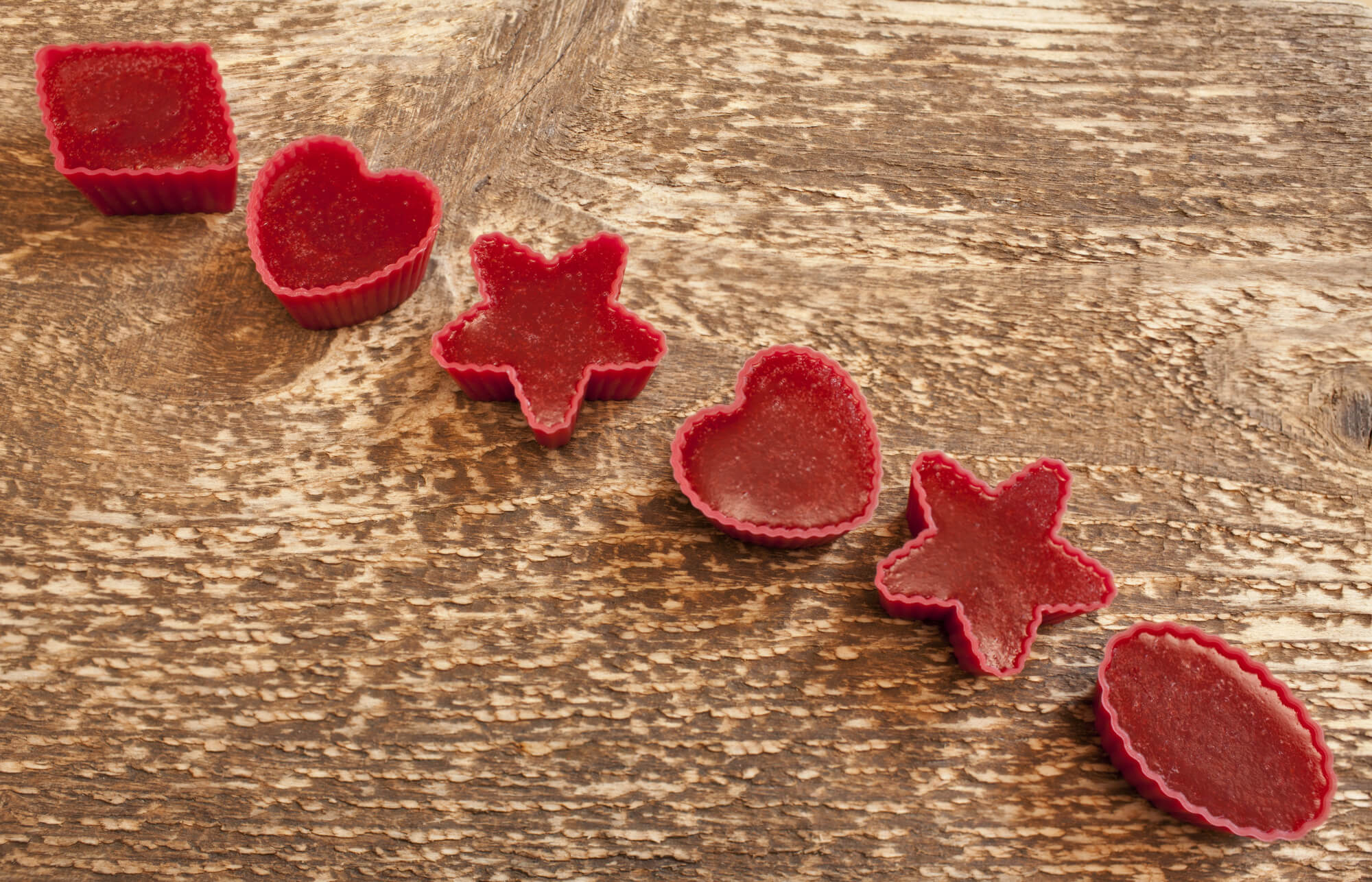
Aluminum and copper molds shaped gelatin into rings, fish, rabbits, and elaborate castles for potlucks and holiday tables. General Foods Corporation bought Jell-O in 1926 and promoted molded salads so heavily that copper mold sets became wedding gift standards for a generation.
Suspending fruit, vegetables, or shredded carrots inside the gelatin was considered sophisticated entertaining rather than the punchline it became later.
Fondue Pot Sets
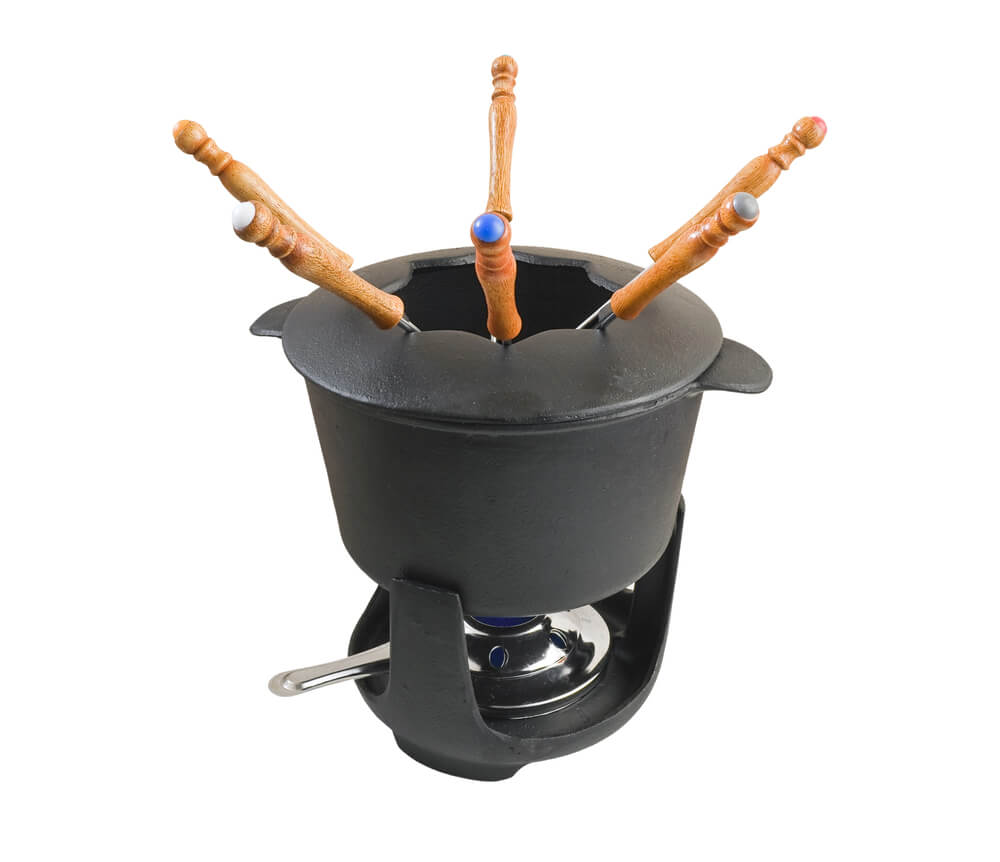
Fondue sets peaked in American kitchens during the 1960s and 1970s, complete with long forks, a ceramic or metal pot, and a small burner underneath fueled by sterno gel. Swiss Family fondue kits sold by the millions after the 1964 World’s Fair introduced American audiences to the dish.
Most sets ended up in a basement or thrift store once the trend faded, though a resale market for vintage Fondue Magic sets still exists.
Chrome Pop-Up Toasters With Side Doors
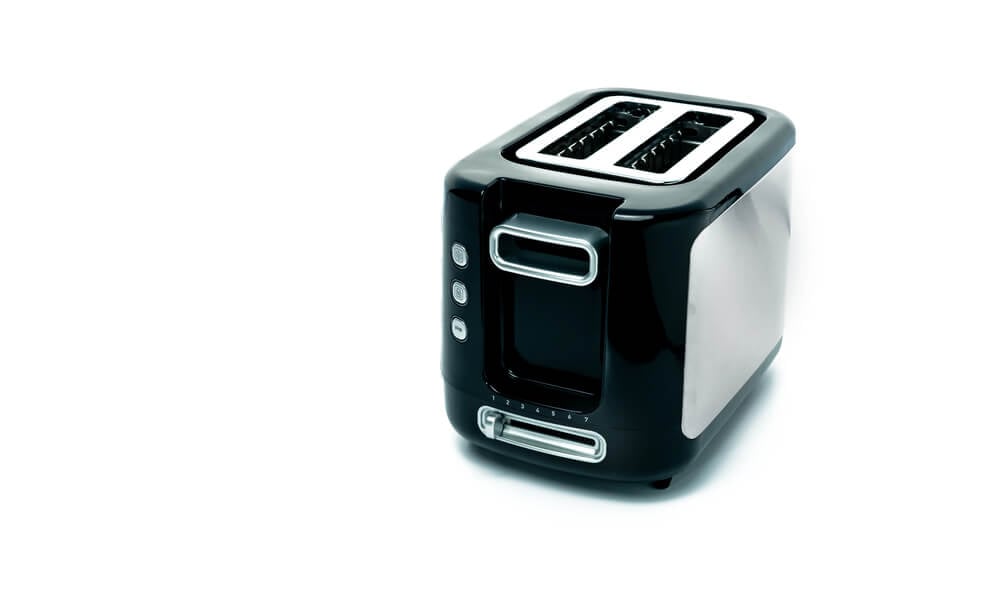
Before spring-loaded pop-up toasters became standard, earlier models had hinged doors on each side that flipped bread against the heating element manually. Cooks had to watch closely and flip the bread themselves to toast both sides evenly.
The Toastmaster company’s 1926 pop-up model eventually made the flip-door style obsolete, but versions lingered in older homes for another two decades.
Manual Wall-Mounted Can Opener
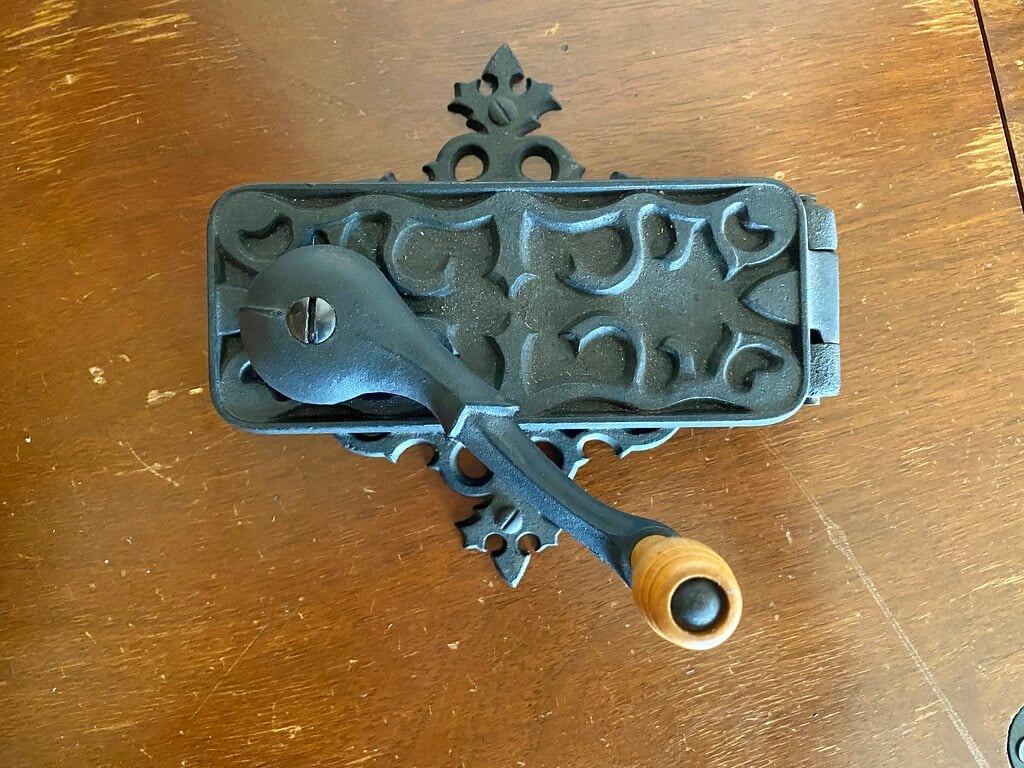
A crank-operated can opener bolted directly to the kitchen wall next to the counter, saving drawer space and staying put permanently. Swing-A-Way, founded in Ohio in 1929, became the dominant brand and is still manufactured today, though almost always as a countertop version now.
The wall-mounted style required no batteries and rarely broke, which is more than can be said for some of its electric successors.
Cast Iron Stovetop Waffle Iron
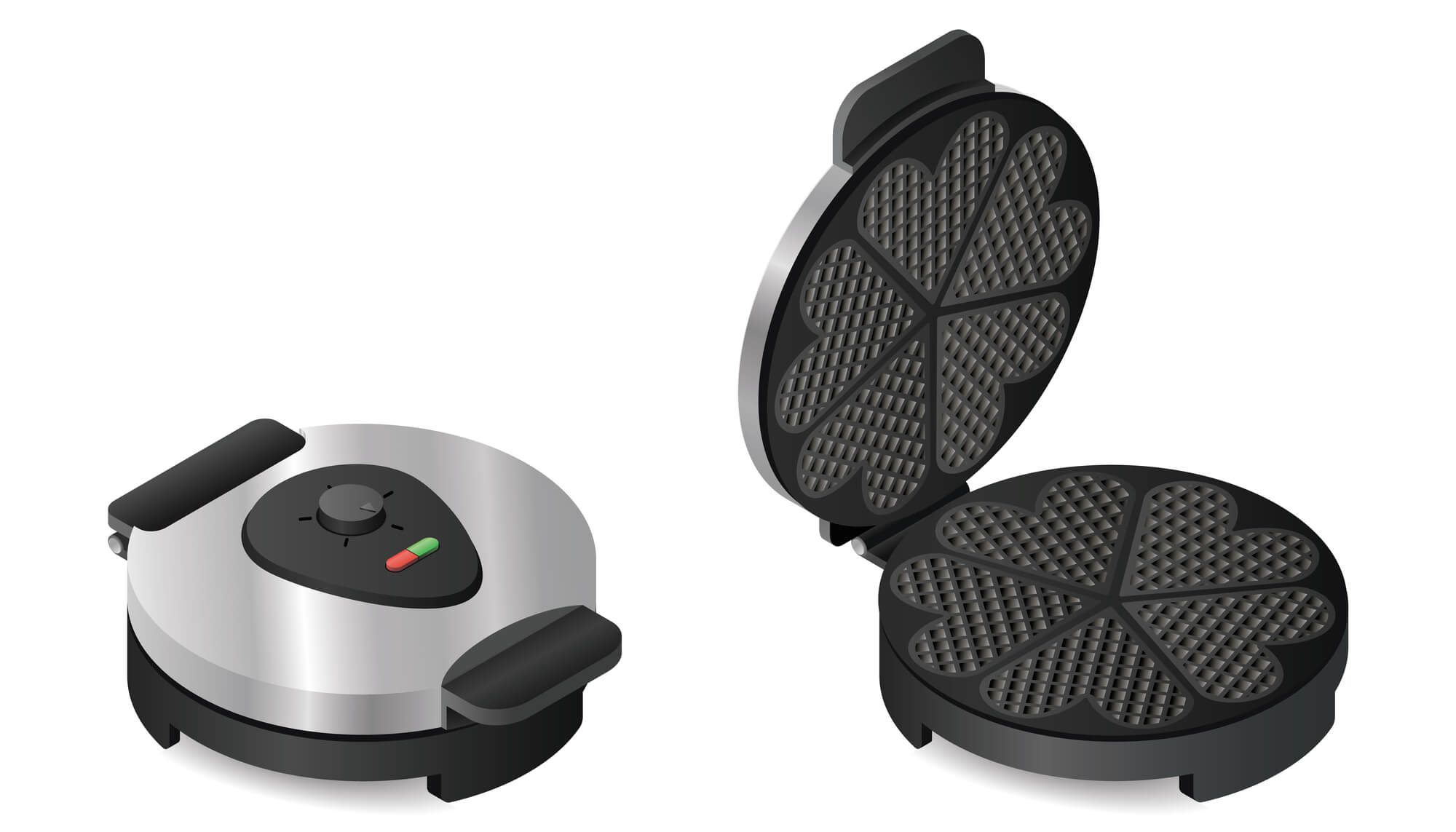
Long before electric waffle makers with nonstick coating, cast iron waffle irons sat directly on a gas or wood stove burner and had to be flipped by hand. Griswold and Wagner, two Pennsylvania and Ohio foundries, produced the most sought-after versions, which collectors still hunt down at flea markets.
Getting the timing right without a timer or indicator light took practice that home cooks developed through trial and burnt batter.
Bread Box
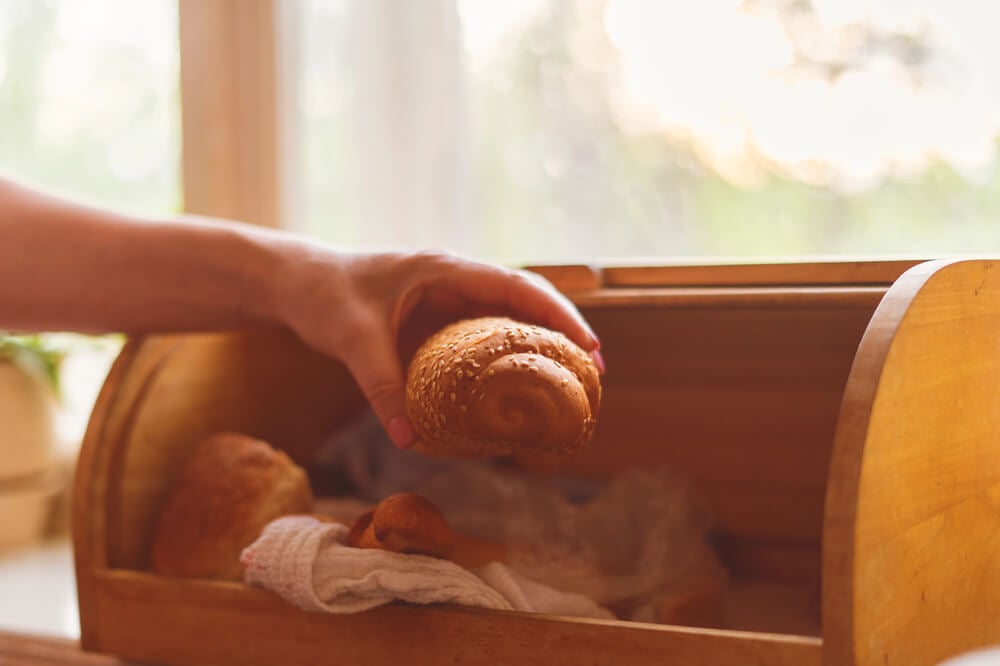
A ventilated metal or wood box kept sliced bread from going stale before plastic bags with twist ties became standard. Painted tin bread boxes in bright enamel colors were a common countertop fixture through the 1950s, often matching a set of canisters for flour, sugar, and coffee.
Once bread started arriving pre-sliced in sealed plastic bags, the box lost its purpose and slowly disappeared from new kitchens.
Hand-Crank Food Mill
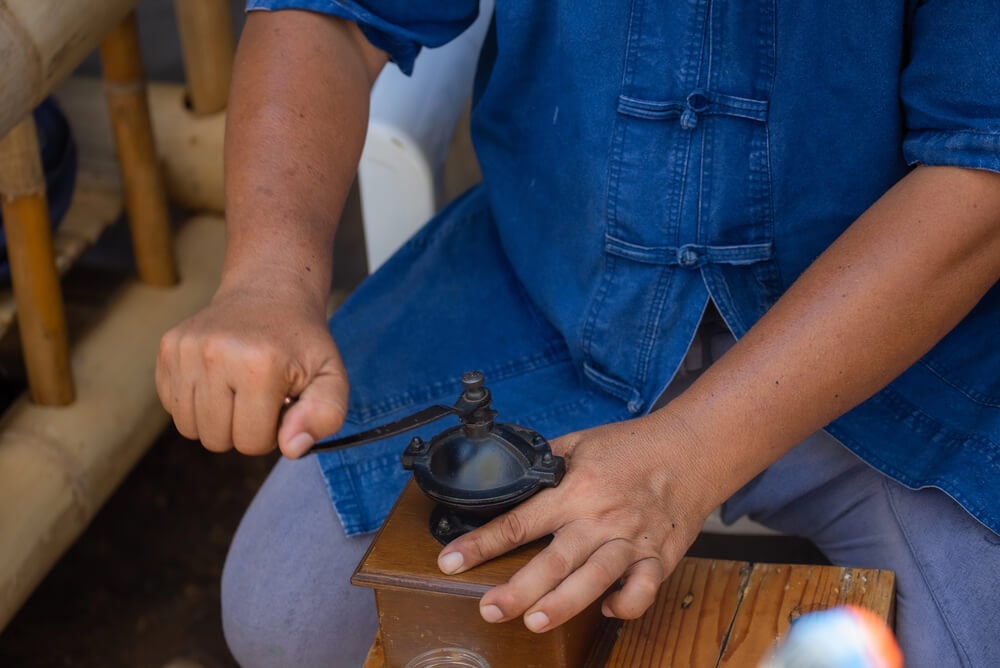
A food mill forced cooked fruits and vegetables through a perforated disc using a hand crank, separating skins and seeds from the pulp in one motion. Home cooks relied on them for applesauce, tomato sauce, and baby food long before immersion blenders existed.
The French company Moulinex built its entire early reputation on food mills before expanding into other kitchen appliances.
Rotary Flour Sifter
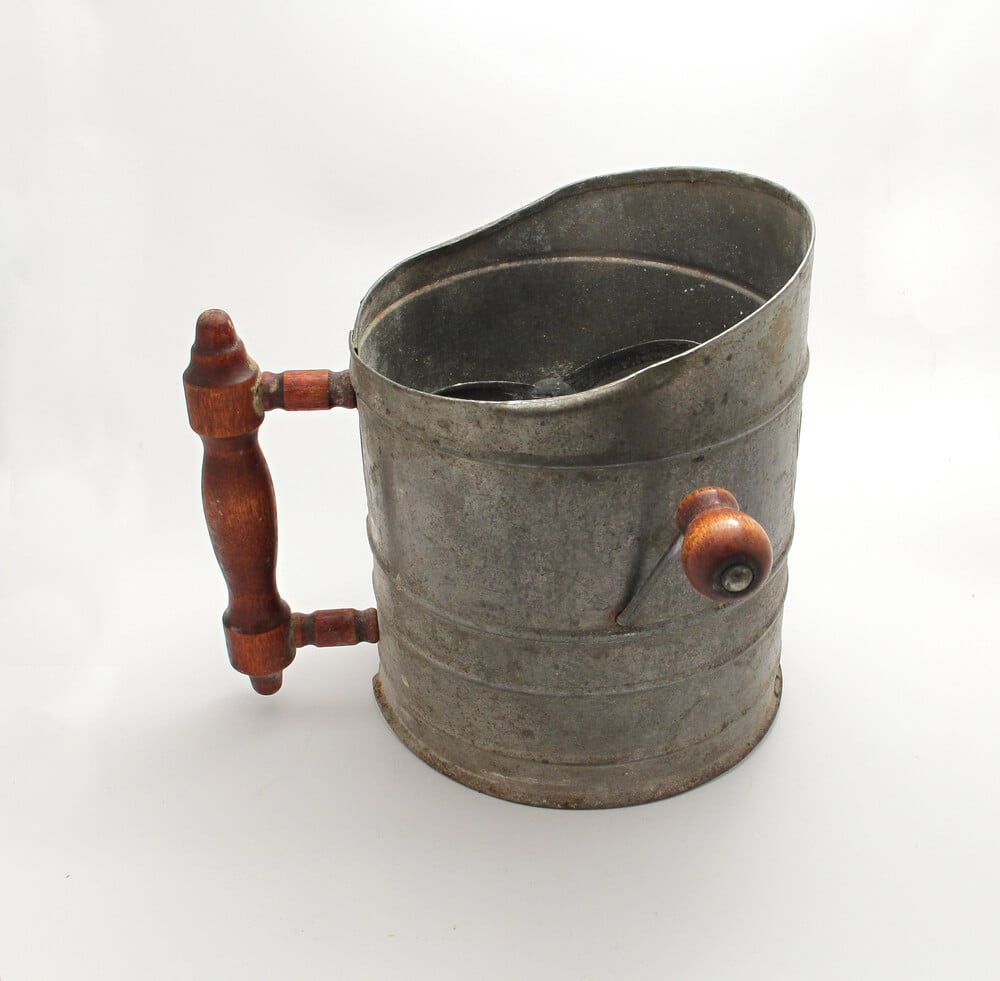
A hand-squeezed or crank-turned sifter pushed flour through a fine mesh screen to aerate it before baking, a step older recipes treated as mandatory rather than optional. Bakers who skipped sifting risked dense cakes, since pre-measured “sift then measure” instructions assumed the extra air incorporated during the process.
Self-rising flour and pre-sifted bags eventually made the tool feel like an extra step rather than a necessity.
Apple Peeler-Corer Machine
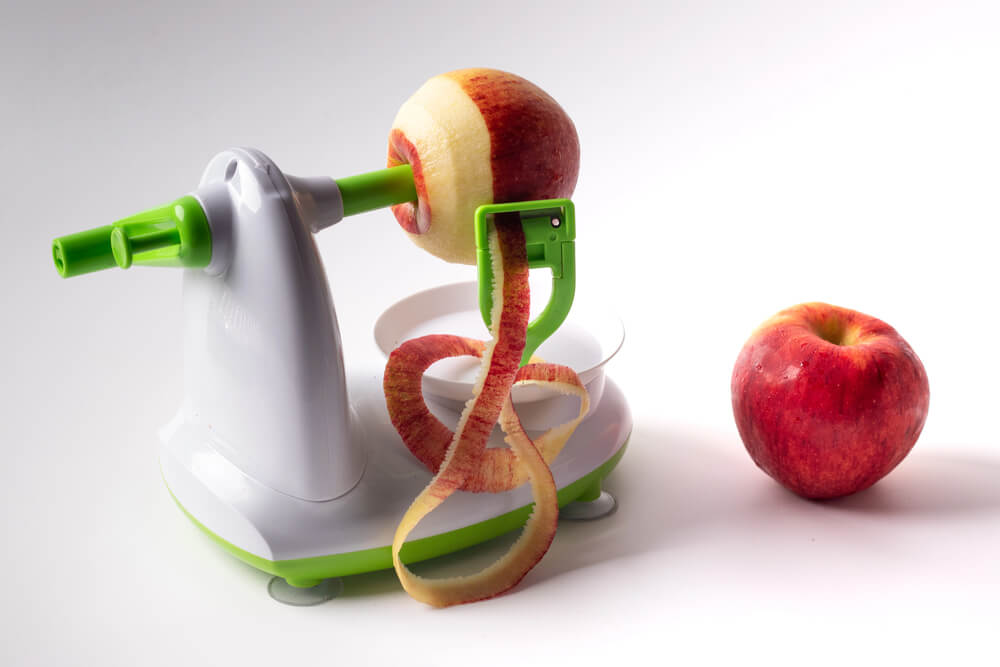
A clamp-mounted crank machine peeled, cored, and sliced an apple into a continuous spiral in under a minute, a task that turned into a fall ritual before canning season. Families in apple-growing regions like upstate New York and Michigan kept these machines in near-constant use during harvest months.
Modern versions still exist, largely unchanged, sold to home canners and homeschool co-ops that teach food preservation.
Clamp-On Meat Grinder
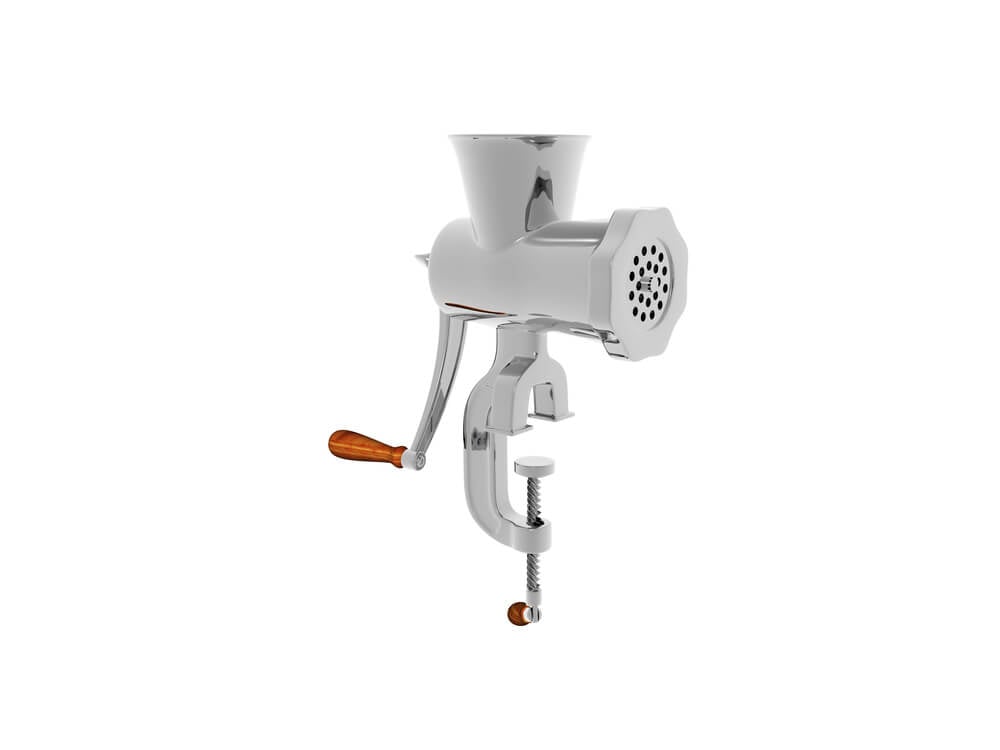
A cast iron grinder clamped to the edge of a table or counter, turning cuts of meat into ground beef or sausage filling with a hand crank. Households that raised or bought whole animals used the grinder regularly, since pre-ground meat at the store cost more and offered less control over fat content.
The Universal Food Grinder brand became so common that the name was used generically, the way some people still say “Kleenex” for tissue.
Electric Skillet With Removable Cord
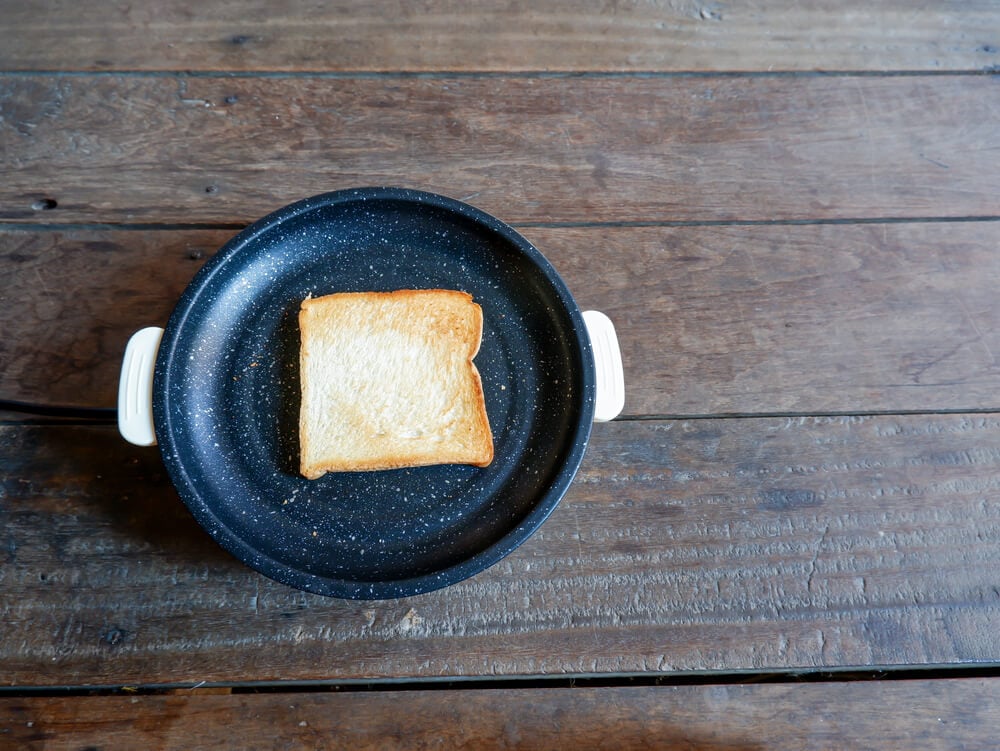
A freestanding electric frying pan with a detachable cord let cooks fry, simmer, or serve directly at the table without tying up a stove burner. Sunbeam and General Electric models from the 1950s and 1960s came with a lid and thermostat control built into the handle.
Families used them for everything from pancakes to full skillet dinners, and the detachable cord meant the pan itself could go straight into the dishwasher.
Chafing Dish Set
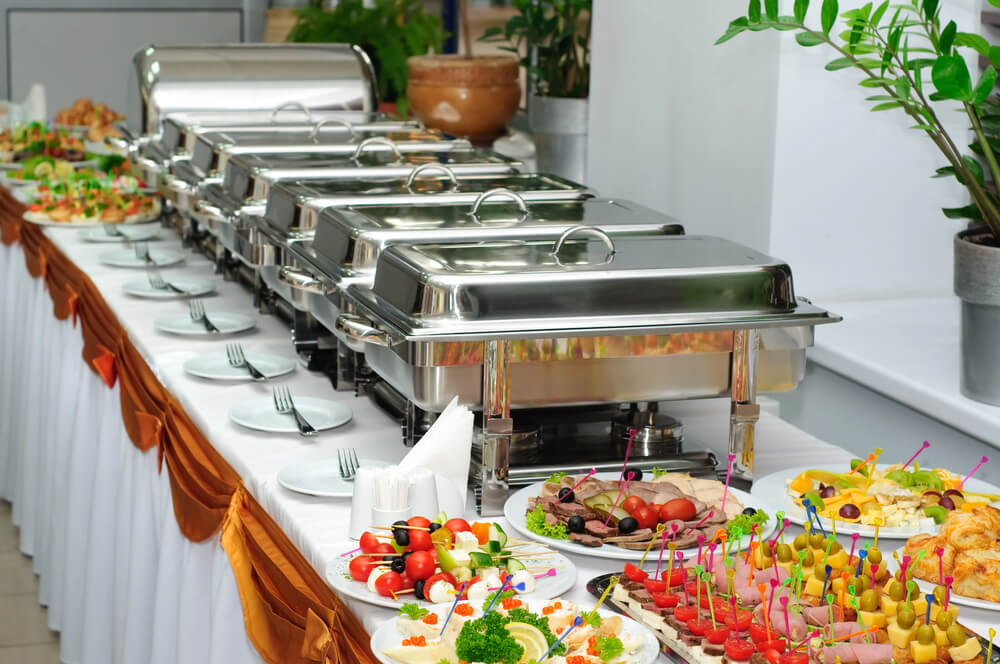
A metal dish suspended over a small flame kept casseroles and side dishes warm during buffet-style entertaining, a fixture of formal dinner parties before slow cookers took over the job. Silver-plated chafing dishes were common wedding registry items through the 1970s, often displayed rather than used regularly.
Their weight and the need to manage an open flame made them impractical for everyday cooking.
Hand-Crank Ice Cream Maker
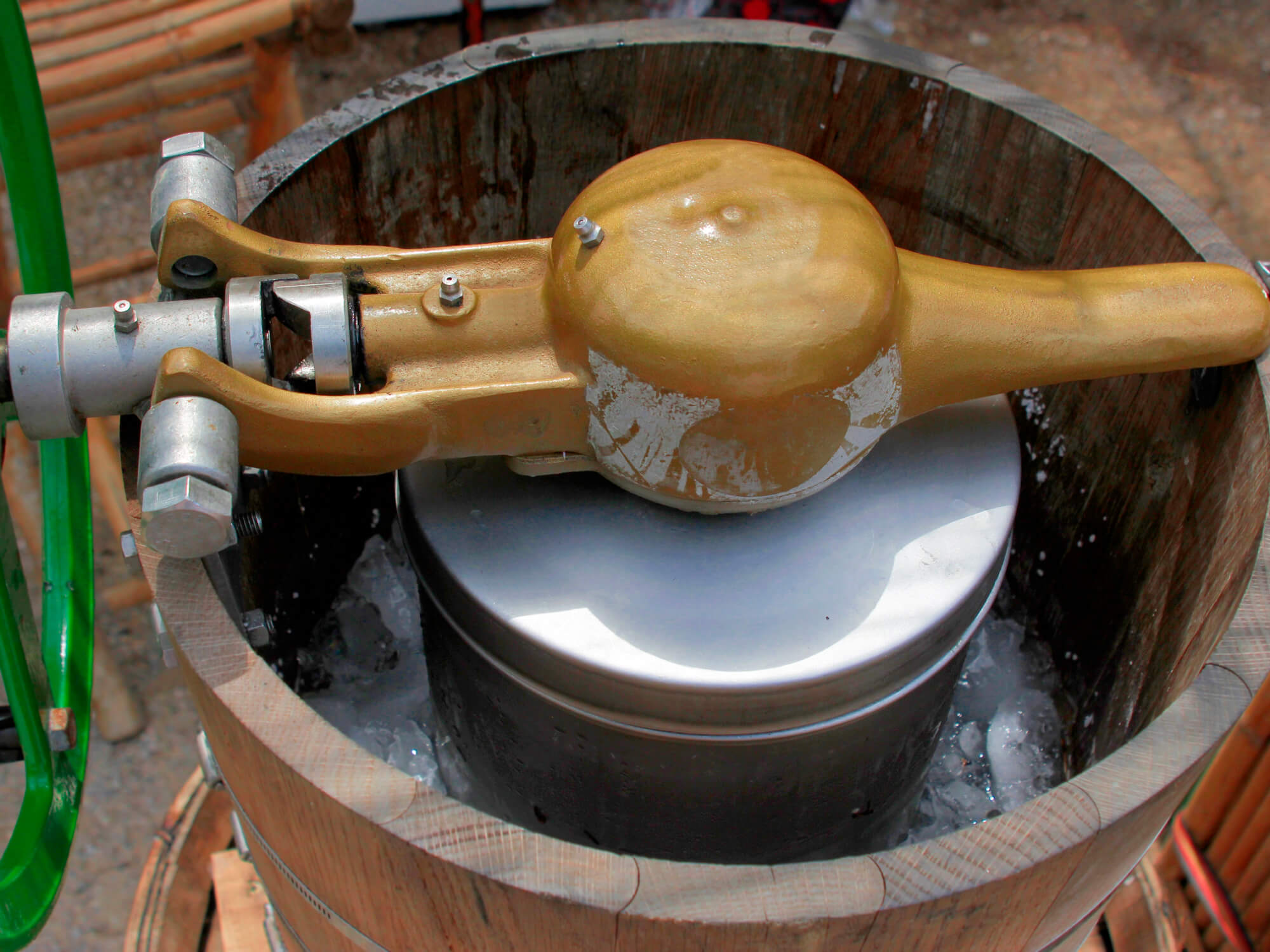
A wooden bucket packed with ice and rock salt surrounded a metal canister that someone cranked by hand until the cream inside froze into ice cream, a process that could take thirty minutes or more. Summer gatherings often turned the cranking into a group activity, with children taking turns before the mixture got too stiff to move.
White Mountain, a company still operating out of Vermont, made some of the most recognizable versions.
Deviled Egg Serving Plate
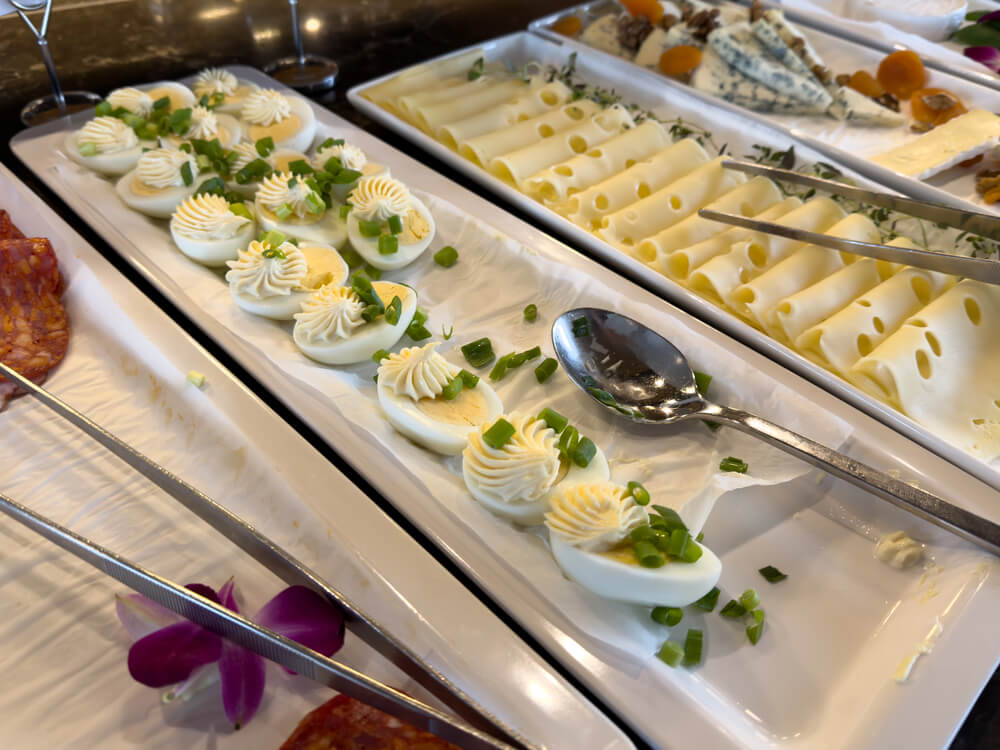
A ceramic or glass plate with shallow oval wells held deviled egg halves in place for potlucks, church suppers, and holiday tables. Companies like Fire-King and Anchor Hocking produced millions of these plates in patterns matching popular dinnerware lines.
The plates never really disappeared, but they went from a near-universal kitchen item to something mostly seen at grandparents’ houses or thrift stores.
Nesting Milk Glass Mixing Bowl Set

Colorful nesting mixing bowls in milk glass, often in a graduated set of four sizes, were standard kitchen equipment before stainless steel and plastic bowls took over. Pyrex’s “Primary Colors” set from the 1940s, in red, yellow, blue, and green, remains one of the most collected patterns among vintage kitchenware buyers today.
The heavy glass made the bowls nearly indestructible, which is part of why so many originals still circulate at estate sales.
Basket-Style Salad Spinner
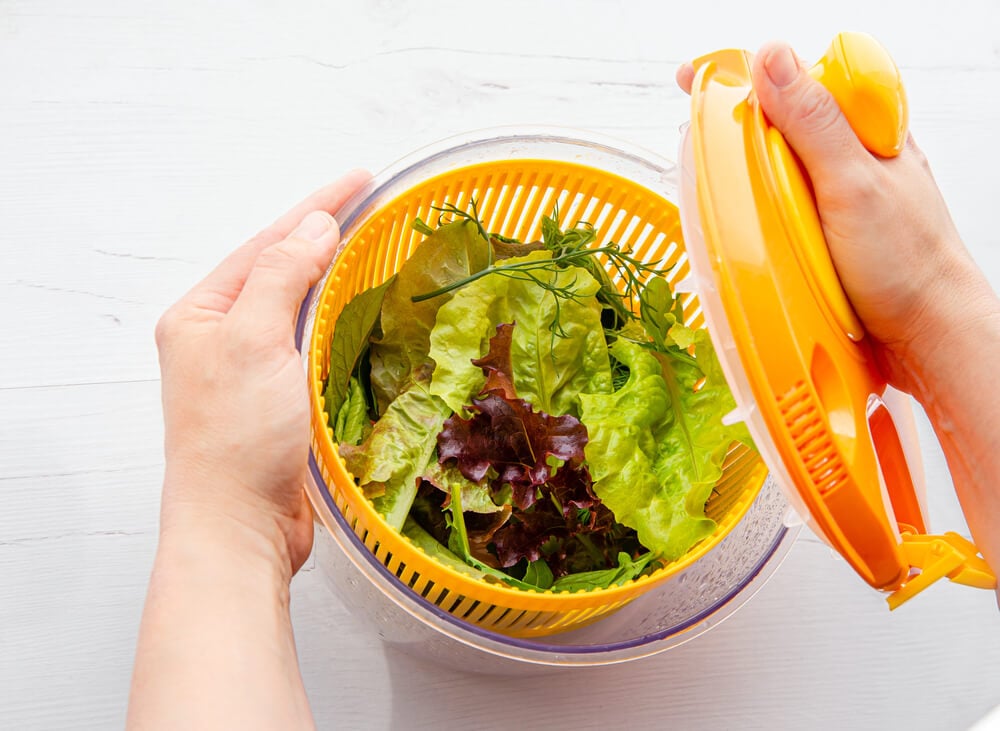
Before centrifugal spinners with a pull-string or crank mechanism became common, wire baskets were shaken by hand or swung outside to remove water from washed lettuce. The modern crank-operated spinner, popularized in the United States by the French company Zyliss, only became a mainstream kitchen item during the 1990s.
Older households often improvised with a clean pillowcase instead, swinging it in circles over the sink.
Under-Cabinet Electric Can Opener
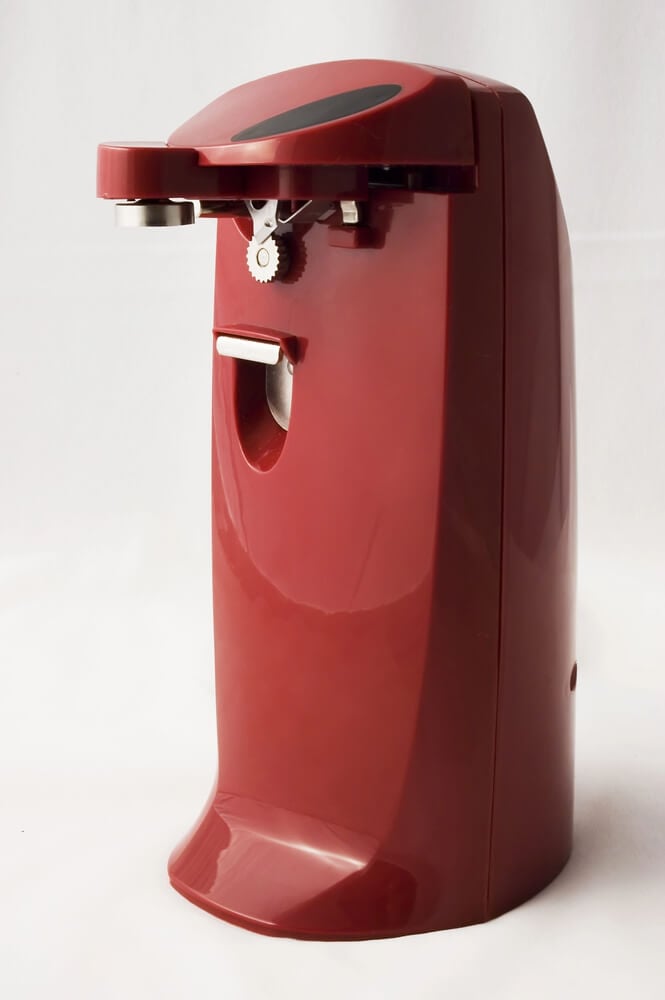
Mounted beneath upper cabinets to save counter space, these openers combined a can opener with a bottle opener and sometimes a knife sharpener in one unit. Sunbeam and Black & Decker both sold heavily advertised versions through the 1970s and 1980s.
Countertop electric openers eventually replaced the under-cabinet style, and manual openers later became the default again for most households.
Meat Tenderizer
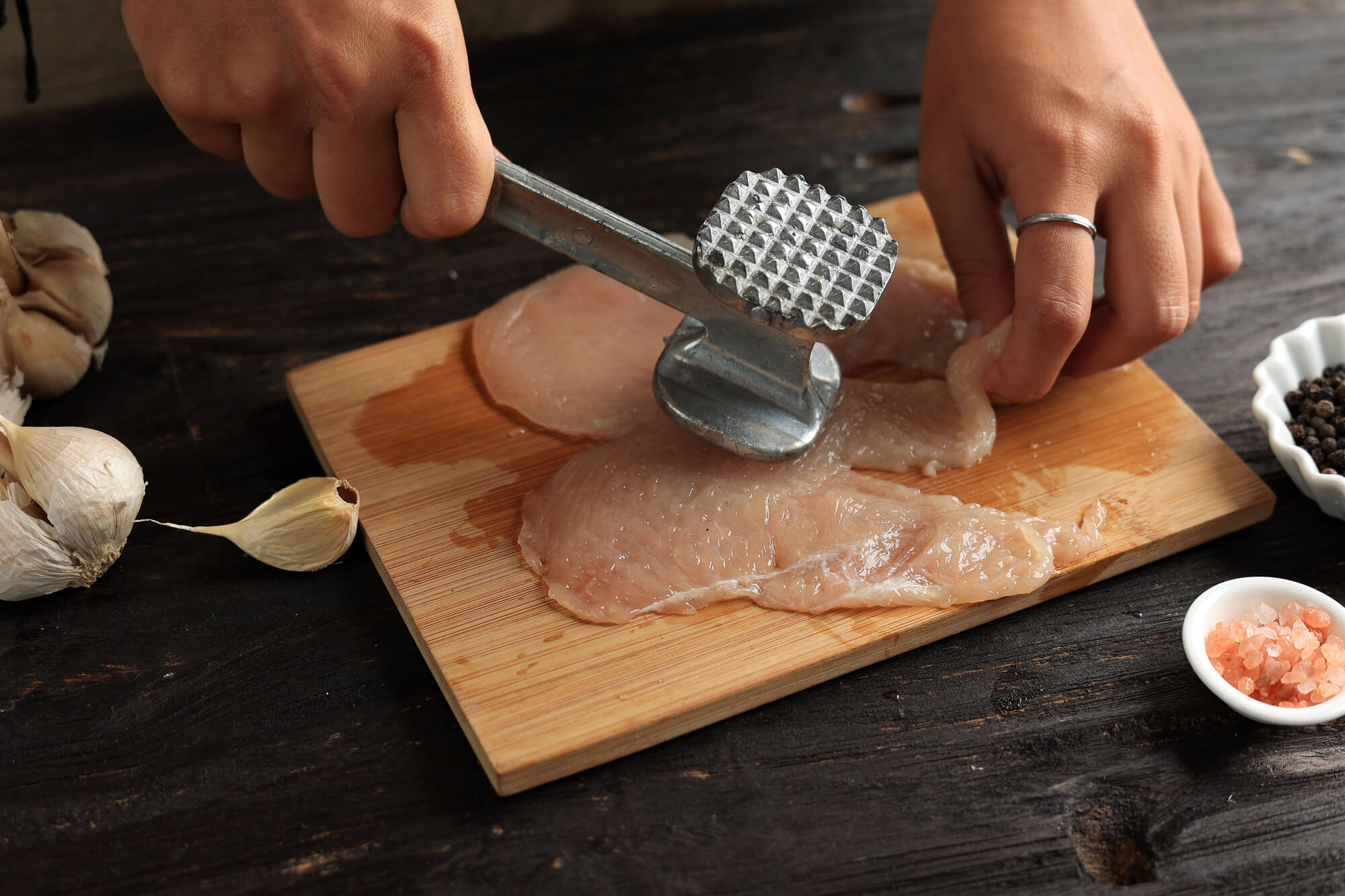
A textured metal or wooden mallet pounded tough cuts of meat to break down connective tissue before cooking, a step home cooks used on cheaper cuts long before marinades and sous vide became common shortcuts. The tool doubled as an unofficial stress reliever in households that cooked large family meals regularly.
Butcher shops sold their own branded versions well into the 1980s as a routine add-on purchase.
Manual Glass Citrus Reamer
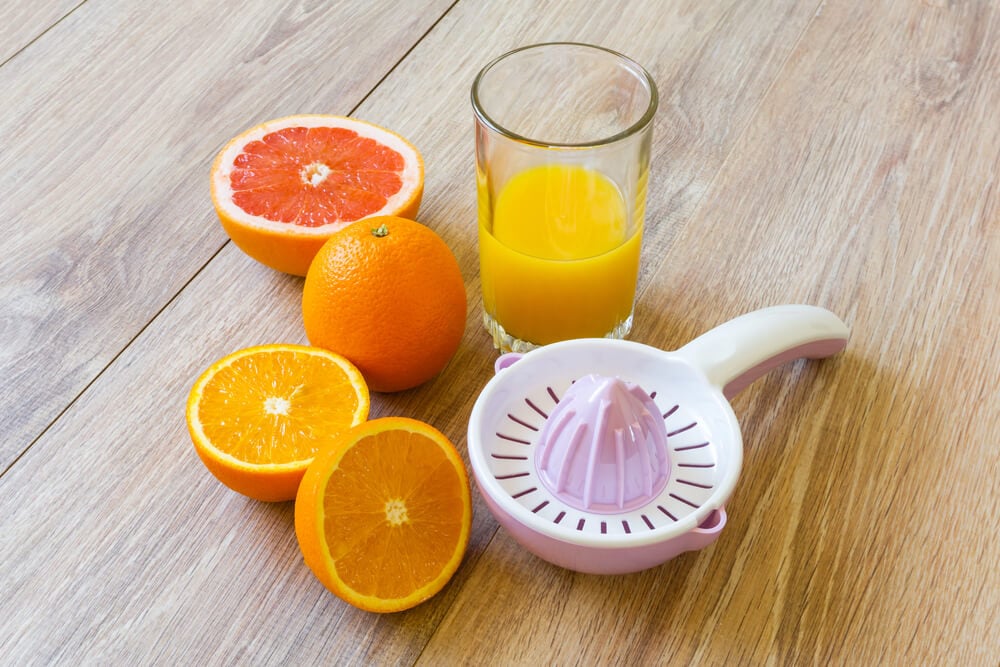
A ribbed glass or ceramic cone with a small trough underneath let cooks juice lemons and oranges by hand, one half at a time, without any moving parts. Sunkist distributed reamers by the millions as a marketing tool starting in the 1910s, printing their logo directly onto the glass.
Electric citrus juicers eventually took over the job, but the manual reamer never fully disappeared from kitchens that only juice fruit occasionally.
Stovetop Popcorn Popper With Crank Handle
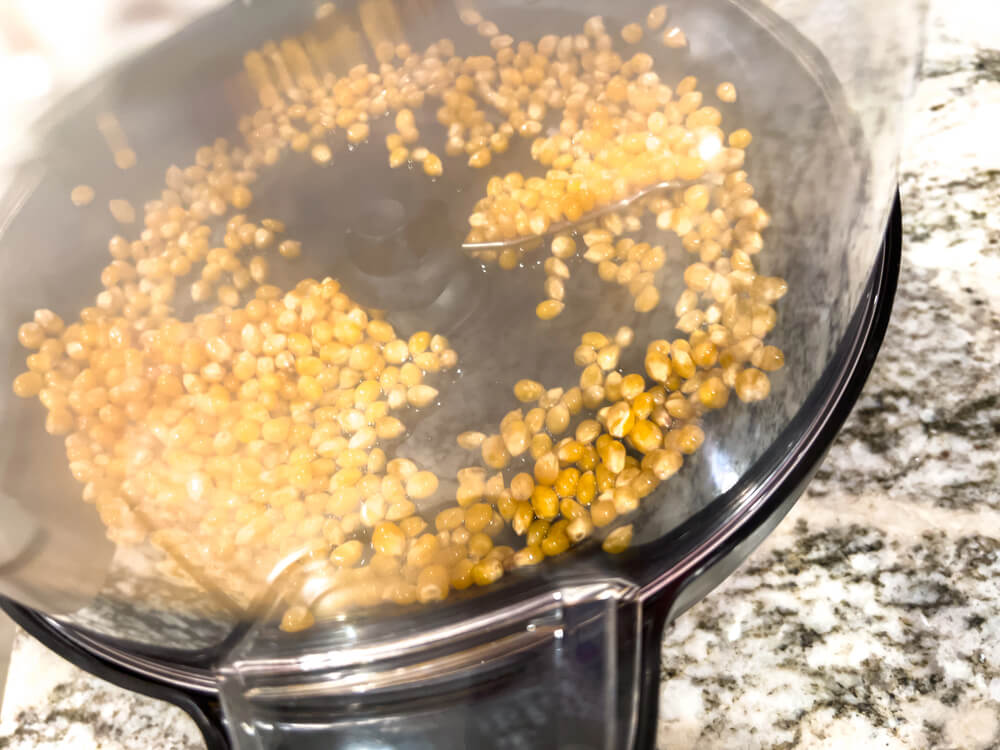
A metal pot with a hand crank extending through the lid stirred kernels continuously over a burner, preventing the bottom layer from scorching while the top stayed unpopped. Families in the pre-microwave era treated popcorn night as an event built around the popper rather than a bag tossed into a machine.
The Whirley-Pop, introduced commercially in the 1950s, is still sold today to people who prefer the stovetop method over microwave bags.
Cast Iron Pie Iron
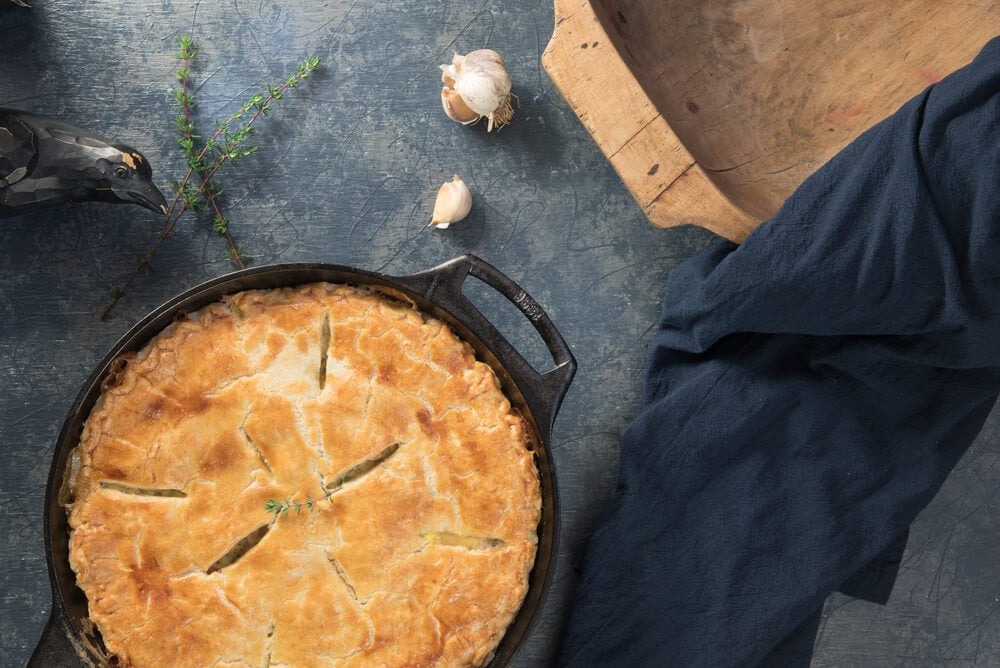
A long-handled hinged iron pressed two slices of bread together around a filling and cooked them directly over an open flame or stovetop burner, producing a sealed, toasted sandwich. Camping trips and backyard fire pits kept the tool alive long after households stopped using open flames for everyday cooking.
Rome Industries, founded in Ohio in 1955, remains one of the few companies still manufacturing the classic design.
Two-Blade Rotary Hand Mixer
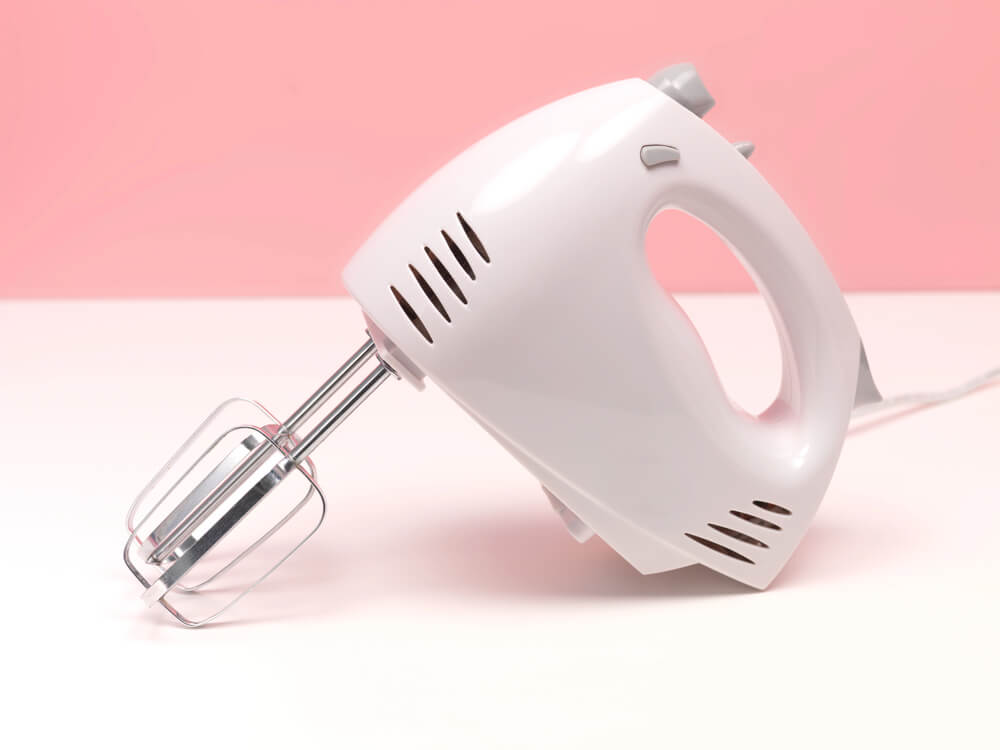
A hand-cranked mixer with two interlocking beater blades handled mixing tasks before electric hand mixers became affordable and common. Betty Crocker cookbooks from the 1950s frequently specified beating times in minutes of hand-cranking rather than mixer speed settings.
The tool required enough arm strength that recipes sometimes noted which steps could be skipped if the cook’s arm gave out first.
Aluminum Bundt Pan
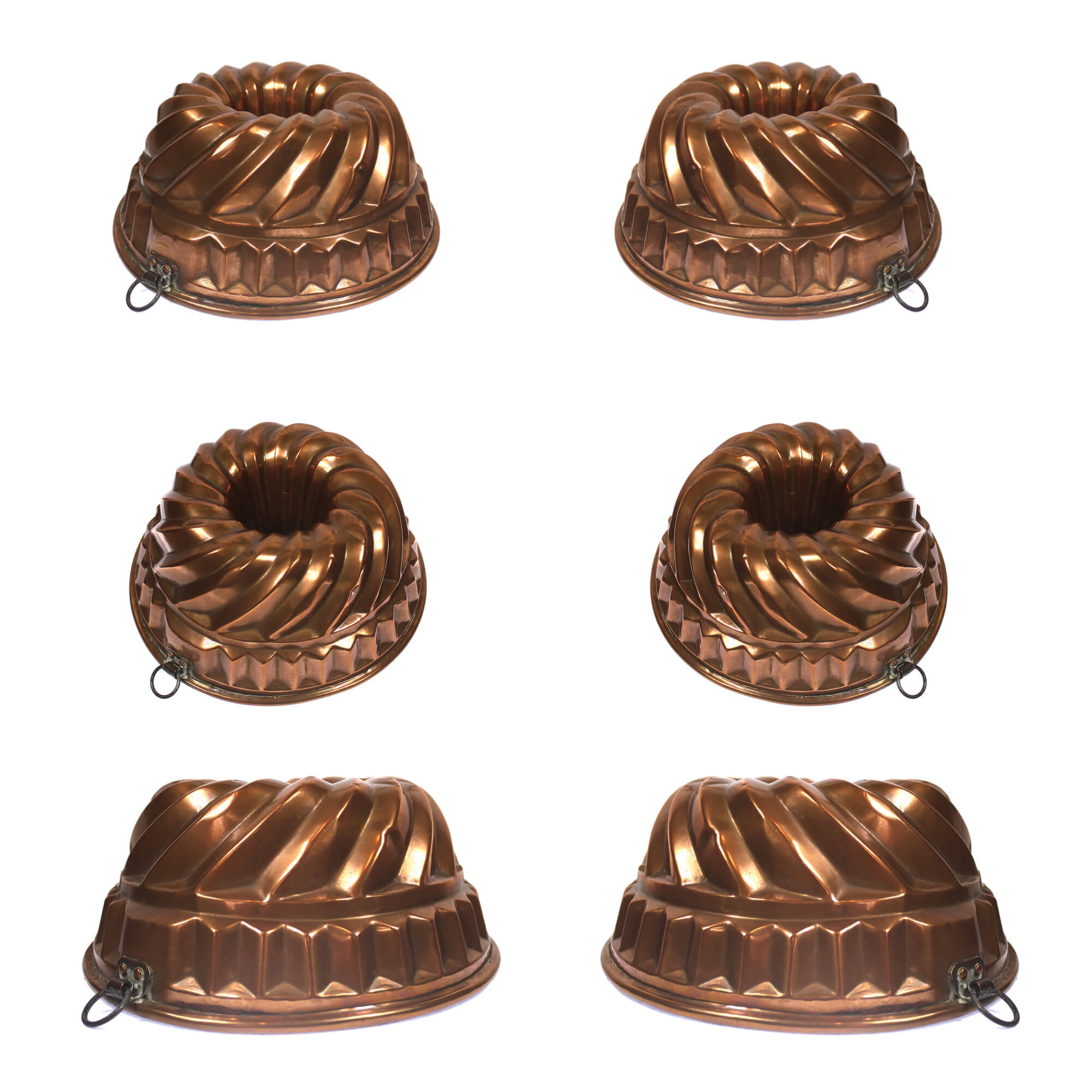
Nordic Ware introduced the modern fluted Bundt pan in 1950, based on a European cake mold, though sales stayed modest for years. A National Bundt cake baking contest in a 1966 issue of a national women’s magazine, combined with a Pillsbury Bake-Off winning entry two years later, turned the pan into an overnight kitchen staple.
Nearly every household baker owned one by the 1970s, even if the pan spent most of its life in a cabinet.
Jiggle-Top Pressure Cooker
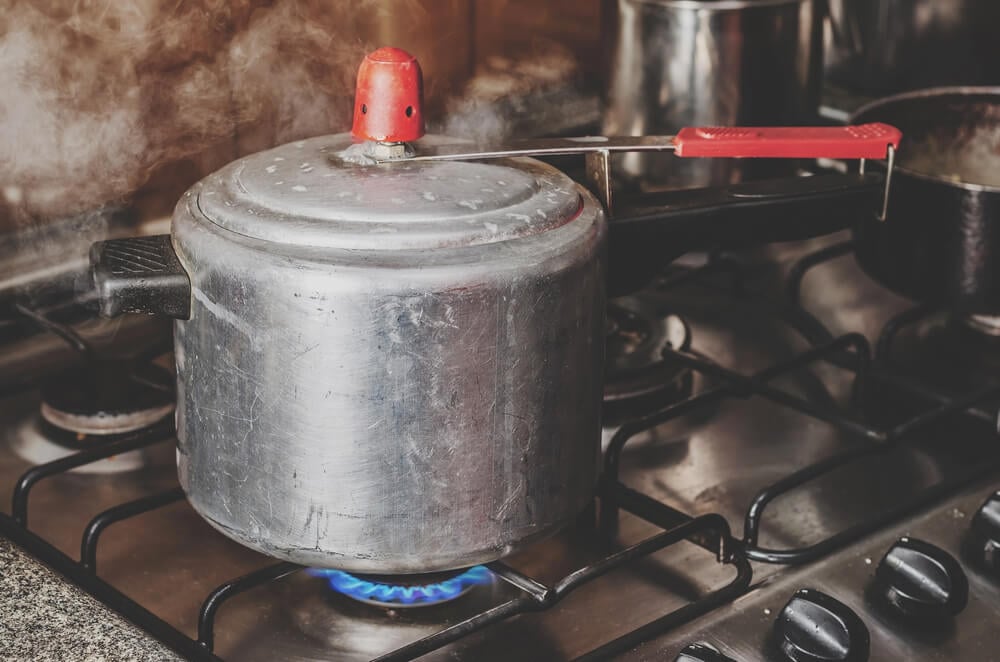
Pressure cookers with a weighted metal valve that rocked and hissed on top of the lid cooked beans, tough meat, and stews in a fraction of normal cooking time. The rocking weight and steam release made the process loud enough that a cooking pressure cooker was audible from other rooms in the house.
Modern electric pressure cookers with digital displays have replaced most stovetop versions, though the original jiggle-top design is still manufactured for people who prefer it.
Cast Iron Corn Stick Pan
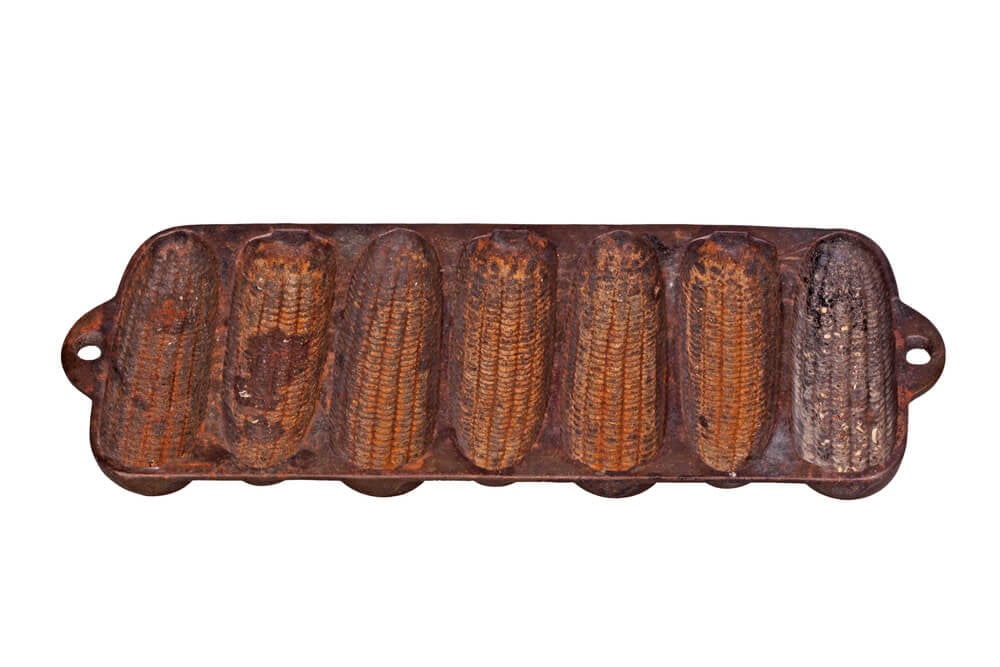
A cast iron pan molded into individual ear-of-corn shapes produced cornbread sticks with a crisp, browned exterior on every side. Southern households in particular kept a well-seasoned corn stick pan in regular rotation for weeknight dinners.
The pans are heavy enough to double as a doorstop, which is part of why so many originals survive intact after fifty or sixty years of use.
George Foreman Grill
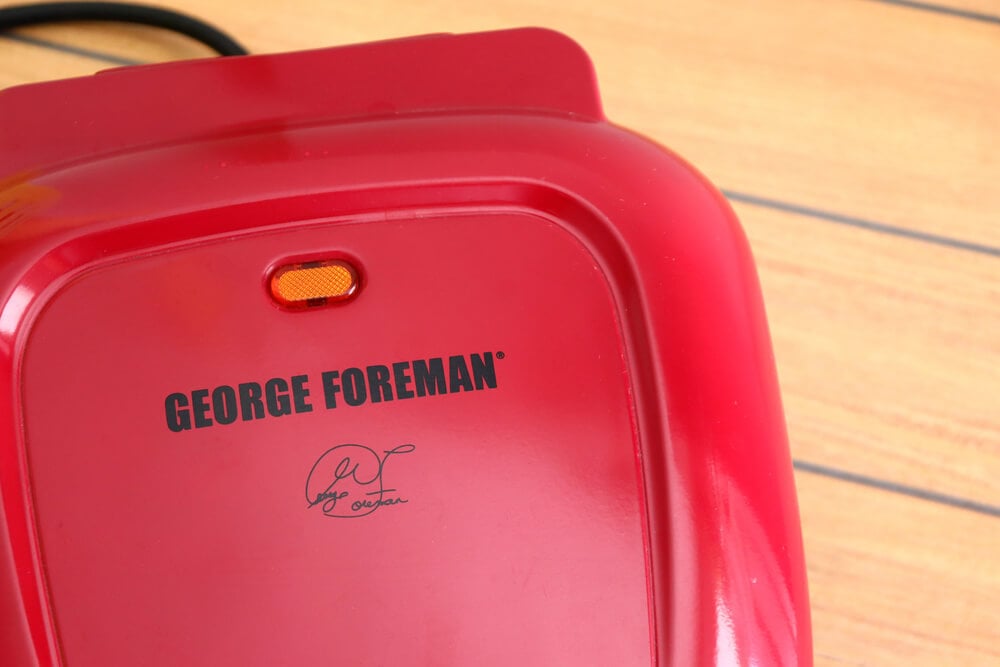
Introduced in 1994 and endorsed by the retired heavyweight boxing champion, the countertop grill’s slanted, ridged plates let fat drain away from meat as it cooked, a feature the marketing leaned on heavily. It became one of the best-selling kitchen appliances in American history, with more than 100 million units sold worldwide by the early 2000s.
Later households that upgraded to indoor grills with removable plates and temperature controls often kept an old Foreman model in a closet rather than throwing it away.
Home Bread Machine
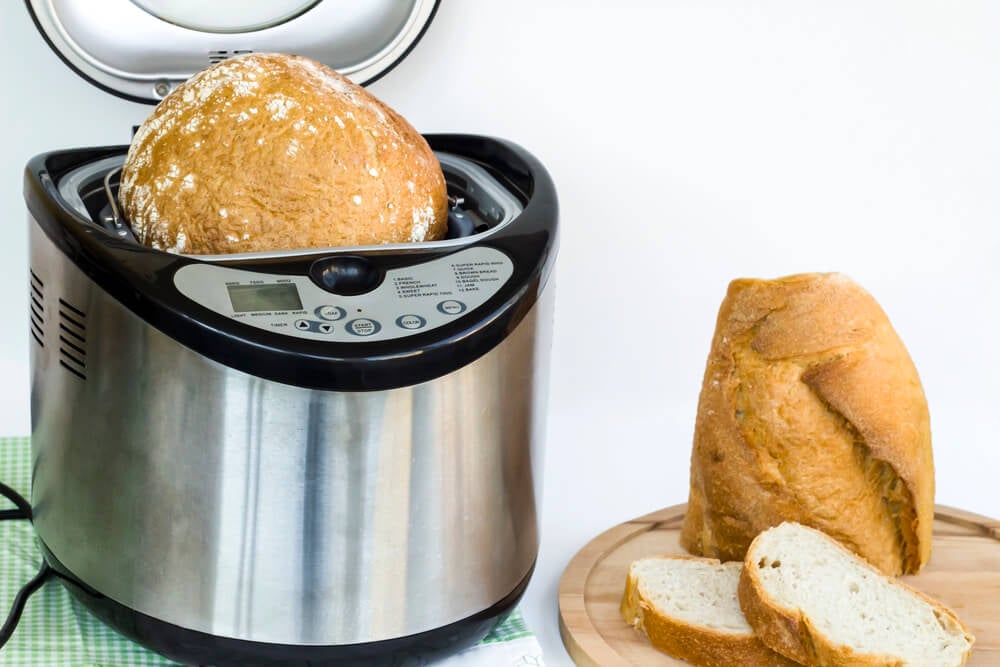
Automatic bread machines mixed, kneaded, proofed, and baked a full loaf inside one countertop unit, following a timed cycle set by the user. Panasonic and Zojirushi models sold briskly through the 1990s as home baking saw a brief resurgence.
Many machines ended up used only a handful of times before being pushed to the back of a cabinet, victims of the effort required to keep flour and yeast stocked compared to buying a loaf at the store.
When the Counter Told the Whole Story

A kitchen counter used to say something about the household it belonged to, crowded with tools chosen because they solved one specific problem well. Nobody kept a corn stick pan or a hand-crank food mill by accident.
Every gadget on this list earned its spot through repeated use, not impulse purchase, which is exactly why so many of them still show up in working condition decades later.
The appliances that replaced them promise speed and convenience, and most deliver on that promise honestly. But something gets lost when a single multi-function device quietly takes over six different jobs that used to belong to six different tools, each with its own particular feel in the hand.
The drawer gets emptier, and so, in a smaller way, does the sense that cooking is a set of specific, learnable skills rather than a series of buttons.
More from Go2Tutors!

- The Romanov Crown Jewels and Their Tragic Fate
- 13 Historical Mysteries That Science Still Can’t Solve
- Famous Hoaxes That Fooled the World for Years
- 15 Child Stars with Tragic Adult Lives
- 16 Famous Jewelry Pieces in History
Like Go2Tutors’s content? Follow us on MSN.