28 Vintage Kitchen Gadgets Now Selling for More
The kitchen drawer has always been a graveyard for good intentions. Egg slicers, cookie presses and electric knives went in with enthusiasm and came out once a year, if ever.
Some of those forgotten tools now sell for more than they cost new, even after inflation. Design fans, home cooks and nostalgia buyers are competing for the same mixers, pans and grinders that grandparents once handed off to thrift stores.
Sunbeam Mixmaster
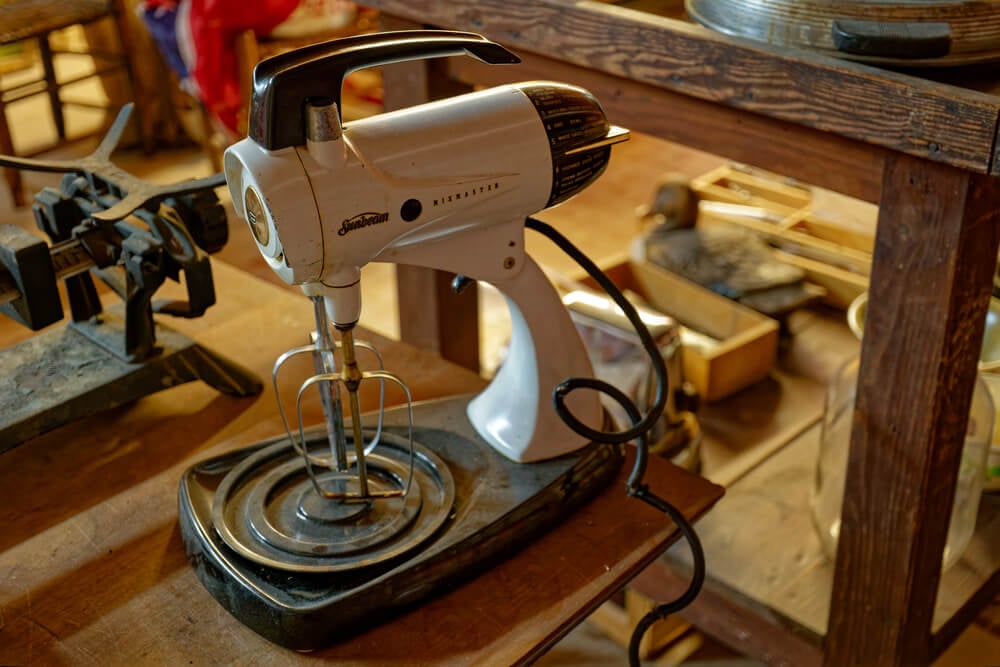
Sunbeam introduced the Mixmaster in 1930, and engineer Ivar Jepson’s design became one of the first electric mixers that ordinary households could afford. Early models came with juicer and grinder attachments that turned a single motor into a small kitchen workstation.
Later versions from the 1950s added chrome and pastel colors that collectors now seek out. Common working examples typically sell for roughly 50 to 150 dollars, while clean units with original bowls, beaters and attachments sell for more.
Cracked bowls, frayed cords and missing parts lower value, and buyers should have old wiring checked before plugging one in.
KitchenAid Model K Stand Mixer
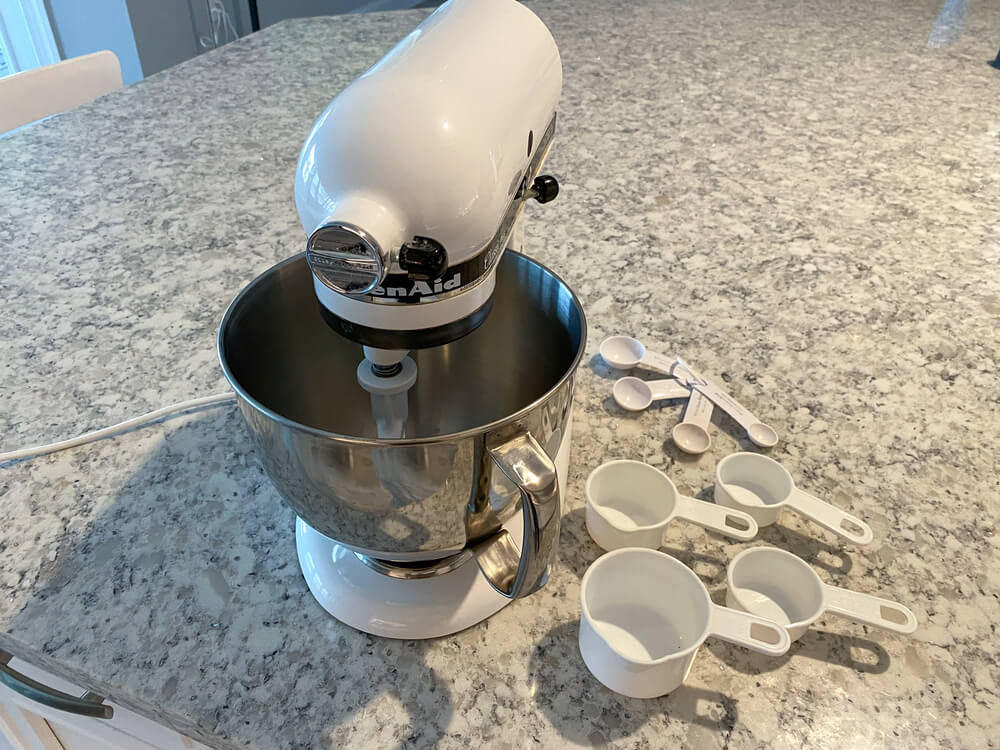
KitchenAid traces its stand mixer to the Hobart H-5 of 1919, but the Model K designed by Egmont Arens in 1937 set the shape still sold today. Company lore credits the brand name to an executive’s wife who called the machine the best kitchen aid she had ever owned.
Vintage Model K and later Hobart-built units are prized because their all-metal gearing is considered tougher than many newer machines. Working examples typically sell for roughly 150 to 400 dollars, depending on condition, color and included attachments.
Rewiring, worn grease and missing bowls affect price.
Waring Blendor
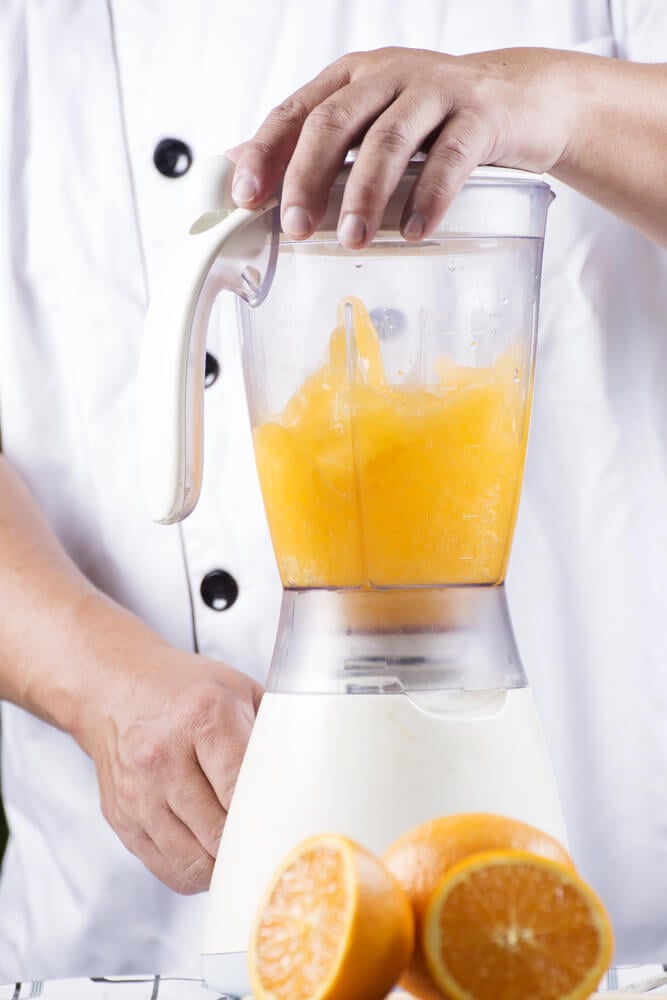
Bandleader Fred Waring backed the Waring Blendor in 1937, after inventor Frederick Osius pitched him a blender design that needed money and refinement. Waring promoted it hard, and the spelling with an O was meant to set the product apart from rivals.
The company later said Jonas Salk’s laboratory used Blendors during polio vaccine work, a story that collectors enjoy repeating. Early models with heavy glass jars and Art Deco bases typically sell for roughly 75 to 250 dollars, while rare colors and clean examples sell for more.
Chipped jars and replaced cords reduce value.
Chemex Coffeemaker
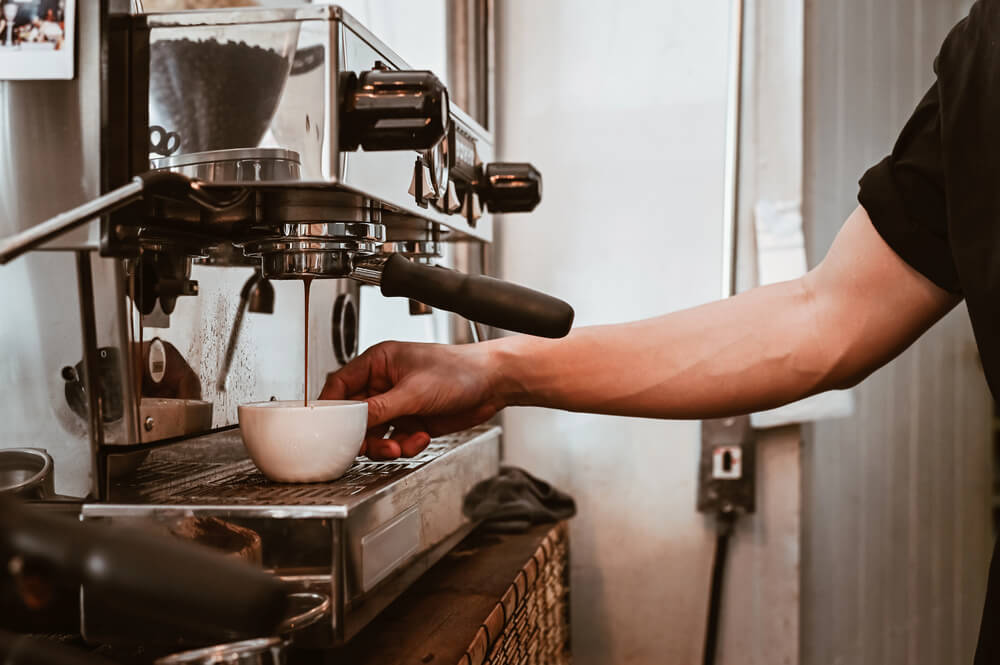
Chemist Peter Schlumbohm patented the Chemex in 1941, combining a lab-style glass flask with a wooden collar tied on by a leather thong. Its design earned a place in the collection of the Museum of Modern Art, and the brewer remains in production today.
Collectors look for early hand-blown versions, which differ subtly from later machine-made glass, along with original collars and ties. Vintage examples typically sell for roughly 40 to 150 dollars, depending on age and condition.
Hairline cracks, cloudy glass and replacement collars lower value, so careful inspection under good light matters.
Sunbeam T-20 Radiant Control Toaster
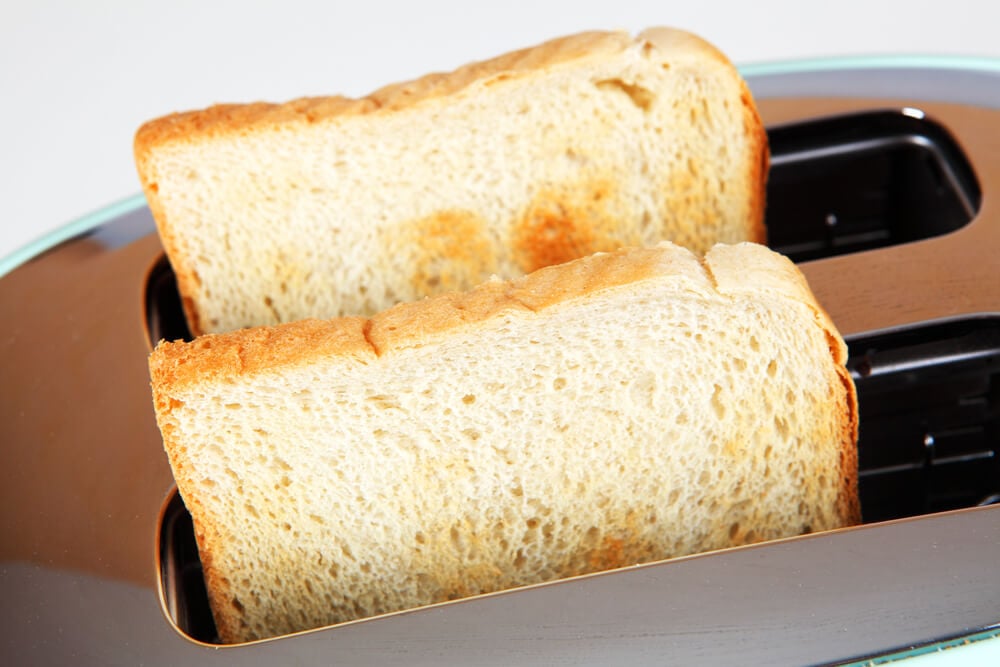
Sunbeam’s T-20, introduced in 1949, lowered bread on its own the moment a slice dropped into the slot and raised it again when the toast was done. There was no lever to push, which still surprises people who encounter one today.
Its rounded chrome body became a symbol of postwar American kitchens and appears often in period advertising. Working examples typically sell for roughly 75 to 250 dollars, while polished units with intact cords and clean crumb trays sell for more.
Pitted chrome, dented shells and failed mechanisms lower value, and repairs require patient specialists.
Toastmaster Pop-Up Toaster
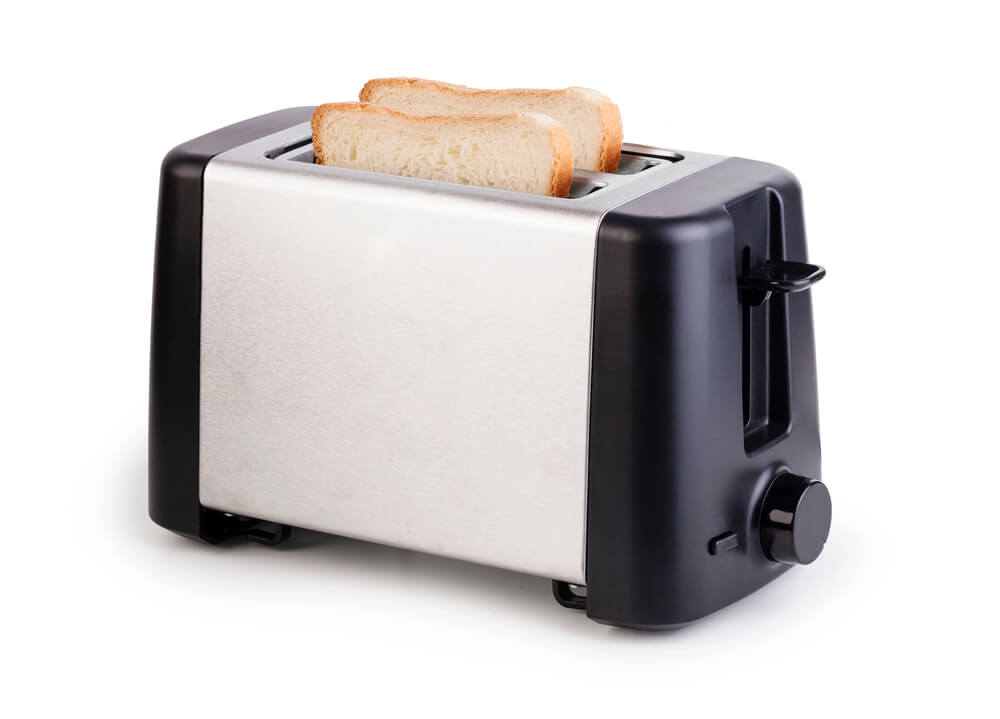
Minnesota mechanic Charles Strite patented a pop-up toaster in the early 1920s after growing tired of burned toast in a factory cafeteria. The Toastmaster model 1-A-1 brought the idea into homes in 1926, and the brand became one of the best known in American kitchens.
Early Toastmasters with Art Deco lines and chrome bodies draw steady interest from collectors of small appliances. Working examples typically sell for roughly 40 to 150 dollars, depending on condition and model.
Worn chrome, damaged cords and broken timer mechanisms reduce value, and nonworking units sell mainly as display pieces.
Corning Ware Cornflower Casseroles
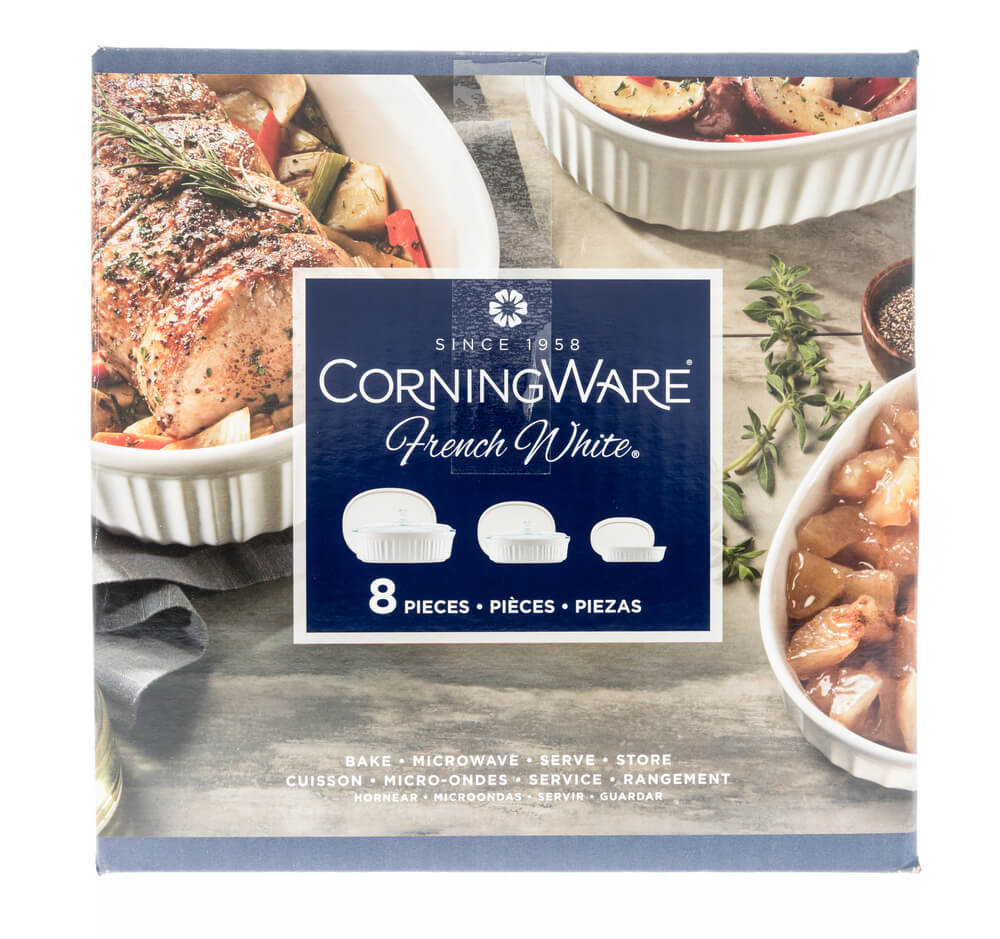
Corning Ware arrived in 1958, built from Pyroceram, a glass-ceramic material that Corning scientist S. Donald Stookey discovered by accident in 1953. The material could go from freezer to stovetop to oven, a feat that seemed almost magical to postwar cooks.
The blue Cornflower pattern became the line’s signature and decorated millions of casseroles and percolators. Common pieces typically sell for roughly 20 to 75 dollars, while rarer patterns and lidded sets sell for more, depending on condition.
Chips, deep scratches and missing lids lower value, and complete sets with original boxes earn a premium.
Pyrex Promotional Bowls
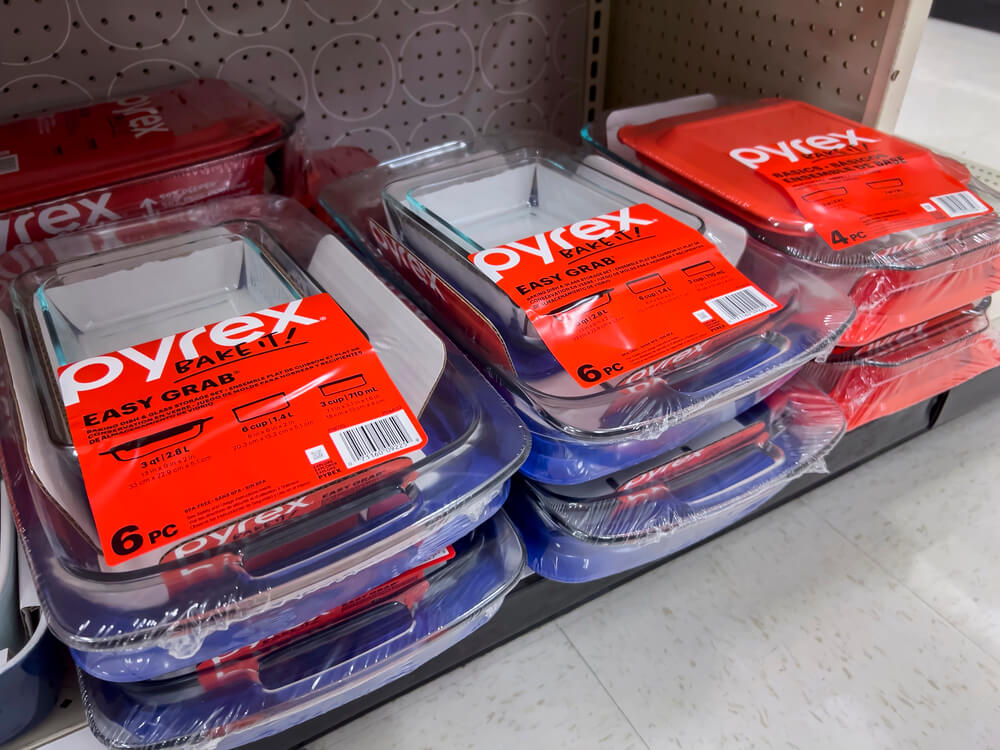
Corning launched Pyrex bakeware in 1915, but the patterned bowls of the 1950s and 1960s drive today’s collector market. Promotional patterns produced in short runs are especially sought after, including Lucky in Love, a 1959 design with hearts and four-leaf clovers.
Rare promotional pieces have reportedly sold for hundreds of dollars and occasionally far more, while common patterns typically sell for roughly 15 to 60 dollars. Dishwasher damage dulls the painted surface and sharply lowers value.
Buyers check for fading, scratches and chips, since bright, glossy finishes earn the strongest prices.
Nordic Ware Bundt Pan
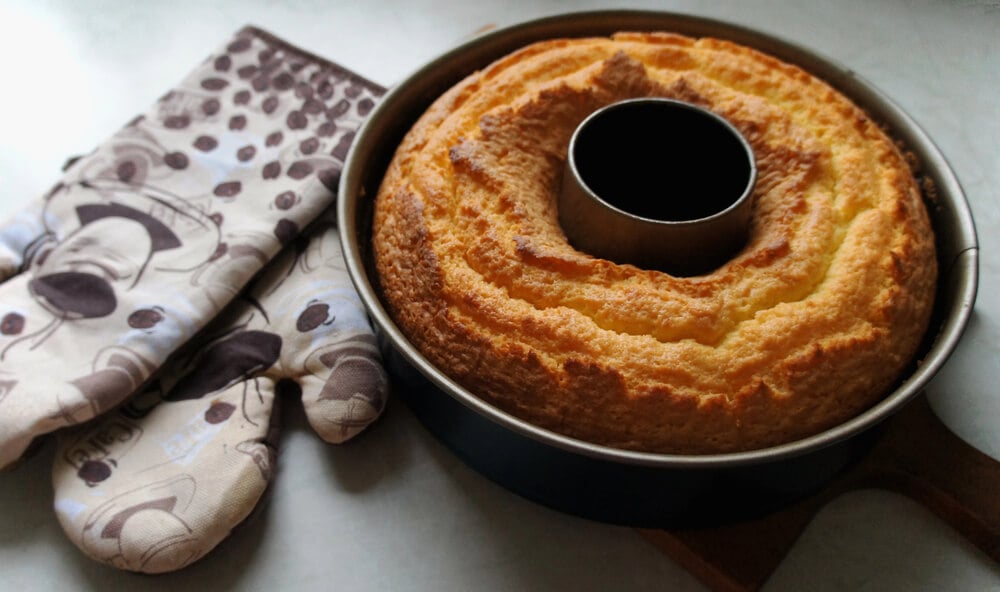
H. David Dalquist of Nordic Ware designed the Bundt pan around 1950 after members of a Minneapolis Hadassah chapter asked for a lighter version of a traditional European cake mold. Sales stayed modest until a Tunnel of Fudge cake baked in one placed second at the 1966 Pillsbury Bake-Off, sparking enormous demand.
Early cast aluminum pans with clear markings typically sell for roughly 30 to 100 dollars, depending on condition and color. Collectors prefer pans with sharp ridges and minimal scratching.
Dents, pitting and heavy wear on the nonstick finish lower value considerably.
Revere Ware Copper-Bottom Pots
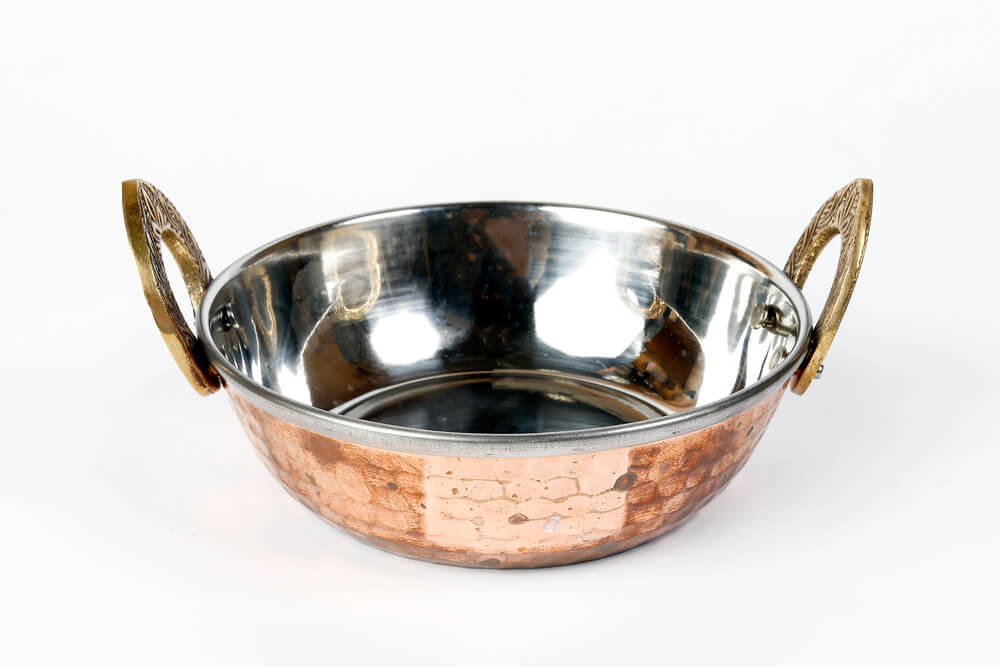
Revere Copper and Brass introduced its copper-bottom stainless steel cookware in 1939, combining copper’s quick heating with stainless steel’s easy cleaning. The line was made for decades in Rome, New York, and later in Clinton, Illinois, and the factory marks help collectors date each piece.
Pre-1968 examples with thicker copper layers and older stamps are generally preferred over later versions. Individual pans typically sell for roughly 20 to 75 dollars, while matched sets in good condition sell for more.
Warped bases, worn copper and loose handles lower value, though many pieces remain perfectly usable.
Jadeite Citrus Reamers
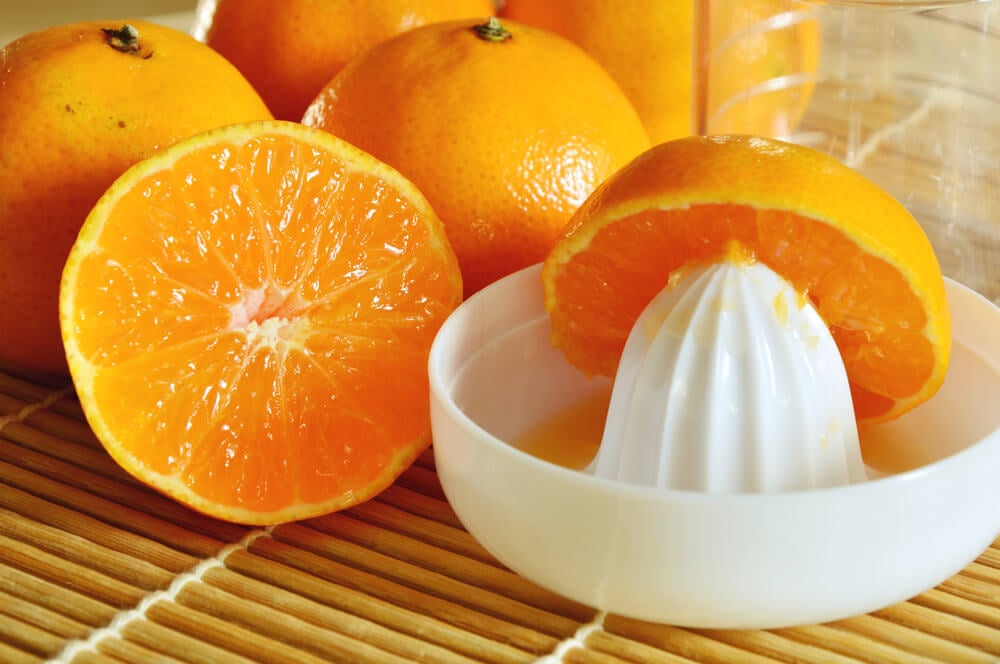
Jadeite glass, the opaque milky green produced by companies such as McKee, Jeannette and Anchor Hocking’s Fire-King line, became a kitchen staple from the 1930s onward. Citrus reamers were among the most practical pieces, used to press juice from oranges and lemons before electric juicers took over.
Collectors now chase them alongside jadeite mixing bowls and canisters, and the color has gained new popularity through home decor magazines. Common reamers typically sell for roughly 30 to 100 dollars, while rare shapes sell for more.
Chips, cracks and reproductions are the major concerns for buyers.
Cathrineholm Lotus Enamelware
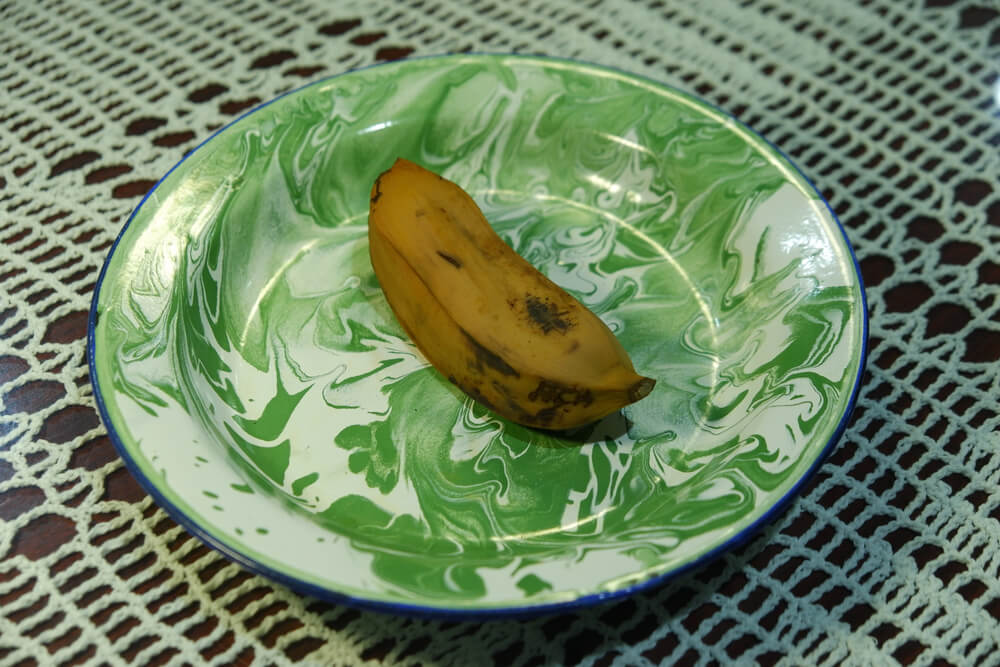
Cathrineholm, a factory in Halden, Norway, produced enameled steel pots, kettles and bowls in bright colors during the 1960s. Its Lotus pattern, long credited to designer Grete Prytz Kittelsen, became one of the most recognizable Scandinavian kitchen designs of the era.
The pieces have gained a large following among midcentury modern collectors in recent years. Small bowls typically sell for roughly 40 to 100 dollars, while kettles and large pots sell for more, depending on color and condition.
Enamel chips, rust spots and dents lower value, and orange and turquoise pieces draw particular interest.
Dazey Glass Butter Churn
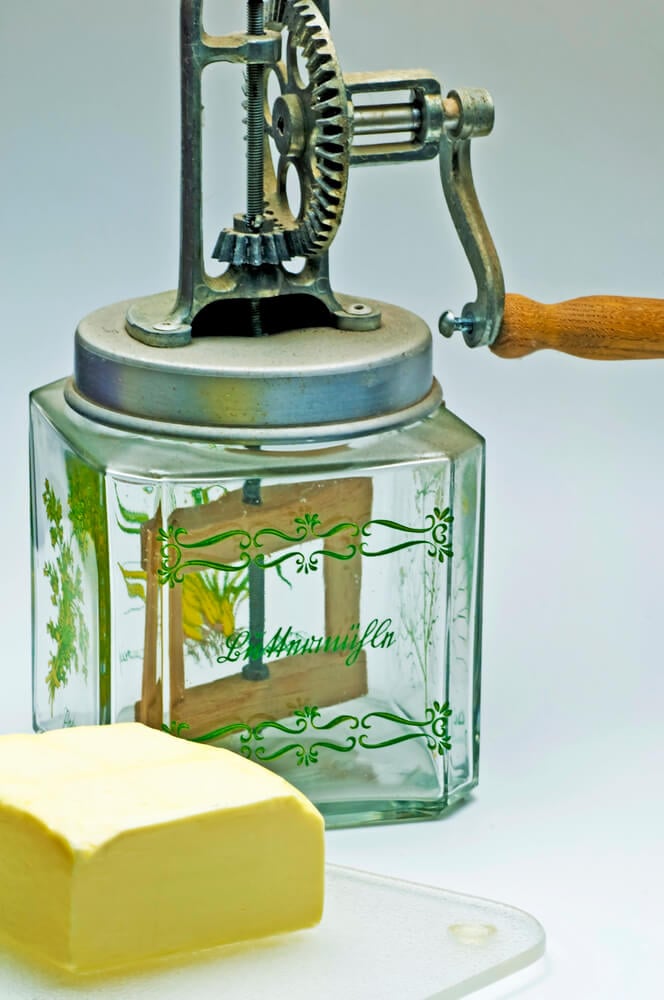
Dazey Churn and Manufacturing Company of St. Louis made hand-crank butter churns with glass jars and metal gear tops for much of the early 20th century. Families poured cream into the jar and cranked until butter formed, a chore that could take a long time.
Today the churns are prized as farmhouse decor as much as kitchen tools. Original examples with matching jars typically sell for roughly 100 to 300 dollars, while rare sizes sell for more.
Reproductions exist, so collectors check embossed lettering and gear housings. Cracked glass and heavy rust lower value.
Rival Crock-Pot
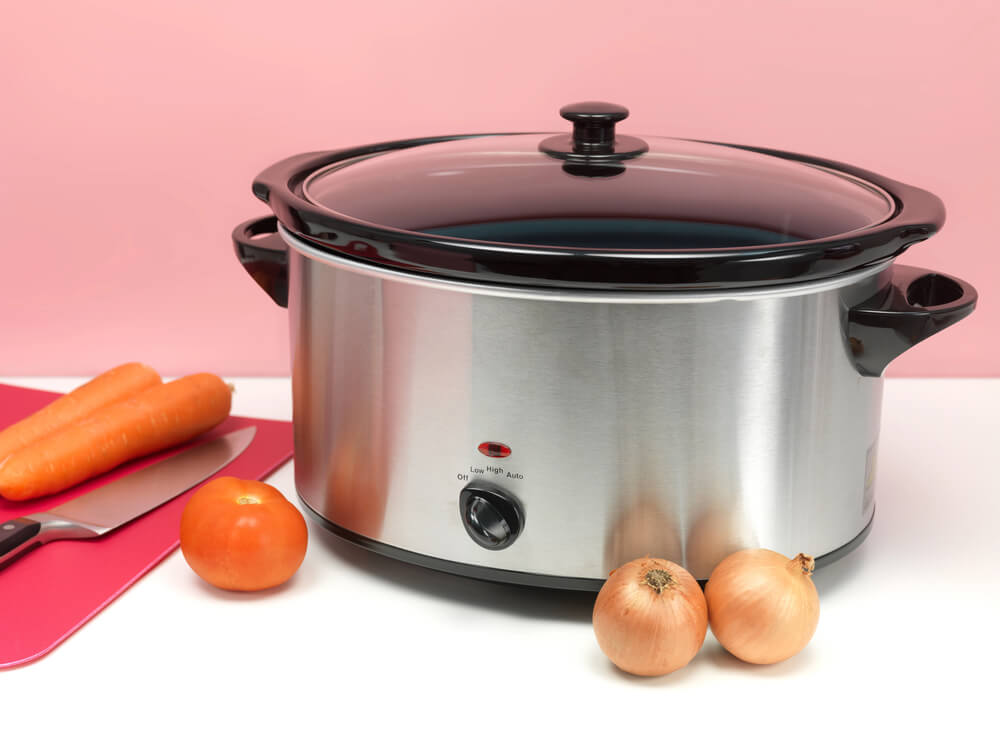
Inventor Irving Naxon patented a slow cooker in 1940, inspired by stories of a Lithuanian bean stew his grandmother cooked overnight in the cooling ovens of a village bakery. Rival Manufacturing bought his company in 1970 and introduced the Crock-Pot the next year.
Early models in harvest gold, avocado green and burnt orange became fixtures of 1970s kitchens. Vintage examples typically sell for roughly 25 to 80 dollars, depending on condition and color.
Cracked crocks and faded exteriors lower value, while units with original boxes and recipe booklets sell for more.
Veg-O-Matic
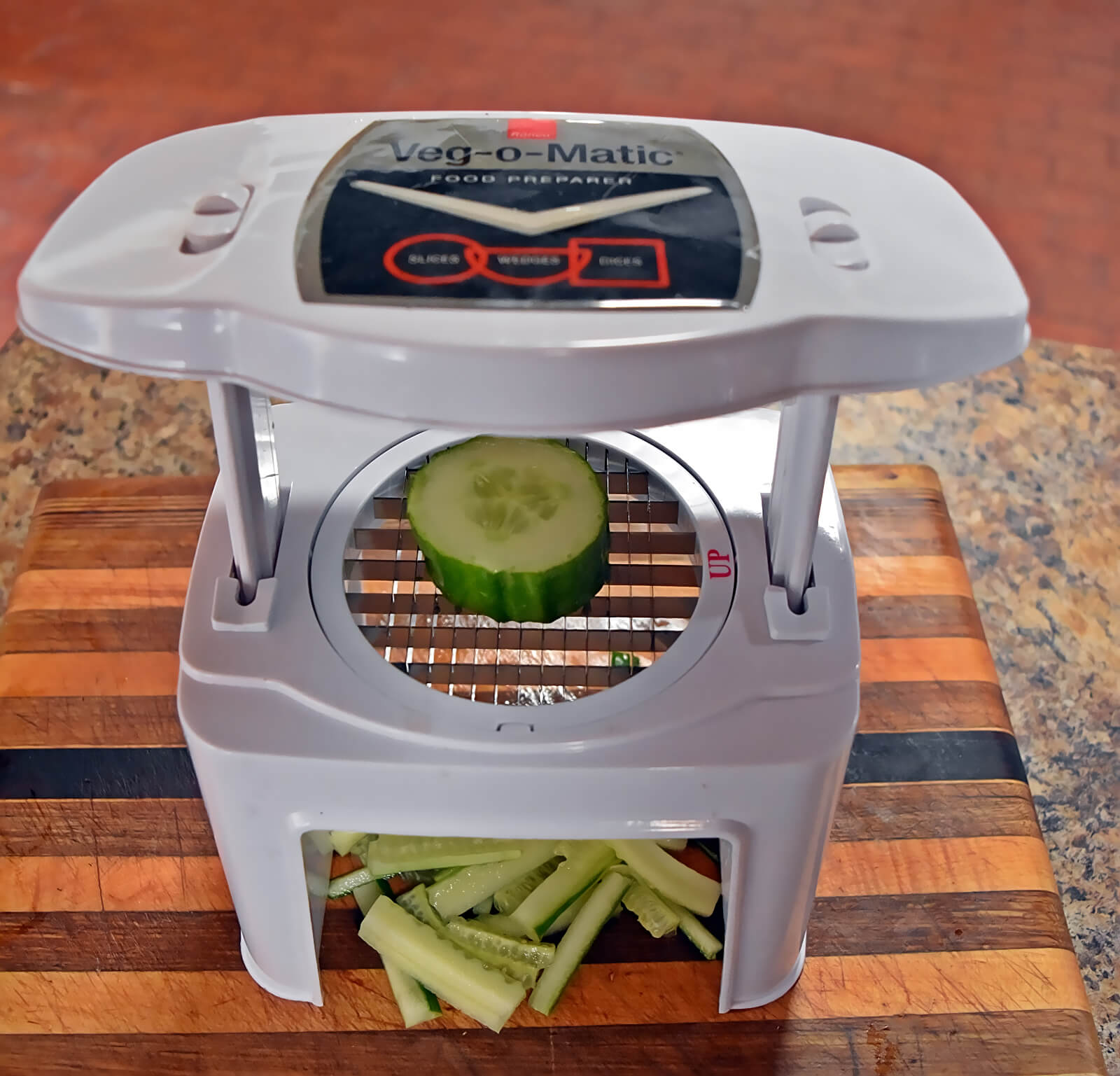
Popeil Brothers introduced the Veg-O-Matic in 1963, and Ron Popeil’s television pitches turned the slicer into one of the most famous products ever sold on late-night TV. Its rotating blades and plunger promised to slice onions and potatoes in seconds.
The Veg-O-Matic helped create the modern infomercial format that later sold everything from knives to rotisseries. Vintage examples in original boxes typically sell for roughly 25 to 100 dollars, depending on condition and completeness.
Missing blades and rusted parts lower value, and collectors often prefer units with printed instructions intact.
Swing-A-Way Can Opener
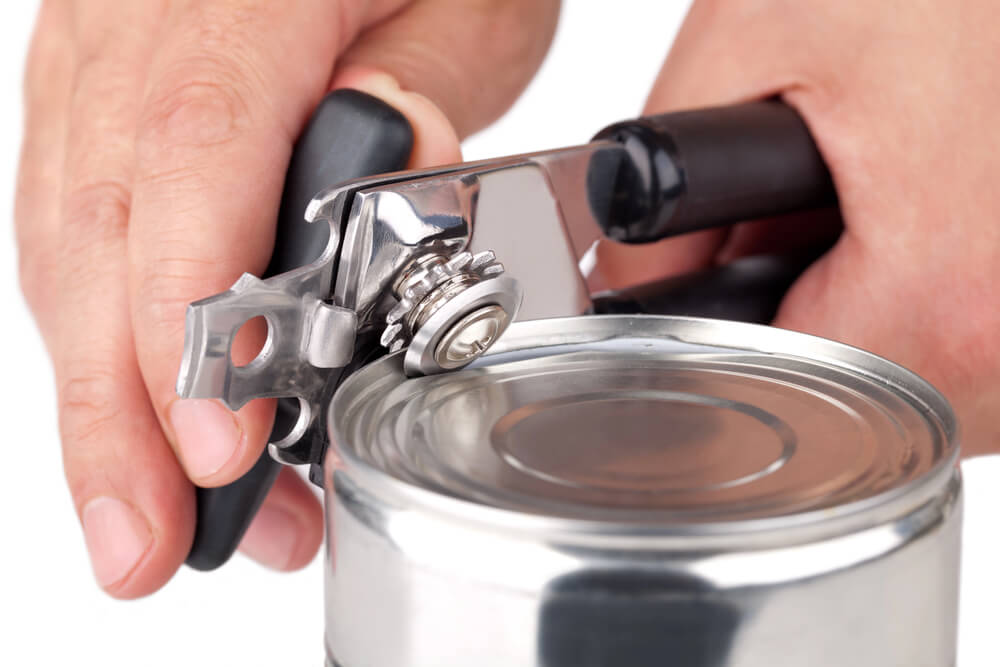
Swing-A-Way Manufacturing of St. Louis built wall-mounted and handheld can openers that became standard equipment in American kitchens for decades. Their sturdy design meant many lasted far longer than the cabinets they hung on.
Wall-mounted versions with original brackets and bright enamel colors have become popular with collectors and retro kitchen decorators. Typical examples sell for roughly 20 to 60 dollars, while rare colors and boxed units sell for more, depending on condition.
Rust, worn cutting wheels and missing brackets lower value, though many examples still open cans perfectly well.
Foley Food Mill
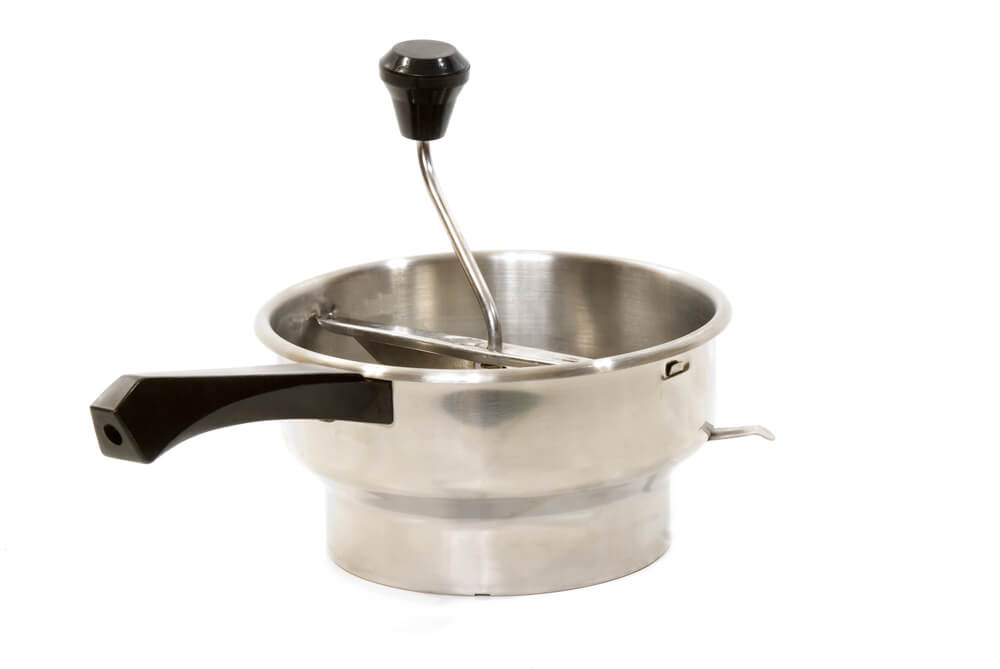
Foley Manufacturing of Minneapolis made hand-crank food mills that pureed soups, sauces and baby food by forcing cooked vegetables through a perforated disk. The design was simple enough to survive decades of heavy use, and many examples still work today.
Cooks prize them for making smooth mashed potatoes and tomato sauce without the gummy texture of electric processors. Vintage examples typically sell for roughly 20 to 60 dollars, depending on condition and size.
Rust, loose handles and missing parts lower value, while examples with crisp original lettering earn a premium.
Mouli Rotary Grater
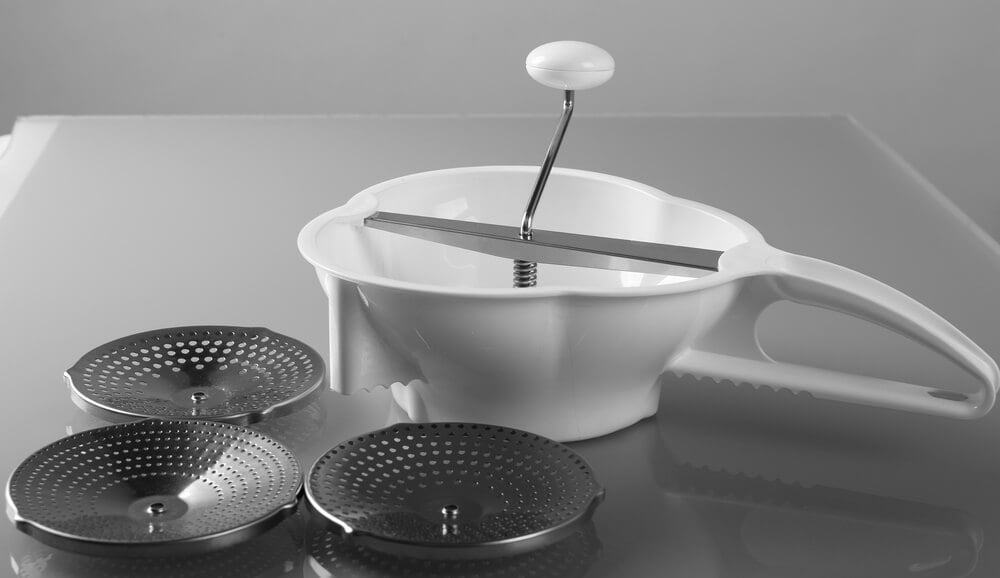
French inventor Jean Mantelet created the Moulin-Legumes food mill in 1932, reportedly after frustration with lumpy mashed potatoes, and his company later became Moulinex. The Mouli rotary grater followed and became popular for grating cheese, nuts and chocolate at the table.
Its simple crank design remained in production for decades. Vintage examples typically sell for roughly 15 to 50 dollars, depending on condition and included drums.
Rust, dull drums and missing parts lower value. Collectors often seek out boxed sets with multiple cutting drums and original packaging intact.
Hamilton Beach Drink Mixer
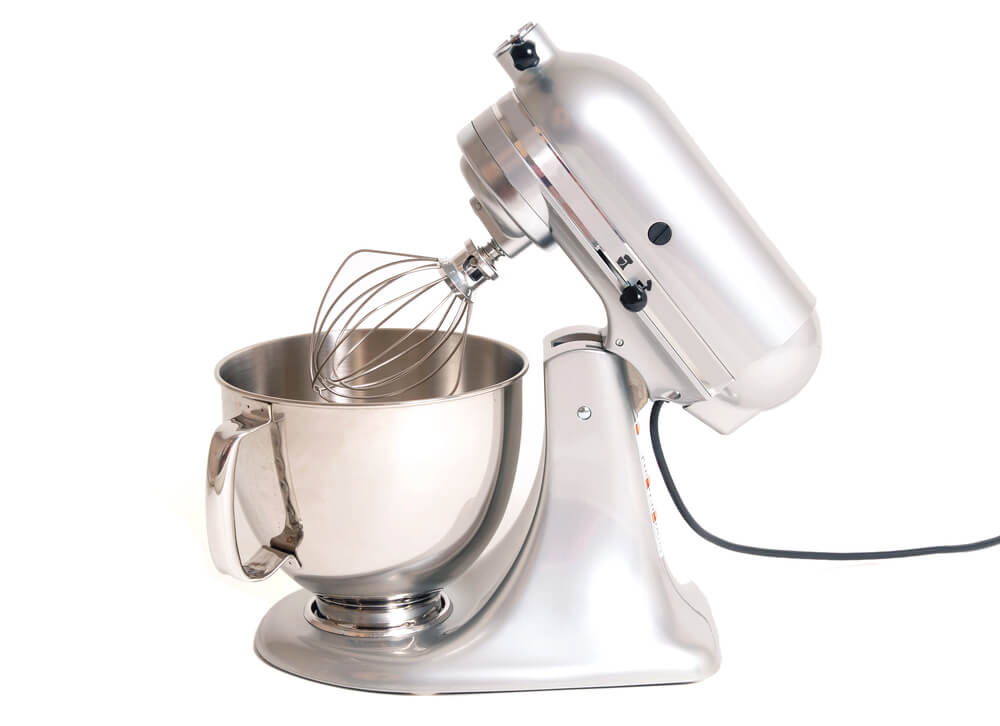
Hamilton Beach, founded in Racine, Wisconsin, introduced a drink mixer in 1911 that became a fixture at soda fountains across the country. The spindle mixers whipped up malted milks and milkshakes for generations of customers.
Models from the 1930s with jadeite glass or colorful enamel bases are especially popular with collectors today. Working examples typically sell for roughly 100 to 300 dollars, while rare colors and multi-spindle fountain models sell for more.
Chipped bases, worn finishes and failing motors lower value, and original cups add a modest premium.
Enterprise Coffee Grinder
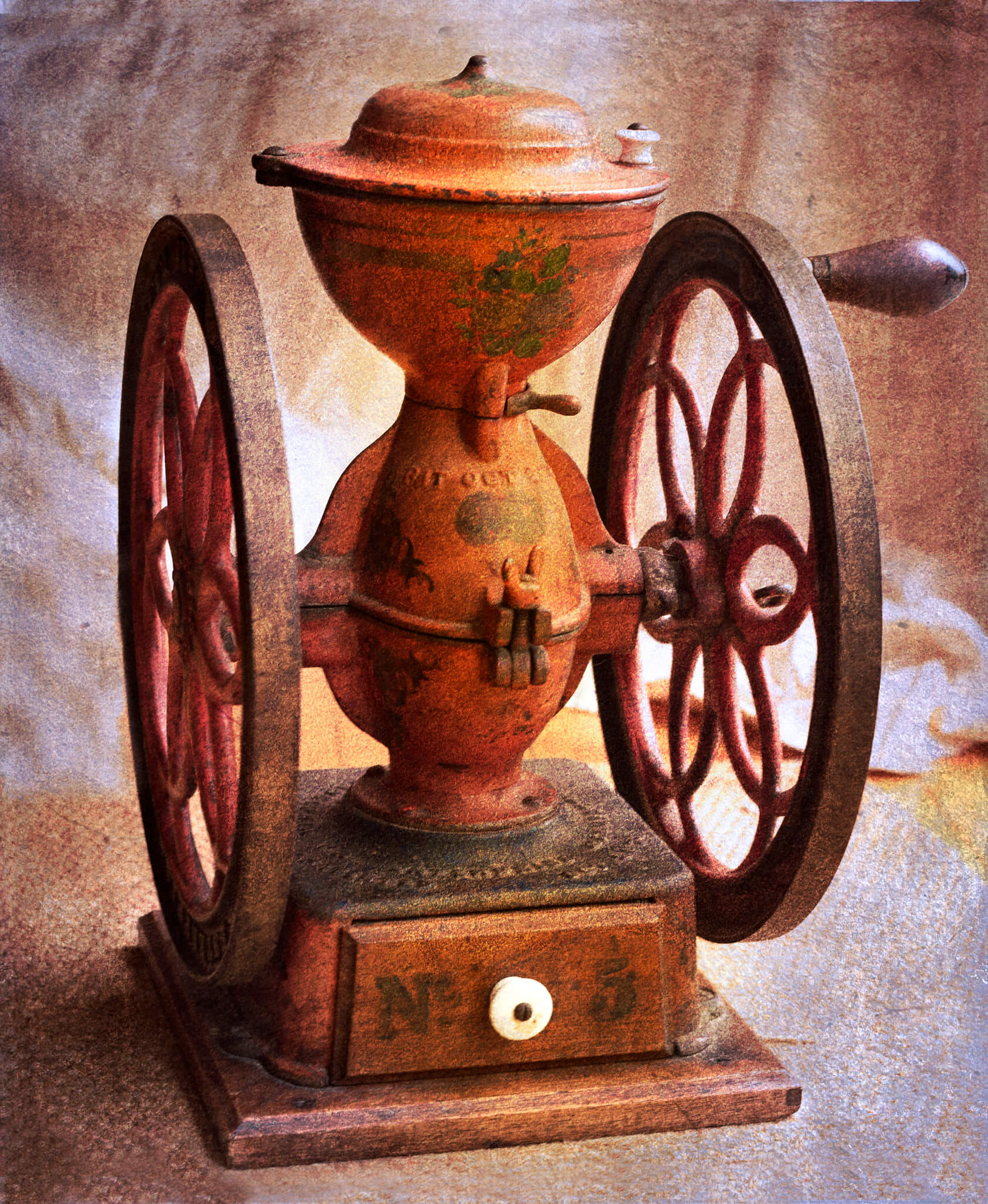
Enterprise Manufacturing Company of Pennsylvania, based in Philadelphia, made cast iron coffee mills for homes and general stores from the late 19th century onward. Large store models with twin flywheels, brass hoppers and original paint have become prized as decor and conversation pieces.
Small countertop mills typically sell for roughly 100 to 300 dollars, while large store-sized grinders with intact paint can sell for considerably more. Repainted examples, cracked iron and missing hoppers lower value.
Collectors check for original pinstriping and decals, which add significantly to price.
Mirro Cookie Press
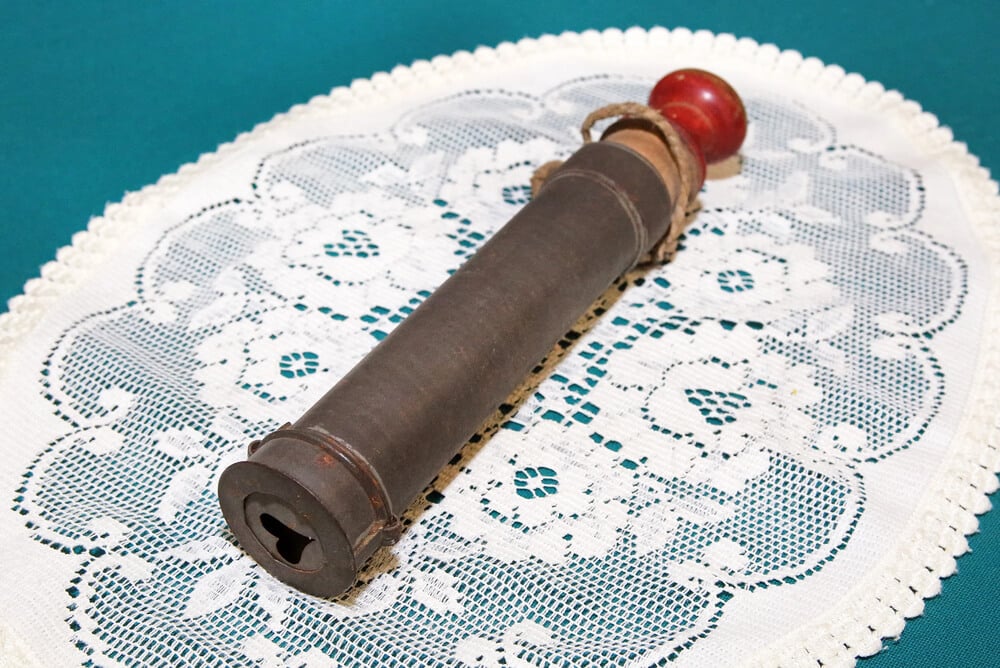
Mirro Aluminum Company of Manitowoc, Wisconsin, made cookie presses that let home bakers squeeze dough through shaped disks to form stars, wreaths and trees. Holiday baking made them a seasonal staple, and many families used the same press for decades.
Vintage sets in original boxes with complete disks and recipe booklets typically sell for roughly 25 to 75 dollars, depending on condition. Missing disks, dented barrels and worn plungers lower value.
Collectors prefer aluminum versions from the 1950s and 1960s, which tend to hold up better than later plastic models.
Presto Hot Dogger
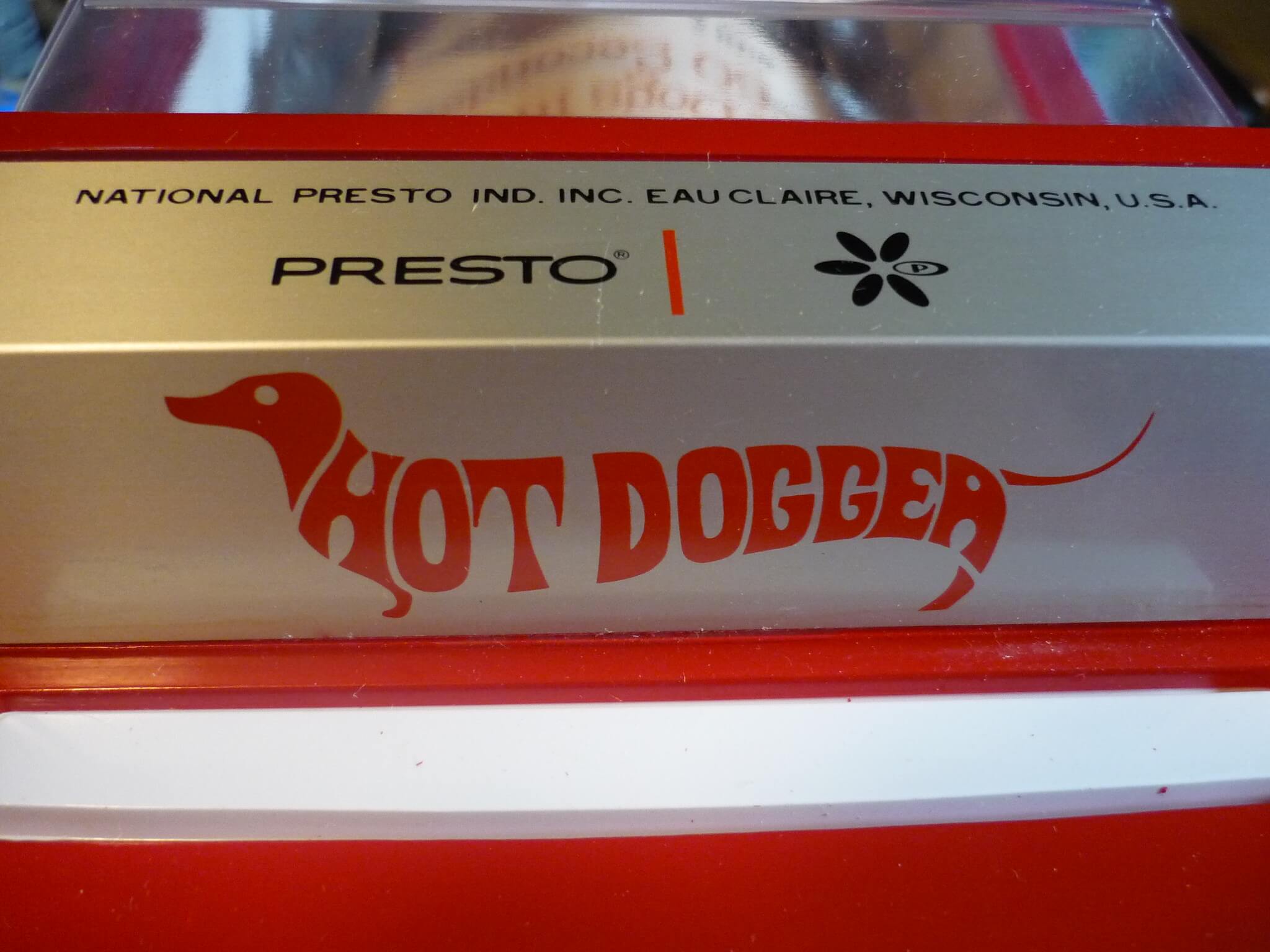
National Presto Industries sold the Hot Dogger, a curious gadget that cooked hot dogs by running electric current through them. Users impaled up to six hot dogs on metal spikes, closed the lid and waited about a minute.
The device became a 1970s favorite and a symbol of quirky kitchen innovation. Vintage examples typically sell for roughly 30 to 80 dollars, depending on condition and completeness.
Missing lids, cracked bases and damaged cords lower value. Buyers should avoid using old units, since the exposed electrical design raises obvious safety concerns.
West Bend Stir Crazy Popcorn Popper
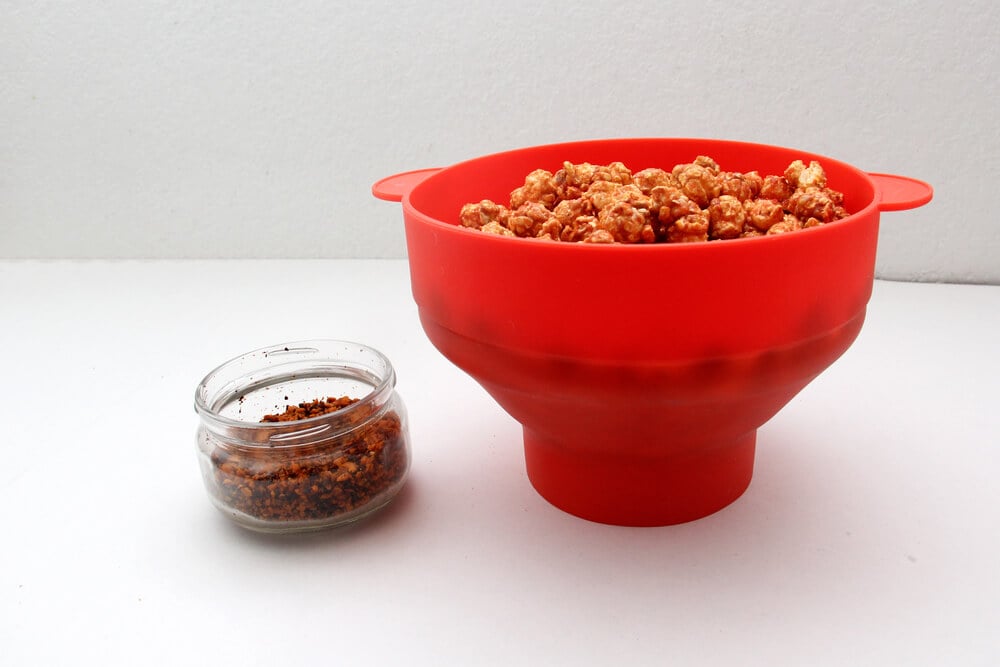
West Bend’s Stir Crazy popper used a motorized stirring rod to keep kernels moving in hot oil, producing popcorn without burning. The clear dome lid doubled as a serving bowl when flipped over.
Many families used theirs for movie nights through the 1970s and 1980s. Vintage examples typically sell for roughly 25 to 60 dollars, depending on condition.
Cloudy domes, missing stirring rods and worn heating plates lower value. Collectors often seek original boxes and instruction booklets, which add a modest premium to otherwise ordinary examples.
Universal Swing-Door Toaster
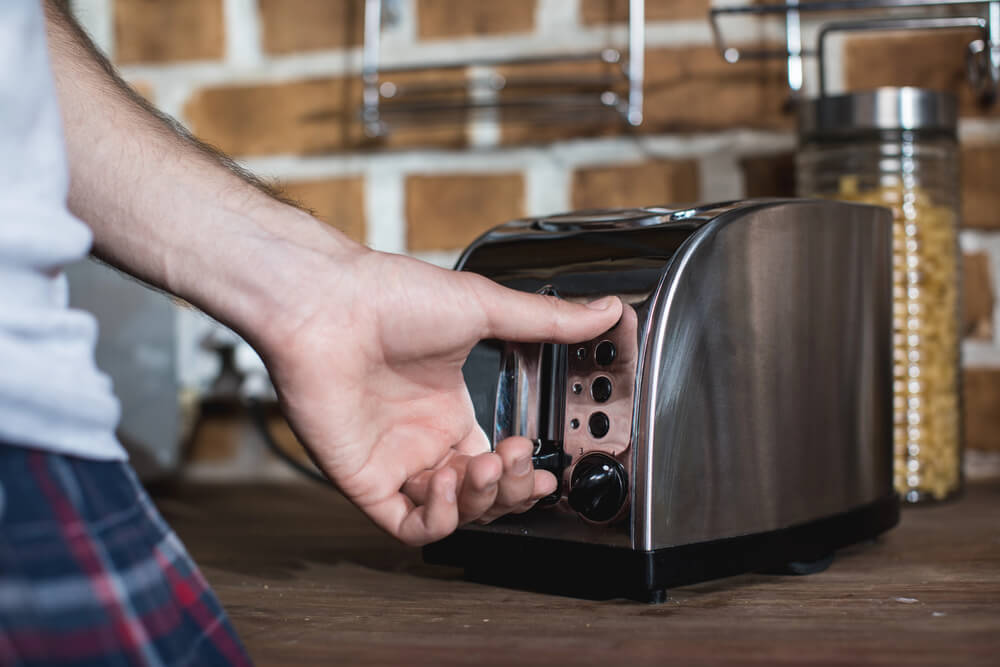
Landers, Frary and Clark of New Britain, Connecticut, sold small appliances under the Universal brand, including toasters with hinged doors that turned bread as they opened. Before automatic pop-up mechanisms became common, these toasters required close attention to avoid burning.
Their nickel-plated bodies and decorative details make them popular with collectors today. Working examples typically sell for roughly 50 to 150 dollars, depending on condition.
Worn plating, broken doors and frayed cords lower value, and many collectors display these toasters rather than use them, since the exposed heating elements predate modern safety standards.
Raymond Loewy’s Coquelle for Le Creuset
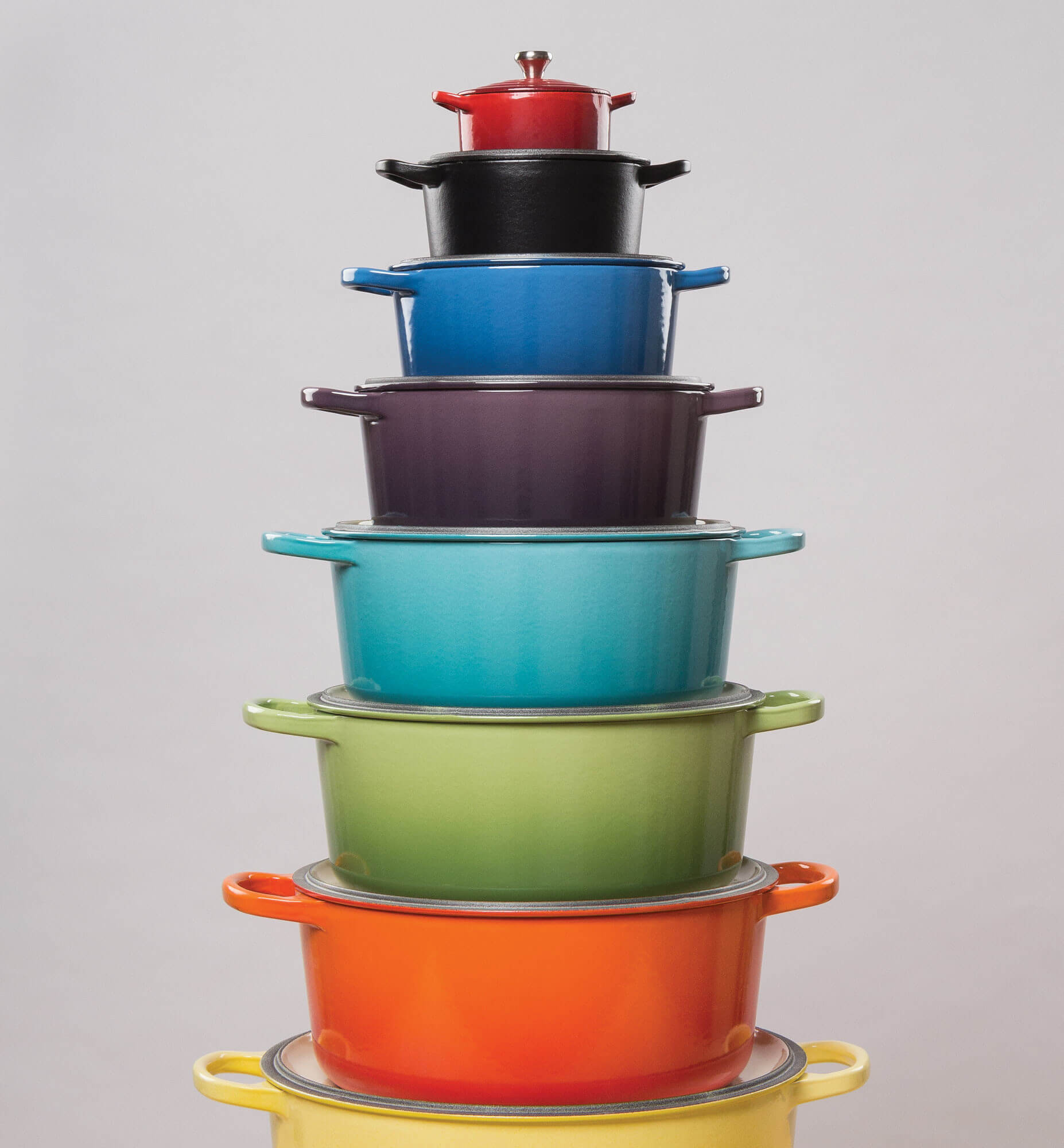
Industrial designer Raymond Loewy created the Coquelle casserole for Le Creuset in 1958, giving the French cast iron cookware a modern, streamlined look. The design featured a lid that doubled as a shallow serving dish.
Vintage Coquelles in original colors typically sell for roughly 100 to 300 dollars, depending on size and condition. Chipped enamel, cracked lids and heavy staining lower value.
Collectors prize early examples in flame orange and other period colors, and Loewy’s name has drawn design collectors who might otherwise ignore cookware.
Dansk Kobenstyle Casserole
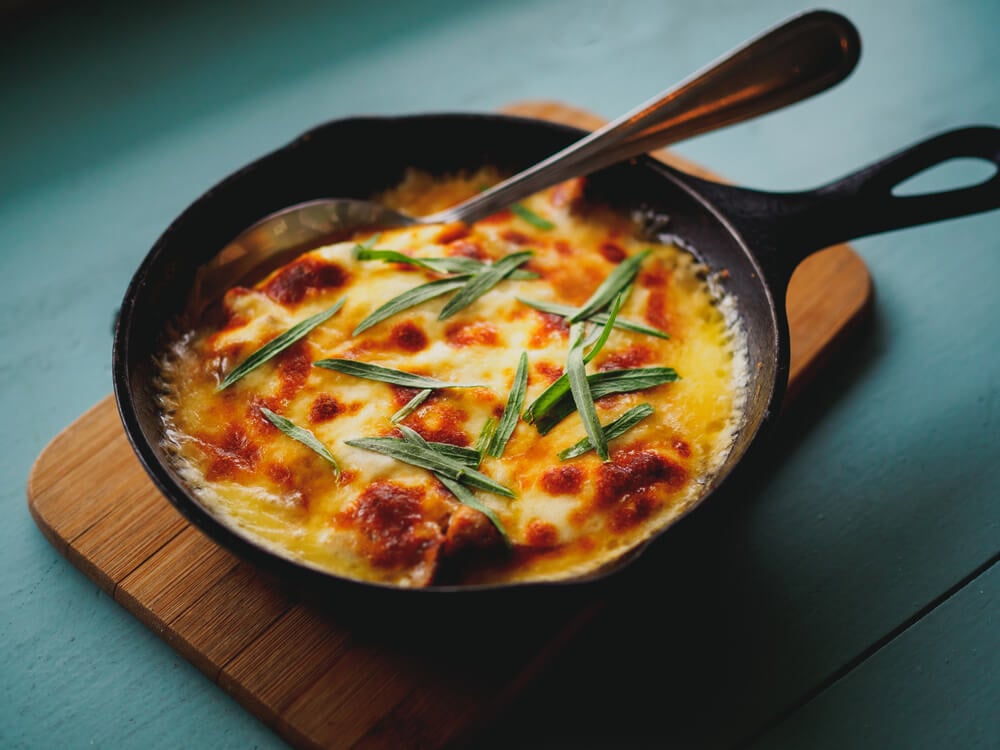
Designer Jens Quistgaard created the Kobenstyle line for Dansk in 1956, shortly after Ted and Martha Nierenberg founded the company. The enameled steel casseroles featured distinctive cross-shaped handles, and their lids doubled as trivets.
The line became a symbol of Scandinavian modern design in American homes. Vintage examples typically sell for roughly 50 to 150 dollars, depending on size, color and condition.
Enamel chips, rust and heavy staining lower value. Collectors often seek rare colors and larger sizes, which sell for more, and Quistgaard’s teak serving pieces from the same era have a following of their own.
Cuisinart Food Processor
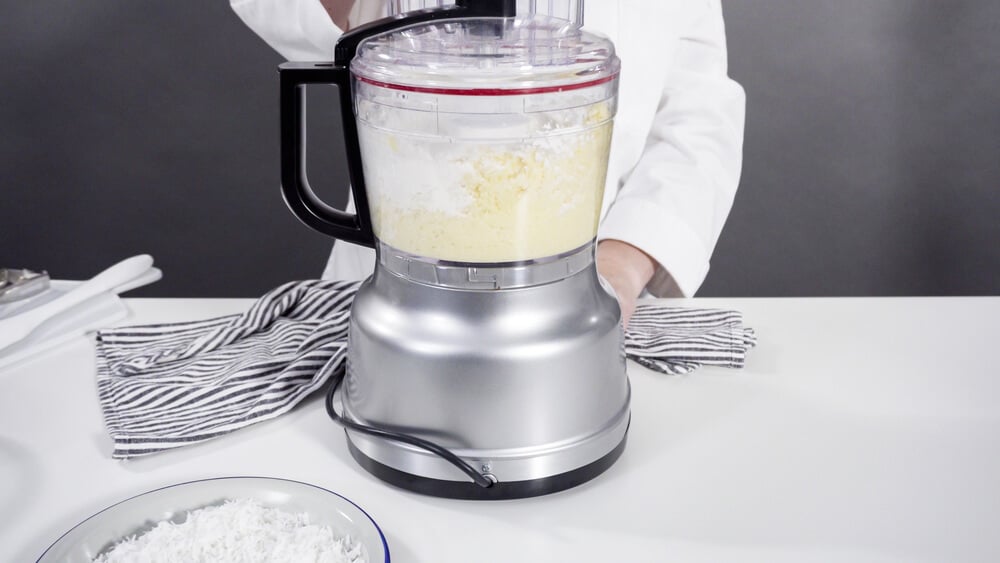
Engineer Carl Sontheimer discovered a French restaurant food processor at a Paris trade show in 1971 and adapted it for home kitchens. His Cuisinart model debuted in 1973 and quickly won over cooks after praise from figures such as Julia Child and James Beard.
Early models are prized for their sturdy motors and simple designs. Vintage examples typically sell for roughly 50 to 150 dollars, depending on condition and included blades.
Cracked bowls, missing blades and worn motors lower value, and collectors prefer units with original manuals.
Tupperware Wonderlier Bowls
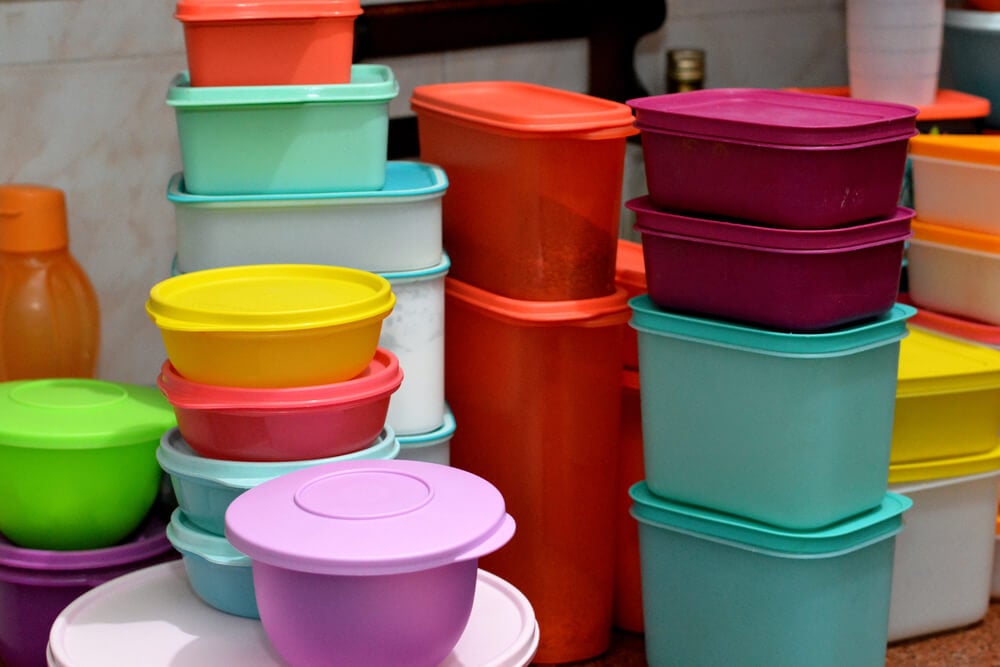
Earl Tupper founded Tupperware in 1946, and his Wonderlier bowls with their airtight seals became kitchen staples. Brownie Wise built the home party sales model that made the brand famous, and by 1951 Tupperware had pulled its products from store shelves entirely.
Vintage pastel sets from the 1950s and 1960s typically sell for roughly 20 to 75 dollars, depending on condition and completeness. Warping, staining and missing lids lower value.
Collectors often seek rare colors and complete nesting sets, along with the original burping instructions that taught buyers how to press air out of each seal.
Countertops With Long Memories

Kitchen tools are usually judged by how well they work, not how they look. Many of these gadgets were built to last for decades, and many did.
That durability is part of why collectors now pay for them. Old kitchen gadgets also carry family memories that new appliances cannot match.
A grandmother’s mixer or a parent’s popcorn popper can bring back the smells and sounds of childhood. That emotional pull keeps prices rising for the best-preserved examples.
More from Go2Tutors!

- The Romanov Crown Jewels and Their Tragic Fate
- 13 Historical Mysteries That Science Still Can’t Solve
- Famous Hoaxes That Fooled the World for Years
- 15 Child Stars with Tragic Adult Lives
- 16 Famous Jewelry Pieces in History
Like Go2Tutors’s content? Follow us on MSN.