30 Languages That Went Extinct and Took Entire Cultures With Them
Every two weeks, somewhere on earth, a language falls silent for the last time. Not just words go — entire ways of thinking, naming the world, telling stories, and passing down knowledge about plants, weather, and medicine disappear with them.
A language isn’t a communication tool any more than a cathedral is a shelter. It is the accumulated structure of how a people understood everything around them, and when it ends, that structure collapses completely.
What follows isn’t just a list of dead languages. It’s a record of vanished worlds — oral traditions that had no backup, ecological knowledge with no translation, histories that existed only as long as the last person who remembered them kept breathing.
Sumerian
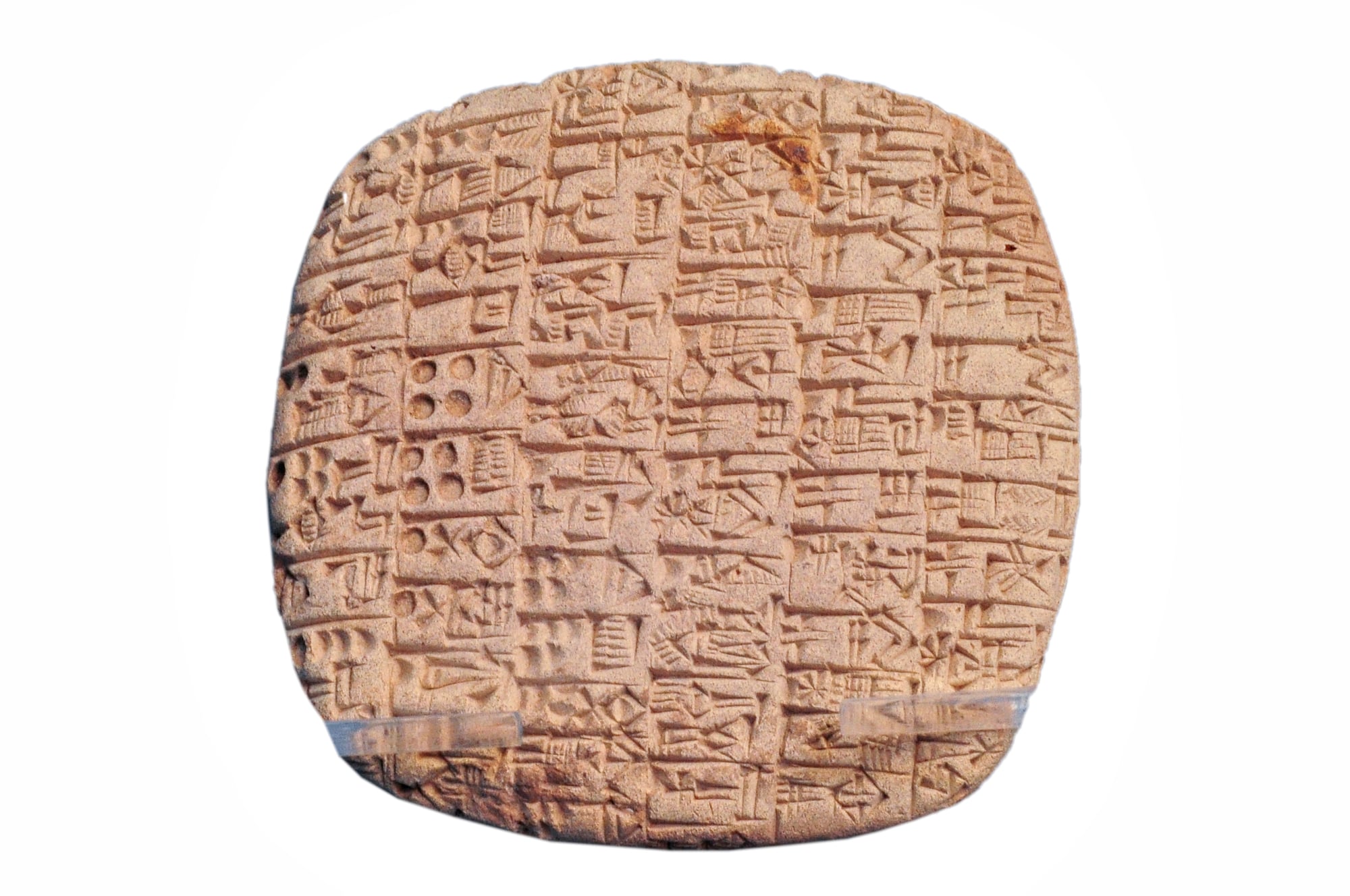
Sumerian is the oldest written language ever recorded, with clay tablet inscriptions dating back to around 3100 BCE in the river valleys of southern Mesopotamia. It contains the world’s first known literature — including the Epic of Gilgamesh in its earliest form — along with administrative records, hymns, and mathematical texts that reveal a sophisticated civilization centuries before Egypt’s pyramid age.
Sumerian stopped being spoken around 2000 BCE when Akkadian replaced it as the everyday tongue, but scribes continued using it for religious and scholarly purposes for another 1,700 years. When even that ended, the oral traditions, songs, and folk knowledge that had never been written down went with it.
Etruscan
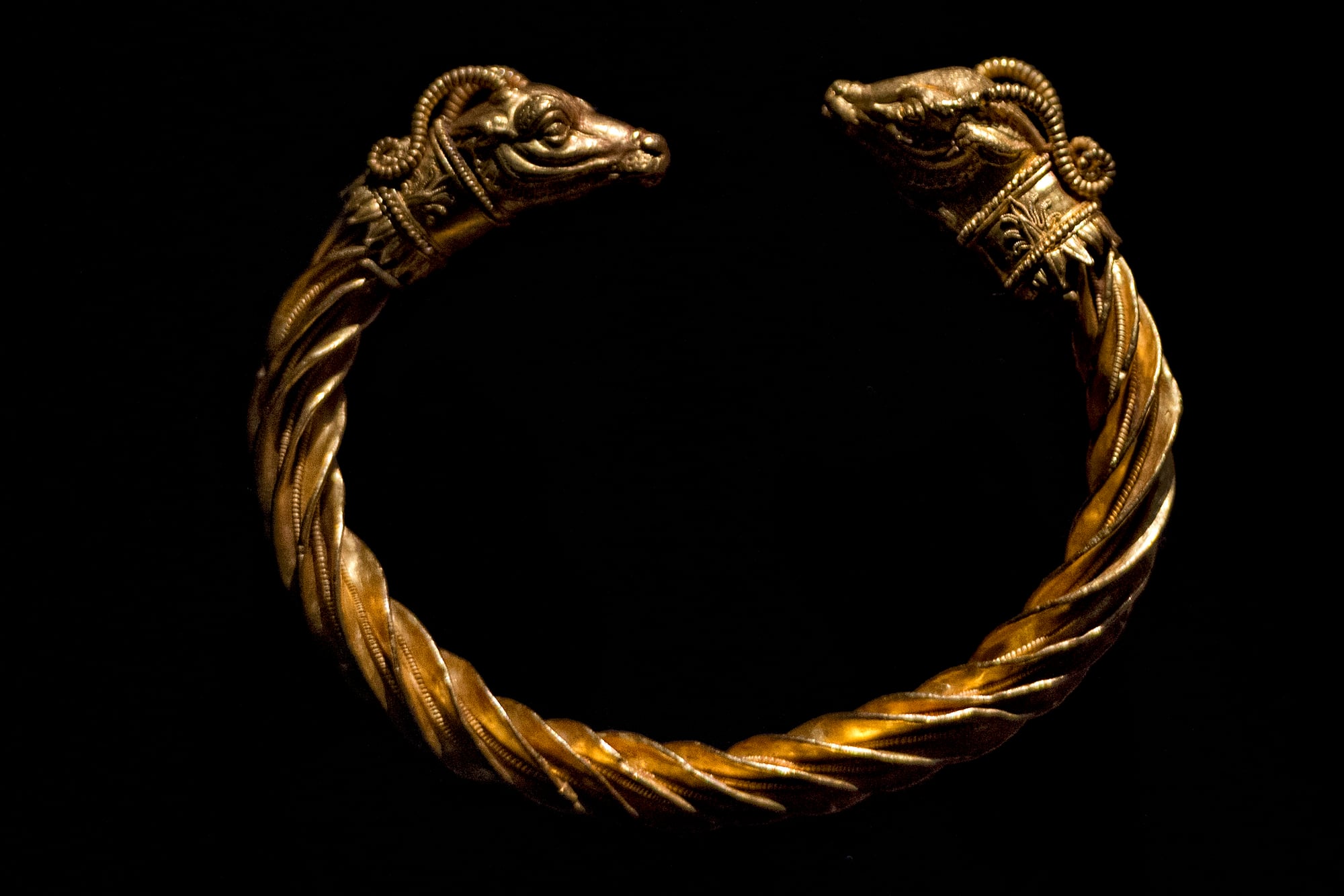
The Etruscans dominated central Italy before Rome rose to power, and their language remains one of the most tantalising unsolved problems in classical studies. Scholars can read Etruscan perfectly — it uses a recognisable alphabet — but cannot understand most of what it says, because no bilingual equivalent of the Rosetta Stone has ever been found.
Thousands of tomb inscriptions and bronze mirrors survive, offering glimpses of religious ritual and daily life, but the meanings behind the symbols remain largely locked. When Etruscan was absorbed into Latin around the first century BCE, an entire literary and religious tradition became permanently inaccessible.
Ubykh
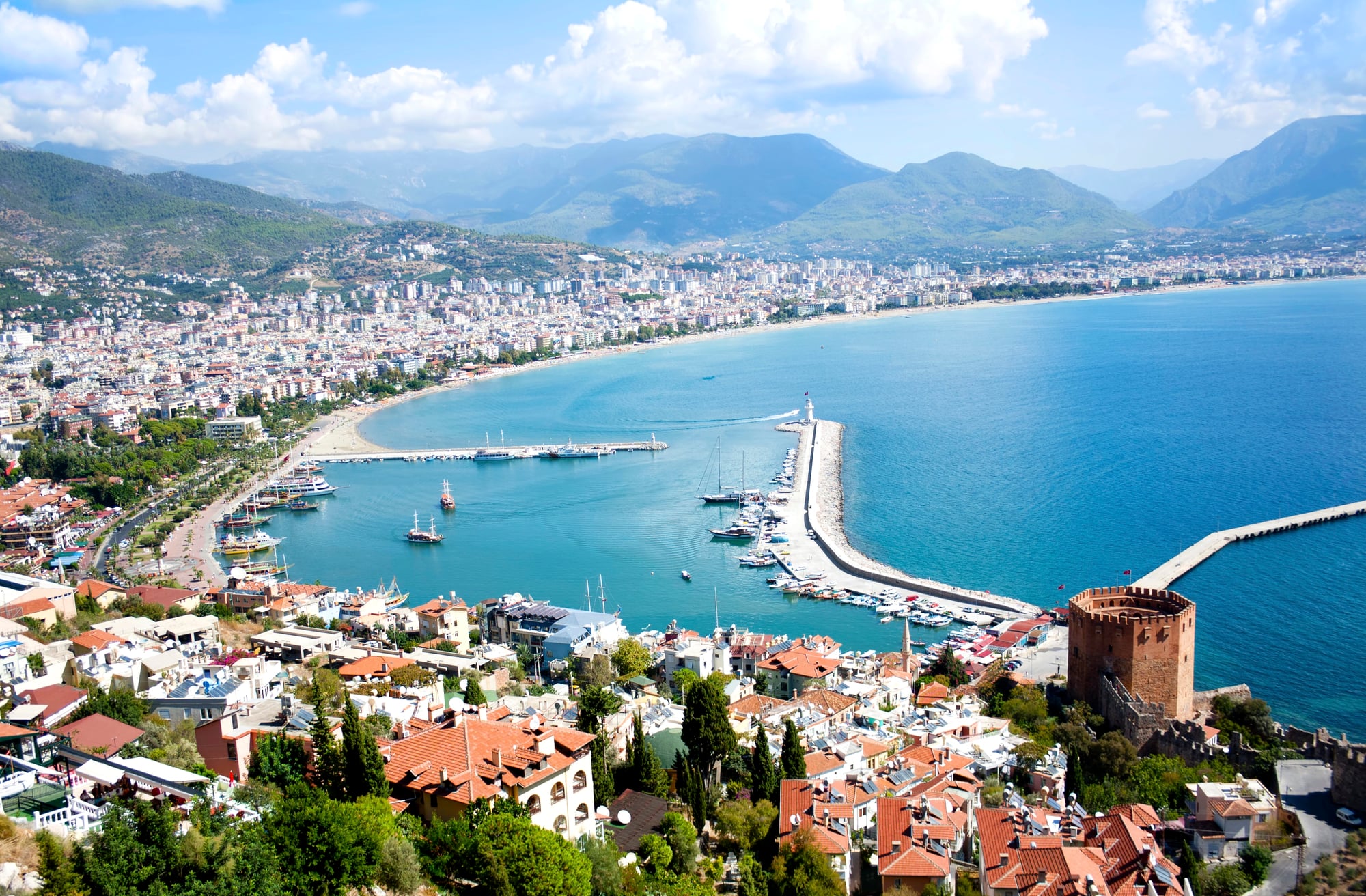
Ubykh held the world record for the most consonant sounds of any known language — 84 distinct consonants — making it extraordinarily complex and unlike anything spoken before or since. The Ubykh people were Caucasian mountaineers displaced to Turkey in the 19th century after Russian expansion, and their language slowly died in exile, far from the landscape that had shaped its vocabulary for millennia.
The last fluent speaker, Tevfik Esenç, died in Turkey in 1992, having spent his final years working with linguists to record what he could. When he went, an entire oral tradition of mountain lore, metalworking knowledge, and ancestral storytelling went with him.
Yana

The Yana people of northern California were nearly annihilated during the Gold Rush — through violence, disease, and forced displacement — and by 1911, only one person remained: a man named Ishi, who had spent years living alone in the hills after his family was killed. Anthropologist Alfred Kroeber spent years documenting Ishi’s language and culture before Ishi died of tuberculosis in 1916, but what was recorded represents only a fragment of what was lost.
The Yana had a striking linguistic feature almost unique in the world: men and women used different vocabulary for the same words, a gendered language system with no parallel in any surviving tongue.
Dalmatian

Dalmatian was a Romance language once spoken along the Adriatic coast of what is now Croatia, a descendant of Latin that evolved its own distinct grammar and vocabulary over centuries of trade and isolation. By the late 19th century, only one person still spoke it fluently — a barber named Tuone Udaina, who had learned it by secretly listening to his parents’ private conversations as a child.
Italian linguist Matteo Bartoli worked with him in 1897 to document as much as possible, but Udaina died the following year when he stepped on a land mine. The original Italian notes of that documentation were lost and survived only in a German translation, meaning the record of the record was itself incomplete.
Eyak

Eyak was a Na-Dené language spoken in the coastal rainforest of southern Alaska, home to a people who had developed an extraordinarily specific vocabulary for the materials and creatures of their environment — fish species, tidal conditions, forest sounds. The last fluent native speaker, Marie Smith Jones, died in January 2008 at the age of 89, having spent decades working with linguists to document what she knew.
She reportedly lamented that she had no one left to laugh with in her language — a grief specific to extinction that no translation can adequately carry. The ecological knowledge embedded in Eyak’s vocabulary for plants used in coastal medicine has no equivalent in English or Tlingit.
Manx
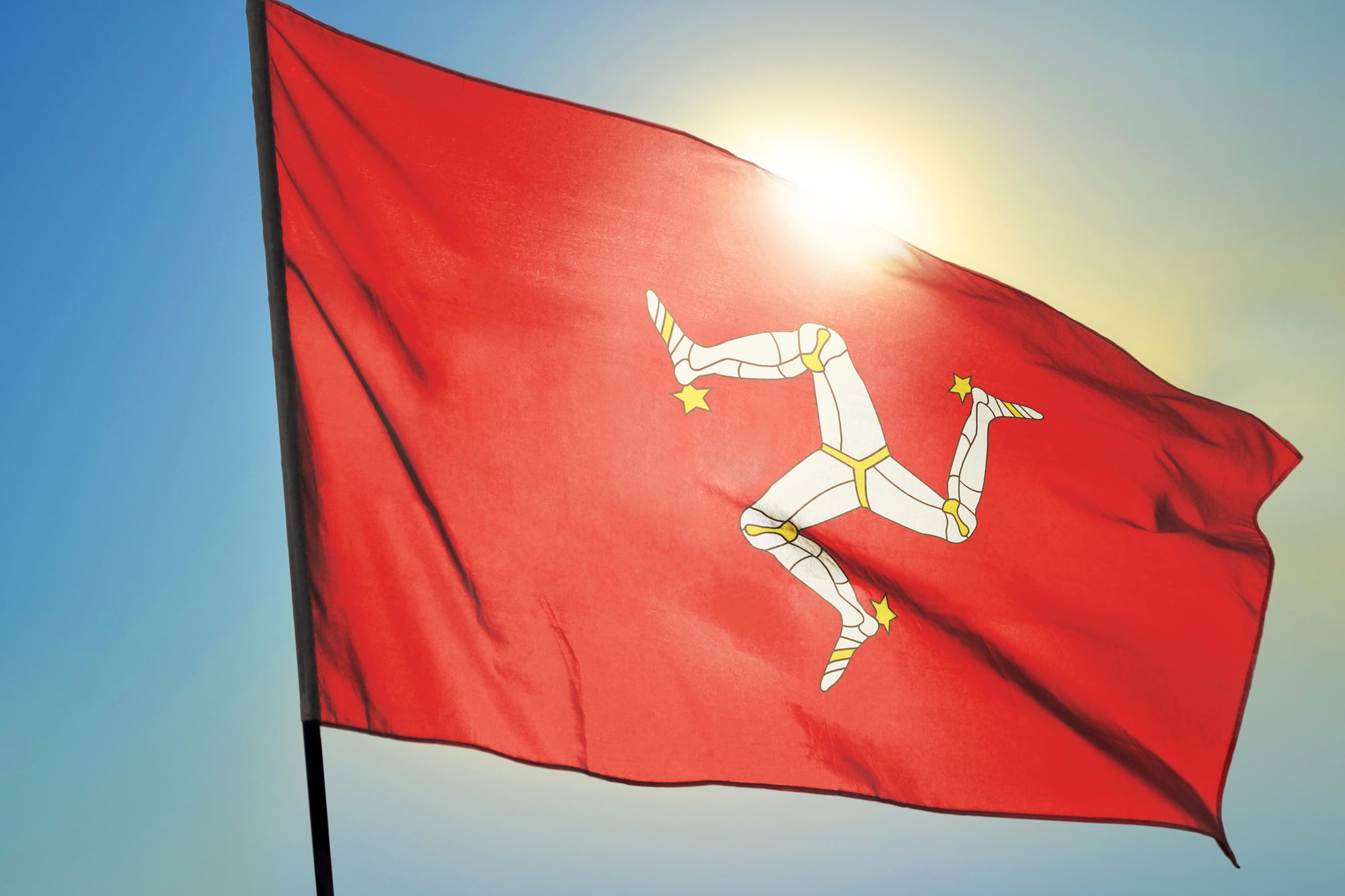
Manx was the Celtic language of the Isle of Man, closely related to Irish and Scottish Gaelic, and it died on 27 December 1974 when a fisherman named Ned Maddrell passed away at the age of 97. UNESCO declared it extinct shortly after, but the island refused to accept the verdict — recordings of Maddrell and other late speakers were used to reconstruct the language, and today there is a primary school on the Isle of Man, Bunscoill Ghaelgagh, where children are taught entirely in Manx.
The revival is genuine and remarkable, though linguists note that a reconstructed language carries subtle differences from one passed down through unbroken use. The oral poetry tradition and fishing songs that Maddrell knew have no confirmed living successors.
Bo

Bo was one of the ten Great Andamanese languages spoken by the indigenous peoples of India’s Andaman Islands, a group of communities that had lived in near-total isolation for up to 65,000 years — making them among the longest-surviving isolated cultures on earth. The last speaker of Bo, an elderly woman named Boa Sr., died in February 2010, and linguists who had worked with her noted that she often sang songs whose meaning she could no longer fully explain, having had no one to speak Bo with for decades.
With her death, an unbroken oral tradition stretching back potentially to the earliest human migration out of Africa was severed. The Andamanese languages as a group are considered a possible window into proto-human language, and Bo’s loss was particularly mourned in that context.
Tasmanian Languages

When British colonists arrived in Tasmania in the early 1800s, the island’s Aboriginal people spoke at least a dozen mutually distinct languages developed over roughly 35,000 years of separate evolution. The colonisation was brutal and swift: within decades, the indigenous population had been decimated through violence and disease, and survivors were removed to Flinders Island in a displacement that ended what remained of their communities.
The last full-blooded Tasmanian Aboriginal person, Truganini, died in 1876. No complete grammar or vocabulary of any Tasmanian language was ever recorded, and what survives amounts to a few hundred word lists gathered by early settlers — fragments that tell almost nothing about the grammatical structures, stories, or ecological classifications those languages contained.
Cornish

Cornish was the Celtic language of Cornwall, England’s southwesternmost peninsula, and it declined steadily under pressure from English from the 16th century onwards. The last known native speaker, Dolly Pentreath, died in 1777 — though some scholars argue a handful of speakers survived into the early 19th century.
Unlike most extinct languages, Cornish has been the subject of serious revival efforts since the early 20th century, and today several thousand people have varying degrees of competency in reconstructed forms of the language. But the fishing songs, mining chants, and oral folk traditions that existed in living Cornish are gone entirely, and what has been revived is a scholarly reconstruction, not an inheritance.
Gothic
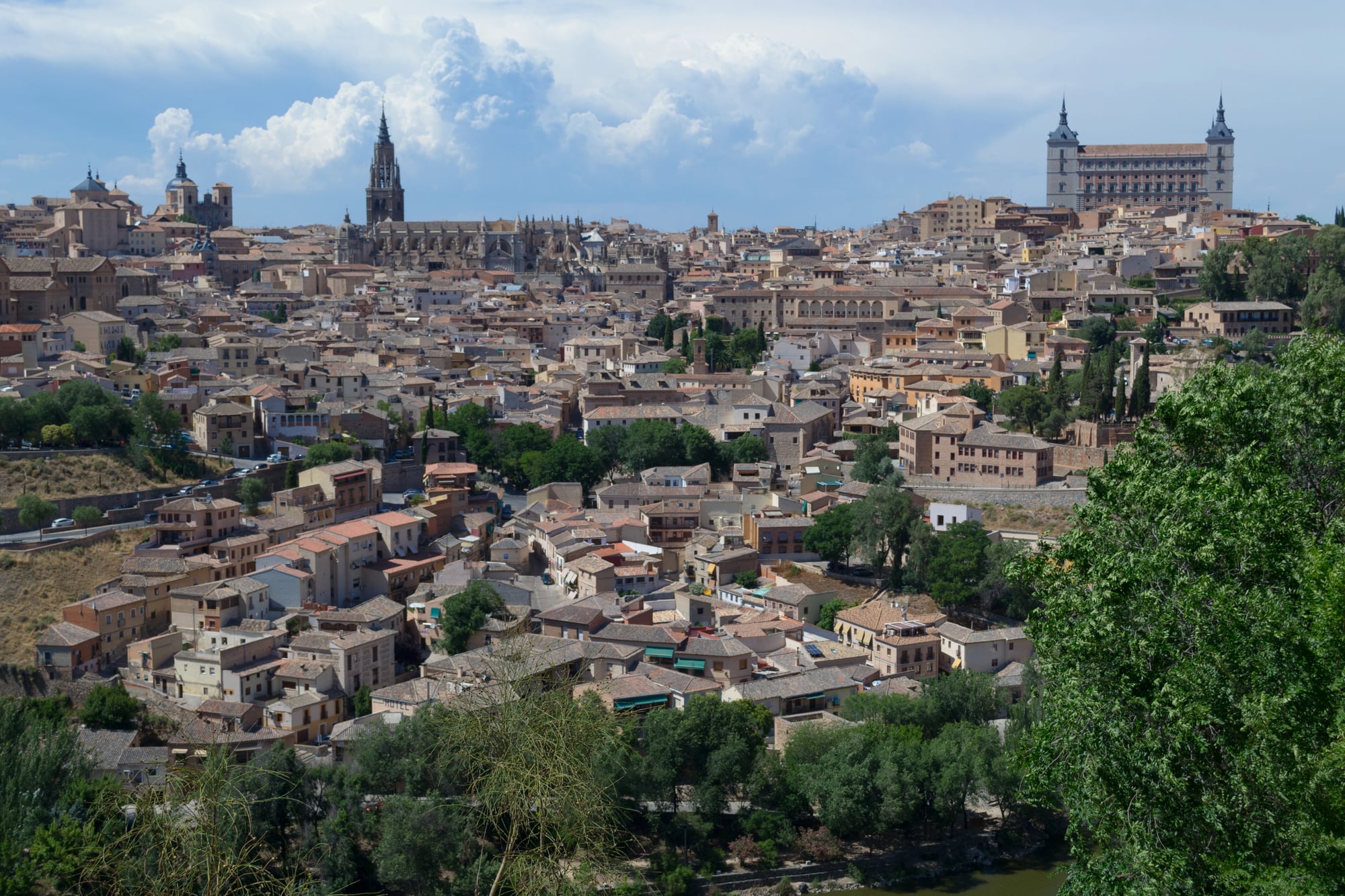
Gothic was the language of the Visigoths and Ostrogoths, Germanic peoples who played a decisive role in the fall of the Western Roman Empire, and it is the oldest well-documented Germanic language — the ancestor of the family that includes English, German, and Dutch. The only major text that survives in Gothic is a 4th-century translation of the Bible made by the bishop Wulfila, who created the Gothic alphabet specifically for that purpose.
Everything else — the oral epics, the legal traditions, the everyday speech of the people who shaped medieval Europe — is gone. Gothic died out by around the 8th century, replaced by Latin and Romance languages in the south and other Germanic tongues in the north.
Norn

Norn was the North Germanic language spoken in Orkney and Shetland after Norse settlers colonised those islands in the 9th century, and it survived there for nearly 800 years before dying out in the 18th century under pressure from Scots English. The islands’ distinctive culture — their relationship to the sea, their boat-building traditions, their specific nautical vocabulary — was encoded in Norn in ways that don’t translate cleanly into the fishing terms that Scots English provided as replacements.
A few hundred words and some fragments of verse survive, including the Lord’s Prayer in a corrupted form, but Norn’s grammar is almost entirely lost. The fishing communities of Shetland still use a handful of Norn-derived words for specific types of weather and water conditions, which have no standard English equivalents.
Yahgan
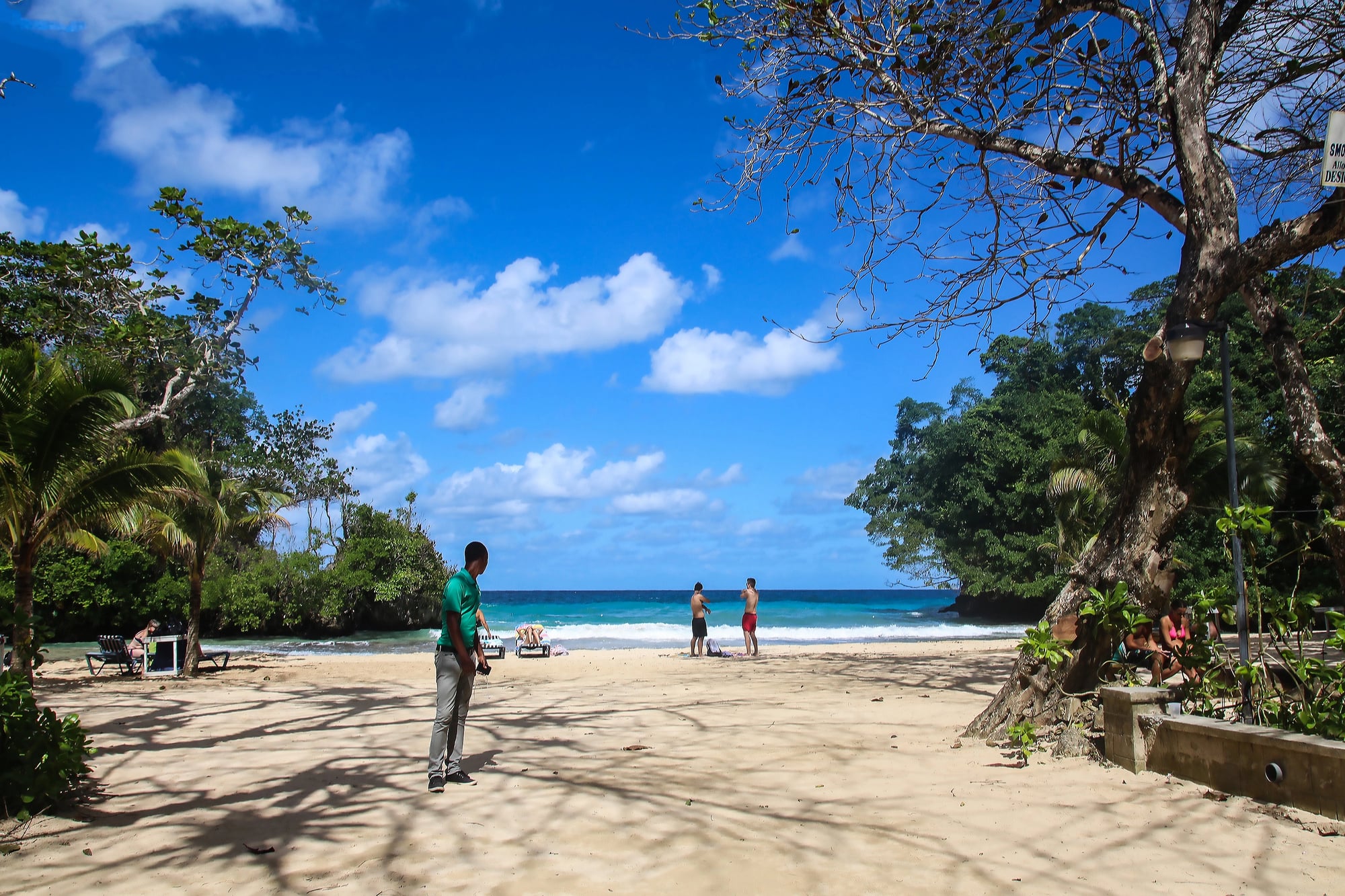
Yahgan, also known as Yámana, was spoken by the Yahgan people of Tierra del Fuego at the southern tip of South America — arguably the most remote inhabited environment on earth — and it was famously rich in vocabulary for emotional and psychological states that other languages left unnamed. The language included the word “mamihlapinatapai,” often cited as one of the most difficult words to translate in any language, describing a look shared between two people who both want something but neither is willing to initiate.
The last fluent speaker, Cristina Calderón, died in February 2022. Revival efforts are underway using archived recordings, but the specific knowledge the Yahgan encoded about the extreme southern climate, tidal patterns, and marine life of that region existed nowhere else.
Akkadian
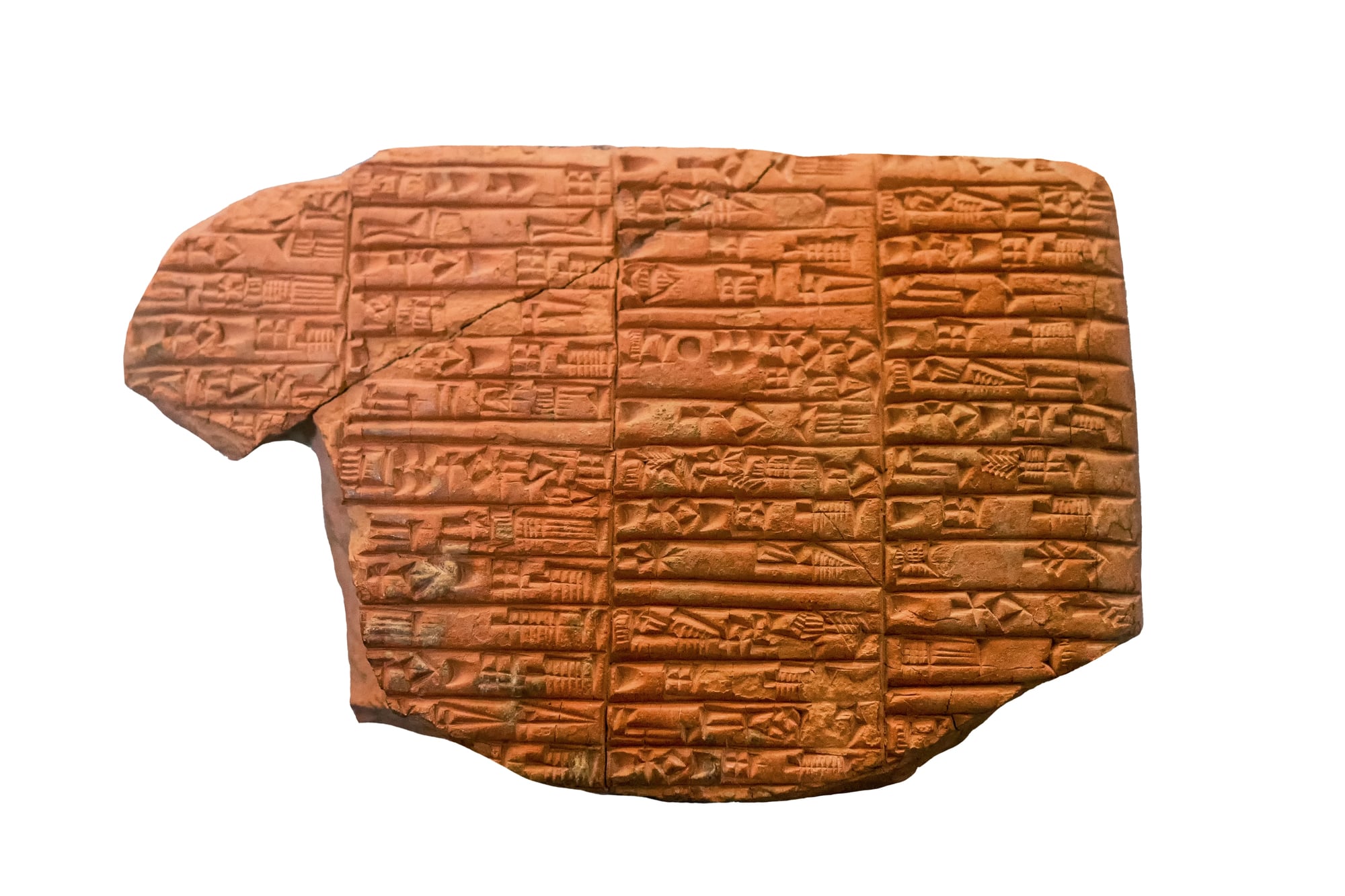
Akkadian was the dominant language of Mesopotamia for over two thousand years, serving as the lingua franca of the ancient Near East and preserving some of the world’s earliest known literature, law codes, and astronomical observations. The Code of Hammurabi — one of the first written legal systems — was composed in Akkadian, as were detailed astronomical diaries tracking planetary movements for centuries.
Akkadian died out as a spoken language around the 1st century CE, replaced by Aramaic, taking with it oral traditions, religious ceremonies, and folk knowledge about Mesopotamian plant medicine that were never fully committed to clay.
Sogdian
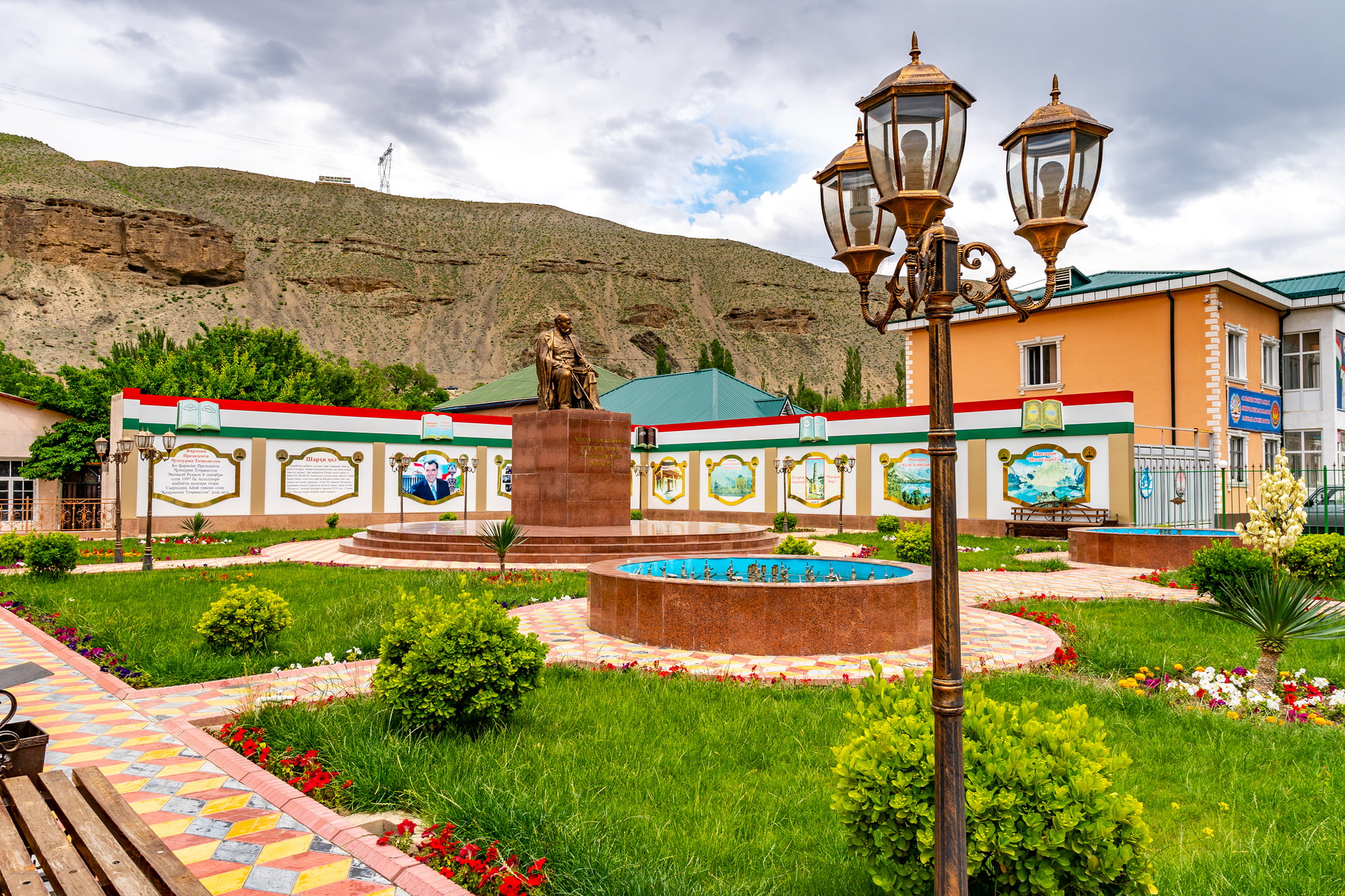
Sogdian was an Eastern Iranian language spoken along the Silk Road trade routes by merchants who carried goods between China, Central Asia, and the Mediterranean world for centuries. Sogdian merchants were so dominant in early medieval trade that Sogdian letters found in Chinese territory from the 4th century CE represent some of the earliest known personal correspondence in any Iranian language — business letters, family news, complaints about prices.
When Turkic expansion overtook Central Asia, Sogdian faded and was gone by around the 13th century, taking with it a merchant culture’s accumulated knowledge of routes, pricing, diplomacy across cultures, and material goods that has no documentary equivalent in surviving languages.
Hunnic

Hunnic, the language of Attila’s empire that terrorised Europe in the 5th century CE, is known only from a handful of words recorded by Roman and Greek chroniclers — personal names, titles, and a few terms for objects. The Huns left no written records of their own, and the language they spoke has never been convincingly classified: it may have been Turkic, Mongolic, or something else entirely.
When Attila’s empire collapsed after his death in 453 CE, the Hunnic-speaking core of the empire dispersed and was absorbed into surrounding peoples within a generation or two. The world’s most feared military force of its era simply ceased to exist as a culture, taking its language with it.
Mutsun

Mutsun was a language of the Ohlone people of coastal California, spoken in the region south of San Francisco Bay, and it came to be documented almost entirely through the efforts of one extraordinary woman — Ascención Solórsano, who worked with linguist J.P. Harrington in the 1920s and 1930s to record as much of the language as she remembered. Mutsun had been suppressed in the Spanish missions of California, where indigenous people were punished for speaking their own languages, and Ascención was already working from memory rather than daily use.
The Ohlone’s ecological knowledge of the California coast — plant names, seasonal indicators, tidal fish patterns — was embedded in Mutsun’s vocabulary in ways that made direct translation impossible.
Wampanoag

Wampanoag, also known as Massachusett, was a language of the Algonquian family spoken by the indigenous people of what is now Massachusetts and Rhode Island, and it holds a remarkable place in American history as the first Indigenous language of North America to have its own printed Bible — a translation completed by missionary John Eliot in 1663. The language died out as a spoken tongue in the early 20th century, but in 1993, linguist Jessie Little Doe Baird began a revival effort using Eliot’s Bible and other colonial-era documents.
The Wampanoag Language Reclamation Project has since produced speakers, including children raised with the language — a rare and genuine revival grounded in documentary evidence rather than approximation.
Oscan
Oscan was spoken across much of southern Italy before Roman expansion, and it was one of the major languages of the ancient Mediterranean world — a fully developed language with its own writing system, literature, and legal tradition. The Samnite Wars of the 4th and 3rd centuries BCE and the subsequent Social War of 91–88 BCE, in which Italian peoples fought Rome for citizenship rights, ended with political integration that accelerated Oscan’s death.
The last known Oscan inscription dates from around 100 CE. What makes Oscan’s loss particularly significant is that it would have contained the cultural memory of the Samnites — a fiercely independent mountain people who came closer than almost any other group to defeating Rome militarily — and that memory vanished with their tongue.
Linear A

Linear A is the undeciphered script of the Minoan civilization of ancient Crete, a Bronze Age culture that flourished between roughly 2500 and 1450 BCE and built the palace complex at Knossos. Because Linear A has never been decoded, the language it encodes remains completely unknown — its grammar, its vocabulary, its relationship to any other language.
The related Linear B script was deciphered in 1952 and turned out to encode an early form of Greek, but Linear A’s underlying language appears to be something different and unrelated. The Minoans traded across the eastern Mediterranean, produced sophisticated art, and had a complex administrative system, and almost nothing they actually said in their own language can be recovered.
Scythian

Scythian was the language of the nomadic Scythian people who dominated the Eurasian steppes from the 9th to the 4th centuries BCE, ranging from the Black Sea to Central Asia, and it survives only in scattered proper names and a handful of words recorded by Greek historians. The Scythians were famously skilled horsemen and archers who developed distinctive gold-working traditions, and their cultural practices — including beliefs about the afterlife evidenced by elaborate burial mounds called kurgans — are known only through archaeological evidence and the observations of outsiders like Herodotus.
When Iranian and later Sarmatian cultures absorbed the Scythians, whatever oral tradition they had maintained about their own origins, migrations, and beliefs went with them entirely.
Livonian
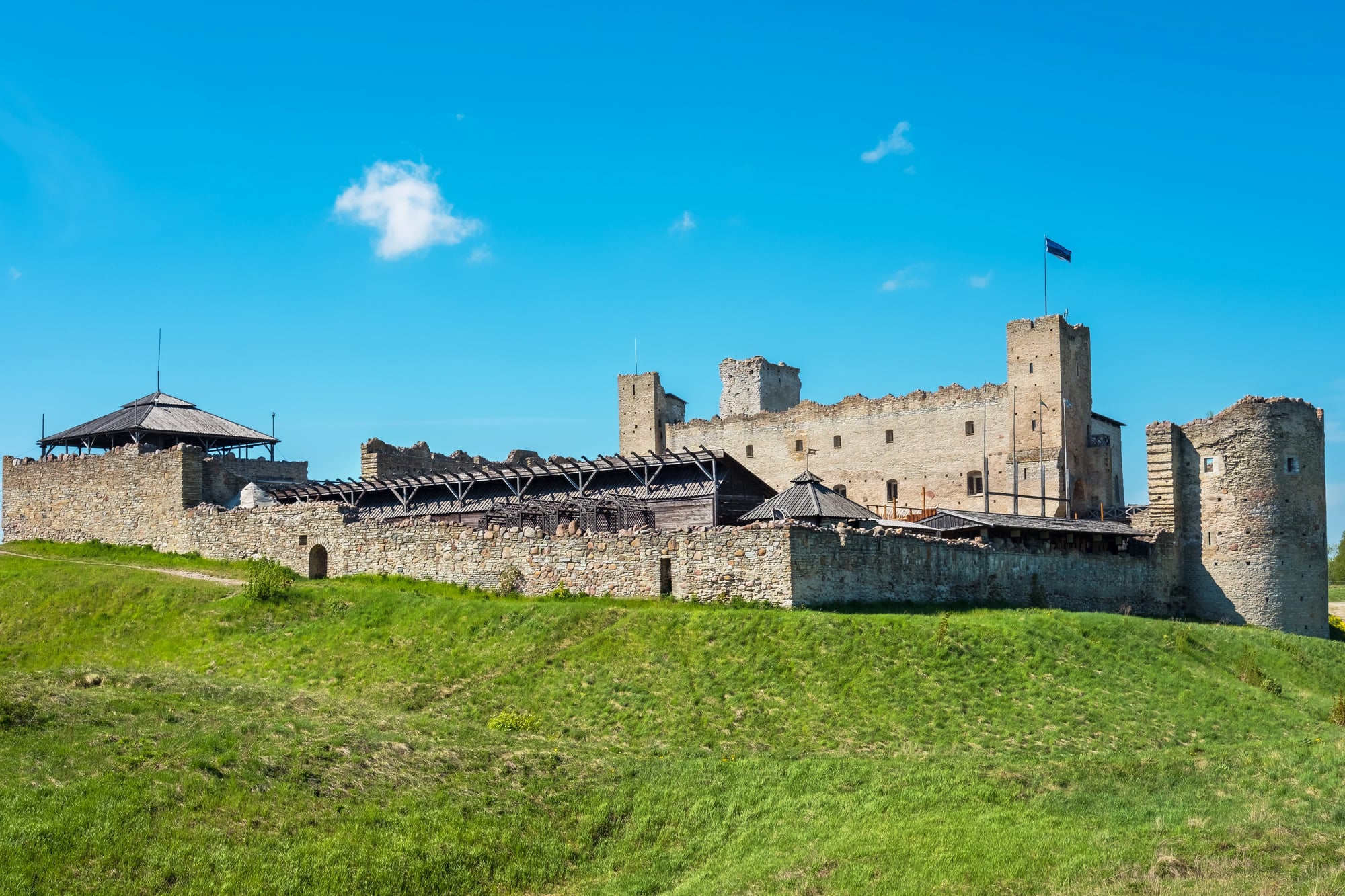
Livonian was a Uralic language closely related to Estonian and Finnish, spoken by a small community along the northern coast of Latvia — a coastal people whose lives and vocabulary were shaped entirely by the Baltic Sea. At its post-World War II low, only a few hundred speakers remained, reduced further by Soviet deportations of Baltic peoples.
The last fully fluent native speaker, Grizelda Kristiņa, died in 2013, and the language is now carried by a small group of semi-speakers and revival learners. Livonian had specific vocabulary for ice conditions on the Baltic that had no Latvian equivalents — a fisherman’s precision about which ice could hold weight, which was moving, and which was forming — knowledge with direct survival value that no longer has a home in any living tongue.
Powhatan
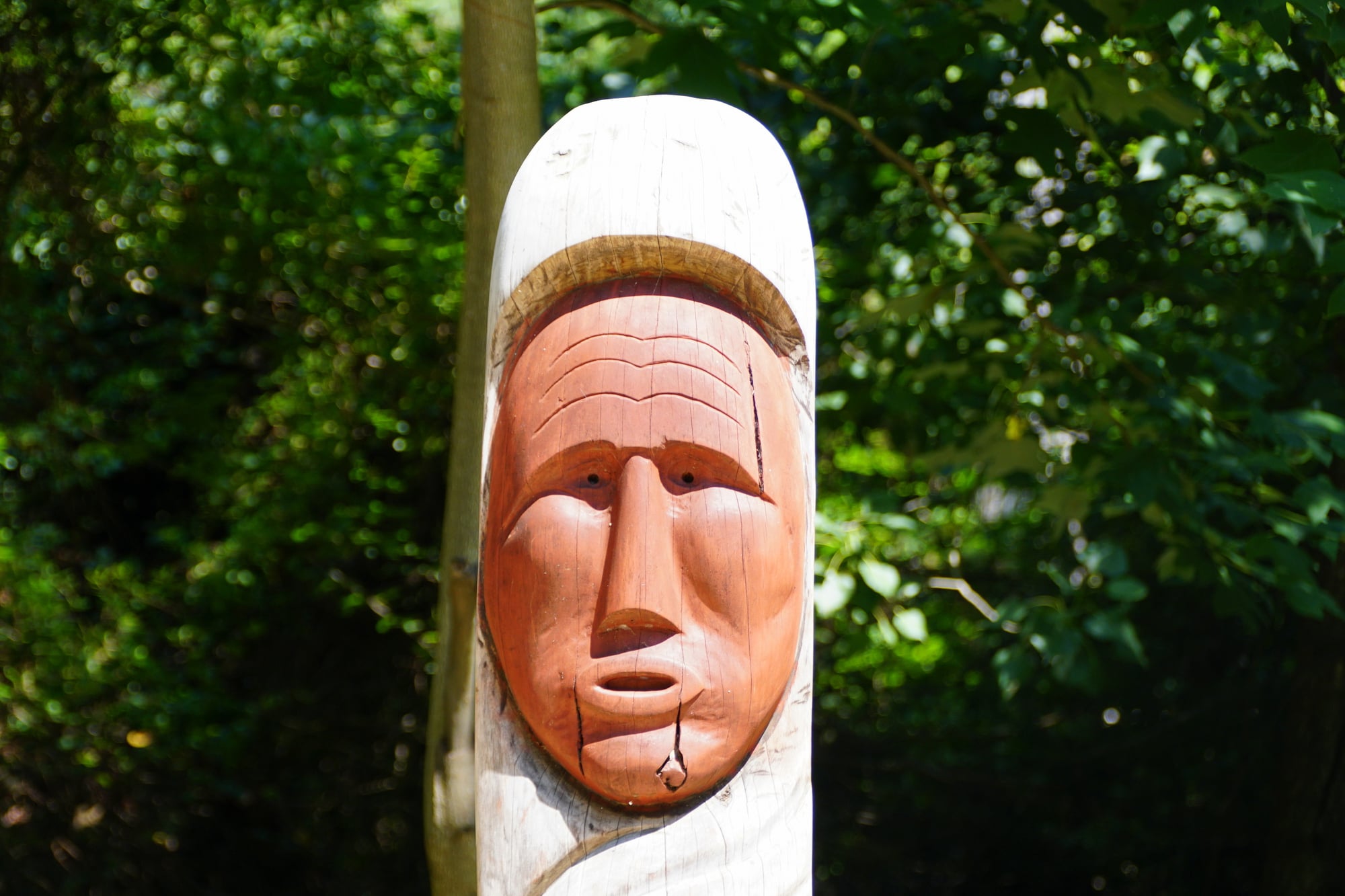
Powhatan, also known as Virginia Algonquian, was the language spoken by Chief Powhatan’s confederacy in the Tidewater region of what is now Virginia — the same culture that produced Pocahontas — and it died out in the 18th century under the combined pressure of English colonisation, disease, and the destruction of the confederacy’s political structure. A vocabulary list of around 600 words compiled by English colonists in the early 1600s, along with a short phrase list, is virtually all that survives.
Those words reveal a language adapted to the Chesapeake Bay environment, full of specific terms for the estuary’s fish species, tidal patterns, and plant life that English had no reason to borrow and therefore lost.
Tocharian
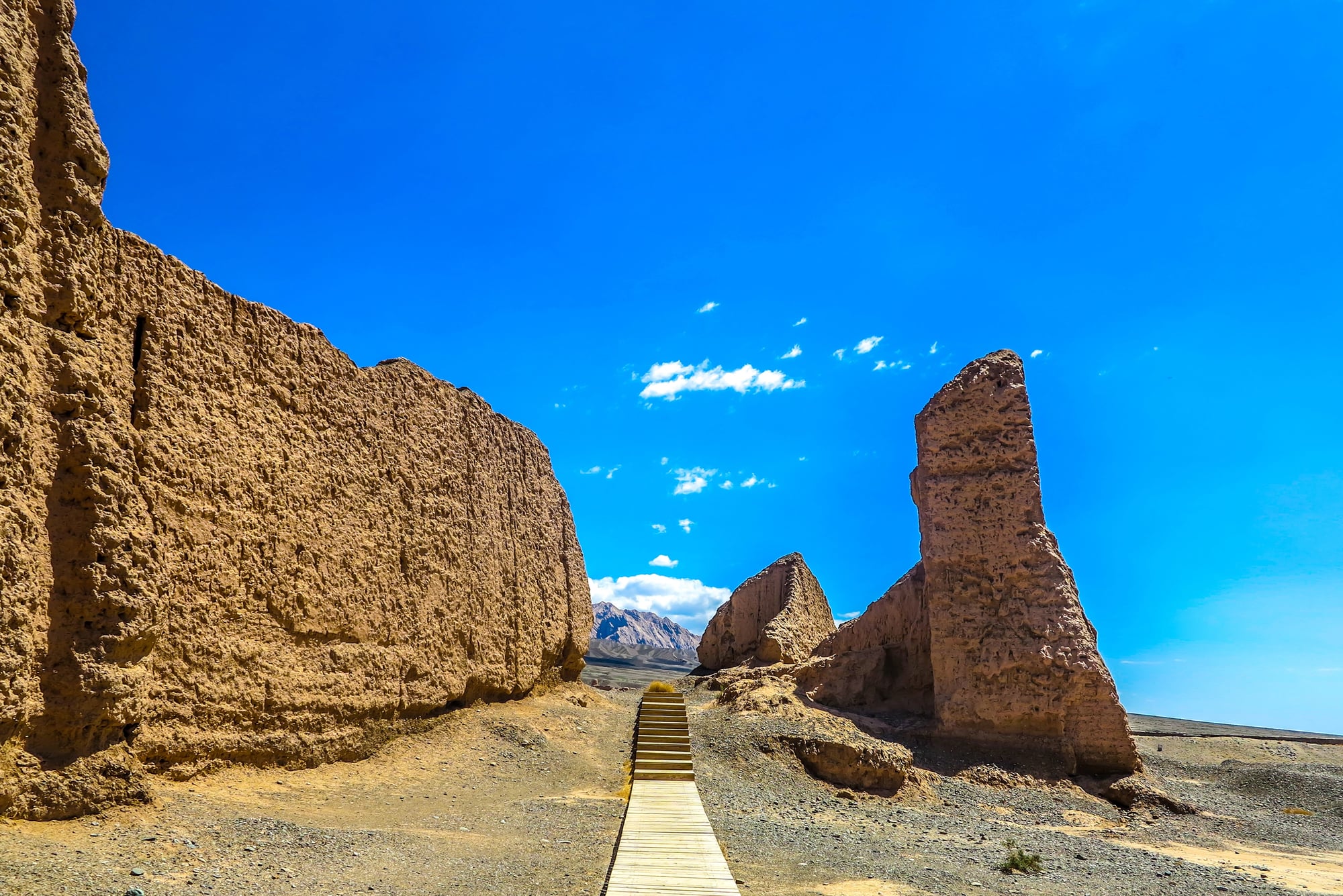
Tocharian was an Indo-European language spoken in the Tarim Basin of what is now western China — an unexpected location for an Indo-European tongue, separated by thousands of miles from other members of its family. Discovered only in the late 19th and early 20th centuries in manuscripts from desert caves, Tocharian turned out to consist of two related languages, Tocharian A and B, spoken by people who were apparently light-haired and pale-skinned based on mural paintings found alongside the texts.
The language died out around the 9th century CE when Turkic expansion overtook the region. What the Tocharians knew about the Silk Road routes through their desert environment — water sources, seasonal passage windows, local plants — was entirely oral and entirely gone.
Aasax

Aasax was a Southern Cushitic language spoken in what is now Tanzania, and it went extinct in 1976 — not gradually, but rapidly, following the death of its last speakers in a very short period. Almost nothing was recorded of it before it ended.
Unlike Eyak or Manx, whose last speakers were known and documented, Aasax vanished with almost no scholarly attention, leaving behind a name and the knowledge that it had existed, and very little else. Its loss represents the category of extinction that haunts linguists most: languages that disappeared before anyone thought to look.
Elamite
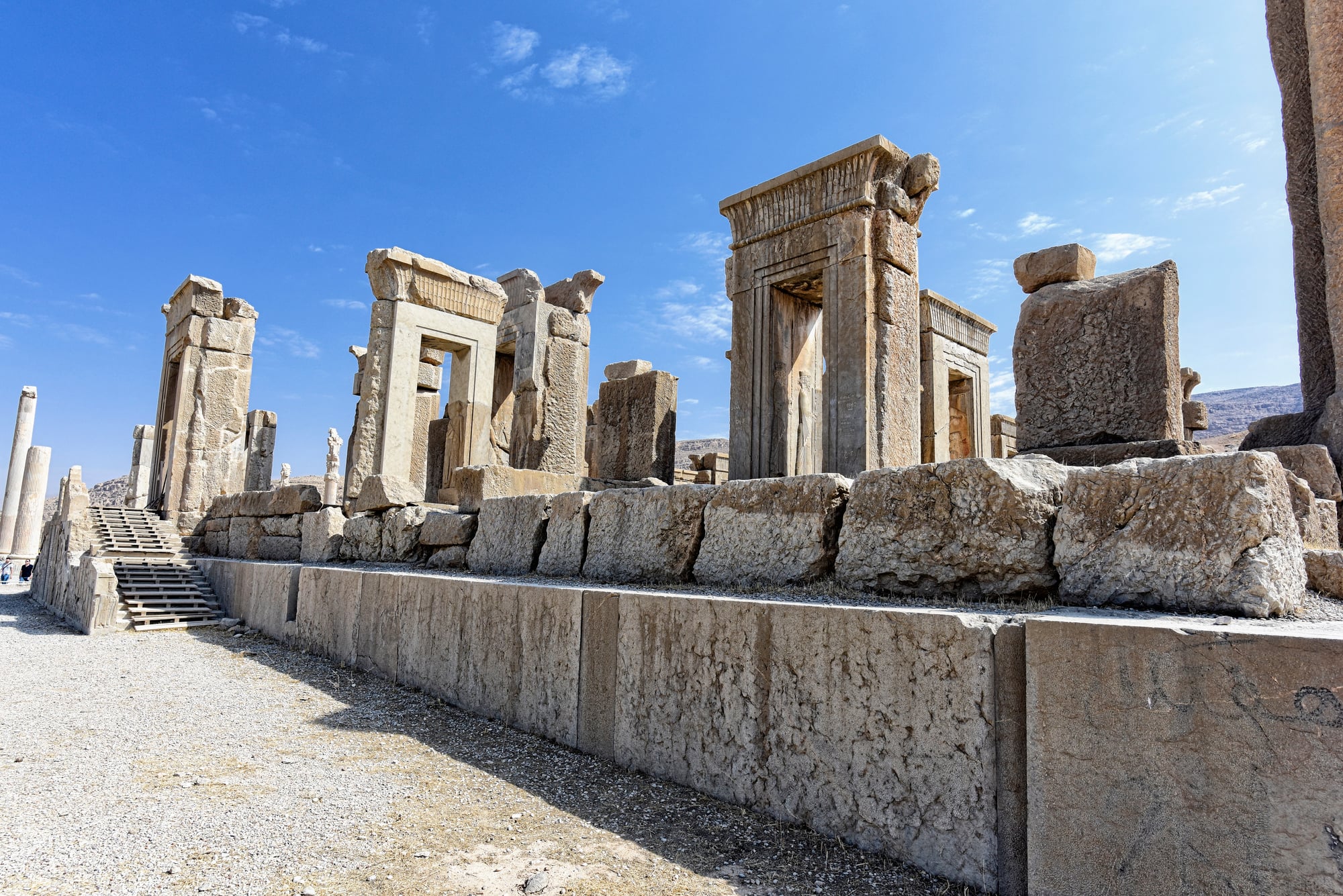
Elamite was spoken in what is now southwestern Iran for roughly 2,500 years, making it one of the most long-lived languages of the ancient world, and it used both cuneiform and its own unique Linear Elamite script. The Elamite civilization was a rival and neighbour to Mesopotamia for millennia, and its language encodes a distinct administrative and religious tradition.
The Persian conquest under the Achaemenid kings absorbed Elam, and Elamite faded by around 500 BCE. Linear Elamite itself remained undeciphered until a team of European scholars, led by French archaeologist François Desset, cracked it in 2017–2018 — opening texts that had been silent for 2,500 years, though the cultural context needed to fully interpret them remains largely inaccessible.
Beothuk

Beothuk was the language of the indigenous people of Newfoundland, and it went extinct in 1829 when the last known speaker, a woman named Shanawdithit, died of tuberculosis. The Beothuk had been the first indigenous North Americans encountered by European settlers in the era of sustained contact, and they were gradually displaced from the coastlines they depended on for food until starvation and disease finished what violence had started.
What survives of Beothuk is a vocabulary list of approximately 400 words, gathered in difficult circumstances and representing a tiny fraction of a language’s actual structure. The language appears to be an isolate with no known relatives, meaning that what the Beothuk knew about Newfoundland’s interior — its rivers, caribou migration paths, and plant medicines — existed in a grammatical framework that cannot be reconstructed from 400 words.
Timucua
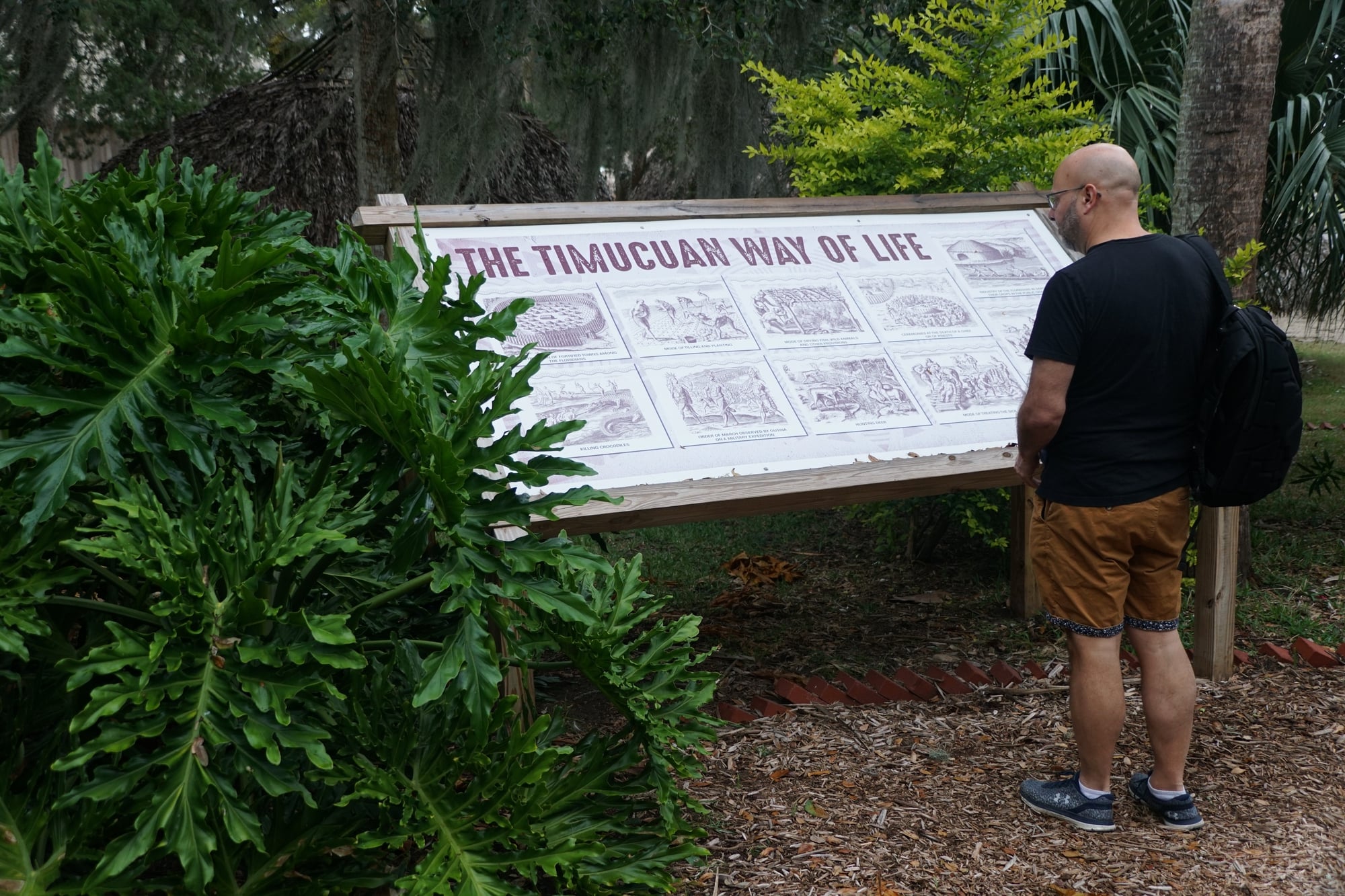
Timucua was spoken across much of northern Florida and southern Georgia by one of the most populous indigenous peoples of the southeastern United States at the time of European contact, with perhaps 200,000 speakers in the early 16th century. Spanish missionaries worked with Timucua extensively in the 17th century, producing grammars, dictionaries, and religious texts — more documentation than most colonial-era indigenous languages received.
Despite that, Timucua died out by around 1767 due to disease, warfare, and displacement, and while the surviving texts allow linguists to study its grammar, the oral traditions, ceremonial songs, and ecological knowledge of the Florida peninsula that Timucua speakers carried are gone entirely.
Nuu-Chah-Nulth (Nootka)

Nuu-chah-nulth, spoken by the indigenous peoples of Vancouver Island’s west coast, is not fully extinct but sits critically endangered with only a handful of elderly fluent speakers remaining. The language is notable for its extraordinarily complex system of suffixes — some linguists have counted over 400 distinct suffixes modifying verb forms — which encoded detailed information about the speaker’s relationship to the action and the environment.
Nuu-chah-nulth speakers developed the most sophisticated whale-hunting tradition in the Pacific Northwest, and the ceremonial language surrounding that practice — prayers, protocols, songs — is tied so tightly to the original tongue that revival learners describe it as fundamentally untranslatable into English.
Mednyj Aleut

Mednyj Aleut was a remarkable contact language that developed on Bering Island when Russian fur traders settled among the Aleut people of the Commander Islands in the 19th century. It blended Aleut nouns and Russian verb morphology in a way that linguists describe as genuinely unique — not a pidgin, not a borrowing phenomenon, but a new grammatical structure that drew its rules from two entirely different systems simultaneously.
By 2004, only five speakers remained, all elderly, and the language is now considered extinct. It represented the only known example of this specific type of grammatical fusion in the world, and the life it encoded — the hybrid culture of Aleut-Russian island communities — has no other record.
Where Words End

When a language goes extinct, people sometimes console themselves with the idea that the important things survive: that the really crucial knowledge gets translated, that the stories find their way into other tongues, that nothing truly essential is lost. The evidence doesn’t support this.
Medicinal plant knowledge held in indigenous languages is frequently unique to those languages, with no equivalent in neighbouring tongues. Specific ecological vocabulary — for types of ice, tidal conditions, species behaviour — often has no target language into which it can migrate.
The knowledge doesn’t get translated. It gets buried.
Every language on this list was once spoken by people who thought their world would continue. Ned Maddrell didn’t know he was the last Manx speaker until he already was one.
Boa Sr. sang Bo songs to herself not as performance but as private comfort. The idea that a language needs rescuing only becomes obvious in retrospect, when the last speaker is already old, and the recordings are already incomplete, and the grammar is already guesswork.
A language a day away from death looks exactly like a language that will survive another generation. Until it doesn’t.
More from Go2Tutors!

- The Romanov Crown Jewels and Their Tragic Fate
- 13 Historical Mysteries That Science Still Can’t Solve
- Famous Hoaxes That Fooled the World for Years
- 15 Child Stars with Tragic Adult Lives
- 16 Famous Jewelry Pieces in History
Like Go2Tutors’s content? Follow us on MSN.