How Ancient Civilizations Managed Water
Long before municipal water treatment plants and chlorination, ancient societies faced the same essential challenge we encounter today: finding reliable sources of clean drinking water while keeping contaminated water away from their communities.
The difference was that they couldn’t just turn a tap or call a plumber — they had to engineer solutions from scratch using nothing but observation, experimentation, and whatever materials the landscape provided.
What’s remarkable isn’t just that they succeeded, though.
It’s how sophisticated their methods became.
From the sun-baked cities of Mesopotamia to the rainforests of Central America, early civilizations developed water management systems that sustained populations numbering in the tens of thousands.
Some techniques were so effective that modern engineers still study them for inspiration.
Here’s a closer look at how ancient peoples turned murky, unsafe water into something their cities could depend on.
The Romans and their gravity-fed aqueducts

Roman aqueducts remain the most iconic example of ancient water engineering, and for good reason.
These massive stone channels transported fresh water from distant mountain springs directly into cities — sometimes covering distances of 50 miles or more.
The genius was in the design: by maintaining a consistent downward slope of just a few inches per mile, gravity did all the work.
No pumps.
No energy source beyond physics itself.
Yet the Romans didn’t just move water.
They filtered it.
Settling tanks placed at regular intervals allowed sediment to drop out before the water continued its journey.
They also understood that certain source waters were cleaner than others, often bypassing closer rivers in favor of protected springs at higher elevations.
Inside the cities, water flowed into massive distribution tanks called castella, where it settled further before being divided into separate channels for drinking fountains, public baths, and drainage systems.
The scale was staggering.
Rome itself was served by eleven major aqueducts by the end of the empire, delivering roughly 300 gallons of water per person per day — more than many modern cities provide.
The system was so well-built that portions remained in use for more than a thousand years after Rome fell.
Indus Valley drainage systems
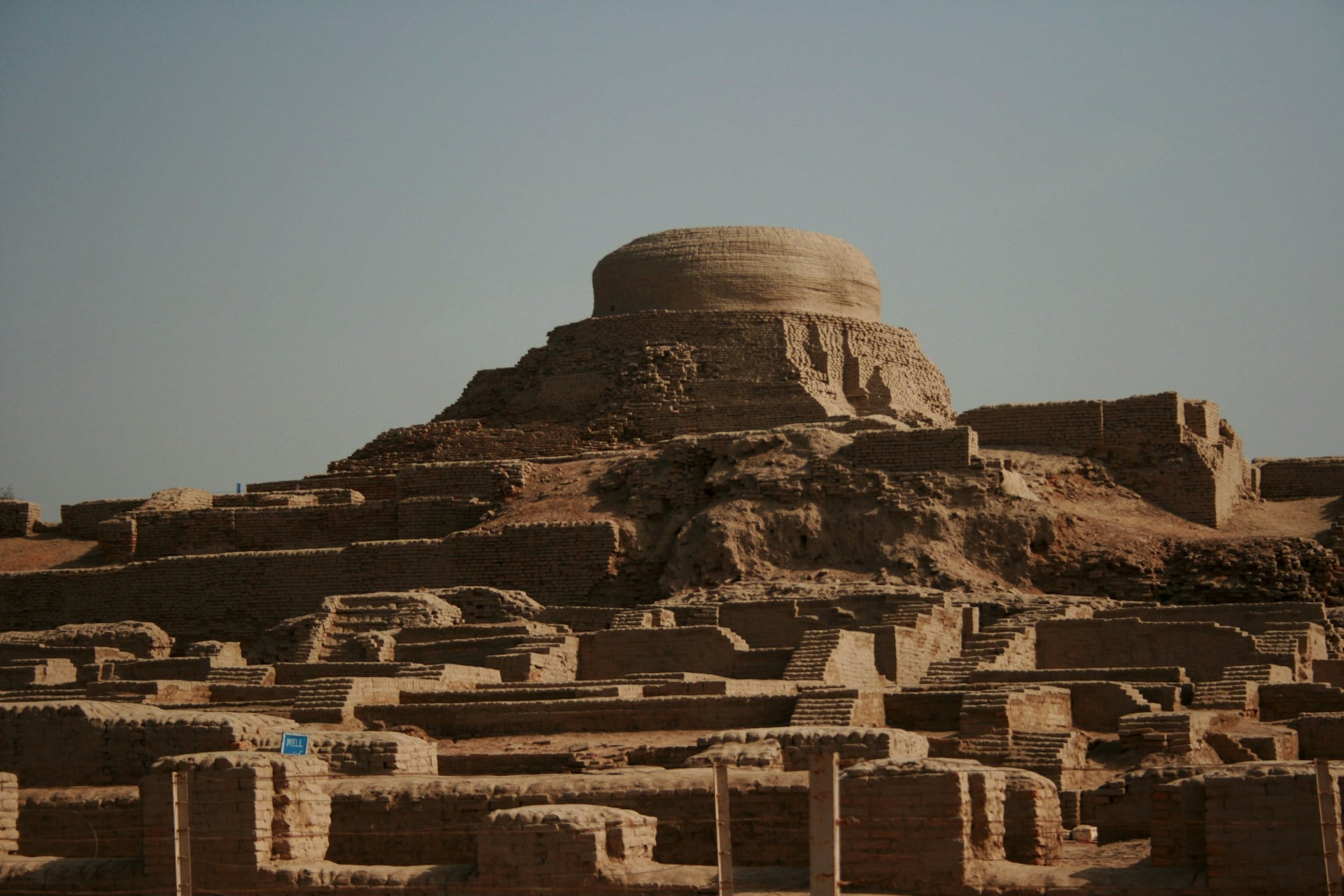
While Rome gets most of the attention, the Indus Valley civilization was engineering sophisticated urban water systems a full 2,000 years earlier.
Excavations at Mohenjo-daro and Harappa revealed cities with covered drainage channels running beneath every major street — a level of planning that wouldn’t reappear in Europe until the 19th century.
Nearly every house had its own private bath and toilet, connected to the municipal drainage network through ceramic pipes.
The key to keeping water clean was separation.
Wastewater flowed through dedicated channels completely isolated from the clean water supply.
Streets were designed with a slight grade to encourage runoff, while regular inspection openings allowed workers to clear blockages.
Meanwhile, drinking water came from numerous public and private wells, many lined with precisely fitted bricks that prevented contamination from seeping through the walls.
What makes this even more impressive is the consistency.
These weren’t experimental systems in one or two wealthy neighborhoods — the archaeological evidence shows standardized drainage across entire cities.
This suggests a centralized planning authority and shared understanding of public health principles that most civilizations wouldn’t develop for millennia.
Egyptian sand and copper filtration
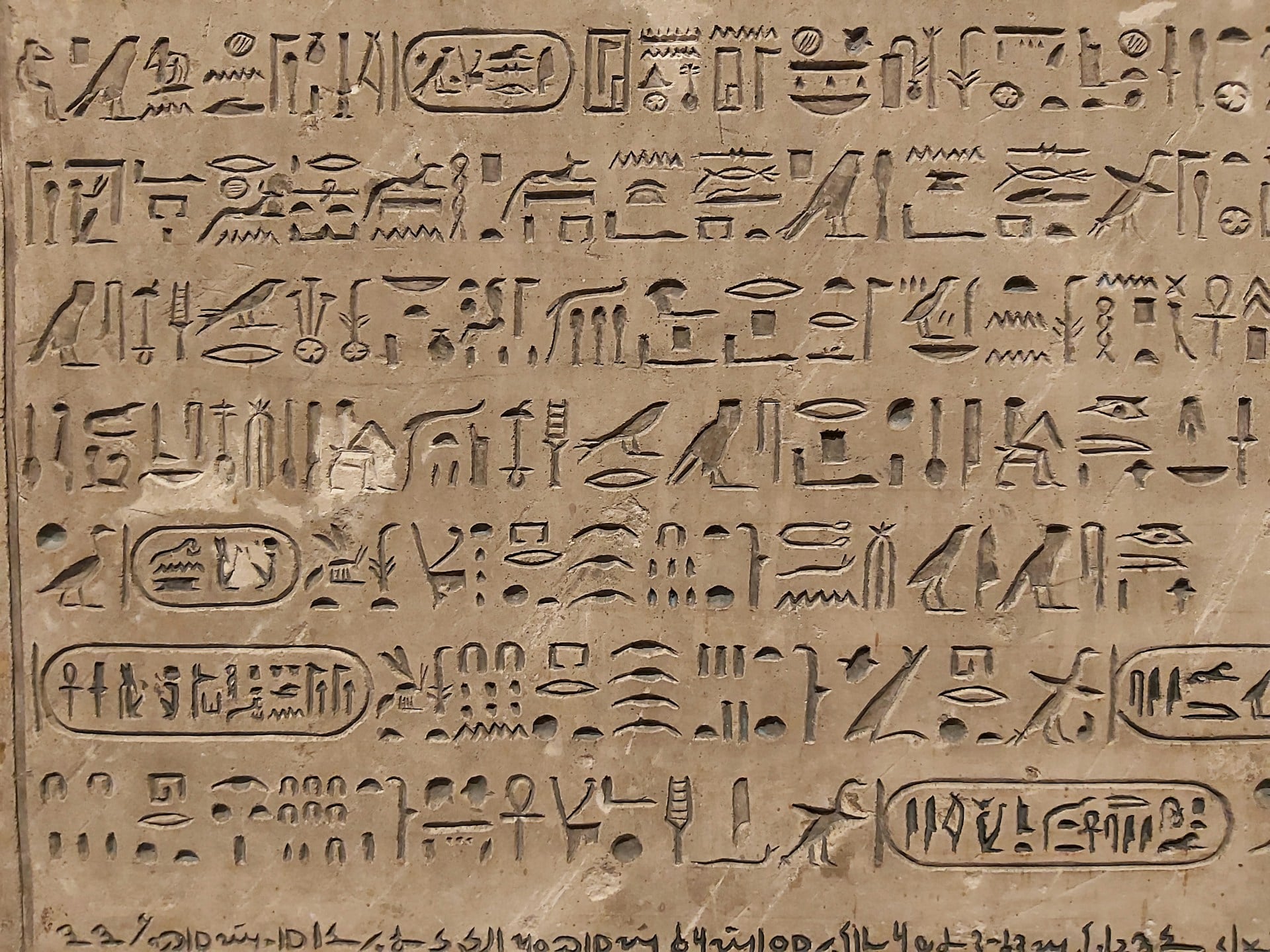
Ancient Egyptians faced a unique problem: the Nile River was their lifeline, yet it carried heavy sediment loads, especially during flood season.
Drinking directly from the river meant consuming mud, organic debris, and whatever parasites happened to be swimming by.
Their solution combined natural materials with surprising chemical intuition.
The simplest method was time.
Large ceramic jars stored river water and allowed sediment to settle naturally over several hours or days.
The clear water could then be carefully poured off the top.
Egyptians also discovered that certain substances accelerated the process, though.
Adding crushed almonds or boiling water with specific mineral compounds caused particles to clump together and sink faster — an early form of coagulation that modern water treatment still uses, just with different chemicals.
More intriguing is evidence that some households used copper vessels for water storage.
Copper has natural antimicrobial properties, slowly releasing ions that kill bacteria.
Whether the Egyptians understood the mechanism or simply noticed that water stored in copper pots made people sick less often isn’t clear.
Even so, the practice was widespread enough to suggest deliberate choice rather than coincidence.
Greek public fountain houses
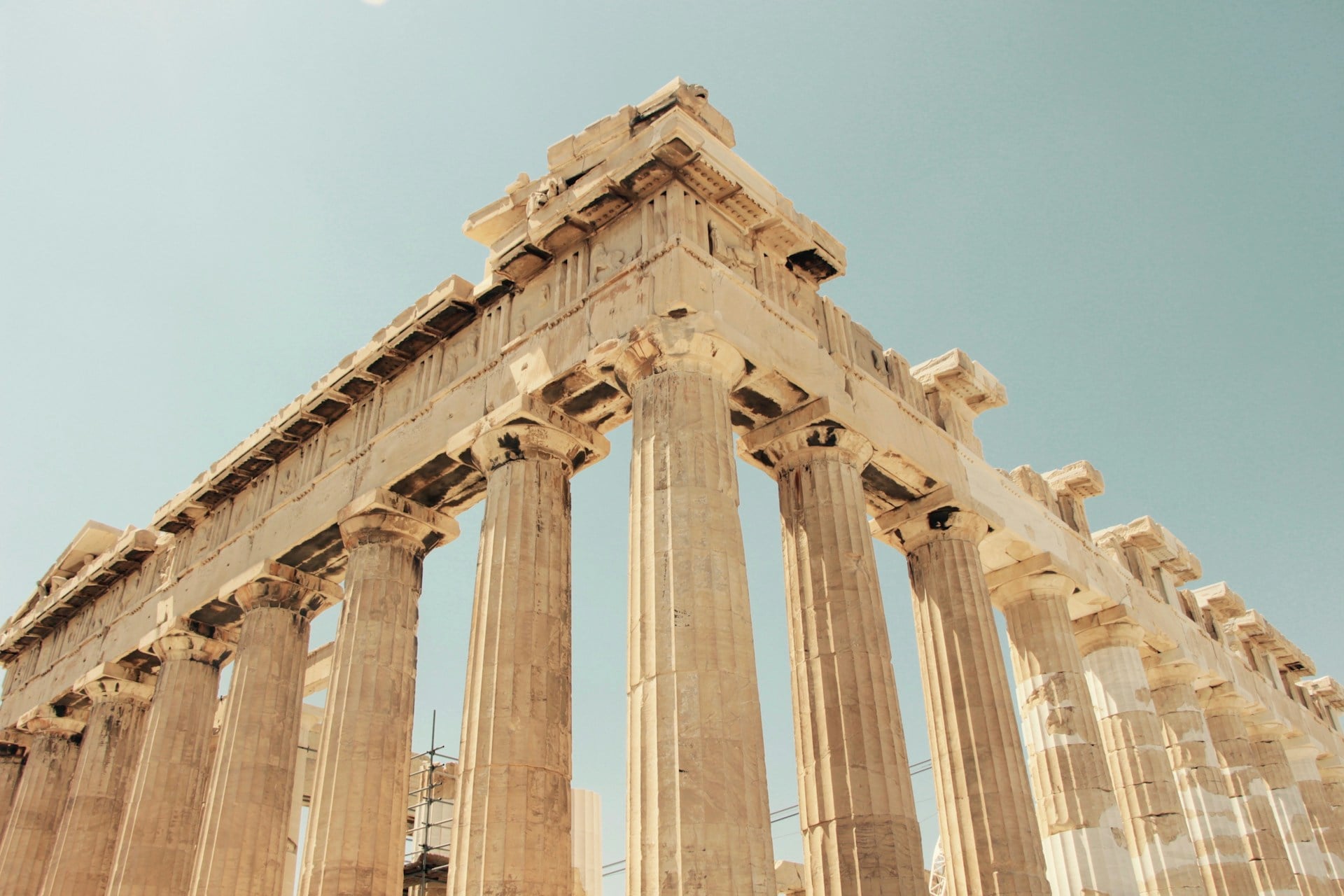
The ancient Greeks took a different approach, focusing less on household systems and more on centralized public access points.
Fountain houses — called krene — were architectural landmarks where citizens collected their daily water from springs channeled through underground conduits.
The system served both practical and social functions, becoming gathering places where news was exchanged and community bonds were reinforced.
Greek engineers excelled at locating and protecting clean sources.
They traced springs back to their origins, then built elaborate stone structures around them to prevent surface contamination.
Channels carrying water to the cities were often buried several feet underground, insulated from heat and protected from tampering.
Some featured inspection shafts at regular intervals, allowing maintenance without excavating the entire line.
Athens’ Peisistratean aqueduct, built in the 6th century BCE, ran for more than 12 miles underground.
It was fed by springs on Mount Hymettus.
The engineering required precise surveying to maintain proper slope across varied terrain, all accomplished without modern tools.
Water quality was taken seriously enough that laws protected watershed areas, prohibiting activities like tanning or dyeing that could pollute the supply.
Mesopotamian canals and irrigation management
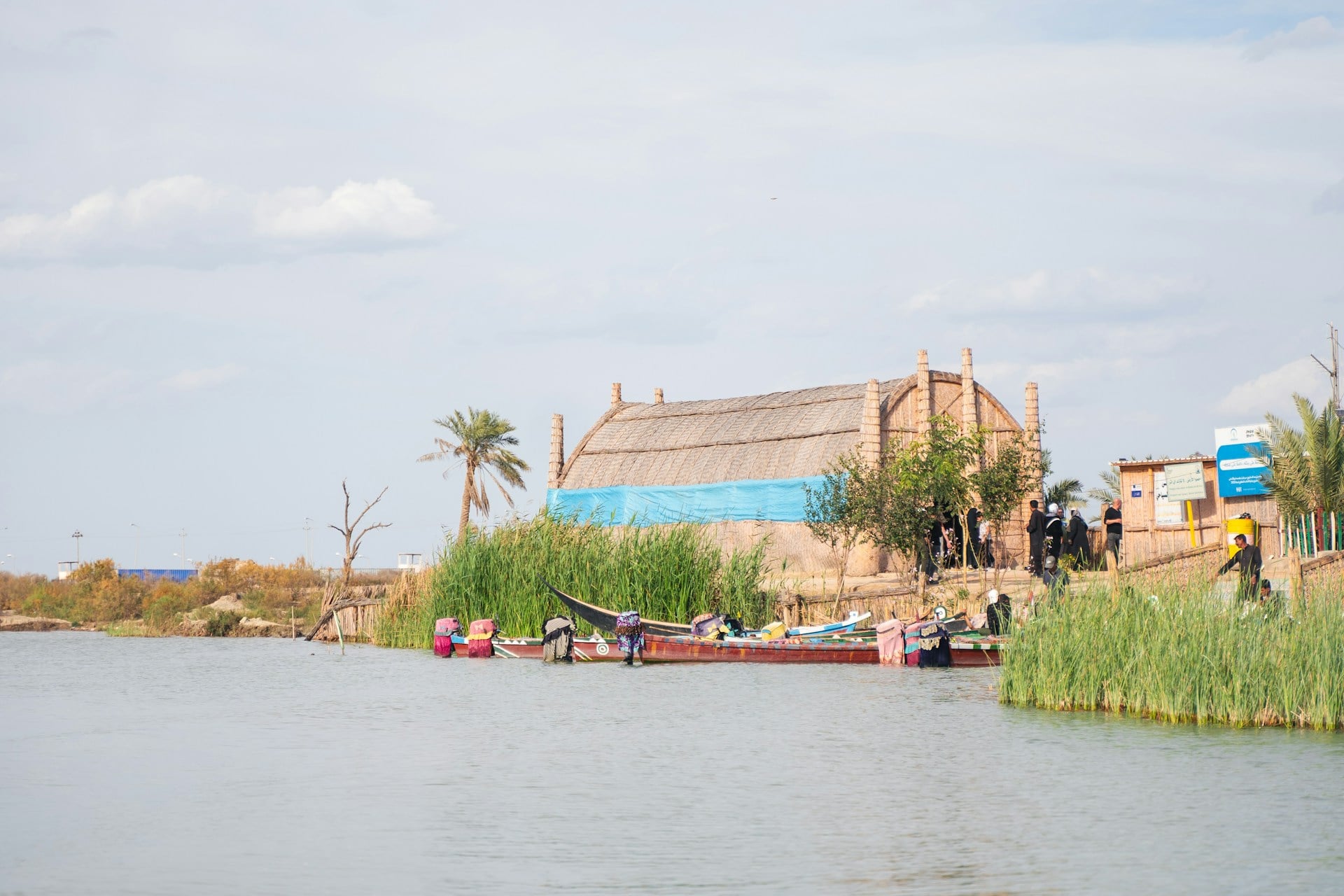
In the flat plains between the Tigris and Euphrates rivers, Mesopotamian civilizations faced a different challenge: too much water in some seasons, not enough in others, and most of it laden with silt.
Their response was a network of canals, reservoirs, and irrigation channels that not only supplied cities but also made agriculture possible in an otherwise arid landscape.
The canals served double duty.
Primary channels diverted river water during high flow periods, storing it in artificial reservoirs for use during dry months.
Smaller distribution channels then carried water to neighborhoods and fields.
Sluice gates controlled flow rates, while settling basins removed sediment before water entered drinking supplies.
The system required constant maintenance — silting was a perpetual problem, and workforce records show that cleaning canals was a regular civic obligation.
What’s often overlooked is the administrative sophistication required.
Managing water rights, coordinating maintenance schedules, and resolving disputes over allocation demanded bureaucratic structures that rivaled anything in the ancient world.
Some historians argue that the need to manage water resources was a primary driver in the development of complex government institutions in Mesopotamia.
Persian qanats and underground channels

In the arid plateau of ancient Persia, surface water was scarce and evaporation rates were punishing.
The solution was the qanat — an underground tunnel system that tapped into groundwater at the base of mountains and carried it horizontally, sometimes for miles, until it emerged at settlements downslope.
The engineering was brilliant: by keeping water underground, it stayed cool and lost almost nothing to evaporation.
Building a qanat required exceptional skill.
Workers dug a series of vertical shafts, sometimes 200 feet deep, then connected them with a gently sloping tunnel at the bottom.
The shafts provided ventilation during construction and later served as maintenance access points.
Surveying had to be precise — too steep a grade and the tunnel would flood, too shallow and water wouldn’t flow.
Yet hundreds of qanats were built, some still functioning after more than 2,000 years.
The water quality was generally excellent.
Groundwater filtered naturally through layers of soil and rock, emerging clean and cool.
The enclosed system prevented contamination from surface runoff or airborne debris.
Some qanats even incorporated small reservoirs partway along their length, allowing further settling before water reached the city.
Mayan reservoirs and natural filtration

In the limestone terrain of the Yucatan Peninsula, the Maya couldn’t rely on rivers or wells.
Rainfall was abundant but seasonal, while the porous bedrock drained quickly.
Their response was to build elaborate reservoir systems, collecting runoff during wet months and storing it through the dry season.
Recent archaeological work has revealed just how sophisticated these systems were.
Reservoirs weren’t simple openings in the ground.
The Maya lined them with clay and plaster to prevent seepage, then engineered drainage systems that directed water through sand and gravel filters before it entered storage.
Some sites show evidence of multiple connected reservoirs, with water flowing from one to the next, settling and filtering at each stage.
The result was surprisingly clear water, even months into storage.
At Tikal, one of the largest Mayan cities, researchers found evidence of zeolite minerals in reservoir sediments.
Zeolites are natural filters, capable of trapping heavy metals and organic contaminants.
Whether the Maya deliberately added them or simply noticed that certain types of sand worked better isn’t certain.
Still, the presence of these minerals in engineered contexts suggests intentional use.
Why it still matters
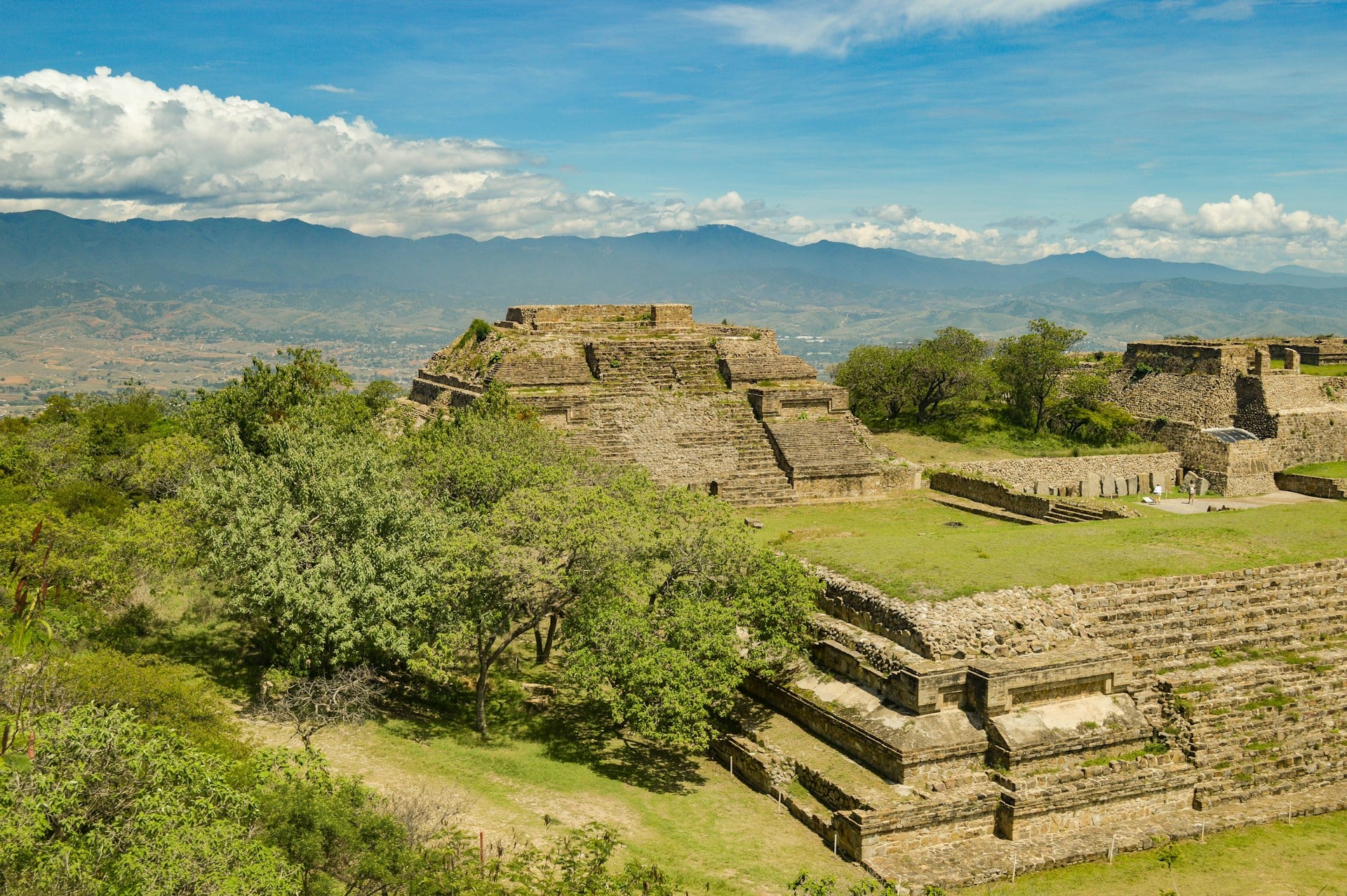
These ancient systems weren’t just impressive for their time — they’re directly relevant to challenges facing modern infrastructure.
As climate change disrupts rainfall patterns and strains existing water systems, engineers are looking backward for solutions that work without constant energy input or complex mechanical systems.
Gravity-fed aqueducts, natural filtration, and decentralized collection methods are all seeing renewed interest, particularly in developing regions where sophisticated treatment plants aren’t financially feasible.
More from Go2Tutors!

- The Romanov Crown Jewels and Their Tragic Fate
- 17 Halloween Costumes Once Considered Taboo
- Famous Hoaxes That Fooled the World for Years
- 15 Child Stars with Tragic Adult Lives
- 16 Famous Jewelry Pieces in History
Like Go2Tutors’s content? Follow us on MSN.