30 Sci-Fi Shows From the 60s and 70s People Still Quote
Long before streaming turned television into an endless catalog, a handful of network shows shaped how an entire generation talked about the future. Decades later, the catchphrases these shows produced still surface in casual conversation, often by people who have never watched a single episode.
Star Trek

The original 1966 series gave the culture “beam me up,” “he’s dead, Jim,” and “live long and prosper,” phrases so thoroughly absorbed into everyday speech that most people using them have no idea which episode they came from. Captain Kirk never actually said “beam me up, Scotty” in that exact phrasing on the show, which makes it one of the most famous misquotes in television history.
The Twilight Zone

Rod Serling’s anthology series, which ran from 1959 into the early 1960s, introduced the phrase “the Twilight Zone” itself as shorthand for any strange or unsettling coincidence in daily life. Serling’s opening narration, describing “a dimension not only of sight and sound but of mind,” remains one of the most parodied pieces of television narration ever written.
The Outer Limits

Debuting in 1963, this anthology series opened each episode with a warning that viewers should not adjust their television set, because the show itself was “controlling the transmission.” The line became a recognizable piece of pop-culture shorthand for any moment when something takes over control from the audience or the user.
Doctor Who

Beginning in 1963, the BBC series introduced the Doctor’s time machine, the TARDIS, along with the enemy Daleks and their chilling command to “exterminate.” The show’s regenerating lead character became a storytelling device other franchises would later borrow, letting the series continue for decades under different actors.
Lost in Space

The robot’s warning cry of “danger, Will Robinson!” from this 1965 series became a stand-alone catchphrase used well outside the context of the show, often as a general warning about any looming problem. The villainous Dr. Zachary Smith’s theatrical insults and cowardice made him one of television’s most quotable antagonists of the decade.
Get Smart

Agent Maxwell Smart’s repeated line “missed it by that much” turned into a general-purpose expression for narrowly failing at something, long outliving the 1965 spy-comedy series that coined it. His habit of saying “would you believe” before downgrading an outlandish claim to something slightly less outlandish became a running joke format audiences still recognize.
The Prisoner

This 1967 British series gave audiences the defiant declaration “I am not a number, I am a free man,” a line that has since been used in discussions of surveillance and individuality far removed from the show’s plot. The recurring question “who is Number One?” became a shorthand for any unseen authority pulling the strings behind a system.
The Invaders

Architect David Vincent’s opening narration in this 1967 series described aliens who looked human but were “already here,” a premise phrase that resurfaces whenever people discuss conspiracy theories or hidden threats. The show’s central paranoia, that anyone around you might not be who they claim, became a template for later alien-infiltration stories.
The Time Tunnel
Irwin Allen’s 1966 series sent its two lead scientists tumbling through history after a botched experiment, with the ominous line “time tunnel, please respond” recurring as the control room tried to track them. Its premise of two men perpetually falling into random historical moments became a shorthand plot description still used for time-travel stories generally.
Land of the Giants
This 1968 Irwin Allen series stranded its human cast on a planet where everything, and everyone, was twelve times normal size, giving the show a visual signature built on giant household objects turned into obstacles. The phrase “land of the giants” itself became a casual way to describe any situation where someone feels overwhelmed and small by comparison.
Voyage to the Bottom of the Sea

The 1964 series followed the submarine Seaview and its crew through a mix of Cold War intrigue and undersea monster encounters, giving audiences an early template for the ensemble vehicle-based adventure show. Its title alone became a stock phrase used to describe any deep-sea expedition, fictional or real.
Thunderbirds

Produced using Gerry Anderson’s distinctive marionette technique, this 1965 British series gave the world “Thunderbirds are go,” a launch countdown phrase that has been referenced in films, commercials, and casual conversation ever since. International Rescue’s five-second countdown before launch became a recognizable dramatic beat well beyond the show’s original audience.
Captain Scarlet and the Mysterons

The 1967 follow-up to Thunderbirds opened each episode with the ominous warning “this is the voice of the Mysterons,” announcing the alien antagonists’ latest threat of retaliation. The character Captain Scarlet’s ability to survive fatal injuries gave rise to the still-used descriptive phrase “indestructible,” borrowed directly from the show’s marketing.
Space: 1999
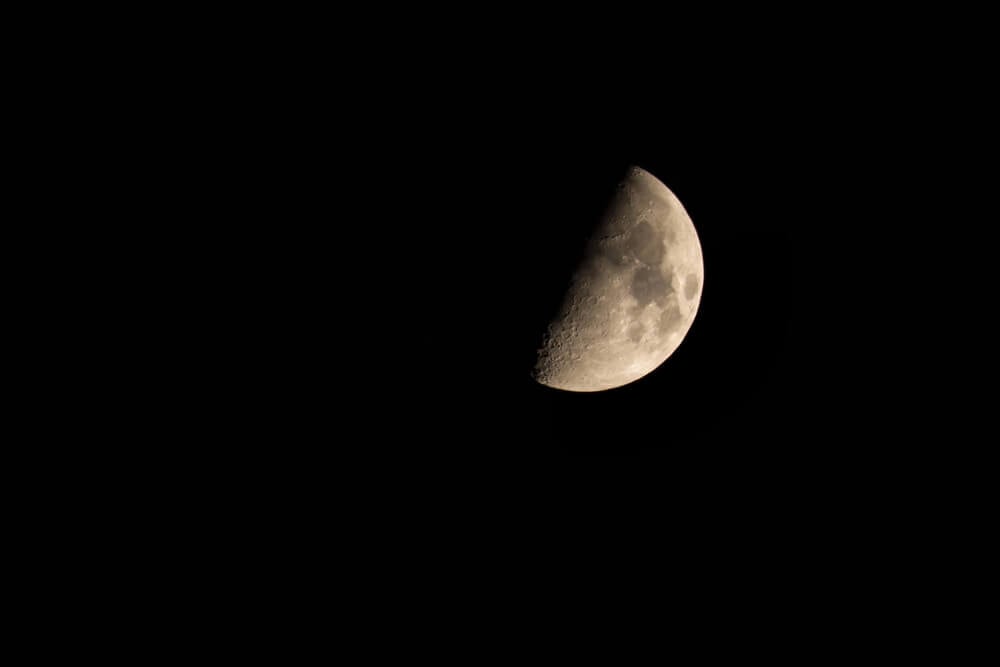
After a nuclear explosion blasts the moon out of Earth’s orbit in this 1975 series, the phrase “Moonbase Alpha” became a recognizable stand-in for any isolated outpost cut off from home. The show’s premise, an entire population adrift and searching for a new place to belong, gets referenced whenever people describe being unmoored from familiar territory.
UFO
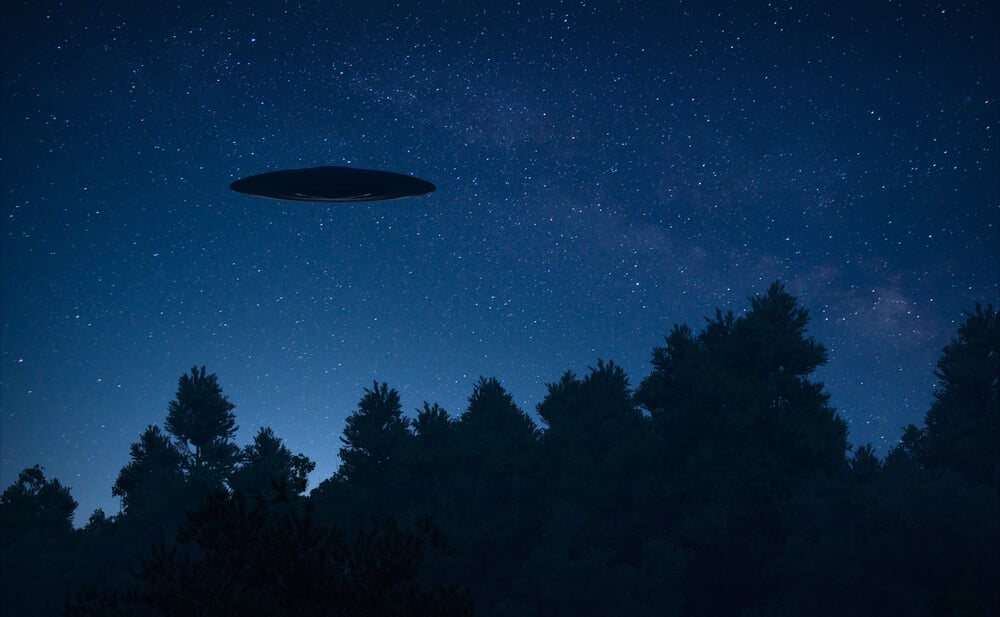
Produced by Gerry Anderson in 1970, this series introduced the Cold War-tinged idea of a secret organization called SHADO defending Earth from alien abduction attempts. Its stark, moody visual style and matter-of-fact treatment of alien contact influenced the tone of later government-conspiracy science fiction.
Battlestar Galactica

The 1978 original series gave audiences the command phrase “by your command,” spoken by the show’s robotic Cylon forces, which has since become a stock line used to mock robotic obedience in general. The character Starbuck’s swaggering, cocky fighter-pilot persona set a template for military sci-fi heroes that later shows continued to draw from.
Buck Rogers in the 25th Century

Debuting in 1979, this series revived a character originally created decades earlier for comic strips and radio, reintroducing him to television audiences as a 20th-century astronaut thawed out five centuries in the future. The fish-out-of-water premise, a man confused by a future he never expected to see, became a widely borrowed structure for later science fiction stories.
The Six Million Dollar Man

“We can rebuild him, we have the technology” opened every episode of this 1974 series, describing the reconstruction of astronaut Steve Austin with bionic limbs after a near-fatal crash. The show’s slow-motion running sequences, meant to depict superhuman speed, became one of the most imitated visual gags in television history.
The Bionic Woman

A direct spin-off of The Six Million Dollar Man, this 1976 series gave tennis pro Jaime Sommers her own bionic upgrades after a skydiving accident, and quickly built its own devoted following. The character’s ability to hear across long distances using her bionic ear became a widely referenced shorthand for eavesdropping in later pop culture.
Kolchak: The Night Stalker

Reporter Carl Kolchak’s dogged pursuit of monsters that Chicago authorities refused to acknowledge, in this 1974 series, established the archetype of the skeptical investigator fighting hidden threats despite official denial. Kolchak’s struggle against institutional indifference influenced later conspiracy-themed science fiction television; Kolchak’s rumpled trench coat and seersucker suit became a visual shorthand for the skeptical, monster-hunting investigative reporter archetype.
Planet of the Apes

The 1974 television adaptation of the film franchise brought the world of intelligent apes ruling over subjugated humans to weekly television, reinforcing the franchise’s core line about humans being “a plague to be wiped out.” Its central role reversal, between humans and apes, remains a widely referenced shorthand for any story about oppressed groups turning the tables on their former rulers.
Land of the Lost

This 1974 Saturday morning series stranded a family in a prehistoric world alongside dinosaurs and a reptilian species called Sleestak, whose hissing presence became genuinely frightening to young viewers of the era. The show’s theme song and premise are still referenced by an entire generation who grew up watching it during Saturday morning cartoon blocks.
The Wild Wild West
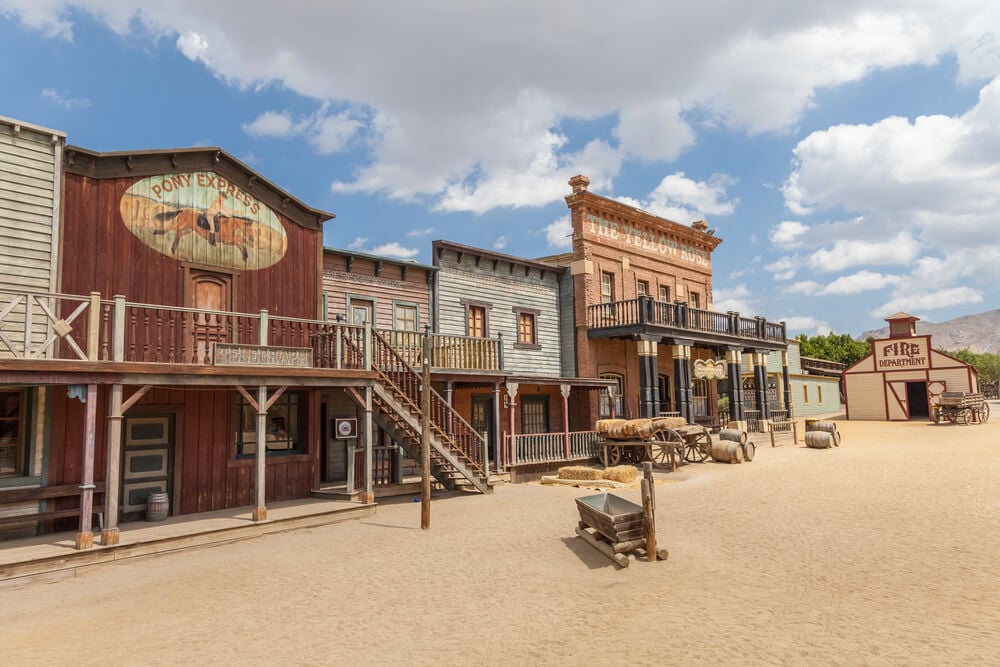
Blending Western adventure with science fiction gadgetry, this 1965 series followed two government agents using inventive, ahead-of-their-time technology to fight villains across the American frontier. Its combination of period setting and futuristic devices established steampunk-adjacent storytelling on television years before the term itself existed.
My Favorite Martian
This 1963 sitcom followed a stranded Martian posing as a human’s uncle, hiding retractable antennae and telepathic powers from the neighbors in a running gag that defined the show’s comedy. Its light, fish-out-of-water tone influenced decades of alien-among-us sitcoms that followed.
Ark II

A children’s series from 1976, Ark II followed a team of young scientists traveling a devastated future Earth in a high-tech mobile laboratory, working to help rebuild civilization one crisis at a time. Its Saturday morning time slot and message-driven storytelling made it a formative, if lesser-remembered, entry in kids’ science fiction programming.
Space Academy
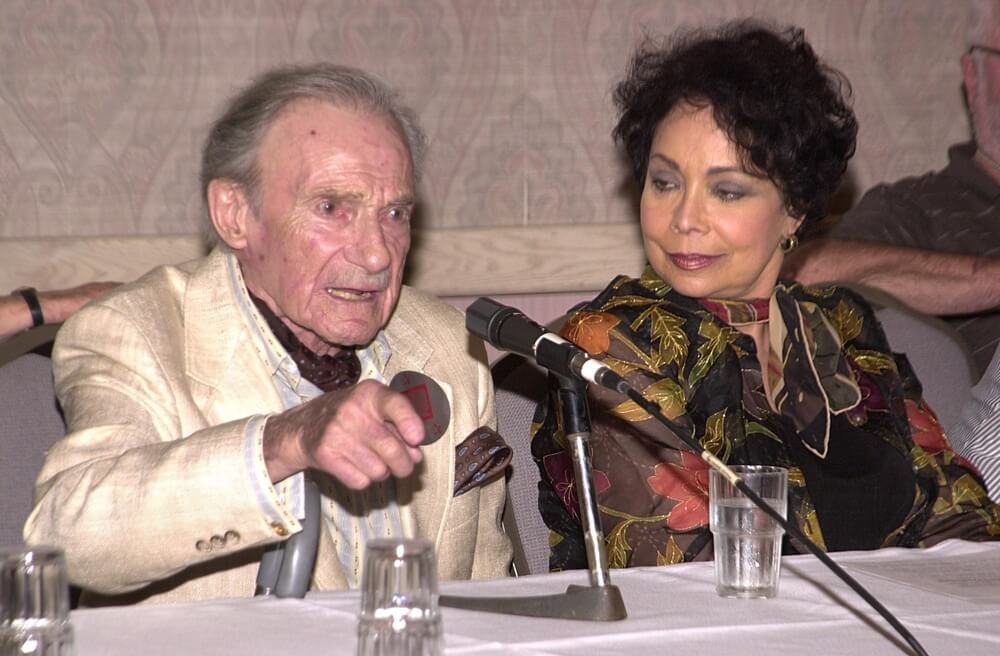
Set in the year 3732, this 1977 series followed students training under a centuries-old headmaster at an orbiting academy, giving young viewers an early template for the “school in space” premise. Character actor Jonathan Harris, already familiar to audiences from Lost in Space, gave the series an immediate connection to 1960s sci-fi television.
Jason of Star Command
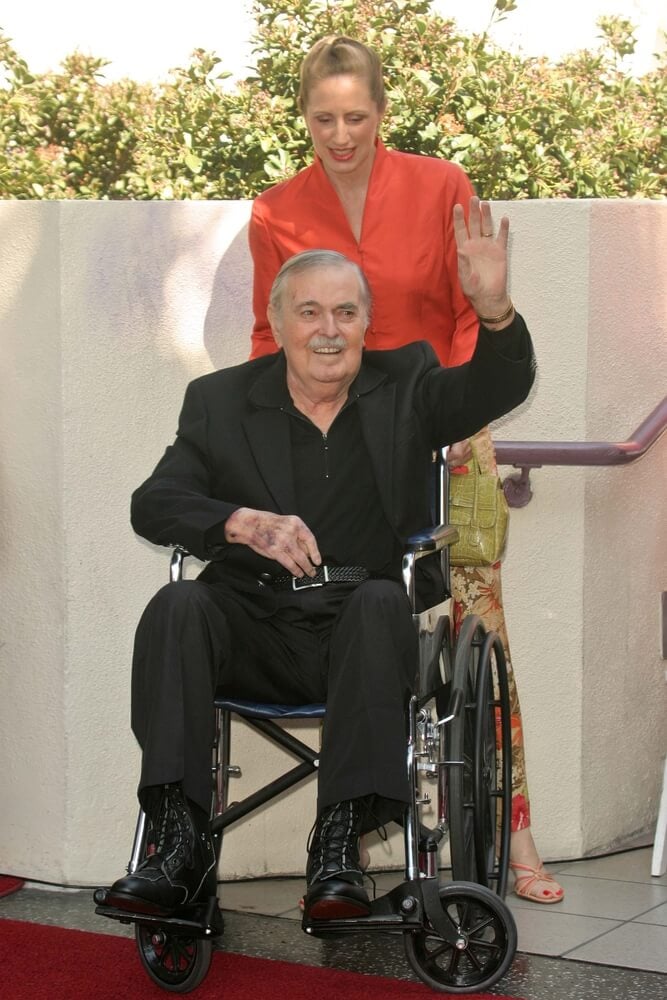
A spin-off tied to Space Academy, this 1978 series leaned into a darker, more serialized villain arc built around the character Dragos, giving Saturday morning audiences an unusually tense storyline for the format. Star Trek’s James Doohan joined the cast, linking the low-budget children’s series directly back to the biggest science fiction franchise of the era.
Fireball XL5

One of Gerry Anderson’s earliest puppet-based science fiction series, this 1962 show followed the crew of a spaceship patrolling for threats to Earth, complete with a memorable countdown launch sequence. Its theme song and rocket-ship designs influenced the visual language of children’s space adventure shows for years afterward.
Stingray

Another Gerry Anderson marionette production, this 1964 series followed an undersea patrol vessel and introduced the line “anything can happen in the next half hour,” used to open every episode. The phrase became a stock piece of television history, referenced whenever people discuss the anything-goes unpredictability of classic adventure serials.
The Starlost
This 1973 Canadian-American series imagined a generational spaceship whose inhabitants had forgotten they were even aboard a ship, mistaking their sealed biodome for the entire world. Despite a troubled production and short run, the show’s central idea, people living inside a machine without realizing it, became a durable science fiction concept that later stories continued to revisit.
Why These Lines Never Left

None of these phrases survived because the shows themselves aged particularly well. Special effects budgets were small, scripts were often rushed, and plenty of these series only lasted a season or two before cancellation.
What kept the language alive was repetition through reruns, syndication, and the sheer number of Saturday afternoons an entire generation spent parked in front of a television with limited channel options. That accident of scheduling did something a marketing plan could not have.
It turned throwaway lines into shared cultural shorthand, repeated by people decades later who have no memory of the plot but somehow still know exactly when to say “danger, Will Robinson.”
More from Go2Tutors!

- The Romanov Crown Jewels and Their Tragic Fate
- 13 Historical Mysteries That Science Still Can’t Solve
- Famous Hoaxes That Fooled the World for Years
- 15 Child Stars with Tragic Adult Lives
- 16 Famous Jewelry Pieces in History
Like Go2Tutors’s content? Follow us on MSN



