15 Remote Pacific Islands Completely Restricted
The Pacific Ocean stretches endlessly, its surface hiding thousands of islands that most people will never see. Some remain untouched by choice, others by necessity.
These aren’t tropical vacation spots waiting for your arrival — they’re places where human presence has been deliberately limited or entirely forbidden.
Whether protected for scientific research, military security, or ecological preservation, these islands exist in a state of careful isolation. Their stories reveal as much about what we choose to protect as what we’re willing to leave behind.
Niihau
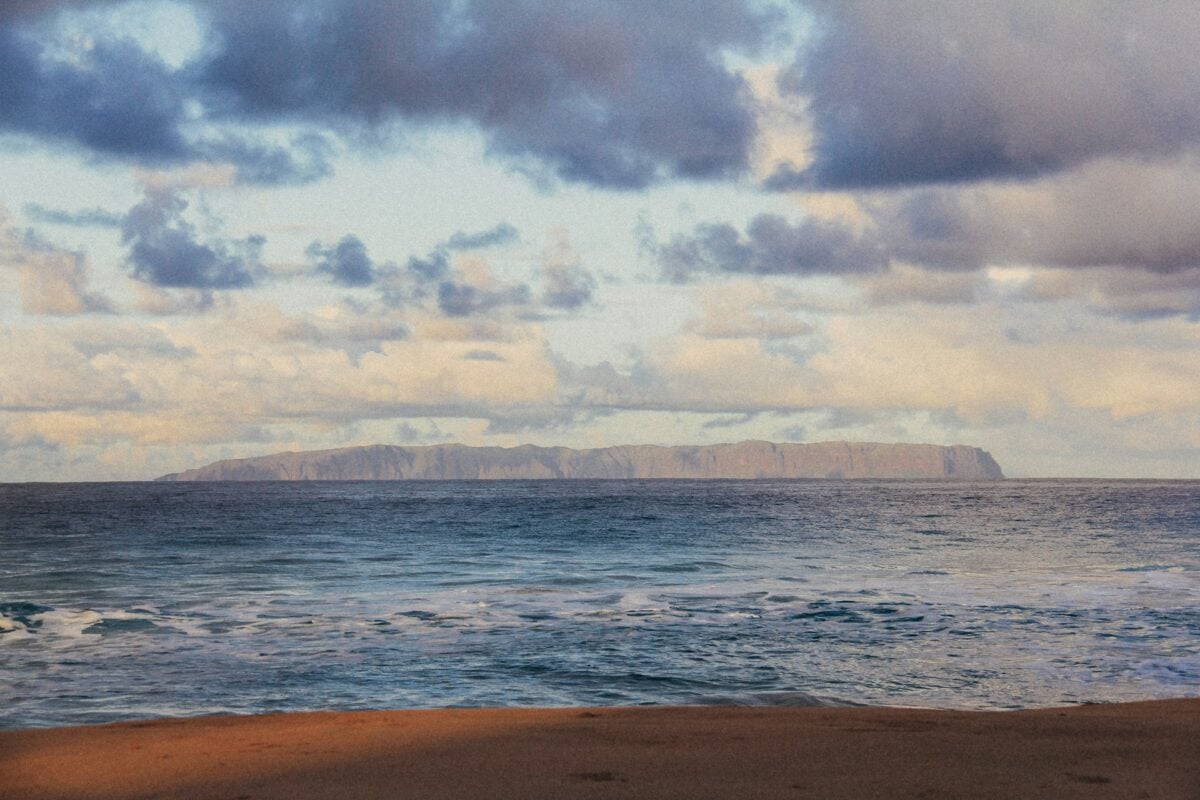
Hawaii’s “Forbidden Island” belongs to one family, and they’ve kept it that way since 1864. The Robinson family purchased the island and maintains strict control over who sets foot there.
Native Hawaiian residents live traditional lifestyles without modern conveniences. No tourists. No casual visits.
The Robinsons argue they’re preserving authentic Hawaiian culture in a way that commercial development never could. Whether that’s preservation or possession depends on who’s asking (and whether they have permission to ask it from shore).
Surtsey
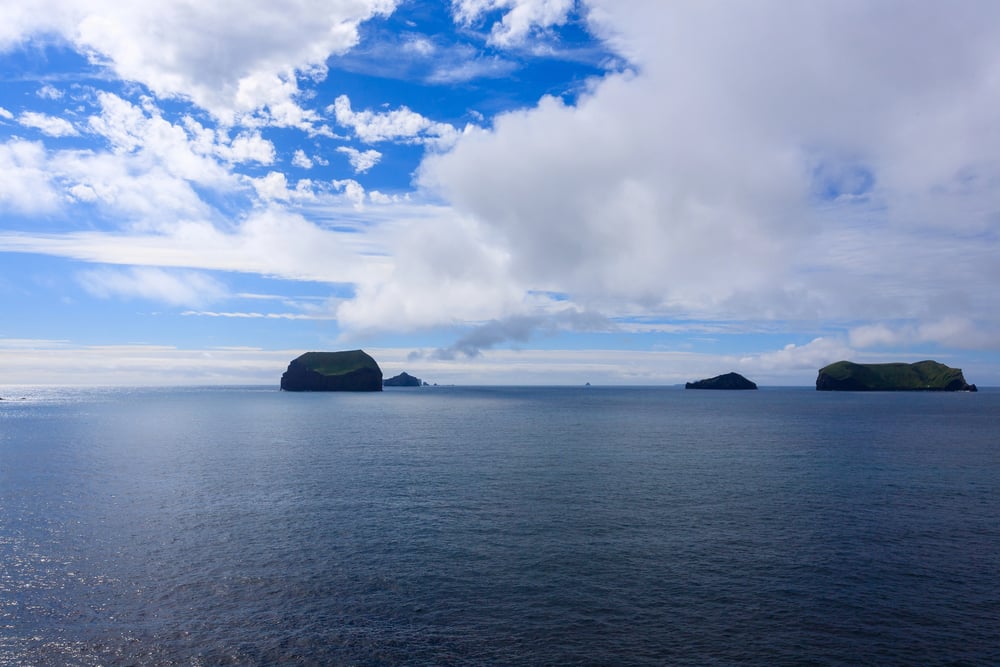
This Icelandic island didn’t exist until 1963, when underwater volcanic eruptions pushed it above the surface like some geological magic trick. Scientists immediately declared it off-limits to preserve the natural colonization process — watching how life arrives on completely sterile land.
Only a handful of researchers with special permits can visit, and even they follow strict protocols to avoid introducing foreign species. It’s a living laboratory studying how ecosystems establish themselves from absolutely nothing.
The island keeps teaching us things that can’t be learned anywhere else, which explains why access remains so tightly controlled.
Heard Island
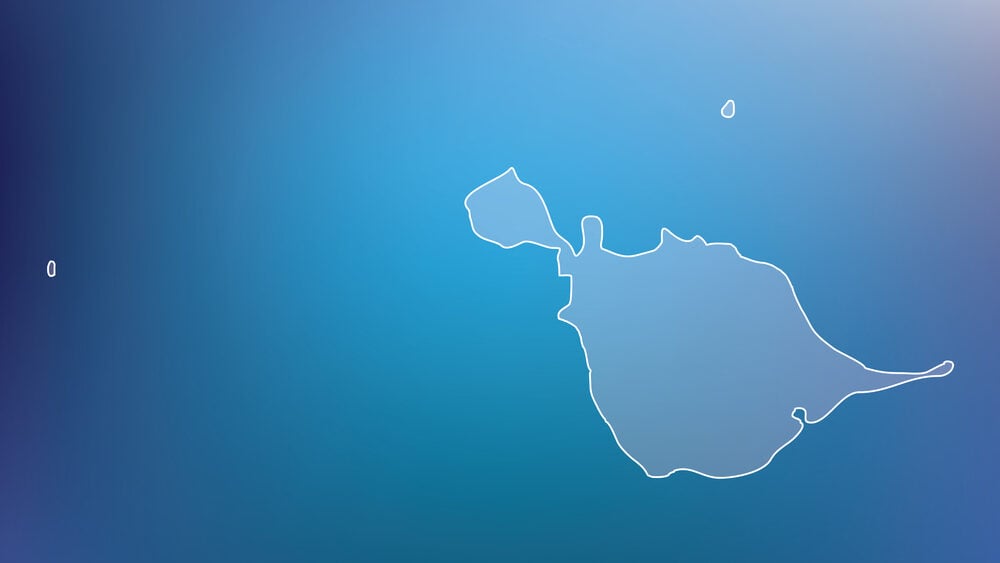
Australia owns this remote speck in the southern Indian Ocean, though “owns” feels like a strong word for a place 4,000 kilometers from the nearest major landmass. Heard Island hosts active volcanoes and massive colonies of seals and penguins — and almost no humans.
The Australian government restricts access to essential scientific research only. Getting there requires expensive expeditions through some of the world’s roughest seas, and permission involves extensive environmental impact assessments.
Even with approval, the weather makes landing uncertain. The island seems content with this arrangement, continuing its geological tantrums and wildlife gatherings without much human interference.
But here’s what strikes you about these protection protocols: they acknowledge that some places function better without us. And the island, wrapped in its cloak of volcanic mist and populated by creatures that never learned to fear humans, makes a convincing argument for keeping things that way.
Palmyra Atoll
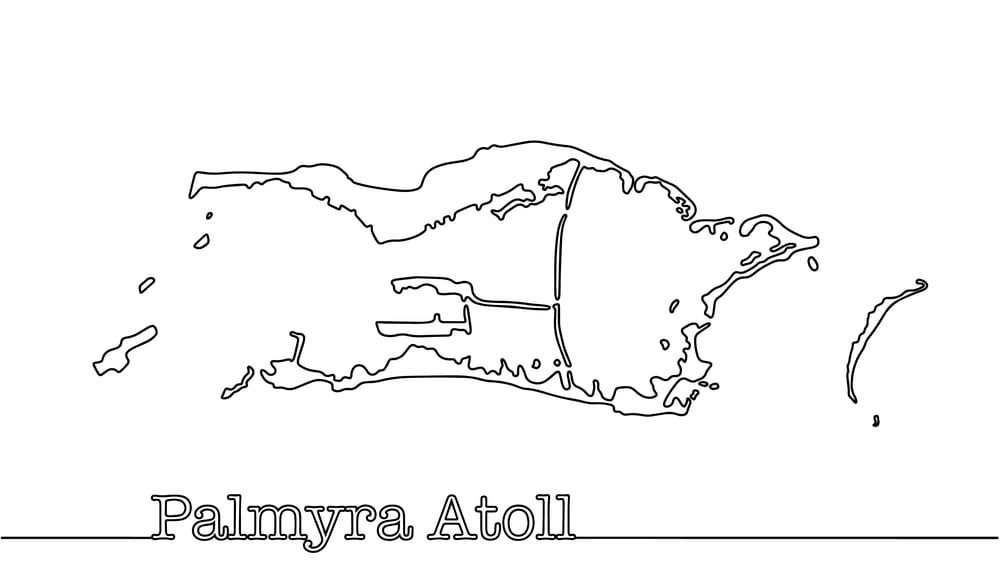
The Nature Conservancy controls this Pacific atoll north of the equator, running it as one of the world’s most pristine tropical research stations. Scientists study climate change, coral reef ecology, and marine conservation in an environment largely unaltered by human development.
Access requires approval from The Nature Conservancy and typically involves joining approved research projects. The atoll’s isolation — 1,000 miles from the nearest populated area — makes casual visits impossible anyway.
Research teams fly in on small aircraft, stay in basic facilities, and work under strict environmental guidelines.
Southeast Farallon Island
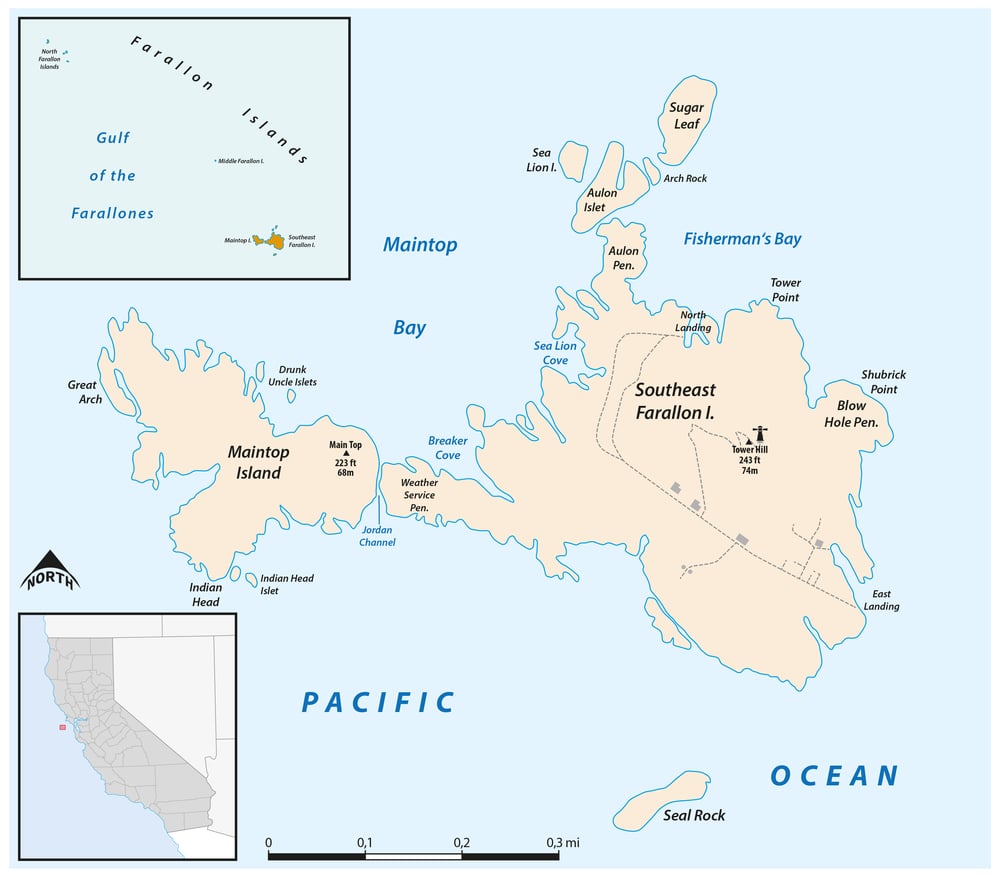
These jagged rocks off San Francisco belong to seabirds, marine mammals, and a small team of wildlife biologists. The Farallon National Wildlife Refuge hosts one of the largest seabird colony south of Alaska, plus great white sharks that hunt in the surrounding waters.
Public access is prohibited. Period.
The U.S. Fish and Wildlife Service maintains a year-round research station with rotating staff, but everyone else stays on the mainland. The islands earned protection because human presence disrupted breeding patterns and introduced invasive species that nearly destroyed native populations.
Restoration efforts have succeeded precisely because they kept people away. Sometimes conservation means admitting that the best thing humans can do for a place is not visit it, no matter how spectacular the wildlife viewing might be.
Gough Island
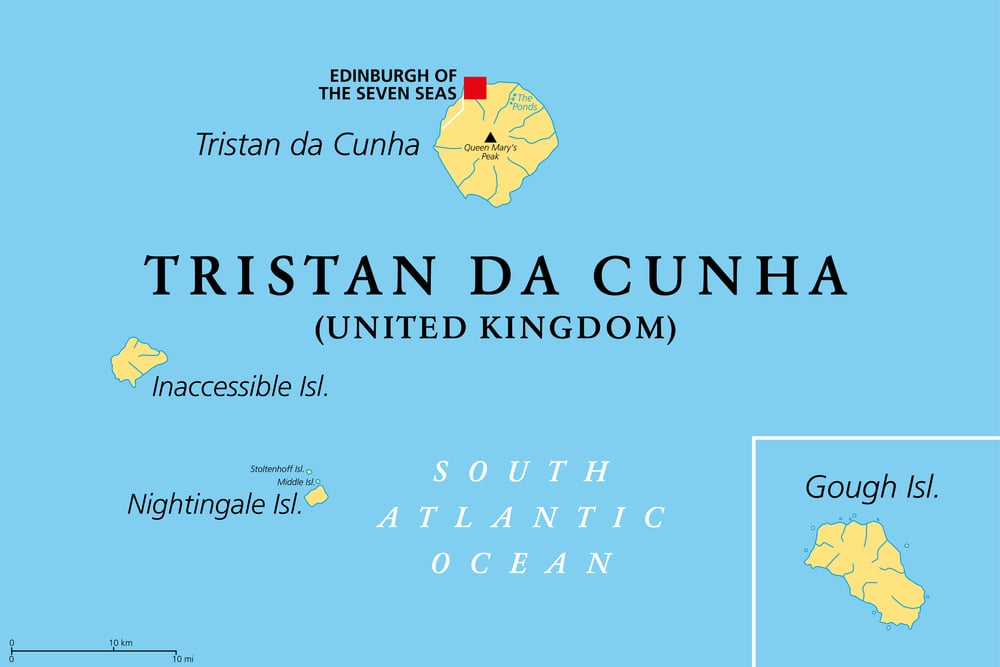
This British territory in the South Atlantic supports millions of seabirds and several endemic species found nowhere else on Earth. UNESCO designated it a World Heritage Site, and the UK government restricts access to essential scientific research and conservation work.
The island has a small meteorological station staffed by rotating teams, but leisure visits are forbidden. Even research visits require extensive permits and environmental protocols.
Gough Island’s value lies in its biological integrity — it functions as a natural laboratory for studying island ecosystems and climate change impacts.
Think of it as a biological time capsule: what islands looked like before humans arrived with their cargo of pets, crops, and unintended consequences. The protection protocols reflect an understanding that some places serve science and conservation better than they serve tourism or development.
Baker Island
This tiny Pacific atoll belongs to the United States but hosts no permanent residents. The island serves as a National Wildlife Refuge protecting seabirds, marine life, and coral reefs.
Access is restricted to scientists with federal permits.
Baker Island’s strategic location made it valuable for aviation and military purposes during World War II, but those days ended decades ago. Now it exists primarily as protected habitat in the vast emptiness of the central Pacific.
The isolation that once made it useful for military operations now makes it valuable for conservation.
Howland Island

Another uninhabited U.S. territory in the central Pacific, Howland Island is famous for being Amelia Earhart’s intended refueling stop — the one she never reached. Today it functions as a National Wildlife Refuge with access limited to authorized research and conservation activities.
The island supports ground-nesting seabirds that require protection from human disturbance. Federal wildlife officials maintain strict visitor restrictions, and the island’s remote location discourages casual approach anyway.
Research teams study seabird populations, coral reef health, and the impacts of climate change on low-lying atolls.
Getting permission involves months of paperwork, environmental impact assessments, and coordination with federal agencies. The process intentionally filters out all but the most essential visits, which suits the resident wildlife just fine.
Jarvis Island
This U.S. territory south of the equator hosts no permanent human population but supports important seabird colonies and coral reef ecosystems. The island operates as a National Wildlife Refuge with access restricted to approved scientific research.
Jarvis Island’s flat, coral-based terrain makes it particularly vulnerable to sea-level rise, making it valuable for climate change research. Scientists study how Pacific atolls respond to changing ocean conditions and rising temperatures.
The research matters beyond this single island — it informs conservation strategies throughout the Pacific.
But the work happens in isolation, following protocols designed to minimize human impact on natural systems. The island remains essentially wild, functioning according to ecological rather than human schedules, which turns out to be exactly what makes it scientifically valuable.
Johnston Atoll
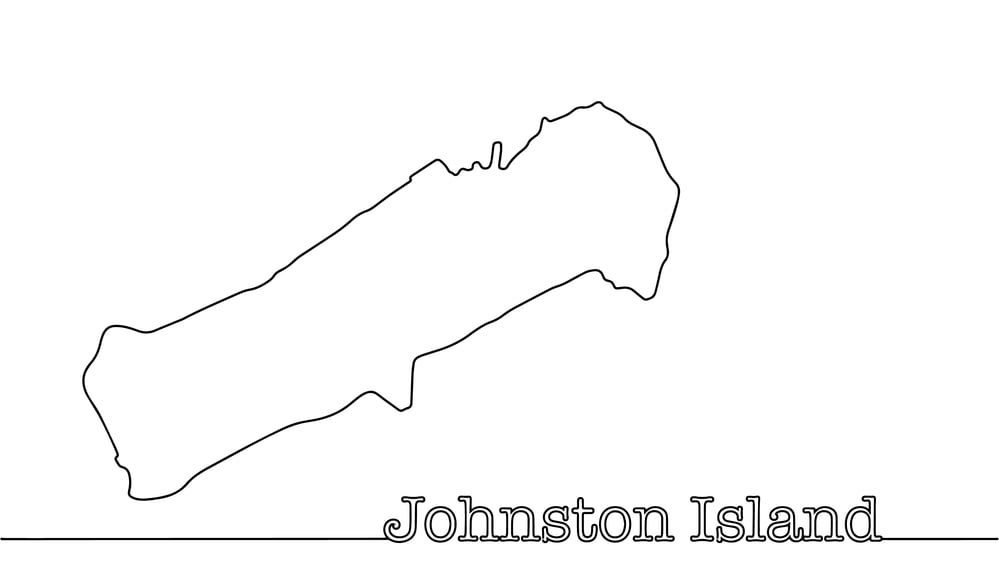
The U.S. military used this Pacific atoll for nuclear testing and chemical weapons storage, leaving behind contamination that required massive cleanup efforts. Today it’s a National Wildlife Refuge, but access remains heavily restricted due to both environmental sensitivity and remaining security concerns.
Cleanup operations removed most hazardous materials, but the island requires ongoing monitoring. Wildlife populations are recovering, with seabirds returning to nesting sites that were abandoned during military operations.
Scientists study ecological recovery in environments impacted by human activities.
The military legacy means that casual visits aren’t just discouraged — they’re legally prohibited. Even scientific access requires federal permits and safety protocols.
Johnston Atoll stands as an example of both human impact and environmental recovery, though the recovery happens largely without human presence.
Clipperton Island
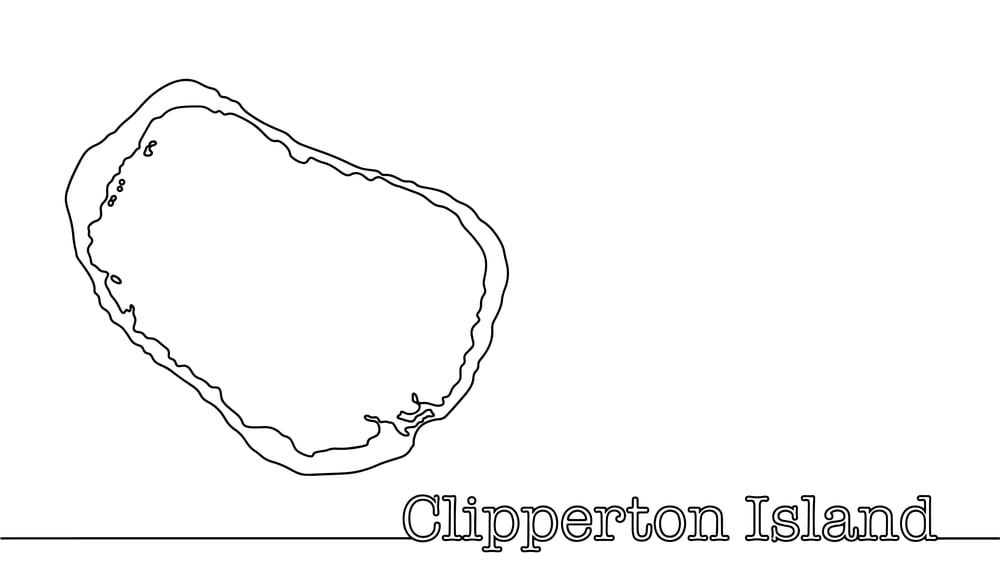
France owns this remote coral atoll 1,000 kilometers southwest of Mexico, but nobody lives there permanently. The island has no fresh water sources and supports limited vegetation, making human habitation extremely difficult without regular supply shipments.
Access requires French government permits and typically involves joining scientific expeditions studying marine ecosystems and climate change. The island’s isolation makes it valuable for research on coral atoll ecology and the impacts of rising sea levels on low-lying Pacific islands.
Clipperton’s history includes failed colonization attempts and territorial disputes, but its present is defined by protection and scientific research rather than human settlement. The island belongs more to the ocean than to any nation, despite the legal technicalities of sovereignty.
Pitcairn Island
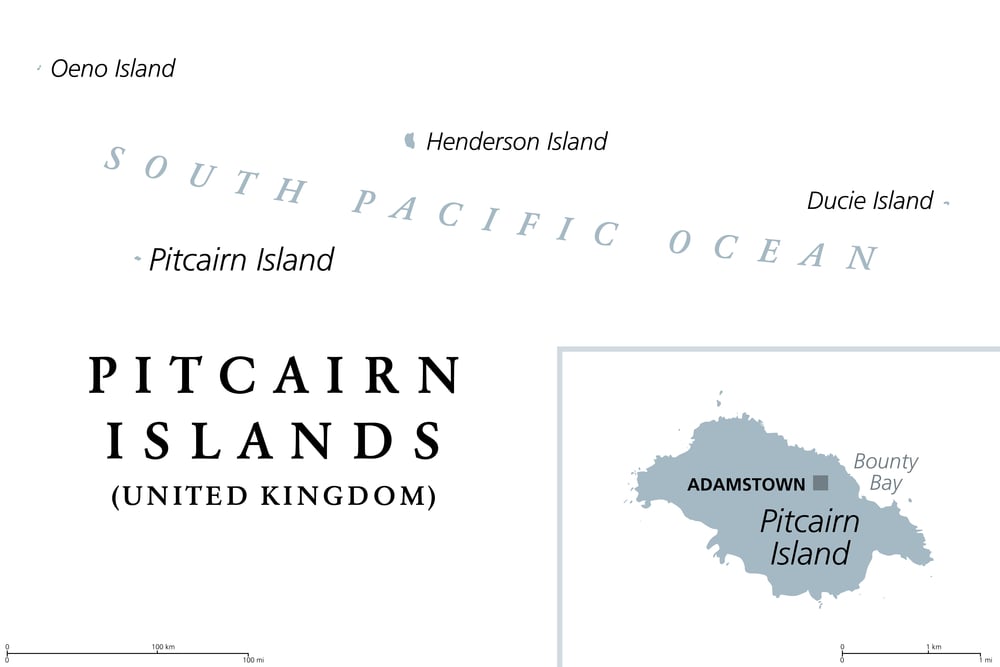
While Pitcairn itself has a small population descended from HMS Bounty mutineers, the surrounding islands in the group — Henderson, Ducie, and Oeno — are uninhabited and heavily protected. Henderson Island is a UNESCO World Heritage Site with access restricted to essential research.
These outer islands support endemic species found nowhere else on Earth, including several bird species that exist only within this island group. Protection protocols limit visits to approved scientific research, and even those require extensive permits and environmental safeguards.
The contrast is stark: Pitcairn Island struggles to maintain its tiny human population, while the neighboring islands thrive under protection from human presence. Geography determines destiny, but so does the choice of whether to preserve or develop what nature provides.
Marcus Island
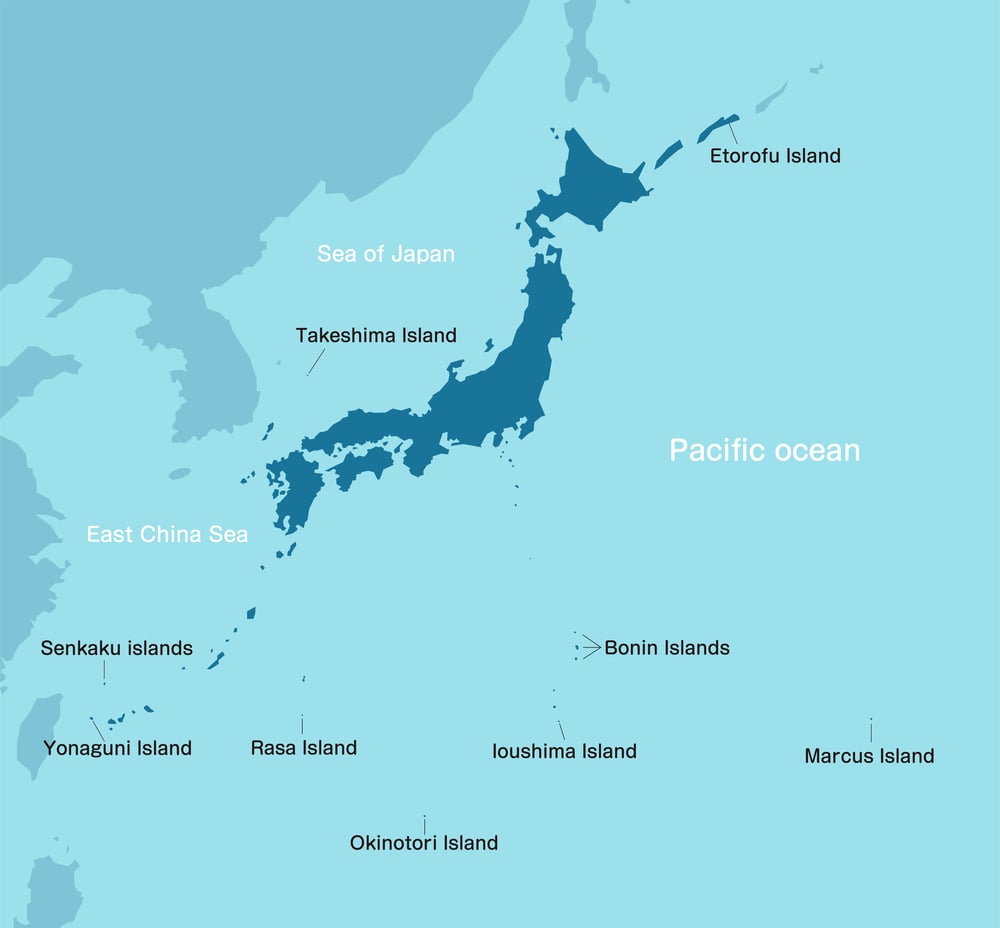
Japan controls this remote Pacific island, using it primarily for meteorological research and communications. The island hosts a small rotating staff but prohibits public access for security and environmental reasons.
Marcus Island’s strategic location makes it valuable for weather monitoring and research on Pacific climate patterns. The restricted access helps protect seabird populations that use the island for nesting, while also maintaining the controlled environment necessary for scientific operations.
Getting permission to visit requires coordination with Japanese authorities and typically involves joining approved research projects. The island functions as a scientific outpost rather than a destination, serving research and conservation rather than recreation or development.
Ascension Island
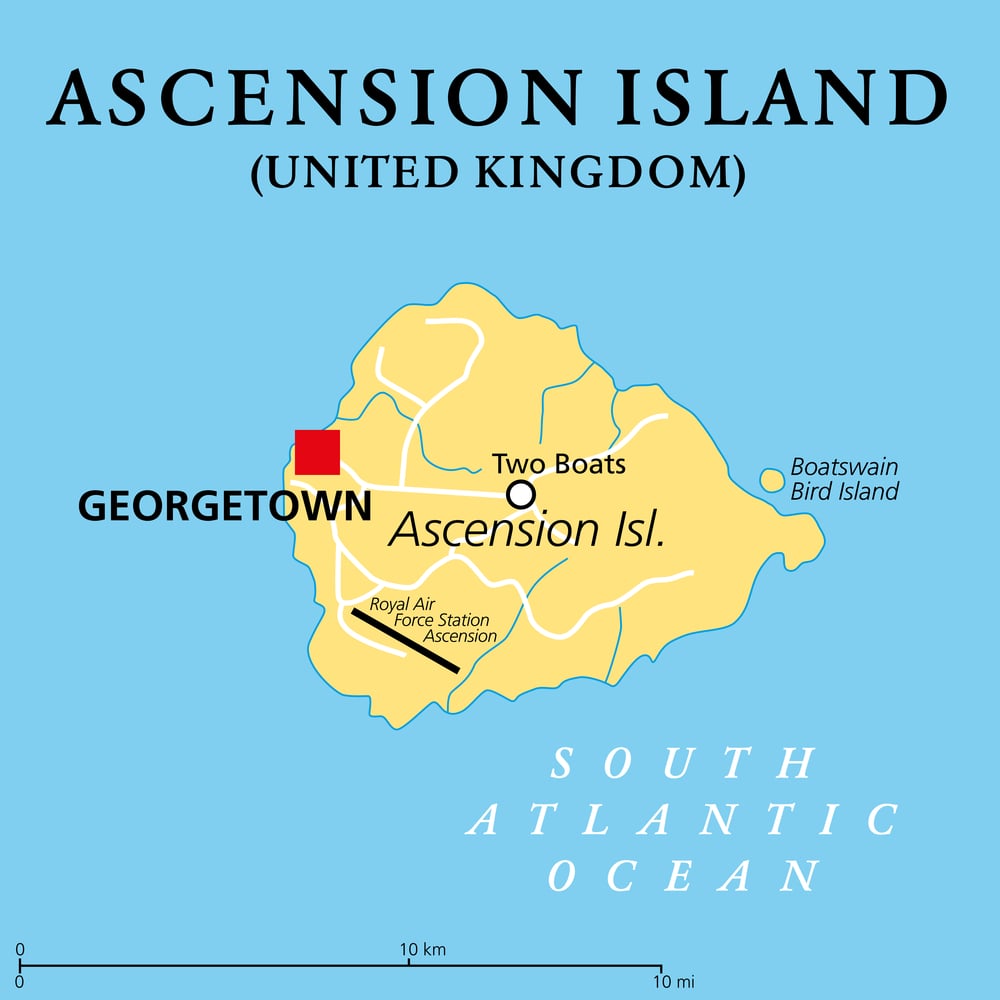
This British territory in the South Atlantic has a small military and civilian population, but large areas remain off-limits to protect unique ecosystems and endemic species. The island serves as a breeding ground for sea turtles and supports several species found nowhere else on Earth.
Access requires permission from the Ascension Island government, and visitors must join organized groups or have official business. Independent tourism is discouraged, and certain areas remain completely restricted to protect sensitive wildlife habitats and military installations.
The island represents a middle ground — not completely uninhabited, but carefully controlled to balance human activities with conservation needs. Sometimes the most effective protection comes not from complete exclusion, but from thoughtful management that prioritizes ecological integrity over unrestricted access.
Wake Island
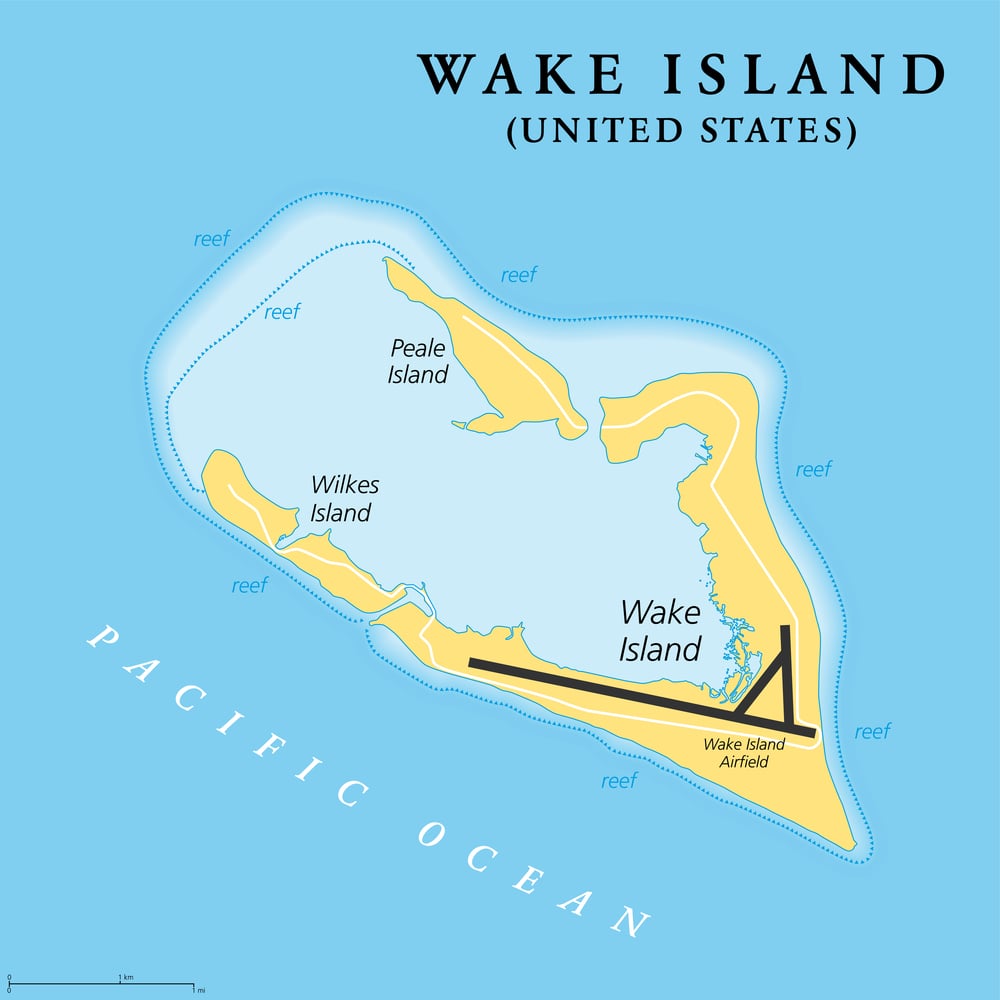
The U.S. military controls this Pacific atoll, using it for strategic operations while also protecting important seabird colonies. Civilian access is prohibited except for essential personnel and approved research activities.
Wake Island’s history includes World War II battles and decades of military use, but current management balances security needs with environmental protection. Seabird populations that declined during heavy military activity are recovering under current protection protocols.
The dual mandate — military security and wildlife protection — creates unusually strict access controls. Even military personnel follow protocols designed to minimize impact on nesting seabirds and coral reef ecosystems.
The island serves both strategic and ecological functions, though most people will only ever see it from 35,000 feet.
Protected by Distance and Design
These restricted islands share something beyond geographic isolation — they represent conscious choices about what deserves protection from human impact. Whether the threat comes from tourism, development, invasive species, or simple disturbance, the solution remains consistent: limit access and enforce the limits.
The restrictions aren’t about keeping secrets or excluding people out of spite. They’re about recognizing that some places function better, serve science better, and preserve irreplaceable ecosystems better when humans visit rarely or not at all.
These islands exist as reminders that the most meaningful protection sometimes means staying away.
More from Go2Tutors!

- The Romanov Crown Jewels and Their Tragic Fate
- 13 Historical Mysteries That Science Still Can’t Solve
- Famous Hoaxes That Fooled the World for Years
- 15 Child Stars with Tragic Adult Lives
- 16 Famous Jewelry Pieces in History
Like Go2Tutors’s content? Follow us on MSN.