30 Things Families Packed for Summer Road Trips in the ‘80s
Before GPS, before phone chargers, before anyone thought to ask if the car had enough cupholders, families loaded up station wagons and minivans with a very particular kind of chaos. Every trip meant packing for entertainment, emergencies, snacks, and boredom all at once, because there was no telling which one would strike first somewhere between exits.
What ended up crammed into the trunk says a lot about the decade — equal parts practical and stubbornly analog.
Coolers
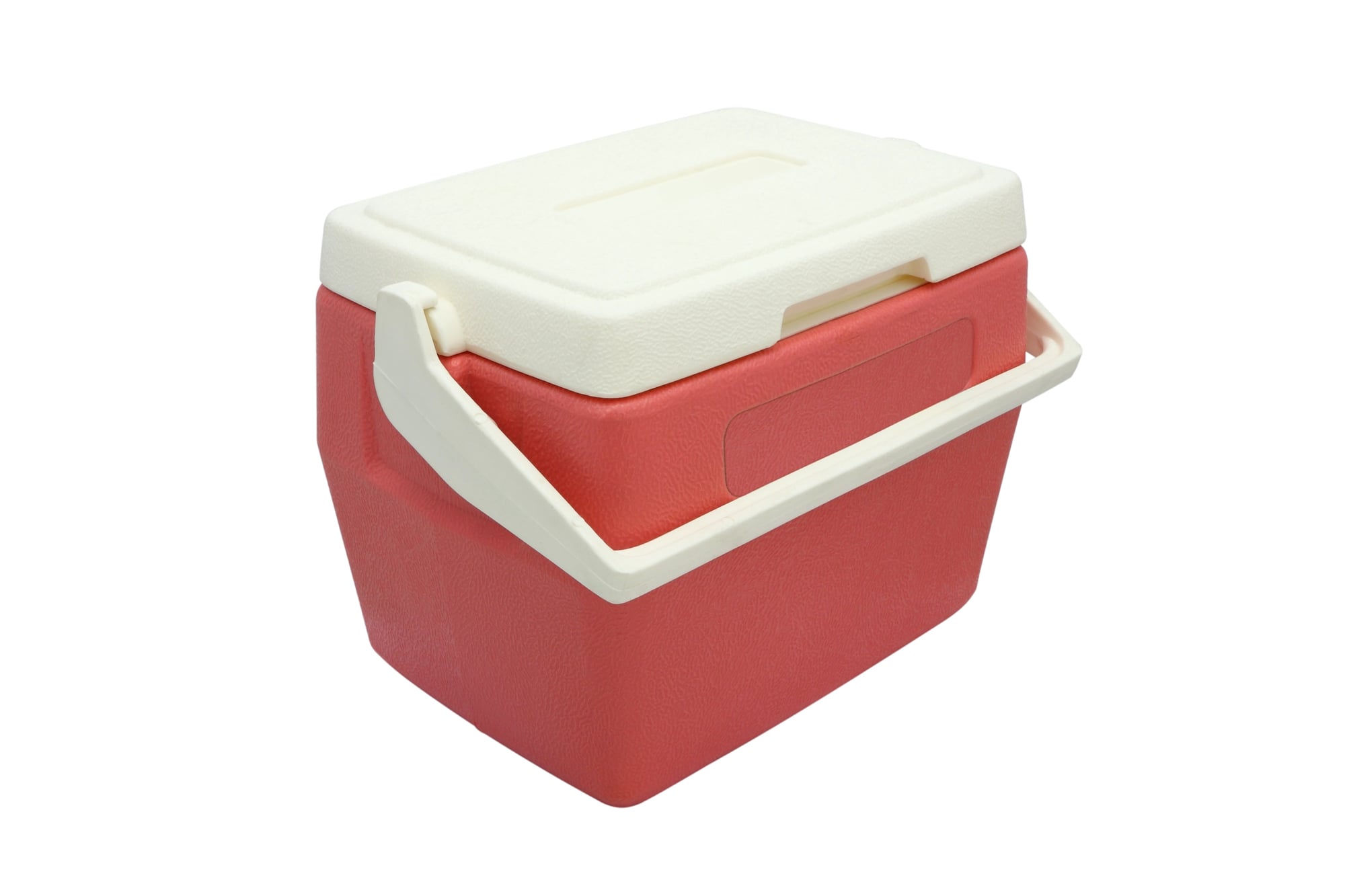
The Igloo cooler was a fixture, not an accessory. Metal handles, faded stickers, ice that turned to lukewarm water by hour three.
Nobody complained. It sat in the way-back and did its job.
Road Atlas
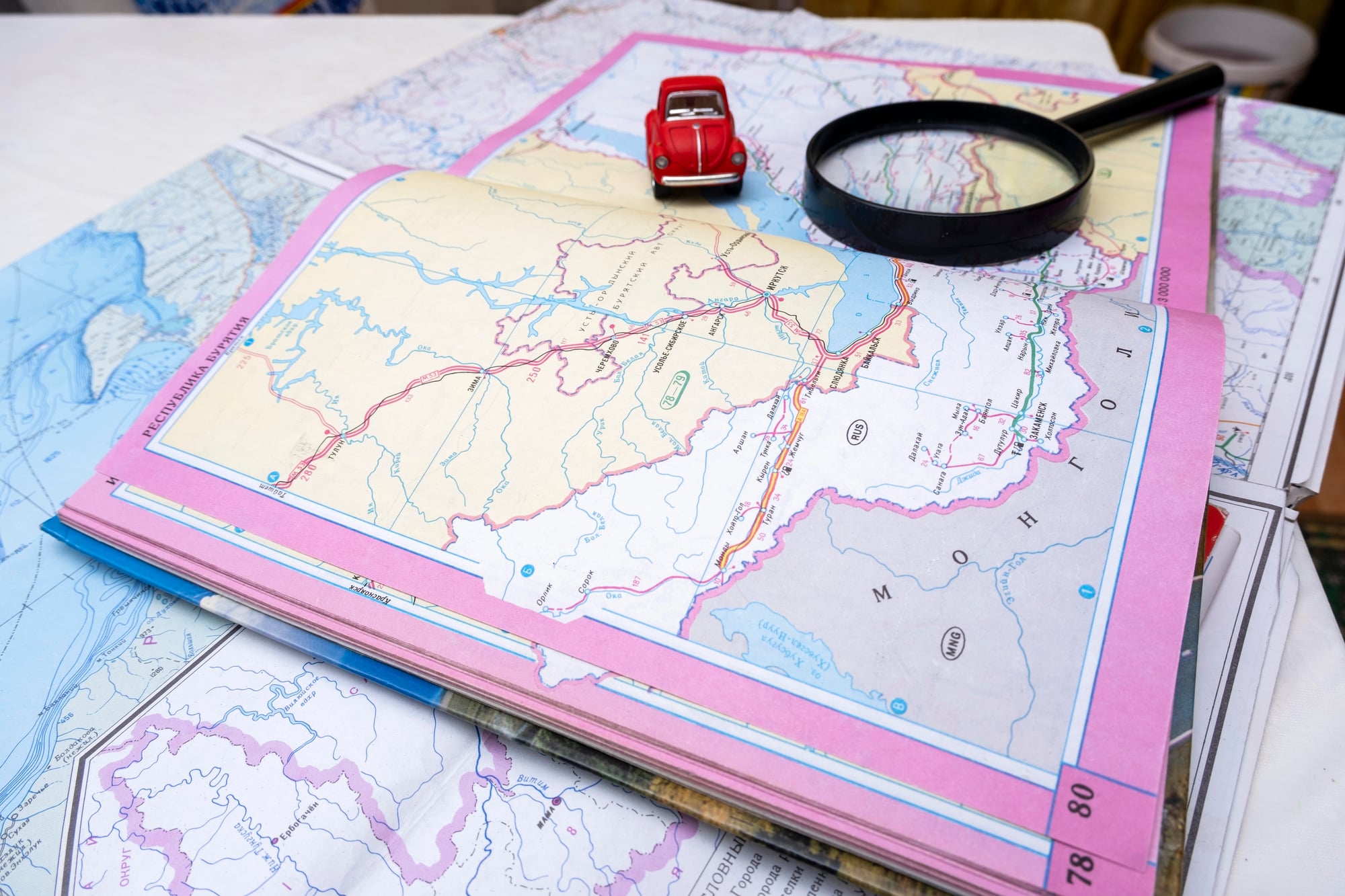
Rand McNally atlases lived in glove compartments like sacred texts, dog-eared and coffee-stained, the spine cracked exactly where the family always seemed to be heading — which, for a lot of these trips, meant somewhere in the Midwest or down toward Florida. Someone always claimed the navigator seat up front, tracing routes with a finger while the driver ignored every suggestion anyway.
And there was always an argument about whether the fold-out map had been folded back correctly, because it never had. So the atlas got shoved back in the glove box anyway, crumpled, ready for round two the next morning.
Cassette Tapes
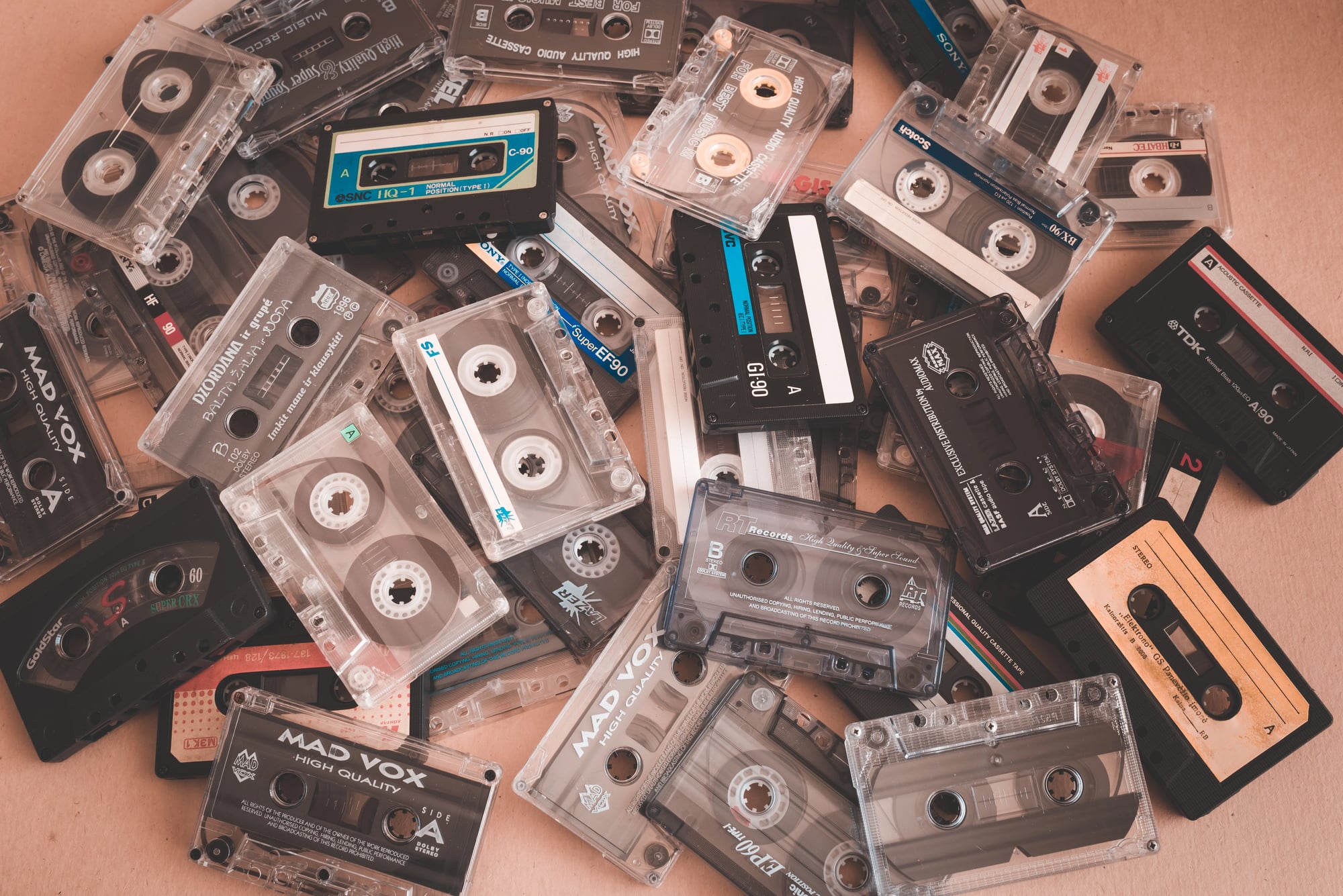
A shoebox of cassette tapes rode in the backseat like a mixtape time capsule, sun-warmed plastic cases clicking against each other with every turn. Some tapes were labeled in careful handwriting, others were mysteries nobody remembered recording.
The hiss before a song started was its own kind of comfort — a small, familiar static that meant the trip was really underway.
Sony Walkman
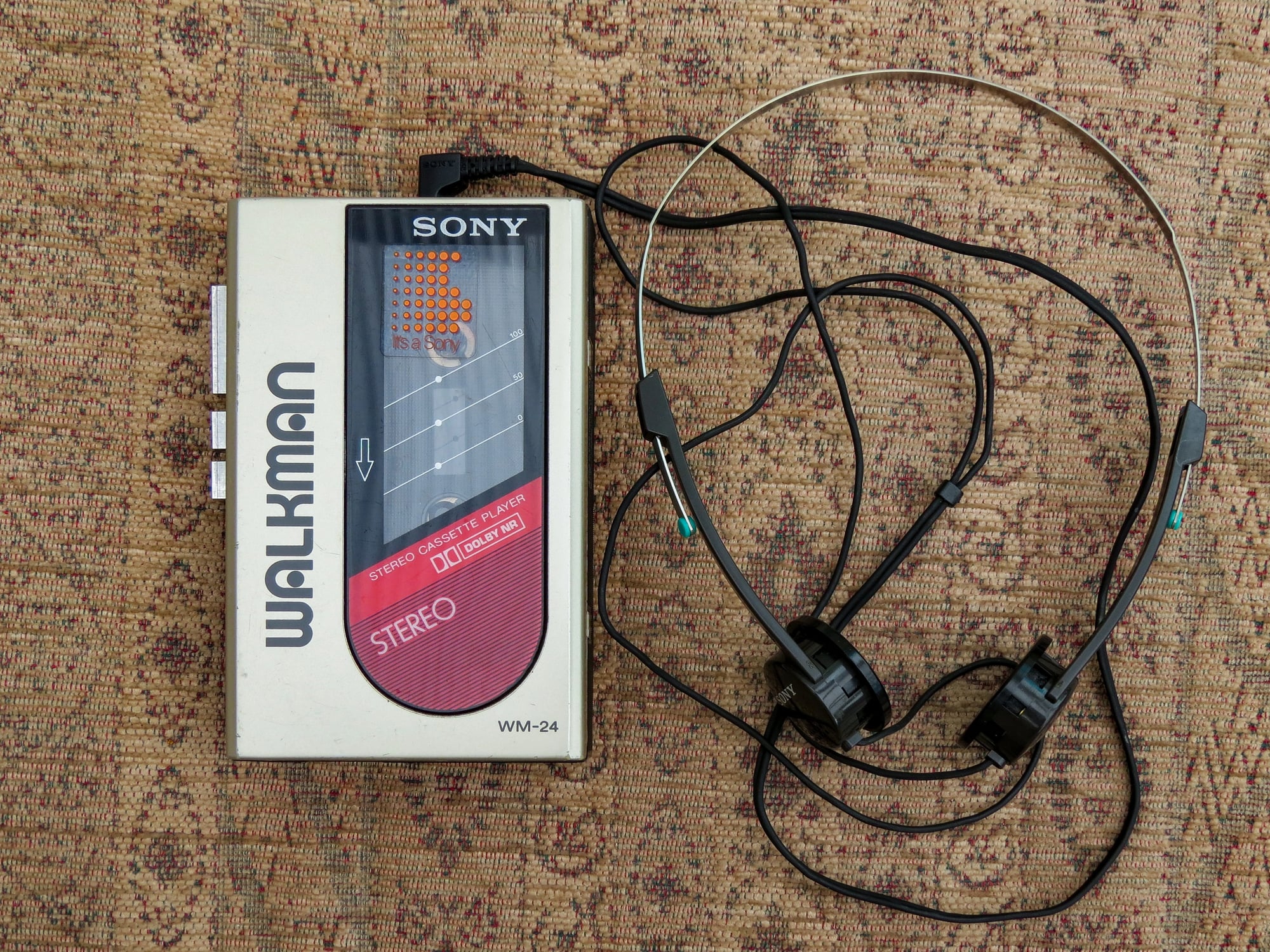
The Walkman changed backseat diplomacy overnight. One kid gets headphones, the other gets silence, and suddenly nobody’s fighting over the radio dial.
Batteries died at the worst possible moment, always somewhere past the last gas station, which is a design flaw nobody at Sony seems to have considered.
Thermos
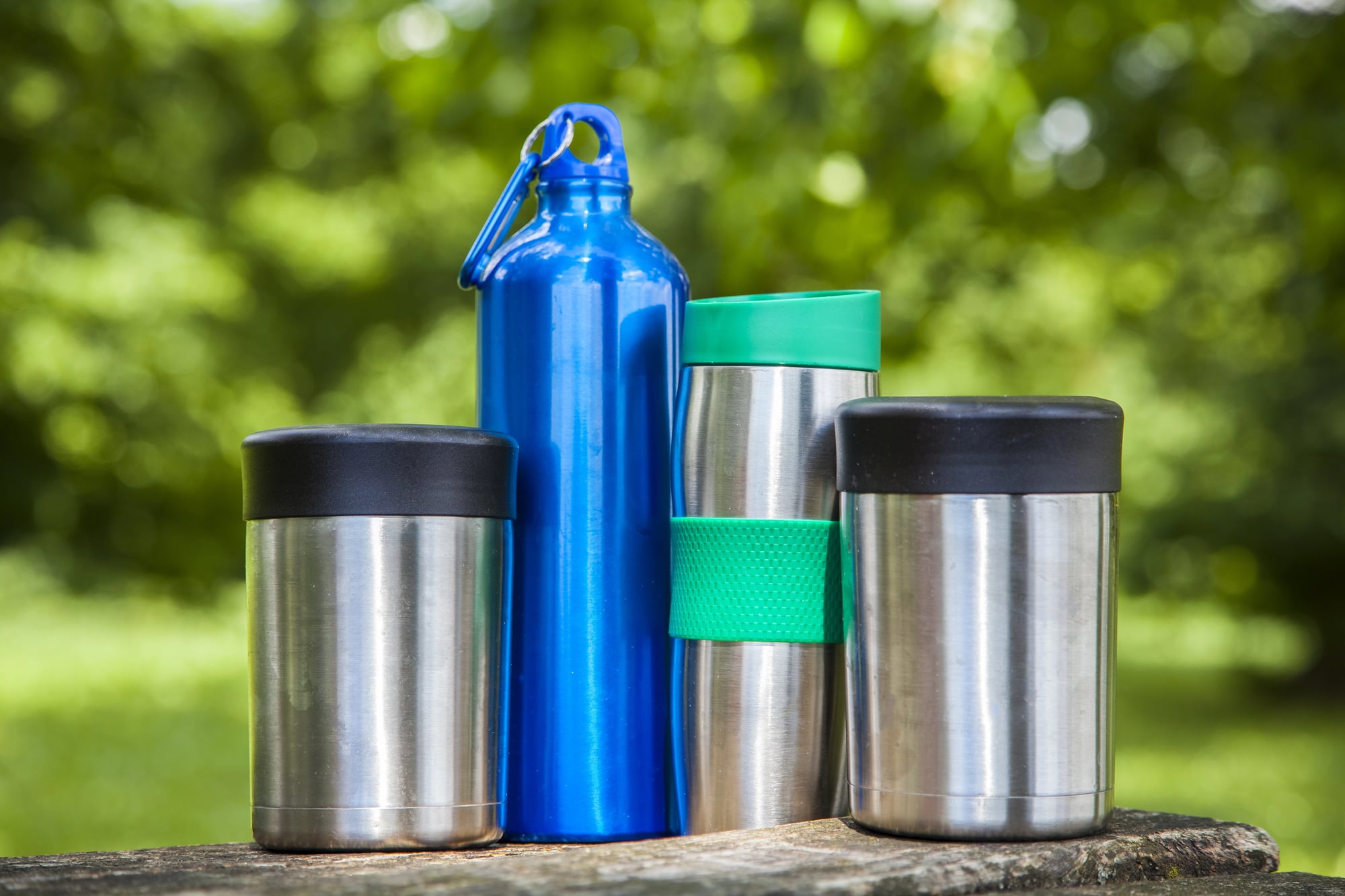
Metal thermoses held coffee for parents and something sweeter for kids, and either way it tasted faintly of thermos, that specific tin flavor nobody ever fully placed. It sat wedged between the front seats, warm to the touch, sloshing every time the car hit a pothole.
Somehow it always leaked exactly once per trip.
Paper Gas Station Maps
Gas station maps were free, folded terribly, and treated like currency once the family crossed into unfamiliar territory. A quick stop for gas usually meant a quick argument about which map covered which state — because nobody ever had the right one for where they were actually going.
The attendant would point vaguely toward the highway, and that vague gesture became the plan for the next fifty miles.
Etch A Sketch

There’s something almost meditative about an Etch A Sketch, the way it demands patience without offering any reward for patience — you turn the knobs, you build something jagged and imperfect, and then you shake it all away without ceremony. It’s a toy built entirely around impermanence, which feels fitting for a car ride where nothing outside the window stays the same for more than a mile.
Kids hunched over it for hours, gray screen glowing faintly against denim shorts, erasing masterpieces nobody else ever saw.
Mad Libs
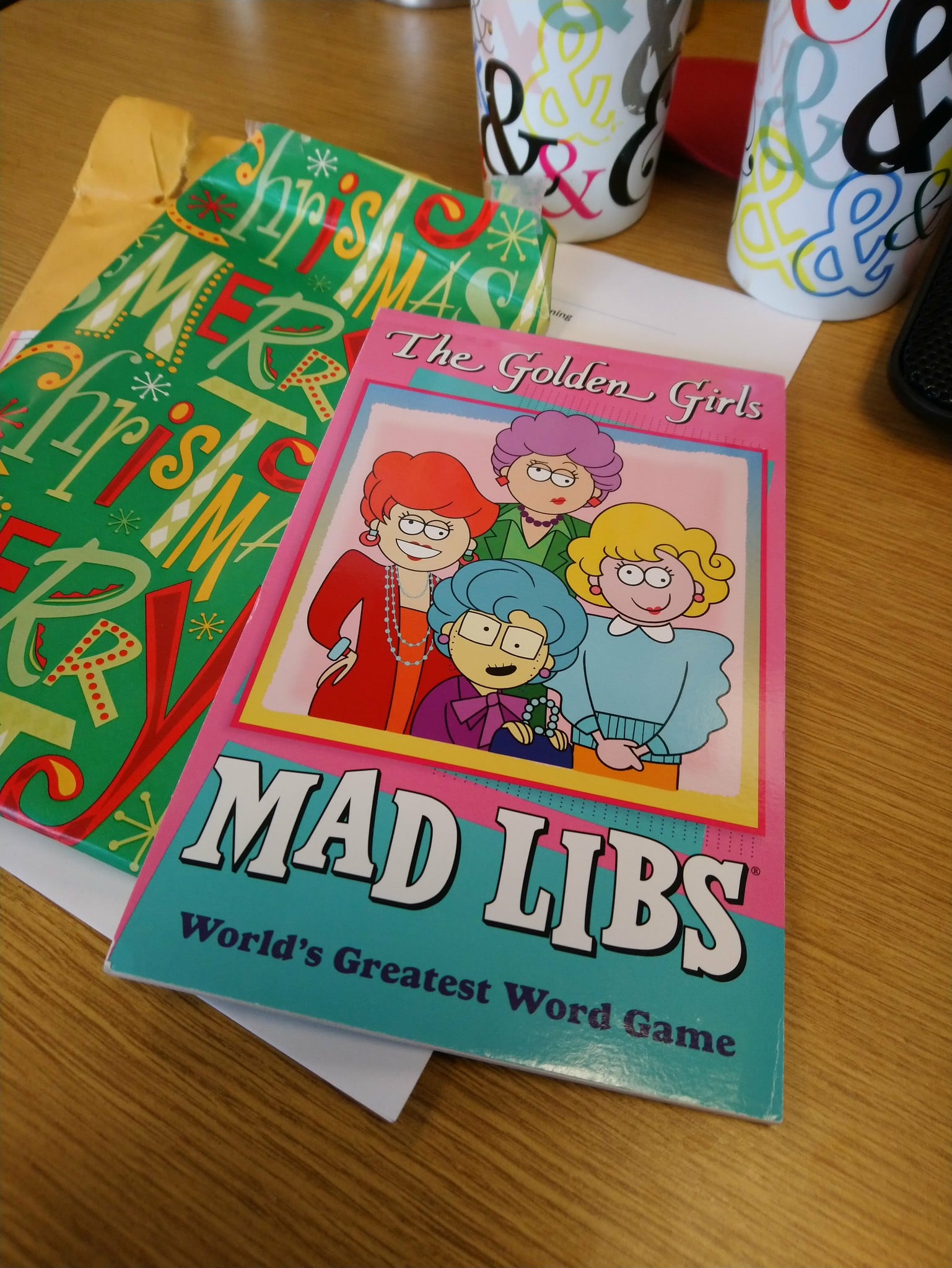
Mad Libs were the undisputed champion of backseat entertainment, and that’s not up for debate. A pad of paper, a pencil, and suddenly everyone’s shouting nouns at each other like it’s a competitive sport.
To be fair, half the fun was watching a parent try to read the finished story with a straight face and fail completely.
Beach Towels

Beach towels weren’t just for the beach. They doubled as blankets, pillows, seat cushions, and emergency mats for roadside picnics on grass nobody checked for ants first.
Faded stripes, scratchy from too many washes, folded into a trunk corner like they belonged there — because they did.
Lawn Chairs
Aluminum-framed lawn chairs with woven nylon webbing rode strapped to the roof or wedged into the trunk, ready for impromptu stops at rest areas or overlooks. Setting them up took longer than anyone wanted to admit, the webbing always catching on something, one leg always shorter than the other three.
And somehow that never stopped anyone from unfolding them anyway, right there on the gravel shoulder. Dinner happened in those chairs more than once, paper plates balanced on knees.
CB Radio
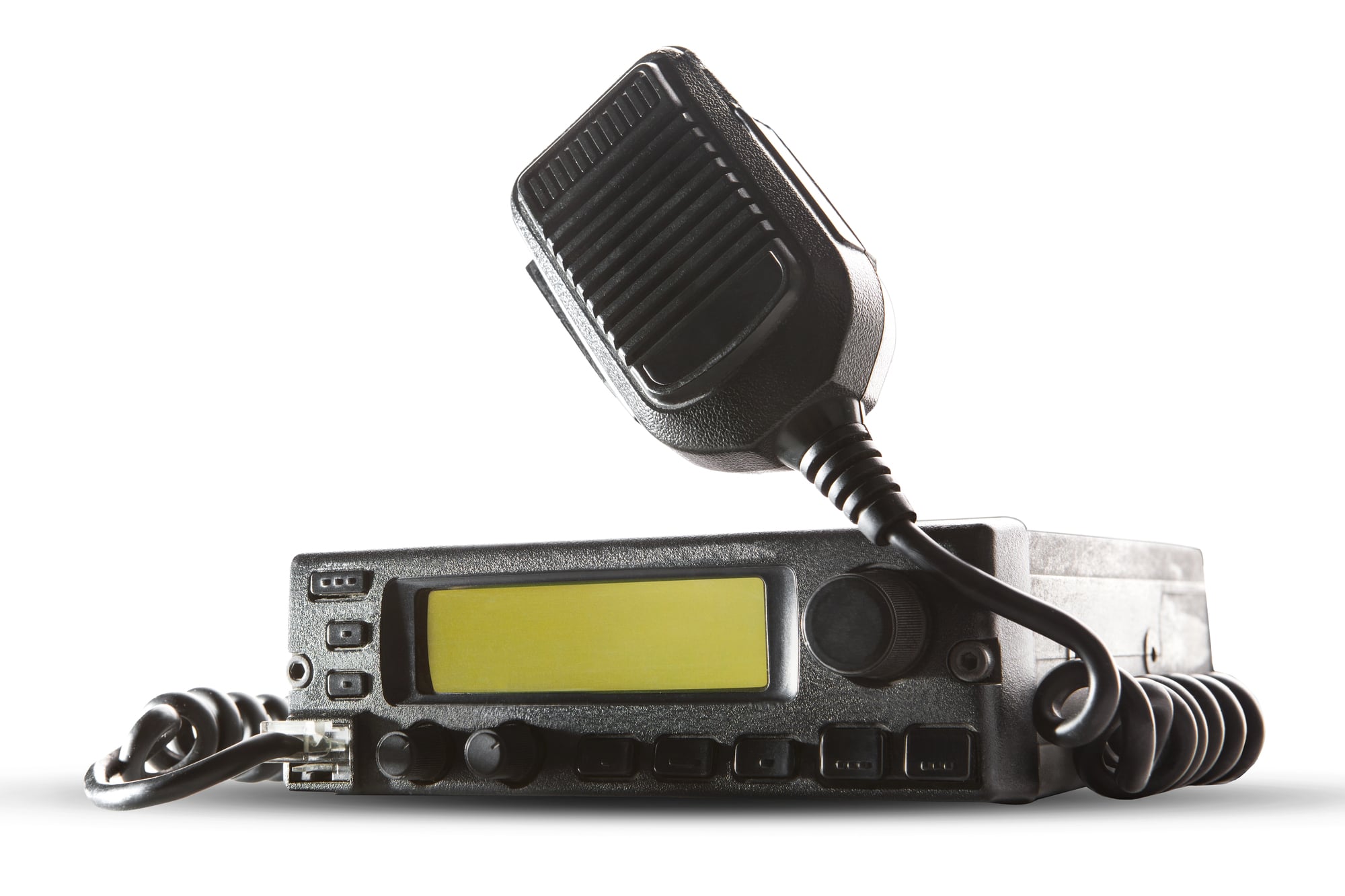
There’s a particular kind of romance to a CB radio crackling to life on a long stretch of interstate, truckers trading handles and warnings about speed traps like some secret fraternity riding just below the surface of the highway. A family with a CB radio felt connected to something larger out there, a hum of strangers helping strangers without ever meeting.
The static between transmissions had its own rhythm, patient and expectant, waiting for someone to break through.
Polaroid Camera
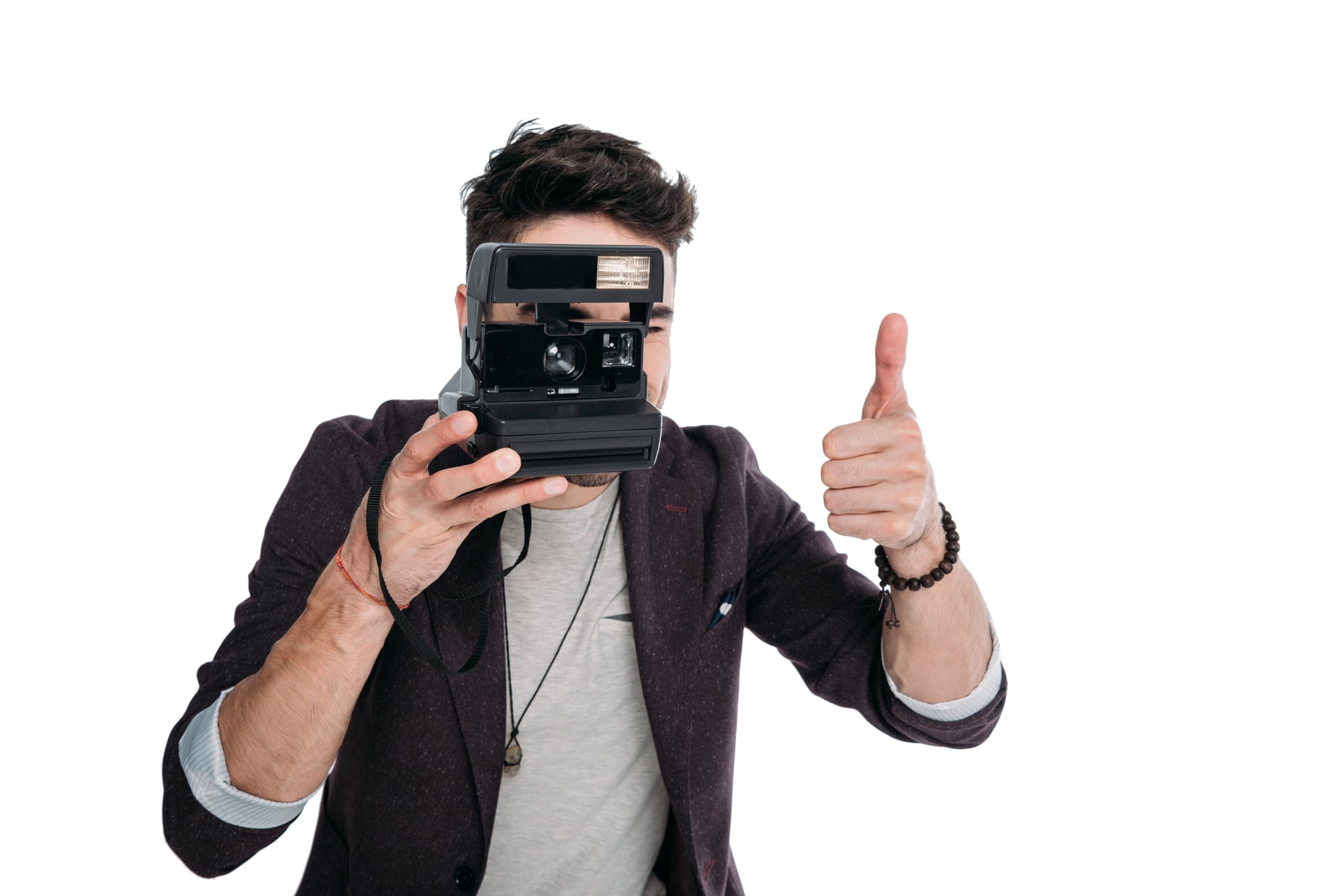
Polaroid cameras made every rest stop feel like a photo shoot worth documenting. The picture would slide out, blank and gray, and everyone crowded around waiting for the image to develop like it was some kind of magic trick — which, honestly, it kind of was.
Half the photos came out overexposed or someone’s thumb was in the frame, and nobody cared.
Cassette Tape Cases
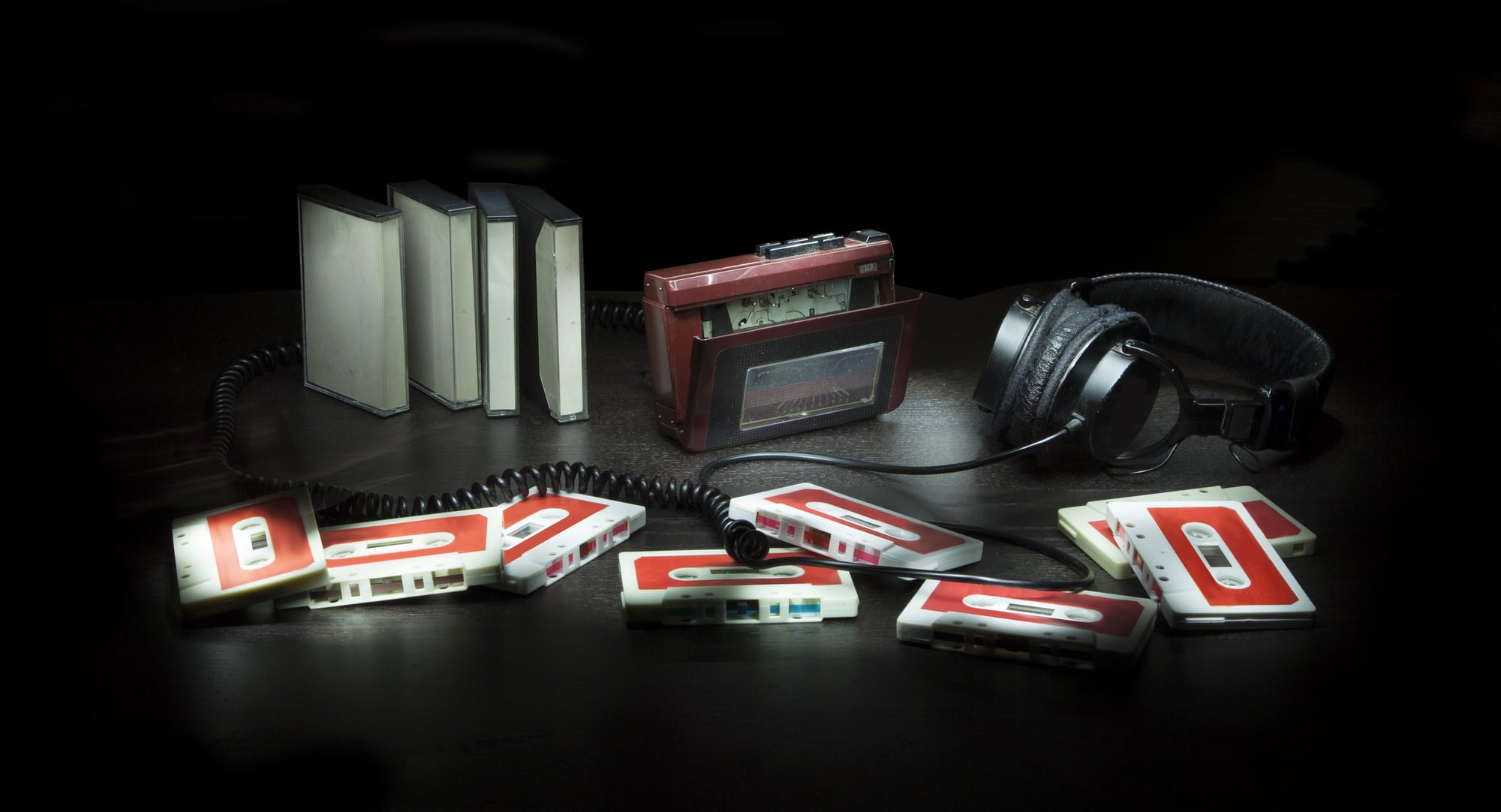
The vinyl cassette case, usually black, sometimes with a broken zipper, held the real hierarchy of the family’s music taste. Kids’ tapes on top, parents’ tapes buried underneath, a few unlabeled ones nobody claimed.
It rode on the floorboard, kicked around, never quite closed all the way.
Electronic Handheld Games
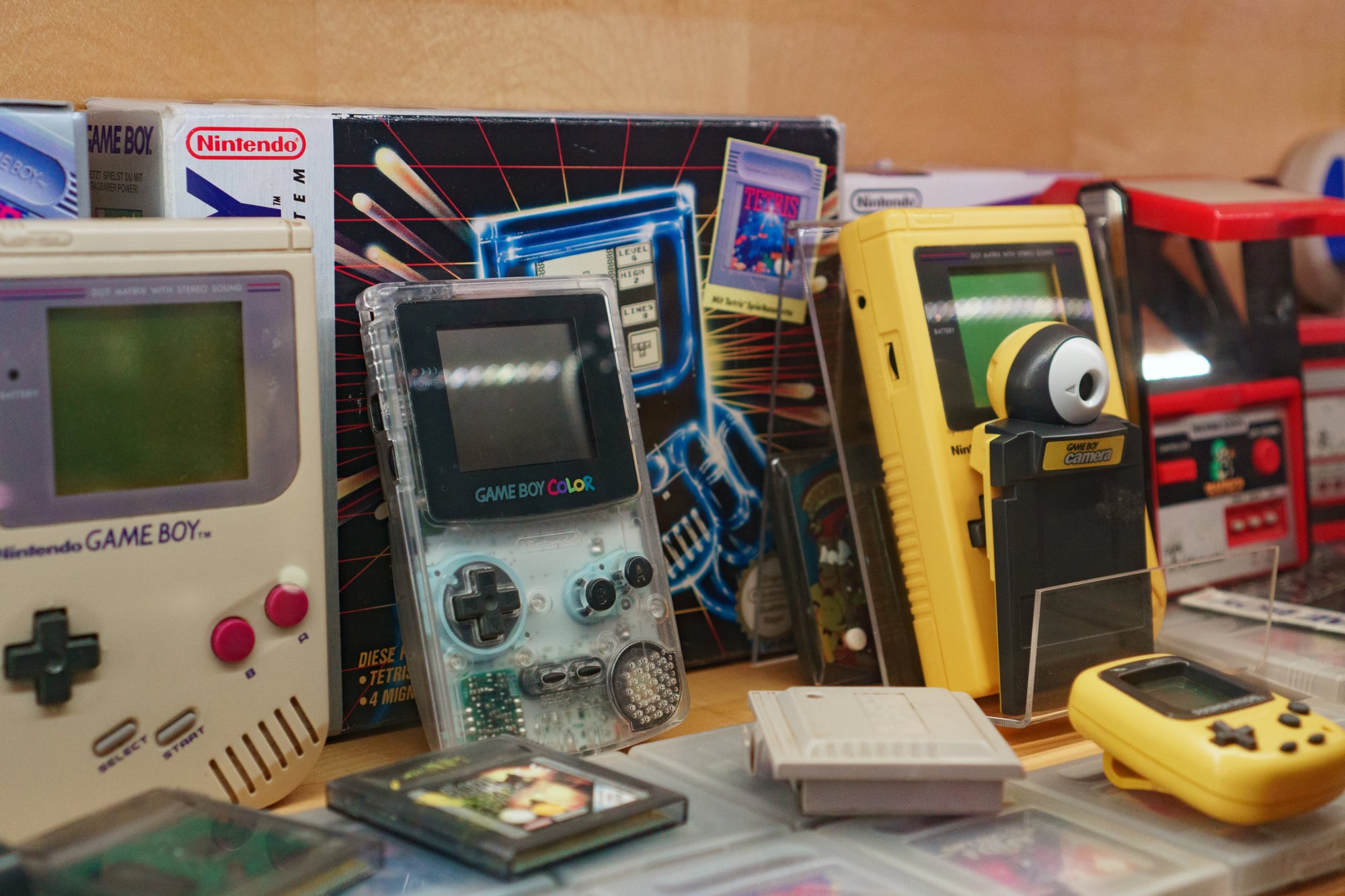
Handheld electronic football games — the ones with red LED dashes representing players — turned long stretches of highway into quiet, focused battles, thumbs mashing buttons while the score ticked upward in a display barely visible in daylight. There was something oddly hypnotic about the beeping, repetitive and slightly annoying, and yet somehow that was the point: it filled the silence between rest stops with something other than “are we there yet.”
Batteries drained fast, chargers didn’t exist yet for these things, and so the games got rationed like a limited resource. Nobody minded the rationing nearly as much as they minded losing.
Backseat Pillows and Blankets
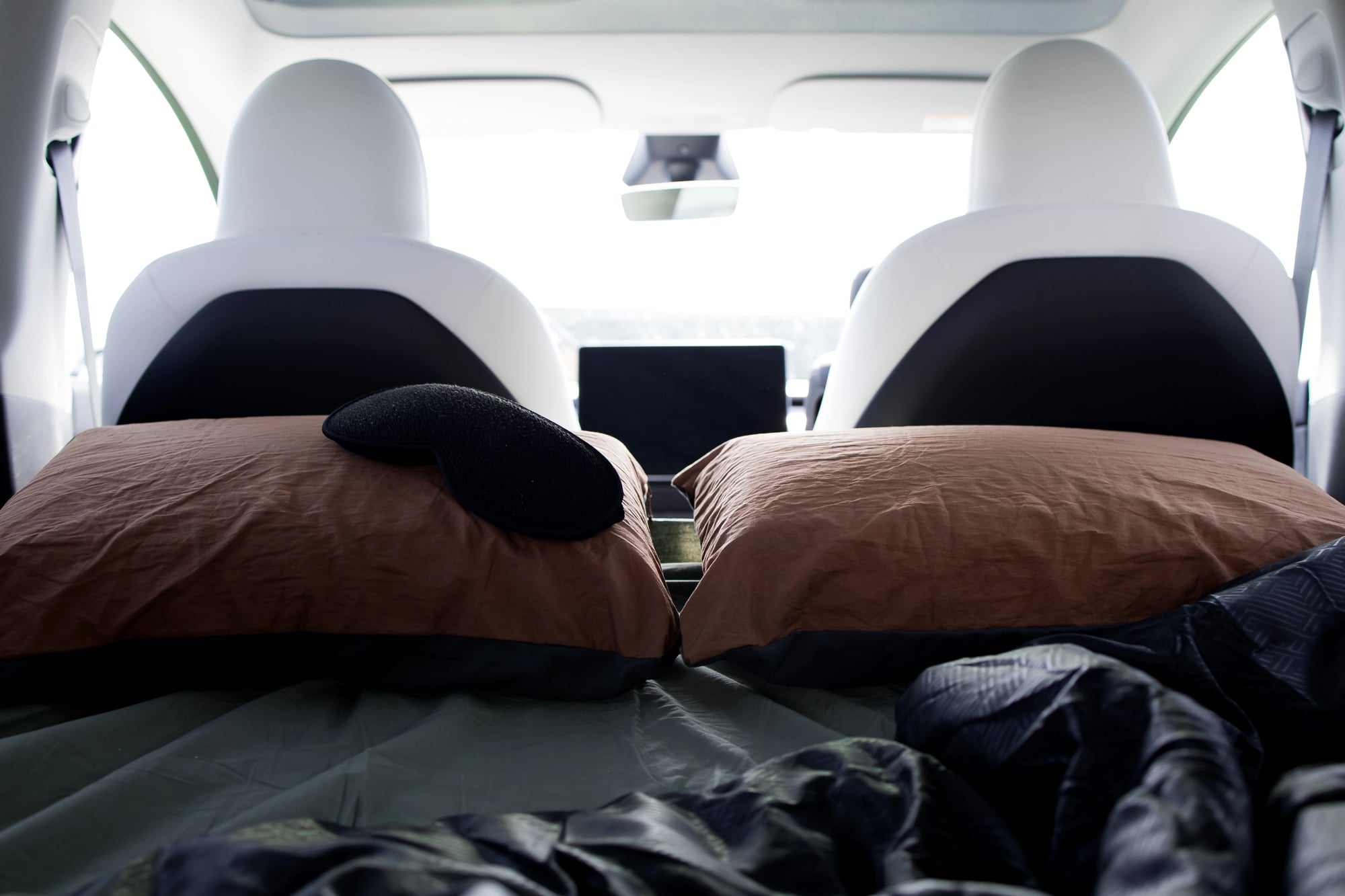
A pillow against the window turned into an actual bed if the trip ran long enough, the vibration of the highway working like a lullaby nobody asked for but everyone eventually surrendered to. Blankets got kicked to the floor and pulled back up a dozen times before anyone actually stayed asleep.
The window fogged up from someone’s breath, a small cloud that came and went with each mile.
Snack Stash
Snacks were non-negotiable and usually included Pringles cans, Twinkies, and something crunchy that left crumbs in every seat crevice for months afterward. Parents packed the “healthy” snacks separately, and everyone knew exactly which bag to ignore.
To be fair, the junk food always ran out first — that’s just how road trip math works.
Powdered Drink Mix

Kool-Aid packets rode in the cooler alongside a plastic jug, ready to be mixed at the next water stop whether the water tasted like it or not. The color always turned out more vivid than the flavor promised, cherry red or grape purple staining lips and cup rims alike.
It was cheap, it traveled well, and it made gas station water bearable — three qualities that mattered more than taste ever did.
First Aid Kit
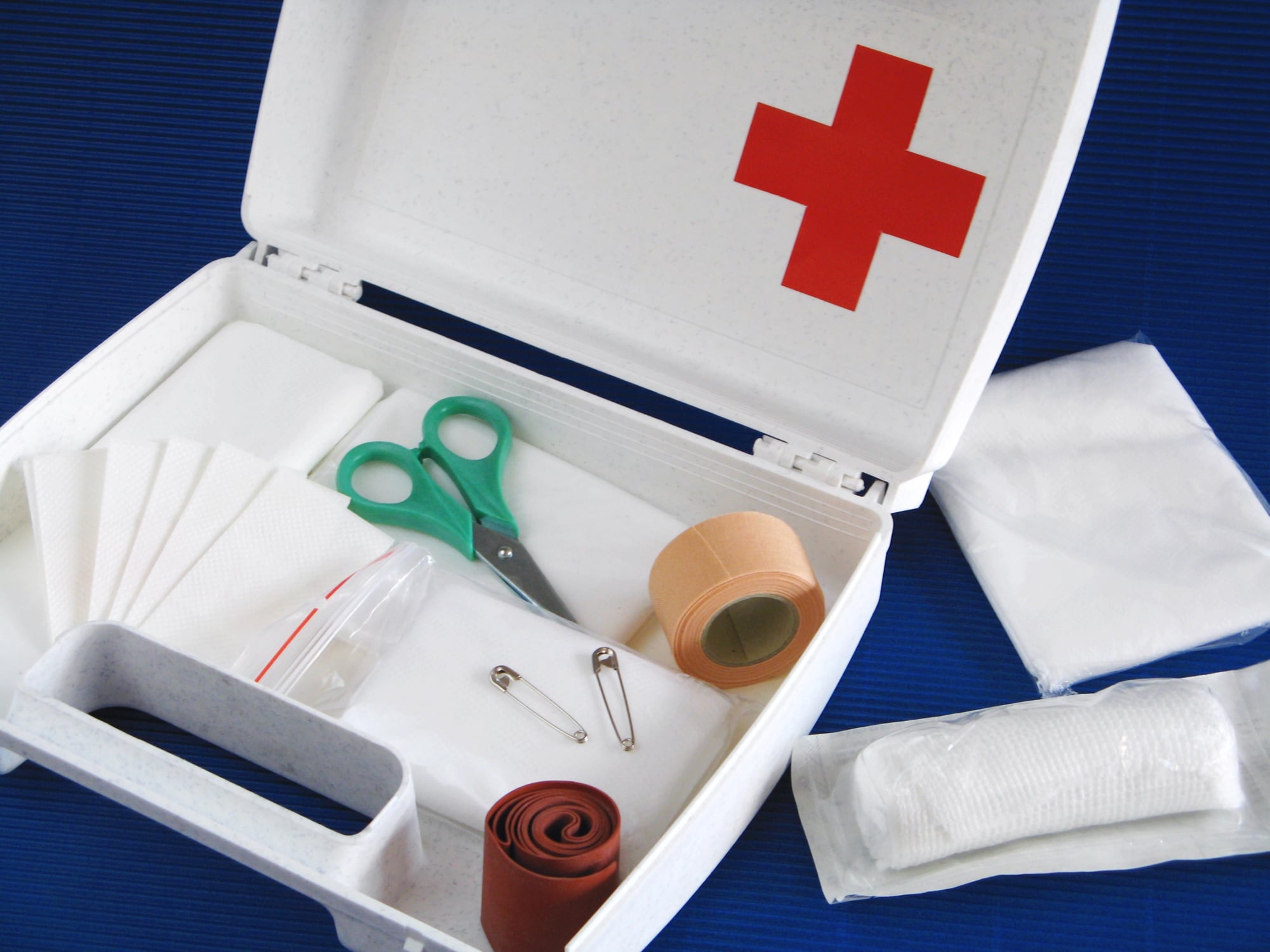
Every family had a first aid kit buried somewhere in the trunk, usually a metal box with a faded red cross and supplies that hadn’t been checked in years. Half the bandages were the wrong size, the antiseptic had gone questionable, and yet its presence alone felt like insurance.
Parents packed it and hoped, quietly, it would just ride along untouched.
Paperback and Comic Books
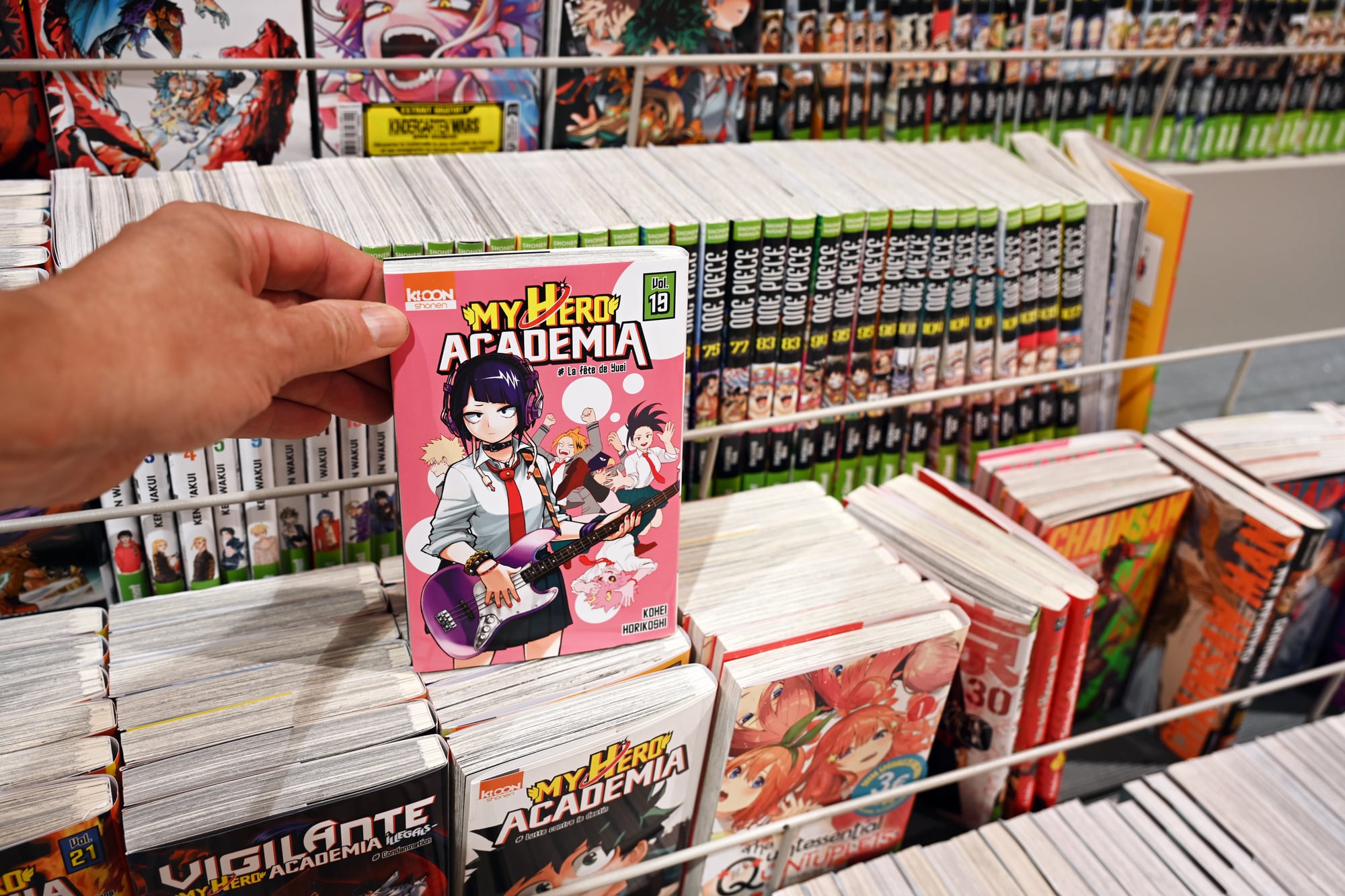
A stack of paperbacks and comic books rode in a bag by someone’s feet, spines cracked from being read once already, pages soft from humidity. There’s a particular kind of quiet that settles over a car when everyone’s reading instead of talking.
The highway noise filling in for conversation nobody needs to have. It felt less like boredom and more like a small, shared truce.
Cash and Traveler’s Checks
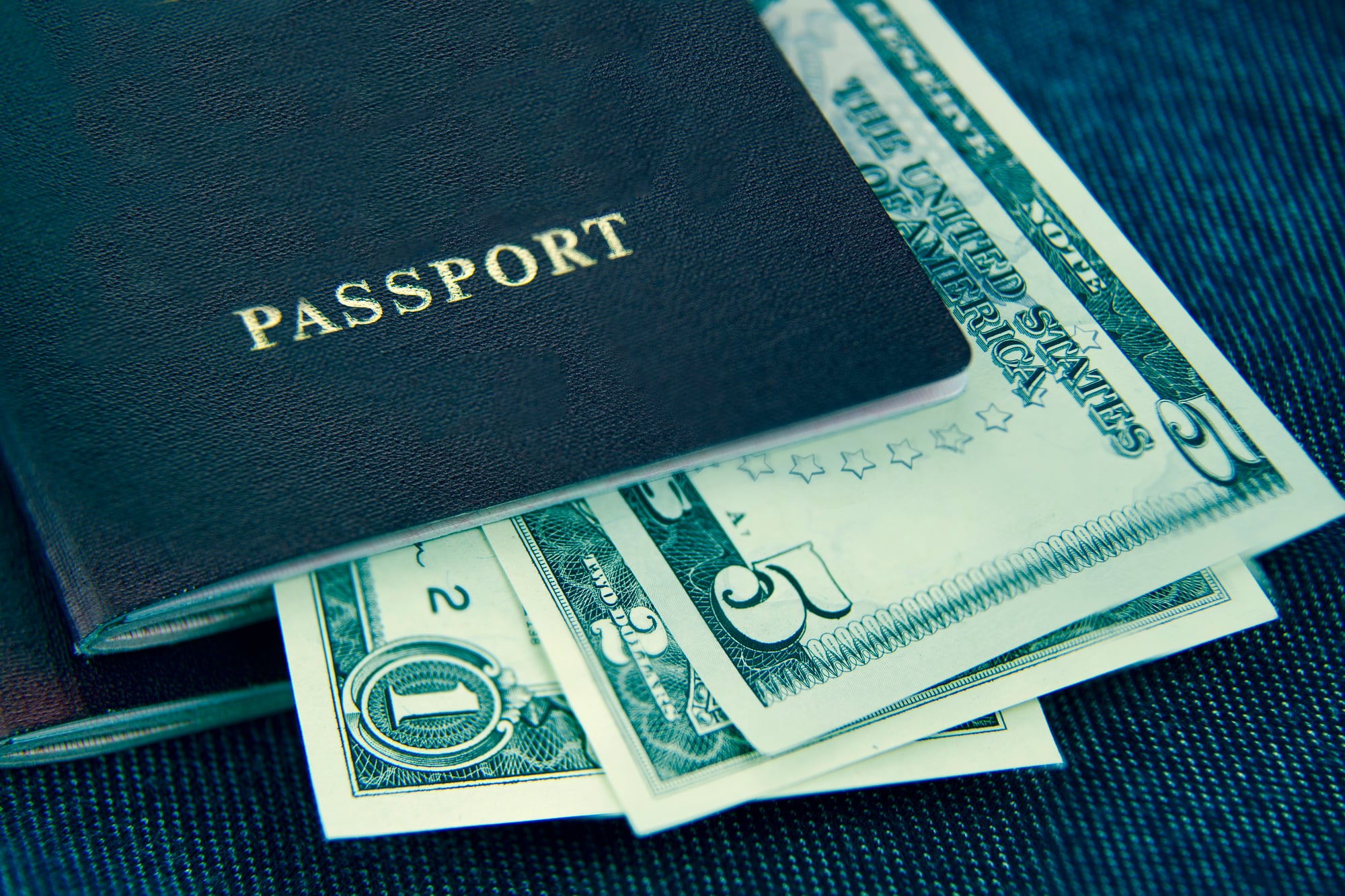
Cash mattered more back then, tucked into envelopes or a zippered pouch riding in the glove box, sometimes supplemented with traveler’s checks for the bigger stops. There was no card swipe at a roadside diner in rural Nebraska — cash was the only language that worked everywhere.
Parents counted it more than once during the trip, just to be sure it was still there.
Camera Film
Rolls of film rode in a small paper bag, precious in a way that’s hard to explain to anyone who’s never had to ration photographs. Every shot mattered because there were only twenty-four of them, maybe thirty-six if the trip warranted the good roll.
Nobody deleted a bad photo and tried again — they just lived with it, blurry thumb and all.
Suntan Lotion
Coppertone was practically standard equipment, that orange bottle riding in the door pocket next to sunglasses nobody could keep track of. Kids got slathered in it at every rest stop, sticky and reluctant, sunscreen mixing with sand and car seat vinyl into a smell that’s oddly specific to that decade.
Sunburn happened anyway, because thoroughness wasn’t really the era’s strong suit.
Travel Board Games
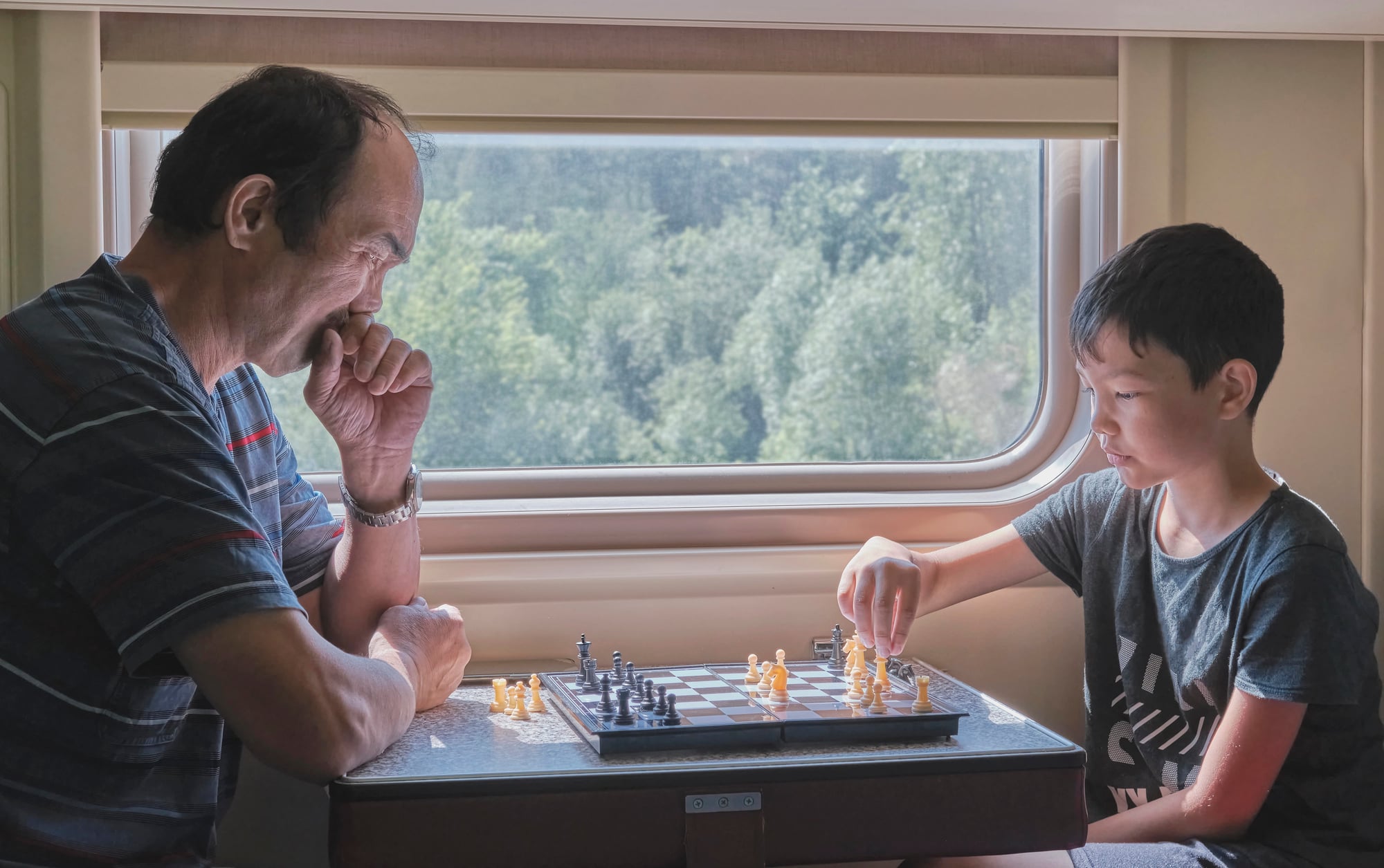
Compact travel board games — checkers, chess, sometimes a tiny Monopoly with pieces that scattered if the car hit a bump wrong — got pulled out during long stretches of nothing, propped on a knee or the seat divider between kids. The rules got bent constantly, arguments erupted over missing pieces, and somehow the game still lasted longer than anyone expected.
It wasn’t really about winning; it was about having something to do with your hands besides pressing them against the window.
Car Litter Bag
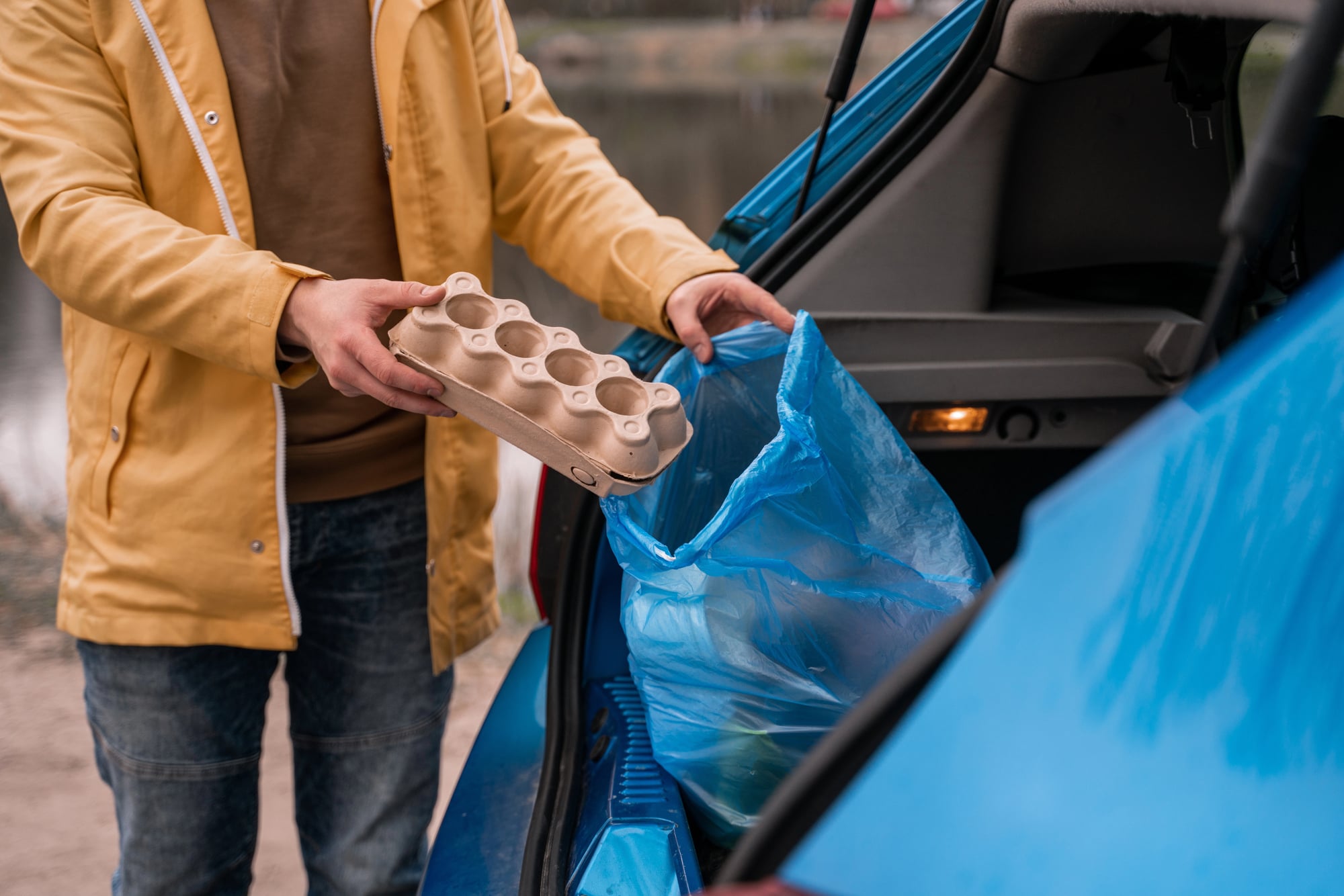
Litter bags hung from the cig lighter knob or the gearshift, little vinyl pouches meant to catch wrappers and receipts before they hit the floor. In practice, half the trash still ended up underfoot anyway.
But that little bag swinging back and forth was a small, stubborn attempt at order in an otherwise messy car.
Sandwiches in the Cooler
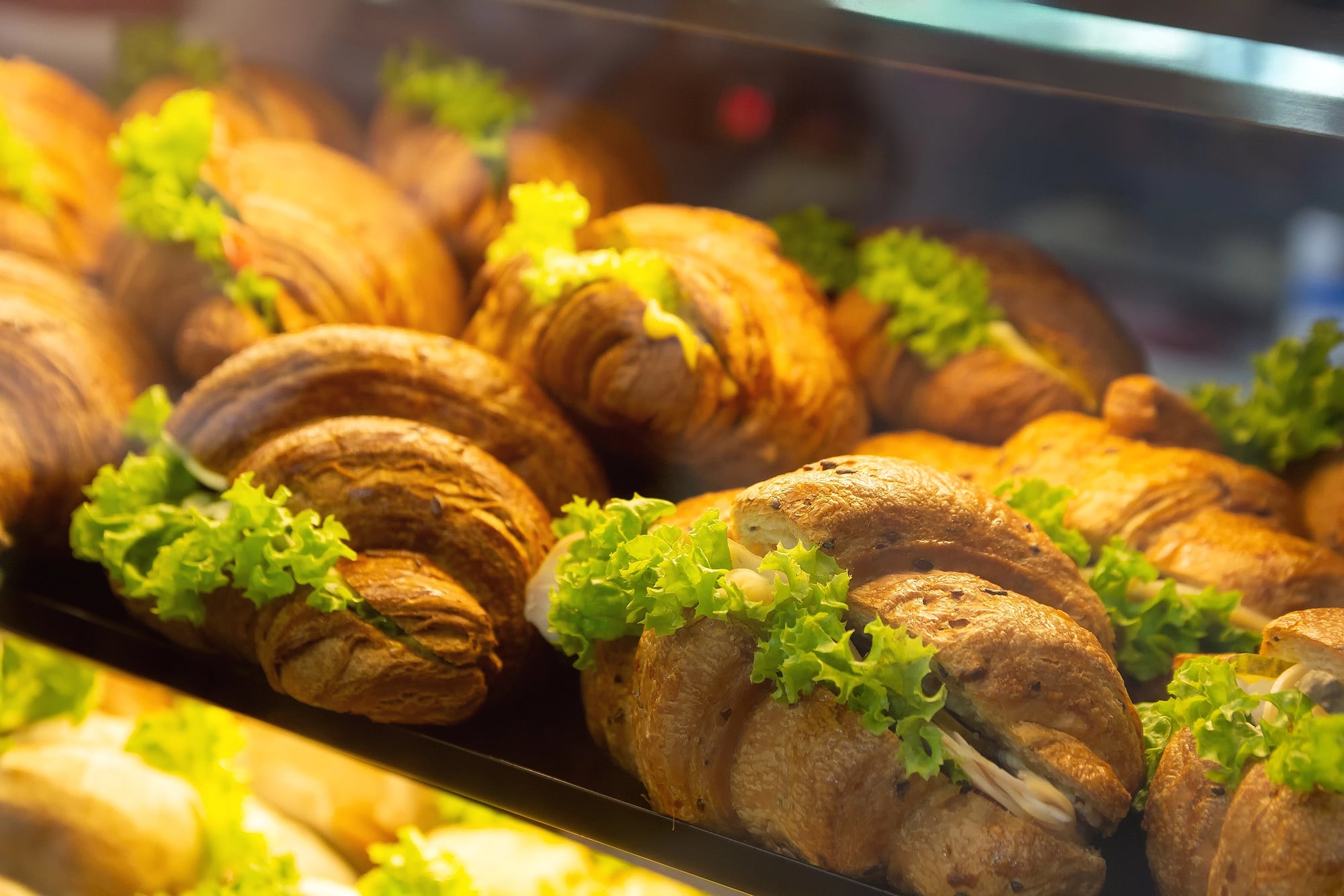
Somewhere at the bottom of the cooler, beneath the ice and the soda cans, sat a stack of sandwiches wrapped in wax paper, slightly flattened, slightly soggy by the time anyone got to them. Bologna, peanut butter, sometimes just cheese between two slices of white bread — nothing fancy, nothing that needed to be.
It tasted better than it had any right to, mostly because everyone was starving and the next exit was still forty miles off.
Cassette Recorder
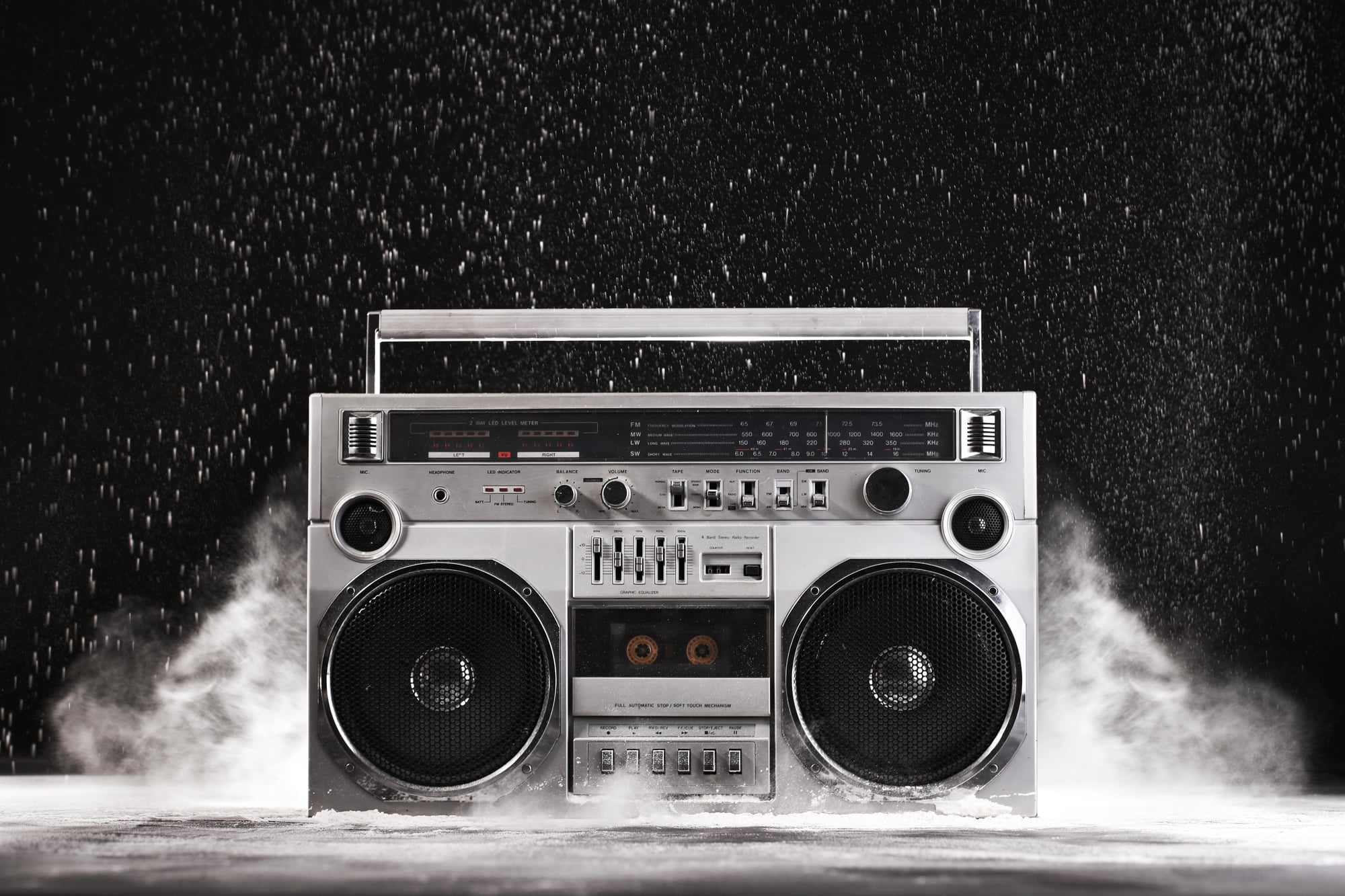
A handheld cassette recorder turned road trips into makeshift radio shows, kids narrating passing scenery or recording arguments they’d laugh about later. The recordings were grainy, half the words lost to wind noise through a cracked window, and that imperfection is exactly what makes them worth keeping.
Nobody thought to save those tapes properly at the time — which, looking back, feels like a small tragedy.
Flashlight
A flashlight lived in the glove box for exactly one reason: emergencies, real or imagined. Dead batteries were common, the beam dim and yellowish even when it worked.
It got used more for reading comic books under blankets after dark than for any actual emergency, which is probably the more honest use anyway.
Road Trip Bingo Cards
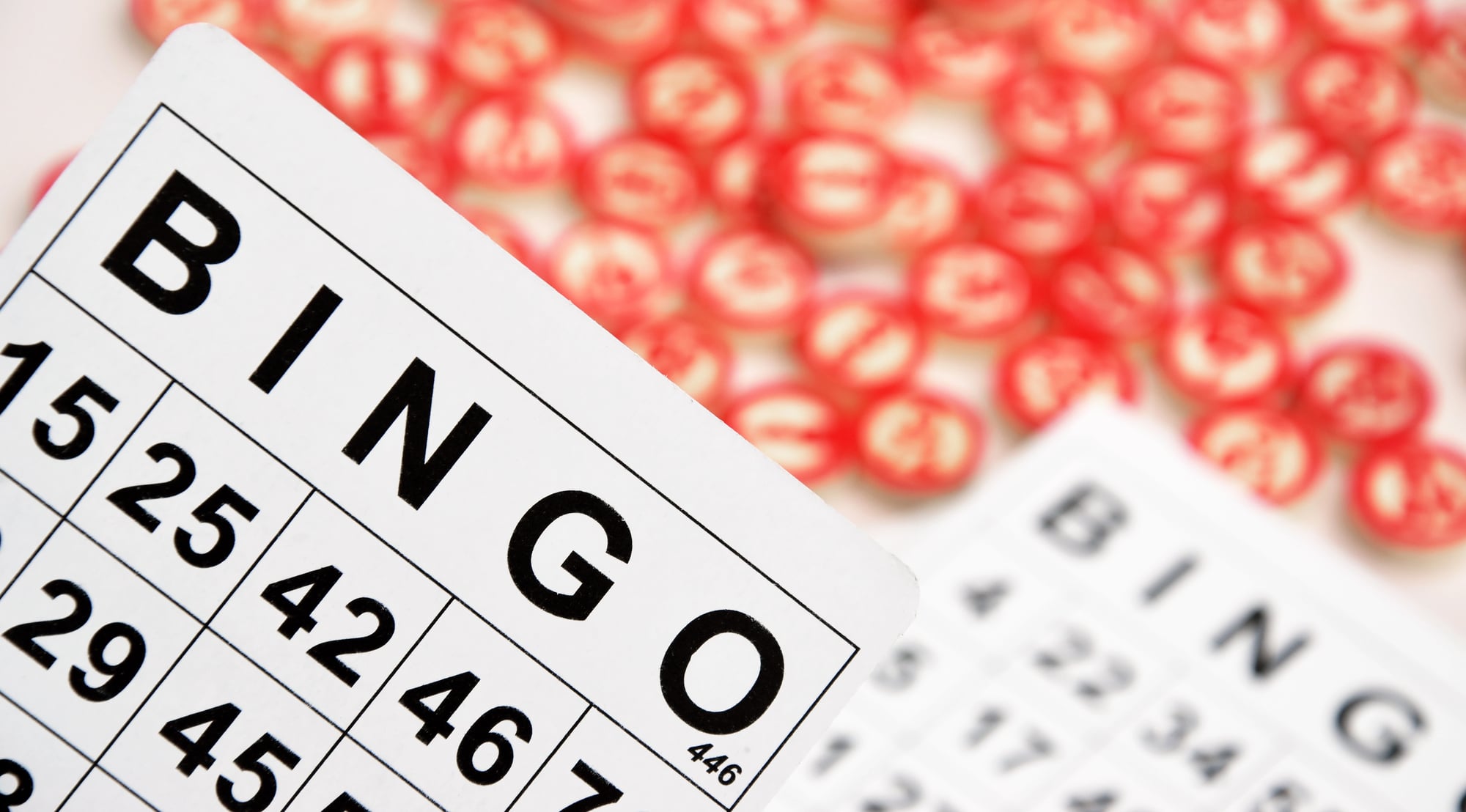
Homemade bingo cards — a cow, a red barn, an out-of-state license plate — turned the passing landscape into a game worth paying attention to, instead of just scenery blurring past a window. Kids leaned forward, eyes scanning fields and billboards, competing to spot something first.
It’s a small thing, but it made an eight-hour drive feel like it had a purpose beyond just arriving.
Extra Clothes in Duffel Bags
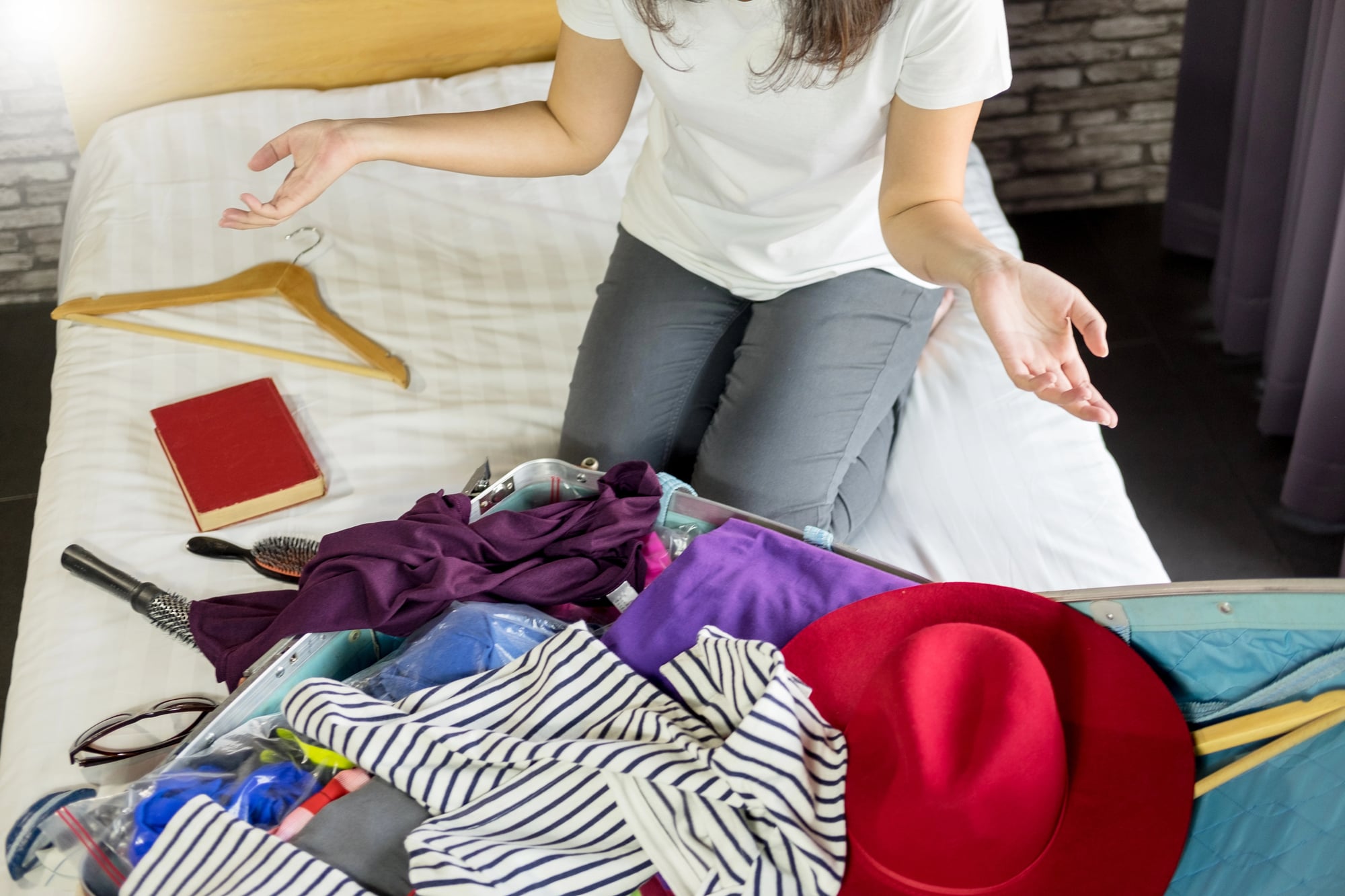
Duffel bags stuffed with extra clothes rode in the trunk, packed by parents who knew exactly how messy a road trip could get. Spilled Kool-Aid, sunburned skin, an unexpected dip in a motel pool — something always required a change of clothes by day two.
Nobody packed light, and nobody apologized for it either.
Roof Rack Luggage Carrier
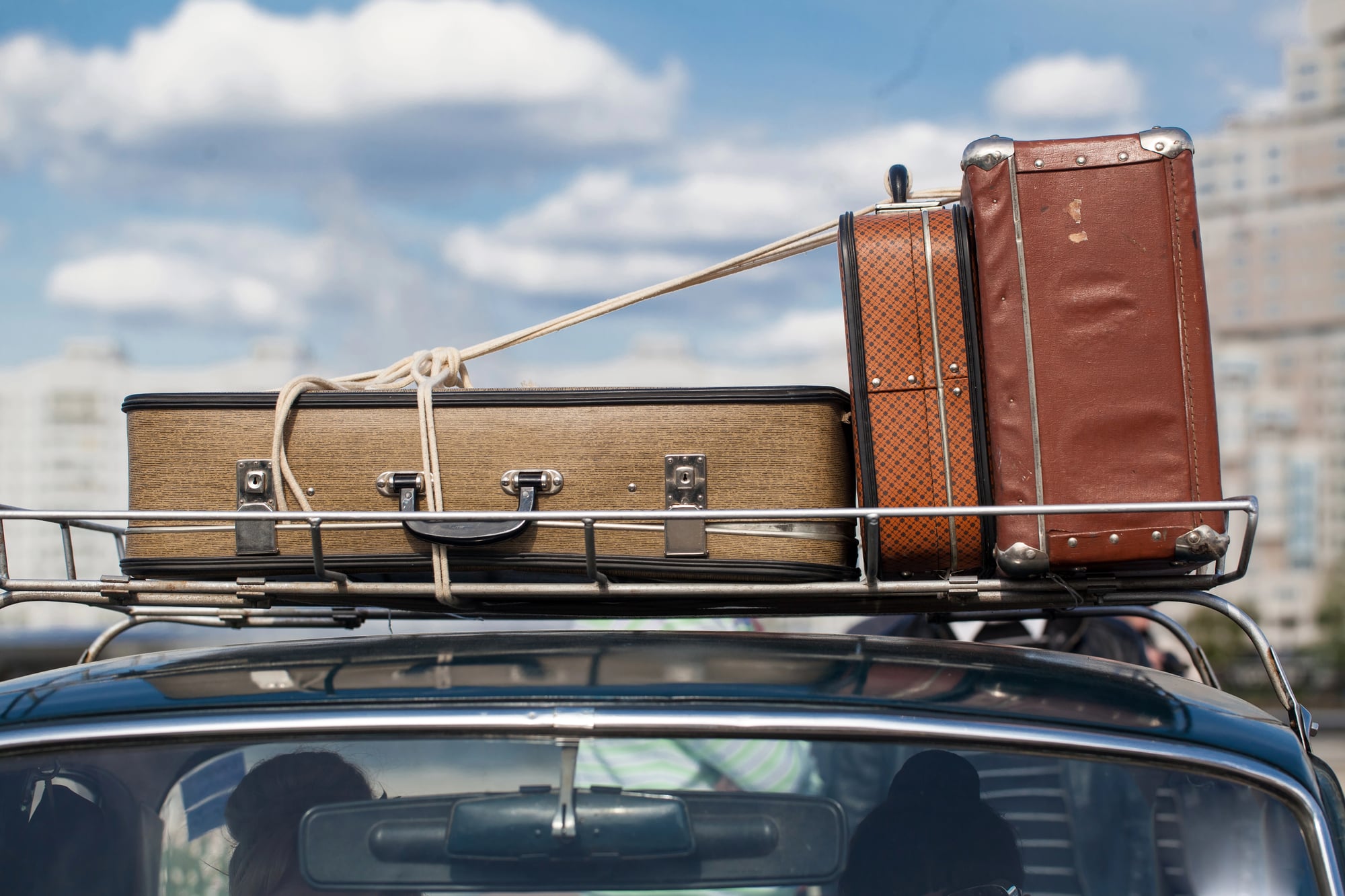
The roof rack carrier held whatever didn’t fit inside, strapped down with bungee cords and a prayer that it would survive the highway wind. It rattled, it groaned on sharp turns, and every family had at least one story about something almost flying off somewhere near a state line.
And yet it always made it — dented, weathered, but intact — right alongside everyone else.
What Got Left Behind
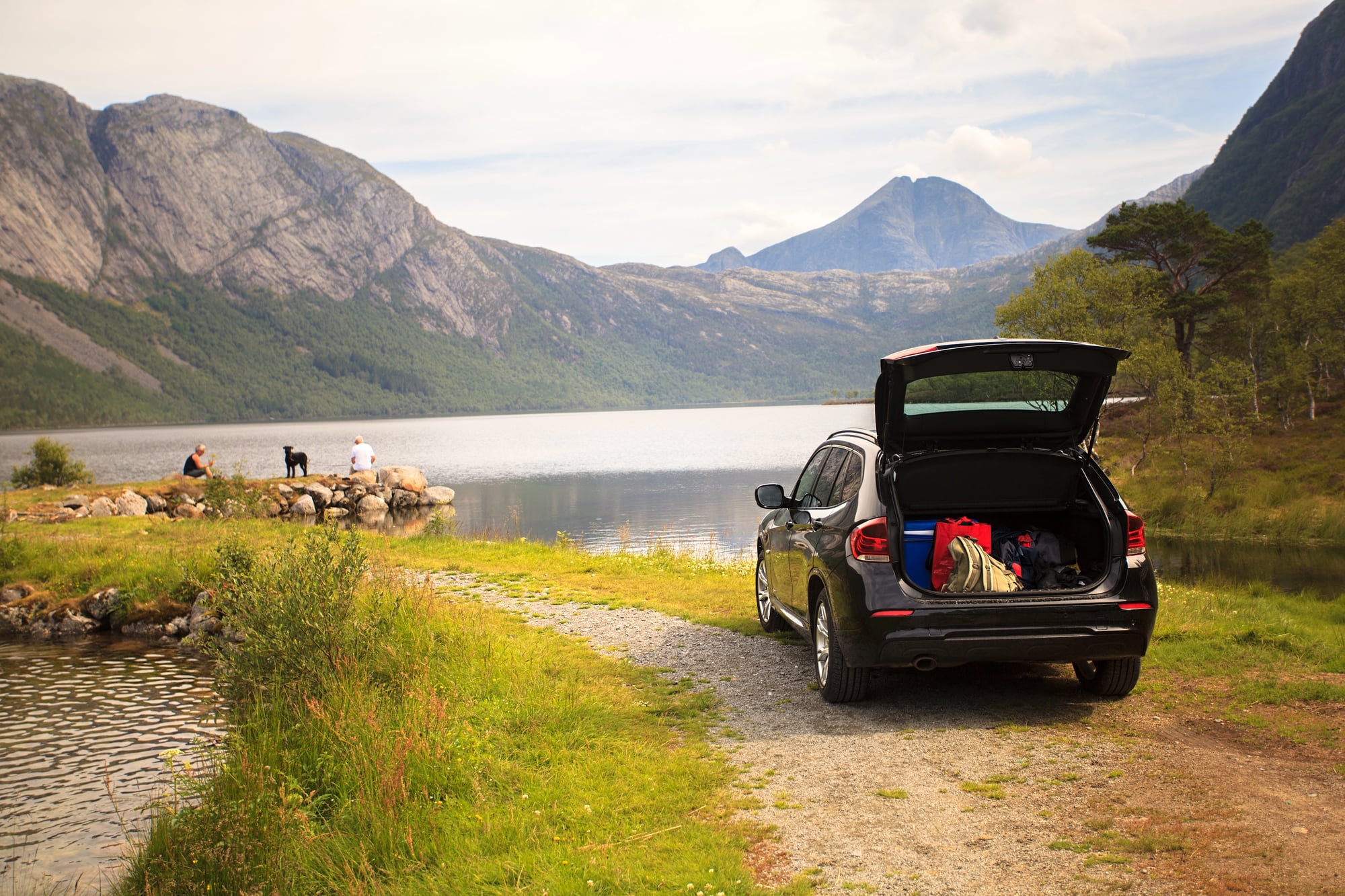
There’s a particular kind of nostalgia reserved for things that weren’t built to last but somehow did — cassette tapes with worn-out ribbon, a cooler with a cracked lid, a Polaroid gone slightly yellow at the edges. None of it was efficient.
None of it would survive a modern packing list built around phone chargers and portable Wi-Fi. And yet it worked, because the point was never really the gear stuffed into the trunk — it was the eight hours spent arguing over a map, laughing at a bad photograph, or falling asleep against a window that smelled faintly of sunscreen and vinyl.
Some things get lighter with age. These, somehow, got heavier — the good kind of heavy, the kind that sticks around long after the car’s been sold and the cooler’s long gone.
More from Go2Tutors!

- The Romanov Crown Jewels and Their Tragic Fate
- 13 Historical Mysteries That Science Still Can’t Solve
- Famous Hoaxes That Fooled the World for Years
- 15 Child Stars with Tragic Adult Lives
- 16 Famous Jewelry Pieces in History
Like Go2Tutors’s content? Follow us on MSN.