30 Words That Meant Something Completely Different a Century Ago
Language evolves as contexts shift and new technology emerges. Words that once had precise, limited meanings acquire additional meanings or shift meanings entirely over decades.
Understanding these semantic shifts reveals how society’s priorities and realities change—what we talk about and how we talk about it reflects what we care about. A word’s history is the history of human concerns.
The words below have transformed in meaning so radically that someone from 1926 would barely recognize their modern usage.
Tweet
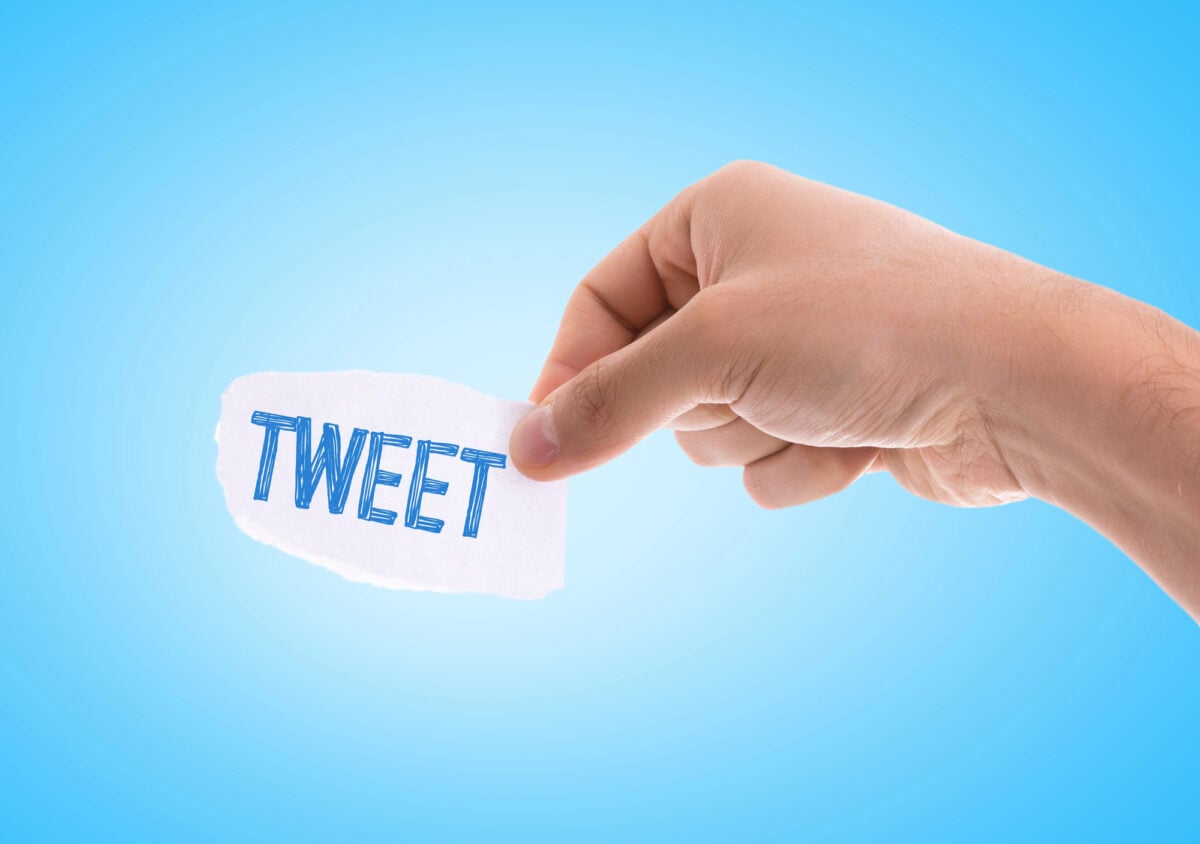
In 1926, a tweet was exclusively the sound a small bird makes—onomatopoeia for birdsong. Now it means a short social media message, the platform that publishes them, and the act of posting them.
The expansion from animal sound to digital communication represents technology reshaping how we name human interaction.
Cloud
Cloud once meant only the water vapor formations in the sky. “Cloud computing” metaphorically compared data storage to clouds—diffuse, visible from below but physically distant and inaccessible.
The term has largely replaced earlier “server” terminology, with most people now using “cloud” without thinking of actual weather systems.
Tablet
Tablet meant a flattened piece of stone or clay inscribed with information—how we recorded things before paper. Now it means a portable computing device.
The word traversed from ancient recording medium to cutting-edge technology, marking how deeply digital devices have penetrated daily life.
Desktop

Desktop originally meant the surface of a desk. In computing, “desktop” metaphorically describes the surface or interface of a personal computer.
The word brought the physical workplace into digital space, making computer interfaces feel like familiar furniture.
Mouse
Mouse meant the small rodent. Now it primarily means the computer input device.
The rodent meaning persists only secondarily; most people under 40 think of “mouse” as computing hardware first.
Spam
Spam once meant only the canned meat product. The internet-age meaning (unsolicited mass communication) derives from a Monty Python sketch about spam overwhelming everything else.
The food meaning is nearly forgotten among digital natives.
Selfie

Selfie didn’t exist as a word a century ago. The self-portrait has ancient history, but the selfie—a specific genre of self-portrait taken with digital cameras by the subject—and its naming emerged with mobile camera technology and social media.
Friend
In 1926, “friend” meant someone you knew personally and had emotional connection with. Facebook’s usage (you “friend” someone, meaning you accept their request to connect) transformed it into a verb and diluted its meaning to include weak-tie connections and strangers.
Follower
A century ago, “follower” meant someone who followed a person literally or devotionally. Now it means someone subscribed to your social media account.
The word’s meaning expanded from physical following to abstract digital subscription.
Stream
Stream meant flowing water. Now it means continuous video/audio transmitted digitally—Netflix “streaming” a video.
The word metaphorically carries the flowing nature of water into the abstract realm of data transmission.
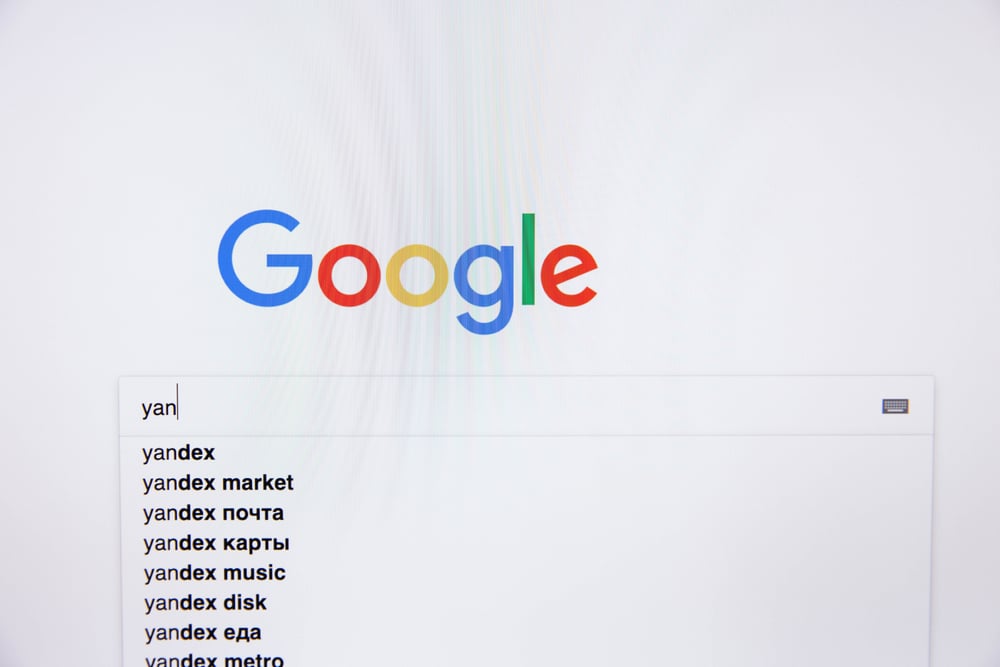
Google was the company name, derived from “googol” (mathematical term for 10 to the 100th power). Now “google” is a verb meaning to search the internet, often specifically to search Google.
The brand name became synonymous with the action, like “Kleenex” for tissues.
Algorithm
Algorithm was a mathematical term known primarily to mathematicians and computer scientists. Now it’s a mainstream word everyone uses, though most understand it vaguely as “the rules that computers follow.”
The word escaped technical jargon into everyday speech.
Data
Data was a Latin plural meaning “given things” used in academic and scientific contexts. Now it means information generally, used constantly in journalism and business.
The shift from technical term to everyday word reflects data’s centrality in modern society.
Literally
A century ago, “literally” meant “actually, in fact, not metaphorically.” Now it’s commonly used to mean “figuratively” or just as emphasis (“I literally died laughing” means emotionally responded strongly, not actually died).
Linguists cite this as the most dramatic contemporary semantic shift.
Vintage
Vintage meant the year wine was produced. Now it means deliberately worn or old-fashioned style.
The shift reflects fashion’s embrace of retro aesthetics and vintage style as deliberately chosen aesthetic rather than accidental age.
Hot

Hot meant high temperature. Now it means “physically attractive” (“she’s hot”), fashionable (“that’s hot”), or desirable.
The metaphorical expansion reflects slang’s appropriation of physical sensation words for attractiveness and status.
Sick

Sick meant ill or diseased. Now it means “excellent” in slang (“that’s sick”), a complete semantic reversal reflecting slang’s transformation of negative words into positive ones—a pattern seen also in “bad,” “ill,” and “wicked.”
Field
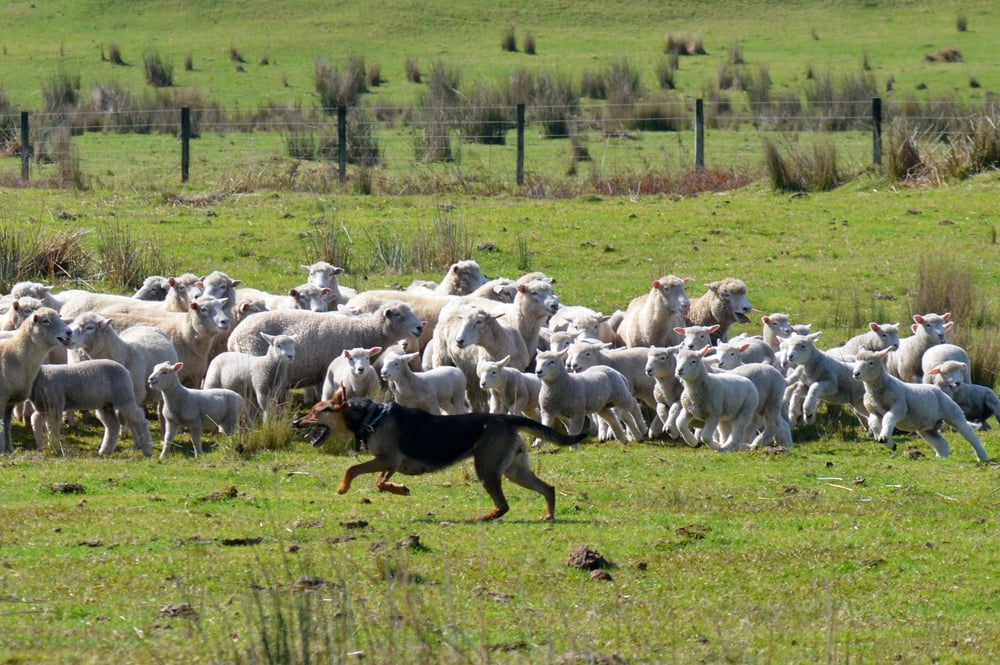
Field meant an agricultural area. Now it also means an area of study (“he works in the field of medicine”), a domain of activity.
The metaphorical expansion reflects abstract domains adopting spatial language.
Network
Network meant an interconnected system of physical things (railroad network, drainage network). Now it means personal and professional connections (social network), a shift reflecting connection-based economy and digital interconnection.
Server

Server meant a person who serves food in restaurants. Now it primarily means a computer that provides data to other computers.
The shift reflects technology’s saturation of language.
Platform
Platform meant a raised physical stage. Now it means a digital space where information or commerce happens.
The metaphorical shift reflects digital domains adopting spatial physical terminology.
Thread
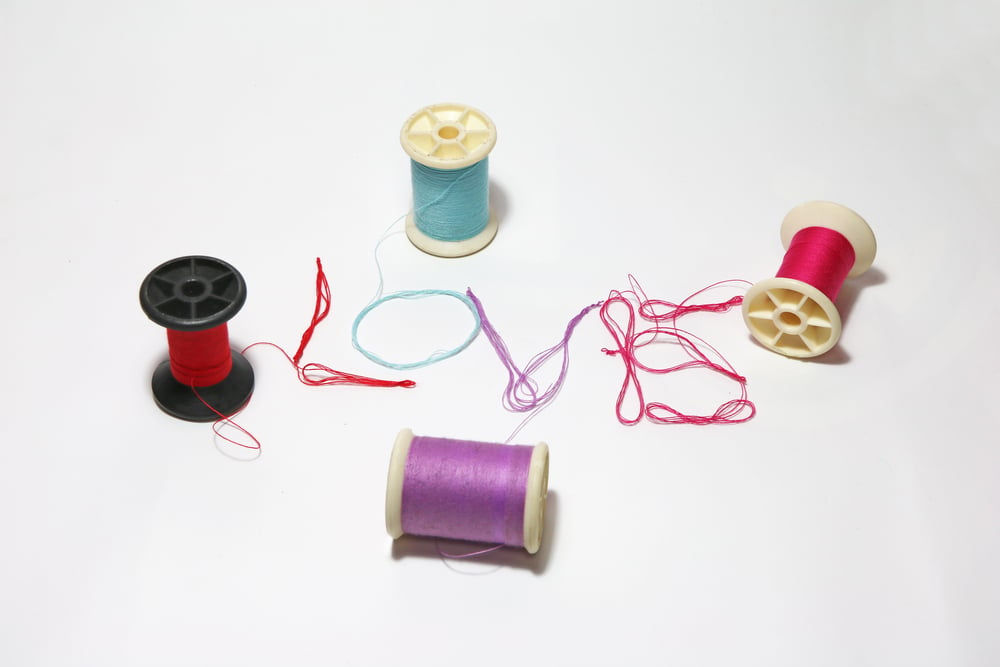
Thread meant thin cord. Now it means a series of connected messages (on social media or forums), using spatial metaphor for abstract connection.
The word shifted from physical to digital.
Post
Post meant a wooden pole or to place something physically (posting a notice). Now it means to put content online.
The verb retained its meaning (making something visible/public) while the medium shifted entirely.
Avatar
Avatar, a Sanskrit term for gods’ earthly manifestations, was adopted as the term for character representation in virtual worlds and online. The shift reflects how technology borrowed religious and mythological terminology for digital identity.
Influencer
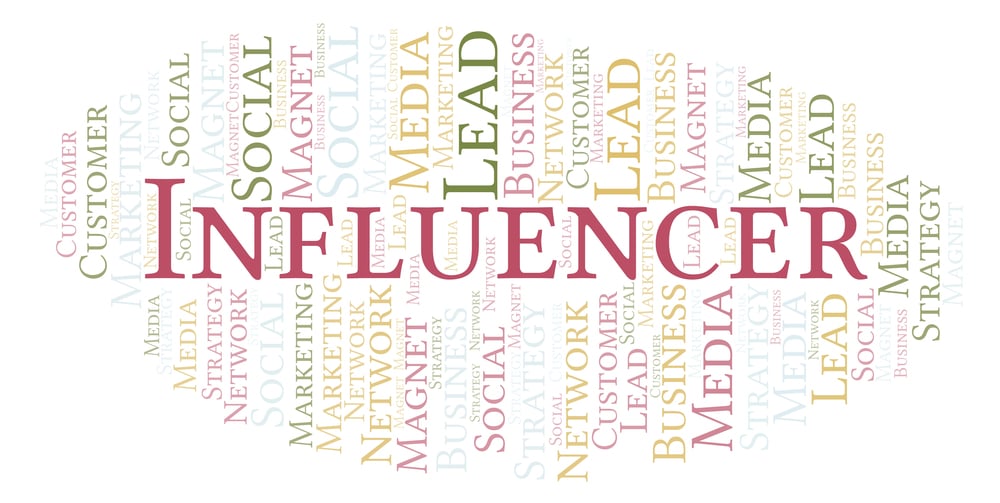
A century ago, “influencer” wasn’t a term of importance. Now it means someone whose social media presence influences consumer behavior.
The word emerged entirely to describe a modern category of labor that didn’t exist.
Meme
Meme, coined by Richard Dawkins to mean cultural ideas spreading like genes spread, now primarily means internet images/jokes with text. The internet appropriated a sophisticated academic term and transformed it into pop culture.
Woke
Woke, originally slang for “aware of injustice,” became a political descriptor for progressive activism and social justice consciousness. It has become polarized, with opposing meanings depending on who uses it.
Organic
Organic meant “relating to living organisms.” Now it primarily means “produced without synthetic pesticides/fertilizers,” a marketing term that narrowed and redefined a broad word.
The shift reflects environmental concerns reshaping commercial language.
Craft
Craft meant skilled handmaking. Now “craft” is used for almost any careful production—craft beer, craft cocktails—marketing term suggesting traditional, careful production in industrial contexts.
The word was aestheticized and commercialized.
Homophobic and Transphobic
These words didn’t exist a century ago. Language evolves to name new concepts.
Emerging social categories required new vocabulary as awareness and precision of terminology increased.
The Living Language
Words are not fixed entities but fluid expressions of what societies find important to talk about. When new technologies emerge, old words acquire new meanings.
When social awareness shifts, vocabulary expands to express it. Semantic change is not corruption but proof that language serves its users’ evolving needs.
More from Go2Tutors!

- The Romanov Crown Jewels and Their Tragic Fate
- 13 Historical Mysteries That Science Still Can’t Solve
- Famous Hoaxes That Fooled the World for Years
- 15 Child Stars with Tragic Adult Lives
- 16 Famous Jewelry Pieces in History
Like Go2Tutors’s content? Follow us on MSN.