Laws That Still Exist—and Make No Sense
Although every nation has its peculiarities, the United States may win for having some of the most perplexing laws that are still in effect.
We’re discussing laws that, while they made sense decades or even centuries ago, now seem utterly ridiculous.
Since lawmakers never got around to repealing them, they are still technically in effect even though most of them are no longer enforced.
Digging deep enough into any state’s statute books will reveal something that will leave you wondering what the people were thinking at the time.
It’s similar to legal archaeology.
From animals in odd locations to time-traveling Sunday restrictions, these antiquated regulations present an odd portrait of American legal history.
These 15 laws, which are still in effect today, are completely nonsensical.
No Gorillas in the Back Seat

The claim that Massachusetts bans gorillas in back seats has circulated for years, though there’s no official record of this law in the current state code.
It’s become a long-circulated legend that shows up in humorous law compilations, and while it makes for great conversation, you won’t actually find it in Massachusetts legal statutes.
The story has taken on a life of its own despite lacking any real legal foundation.
Pushing Moose Out of Planes

Alaska supposedly made it illegal to push a live moose out of an airplane, but this one’s more folklore than fact.
The regulation was reportedly inspired by a tongue-in-cheek parody rather than an actual state law that ever existed.
Given Alaska’s wilderness and the presence of small aircraft, the joke resonated enough that people started believing it was real, but it’s another case of legal urban legend rather than enforceable statute.
Like Go2Tutors’s content? Follow us on MSN.
Elephants and Parking Meters

The famous Orlando ordinance requiring elephants to pay parking meter fees is a historic rule widely cited but long since repealed.
This supposed regulation dates back to circus days when elephants were more common sights in American cities, and while the story gets repeated endlessly, you won’t find it in Orlando’s current municipal code.
It’s become part of Florida’s colorful legal mythology even though the actual ordinance disappeared decades ago.
Fried Chicken Etiquette

Gainesville, Georgia takes its fried chicken very seriously.
Ordinance No. 971 from 1961 makes it illegal to eat fried chicken with anything other than your hands.
The law was originally enacted as a publicity stunt to promote Gainesville as a poultry capital, and it remains on the books today.
The town occasionally enforces it ceremonially for entertainment value when visitors come through, making it one of the few joke laws that actually exists in writing.
Car Dealerships Closed on Sundays

Eighteen states still enforce blue laws requiring car dealerships to close on Sundays, including Colorado, Illinois, Indiana, and Pennsylvania.
These restrictions originally aimed to encourage religious observance and provide a day of rest.
Michigan repealed its ban in 2019, joining the growing list of states that have abandoned these rules.
The automotive industry in states that still enforce the ban has simply accepted that Sundays are off-limits for sales, even though most other retail businesses operate seven days a week.
Like Go2Tutors’s content? Follow us on MSN.
Sunday Alcohol Restrictions

Many states still restrict when you can buy alcohol on Sundays, with some prohibiting sales until noon or later.
Oklahoma now allows Sunday sales if municipalities approve, while Mississippi still restricts most counties from selling alcohol on Sundays, though coastal casinos can serve drinks around the clock.
These restrictions stem from religious traditions about keeping the Sabbath holy, but they mostly just annoy people who want to grab a bottle of wine for Sunday dinner.
Adultery as a Crime
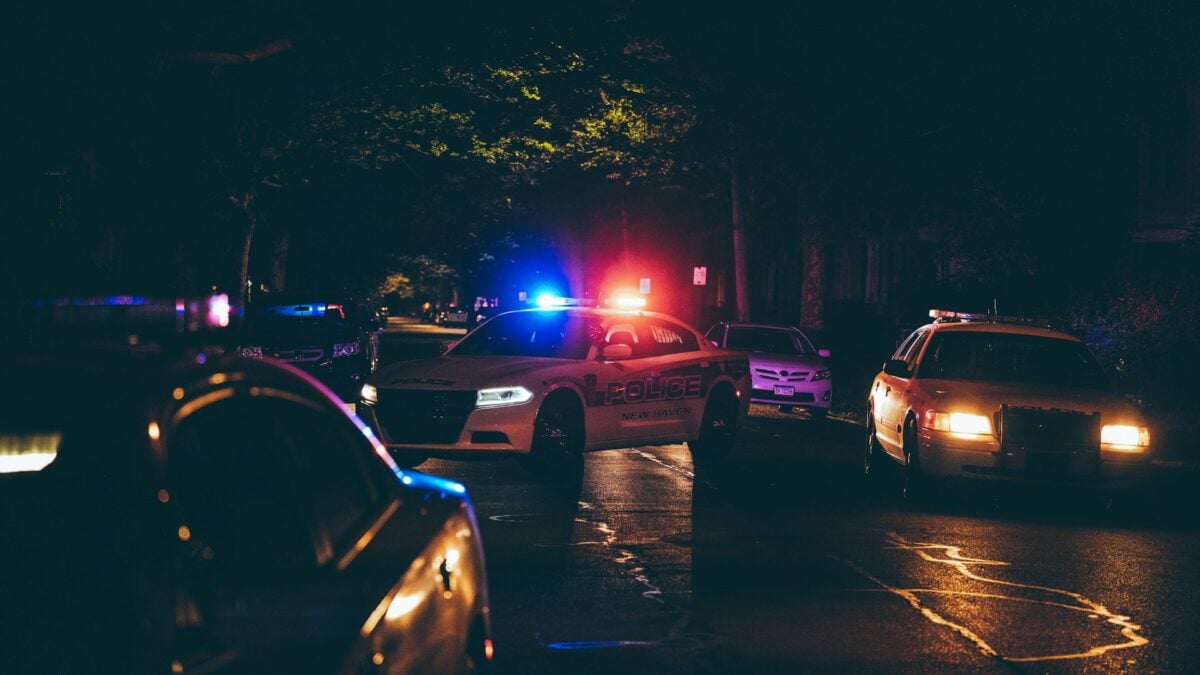
New York treated adultery as a criminal misdemeanor punishable by up to 90 days in jail until April 2024.
The law dated back to 1907 and remained on the books for over a century, even though prosecutors almost never enforced it.
Legislators finally repealed this strange statute, recognizing that criminal punishment for infidelity doesn’t fit with modern legal principles, even if people still frown upon the behavior.
Donkeys in Bathtubs
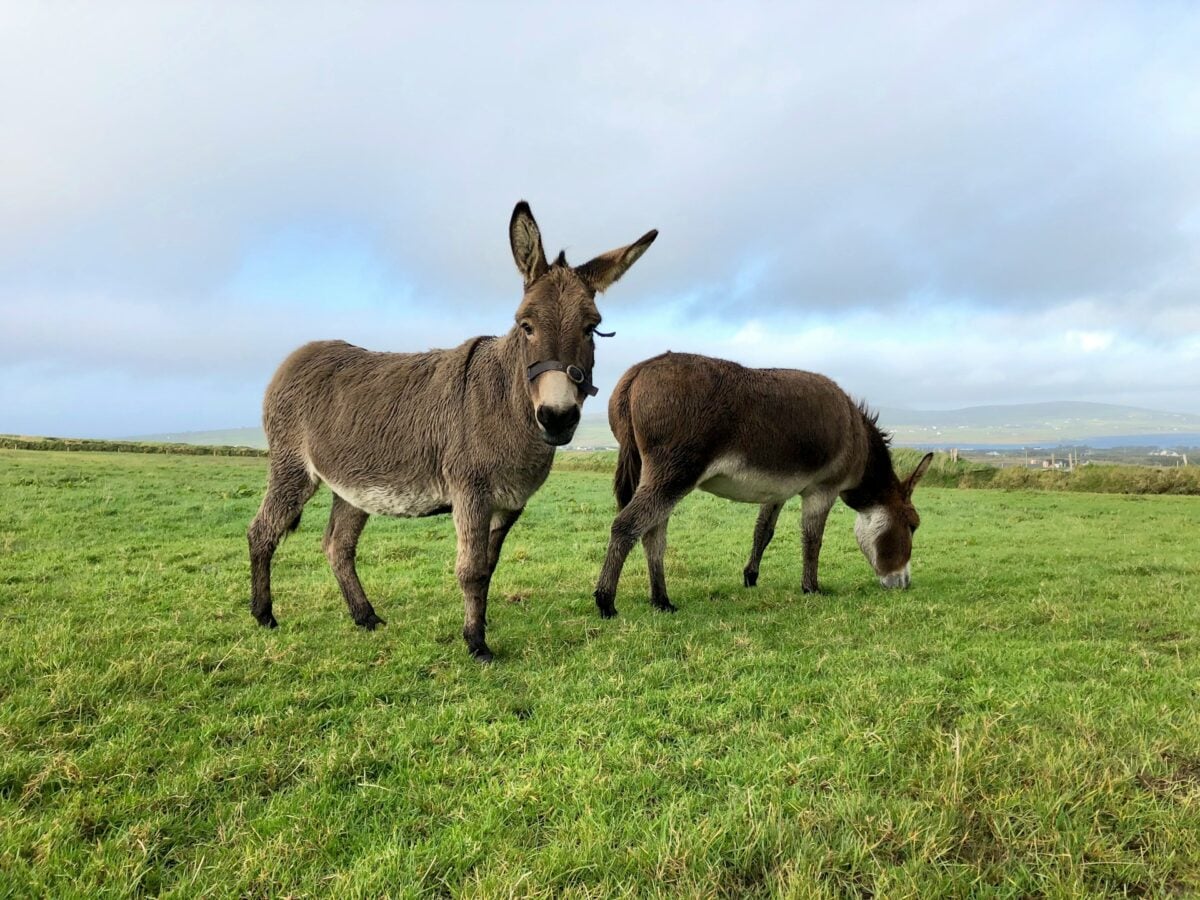
Arizona has a genuine law from 1924 against donkeys sleeping in bathtubs in Gila County, and it actually has an interesting backstory.
A donkey once fell asleep in an abandoned bathtub, and when flooding hit, the tub floated away with the donkey still in it.
Rescuers had to save the confused animal, and officials decided to prevent future incidents by making it illegal.
The law stays on the books as a reminder of one very strange day in Arizona history.
Like Go2Tutors’s content? Follow us on MSN.
Bergen County Shopping Ban

Bergen County, New Jersey maintains one of the strictest remaining blue laws in the country.
You cannot buy clothes, furniture, electronics, or most consumer goods on Sundays, though grocery stores and restaurants stay open.
Voters chose to keep these restrictions back in the 1950s to reduce traffic congestion and preserve family time.
Decades later, the Bergen County Blue Laws remain enforced despite complaints from businesses losing revenue and shoppers finding it inconvenient.
No Pretzels with Beer

The widely repeated claim that North Dakota prohibits serving beer and pretzels at the same time is another persistent myth.
No actual statute exists in the state code, though the story appears in countless novelty law lists and trivia books.
It’s become part of North Dakota’s legendary legal oddities even though you could walk into any bar in the state and order both without breaking any real laws.
Dyed Baby Animals

New York state law genuinely makes it illegal to sell baby chicks or rabbits that have been dyed with colored fur or feathers.
Agriculture and Markets Law Section 354 prohibits the sale or giving away of these artificially colored animals.
The law was probably passed to prevent impulse purchases of animals as novelty items, and it remains a real statute that could theoretically result in penalties for violations.
Like Go2Tutors’s content? Follow us on MSN.
Uncaged Bears in Vehicles

Missouri doesn’t want you driving down the highway with an uncaged bear in your car, and this one’s actually real.
Missouri Revised Statutes Section 578.023 bans transporting uncaged bears in vehicles.
This makes a certain amount of sense from a safety perspective, though most people wouldn’t consider transporting a bear in the first place.
The law exists alongside other animal-related transportation rules that suggest someone, somewhere, was doing some very questionable things with wildlife.
Playing Cards on Sundays

Alabama law treats playing cards on Sunday as a criminal offense, derived from Alabama Code Section 13A-12-1 covering Sunday gaming offenses.
The prohibition extends to shooting, hunting, and racing, all of which could theoretically land you with a fine or even jail time.
These Sunday restrictions reflect the state’s religious heritage, but they’re almost never enforced in practice, making them legal relics from a much stricter era.
Pickle Standards
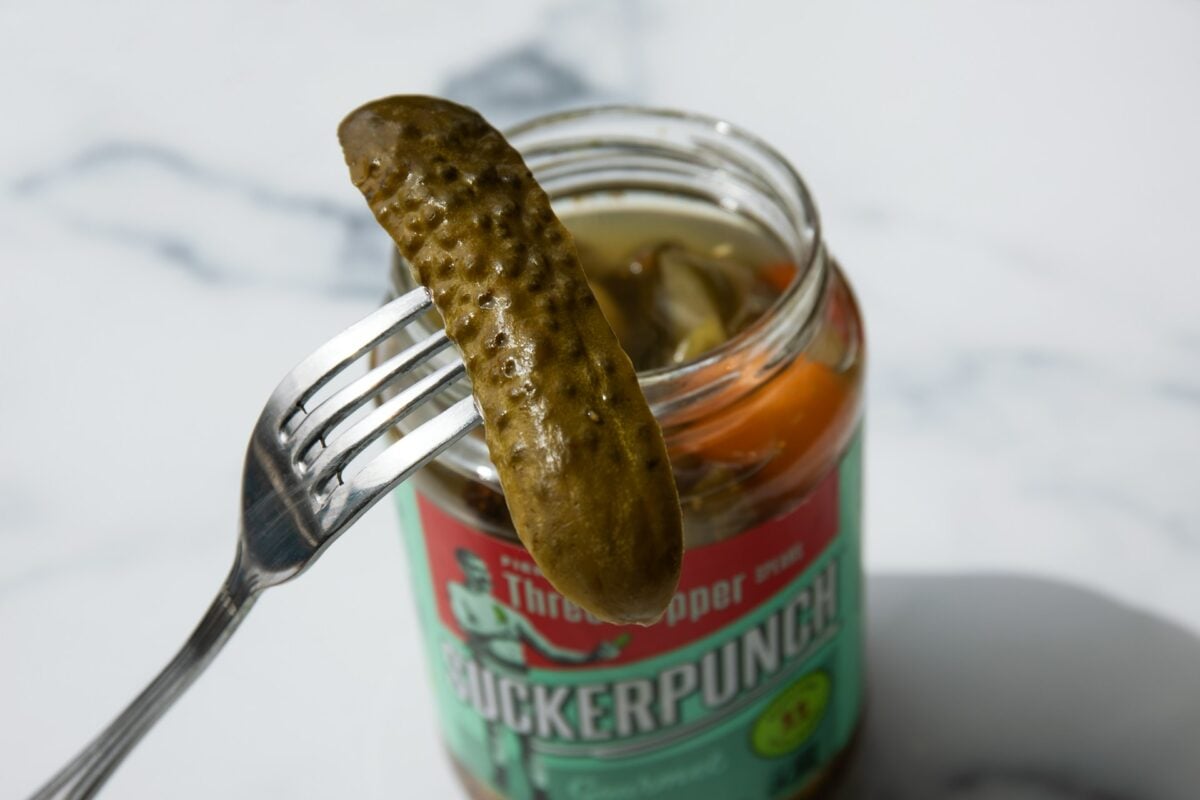
Connecticut has a food-safety standard for what constitutes a proper pickle, though it’s not quite the official statute that folklore suggests.
The state Department of Consumer Protection used a bouncing test in a 1948 case to determine pickle quality, and the story has stuck around ever since.
The bouncing requirement relates to pickle firmness and quality, but it became part of legal legend rather than remaining an everyday enforcement standard.
Like Go2Tutors’s content? Follow us on MSN.
Fake Mustaches in Church
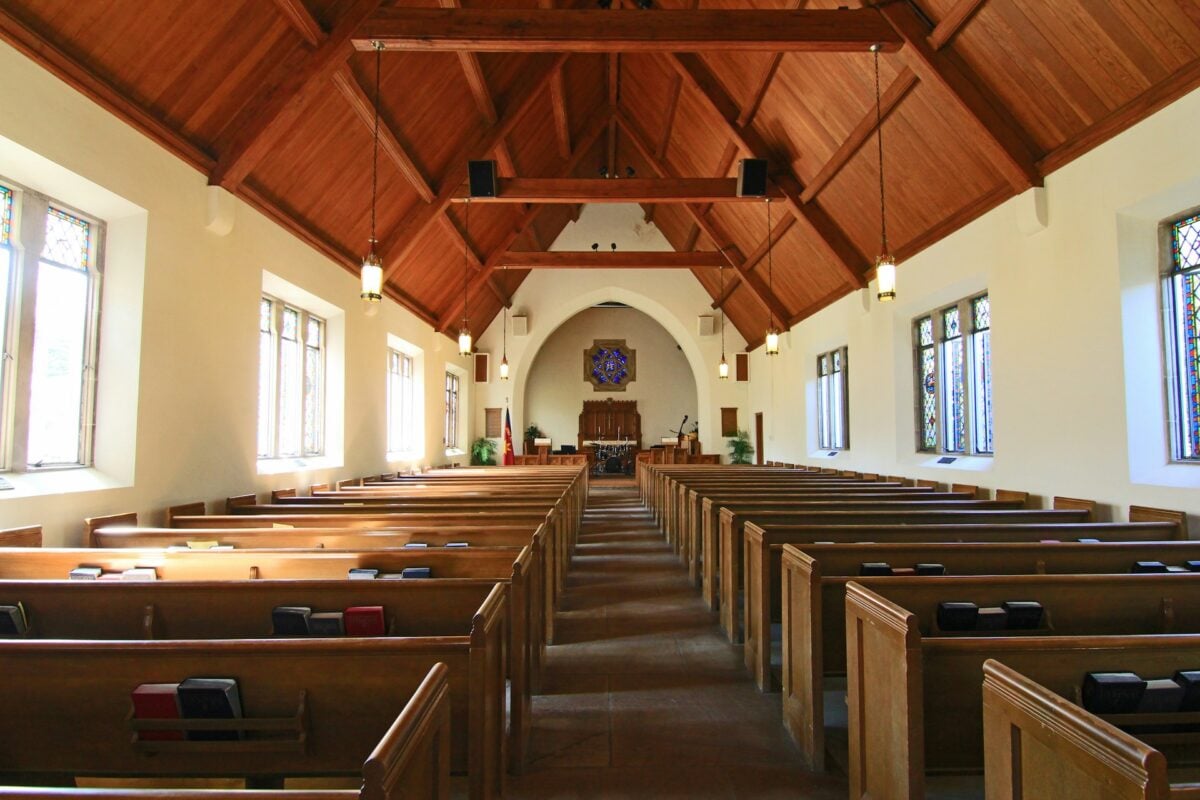
The claim that Alabama bans wearing fake mustaches in church if they cause laughter is an often-cited but unverified law.
It appears to be a humorous extrapolation from broader disorderly conduct statutes rather than a specific regulation about facial hair.
The story fits perfectly with Alabama’s reputation for strict behavior codes in religious settings, which probably explains why it gets repeated so often despite lacking clear legal backing.
The Legal Leftovers
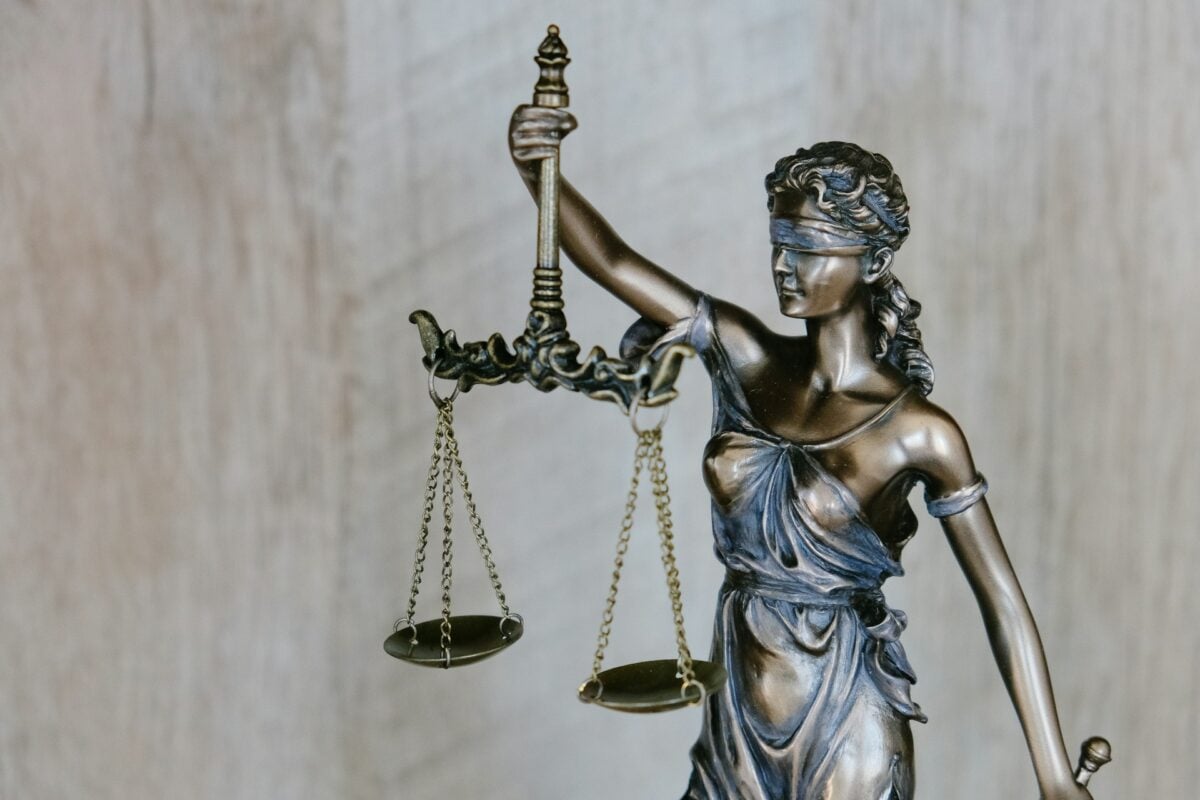
Some of these laws are true relics, while others are half-mythical holdovers that keep coming up in trivia books.
Not all of these laws are fully enforceable today.
Since repealing legislation requires time and effort that lawmakers would prefer to devote to new issues, the actual statutes remain in place.
Old regulations build up like dust in the corners of legal libraries because politicians are credited with passing laws rather than repealing them.
Some legal experts contend that by making the legal system appear arbitrary and antiquated, maintaining absurd, unenforced laws weakens it as a whole.
Others view them as innocuous historical artifacts that illustrate the evolution of American society.
Either way, these laws—both real and imagined—remind us that legislation reflects its time, and what made perfect sense a hundred years ago can seem completely absurd today.
More from Go2Tutors!

- 16 Historical Figures Who Were Nothing Like You Think
- 12 Things Sold in the 80s That Are Now Illegal
- 15 VHS Tapes That Could Be Worth Thousands
- 17 Historical “What Ifs” That Would Have Changed Everything
- 18 TV Shows That Vanished Without a Finale
Like Go2Tutors’s content? Follow us on MSN