Films Nobody Expected to Succeed
Hollywood adores a sure thing. Star-studded cars that seem destined for fame, franchises, and sequels cost studios hundreds of millions of dollars. However, the most unexpected sources can occasionally yield the greatest rewards.
These are the movies that debuted with little fanfare, low budgets, or no buzz, only to surprise everyone by becoming box office titans and cultural icons. The backstories of these surprising successes provide intriguing insights into the film industry.
Sometimes a well-told story is more important than a small budget and unknown actors. In other cases, a potential catastrophe is transformed into a success through strategic marketing or ideal timing.
These are 15 movies that no one anticipated would be successful.
Star Wars

George Lucas was so convinced his space opera would flop that he skipped the premiere and went on vacation to Hawaii with Steven Spielberg, where they would later conceive Indiana Jones. The studio gave him just $11 million to make a sci-fi film about lightsabers and galactic disputes, which seemed like a gamble at best.
During its opening weekend in 1977, Star Wars earned $1.5 million from just 32 theaters to everyone’s surprise, and then the phenomenon exploded. In its initial domestic run, the film made $307 million, with worldwide earnings eventually reaching around $775 million across various releases, creating the modern blockbuster franchise and proving that Lucas had severely underestimated his own creation.
My Big Fat Greek Wedding

This romantic comedy started as a one-woman show performed by Nia Vardalos, who wrote and starred in the film adaptation. Tom Hanks and Rita Wilson believed in the project enough to offer $5 million to make it, insisting Vardalos play the lead despite her being relatively unknown.
Nobody imagined it would gross $368 million worldwide and become the highest-grossing romantic comedy of all time. The film never even reached the number one spot at the box office, yet it kept drawing audiences week after week through sheer word of mouth.
Like Go2Tutors’s content? Follow us on MSN.
Blair Witch Project

Three unknown actors, a handheld camera, and around $60,000 worth of filming in the Maryland woods doesn’t sound like a recipe for success. The found-footage horror film looked more like a student project than a theatrical release, and distributors were skeptical.
But the filmmakers and Artisan Entertainment launched one of the first viral internet marketing campaigns, creating fake missing person posters and spreading rumors that the footage was real. The strategy worked brilliantly, and the film earned $248 million worldwide, becoming one of the most profitable movies ever made relative to its budget.
Paranormal Activity

With a budget of just $15,000 and starring two actors who had appeared in a combined three films before this one, Paranormal Activity seemed destined to go nowhere when it was filmed in 2006. The low-budget supernatural horror relied on static camera shots and psychological tension rather than special effects or gore.
After Paramount bought it in 2007 and released it wide in 2009, it grossed $193 million worldwide and spawned a franchise that has earned over $890 million total. The film proved that audiences still craved genuine scares over expensive spectacle, and that a clever concept could overcome any budget limitation.
Rocky

Sylvester Stallone was nearly 30, broke, and his acting career was going nowhere when he wrote the screenplay for Rocky in three days. Studios loved the underdog boxing story but wanted to cast established stars in the lead role.
Stallone refused to sell the script unless he could play Rocky himself, a risky move that could have ended his career. The film was shot in under a month for just $960,000, yet it earned $225 million worldwide and won three Academy Awards including Best Picture, Best Director, and Best Editing, launching one of cinema’s most beloved franchises.
Like Go2Tutors’s content? Follow us on MSN.
Jaws
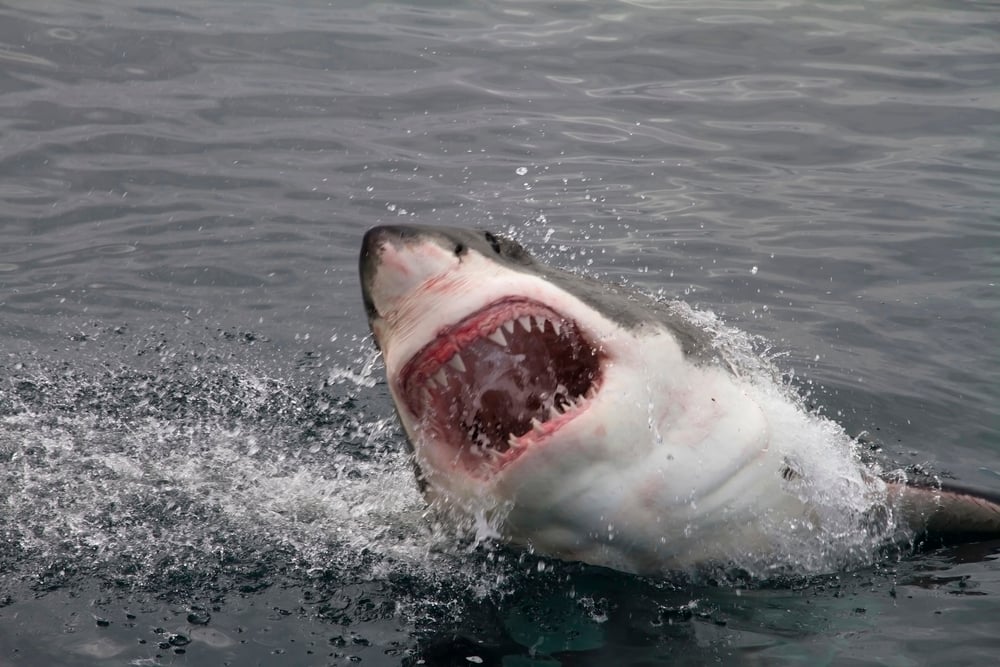
Steven Spielberg’s shark thriller became legendary for its troubled production, with mechanical sharks constantly breaking down and the budget ballooning from $4 million to $9 million. If the movie flopped, Spielberg’s reputation would be destroyed before his career really began.
Instead, Jaws opened to $7 million on 409 screens and eventually reached $476 million worldwide, essentially inventing the summer blockbuster season. The film’s June release showed studios there was serious money to be made during the hot months, forever changing how Hollywood schedules its biggest releases.
The Sixth Sense

M. Night Shyamalan had previously worked on family scripts like Stuart Little when he pitched this supernatural thriller about a boy who sees dead people. His previous directorial effort had bombed, and the script went through ten drafts before it was ready.
Bruce Willis signing on helped secure a $40 million budget, but nobody expected it to become a cultural phenomenon. The film opened to $26 million and went on to earn $673 million worldwide, becoming the second-highest-grossing film of 1999 behind Star Wars Episode I and making Shyamalan a household name overnight.
Titanic

James Cameron asked for an unprecedented $200 million to make an epic romance about a ship that sinks. The industry had the film pegged as an expensive disaster, especially when it opened to $29 million.
Stars Leonardo DiCaprio and Kate Winslet weren’t yet proven box office draws, and a three-hour historical drama seemed like a tough sell. But the film’s popularity grew exponentially, spending 15 weeks at number one and ultimately earning $1.84 billion worldwide in its initial run, making it the highest-grossing film of all time until Cameron broke his own record with Avatar in 2009.
With subsequent re-releases, Titanic has surpassed $2.2 billion worldwide.
Like Go2Tutors’s content? Follow us on MSN.
Get Out

Jordan Peele was known as a sketch comedian from MadTV when he wrote and directed this social horror thriller as his directorial debut. A racially charged psychological horror from a comedy actor seemed like an odd bet, and the film’s $4.5 million budget suggested modest expectations.
Instead, Get Out became both a critical darling and commercial smash, grossing $255 million worldwide. The film earned Peele an Academy Award for Best Original Screenplay and proved that horror could tackle serious social issues while still terrifying audiences.
Napoleon Dynamite

Director Jared Hess made this quirky comedy about an awkward Idaho teenager for just $400,000, filming on location with people he knew personally. The film features offbeat humor, strange family dynamics, and a small-town setting that seemed far too niche for mainstream success.
Despite mixed early reviews and limited release, Napoleon Dynamite earned $46 million worldwide and became a genuine cultural phenomenon. Lines like ‘Vote for Pedro’ appeared on t-shirts everywhere, and the film developed a devoted cult following that persists today.
Slumdog Millionaire

Warner Bros. considered sending this film straight to DVD after acquiring it from their shuttered indie division. An R-rated foreign film with unknown actors set in the slums of Mumbai didn’t exactly scream box office gold.
Danny Boyle wasn’t considered Oscar bait either, having most recently directed a sci-fi film that underperformed. But Fox Searchlight picked up distribution rights, and the film became a sleeper hit, earning $378 million worldwide and winning eight Academy Awards including Best Picture, proving that compelling storytelling transcends cultural boundaries.
Like Go2Tutors’s content? Follow us on MSN.
The Conjuring

Horror films rarely get much respect or serious box office expectations, but The Conjuring changed that equation. Released in July, typically reserved for major blockbusters, the film had a modest $20 million budget and no A-list stars.
It earned $61 million in its first week alone, three times its budget, and went on to dominate for five consecutive weeks. The film’s total gross of $319 million worldwide showed studios that low-budget horror could compete with summer tentpoles, spawning an entire cinematic universe that continues today.
Guardians of the Galaxy

Marvel Studios had built massive success with Iron Man, Captain America, and The Avengers, but the Guardians were an obscure comic team that even most Marvel fans didn’t know. The film featured a talking raccoon and a tree as main characters, with a soundtrack of 1970s hits that seemed out of place in a sci-fi adventure.
Many predicted it would be Marvel’s first major flop. Instead, it earned $773 million worldwide and became one of the most beloved entries in the entire Marvel Cinematic Universe, proving the studio could turn even its most obscure properties into gold.
Saw

James Wan and Leigh Whannell created Saw on a shoestring budget of $1.2 million, building on a $5,000 short film they’d made to pitch the concept. The grimy, claustrophobic horror film looked like it would get lost among bigger releases in 2004.
The film’s success was shocking, earning $103 million worldwide at the box office and essentially creating a new subgenre of horror. What nobody predicted was that this little indie would spawn a franchise spanning nine films and counting, with a total box office exceeding $1 billion worldwide.
The twist ending and inventive traps became signatures that influenced horror filmmaking for years to come.
Like Go2Tutors’s content? Follow us on MSN.
American Beauty

DreamWorks didn’t expect much from this suburban drama written by a television writer and directed by first-timer Sam Mendes. They would have been thrilled if the $15 million film simply broke even.
Instead, American Beauty became one of DreamWorks’ most profitable films ever, behind only Saving Private Ryan. The film earned $356 million worldwide and swept the Academy Awards, winning Best Picture, Best Director, Best Actor for Kevin Spacey, Best Original Screenplay, and Best Cinematography. Its success showed that audiences were hungry for thoughtful adult dramas that challenged suburban American ideals.
When Lightning Strikes

These surprising triumphs have things in common that go against the grain of Hollywood. Instead of depending on costly spectacle, most had limited funds that compelled ingenuity.
Many included little-known actors who rose to fame as a result of these parts, not in spite of their notoriety. Strong audience connections and word-of-mouth were more important than extensive advertising campaigns or well-known brands.
The most important lesson is that no one can truly predict what will work until viewers make their own decisions. This is why the film industry is still so unpredictable and why the next big hit could be currently being filmed in a place no one has ever heard of on a shoestring budget.
More from Go2Tutors!

- 16 Historical Figures Who Were Nothing Like You Think
- 12 Things Sold in the 80s That Are Now Illegal
- 15 VHS Tapes That Could Be Worth Thousands
- 17 Historical “What Ifs” That Would Have Changed Everything
- 18 TV Shows That Vanished Without a Finale
Like Go2Tutors’s content? Follow us on MSN.