31 Bus Trips Schools Stopped Running
The permission slip came home in a backpack, got signed at the breakfast table, and bought a day out of the classroom. The destination almost did not matter.
A yellow bus pulling out of the lot at nine in the morning was its own reward. Those buses leave far less often now.
A survey by the American Association of School Administrators found that more than half of schools eliminated planned field trips in the 2010 to 2011 school year alone. Budgets, testing schedules, liability, security rules, and a shortage of drivers all played a part, and some destinations simply closed their doors.
The Commercial Bakery
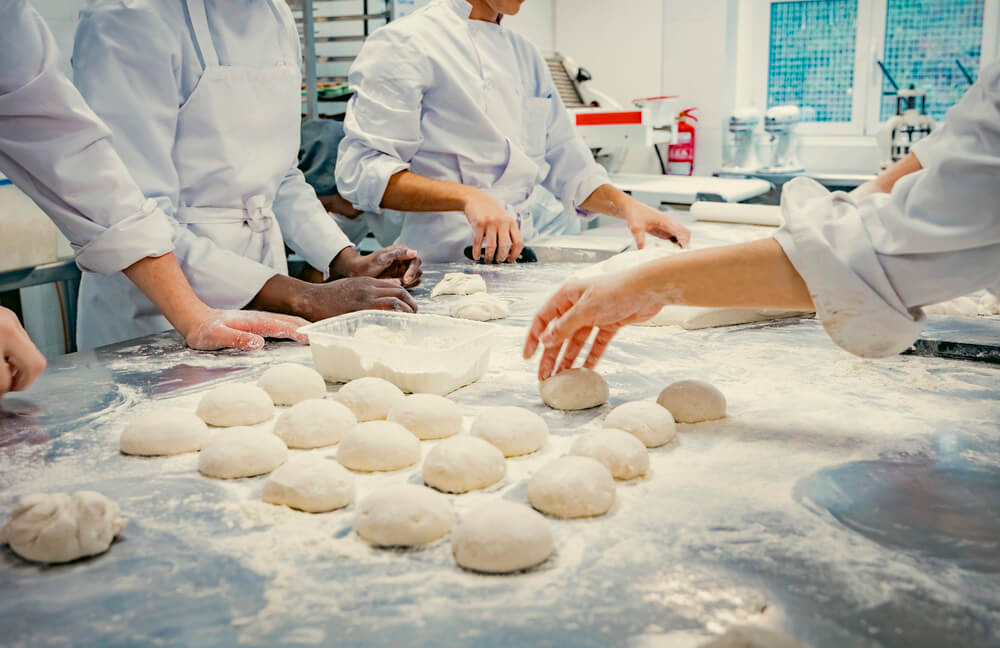
Regional bread bakeries welcomed school groups for decades. Children in paper hats watched dough travel through proofing rooms and tunnel ovens, saw loaves sliced and bagged by machine at a rate of thousands per hour, and left with a miniature loaf still warm in its wrapper.
The smell alone made the trip memorable. Food safety regulations tightened steadily, and insurers grew uneasy about visitors near moving equipment.
Then the industry consolidated, and many of the neighborhood plants that had hosted the tours shut down for good.
The Dairy Bottling Plant
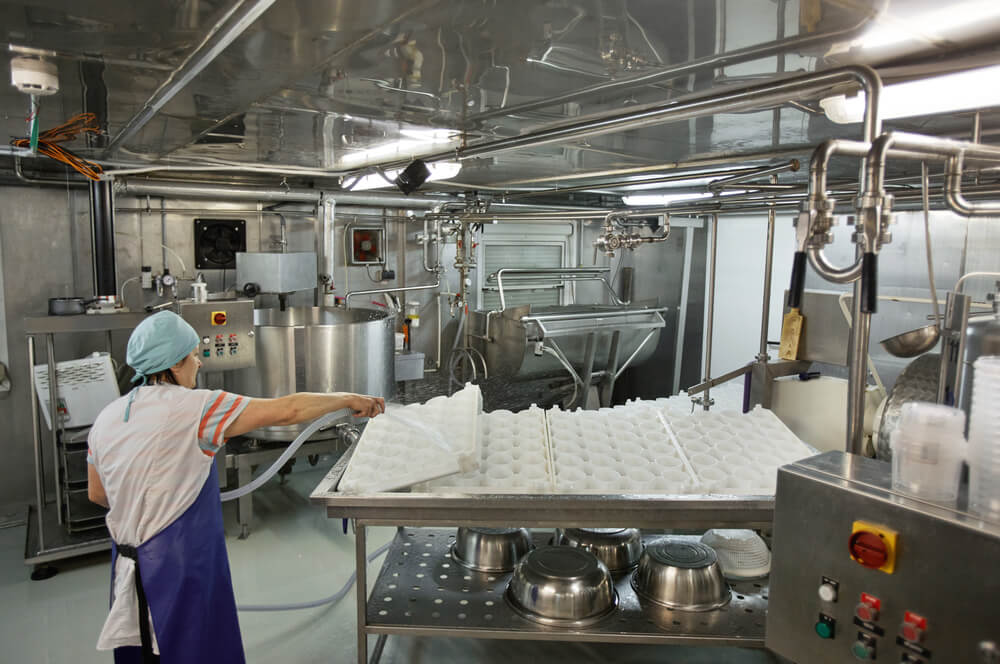
Before milk came from a distant regional processor, most cities had a local dairy with a bottling line, and it was a standard second-grade destination. Students watched glass bottles or paper cartons rattle along conveyors to be filled, capped, and crated, then toured the cold room and received a half pint of chocolate milk at the end.
Some dairies kept a few cows on site for effect. As the industry consolidated into fewer and larger plants far from town, the local dairy closed and the trip ended with it.
The Newspaper Pressroom
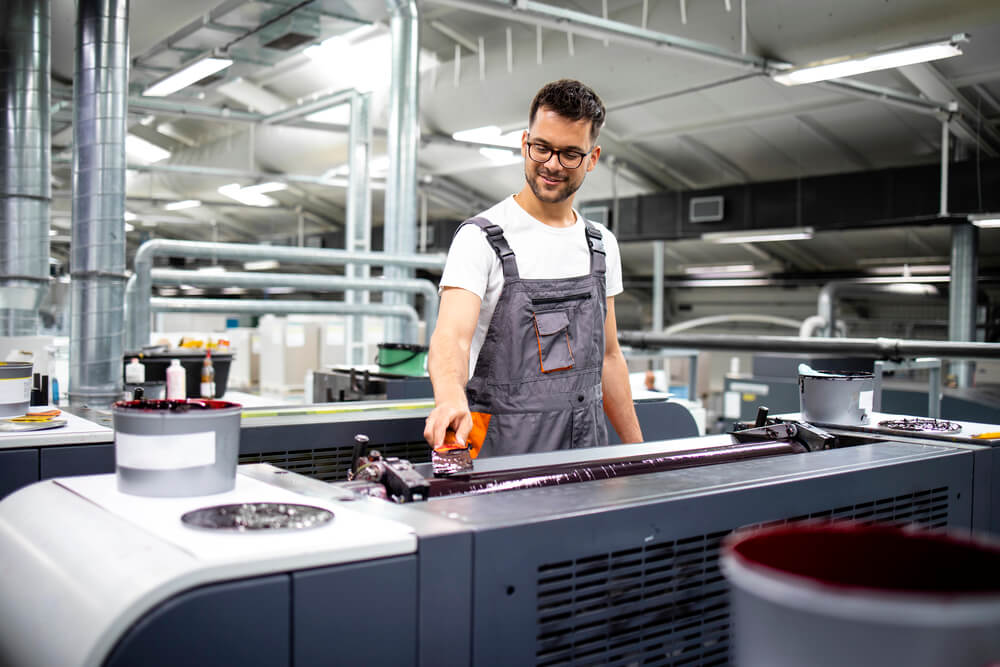
A visit to the local paper had two highlights. The first was the composing room, where a Linotype operator would type a child’s name and hand over a warm metal slug with the letters cast in reverse.
The second was the press itself, several stories tall, shaking the floor as it ran. Offset printing and computers replaced hot metal in the 1970s.
Later, many papers closed their own presses and contracted the printing to plants in other cities, leaving an office with nothing much to show a fourth grader.
The Soda Bottling Plant

Nearly every midsize city once had its own franchised soft drink bottler, and the bottlers saw school tours as cheap advertising to future customers. Classes watched returnable glass bottles being washed, inspected against a light, filled, and capped at a speed that seemed impossible.
Everybody got a cold bottle at the end. Beginning in the 1980s the big brands bought up local franchises and moved production to large regional facilities.
Those plants are built for efficiency and security, and they have no gallery for thirty children.
The Hershey Chocolate Factory Floor
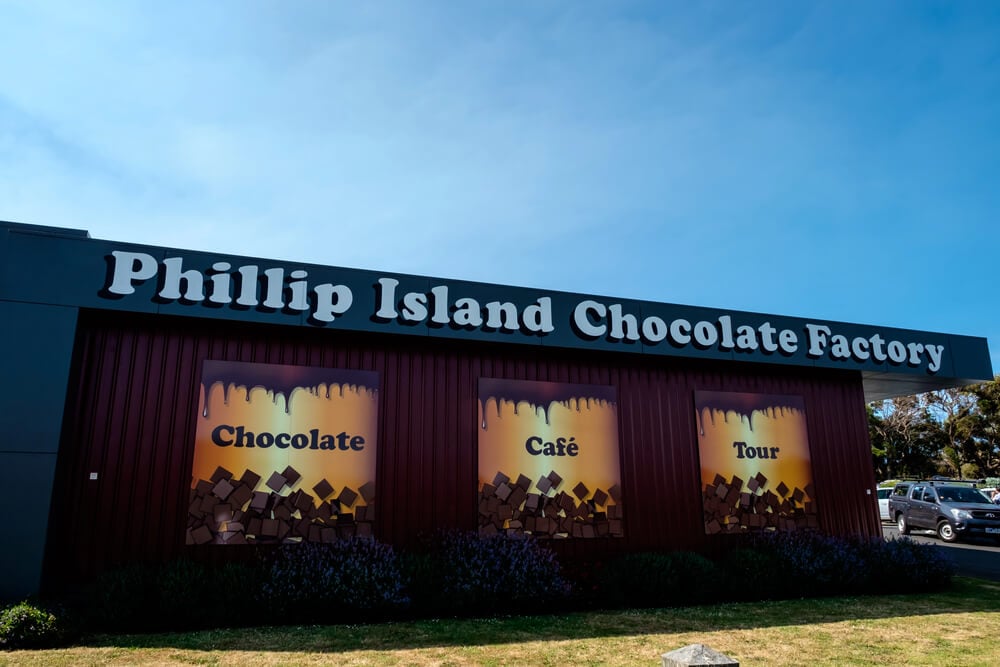
For decades the Hershey factory in Pennsylvania let the public walk through its actual production areas, past conching machines and wrapping lines, and school groups from several states made the trip by bus. By the early 1970s the crowds had reached a level the working plant could not handle.
The company ended the factory tours in 1973 and opened a separate visitor center with a simulated ride-through. It is polished and popular.
Anyone who walked the real floor will say it does not smell the same.
The Kellogg’s Plant in Battle Creek
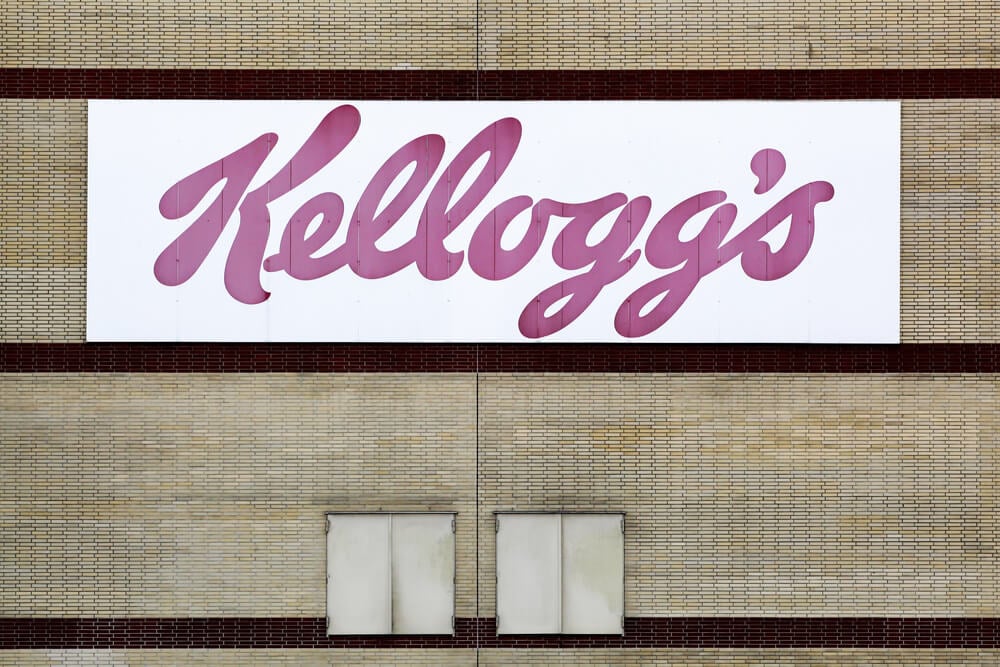
Kellogg’s ran public tours of its cereal plant in Battle Creek, Michigan, for most of the twentieth century, and Michigan schoolchildren grew up on them. Visitors watched corn flakes being rolled and toasted and went home with sample boxes.
The company ended the tours in 1986. It cited concerns that competitors were using them to study its manufacturing methods.
A cereal-themed attraction opened in town later and closed after several years. For generations of students it had been the defining trip of elementary school.
The Crayon Factory in Easton
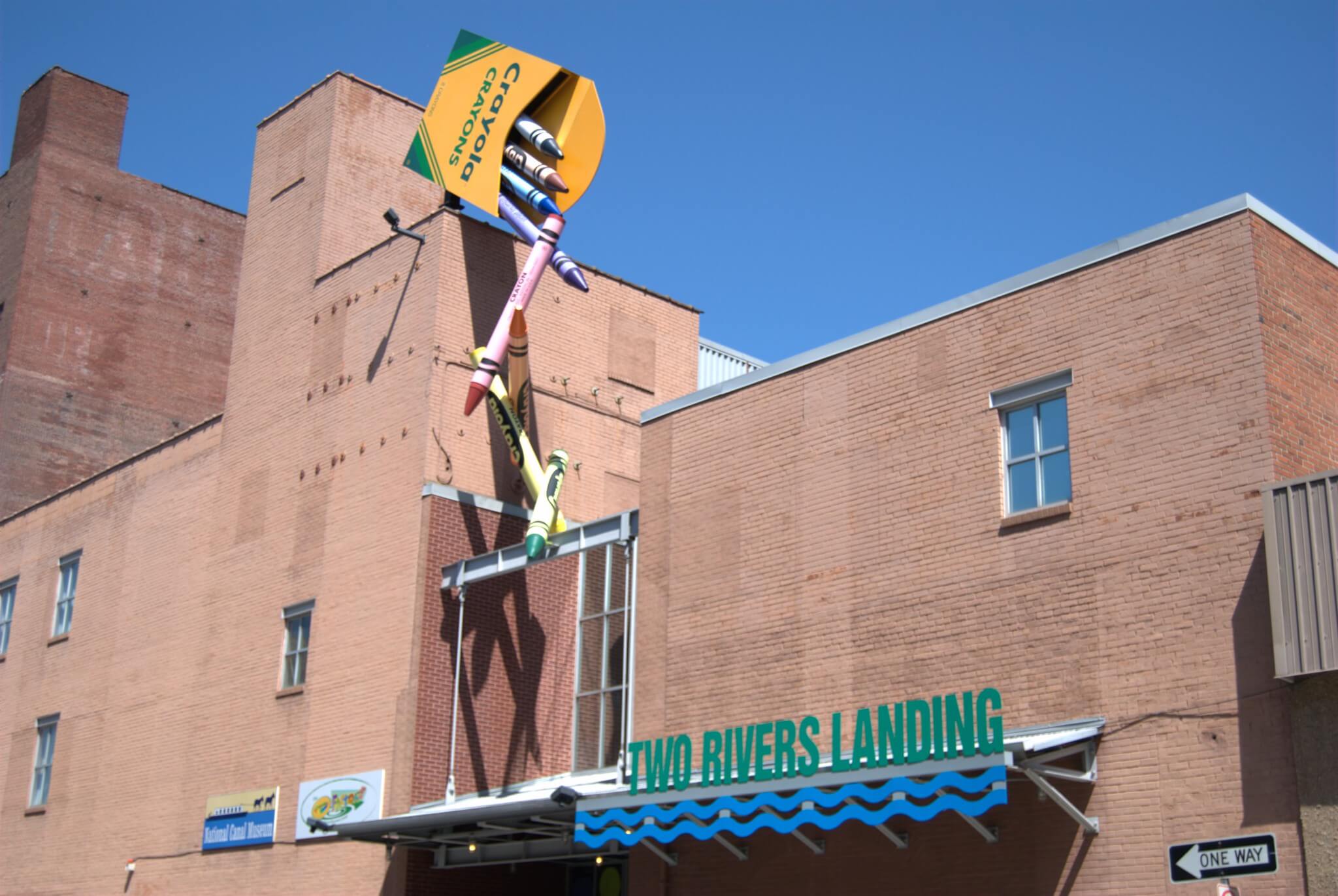
Binney and Smith allowed visitors into its crayon plant in Easton, Pennsylvania, where wax was poured into molds and labels were wrapped twice around each stick for strength. Demand for tours grew until the waiting list stretched well over a year.
In 1996 the company opened a separate visitor attraction in downtown Easton with demonstration equipment and hands-on activities, and the working factory closed to the public. School groups still go, and they see a show version of the process in place of the real production line.
The Auto Assembly Plant
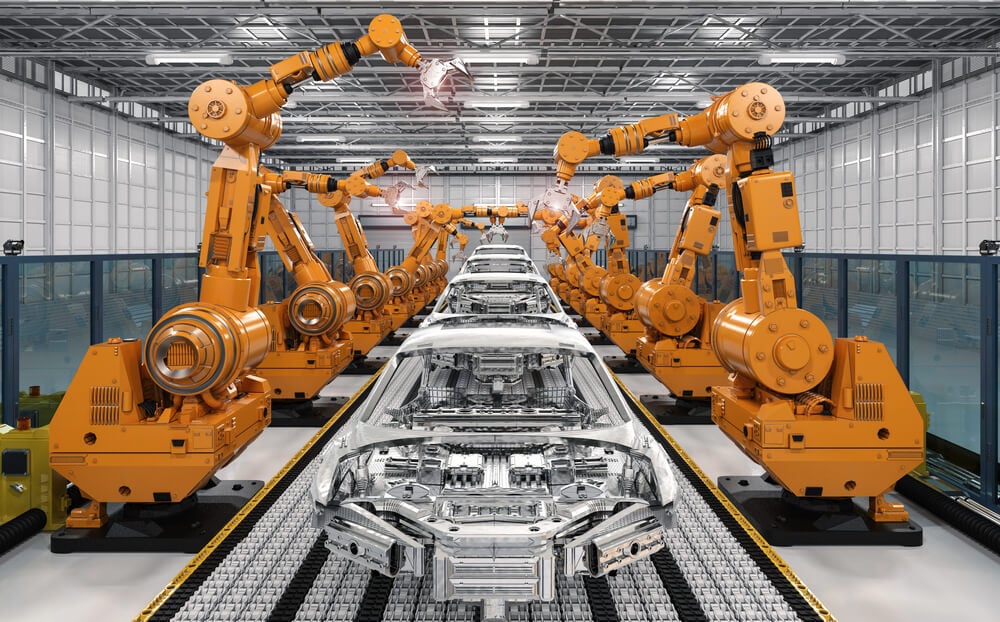
Ford began offering public tours of its enormous Rouge complex in Dearborn, Michigan, in 1924, and for more than fifty years Detroit-area students walked catwalks above the line. They saw steel arrive at one end of the property and finished cars drive out the other.
The tours stopped in 1980 amid an industry downturn. They resumed in 2004 in a redesigned form run with a nearby museum.
Most other automakers ended or sharply limited plant visits over the same period, citing safety and trade secrets.
The Meatpacking Plant
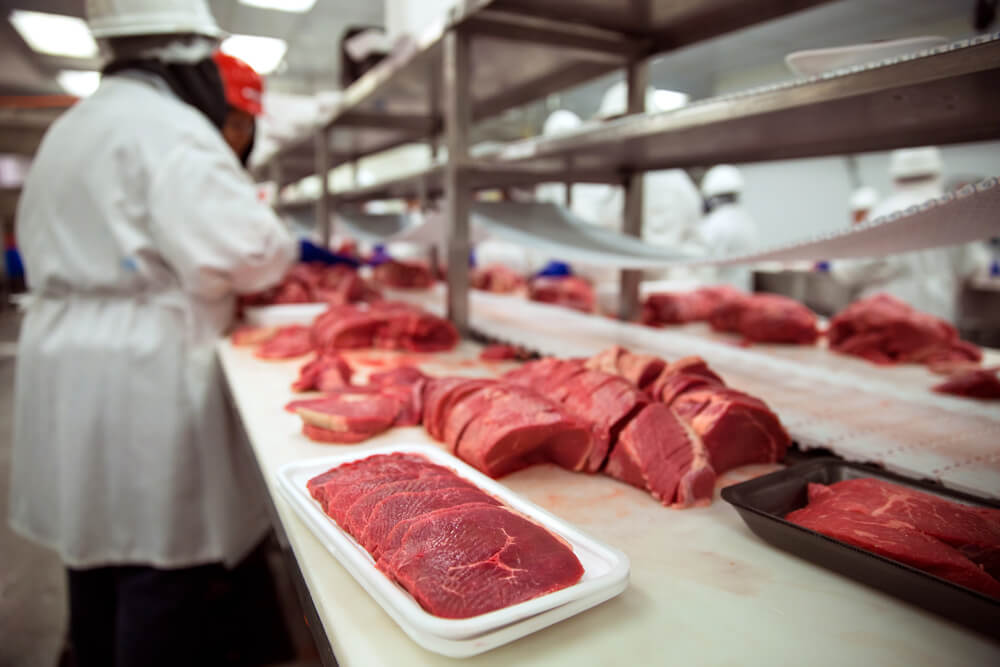
This one surprises younger people. In towns built around a packing company, schools routinely took classes through the plant, on the theory that children should understand the local industry and where supper came from.
Guides led groups past the cutting floors and into the rooms where hot dogs and lunch meats were stuffed and packaged. Students got a sample and sometimes a souvenir.
Sanitation rules, liability, and changing ideas about what a nine-year-old should see brought these tours to an end, generally by the 1980s.
The Telephone Company Switchboard
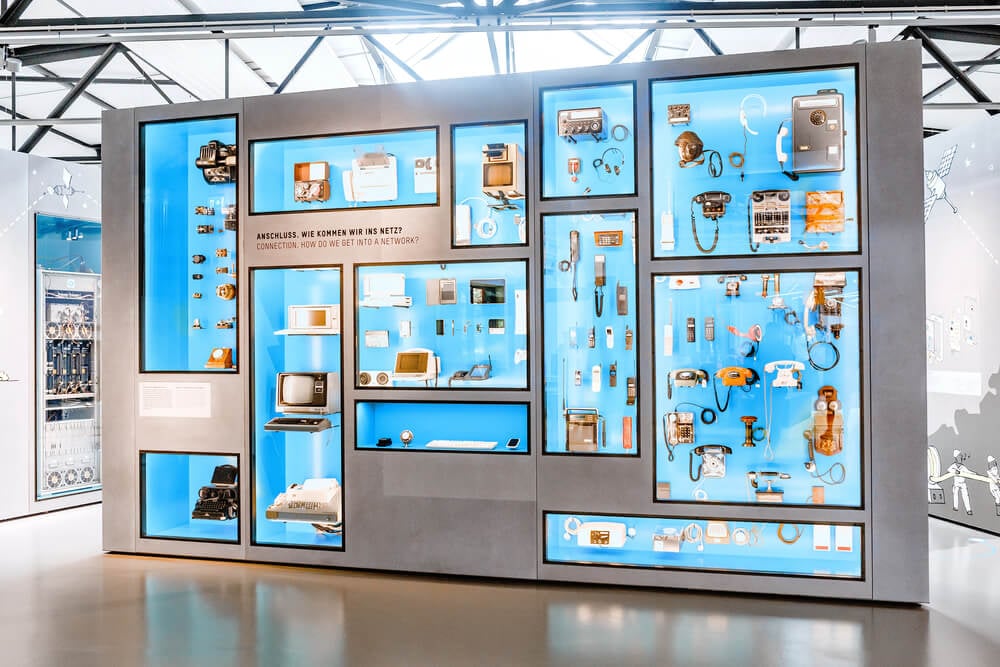
The local telephone exchange was a favorite for the upper elementary grades. Students watched long rows of operators connecting calls with patch cords and visited the switching room, where banks of electromechanical relays clattered with every call placed in the city.
The Bell System encouraged these visits and lent schools practice telephones for lessons in manners. Automation emptied the operator rooms, electronic switching silenced the relays, and the breakup of the Bell System in 1982 ended the public relations programs that had paid for the tours.
The Local Kids’ Show Audience
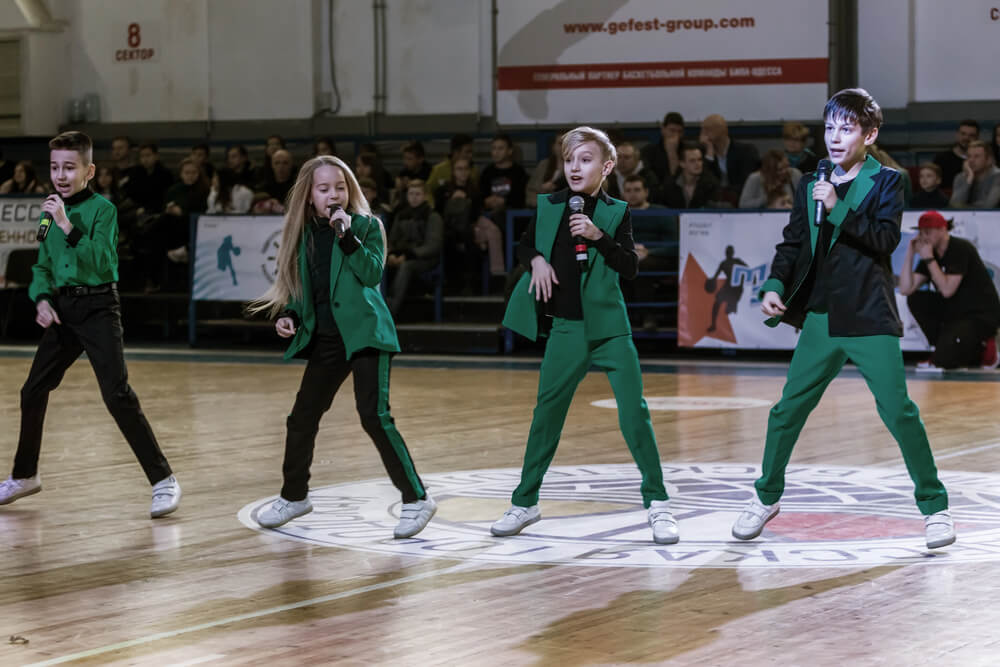
Most television markets once produced their own weekday children’s program, hosted by a clown, a cowboy, or a sea captain, with a small bleacher of children in the studio. Schools, Scout troops, and birthday groups booked seats months ahead.
A class might tour the newsroom and the control room and then sit in the gallery for the live broadcast, waving at the camera on cue. Stations canceled these programs through the 1970s and 1980s as syndicated cartoons proved cheaper.
The bleachers came down, and the waiting lists were thrown away.
The Police Station and the Holding Cell
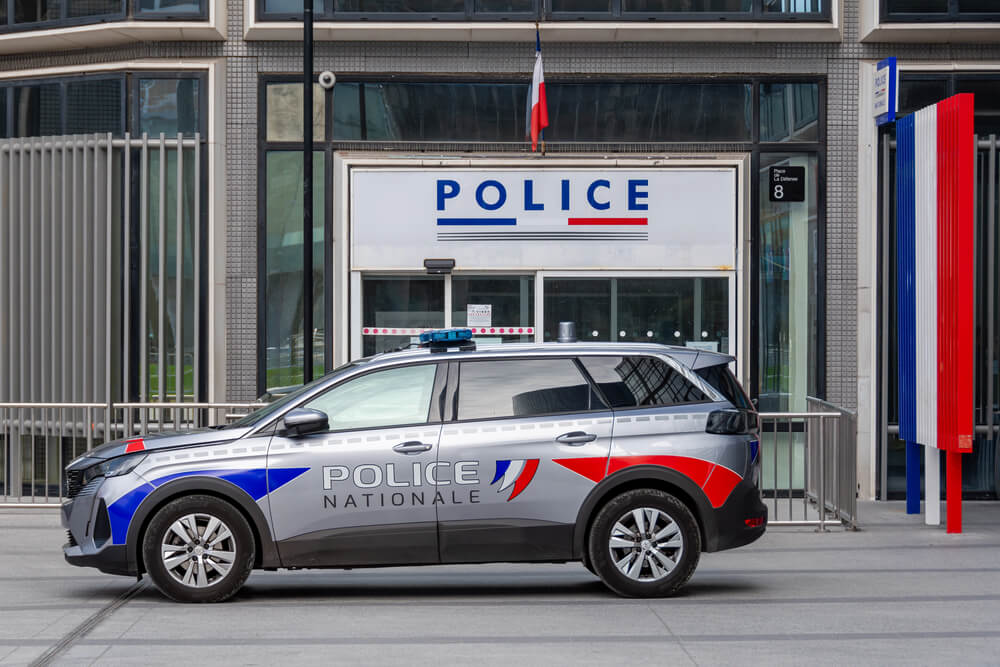
Officer Friendly programs brought classes into the local station to see the dispatcher’s desk, the patrol cars, and the evidence of an orderly society. Every child was fingerprinted on a souvenir card.
The high point was a minute spent inside an empty holding cell with the door closed, which teachers hoped would be instructive. Modern stations are secured buildings with controlled entry and areas off-limits to visitors.
Departments now generally send an officer to the school instead, which is safer, simpler, and nowhere near as exciting.
The County Courthouse
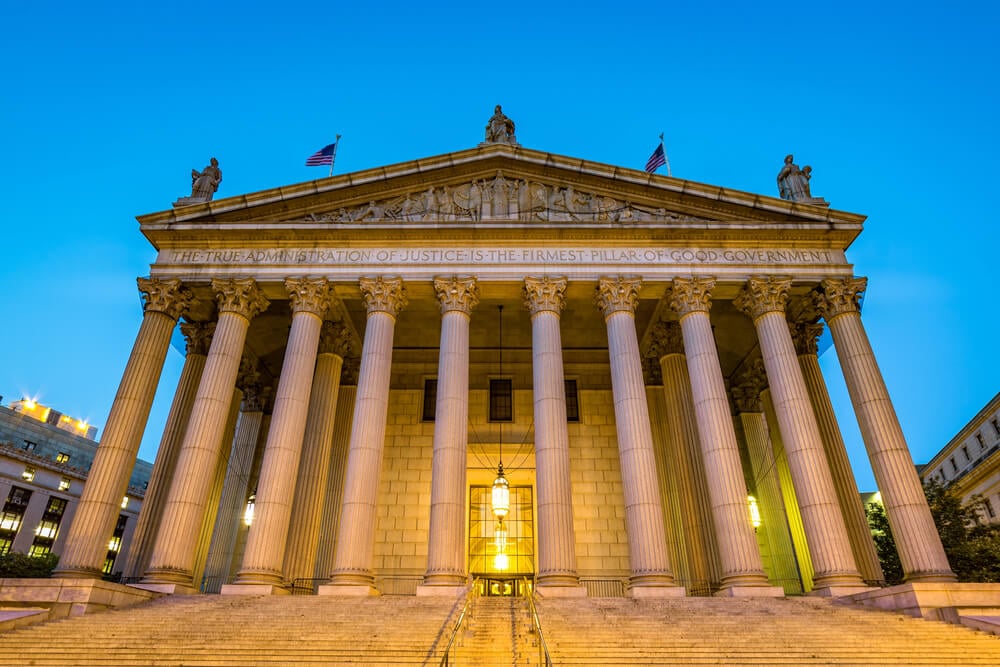
Civics classes used to file into the back rows of a real courtroom to watch part of a real trial, usually something minor, and then hear from the judge during a recess. The clerk might show them the deed books and the jury room.
Courthouse security changed that. Metal detectors, screening lines, and restrictions on groups made moving sixty students through the building an ordeal, and judges grew cautious about minors observing sensitive cases.
Many schools switched to mock trials held in their own gymnasiums.
The Post Office Sorting Floor
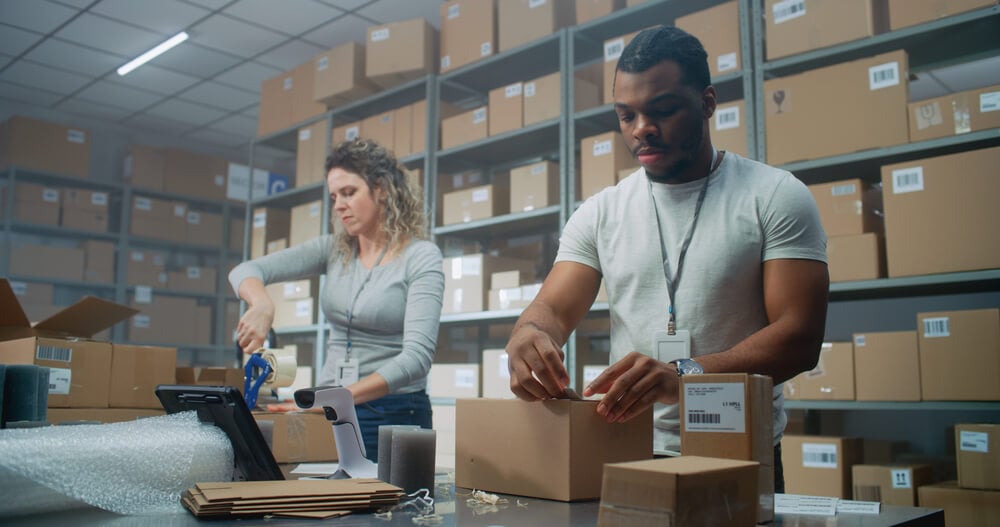
A postal tour let children follow a letter. They dropped an envelope addressed to themselves through the slot in the lobby, then walked behind the wall to watch clerks cancel stamps and throw mail into rows of small sorting compartments, by memory and at astonishing speed.
The letter arrived at home a day or two later as proof. Mail processing has since moved to large automated regional centers with restricted access, and the neighborhood post office has little behind the counter left to see.
The Hospital Tour
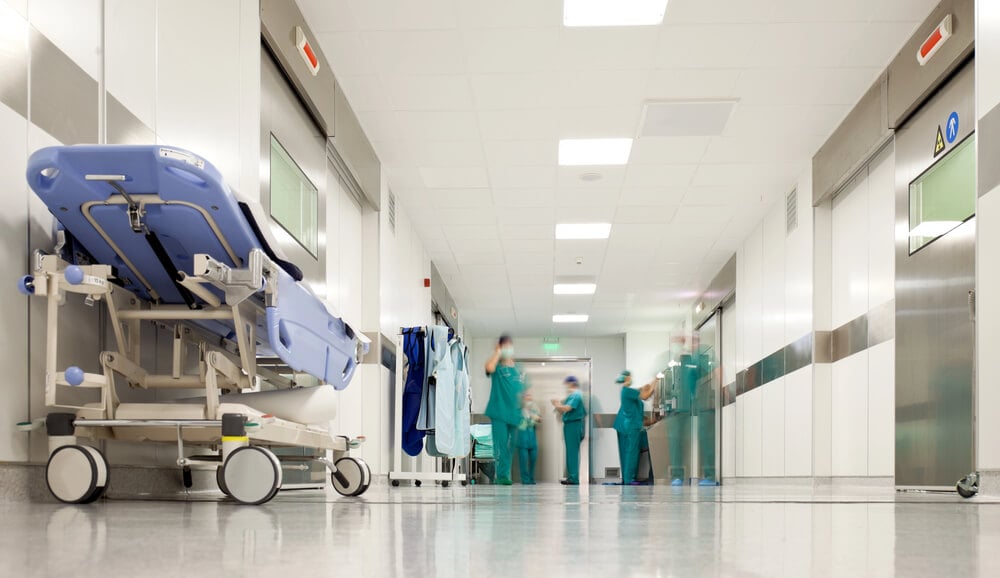
Hospitals once invited kindergarten and first-grade classes for a gentle walk through, meant to make the building less frightening before a child ever needed it. Students tried on surgical caps, listened to a heartbeat through a stethoscope, saw the nursery through the glass, and rode in a wheelchair.
Infection control standards and patient privacy law made it impractical to lead groups of small children through working wards. Some hospitals replaced the visit with a teddy bear clinic held at the school, where the stuffed animals receive the bandages.
The Airport Control Tower and Cockpit
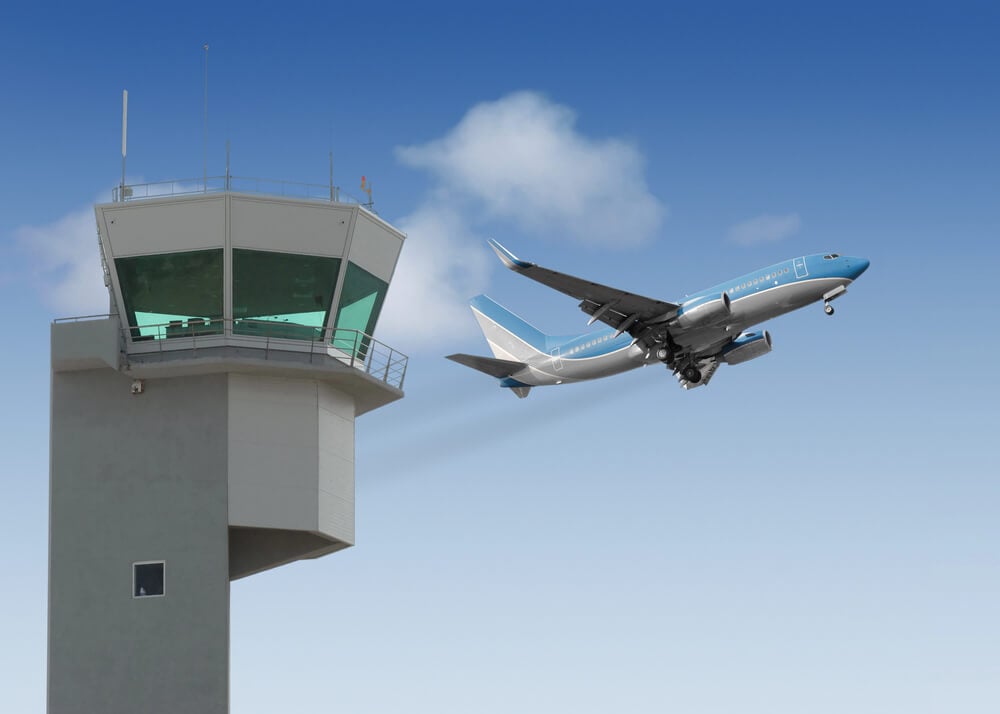
Until 2001 a class visiting the airport could often climb to the tower cab to watch controllers work, walk out onto the ramp, and board a parked airliner, where a pilot would let children sit in the captain’s seat. Airlines and airport authorities considered it good community relations.
The security regime that followed the September 11 attacks ended nearly all of it. Access beyond the checkpoint now requires screening and credentials, and cockpit doors are reinforced and locked.
Some airports still offer limited tours of the public terminal.
The Nuclear Plant Visitor Center

Utilities that built nuclear power stations in the 1960s and 1970s usually added a visitor center, with working models of the reactor, a bicycle generator to pedal, and a theater. Science classes came by the busload, and the utilities were glad to explain their technology to future ratepayers.
The accident at Three Mile Island in 1979 cooled some of the enthusiasm. After 2001, federal security requirements led many plants to close or relocate their visitor centers entirely.
A number of the plants themselves have since been retired.
The District Planetarium
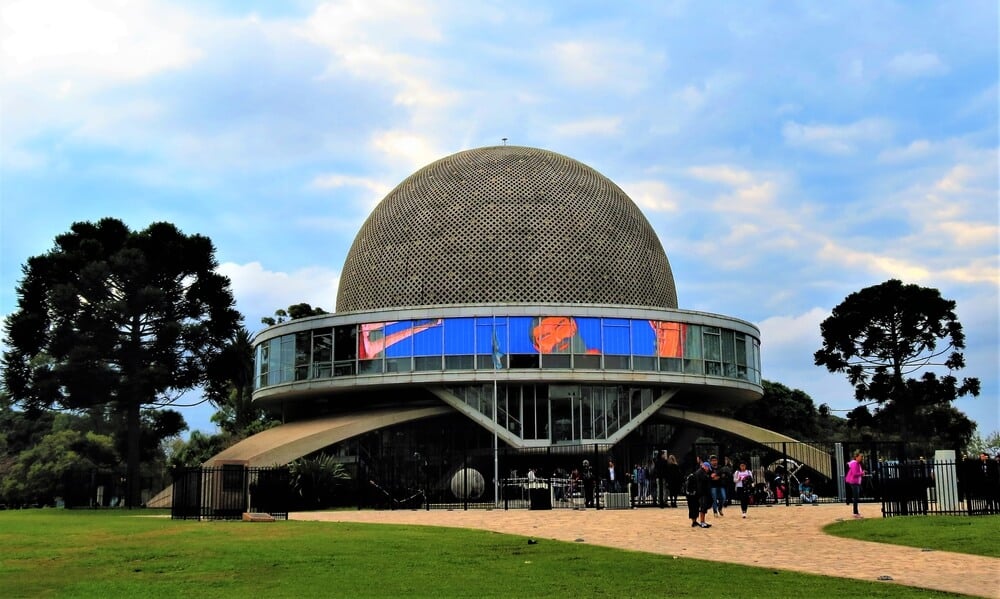
After Sputnik, Congress passed the National Defense Education Act of 1958, and federal money for science teaching helped hundreds of school districts build their own planetariums. Every student in the district rode over once a year, leaned back in a tilted seat, and watched a projector throw the night sky onto a dome while a teacher pointed out constellations with a lighted arrow.
The projectors aged and replacement costs ran high. Many districts closed their domes during budget cuts, and the rooms became storage or were demolished during renovations.
The Natural History Museum
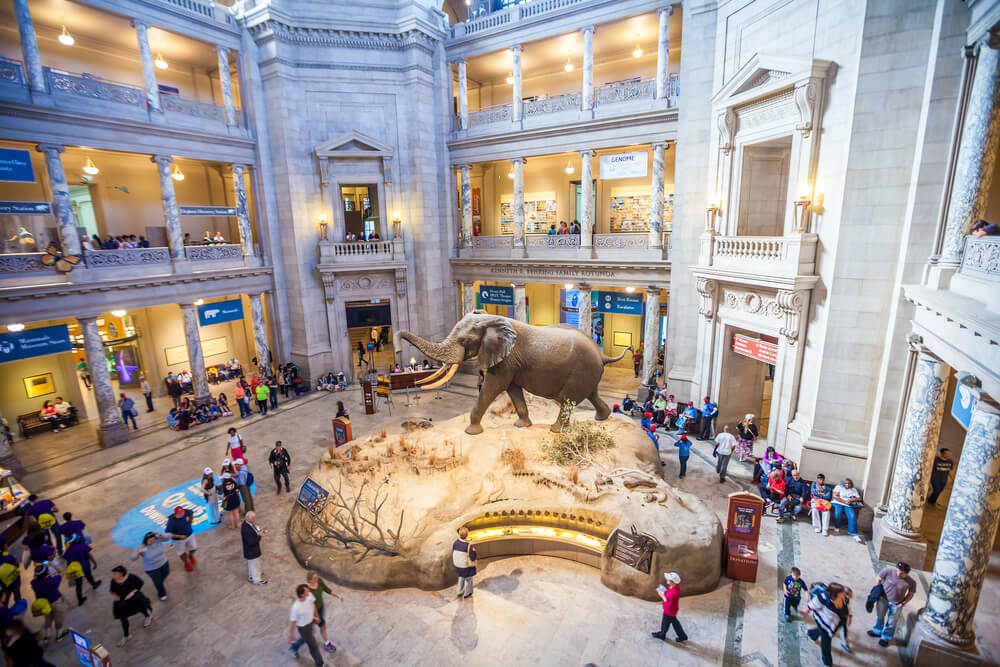
Dinosaur skeletons and dioramas were the classic spring trip, and big city museums once counted on enormous school attendance. The Field Museum in Chicago formerly welcomed more than three hundred thousand students a year, and the figure later fell below two hundred thousand.
Museums across the country have reported similar declines. The trip has not vanished, but it has become rarer and shorter.
Rising bus costs pushed many schools toward virtual visits, which deliver the facts and leave out the echoing marble hall entirely.
The Art Museum Docent Tour
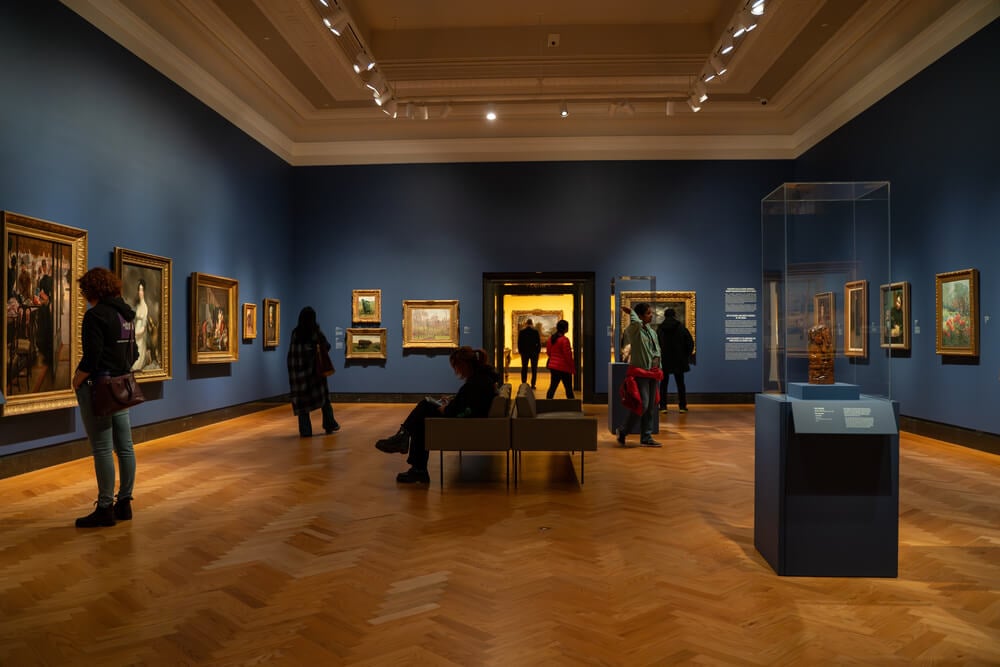
An hour with a docent in front of four or five paintings used to be routine for upper elementary grades. Researchers at the University of Arkansas tested whether it mattered.
When a new museum in the state offered free tours by lottery, they compared students who went with those who did not, and found measurable gains in critical thinking and historical empathy, with the largest effects among rural and low-income children. Those are the same students most likely to lose the trip when a district cuts its transportation budget.
The Symphony Young People’s Concert

Orchestras in most American cities played daytime concerts for bused-in students, with a conductor who explained the instruments and a program built around short, vivid pieces. For many children it was the only time they would ever sit in a concert hall.
The tradition continues in some places, supported by donors. Elsewhere it faded as music programs shrank and the hours needed for travel were reassigned to test preparation.
Orchestras now often send small ensembles to the schools, which helps but lacks the scale of the real thing.
The Circus Matinee
When the circus came to the arena, weekday morning performances were sold almost entirely to school groups at a steep discount. Thousands of children filled the seats, and the noise was considerable.
The Ringling Brothers and Barnum and Bailey show closed in 2017 after 146 years, following declining attendance and long disputes over its animal acts. It returned in 2023 in a redesigned form without animals.
By then most schools had already dropped the outing, partly over the same concerns that had troubled the show itself.
The Ice Show Matinee

Touring ice revues played civic arenas across the country every winter and, like the circus, relied on discounted weekday shows for students. A class would ride downtown to watch skaters in feathered costumes, comedy routines on ice, and a finale with the entire cast.
The best-known company of the type went out of business in the mid-1990s after more than half a century on the road. Shows built around licensed cartoon characters took over the arenas.
They sell to families on weekends and have little need for school buses.
The Roller Rink Party

The end-of-year skating party was less a lesson than a reward. Buses delivered several grades to the local rink for an afternoon of rented skates, a disc jockey, the limbo, and a snack bar that sold pickles and slush drinks.
Teachers clung to the rail along with the weakest skaters. The number of rinks in the country has fallen sharply since the 1980s as land values rose and crowds thinned.
In many towns the building is now a church, a warehouse, or a parking lot.
The Bowling Alley Gym Unit
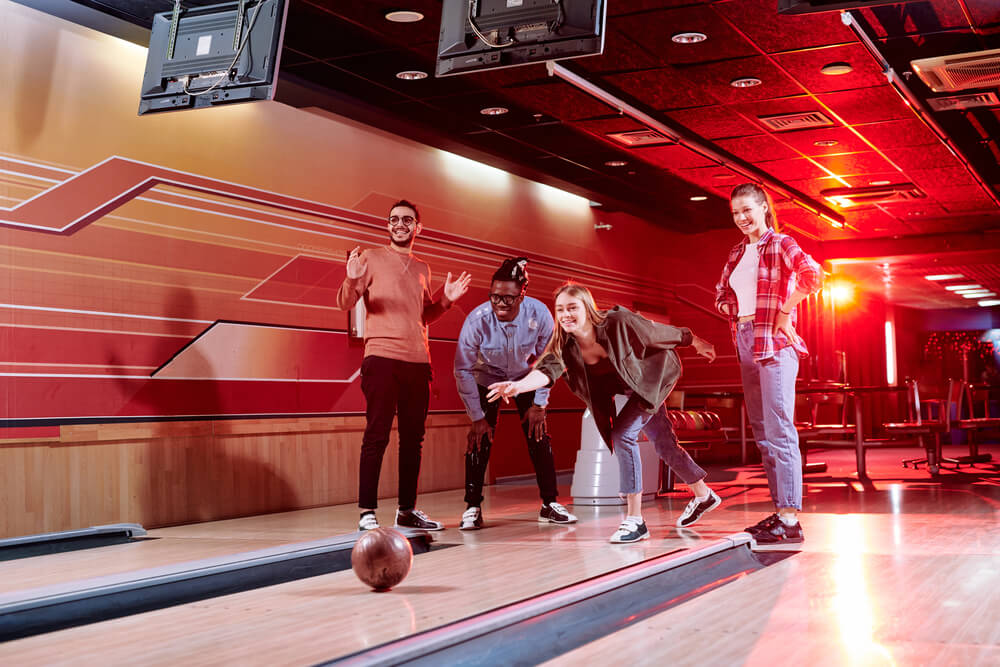
Many junior high and high schools once ran bowling as a physical education unit, busing classes to a nearby alley once a week for a month. The proprietors offered low rates in the slow morning hours, and students learned to keep score by hand, including the arithmetic of strikes and spares.
It counted as a lifetime sport in the curriculum guides. Tighter schedules and transportation costs ended most of these programs.
Some schools substituted a carpet lane and plastic pins rolled out across the gym floor.
Swimming Lessons at the Municipal Pool
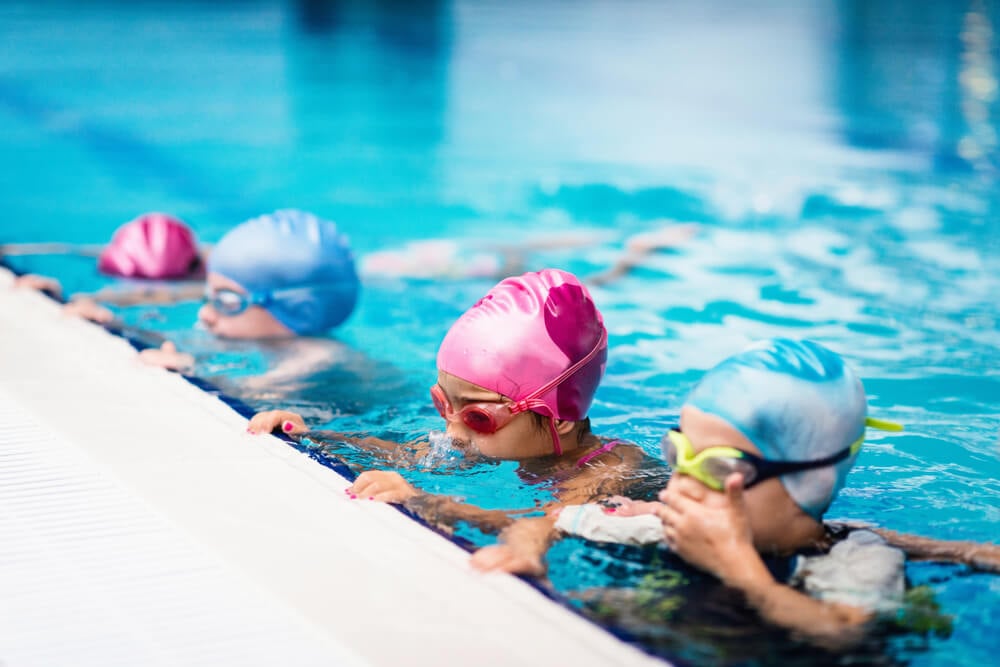
In many districts, every third or fourth grader once received a block of swimming lessons as part of the school day, bused to a city pool or a YMCA for a week or two. The reasoning was public safety, since drowning is a leading cause of accidental death in children.
Pools are expensive to operate, and cities closed many of them. Schools dropped the program as costs climbed and instructional time tightened.
Children whose families could afford private lessons still learned, and many others did not.
Sixth-Grade Camp Week
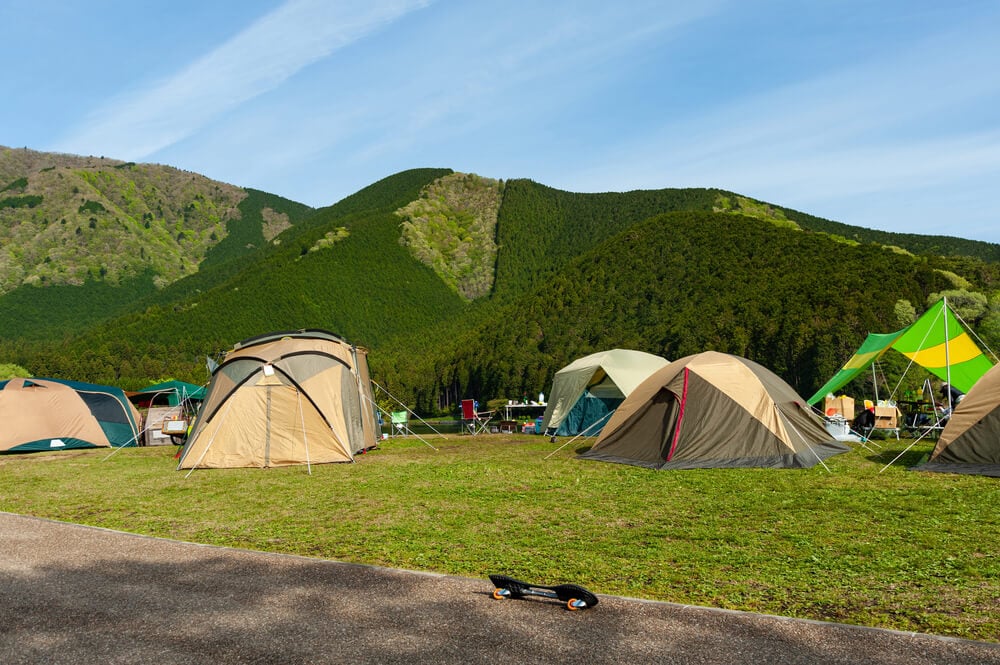
Residential outdoor education began in American public schools in the 1940s, with San Diego among the early adopters, and spread widely after the war. An entire sixth-grade class spent four or five days at a camp in the mountains or the woods, studying streams, stars, and forest ecology, sleeping in cabins, and being away from home for the first time.
For many students it was the high point of elementary school. The programs depend on district funding or parent fees, and recessions have ended them in one community after another.
The Senior Class Trip by Motorcoach
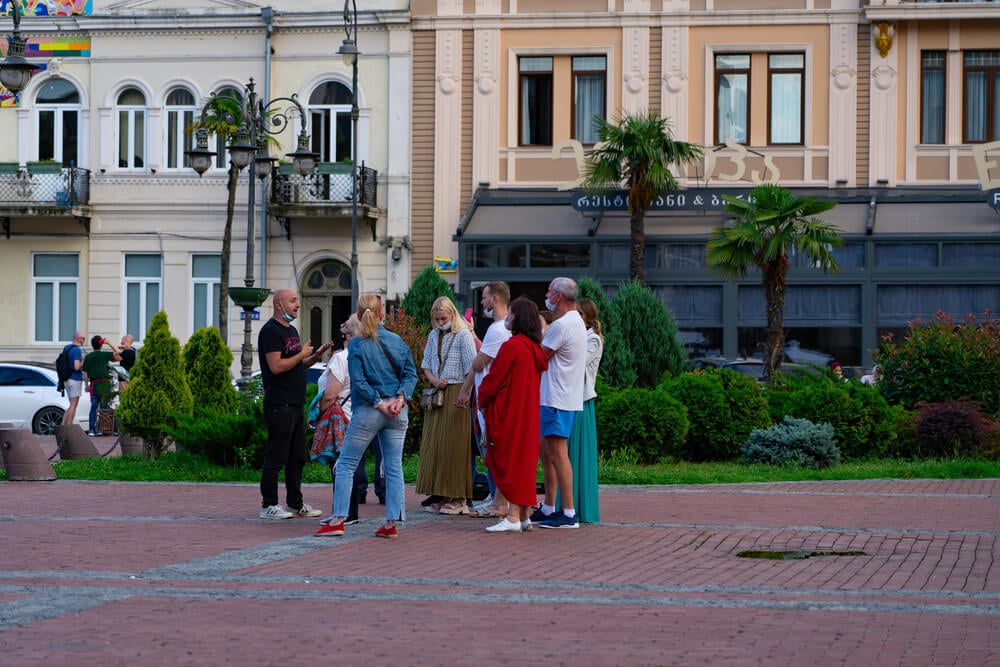
Small-town high schools once sent the graduating class on a chartered coach to Washington or New York for most of a week, funded by four years of bake sales, car washes, and magazine drives. Chaperones counted heads in hotel lobbies.
Students saw the monuments, a Broadway show, and a city bigger than any they had known. Liability concerns, rising costs, and a few well-publicized incidents of misbehavior led many school boards to withdraw sponsorship.
Privately organized trips filled part of the gap for families who could pay.
The Ski Club Bus
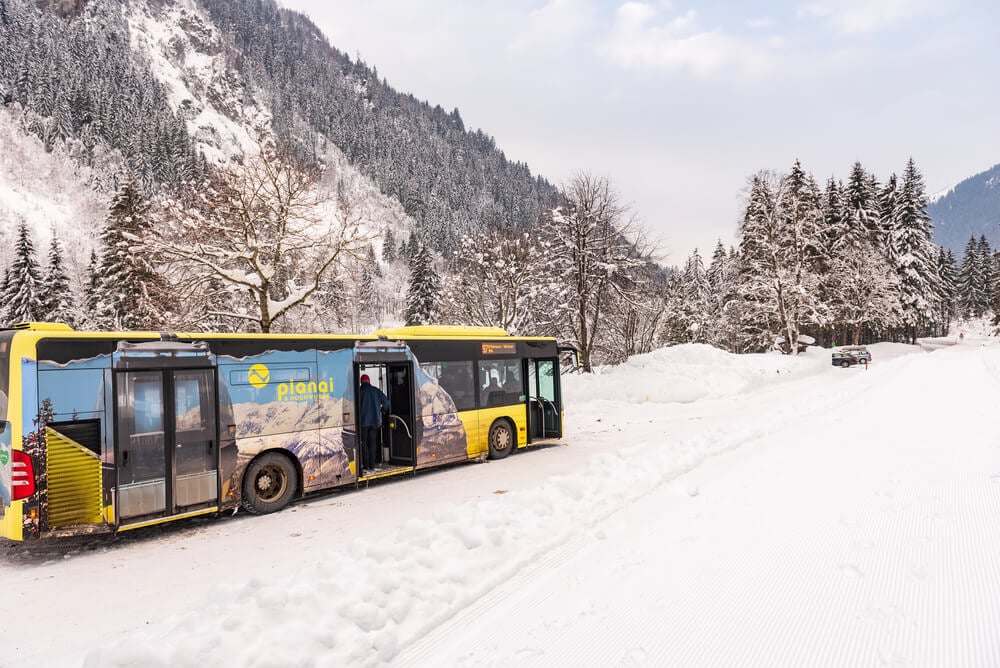
In northern states the school ski club chartered a bus on winter Friday afternoons and delivered fifty teenagers to a local hill for night skiing under the lights, with rentals and a lesson included in one low price. It introduced the sport to students whose families did not ski.
Lift tickets and rentals grew far more expensive, small community ski areas closed by the hundreds, and schools became wary of the injury risk. Clubs that remain tend to be smaller and considerably more costly to join.
The Fan Bus to Away Games
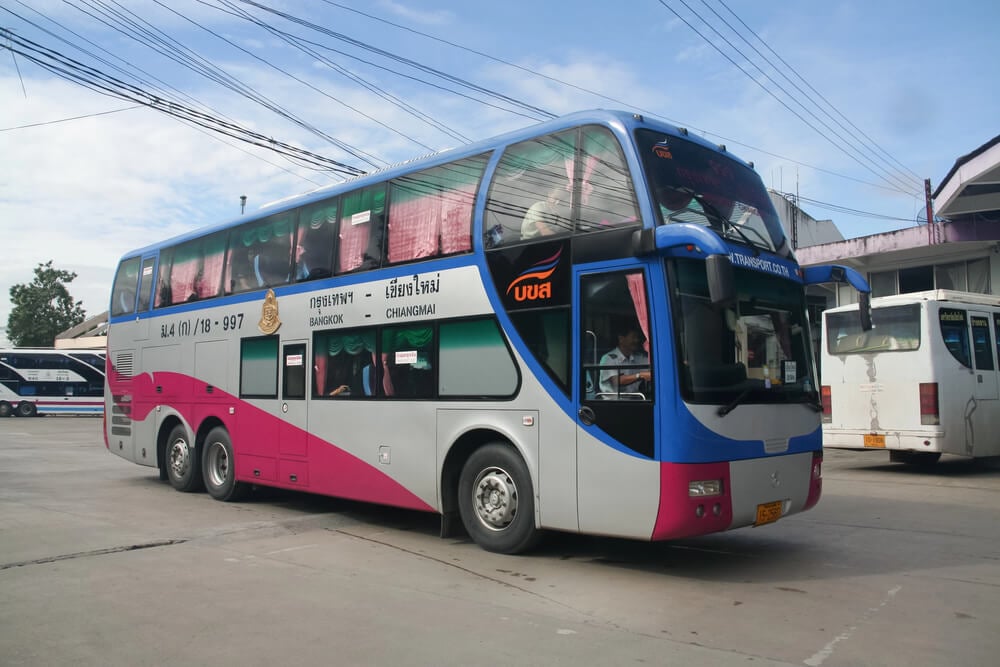
For Friday night road games, many schools ran a spectator bus so students without cars could follow the team. For a dollar or two, a teenager rode with friends, sat in the visiting bleachers, and was home by eleven.
The bus kept students off rural highways late at night, which parents appreciated. Driver shortages and tight transportation budgets have pushed districts to reserve buses for the teams and the band.
Students now drive themselves, or stay home and watch a stream of the game.
The Safety Patrol Trip to Washington
Students who served as crossing guards with a belt and a badge were once rewarded with a spring trip to the capital. For years, patrol members from many states gathered there for a large parade organized by the auto club that sponsored the program, and local clubs and police departments helped cover the fare.
For many it was a first journey out of state. The national parade ended decades ago.
Some regional clubs still sponsor trips, but in most districts the reward has shrunk to a certificate and a pizza lunch.
The Permission Slip Era
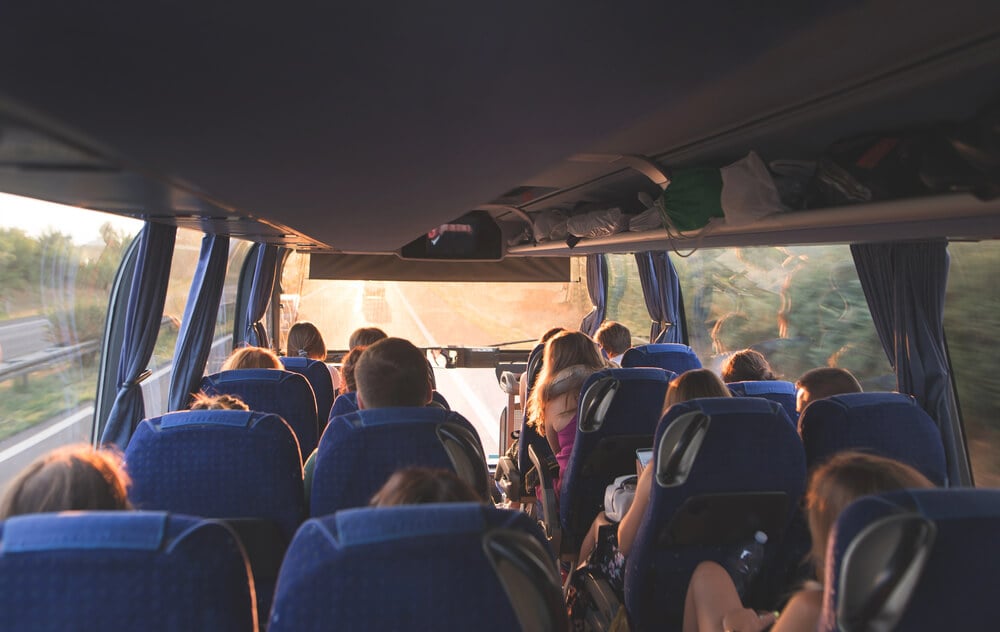
Much of what these trips offered was a look at how the adult world worked. A child who watched a press run or a switchboard in action learned that ordinary things are made by people doing skilled jobs.
That lesson is harder to deliver through a screen. Some losses were unavoidable, since factories closed and security rules are not going to relax.
Others came down to choices about money and time. The research suggests the students who gain most from a day out are the ones whose families cannot provide it themselves.
A bus and a signed slip remain among the cheaper ways to widen a child’s world.
More from Go2Tutors!

- The Romanov Crown Jewels and Their Tragic Fate
- 13 Historical Mysteries That Science Still Can’t Solve
- Famous Hoaxes That Fooled the World for Years
- 15 Child Stars with Tragic Adult Lives
- 16 Famous Jewelry Pieces in History
Like Go2Tutors’s content? Follow us on MSN.