28 Discontinued Candy Bars People Still Ask Stores About
Candy aisles turn over constantly, and most departures go unnoticed outside the accountants tracking sales-per-shelf-foot. A handful of bars, though, built loyal enough followings that decades after their last production run, customers still walk up to convenience store counters and ask why a particular wrapper stopped showing up.
Some of these bars vanished because the parent company shifted its lineup. Others simply couldn’t outsell better-marketed competitors. All of them left a gap that fans have never quite stopped noticing.
Marathon Bar
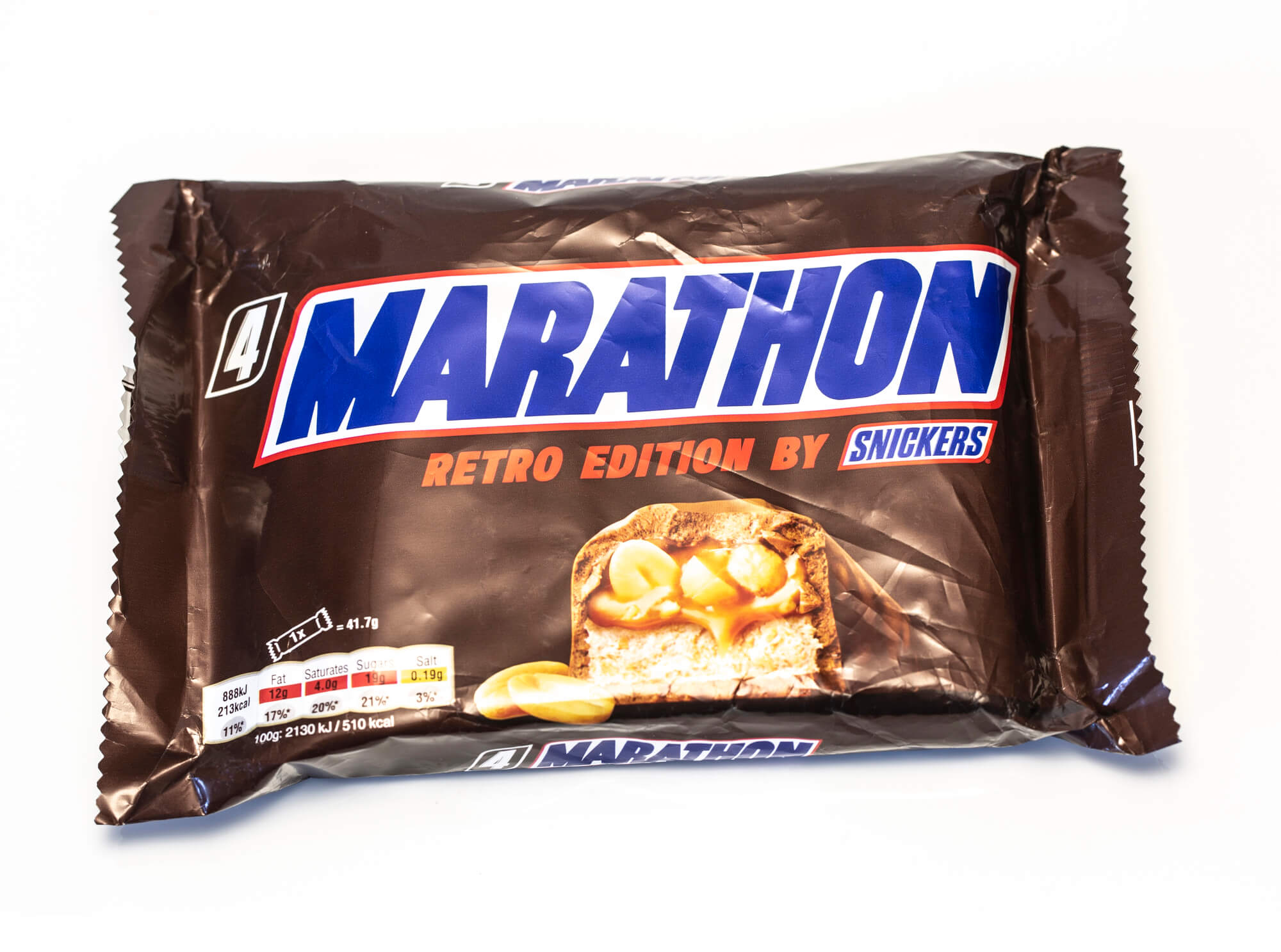
Mars introduced the Marathon Bar in 1973 as an eight-inch braided rope of caramel wrapped in milk chocolate, with a ruler printed along the wrapper daring customers to measure it. The bar’s unusual shape made it difficult to stock alongside standard candy on store shelves, and it never matched the sales of Mars’s core lineup.
Mars discontinued it in 1981 after eight years on shelves, and Cadbury’s Curly Wurly in the United Kingdom remains the closest thing to a surviving equivalent.
Reggie! Bar
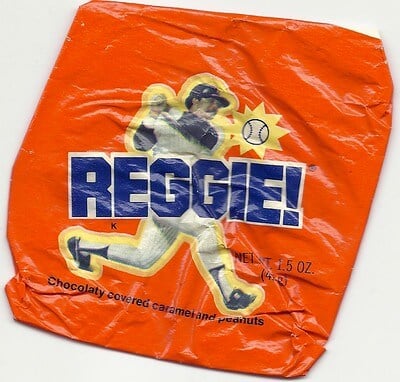
Standard Brands launched the Reggie! Bar in 1978 to capitalize on New York Yankees slugger Reggie Jackson’s fame, combining peanuts, caramel, and chocolate in a round disc shape and handing out free samples to fans at Yankee Stadium. The novelty of a candy bar built around an active athlete faded quickly once the marketing push ended.
The bar disappeared from shelves in the early 1980s, though vintage wrappers and tins remain sought-after collectibles among sports memorabilia fans.
Bar None
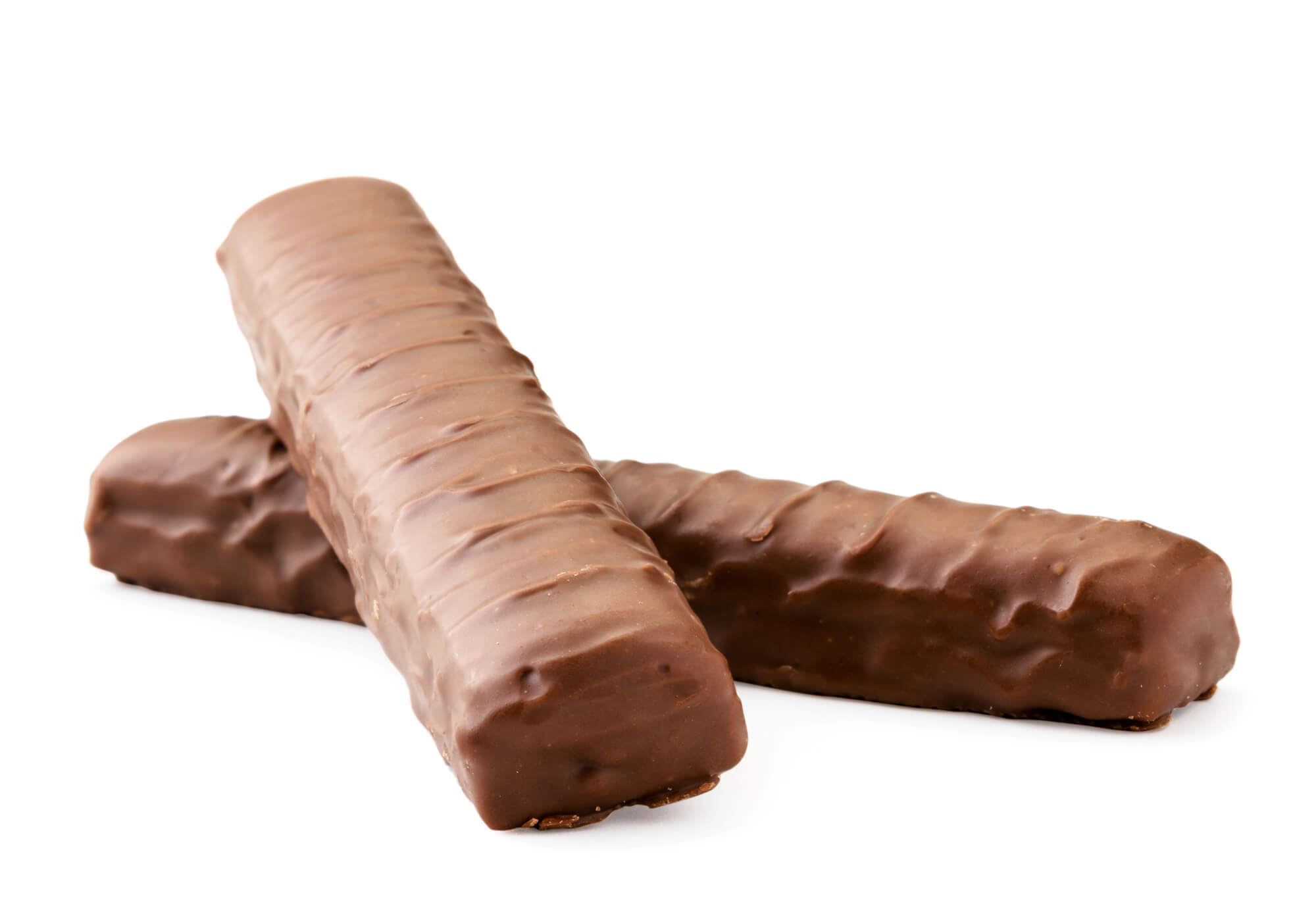
Hershey released Bar None in 1987, layering wafers, chocolate cream, and crushed peanuts under a thick chocolate coating in a design meant to be Hershey’s answer to more elaborate candy bars on the market. It built a loyal following through the late 1980s and 1990s before Hershey quietly phased it out.
Online petitions and nostalgia forums still circulate periodically asking the company to bring it back.
PB Max
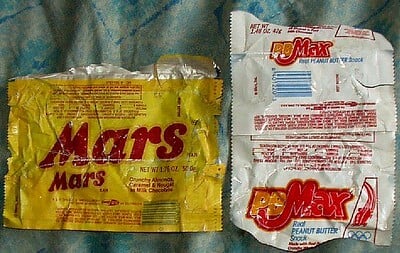
Mars introduced PB Max in 1989, pairing a thick layer of peanut butter and oats with a cookie base under milk chocolate, and the bar developed a dedicated fan base almost immediately. Despite steady sales, Mars discontinued it in 1994, and the company has never given a fully satisfying public explanation beyond a shift in product focus.
It remains one of the most frequently requested discontinued candy bars in online candy forums.
Choco’Lite
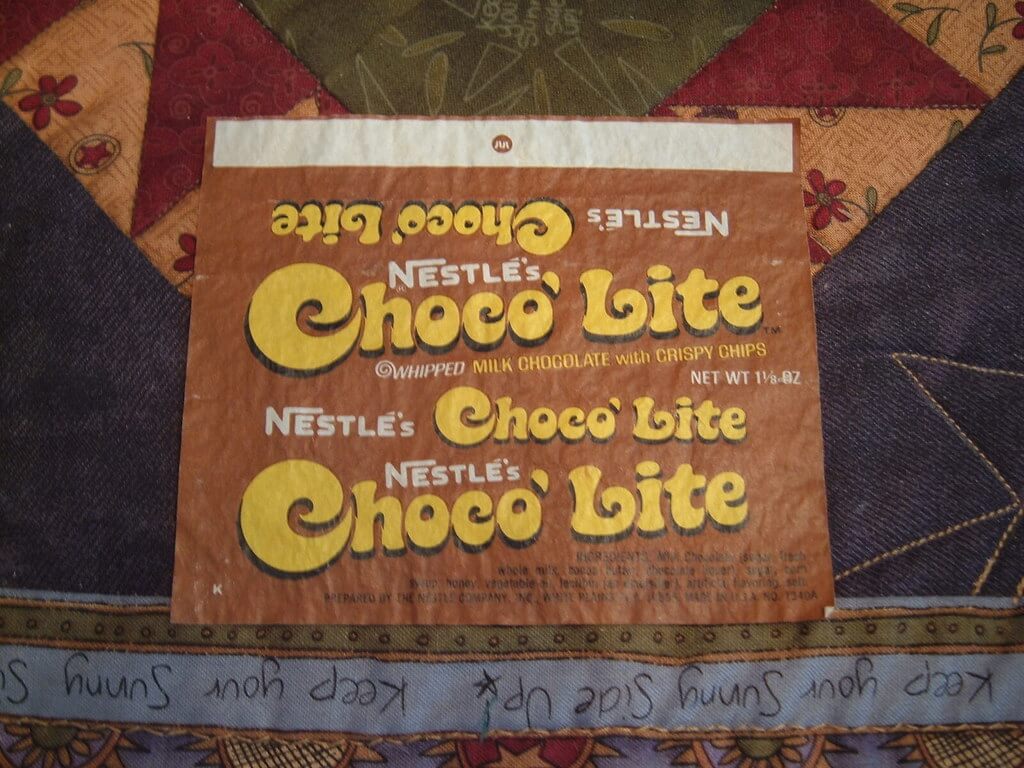
Nestlé sold Choco’Lite through the 1970s and into the 1980s as an aerated chocolate bar with a light, airy texture unlike the denser bars surrounding it on the shelf. The bar never became a top seller and was pulled sometime in the 1980s as Nestlé consolidated its candy lineup.
Fans who tried it as children still describe the texture as unlike anything currently sold in mainstream candy aisles.
Summit Bar
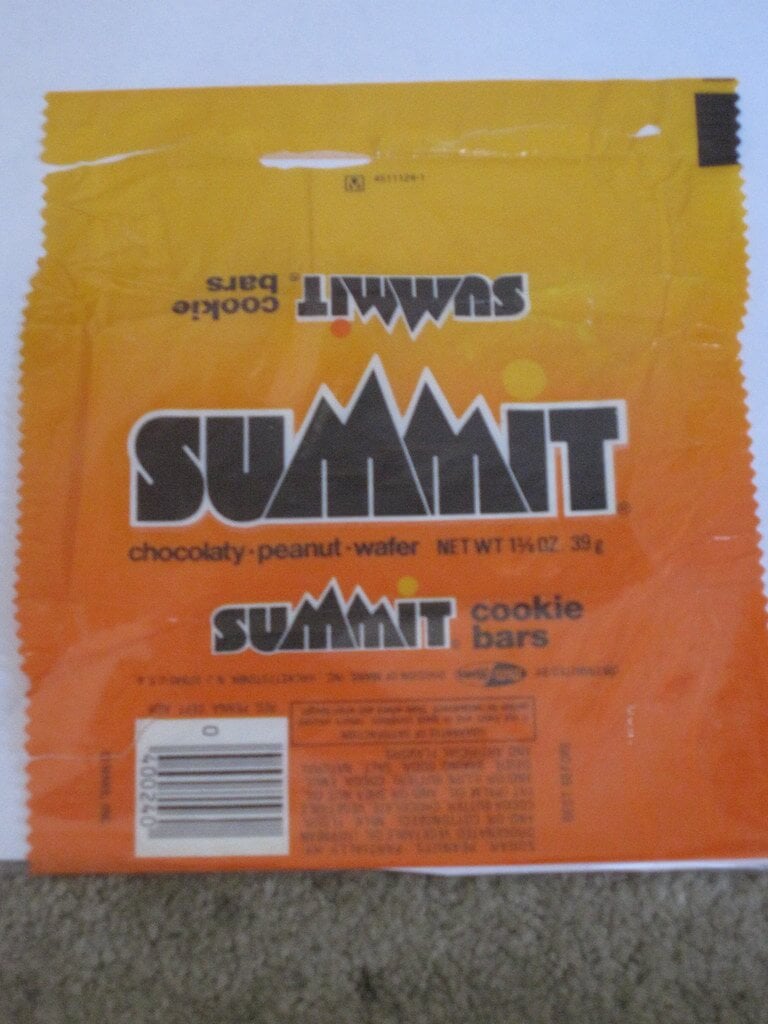
Mars sold the Summit Bar from the mid-1970s into the 1980s, a crunchy cookie bar layered with peanuts and coated in chocolate, marketed as a more substantial snack than a typical candy bar. It sold reasonably well but never became one of Mars’s flagship products, and the company discontinued it as its lineup narrowed around better-performing bars.
Longtime fans still describe it in nostalgia discussions as an early precursor to later cookie-and-chocolate combination bars.
Seven Up Bar
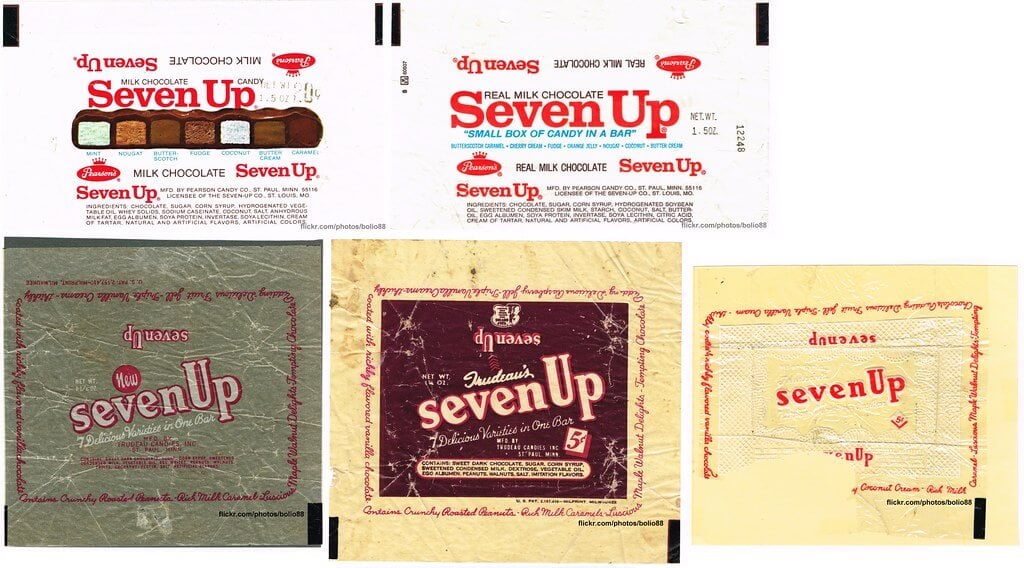
Confectioner Pearson’s sold the Seven Up Bar for decades starting in the 1930s, a single wrapper containing six distinct candy segments with different fillings including caramel, coconut, and nougat. The name had nothing to do with the soda brand and instead referred to the bar’s six-in-one format, which caused enough confusion over the years that it likely contributed to its decline.
Production wound down by the early 1980s after roughly fifty years on shelves.
Nestlé Alpine White
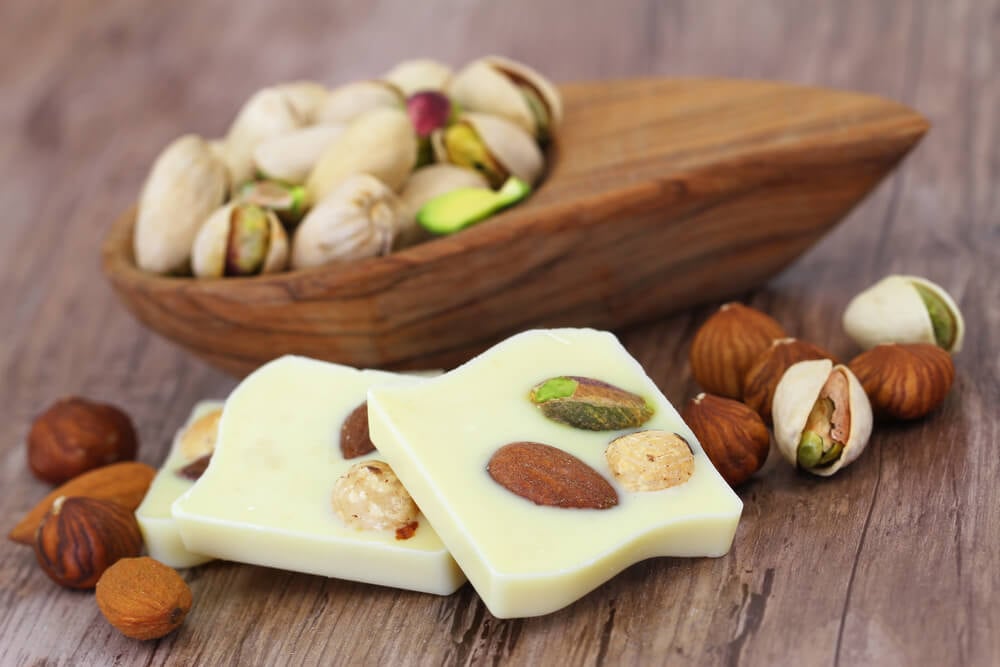
Nestlé sold Alpine White through the 1980s and 1990s, a white chocolate bar studded with whole almonds that carved out a niche among white chocolate fans in an era when white chocolate bars were relatively rare. Nestlé discontinued the bar in 2004 as it restructured its candy division and sold off several confectionery brands.
It remains one of the most requested discontinued white chocolate products among longtime fans of the category.
Butterfinger BB’s
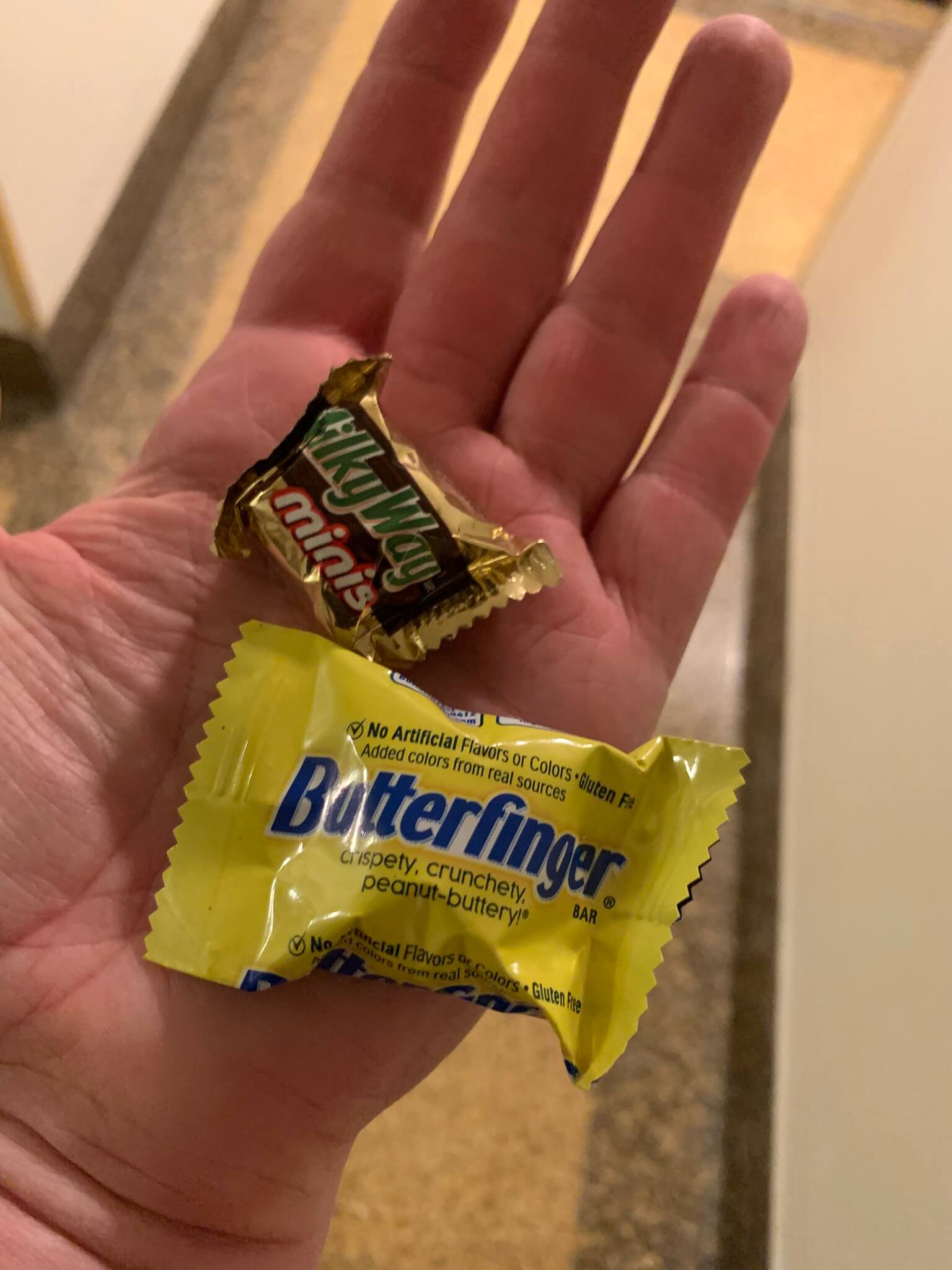
Nestlé released Butterfinger BB’s in the 1990s as a bite-sized, pouch-packaged spinoff of the standard Butterfinger bar, aimed at customers who found the full-size bar too messy or crumbly to eat easily. The smaller pieces built a strong following, particularly among younger customers, before Nestlé discontinued the product in the mid-2000s.
Fans have periodically petitioned for its return ever since, citing the format as more convenient than the full bar it was based on.
Milky Way Midnight
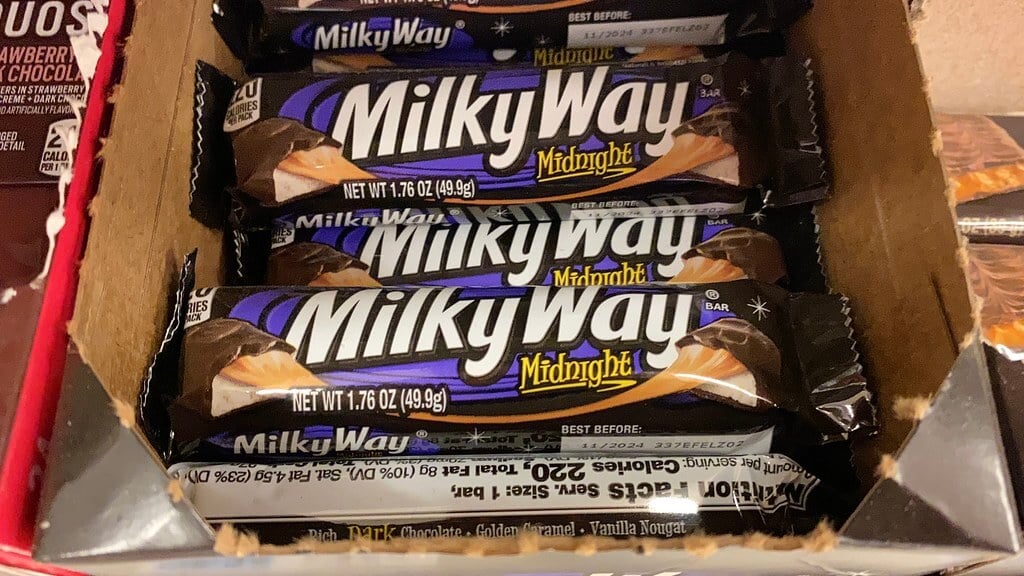
Mars originally sold a dark chocolate variant of the Milky Way bar called Forever Yours starting in the 1930s, discontinued it in 1979, then revived the concept in 1990 as Milky Way Midnight, wrapping the same nougat-and-caramel filling in dark rather than milk chocolate. The reformulated version built a following among customers who preferred dark chocolate to the standard Milky Way.
Mars discontinued Milky Way Midnight again in 2018, ending the bar’s second run after nearly three decades.
Wonka Oompas
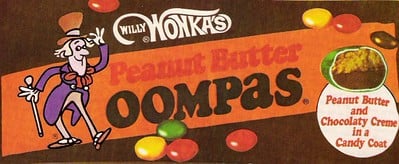
The Willy Wonka Candy Company sold Oompas through the 1980s and 1990s, small candy-coated pieces built around a peanut butter center rather than the chocolate shell used by most competing candy-coated treats. The product built a loyal but relatively small following before Nestlé, which had acquired the Wonka brand, discontinued it as the company streamlined its candy lineup.
It remains a frequently mentioned entry on nostalgia lists dedicated to discontinued 1990s snacks.
Necco Wafers
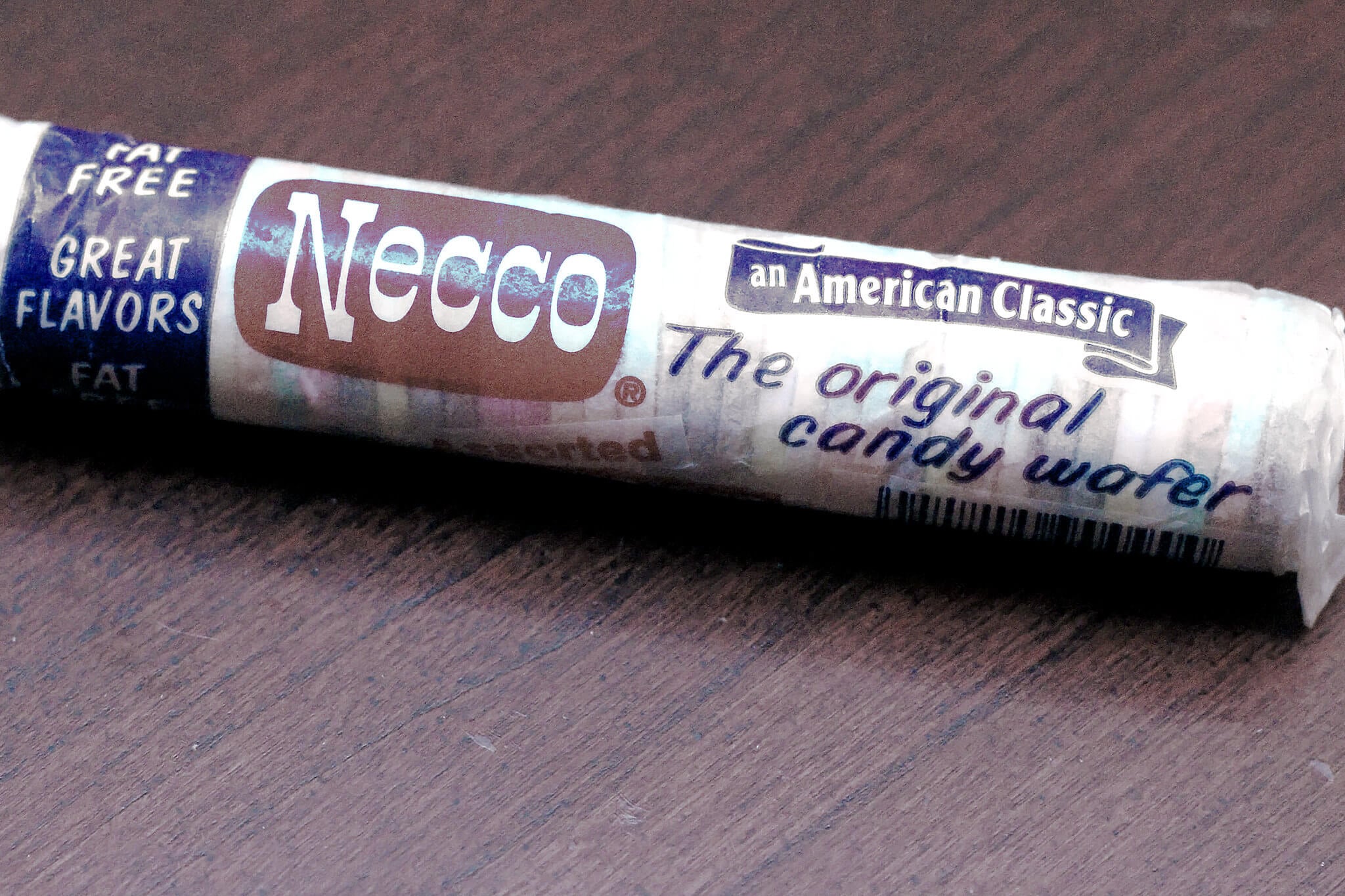
The New England Confectionery Company sold Necco Wafers largely unchanged for well over a century, a stack of chalky, fruit-flavored discs that became a fixture of American candy aisles since the 1800s. The company collapsed financially in 2018, and Necco Wafers disappeared from shelves entirely, prompting an outpouring of public nostalgia and news coverage over the sudden loss of a candy many assumed would always be available.
Spangler Candy Company acquired the brand and resumed limited production in 2020, though many stores that once stocked it never restocked the revived version.
Clark Bar
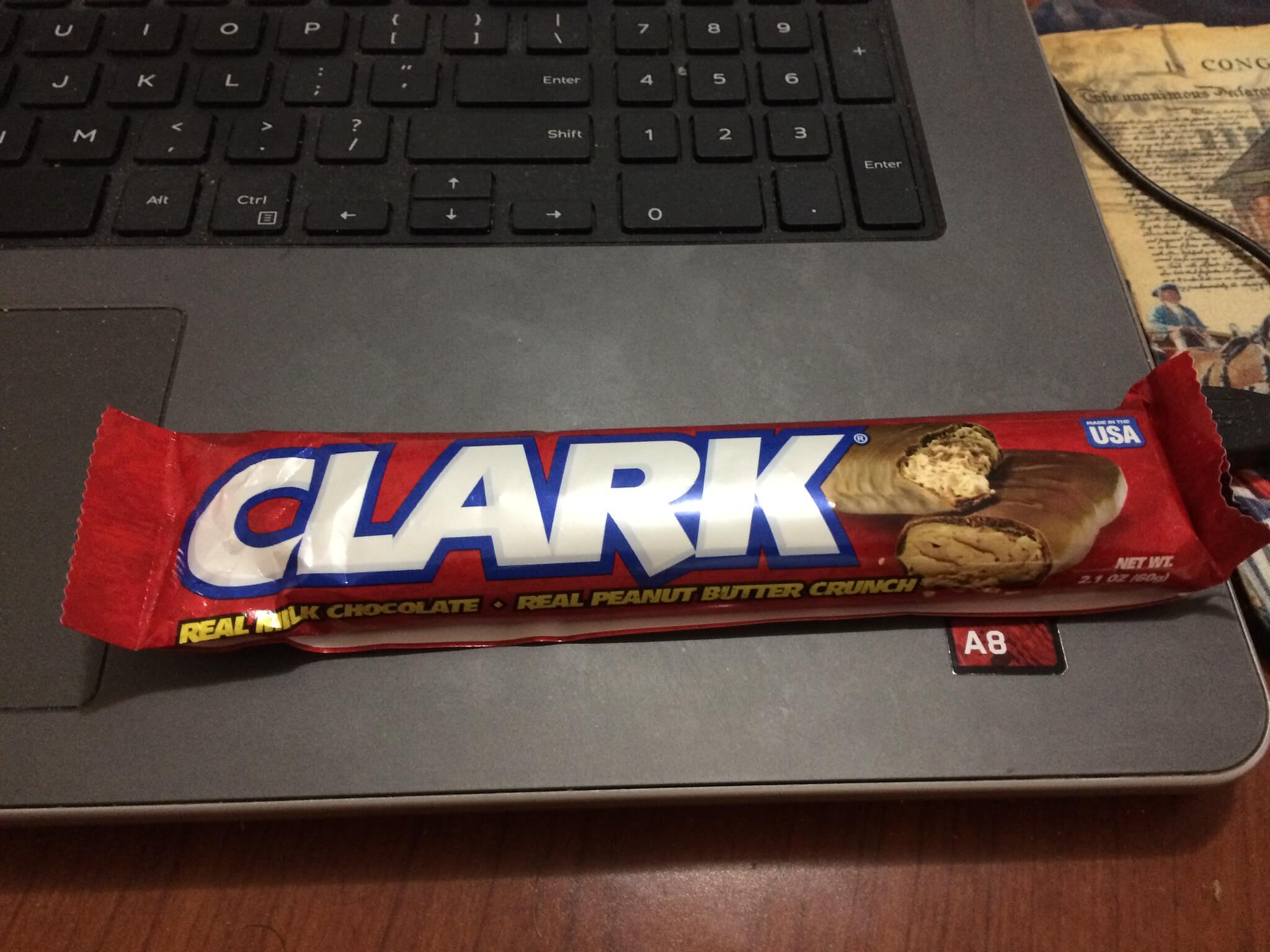
The D.L. Clark Company introduced the Clark Bar in 1917, a crunchy peanut butter center covered in chocolate that became a regional favorite, particularly in Pittsburgh where the company was founded. Ownership changed hands several times over the following century, and production stopped entirely in 2018 when the most recent manufacturer, Boyer Candy, briefly ceased operations.
Boyer resumed production the following year after public outcry, though distribution has remained spottier than it was during the bar’s peak decades.
Sky Bar
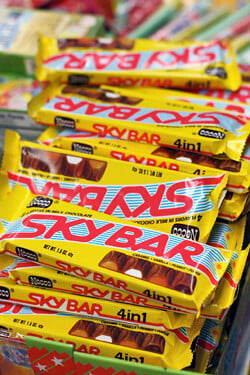
The New England Confectionery Company introduced the Sky Bar in 1938, a single wrapper divided into four distinct chocolate-covered segments with different fillings, including caramel, peanut, vanilla, and fudge. It became a regional favorite in New England for decades before Necco’s 2018 collapse took it off shelves alongside Necco Wafers.
Spangler Candy later revived Sky Bar production as part of the same acquisition that brought back Necco Wafers, though it remains harder to find outside its original New England markets.
Look Bar
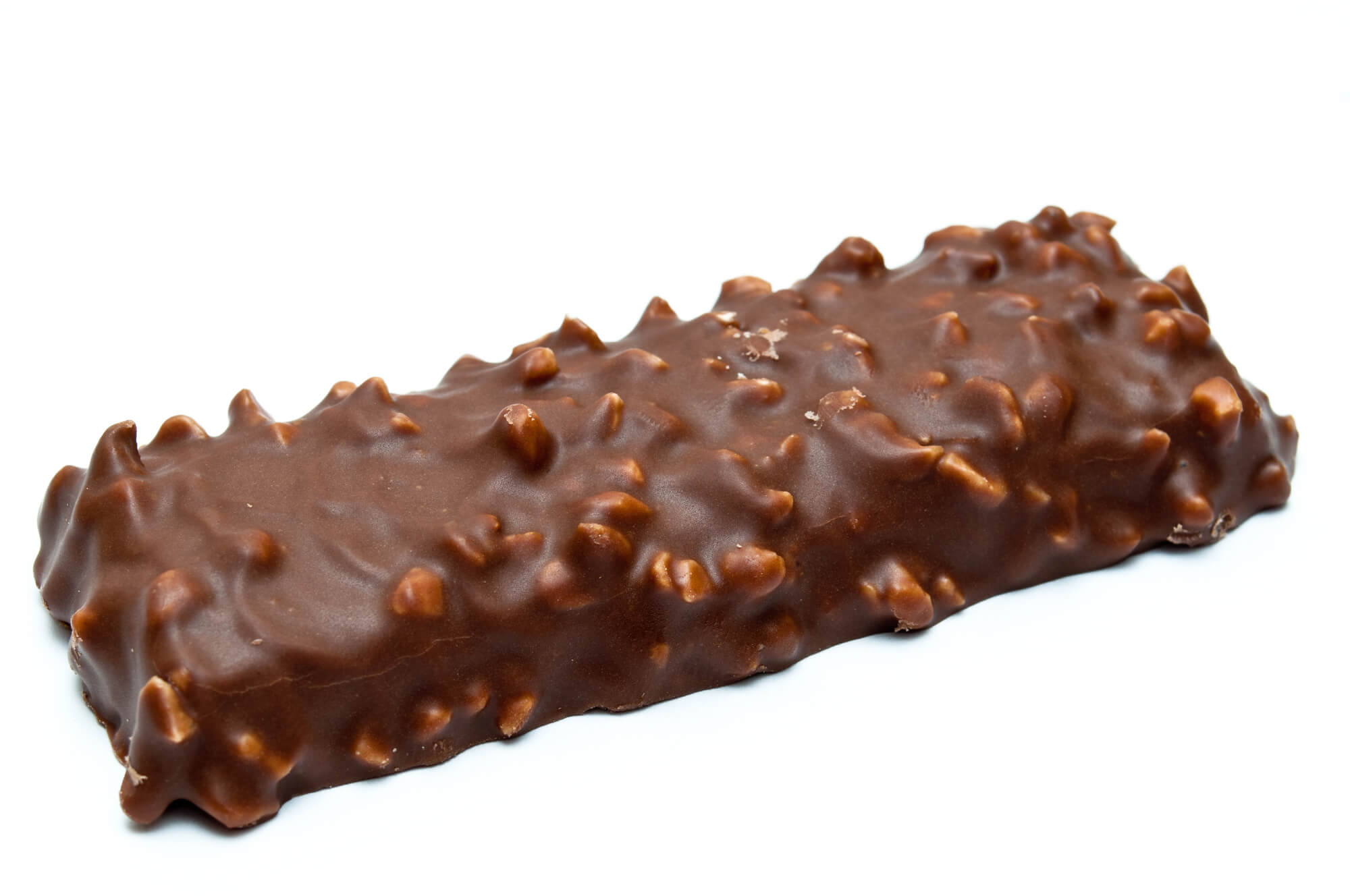
Confectioner Golden Nugget Candy Company sold the Look Bar for decades starting in the 1930s, a combination of caramel, peanuts, and coconut coated in chocolate that carved out a following as an alternative to more common peanut-and-caramel bars. Production wound down gradually over the following decades as the company changed hands and the bar lost shelf space to bigger competitors.
It remains a footnote candy that older fans still occasionally mention by name in nostalgia discussions without expecting anyone to have heard of it.
Cadbury Wunderbar
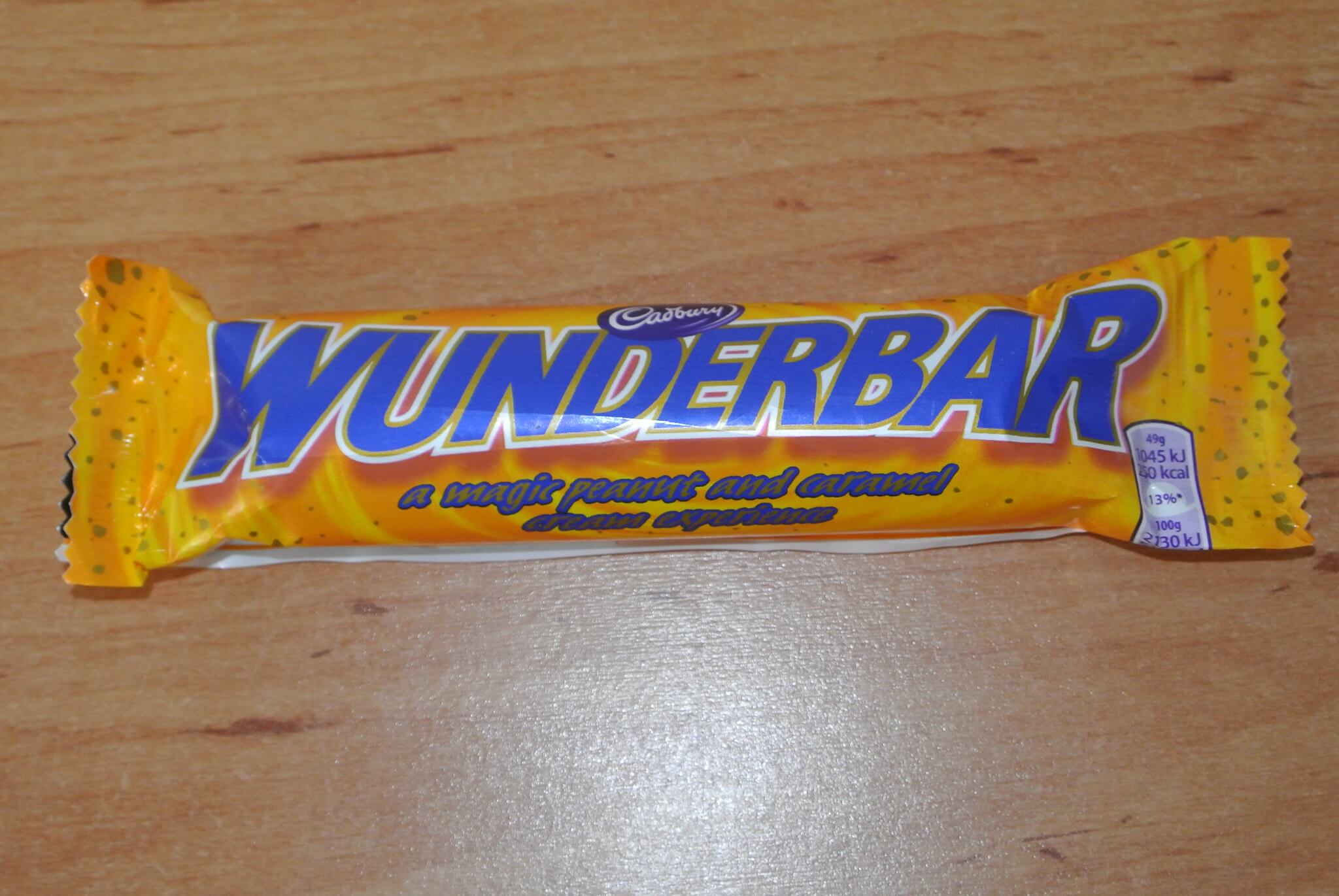
Cadbury sold the Wunderbar in Canada for decades starting in the 1970s, a caramel and peanut bar covered in chocolate that became a distinctly Canadian favorite even as it remained largely unknown in the United States. Cadbury discontinued the bar in Canada in the 2000s as the company restructured its North American candy lineup.
Canadian fans still bring it up regularly enough that it remains one of the most requested discontinued candy bars north of the border.
Cadbury Aero (U.S. Release)
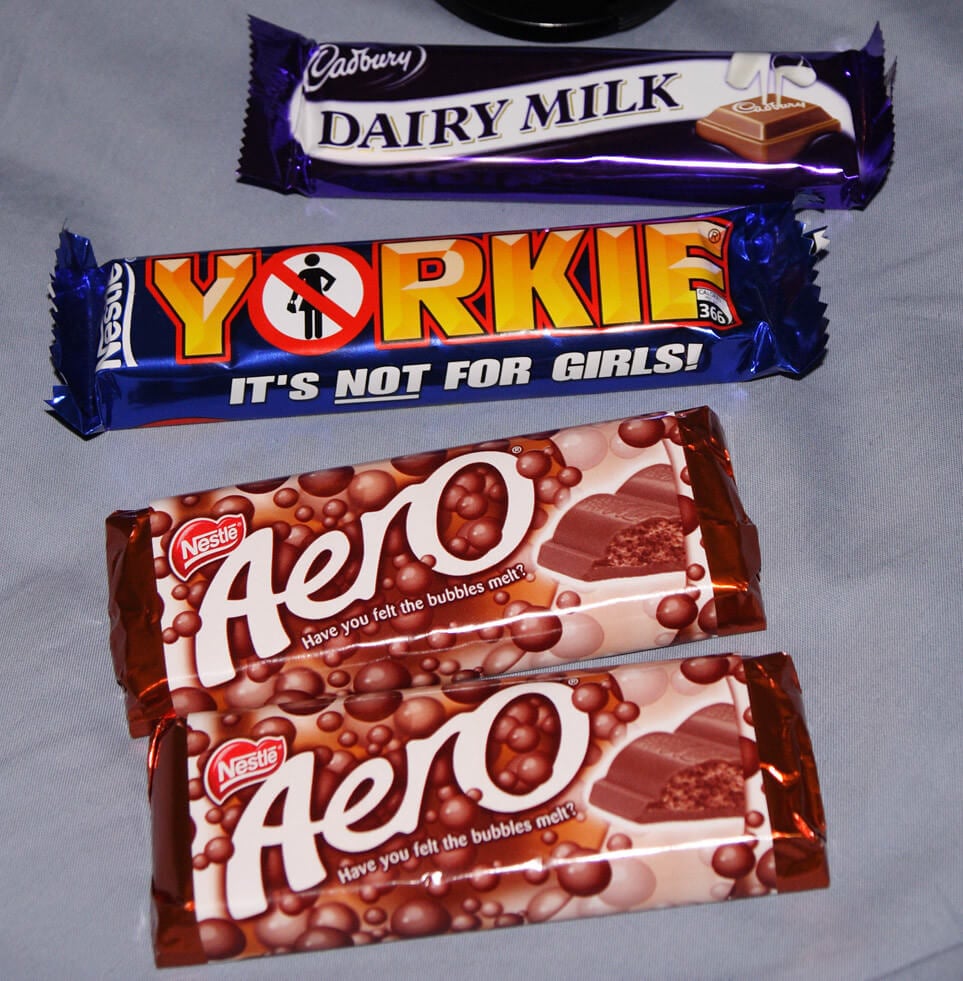
Cadbury sold its aerated Aero bar in the United States for a stretch starting in the 1980s, a chocolate bar filled with tiny air bubbles that gave it a lighter texture than a solid chocolate bar of the same size. The U.S. version never found the same audience the bar enjoyed in the United Kingdom and Canada, and Cadbury eventually pulled it from American shelves while continuing to sell it elsewhere.
American fans who first tried it during its brief domestic run sometimes only rediscover the bar later through import candy stores.
Chunky Bar
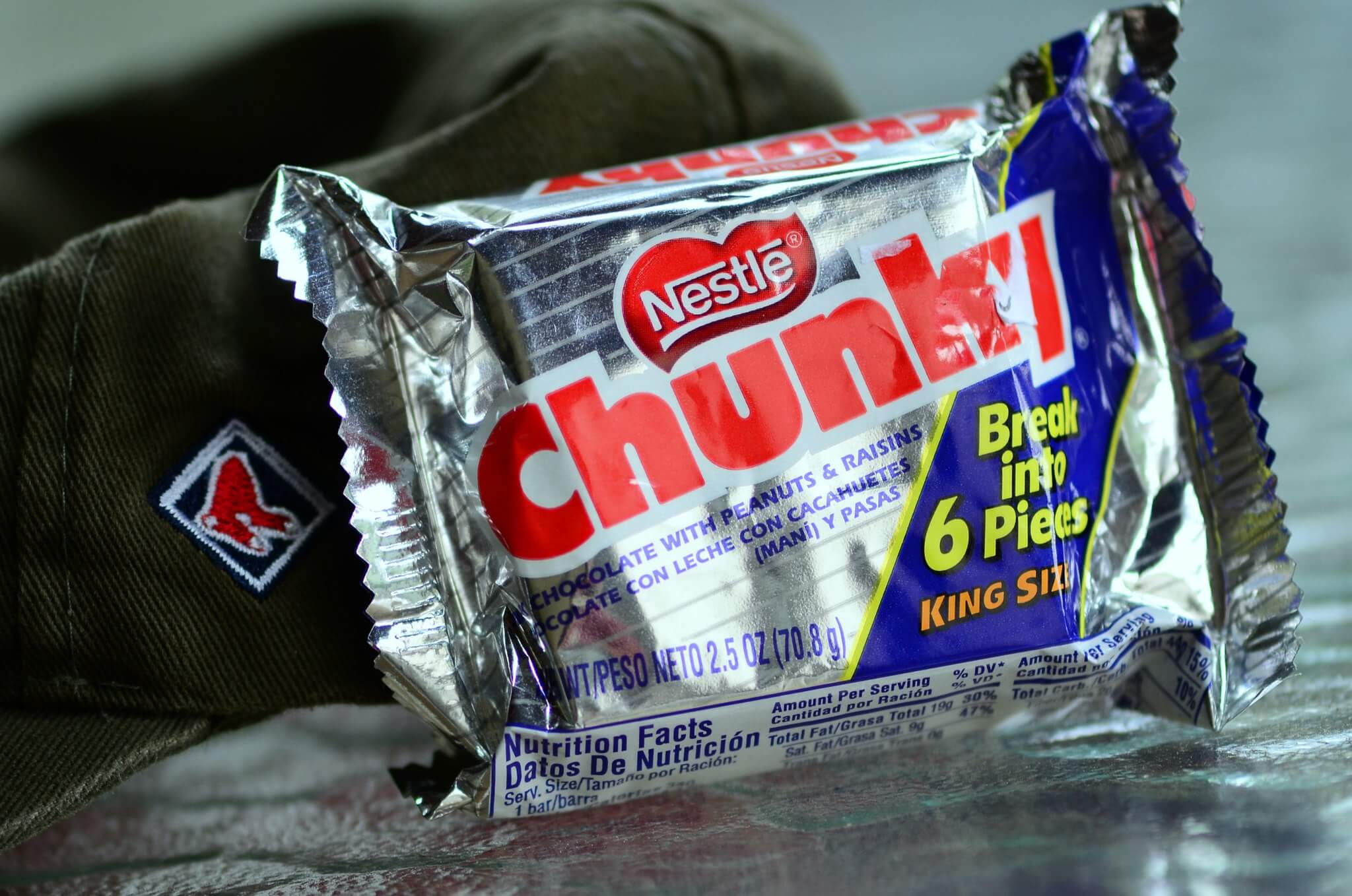
Confectioner Philip Silverstein introduced the Chunky bar in the 1930s, a thick, squat block of chocolate studded with raisins and peanuts that stood apart from the typical thin candy bar shape of its era. Ferrara Candy Company discontinued the bar in 2018 after decades of production, citing its aging manufacturing equipment.
Ferrara brought Chunky back to limited release in 2023 following persistent requests from longtime fans, though distribution remains far narrower than during its mid-century peak.
Chicken Dinner Candy Bar
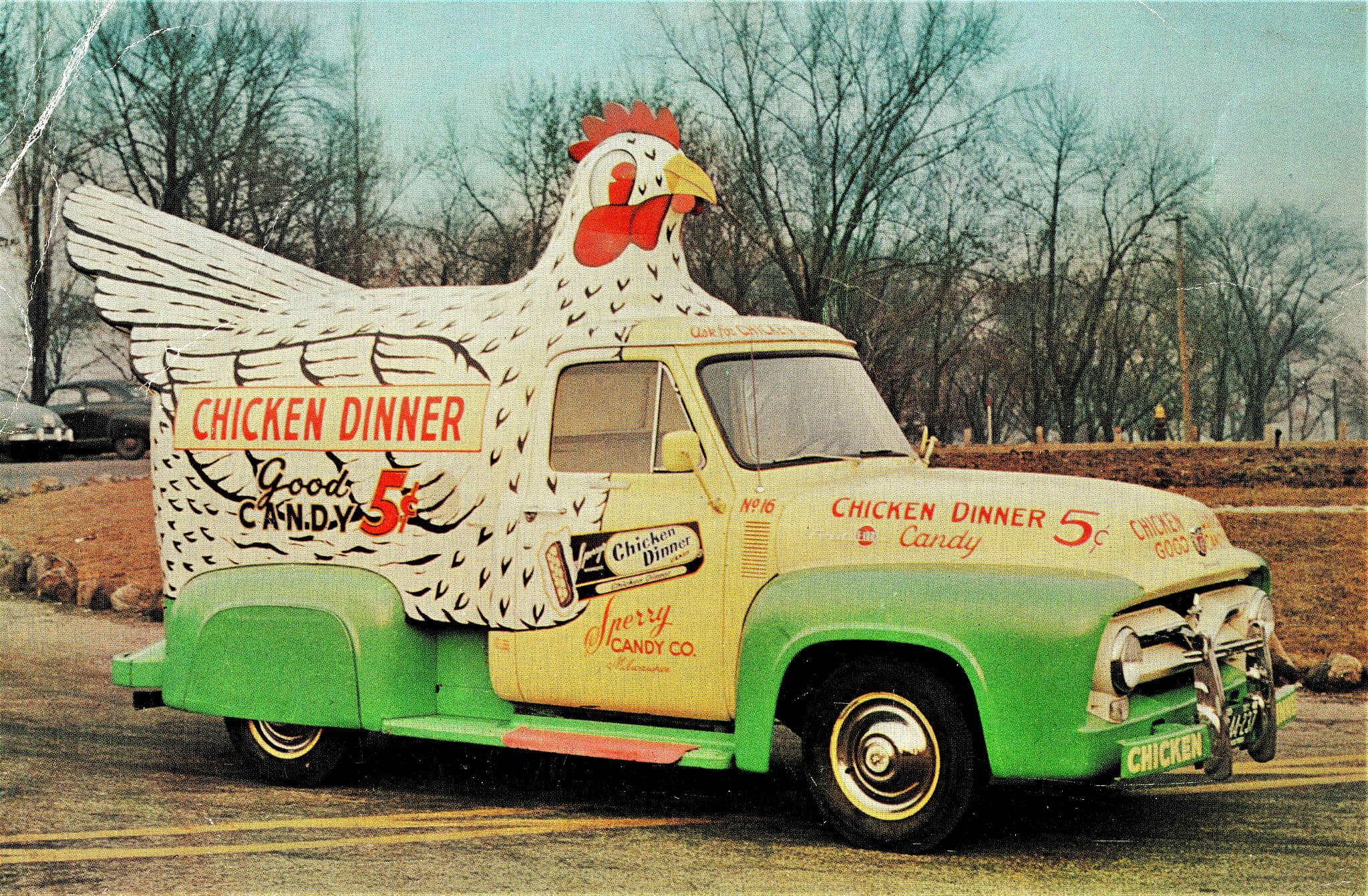
The Sperry Candy Company introduced the Chicken Dinner Candy Bar in the 1920s, a peanut, caramel, and nougat bar named to evoke a prosperous Sunday dinner during an era when a full chicken dinner symbolized comfort and abundance. The name became increasingly confusing to later generations of shoppers, who often assumed the packaging referenced an actual poultry product.
Production ended sometime around the 1960s, and it now exists mostly as a curiosity in candy history circles rather than an active nostalgia request.
Hollywood Milk Shake Bar
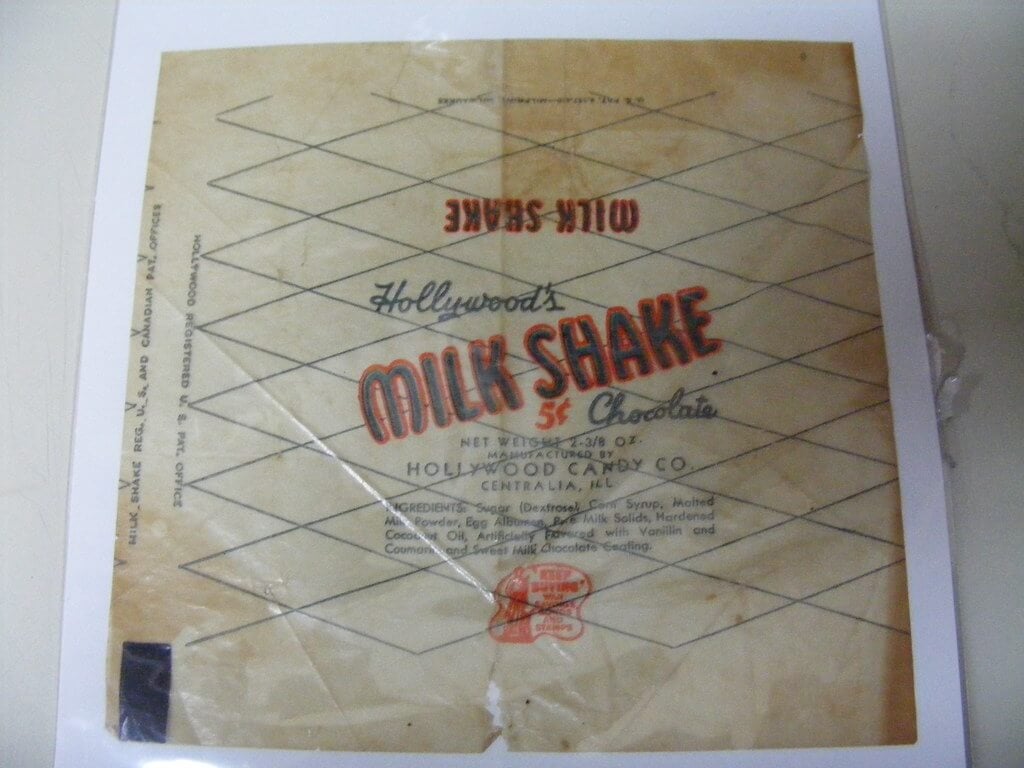
Confectioner Hollywood Brands sold the Milk Shake Bar for decades starting in the 1920s, a nougat and caramel bar coated in chocolate that was marketed as capturing the flavor of an actual milkshake in candy form. It remained popular through the mid-twentieth century before gradually losing shelf space to newer, more heavily marketed candy bars.
Production wound down by the 1980s, and it now surfaces mainly in candy history retrospectives rather than everyday nostalgia conversation.
Nestlé Wonder Bar
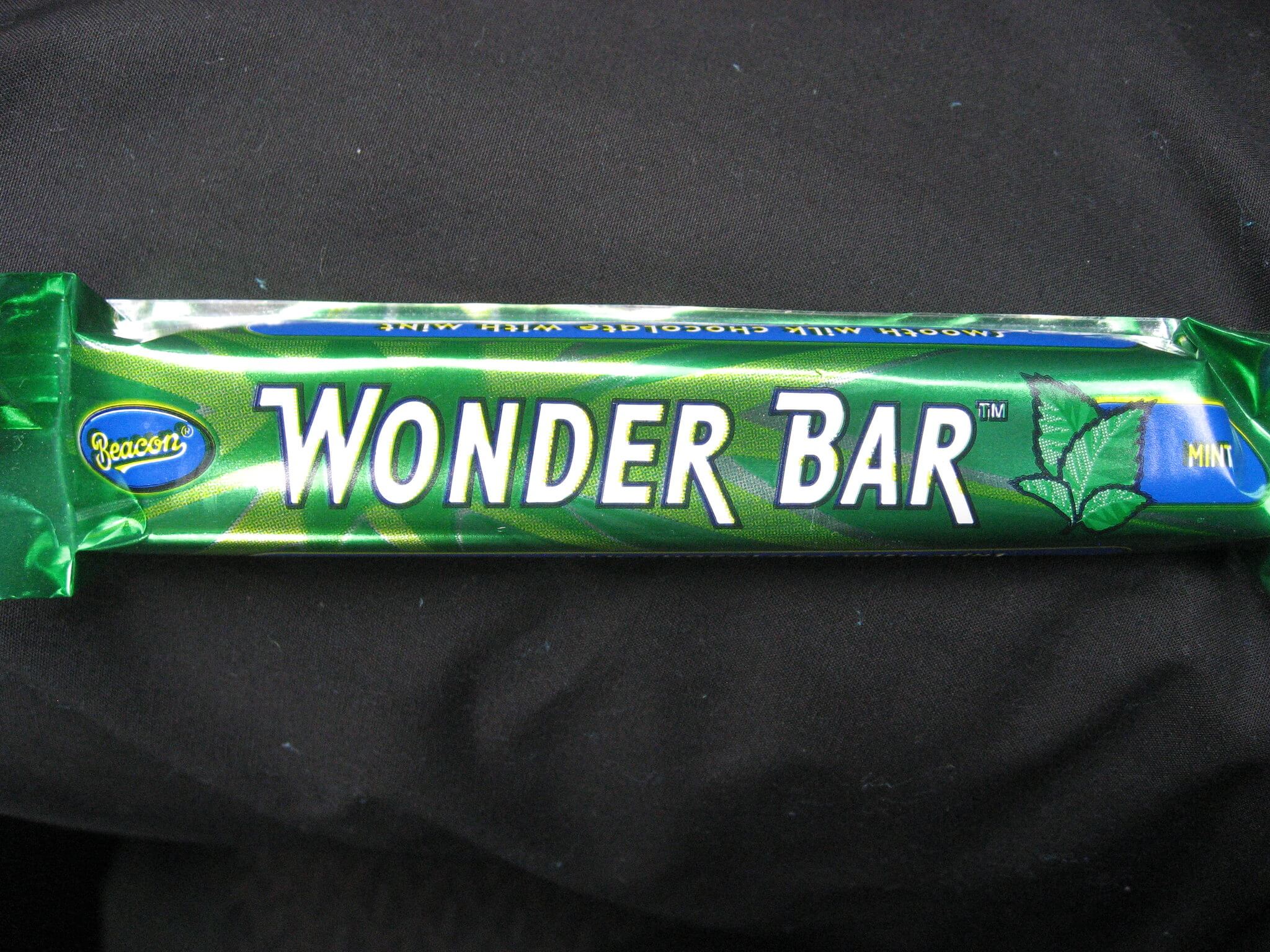
Nestlé sold the Wonder Bar for decades starting in the 1930s, a chocolate-covered caramel bar simple enough in construction that it became a childhood staple across several generations before more elaborate candy bars crowded it off the shelf. It was gradually phased out over the second half of the twentieth century as Nestlé consolidated around fewer, better-marketed products.
It remains one of the more obscure entries that older candy collectors occasionally trade information about.
Oh Boy! Bar
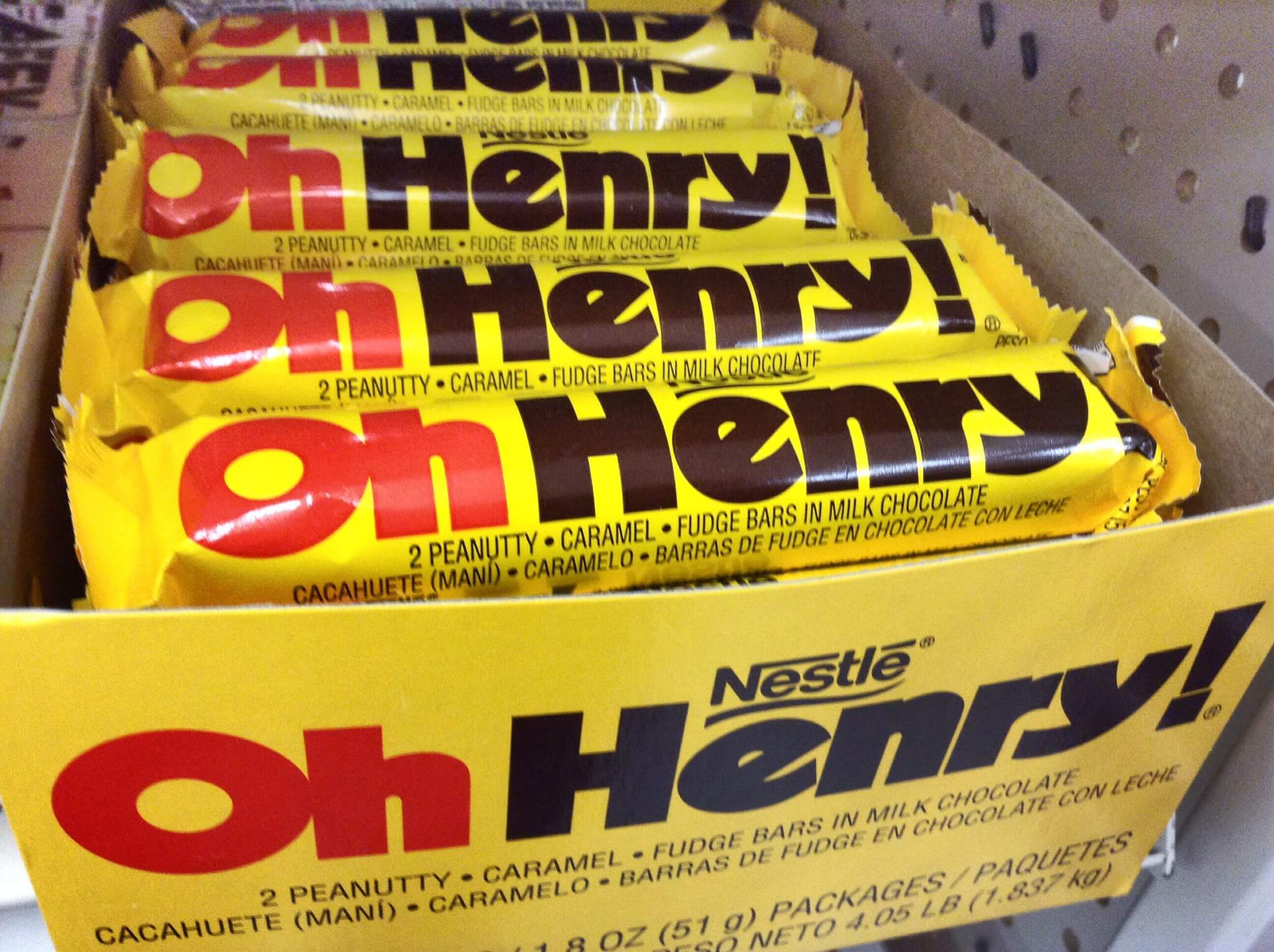
Regional confectioner Squirrel Brand sold the Oh Boy! bar for parts of the twentieth century, a peanut-heavy bar built around roasted nuts and a thin chocolate coating aimed at customers who wanted less sweetness and more crunch than standard candy bars offered. It never expanded much beyond regional distribution and was discontinued as the company narrowed its focus to other nut-based snack products.
It remains a niche request mostly among older shoppers in the areas where it originally sold.
Cadbury Spira
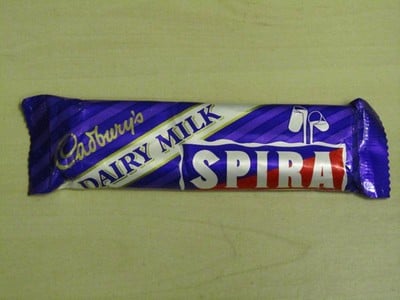
Cadbury sold the Spira, a hollow, twisted tube of aerated chocolate, primarily in the United Kingdom starting in the 1980s, though limited quantities occasionally reached American specialty stores through importers. The unusual tube shape made it expensive to manufacture compared to standard molded bars, and Cadbury discontinued it in 2005.
It remains one of the more frequently requested discontinued imports among American fans of British candy.
Squirrel Nut Zipper Bar
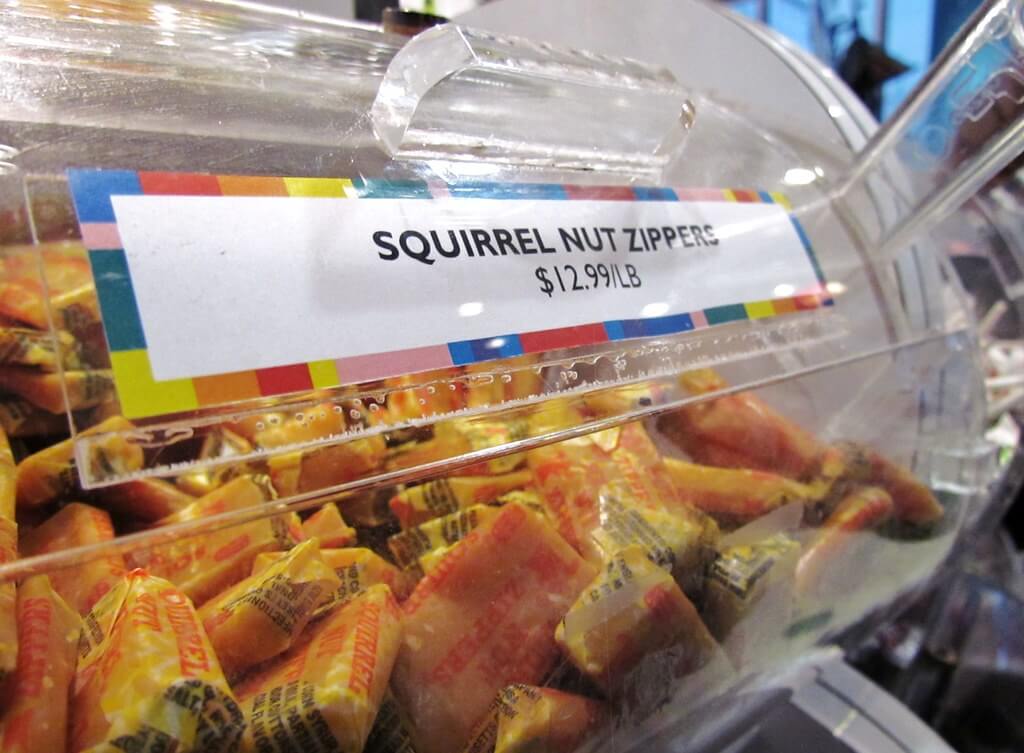
The Squirrel Brand Company sold a peanut-and-caramel bar under the Squirrel Nut Zipper name for parts of the twentieth century, distinct from the chewy nut candies the company was better known for. It faded from wide distribution by the mid-1900s as the company shifted focus to its more successful product lines.
It is remembered today mostly through candy history collectors rather than active public demand.
Vermont Maple Nut Goodie Bar
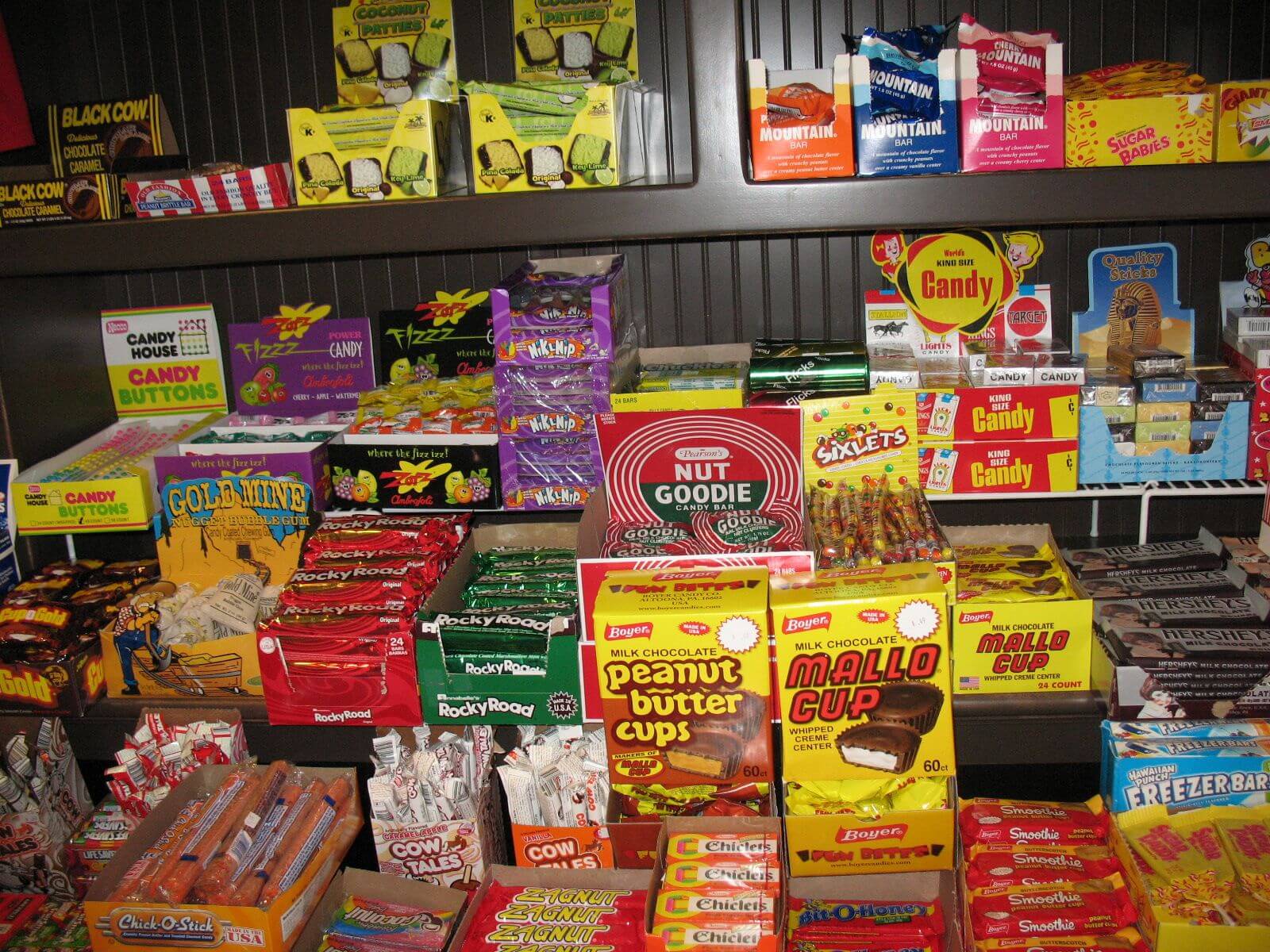
A now-defunct New England confectioner sold a maple-flavored nut bar under variations of the Maple Nut Goodie name for decades in the mid-twentieth century, distinct from the still-produced Idaho Spud and other maple-adjacent candies on the market today. Production ceased as the original manufacturer closed, and the recipe was never picked up by a larger candy company.
It surfaces occasionally in New England candy nostalgia discussions as a regional specialty that never scaled beyond its home market.
Twin Bing
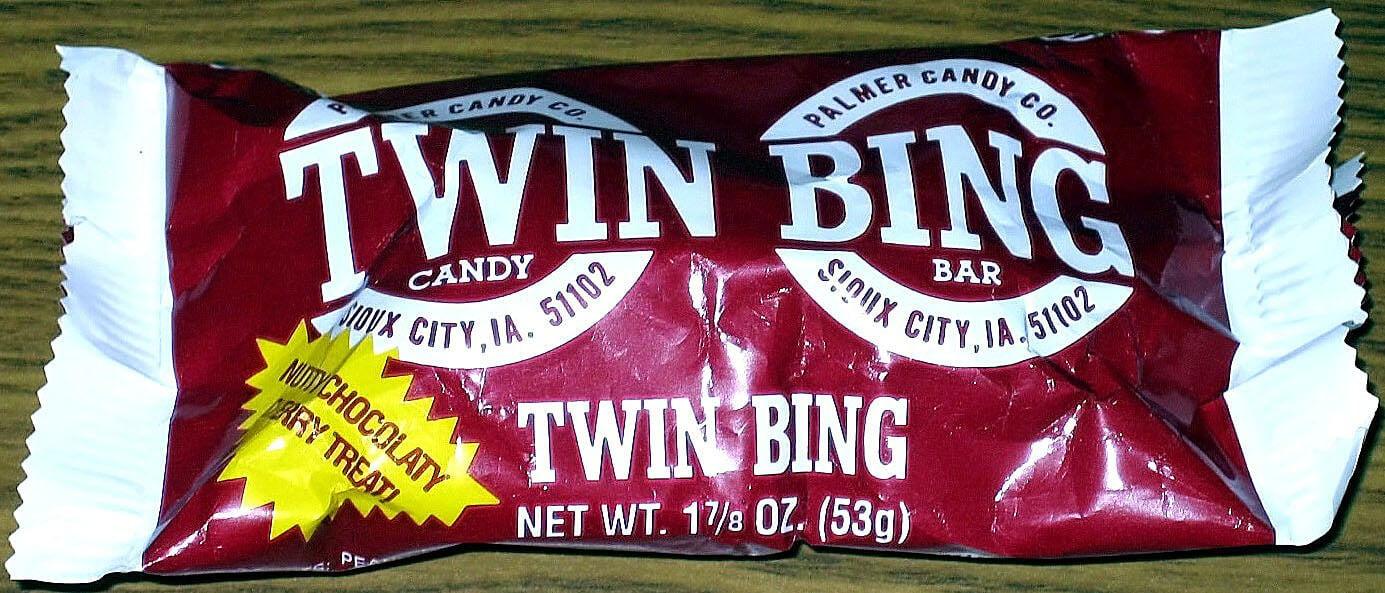
The Palmer Candy Company still produces the single Bing bar today, but an earlier double-segment version sold for decades under the Twin Bing name before the company simplified its lineup down to the single format. Longtime fans in the Midwest, where the bar built its strongest following, sometimes specifically ask for the discontinued twin format rather than the still-available single version.
The distinction is subtle enough that store clerks unfamiliar with the bar’s history often assume customers are simply misremembering the product’s name.
Cherry Mash Twin Bar
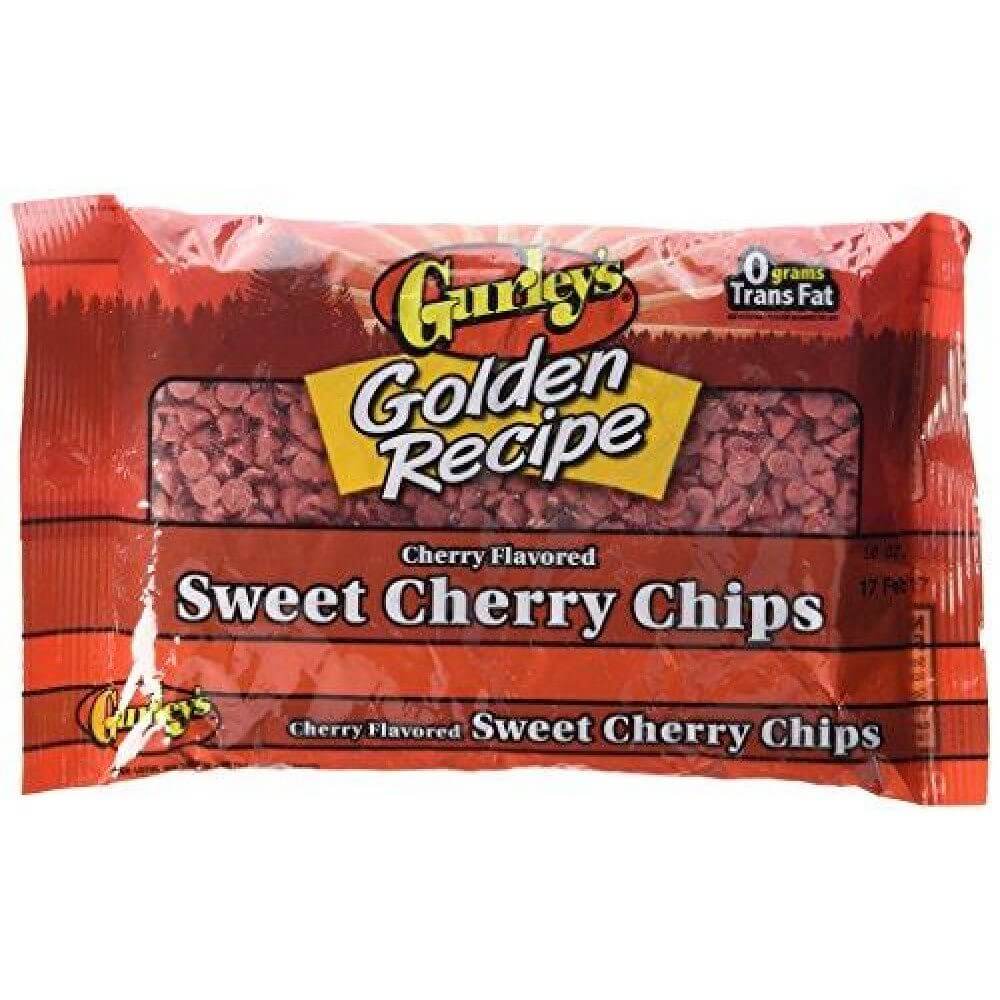
Confectioner Chase Candy sold a twin-pack version of its Cherry Mash bar for parts of the twentieth century alongside the single bar that remains in production today, a cherry-flavored center coated in peanuts and chocolate. The twin format was eventually phased out in favor of standardizing around the single bar still sold in stores.
Fans who grew up with the twin pack occasionally ask about it specifically, unaware the core candy itself never actually left shelves.
Whatchamacallit’s Original Formula
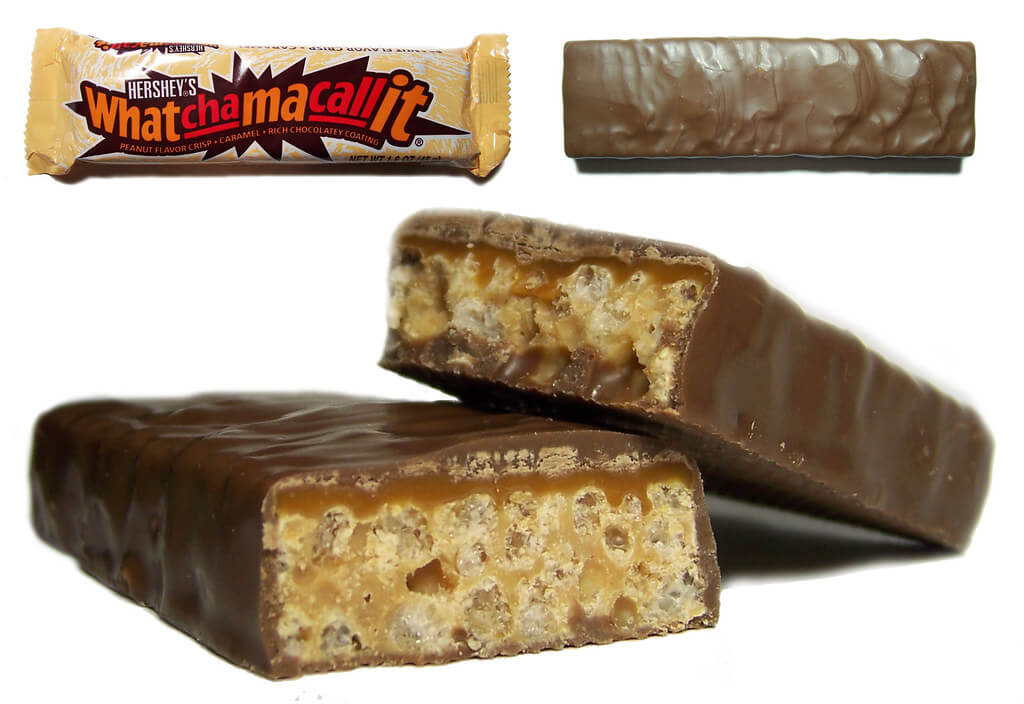
Hershey introduced the Whatchamacallit bar in 1978 with a simple peanut butter crisp center coated in chocolate, then reformulated it in 1987 to add caramel and change the underlying crisp recipe entirely. Longtime fans of the original 1978 version still describe the reformulated bar as a different product wearing the same name, and the bar has grown increasingly hard to find on shelves in recent years despite technically remaining in Hershey’s catalog.
Customers searching for it in stores frequently come away empty-handed even where the product officially still exists.
The Shelf Life of Nostalgia
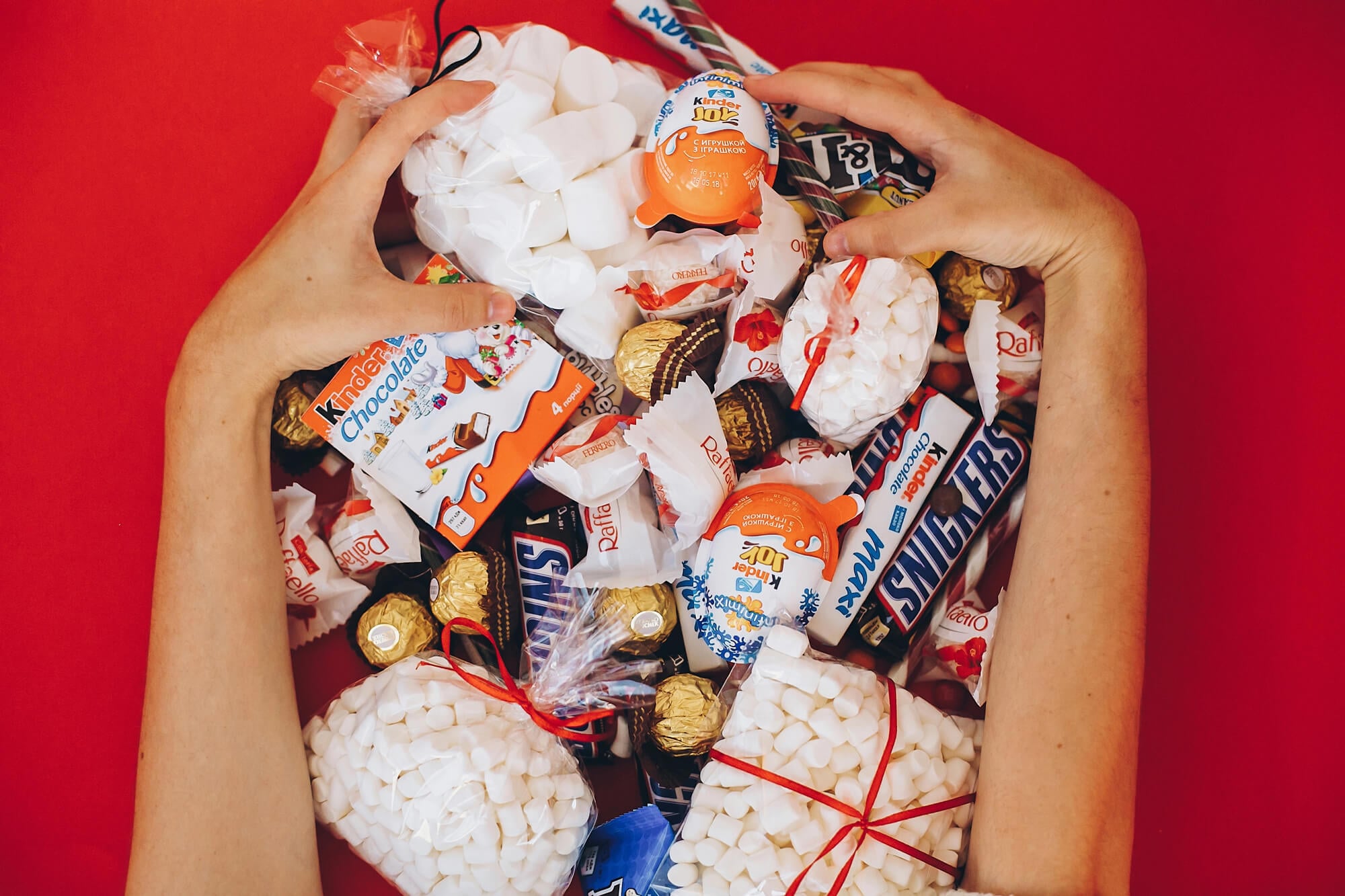
Candy companies discontinue products constantly, almost always for the same handful of reasons: a shape that doesn’t fit standard shelving, a flavor that tested well but sold poorly, or a lineup that simply grew too crowded to support every legacy item. Most of those decisions are invisible to the public, made in spreadsheets long before anyone at the checkout counter notices a gap.
The bars on this list are the exceptions, the ones whose absence people actually register years or decades later. What keeps a candy bar’s memory alive after it disappears usually has less to do with how good it tasted and more to do with when someone tasted it, since childhood memory tends to be far more loyal to a wrapper than any modern taste test would be.
More from Go2Tutors!

- The Romanov Crown Jewels and Their Tragic Fate
- 13 Historical Mysteries That Science Still Can’t Solve
- Famous Hoaxes That Fooled the World for Years
- 15 Child Stars with Tragic Adult Lives
- 16 Famous Jewelry Pieces in History
Like Go2Tutors’s content? Follow us on MSN.



