20 Weird Inventions from the Victorian Era
The Victorian era gave us many things we still use today, from the telephone to the light bulb. But for every practical invention that changed the world, there were dozens of bizarre contraptions that made people scratch their heads in confusion.
Let’s look at some of the oddest gadgets and gizmos that Victorian inventors actually thought would catch on.
The Mustache Guard
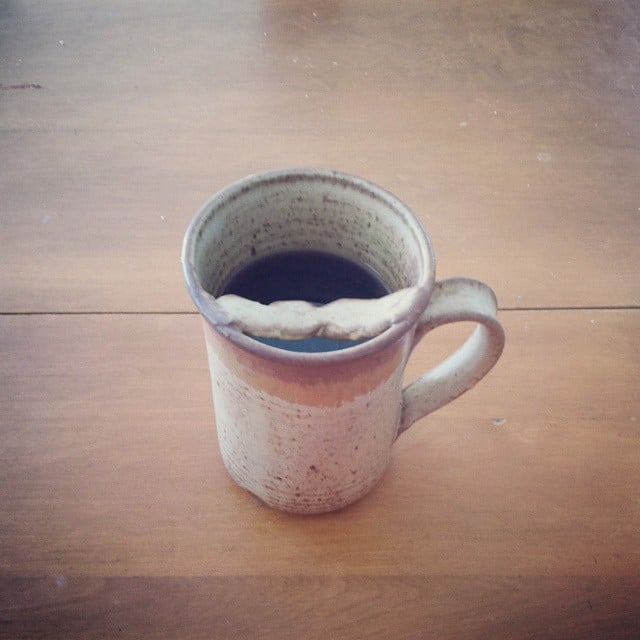
Victorian gentlemen took their facial hair seriously, and nothing ruined a good mustache faster than a cup of hot tea. Someone invented a special guard that clipped onto teacups to protect those carefully waxed whiskers from getting wet or stained.
The device looked like a tiny bridge that sat across the rim of the cup, creating a barrier between the drink and the upper lip. Men would sip their beverages through the gap while their prized mustaches stayed perfectly dry and styled.
Portable Bathtubs You Could Wear

Before indoor plumbing became common, taking a bath was a real production that required heating water and dragging a tub around. One inventor decided to make things easier with a rubber bathing suit that you filled with water and wore like clothing.
The person would stand inside this waterproof outfit while it held gallons of warm water against their body. It sounds convenient until you imagine trying to move around while wrapped in a heavy, sloshing rubber sack.
The Alarm Clock Bed

Getting out of bed has always been hard, so one Victorian inventor built a bed that physically ejected sleepy people at the designated wake-up time. The contraption used a mechanical timer connected to the bed frame, and when the alarm went off, the mattress would tilt at a steep angle.
The sleeping person would slide right off onto the floor, which definitely got them awake but probably didn’t start their day on a happy note. Some versions even included a cold water spray for extra motivation.
Baby Cages For Apartment Windows
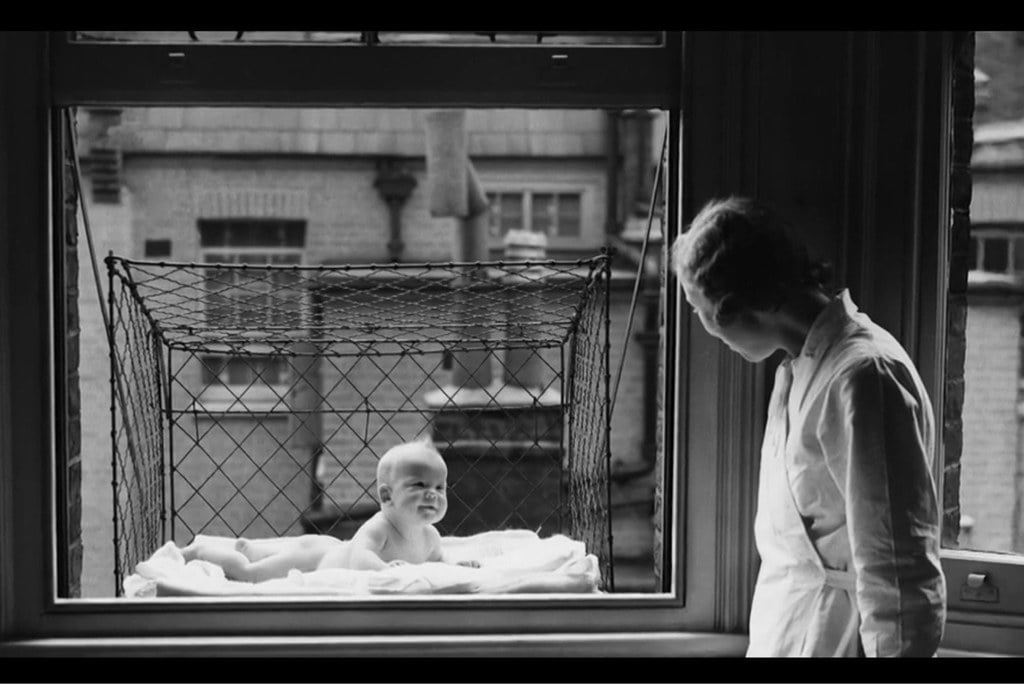
City parents worried their children weren’t getting enough fresh air and sunshine while living in cramped apartments. The solution was a wire cage that hung outside the window like a birdcage, with the baby placed inside for a daily airing.
These contraptions dangled several stories above the street, held up by nothing but brackets and hope. Looking at old photos of these devices today makes most people nervous, but Victorians thought it was perfectly reasonable childcare.
The Dimple Maker

Dimples were considered highly attractive during the Victorian period, so people without them felt left out. An entrepreneur created a face clamp with knobs that pressed into the cheeks at specific points, supposedly creating permanent dimples through repeated use.
Users were instructed to wear this uncomfortable device for several hours each day. The invention didn’t actually work because dimples are genetic, but that didn’t stop people from buying them and enduring the discomfort.
Steam-Powered Hair Curlers
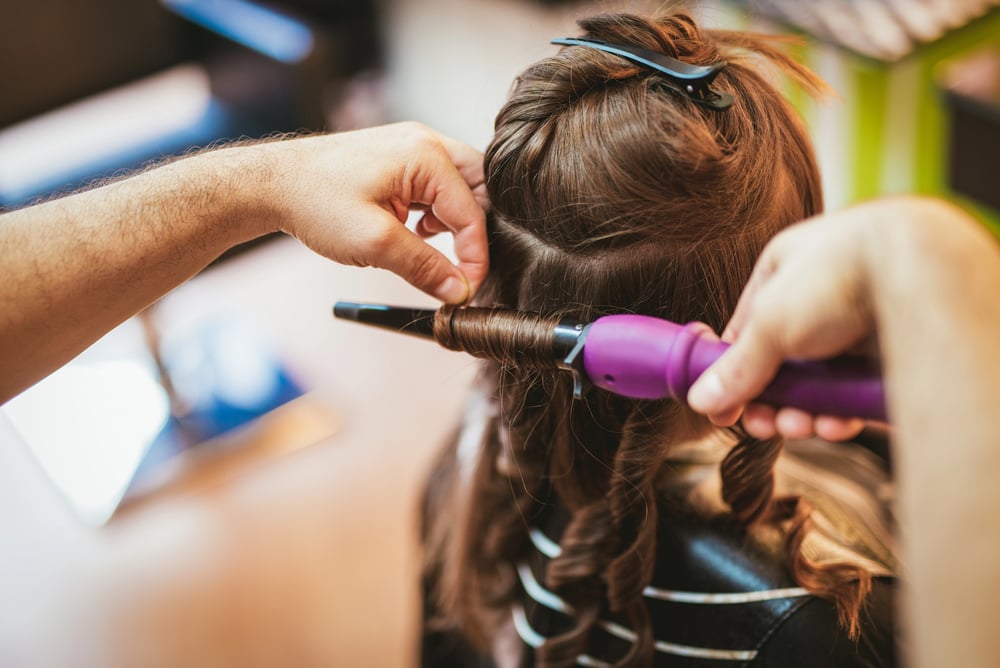
Victorian women wanted fashionable curls but didn’t want to wait around for hours with their hair wrapped in rags. Someone invented a curling iron powered by a small steam engine that women would strap to their waist.
Tubes ran from the engine to heated tongs that curled the hair much faster than traditional methods. The risk of steam burns and the absurdity of wearing a tiny engine on your body apparently didn’t bother the fashion-conscious ladies who used these devices.
The Life-Saving Coffin Bell
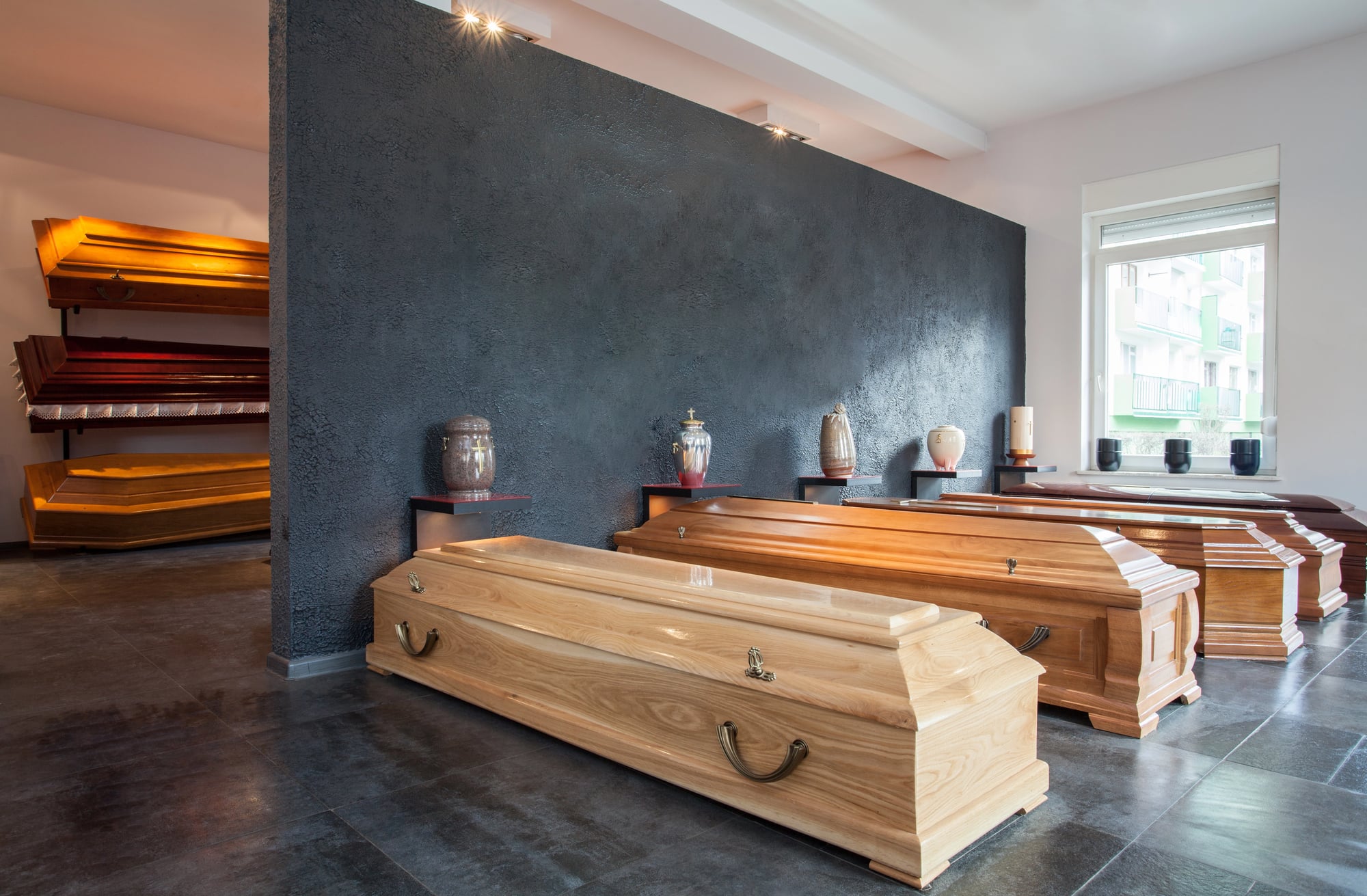
People in the Victorian era were terrified of being buried alive, and this fear led to some creative solutions. Inventors designed coffins with bells attached to strings that ran down into the grave, allowing anyone who woke up underground to ring for help.
Some versions included air tubes and flags that would pop up aboveground when the bell rang. Graveyards even hired night watchmen to listen for these bells, though there’s no record of anyone actually being saved by this system.
Mechanical Leech Containers

Doctors still used leeches for medical treatments during Victorian times, but keeping the creatures alive and organized was tricky. Special decorative jars were designed with tiny circles that let air in while keeping the leeches from escaping.
Some containers looked like fancy vases or sugar bowls, which means guests might not realize they were admiring a jar full of bloodsucking worms. The fancier versions even had measurement marks to help doctors select leeches of the right size for each patient.
The Walking Advertisement Board
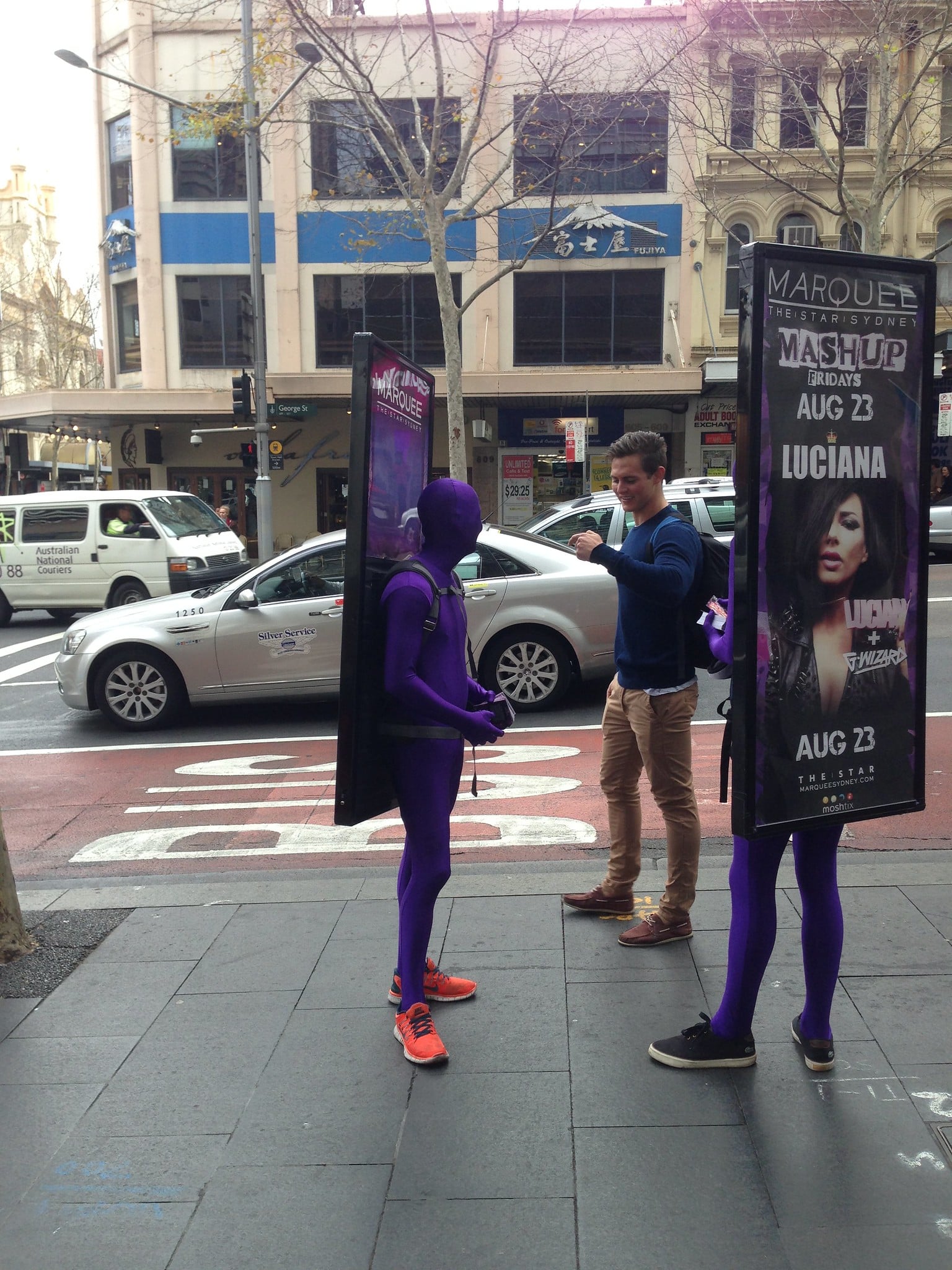
Before digital advertising, companies needed creative ways to promote their products in busy city streets. One solution was a wooden frame that a person would wear on their shoulders, with advertising posters attached to the front and back.
The walking billboard would stroll through crowded areas, essentially turning themselves into a human sandwich board. This job paid very little and made the wearer look ridiculous, but desperate times called for desperate measures in Victorian cities.
Spectacles For Chickens

Farmers noticed that chickens with poor eyesight were calmer and pecked each other less often. This observation led to the invention of tiny eyeglasses for poultry, complete with red-tinted lenses that supposedly reduced aggression in the henhouse.
Getting chickens to keep glasses on their heads proved challenging, so inventors created versions that clipped onto the bird’s beak. The glasses didn’t catch on widely, but they remain one of the strangest attempts to improve farm productivity.
The Pneumatic Tube Delivery System For Food
Restaurants in big cities wanted faster ways to deliver meals to their customers without hiring more staff. Engineers designed systems of pneumatic tubes that could shoot food containers through pipes at high speeds, similar to how banks move money today.
Hot meals would travel through these tubes and pop out at the customer’s table or location. The food often arrived cold, crushed, or splattered all over the inside of the container, which limited the system’s success.
Rain Bonnets With Gutters

Victorian ladies wore elaborate bonnets that were expensive and easily ruined by rain. Someone invented a bonnet with built-in gutters and downspouts that channeled water away from the fabric and face.
The contraption looked like a tiny roof system perched on someone’s head, complete with drainage pipes pointing in various directions. Women who wore these avoided getting their bonnets wet but looked absolutely ridiculous walking down the street in what amounted to architectural headwear.
The Combined Eating Utensil

Carrying separate forks, knives, and spoons seemed wasteful to one inventor, who created an all-in-one eating tool. This Swiss Army knife of silverware folded out to become whatever utensil you needed at the moment.
The result was a clunky, awkward implementation that didn’t do any single job particularly well. Trying to eat soup with a device that also contained knife blades was both impractical and slightly dangerous.
Furniture That Transformed Into Gym Equipment

Space was limited in Victorian homes, so inventors created ordinary furniture that secretly functioned as exercise equipment. A chair might have handles that are pulled out to create a rowing machine, or a desk could convert into a set of parallel bars.
These multipurpose pieces seemed clever in theory but were usually uncomfortable as both furniture and workout gear. Most people probably used them as regular furniture and ignored the exercise features entirely.
The Hat-Tipping Mechanism
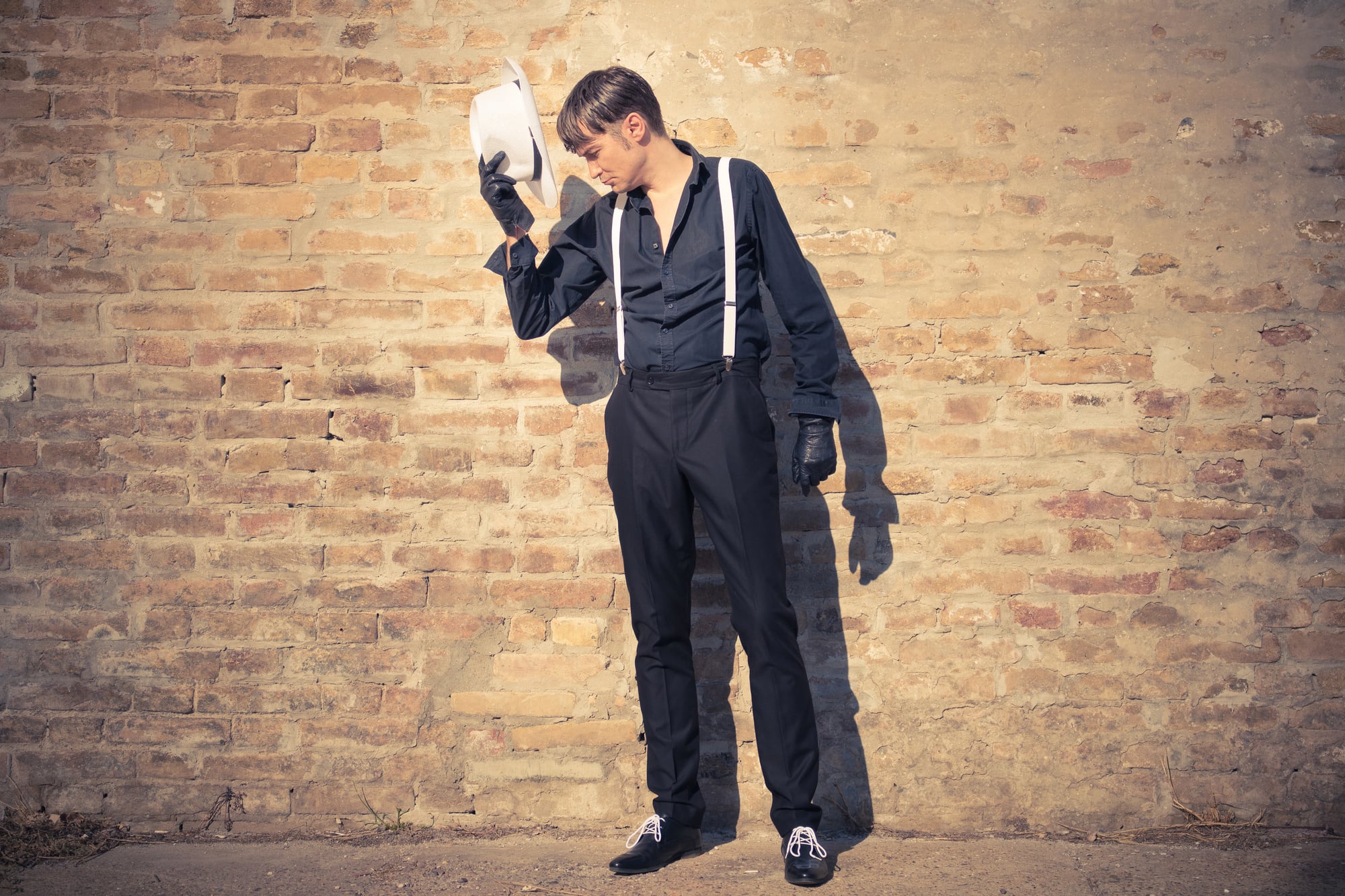
Polite Victorian gentlemen were expected to tip their hats to ladies they passed on the street, but this got tiresome when your hands were full. One inventor created a mechanical device attached to the hat brim that could be triggered by a string running down the coat sleeve.
The gentleman would pull the string with his elbow or hand, causing the hat to lift automatically. The contraption was so visible and clunky that it defeated the purpose of appearing naturally courteous.
Bicycle Rails For City Streets

Early bicycles were unstable and hard to ride, leading to many accidents on crowded city streets. Engineers proposed installing rail systems similar to train tracks that bicycles could lock onto for stability.
The rider would guide their bike onto the rail and coast along without worrying about balance. This would have required rebuilding entire cities around bicycle infrastructure, and the idea died quickly when bicycles became easier to ride.
Goggles Designed For Reading In Bed

People who enjoyed reading before sleep often complained about tired arms from holding books up. The solution was a pair of mirrored goggles that let someone lie flat on their back while the book rested on their chest.
The mirrors reflected the page up to the reader’s eyes, eliminating the need to hold anything. These contraptions worked but looked completely absurd, and most people decided tired arms were preferable to wearing strange mirror glasses in bed.
The Pedestrian Catcher For Trains

Train accidents involving pedestrians were common in Victorian cities, so railroad companies installed large nets or scoops on the front of locomotives. These catchers were supposed to scoop up anyone who wandered onto the tracks and carry them safely along until the train stopped.
In reality, getting hit by the catcher was almost as dangerous as getting hit by the train itself. The devices did more to ease the conscience of railroad companies than actually save lives.
Wearable Writing Desks

People in Victorian times often had to write during travel for their jobs. A surface to scribble on became necessary when away from home.
Creators came up with foldable setups worn across the chest, like a shelf fastened by straps. These carried small pots for ink, slots for pens, plus room for paper – held steady over clothing.
Starting mid-step usually meant blotches spreading down shirtsleeves or pages turning messy without warning. Sitting still on solid furniture worked much better every time.
The Beauty Mask With Electrical Currents

Women in Victorian times chased beauty using odd, often unpleasant tricks – like wearing metal face coverings hooked to batteries. These gadgets sent faint electric pulses across the skin, said to tighten muscles and smooth lines.
A tingle crept over the cheeks while they sat still, following strict routines. Though it did nothing real, belief in results – and longing for ageless looks – kept them selling.
Left Behind By Them

Odd machines from the past reveal a world where dreamers built solutions for troubles that never existed. Though many flopped, weighed down by their own complexity, each misstep carried a spark.
Failure often wore a top hat back then. Behind every clumsy device sat belief in better ways forward. Some breakthroughs began as jokes no one laughed at. Mistakes, dressed up in brass and gears, quietly pointed toward what might work later. Even nonsense shapes understanding, given time.
More from Go2Tutors!

- The Romanov Crown Jewels and Their Tragic Fate
- 13 Historical Mysteries That Science Still Can’t Solve
- Famous Hoaxes That Fooled the World for Years
- 15 Child Stars with Tragic Adult Lives
- 16 Famous Jewelry Pieces in History
Like Go2Tutors’s content? Follow us on MSN.