31 Inventors Who Kept Going After Rejection
Every object on this list began as an idea somebody else dismissed. Investors passed, employers scoffed, and in more than one case a working prototype sat in a drawer for years before anyone paid attention.
The pattern holds across two centuries: persistence outlasted the doubt. What follows are the people who kept building, filing, and pitching long after the answer had already been no.
Thomas Edison
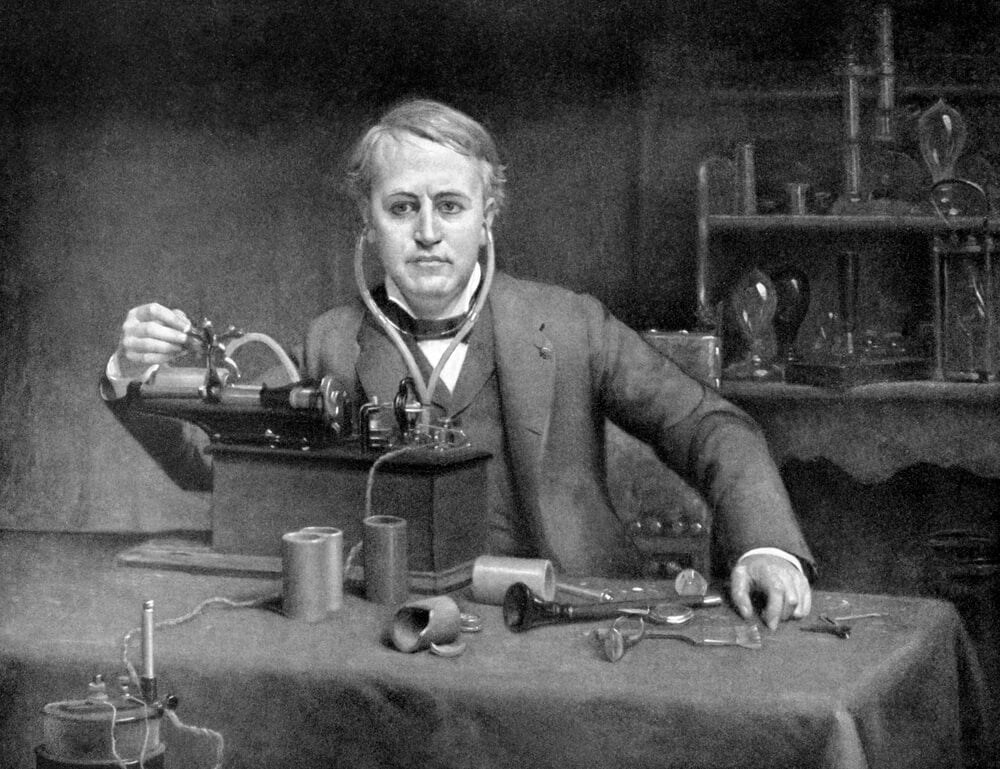
Edison and his team reportedly tested thousands of filament materials before settling on carbonized bamboo for a bulb that could burn for hours rather than minutes. Investors grew impatient during the years of failed attempts, and newspapers openly mocked the project as a waste of money.
Edison later described the process as narrowing down what did not work rather than failing outright. The Menlo Park lab kept detailed notebooks of every dead end, a habit that became standard practice in industrial research.
The Wright Brothers
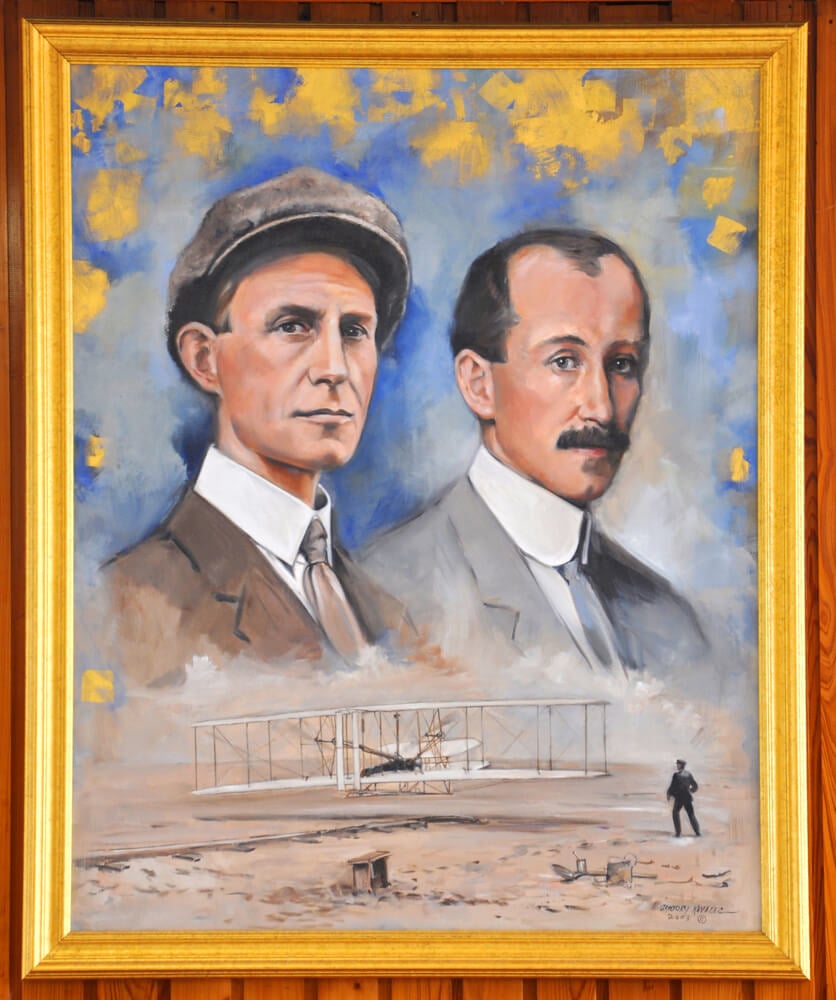
Newspaper editors declined to send reporters to Kitty Hawk in 1903 because heavier-than-air flight was widely considered a fantasy pursued by cranks. The Smithsonian’s own secretary had backed a rival flying machine that crashed publicly days before the Wrights succeeded.
Even after their first flights, American newspapers largely ignored the story, and the brothers struggled for years to get the U.S. military interested in a contract.
Chester Carlson
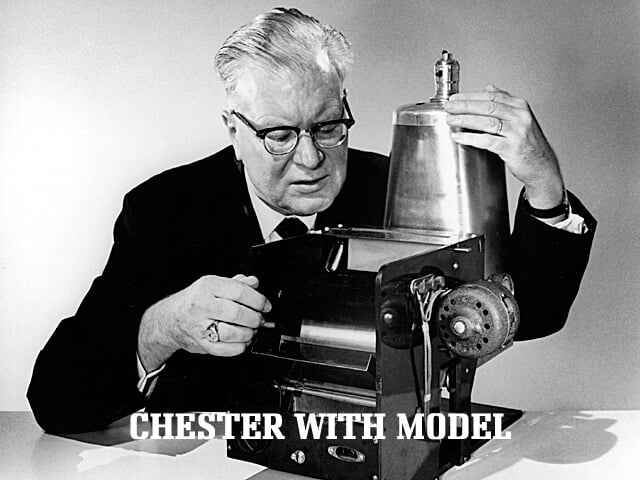
Carlson invented a dry photocopying process in his kitchen and spent years pitching it to more than twenty companies, including IBM and Kodak, all of which turned him down as impractical. The Haloid Company, a small photographic paper maker, finally licensed the technology in the late 1940s.
Haloid eventually renamed itself Xerox, and the machine Carlson built alone became one of the most profitable inventions of the twentieth century.
James Dyson
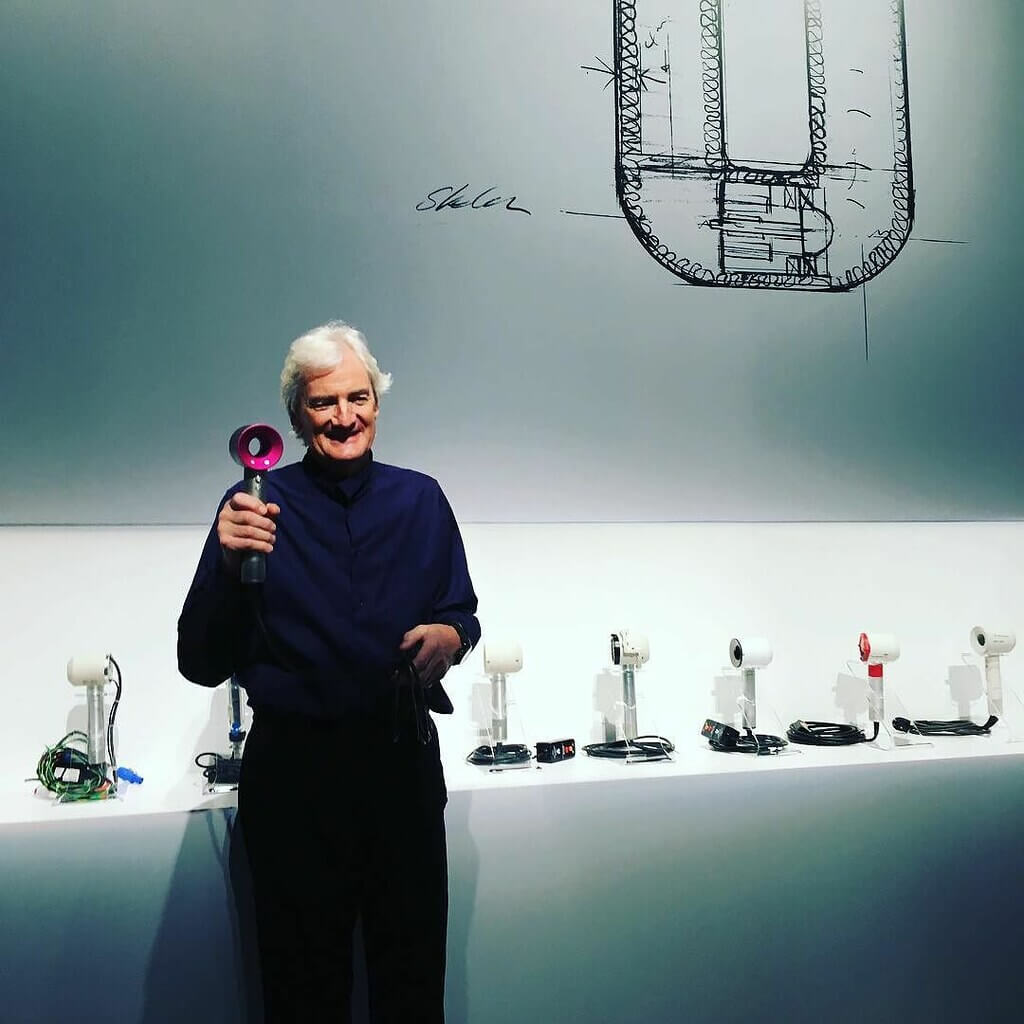
Dyson spent five years and built 5,127 prototypes of a bagless vacuum before landing on a design that worked, funding the effort by selling off other projects and living on a tight budget. Established vacuum manufacturers refused to license the cyclone technology because it threatened their profitable replacement-bag business.
Dyson eventually launched the product himself in Japan before bringing it to Britain and the United States.
King Camp Gillette
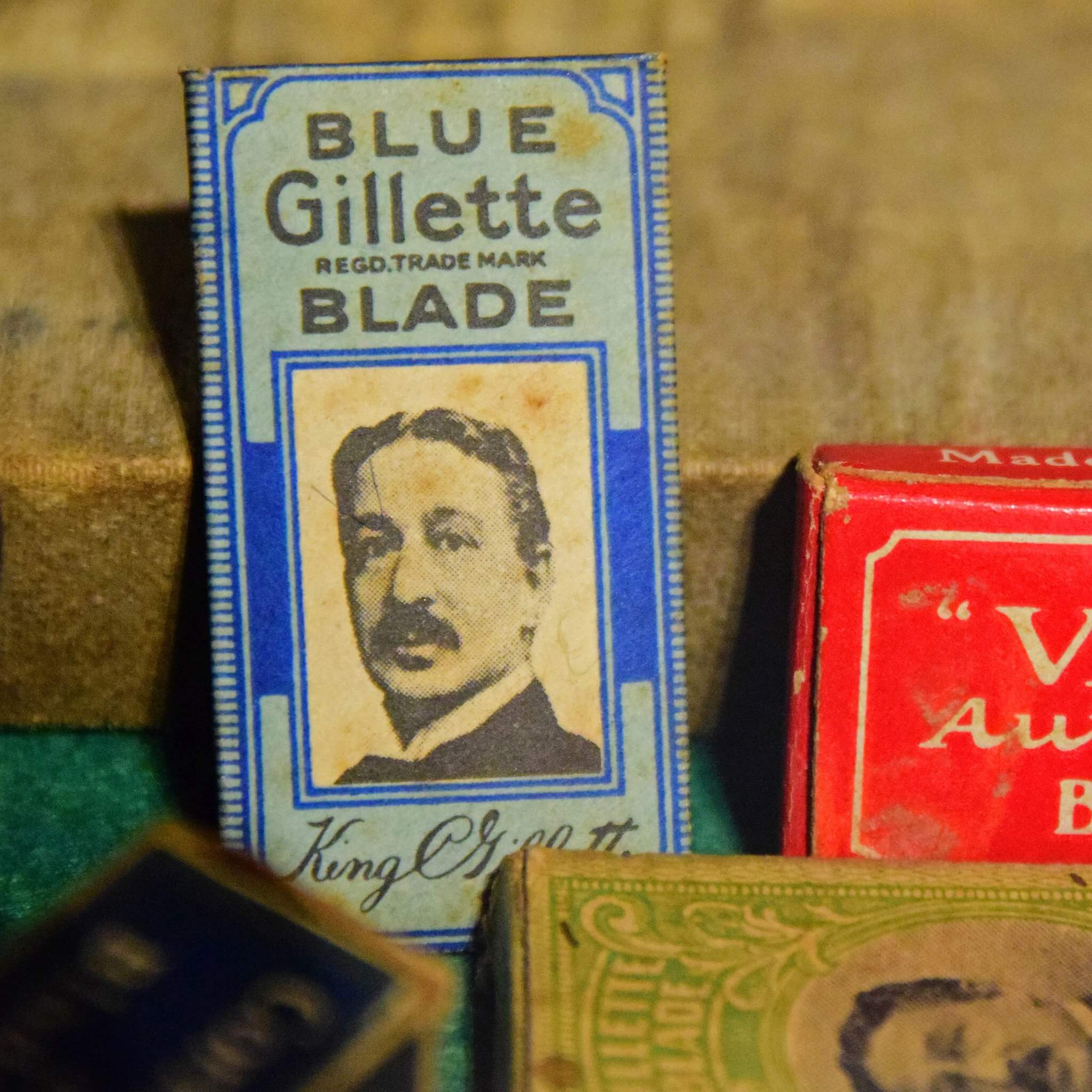
Gillette pitched the idea of a razor with a thin, disposable blade to engineers who told him it was physically impossible to manufacture steel that thin and sharp at a low cost. It took him roughly six years to find an engineer, William Nickerson, willing to solve the manufacturing problem.
Once production began, the razor and blade business model became a template that companies in unrelated industries still copy today.
Charles Goodyear
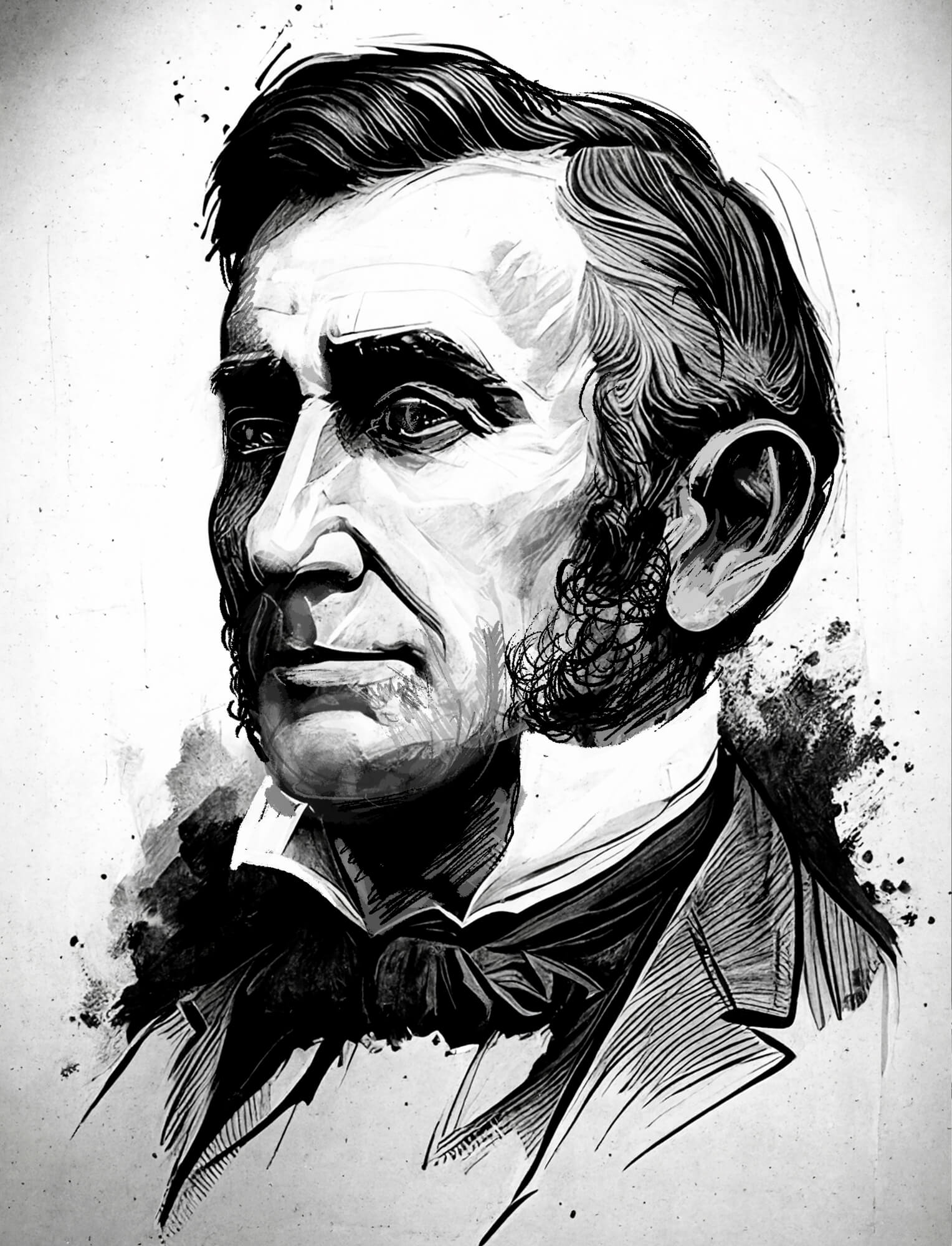
Goodyear spent years experimenting with rubber, going bankrupt and serving time in debtors’ prison more than once while chemists and investors dismissed his obsession as pointless. He accidentally discovered vulcanization when a rubber and sulfur mixture dropped onto a hot stove and hardened instead of melting.
He died in debt despite the process becoming the foundation of the modern rubber industry.
George de Mestral
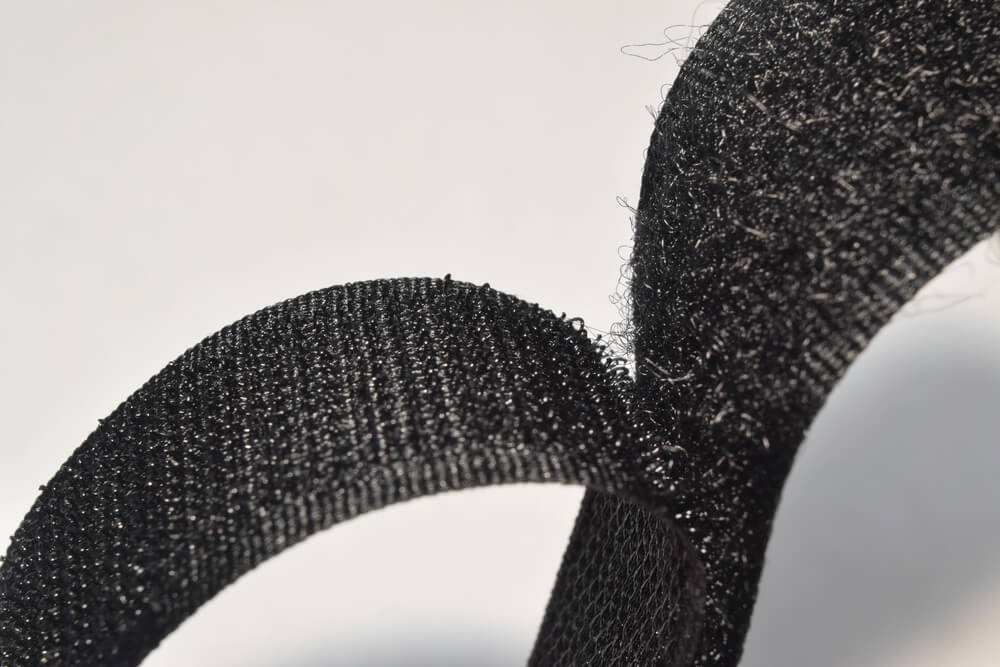
De Mestral noticed burrs clinging to his clothes and his dog’s fur after a walk and spent years developing a fastening system based on the tiny hooks he saw under a microscope. Textile experts he approached considered the idea impractical and unattractive for clothing.
Velcro found its first major customers in aerospace and outdoor gear before eventually appearing on shoes and jackets.
Jacob Davis and Levi Strauss

Tailor Jacob Davis could not afford the patent fee for his idea of reinforcing work pants with metal rivets, so he wrote to dry goods merchant Levi Strauss, who had already turned down similar pitches from other tradesmen. Strauss agreed to fund the patent in 1873 after seeing the rivets solve a durability problem miners genuinely had.
The partnership produced the modern blue jean, a garment early buyers considered a rough novelty for laborers.
Malcom McLean

McLean, a trucking company owner, proposed loading entire truck trailers directly onto ships instead of unloading cargo piece by piece at the dock. Shipping and rail executives rejected the standardized container as an unnecessary disruption to an industry that had worked the same way for a century.
McLean built his own shipping line to prove the concept, and containerization eventually cut global freight costs dramatically.
Garrett Morgan

Morgan developed an early three-position traffic signal and a safety hood that became a precursor to the gas mask, but he faced consistent discrimination as a Black inventor in the early twentieth century. He reportedly had a white actor pose as the inventor when demonstrating the safety hood to some Southern buyers because his products sold poorly once his race became known.
Morgan sold the traffic signal patent to General Electric and continued inventing despite the setbacks.
Stephanie Kwolek
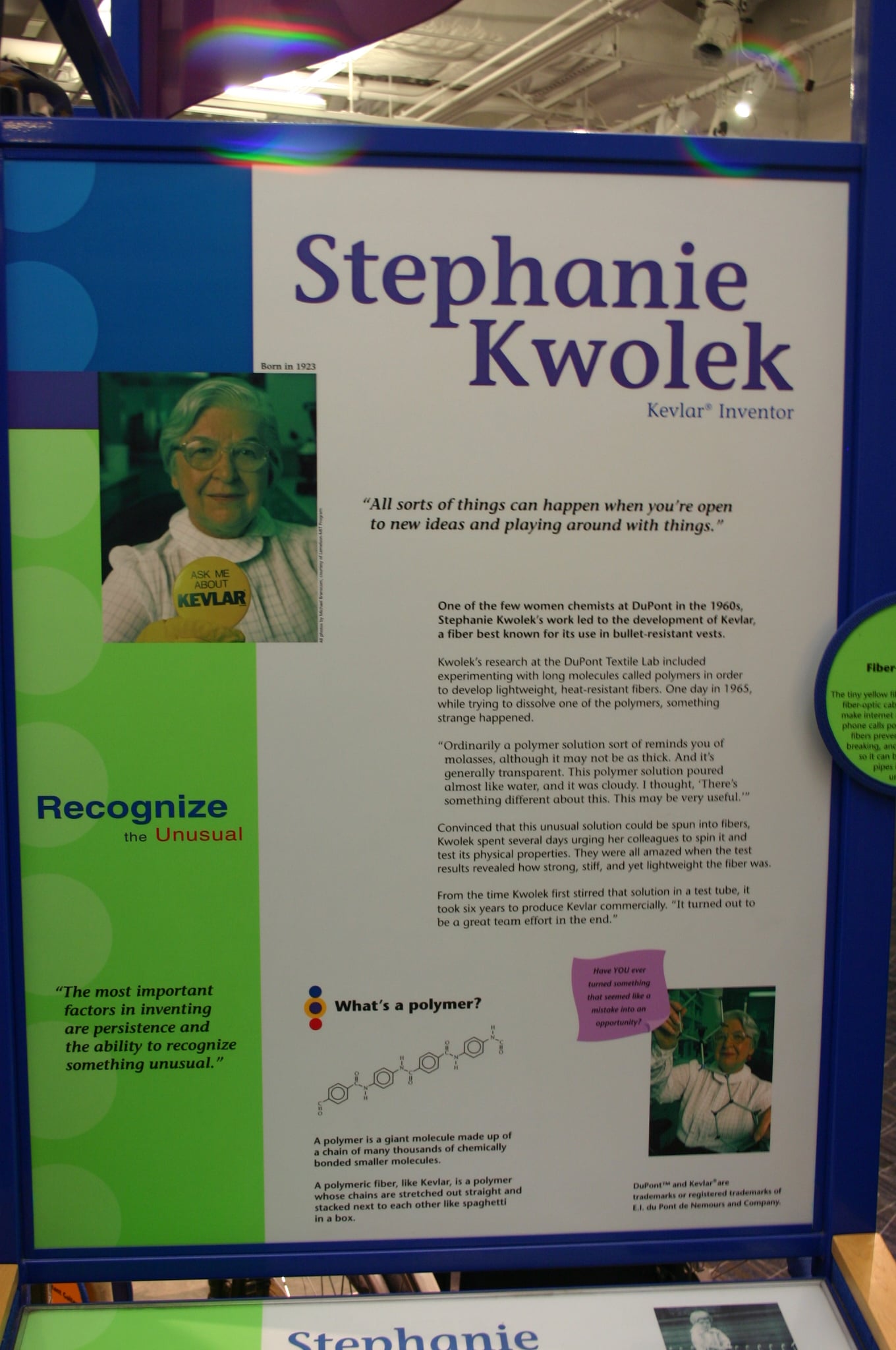
Kwolek was testing polymer solutions at DuPont when she produced a batch that looked cloudy and thin rather than the clear, thick result chemists expected, and colleagues urged her to discard it as a failed experiment. She insisted on spinning it into fiber anyway and discovered it was five times stronger than steel by weight.
That fiber became Kevlar, used in protective vests worn by police officers worldwide.
An Wang
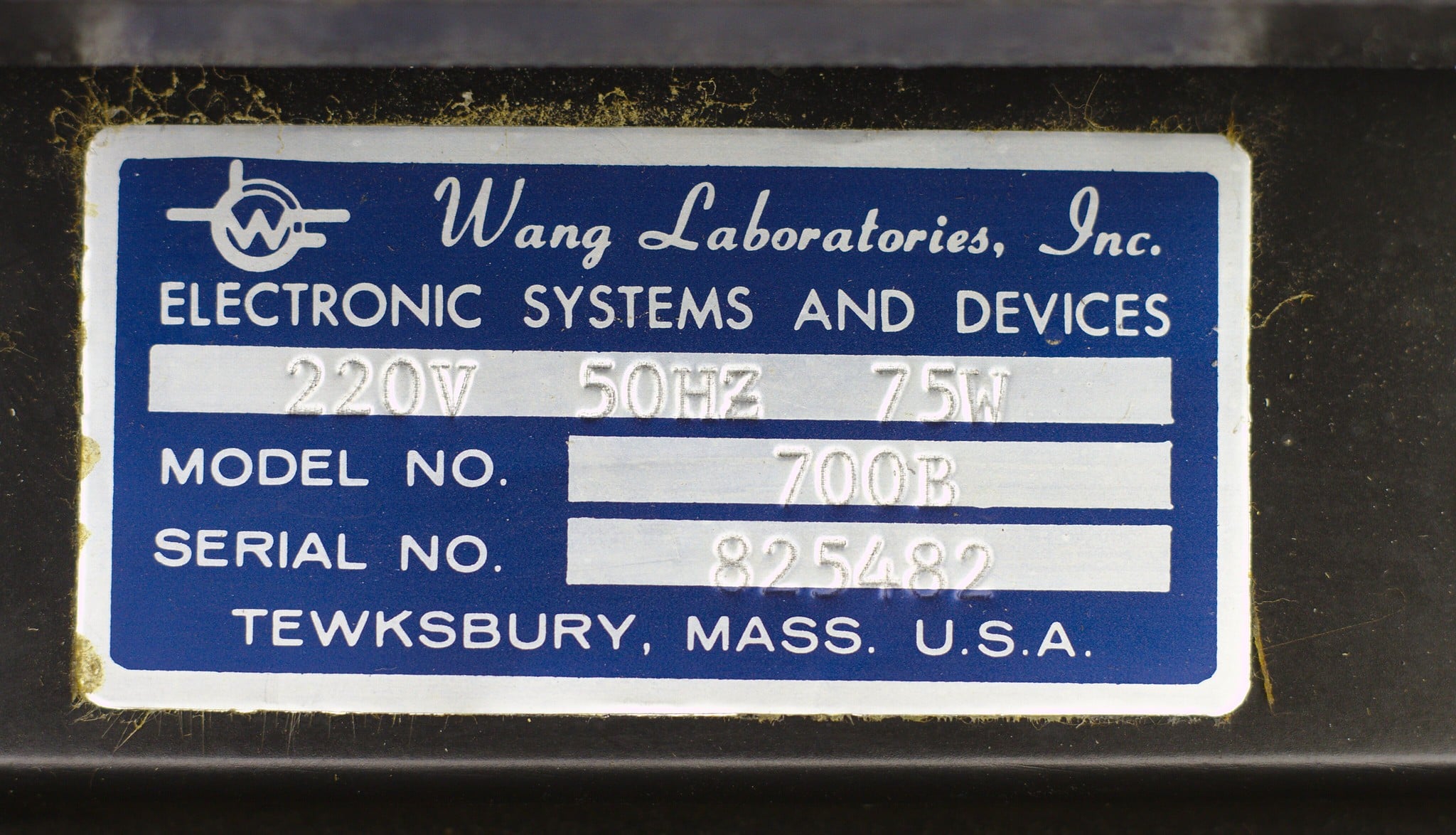
Wang developed magnetic core memory technology and offered it to IBM, which purchased the patent but offered him a price he considered far too low for its significance to computing. He used the proceeds to found his own company, Wang Laboratories, which went on to build some of the earliest word processing systems for offices.
IBM’s core memory purchase later became one of the most consequential licensing deals in early computing.
Marion Donovan
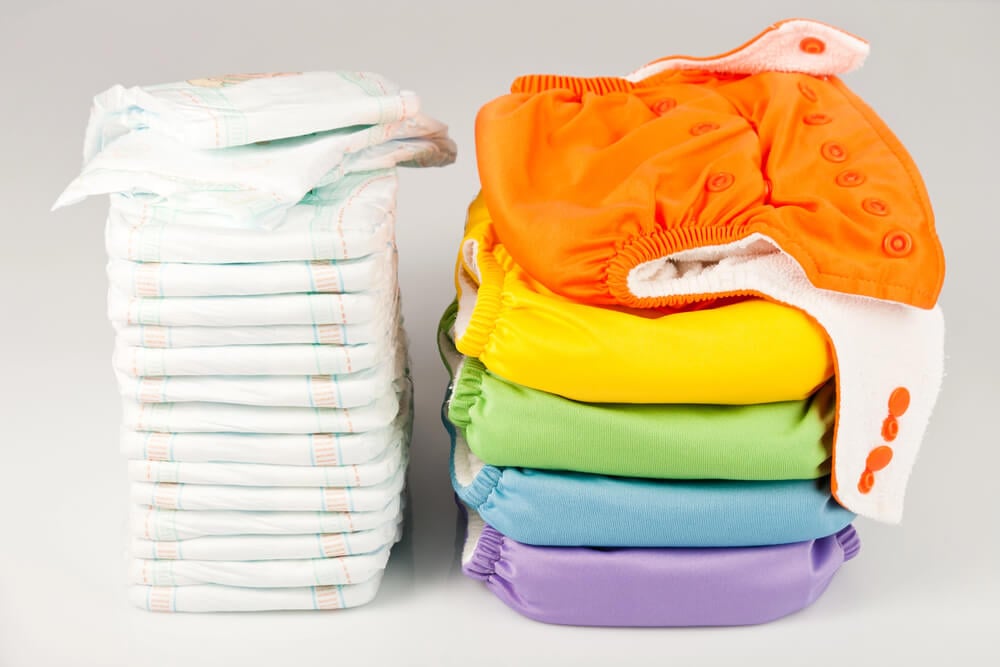
Donovan designed a leak-proof, reusable diaper cover called the Boater out of a shower curtain and later pitched a disposable paper version to major manufacturers, all of whom rejected it as unnecessary. She manufactured and sold the reusable version herself through department stores, proving demand existed.
A disposable diaper using similar principles reached mass production years later once other companies saw the market she had already built.
Philo Farnsworth
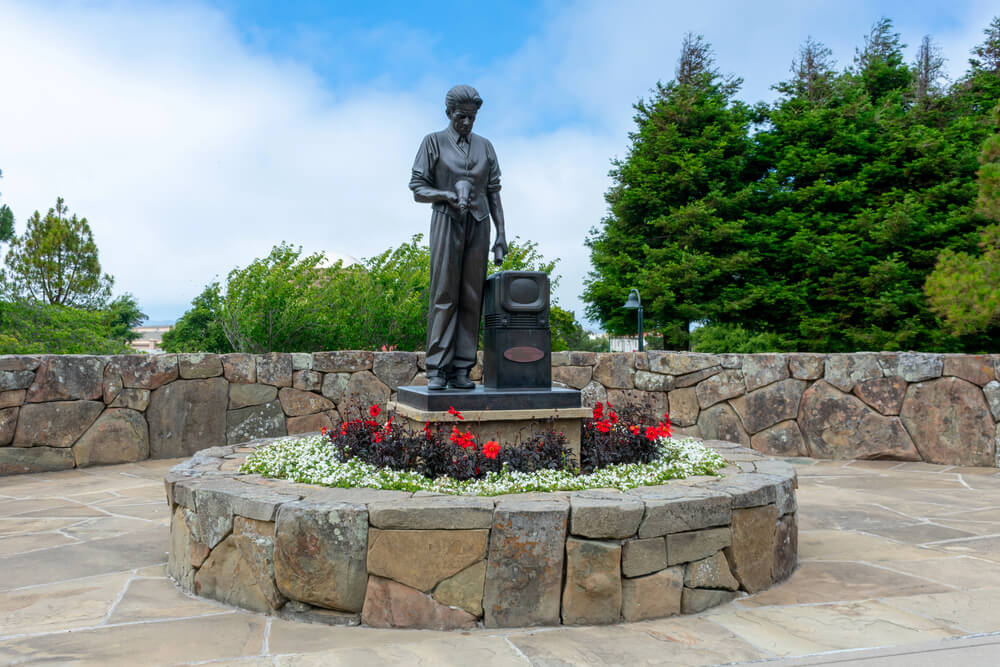
Farnsworth conceived the basic principle of electronic television as a teenager and built a working transmission system in his twenties, only to face a patent battle with RCA, which claimed its own engineer had invented the technology first. RCA’s president, David Sarnoff, reportedly toured Farnsworth’s lab and later tried to buy him out for a fraction of the technology’s worth.
Farnsworth eventually won the patent dispute, though RCA’s marketing power meant the company received most of the public credit for television.
Nikola Tesla
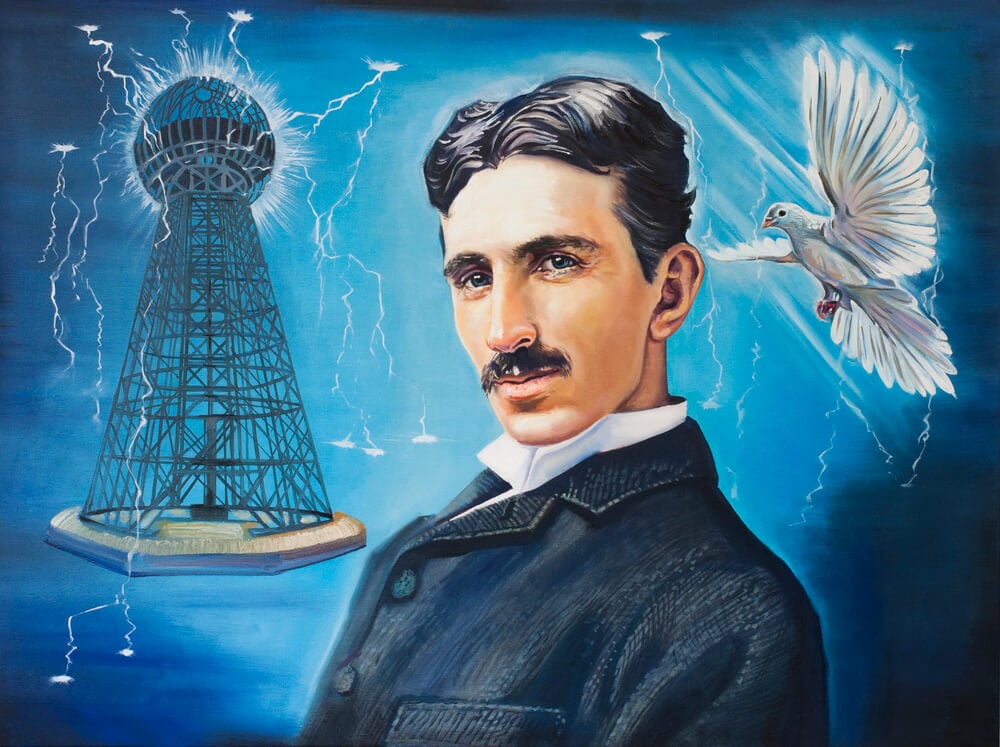
Tesla’s alternating current system faced fierce opposition from Thomas Edison, who ran a public campaign suggesting AC power was too dangerous for homes. Investors were wary of backing Tesla over the more established Edison, and Tesla struggled financially for much of his career despite holding hundreds of patents.
Alternating current ultimately became the standard for electrical grids worldwide.
Ignaz Semmelweis

Semmelweis, a Hungarian physician, found that hand-washing with a chlorinated solution dramatically reduced deaths among new mothers in his maternity ward. The medical establishment of the 1840s ridiculed the idea that doctors themselves were spreading disease, and his findings were largely dismissed during his lifetime.
Hand hygiene became standard medical practice only decades later, after germ theory gained wider acceptance.
Hedy Lamarr

Lamarr, better known as a film actress, co-developed a frequency-hopping radio guidance system intended to keep torpedo signals from being jammed during the Second World War. The U.S. Navy declined to implement the patented technology at the time, viewing it as impractical to build with existing equipment.
Decades later, the same frequency-hopping principle became foundational to Wi-Fi and Bluetooth technology.
Mary Anderson
Anderson patented a hand-operated windshield wiper after noticing streetcar drivers struggling to see through snow and rain, but manufacturers she approached considered the device an unnecessary distraction for drivers. Her 1903 patent expired before automakers took the idea seriously.
Windshield wipers became standard equipment on cars within about a decade of her patent lapsing.
Bette Nesmith Graham
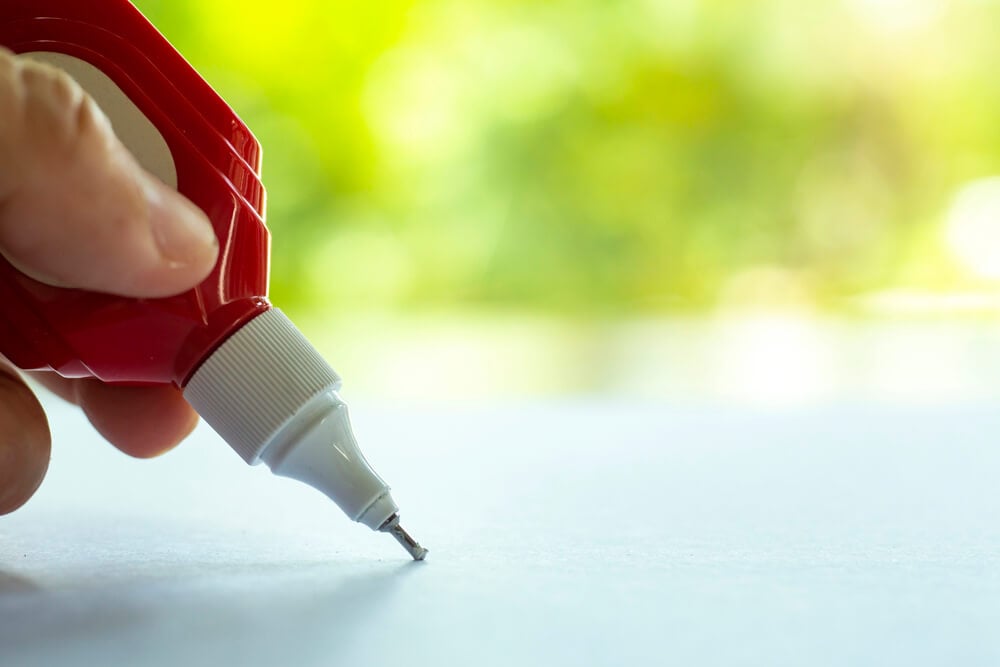
Graham, a secretary and single mother, mixed a white, water-based paint formula at her kitchen table to cover typing mistakes after her employer’s typewriters made correction difficult. She was eventually let go from her secretarial job, in part because she was distracted by her side project, and early attempts to sell the formula to typewriter companies went nowhere.
She built her own company, Liquid Paper, which she eventually sold for millions.
Percy Spencer
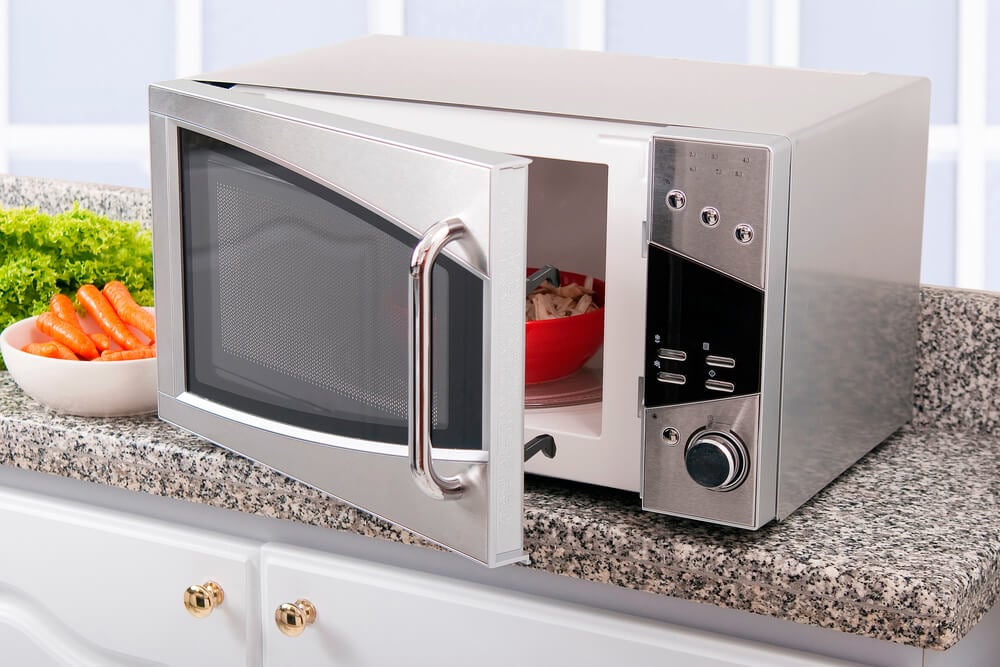
Spencer, an engineer at Raytheon, noticed a chocolate bar had melted in his pocket while he stood near an active radar magnetron and pursued the observation despite colleagues’ skepticism that it had any practical use. He tested the theory further with popcorn kernels and an egg, both of which cooked unexpectedly fast.
The discovery led to the first commercial microwave oven, a bulky unit sold to restaurants years before home versions appeared.
Ruth Handler
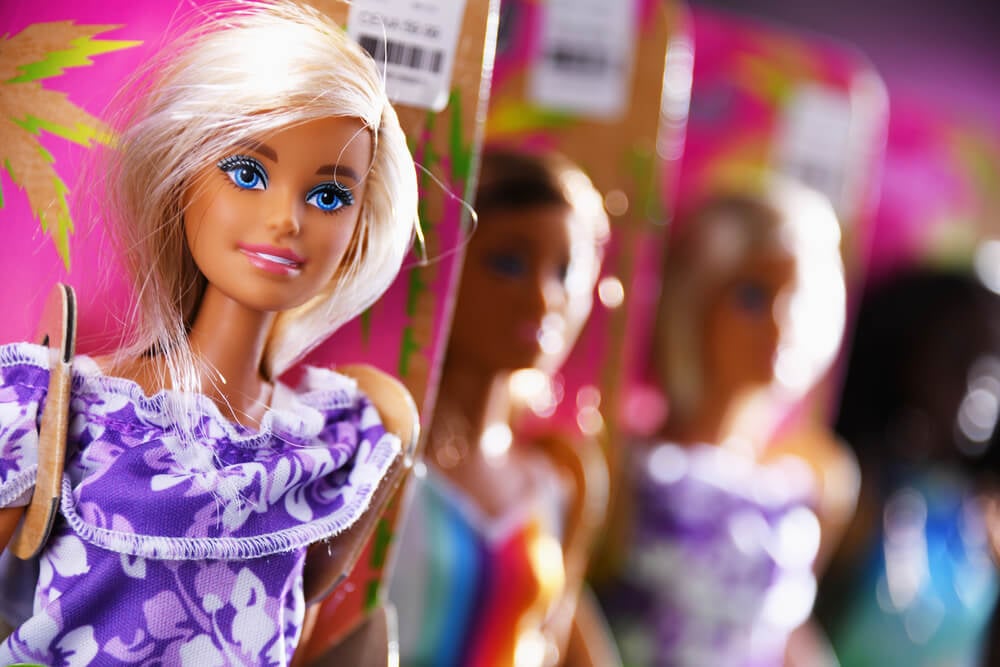
Handler proposed a fashion doll with adult body proportions to Mattel’s all-male executive team, who rejected the concept as inappropriate for children’s toys. She persisted, developing the doll independently and naming it after her daughter, Barbara.
Barbie launched in 1959 and became one of the best-selling toys in history within a few years.
Wilson Greatbatch
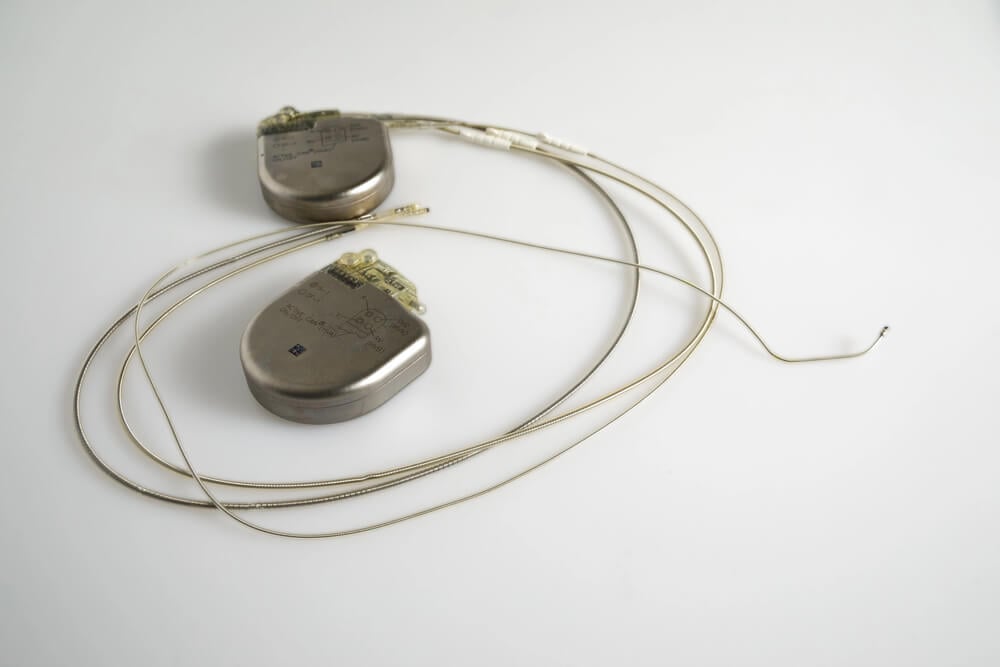
Greatbatch was building an oscillator to record heartbeats when he grabbed the wrong resistor and produced a pulse close to the rhythm of a human heart, a discovery the medical community initially viewed with skepticism given how experimental implanted electronics seemed at the time. He spent years refining the device and testing it with sympathetic surgeons willing to try something unproven.
His work led to the first reliable implantable pacemaker.
Earl Tupper
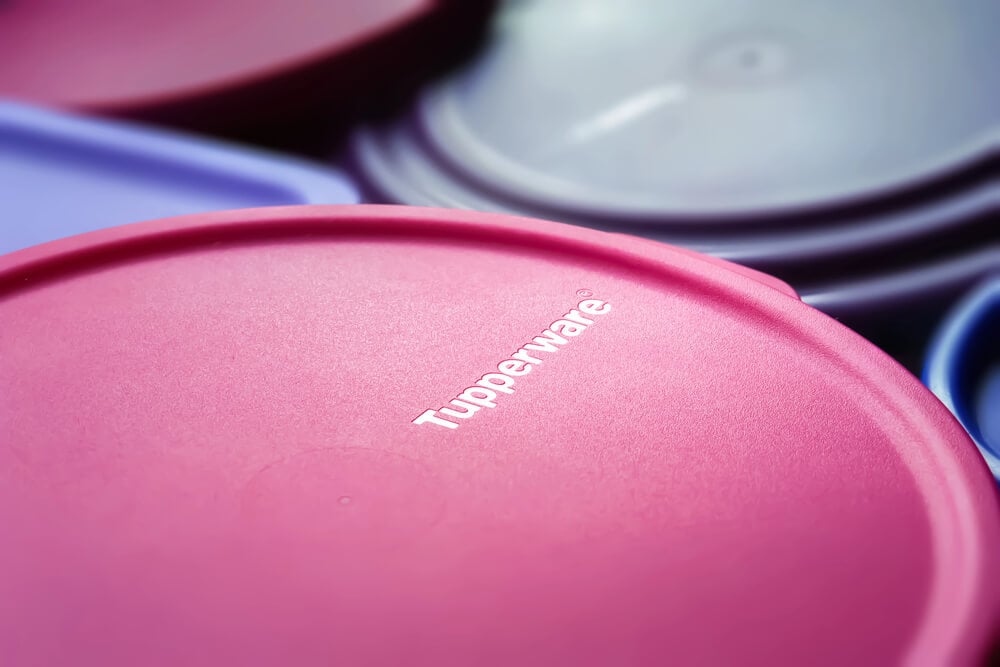
Tupper’s airtight plastic containers sold poorly on store shelves because customers did not understand how to use the unfamiliar sealing lids, and retailers began pulling the product. Saleswoman Brownie Wise proposed selling the containers through in-home demonstration parties instead, a pitch Tupper initially resisted.
The party-based sales model saved the company and became the primary way Tupperware was sold for decades.
Spencer Silver

Silver, a chemist at 3M, developed a weak, reusable adhesive that failed to meet the company’s standard for a strong permanent glue and sat unused as an official failure for several years. A colleague, Art Fry, eventually realized the weak adhesive was perfect for a bookmark that would not damage pages when removed.
That combination became the Post-it Note, one of 3M’s most successful products.
Wallace Carothers

Carothers led DuPont’s research into synthetic polymers for years without a clear commercial product, and company executives grew impatient with the slow pace of pure research. His team eventually produced nylon, a fiber strong enough to replace silk in stockings and parachutes.
Carothers did not live to see nylon’s commercial launch in 1939.
Herman Hollerith
Hollerith designed a punch-card tabulating machine to speed up the U.S. Census, an idea Census Bureau officials initially treated with suspicion given how slow manual counting had always been. His machine processed the 1890 census in about a third of the time the previous count had taken by hand.
The company he founded to sell the technology eventually became part of IBM.
Elisha Otis

Otis invented a safety brake that would stop an elevator from plunging if its cable snapped, but the public remained deeply distrustful of the technology and few buyers were willing to test it. He demonstrated the device at the 1854 New York World’s Fair by riding an elevator platform himself and having the cable cut in front of a crowd.
The successful demonstration made tall buildings practical and helped launch the modern elevator industry.
Kary Mullis

Mullis proposed a method for rapidly copying DNA segments while working at Cetus Corporation, and colleagues were initially unconvinced the idea would work as described. He spent months refining the technique, called polymerase chain reaction, before producing results that proved its value.
PCR later became essential to genetic research, forensic science, and medical diagnostic testing.
Alexander Fleming
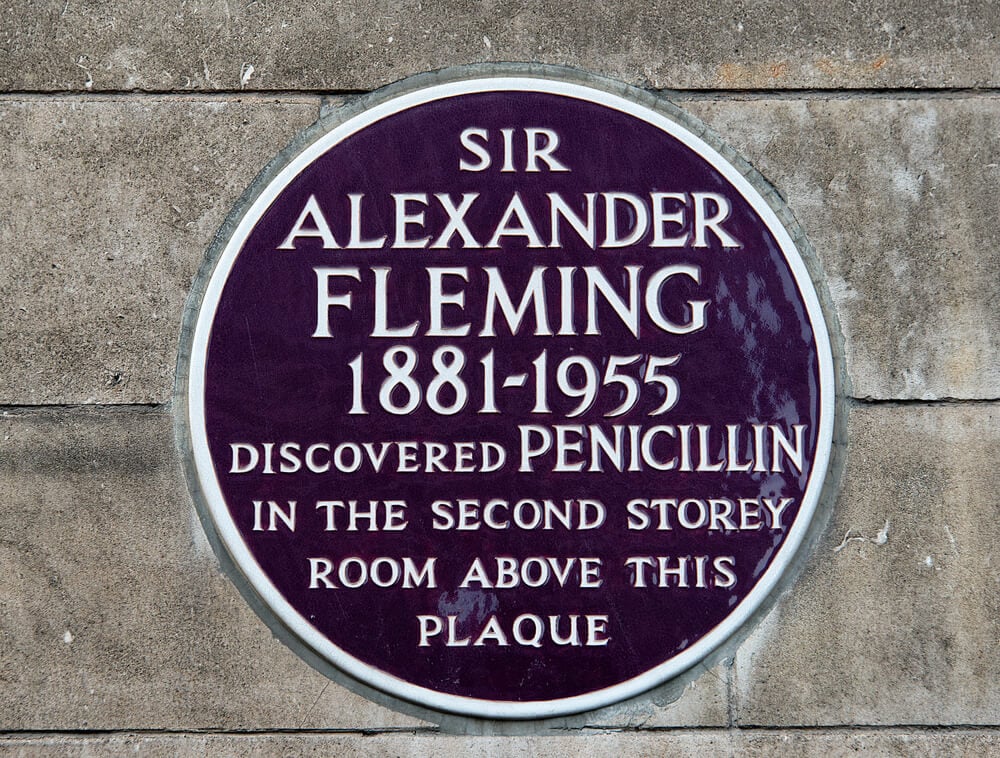
Fleming noticed a mold had killed bacteria in a contaminated petri dish in his lab, but his 1929 paper on the discovery drew little interest from the broader scientific community. Penicillin sat as a curiosity for roughly a decade until researchers Howard Florey and Ernst Chain revived the work and developed it into a usable drug.
It became one of the most important medical discoveries of the twentieth century.
Josephine Cochrane

Cochrane designed a mechanical dishwasher in the 1880s after growing frustrated that servants chipped her good china, but hotel and restaurant buyers were her main early customers since most households assumed washing dishes by hand was simply a woman’s job. She founded her own company to manufacture the machines after struggling to interest existing appliance makers.
Her company eventually became part of what is now KitchenAid.
Lonnie Johnson
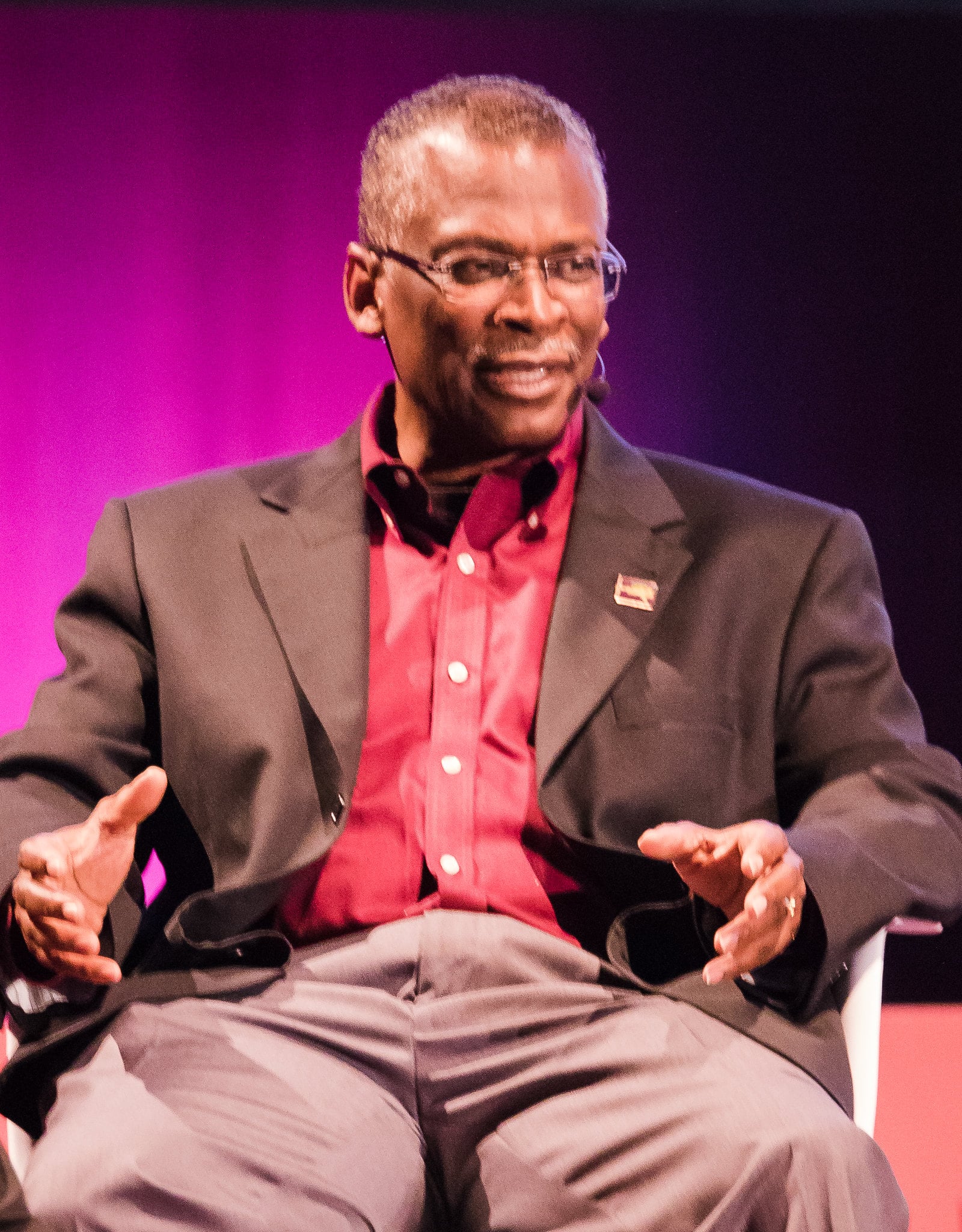
Johnson, a NASA engineer, built a high-powered water gun prototype at home using a nozzle he accidentally created while testing a heat pump design. Toy company after toy company turned down the invention for years, unconvinced a homemade device from an aerospace engineer had commercial potential.
Larami finally licensed it in 1989, and the Super Soaker went on to become one of the best-selling toys of all time.
Not Every No Was Final

Nearly every name on this list heard the same word before they heard yes. Committees, investors, and established competitors had reasons for their doubt, and in most cases those reasons were not unreasonable at the time.
What separated these inventors was not immunity to rejection but a willingness to keep testing the idea against reality rather than against someone else’s opinion of it.
The lesson is less about stubbornness than about evidence. Each of these people eventually found a way to demonstrate that the idea worked, whether through a public test, a self-funded company, or years of quiet refinement no one asked them to continue.
The rejection was real. It just was not the last word.
More from Go2Tutors!

- The Romanov Crown Jewels and Their Tragic Fate
- 13 Historical Mysteries That Science Still Can’t Solve
- Famous Hoaxes That Fooled the World for Years
- 15 Child Stars with Tragic Adult Lives
- 16 Famous Jewelry Pieces in History
Like Go2Tutors’s content? Follow us on MSN.