31 Penny Candies Kids Bought With Pocket Change
A small paper sack and a few coins bought a surprising amount of happiness at the corner store counter. Kids learned budgeting in front of those glass jars, weighing one chocolate bar against five pieces of something chewy that lasted longer.
Many of these candies are still made, some by the same small companies that invented them a century ago. Others survive mostly in memory and in the nostalgia aisles of specialty shops.
Tootsie Rolls by the Handful
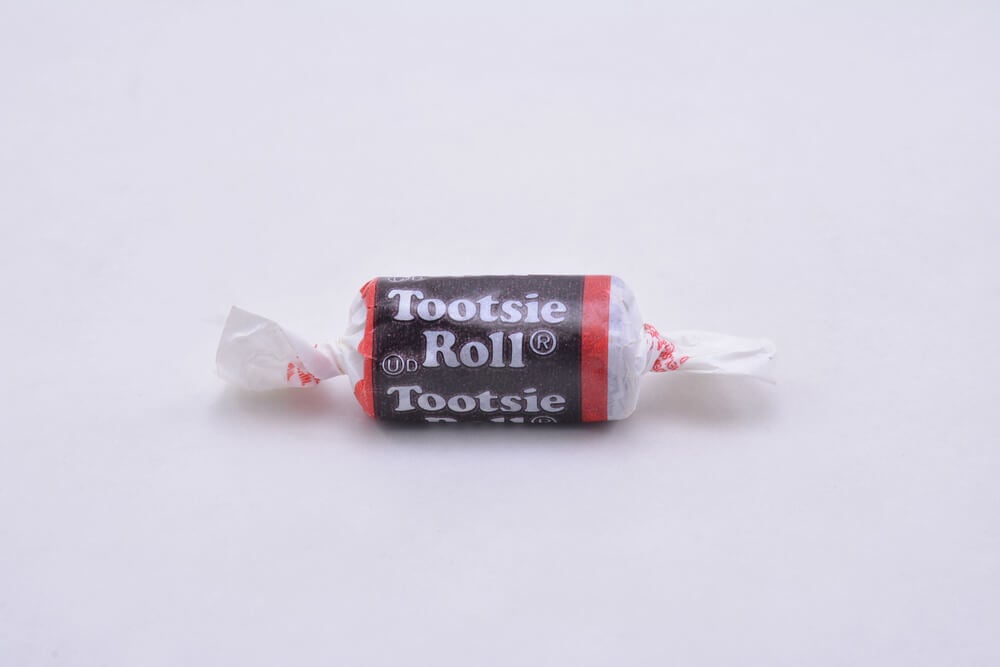
Leo Hirshfield, an Austrian immigrant, began selling Tootsie Rolls from a shop in New York City in 1896 and named them after his daughter Clara, whose nickname was Tootsie. The chewy chocolate candy was individually wrapped and cheap enough to be sold one piece at a time.
Tootsie Rolls went into soldiers’ rations during the Second World War because they held up in heat. The small Midgees size became a fixture in penny candy bins.
Kids at the counter usually bought a few with their change, and the rolls still turn up in every Halloween bag.
Dum Dums and the Mystery Flavor
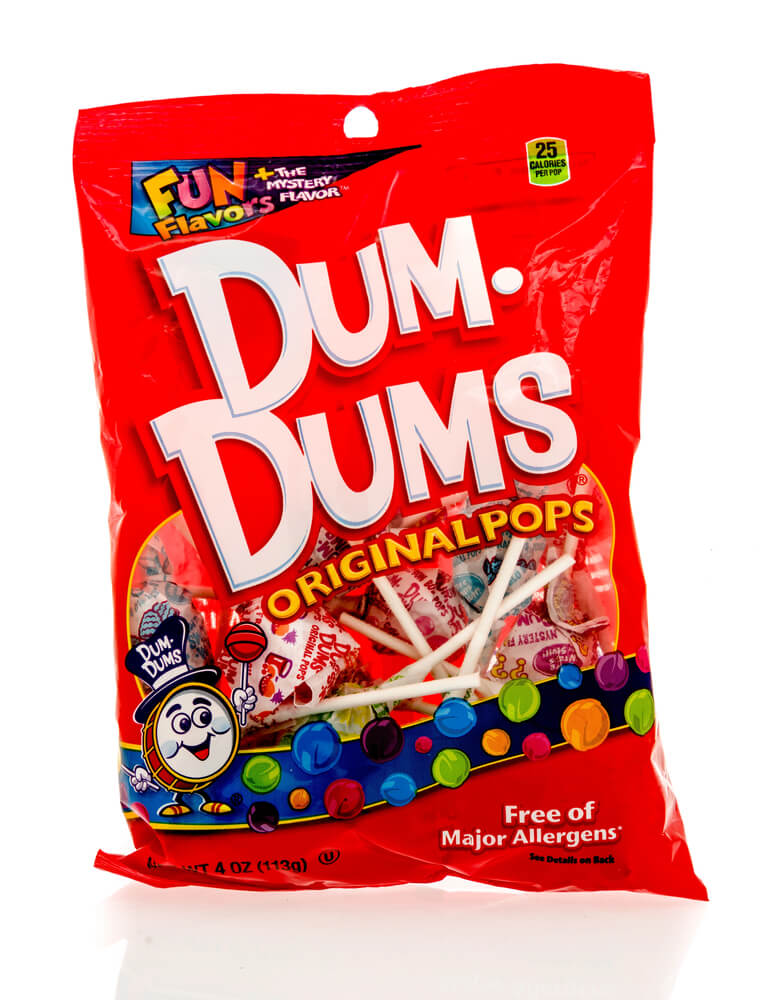
Dum Dums are small lollipops made in Bryan, Ohio, by the Spangler Candy Company, which bought the brand in 1953 from the Akron Candy Company. The name was reportedly chosen because it was a word any child could say.
The mystery flavor, marked with question marks on the wrapper, comes from the point where the end of one flavor batch runs into the beginning of the next. Banks, barbershops and doctors’ offices gave them away free, but kids also bought them by the handful at corner stores.
The flat paper loop stick kept them from rolling off counters.
Mary Janes in Yellow Wrappers
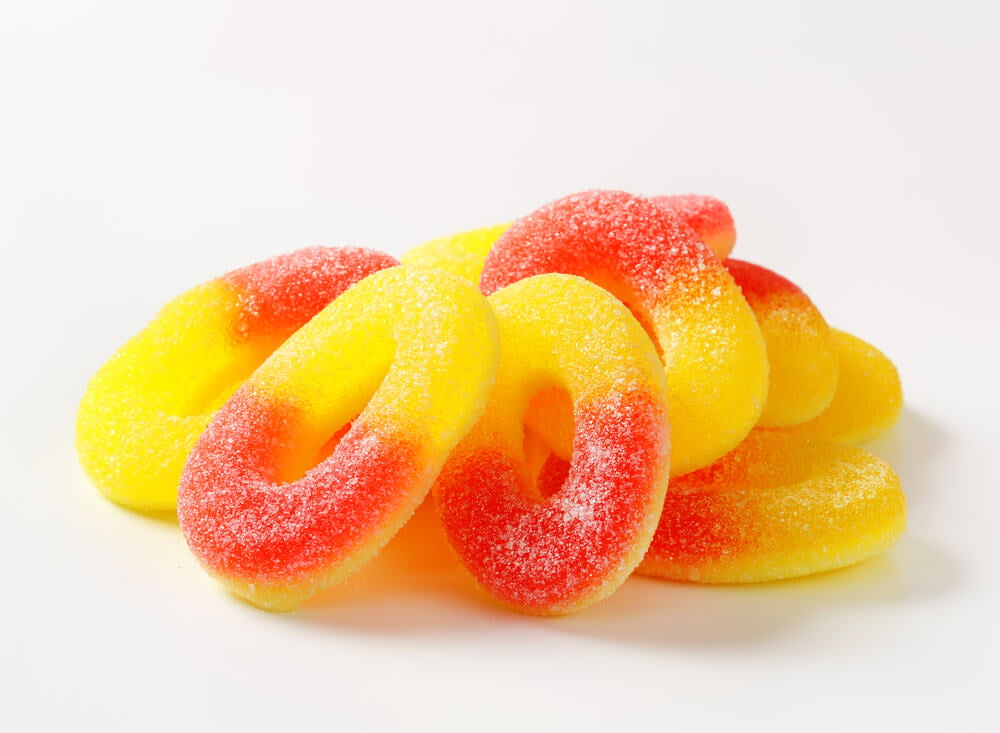
Mary Jane candies are small, chewy squares of peanut butter and molasses wrapped in yellow and red paper printed with a picture of a little girl. Charles N. Miller of Boston introduced them in 1914 and named them after his aunt.
Kids either loved them or collected them at Halloween to trade away. The candy clings to teeth and fillings, which dentists noticed.
Mary Janes were sold one or two for a penny for decades, and the brand has passed through several owners over the years while keeping nearly the same wrapper.
Necco Wafers in a Paper Roll
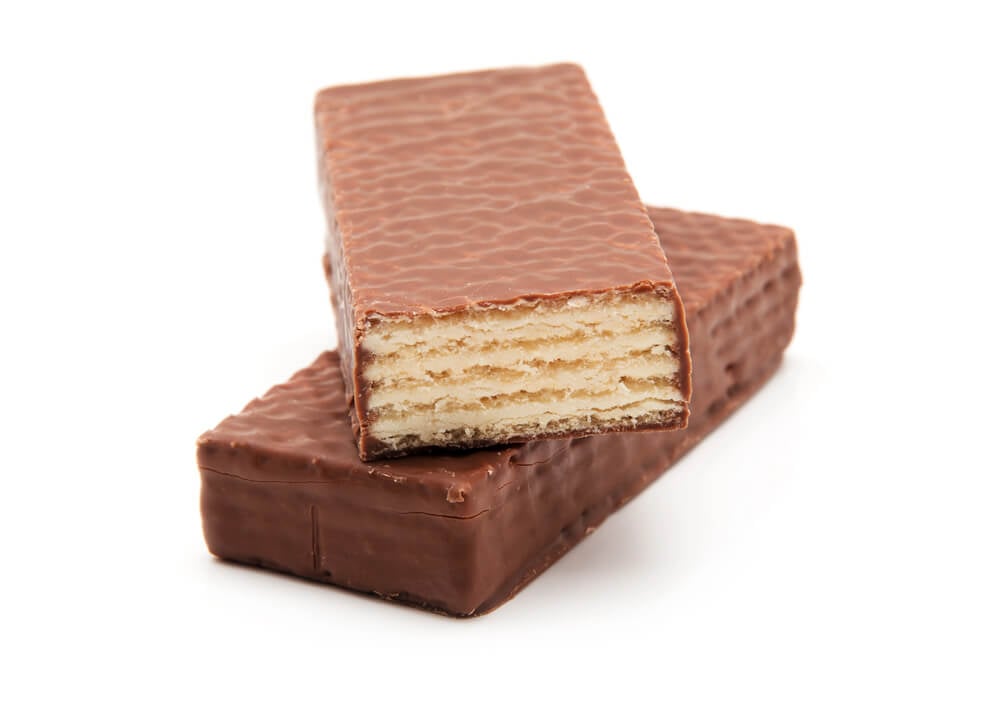
Necco Wafers are thin, chalky discs sold in a paper roll in eight flavors: lemon, lime, orange, clove, cinnamon, wintergreen, licorice and chocolate. Oliver Chase, an English immigrant in Boston, built a lozenge-cutting machine in 1847 that led to the wafers, and the New England Confectionery Company later took its name from the abbreviation.
The rolls were cheap and lasted a long time because nobody ate them quickly. After Necco went bankrupt in 2018, Spangler bought the brand and brought the wafers back in 2020.
Kids used them as poker chips and play money.
Pixy Stix Straws of Flavored Sugar
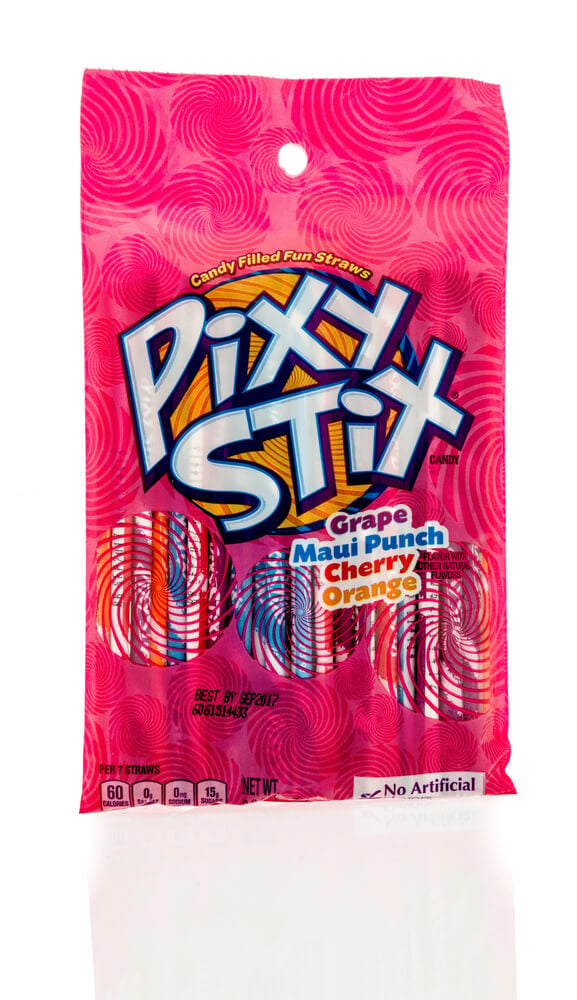
Pixy Stix are paper straws filled with flavored sugar powder, and they came about almost by accident. In the 1950s, a St. Louis company run by J. Fish Smith noticed that kids were eating its powdered drink mix straight from the packet instead of stirring it into water.
The company packaged the sweetened powder to be eaten that way, and the straw design followed. Kids tore off the end with their teeth and poured the powder directly onto their tongues.
Giant versions, some longer than a yardstick, became prizes at fairs and carnivals.
Lemonheads in a Small Box
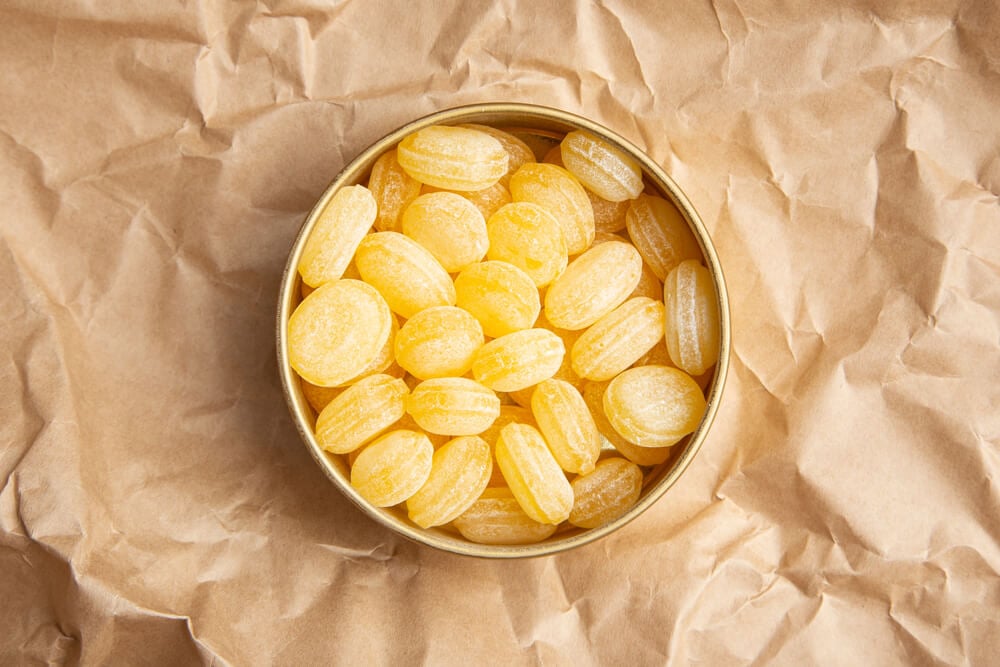
Lemonheads are round, sour lemon candies with a hard shell over a softer center, made by the Ferrara Pan Candy Company of Chicago since 1962. The process, called hot panning, builds the candy in layers inside rotating pans.
The sourness hits first, then fades into sweetness, which kept kids reaching for the next one. The small boxes rattled in a pocket and cost little enough to buy alongside other candies at the counter.
Ferrara used the same panning method for several other brands, and Lemonheads became the company’s signature product.
Boston Baked Beans Candy
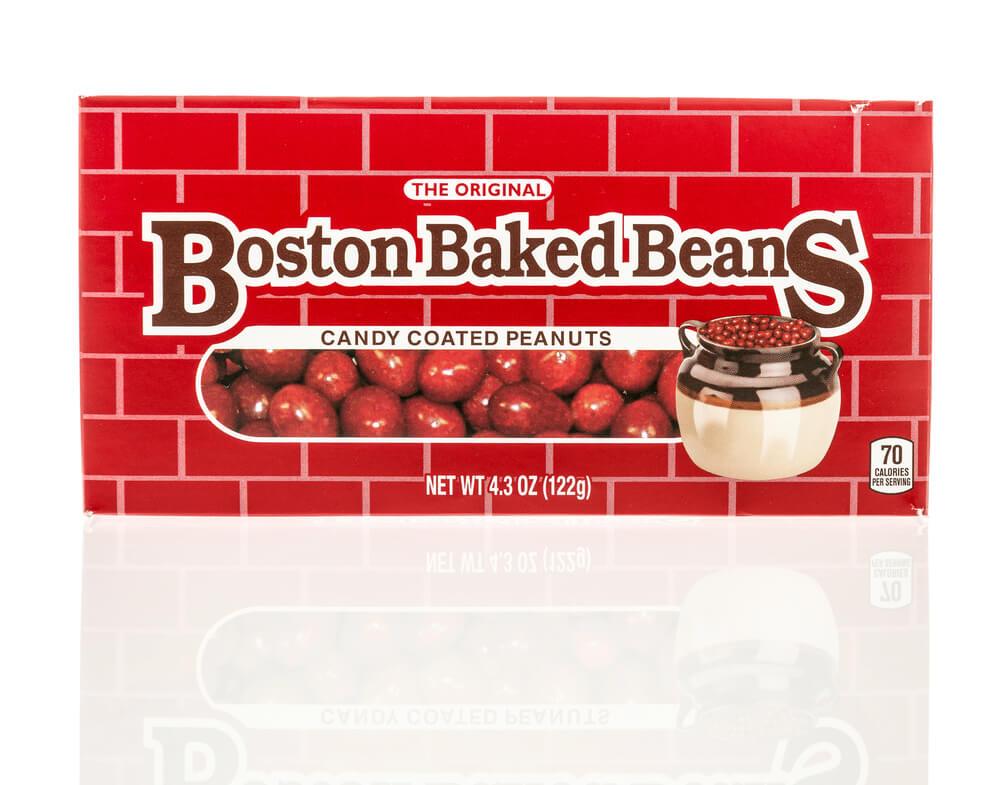
Boston Baked Beans candy is a sugar-coated peanut with a crisp red shell, and it contains no beans at all. Ferrara Pan has made it for decades, and the name is a joke on the famous Boston dish, which the candy resembles in color and size.
It is made through the same hot panning process that Ferrara uses for Lemonheads. The small boxes were a staple at movie theaters and corner stores.
Kids ate them by the fistful and often forgot there was a peanut inside until the shell cracked, which made them a surprisingly filling purchase.
Swedish Fish in the Bulk Bin
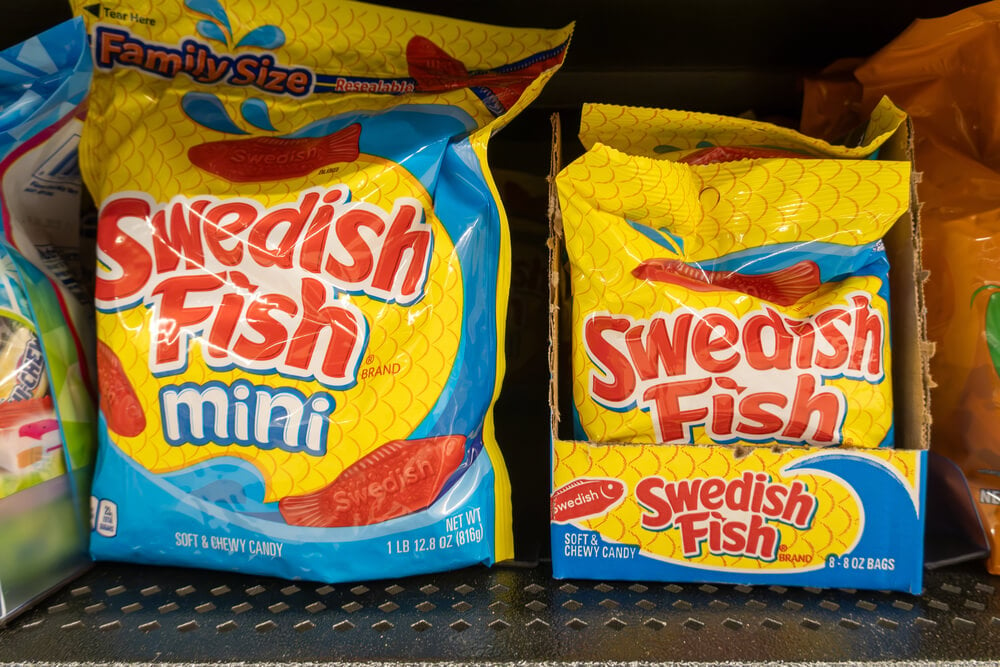
Swedish Fish are red, fish-shaped chewy candies developed by the Swedish confectioner Malaco for the American market in the 1950s. Their flavor is officially described only as Swedish Fish, although most people call it red berry or lingonberry.
Kids bought them by weight from bulk bins or a few at a time at the counter. The American version is made without gelatin, which gives it a denser chew than most gummies.
The candy became so identified with its shape that fish-shaped imitations are widely sold under other names in the same bins.
Dubble Bubble and Its Accidental Pink
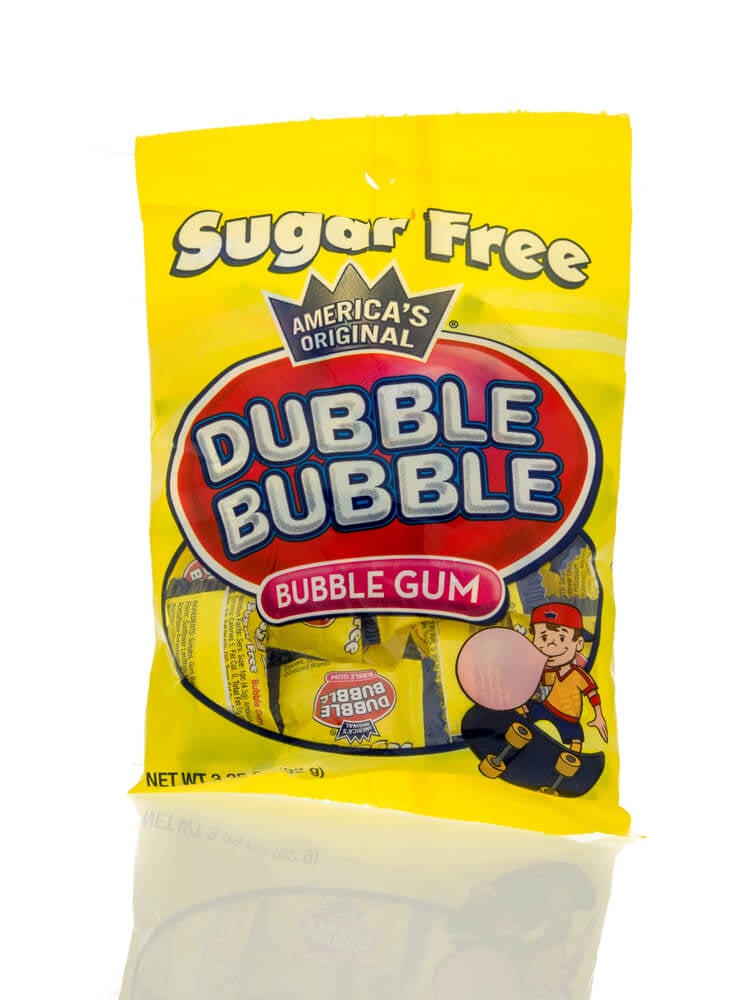
Walter Diemer, an accountant at the Fleer company in Philadelphia, created the first successful bubble gum in 1928 while experimenting with gum bases in his spare time. He dyed it pink because pink was the only food coloring on hand, and a huge share of bubble gum since has followed suit.
Fleer sold it as Dubble Bubble, wrapped with a small comic, for a penny a piece. Diemer taught salesmen to blow bubbles so they could demonstrate it to shopkeepers.
Kids measured each piece by how big a bubble it could produce before it lost flavor.
Bazooka Joe Comics
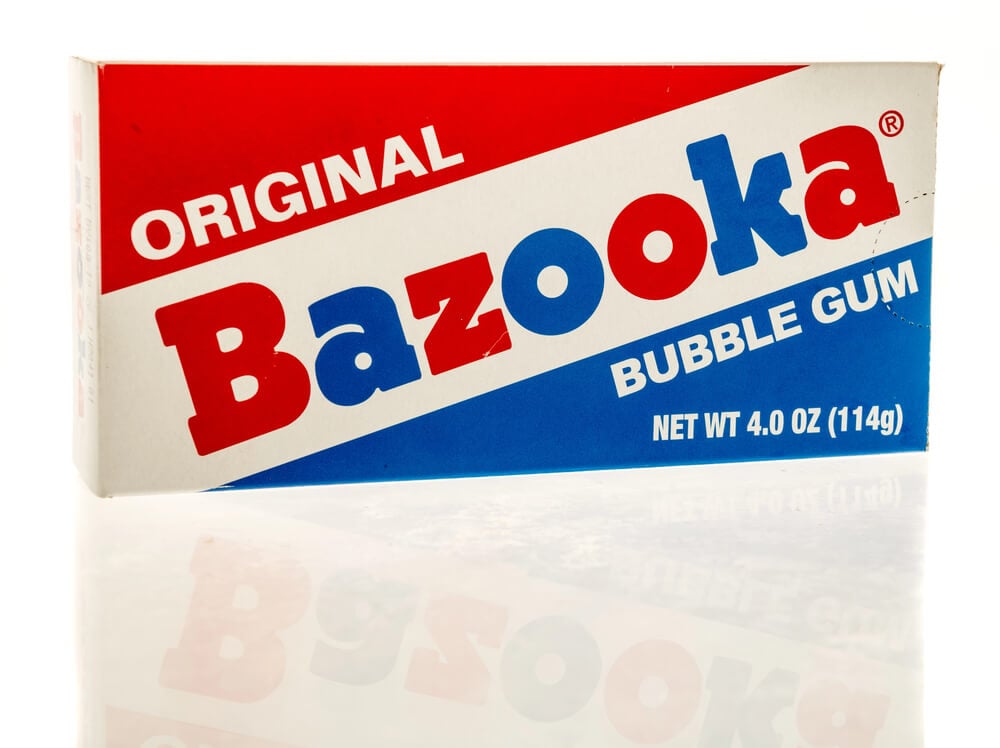
Topps introduced Bazooka bubble gum in 1947, naming it after the Second World War weapon, which itself took its name from a novelty horn played by comedian Bob Burns. The gum was sold as a pink rectangular chunk wrapped with a small comic strip, and in 1953 Topps added Bazooka Joe, a boy with an eye patch, and his gang.
Each comic carried a fortune and an offer to mail in wrappers for prizes. Kids read the comics before chewing.
The hard chunk took a minute of work before it softened enough to blow a bubble.
Charleston Chew From the Freezer
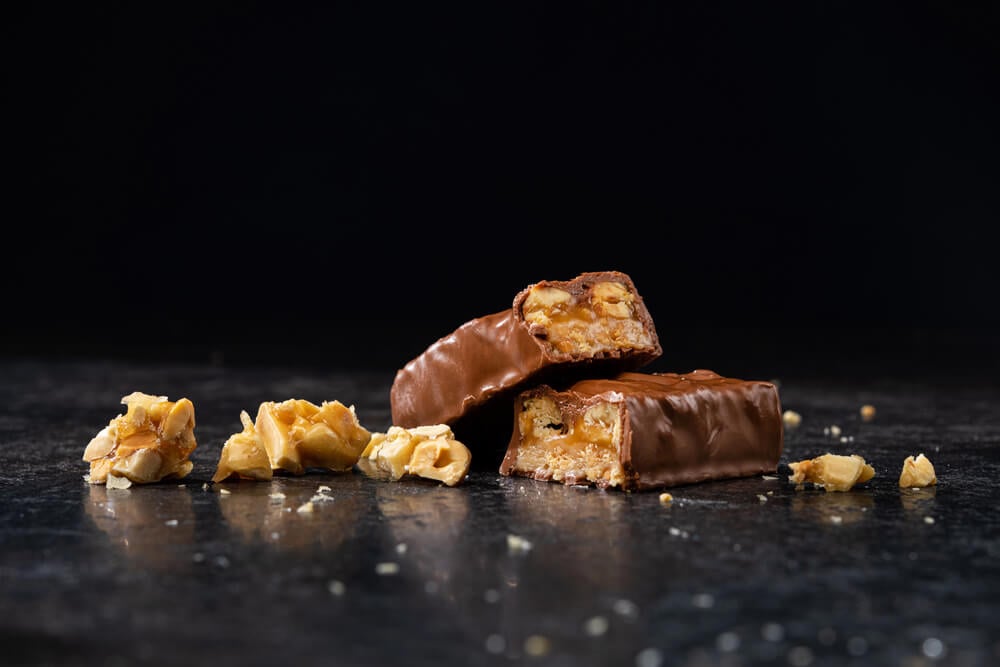
The Charleston Chew was introduced in 1925 by the Fox-Cross Candy Company and named after the Charleston, the dance craze of the time. It is a long bar of vanilla nougat covered in chocolate, later made in chocolate and strawberry versions as well.
Kids discovered that freezing the bar made it brittle enough to shatter against a table, and the company eventually promoted the trick in its advertising. The bite-sized version sold cheaply near the register alongside other penny candy.
Tootsie Roll Industries has owned the brand since 1993.
Candy Buttons on Paper Strips
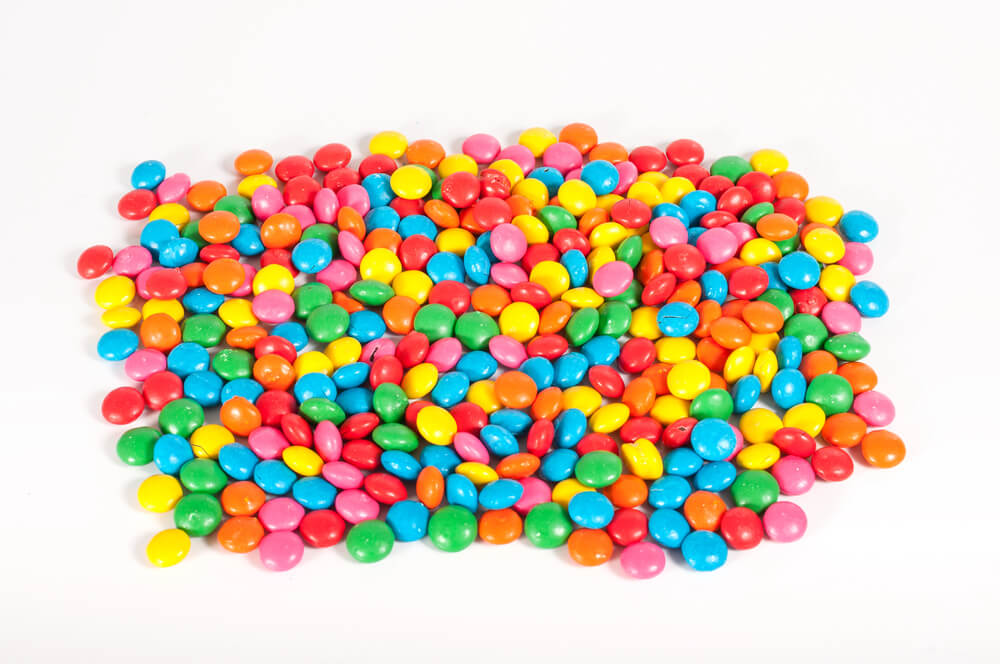
Candy buttons are small dots of colored sugar candy stuck in rows to long strips of paper, and nearly every kid ate a little paper with each dot. The dots come in cherry, lime and lemon, arranged in repeating colors down the strip.
They were sold by the strip for a penny or two at corner stores and five-and-dimes. Necco made the best-known version for years, and the strips went through several makers after the company closed.
Nostalgia shops still sell them, and the paper still sticks to the candy exactly as it always did.
Nik-L-Nip Wax Bottles
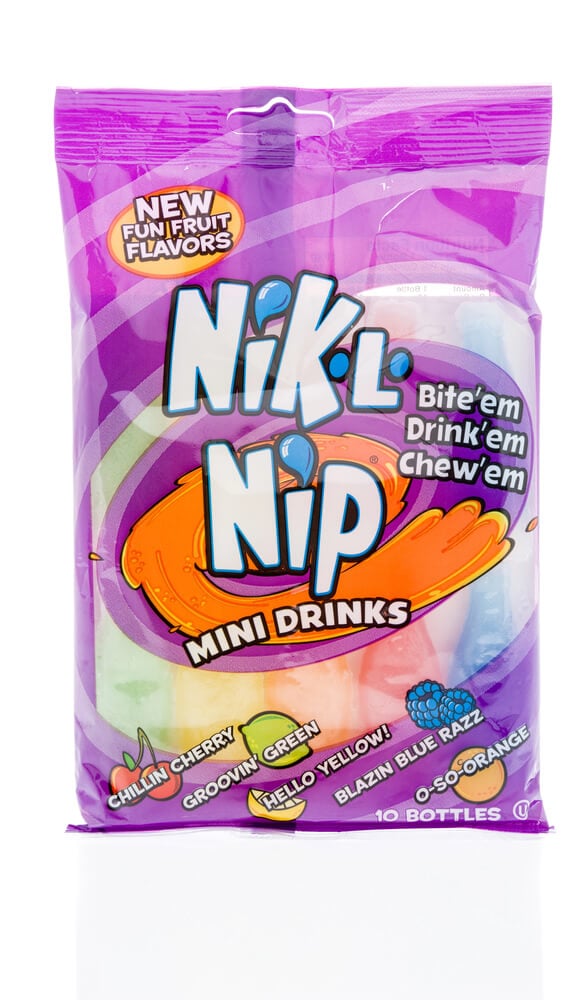
Nik-L-Nip wax bottles are small wax containers shaped like tiny soda bottles and filled with a few sips of sweet colored syrup. Kids bit off the top, drank the syrup and then chewed the wax like gum until the flavor disappeared.
The candy has been made for about a century and remains one of the odder items still sold in nostalgia shops. The wax is edible but not digestible, so most kids spat it out eventually.
The bottles sold for pennies and were among the cheapest choices at the counter, which made them a regular purchase.
Candy Necklaces Worn and Eaten
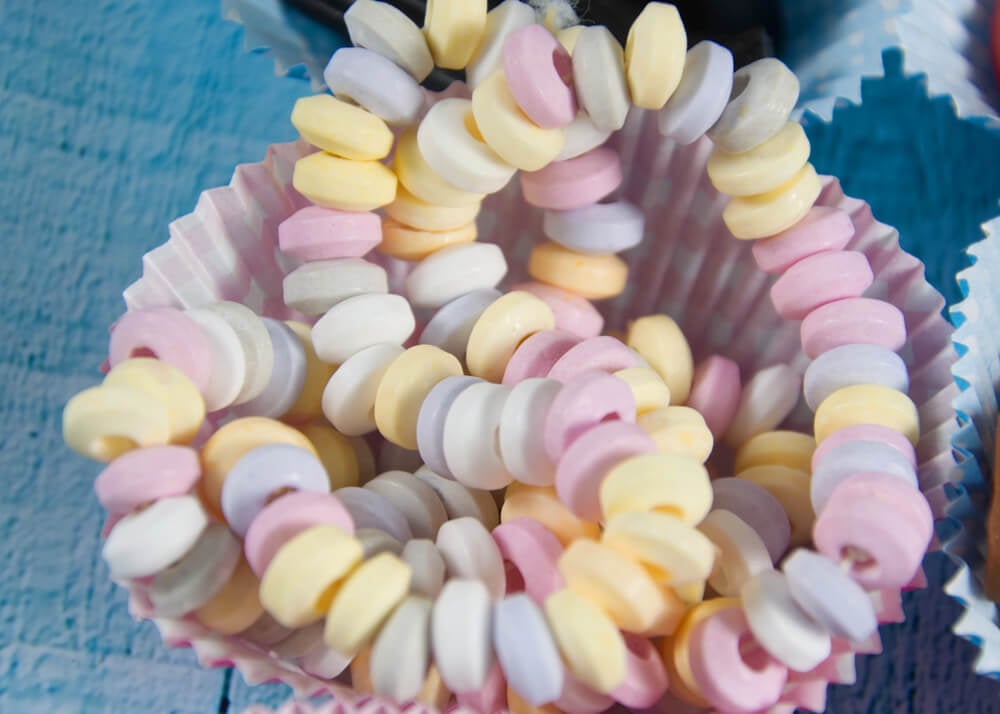
Candy necklaces are strings of small pastel sugar beads threaded onto elastic, and they were one of the few candies kids could wear. The Smarties Candy Company makes the best-known version, with beads similar in taste and texture to its rolled tablets.
The candy was designed to be eaten directly off the neck, which left a sticky ring on the skin by the end of the afternoon. They were sold at corner stores, carnivals and dollar stores.
Kids traded beads and competed to eat around the necklace without snapping the elastic.
Smarties in Twisted Rolls
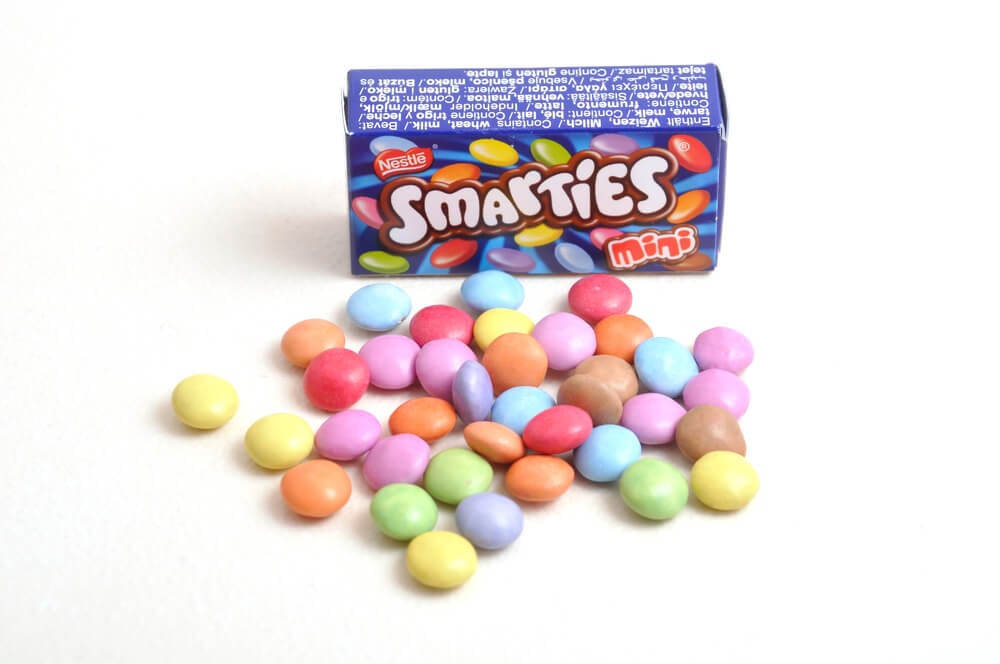
Smarties in the United States are rolls of pastel sugar tablets and have nothing to do with the chocolate candy sold under the same name in Canada and Britain. Edward Dee, an English immigrant, began producing them in 1949 in Bloomfield, New Jersey, and the family company, long known as Ce De Candy, now operates as the Smarties Candy Company.
Each roll holds fifteen tablets in a clear twisted wrapper. The company has stayed in the Dee family for generations.
Kids ate them as Halloween filler and as the cheapest candy at the register.
Sugar Daddy Caramel Pops
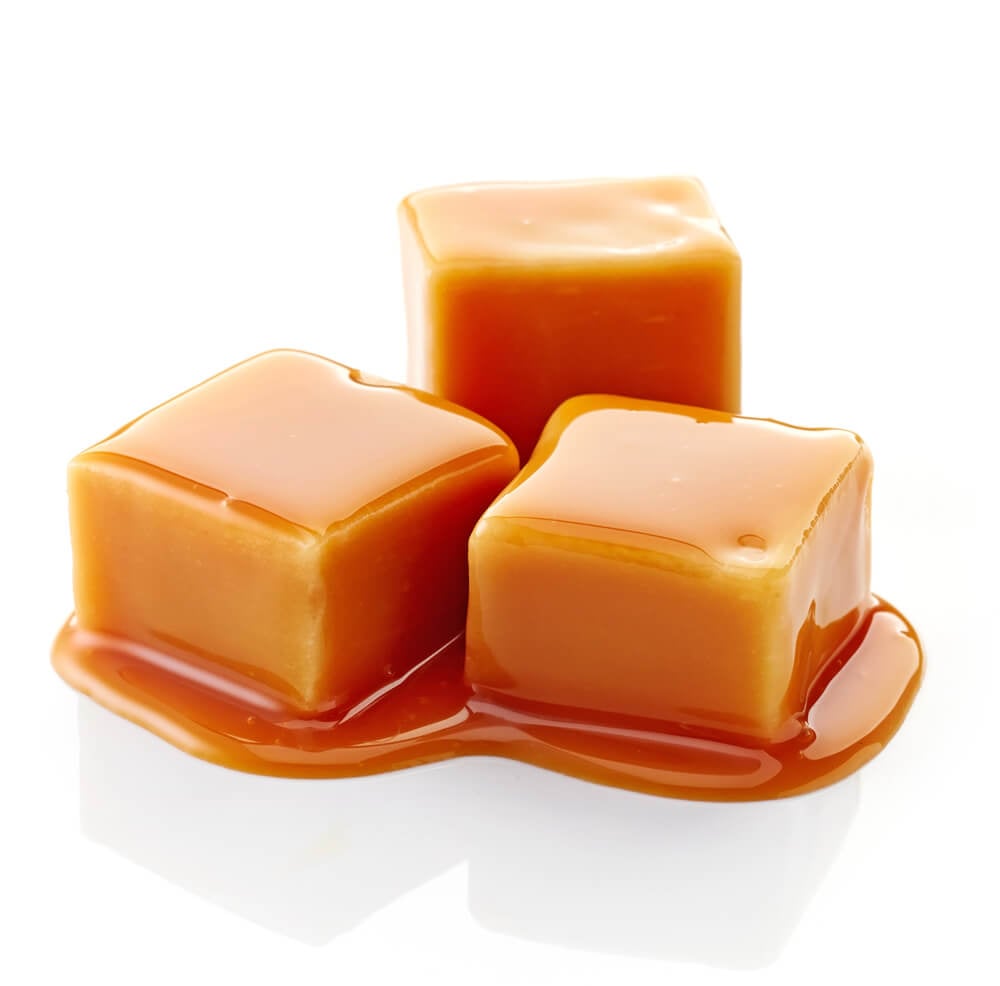
The Sugar Daddy is a slab of caramel on a stick, introduced in 1925 by Robert Welch and originally sold as the Papa Sucker. The caramel is so firm that it takes a long time to finish, which made it a good value for kids trying to stretch their money.
Smaller Sugar Babies came later as bite-sized nuggets of the same caramel. Tootsie Roll Industries has owned both brands since 1993.
Sugar Daddies were notorious for pulling out loose baby teeth, and dentists had strong opinions about them that kids mostly ignored.
Pop Rocks Crackling on the Tongue
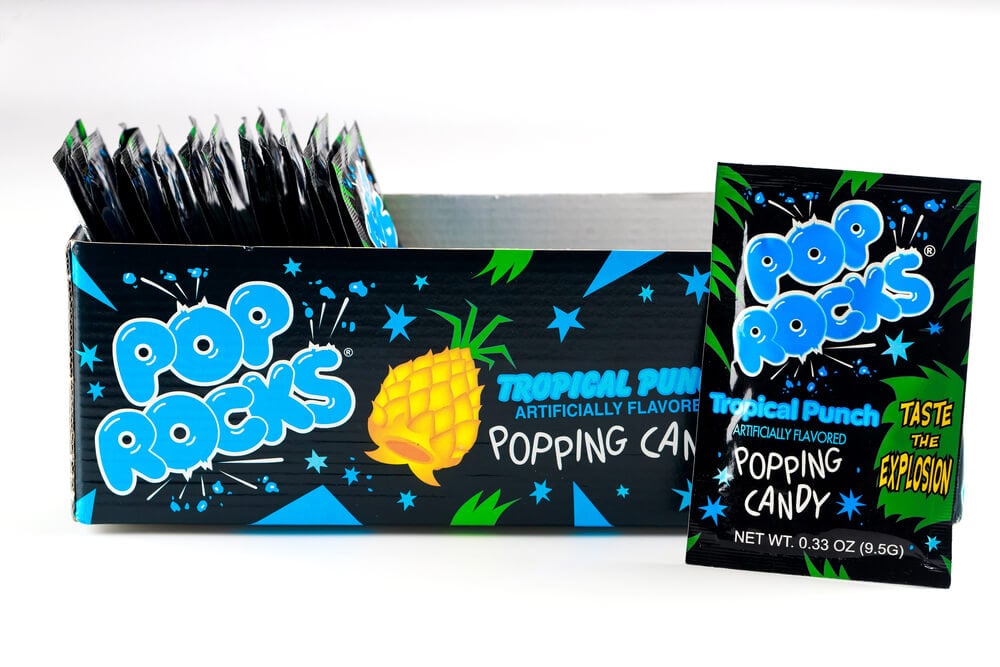
Pop Rocks are hard candy crystals infused with pressurized carbon dioxide, which crackle and pop on the tongue as the candy dissolves. General Foods chemist William Mitchell developed the process in 1956, and the candy reached stores in the 1970s.
A persistent rumor claimed that eating Pop Rocks while drinking soda could make a stomach burst, and the story attached itself to the child actor from the Life cereal ads. General Foods took out newspaper ads to debunk it.
Kids spent a great deal of time daring each other to test the rumor anyway.
Root Beer Barrels in a Jar
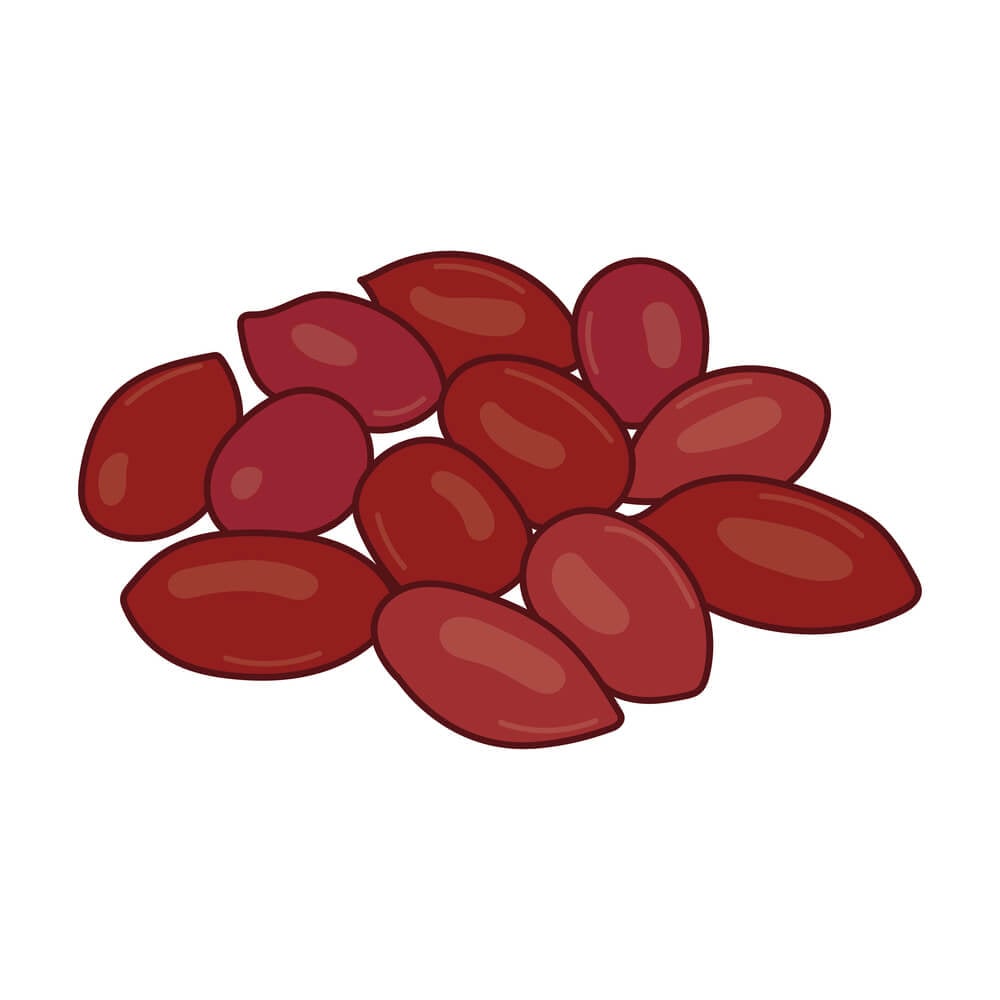
Root beer barrels are hard candies shaped like tiny wooden barrels and flavored like root beer, sold loose from glass jars. They were a staple of candy counters and general stores, often scooped by the handful into a paper bag.
The candies last a long time and have a slightly creamy flavor that separates them from other hard candies. Grandparents kept them in dishes on coffee tables, where they often fused into a single clump in humid weather.
Kids learned that biting one too early was a mistake that left sharp shards.
Squirrel Nut Zippers
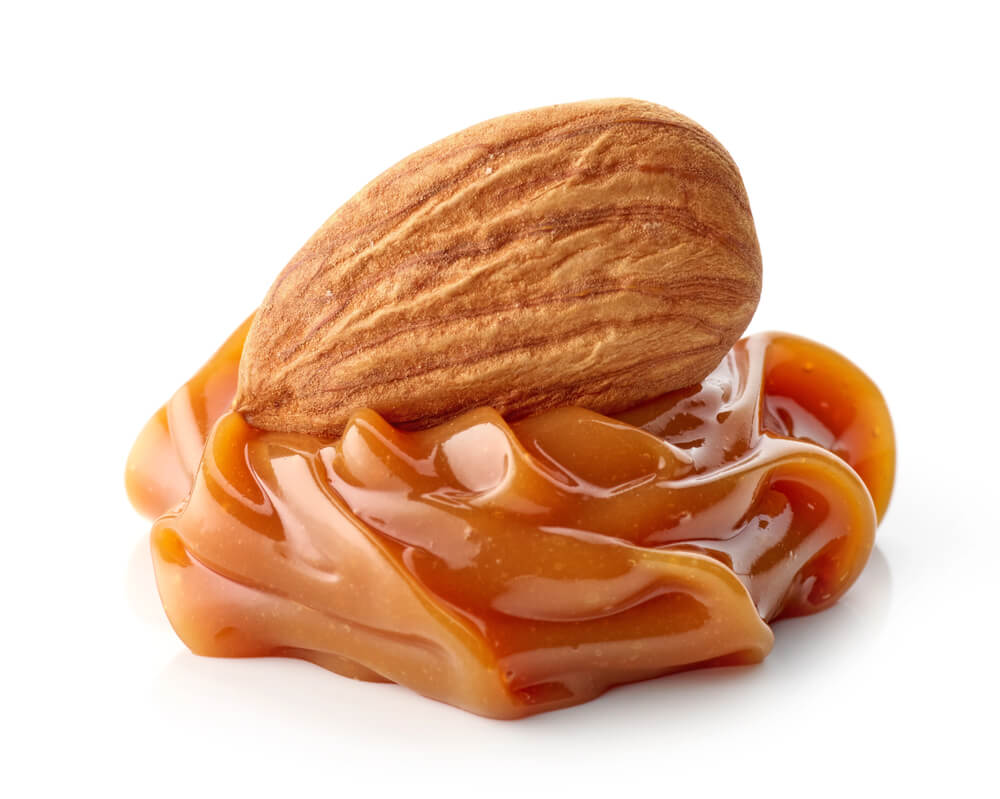
Squirrel Nut Zippers are chewy vanilla caramels with bits of peanut, first made by the Squirrel Brand Company of Cambridge, Massachusetts, in the 1920s. The company’s trademark squirrel appeared on the wrapper.
The candy reportedly took its name from a bootleg drink during Prohibition, and a 1990s swing band later borrowed the name from the candy. Kids bought them one or two at a time and pried them out of their molars afterward.
The candy still turns up in nostalgia shops and old-fashioned general stores, usually in a bin near the register.
Chick-O-Stick in Toasted Coconut
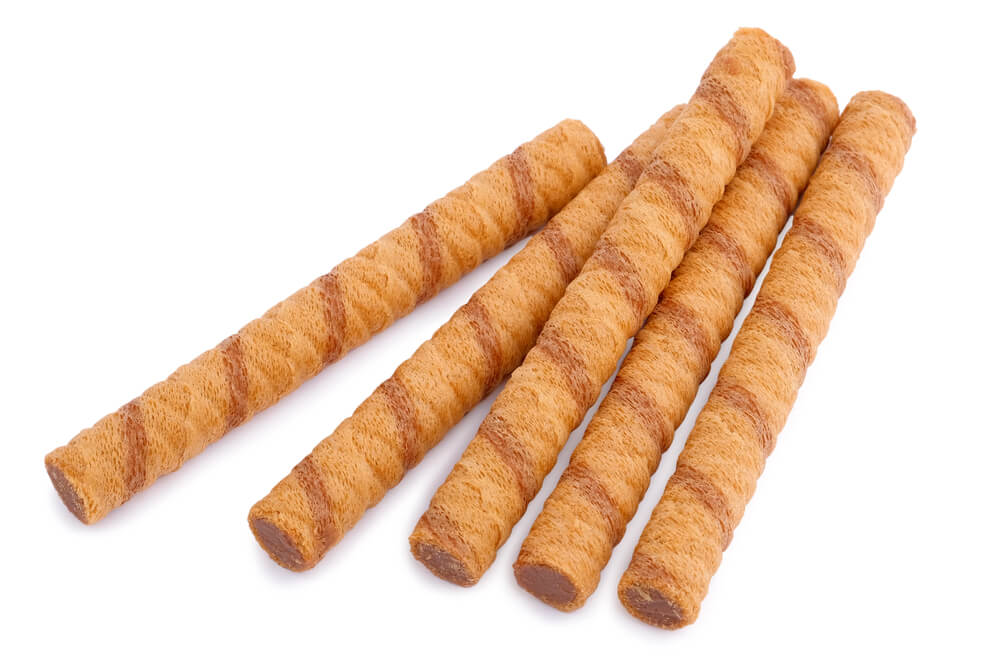
Chick-O-Stick is a crunchy stick of peanut butter candy rolled in toasted coconut, made by the Atkinson Candy Company of Lufkin, Texas, which B.E. Atkinson founded in 1932. The texture is flaky and layered, similar to the inside of a Butterfinger.
The candy was reportedly sold under an earlier name that referred to chicken bones, which it faintly resembles. Despite the name, no chicken is involved.
Kids bought them one at a time at gas stations across Texas and the South, and nostalgia shops now stock them nationwide.
Mallo Cups With Play Money Cards
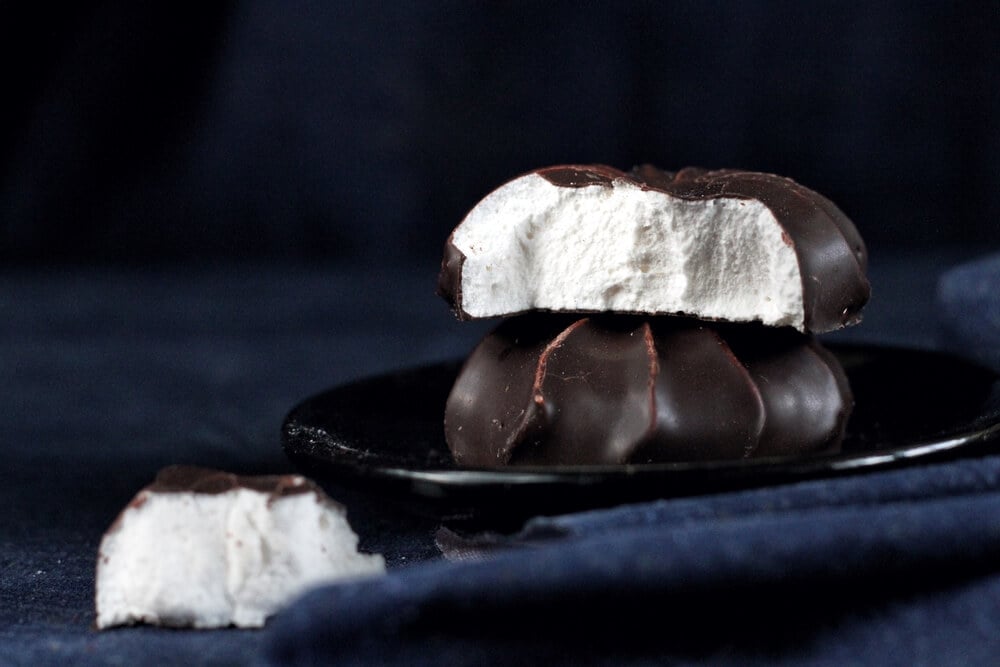
Mallo Cups are chocolate cups filled with whipped marshmallow cream, made by the Boyer Candy Company of Altoona, Pennsylvania, since 1936. Each package included a cardboard card printed with play money points, and collecting enough points earned kids a free candy or other prizes by mail.
The cards made the candy feel like a small investment. Kids saved them in shoe boxes for months, trading duplicates with friends to reach the goal.
The cups sat near the register for a nickel for much of their history, and the play money cards are still included.
Razzles as Candy and Then Gum
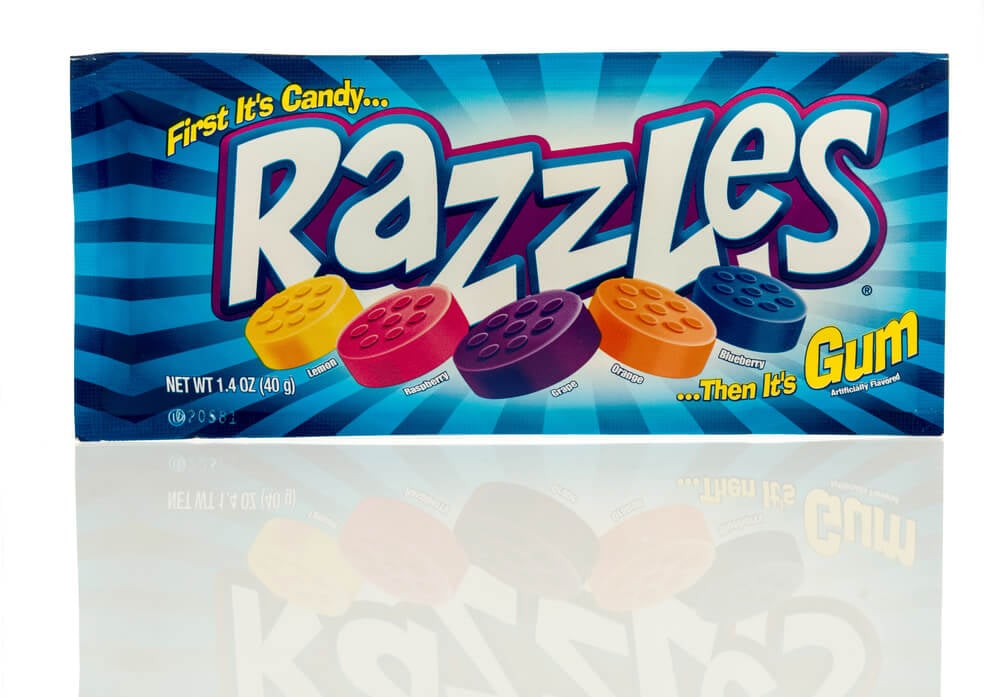
Razzles were introduced in 1966 and marketed with a simple pitch: first it is candy, then it is gum. The small disc begins as a crumbly candy and turns into chewing gum as it softens.
The texture shift happens after a minute or so of chewing, as the sugar dissolves and leaves the gum base behind. Kids found the transformation baffling and entertaining.
Tootsie Roll Industries owns the brand today. Razzles were cheap enough to buy in small packets at the counter, and the fruit flavors fade quickly, which kept kids buying more.
Zotz With a Fizzy Center
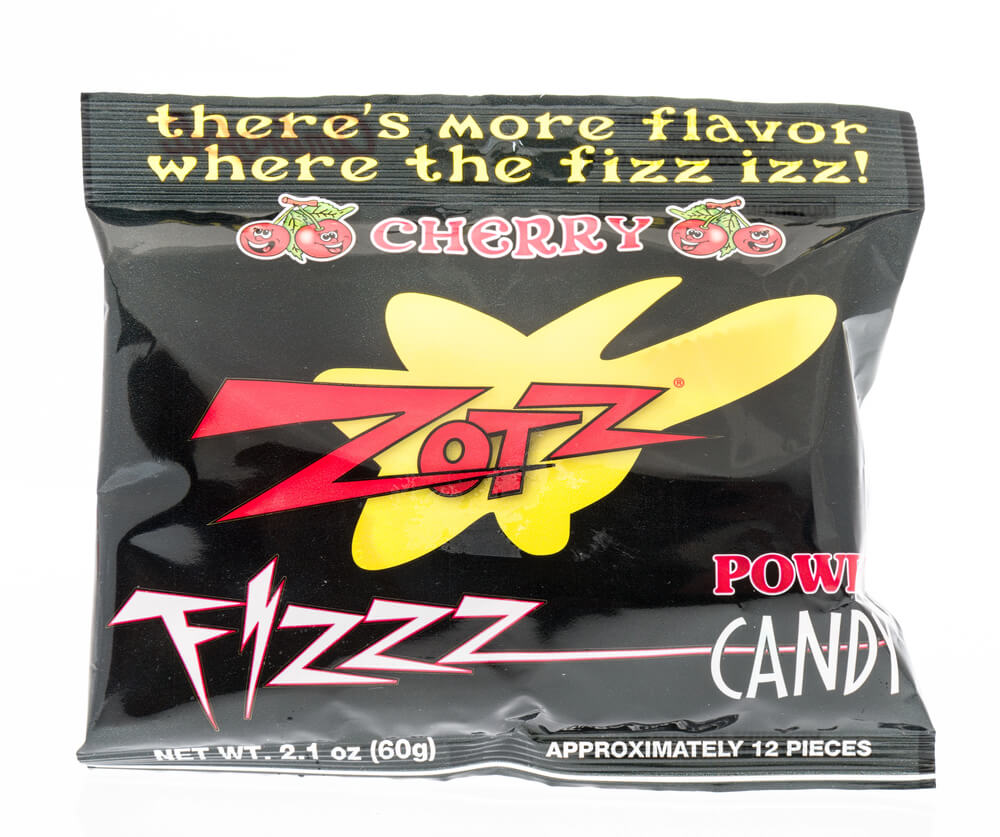
Zotz are hard candies with a powdery center made from malic acid and baking soda, which foams on the tongue when the shell breaks. They were first made in Italy by G.B. Ambrosoli and imported into the United States, where the sour, fizzy rush was unusual for the time.
Kids dared each other to hold the candy in their mouths until the foam spilled out. Watermelon, apple, blue raspberry, strawberry and grape are among the flavors.
The strips of individually wrapped pieces were cheap enough to share, although sharing was rarely the plan.
Bit-O-Honey Chews
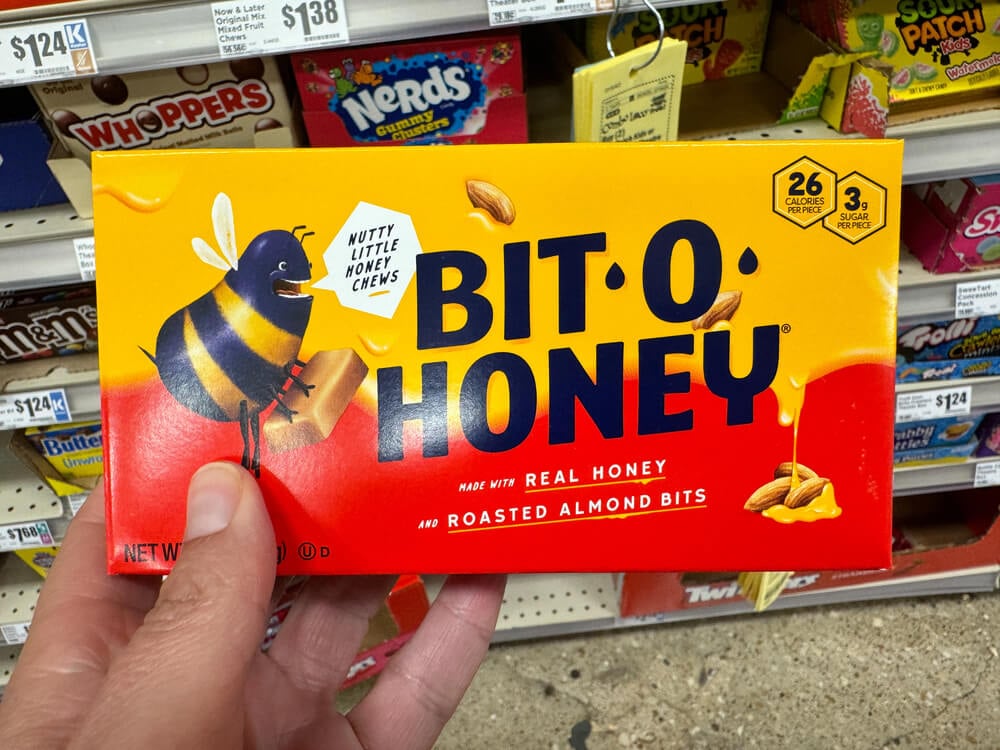
Bit-O-Honey is a chewy honey-flavored candy with almond bits, introduced in 1924 by the Schutter-Johnson Company of Chicago. It was one of the first candy bars made of several small pieces, each wrapped individually inside the bar.
The chew is famously firm, and people with dental work still approach it with caution. Kids either treasured it as a long-lasting treat or traded it away as quickly as possible.
Nestle owned the brand for years before selling it to the Pearson’s Candy Company of Saint Paul, Minnesota, in 2013.
Wax Lips at Halloween
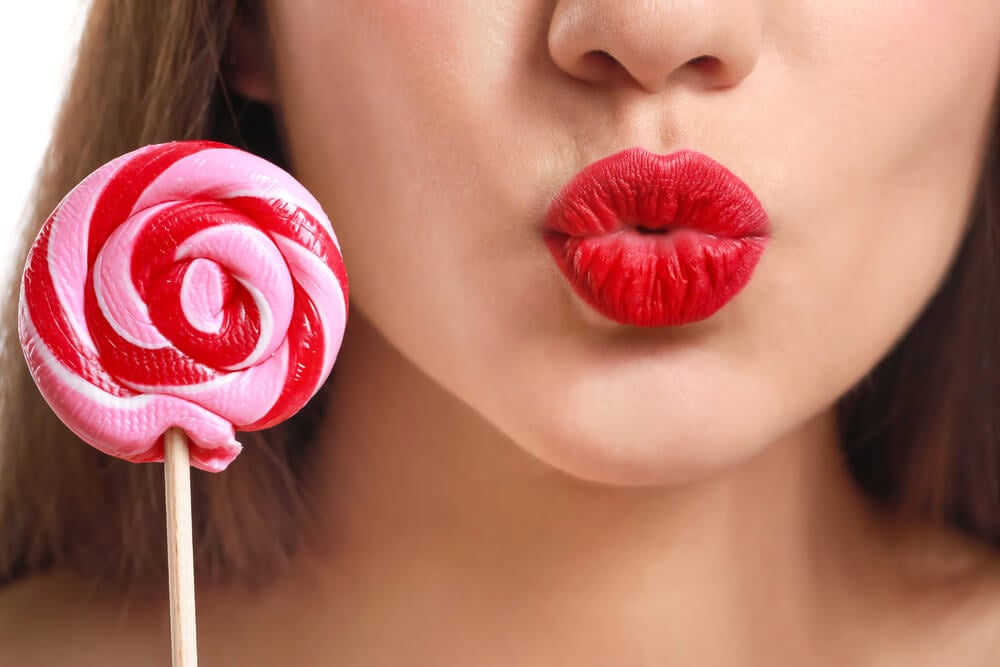
Wax lips are a novelty candy made from paraffin shaped into oversized red lips, worn in the mouth like a costume piece and chewed afterward. They were most popular around Halloween, and nostalgia shops still sell them every October.
Similar wax candies came shaped like mustaches and vampire fangs. The wax has a faint cherry flavor, and chewing it lasted longer than most candy, although the flavor faded fast.
Kids posed for photos wearing them, and plenty of family albums from the 1960s and 1970s include at least one pair.
Fun Dip With a Candy Stick
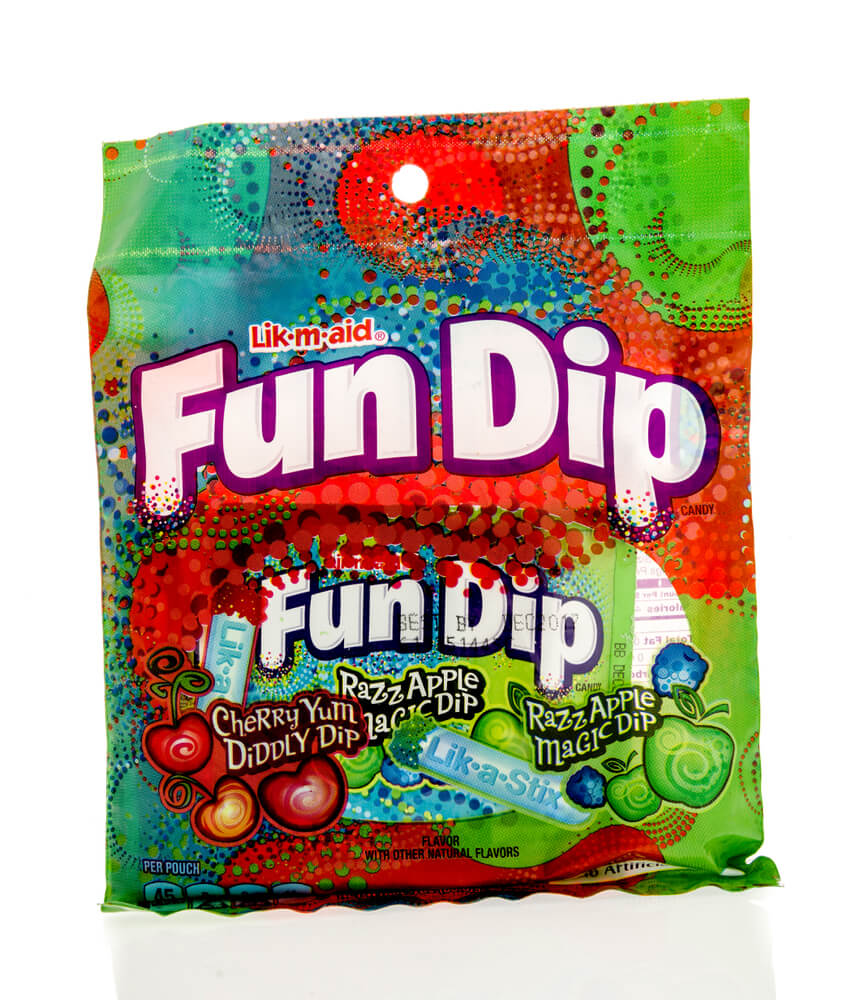
Fun Dip comes with pouches of flavored sugar powder and a hard, chalky candy stick called a Lik-A-Stix used to scoop it. The candy descends from Lik-M-Aid, an earlier powdered candy that dates to the 1940s.
Kids licked the stick until it softened, dipped it in the powder and finished by eating the stick itself. The powder colored tongues and fingers for hours.
The brand was sold under the Willy Wonka name for years, and it moved to Ferrara in 2018 along with the rest of Nestle’s American candy business.
Bottle Caps Shaped Like Soda Caps
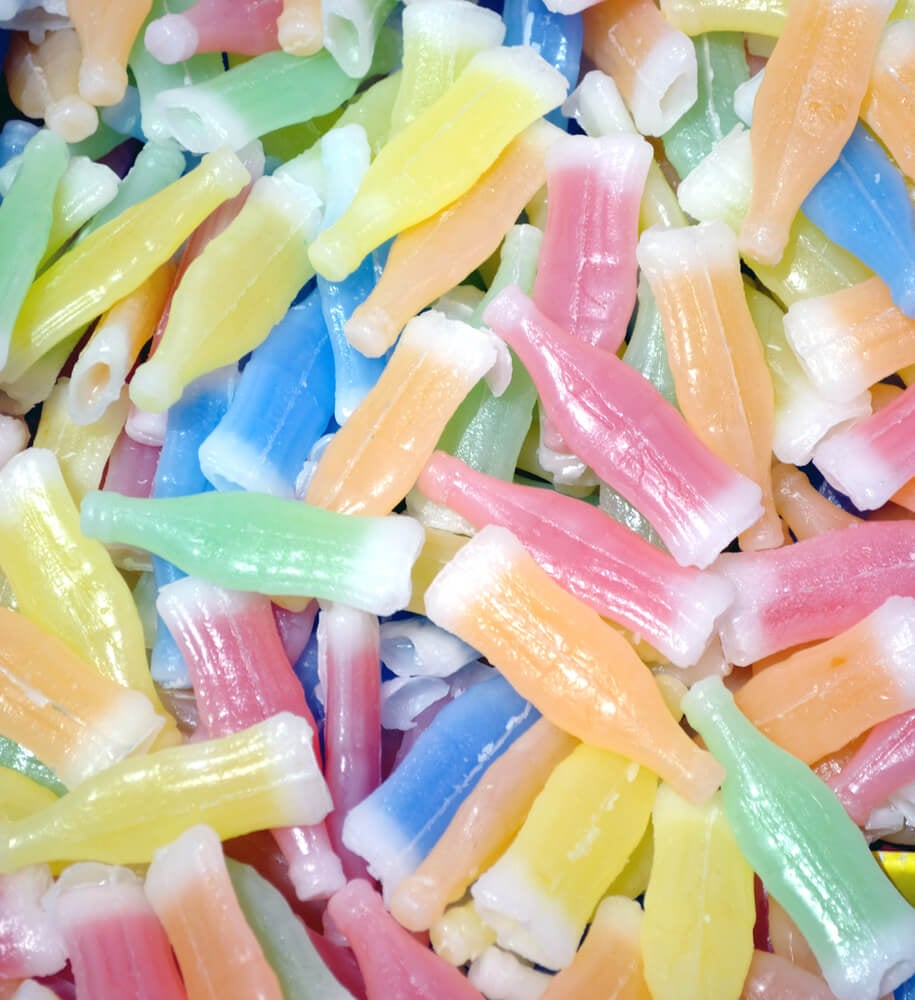
Bottle Caps are pressed sugar candies shaped like old metal soda caps and flavored like root beer, cola, grape, orange and cherry. They were introduced in 1972 by Breaker Confections, which later became part of the Willy Wonka Candy Company, and they moved to Ferrara in 2018.
The tablets have a chalky, slightly fizzy texture. The root beer flavor was usually the most popular, and kids sorted the roll to save it for last.
The small rolls were a common purchase at movie theaters and corner stores.
Jawbreakers That Lasted for Weeks
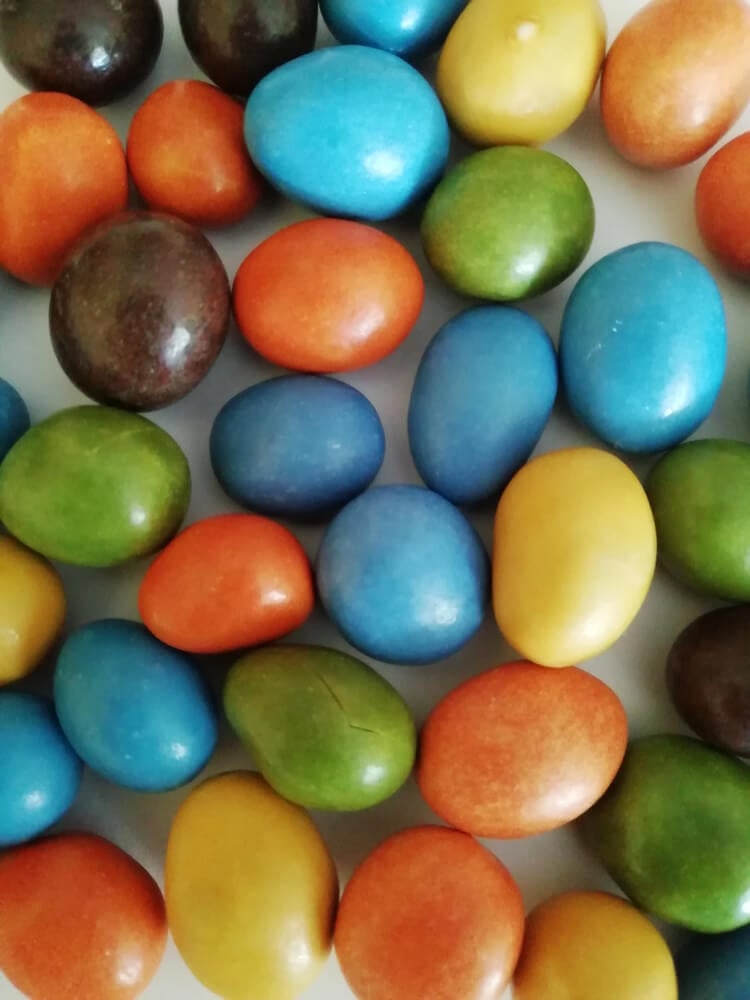
Jawbreakers are hard, round candies built up layer by layer in rotating pans, a process that can take weeks for the largest sizes. Each layer is a different color, so kids pulled them out of their mouths repeatedly to check what color had appeared.
Small ones came from vending machines by the handful, while the giant versions were sold individually at the counter. The largest were nearly impossible to finish in a day, and some kids kept one wrapped in wax paper for a week.
Dentists warned against biting down on them.
Chiclets in a Rattling Box
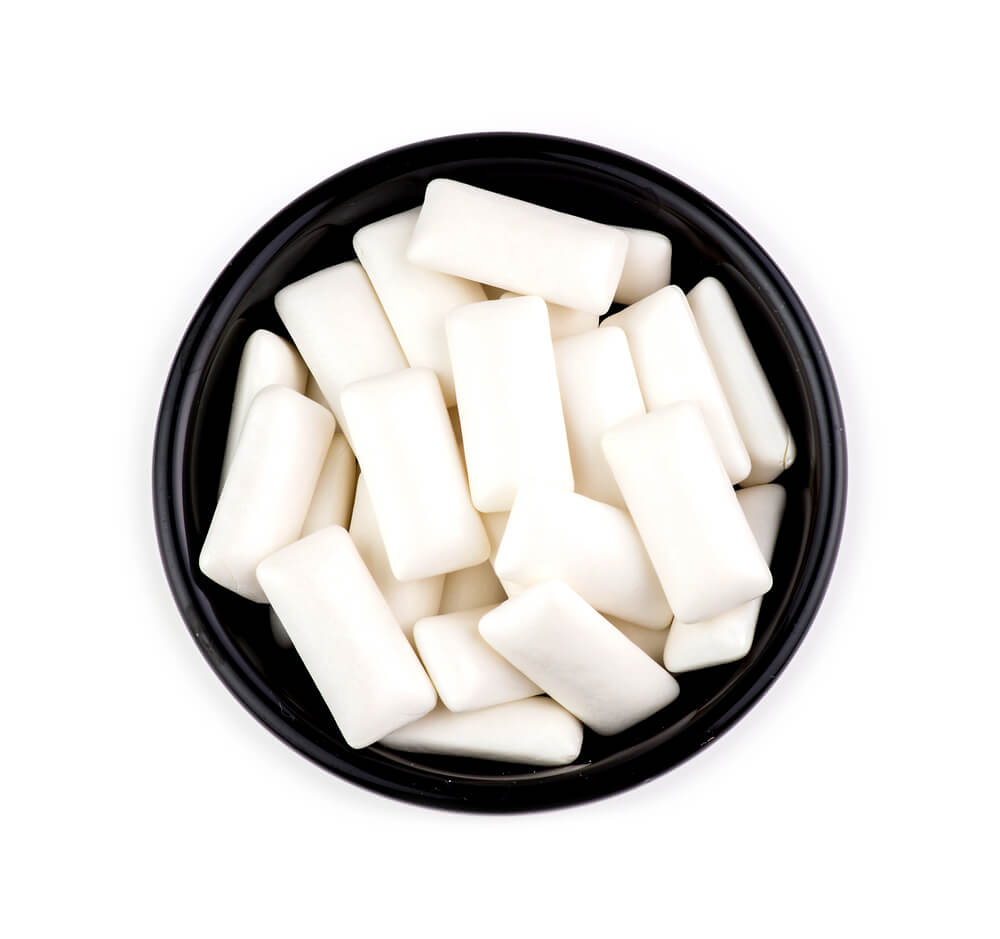
Chiclets are small candy-coated pieces of chewing gum sold in tiny boxes that rattle when shaken. The name comes from chicle, the natural tree gum from Mexico and Central America that was once the base of most chewing gum.
Packs of a few pieces were cheap enough for pocket change, and kids used the boxes as noisemakers during class. The pieces lost their flavor quickly, so kids chewed several at once.
The brand has largely disappeared from American stores, though it is still sold widely in Latin America.
Black Jack Licorice Gum
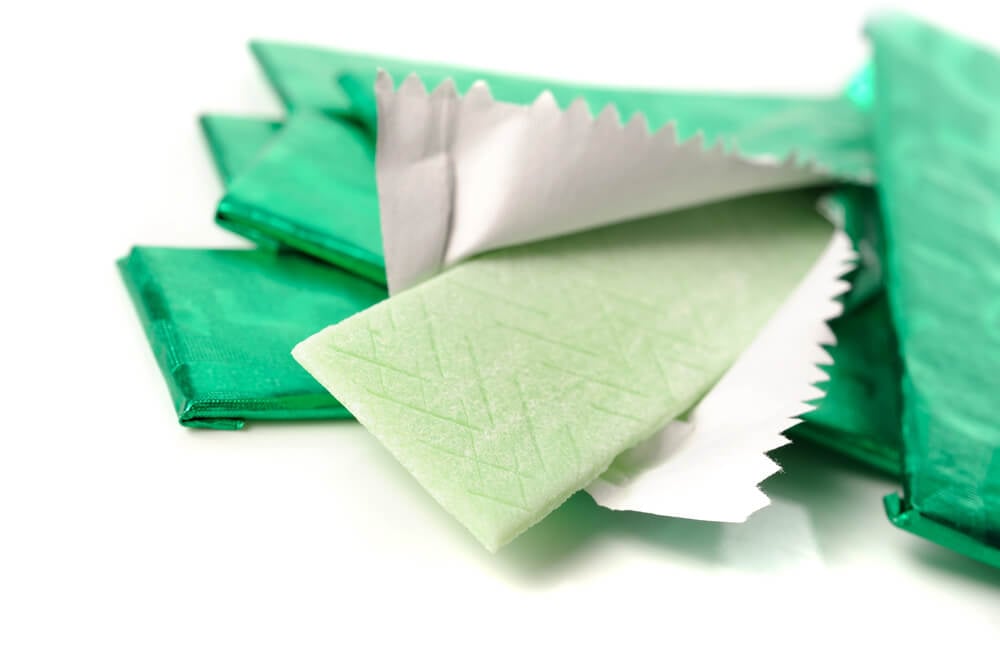
Black Jack gum was introduced in 1884 by Thomas Adams, and it is often described as one of the first flavored chewing gums sold in the United States. The licorice flavor turned tongues dark gray.
Adams was also a pioneer of chicle gum, and his company later became part of American Chicle. Black Jack sold steadily for decades before production faded in the 1970s.
It has since returned in limited runs for nostalgia shops. Kids who liked licorice were fiercely loyal to it, and kids who did not avoided it completely.
Circus Peanuts
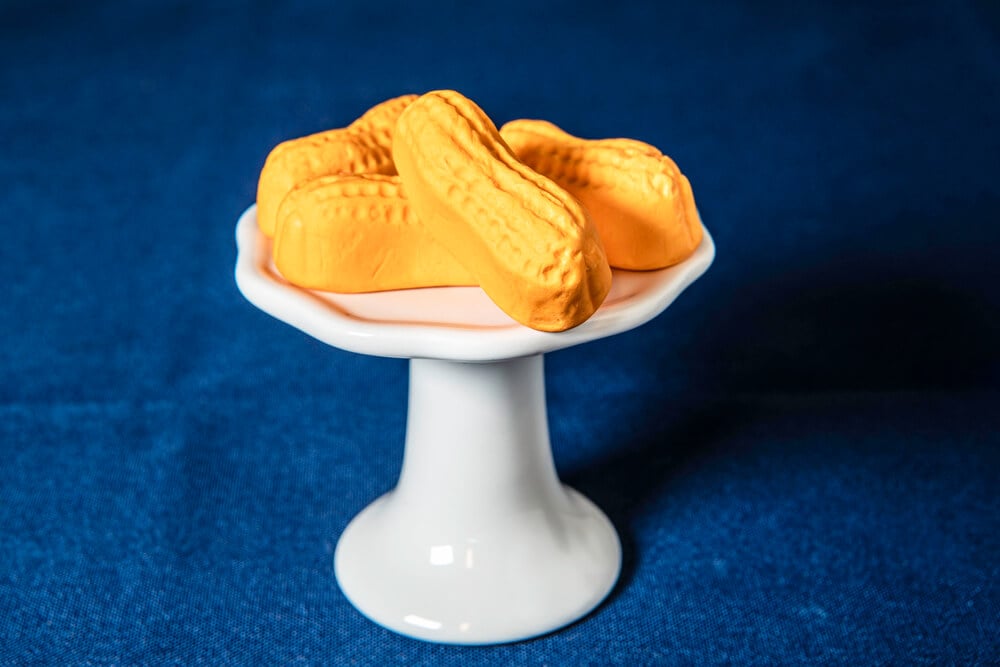
Circus peanuts are soft, orange, peanut-shaped marshmallow candies that taste like banana, a combination no one has fully explained. They date to the 1800s, when they were sold seasonally, and later became a year-round item in general store bins.
The texture is spongy when fresh and firm when stale, and many bags on store shelves seem to have been stale from the day they were packed. Kids either liked them or considered them the worst candy on the counter.
Nostalgia shops still sell them by the bag.
Pocket Change and the First Budget
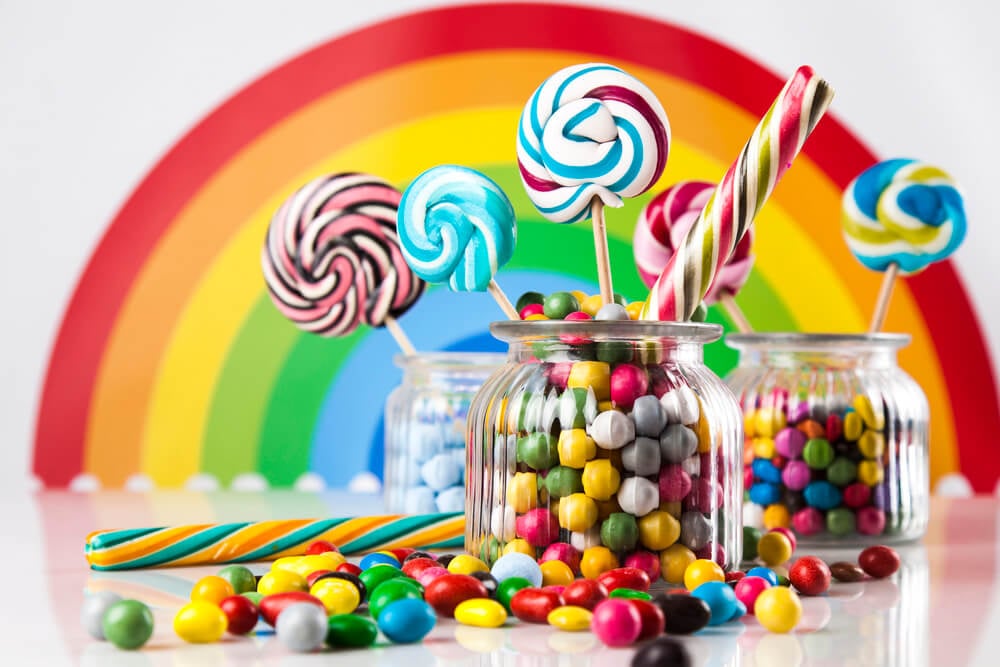
Penny candy was the first place many kids made a spending decision with their own money. The math was simple and serious: one chocolate bar or a handful of cheaper pieces that lasted longer.
Small makers competed on novelty because they could not compete on size. Many of these companies were family firms in small towns, and several still are.
The candies survived because adults kept buying them for the memory as much as for the taste. A roll of Necco Wafers or a Chick-O-Stick costs more now, but it still fits in the same pocket.
More from Go2Tutors!

- The Romanov Crown Jewels and Their Tragic Fate
- 13 Historical Mysteries That Science Still Can’t Solve
- Famous Hoaxes That Fooled the World for Years
- 15 Child Stars with Tragic Adult Lives
- 16 Famous Jewelry Pieces in History
Like Go2Tutors’s content? Follow us on MSN.



