Most Radioactive Places To Visit
You can visit places where nuclear disasters happened. That sounds crazy, but thousands of people do it every year.
Some of these locations offer official tours with safety protocols, while others exist as grim reminders that nobody should enter. The radiation lingers for decades, sometimes centuries, turning landscapes into frozen time capsules.
These sites tell stories about what happens when nuclear power goes wrong, or when humans test weapons that change the earth itself. Some have become tourist attractions.
Others remain off-limits, quietly poisoning the ground and water around them. Understanding where these places are and what makes them dangerous gives you a better grasp of radiation’s lasting impact on our world.
Chernobyl Opens Its Doors
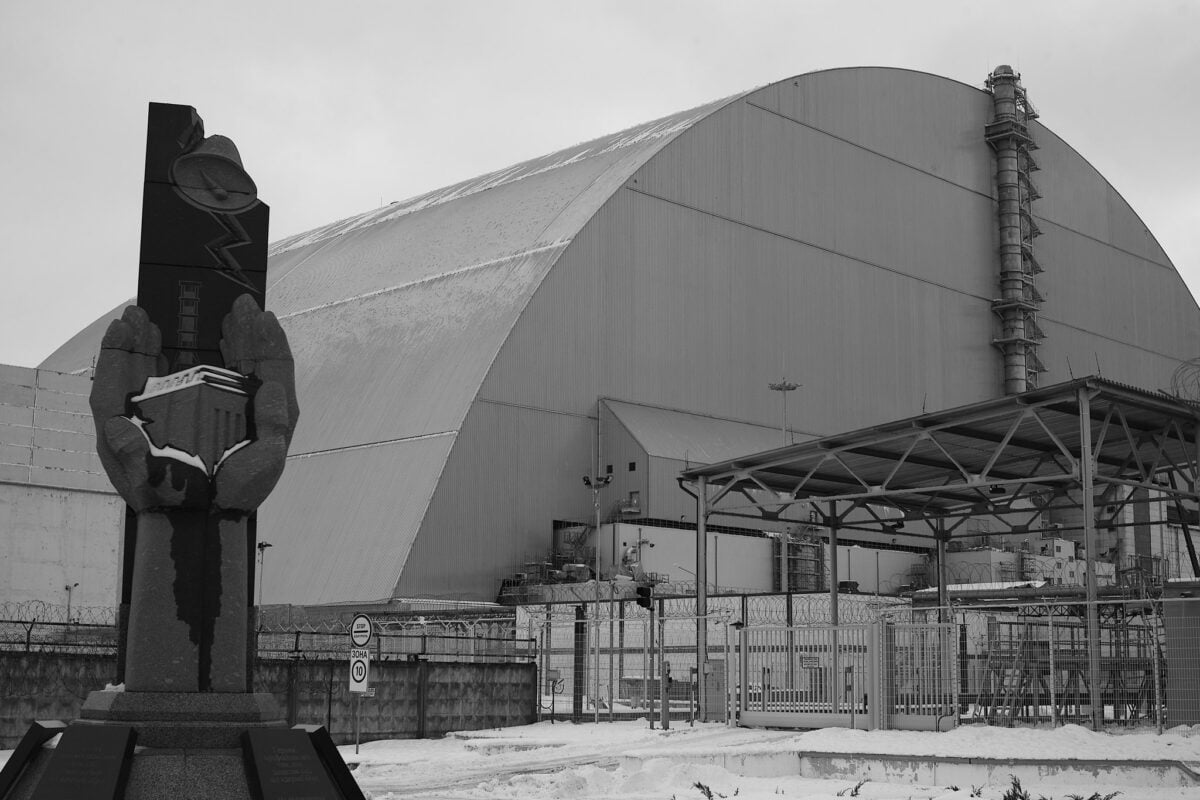
The Chernobyl Exclusion Zone in Ukraine draws nearly 100,000 visitors each year. On April 26, 1986, reactor number four at the Chernobyl Nuclear Power Plant exploded during a safety test gone wrong.
The blast released radioactive material across Europe and forced the evacuation of 116,000 people. Today you can take organized tours into the 30-kilometer exclusion zone.
Guides lead you through abandoned villages, past the decaying amusement park in Pripyat, and close to the reactor itself, now sealed under a massive steel structure. The radiation during a typical day trip measures about 3 to 5 microsieverts, roughly equivalent to a transatlantic flight.
Tour operators provide dosimeters so you can track your exposure in real time. You pass through radiation checkpoints when entering and leaving the zone.
The guides know which areas are safe and which ones to avoid. The basement of Pripyat Hospital, where firefighters’ contaminated clothing was left after the disaster, remains one of the most radioactive spots you can technically reach.
But you won’t go there on a standard tour. The real danger in Chernobyl comes from crumbling buildings rather than radiation.
Floors collapse without warning. Windows break easily. Structures that have stood empty for nearly 40 years decay faster than you’d expect.
Fukushima Remains Closed
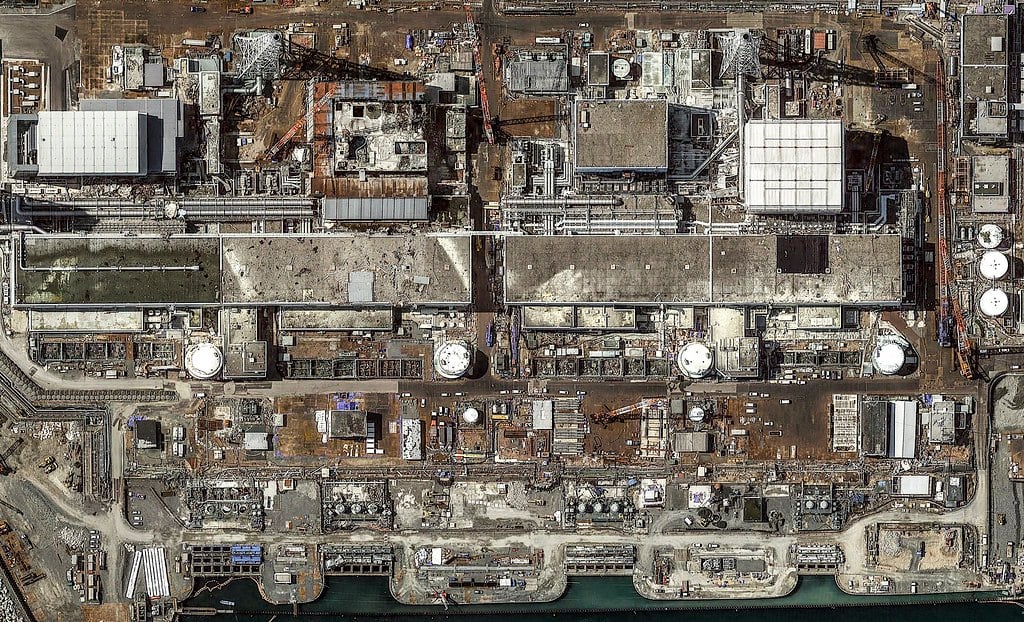
When a 9.1 magnitude earthquake triggered a tsunami in March 2011, it overwhelmed the Fukushima Daiichi Nuclear Power Plant in Japan. Three reactors went into meltdown.
Hydrogen explosions followed. Radioactive material leaked into the Pacific Ocean. About 160,000 people were evacuated from the surrounding area.
Most never returned. Radiation levels inside the damaged reactors reached 530 sieverts per hour at some points, enough to kill a person within minutes.
Robots sent in to assess the damage failed from the intense radiation. The plant still contains melted nuclear fuel.
Workers have located it in two of the three damaged reactors, but full decommissioning will take at least 40 years and cost around $188 billion. You cannot visit Fukushima as a tourist.
The exclusion zone remains sealed. The government considered dumping contaminated water into the ocean for years.
The disaster made Fukushima one of the most radioactive places on earth, and it will stay that way for generations.
Ramsar Proves Nature Creates Radiation Too
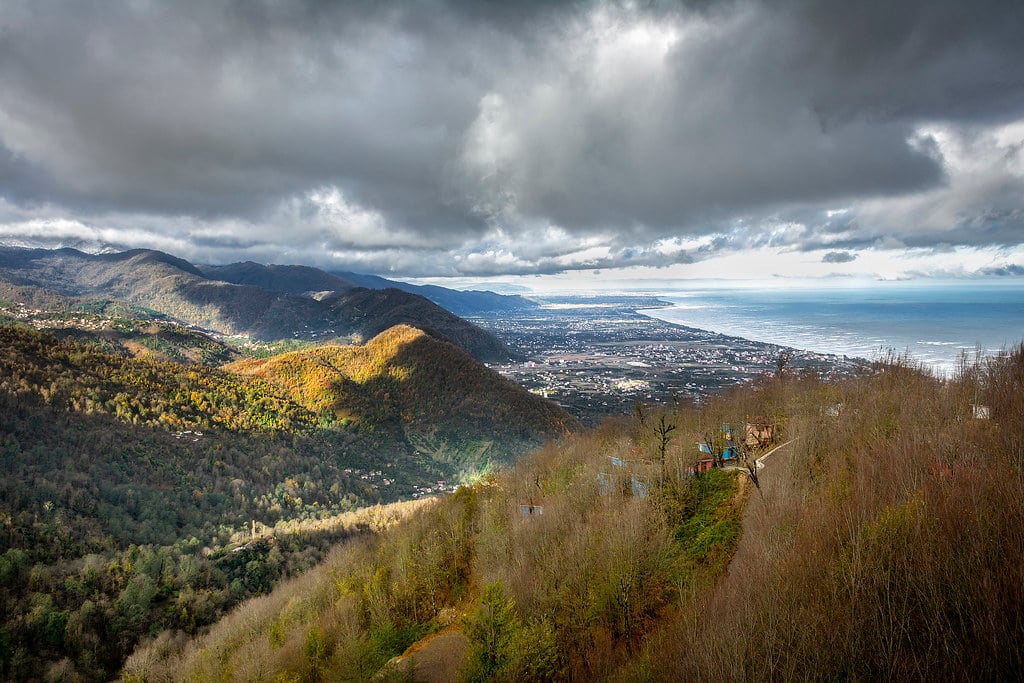
Not all radioactive places come from nuclear accidents or weapons testing. Ramsar, Iran sits on soil rich in radioactive elements.
People in this coastal town receive about 260 millisieverts of radiation per year from natural sources, more than ten times what nuclear workers are allowed. The high radiation comes from thorium and radium in the ground.
Hot springs in the area contain radioactive minerals that have been there for millions of years. Despite this, people live in Ramsar normally.
The radiation levels vary by neighborhood, with some areas worse than others. Scientists study Ramsar to understand how chronic low-level radiation affects human populations.
So far, residents don’t show higher cancer rates than expected, though the research continues. You can visit Ramsar, though there’s no reason to go specifically for the radiation.
The town functions like any other Iranian coastal city.
The Polygon Poisoned Kazakhstan

The Soviet Union tested 456 nuclear weapons at a site in Kazakhstan called the Semipalatinsk Test Site, also known as The Polygon. From 1949 to 1989, they detonated atomic and hydrogen bombs above and below ground, spreading radioactive fallout across the region.
More than 500,000 people lived in areas affected by the tests. An estimated 200,000 still suffer from radiation-related illnesses.
The Soviet government kept the full extent of the contamination secret for decades. After Kazakhstan gained independence, they closed the test site and created an International Day Against Nuclear Tests.
The immediate testing areas remain off-limits, but nearby villages still exist. People who grew up during the testing years remember the mushroom clouds on the horizon.
The land shows the scars. Craters pock the landscape where bombs exploded.
Soil and groundwater contain radioactive isotopes that will decay for thousands of years. The Polygon represents one of the most heavily contaminated nuclear sites in the world, and nobody should visit without proper equipment and authorization.
Mailuu-Suu Sits on Buried Waste
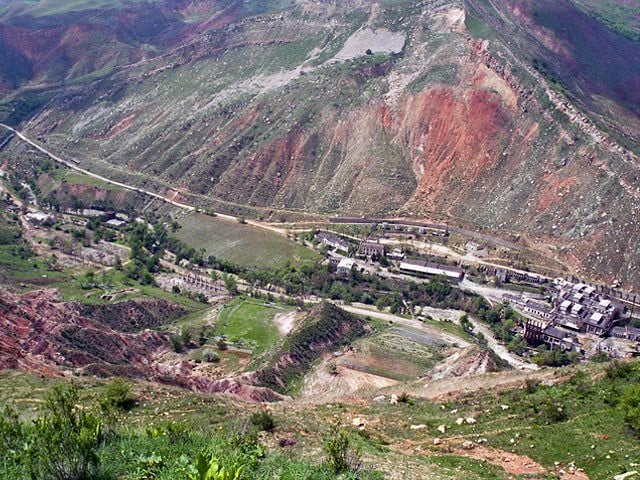
Mailuu-Suu in Kyrgyzstan was a Soviet uranium mining town. After extracting the uranium, workers dumped radioactive waste in excavated pits and covered them with soil.
The problem is that the region experiences frequent earthquakes and landslides. More than 60,000 people have been affected by radiation from this site.
The waste containers leak. Heavy rains wash radioactive material into nearby rivers.
Earthquakes expose buried waste that was supposed to stay underground. The town still has residents, though many suffer from cancers and other radiation-related diseases.
You can visit surrounding areas, but getting close to the actual waste sites is restricted and extremely dangerous. The radioactive contamination spreads a little more each year.
International organizations have tried to stabilize the waste and prevent further contamination, but the geography makes it nearly impossible. Mailuu-Suu represents what happens when nuclear waste disposal goes wrong and stays wrong for decades.
Hanford Stores America’s Nuclear Legacy

The Hanford Site in Washington State produced plutonium for the Manhattan Project during World War II. After the war, it continued operating to make material for nuclear weapons.
Today it stores about two-thirds of America’s high-level radioactive waste. Roughly 200 square miles of groundwater around Hanford are contaminated.
Radioactive waste sits in underground tanks, some of which leak. In 2017, a tunnel collapsed at the facility, causing evacuations and emergency response. Workers found vehicles used at the site contaminated with Americium-241 in their air filters.
You cannot tour Hanford, though it sits close enough to populated areas that contamination remains a concern. The Department of Energy manages the site and occasionally allows limited access to specific visitors after background checks, but this isn’t tourism.
Cleanup efforts continue, but the sheer volume of radioactive material makes the site one of America’s biggest environmental challenges. Hanford will remain radioactive for thousands of years.
Sellafield Leaked Into the Sea

Sellafield in northwest England processed nuclear fuel and produced plutonium for weapons. At its peak, the plant released 8 million liters of radioactive wastewater into the Irish Sea every day.
A massive fire in 1957 released radioactive fumes into the atmosphere, making it the worst nuclear accident in British history. The contamination made the Irish Sea the most radioactive body of water in the world.
Fish caught near Sellafield showed elevated radiation levels for decades. The facility still operates as a nuclear waste storage and reprocessing site.
You can see Sellafield from public roads, but you cannot enter without authorization. The area around the plant remains contaminated, and cleanup work continues.
The site processes and stores nuclear waste from power plants across the United Kingdom. Cancer rates in nearby communities have been studied extensively, with some reports showing higher incidences than national averages.
The plant’s history of leaks and accidents makes it one of the most controversial nuclear sites in Europe.
Lake Karachay Became a Dry Waste Site
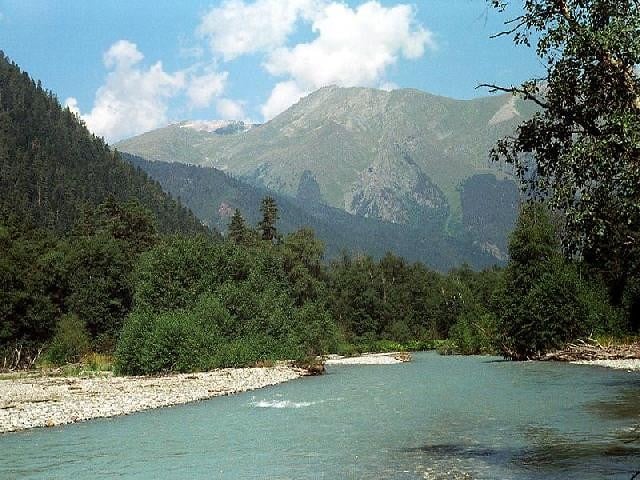
Lake Karachay in Russia’s Ural Mountains served as a dumping ground for radioactive waste from the Mayak nuclear facility. The Soviets poured liquid radioactive waste directly into the lake for years.
Standing on the shore for an hour would deliver a lethal dose of radiation. Eventually they decided to fill in the lake with concrete and soil to prevent radioactive particles from spreading.
The area is now a dry nuclear waste repository, but radiation levels in the surrounding region remain dangerously high. Contamination spreads across 3,000 kilometers.
You cannot visit Lake Karachay. The site remains heavily restricted and monitored.
Fish that lived in the lake before it was filled showed severe mutations from radiation exposure. Trees in the surrounding area withered and died from contaminated air and soil.
The Mayak facility still operates as a nuclear reprocessing plant, and Lake Karachay stands as a permanent reminder of what happens when liquid nuclear waste gets dumped into open water.
Goias Turned a Robbery Into a Disaster

In 1987, two men broke into an abandoned hospital in Goiania, Brazil looking for scrap metal. They found a cancer therapy machine and were captivated by a glowing blue material inside.
Not knowing it was radioactive, they took the machine home and started showing friends and family. Four people died from radiation exposure. More than 250 needed hospitalization.
The Brazilian government had to clean up radioactive particles spread across a large area of the city. Entire neighborhoods were affected. The incident showed how dangerous radioactive materials become when they end up in the wrong hands.
The thieves and their families suffered horrible deaths from acute radiation poisoning. The glowing blue material was Cesium-137, a radioactive isotope used in medical equipment.
Today you can visit Goiania, but the specific sites where the contamination occurred have been cleaned and monitored. The disaster led to stricter regulations worldwide about disposing of medical equipment containing radioactive materials.
Nevada Test Site Watched From Hotels

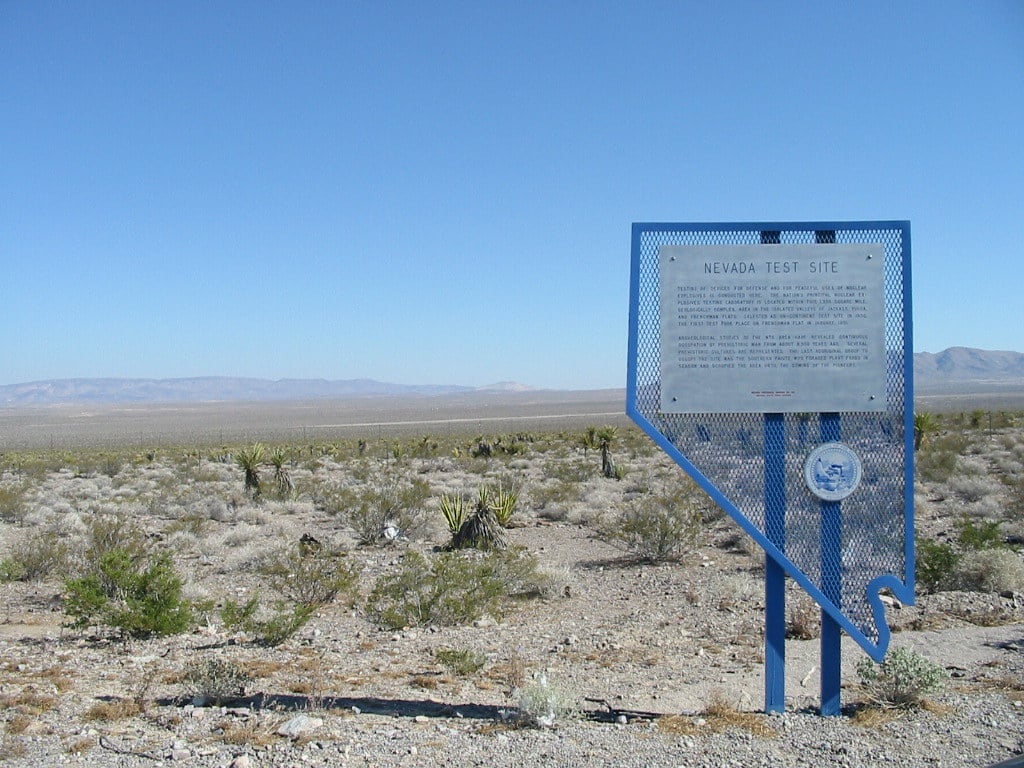
Between 1951 and 1992, the United States detonated over 900 nuclear weapons at the Nevada Test Site, about 65 miles northwest of Las Vegas. In the 1950s, people watched atomic tests from hotel balconies in Vegas.
They threw atomic-themed parties and mixed atomic cocktails while mushroom clouds bloomed on the horizon. The site contains massive craters from underground tests and remains of fake towns built to study blast effects.
The Department of Energy manages the area and occasionally allows tours after background checks. You can see blast craters, abandoned military infrastructure, and the eerie silence of a desert that’s been blown apart hundreds of times.
Radiation levels vary across the site. Some areas are relatively safe for brief visits.
Others remain too contaminated to enter. The Nevada Test Site spans about 1,360 square miles, making it one of the largest restricted areas in the United States.
Standing there gives you a sense of the massive scale of nuclear testing during the Cold War. The landscape looks alien in places where bombs transformed rock into glass.
Weldon Spring Builds a Monument From Waste
Weldon Spring in Missouri has a unique approach to nuclear waste. The site produced explosives during World War II and enriched uranium for nuclear weapons during the Cold War.
When operations ended, piles of uranium, radium, TNT, and asbestos were left behind. The solution was to encase all the radioactive and chemical waste in a large man-made hill.
Today it’s called the Weldon Spring Site Remedial Action Project Disposal Cell, though people also call it the Nuclear Waste Adventure Trail. You can walk stairs to the top of the mound and look out over the surrounding flat terrain.
The hill stands in stark contrast to the green landscape around it, a barren gray monument to Cold War weapons production. The containment structure should hold the waste safely for centuries, though monitoring continues.
Visiting the mound is surreal. You’re standing on top of tons of radioactive material, separated from it by concrete and earth.
The site functions as both a tourist attraction and a permanent reminder of nuclear waste that never goes away.
Free Enterprise Mine Offers Radon Therapy
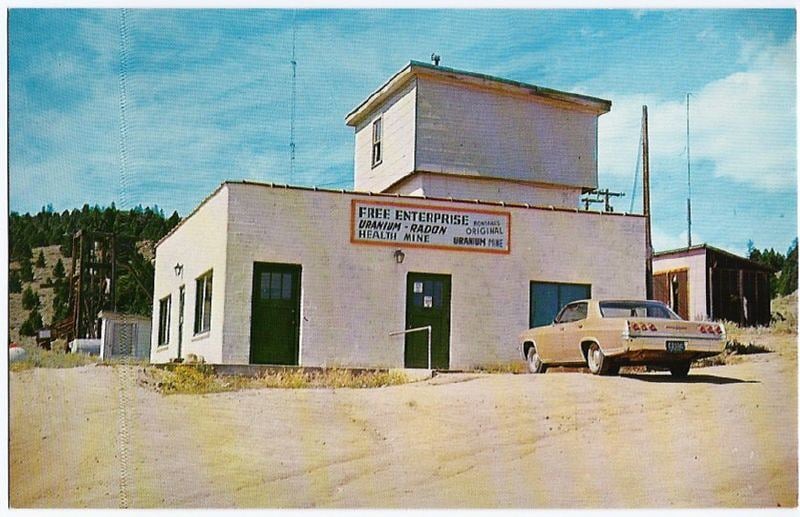
The Free Enterprise Radon Health Mine in Montana invites visitors to descend 85 feet underground to breathe radon-rich air. The owners claim radon exposure helps with various health conditions, from arthritis to asthma.
Inside the mine, you’ll be exposed to about 1,700 picocuries per liter of radon. The EPA recommends action if indoor radon reaches 4 picocuries per liter.
Typical radon therapy involves 30 to 60 hours in the mine over ten days. You sit in the cool underground space, breathing in radioactive gas.
The temperature averages 56 degrees Fahrenheit, so visitors need warm clothing. Heat lamps are available.
If you’re claustrophobic, an aboveground inhalatorium pumps radon from deeper in the mine up to you. The health claims about radon therapy aren’t supported by mainstream medicine.
Radon is a known carcinogen that causes lung cancer. But the mine has operated for decades, and people keep visiting.
It represents one of the strangest radioactive tourism experiences you can have.
Maralinga Opens to Bus Tours

Maralinga in South Australia was Britain’s nuclear testing ground in the 1950s and 1960s. Seven nuclear bombs were detonated there, plus hundreds of smaller tests involving radioactive materials.
The cleanup involved burying hundreds of thousands of cubic meters of contaminated soil. The land was returned to the Maralinga Tjarutja people, the traditional owners.
They didn’t want to live full-time on land that had been ground zero for nuclear blasts, so they opened it to tourism instead. You can take a bus tour of the site.
Highlights include an abandoned military village, an old airfield, and markers showing where bombs exploded. Pieces of sand fused into glass from the nuclear blasts still scatter across the desert.
You can visit the pits where contaminated vehicles from the final cleanup were buried under 16 feet of clean soil. Most of Maralinga is considered safe because it saw fewer tests than other nuclear sites worldwide.
But history sits heavily on the land. The emptiness of the outback makes the experience feel even more isolated and strange.
Where Invisible Danger Lingers
These radioactive places exist because humans split atoms. Some served military purposes.
Others generated power. A few came from simple accidents or criminal ignorance.
They all share one thing: radiation that will outlast anyone alive today. You can visit some of these locations with proper precautions.
Others remain sealed for good reason. The invisible danger makes them different from other hazardous sites.
You can’t see radiation, can’t smell it, can’t taste it. You need equipment to detect it, and even then, the damage happens at a cellular level you can’t feel until it’s too late.
Walking through abandoned cities or standing in nuclear craters forces you to think about consequences that stretch across generations. The places stay dangerous long after the people who created them are gone.
That’s what makes radioactive sites different from any other kind of human impact on the planet.
More from Go2Tutors!

- The Romanov Crown Jewels and Their Tragic Fate
- 13 Historical Mysteries That Science Still Can’t Solve
- Famous Hoaxes That Fooled the World for Years
- 15 Child Stars with Tragic Adult Lives
- 16 Famous Jewelry Pieces in History
Like Go2Tutors’s content? Follow us on MSN.