31 School Supplies That Disappeared From Classrooms
A classroom from the 1980s and a classroom today share a whiteboard, a teacher’s desk, and not much else. Most of what filled the room in between, the machines, the paper, the specific smell of certain supplies, has quietly vanished over the past few decades.
None of it disappeared all at once. Each item below was phased out gradually, replaced by something digital, safer, or simply more convenient, until an entire generation of students grew up never encountering the original at all.
The Overhead Projector
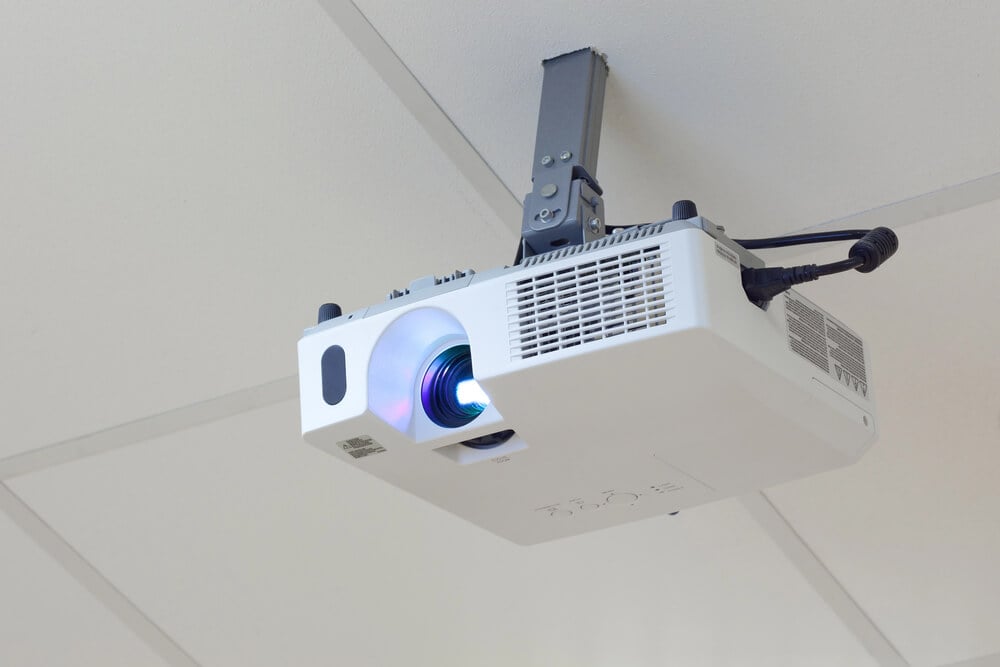
Teachers wrote directly on clear plastic sheets, projecting the image onto a pull-down screen using a bulb and a set of mirrors mounted on a rolling cart. The sheets could be wiped clean and reused for the next class, a fact that seemed remarkable before digital slides made the entire process obsolete.
The Filmstrip Projector
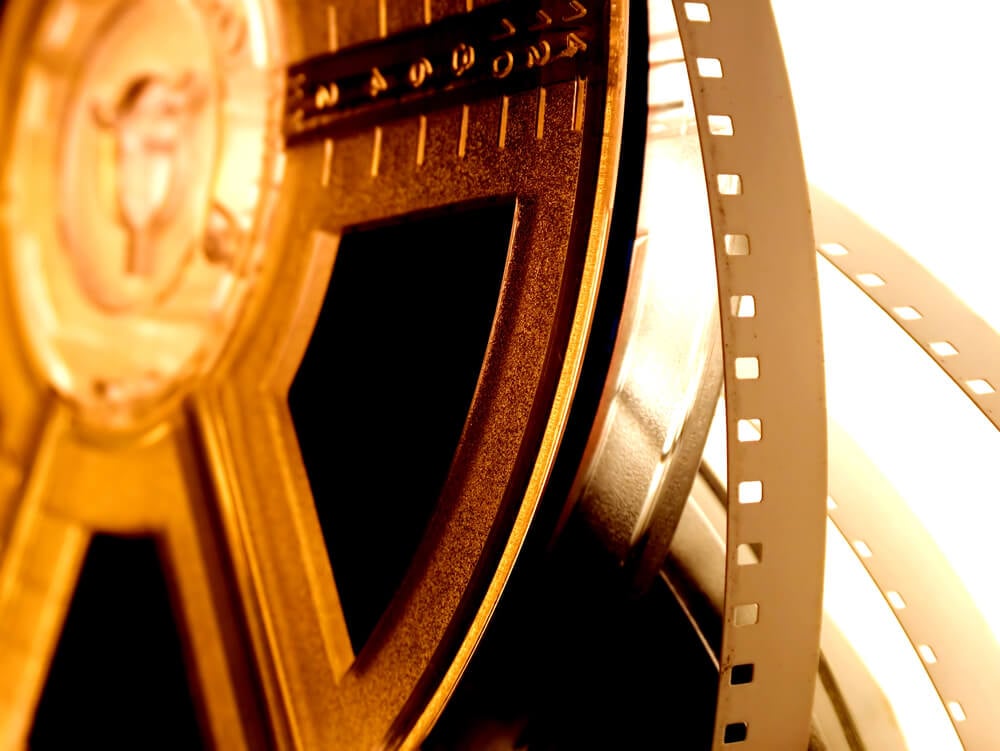
Filmstrips arrived as a continuous roll of still images rather than moving footage, advanced frame by frame with a manual crank or an audible beep from an accompanying cassette tape. A jammed filmstrip meant the whole lesson stopped while a teacher tried to free it without tearing the film.
The 16mm Film Projector
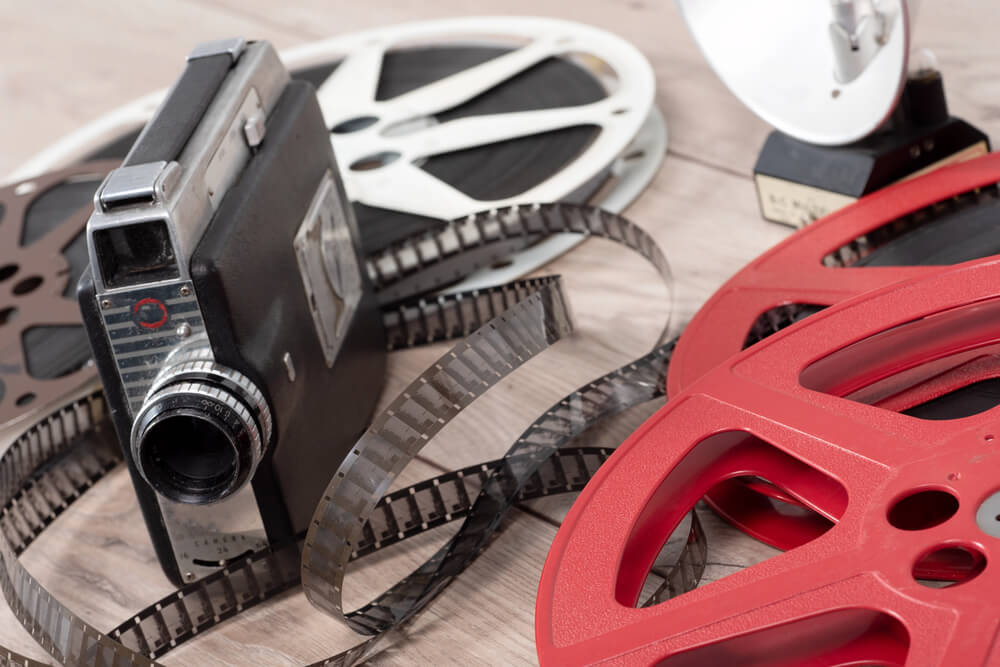
Movie day meant a teacher or the designated “AV squad” student threading actual celluloid film through a noisy, clacking projector, with the picture and sound quality degrading a little more with every showing. Torn sprocket perforations were a common cause of the film jamming or skipping mid-reel.
The Mimeograph Machine
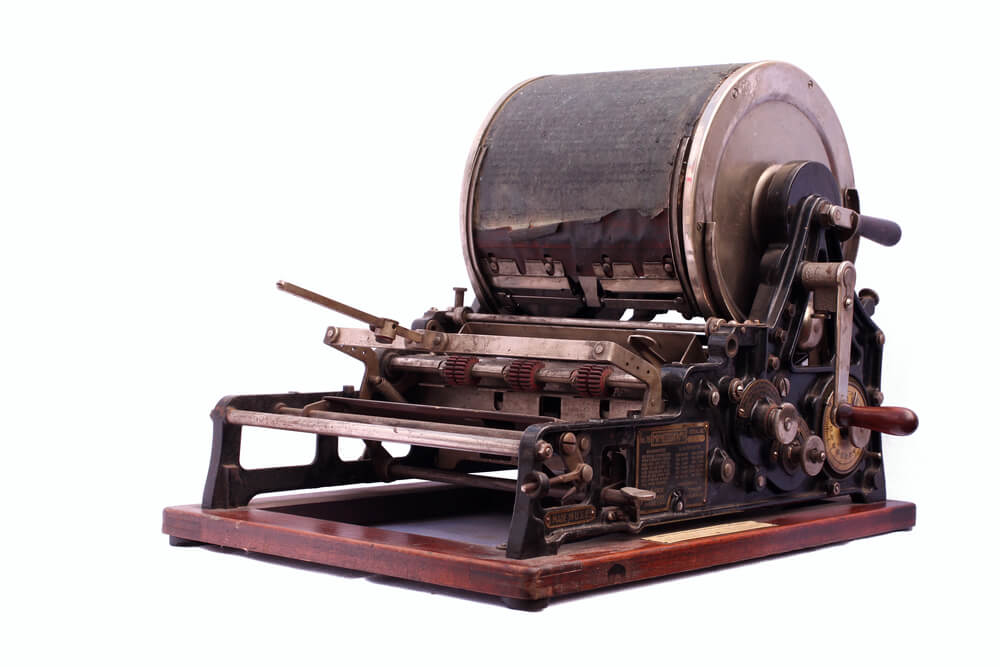
Mimeographs produced copies using a stencil and liquid solvent, releasing a distinctive chemical smell that students would press freshly printed worksheets to their faces to inhale. The purple-tinted ink and warm paper became so associated with the machine that many adults can still recall the scent decades later.
Library Card Catalogs
Finding a book meant flipping through drawers of alphabetized index cards by author, title, or subject, then physically walking to the correct shelf using a call number copied down by hand. Online catalog systems replaced the physical cards in most school libraries by the early 2000s.
Library Checkout Cards
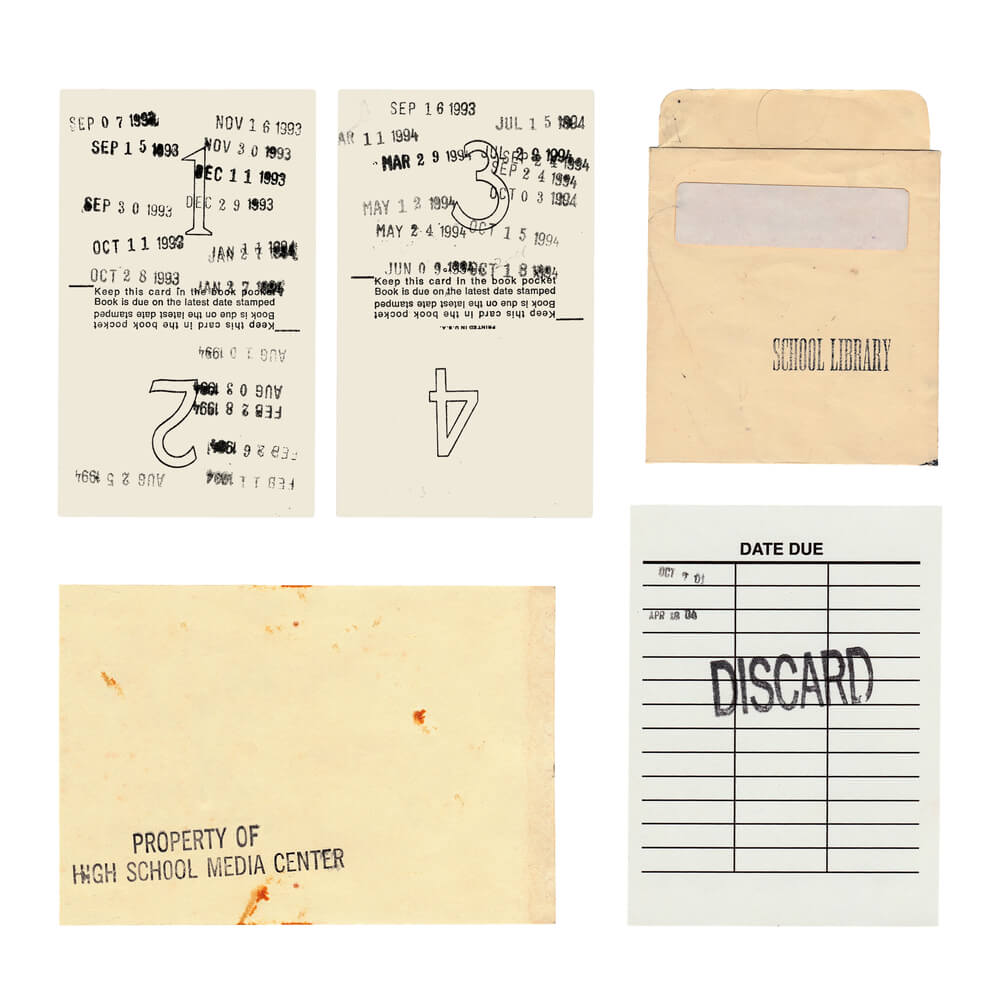
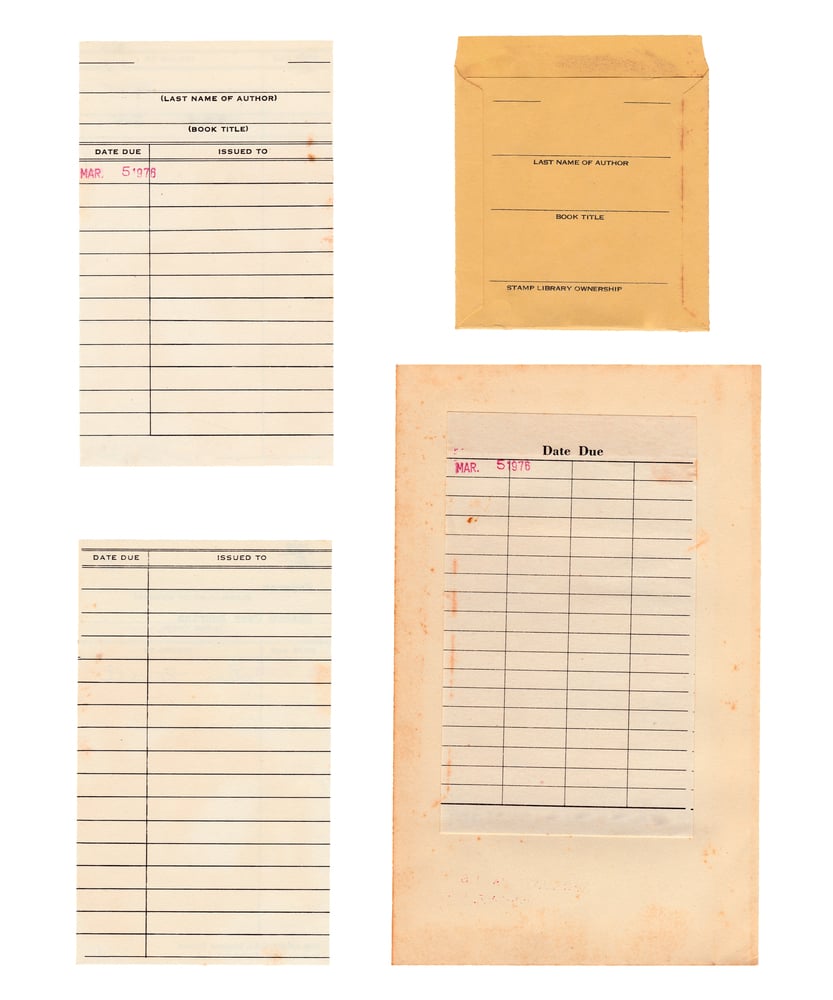
A card tucked into a sleeve at the back of every library book recorded the name of every student who had previously checked it out, stamped by hand with the due date. Barcode scanning systems eliminated both the card and the small thrill of recognizing a friend’s name on the list.
Microfiche Readers
Old newspapers and archival documents were stored as tiny photographic images on film sheets, viewed by threading the film through a bulky reader machine that projected an enlarged image onto a screen. Digital archives and search engines made the machines almost entirely unnecessary within a generation.
Pull-Down Wall Maps
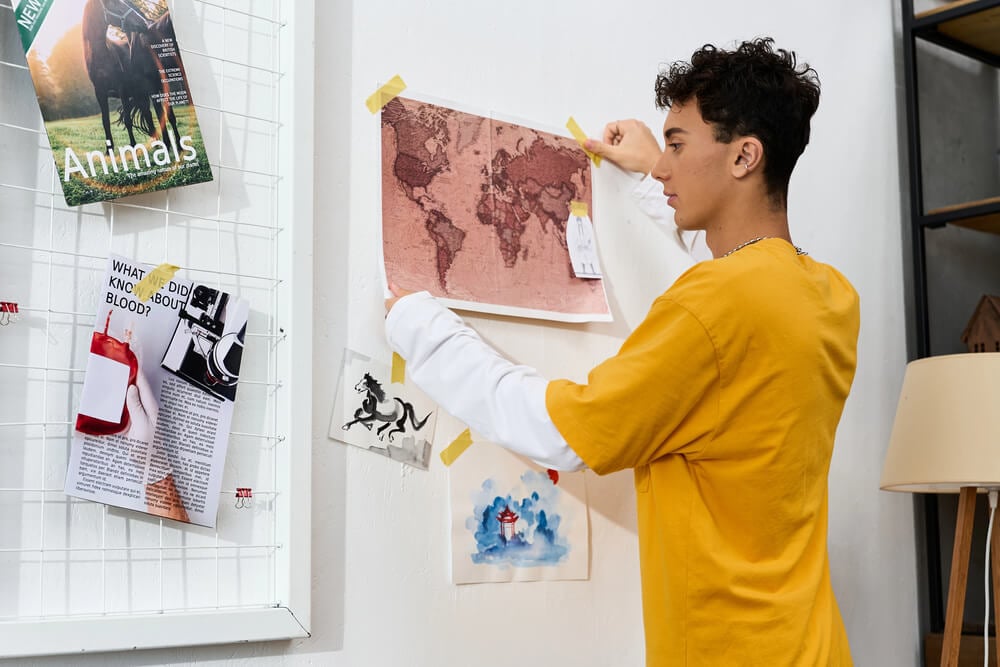
Rolled maps mounted above the chalkboard could be pulled down for a geography or history lesson and released to snap back into place with a distinctive sound. Digital projectors and online mapping tools replaced the need for a physical map roll in most classrooms.
The Classroom Globe
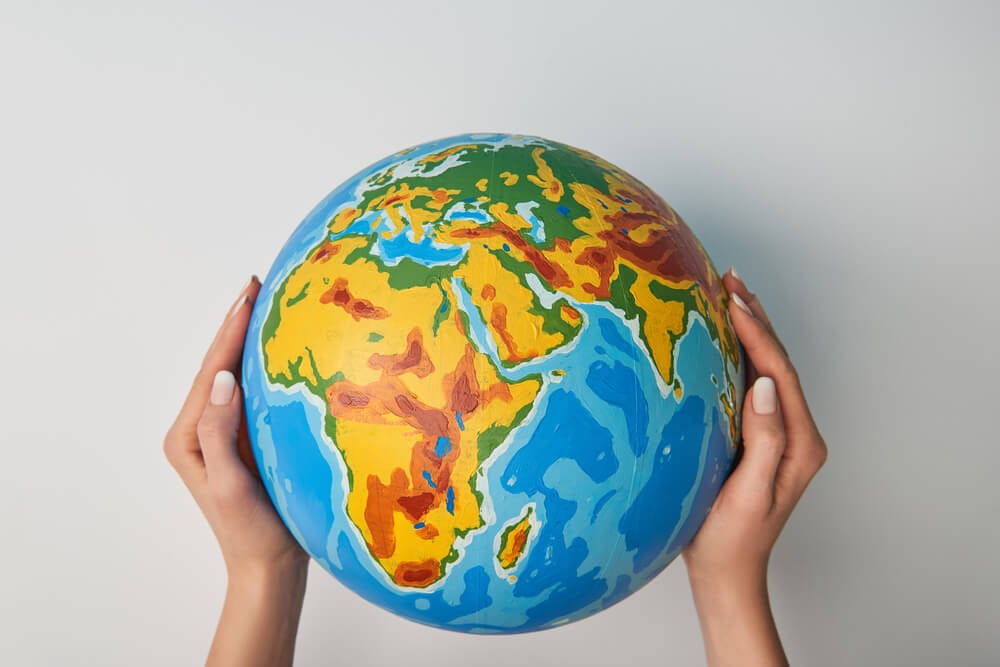
A large globe sitting in the corner of a classroom served as the default reference for geography lessons before digital mapping tools made a physical globe largely unnecessary. Some schools kept them purely as decoration long after they stopped being used for instruction.
Slate Chalkboards
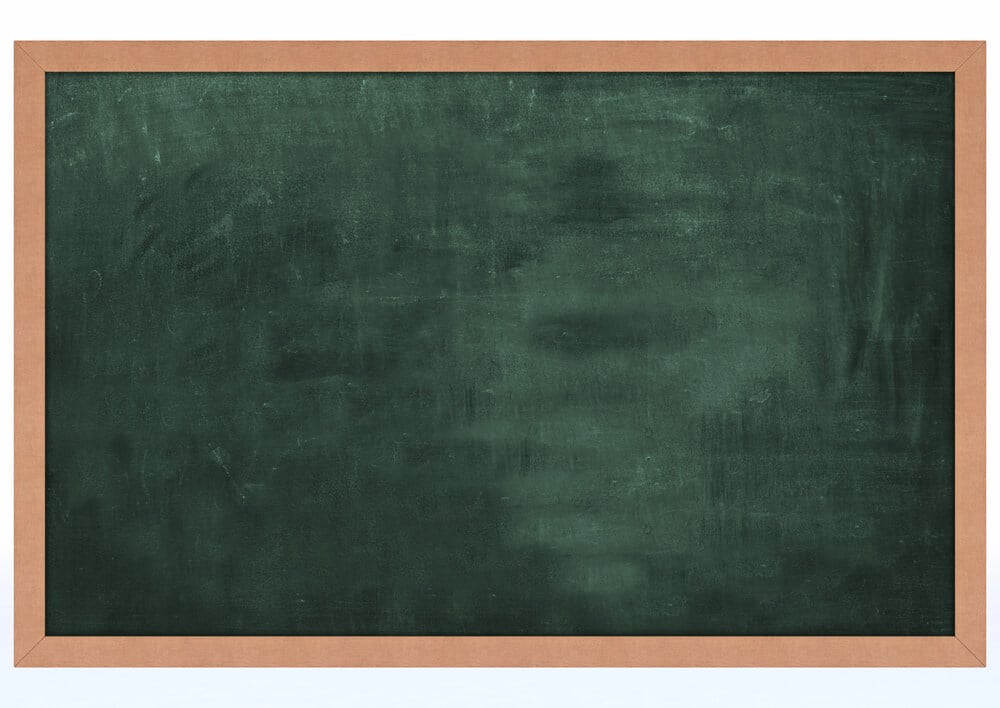
The original classroom chalkboards were made from actual slate, quarried and hauled long distances by rail before steel-and-porcelain versions became standard by the mid-20th century. Chalk dust from these boards was blamed for classroom allergies well before whiteboards became the norm.
Chalk and Chalkboard Erasers
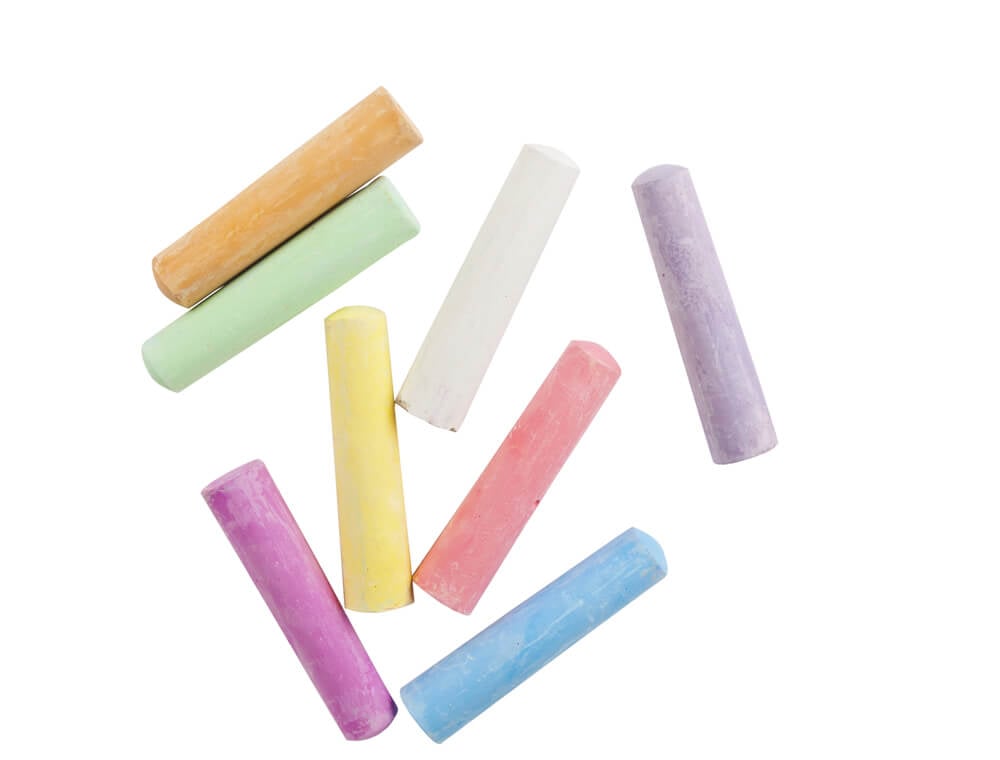
Felt erasers clapped together outside a classroom door, sending up a visible cloud of chalk dust, was a common task assigned to a well-behaved student as an informal reward. Dry-erase whiteboards and markers phased out both the chalk and the ritual of cleaning the erasers.
Mucilage and Paste Glue
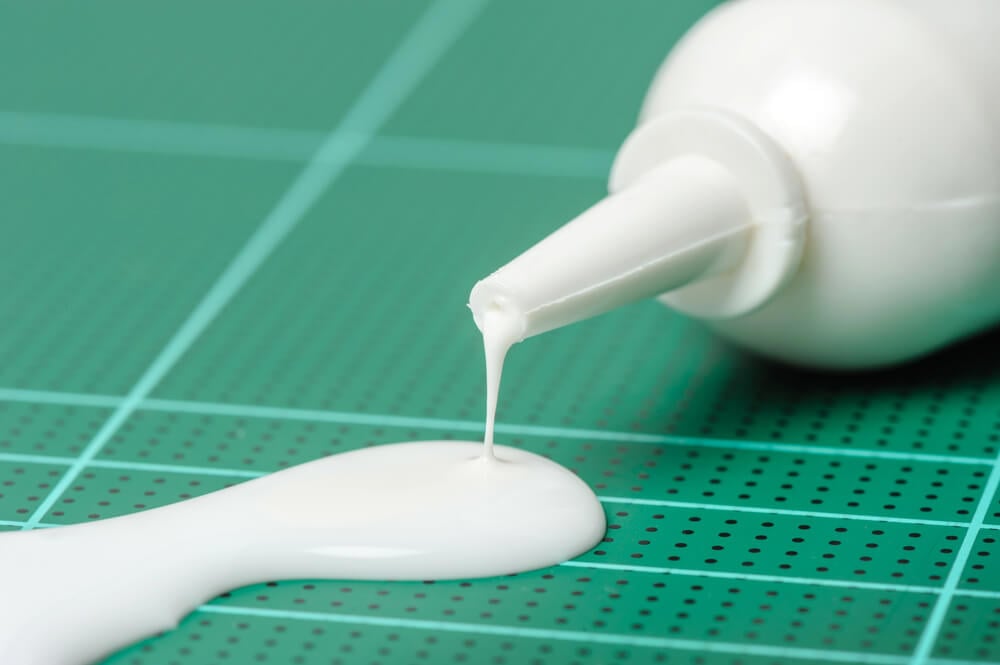
Younger students used white paste in small jars, applied with a built-in brush or spreader, that carried a distinctly minty smell some kids were tempted to taste despite warnings not to. Glue sticks eventually replaced paste jars in most elementary supply lists.
Metal Pencil Sharpeners Bolted to the Wall
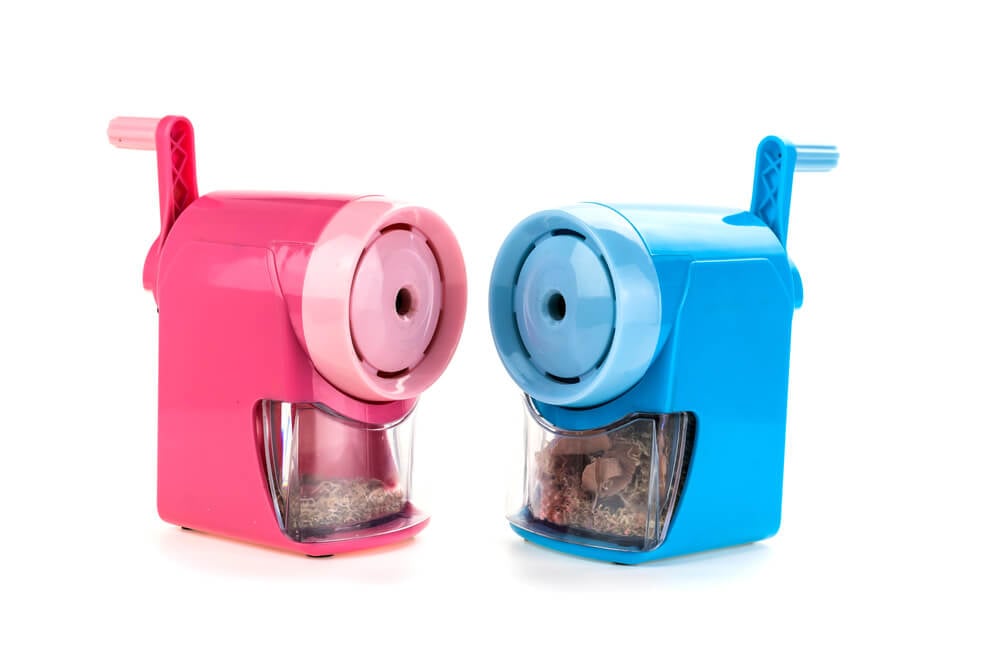
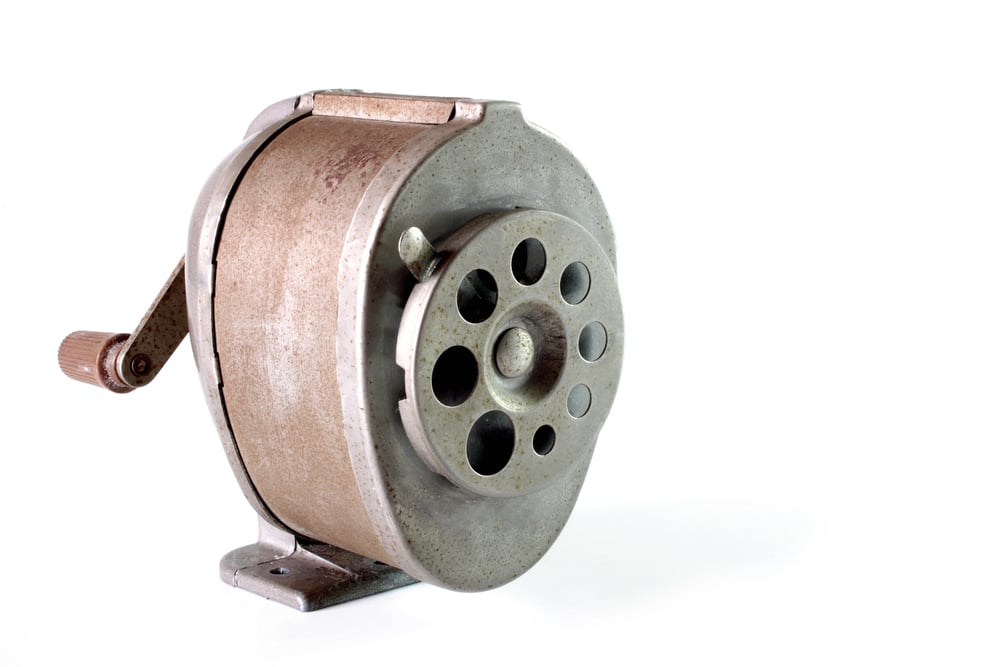
A hand-cranked sharpener mounted near the classroom door required students to leave their seats and grind their pencil manually, often producing an uneven point and a small pile of shavings on the floor. Battery-powered and electric sharpeners largely replaced the manual wall-mounted versions.
Mystic Erasable Pens and Correction Fluid
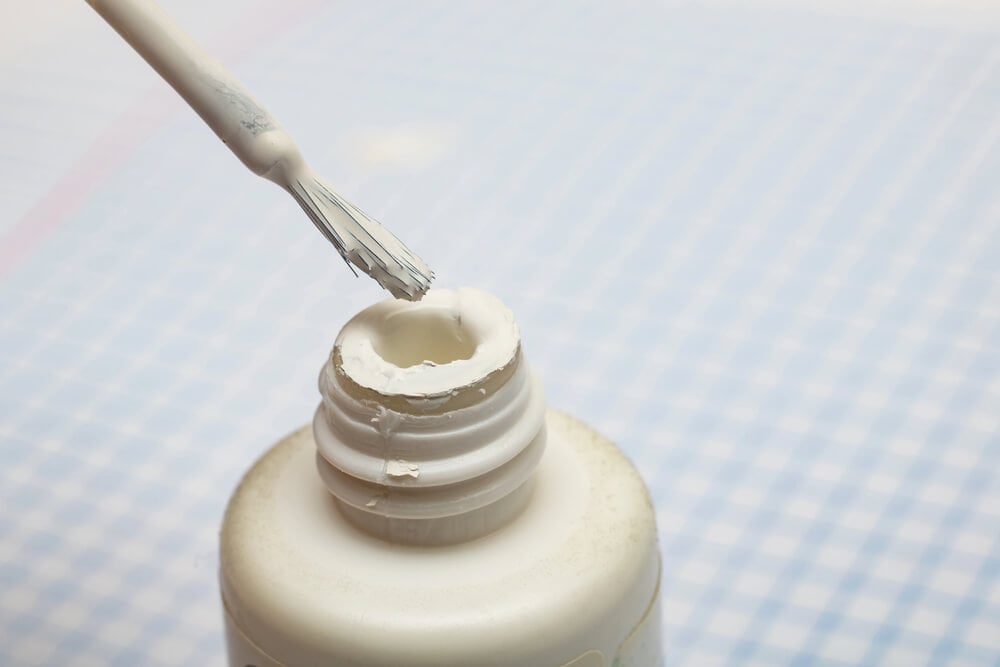
Before word processors made corrections instant, students used correction fluid to paint over handwritten mistakes on paper, waiting for it to dry before writing over the top. The smell and texture of dried correction fluid became a distinct memory of handwritten schoolwork.
Trapper Keepers
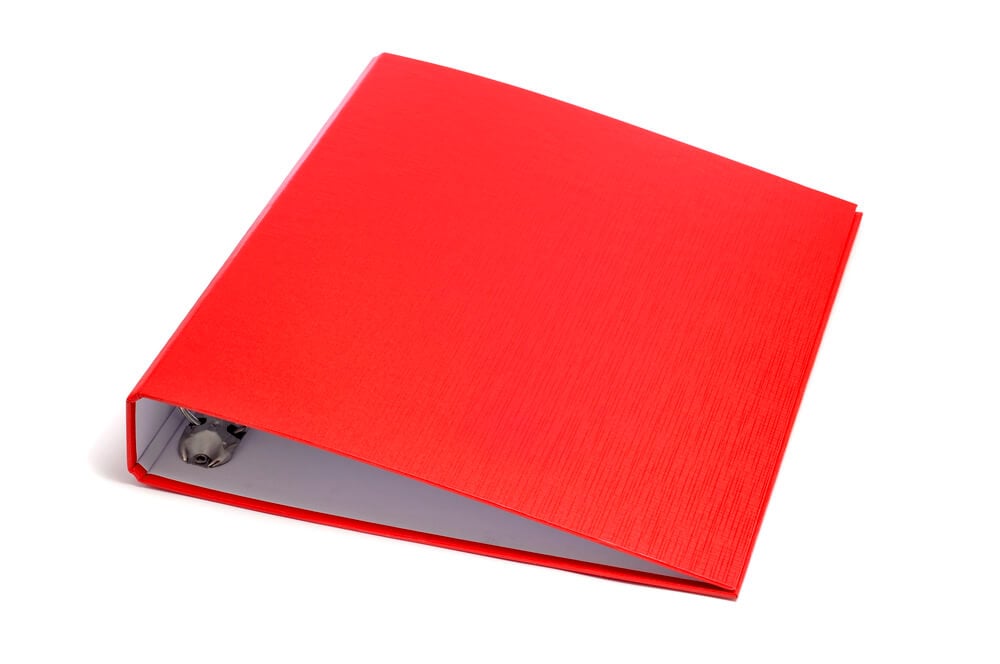
A Trapper Keeper combined a binder, folders, and a Velcro closure into a single system for organizing loose paper across multiple subjects, and the specific ripping sound of its closure became instantly recognizable in any classroom. As schools shifted toward digital assignments, the need for an elaborate paper-organization system declined sharply.
Loose-Leaf Paper and Manual Paper Punchers
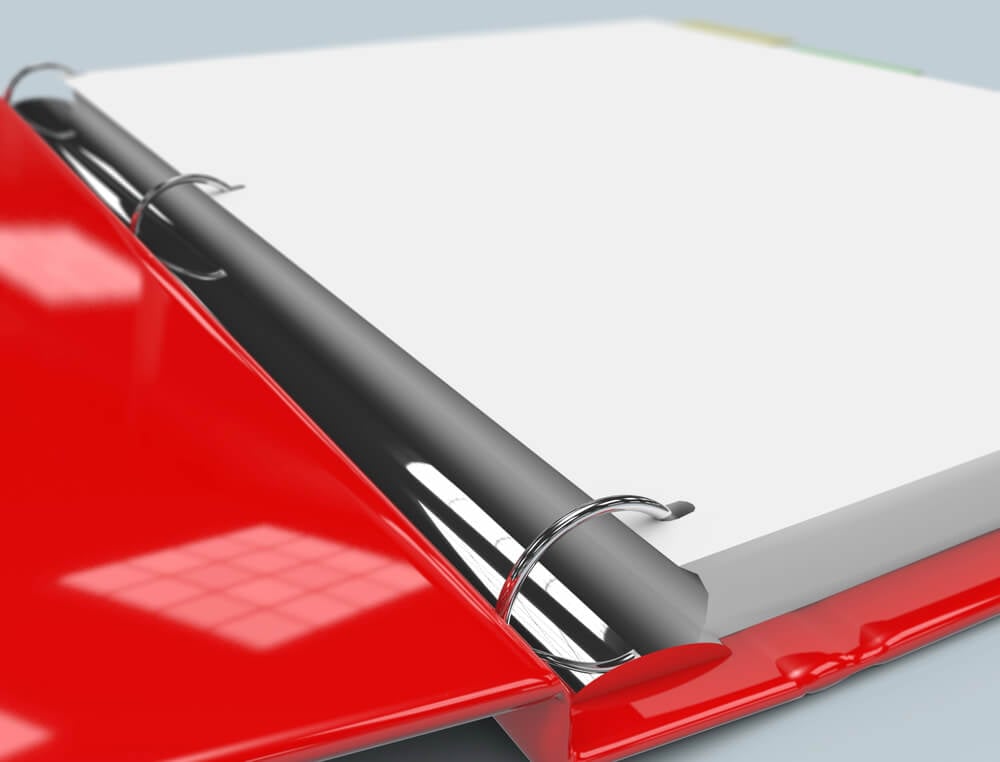
Three-ring binders required manually punched loose-leaf paper, and a jammed or misaligned paper puncher was a routine classroom frustration. Digital note-taking and typed assignments have made physical paper punching far less common in many classrooms today.
Book Covers Made From Paper Bags
Students commonly covered textbooks using cut and folded paper grocery bags, sometimes decorated with marker drawings, to protect the covers over a full school year. The practice faded as schools shifted toward digital textbooks and shorter-term book loans.
Cursive Handwriting Instruction
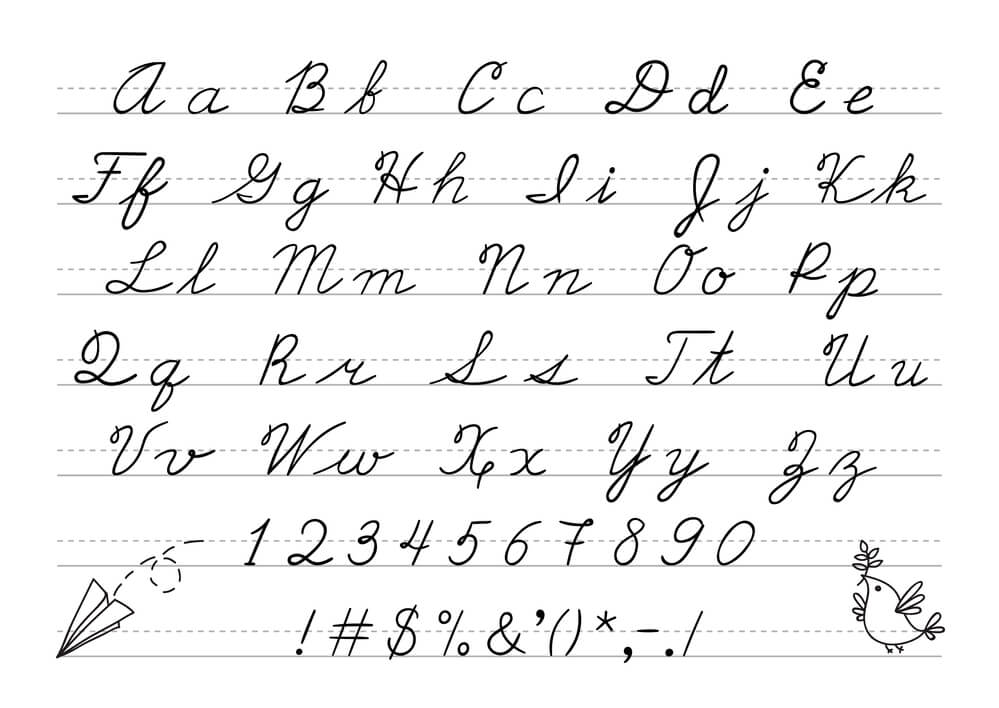
Formal cursive lessons, complete with practice sheets of looping letters, were once a standard part of the elementary curriculum before many states dropped the requirement in favor of keyboarding instruction. Some students today can read cursive but were never taught to write it themselves.
Typing Class on Manual and Electric Typewriters
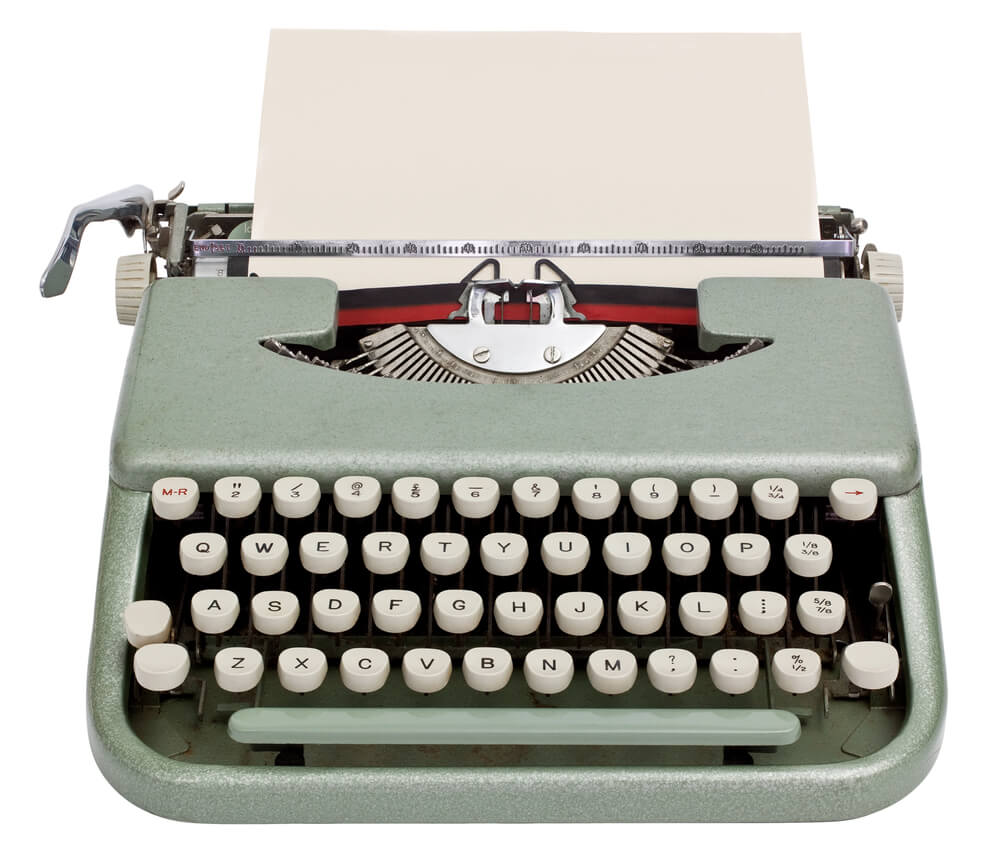
Before computer labs became standard, typing classes taught students proper finger placement on manual or electric typewriters, often to the rhythmic clack of an entire room typing in unison. Keyboarding instruction on computers eventually replaced the typewriter entirely.
The AV Cart
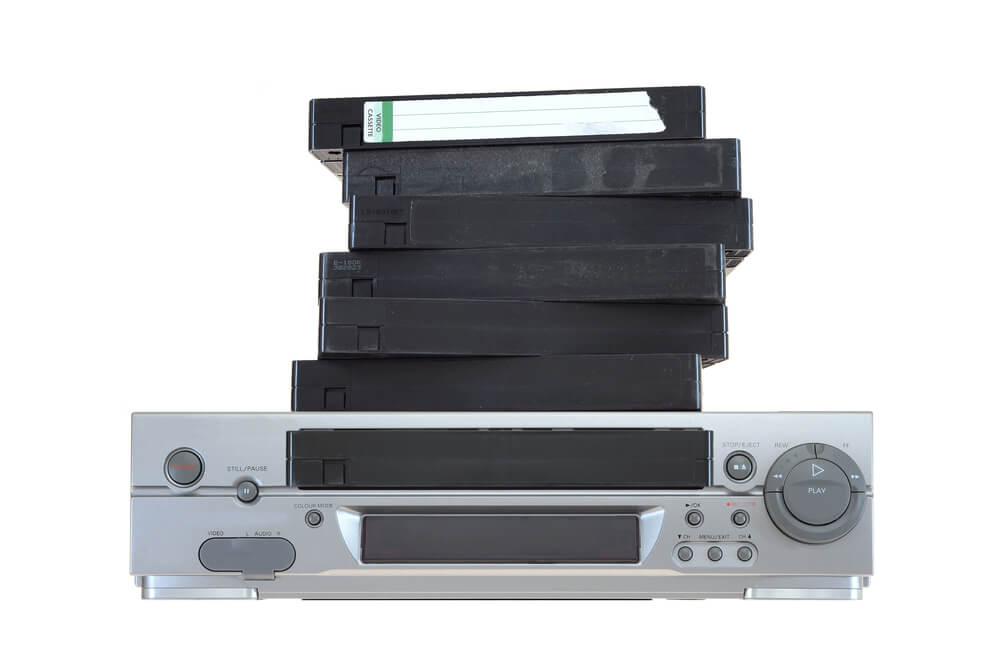
A television and VCR combination wheeled in on a rolling metal cart signaled movie day to an entire classroom, and the squeaky wheels announcing its arrival could be heard from down the hallway. Built-in classroom projectors and streaming devices made the cart itself unnecessary.
VHS Tapes in the Classroom
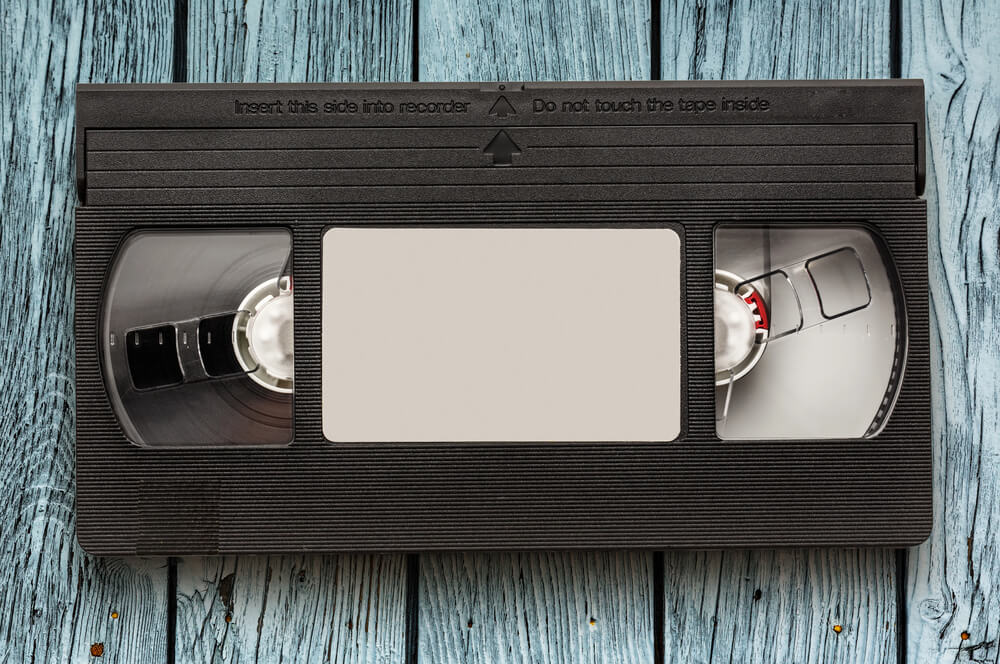
Educational videos arrived on VHS tapes that had to be rewound, cued to the correct opening point, and occasionally repaired with tape after a jam damaged the reel. Streaming video eliminated the need for a physical tape collection in most school media centers.
Filmstrip and Slide Carousels
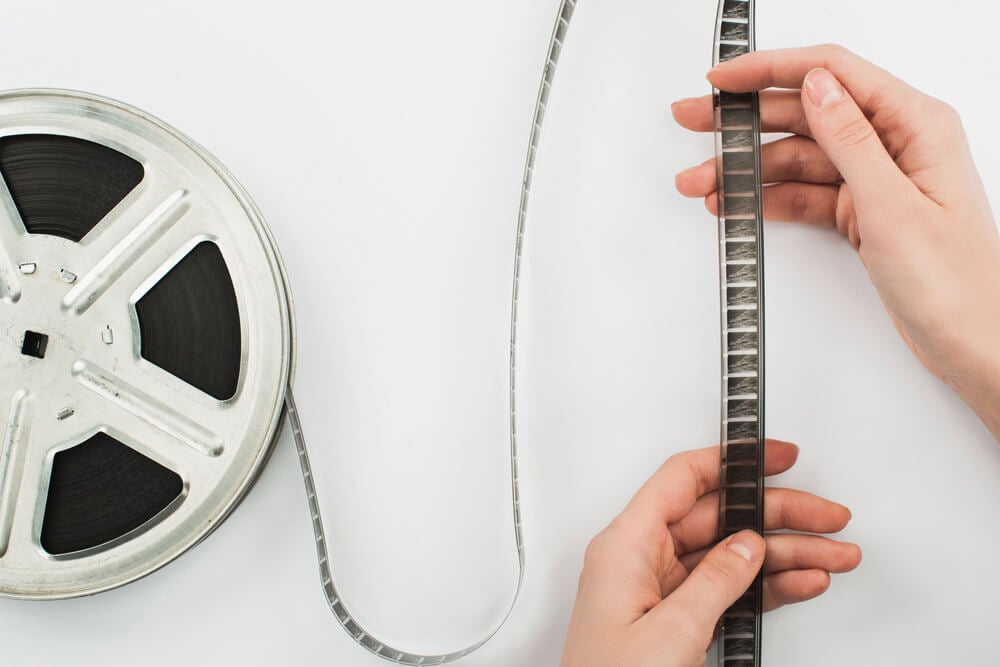
Slide projectors used circular carousels loaded with individual photographic slides, advanced one at a time with a remote clicker, often for a specific lesson repeated year after year. Digital slideshows replaced both the carousel and the projector bulb that inevitably burned out mid-lesson.
Mechanical Grade Books
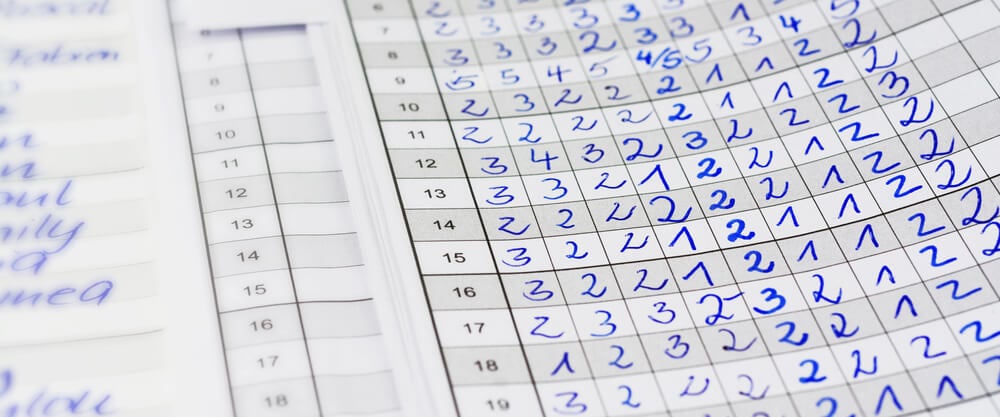
Teachers once recorded every assignment and test score by hand in a bound gradebook, calculating final averages with a calculator or by hand at the end of each term. Digital gradebook software has made the paper version largely obsolete in most schools today.
Printed Encyclopedia Sets
A full set of encyclopedia volumes lining a classroom or library shelf was once the default first stop for any research assignment, updated only when a school could afford a newer edition. Online research tools made annual encyclopedia purchases unnecessary for most schools within a generation.
The Filmstrip Answer Sheet Punch Cards
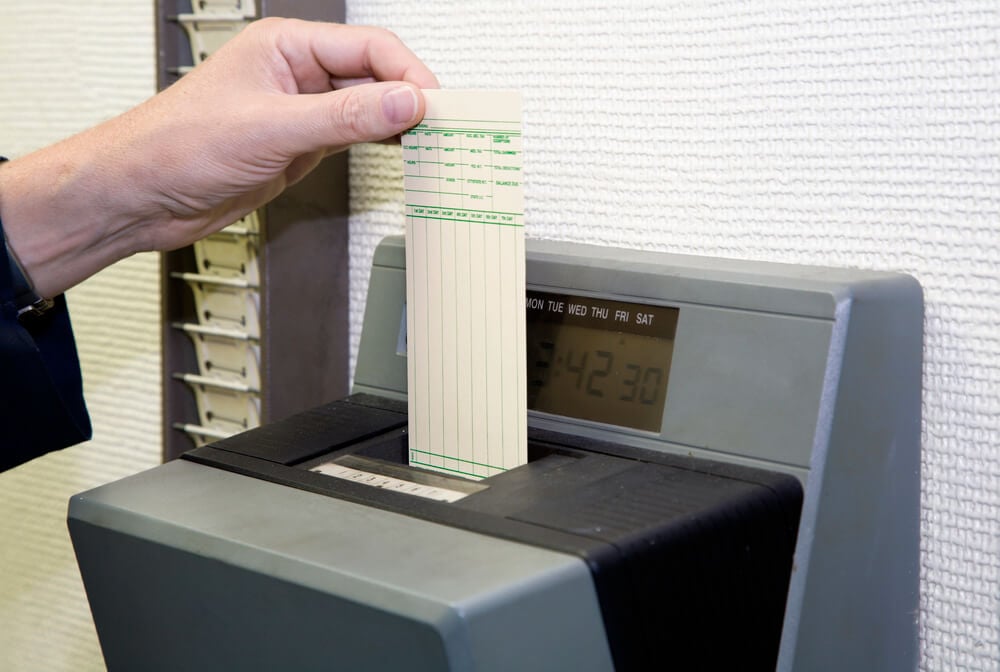
Some standardized tests and workbook exercises used punch-card style answer sheets read by a specialized scanning machine, requiring careful attention to keep marks within the designated ovals. Digital testing platforms have replaced physical scan sheets in a growing share of schools.
Home Economics Sewing Machines
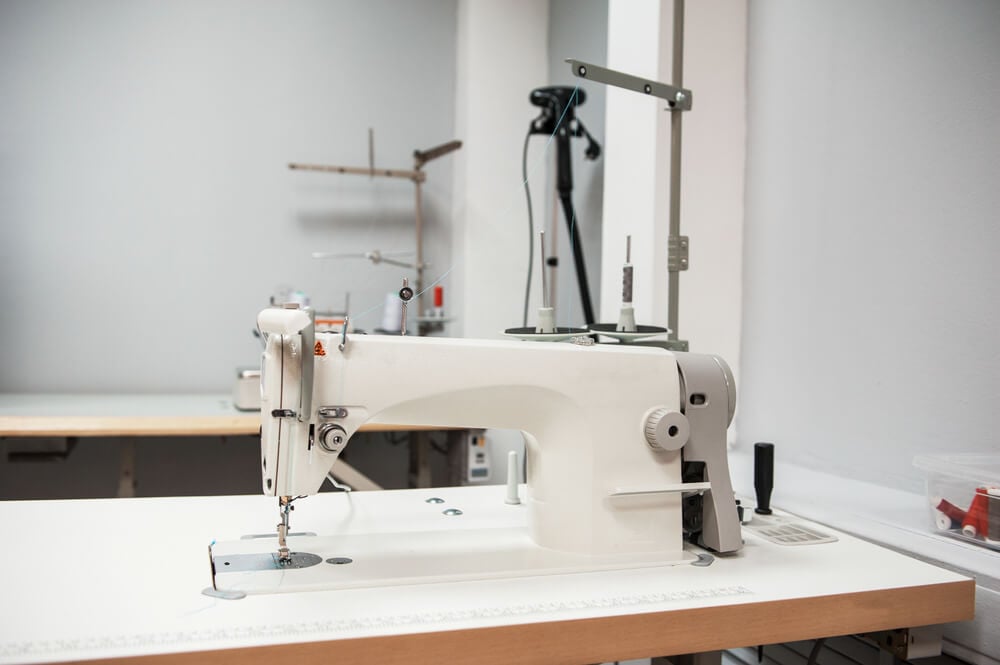
Home economics classrooms once kept a row of sewing machines for lessons in mending and garment construction, a course that was commonly required for girls and largely unavailable to boys. Broader elective offerings have replaced the gender-specific structure of the original classes in most schools.
Wood Shop Equipment
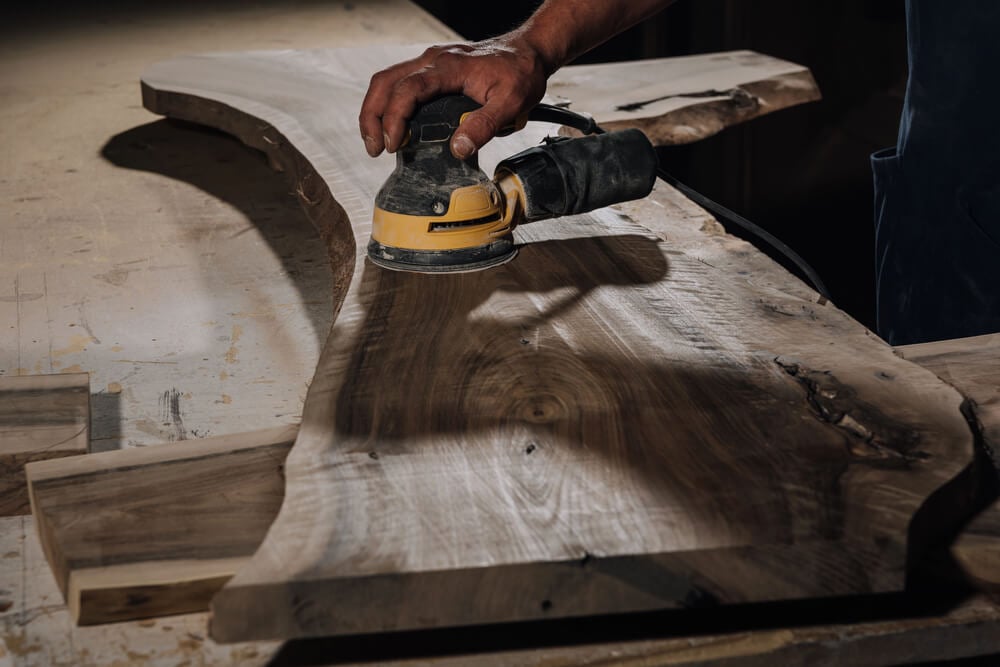
Shop classes maintained saws, lathes, and workbenches for lessons in basic woodworking, once offered almost exclusively to boys as a counterpart to home economics. Many schools have scaled back or eliminated dedicated wood shop classes entirely due to space, cost, and liability concerns.
Metal Lunchboxes
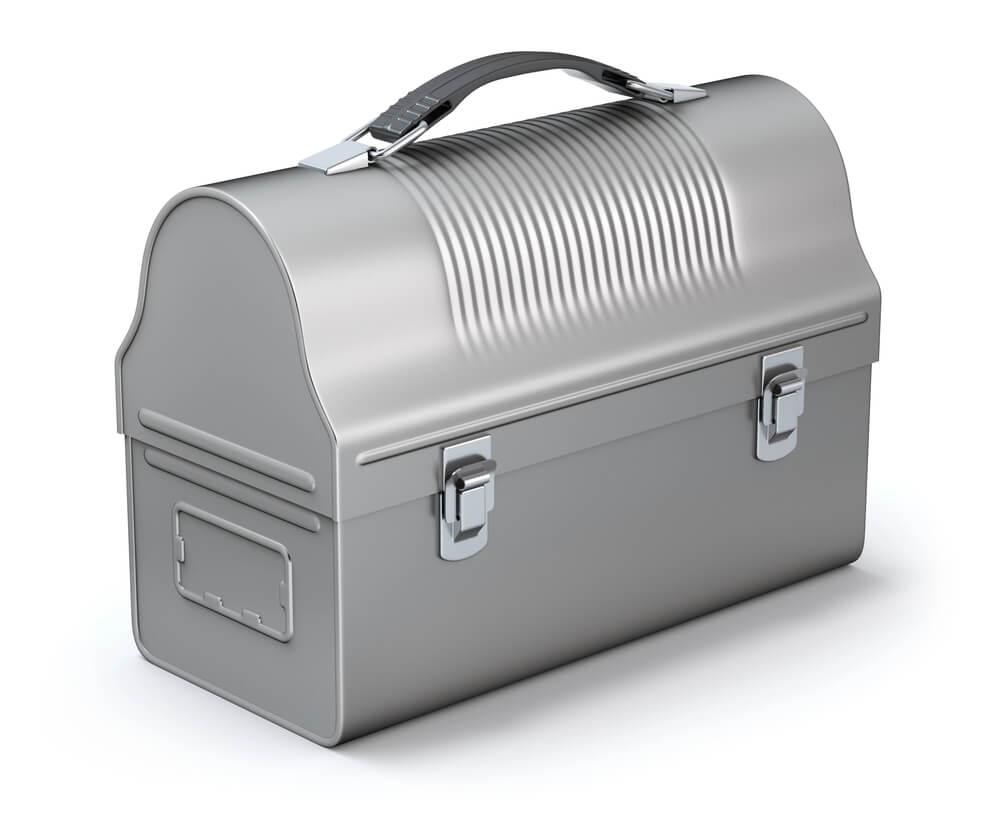
Rigid metal lunchboxes, often decorated with characters from a favorite television show, carried a matching thermos and were durable enough to be passed down between siblings. Insulated soft-sided lunch bags eventually replaced metal boxes almost entirely.
Filmstrip-Era Slide Rules
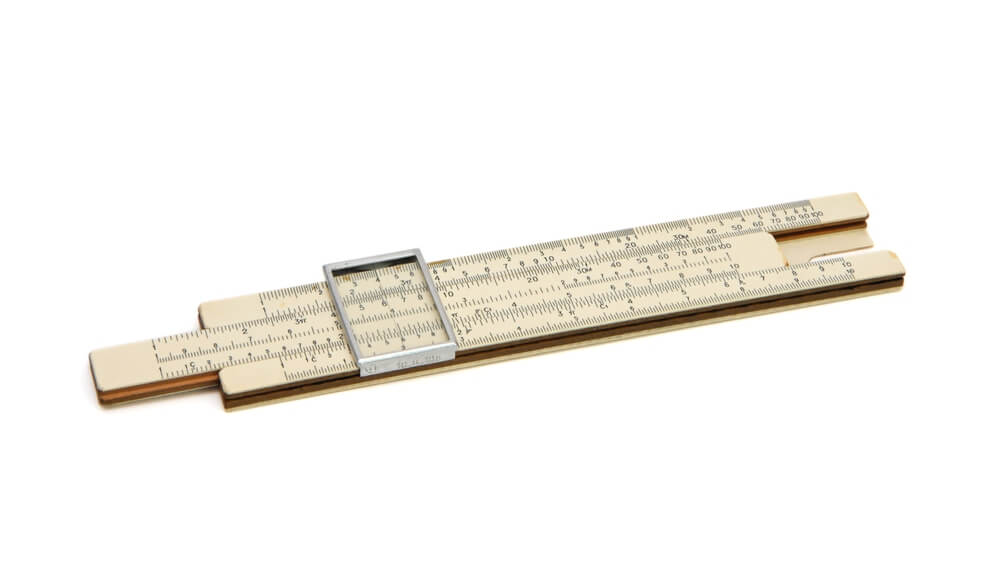
Before calculators became affordable and widely permitted in classrooms, students learned to use a slide rule, a manual device for performing multiplication, division, and other calculations through aligned sliding scales. Handheld calculators made the slide rule obsolete within a single generation of students.
Card-Punch Attendance and Library Systems
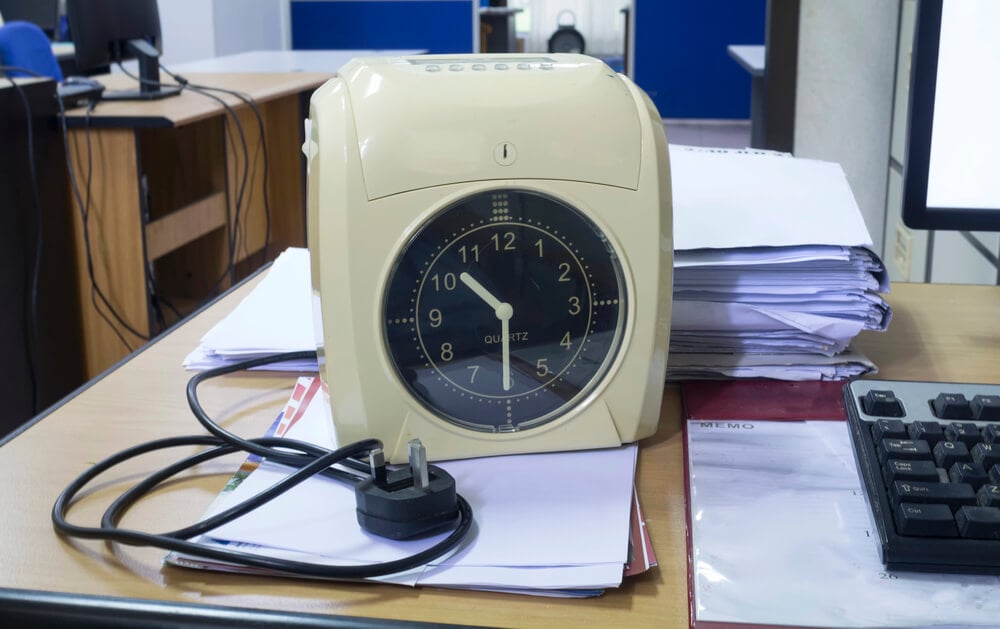
Some schools used punch-card systems for tracking library circulation and student attendance, run through machines that read the physical pattern punched into each card. Digital record-keeping systems replaced these machines by the 1990s in most districts.
The Smell of a Freshly Sharpened Pencil Box
A wooden pencil box, often decorated and personalized, held a full set of freshly sharpened pencils, erasers, and small supplies, and was carried to school new each fall as a small ritual of its own. Plastic supply pouches and digital note-taking have made the traditional wooden pencil box far less common today.
What Got Left in the Supply Closet
None of these items disappeared because they stopped working. Most were replaced by something faster, quieter, or easier to maintain, and the transition happened gradually enough that few people noticed the exact moment the old version was gone for good.
What remains recognizable, even decades later, is how specific the memory of each object still is: a smell, a sound, a texture that a screen has never quite managed to replace.
More from Go2Tutors!

- The Romanov Crown Jewels and Their Tragic Fate
- 13 Historical Mysteries That Science Still Can’t Solve
- Famous Hoaxes That Fooled the World for Years
- 15 Child Stars with Tragic Adult Lives
- 16 Famous Jewelry Pieces in History
Like Go2Tutors’s content? Follow us on MSN.