Little-Known Public Pool Facts That Will Freak You Out
Summer arrives and millions of people flock to public pools for relief from the heat. The crystal-clear water looks inviting, the lifeguards seem alert, and everything appears clean and safe.
But beneath that sparkling surface lies a world most swimmers never think about — one filled with chemistry, biology, and maintenance realities that would make anyone think twice before diving in.
These aren’t conspiracy theories or horror stories, just the practical truths that pool operators deal with every day while keeping the public blissfully unaware.
The Chlorine Smell Means Something’s Wrong
That distinctive “pool smell” everyone associates with cleanliness? It’s not chlorine doing its job — it’s chlorine that has already reacted with organic matter.
Pure, effective chlorine has almost no scent.
When chlorine bonds with sweat, urine, skin cells, and other bodily contributions, it creates chloramines.
These compounds produce that sharp, chemical odor and can cause eye irritation and respiratory issues.
A properly maintained pool with adequate chlorine levels should smell like almost nothing at all.
Your Body Sheds Two Billion Skin Cells Per Day
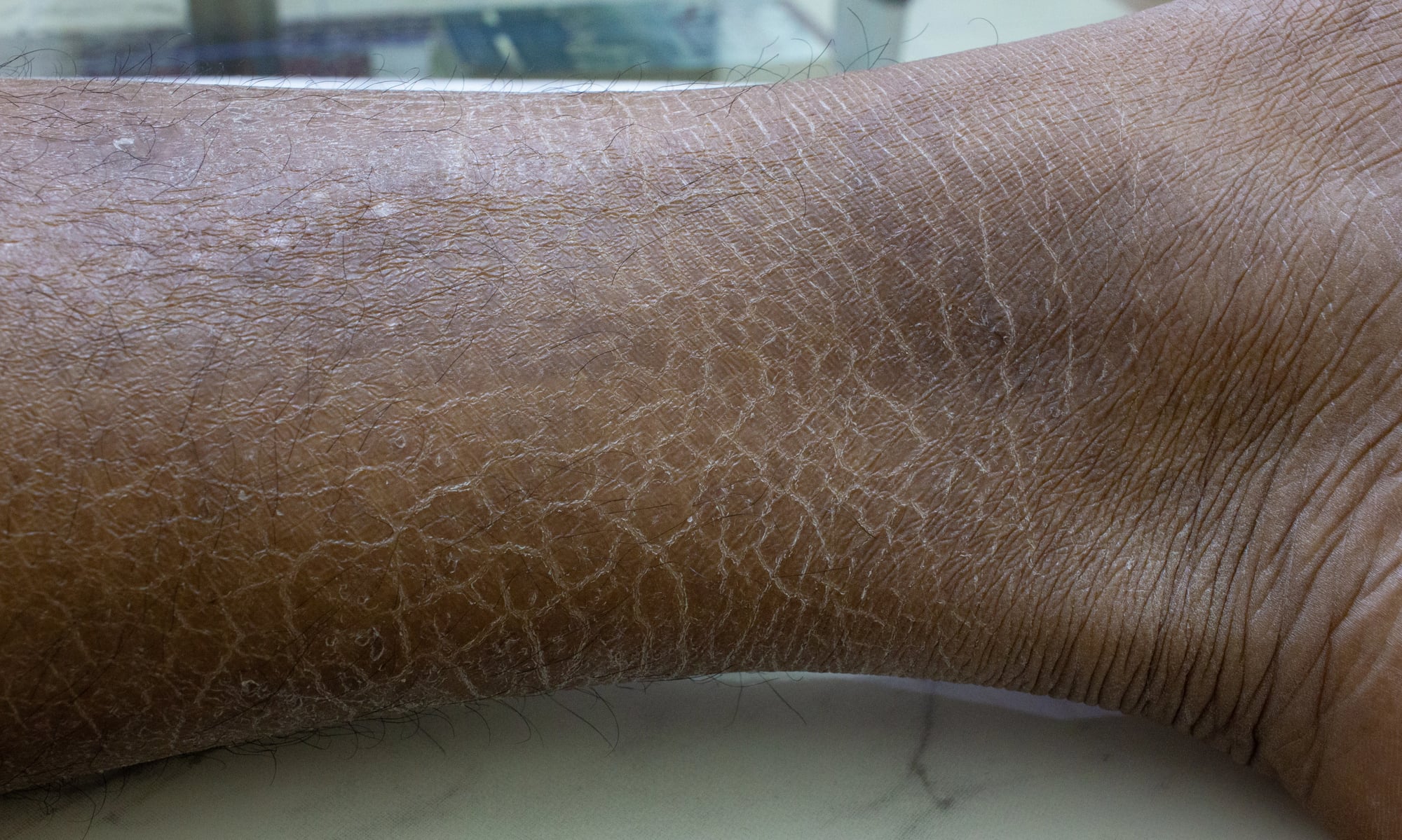
Swimming involves full-body contact with water, and the human body doesn’t pause its natural processes just because someone decided to take a dip (which is one of those biological realities that sounds abstract until it’s put in concrete terms — two billion cells every single day, falling away like microscopic snow).
And those cells don’t simply vanish: they become part of the pool’s filtration challenge, mixing with chlorine to create compounds that pool operators spend considerable effort removing — though the process never quite keeps up with the constant input from dozens or hundreds of daily swimmers.
But here’s what makes it more complicated than just counting cells.
Each swimmer also contributes oils from their skin, traces of lotions and cosmetics they applied earlier that day, and microscopic particles of fabric from swimwear that releases fibers with every movement.
The average person carries about 0.14 grams of fecal matter on their body at any given time.
That residue transfers into the water despite pre-swim showers, contributing to the organic load that pool chemistry systems must handle constantly throughout operating hours.
Dead Skin Creates Its Own Ecosystem
Think of a public pool as an inadvertent biology experiment running in real time. All that shed skin doesn’t just float around aimlessly — it becomes food for microorganisms that naturally find their way into any body of water.
Bacteria, algae, and other microscopic life forms thrive on organic matter, and human skin cells provide an all-you-can-eat buffet.
The chlorine works overtime trying to eliminate these organisms, but it’s always playing catch-up.
Some bacteria form protective biofilms on pool surfaces, creating slippery spots that resist normal cleaning and provide safe harbors for pathogens to multiply away from direct chlorine contact.
Pool Water Gets Recycled Constantly
Public pools don’t get fresh water every day. The same water circulates through the system for months, passing through filters and chemical treatments in an endless loop.
Most pools turn over their entire volume every six to eight hours, but “turnover” doesn’t mean replacement — it means circulation through filtration and chemical treatment systems.
The water that touches swimmers today touched hundreds of other people yesterday, last week, and last month.
Modern filtration removes particles and chemical treatment eliminates pathogens, but the fundamental liquid remains the same.
Filter Systems Can’t Catch Everything
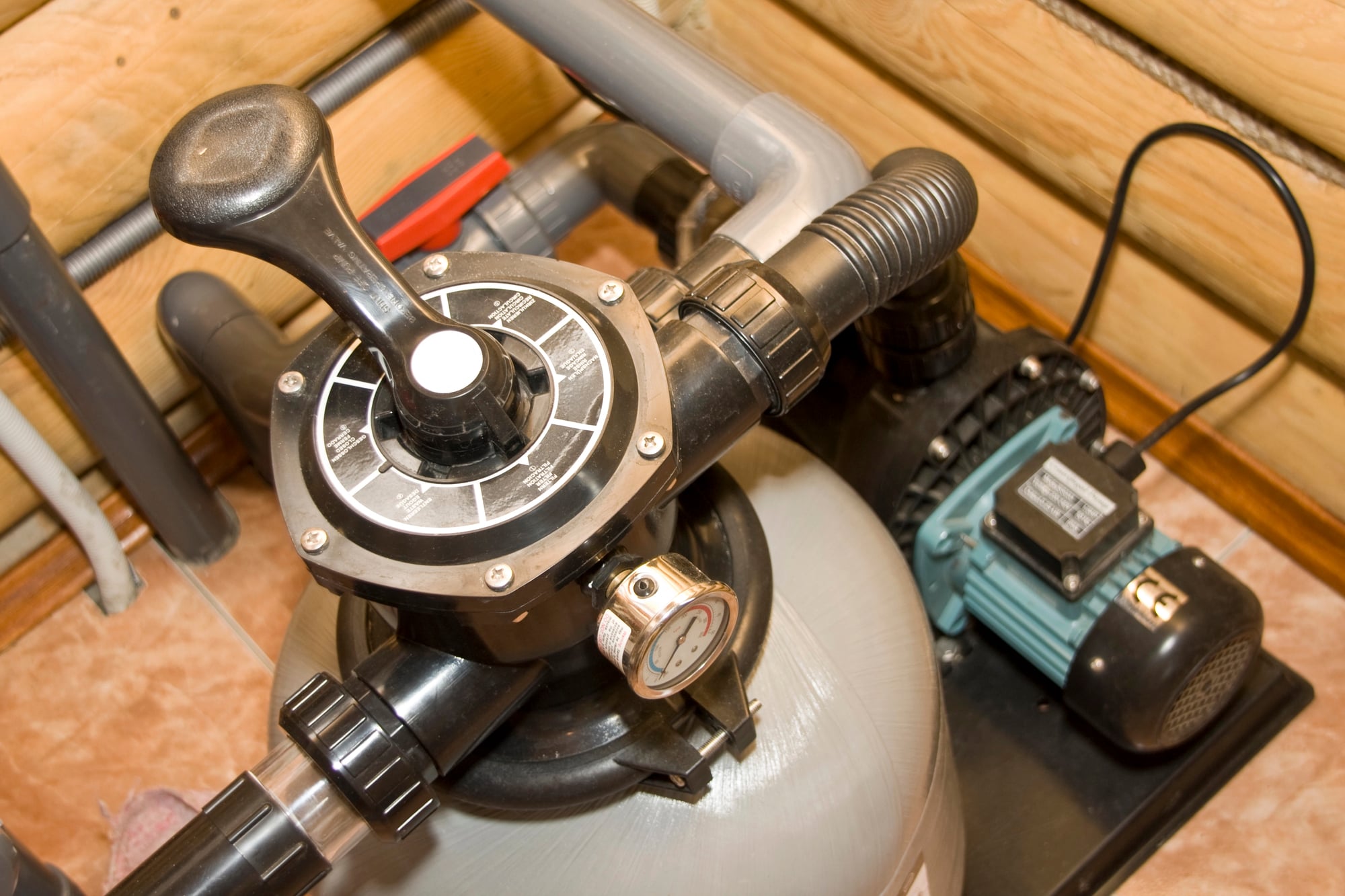
Pool filters excel at removing visible debris and many microscopic particles, but they’re not perfect barriers.
Sand filters — the most common type — can trap particles down to about 20-40 microns.
That sounds impressive until compared to what they miss: viruses measure 0.004 to 0.1 microns, and some bacteria clock in at 0.1 to 5 microns.
Chemical treatment handles most of these microscopic threats, but filter limitations mean pools rely heavily on chlorine and other disinfectants to eliminate what passes through the mechanical cleaning system.
The filtration process itself creates interesting dynamics: backwashing (cleaning the filters by reversing water flow) sends concentrated debris and contaminants to waste, but it also removes thousands of gallons of treated water that must be replaced with fresh water containing none of the carefully balanced chemicals that maintain pool safety.
Chlorine Takes Time To Work
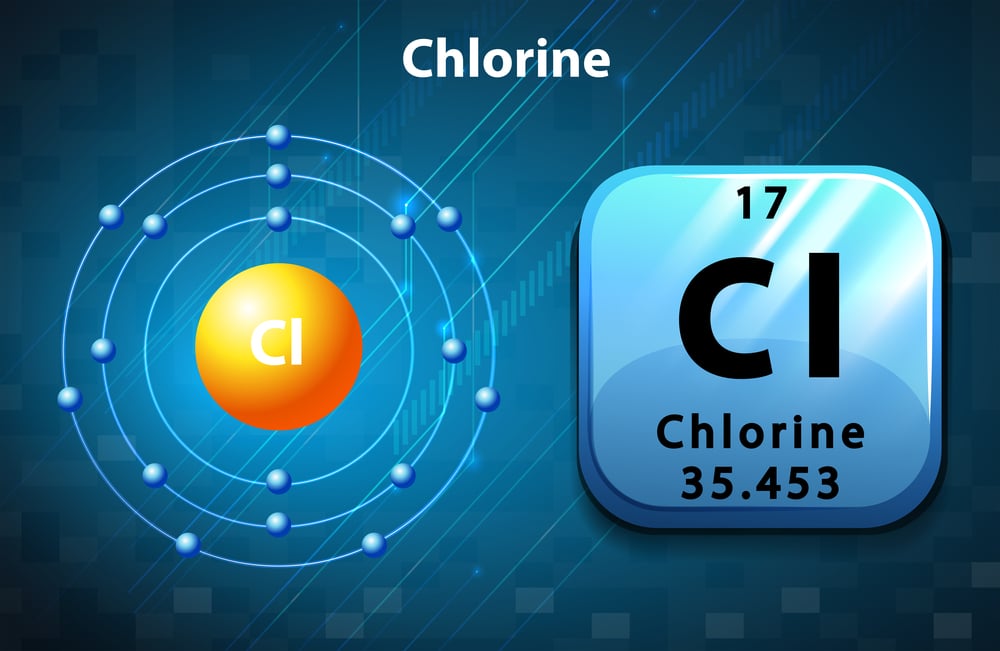
Dropping into a pool doesn’t provide instant protection from pathogens. Chlorine needs contact time to eliminate various microorganisms — anywhere from seconds for some bacteria to over ten minutes for certain parasites like Cryptosporidium.
During peak usage times when bather loads are high, chlorine levels can drop faster than automated systems can compensate.
This creates windows where the disinfection process falls behind the rate of contamination, leaving swimmers sharing water with microorganisms that haven’t yet been eliminated.
Some resistant organisms require chlorine concentrations higher than what’s comfortable for human skin and eyes, creating an ongoing balance between effective disinfection and swimmer comfort.
Temperature Affects Everything
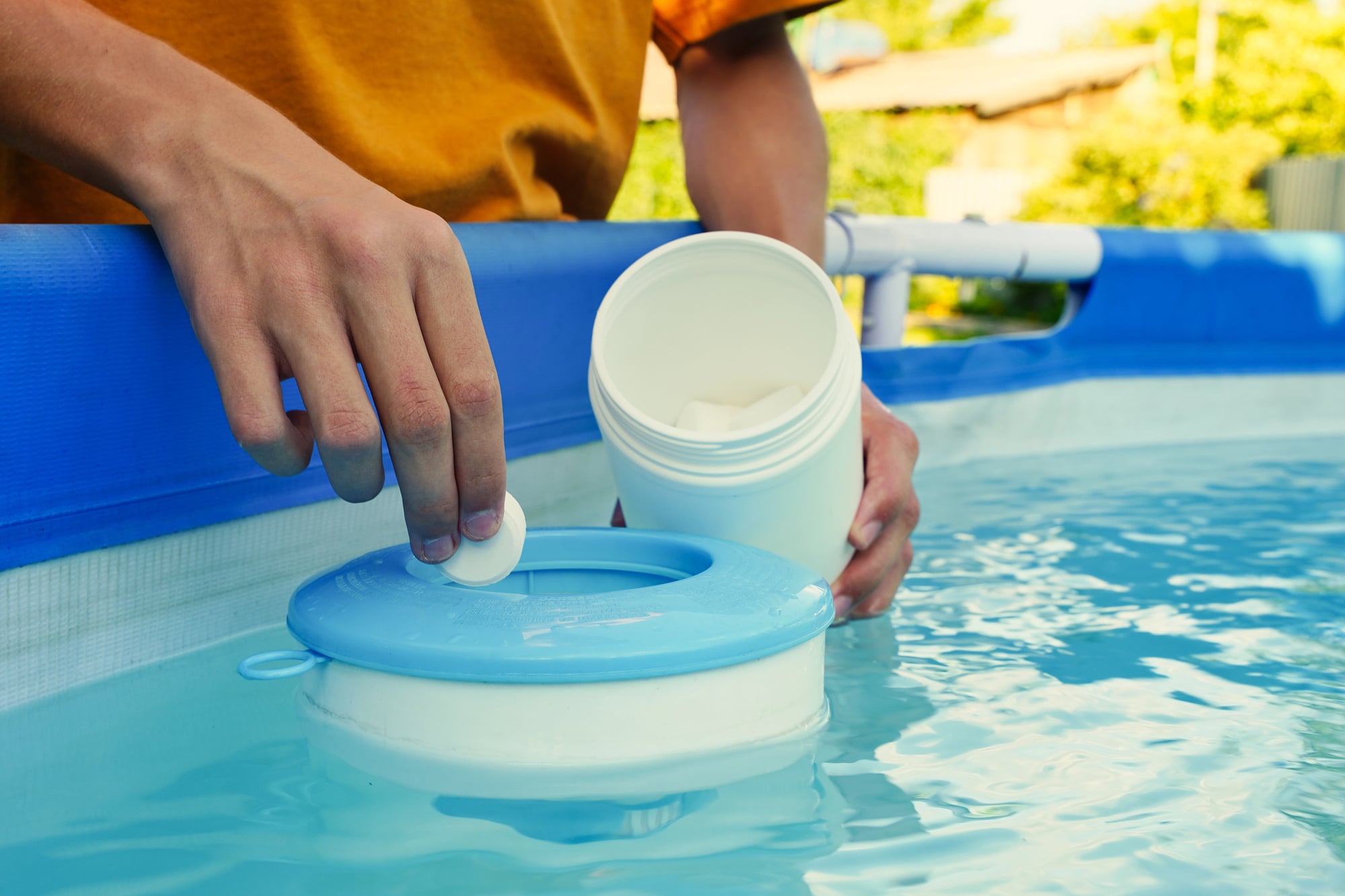
Warmer water feels more comfortable, but it creates perfect conditions for bacterial growth and reduces chlorine effectiveness (something pool operators learn quickly but rarely share with patrons who consistently request higher temperatures).
Every degree of increased water temperature roughly doubles the rate of chemical reactions, including the ones that break down disinfectants and the ones that help harmful microorganisms reproduce faster than usual.
So those heated pools that feel luxurious?
They’re working harder chemically just to maintain the same safety standards as their cooler counterparts — and sometimes losing that battle during busy periods when bather loads overwhelm the system’s ability to keep up with demand.
Hot tubs present even greater challenges since their higher temperatures and smaller water volumes create intensely concentrated versions of every issue that affects regular pools, requiring much more aggressive chemical treatment and more frequent water replacement to maintain safe conditions.
pH Matters More Than Most People Realize
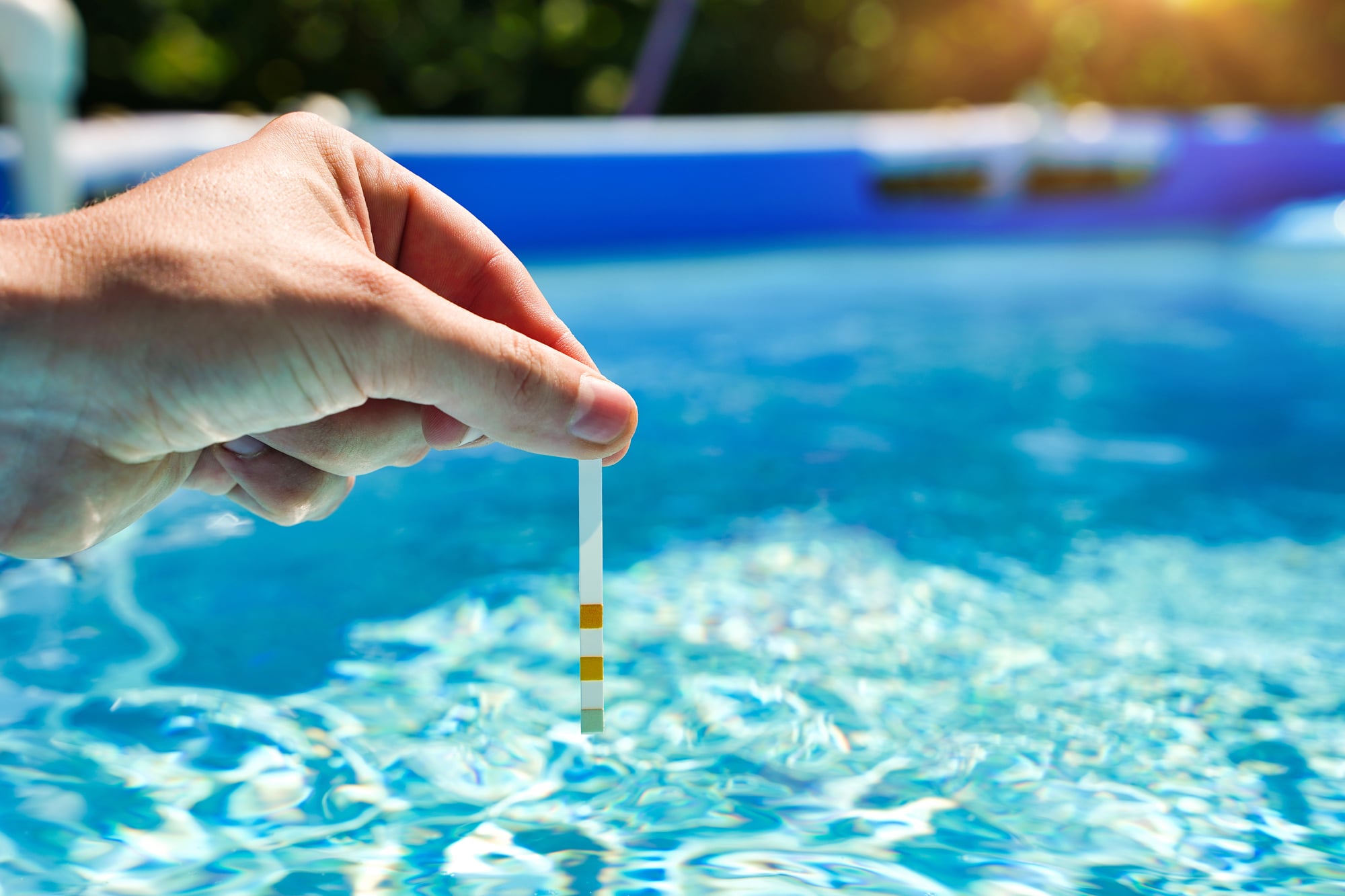
Pool water chemistry isn’t just about chlorine — pH levels determine whether that chlorine actually works.
The ideal range sits between 7.2 and 7.6, but even small deviations dramatically affect disinfection efficiency.
At a pH of 8.0, chlorine effectiveness drops to about 20% of its potential.
At 8.5, it’s practically useless for disinfection despite being present in the water.
High pH also increases the formation of chloramines (those irritating compounds that create the “pool smell”) and allows algae and bacteria to thrive despite apparently adequate chlorine levels.
Low pH presents different problems: it makes chlorine more aggressive but also corrosive to pool equipment and irritating to swimmers’ skin and eyes.
Public Pools Harbor Antibiotic-Resistant Bacteria
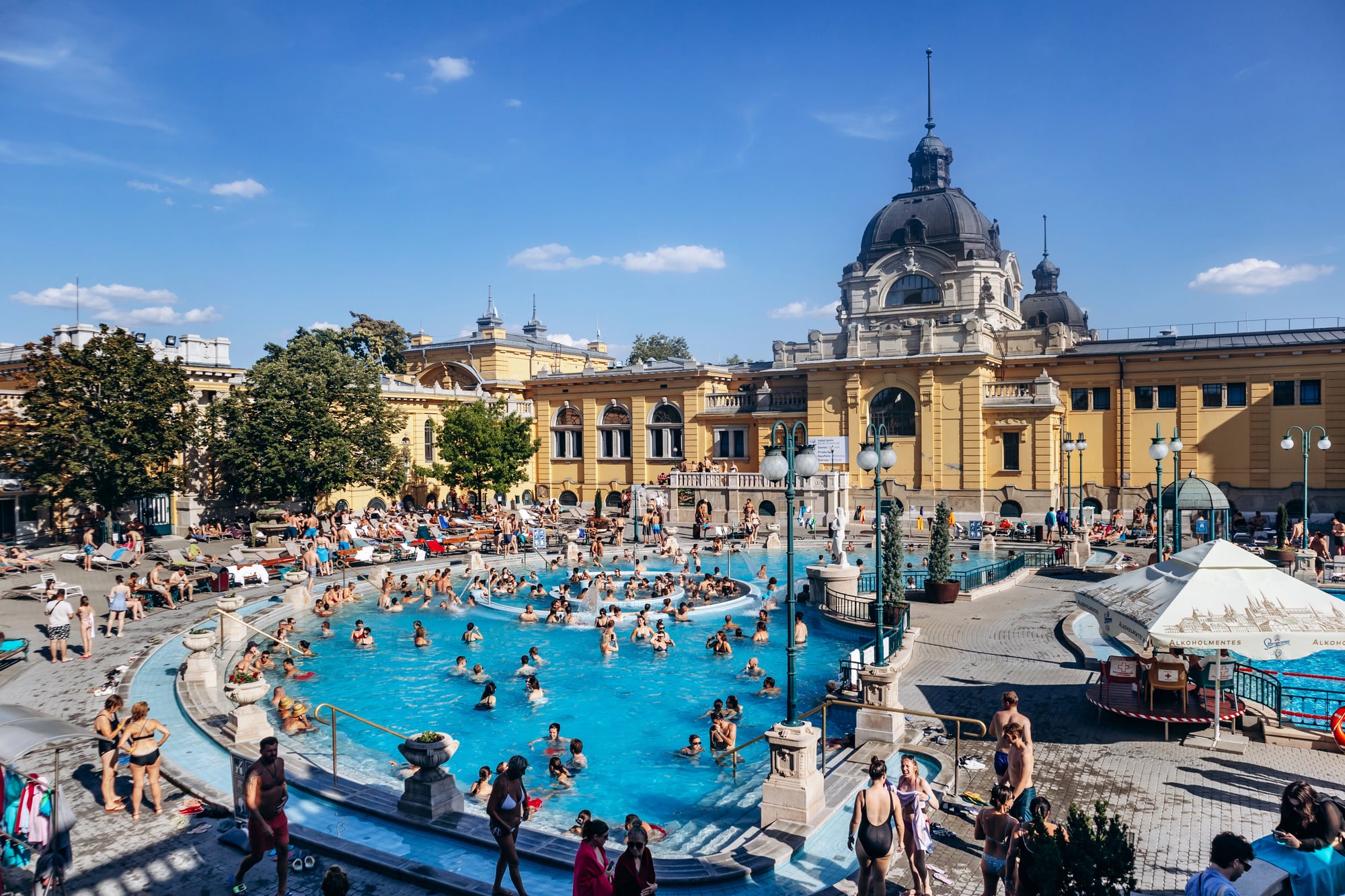
The combination of high human traffic, moisture, and chemical stress creates an environment where hardy bacteria flourish while weaker strains die off.
This selective pressure encourages the survival of microorganisms that resist both chlorine and common antibiotics.
Studies have found MRSA (methicillin-resistant Staphylococcus aureus) and other antibiotic-resistant bacteria in public pool environments, particularly around deck areas and locker rooms where moisture persists but chlorine concentrations are lower.
These resistant strains don’t necessarily cause infections in healthy individuals, but they represent a concerning trend in recreational water facilities that serve large numbers of people daily.
Automatic Systems Aren’t Foolproof
Modern pools rely on automated chemical feeding systems, but these systems respond to conditions rather than preventing them — like a thermostat that only turns on heat after the temperature has already dropped (which means there’s always a lag between when problems develop and when corrections begin taking effect).
Sensors can malfunction, chemical feeders can clog, and programming errors can create dangerous imbalances that persist until human operators notice and intervene.
During overnight hours or busy weekends when staff attention is divided, these automated systems might maintain inadequate conditions for hours before anyone realizes there’s a problem.
And then there are the situations that no automated system can handle: a sudden influx of swimmers during a heat wave, contamination from a fecal incident, or equipment failure that requires immediate manual intervention to prevent health hazards from developing.
Indoor Pools Have Air Quality Issues
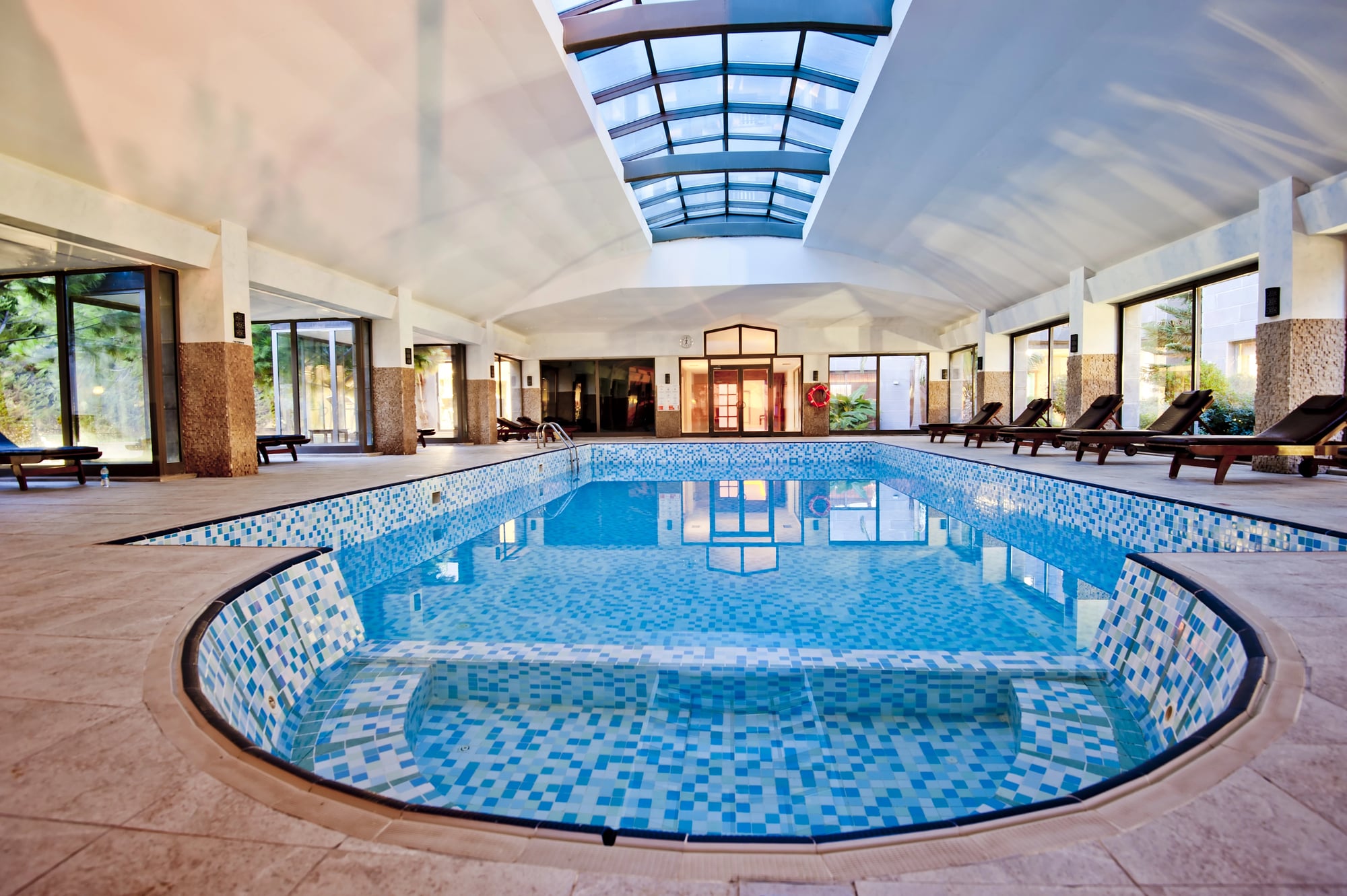
Indoor facilities face ventilation challenges that outdoor pools avoid entirely. Chloramines don’t just irritate swimmers — they become airborne and affect indoor air quality.
Poor ventilation allows these compounds to accumulate, creating respiratory irritation for both swimmers and staff who spend hours in the facility.
The smell that seems strongest in indoor pool areas isn’t just unpleasant; it indicates elevated levels of chemical compounds that can cause breathing difficulties, especially for people with asthma or other respiratory sensitivities.
Proper ventilation systems require significant energy to operate, leading some facilities to reduce air exchange rates to save on utility costs, inadvertently creating less healthy environments for everyone inside.
Testing Frequency Varies Dramatically
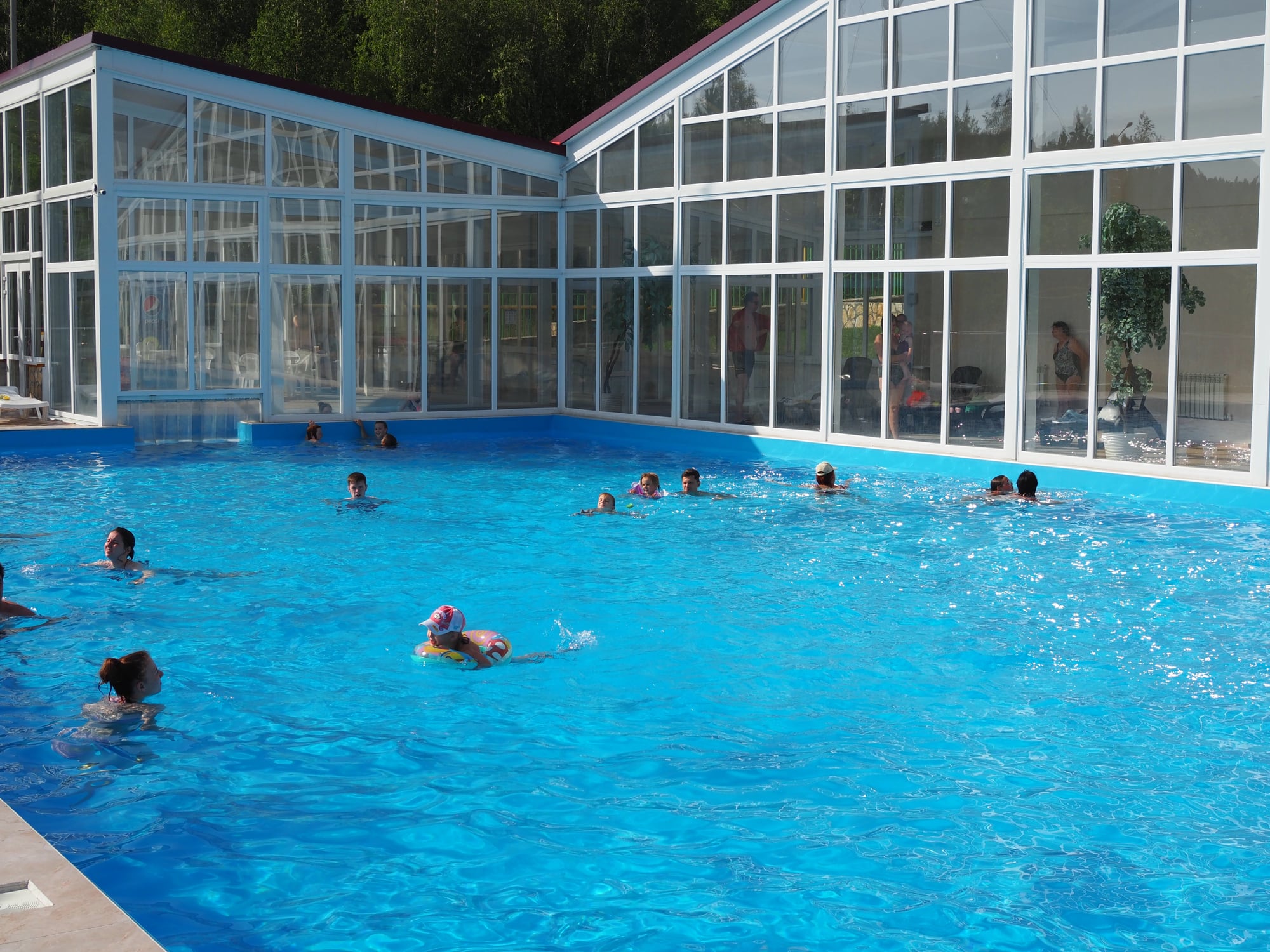
Pool water should be tested multiple times daily, but actual testing schedules depend on staffing, training, and facility priorities.
Some well-managed facilities test every two hours during operation.
Others test once in the morning and once in the evening, leaving gaps of eight hours or more between assessments.
During those gaps, bather loads, weather, and equipment issues can create water quality problems that persist undetected and uncorrected.
The testing itself requires proper technique and calibrated equipment — both of which can vary significantly based on staff training and maintenance budgets.
Weather Affects Pool Chemistry
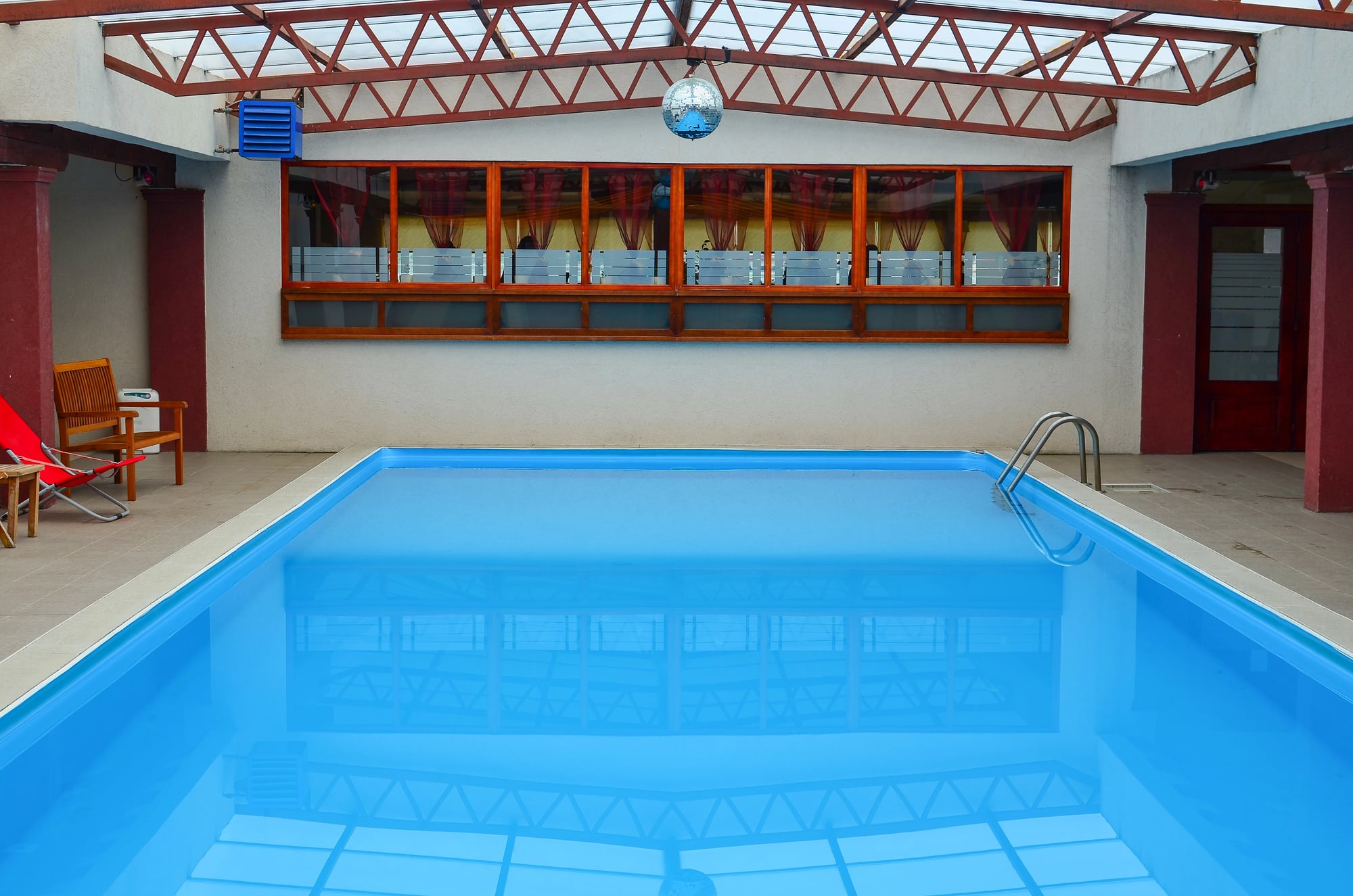
Rain, wind, and temperature changes all impact pool water quality in ways that most swimmers never consider.
Rain dilutes chemical concentrations and can lower pH levels, while also introducing environmental contaminants.
Hot, sunny days increase chlorine consumption as UV rays break down disinfectants faster than usual.
Wind brings debris and can affect evaporation rates, concentrating dissolved solids in the water.
Pool operators constantly adjust chemical treatments based on weather conditions, but these adjustments take time to circulate and achieve proper balance throughout the entire water volume.
The Reality Check
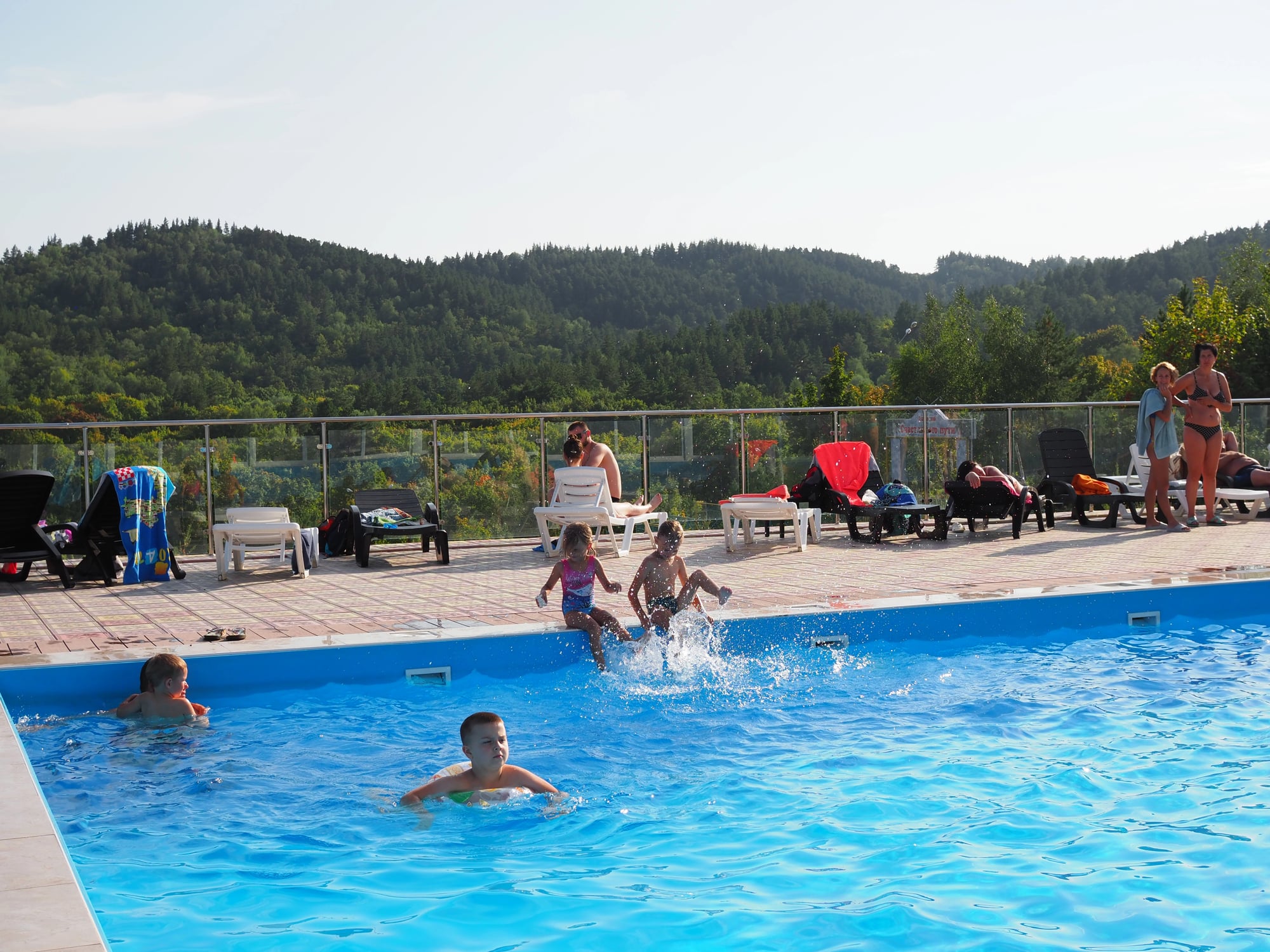
None of this means public pools are dangerous death traps that should be avoided at all costs. Properly maintained facilities provide safe recreation for millions of people every year, and serious waterborne illness outbreaks remain relatively rare.
But understanding what actually goes on behind the scenes helps explain why pre-swim showers aren’t just suggestions, why pool rules exist, and why that crystal-clear water represents an ongoing battle between human biology and chemical engineering.
The next time that chlorine smell hits your nose, remember: it’s not the scent of cleanliness, but the evidence of chemistry hard at work.
More from Go2Tutors!

- The Romanov Crown Jewels and Their Tragic Fate
- 13 Historical Mysteries That Science Still Can’t Solve
- Famous Hoaxes That Fooled the World for Years
- 15 Child Stars with Tragic Adult Lives
- 16 Famous Jewelry Pieces in History
Like Go2Tutors’s content? Follow us on MSN.