Bizarre Coffee Brewing Methods from History
People treat their morning coffee like a sacred ritual today. The right grind, the right temperature, the exact steep time.
But humans have been drinking coffee for centuries, and for most of that time, nobody agreed on how to make it. Some of the methods they landed on were practical.
Others were just strange. Here’s a look at the more unusual ways people have brewed coffee throughout history.
Boiling It Until It Begged for Mercy
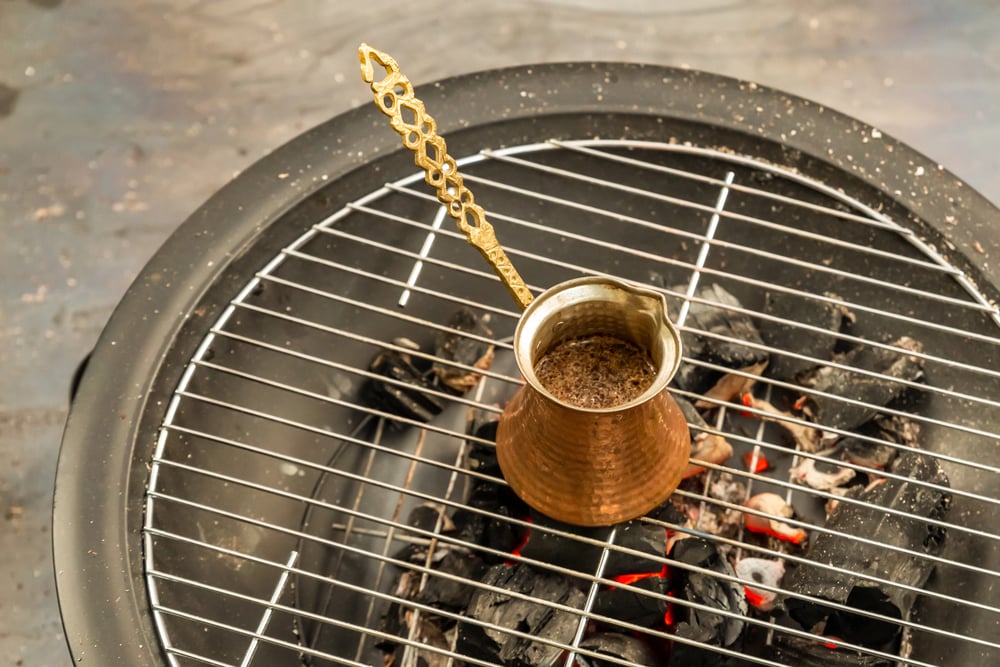
Before anyone worried about over-extraction, early Ottoman coffee drinkers boiled their coffee hard. Not a gentle simmer — a full, rolling boil, sometimes for extended periods.
The result was thick, intensely bitter, and had a texture closer to mud than the filtered drinks most people know today. This wasn’t considered bad coffee.
It was just coffee. The bitterness was expected, and the grounds that settled to the bottom were part of the experience.
Some cultures even read the leftover sediment for fortune-telling purposes, which means the brewing method doubled as a party trick.
Eggshells in the Pot

Scandinavian and American cowboy traditions both landed on the same peculiar solution to bitter coffee: crack an egg into it. The whole egg — shell and all — gets mixed with the grounds before brewing.
The idea is that the egg binds to the bitter compounds and the shell helps clarify the liquid. The result is supposedly a smoother, cleaner cup.
Cowboys on the American frontier swore by it. Whether it actually works or whether it just became tradition is a question worth asking the next time you’re near a campfire.
Brewing Through a Dirty Sock

In parts of Southeast Asia and Latin America, a cloth strainer — often described as looking like a sock — became the standard brewing tool. Ground coffee sits in the cloth, and hot water is poured through slowly.
The fabric catches the grounds and some of the oils, producing a softer cup than paper filters. In Costa Rica, this method using a “chorreador” is still common today.
The cloth strainer hangs over a wooden stand, and the coffee drips into a cup below. It’s low-tech, and it works.
Sand as a Heat Source

Walk through a Middle Eastern market and you might still see a brass pot half-buried in hot sand, slowly heating a small cup of coffee over the coals beneath. This is one of the older brewing methods still in active use, and it’s genuinely effective.
The sand distributes heat evenly and allows for precise temperature control by moving the pot closer to or further from the center of the heat source. It’s slow, requires attention, and produces a thick, aromatic brew.
In a world obsessed with speed, it’s a method that refuses to apologize for taking its time.
Coffee as a Food, Not a Drink
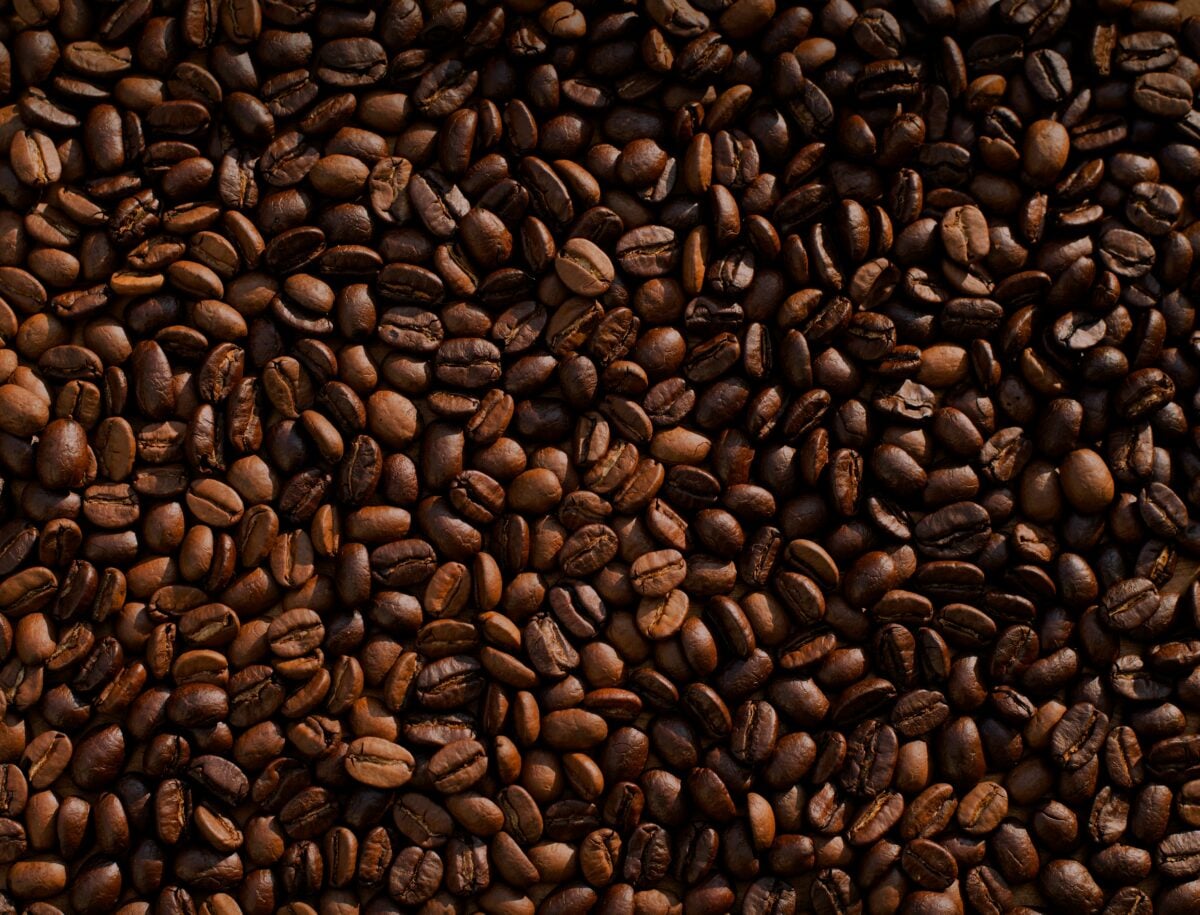
Before anyone brewed coffee, some early Ethiopian communities ate it. The raw cherries were crushed and mixed with animal fat to make a kind of energy paste.
People carried these small orbs on long journeys for a quick source of energy. The idea of sitting down with a warm cup hadn’t arrived yet.
Coffee was practical, portable, and consumed more like food. It took several more centuries before someone thought to dry the seeds, roast them, grind them, and pour hot water over the result.
The Vacuum Siphon
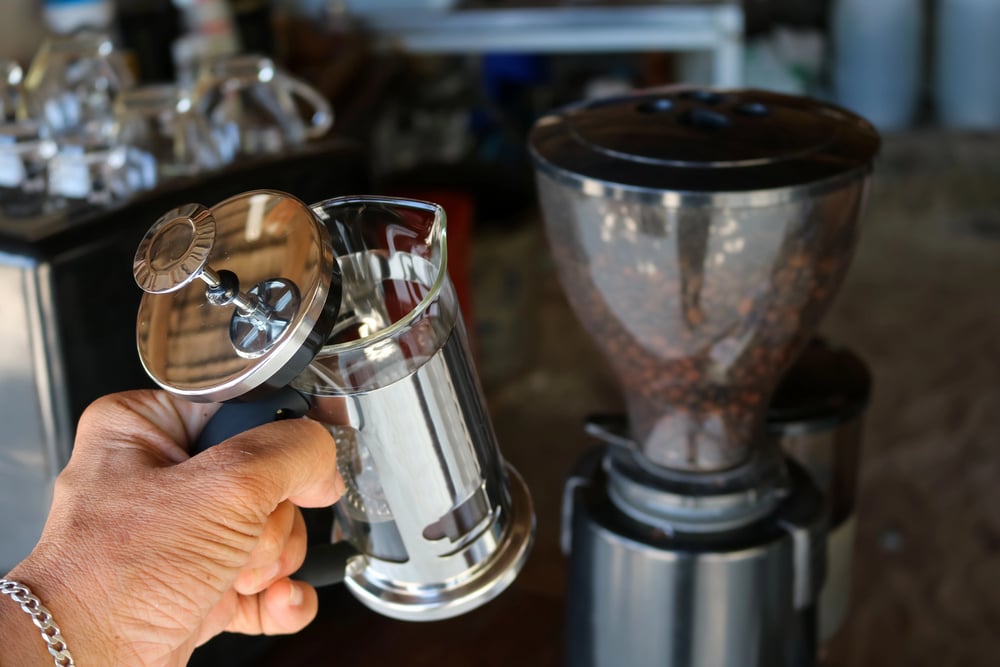
The siphon brewer looks like something pulled from a Victorian chemistry lab. Two glass chambers sit stacked on top of each other, connected by a tube.
Water heats in the bottom chamber, vapor pressure pushes it up through the tube and into the top chamber where the coffee grounds sit, and when the heat source is removed, the brewed coffee gets pulled back down through a filter.
It was invented in the 1830s and took off in Europe almost immediately. The process is dramatic to watch, requires real attention, and produces a clean, bright cup.
It never disappeared entirely — coffee shops still use it — but it never became standard either. The spectacle is half the point.
Butter in the Brew

Tibetan butter tea — made with tea, not coffee, but the principle traveled — influenced a tradition of adding fat to hot beverages that showed up in coffee culture in various forms. Ethiopian coffee ceremonies sometimes included adding butter to the brew, particularly in rural areas.
The fat changes the texture and slows the absorption of caffeine, producing a more sustained effect rather than a sharp spike. Whether that was the reasoning or whether it just tasted good is unclear.
Either way, the practice of adding fat to coffee has surfaced repeatedly across different cultures with no obvious connection to each other.
Cardamom as a Required Ingredient
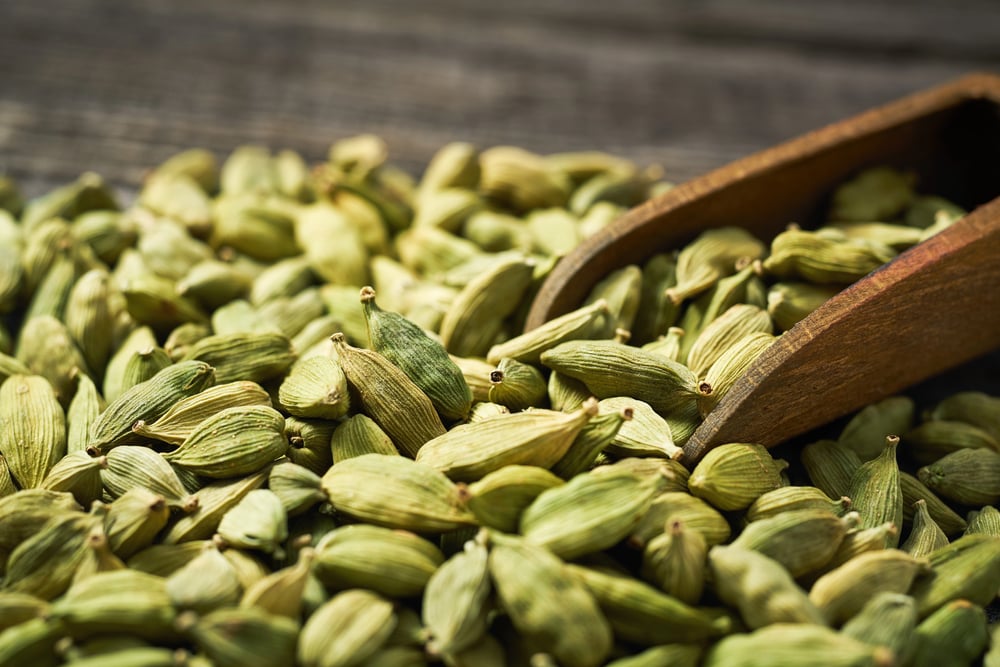
In Bedouin tradition, coffee made without cardamom was barely coffee at all. The spice was ground and added directly to the brew, and the resulting drink — called qahwa — was pale gold, not dark brown, lightly caffeinated, and heavily aromatic.
This wasn’t flavoured coffee in the modern sense. The cardamom wasn’t an optional addition. It was structural to what the drink was supposed to be.
Serving it without the spice would have been like serving soup without salt. The hospitality rituals around qahwa — the specific cups, the refilling customs, the meaning behind accepting or declining — were as important as the drink itself.
The Percolator’s Confusing Logic
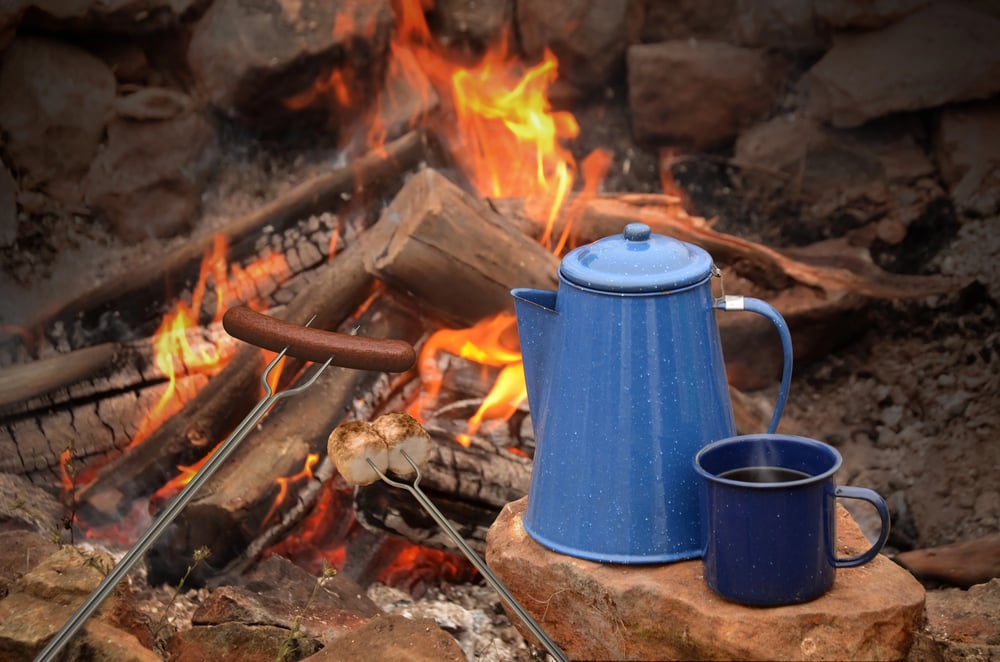
When percolators became popular in the late 19th century, people loved them. The design forces hot water up through a tube and over a basket of grounds, where it drips back down and gets reheated and recirculated.
This means the same water passes through the grounds repeatedly. Coffee people today wince at the idea because recirculating hot liquid over grounds extracts the bitter compounds aggressively.
But for decades, the percolator was considered a serious piece of equipment. The bubbling sound it made was considered a sign of quality.
It was progress, and it tasted like progress to the people using it.
Cold Drip, Long Before It Was Fashionable
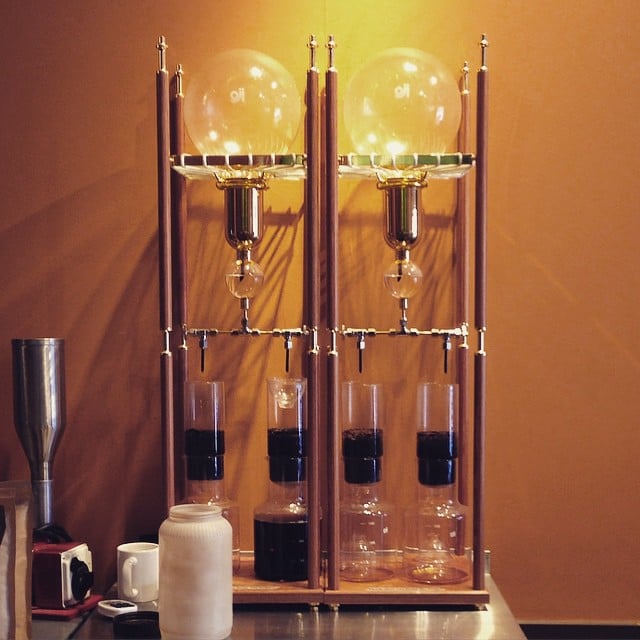
The Kyoto-style cold drip method — where cold water drips slowly through coffee grounds over many hours — has roots going back centuries in Japan. The process takes anywhere from three to twelve hours.
The resulting concentrate is dense, smooth, and almost syrupy. It resurfaced as a trend in specialty coffee shops starting in the early 2000s, framed as something new and artisanal.
It wasn’t new. It was just forgotten.
Coffee Wine
In some early coffee-producing regions, the fruit of the coffee plant — the cherry, not the bean — was fermented to produce an alcoholic drink. The beans were a byproduct, or sometimes discarded entirely.
The fruit was the point. A version of this, called qishr in Yemen, mixed the dried coffee cherry husks with spices and brewed them into a drink closer to a herbal infusion than anything resembling modern coffee.
The actual beans inside were set aside. For a period in history, the most valuable part of the coffee plant wasn’t what ended up being the most valuable part of the coffee plant.
Salted Coffee

Adding salt to coffee is not a mistake. In several cultures, including parts of Northern Scandinavia and some regions of China, salt was added to coffee either during brewing or directly to the cup.
The salt suppresses bitterness and brings forward the sweeter, more rounded flavours underneath. Food scientists have confirmed that this actually works — sodium ions interfere with the bitter receptors on the tongue.
But to most modern coffee drinkers, salting a cup still feels like a culinary crime. The instinct is to reject it before tasting it.
Boiled Rye as a Substitute
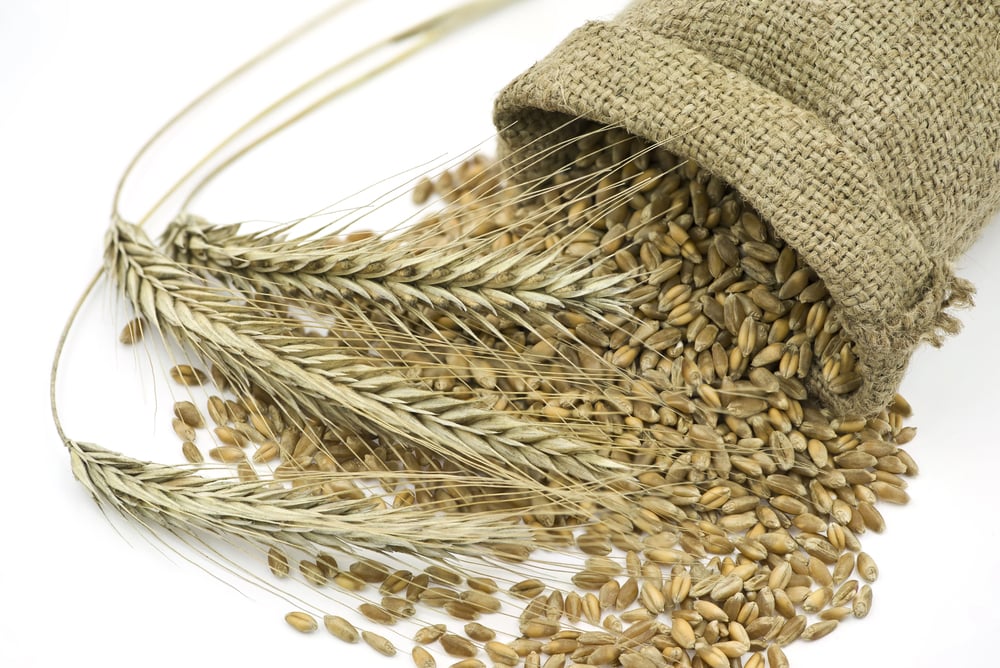
During periods of scarcity — wartime, crop failures, economic collapse — people who couldn’t access coffee beans found substitutes and brewed those instead. Roasted rye, chicory root, acorns, and dried figs all got run through similar brewing processes as coffee and served in the same cups.
These weren’t meant to be permanent replacements. They were stopgaps.
But some of them stuck. Chicory coffee in New Orleans is a direct descendant of wartime substitution during the Civil War, when the Union blockade cut off coffee supplies to the South.
The substitute became the tradition.
Chewing the Grounds
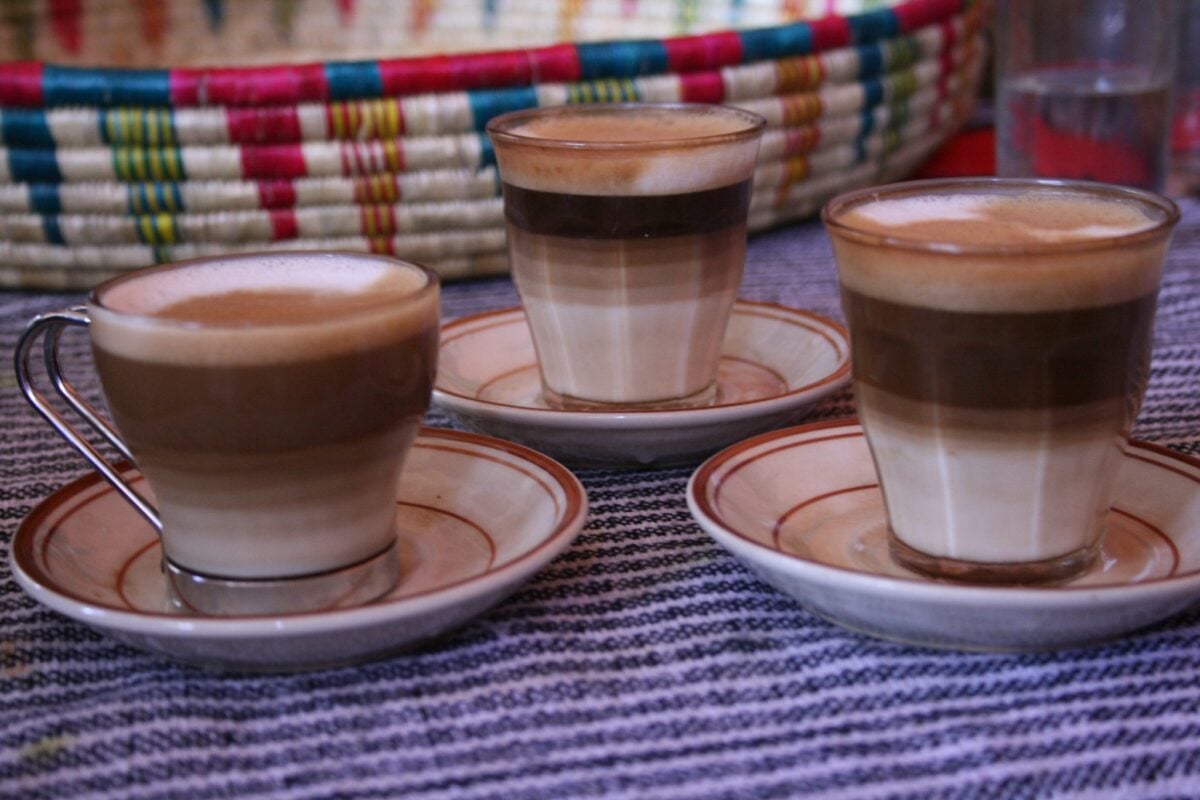
In some Ethiopian traditions, the coffee grounds after brewing weren’t discarded. They were dried, combined with butter or honey, and consumed.
Nothing was thrown out, no piece of the process was seen as useless. And that shows how early coffee cultures viewed the plant as a resource, not a special treat.
Every part had a place. But whether it tastes pleasant isn’t the point. It reflects how deeply those people valued every element of the coffee cycle.
What the Cup Says About the People Holding It

Certain peculiar methods of brewing coffee, in fact, were quite in harmony with the people who were experimenting and using them. Clay pitchers served pure, simple cups of coffee.
However, the addition of eggs to the coffee grounds eliminated the bitter taste. A characteristic of siphons was precisely controlled heating time.
Besides, the sock strainer was so unmistakably obvious that its designers definitely must have thought of nothing else but their invention of it. People did not even think of questioning normality – it was simply a matter of routine.
Just like that coffee which had been delineated by the tools that were at hand and thus had become a product of the everyday lives of the people through their usage, was essentially a ‘ready-to-drink’ good. We perceive our modern-day coffee habits as the norm, but they might seem very strange to future generations.
In a hundred years or so, today’s coffee habits might also appear as a kind of anomaly and our descendants may even humorously view our consumption practices as bizarre.
More from Go2Tutors!

- The Romanov Crown Jewels and Their Tragic Fate
- 13 Historical Mysteries That Science Still Can’t Solve
- Famous Hoaxes That Fooled the World for Years
- 15 Child Stars with Tragic Adult Lives
- 16 Famous Jewelry Pieces in History
Like Go2Tutors’s content? Follow us on MSN.