The Most Dangerous Hiking Trails for Thrill Seekers
Some people hike to clear their heads. Others hike to see something beautiful.
And then there are the ones who need their heart rate somewhere in the triple digits before a trail even feels worth lacing up for. If you’re in that last group, the world has no shortage of paths designed to test whether you really mean it.
These aren’t trails where the danger is mostly in your imagination. These are places where a wrong step, an unexpected weather shift, or a moment of distraction can have serious consequences.
That’s exactly why people travel from all over the world to walk them.
The Plank Walk on Mount Huashan, China

Mount Huashan in Shaanxi Province has a path carved into sheer cliff faces, held together with wooden planks bolted to the rock. Hikers wear harnesses and clip onto safety cables, shuffling sideways along boards barely wide enough for one foot.
The drop below is measured in hundreds of meters. Getting there involves a steep climb through the night in many cases, since crowds are thinner and the heat is more manageable.
By the time you reach the plank section, your legs are already tired. That’s part of what makes it so demanding.
Half Dome, Yosemite National Park

The cables on Half Dome are only up for part of the year, and for good reason. The final section to the summit involves pulling yourself up a 45-degree granite face using steel cables anchored into the rock.
When it’s dry, it’s hard. When it’s wet, rangers have pulled people off the mountain who could no longer move in either direction.
The round trip runs about 14 to 16 miles with around 5,000 feet of elevation gain. People underestimate it constantly.
Afternoon thunderstorms roll in fast during summer, and the exposed summit is exactly the wrong place to be during lightning.
El Caminito del Rey, Spain

A trail cut into the steep walls of Málaga’s canyon stayed broken for years – chunks missing, people stepping carefully where they could. Some called it among Europe’s riskiest hikes.
Now that the trail’s reopened, you need permission just to step onto it. Much safer these days, true.
Still, danger hangs around like leftover mist. A narrow cut in sheer stone runs above the Guadalhorce, where feet move along edges shaped by old hands – patches of past peek through the fresh build.
The Kokoda Track Papua New Guinea
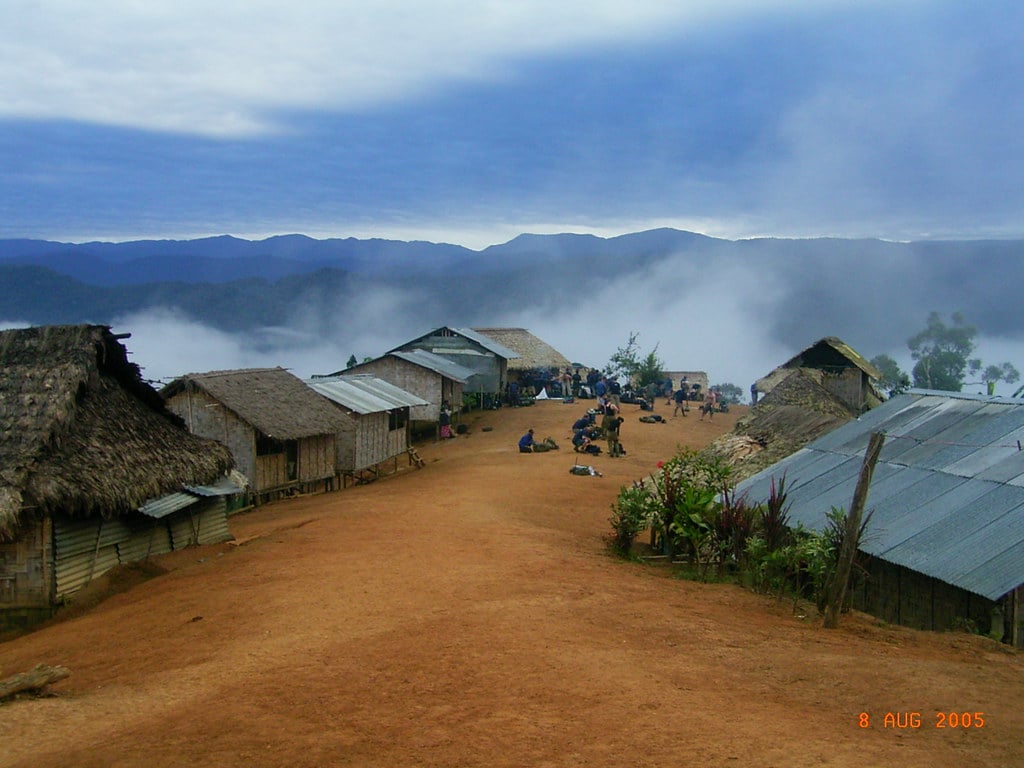
This kind of danger does not come from a sudden drop like along a cliff edge. What wears people down on the Kokoda Trail builds slowly.
Stretching nearly 100 kilometers across the Owen Stanleys, it grinds travelers with constant uphill hikes followed by steep drops. Thick forest wraps around every step, air heavy at close to 90 percent moisture, while heat shifts without warning.
Most people walking the trail need around eight to ten days. When it rains hard, rivers swell fast – crossing them turns dangerous.
Some come because of its link to World War II battles, unaware of how tough the land really is. Diseases like malaria lurk here; they’re not rare, just part of what waits in the heat.
Mount Washington New Hampshire

A gust of 231 miles per hour roared past a weather station atop Mount Washington, once the strongest wind seen anywhere on land. Since then, faster winds have shown up elsewhere.
Still, even though it is only 6,288 feet tall, the mountain dishes out some of the harshest conditions around.
A sudden mix of icy cold, strong gusts, and shifting skies turns things risky without warning. From down below, it appears harmless – just another hill among many.
Machines go up easily – the rail car climbs slowly, cars drive partway too. Those who act like it’s just a walk outdoors often find themselves stuck high up when the sky worsens.
Cold ground holds some of them still.
The Maze in Canyonlands National Park

Inside The Maze, footsteps fade fast. Reaching the edge takes a tough drive over rough ground, one that only trucks with grip can handle.
Once there, paths vanish into stone puzzles, stretched across tilted rock and deep cracks. Leaving becomes the real test, far harder than arriving ever was.
Far stretches of the trail have no water at all. Reception vanishes completely once you step off the road.
Help, if needed, sits a long way off. Getting assistance costs a lot and takes time – officials make sure visitors know this upfront.
Folks still come, drawn by quiet so deep it feels foreign, paired with terrain nothing else on the continent quite matches.
Kalalau Trail on Kauai Island in Hawaii

Winding along cliff edges, the Kalalau Trail cuts through raw terrain – few paths offer such gripping views. Reaching the Na Pali Coast means walking every mile of that route.
High above the sea, parts narrow sharply; a misstep leads straight down. Rugged doesn’t begin to cover it.
Slippery ground shows up on the path. Where climbs get tough, ropes hang there instead of guardrails.
Water rushes in fast, blocking exits before anyone sees it coming. Permits are required since too many people ignored how hard the hike really is.
Knife’s Edge, Mount Katahdin, Maine

Knife’s Edge is exactly what it sounds like — a narrow ridge with steep drops on both sides, connecting Pamola Peak to the Baxter Peak summit of Katahdin. In places, the ridge narrows to a few feet wide, with technical scrambling required to move along it.
Wind is the main issue. On calm days, Knife’s Edge is one of the great ridge walks in the eastern United States.
On windy days, it’s a different experience entirely. The trail is above tree line for most of its length, and there’s nowhere to shelter if conditions change.
Drakensberg Traverse, South Africa
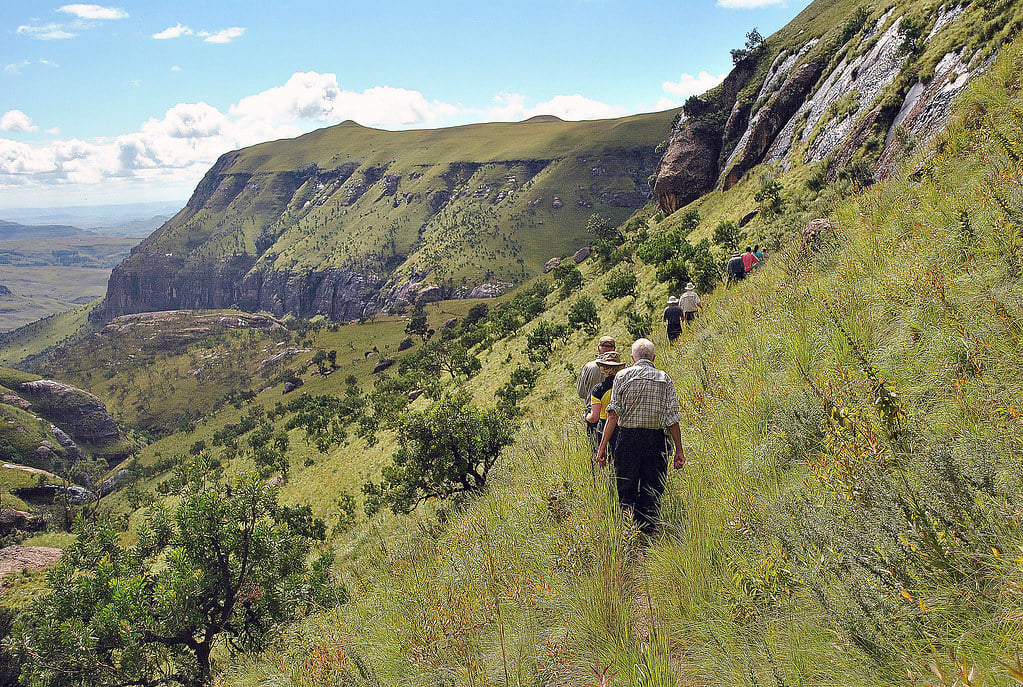
The Drakensberg range in KwaZulu-Natal sits along the border between South Africa and Lesotho, with a high plateau that reaches above 3,000 meters.
The multi-day traverse along this plateau is remote, cold, and prone to sudden violent thunderstorms.
Lightning strikes are a documented hazard. The plateau offers no cover, and the storms that build up in the afternoon can appear faster than hikers expect.
Navigation is also genuinely challenging in low visibility, and the terrain punishes anyone who loses their route.
Aonach Eagach Ridge, Scotland

Running roughly two miles along Glen Coe’s northern edge, the Aonach Eagach earns its reputation as the trickiest ridge route on the British mainland.
Exposed scrambles define much of the path, while certain sections demand moves climbers often reserve for proper ascents – something guidebooks tend to highlight without hesitation.
Fog rolls in quick across the highland peaks. Slippery stone waits under a damp surface.
Retreating halfway can test you more than going ahead. Even seasoned hikers have found trouble here, so confidence on narrow edges matters before stepping onto the spine of these hills.
The Baliem Valley Rim in Papua Indonesia

It isn’t well known, which draws dedicated hikers all the more. Moving through Papua, the paths weave across the Baliem Valley and climb toward nearby high ground.
This area stays cut off from most services. Help is nearly impossible to find if something goes wrong.
Starting high up, far off, with wild weather shifts turns this into something demanding. Getting clear route details? Not easy – seasons shift things fast.
Most people heading there bring guides from nearby, plus they plan heavily before going.
Snowman Trek, Bhutan

High up in the Himalayas, the Snowman Trek challenges even seasoned hikers. Crossing over twelve steep mountain passes beyond 4,000 meters makes it extreme.
Roughly three weeks are needed just to finish. Remote valleys and untouched landscapes stretch along its path.
High up brings the danger of altitude sickness. When the weather clears, there is only a short chance to move forward – miss it, one faces deep snow blocking the way.
Few who start ever reach the end. Halfway often becomes the limit, stopped cold by storms, sickness, or something worse along the path.
Mount Thor Baffin Island Canada
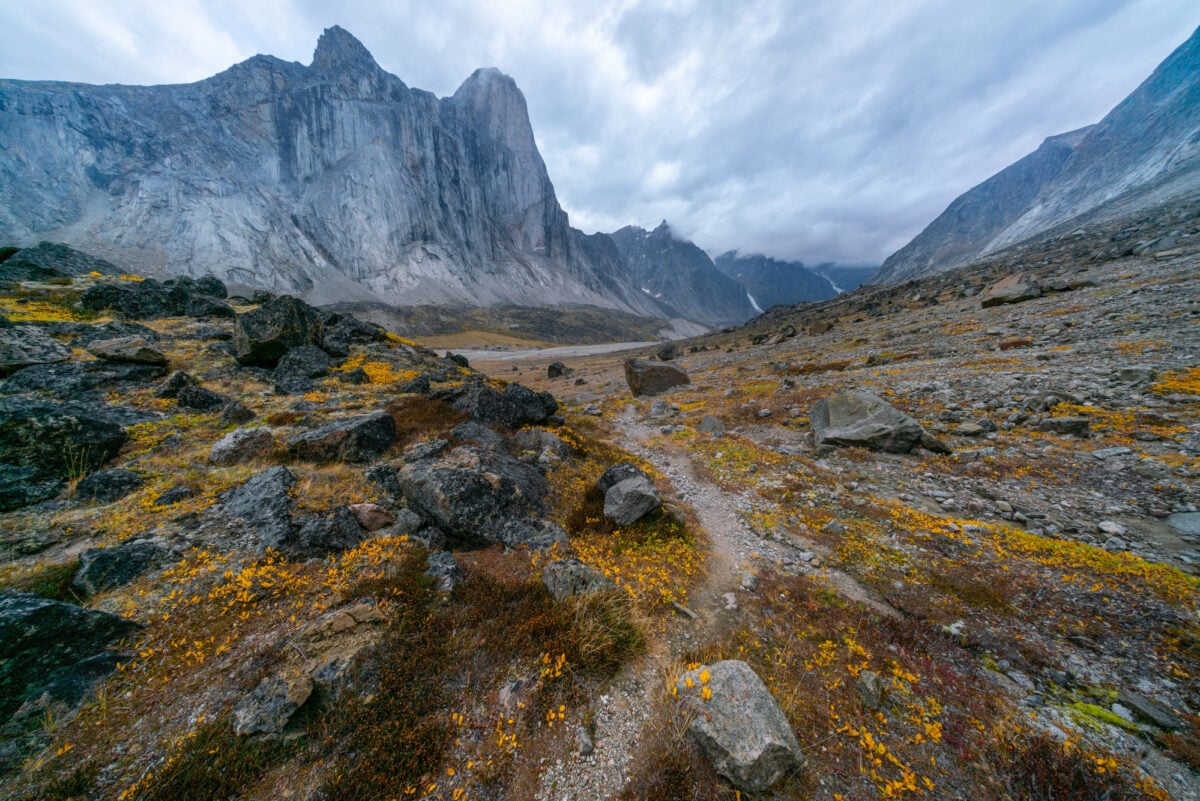
Downward it stretches, Mount Thor claiming the planet’s steepest sheer fall – more than 1,200 meters of looming stone.
Far from trails meant for casual walking, reaching it means navigating Auyuittuq National Park where glaciers block paths, rivers must be crossed, and cold winds shape every step.
Out here, distance changes everything. Getting medical help from this stretch of Baffin Island takes time – no shortcuts.
Everyone stepping into the park must check in, lay out their safety steps, while the clock runs on a brief season.
When Risk Crosses Truth

Here’s the truth, straight up: these paths can hurt you – the risk isn’t made up for attention. Each one has seen broken bones, worse.
Excitement exists without betting your safety. You won’t miss out by staying careful.
Most folks return grinning, full of tales. What sets them apart? Not luck.
Proper prep does it – suitable equipment matters, physical readiness counts, reading weather shifts helps, plus past time on comparable ground makes a difference.
These peaks, gorges, and knife-edge spines aren’t ordinary. Respect shows up in how you meet them.
More from Go2Tutors!

- The Romanov Crown Jewels and Their Tragic Fate
- 13 Historical Mysteries That Science Still Can’t Solve
- Famous Hoaxes That Fooled the World for Years
- 15 Child Stars with Tragic Adult Lives
- 16 Famous Jewelry Pieces in History
Like Go2Tutors’s content? Follow us on MSN.