31 TV Ads Kids Could Recite by Heart
Certain commercials from decades past achieved something few pieces of advertising ever manage: total, unforced memorization. Kids who could not recall a single line from a school assignment could recite an entire jingle or catchphrase word for word, sometimes decades after the ad stopped airing.
Below is a collection of commercials and ad campaigns that reached that level of cultural saturation.
“Where’s the Beef?”
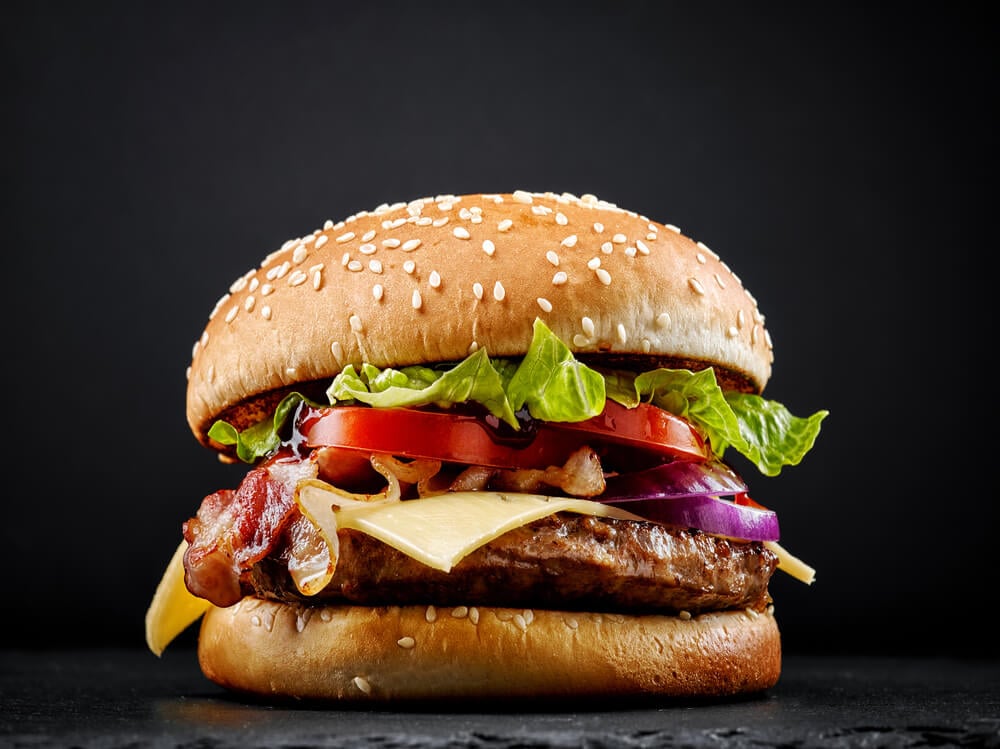
Wendy’s 1984 commercial featuring an elderly woman demanding to know where the beef was on a competitor’s oversized bun became an instant catchphrase, repeated everywhere from playgrounds to a presidential debate later that year. The line was so widely adopted that it entered general pop culture use well beyond its original advertising context. Actress Clara Peller, who delivered the line, became a minor celebrity as a direct result of the ad’s popularity.
The Trix Rabbit’s Pursuit
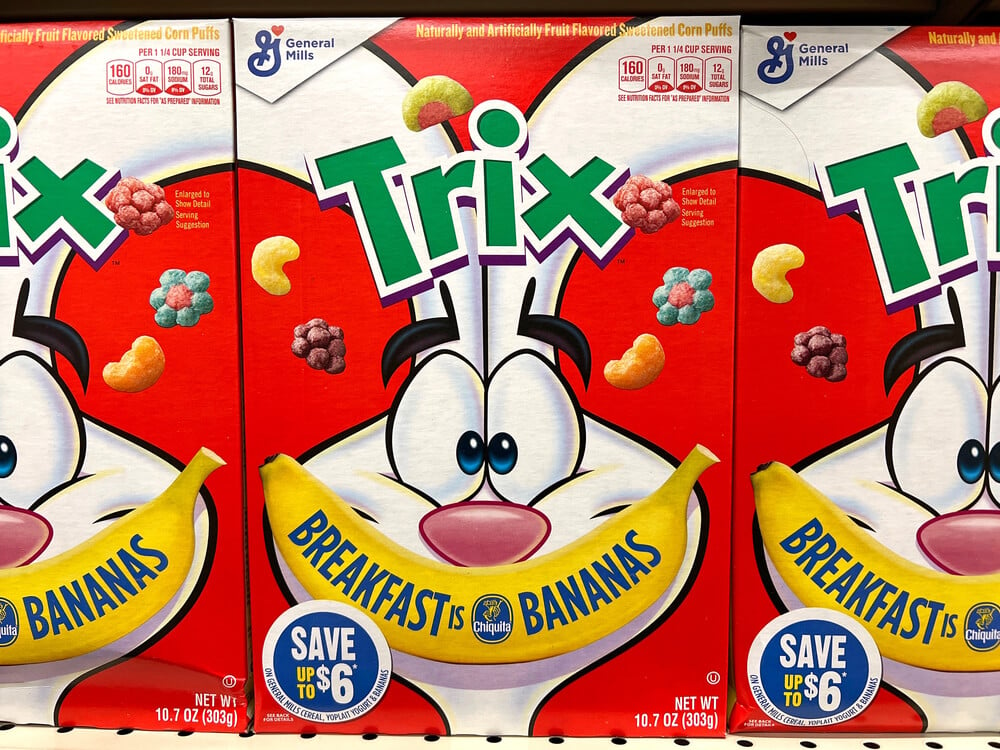
The long-running Trix cereal campaign featured an animated rabbit endlessly scheming to get a bowl of the fruit-flavored cereal, only to be stopped every time by a group of children insisting “Trix are for kids.” The formula repeated across hundreds of individual commercials over several decades, making the rabbit’s frustrated catchphrase instantly recognizable to generations of children. Occasional promotional campaigns have let the rabbit “win” as a novelty variation on the long-standing joke.
“Silly Rabbit, Trix Are for Kids”
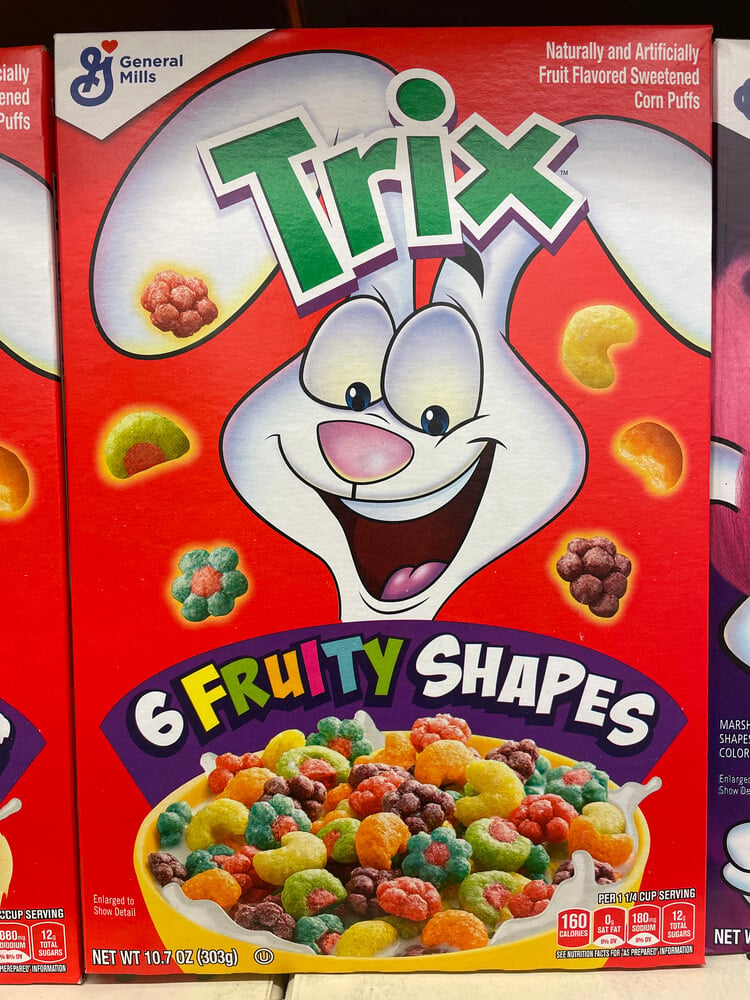
A direct companion to the Trix rabbit’s ongoing pursuit, this specific line became one of the most repeated phrases in American children’s advertising history, appearing at the end of nearly every commercial in the campaign for decades. Its rhythm and simplicity made it especially easy for young children to memorize and repeat. The phrase remains recognizable even to people who have not seen an actual Trix commercial in years.
Rice Krispies’ “Snap, Crackle, Pop”
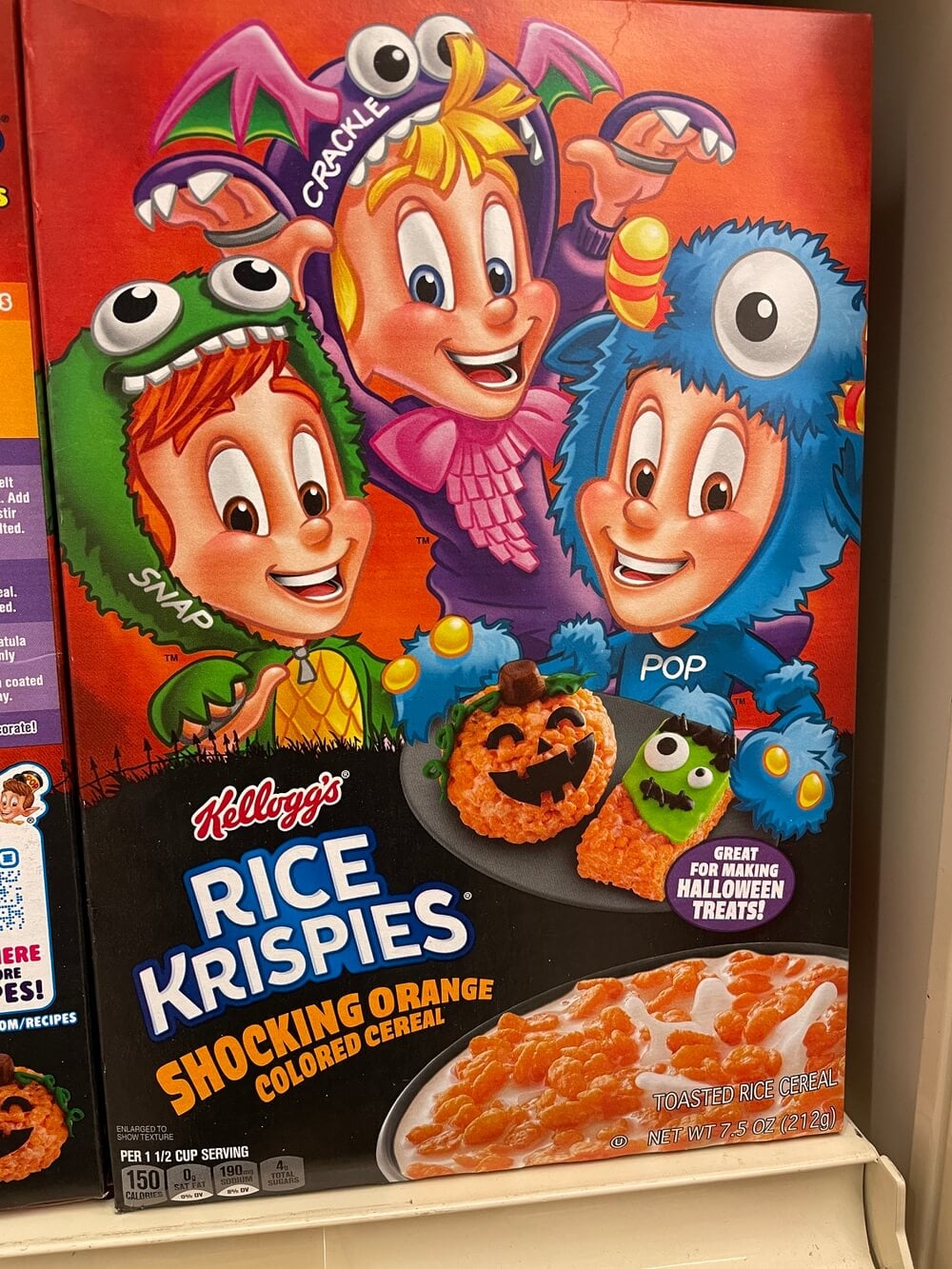
The three animated mascots representing the sounds of Rice Krispies cereal in milk debuted in the 1930s and remained a consistent advertising presence for decades afterward. Their names became so associated with the onomatopoeic sound effect that many people use the phrase “snap, crackle, pop” generically without necessarily connecting it to the cereal brand’s origin. The mascots are considered among the longest-running advertising characters in American history.
“I Want My MTV”

MTV’s 1980s ad campaign featured musicians directly addressing the camera and demanding cable providers carry the channel, closing each spot with the insistent line “I want my MTV.” The campaign proved effective enough that it directly influenced cable providers’ decisions to add the channel in various markets. The phrase became closely associated with the broader cultural rise of music television during the decade.
The Kool-Aid Man Bursting Through Walls
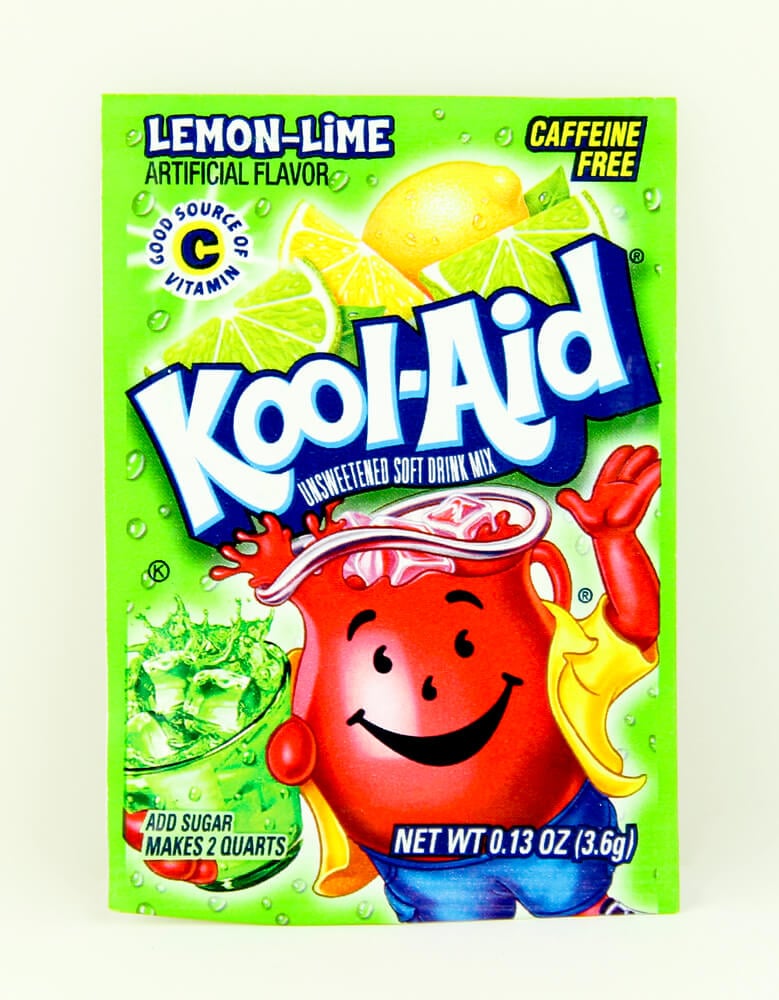
Kool-Aid’s mascot, a walking, anthropomorphic pitcher, became known for dramatically bursting through walls while shouting “Oh yeah!” to deliver refreshment to thirsty children in commercials that ran for decades. The exaggerated, wall-destroying entrance became a recognizable visual gag repeated across countless individual ad spots. The character remains one of the more recognizable food mascots in American advertising history.
“Two All-Beef Patties…”
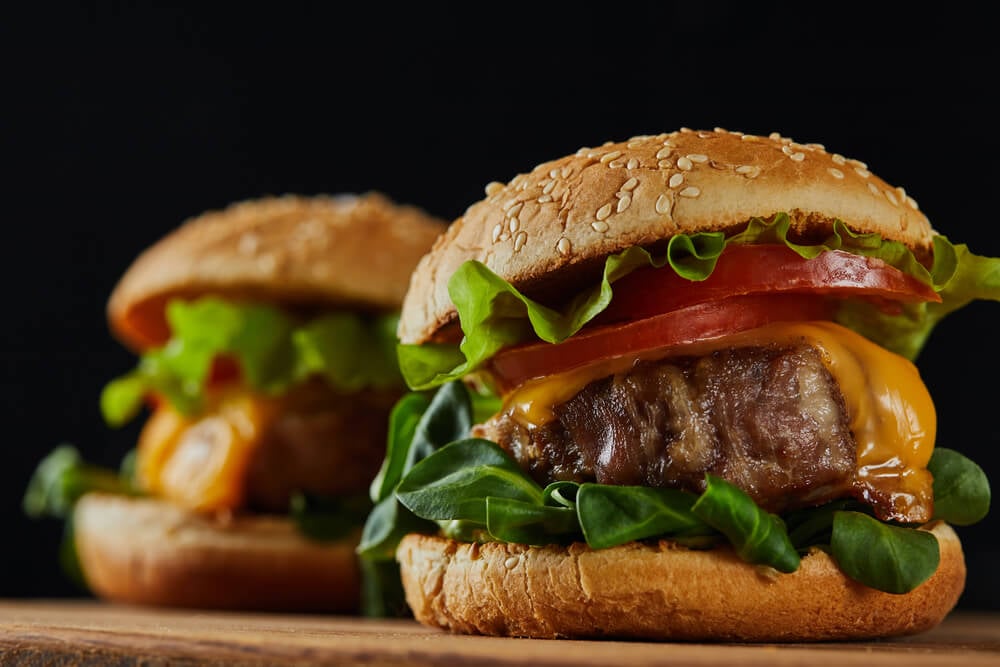
McDonald’s ran a promotional campaign in the 1970s encouraging customers to memorize the full list of Big Mac ingredients recited in a specific rhythmic order, offering a free sandwich to anyone who could say it correctly at the counter. The jingle-like ingredient list became so widely memorized that many people who never took part in the original promotion can still recite it today. The campaign is frequently cited as an early example of turning a product description itself into a piece of memorable advertising.
“Just Do It”
Nike’s tagline, introduced in a 1988 advertising campaign, became one of the most recognized phrases in modern advertising, appearing across television spots featuring both professional athletes and everyday people. Unlike many jingle-based campaigns, its power came from brevity rather than repetition of a full script, becoming shorthand for the brand’s broader message of determination. It remains in active use by the company decades after its introduction.
The Toys “R” Us Jingle
The retailer’s jingle, built around the line “I don’t want to grow up, I’m a Toys ‘R’ Us kid,” ran in television commercials for years and became closely associated with the store’s overall brand identity for an entire generation of shoppers. The tune’s simple, repetitive structure made it especially easy for young viewers to memorize after only a handful of exposures. The jingle remained recognizable even years after the company’s financial struggles reduced its retail footprint significantly.
“Have You Had Your Break Today?”
McDonald’s ran this recurring tagline across various commercial campaigns for years, becoming one of several taglines closely associated with the brand’s overall advertising identity. Its conversational, direct-address style was intended to feel personal rather than purely promotional. The phrase appeared across a wide range of commercial formats throughout its use.
The Energizer Bunny
Introduced in 1989, the pink, drum-beating Energizer Bunny became known for commercials that appeared to interrupt other fake advertisements, marching through with its drum while the tagline emphasized how the battery “keeps going and going.” The format itself became part of the joke, playing on audience expectations about how commercials are structured. The bunny remains an active advertising mascot for the brand decades after its introduction.
Alka-Seltzer’s “Plop, Plop, Fizz, Fizz”
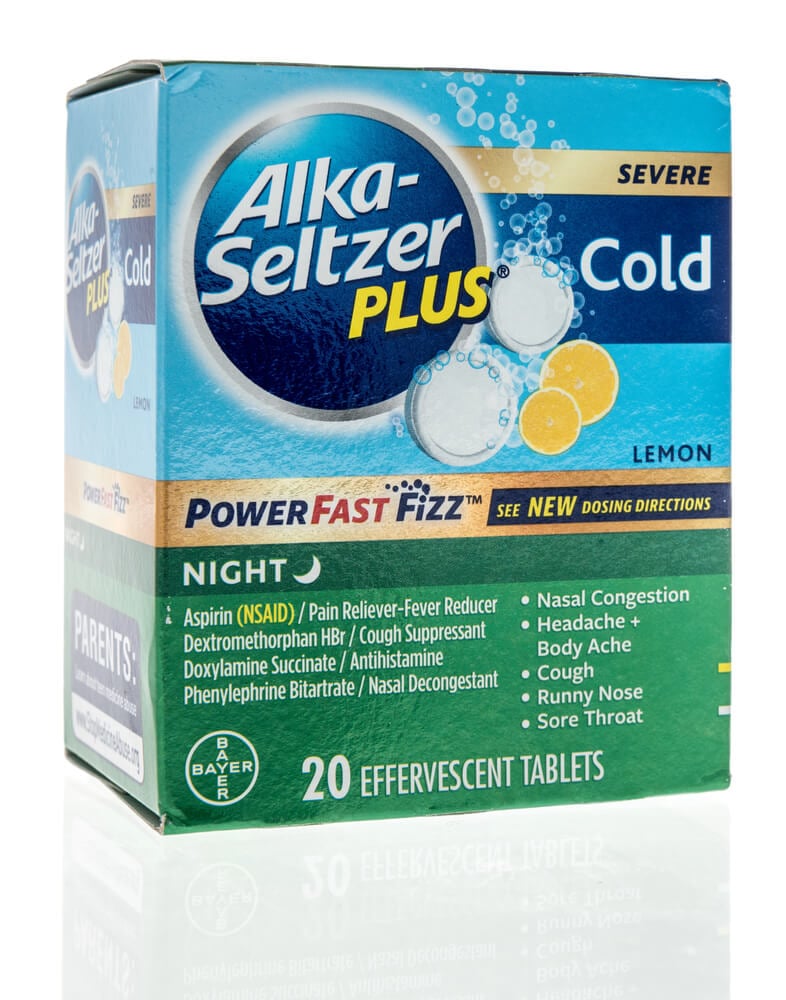
Alka-Seltzer’s jingle describing the sound of its tablets dissolving in water, “plop, plop, fizz, fizz, oh what a relief it is,” ran across commercials for years and became one of the more widely recognized advertising jingles of its era. The rhythmic, sound-based structure made it especially memorable and easy to repeat. It remains frequently cited in discussions of classic American advertising jingles.
The Chuck E. Cheese’s Animatronic Show Promotions
Commercials for the Chuck E. Cheese’s restaurant chain frequently featured its animatronic band performing simple, repetitive songs designed to appeal directly to young children watching at home. The ads promoted the in-restaurant experience as much as any specific menu item, positioning the location as an entertainment destination rather than purely a place to eat. The animatronic performances became a defining feature of the brand’s identity for years.
Simple, Repeated Product Specification Ads
Certain regional and national furniture and product commercials from the 1980s and 1990s relied on simple, repeated phrases describing product specifications in a rhythmic, easily memorized way, a technique advertisers used broadly across categories during the era. This pattern, repeating a specific, oddly specific phrase until it became a catchphrase, was common enough across various campaigns that it represents a recognizable advertising style of the period rather than any single ad. Kids often repeated these phrases as playground jokes without fully understanding the products being described.
The California Raisins
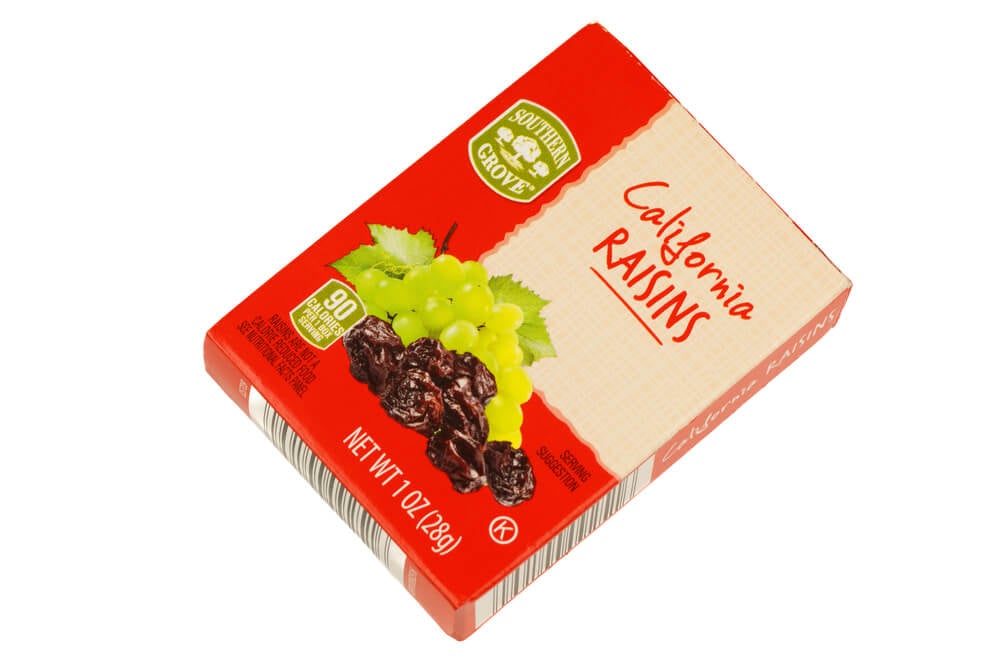
Claymation raisin characters performing a cover of the song “I Heard It Through the Grapevine” appeared in a widely popular advertising campaign for the California Raisin Advisory Board beginning in 1986. The characters became popular enough to spawn their own merchandise line and television specials well beyond the original advertising context. The campaign remains a frequently cited example of claymation’s brief mainstream advertising popularity.
“Got Milk?”
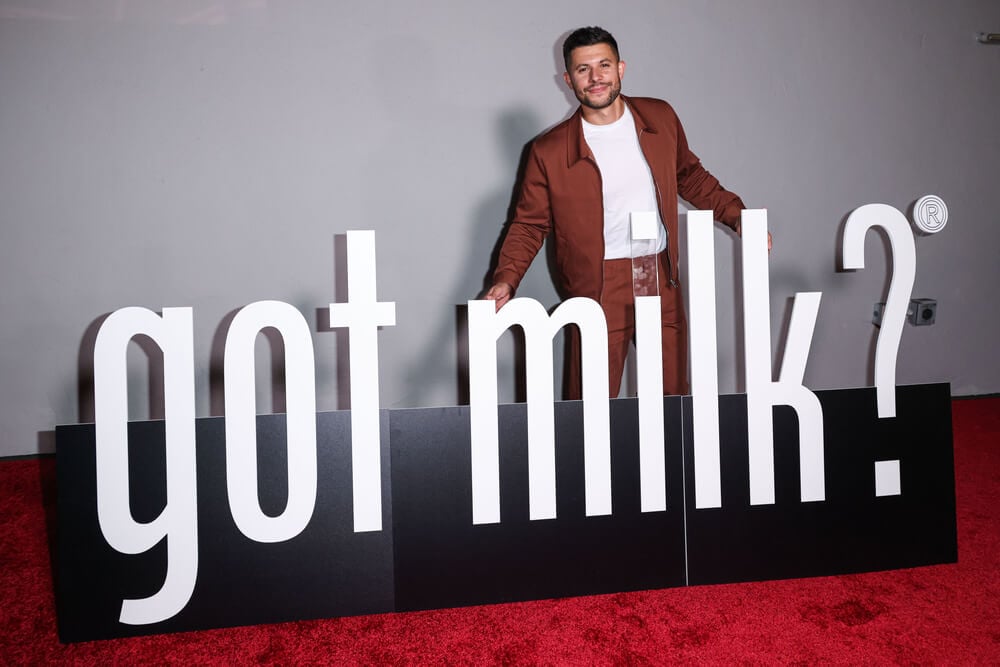
The milk industry’s advertising campaign, launched in 1993, used the simple two-word question across print and television ads, frequently paired with celebrities photographed with a milk mustache. The brevity of the tagline made it extremely easy to remember and parody, and it was widely adapted across countless unrelated contexts for years afterward. The campaign is often cited as one of the most successful generic product advertising efforts in American history.
The “Why Not Both?” Taco Ad Format
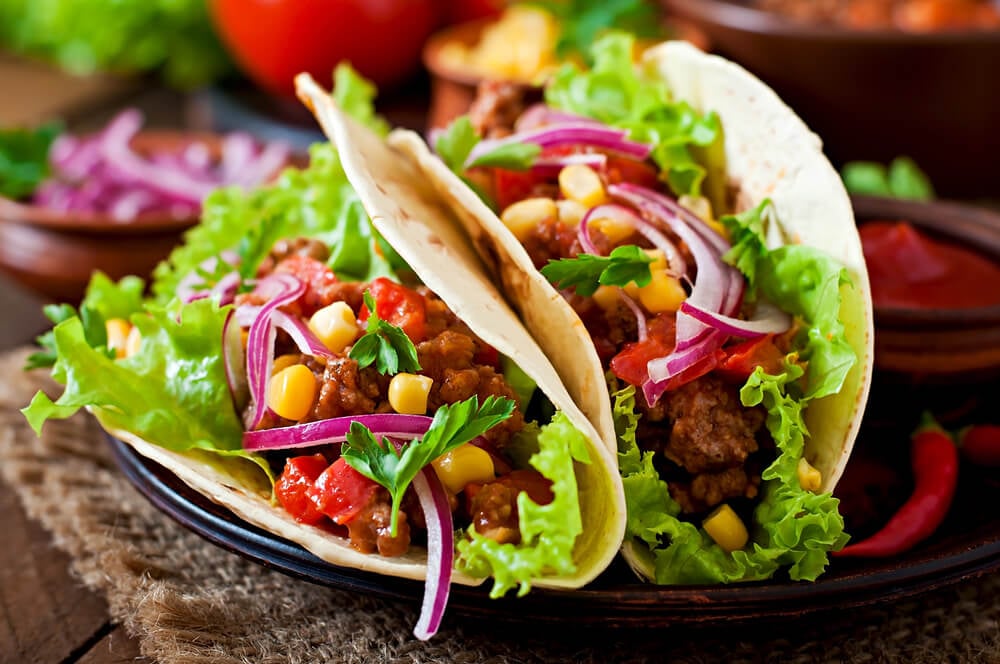
Advertising for taco kit brands frequently featured a structural joke positioning a choice between two food options before resolving the tension with “why not both,” a format that became recognizable to viewers through repetition. Earlier decades of the same general product category relied on similarly simple, repeated structural jokes suited to a young audience. The format’s simplicity made it easy for children to anticipate and repeat.
The Trix “Silly Rabbit” Sequel Ads
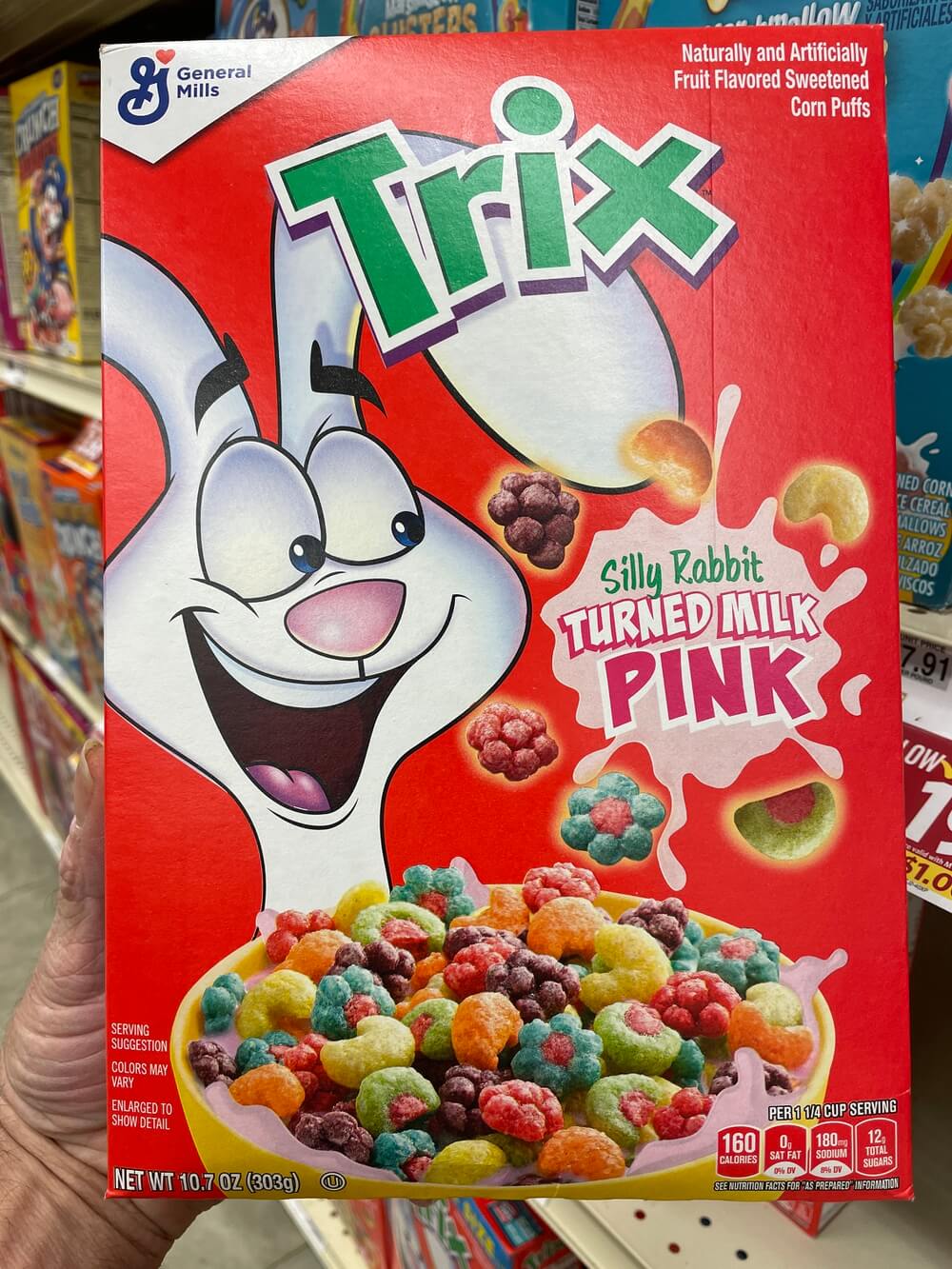
Beyond the primary Trix rabbit campaign, numerous individual commercial variations recycled the same basic joke structure with different specific scenarios across several decades, reinforcing the catchphrase through sheer repetition rather than novelty. The consistency of the format, rather than variation, is largely credited with the phrase’s long-term memorability among children. The campaign remains one of the longest continuously running mascot-based advertising formats in American cereal marketing.
Lucky Charms’ “They’re Magically Delicious”
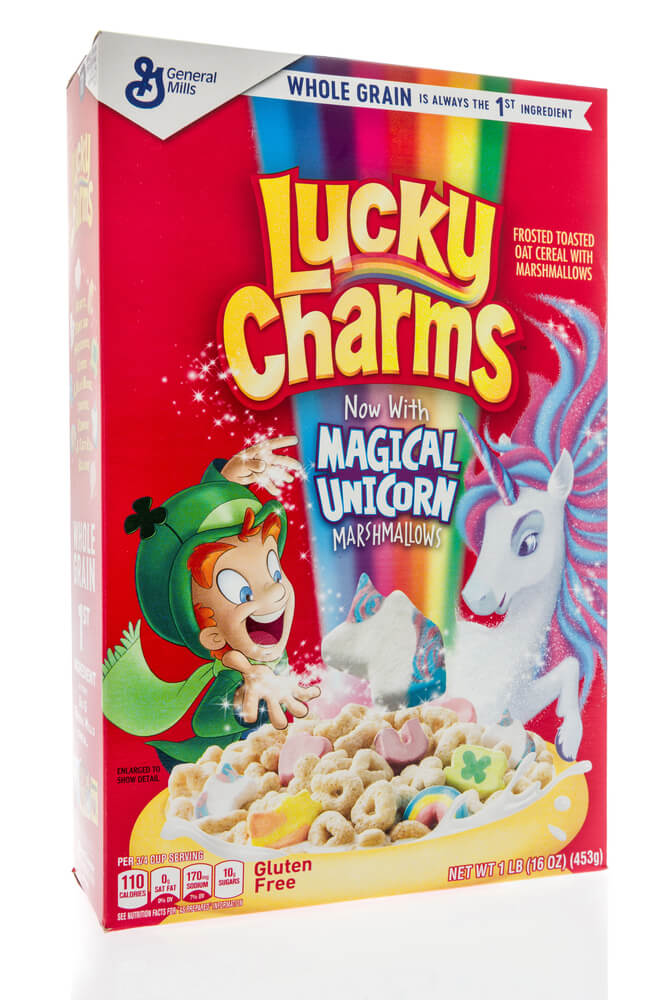
The Lucky Charms leprechaun mascot appeared across decades of commercials promoting the cereal’s marshmallow pieces, consistently closing spots with the tagline describing the cereal as “magically delicious.” The phrase’s rhyme and simple structure made it especially easy for young viewers to repeat after minimal exposure. The mascot and tagline have remained largely consistent across the brand’s advertising history.
The Micro Machines Fast-Talking Ads
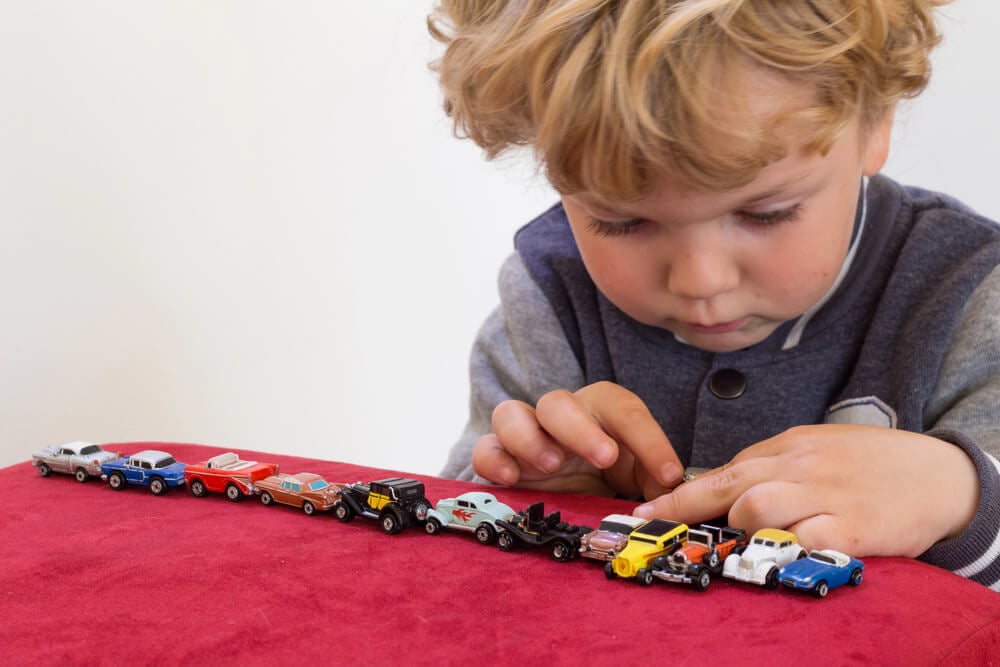
Commercials for the miniature toy vehicle line Micro Machines became known in the late 1980s and early 1990s for an extremely fast-talking announcer packing enormous amounts of product information into a short commercial slot. The rapid-fire delivery style became a novelty in itself, often imitated by kids attempting to replicate the speed and rhythm of the announcer’s voice. The commercials are frequently cited as an example of the “fast talker” advertising trend of the era.
Frosted Flakes’ “They’re Grrreat!”
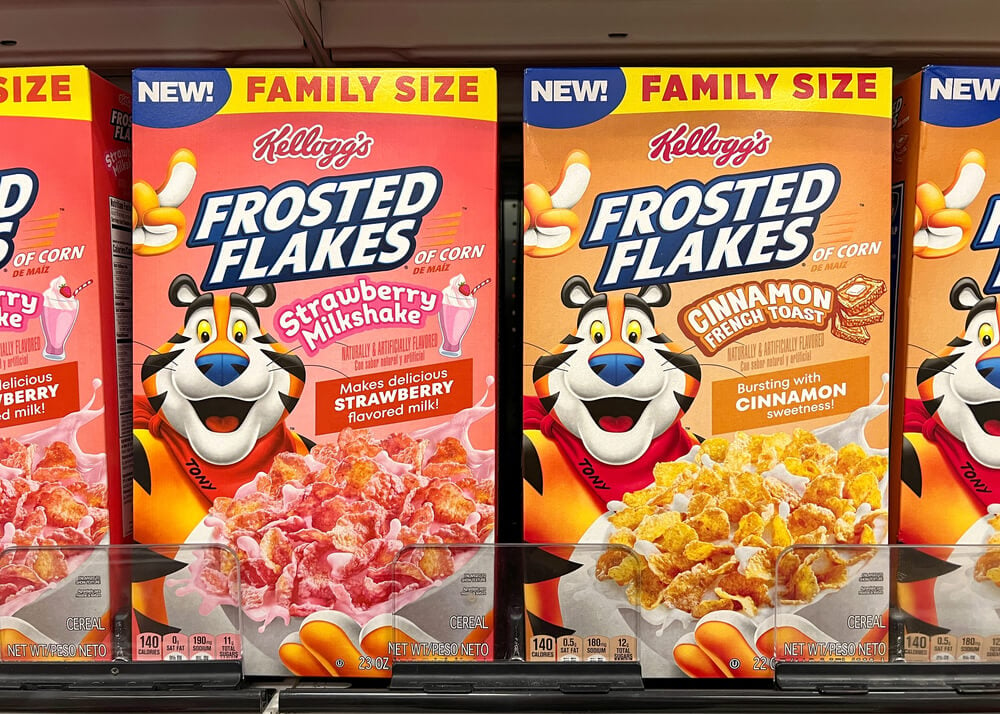
Tony the Tiger, the mascot for Frosted Flakes, became known for his enthusiastic delivery of the tagline “they’re grrreat,” rolling the R in a way that became instantly recognizable and widely imitated by children. The character has remained largely consistent in design and voice across decades of continuous advertising. The tagline is frequently cited as one of the most widely recognized in American cereal advertising.
The Chia Pet “Ch-ch-ch-chia” Jingle
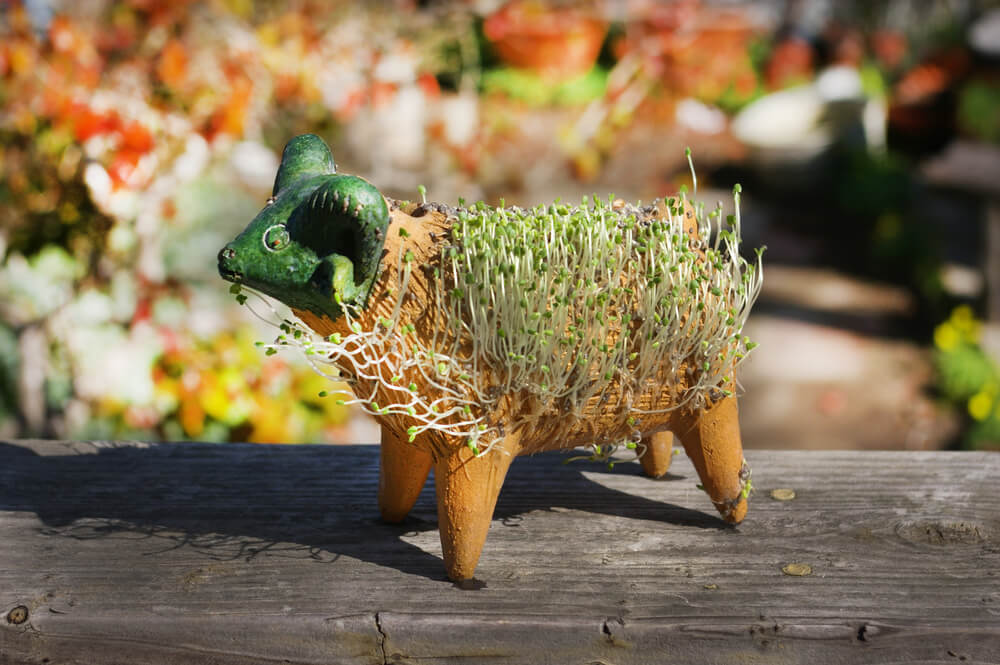
Commercials for Chia Pet planters, novelty pottery designed to sprout chia seed sprouts resembling hair or fur, featured a distinctive sung jingle repeating “ch-ch-ch-chia” that became closely associated with the product for decades. The ads ran heavily around the winter holiday season, reinforcing the jingle’s association with gift-giving specifically. The product and its accompanying jingle have remained in continuous, if smaller-scale, production and advertising for decades.
The Oscar Mayer Wiener Jingle
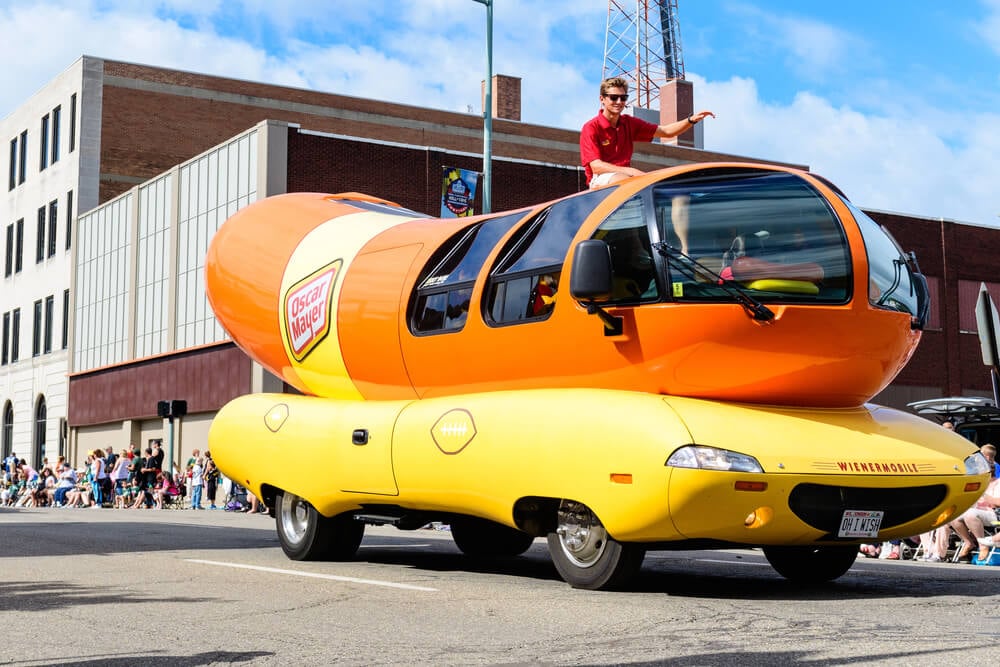
The Oscar Mayer commercial jingle, built around the line “I wish I were an Oscar Mayer wiener,” ran across television campaigns for decades and became one of the more widely recognized advertising jingles in American food marketing history. Its singsong, simple melody made it especially easy for children to memorize after limited exposure. Variations of the campaign, including a branded vehicle touring the country, extended the jingle’s cultural reach beyond television alone.
The Trident Gum “Four Out of Five Dentists” Claim
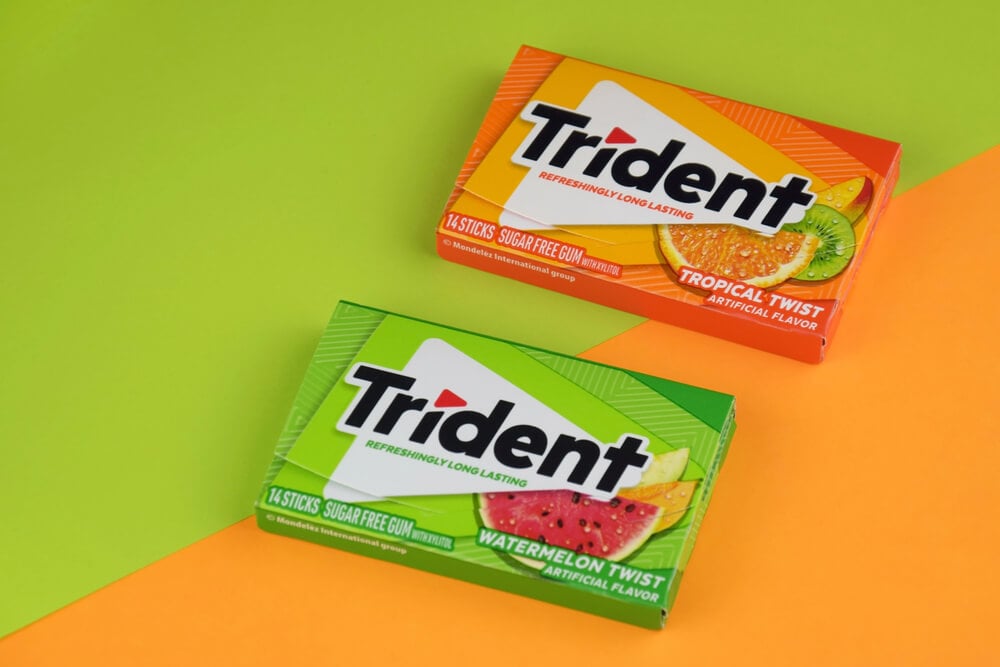
Trident’s advertising campaign built around a statistic claiming four out of five dentists surveyed recommended sugarless gum for their patients who chew gum became one of the most widely referenced statistical claims in American advertising history. The specific phrasing became a recognizable cultural reference point, frequently parodied and referenced well beyond the original advertising context. The claim’s exact framing has been the subject of some public skepticism over the decades regarding how such survey questions are typically worded.
The Meow Mix “Meow Meow Meow” Jingle
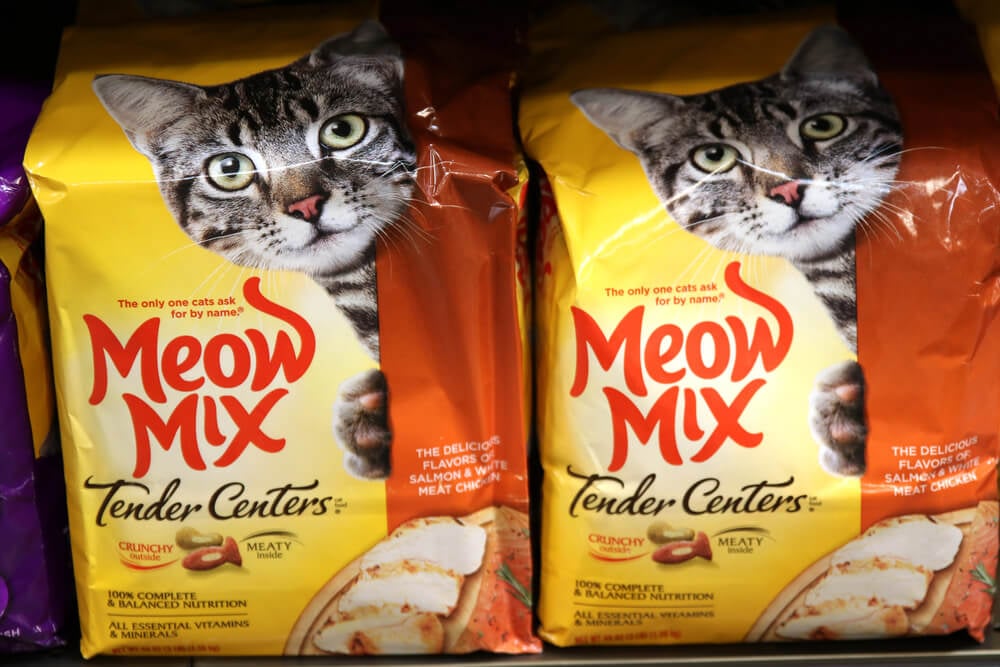
A commercial for Meow Mix cat food built its entire jingle around a cat appearing to sing the word “meow” repeatedly in place of conventional lyrics, a novelty format that became highly memorable specifically because of its simplicity. The ad ran across many years of the brand’s advertising history in various updated forms. It remains a frequently cited example of an unconventional advertising jingle format.
The Big Red Gum “Kiss a Little Longer” Campaign
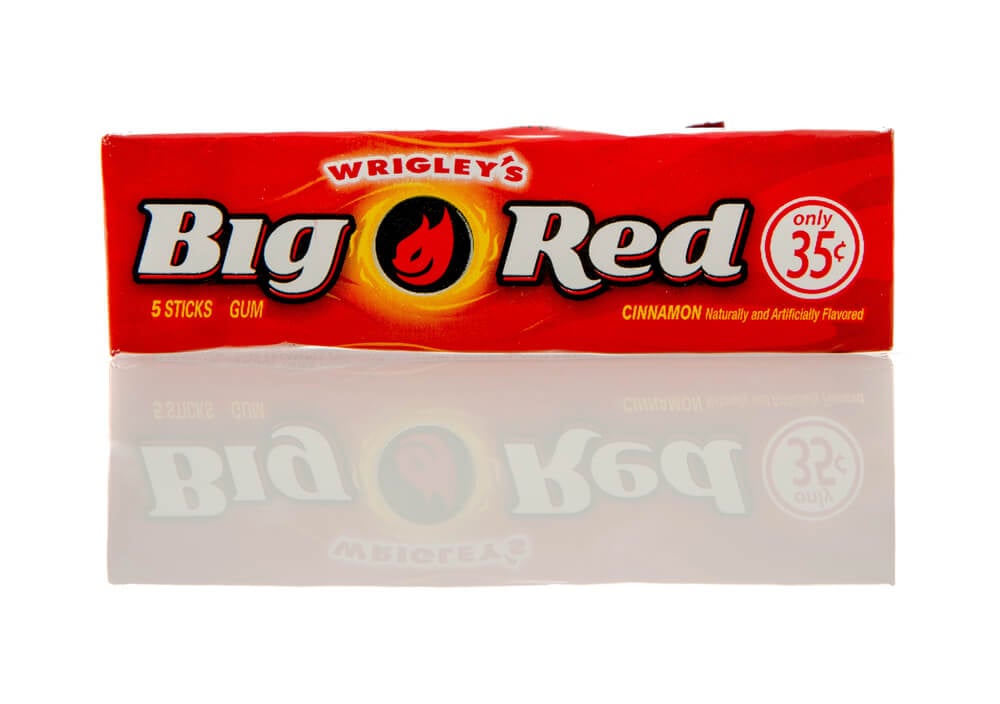
Wrigley’s Big Red cinnamon gum ran a long-standing advertising campaign built around the tagline suggesting the gum’s flavor could help a kiss last a little longer, paired with a distinctive jingle. The campaign’s simple, repeated musical hook made it memorable across the years it aired. It remains one of the more recognizable gum advertising campaigns from American television history.
The Life Cereal “Mikey Likes It” Ad
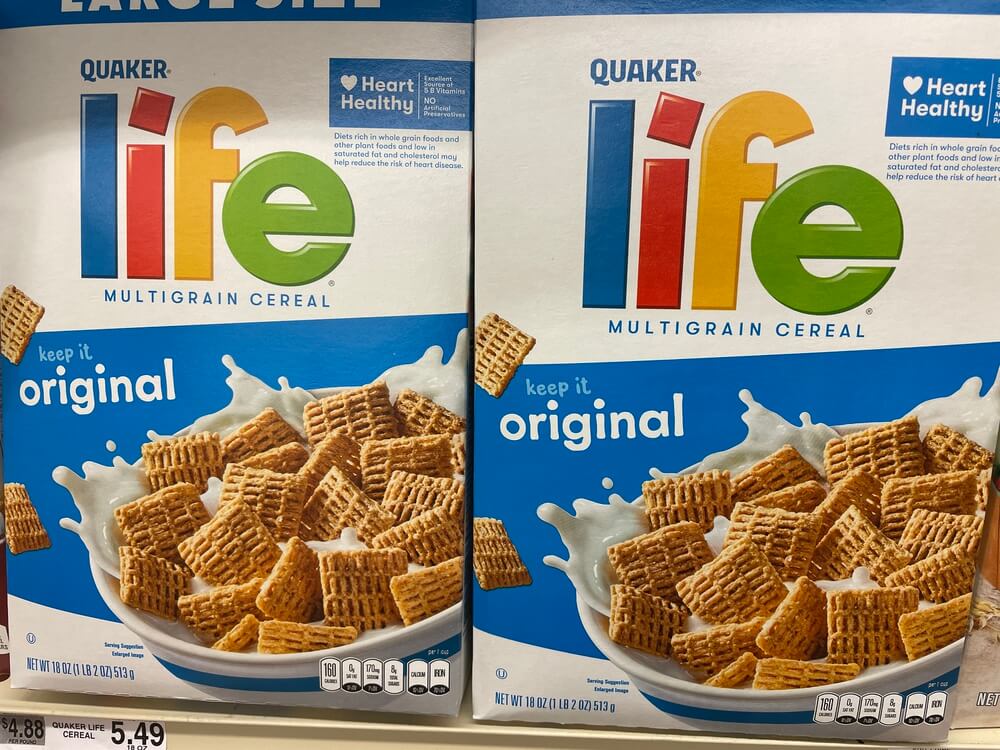
A 1972 commercial for Life cereal featured two older brothers convincing their younger brother Mikey, known among them as a notoriously picky eater, to try the cereal, with the surprised discovery that he liked it becoming the ad’s memorable payoff line, “he likes it, hey Mikey.” The commercial ran in various forms for over a decade due to its popularity. It remains frequently cited as one of the most successful and long-running food commercials of its era.
The Band-Aid “Stuck on Me” Jingle

Band-Aid’s advertising jingle, built around children singing that they are “stuck on Band-Aid brand” because the product is “stuck on me,” ran across television commercials for years and became one of the more recognized jingles in American healthcare product advertising. Its simple, repetitive structure made it especially suited to a young audience. Variations of the jingle continued to appear in updated commercial campaigns for the brand over subsequent decades.
The Folgers “Best Part of Waking Up” Jingle
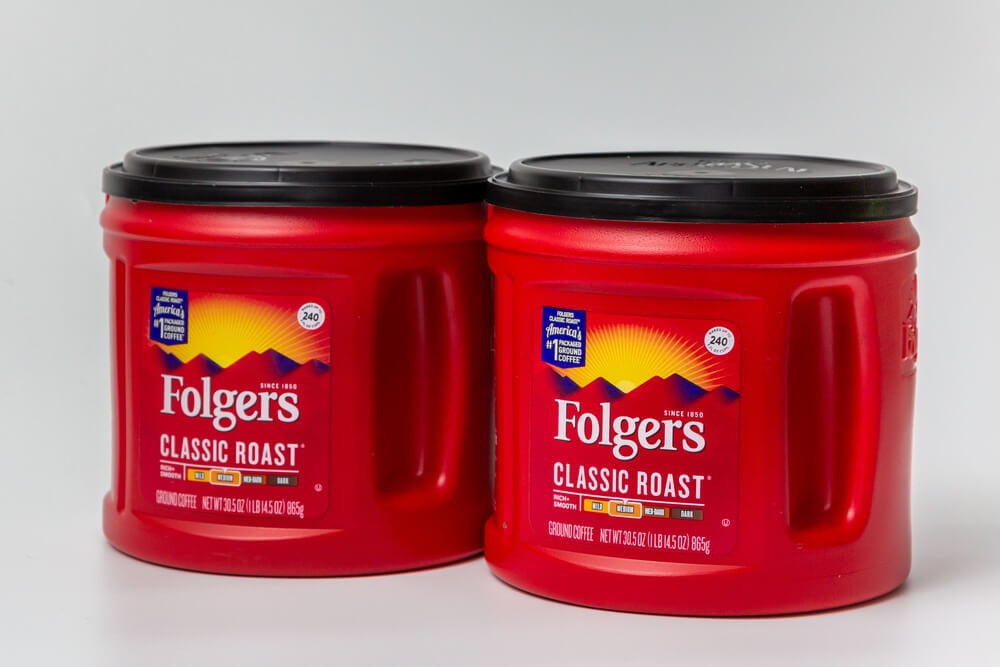
Folgers coffee’s long-running jingle, describing the smell of the coffee as “the best part of waking up,” ran across decades of television commercials, frequently depicting family scenes centered around a returning family member and a fresh pot of coffee. The consistency of the jingle across so many years of varied commercial scenarios helped cement it in wide public memory. It remains one of the most recognized coffee advertising campaigns in American television history.
The M&M’s Talking Candy Characters
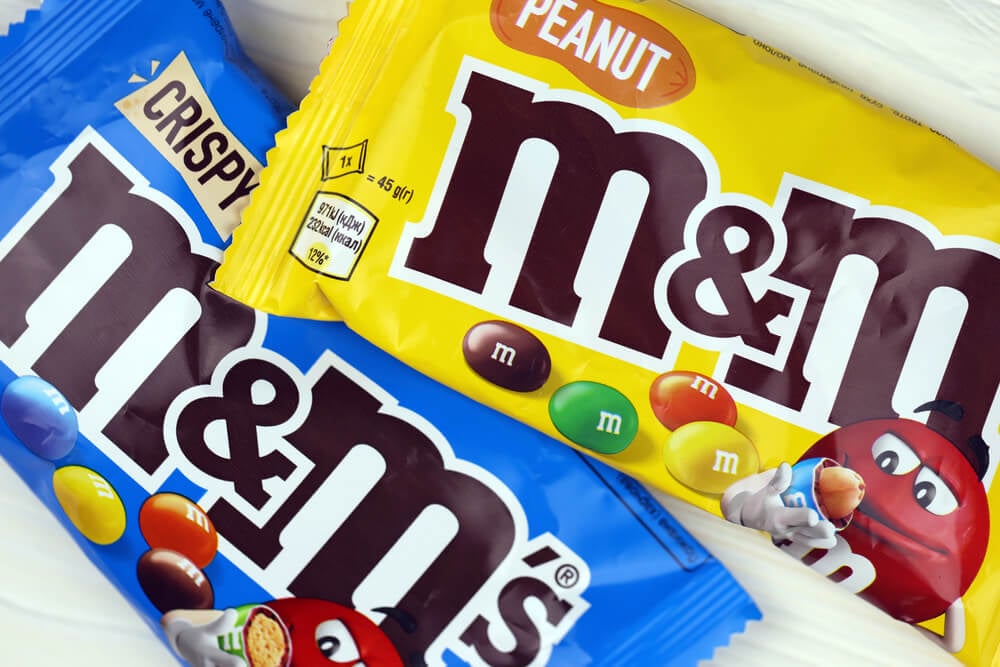
Advertising for M&M’s candy introduced anthropomorphic, talking versions of the candy itself beginning in the 1990s, each character given a distinct personality and voice across an extended, ongoing ad campaign. The characters’ consistent personalities across many individual commercials helped build long-term audience familiarity beyond any single ad. The characters remain in active use in the brand’s advertising decades after their introduction.
The Sea-Monkeys Comic Book Ads
Though not a television commercial, Sea-Monkeys advertisements ran heavily in children’s comic books for decades, promising an entire family of smiling, humanoid aquatic creatures that would hatch from a simple packet of eggs added to water. The illustrated advertisements became iconic in their own right, frequently referenced and parodied well beyond the actual product’s more modest reality. The mail-away product remains available today, still marketed with imagery closely resembling the original decades-old ads.
Repetition as Design
None of these ads succeeded by accident. Each relied on a deliberate structure, rhyme, rhythm, a simple hook, repeated relentlessly until it became involuntary memory rather than active recall. Advertisers understood, decades before anyone had language for it, that children are uniquely efficient at absorbing repeated patterns.
What remains striking is how durable that absorption turned out to be. Decades later, adults who cannot remember what they had for lunch yesterday can still recite an entire cereal jingle from 1986 without missing a beat.
More from Go2Tutors!

- The Romanov Crown Jewels and Their Tragic Fate
- 13 Historical Mysteries That Science Still Can’t Solve
- Famous Hoaxes That Fooled the World for Years
- 15 Child Stars with Tragic Adult Lives
- 16 Famous Jewelry Pieces in History
Like Go2Tutors’s content? Follow us on MSN.



