16 Burial Rituals That Shocked Early Explorers
European explorers during the Age of Discovery expected to find exotic spices, precious metals, maybe some unfamiliar wildlife. What did they bargain for? Burial customs so radically different from their Christian traditions that many returned home with accounts resembling horror stories rather than travel journals.
These weren’t mere cultural differences—they represented practices that fundamentally challenged everything Europeans believed about death, dignity, and what happens after we die. Picture widows leaping onto burning funeral pyres or entire communities celebrating with decomposing relatives. The burial rituals early missionaries and traders encountered often left them speechless, horrified, or frantically documenting warnings for future visitors.
Here’s a compilation of 16 burial rituals that completely stunned early explorers while forever altering their understanding of how different cultures honor their deceased.
Sky Burial Practices

Tibetan sky burial ranks among the most shocking death rituals early Himalayan explorers encountered. Bodies were methodically dismembered—then left on mountaintops for vultures and scavengers to consume entirely.
European missionaries witnessing these ceremonies felt horrified watching what they considered sacred human remains treated as animal feed. They couldn’t grasp that Buddhists viewed this as ultimate compassion: giving life to other creatures after death.
Sati Widow Burning

European traders arriving in India first encountered sati—the practice where widows threw themselves onto their husband’s burning funeral pyre. Early explorers documented detailed accounts of women approaching the flames, sometimes willingly, often by force.
This ritual disturbed European sensibilities so profoundly that missionary reports focused extensively on preventing these ceremonies, though usually without success.
Like Go2Tutors’s content? Follow us on MSN.
Viking Funeral Ships
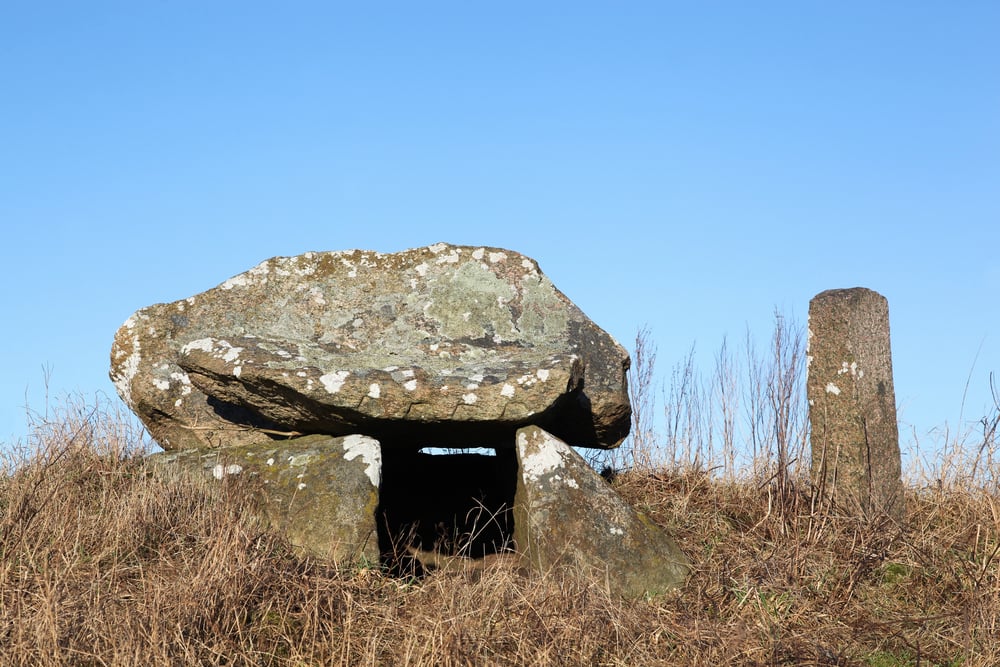
Scandinavian burial customs left early Christian missionaries completely baffled when they witnessed elaborate funeral ships being set ablaze—then pushed out to sea. The sight of burning vessels carrying dead warriors plus all their possessions floating away struck many observers as magnificent yet deeply pagan.
These floating crematoriums represented everything early Christian authorities were trying to eliminate from European culture.
Hanging Coffins of China
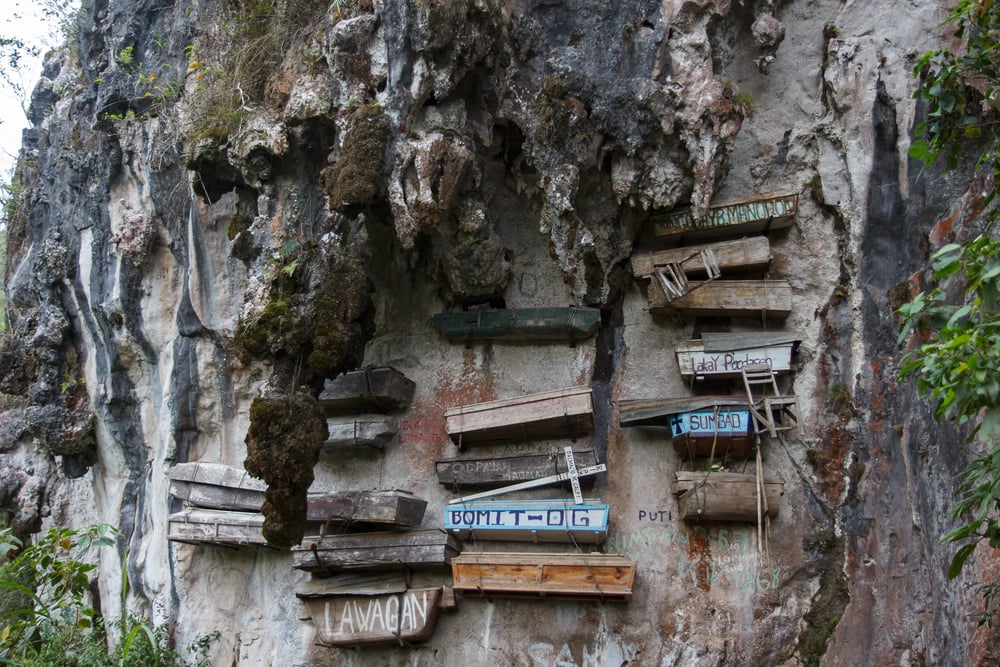
European explorers traveling through southwestern China were stunned, discovering entire cliffs dotted with wooden coffins suspended hundreds of feet above ground. The Bo people had somehow managed placing these burial boxes in seemingly impossible locations on sheer rock faces.
Early visitors couldn’t determine how the coffins arrived there—or why anyone would choose such precarious resting places, leading to wild speculation about ancient engineering capabilities.
Dancing with the Dead

In Madagascar, early missionaries were shocked to witness families periodically digging up deceased relatives, dressing them in fresh clothing—then dancing with the corpses around villages before reburying them. This Famadihana ceremony struck European observers as deeply disturbing since their culture demanded the dead remain undisturbed once buried.
Seeing people laugh while celebrating with decomposing bodies challenged every European notion of proper respect for the deceased.
Like Go2Tutors’s content? Follow us on MSN.
Human Sacrifice Burials
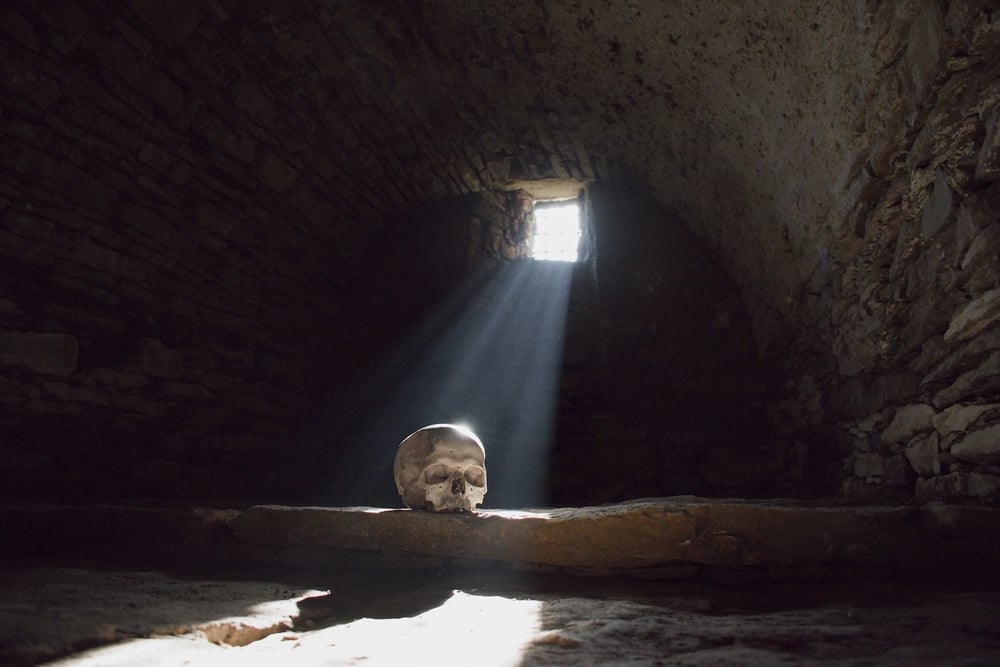
Spanish conquistadors in the Americas frequently encountered burial sites where servants, wives—sometimes hundreds of people—had been killed to accompany important leaders into the afterlife. Archaeological evidence from sites like Cahokia revealed mass graves containing children sacrificed during burial ceremonies.
These discoveries horrified European explorers, who documented such practices as evidence of the barbarism they believed they were encountering in the New World.
Mummification Rituals
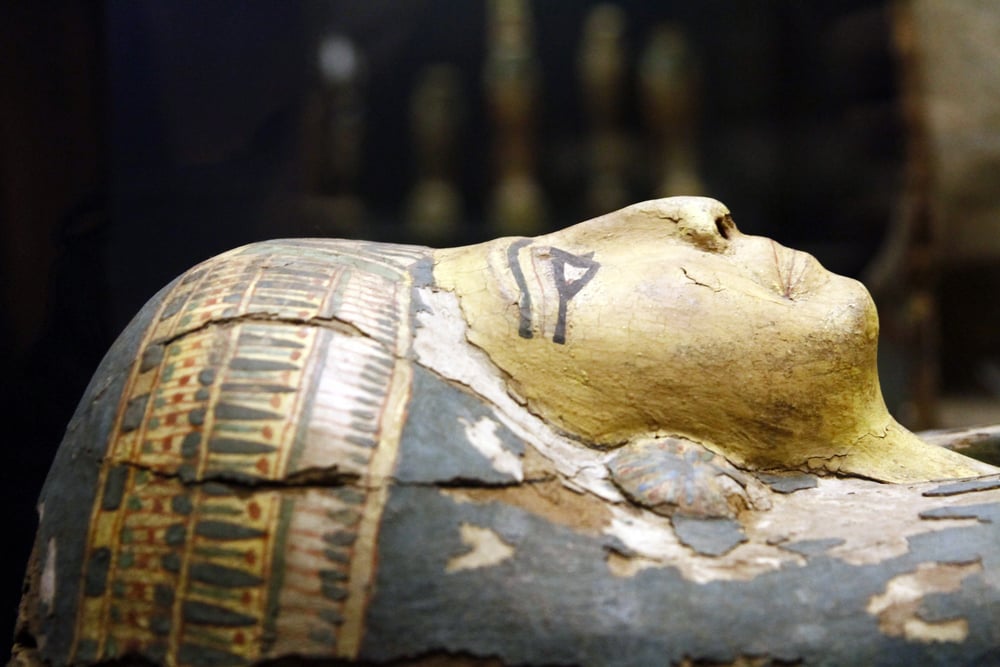
While Egyptian mummification fascinated some early explorers, the detailed process often disgusted those witnessing it firsthand. European visitors described watching embalmers remove brains through nostrils with iron hooks—completely emptying body cavities before stuffing them with aromatic substances.
The 70-day preservation process struck many observers as both ingenious yet deeply unsettling, especially learning that different social classes received varying mummification levels based on affordability.
Cannibalistic Funeral Rites
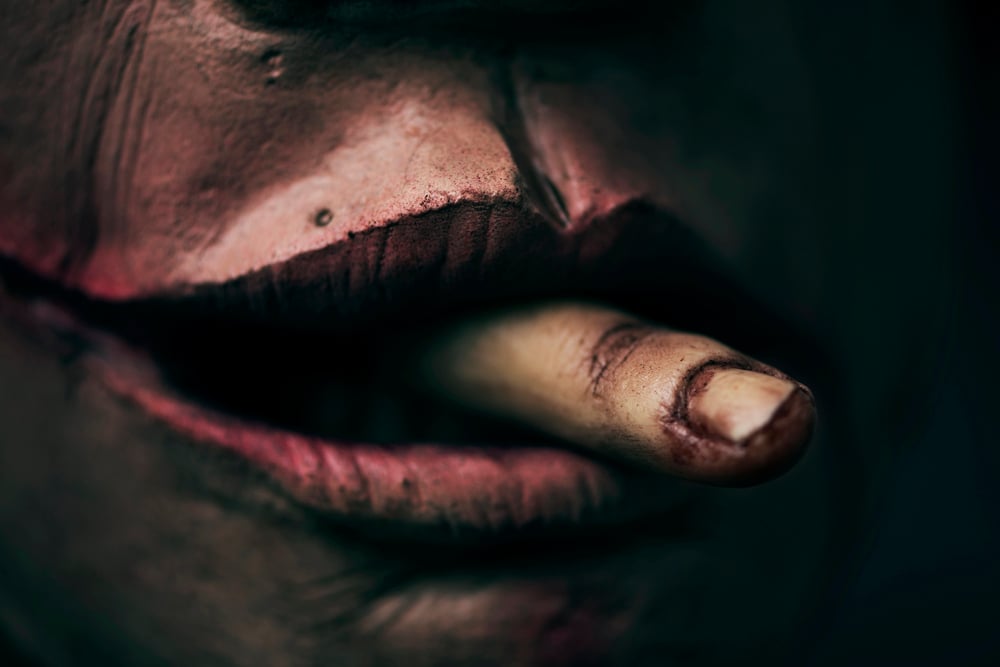
Some Pacific Island cultures practiced endocannibalism—family members consuming small portions of deceased relatives during burial ceremonies. Early European explorers witnessing these rituals were horrified by what they perceived as the ultimate desecration of human remains.
These practices shocked European sensibilities so thoroughly that many explorer accounts focused more on cannibalistic aspects than the deep spiritual significance these rituals held for practicing communities.
Like Go2Tutors’s content? Follow us on MSN.
Tree and Scaffold Burials
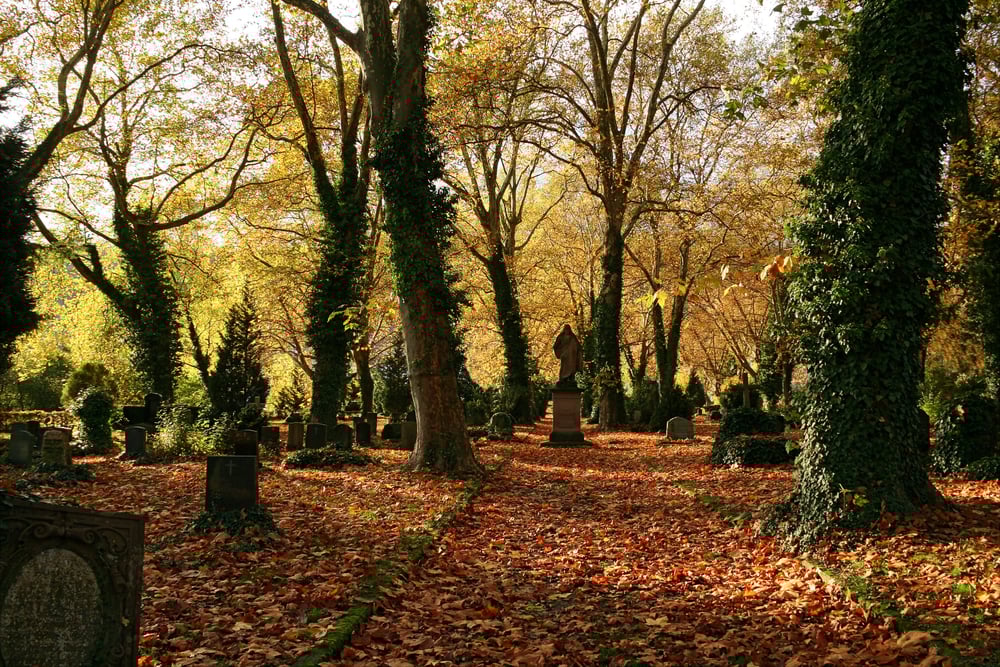
Plains Indians plus Pacific Northwest tribes commonly placed their dead on elevated platforms, in trees—or on wooden scaffolds rather than burying underground. Early European fur traders encountered these above-ground burial practices with deep disturbance, especially discovering entire forests filled with bodies wrapped in animal skins, left decomposing in open air.
Human remains exposed to elements violated European concepts of proper burial dignity.
Infant Jar Burials

Early explorers across various world regions encountered cultures burying infants—small children in large ceramic pots rather than graves. These jar burials struck European observers as particularly tragic, undignified—not understanding the symbolic significance of pots as protective wombs for rebirth.
Missionaries often wrote extensively about these practices as examples of heathen customs needing replacement with proper Christian burial traditions.
Seated Burial Customs

In parts of the Philippines, early Spanish missionaries were stunned, discovering communities that buried their dead sitting upright in chairs, sometimes with lit items placed in their mouths. The Tinguian people would dress corpses in finest clothing while positioning them as if still participating in daily life.
European observers found these lifelike burial positions deeply unsettling, since their traditions demanded the dead lie flat in peaceful repose rather than appearing frozen mid-activity.
Like Go2Tutors’s content? Follow us on MSN.
Corpse Exposure Rituals
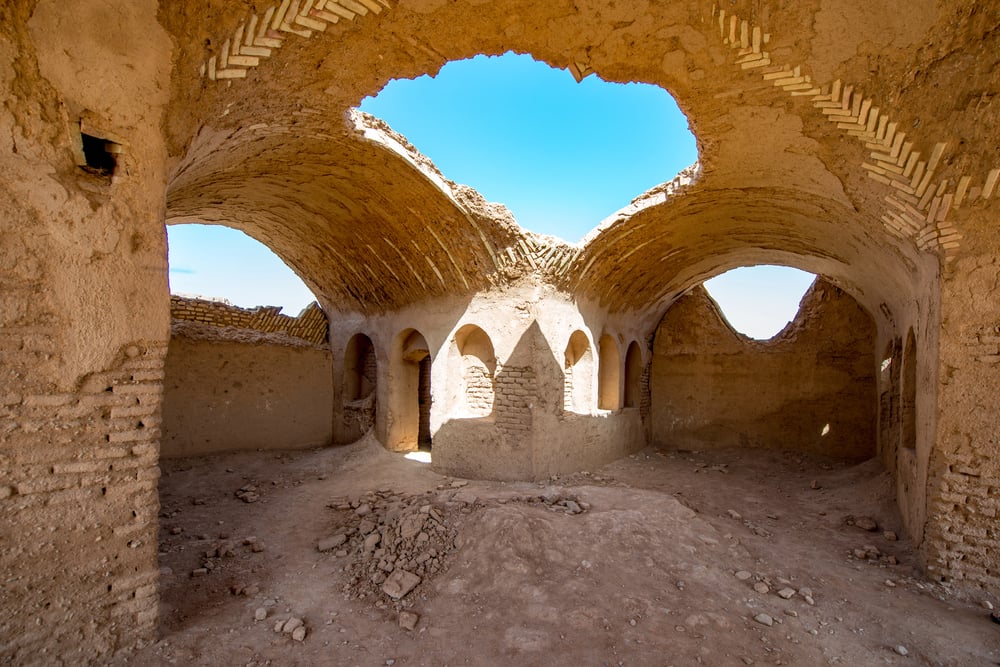
Zoroastrian communities practiced corpse exposure, where bodies were stripped and placed on high towers for dogs and vultures to clean bones completely before final burial. Early European traders encountering these practices were horrified by human remains being devoured by animals in broad daylight.
The systematic nature of these exposure rituals, combined with beliefs that burying bodies would contaminate earth for decades, struck Europeans as both barbaric and environmentally extreme.
Mass Burial Ceremonies
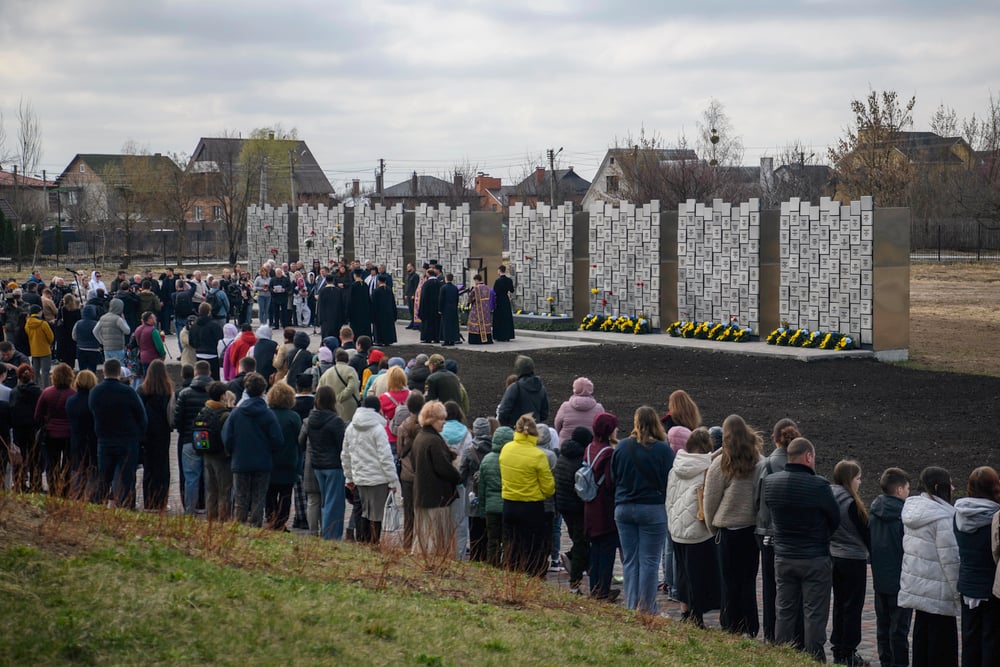
Various cultures practiced mass burials where dozens or even hundreds of people would be interred together during single elaborate ceremonies. Early explorers encountering these burial sites were shocked by the scale of death involved, often assuming they’d discovered evidence of warfare or plague rather than ritual practice.
These mass burial customs challenged European understanding of individual dignity in death and proper memorial practices.
Dismemberment Burial Rites
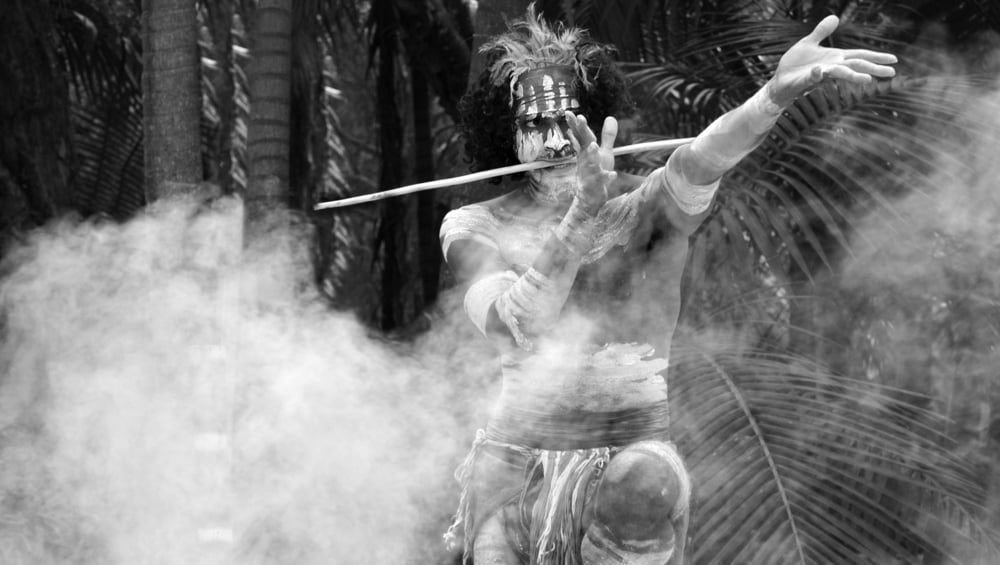
Some cultures systematically dismembered bodies as part of burial preparation, separating different body parts for various ceremonial purposes. Early European explorers witnessing these practices were horrified by what they perceived as mutilation of human remains.
The careful, ritualistic nature of these dismemberment ceremonies struck observers as evidence of barbarism rather than the deeply spiritual practices they actually represented within those cultures.
Like Go2Tutors’s content? Follow us on MSN.
Secondary Burial Practices

Many cultures practiced secondary burial, where bodies were first buried or exposed until only bones remained, then the bones were cleaned, decorated, and reburied in elaborate ceremonies. Early European explorers encountering these practices were shocked to witness communities digging up graves, carefully cleaning skeletal remains, and treating bones as sacred objects worthy of celebration.
These bone-handling rituals violated European taboos about disturbing the dead and struck observers as deeply macabre, even though they represented profound respect for ancestors in the cultures practicing them.
Bone Worship Customs
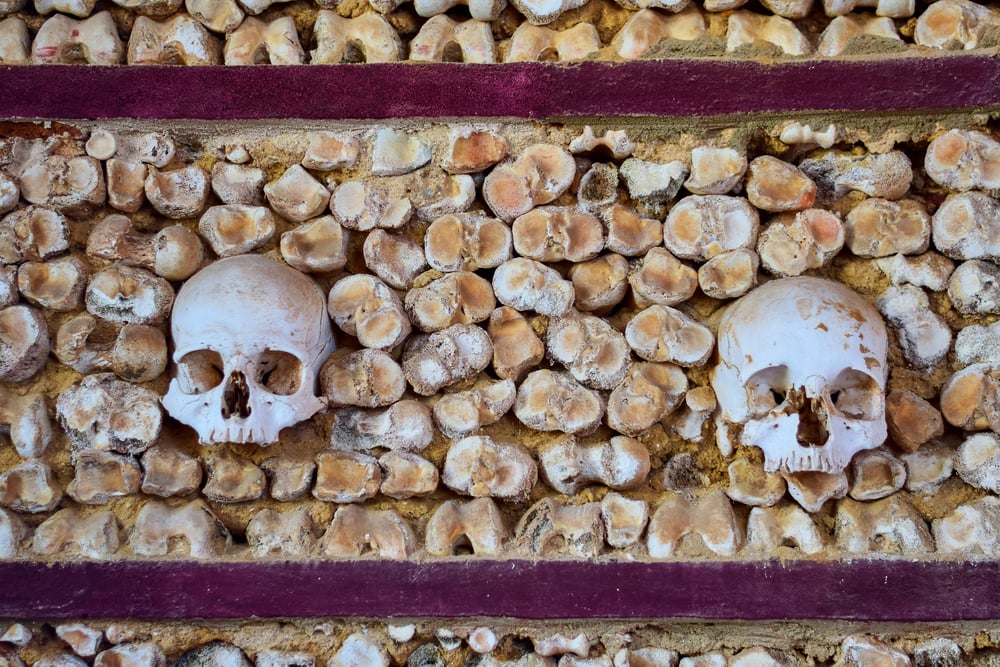
Many cultures incorporated bones of deceased relatives into ongoing worship practices, keeping skulls and other remains as active parts of daily religious life. Early European missionaries were horrified, discovering communities using human skulls as ceremonial vessels and incorporating bones into household religious practices.
These customs struck Europeans as deeply macabre and represented everything they were trying to eliminate through Christian conversion efforts.
Cultural Collision and Understanding
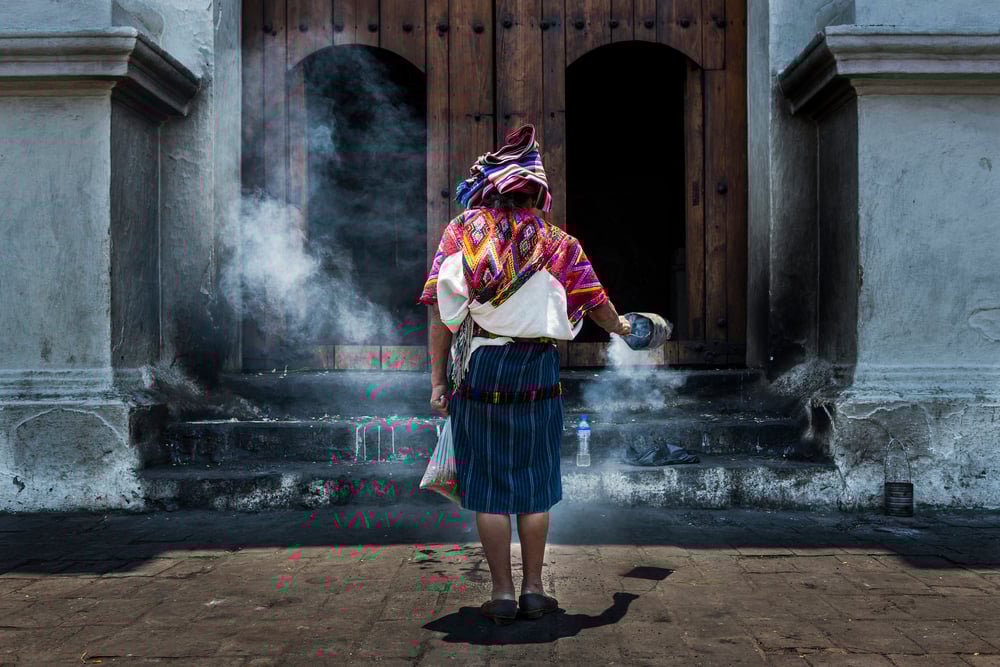
These shocking encounters with foreign burial customs shaped European attitudes toward exploration and colonization for centuries to come. What explorers initially dismissed as barbaric practices often represented sophisticated spiritual beliefs and social structures that had developed over thousands of years.
While early explorers were genuinely shocked by these rituals, their horror often reflected their own cultural limitations rather than any inherent problems with the practices themselves, revealing as much about European prejudices as about the fascinating diversity of human approaches to death and remembrance.
More from Go2Tutors!

- 16 Historical Figures Who Were Nothing Like You Think
- 12 Things Sold in the 80s That Are Now Illegal
- 15 VHS Tapes That Could Be Worth Thousands
- 17 Historical “What Ifs” That Would Have Changed Everything
- 18 TV Shows That Vanished Without a Finale
Like Go2Tutors’s content? Follow us on MSN.