31 Vintage Board Games Dealers Buy the Moment They Appear
Most board games from a basement or attic clean-out are worth exactly what they look like: a battered box of mismatched pieces nobody wants. A specific handful, though, get snapped up by dealers on sight, sometimes before the box is even fully opened, because they know exactly what a first edition or an early printing of that particular title is worth to the right buyer.
Original Dungeons & Dragons
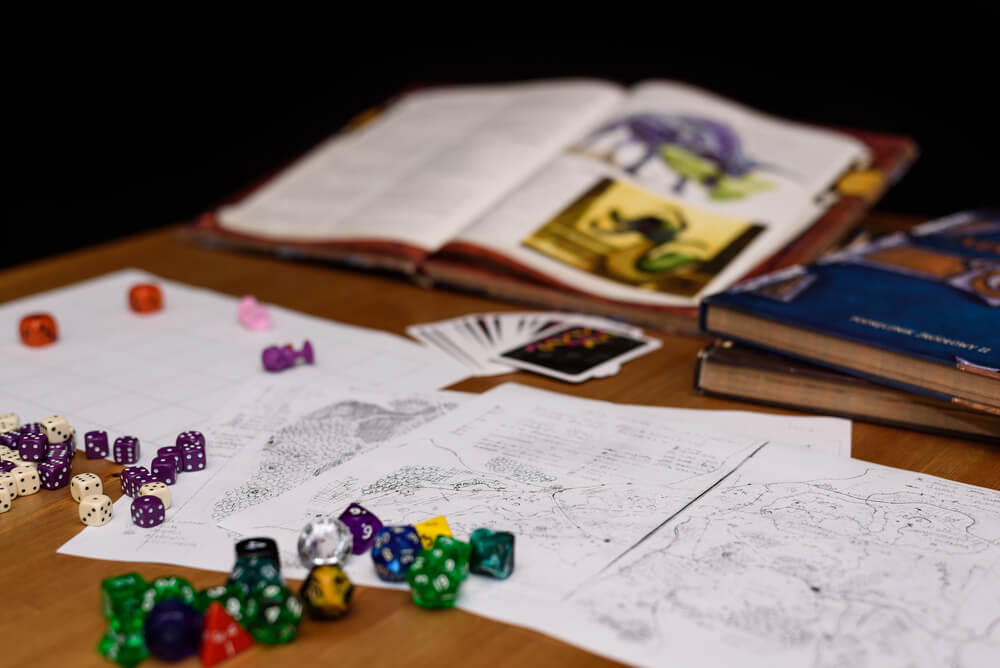
The 1974 “white box” edition of Dungeons & Dragons, hand-assembled in small quantities by TSR founders Gary Gygax and Dave Arneson, is treated as the founding artifact of the entire tabletop roleplaying hobby. Complete sets with all original booklets and dice intact are exceedingly rare, since the game was played hard by the small community that first bought it.
Early Parker Brothers Monopoly
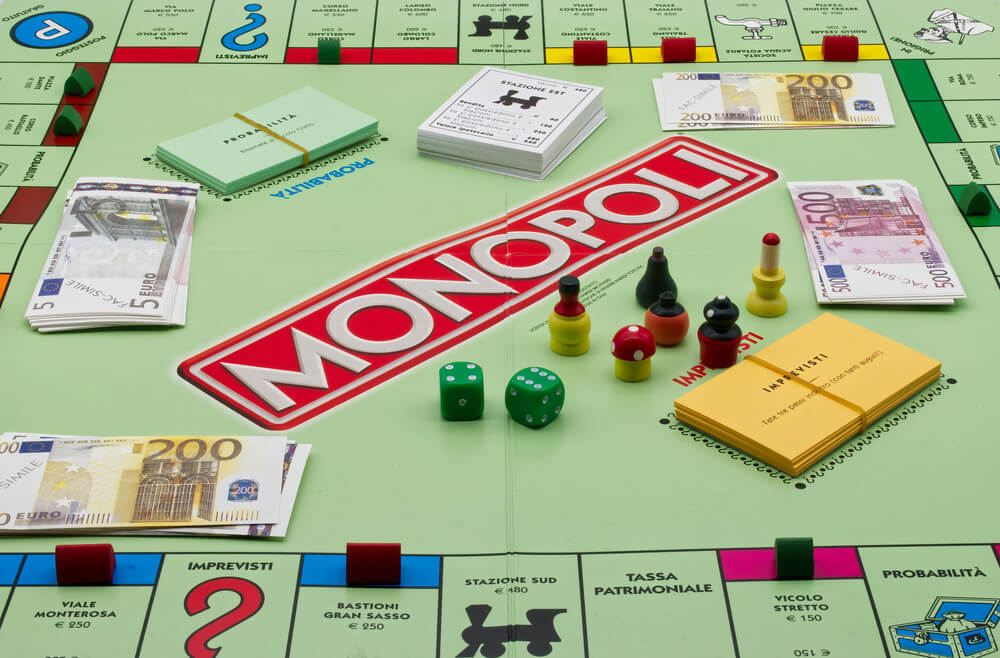
Monopoly’s earliest Parker Brothers editions, printed shortly after the company acquired the rights in the mid-1930s, differ in box art and component design from the countless later reissues that followed. Dealers look specifically for those early production details rather than the game’s later, far more common printings.
The Game of Life Centennial Edition
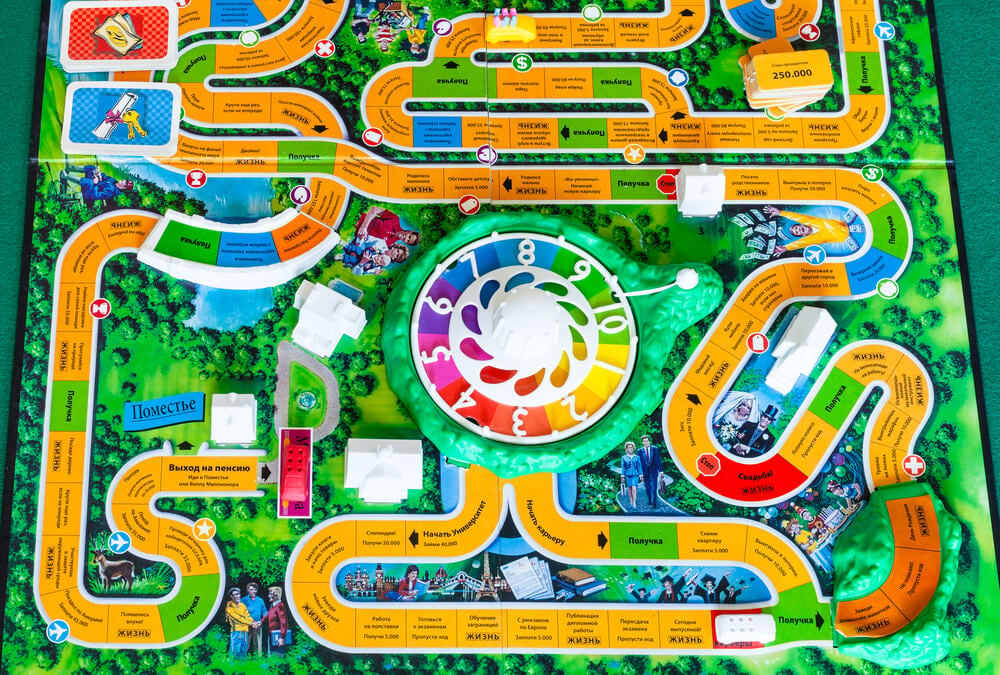
Milton Bradley released a special centennial edition of The Game of Life in 1960, marking a hundred years since the company’s founding with packaging and components distinct from the game’s standard commercial run. That specific anniversary printing draws more dealer interest than the game’s otherwise plentiful later editions.
Original Waddingtons Cluedo
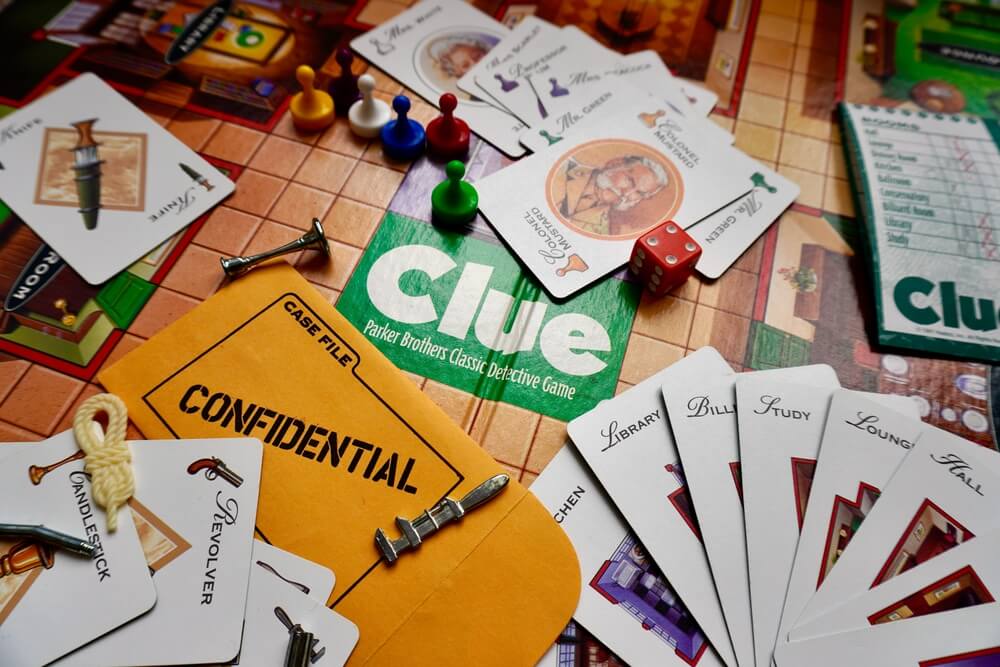
Cluedo was first published in the United Kingdom by Waddingtons in 1949, under a title later Americanized to Clue for its US release by Parker Brothers. Early Waddingtons boxes, with their original character and weapon artwork, are specifically what dealers look for over the far more common American editions.
First Edition Risk
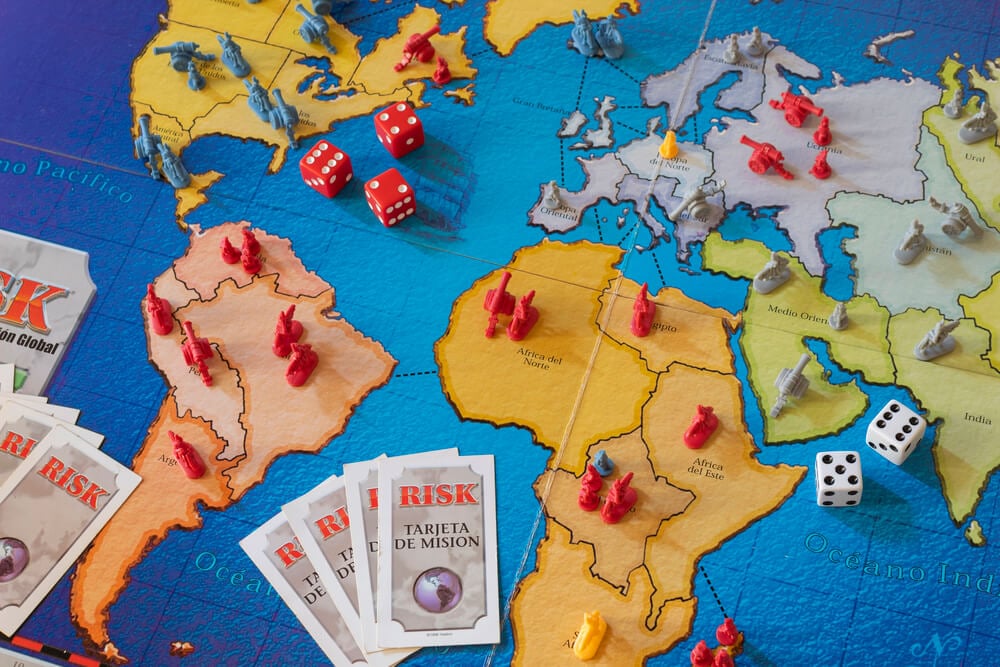
Parker Brothers published Risk in the United States in 1959, adapting it from a French game, and the earliest editions carry box art and component details that differ noticeably from the game’s many later reprintings. Dealers who specialize in strategy games treat a clean first edition as a meaningfully different item from the countless Risk variants that followed.
First Edition Candy Land
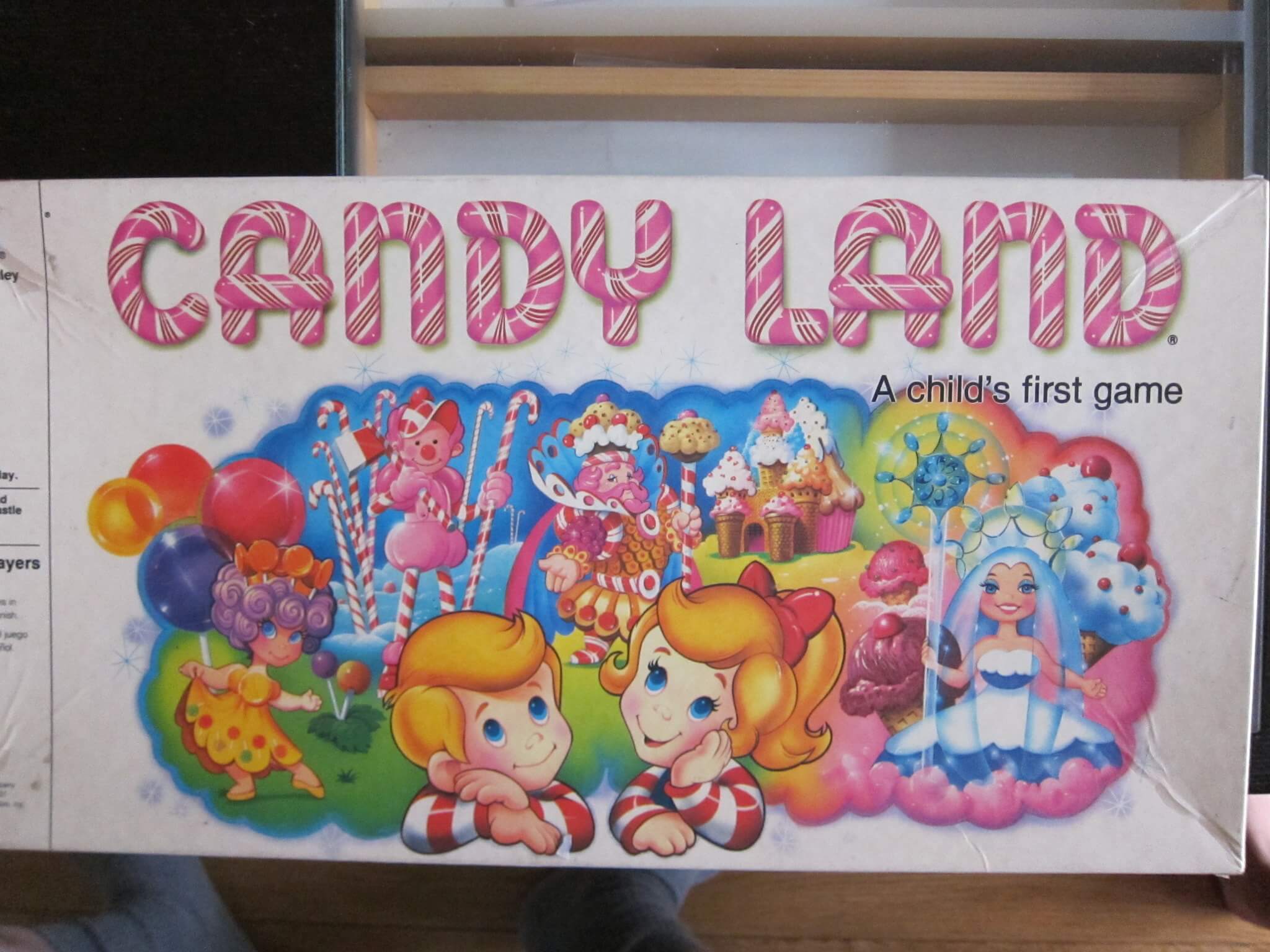
Candy Land’s original 1949 release predates decades of licensed tie-in editions and redesigns, and its earliest printing carries illustration and box details that collectors of vintage children’s games specifically seek out. Its designer created the game while recovering from polio, working with hospitalized children in mind, a detail that adds to the game’s significance among collectors of early educational games.
Early Selchow and Righter Scrabble
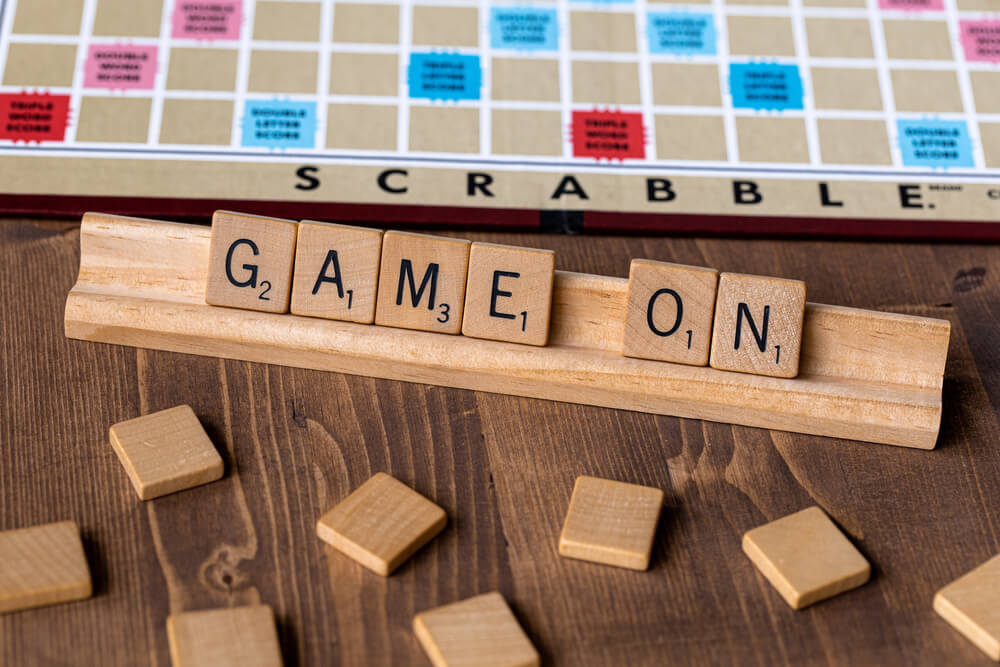
Before it became Scrabble, the game existed under the name Criss-Crosswords, developed independently before Selchow and Righter picked it up commercially in the early 1950s. Original Criss-Crosswords sets, along with the earliest Scrabble printings that followed, are considerably rarer than the game’s decades of subsequent mass-market editions.
Early Stratego Editions
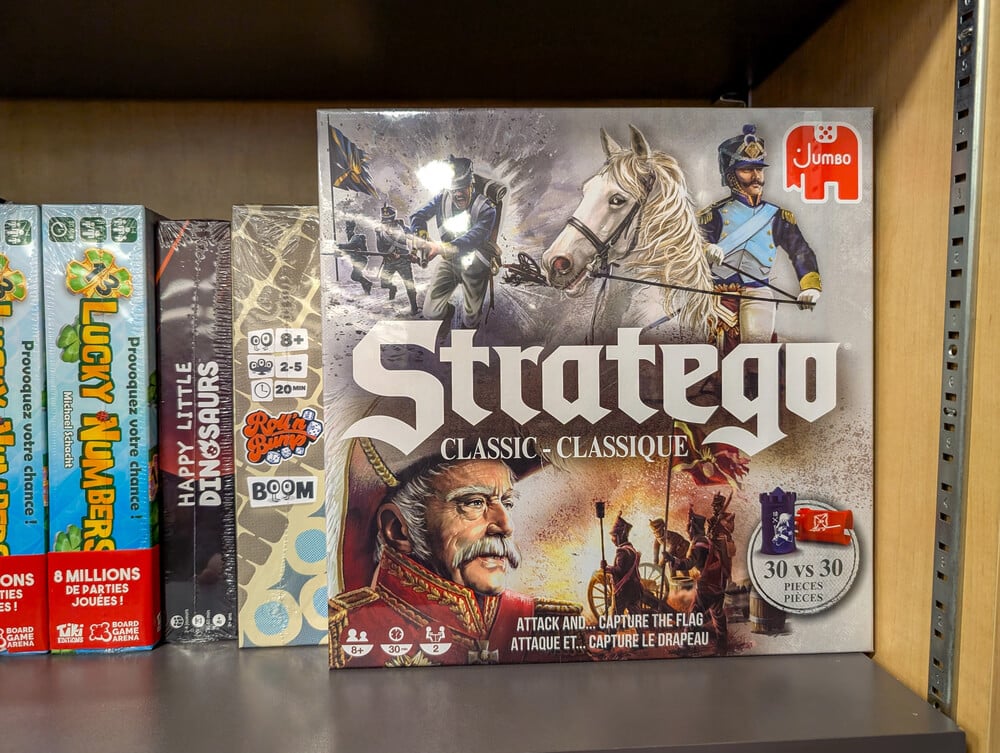
Stratego’s modern form traces back to a mid-twentieth-century European design before Milton Bradley brought it to American shelves, and early editions carry piece and board details that later mass-market printings simplified. Collectors of abstract strategy games treat the earliest available editions as meaningfully distinct from the version most households grew up with.
First Edition Mouse Trap
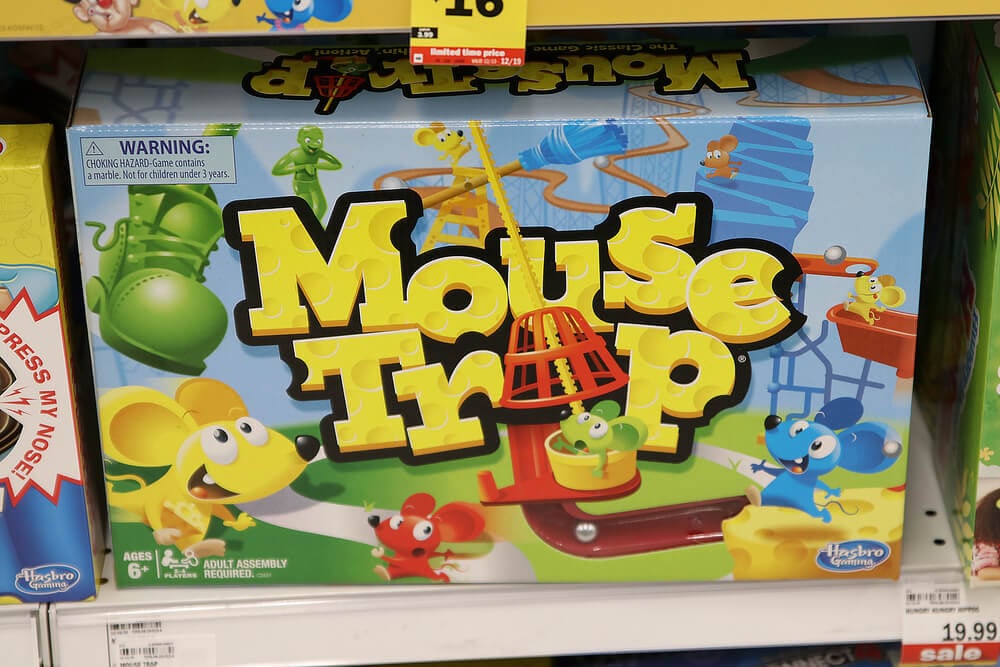
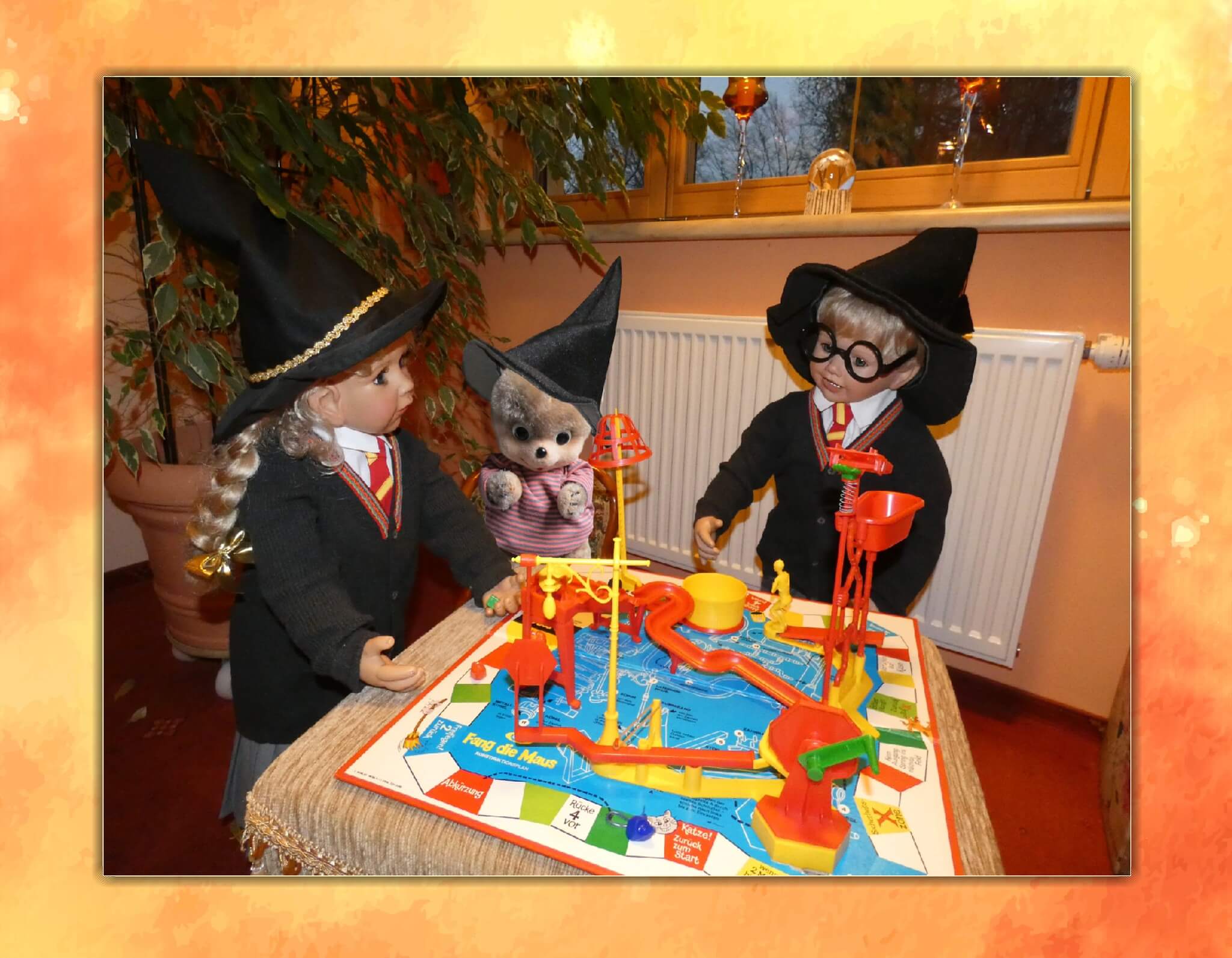
Ideal Toy Company released Mouse Trap in 1963 as one of the first mass-market games built around an elaborate mechanical contraption rather than simple dice-and-board mechanics. Complete first-edition sets with every plastic piece of the trap intact are difficult to find, since the game’s whole appeal depended on parts that were easy to lose or break.
First Edition Operation
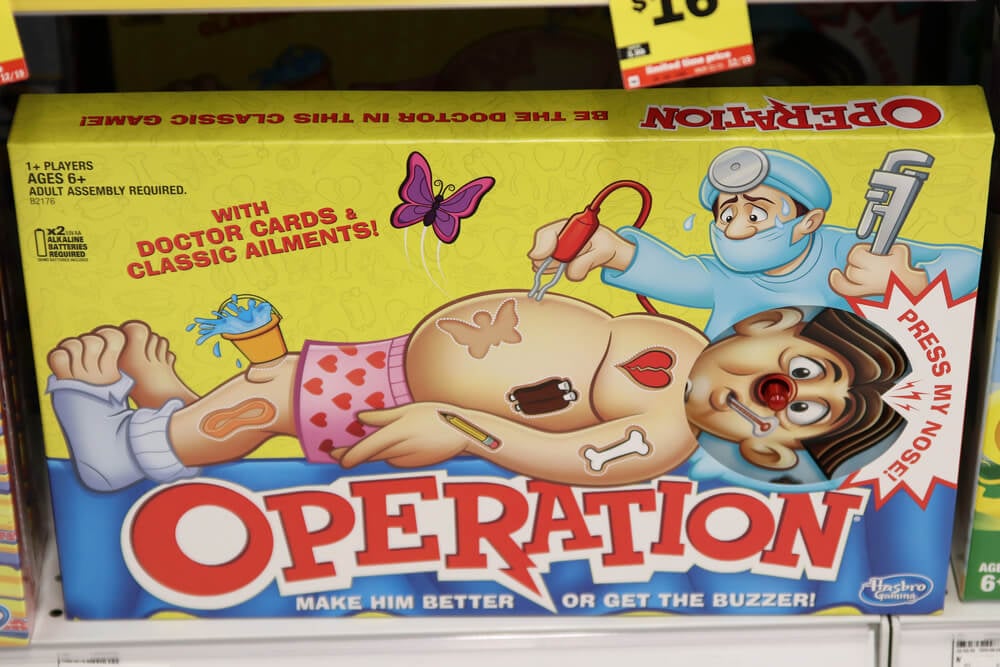
Milton Bradley released Operation in 1965, and its earliest editions carry component and packaging details distinct from the game’s many later redesigns and character-licensed versions. Working original units, with a buzzer mechanism that reliably functions after decades of storage, are harder to find than the box alone.
Vintage Sorry! Editions
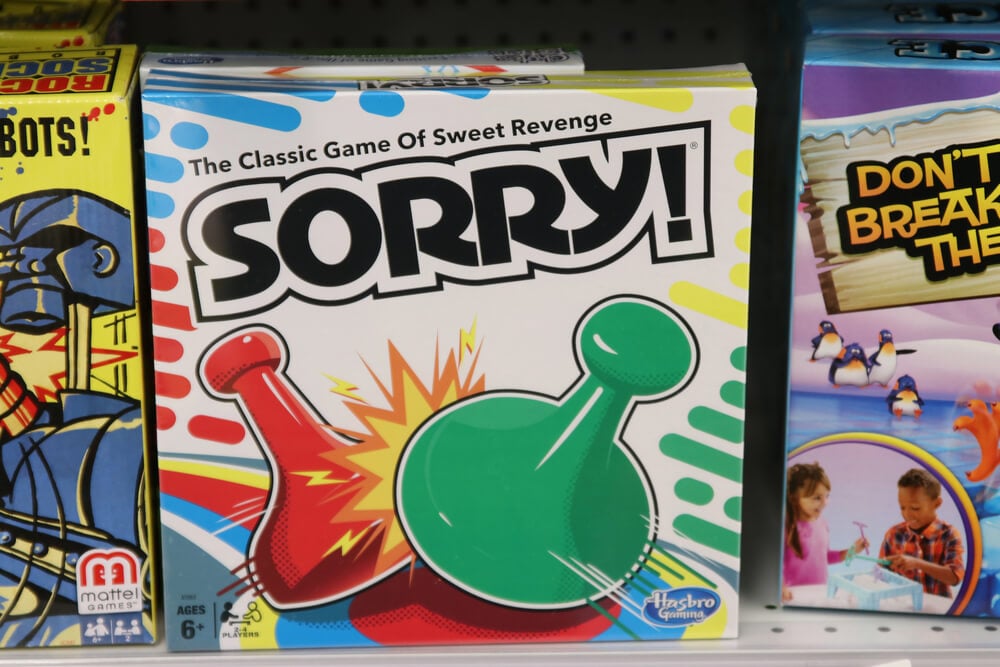
Sorry! was first published in 1934 and has been published continuously under various companies before landing with Parker Brothers, and its earliest mid-century editions carry board and card artwork noticeably different from later printings. Collectors of classic family games track those design differences closely when evaluating a given copy’s age and rarity.
First Edition Twister
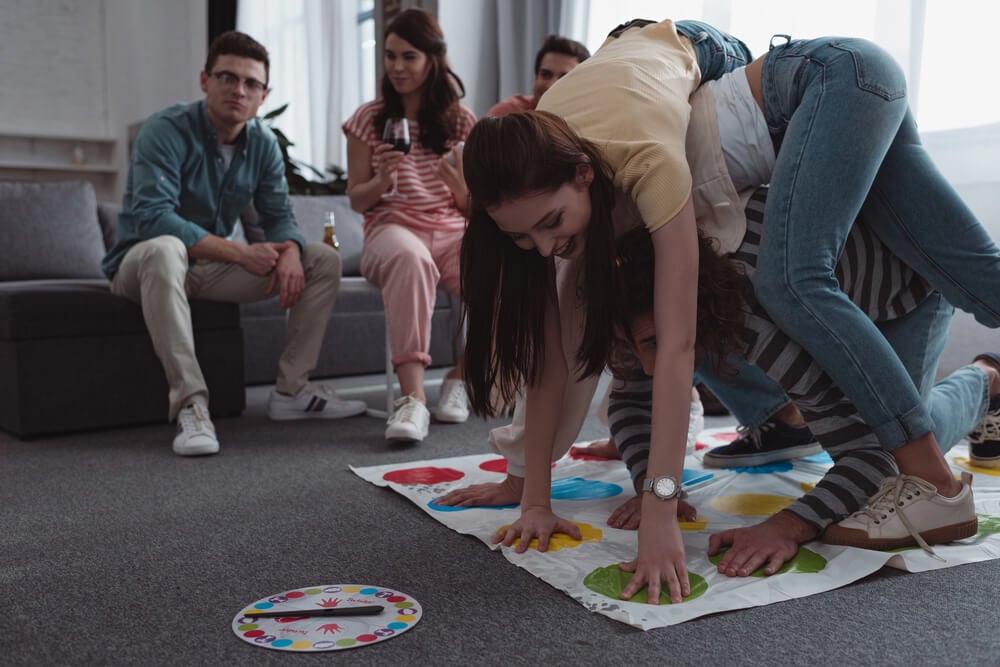
Milton Bradley’s 1966 release of Twister became notorious almost immediately, partly because its physical, close-contact gameplay drew public criticism at launch that only fueled its sales. That controversial debut makes original first-edition boxes, with their specific period packaging, a specific target for collectors of unusual mid-century game marketing.
Original Self-Published Diplomacy
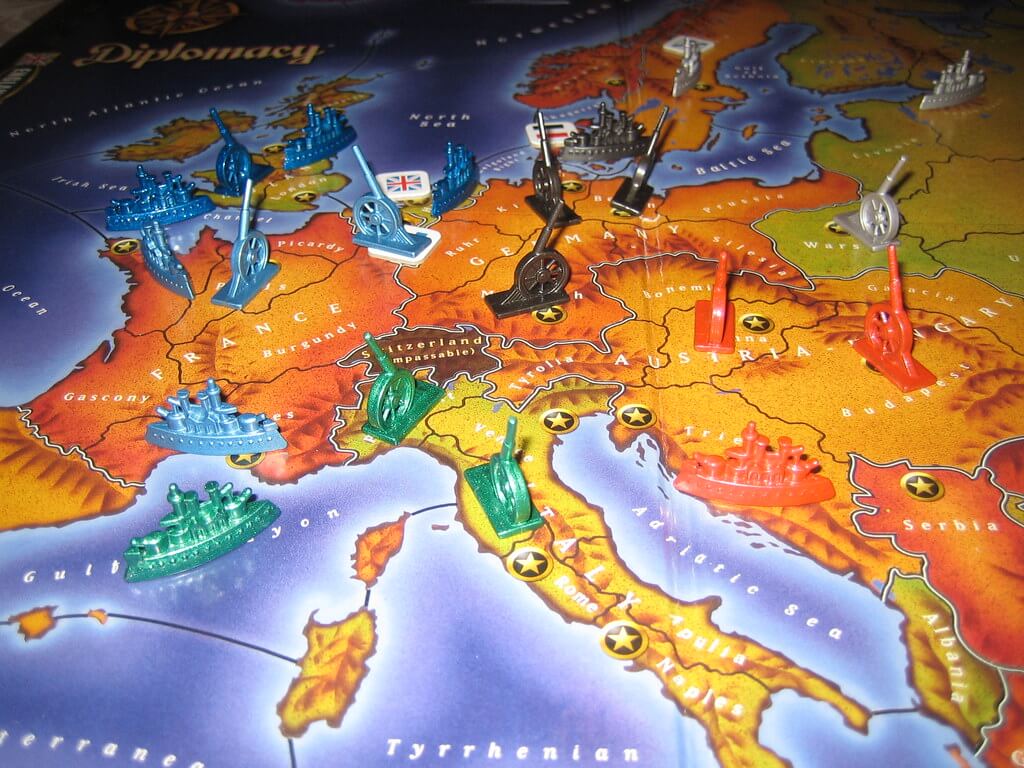
Diplomacy’s creator, Allan Calhamer, initially self-published the game in 1959 before Games Research picked it up commercially, making those earliest self-published copies extraordinarily rare. Dealers specializing in strategy games treat any surviving example of the original self-published run as a significant historical find.
Vintage Chutes and Ladders
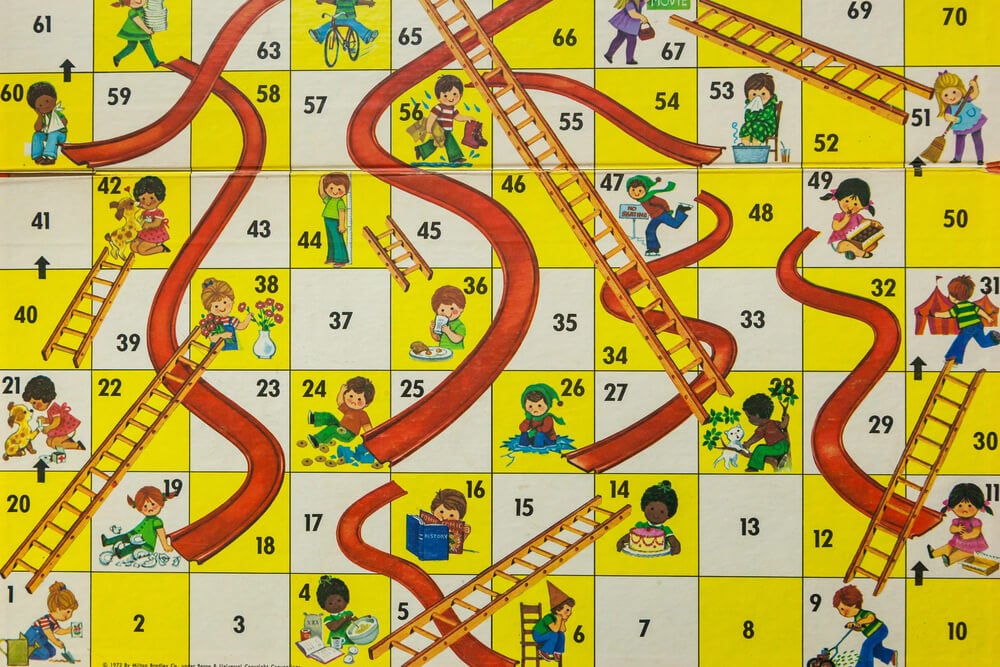
Milton Bradley’s American adaptation of the much older British game Snakes and Ladders dates to the 1940s, and its earliest editions carry illustration styles distinct from the game’s later, more colorful redesigns. Collectors of vintage children’s games look specifically for those early printings over the widely available modern versions.
Pre-Electronic Battleship

Before Milton Bradley introduced its plastic pegboard version in 1967, Battleship existed as a pencil-and-paper game and later as an early boxed edition with simpler components. Those pre-plastic and earliest plastic-era editions are considerably harder to find complete than the game’s later, far more common printings.
First Printing Trivial Pursuit
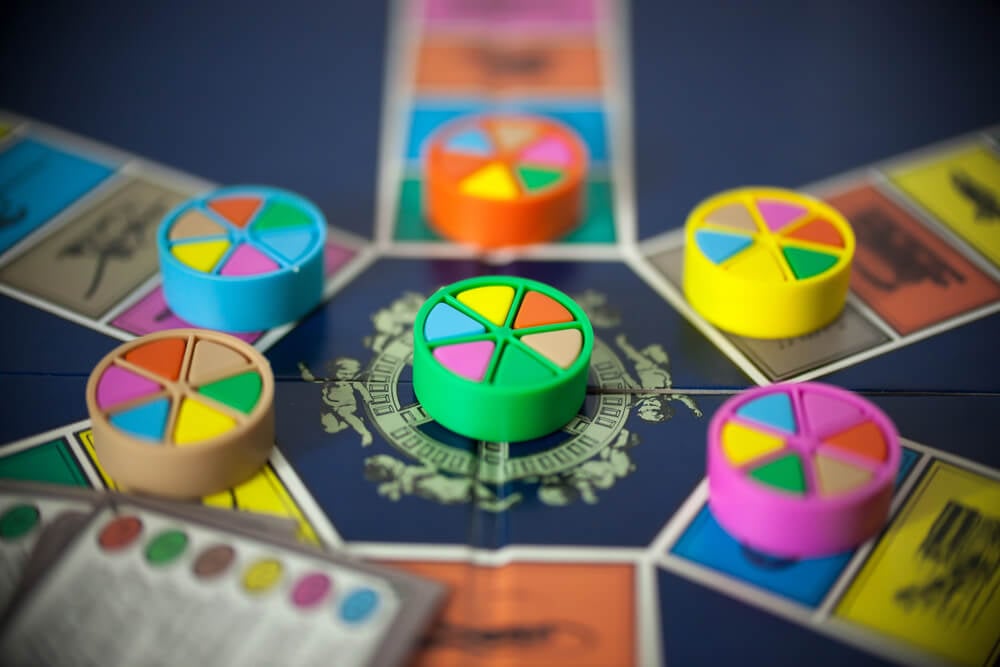
The original 1981 Genus Edition of Trivial Pursuit, before the game became a global phenomenon and spawned dozens of themed spin-offs, carries card and box details from its earliest print run. Collectors distinguish between the first Canadian printing and the subsequent American releases, treating the earliest available copies as meaningfully more significant.
First Edition Payday
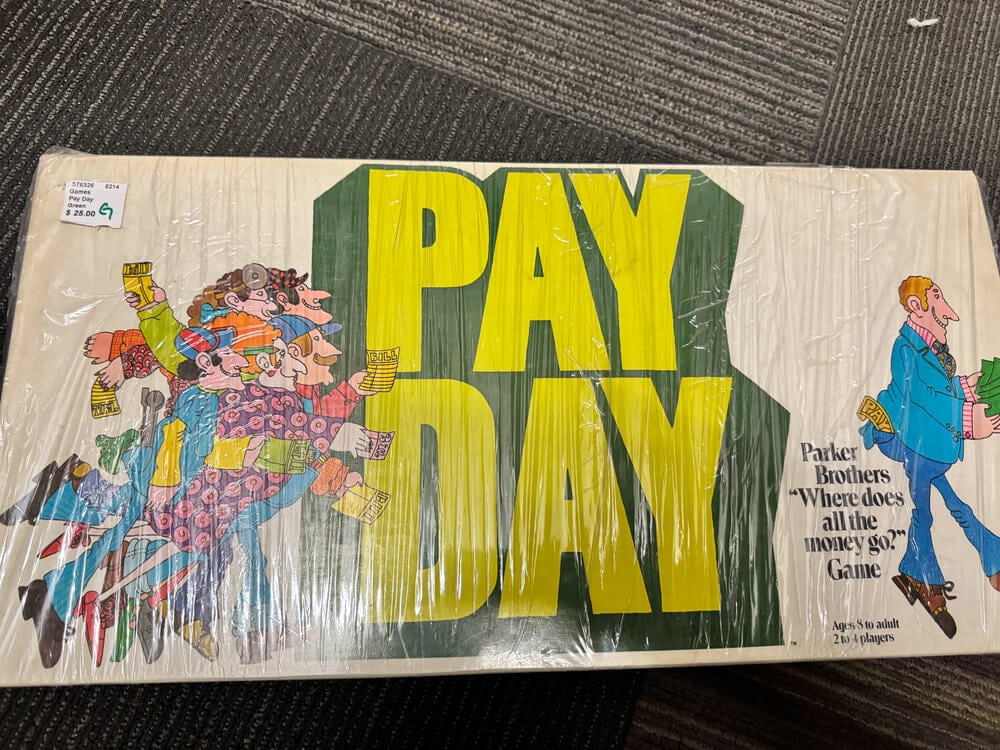
Parker Brothers released Payday in 1975, built around a monthly calendar format rather than a traditional board layout, and its earliest printing carries design details distinct from later reissues. Collectors of vintage economic-simulation games treat it as a notable entry from a period when several companies experimented with unconventional board designs.
First Edition Careers
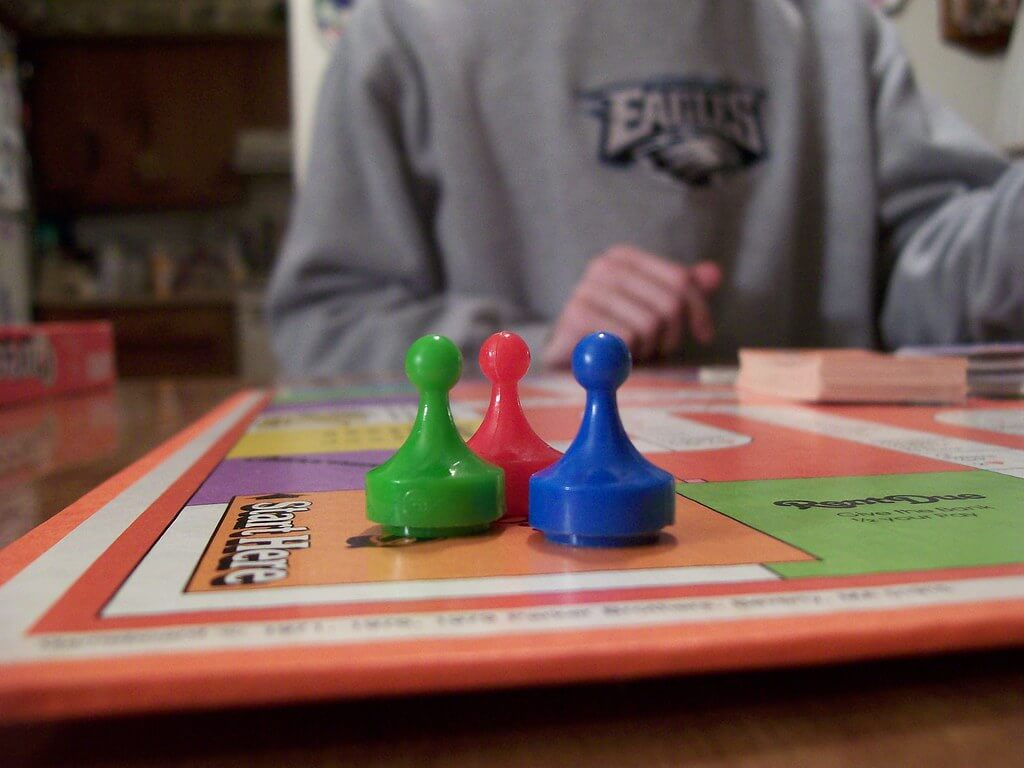
Parker Brothers published Careers in 1955, letting players choose their own paths toward wealth, fame, or happiness rather than following a single fixed track. Its earliest editions, with period-specific career and goal cards, are considerably more sought after than the game’s later, repeatedly updated versions.
First Edition Booby Trap
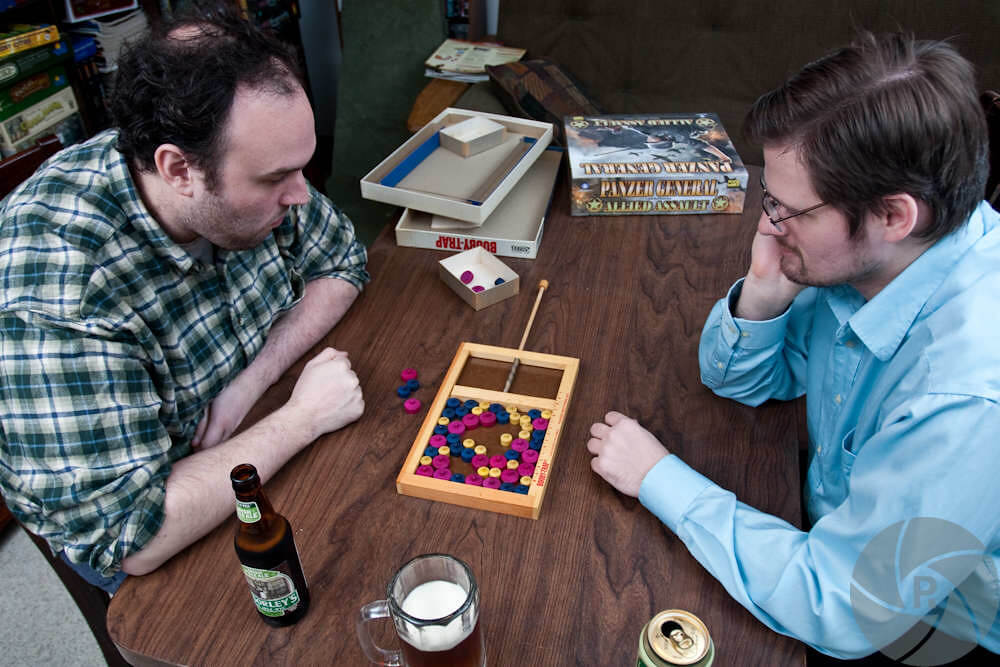
Milton Bradley released Booby Trap in 1965, another mid-century game built around a mechanical tension mechanism where players carefully removed pieces without triggering a spring-loaded plunger. Complete, functioning original sets are difficult to find, since the mechanical parts were prone to wear with repeated play.
First Edition Masterpiece
Parker Brothers released Masterpiece in 1970, an auction game built around fine art reproductions that let players bid on paintings of fluctuating value. Its themed premise and period-specific artwork reproductions have made it a specific favorite among collectors interested in unusual mid-century game concepts.
Dark Tower
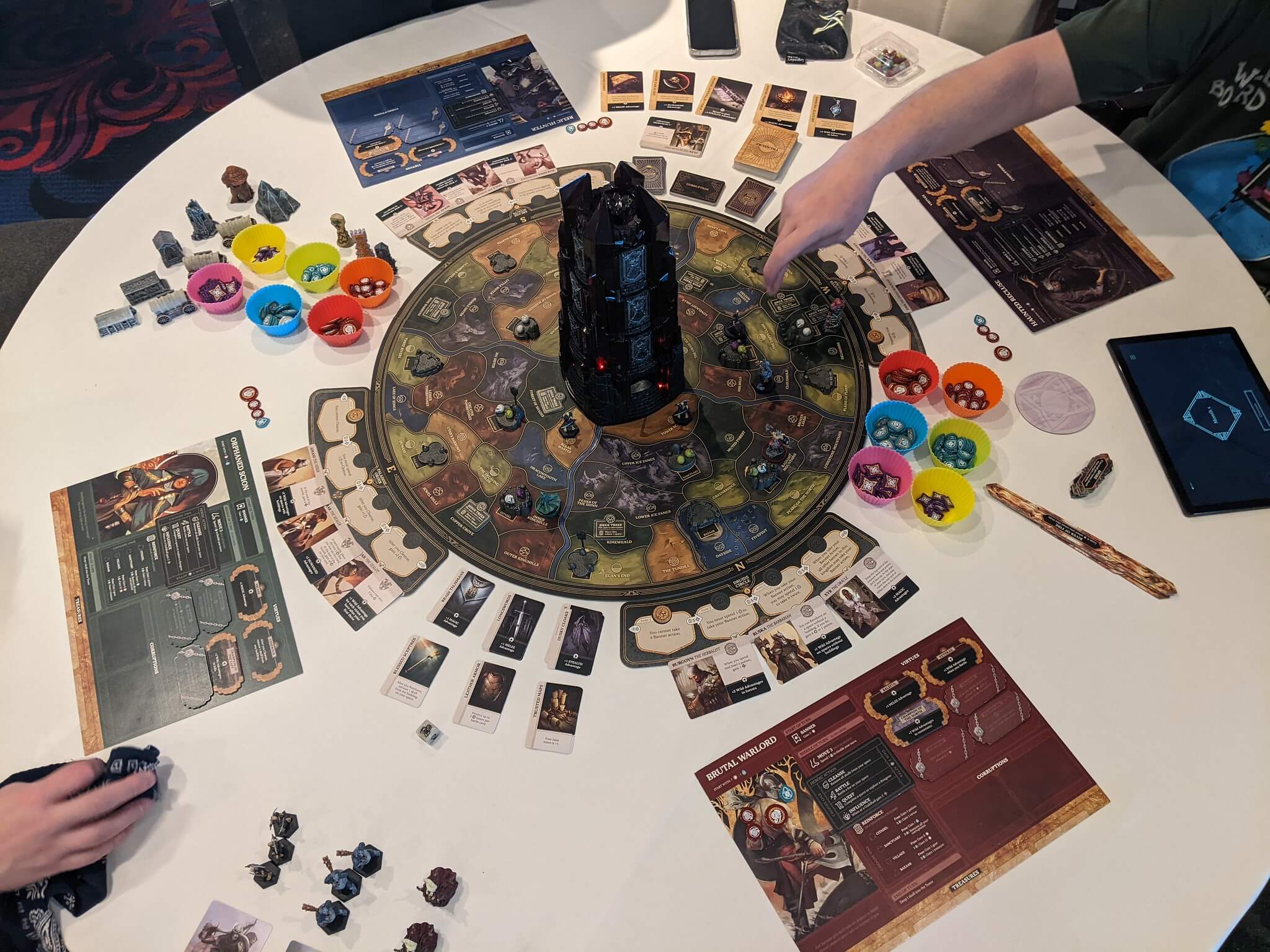
Milton Bradley’s 1981 release of Dark Tower paired a traditional board with an early electronic tower unit that generated random events, making it one of the first mass-market games to combine physical and electronic components. Functioning original tower units, dependent on now-outdated electronics, are considerably harder to find than the board and cards alone.
First Edition Axis and Allies
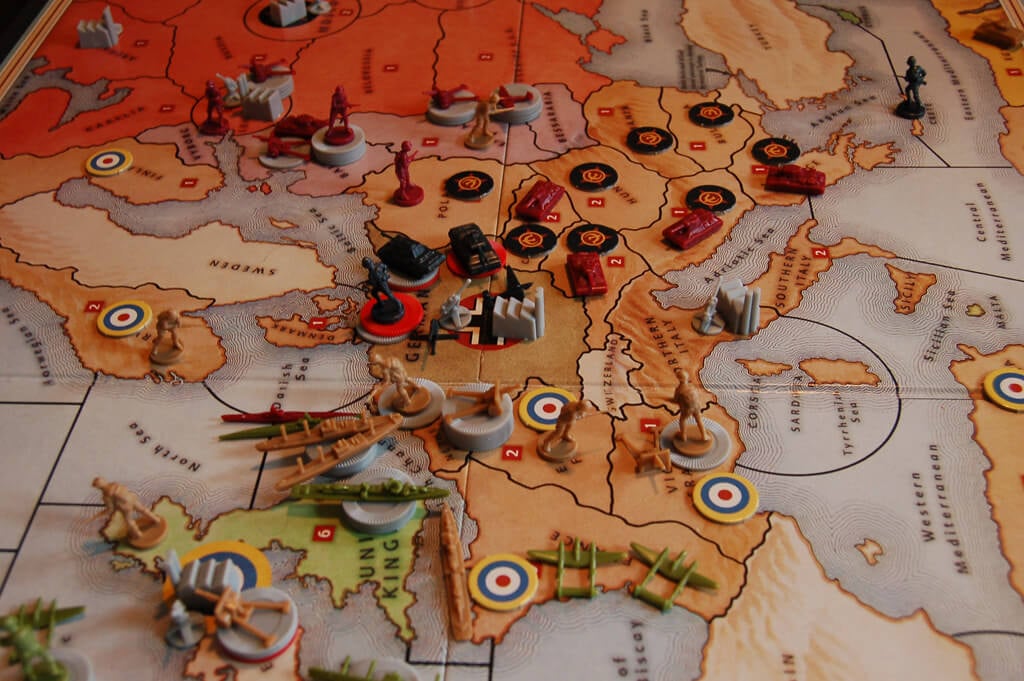
The original 1981 edition of Axis and Allies, published by the small Nova Game Designs before Milton Bradley picked up the rights for wider distribution, was produced in far smaller numbers than the game’s later, more widely available editions. War-game collectors treat that original Nova printing as a significant find distinct from the game’s later mainstream success.
Acquire
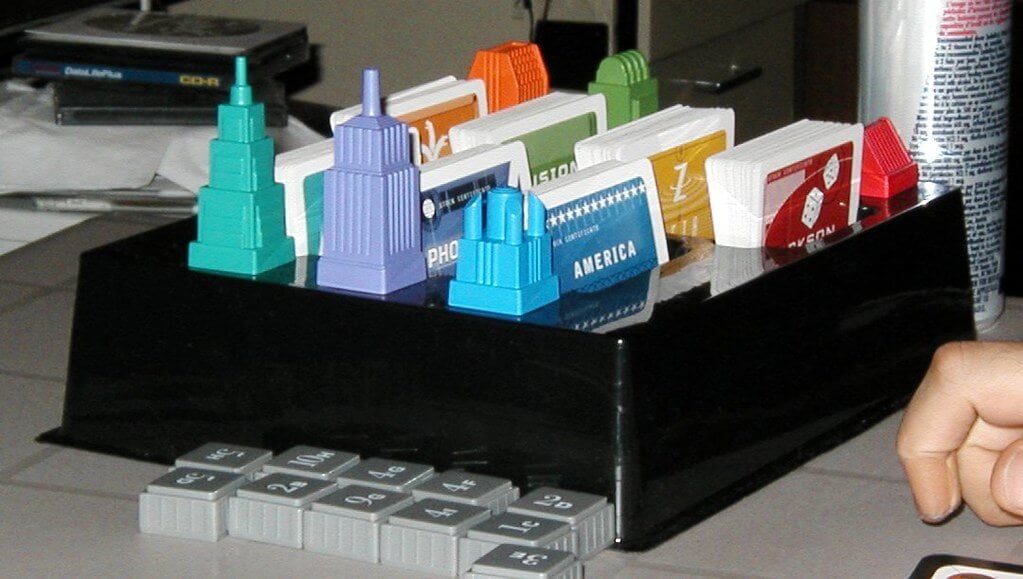
3M published Acquire in 1964 as part of its “bookshelf” line of adult strategy games, packaged in a slim box designed to fit alongside actual books rather than look like a children’s toy. That entire line of 3M bookshelf games has developed a dedicated following among collectors specifically for its understated period design and its influence on later strategy game publishing.
First Edition Dune
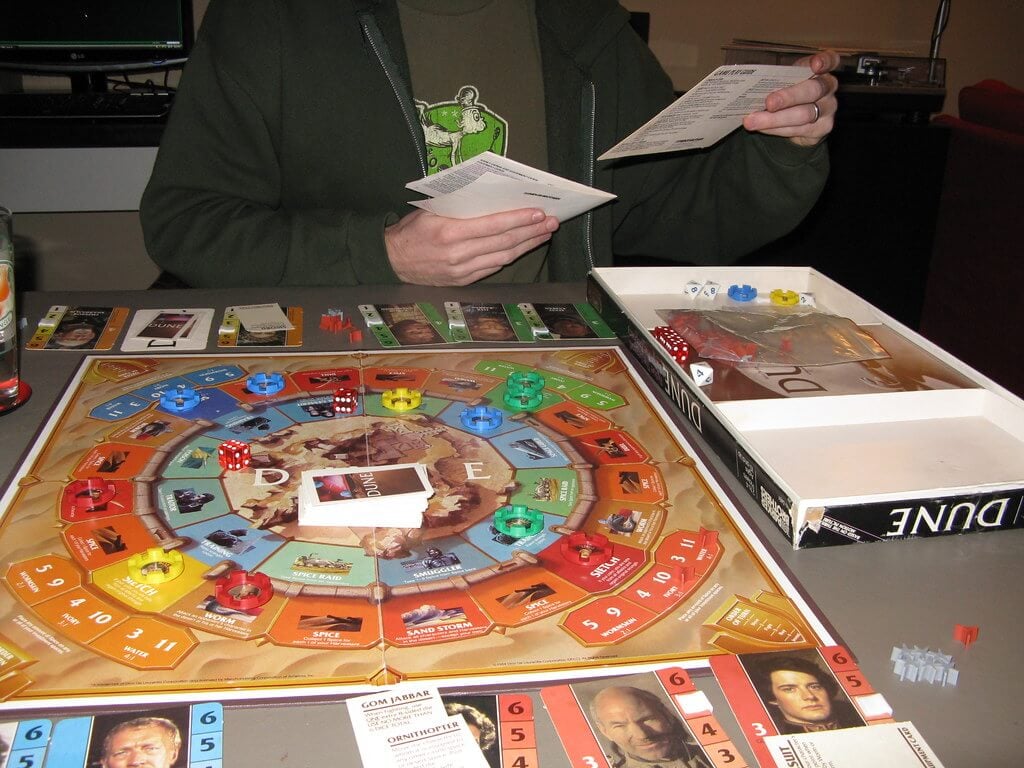
Avalon Hill published a board game adaptation of Frank Herbert’s “Dune” in 1979, years before the novel’s various film adaptations brought the story to wider audiences. Its specific mechanics have influenced numerous later strategy games, and complete original copies are actively sought by collectors of both science fiction media and vintage strategy games.
Cosmic Encounter
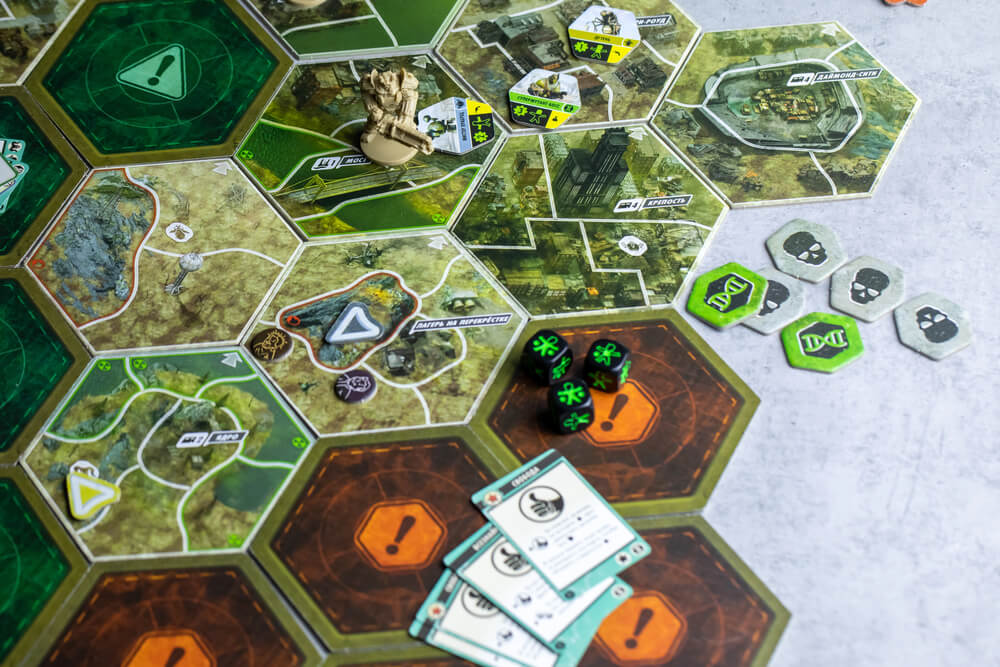
Eon Games released Cosmic Encounter in 1977, built around asymmetric alien powers that gave each player a genuinely different way to win, an unusual design choice for its era. Its first edition components and box art are specifically what collectors of vintage strategy games look for, distinct from the game’s many later republished versions.
First Edition Talisman
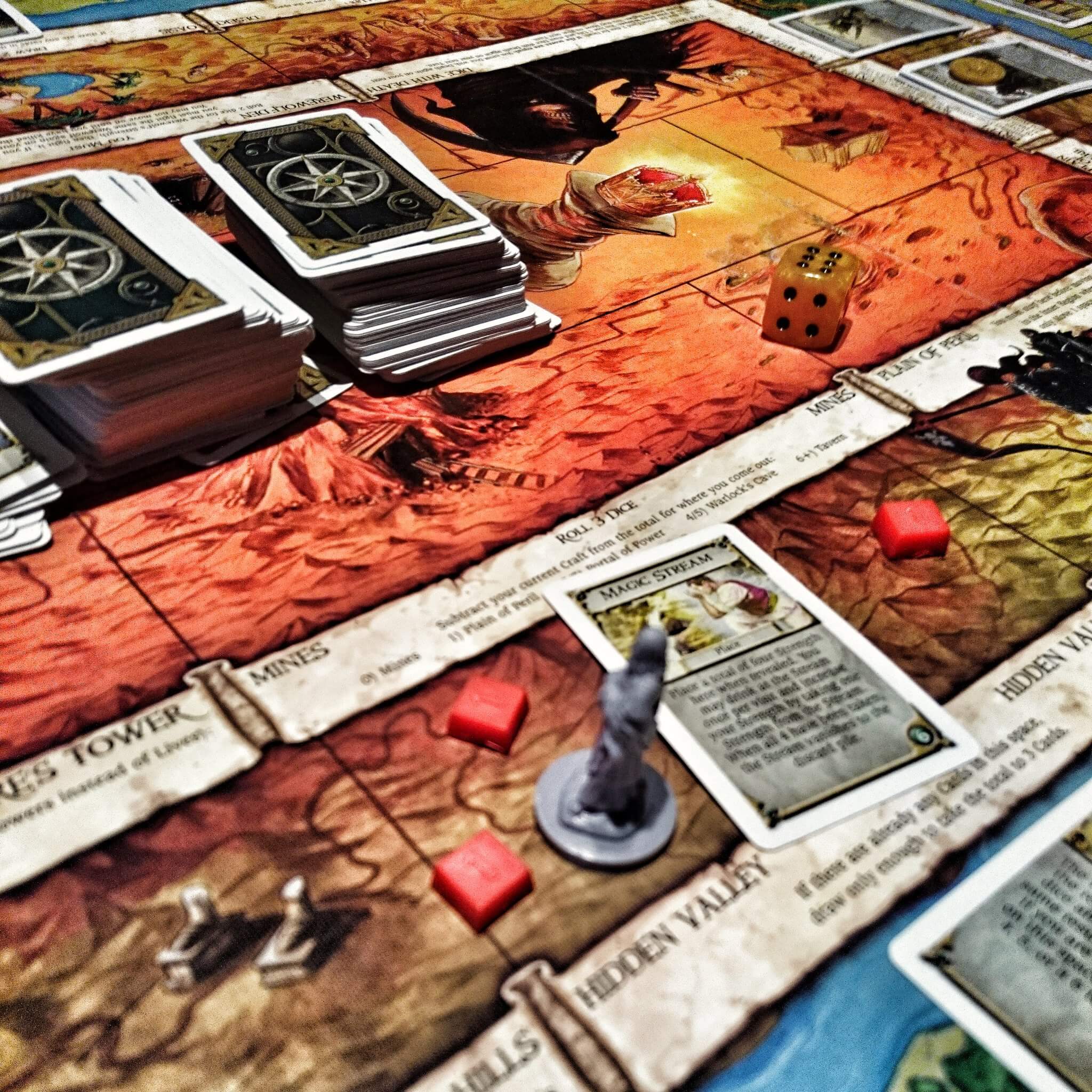
Games Workshop released the original edition of Talisman in 1983, combining fantasy roleplaying elements with a more traditional board game structure. Its earliest printing, before decades of expansions and revised editions, is treated by collectors as a distinct and more valuable object than the game’s later versions.
Squad Leader

Avalon Hill’s 1977 release of Squad Leader became one of the most influential tactical war games of its era, known for a level of detail that dedicated genre collectors still study closely. Complete original sets with all components intact are harder to find than the game’s reputation might suggest, since serious players tended to use their copies heavily.
Kingmaker
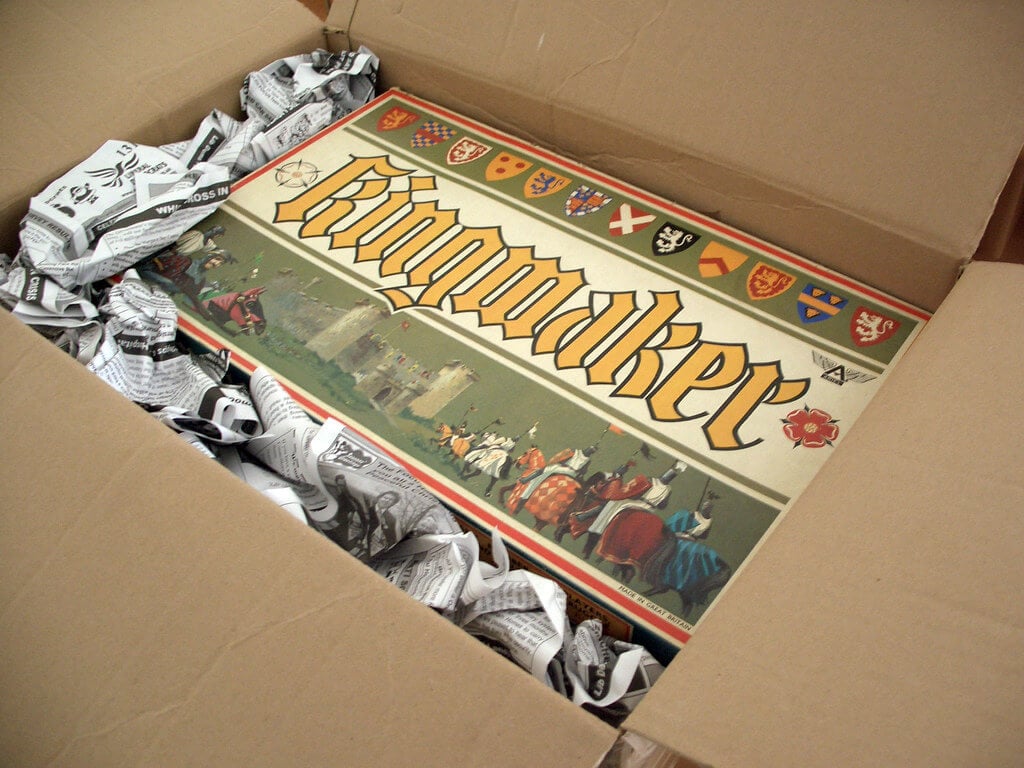
Originally published in the United Kingdom before Avalon Hill brought it to American audiences in the mid-1970s, Kingmaker built its gameplay around the Wars of the Roses and became known for a level of historical detail unusual for its time. Its relative scarcity in the American market makes original copies a specific target for war-game and history-themed collectors.
First Edition Illuminati
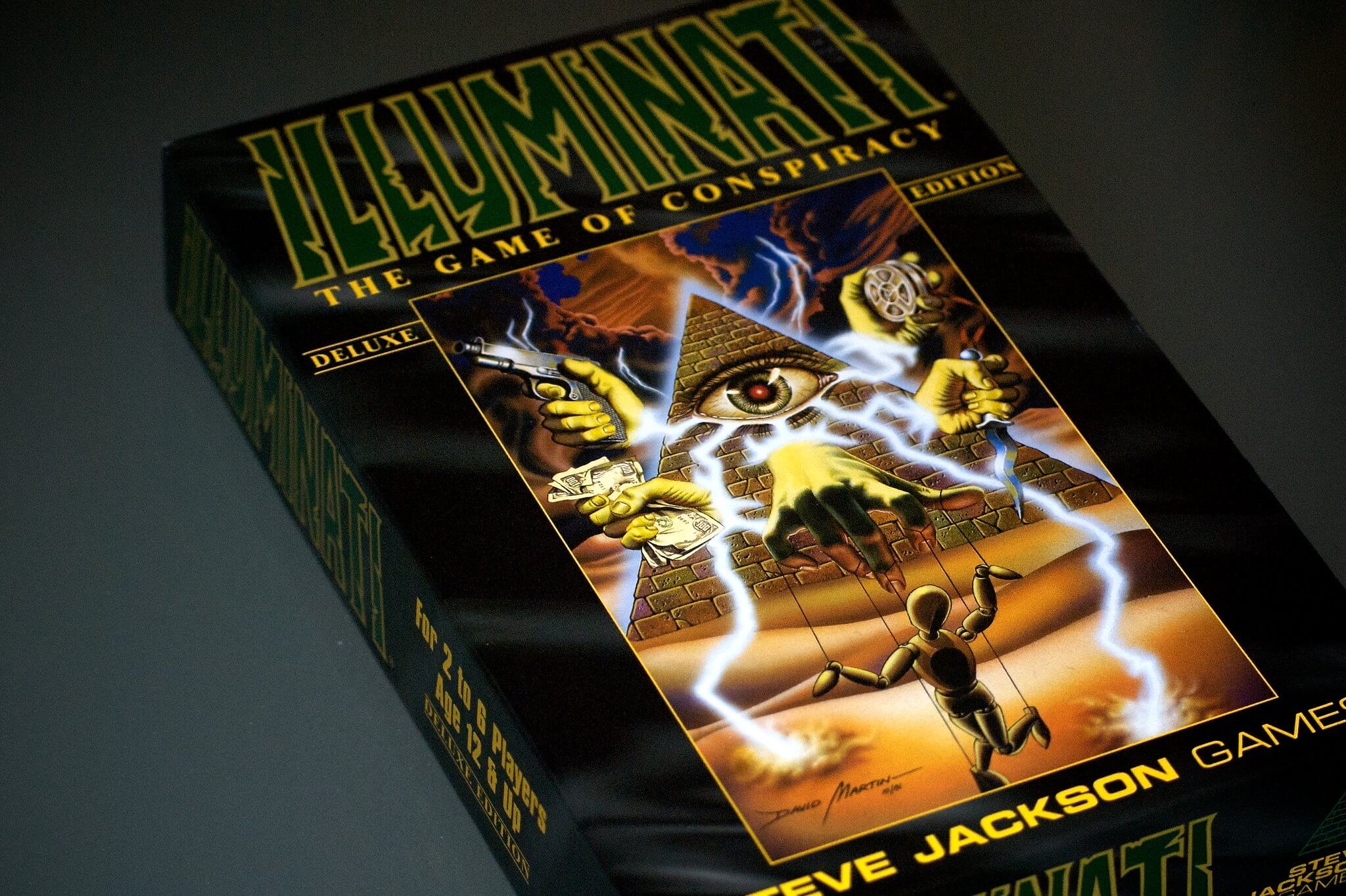
Steve Jackson Games released the original edition of Illuminati in 1982, a satirical conspiracy-themed card and board game that became a minor cult phenomenon well before internet-era conspiracy culture made its themes feel newly relevant. Its earliest printing, distinct from later expanded editions, is specifically what dedicated collectors of the game look for.
First Edition Rack-O
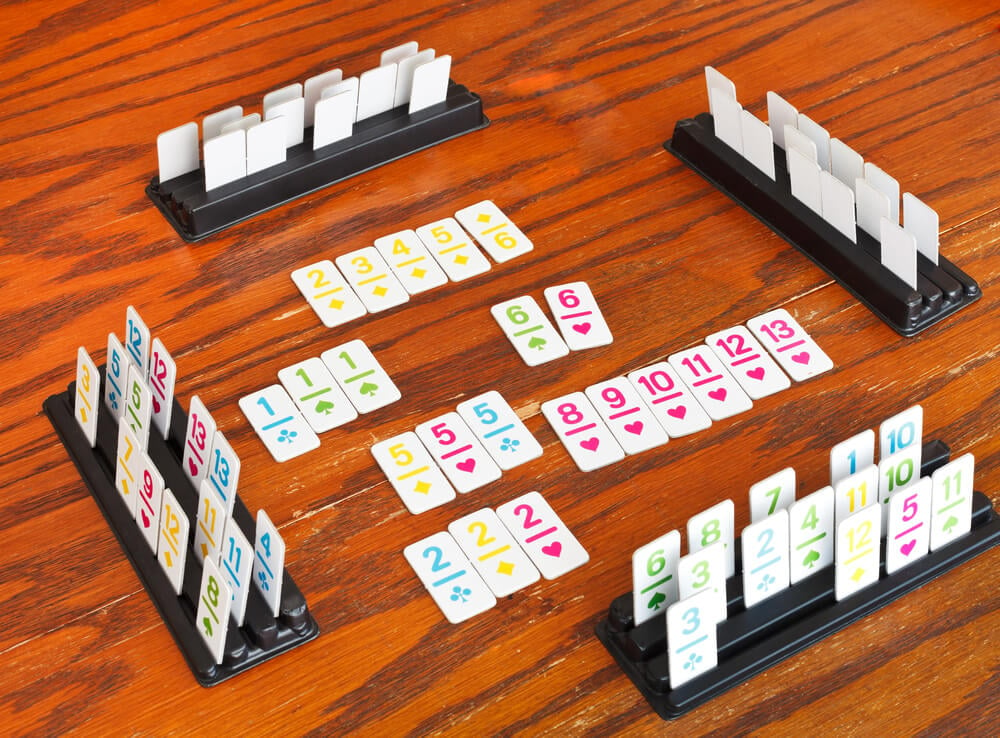
Milton Bradley released Rack-O in 1956, a simple numbered-card sequencing game that became a staple of mid-century family game nights. Its earliest editions, with period-specific box art, are a modest but consistent target for collectors focused on classic Milton Bradley titles from this era.
Camelot
Parker Brothers released Camelot in 1930, a chess-adjacent strategy game built around a distinctive board and set of movement rules that set it apart from more traditional titles of the era. Its relative obscurity compared to Parker Brothers’ more famous titles makes surviving complete copies a specific point of interest for collectors who focus on the company’s lesser-known early catalog.
The Box Is Never the Point
What a dealer is actually paying for, almost every time, is a specific set of production details: a box design that only lasted one print run, a component that a later redesign eliminated, a printing plant that changed hands and altered the artwork. None of that shows up in how fun the game is to play.
That’s the part newcomers to the hobby usually miss first. A game’s cultural footprint and its collector value are only loosely related, and the games that command the most attention are often the ones that got quietly replaced by something better before most people even noticed the original was gone.
More from Go2Tutors!

- The Romanov Crown Jewels and Their Tragic Fate
- 13 Historical Mysteries That Science Still Can’t Solve
- Famous Hoaxes That Fooled the World for Years
- 15 Child Stars with Tragic Adult Lives
- 16 Famous Jewelry Pieces in History
Like Go2Tutors’s content? Follow us on MSN.



