17 Times the Animal Kingdom Broke the Rules of Nature
Mother Nature loves to surprise us. Just when scientists think they’ve figured out how the natural world works, along comes a creature that completely rewrites the rulebook. These biological rebels challenge our fundamental understanding of what animals can and cannot do.
Here is a list of 17 remarkable instances where animals defied the conventional laws of nature, showing just how wonderfully unpredictable our planet’s creatures can be.
Immortal Jellyfish
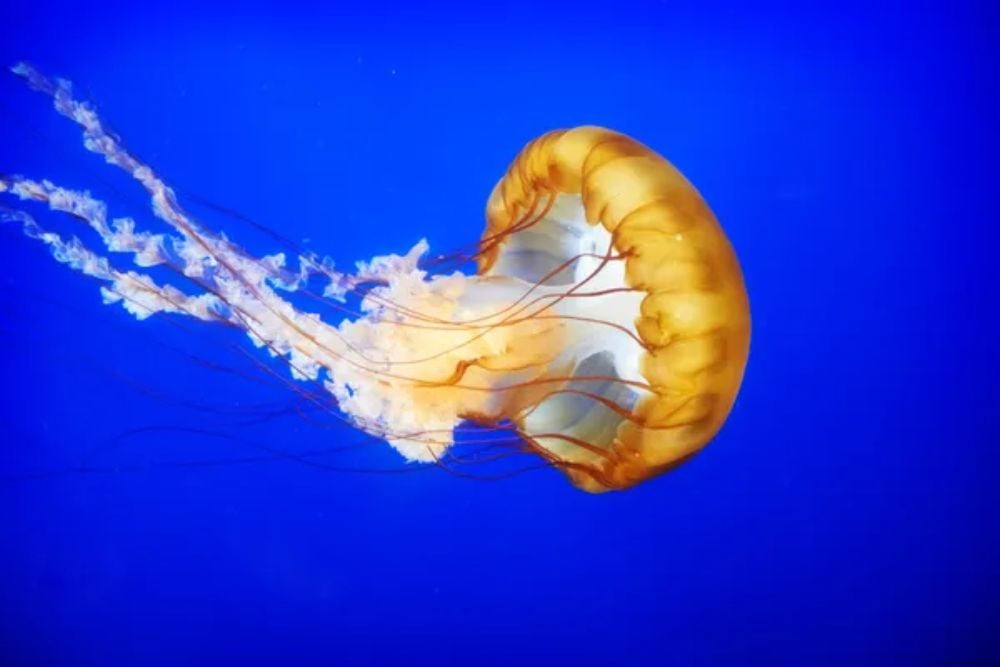
The Turritopsis dohrnii jellyfish has figured out the ultimate biological hack – it can reverse its aging process. When facing environmental stress or physical damage, this jellyfish transforms its mature cells back into their immature state through a process called transdifferentiation.
It’s like watching a butterfly turn back into a caterpillar, then grow up all over again. This biological reset button makes the immortal jellyfish the only known animal capable of continuously reverting to its juvenile form.
Spiders That Breathe Underwater
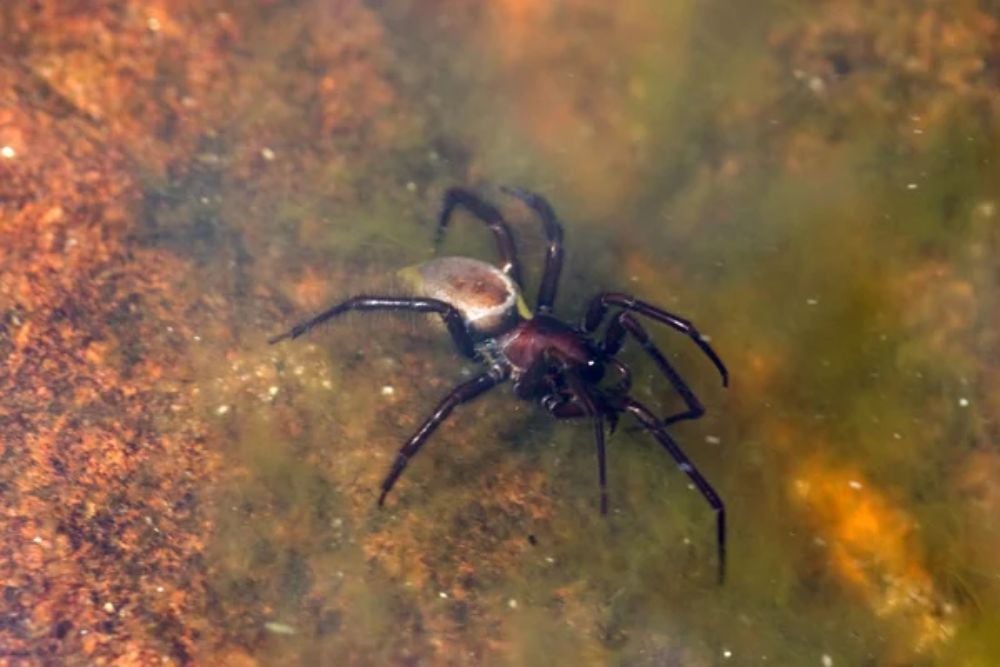
The diving bell spider (Argyroneta aquatica) is the only known spider to live its entire life underwater. These eight-legged innovators create their own oxygen tanks by spinning dome-shaped webs among aquatic plants and filling them with air from the surface.
They essentially build themselves portable scuba gear, allowing them to hunt, mate, and even raise their young beneath the water’s surface. The diving bell serves as both home and lung, enabling these spiders to break the terrestrial rules most arachnids follow.
Frogs That Freeze Solid
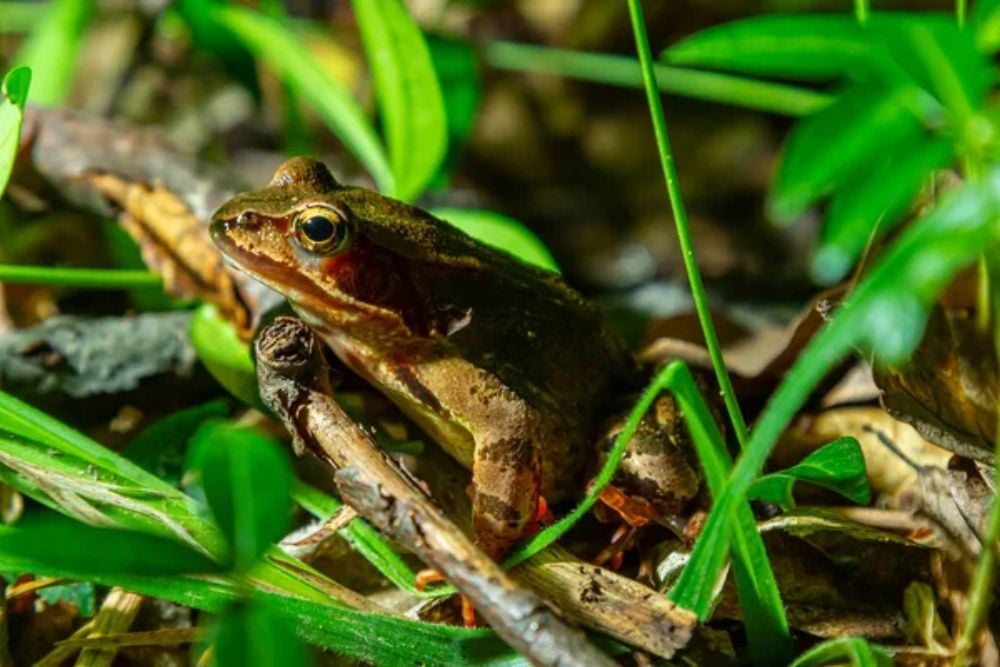
Wood frogs in North America have developed what seems like a superpower – they can freeze almost completely solid during winter and hop away unharmed when spring arrives. During freezing, their hearts stop beating, they stop breathing, and ice crystals form throughout their bodies.
These remarkable amphibians produce a natural antifreeze – glucose and urea – that protects their vital organs and cells from permanent damage. Up to 65% of their body water can turn to ice while they remain alive in suspended animation.
Bacteria-Powered Sea Slugs
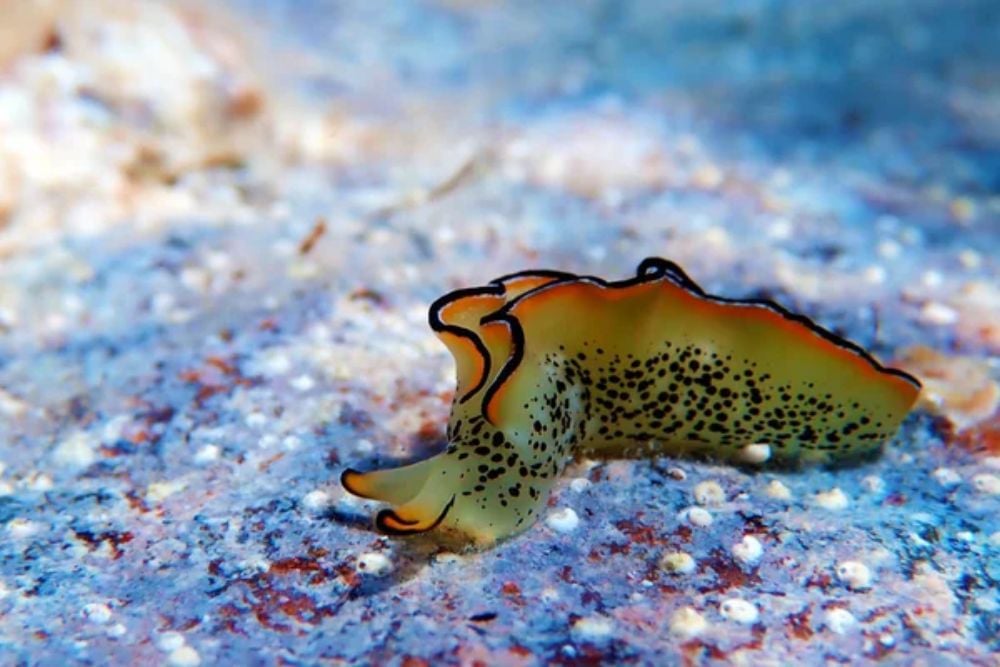
The emerald sea slug (Elysia chlorotica) has stolen the plant playbook by incorporating chloroplasts from the algae it eats into its own cells. These borrowed cellular components continue photosynthesizing inside the slug, allowing it to produce food from sunlight just like a plant.
Even more impressively, the sea slug has somehow acquired the algal genes needed to maintain these chloroplasts, blurring the boundaries between animal and plant kingdoms in a way that’s unheard of elsewhere in the animal world.
Headless Chickens That Survive
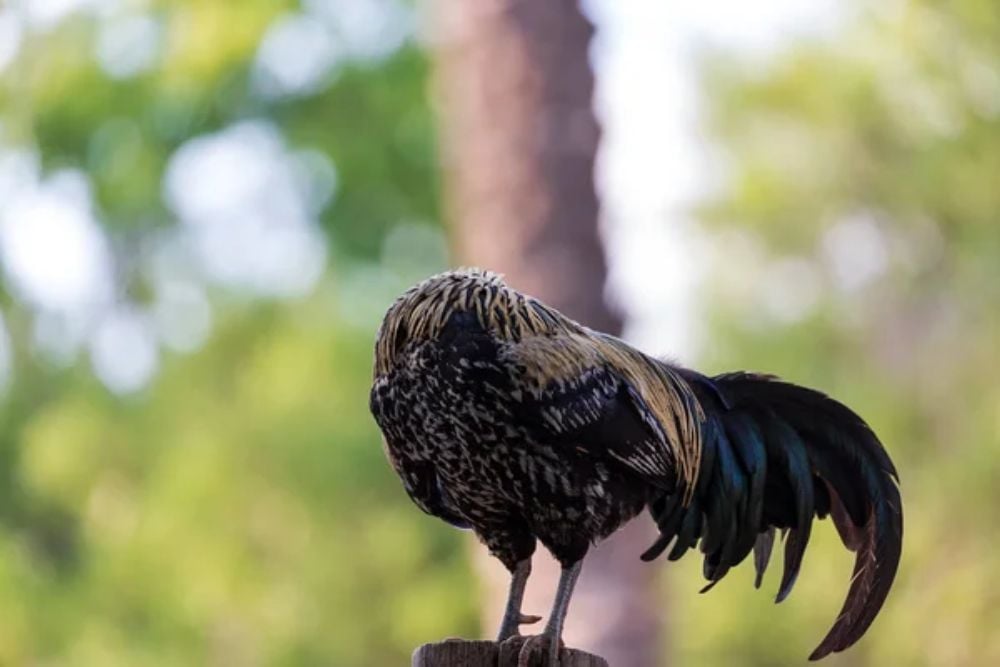
In the 1940s, a chicken named Mike lived for 18 months after his head was cut off. While most of his brain was removed, the axe missed his brainstem – the part controlling basic functions.
His owner kept him alive by feeding him with an eyedropper directly into his esophagus. While an extreme case, it demonstrates how some basic life functions can continue without what we consider the control center.
Several other cases of chickens surviving decapitation (though typically for much shorter periods) have been documented.
Pistol Shrimp’s Supersonic Punch
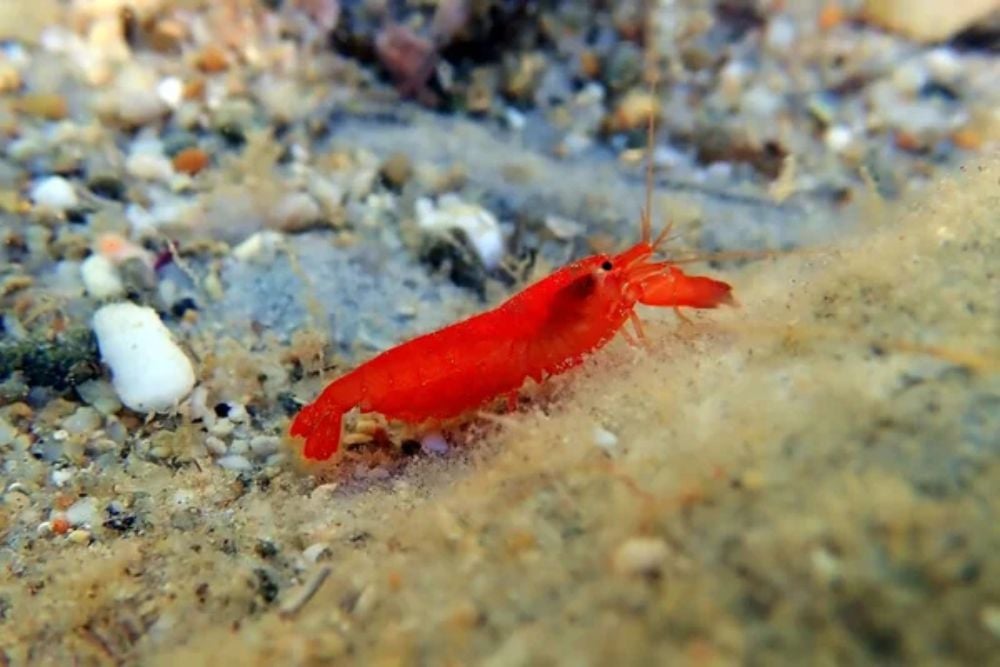
The pistol shrimp packs the most powerful punch in the animal kingdom, despite being only a few inches long. By snapping its specialized claw at speeds of 62 miles per hour, it creates a cavitation bubble that, when it collapses, produces a sound reaching 218 decibels – louder than a gunshot.
The collapsing bubble also briefly generates temperatures nearly as hot as the sun’s surface (around 8,000 degrees Fahrenheit). This miniature undersea explosion stuns prey and has even been known to break small aquarium glass.
Tardigrades Surviving Space
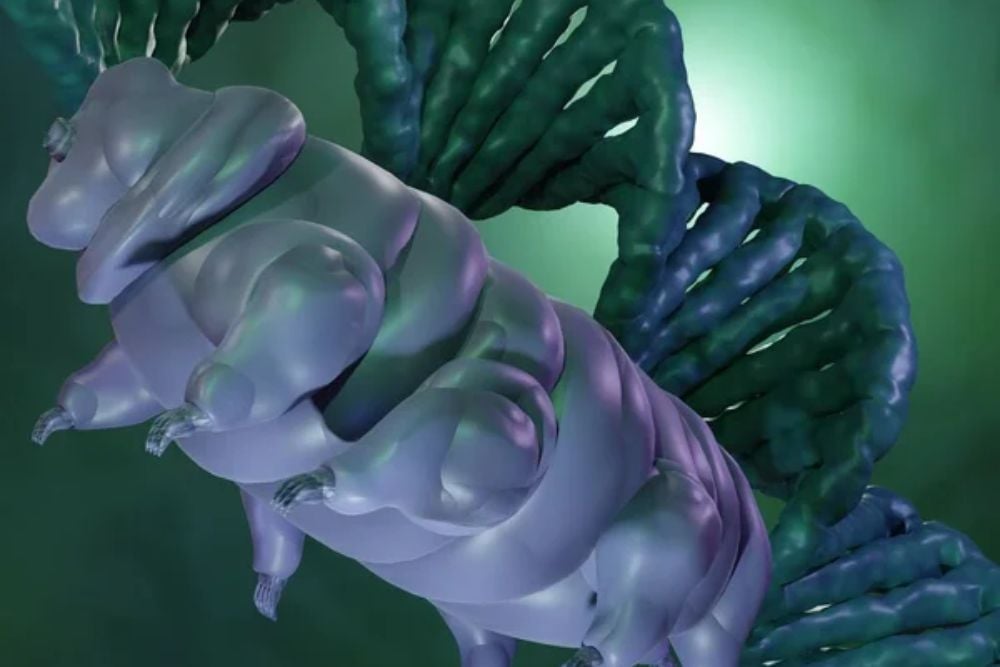
Tardigrades, or water bears, have survived conditions that would kill any other known life form. These microscopic animals have endured the vacuum of space, radiation levels thousands of times higher than what would be lethal to humans, temperatures near absolute zero, and pressures six times greater than those in the deepest ocean trenches.
They can also dehydrate completely, reducing their water content to less than 3%, entering a suspended animation state called cryptobiosis – and then rehydrate and continue life even decades later.
Sharks That Glow in the Dark
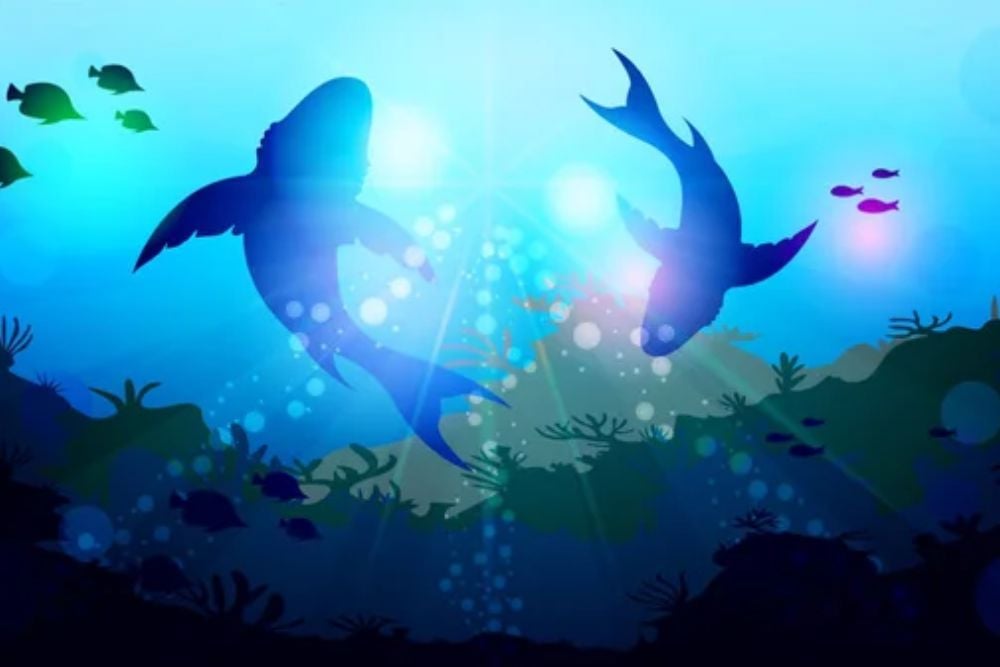
Scientists recently discovered that certain deep-sea sharks are biofluorescent – they absorb blue light from the ocean and re-emit it as green light, creating an eerie glow visible only to other sharks. The glowing patterns are completely invisible to the human eye without special filters.
This hidden light show helps sharks identify others of their species in the dark depths and might even play a role in courtship. It’s a secret language written in light that remained hidden from human discovery until recently.
Migratory Birds’ Magnetic Vision
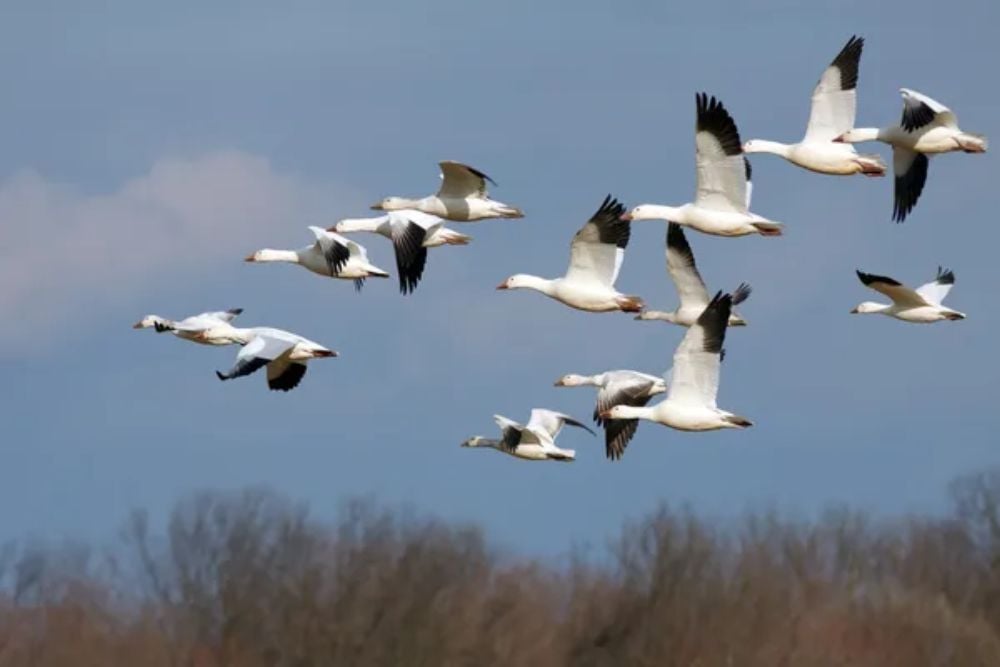
Many migratory birds navigate using Earth’s magnetic field, but what’s truly mind-bending is how they do it. Research suggests some birds literally see magnetic fields as visual patterns overlaid on their normal vision.
Special proteins in their eyes, called cryptochromes, react to magnetic fields differently depending on their orientation, creating a kind of heads-up display that guides the birds over thousands of miles. It’s an entirely different sense that humans can’t even imagine experiencing.
Octopus Intelligence Without a Central Brain
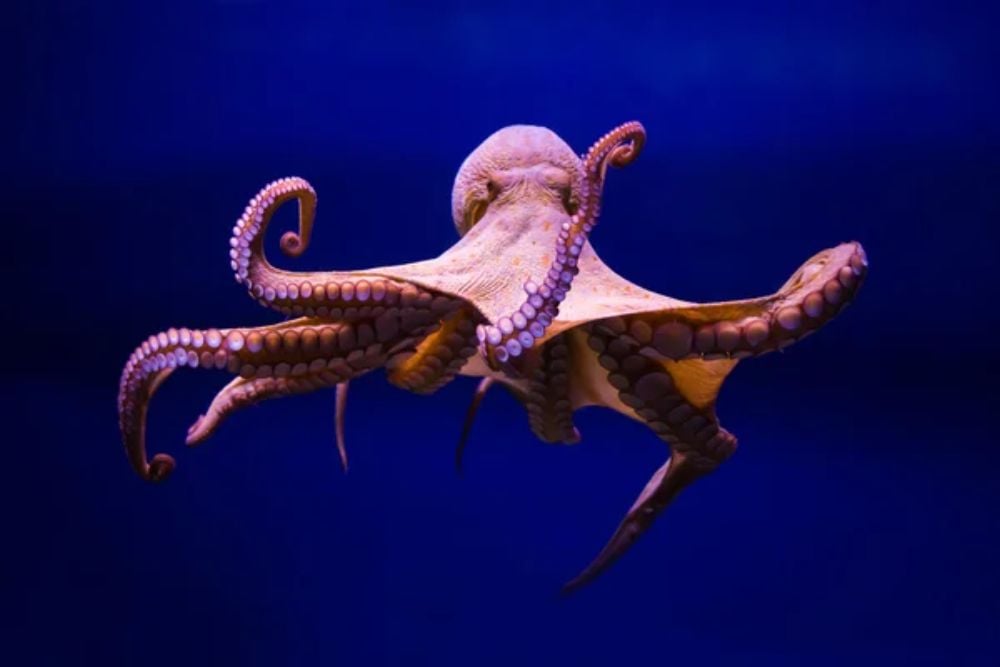
The octopus has a radically different nervous system from any vertebrate – instead of a centralized brain, two-thirds of its neurons are distributed throughout its eight arms. Each arm can solve problems independently and even continues to react to stimuli after being severed from the body.
An octopus can literally think with its arms. This distributed intelligence allows for complex problem-solving and tool use despite evolving along a completely different path than the centralized brains of mammals and birds.
Flatworms That Regrow Their Heads
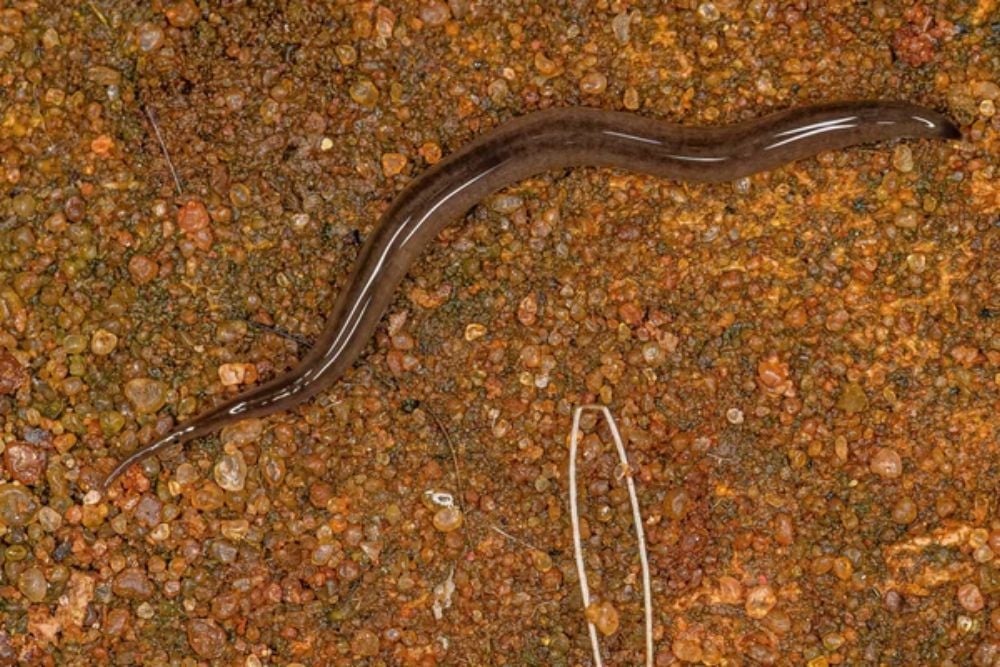
Planarian flatworms can regenerate their entire bodies from tiny fragments – even growing back a fully functional brain after decapitation. Cut one into 100 pieces, and you might end up with 100 new worms.
This regenerative ability comes from special stem cells called neoblasts that can develop into any cell type needed. The worms can even retain memories after being decapitated and regrowing their heads, suggesting that memory storage in these creatures isn’t limited to the brain.
Tree-Dwelling Goats
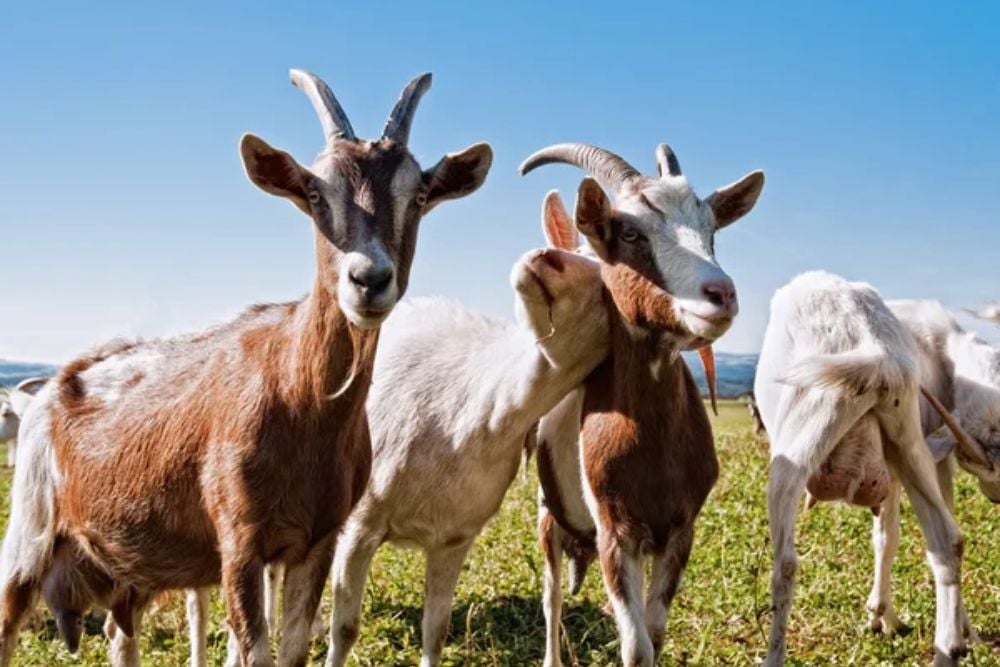
In Morocco, domestic goats have developed a bizarre behavior – they climb 30-foot-tall argan trees to munch on their fruit. These sure-footed animals, typically associated with mountainous terrain, have adapted to scale trees with thin branches that seem far too flimsy to support their weight.
Multiple goats balance precariously on the upper branches, defying gravity and our expectations of what hoofed mammals can do. Their climbing skills developed specifically to access the nutritious argan fruit that’s scarce in their arid environment.
Snakes That Glide
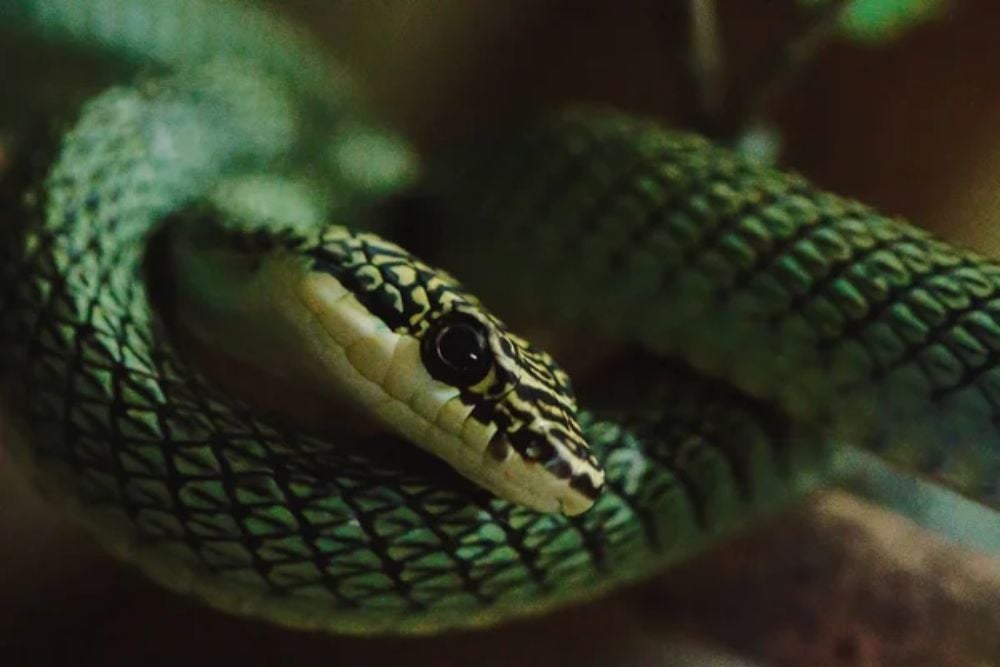
Paradise tree snakes in Southeast Asia have turned falling into flying. When leaping from trees, these serpents flatten their bodies into a concave shape and perform undulating motions that actually generate lift – allowing them to glide distances of up to 330 feet.
They can even make turns mid-air to navigate around obstacles. These snakes are actively manipulating aerodynamic forces, achieving controlled flight without wings, challenging our understanding of what limbless reptiles can accomplish.
Bacteria That Eat Electricity
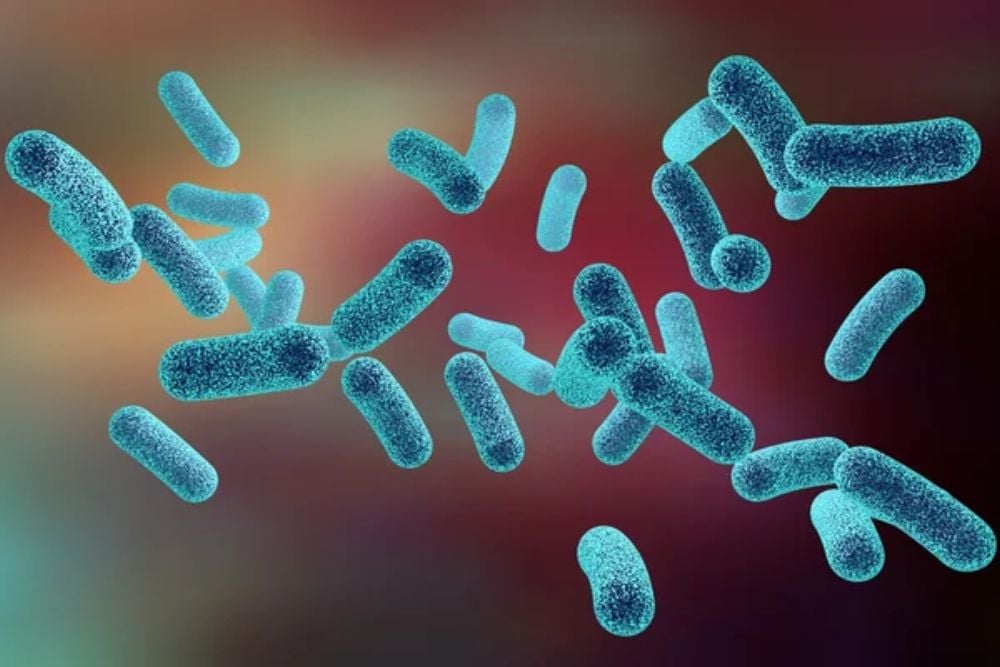
Certain bacteria can survive by directly consuming electricity from their environment – a process once thought impossible for living organisms. These microbes use specialized protein structures to pull electrons directly from metals or other surfaces, essentially “eating” electricity rather than organic compounds.
Some species can even reverse the process, producing electricity and creating natural batteries. This metabolic pathway is so alien to our understanding of life that it has prompted scientists to reconsider what environments might support life elsewhere in the universe.
Bees That Create Temperature Maps

When Japanese honeybees detect a predatory giant hornet scout near their hive, they demonstrate a remarkable defense strategy. Hundreds of bees surround the hornet, forming a tight ball.
They then vibrate their flight muscles to generate heat while precisely controlling the temperature inside this formation. The interior reaches exactly 116°F – just hot enough to kill the hornet but not hot enough to harm the bees themselves.
This collective thermoregulation requires a complex, coordinated effort that resembles a living thermal weapon.
Fish With Adaptable Biology
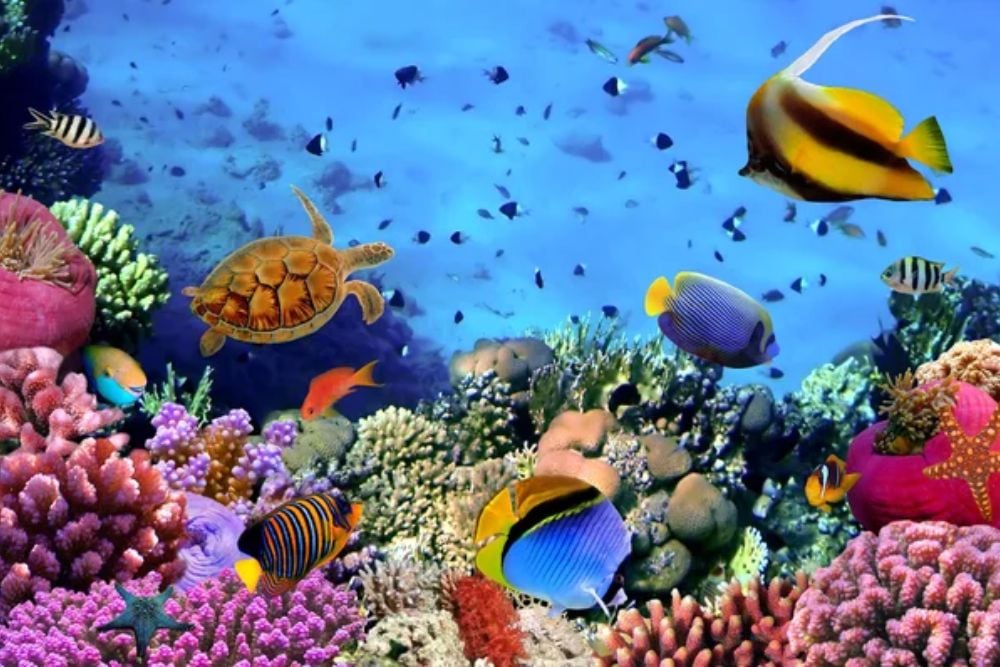
Many reef fish can completely transform their biological characteristics in response to social and environmental cues. For example, if a dominant clownfish disappears, the largest remaining member in the group will physiologically change to take its place in the hierarchy.
This transformation is complete – involving alterations in behavior, coloration, and full restructuring of internal organs. Some species can undergo these changes multiple times during their lives, demonstrating remarkable biological plasticity not seen in most other vertebrates.
Mammals That Evolved Backwards
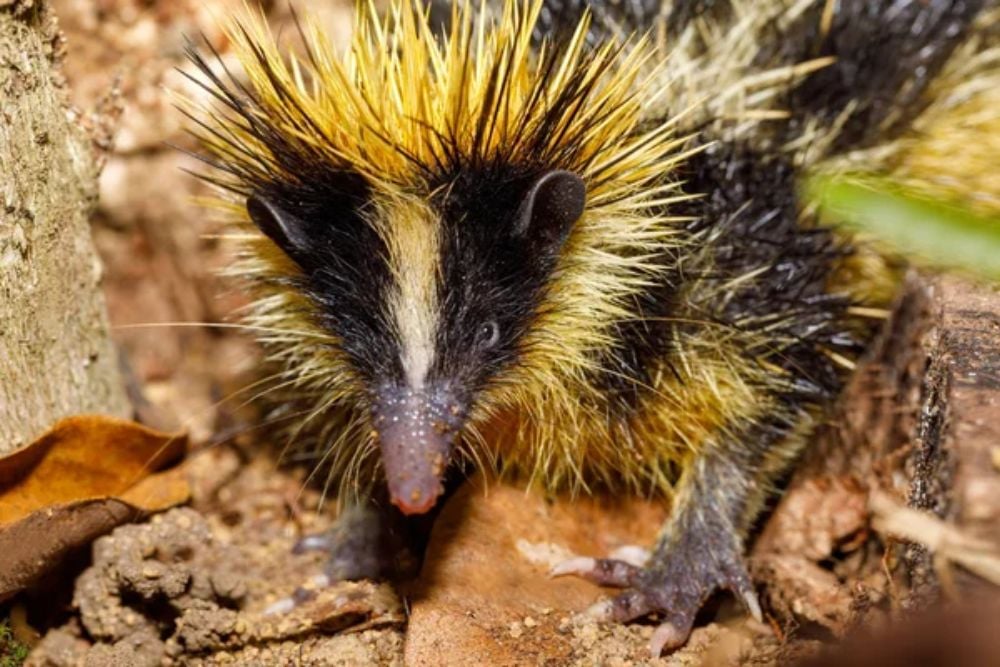
The tenrec, a small mammal from Madagascar, appears to have evolved backwards. It possesses features typical of ancient mammalian ancestors that disappeared in most modern species.
Tenrecs have a cloaca (a single opening for reproduction and waste elimination) like birds and reptiles, maintain a variable body temperature unlike other mammals, and have retained primitive brain structures. They represent a living example of how evolution isn’t always a linear progression toward greater complexity – sometimes it preserves ancient traits when they remain advantageous.
Nature’s Endless Ingenuity

The animal kingdom continues to challenge our understanding of what’s biologically possible. These evolutionary innovations remind us that life finds solutions we could never imagine.
While human technology has accomplished remarkable feats, we’re still playing catch-up to adaptations that evolved over millions of years. These extraordinary animals push the boundaries of biology, physics, and chemistry, teaching us valuable lessons about adaptation and survival.
The next time you think you understand the rules of nature, remember these remarkable exceptions that prove just how creative evolution can be.
More from Go2Tutors!

- The Romanov Crown Jewels and Their Tragic Fate
- 13 Historical Mysteries That Science Still Can’t Solve
- Famous Hoaxes That Fooled the World for Years
- 15 Child Stars with Tragic Adult Lives
- 16 Famous Jewelry Pieces in History
Like Go2Tutors’s content? Follow us on



